


Matija Babić

Top 100 European Salads

Last updated on June 15, 2026
01

Dakos

4.3 ·

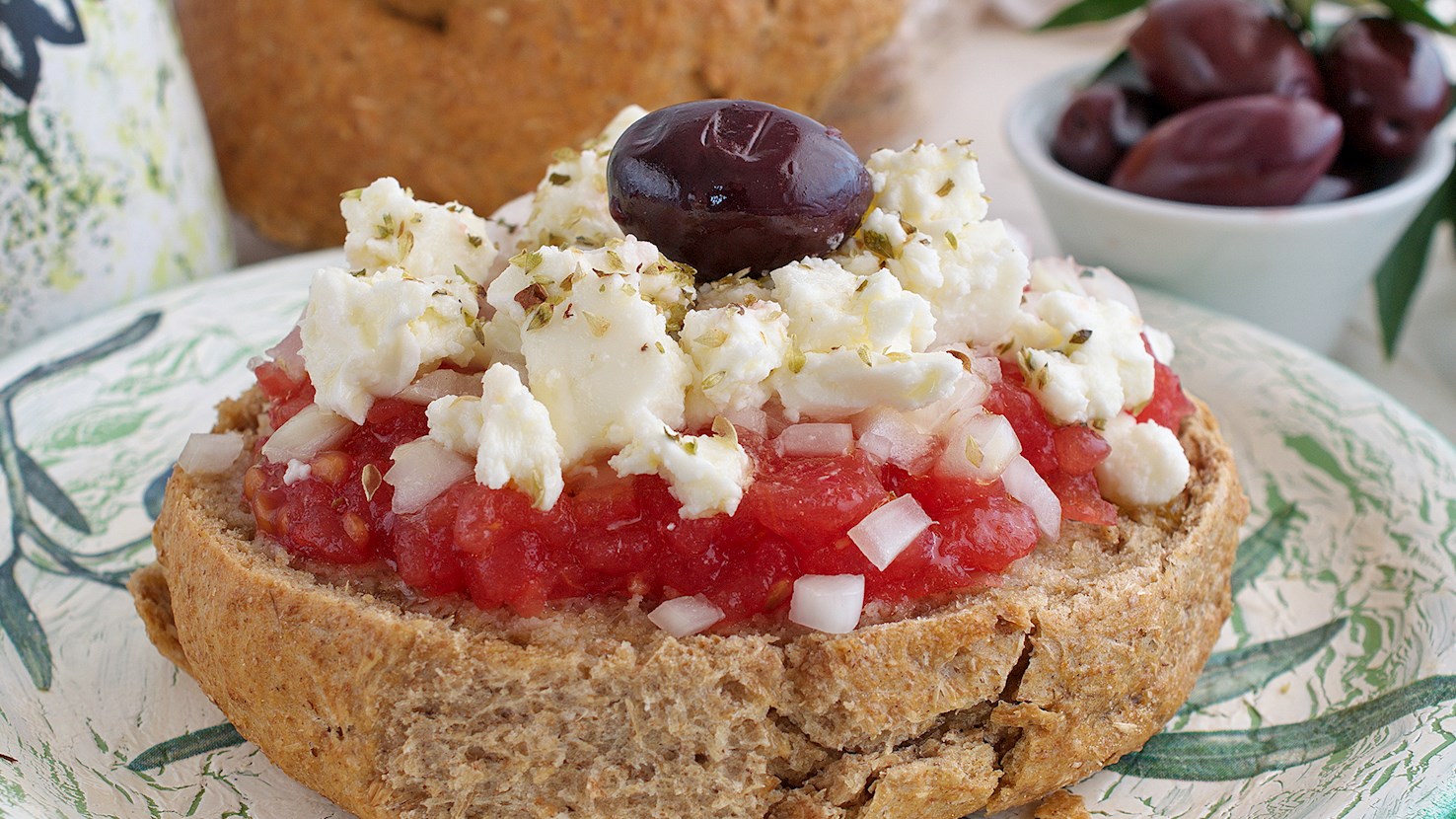
Dakos or ntakos is a traditional Cretan dish consisting of a dry barley rusk called paximadi that is topped with crumbled myzithra cheese, chopped ripe tomatoes, whole olives, capers, fresh oregano, and a few generous splashes of high-quality olive oil. It's recommended to use olive varieties such as Koroneiki, Lianes, or Tsounates. Myzithra cheese is traditionally used, and not feta, which is usually reserved for tourist restaurants. The rusk is often gently rubbed with a small piece of garlic and lightly sprinkled with sea salt. If available, kritamo (sea fennel) is also sometimes added to dakos. The dish is usually served as a meze or light dinner.

02

Ovcharska salata

4.3 ·

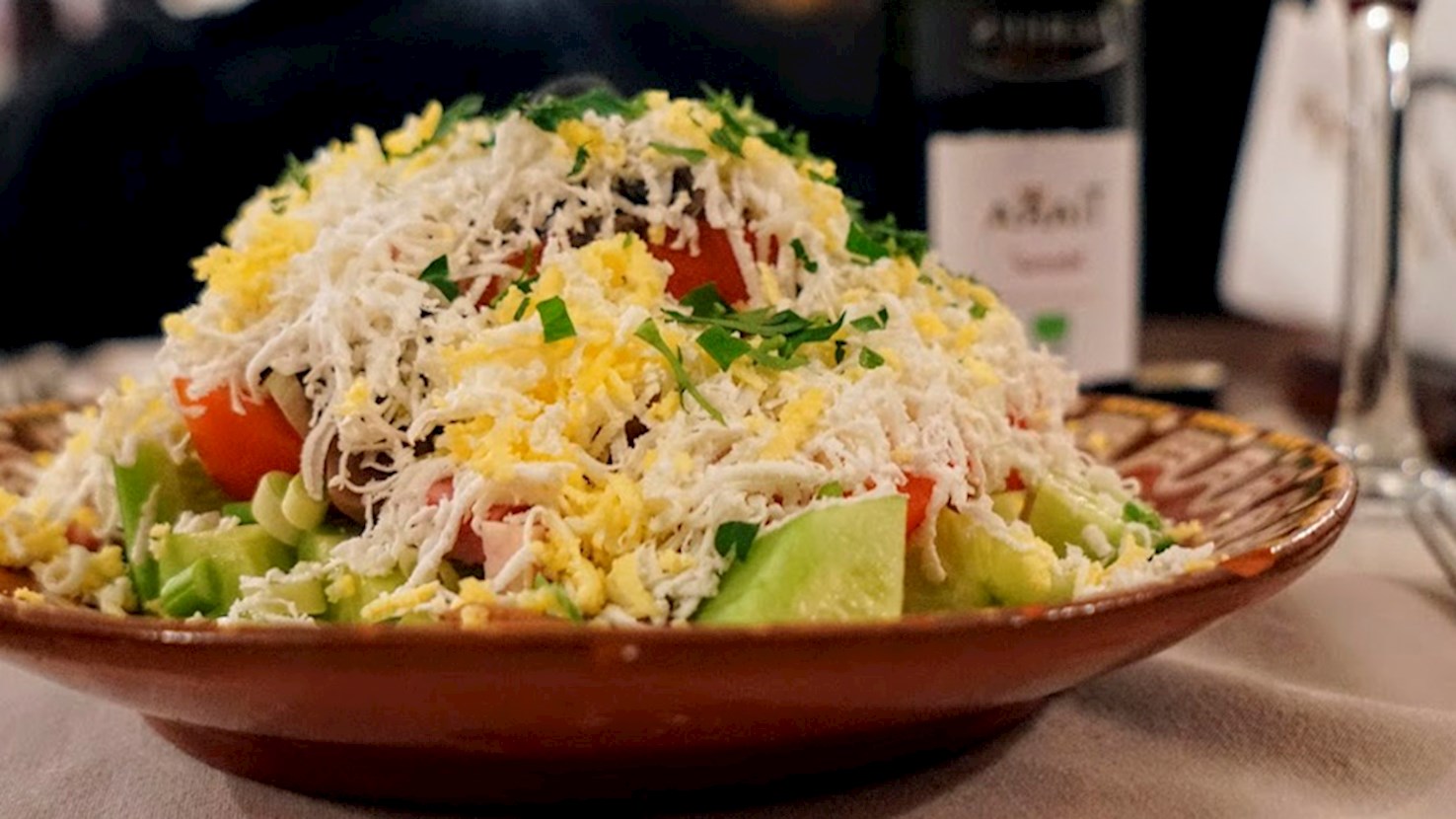
Ovcharska salata is a simple variation of the famous Shopska salata. Essentially, it is Shopska salata (cucumbers, tomatoes, onions, peppers, and cheese) with the addition of mushrooms, eggs, and ham. The salad is typically tossed with vegetable oil, left to rest for a few minutes, and it is then ready for consumption. It is especially popular in summer due to its refreshing flavors and the usage of seasonal vegetables.

03

Snezhanka salata

4.3 ·

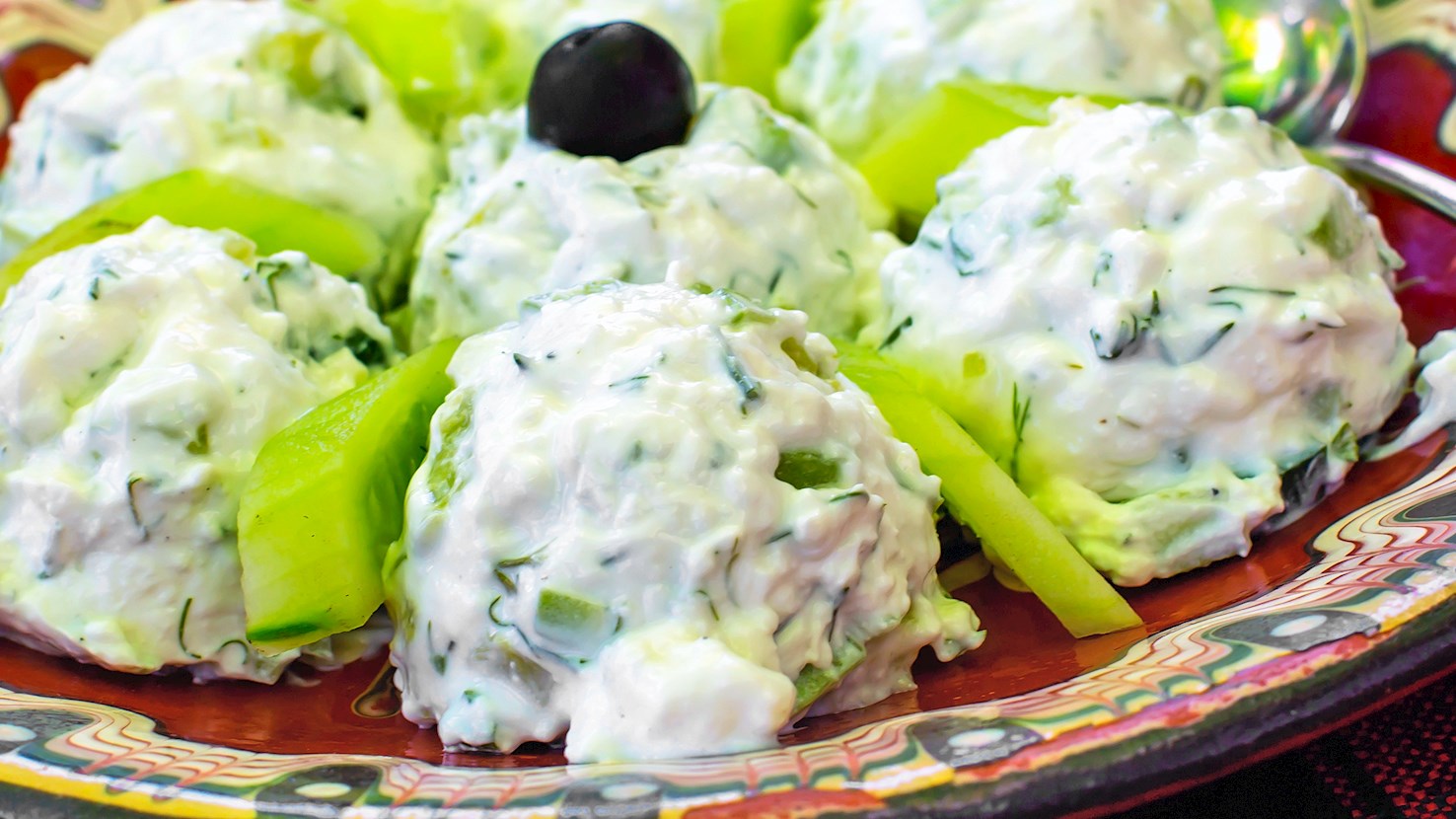
Named after its predominantly white color, Snezhanka or Snow White is a refreshing salad made with ingredients such as cucumbers, garlic, dill, oil, salt, and the Bulgarian staple – yogurt, in this case – strained to make it thicker. Walnuts, roasted peppers, and chopped parsley are sometimes added to the salad as a topping, according to personal preferences. Snezhanka is always served cold, either as an appetizer, meze, side dish, or a dip for pita bread. When served as part of a meze, it is traditionally accompanied by alcoholic beverages.

04

Horiatiki salata (Greek salad)

4.2 ·

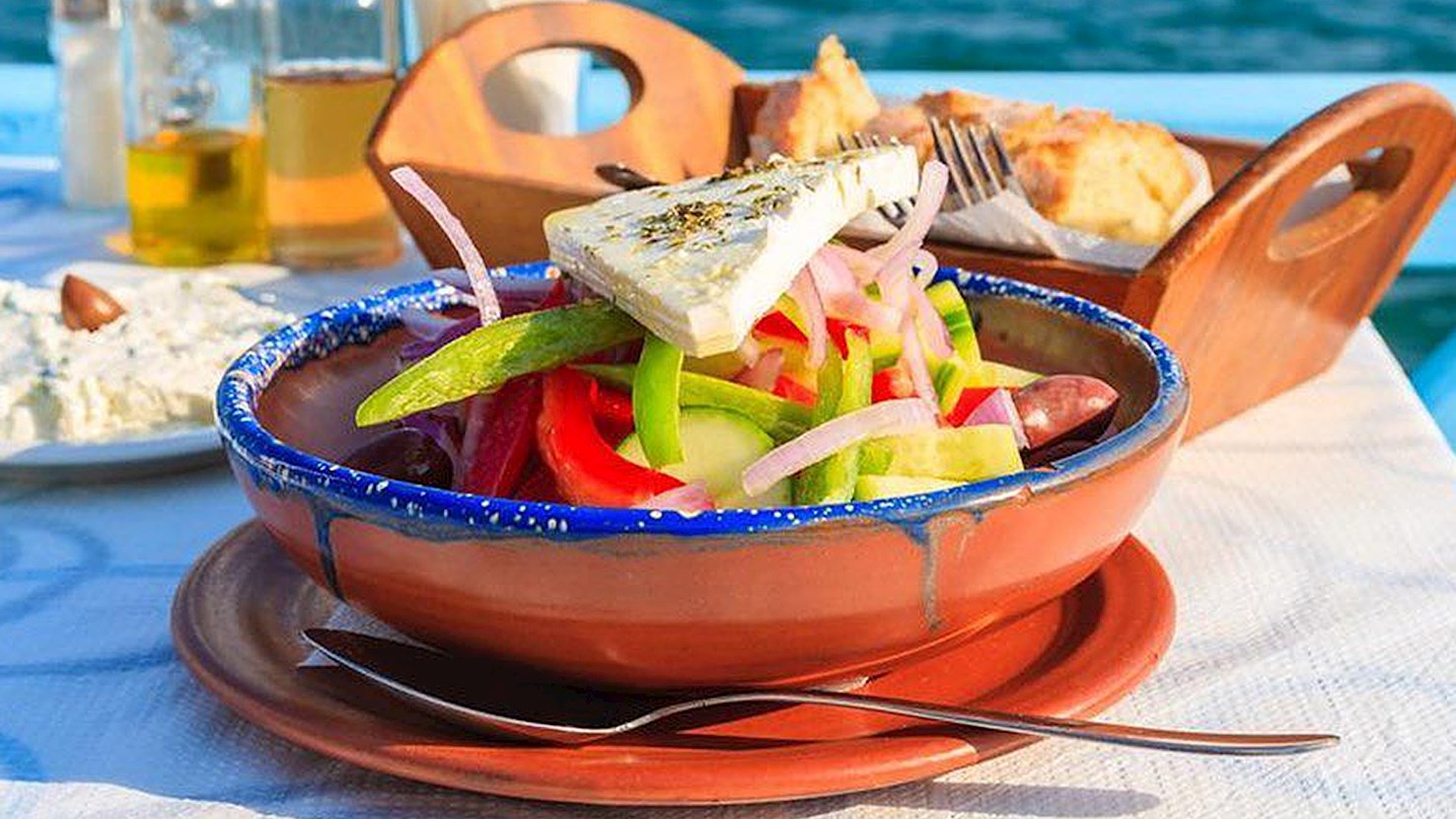
Greek salad, also known as village salad or horiatiki is the national dish of Greece, consisting of quartered tomatoes, sliced red onions, and chunky slices of cucumber. Depending on the region, there can also be olives, green peppers, feta cheese, oregano, salt, pepper, or a typical dressing made from olive oil and lemon or vinegar (optionally). When feta cheese is present in the salad, it is usually just sliced, but in some cases it's mixed in with a fork until slightly crumbled. Its name suggests that it was a rural dish, when farmers would take some essential ingredients to the field and mix them together. Greek salad is a true summer dish, full of refreshing, raw vegetables and herbs. It is best to prepare it with ripe tomatoes that are in season, while the olives should be of the Kalamata variety. Served in a shallow bowl, it is present on numerous Greek tables, either at home or in the taverns.

05

Shopska salata

4.2 ·

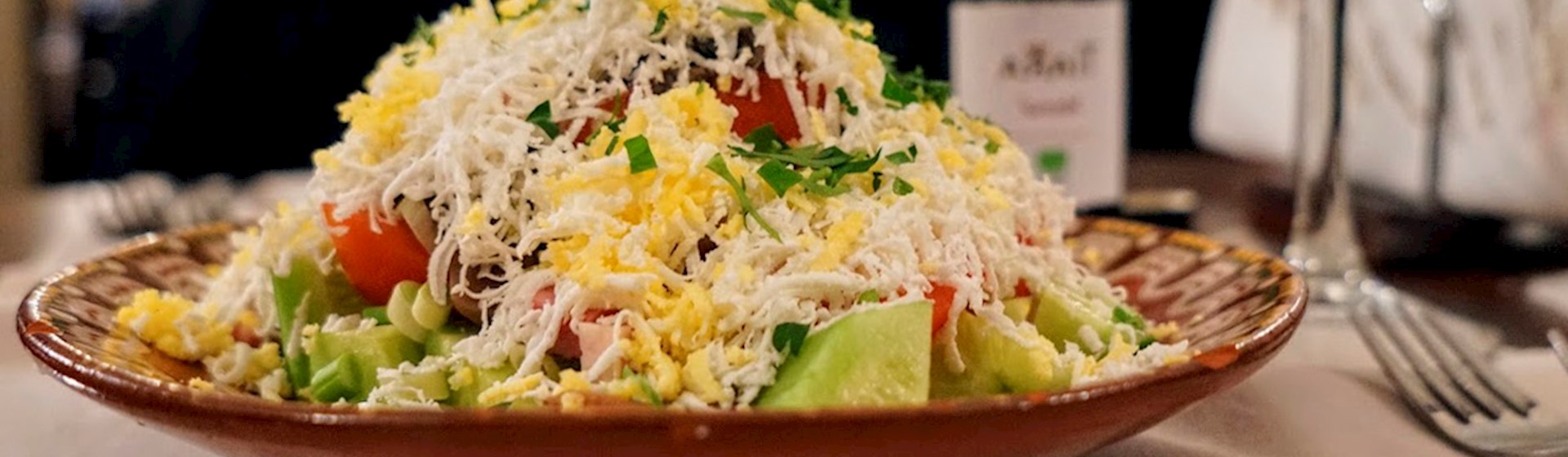
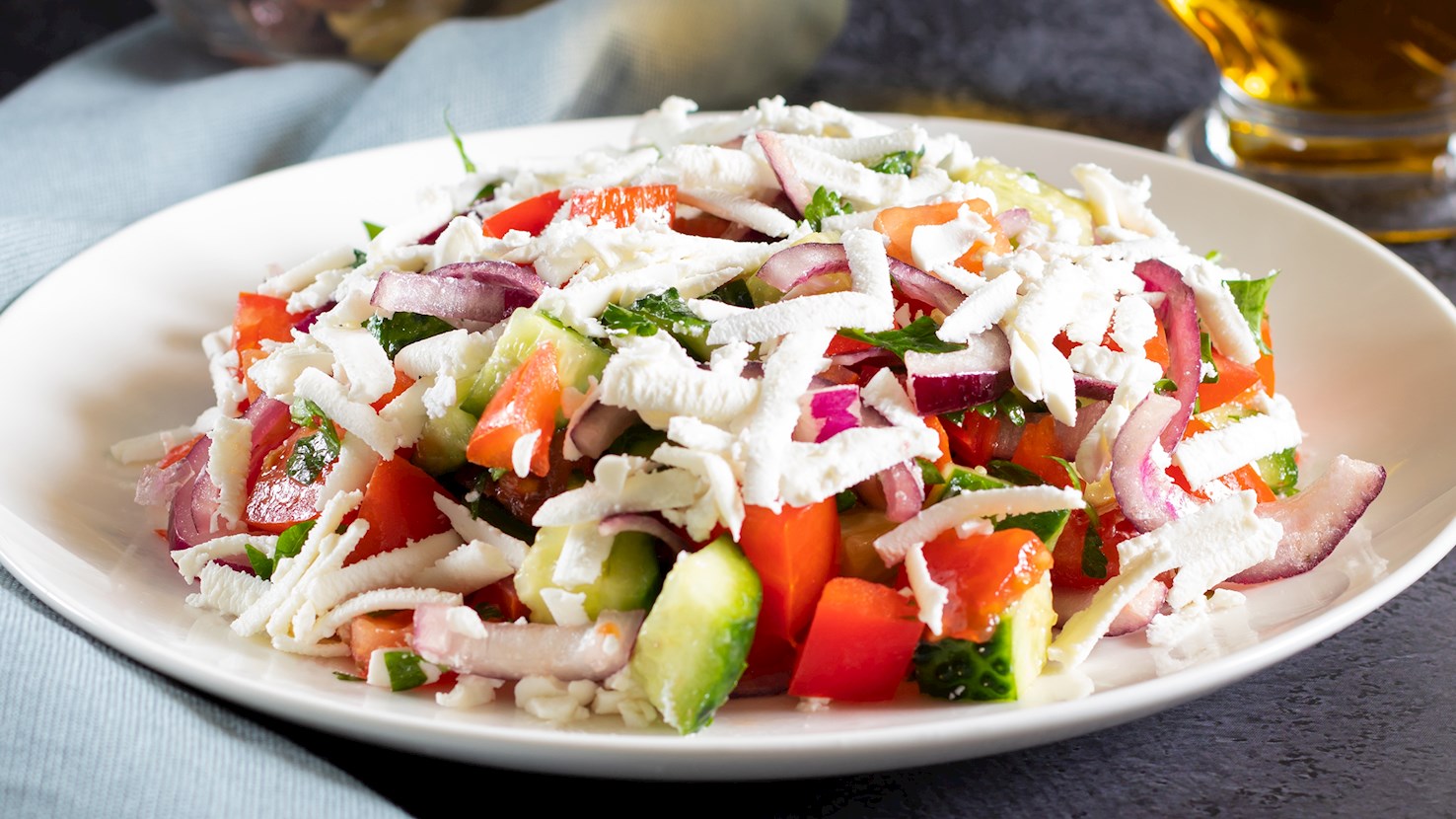
Šopska salata is a traditional cold salad that is also one of the national dishes of Bulgaria. Often served during summer, when one can find it in most Bulgarian restaurants, the salad consists of chopped tomatoes, cucumbers, onions, roasted or raw peppers, and Bulgarian cheese. It was originally created in the 1950s, when Bulgarian top chefs were asked to create dishes that would attract tourists to the country. The vegetables are typically salted, drizzled with sunflower oil, and sprinkled with grated Bulgarian sirene cheese on top. Some people substitute sunflower oil with olive oil in hopes to enhance the dish, but it is believed that it only spoils the authentic taste of the salad. A perfect, light and refreshing dish for hot summer days, shopska salad is a healthy bite of Bulgarian tradition. The word shopska in its name refers to the frugal Shopi people from the Shopluk region, where Bulgaria, Serbia and Macedonia meet.

06

Caprese Salad

4.1 ·

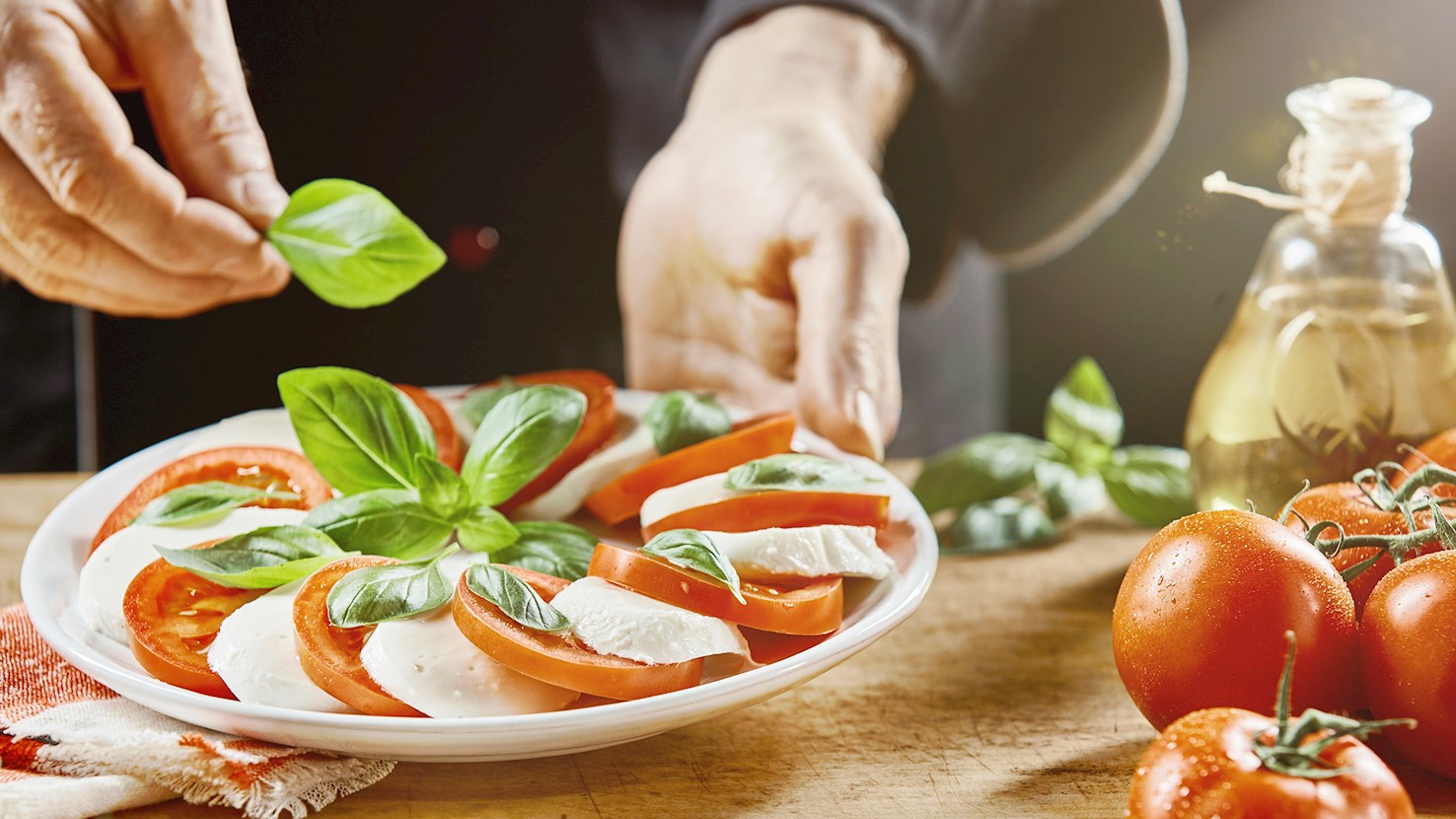
Nothing embodies the essence of summer in southern Italy like vibrant colors of the flavorful insalata Caprese, a true classic of Neapolitan cuisine. The perfect combination of ripe, sun-kissed tomatoes, creamy mozzarella and fresh basil - this simple salad is believed to have originated on the island of Capri, hence the name. Caprese was originally made with the Re Umberto or Fiascone tomatoes, traditionally grown along the beautiful Amalfi coast, and treccia di Sorrento, a type of braided mozzarella cheese. Also, contrary to popular practice, the authentic Caprese salad recipe doesn't call for balsamic or any other type of vinegar. Instead, mozzarella and tomatoes are thickly sliced, arranged on a plate and garnished with basil leaves, sprinkled with some salt and white pepper, then finished with a generous drizzle of extra virgin olive oil.

07

Moravska salata

4.1 ·

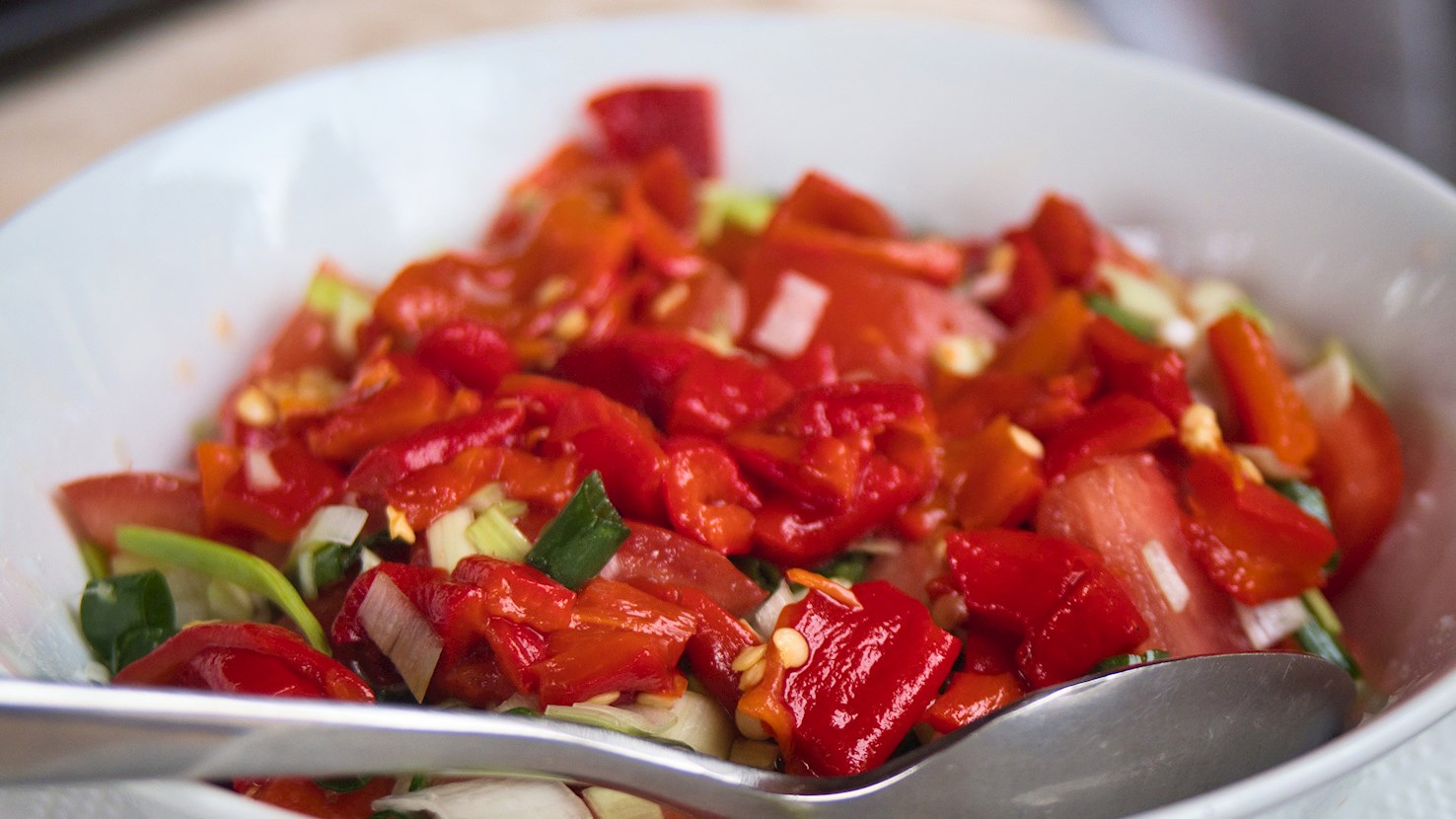
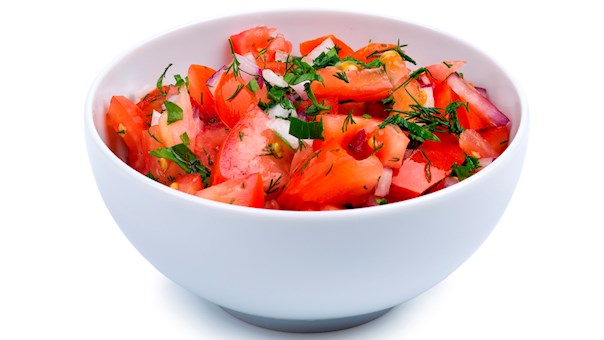
Moravska salata is a Serbian salad originating from Niš and Leskovac. The salad is made with a combination of leeks, tomatoes, roasted peppers, hot peppers, garlic, salt, and oil. The vegetables are chopped, seasoned with salt, and drizzled with oil. The combination is then mixed well and refrigerated before serving. Moravska salata is especially popular during the hot summer months. It can be served as an appetizer, a side dish accompanying grilled meat, and sometimes even as a main dish served with a piece of hard cheese and bread (for dipping) on the side.

Best restaurants
08

Ardei copți

4.0 ·

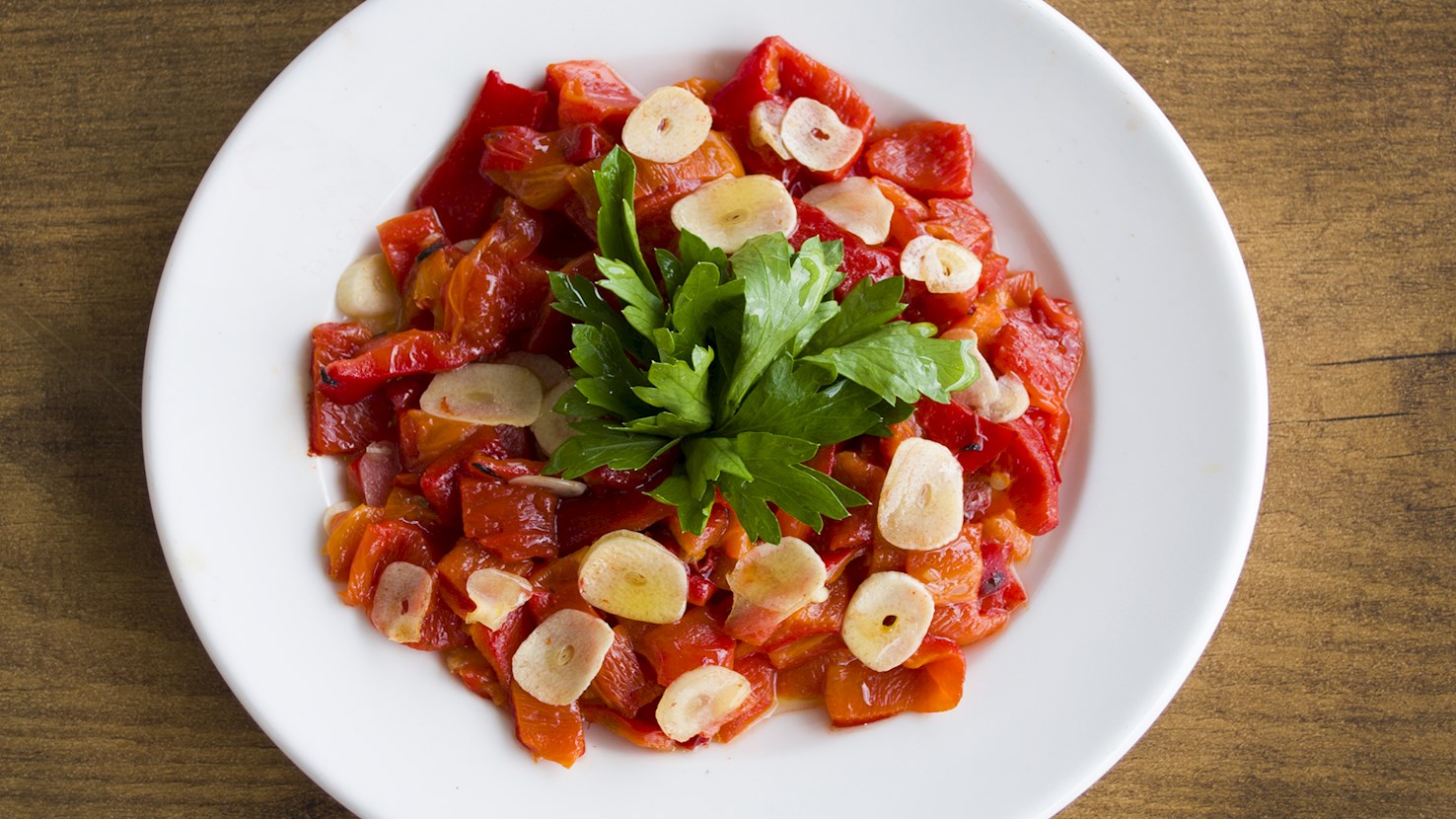
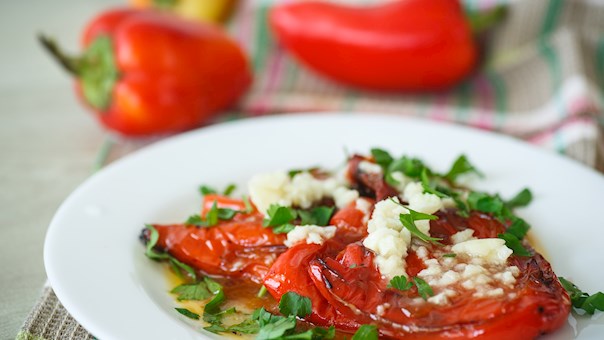
This traditional Romanian dish consists of roasted and peeled red or yellow pointed peppers that can be cleaned and sliced or served whole. While the peppers are still warm, they are doused in a mixture of oil and vinegar and are occasionally topped with sliced garlic. The dish is served lukewarm or well-chilled, and it usually accompanies meat-based main courses, but it can also make for a great snack when served with bread.

09

Mizeria

4.0 ·

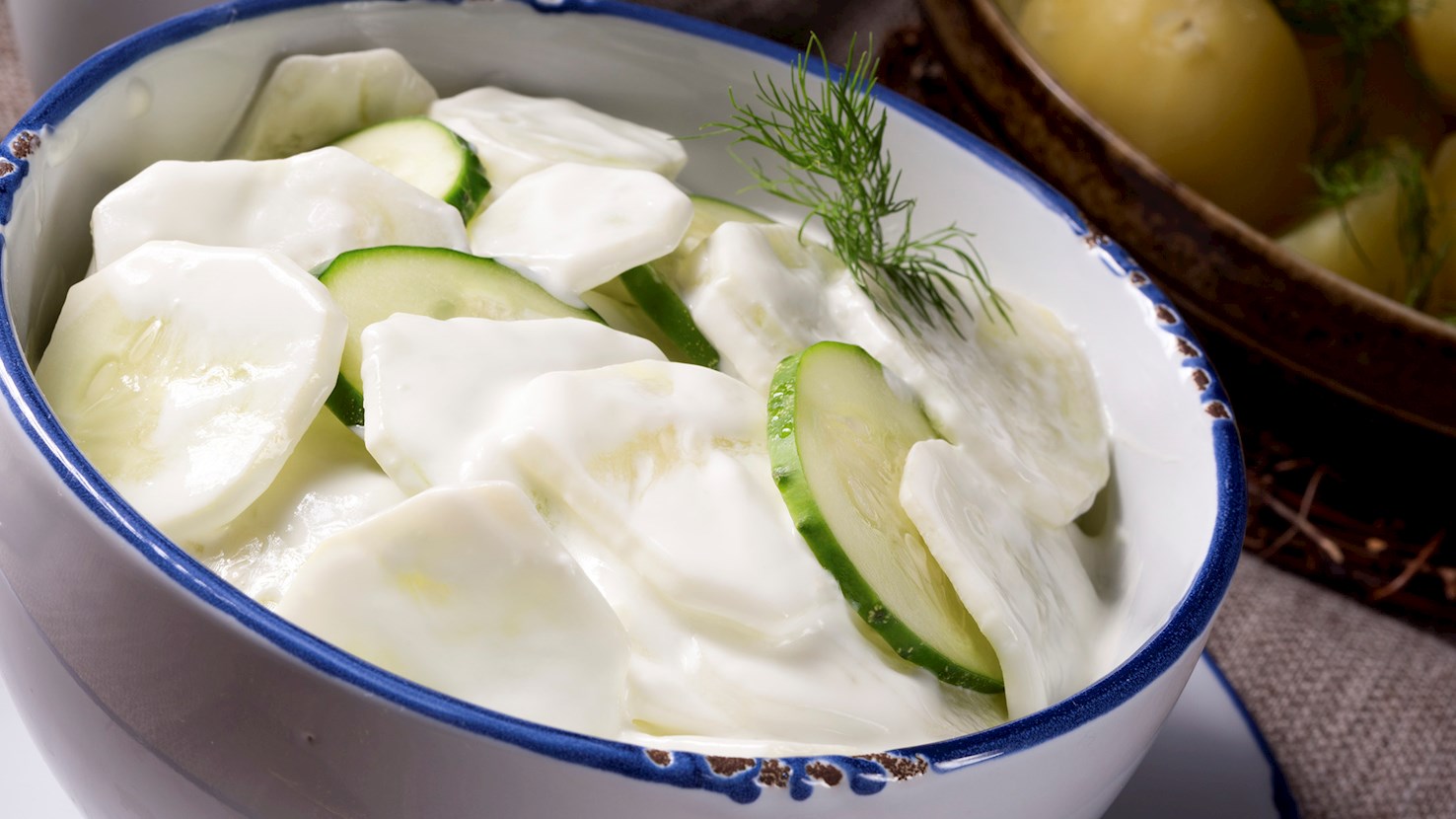
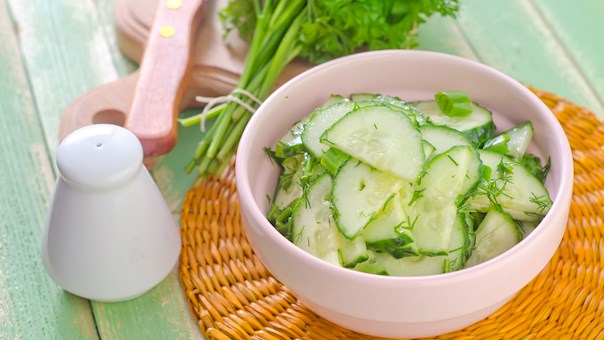
Refreshing and easy to make, mizeria is one of the most famous Polish salads. It consists of thinly sliced cucumbers that are seasoned with salt and pepper, then mixed with creamy sour cream or yogurt. The essential part of mizeria is a handful of freshly chopped dill, one of the favorite herbs used in Polish cuisine. Optional ingredients might include a squeeze of lemon juice, onions, parsley, mint, and some even suggest a sprinkle of sugar. It is usually consumed during summer, but it can occasionally be prepared even when the cucumbers are not in season. Mizeria is a perfect accompaniment to hearty and nourishing dishes such as meat cutlets, or any rice or potato-based dishes. The name of the dish translates to misery, and although the origins of the name are not familiar, it is believed that the name was given as a joke, and somehow it stuck with this crunchy and creamy Polish salad.

Best restaurants
10

Panzanella

4.0 ·

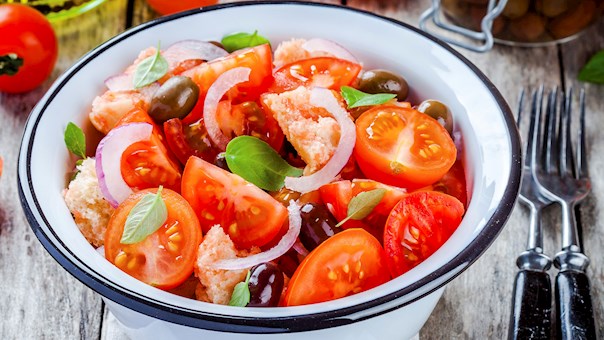
Panzanella is a salad made from pieces of stale, moistened bread, with the addition of tomatoes, onions, or basil, and a dressing of vinegar and olive oil. The salad is a specialty of Tuscany, where it is usually served in the summer, making use of the fresh summer vegetables that are in season. Panzanella can sometimes include other additional ingredients such as cucumbers, olives, and cheese. It is believed that panzanella was invented out of necessity, as a means to utilize unwanted ingredients, such as stale bread. The salad was first described in the 1500s, in a poem by a famous artist and poet named Bronzino. The name of the dish comes from two words: pane, meaning bread, and zanella, meaning soup bowl. However, some people tend to disagree and claim that it is derived from the word panzana, meaning food. Regardless of the origin of its name, panzanella remains a classic Tuscan summer treat filled with fresh, flavorful ingredients.

Read more
View all
View map
About this ranking

TasteAtlas food rankings are based on the ratings of the TasteAtlas audience, with a series of mechanisms that recognize real users and that ignore bot, nationalist or local patriotic ratings, and give additional value to the ratings of users that the system recognizes as knowledgeable. For the “Top 100 European Salads” list until June 15, 2026, 10,454 ratings were recorded, of which 6,259 were recognized by the system as legitimate. TasteAtlas Rankings should not be seen as the final global conclusion about food. Their purpose is to promote excellent local foods, instill pride in traditional dishes, and arouse curiosity about dishes you haven’t tried.

Similar lists