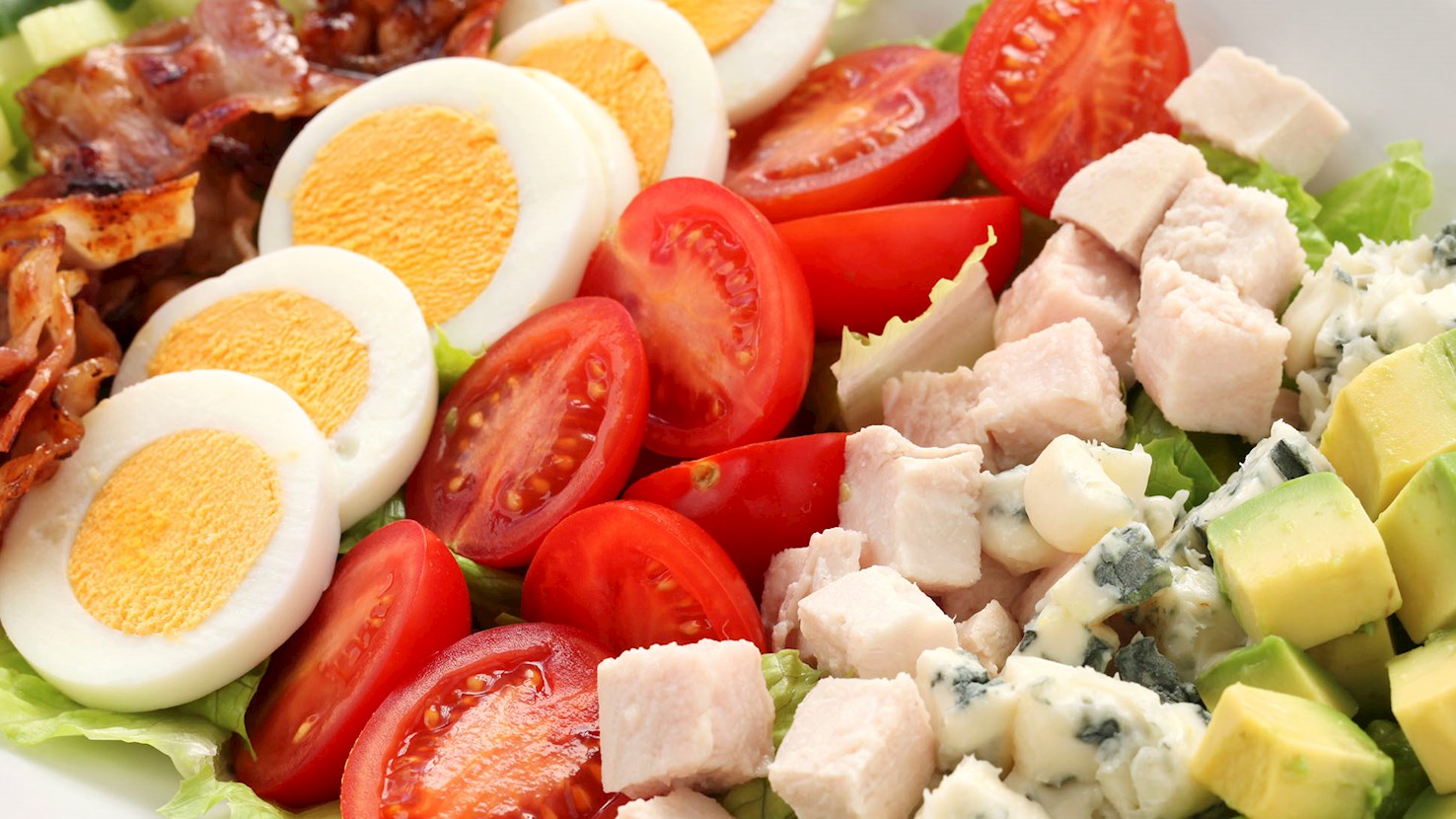
A shining example of American ingenuity and creativity, Cobb salad was invented in the 1930s at The Brown Derby, a famous Los Angeles restaurant whose owner, Robert Cobb, found some leftovers in the kitchen - hard-boiled eggs, salad greens, chicken breast, avocado, chopped bacon, tomatoes, and Roquefort cheese among them. He tossed all of the ingredients with some salt, pepper, and a vinaigrette consisting of olive oil, red vinegar, lemon juice, garlic, and Worcestershire sauce, and Cobb Salad started its way toward fame. The composed salad's popularity relies entirely on the careful preparation of each ingredient and their distinct textures, from juicy over crunchy to creamy. It is similar to a BLT sandwich without the bread, and thanks to a variety of movie stars who ate at the restaurant such as Clark Gable and Lucille Ball, the dish rose to stardom, becoming a symbol of Californian cuisine. Although the restaurant is closed today, the tradition of consuming Cobb salad remains a staple of American food.
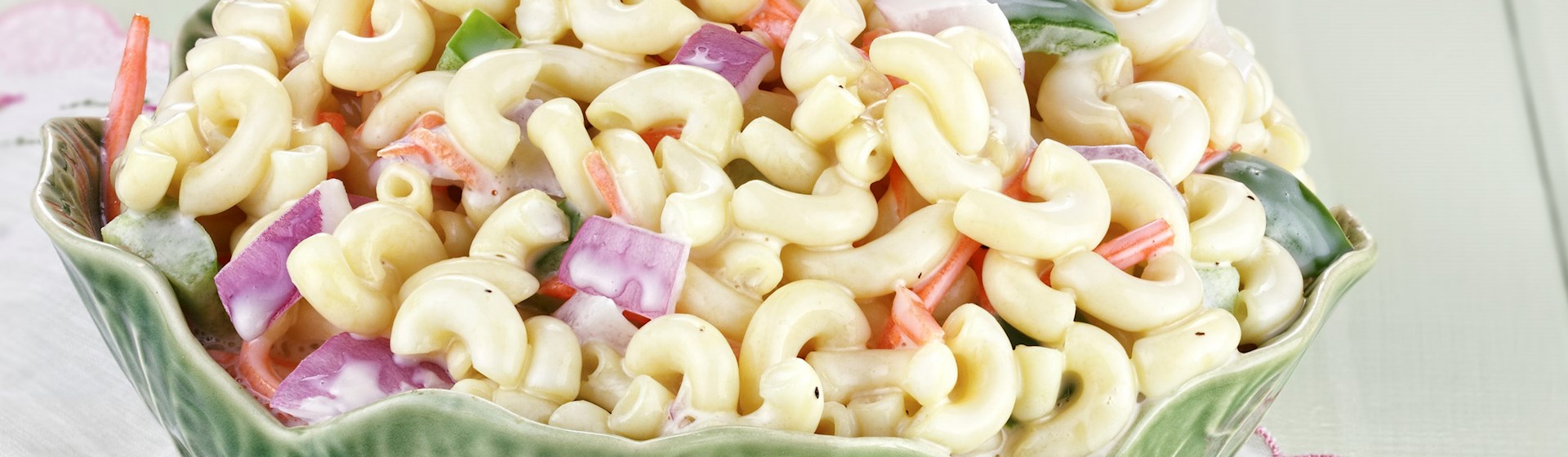
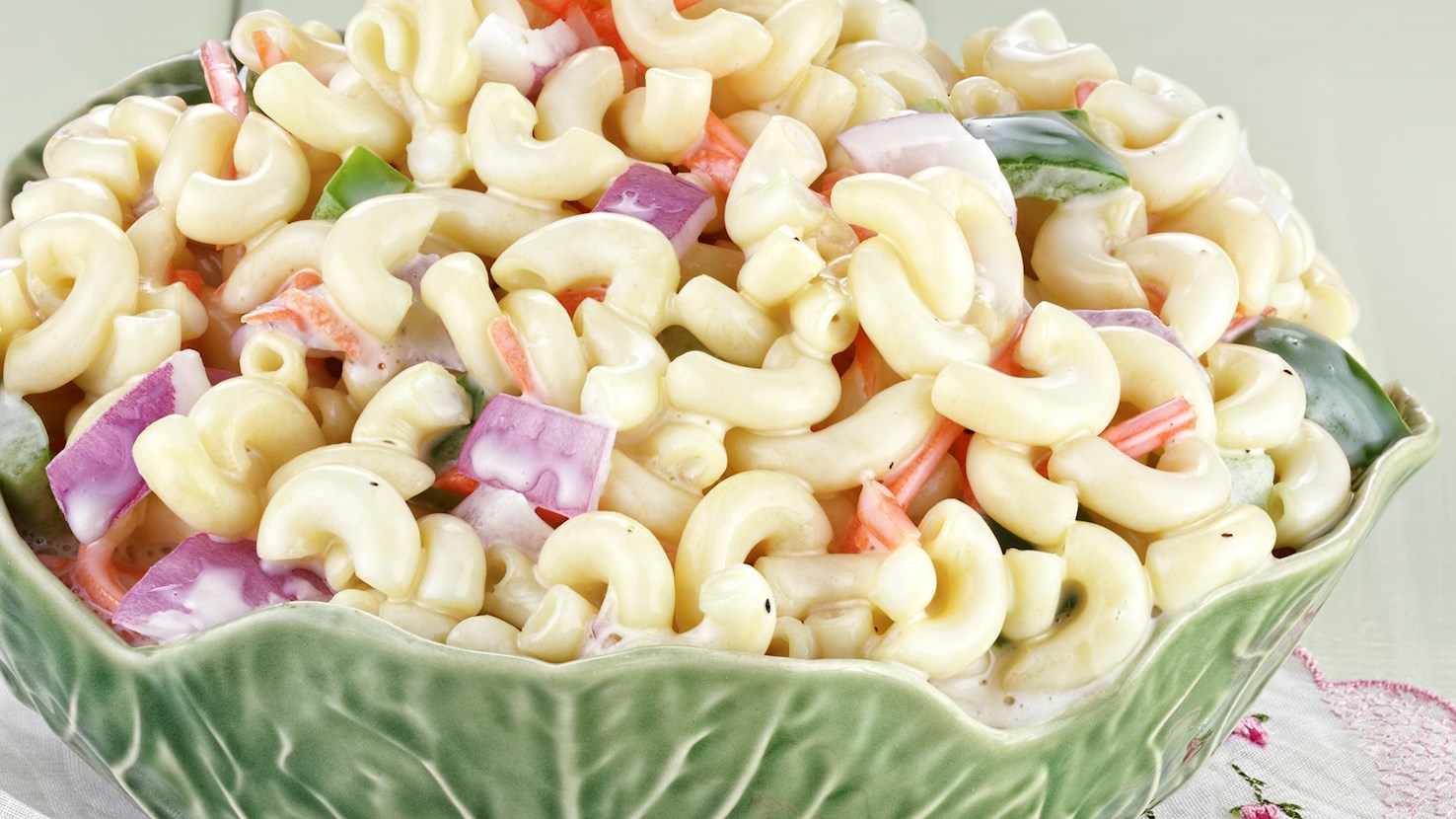
Usually an obligatory element of the Hawaiian plate lunch, macaroni salad is a slightly tangy, sweet, cold salad consisting of overcooked elbow macaroni pasta dressed with milk-thinned mayonnaise. The pasta must be overcooked as it helps absorb the dressing. Some sources say that the earliest recipe for macaroni salad was published in 1962, and the dish gained popularity in the early 1980s as a part of the Nouvelle Cuisine approach, while other sources say that the dish was popular throughout Mainland America in the early 20th century. Just like most popular dishes, there is a wide variety of regional versions that include added ingredients such as tuna, tomatoes, onions, parsley, garlic, salami, bell peppers, or shredded chicken. Apart from its token presence in the Hawaiian plate lunch, it is commonly served as an accompaniment to fried chicken or barbecued meat.
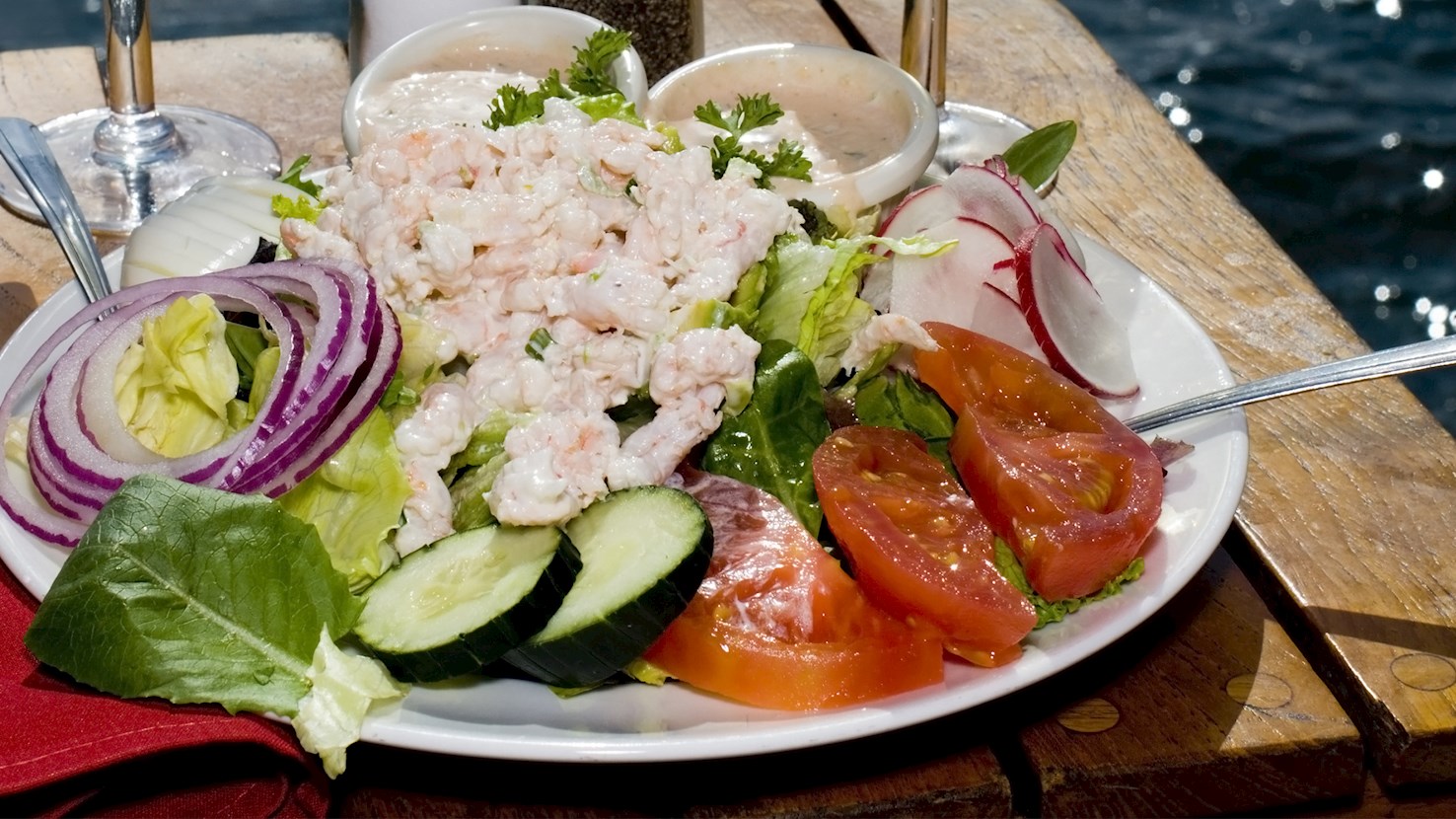
Crab Louie, also spelled Crab Louis, is a cold composed salad of crab meat, lettuce, and a seasoned dressing, commonly accompanied by hard-boiled eggs and other fresh vegetables. Dungeness crab is the choice of crab because Crab Louie developed on the Pacific Coast, where the species is commercially harvested. The crab is cooked, cooled, removed from the shell in substantial pieces, and arranged over lettuce rather than minced into a paste. Early versions show that the dressing was not originally fixed to one formula. A Portland recipe published in 1912 combined oil, vinegar, catsup, Worcestershire sauce, paprika, salt, and English mustard and served shredded crab and hard-boiled eggs on lettuce. By 1914, a San Francisco preparation used large pieces of crab dressed with mayonnaise and chili sauce, together with chopped English chow-chow, Worcestershire sauce, tarragon, shallots, parsley, salt, and pepper, then chilled before serving. These early recipes establish crab, a sharp seasoned dressing, and cold service as the common elements while showing that both vinaigrette-style and mayonnaise-based dressings were in use. The mayonnaise-based form eventually became the version most strongly associated with Louie dressing. It is usually pale pink to orange and combines mayonnaise with tomato-based chili sauce or ketchup, then adds one or more sharp seasonings such as Worcestershire sauce, lemon juice, horseradish, mustard, cayenne, or hot sauce. The exact mixture varies, and some preparations add finely chopped onion, green pepper, parsley, or scallions. The dressing may be spooned over the crab or served separately so the meat remains in visible pieces. Modern composed plates commonly place the crab on crisp lettuce with hard-boiled egg wedges and tomatoes; cucumber, asparagus, and avocado are also established additions. The salad is served chilled or cool, with the sweet, delicate crab providing most of the substance and the dressing supplying acidity, mild heat, and richness. Its origins are disputed among several West Coast cities. Crab Louie was already in print in Portland in 1912. In San Francisco, Solari’s was serving a documented version by 1914, while other San Francisco establishments also served crab preparations bearing the Louis name around the same period. The Davenport Hotel in Spokane placed Crab Louis on its menu when it opened in 1914 and later associated the name with owner Llewellyn “Louis” Davenport. By the following decades, it was appearing on hotel and restaurant menus throughout the Pacific Northwest and California, especially as a luncheon or dinner salad. The presentation became increasingly elaborate, with crab placed at the center of a plate and eggs, tomatoes, cucumbers, asparagus, or other vegetables arranged around it. Shrimp Louie developed from the same format, substituting cooked shrimp for crab while retaining the lettuce, garnishes, and seasoned dressing. Crab Louie is generally eaten as a main-course salad rather than a small side, and portions are often substantial enough that the crab remains the dominant ingredient. Lemon wedges are commonly served alongside, allowing additional acidity to be added at the table.
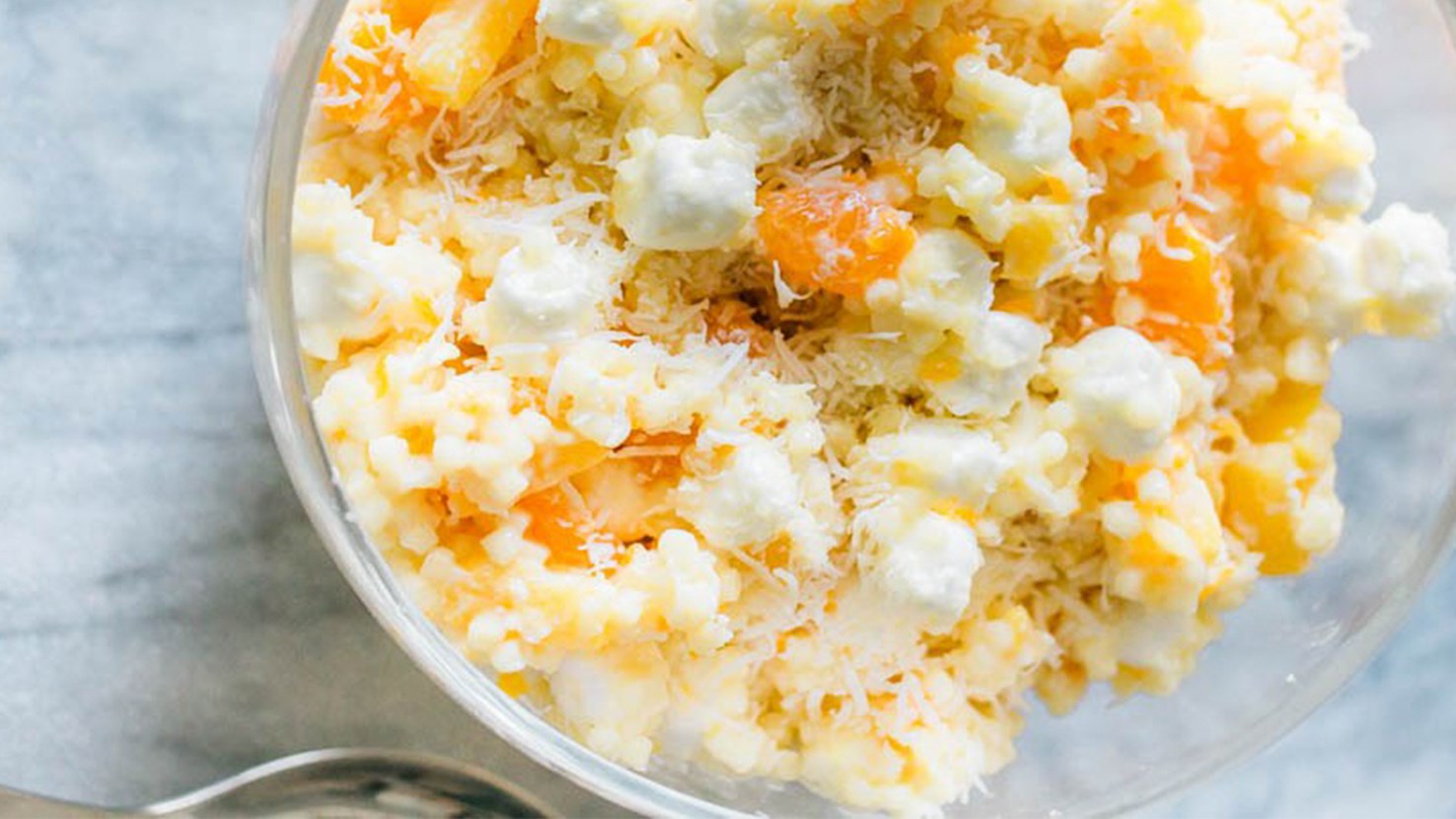
Frog eye salad is a flavorful concoction made with the ball-shaped acini di pepe pasta, egg yolks, and a whipped cream topping that can sometimes be enriched with the addition of pineapple pieces, shredded coconut, mandarin oranges, or marshmallows. This crossover between a pasta salad and a fruit salad is especially popular in Utah, where it is a staple at potlucks.
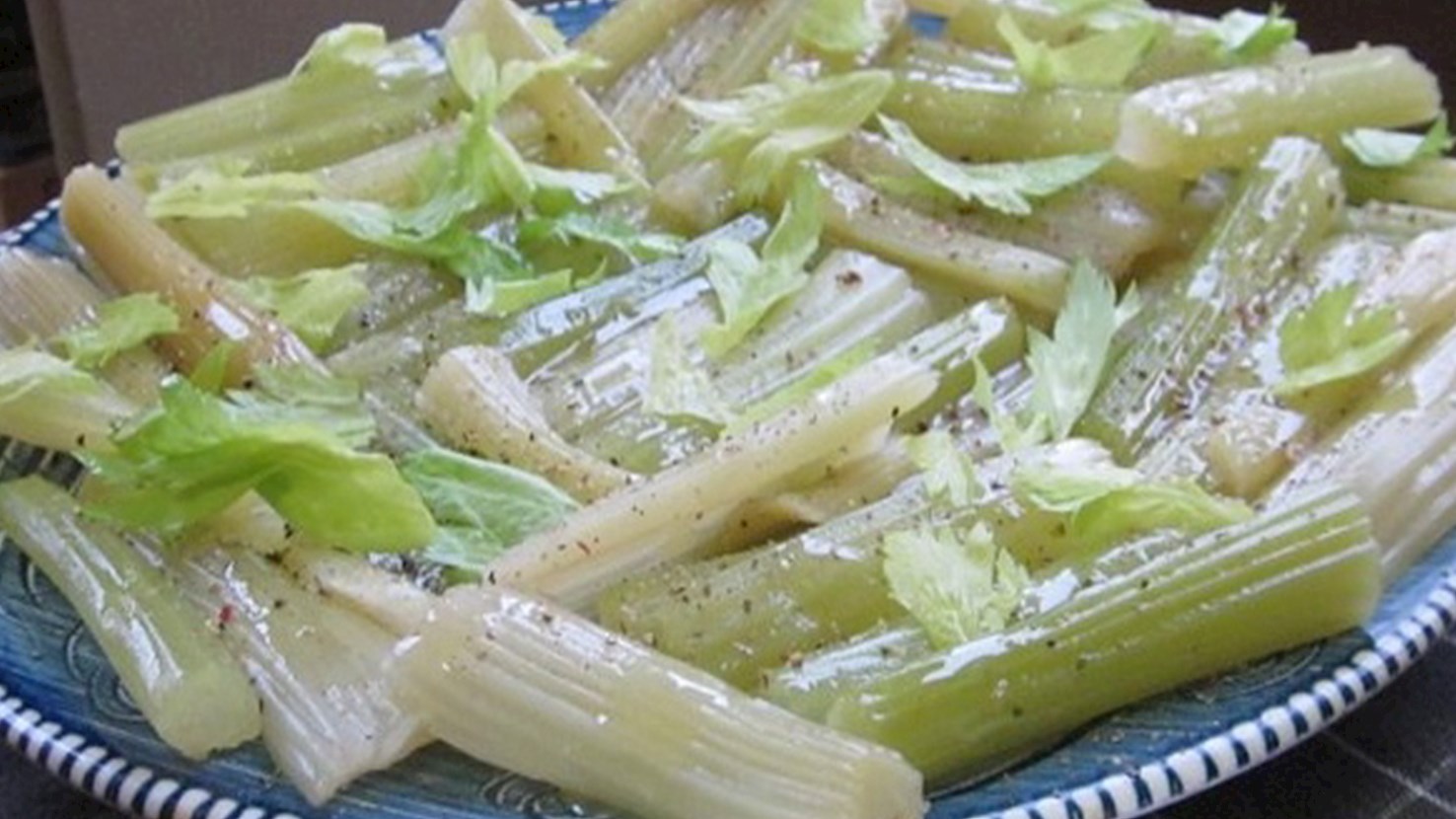
Celery Victor is a vintage American salad prepared by simmering celery hearts in stock, then chilling them before they are dressed with a vinaigrette. The celery hearts are simmered in stock with bay leaves and peppercorns until the celery is barely tender. When chilled, the hearts are dressed with a combination of olive oil, tarragon, parsley, and tarragon white wine vinegar. They are then arranged on a plate or placed on a lettuce leaf and garnished with tomatoes and thin slices of hard-boiled eggs. This simple salad was invented at the turn of the 20th century by chef Victor Hirtzler at the St. Francis Hotel in San Francisco.
TasteAtlas food rankings are based on the ratings of the TasteAtlas audience, with a series of mechanisms that recognize real users and that ignore bot,
nationalist or local patriotic ratings, and give additional value to the ratings of users that the system recognizes as knowledgeable.
TasteAtlas Rankings should not be seen as the final global conclusion about food. Their purpose is to promote excellent local foods,
instill pride in traditional dishes, and arouse curiosity about dishes you haven’t tried.



What People Say