Marinated and spit-roasted, shawarma is a delicious Middle Eastern meat treat whose origins can be traced back to the Ottoman Empire era, while its name stems from the Arabic pronunciation of the Turkish word çevirme (lit. to turn; turning), and refers to the rotating skewer on which the meat is cooked. Shawarmas are made with either lamb, turkey, chicken, beef, or a mix of different meats which are slow-cooked for hours and basted in their own juices and fat, gaining an incomparable succulence, but the real secret to a perfect shawarma is in the marinade. Depending on the variety, the meat must be marinated for at least a day, preferably two, especially when using beef. These marinades are either yogurt or vinegar-based and typically include spices and flavorings such as cinnamon, cloves, cardamom, nutmeg, black pepper, allspice, dried lime, spicy paprika, garlic, ginger, lemon, bay leaf, and sometimes even orange slices. Shawarma is traditionally served either on its own or enjoyed tucked inside a warm flatbread such as pita or lavash. However, what really sets it apart from the Turkish döner kebab, Greek gyros, or other similar foods is the extent of garnishes and condiments offered with it. For example, Israeli shawarmas are typically topped with tahini and come with generous servings of hummus and pickled mango slices, while in other countries, shawarma is often complemented with garlic mayo or a zesty toumaia garlic sauce, both fresh and pickled vegetables, salads like tabbouleh or fattoush, and amba sauce–a tangy chili and mango pickle dip. Once a common staple of the Middle Eastern working man, shawarma has today become the ultimate Arabic street food, found not only in Arabia and Levant but in virtually any nook and corner of the globe.
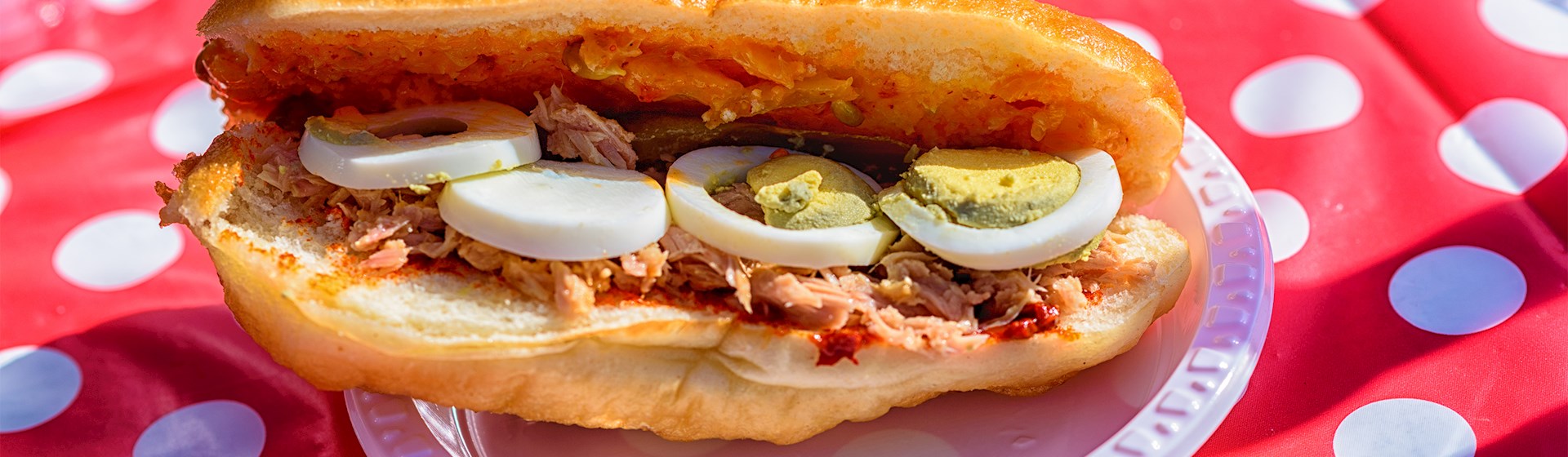
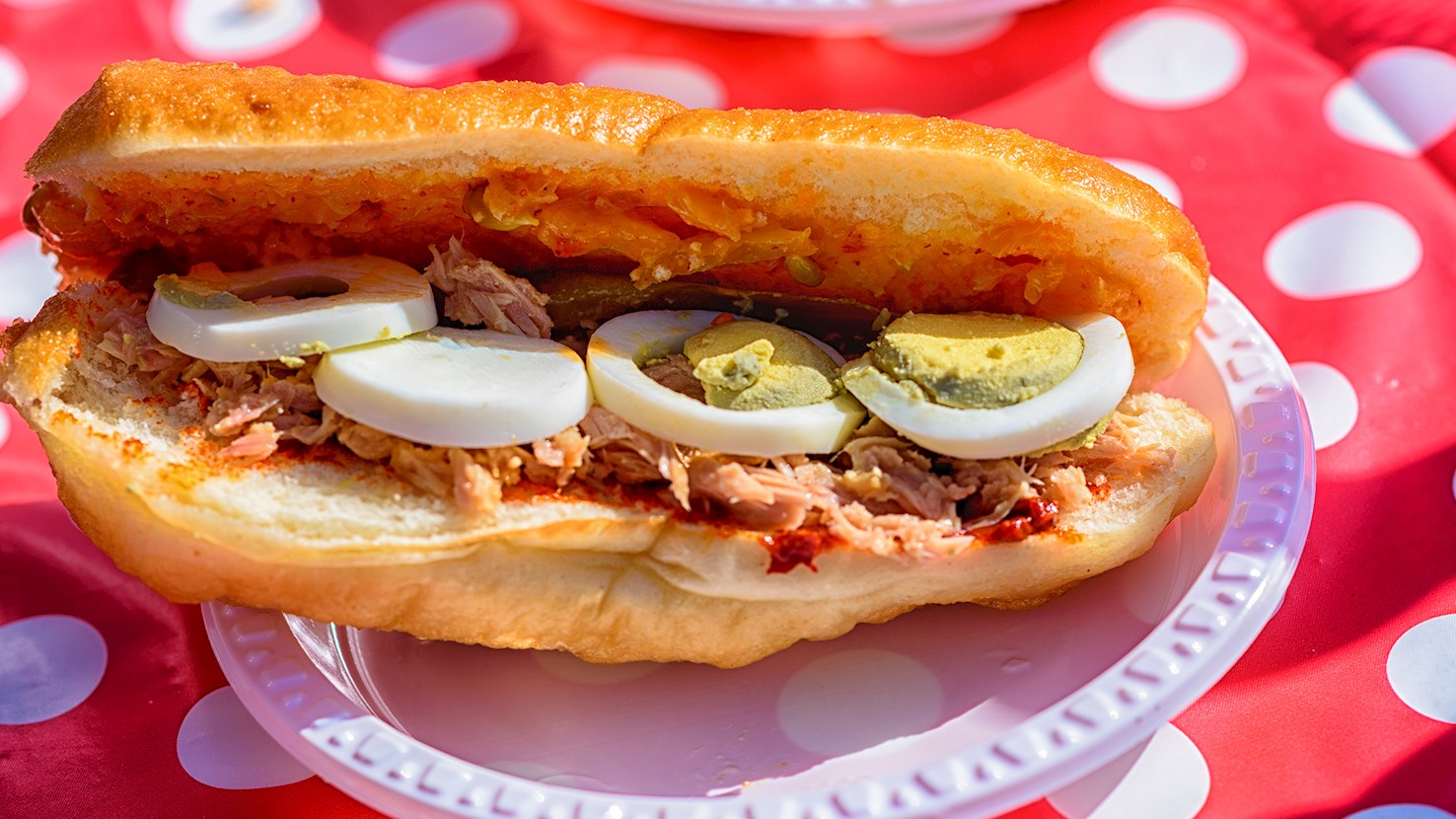
Fricassee is a traditional sandwich that's packed with flavor, but also with lots of calories. The base is made with flour, eggs, oil, salt, water, and yeast, and it is then shaped into round or elongated rolls which are fried in hot oil and filled with tuna, hummus, boiled eggs, capers, olives, harissa, and boiled potatoes. Although this sandwich can be made at home, it is especially popular at fast food restaurants and sandwich shops.
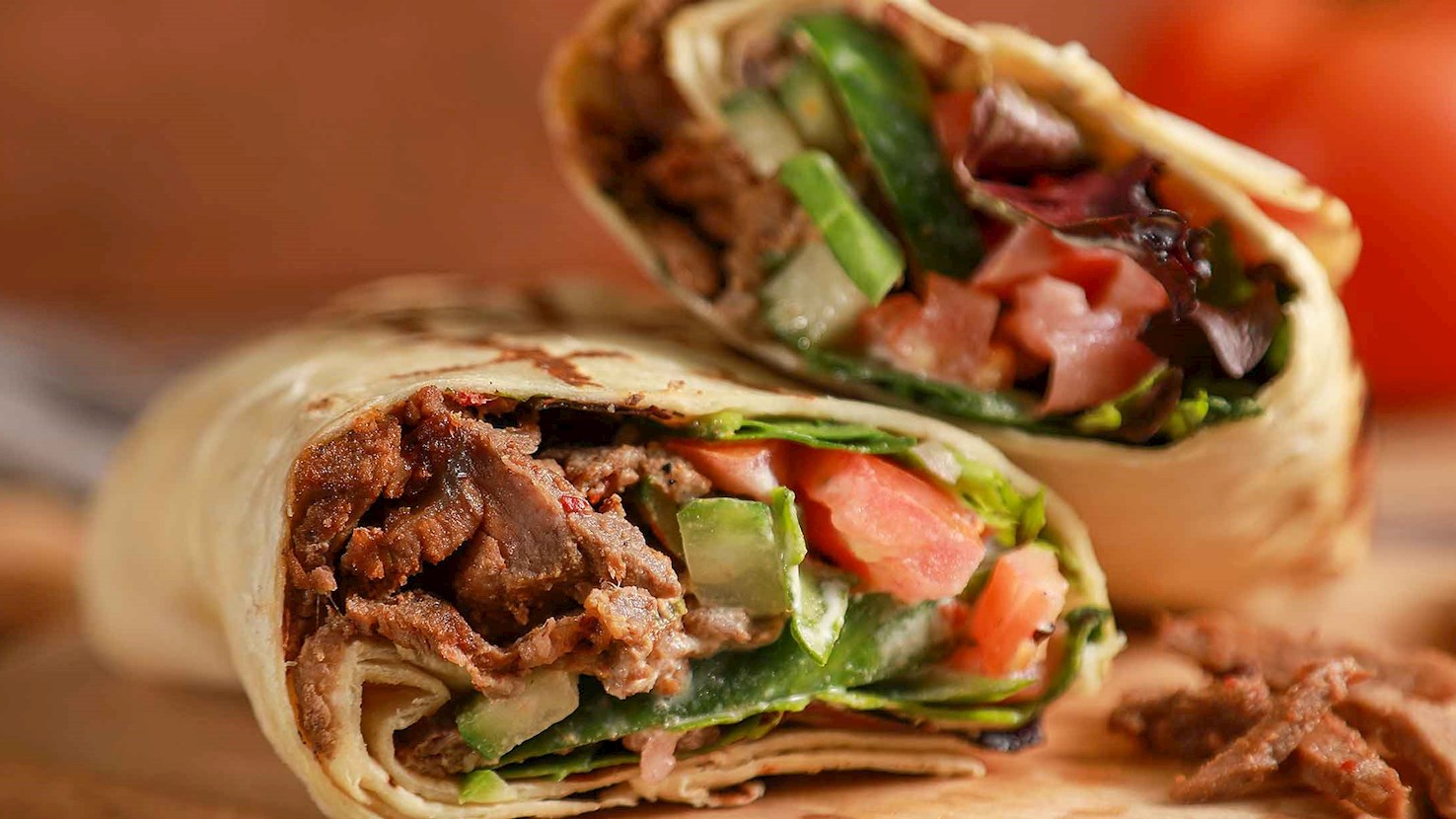
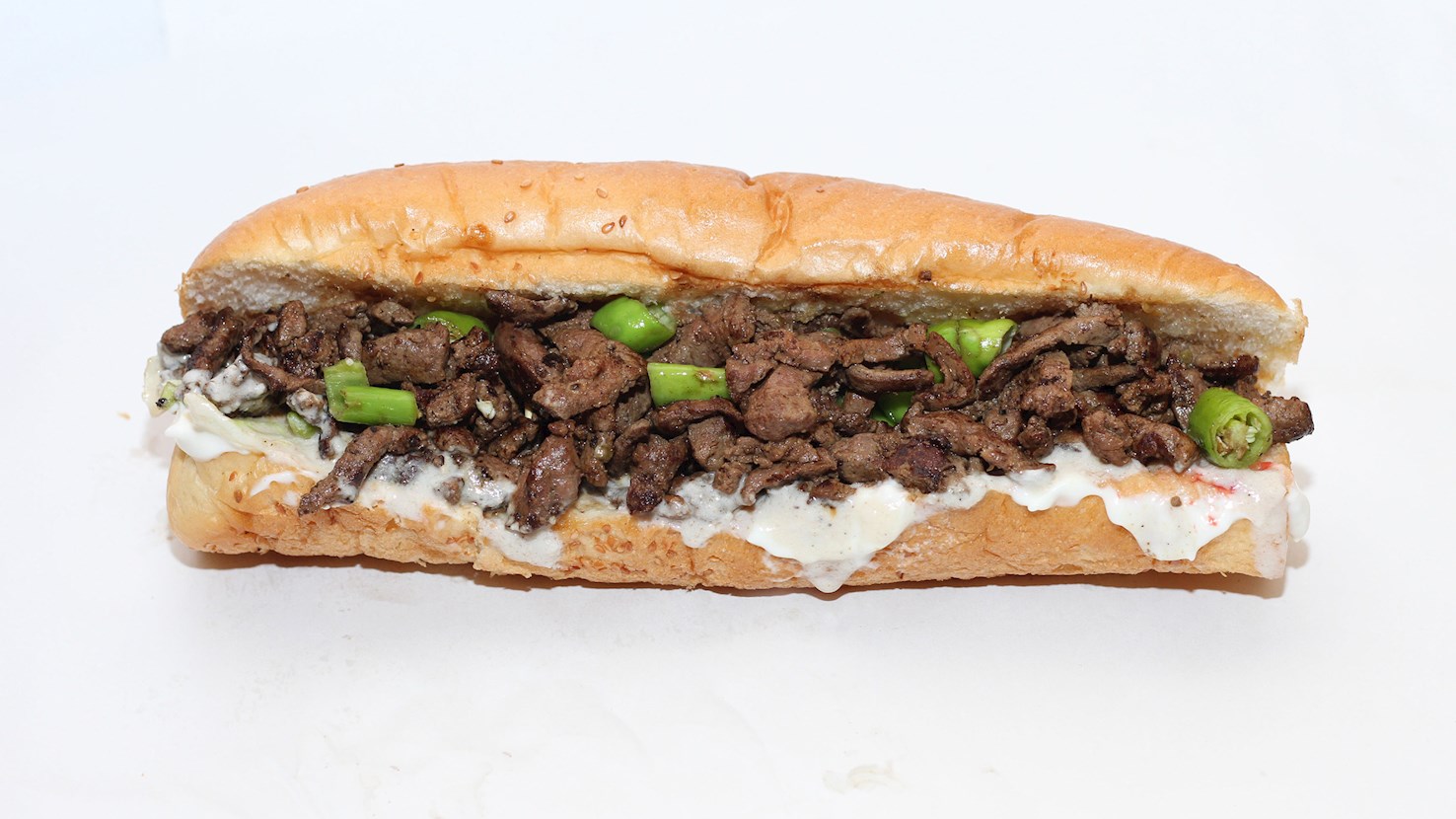
Kebda Eskandarani or Alexandrian liver is the Alexandrine specialty consisting of fried beef liver with spicy seasonings such as cumin, garlic, cardamom, and chili peppers. It is usually served in sandwiches along with tahini dip, or on its own, accompanied by warm rice, lime wedges, or pita bread on the side. Although not much is known about the origins of the dish, it is extremely popular in Alexandria, where it can be found at numerous street food carts or fast food shops, perfect for a quick bite or an order to go.
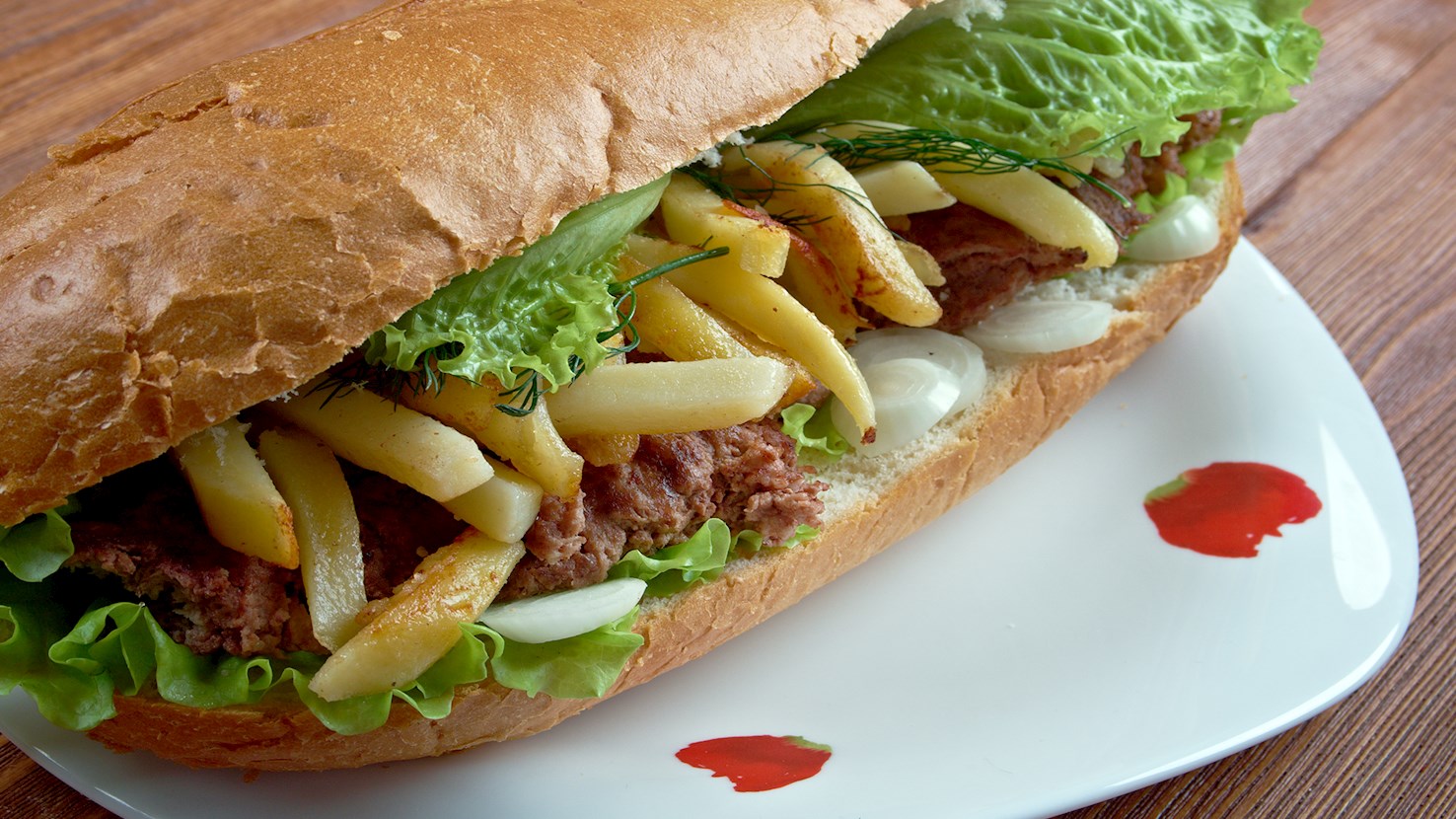
Gatsby is Cape Town's signature sandwich consisting of a crusty, toasted roll that is stuffed with bologna slices, French fries, ketchup, lettuce, and hot piri-piri sauce. The sandwich is so big that it is usually sliced into four portions, and it can easily feed several people. Gatsby is named after F. Scott Fitzgerald's novel The Great Gatsby, possibly referring to the size of the sandwich and the richness of the filling. Today, there is a variety of different ingredients for the filling, from masala steak to calamari and sausages.
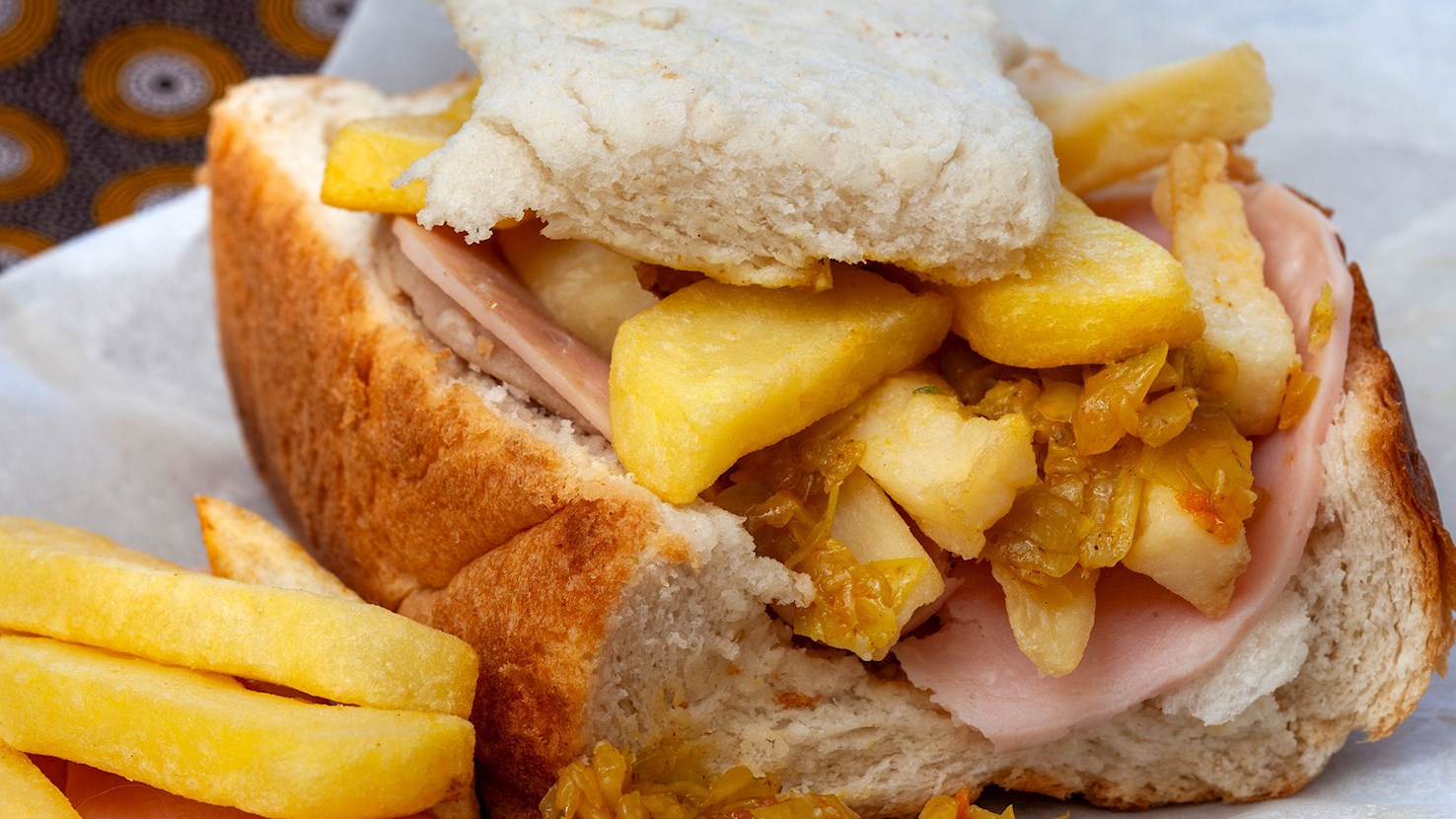
Spatlo or kota is a popular South African sandwich and a specialty of the Gauteng region. The sandwich consists of a quarter loaf of bread that has been hollowed out and stuffed with ingredients such as cold cuts, eggs, atjar, chips, tomatoes, lettuce, ketchup, and cheese. The name kota is derived from the English word quarter, referring to the size of the loaf.
Roti chaud is a traditional flatbread originating from Mauritius. This snack is essentially a roti flatbread that's filled with rougaille (tomato-based sauce) and butter bean curry known as gros pois. The flatbread is filled, rolled into a wrap, then served with an array of pickles and chutneys. The rotis are usually made with a combination of flour, oil, warm water, and salt, while grois pois is made with a combination of butter beans, tomatoes, stock, coriander, garlic, and ginger. The dish can be found at Mauritian street food stalls, but it can also be prepared at home.
Rolex is a popular Ugandan street food consisting of an omelette rolled in a chapati, commonly filled with vegetables such as cabbage, tomatoes, onions, and sometimes green peppers. It originates from Uganda’s urban centers, particularly in the Busoga region and later in Kampala, where it gained widespread popularity among students and workers seeking a quick, inexpensive, and filling meal. The name comes from a local adaptation of the phrase “rolled eggs,” which, when spoken quickly, became “rolex.” It emerged in the early 2000s as street vendors began selling chapatis with eggs and vegetables cooked together, a combination that evolved into a national snack. To prepare it, a chapati is first cooked on a flat metal griddle until lightly browned. Separately, eggs are beaten with chopped vegetables and fried on the same griddle, forming a thin, round omelette. While still warm, the omelette is placed directly on the chapati and rolled tightly, forming a compact wrap that can be eaten by hand. Vendors often adjust the ingredients to a customer’s preference, sometimes adding cooked meats, cheese, or even potatoes. It is typically made to order and served hot, often wrapped in paper for easy takeaway. Its preparation requires minimal equipment and ingredients, making it accessible to vendors operating from small roadside stalls. In Uganda, it is eaten at any time of day, commonly for breakfast, lunch, or as a late-night meal. It is frequently enjoyed with soft drinks, tea, or fruit juice, and in some areas, it is paired with avocado slices or accompanied by roasted meat sold by nearby vendors.
TasteAtlas food rankings are based on the ratings of the TasteAtlas audience, with a series of mechanisms that recognize real users and that ignore bot,
nationalist or local patriotic ratings, and give additional value to the ratings of users that the system recognizes as knowledgeable.
For the “Top 7 African Sandwiches and Wraps” list until September 15, 2026, 1,969 ratings were recorded, of which 871 were recognized by the system as legitimate.
TasteAtlas Rankings should not be seen as the final global conclusion about food. Their purpose is to promote excellent local foods,
instill pride in traditional dishes, and arouse curiosity about dishes you haven’t tried.






What People Say