


M.B.

Top 8 Greek Savory Pastries

Last updated on June 15, 2026
01

Tiropita

4.2 ·

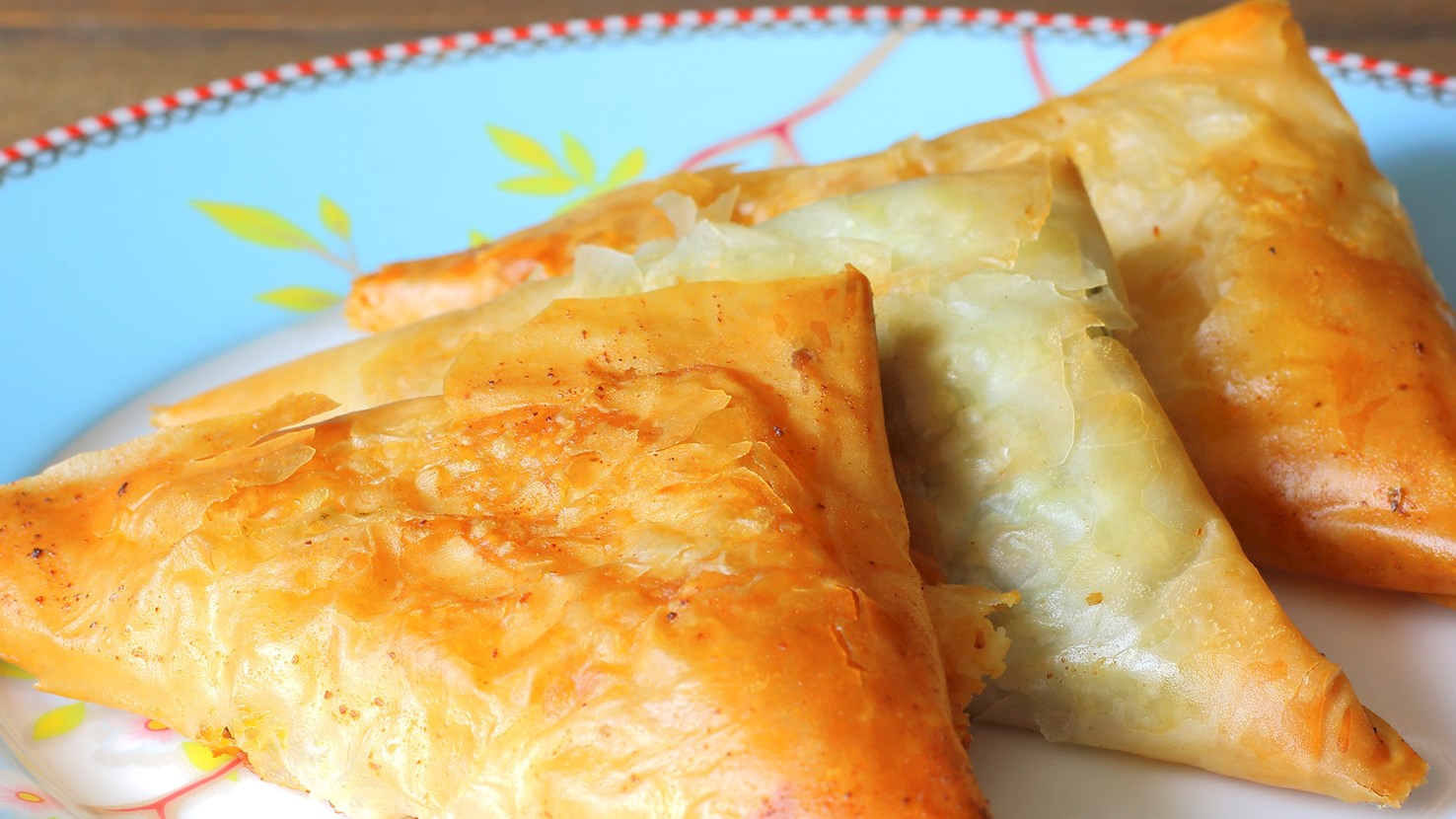
Tiropita is a popular Greek snack consisting of sheets of phyllo dough that are filled with a combination of cheese (usually feta) and eggs. The dish is typically wrapped in triangular pieces and brushed with melted butter before baking. This tasty pastry is found in almost every Greek bakery, although it is commonly served as an appetizer, when it is accompanied by numerous dips on the side. There are several theories about its origin, but most link the dish with either Byzantine, Roman, or Turkish cuisine. Tiropita is mostly consumed in the mid-morning in Greece, since breakfast is usually reserved only for bread with butter and a cup of coffee. With its huge popularity, there are also some other variations of tiropita, such as kasseropita, which is filled with kasseri cheese, or spanakopita, a spinach-filled variety.

02

Kalitsounia

4.2 ·

Hailing from the Greek island of Crete, kalitsounia or skalotsounia is a traditional, small-sized snack that comes in numerous different shapes and can be both savory and sweet. In its most traditional form, it combines an unleavened pastry and a filling that consists of fresh cow's milk cheese called mizithra. Sweet varieties enrich the cheese with cinnamon and lemon zest, while the savory versions occasionally employ spinach. Though it is traditionally associated with Easter, nowadays it is enjoyed all year-round.

Best restaurants
03

Spanakopita

4.1 ·

Spanakopita is a Greek spinach pie consisting of a buttery, flaky phyllo pastry with a filling of cooked spinach, lemon juice, feta cheese, and sometimes dill. It can be served either as a small snack, an appetizer, or a light main course. Due to a farming tradition of handheld foods, the pies were originally invented for the field workers who would carry them in their pockets and consume them while working. Although spanakopita has humble beginnings, it has risen to greater gastronomic heights, so today it can be found in most Greek diners, taverns, and upscale restaurants. It is likely that the dish originated 400 years ago, during the Turkish occupation of Greece, since a Turkish dish called ispanaki is almost identical in presentation. The traditional way to serve the pie is to cut it into small triangles and consume it while slightly warm, accompanied by tzatziki sauce - a flavorful dip consisting of yogurt, garlic, and cucumbers.

04

Skopelitiki tiropita

4.1 ·

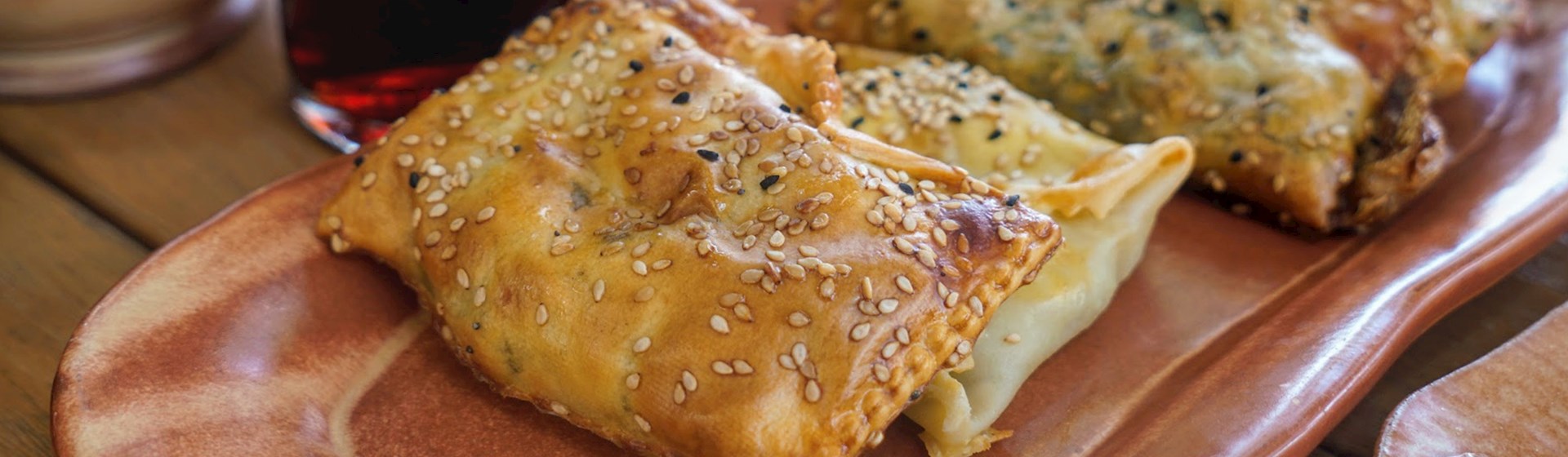
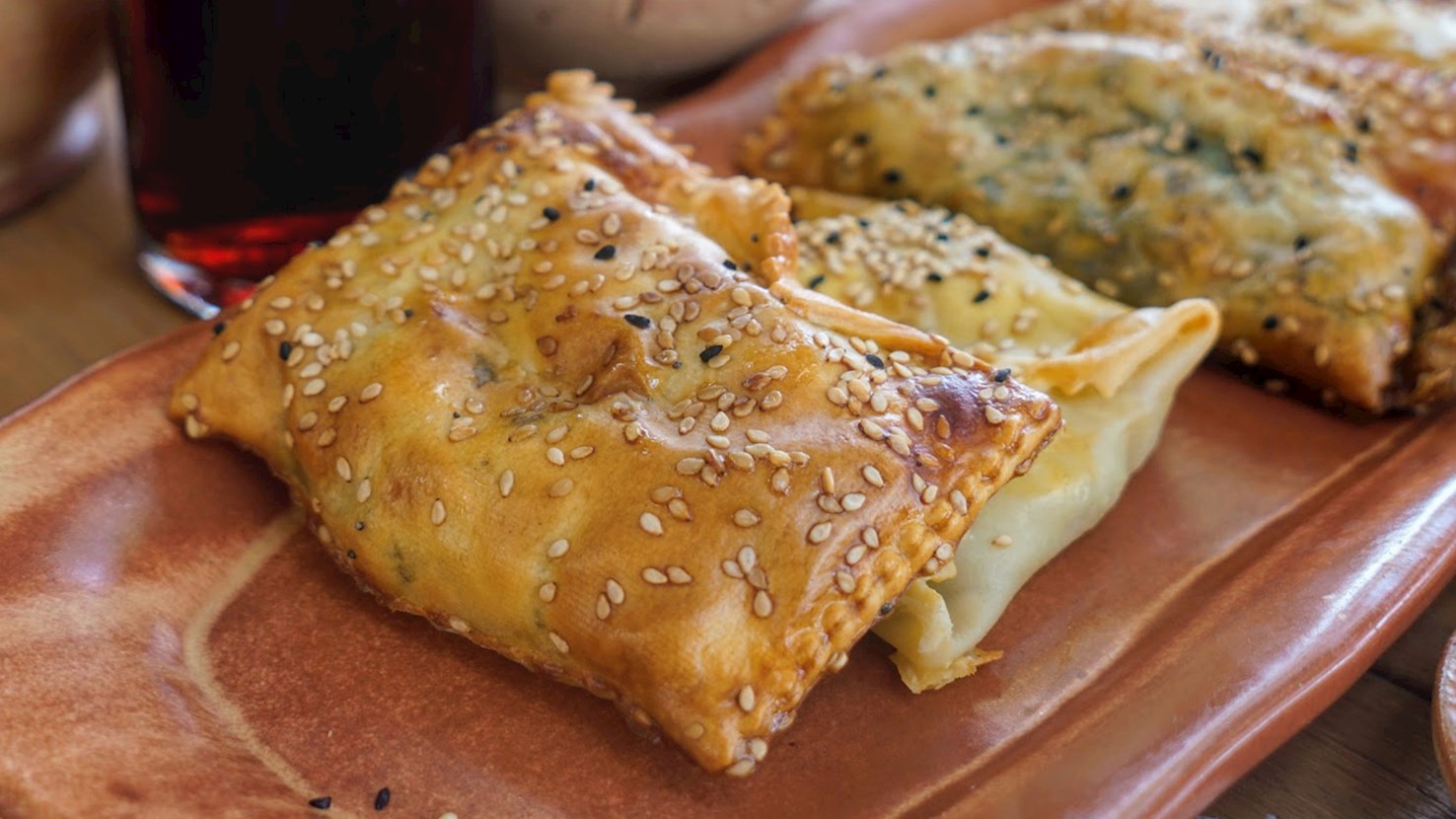
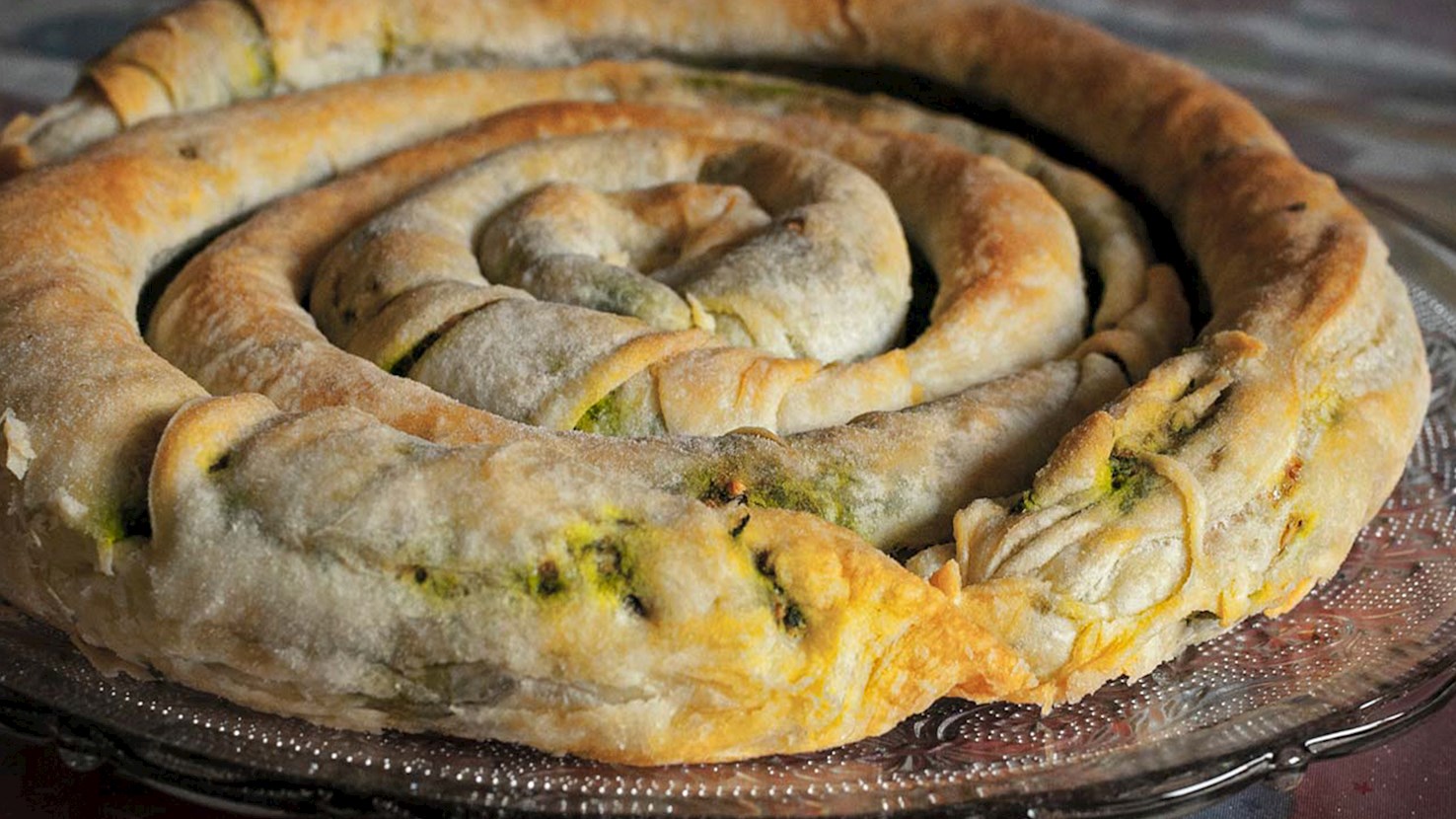
Skopelitiki tiropita is a type of Greek cheese-filled pastry (tiropita) that has been traditionally prepared on the island of Skopelos. The pastry uses local goat milk feta cheese and olive oil from the area of Skopelos for the filling, while the dough typically consists of all-purpose flour, olive oil, water, salt, and vinegar. Once it reaches a soft and elastic consistency, the phyllo dough is rolled out, drizzled with olive oil, sprinkled with crumbled feta cheese, and shaped into a spiral. The spiral-shaped pastry is then usually deep-fried in hot oil until golden brown and crispy on both sides, although it can also be baked in an oven. Skopelitiki tiropita can be enjoyed as an appetizer or a mid-morning or a late-night snack, and it is often accompanied by a cup of herbal tea or coffee on the side.

05

Hortopita

4.1 ·

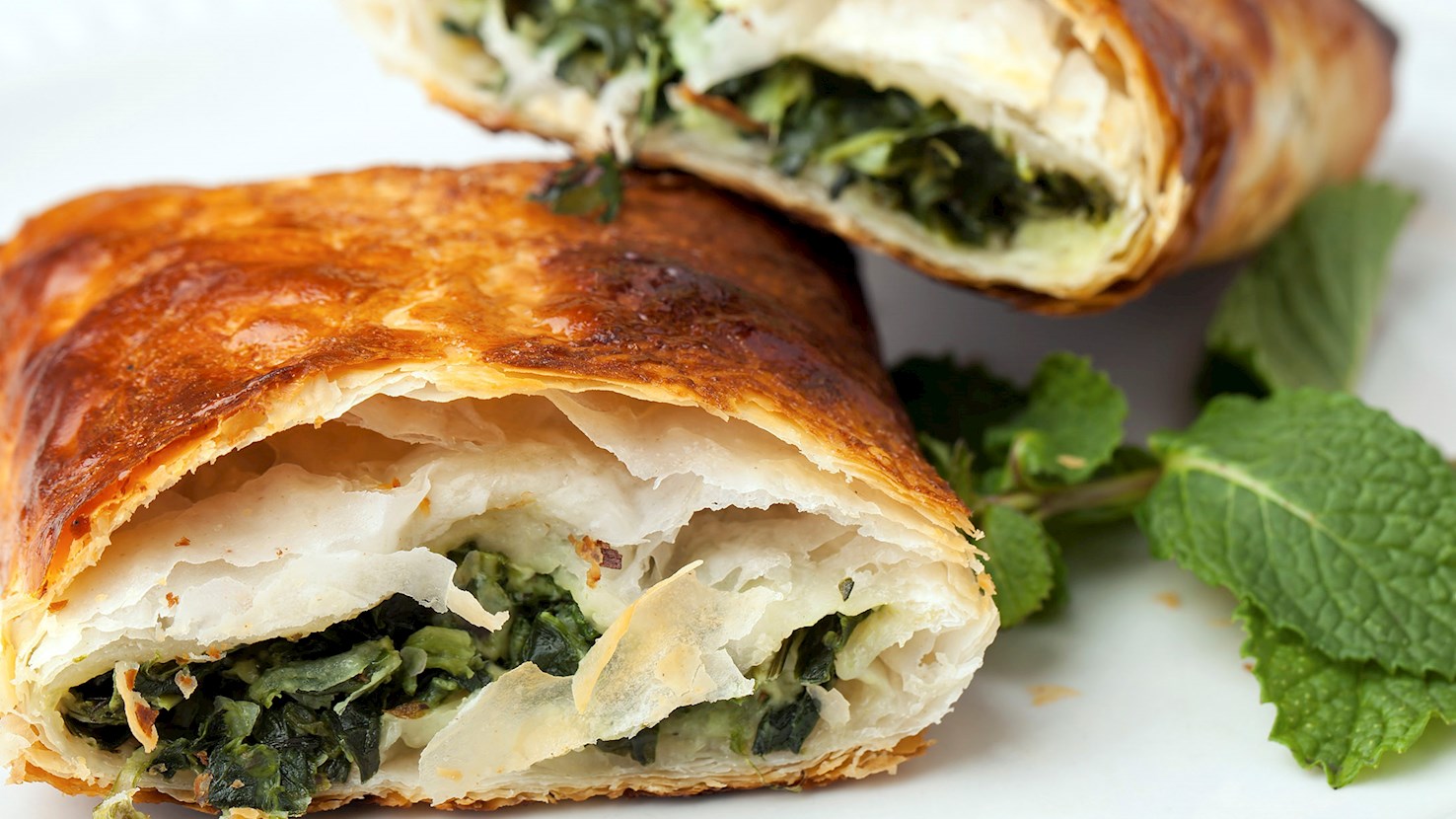
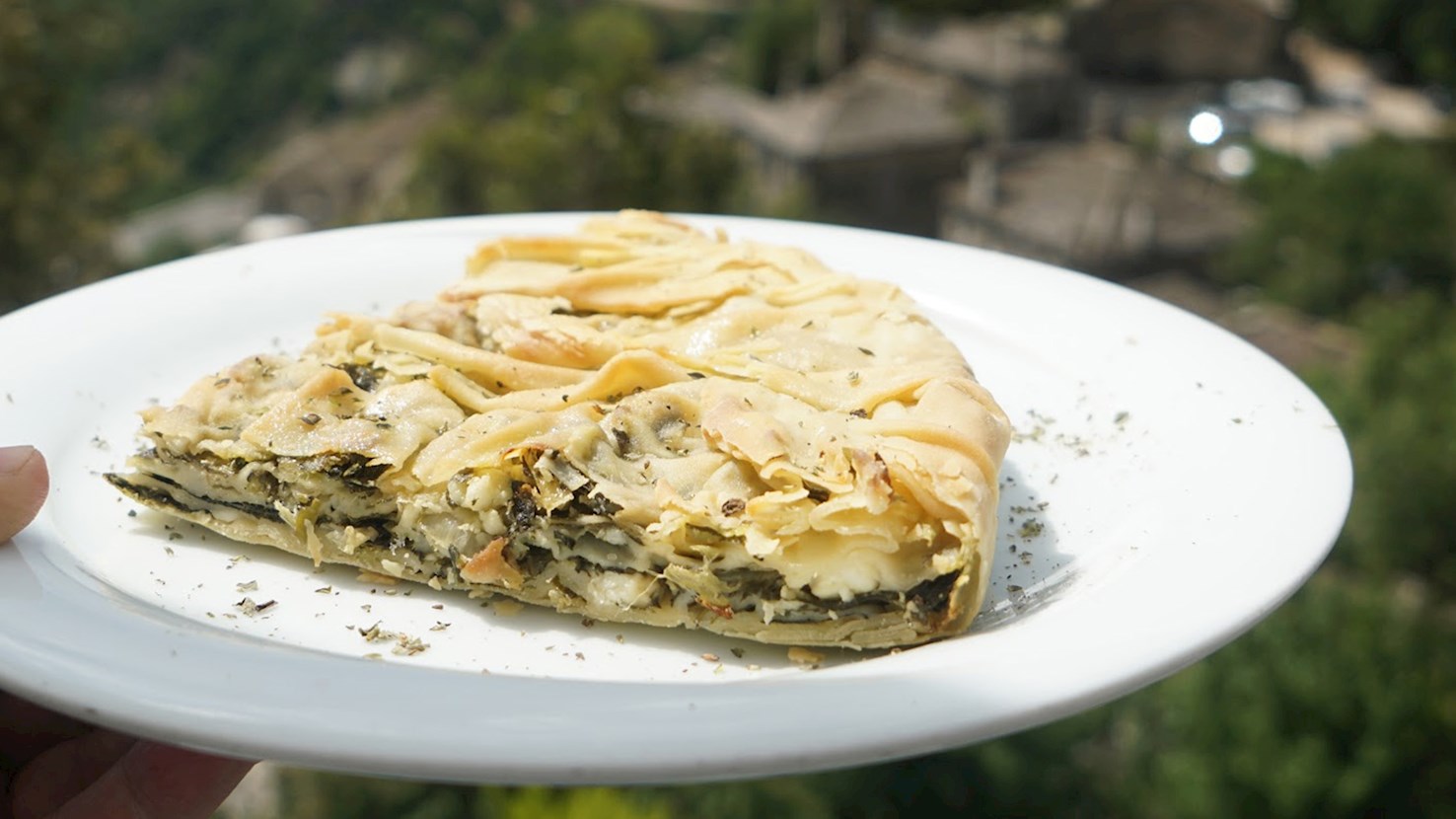
Hortopita, from the Greek words horta, meaning wild greens (also a general term for greens in Greek), and pita, which means pie, is a traditional savory pastry that’s filled with a variety of wild or cultivated greens. The pastry is typically made with phyllo dough, while apart from the greens, the filling usually contains aromatic herbs, crumbled cheese (such as feta cheese), and sometimes eggs. These pastries can be made with any combination of greens and herbs; therefore, there’s no set recipe for hortopita. The size of the pastries can range from small and hand-held to large and round, depending on where they’ve been prepared: on the islands or the mainland. Some of the most common greens and herbs used for hortopites include spring onions, dandelion, fennel, mint, garlic leaves, various chicory plants, and amaranth.

06

Tsouknidopita

3.8 ·

This traditional Greek pie consists of cooked or sautéed nettles that are placed between two layers of phyllo pastry. Along with nettles, the filling can also incorporate herbs, onions, and crumbled feta cheese. Tsouknidopita is best served freshly prepared, while it is still warm and crispy and can be enjoyed as an appetizer, snack, or a light main course.

07

Pitarakia

3.7 ·

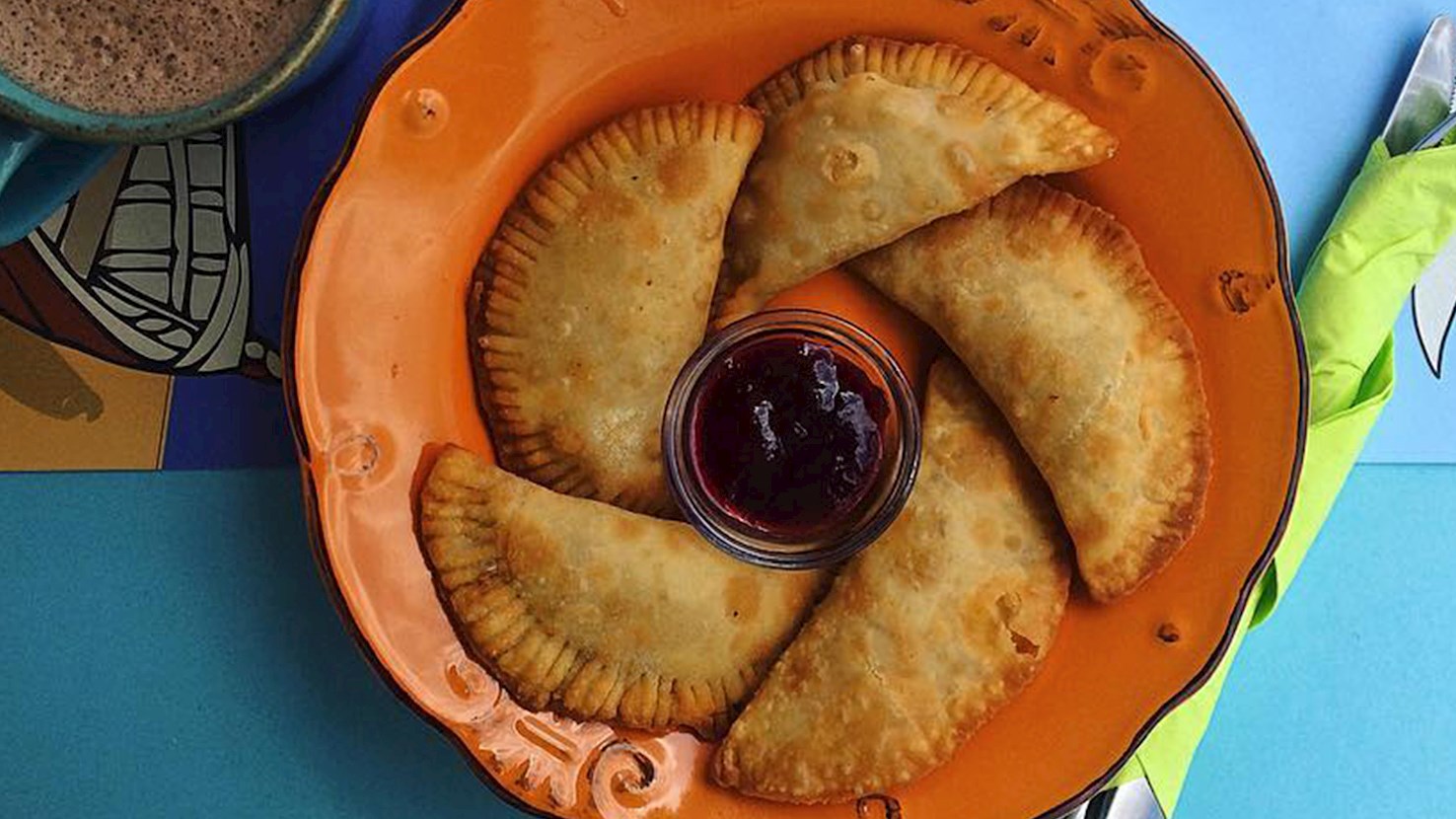
Pitarakia is a specialty of Milos island, consisting of small half-moon-shaped pastries filled with cheese. The pastry dough is typically made with flour, olive oil, onions, herbs, salt, and lukewarm water, while the filling may be as simple as crumbled local cheese (such as feta or manoura) mixed with freshly ground pepper. Other variations of the cheese filling include a mixture of local mizithra cheese, eggs, spearmint, and salt, or a combination of finely chopped red onions with dry Melian cheese. There’s also a sweet version of the pastry which uses a filling of mizithra cheese, sugar, eggs, and cinnamon. Pitarakia pastries are typically fried in hot oil until nicely colored and crispy, and they’re best enjoyed warm as a meze dish or a snack.

08

Perek

n/a ·

Perek or fillota is a traditional savory pastry or small savory pie originating from Greece. The thin dough is usually made with a combination of flour, water, and salt. Once kneaded, the dough is shaped into balls that are left to rest and then rolled into thin and flat rounds. The dough is baked in a pan or an oven until crisp, and it's then brushed with butter and filled with scallions and cheese, usually feta. Additional ingredients often include beaten eggs, herbs, and wild greens. The filling is sandwiched between two layers of crispy dough, and perek or fillota is then fried in a pan until golden brown on both sides. Once done, the pastry is cut into wedges and served as a snack or an appetizer, ideally with a fresh salad on the side.

Read more
View all
View map
About this ranking

TasteAtlas food rankings are based on the ratings of the TasteAtlas audience, with a series of mechanisms that recognize real users and that ignore bot, nationalist or local patriotic ratings, and give additional value to the ratings of users that the system recognizes as knowledgeable. For the “Top 8 Greek Savory Pastries” list until June 15, 2026, 1,426 ratings were recorded, of which 870 were recognized by the system as legitimate. TasteAtlas Rankings should not be seen as the final global conclusion about food. Their purpose is to promote excellent local foods, instill pride in traditional dishes, and arouse curiosity about dishes you haven’t tried.

Similar lists