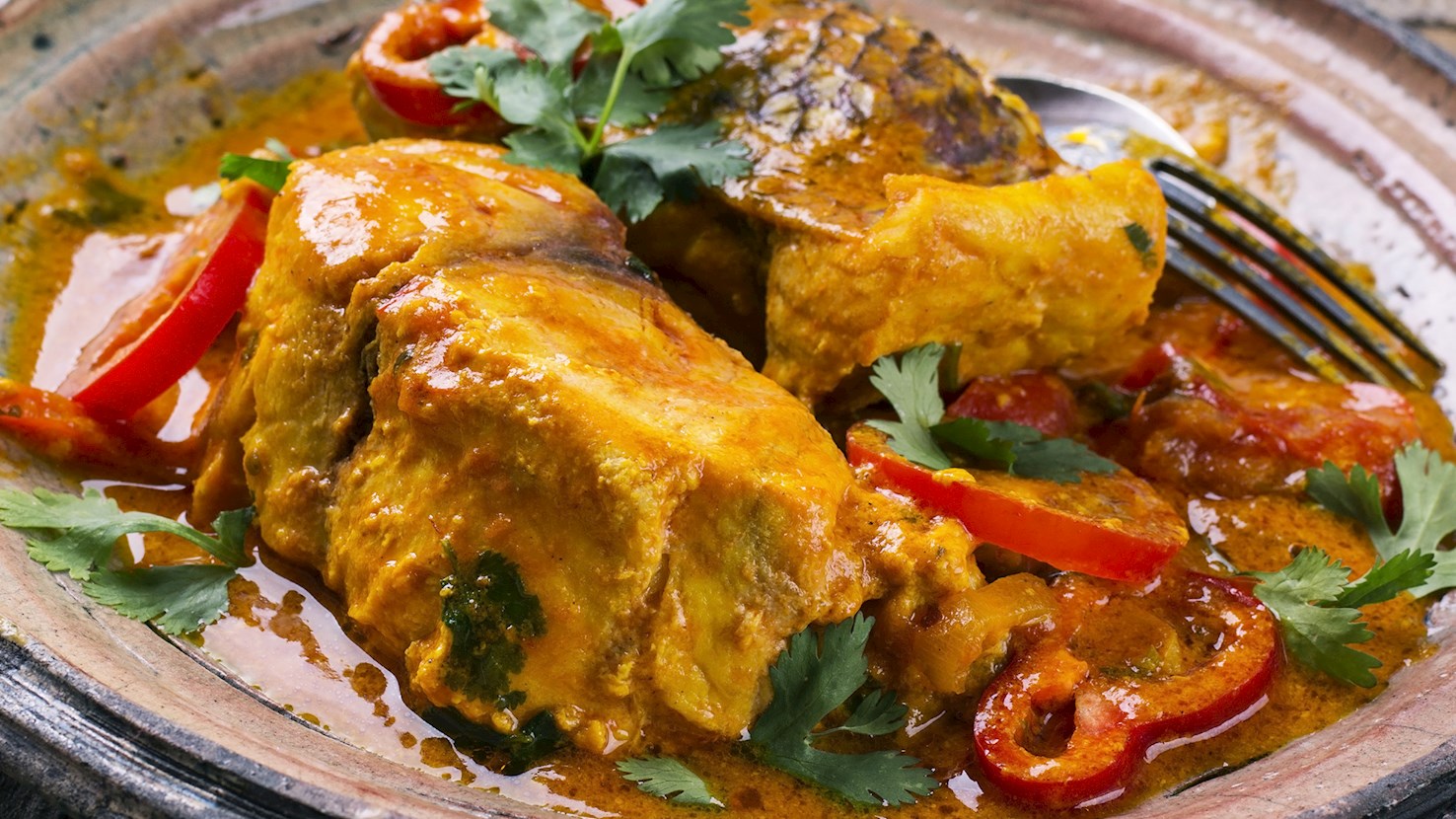
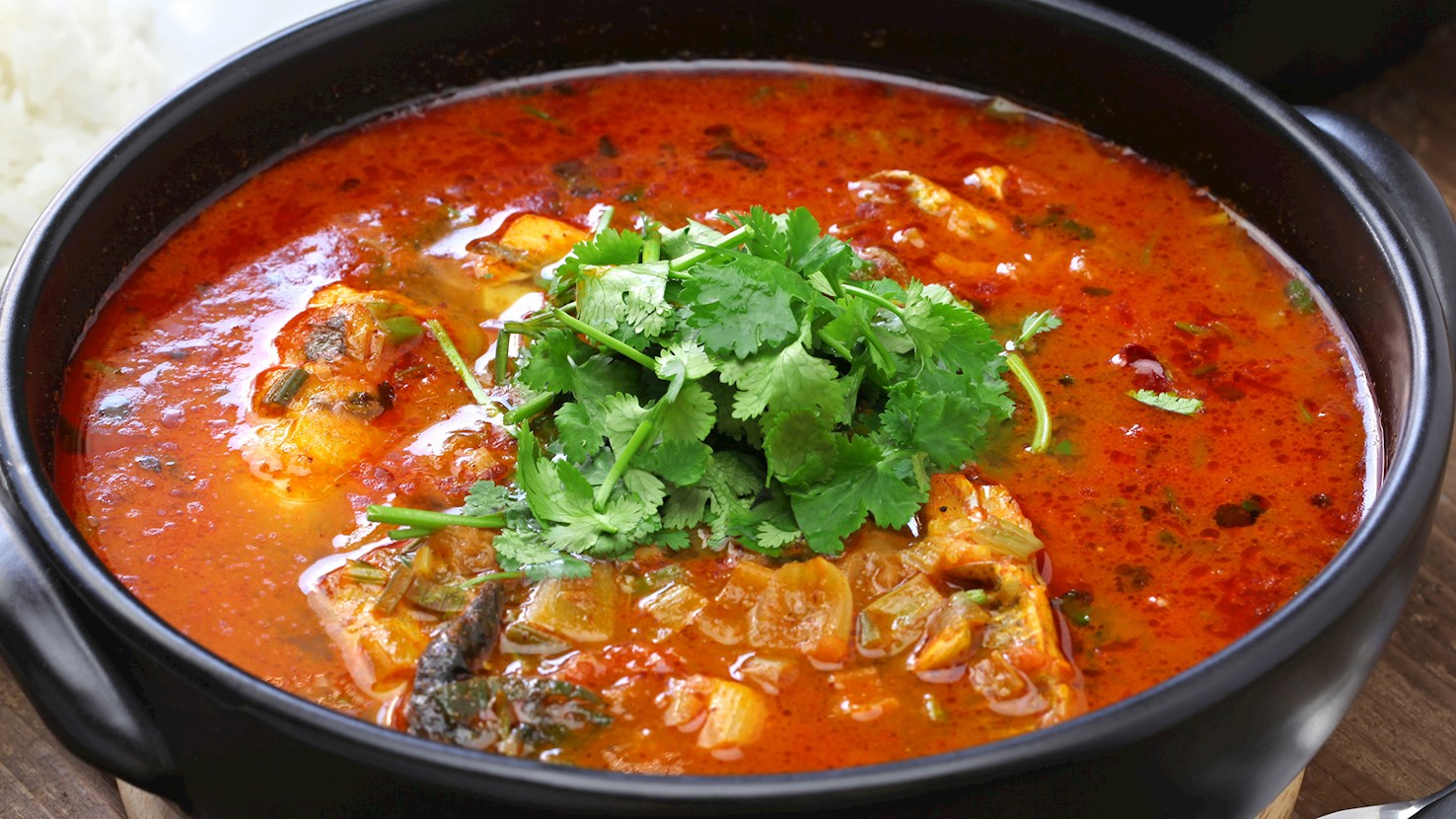
Moqueca Baiana is a seafood stew originating from the Brazilian state of Bahia, hence the word Baiana in its name. It consists of white fish, shrimps, or other seafood combined with coconut milk, dendê oil, lime juice, and various vegetables such as red and yellow peppers, tomatoes, spring onions, garlic, onions, and sometimes ginger. When done, the dish is typically garnished with chopped coriander, then served with rice and farofa. This seafood stew was originally prepared by the native people of Brazil. Over time, new elements were added to the stew, such as coconut milk, which was first introduced to Brazil by Portuguese colonists, and palm oil, which was brought over to the country by African slaves.
A classic dish of the Brazilian Bahia region, bobó de camarão is a stew made with puréed cassava (bobó), fresh shrimps, coconut milk, and dendê palm oil. The word bobó comes from the Ewe people who were brought to Brazil as slaves, denoting a dish made with beans, although there are no beans in bobó de camarão as we know it today, due to the fact that the Afro-Brazilians enthusiastically took to cassava when they were first introduced to it. The dish is traditionally accompanied by rice on the side, and is a staple of most traditional Brazilian eateries and Bahian self-service restaurants.
Moqueca is a seafood stew with a base of palm oil and coconut milk or olive oil, combined with fish or shrimps (or both). The dish is stewed in traditional clay pots along with vegetables and fresh herbs, and it is traditionally served over rice. It can be traced back to 300 years ago, when it was first invented due to the fact that the Portuguese brought coconuts to the country, and slaves from Africa introduced palm oil to Brazilian cuisine. There are numerous versions of moqueca, such as moqueca Capixaba, or moqueca Baiana, from the Bahia state in the northeast of the country. The dish is traditionally garnished with fresh chopped cilantro on top, and accompanied by rice, pirão, or farofa.
Moqueca capixaba is a traditional stew originating from the region of Espírito Santo. It is prepared with fish, lime juice, coriander, and vegetables such as onions, tomatoes, and garlic, all nicely colored with annatto. Traditionally, the stew is cooked in a clay pot called panela de barro – the seafood should only be layered with other ingredients and the heat is turned up for the stew to simmer on its own. In some cases, chili peppers are added for a bit of heat. When served, moqueca capixaba is typically accompanied by white rice or a creamy manioc porridge called pirão.
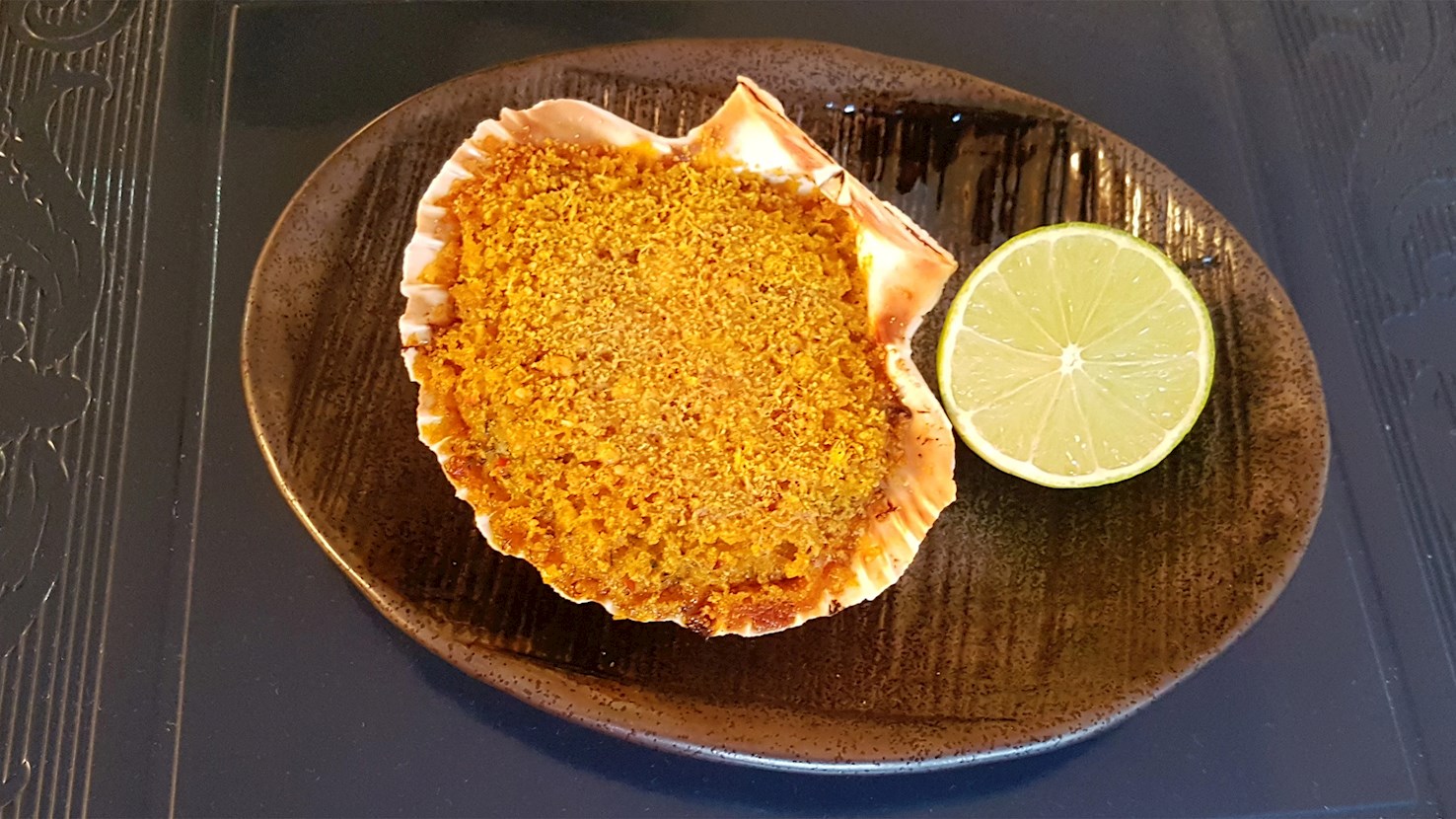
Casquinhas de siri is a traditional dish consisting of creamy crab cakes served on a shell. It's made with a combination of crab meat, breadcrumbs, coconut milk, tomatoes, onions, yucca flour, green onions, cilantro, and parsley. The mixture is spooned into shells, then baked until golden brown. The casquinhas are sometimes served over shredded lettuce, and they're usually garnished with lime wedges and accompanied by hot pepper sauce on the side. The dish is served piping hot as an appetizer or a bar snack.
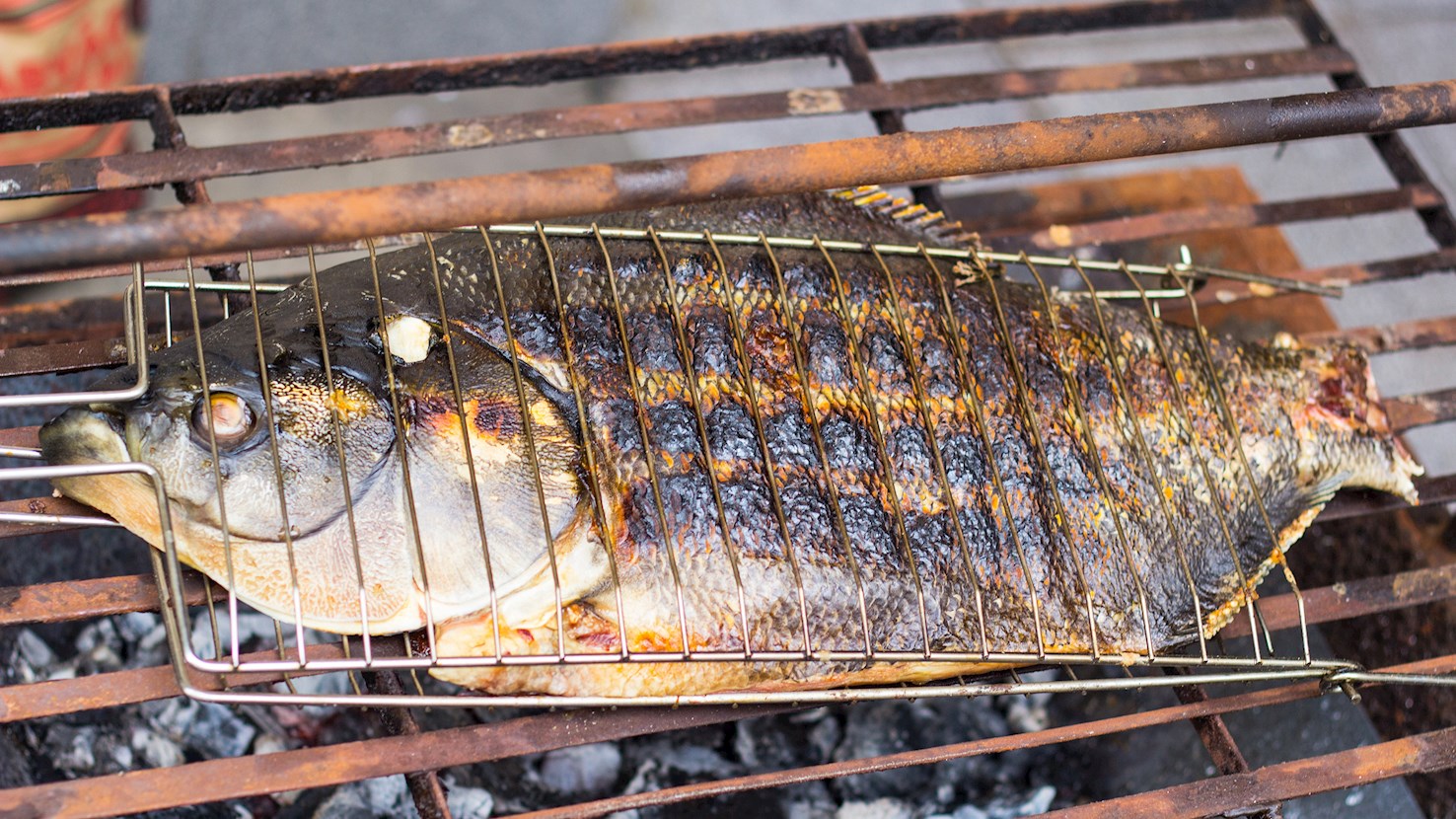
Tambaqui na brasa is a fish dish consisting of a whole tambaqui fish that's covered inside and out with a marinade typically made with olive oil, salt, pepper, various herbs, garlic, and lime slices, but that will differ from recipe to recipe. The fish is then grilled until it catches color and is cooked through. Rice, rice and beans, tucupi sauce, and lemon slices usually accompany the dish.
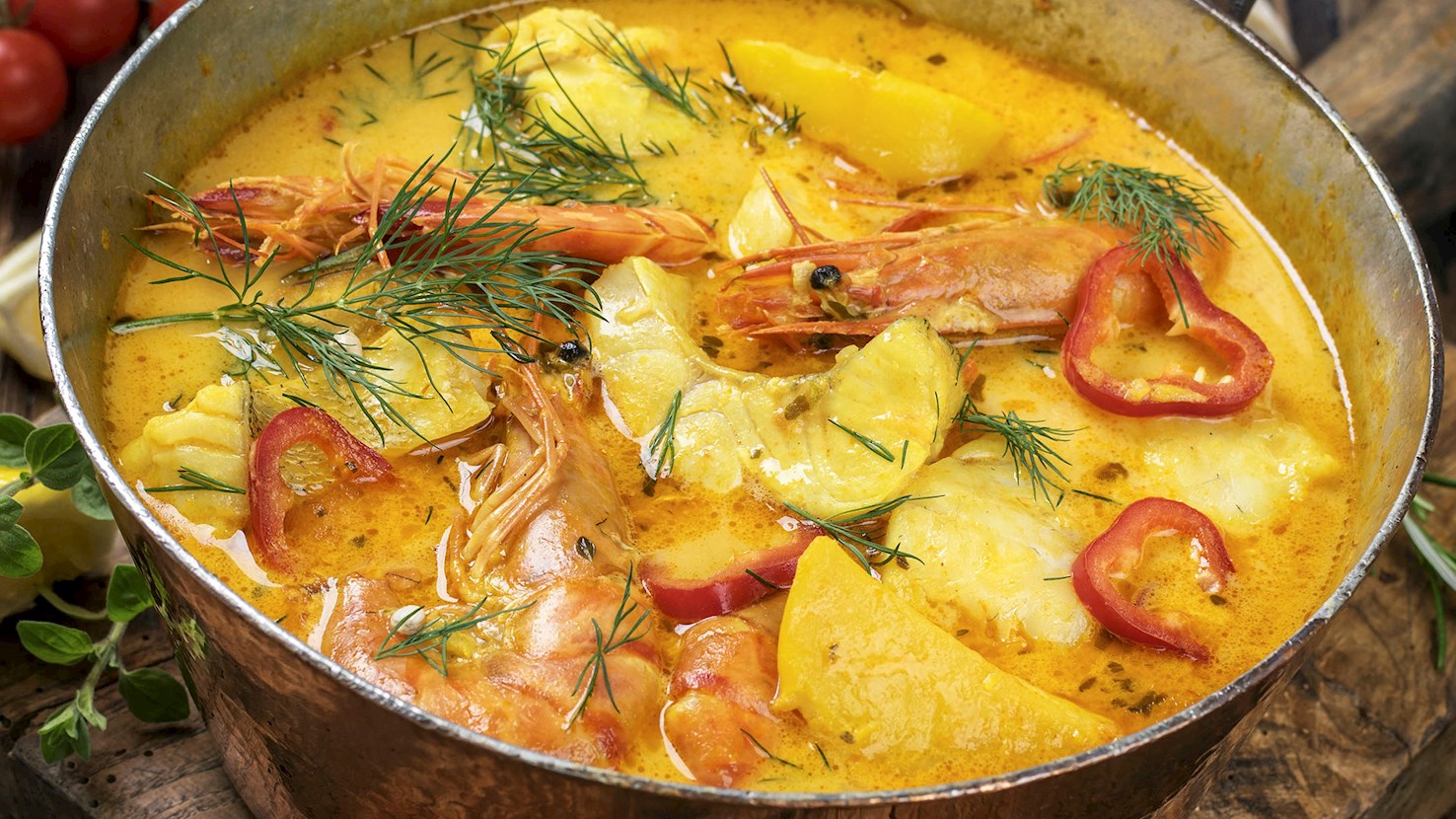
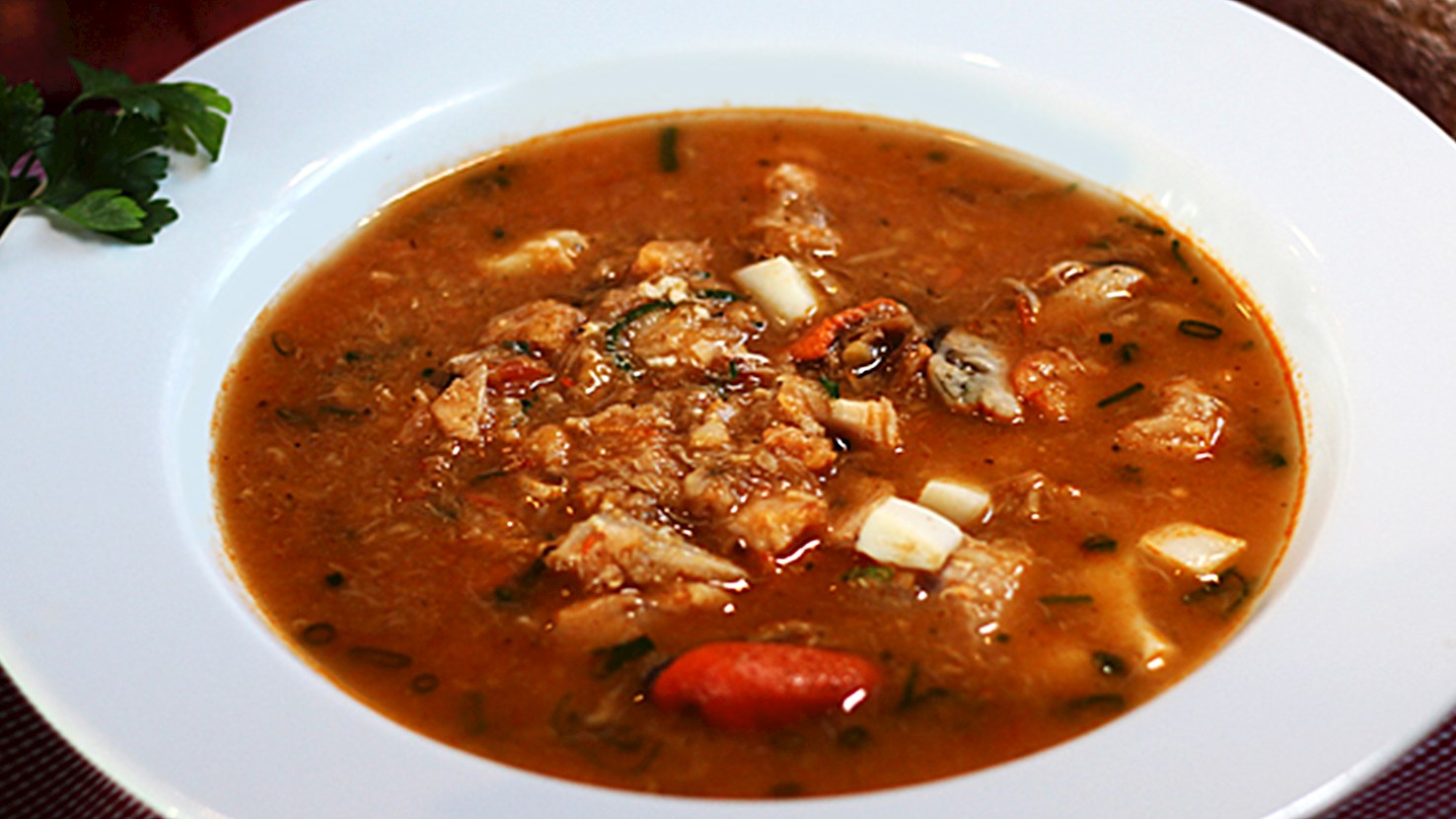
This seafood soup was named after Leão Veloso, a Brazilian diplomat who developed a taste for bouillabaisse during his service in France. Upon returning to Brazil, he tweaked the recipe for the famous French classic, most likely due to unavailability of some ingredients. His dish soon became a favorite all along the coast, especially in Rio de Janeiro, where there are now bars that specialize in this rich and spicy soup which is typically made with whole grouper and various shellfish.
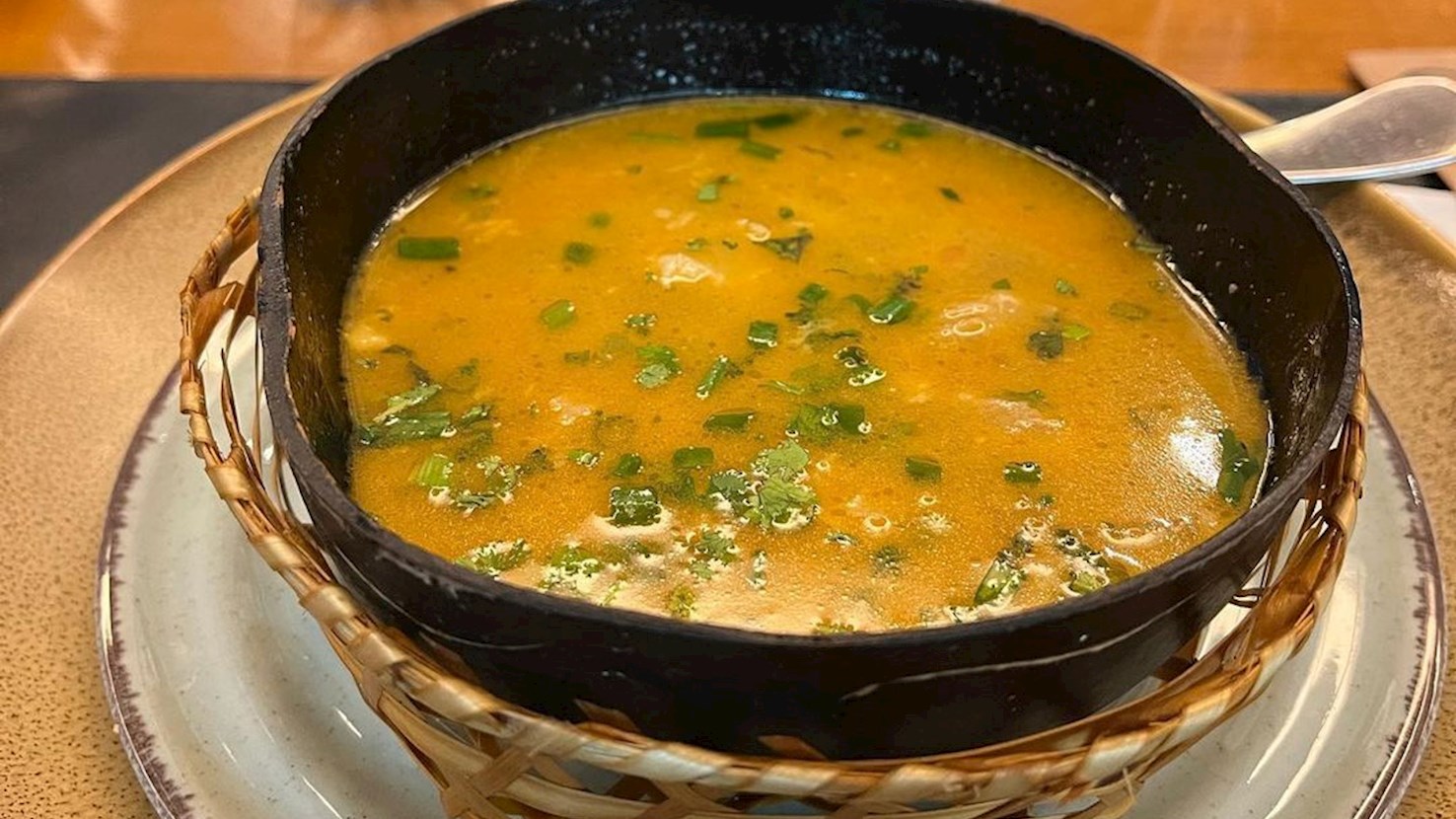
Caldo de piranha is a traditional soup prepared with piranha fish as the key ingredient. The dish is a specialty of the Pantanal area in Mato Grosso do Sul. Other ingredients that are commonly used to prepare the soup include onions, tomatoes, annatto, chili peppers, and a combination of coriander, parsley, and spring onions. There are also variations with added garlic, lime juice, vinegar, and vegetables such as bell peppers. The piranha, a small bony fish without much meat is cleaned and boiled, then blended for the piranha stock, which is sieved to remove the bones. The onions are sautéed in oil with tomatoes, annatto, herbs, chili, and piranha stock, and the combination is simmered shortly before the soup is served. Caldo de piranha is often served in a glass, and it's believed that the soup is especially good for men's virility and strength.
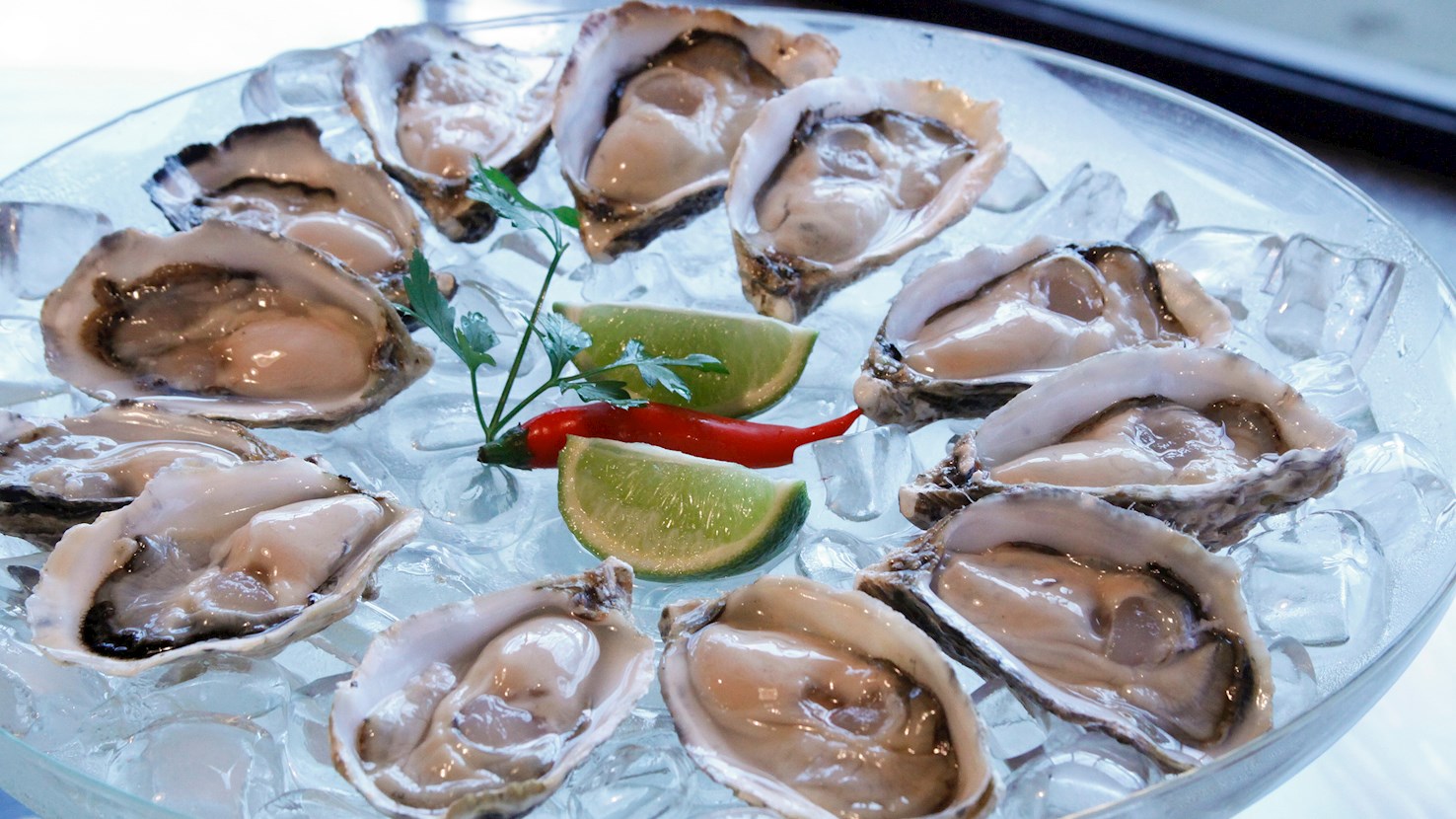
Ostra ao bafo is a traditional oyster-based dish originating from Brazil. The dish consists of boiled oysters, and it’s usually made with a combination of oysters, cachaça, and lemon juice. The oysters are boiled in a mixture of water and cachaça until the shells start to open. They’re removed from the pot and placed on ice to stop the cooking process. Once boiled, the oysters are served with lemon wedges so that each person can drizzle some lemon juice over the oysters before consumption. If desired, a vinaigrette sauce consisting of honey, orange juice, lemon juice, garlic, ginger, olive oil, vinegar, salt, and pepper can also be served with ostra ao bafo.
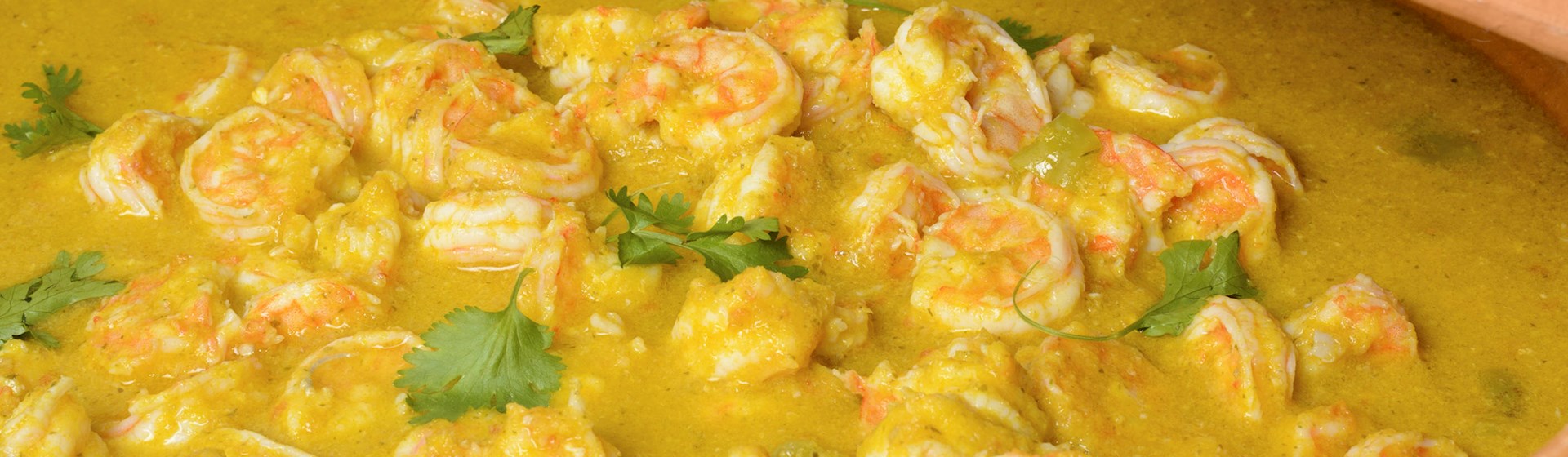
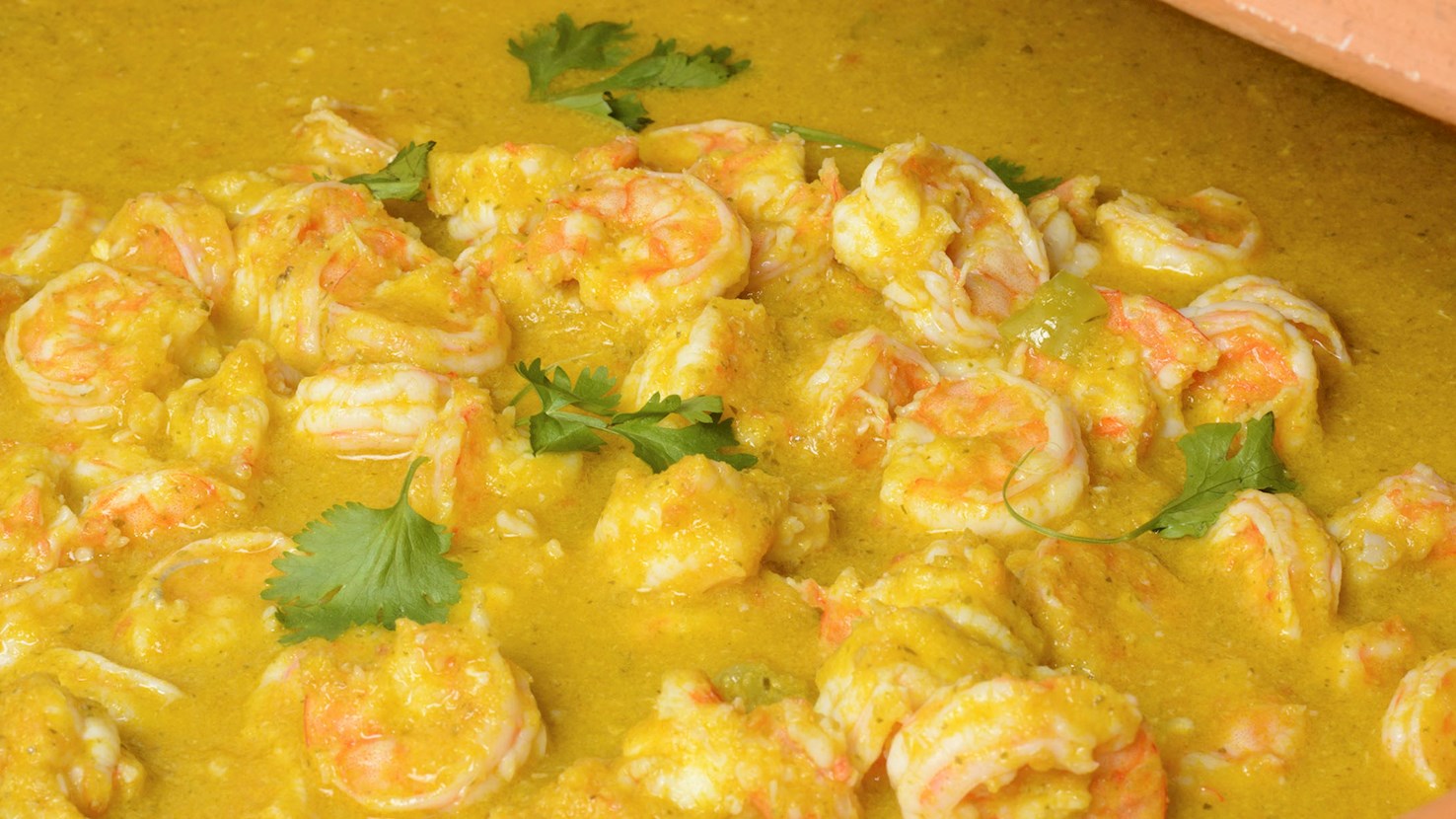
Moqueca de camarão is a Brazilian seafood stew made with shrimp, coconut milk, tomatoes, onions, peppers, and fresh herbs, slowly cooked to create a rich, aromatic dish that reflects the flavors of the country’s northeastern and southeastern coasts. It is most closely associated with the states of Bahia and Espírito Santo, where coastal fishing communities developed seafood stews centuries ago to make use of fresh local catches, combining ingredients brought by Portuguese colonizers with African and Indigenous culinary influences. Over time, moqueca evolved into a cornerstone of regional cooking, with shrimp becoming one of its most popular versions due to its abundance along Brazil’s Atlantic coast. The preparation begins by marinating the shrimp with lime juice, garlic, and salt, a step that enhances the seafood’s natural flavor and tenderizes it. A base is built in a clay pot with sautéed onions, tomatoes, and bell peppers, to which coconut milk and dendê oil (palm oil) are added, lending the stew its characteristic creamy texture and deep golden color. The shrimp are gently cooked in the sauce until just tender, often seaoned with parsley or cilantro and sometimes chili for heat, resulting in a dish that is both delicate and deeply flavorful. One of the most distinctive aspects of moqueca de camarão is the use of dendê oil, introduced from West Africa, which not only defines its taste but also symbolizes the cultural fusion at the heart of Brazilian cuisine. The dish is typically served hot, often straight from the pot, accompanied by white rice and farofa, a toasted cassava flour mixture that adds texture and soaks up the sauce. It is a staple of festive gatherings, family meals, and seaside restaurants, where it pairs beautifully with a cold beer or a crisp white wine, enhancing the vibrant, coastal flavors that define it.
TasteAtlas food rankings are based on the ratings of the TasteAtlas audience, with a series of mechanisms that recognize real users and that ignore bot,
nationalist or local patriotic ratings, and give additional value to the ratings of users that the system recognizes as knowledgeable.
For the “Top 10 Brazilian Seafood Dishes” list until September 15, 2026, 839 ratings were recorded, of which 577 were recognized by the system as legitimate.
TasteAtlas Rankings should not be seen as the final global conclusion about food. Their purpose is to promote excellent local foods,
instill pride in traditional dishes, and arouse curiosity about dishes you haven’t tried.




What People Say