

Top 11 English Seafood Dishes

Last updated on June 15, 2026
01

Cod fish and chips

4 ·

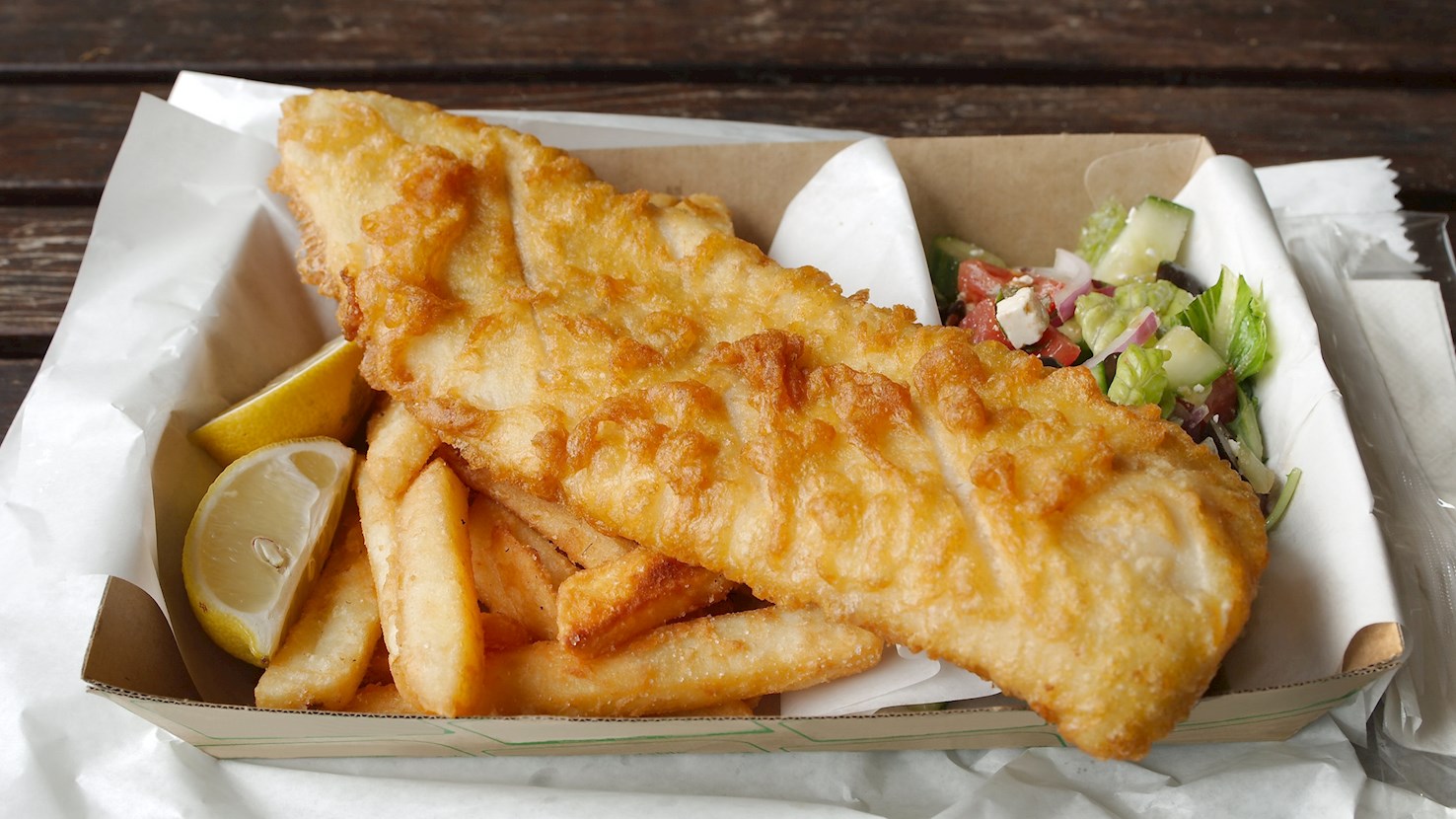
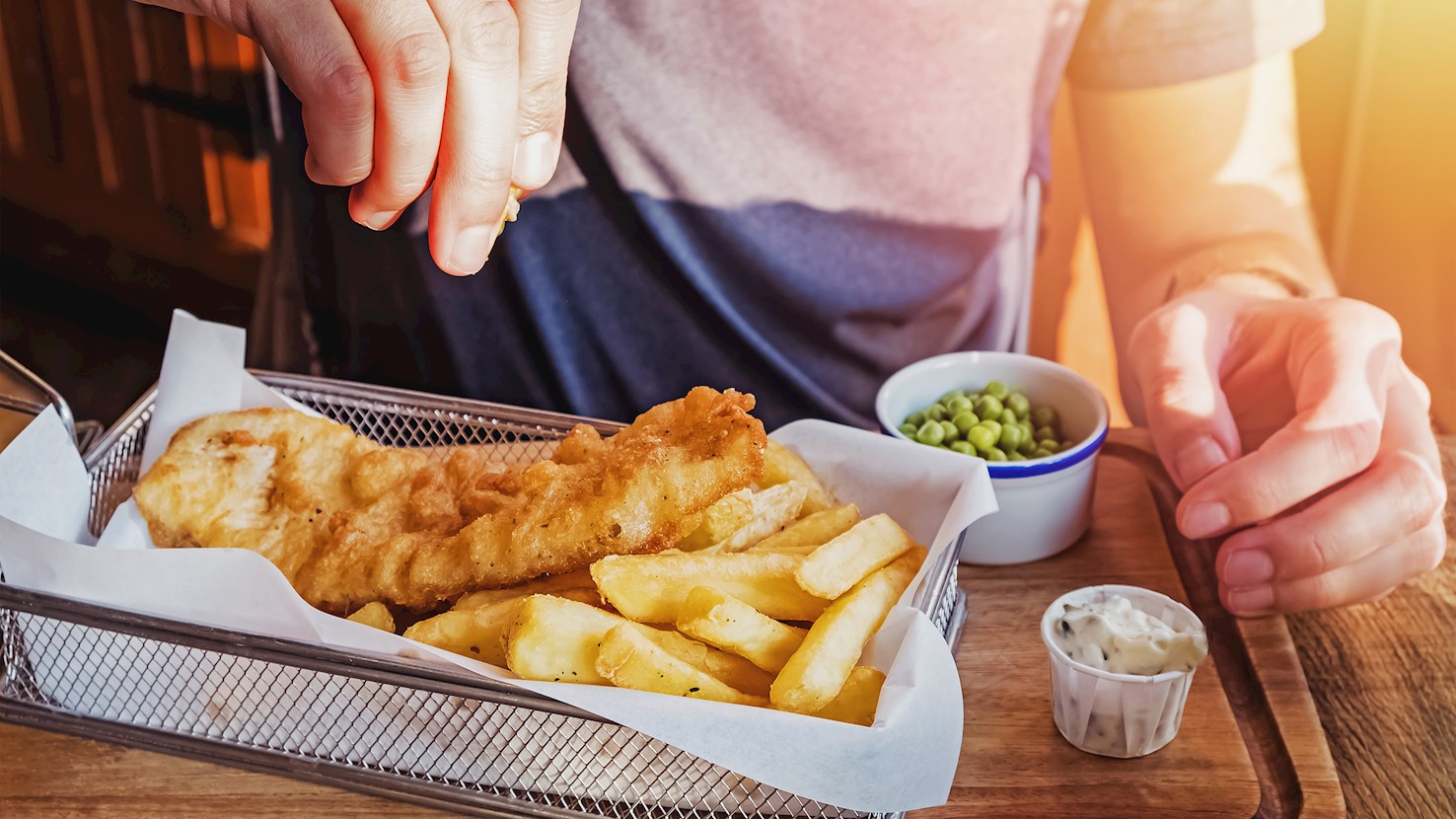
Fish and chips is a traditional dish consisting of freshly fried fish fillets and sliced fried potatoes. The fish is dipped in a batter of eggs, flour, and milk, and it’s then fried in oil, lard, or beef drippings. The most common types of fish used are cod, haddock, skate, and pollock, but cod is the most popular choice, with 60% of all fish and chips meals using it as the preferred fish. Cod has a texture that is very supple, tender, and mild, and it makes for a great contrast to the crispy-fried batter shell. In addition, its tender meat nicely absorbs the condiments and seasonings such as malt vinegar and salt. You can find fish and chips made with cod throughout the country, but it’s especially popular in southern seaside towns such as Hastings and Brighton.

02

Fisherman's pie

3.9 ·

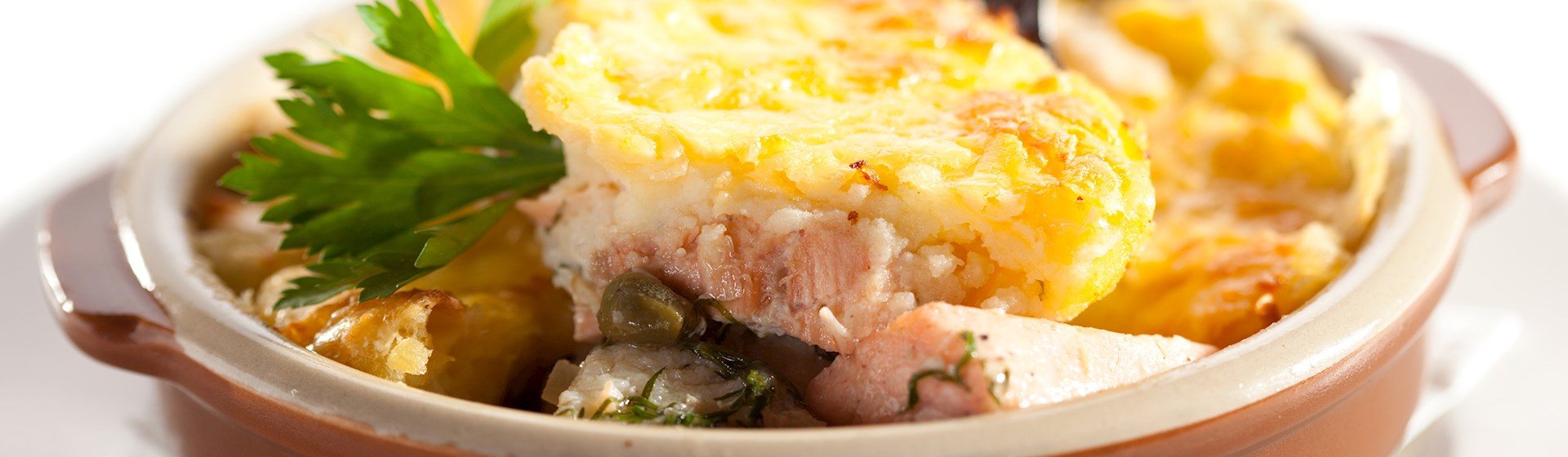
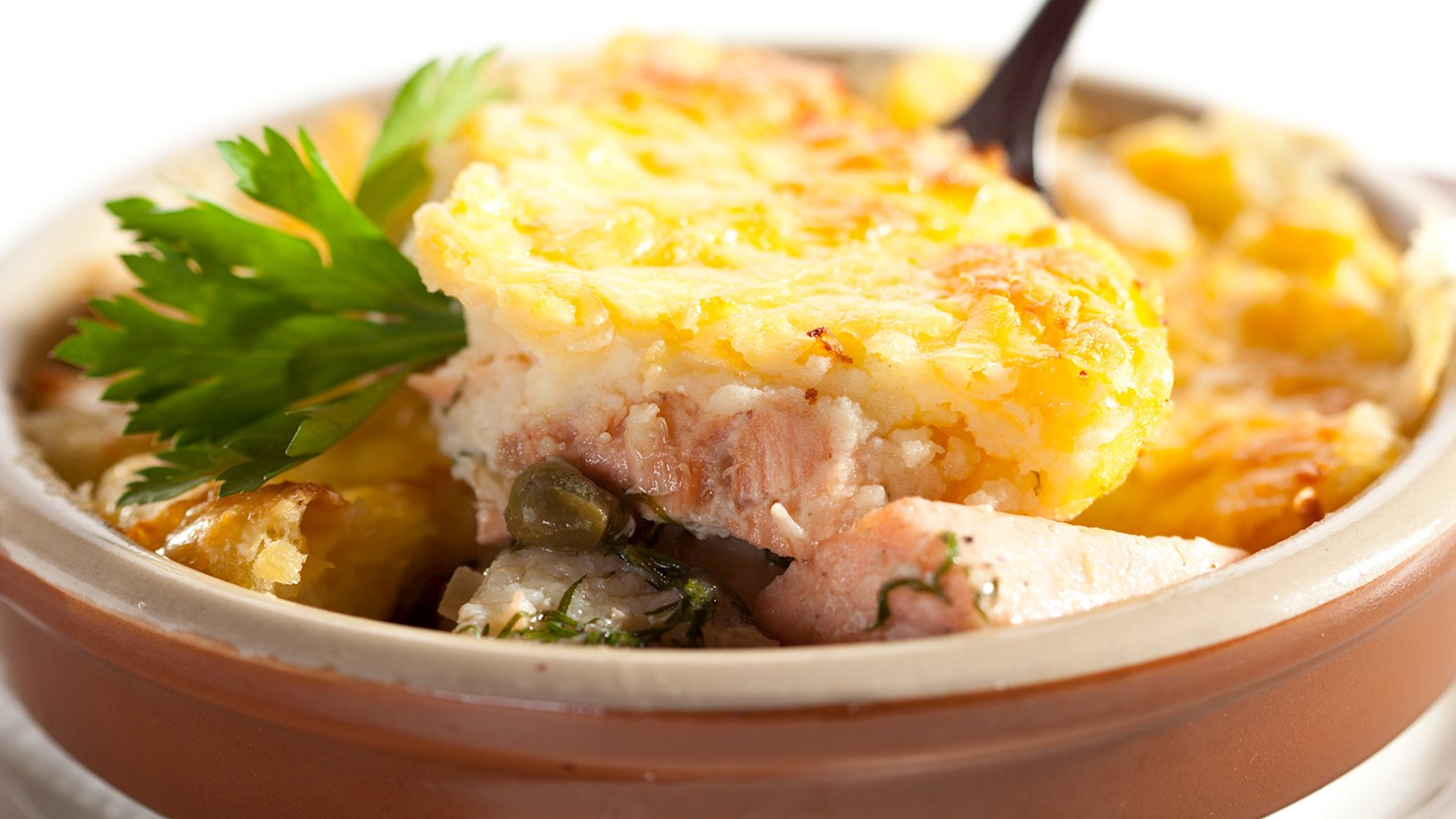
Fisherman’s Pie is a traditional and Irish dish similar to shepherd’s pie, but made with seafood instead of meat. It typically includes a mixture of white fish like cod or haddock, sometimes with salmon or shrimp, cooked in a creamy sauce, such as bechamel, or cheddar cheese sauce. The fish is often mixed with vegetables such as peas, corn, or leeks. The filling is then topped with mashed potatoes and baked until golden and bubbly. It's a hearty, comforting meal often served in coastal regions.

03

Fish and chips

3.8 ·

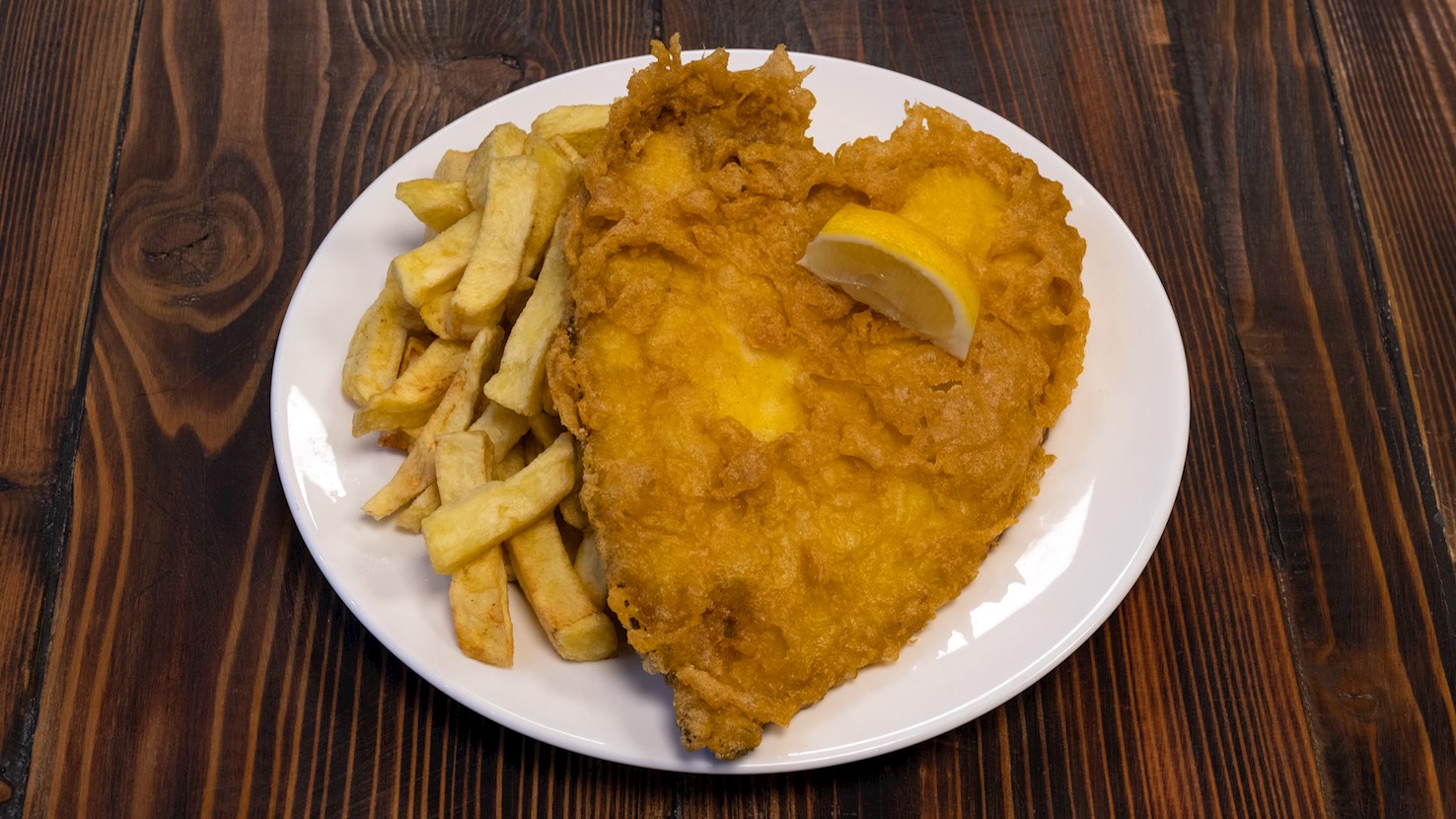
Most Brits would agree that there is nothing more British than fish and chips. This comforting, widely loved national dish consists of a freshly fried, hot, white fish fillet and large, sliced and fried potatoes. Cod, haddock, and flounder are the most common types of fish that is fried for the dish, and the customers can choose which type of fish they want, with cod being the most popular choice. The fillets get dipped in a batter made from eggs, milk, and flour, and are then fried in oil, lard, or beef drippings along with the potatoes. The origins of this dish go back to the 17th century, when potatoes were fried as a substitute for fish in the winter months, while fried fish was introduced into the country by Jewish refugees. Fish and chips are a favorite takeaway dish, with numerous chippies (fish and chips shops) popping up all over the country and offering a few accompaniments and sides, such as salt, vinegar, mushy peas, curry sauce, ketchup, brown sauce, and a cup of sweet, milky tea. Traditionally, the dish is served wrapped in greaseproof paper and a layer of newspaper in order to make eating outside easier, and if you want to do as the Brits do, it is the only acceptable way to eat it. Interestingly, in Yorkshire, a cup of tea is the perfect beverage pairing for fish and chips.

04

Plaice fish and chips

3.7 ·

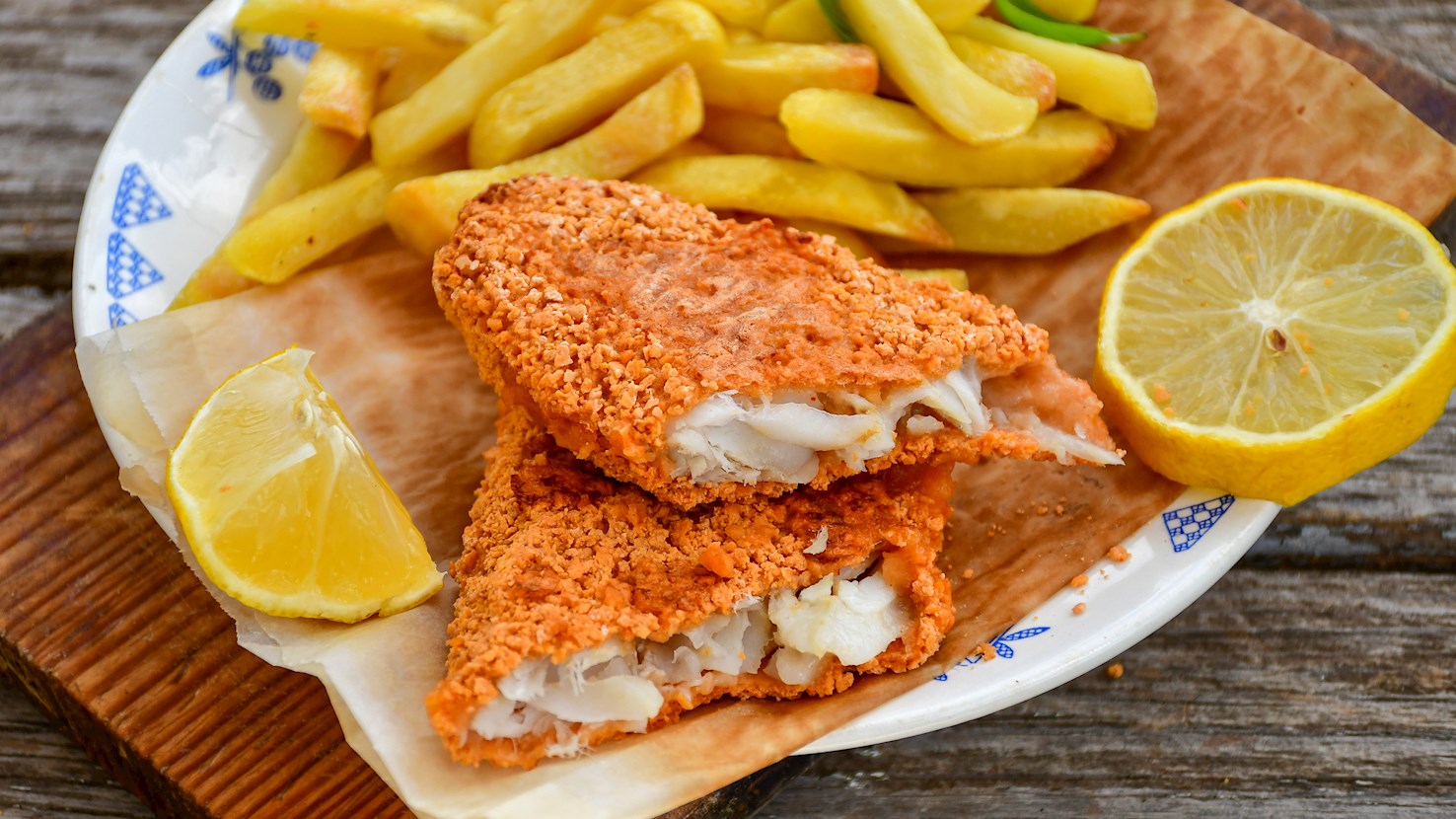
Fish and chips is a traditional dish consisting of freshly fried fish fillets and sliced fried potatoes. The fish is dipped in a batter of eggs, flour, and milk, and it’s then fried in oil, lard, or beef drippings. The most common types of fish used are cod, haddock, skate, and pollock, but cod is the most popular choice, with 60% of all fish and chips meals using it as the preferred fish. Plaice, on the other hand, has a more pronounced flavor than cod, while its texture is relatively light. The fish takes other flavors exceptionally well, and it’s also great for battering, which is the reason why it’s often offered on fish and chips menus. It’s recommended to pair plaice fish and chips with malt vinegar on the side.

05

Skate fish and chips

3.5 ·

Fish and chips is a traditional dish consisting of freshly fried fish fillets and sliced fried potatoes. The fish is dipped in a batter of eggs, flour, and milk, and it’s then fried in oil, lard, or beef drippings. The most common types of fish used are cod, haddock, skate, and pollock, but cod is the most popular choice, with 60% of all fish and chips meals using it as the preferred fish. Skate, on the other hand, is usually found in fish and chips shops along the west coast of Scotland. The fish has a mild, slightly nutty flavor that perfectly pairs with tartar sauce or a squeeze of lemon juice. However, the downside of using skate for fish and chips is that the tender meat first has to be removed from a myriad of bones that can be found in each wing of the fish.

06

Potted shrimps

3.5 ·

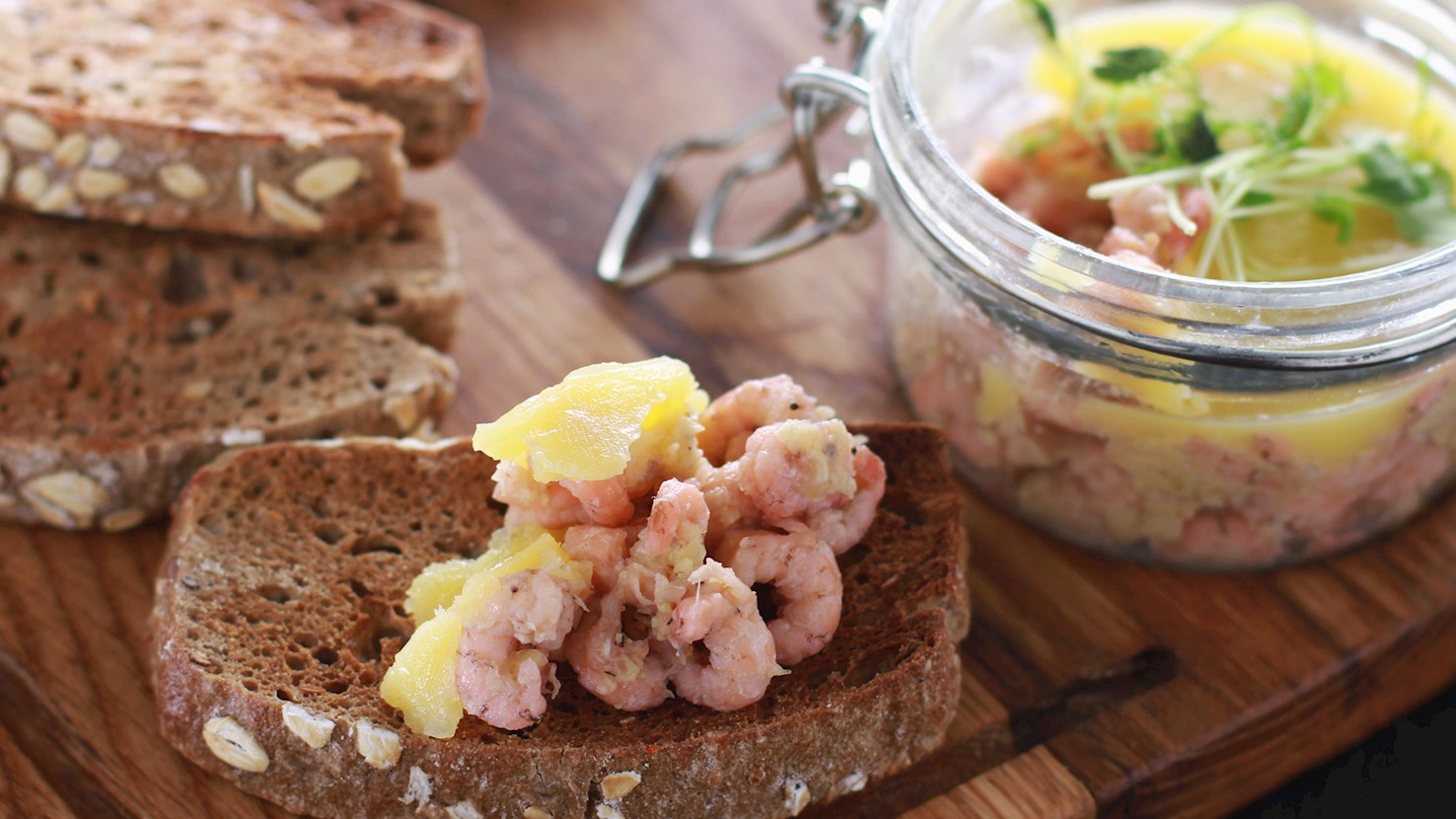
Potted shrimps is a traditional meal that is usually made with Morecambe bay shrimp, although any small type of shrimp can be used in the dish. The shrimps are boiled in seawater, and then cooked in clarified butter. Additionally, the shrimps are often seasoned with pepper, cloves, cayenne pepper, mace, and nutmeg. Butter acts as a preservative, hence the name of the dish. Shrimps are usually served over thin slices of toast or greens such as cress, but they can also be added to a number of pasta dishes.

07

Pollock fish and chips

3.3 ·

Fish and chips is a traditional dish consisting of freshly fried fish fillets and sliced fried potatoes. The fish is dipped in a batter of eggs, flour, and milk, and it’s then fried in oil, lard, or beef drippings. The most common types of fish used are cod, haddock, skate, and pollock, but cod is the most popular choice, with 60% of all fish and chips meals using it as the preferred fish. Pollock, on the other hand, is often used as an inexpensive, eco-friendly alternative to cod. The flesh is also soft and succulent, just as cod, but the texture is a bit more flaky, while the flavors are slightly sweet. Due to the fact that pollock is a robust fish, it’s easily battered and fried before it’s enjoyed with a heap of chips on the side.

Best restaurants
08

Jellied eels

2 ·

Jellied eels is a traditional Cockney street food item, dating back to the 18th century. Originally, it was a cheap and easy way to make a good dish, with plenty of native eels readily available in the Thames River. The eels would get chopped, boiled for approximately half an hour in herbs, then cooled - that is when the fish would produce their own gelatin, and a soft, transparent jelly would form on the cut pieces. The texture of jellied eels is delicate and soft, and while some may say it's unpleasant, their flavor is unique - mild, slightly salty, like pickled herring, but without the unusual "fishy" scent. They are commonly accompanied by white pepper and vinegar in order to further accentuate the flavors. The dish can be served either hot or cold, and according to jellied eels experts, it tastes perfect when paired with chili vinegar.

09

Mackerel bap

n/a ·

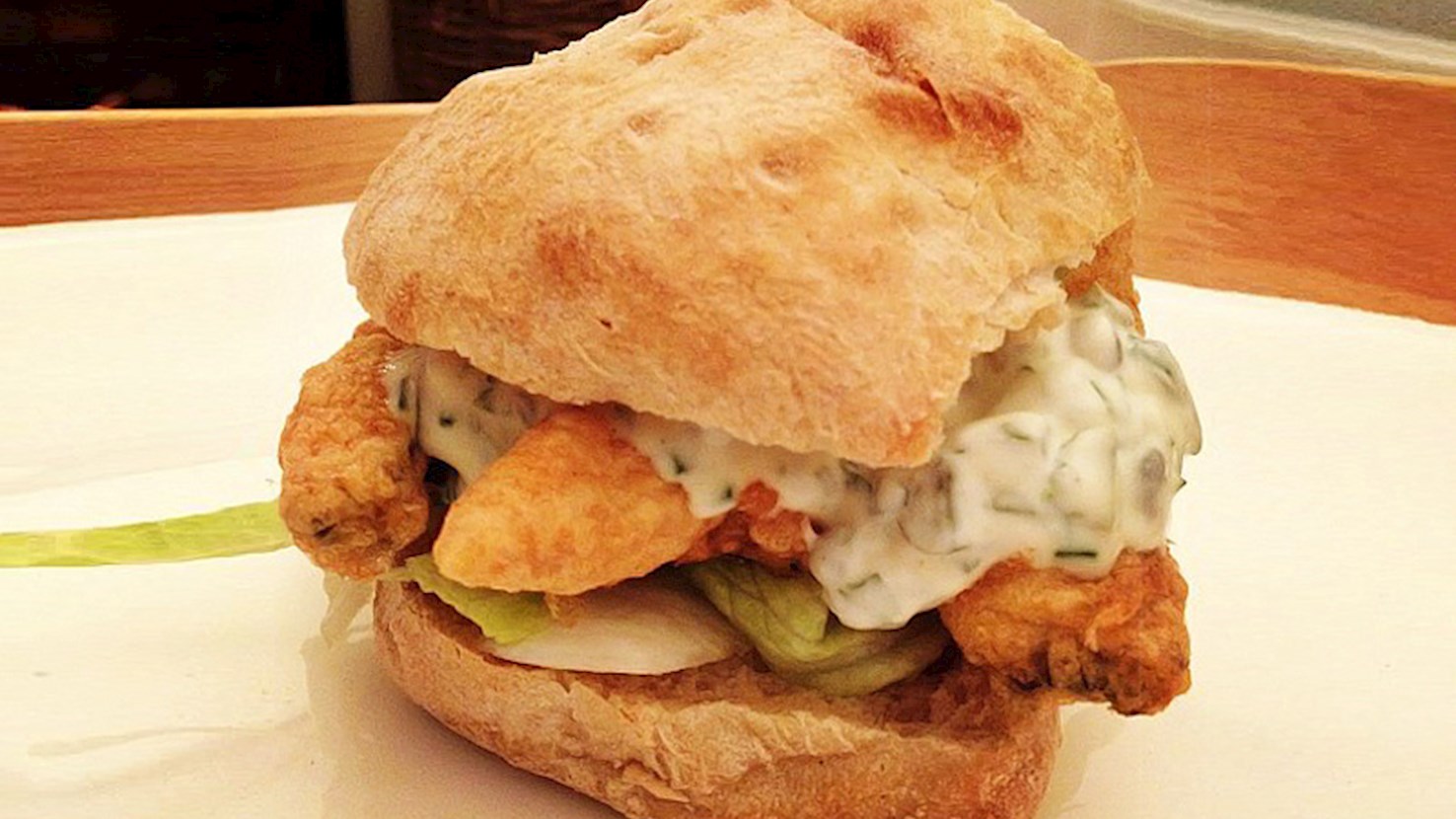
Mackerel bap is an English fish sandwich originating from River Cottage Canteen restaurant in Axminster, where it's been created by chef Tim Maddams. The sandwich is made with mackerel fillets that are dredged in flour, dipped in beaten eggs, deep-fried in hot oil until golden and crispy, and then placed in a bread roll (bap) with tartare sauce or some mayonnaise with lemon juice. However, mackerel is no longer considered sustainable by the Marine Stewardship Council, so the customers should be advised that the fish is no longer sustainable, and they can make the informed choice to eat mackerel baps or not, or try alternative dishes such as cod baps or kipper baps. Either way, eating mackerel baps should be an occasional choice.

10

Angels on horseback

n/a ·

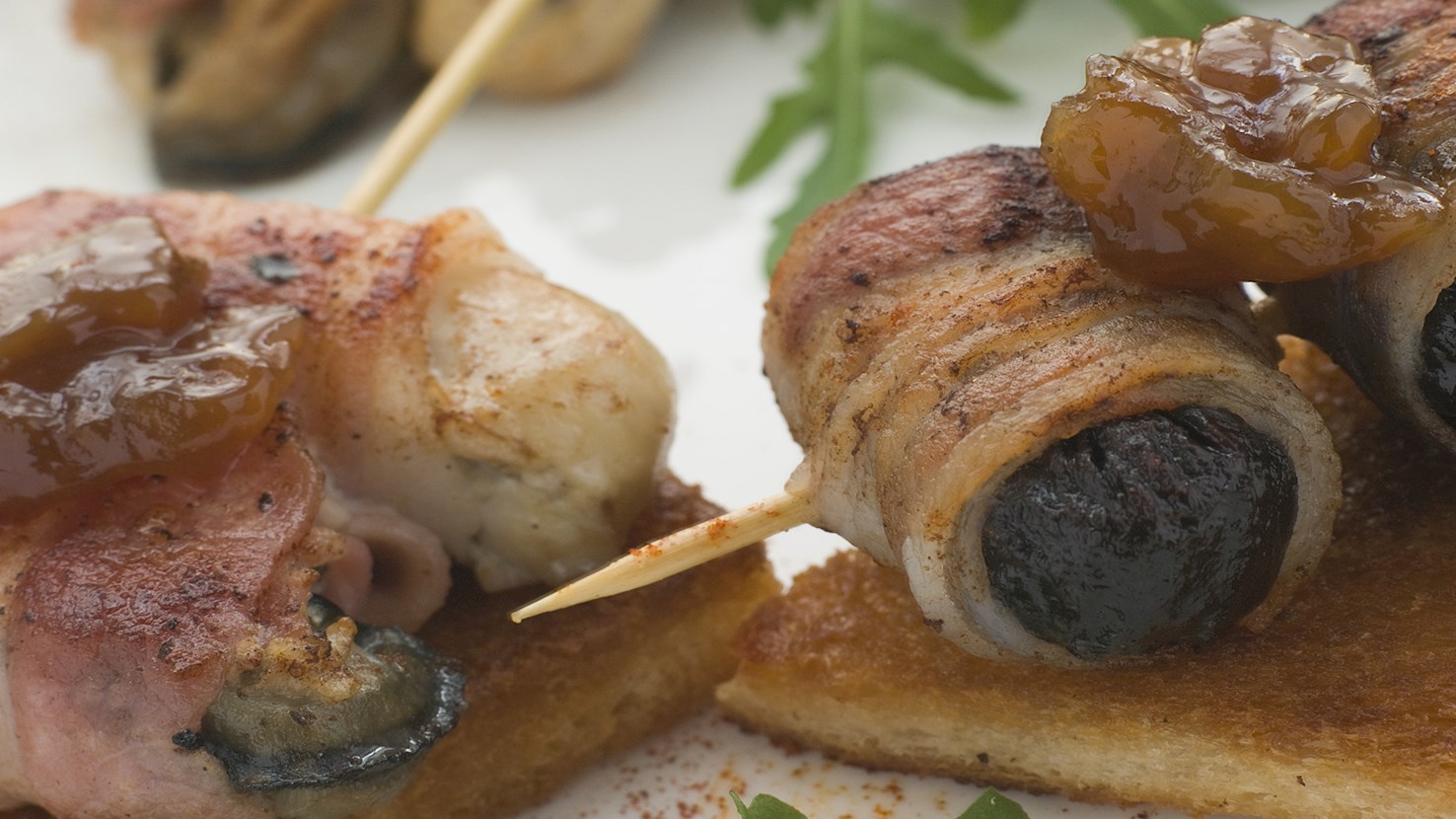
This classic British Victorian dish is typically enjoyed as an after-dinner nibble or appetizer. It consists of grilled (and sometimes skewered), bacon-wrapped oysters which are often drizzled with fresh lemon juice for extra flavor. The dish takes its poetic name after the visual appearance of curled bacon, which looks like angel wings. Angels on horseback are best enjoyed served on toast, and paired with hollandaise sauce.

Read more
View all
View map
About this ranking

TasteAtlas food rankings are based on the ratings of the TasteAtlas audience, with a series of mechanisms that recognize real users and that ignore bot, nationalist or local patriotic ratings, and give additional value to the ratings of users that the system recognizes as knowledgeable. For the “Top 11 English Seafood Dishes” list until June 15, 2026, 1,594 ratings were recorded, of which 1,413 were recognized by the system as legitimate. TasteAtlas Rankings should not be seen as the final global conclusion about food. Their purpose is to promote excellent local foods, instill pride in traditional dishes, and arouse curiosity about dishes you haven’t tried.

Similar lists