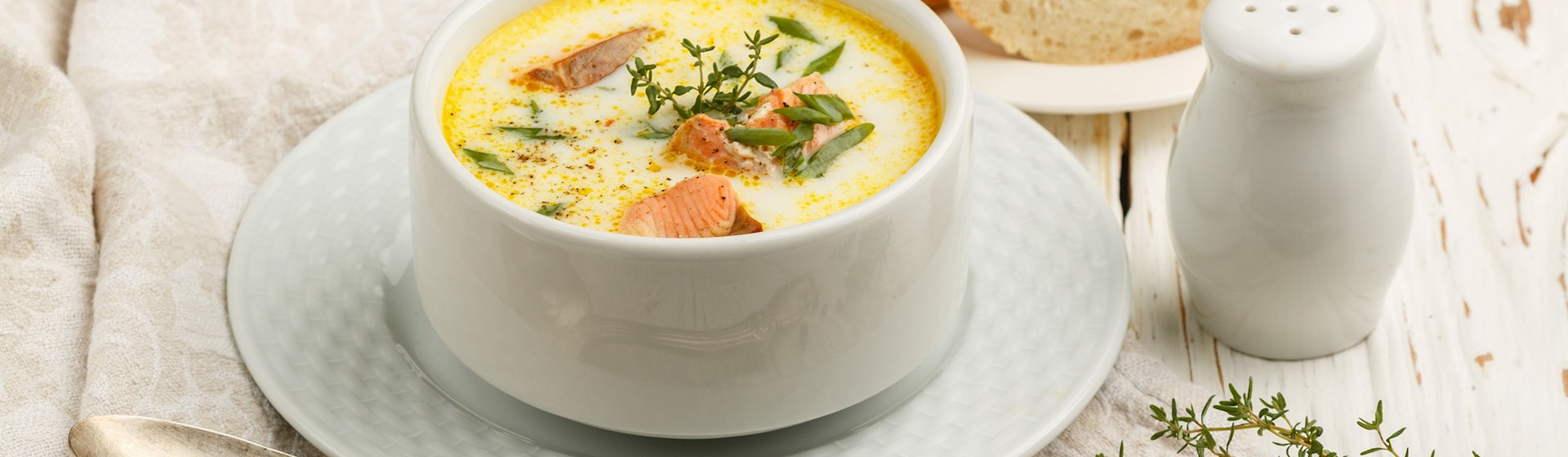
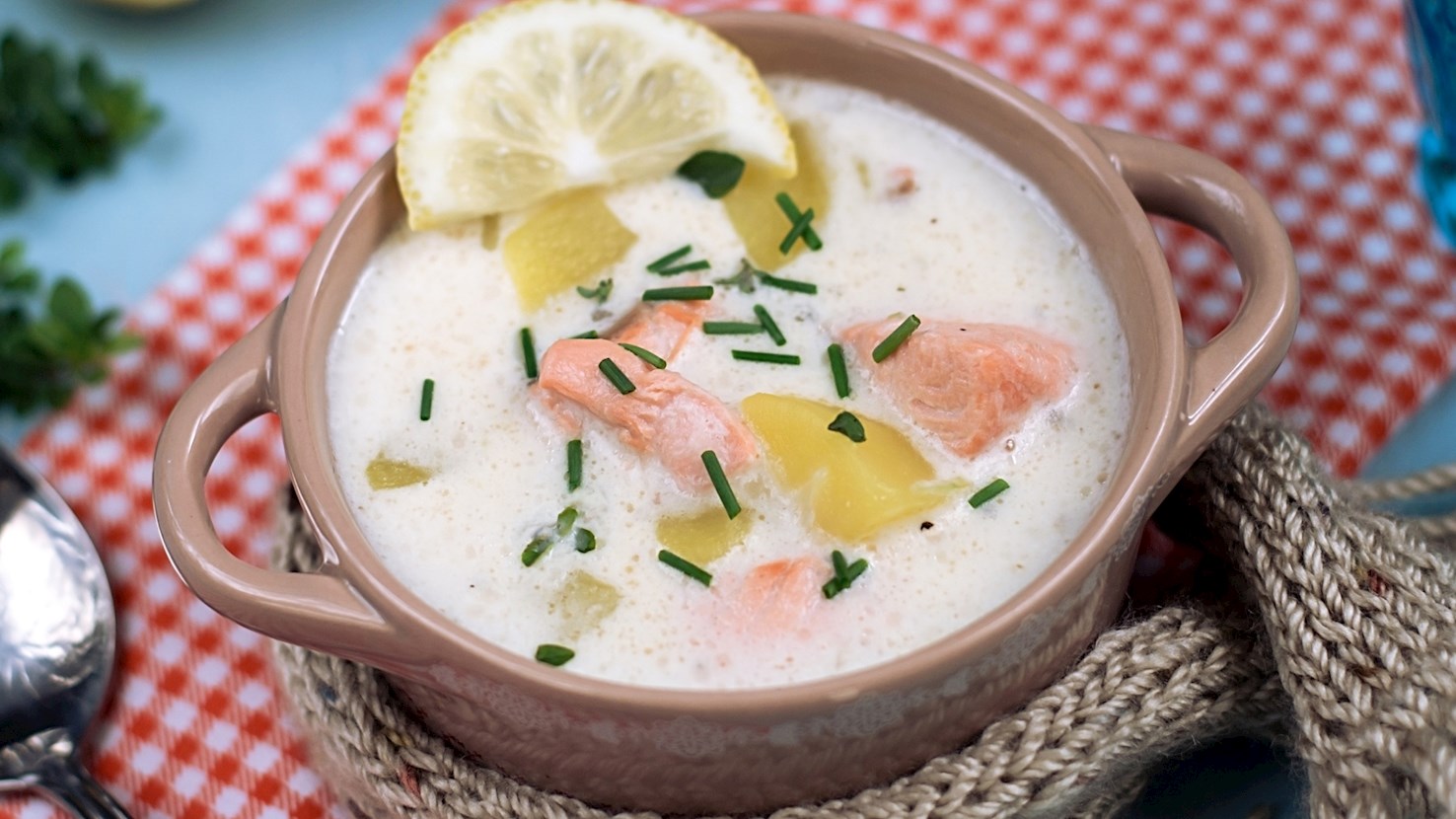
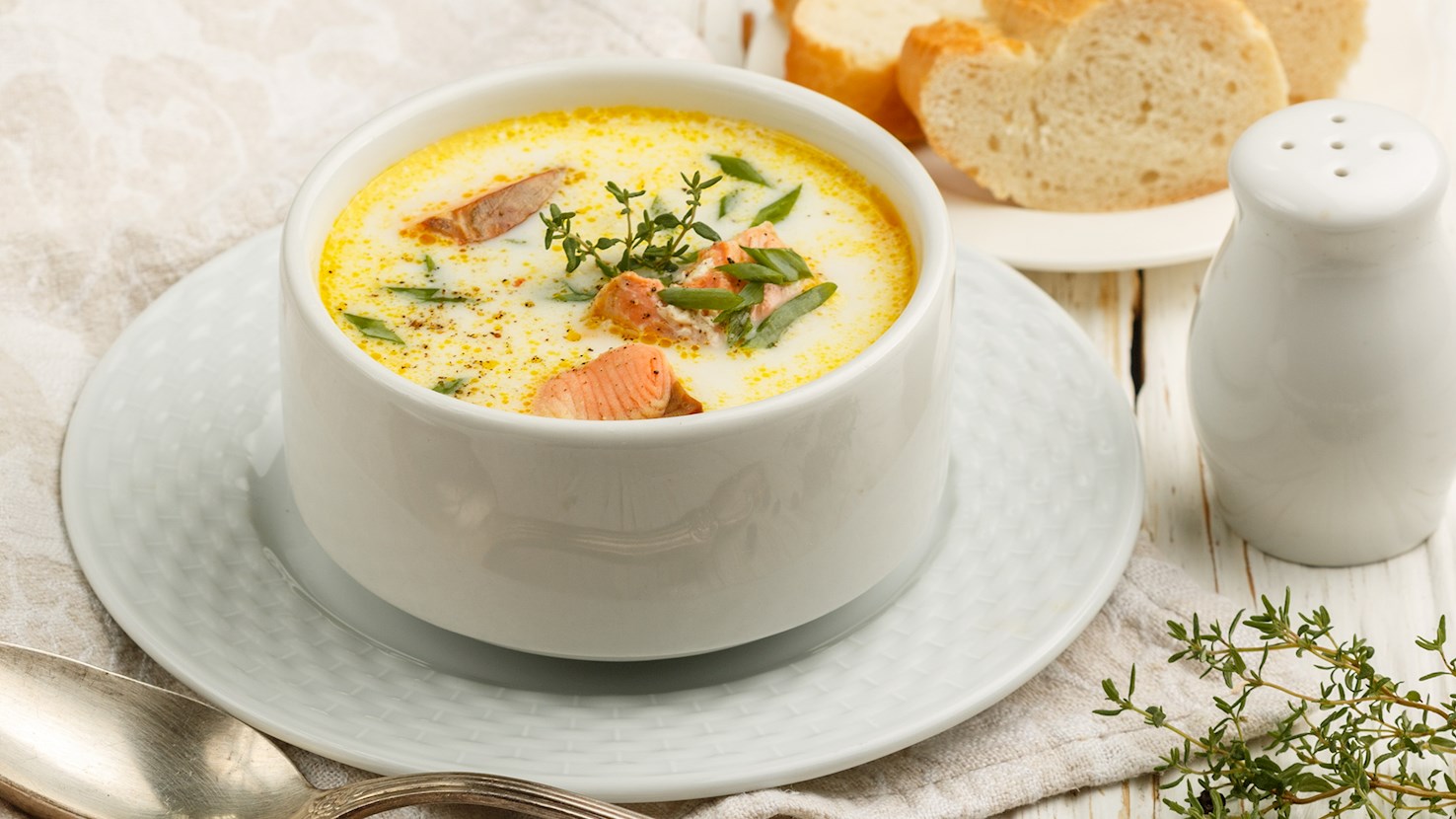
Lohikeitto is a creamy Finish salmon soup, similar to laxsoppa in Sweden. Apart from chunks of salmon fillet, it traditionally incorporates diced potatoes and carrots cooked in a flavorful, buttery broth infused with fish stock and cream. This comforting winter dish is generously seasoned with dill and served alongside buttered rye bread or lemon wedges.
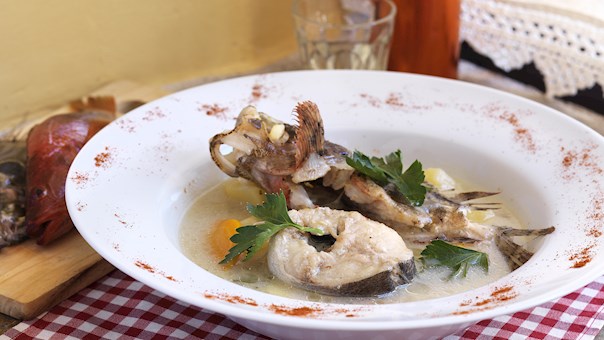
Kalakeitto or fish soup has been a staple of traditional Finnish cuisine for a long time. Although there are numerous ways to prepare this classic Finnish specialty, it typically consists of cleaned and filleted fish chunks and diced vegetables that are simmered in a rich, buttery fish broth. Carrots, potatoes, onions, and leeks are among the most common vegetables used for the soup’s preparation, while the choice of fish includes salmon, rainbow trout, vendace, pike, perch, zander, or burbot. Traditionally, the soup is enhanced with the addition of butter and cooking cream (ruokakermaa), and it is usually flavored with dill, allspice, bay leaves, salt, and pepper. In Finland, a bowl of steaming hot fish soup is typically enjoyed for lunch or dinner, but it can also be served as an appetizer, accompanied by traditional Finnish rye bread and lemon wedges on the side. As of 2018, the country has started celebrating its National Fish Soup Day (Kalakeittopäivä) on the second Tuesday of February, a manifestation that has begun with the aim of boosting people’s consumption of fish.
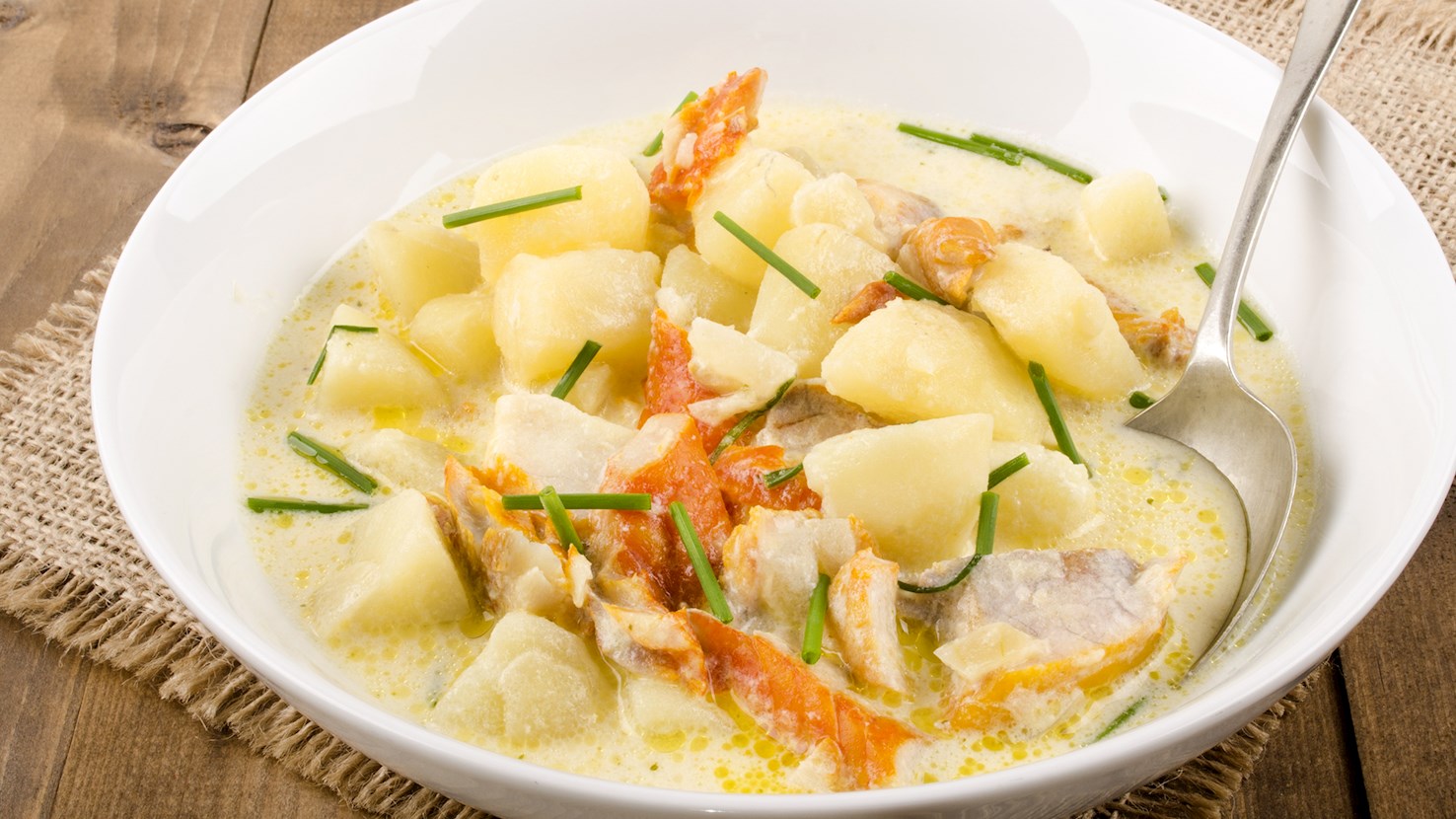
Even though it has been traditionally prepared all along the coast, Cullen skink is a dish originating from the fishing village of Cullen in Northeastern Scotland. This thick and creamy fish soup is typically based on smoked haddock cooked with milk, leeks, onions, and potatoes which provide the filling bulk. Some recipes specify the use of Arbroath smokies, although just about any smoked white fish will do. Cullen skink will go hand in hand with a glass of dry white wine, but to indulge in a true Scottish feast, try pairing it with Scotch whisky.
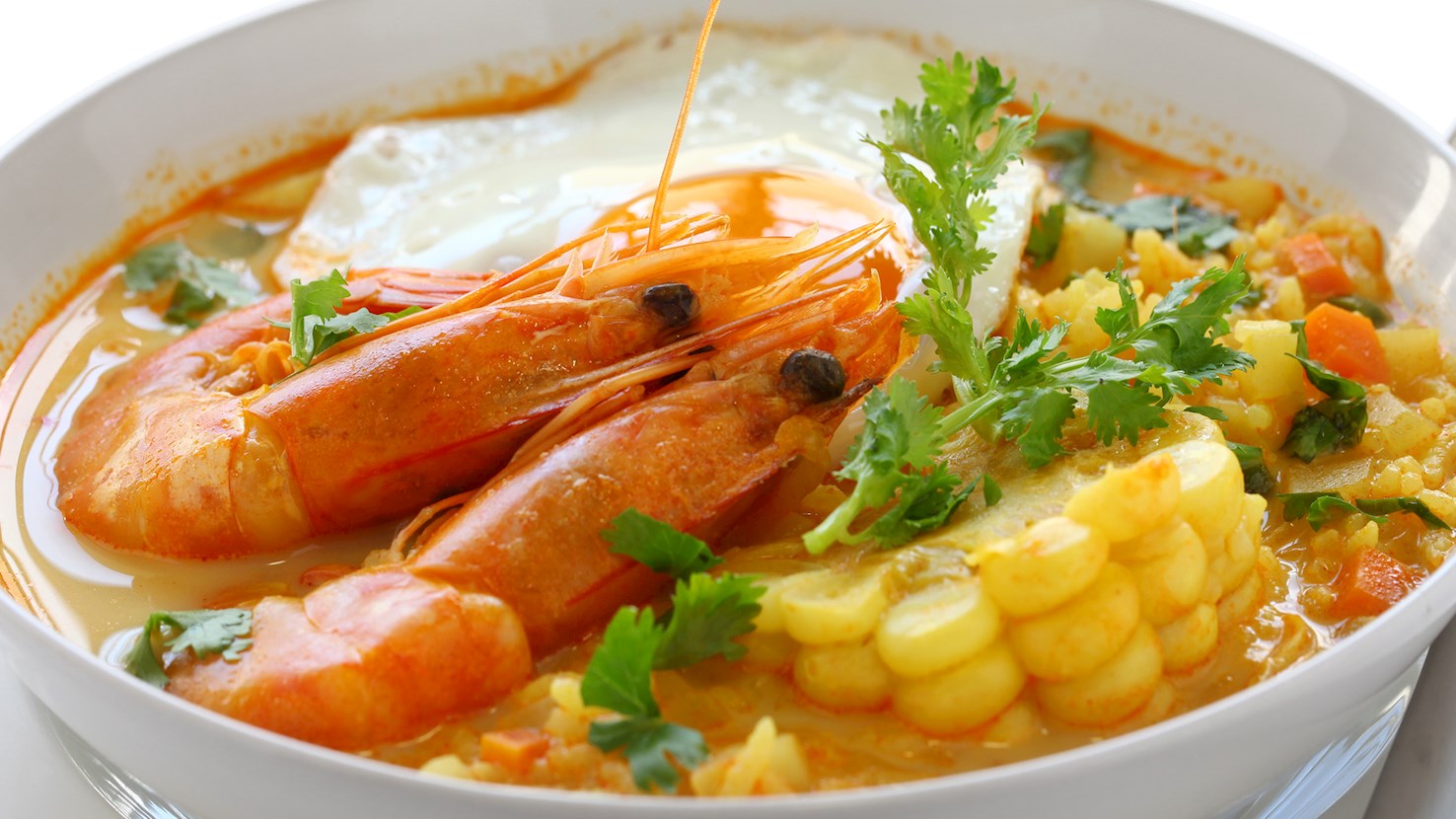
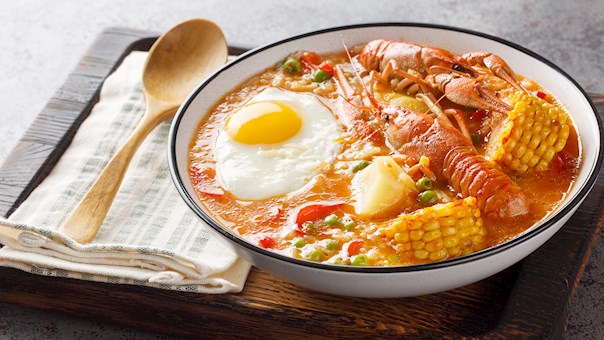
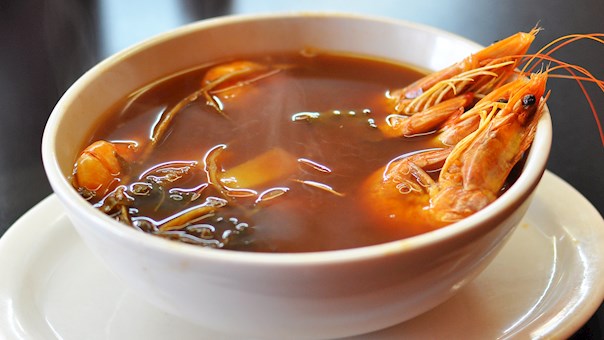
Chupe de camarones is a popular Peruvian shrimp (or prawn) chowder with a long and unusual history. The chowder is typically made with fish stock, fresh shrimps, onions, garlic, and yellow potatoes, while rice, beans, carrots, and peas are used often, but not always. The dish is traditionally served in deep bowls and garnished with parsley. In recent years, food historians have revealed that chupe de camarones actually evolved from a thick Arequipeño stew made with potatoes, llama meat, and herbs. The dish was called chuwa misa (lit. deep bowl) and was prepared before the 16th century. After the Spanish conquest, locals started to catch shrimps, preparing shrimp ceviche and shrimp sauteé in the process. The Spaniards brought some new ingredients to the region, such as milk and cheese, and added them to the shrimp sautée, resulting in the creation of chupe de camarones.
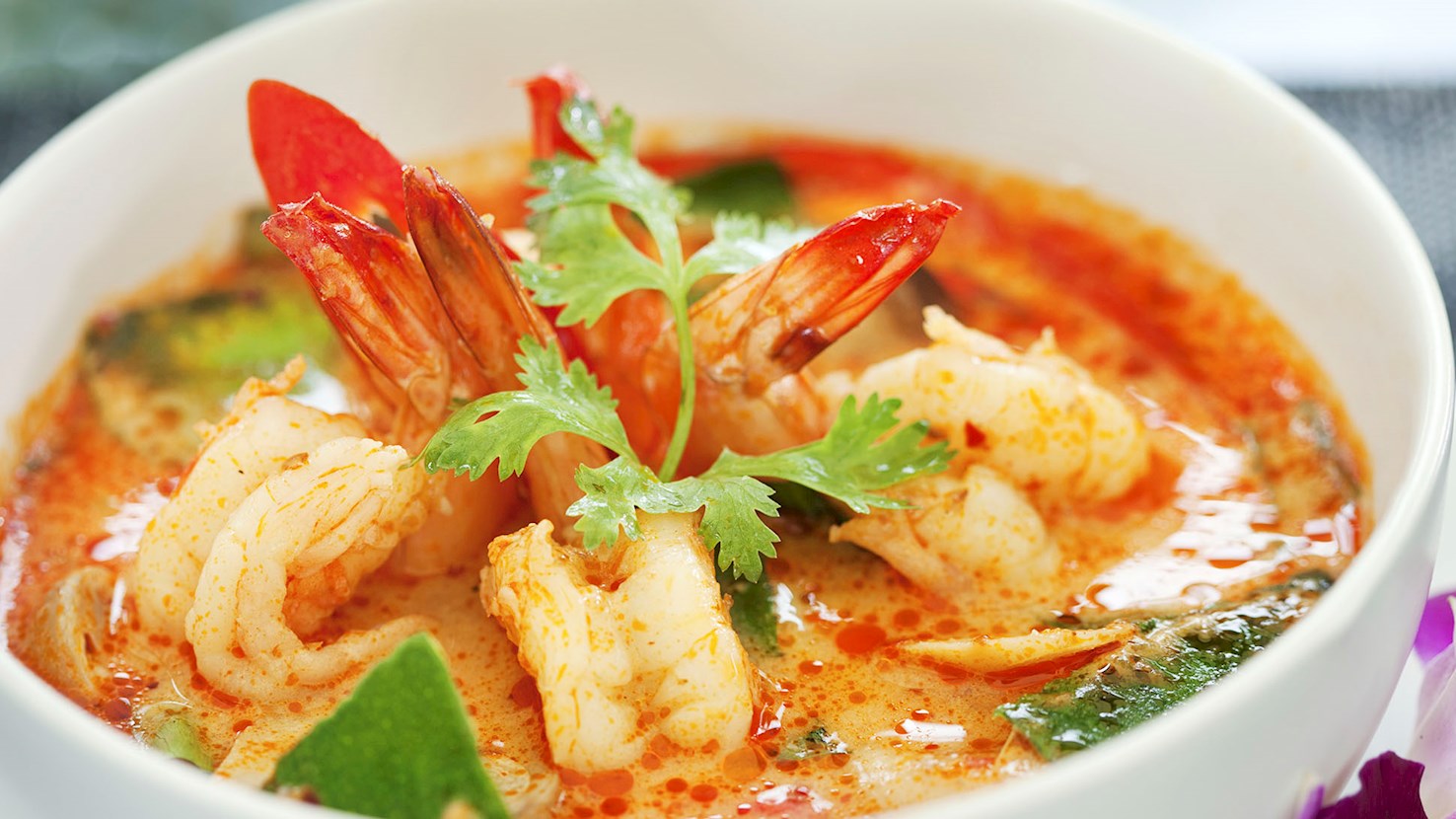
Tom Yum is one of the best known Thai dishes, a spicy, sour, and aromatic soup that is traditionally served with rice. It consists of shallots, lemongrass, fish sauce, minced fresh ginger or galangal, shrimps, mushrooms, kaffir lime leaves, lime juice, and minced Thai chili peppers. Usually served as an appetizer, tom yum is traditionally garnished with coriander leaves on top. Due to its popularity, different versions of the soup started to appear over the years, such as tom yum gai, with added chicken, and tom yum talay, with mixed seafood. There's also a version made with pork. Full of nutrients, flavorful, satiating, and healthy, tom yum is one of the most popular Thai dishes for a reason.
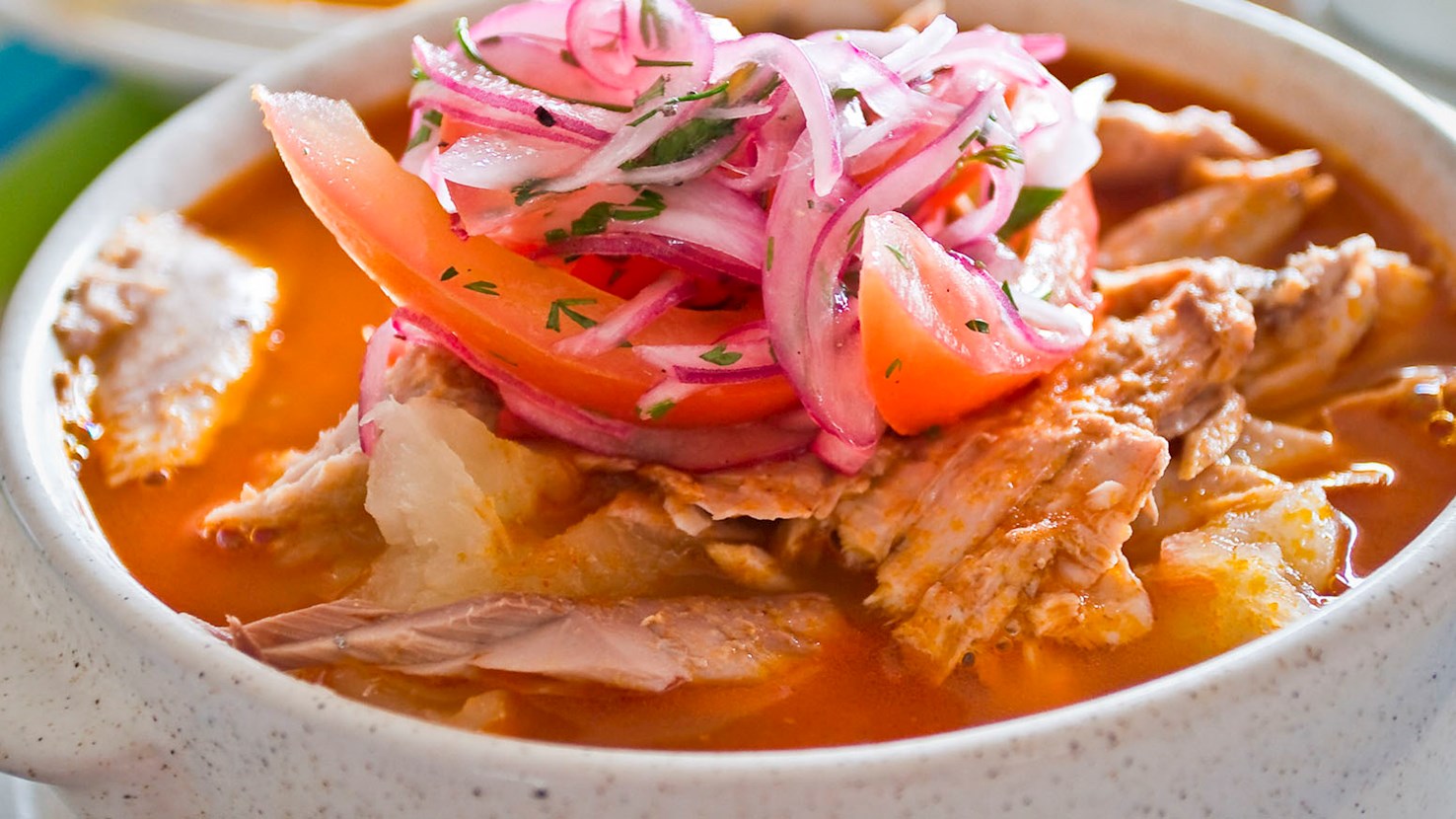
Encebollado is the national dish of Ecuador, a fish soup that is characterized by a large amount of onions. Very useful in curing hangovers, the dish is made with fresh tuna meat, cassava root, tomatoes, onions, coriander, and various spices. Tomatoes, onions, chili, coriander, and cumin form a pungent mix and a base for the soup, called sofrito, while pickled onions go either on top of encebollado or into it, giving it its name that is literally translated to onioned. The soup originates from Ecuador's coast during the time when the fishers were out at sea and made the soup out of necessity. As they had some spices, and fresh fish was readily available, encebollado was created and became widely consumed throughout the country. Today, consumers can choose their own condiments including toasted corn, banana chips, lime, mustard, and avocado. This traditional dish – a source of pride for the locals – can be found on various street corners, in small restaurants, hotels, and homes of people from various social backgrounds. Everyone eats it in Ecuador, that's just how good it is.
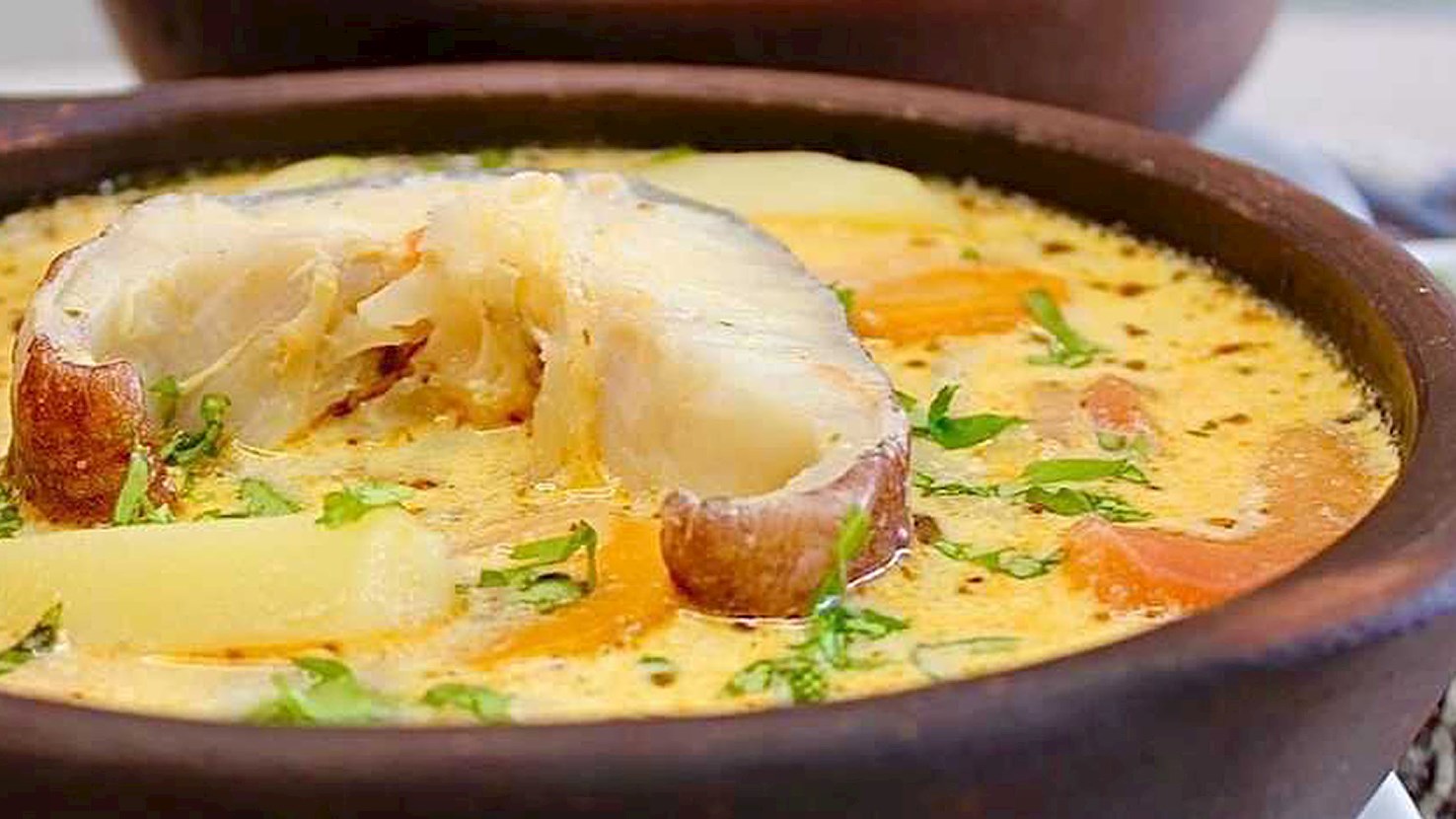
Caldillo de congrio is a hearty Chilean fish soup made with conger eel as its key ingredient. Chopped and cooked conger eel is usually boiled in water, creating a flavorful broth in the process. The broth and the eels are then combined with sautéed onions, garlic, tomatoes, carrots, and bell peppers. Optionally, heavy cream can also be stirred into the soup. Caldillo de congrio is typically seasoned with salt and black pepper, and it is garnished with coriander, parsley, or scallions. This nourishing soup is traditionally paired with crusty bread and a glass of wine on the side. Interestingly, the soup is so popular and rooted in Chilean culture that the famous poet and Nobel Prize winner Pablo Neruda wrote a poem called Ode to the Caldillo de Congrio.
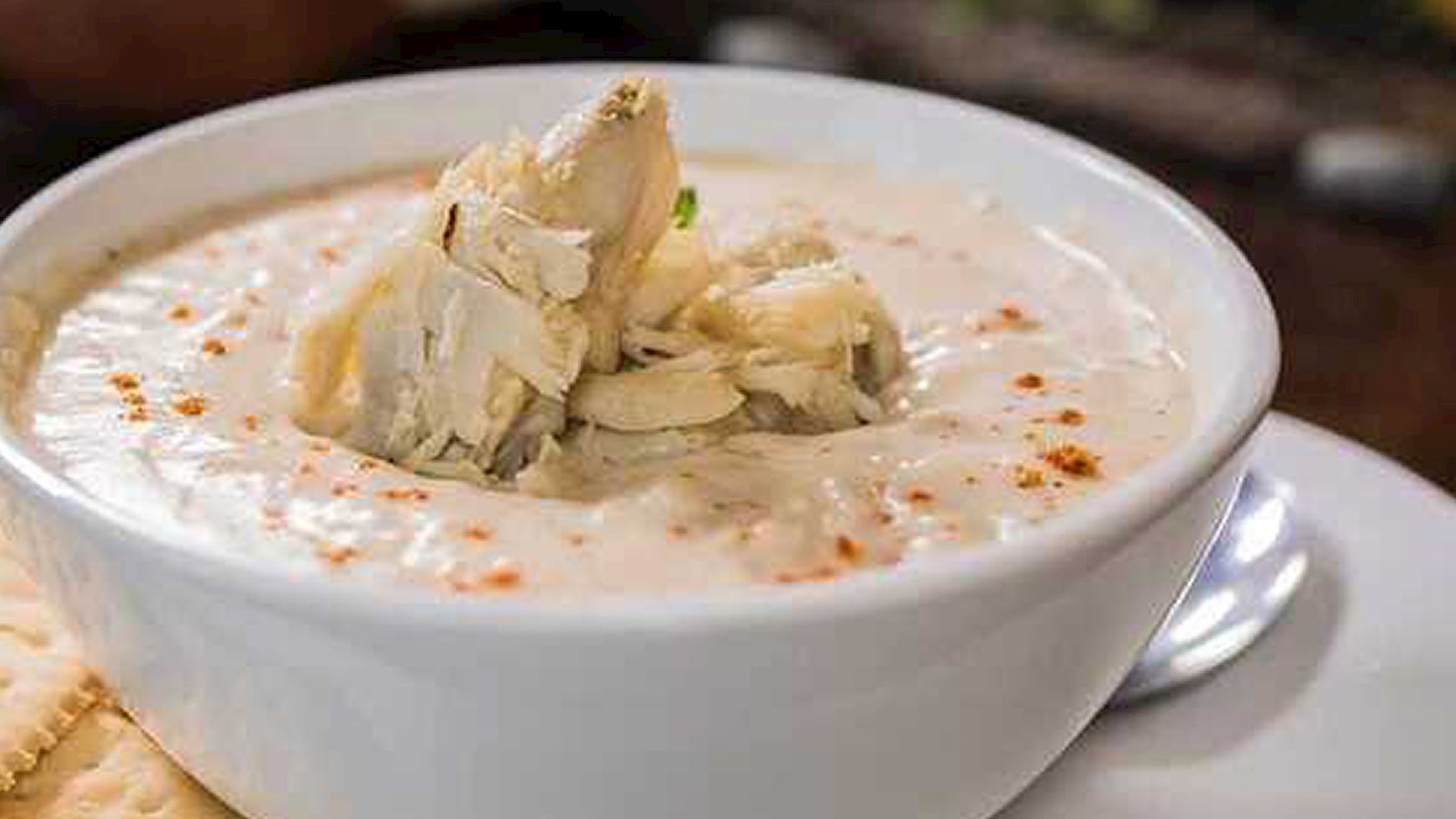
She-crab soup, somewhat of a cross between a bisque and a chowder, is a soup made with heavy cream or milk, crabmeat, sherry, fish or crab stock, and roe—a key ingredient in the dish that improves the flavor and is responsible for the color. The soup is thickened with a roux or puréed boiled rice, and it is usually seasoned with either mace, onions, or shallots. A regional specialty of Tidewater, Virginia, the South Carolina Lowcountry, and Georgia coast, it was first introduced to these parts by the Scottish settlers in the 1700s in the form of partan-bree, a famous seafood bisque, but it was not until the 1900s that the soup gained its present-day form.
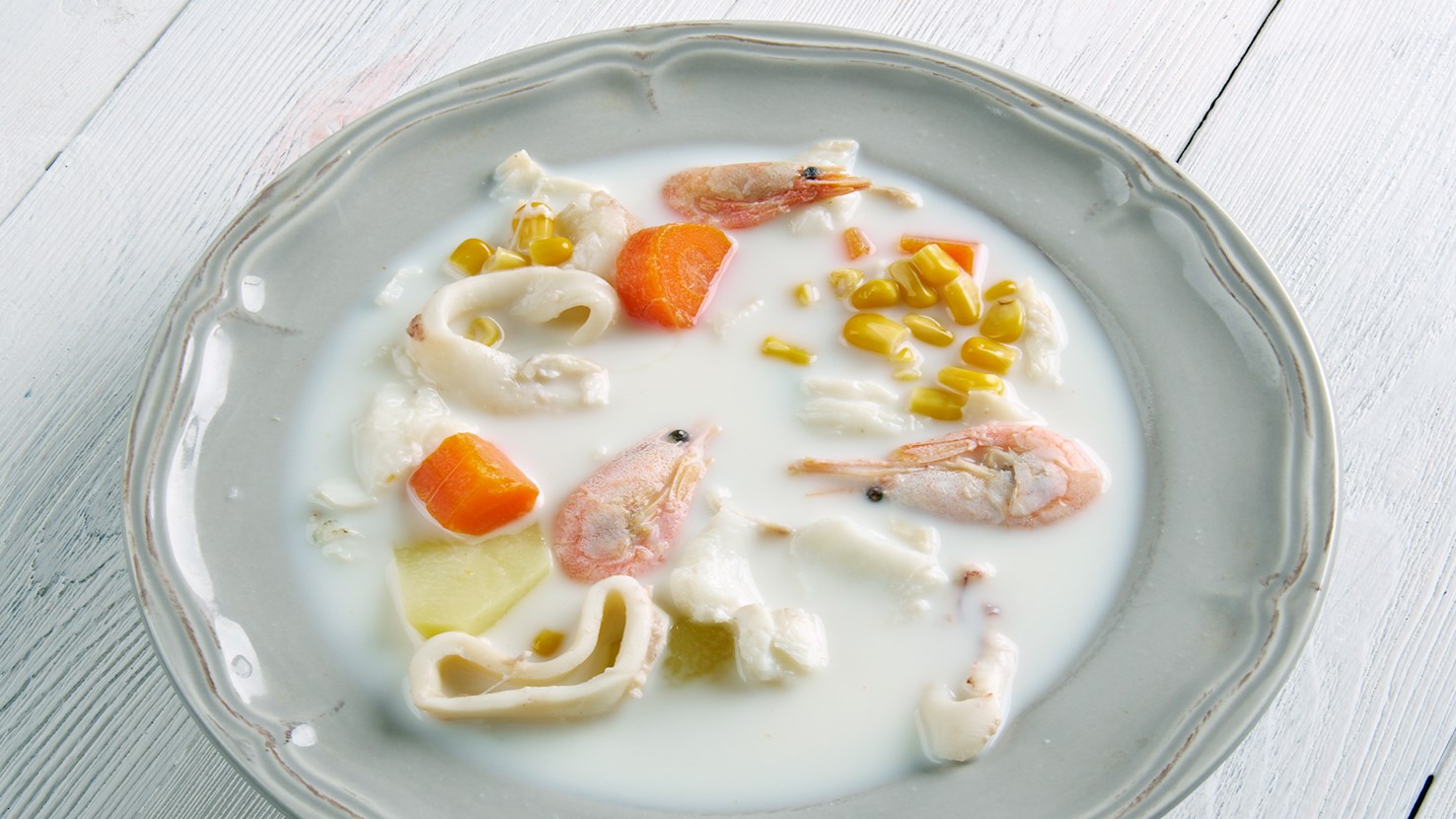
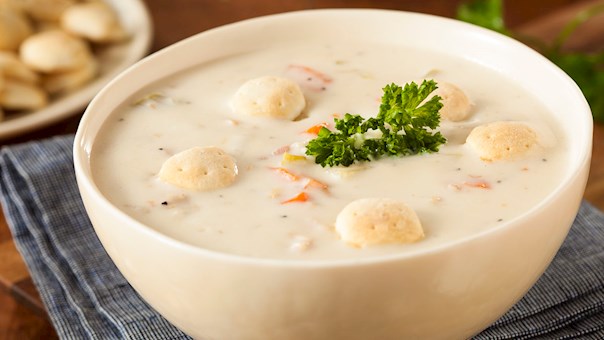
Irish seafood chowder is a hearty soup that comes from the coastal communities of Ireland, where the Atlantic Ocean has long provided an abundance of fish and shellfish. It is a dish shaped by geography, as fishing villages relied on what was freshly caught, from salmon and cod to mussels and prawns, and combined these with staples such as potatoes, onions, and milk or cream to create a warm and filling meal. Its roots go back to the practical cooking of fishermen and households who needed to make use of the daily catch in a way that could feed families with simple yet nourishing ingredients. Over time it became a signature part of Irish food culture, carried from small harbors to restaurants and pubs across the country. Preparation begins with a base of butter, onions, and leeks gently softened before being joined by diced potatoes, fish stock, and milk or cream. The seafood, often a mix of white fish and shellfish, is added near the end so it cooks quickly and retains its delicate flavor and texture. Herbs such as parsley or thyme may be included for freshness, and the chowder is sometimes finished with a splash of cream to give it a smooth body. It is served hot, usually in deep bowls, accompanied by brown soda bread that can soak up the broth. One distinctive aspect of Irish seafood chowder is its flexibility. Unlike fixed recipes, it often reflects what the local boats bring in, which means it may vary slightly from one town to another. In some coastal areas, smoked fish is added, lending a stronger and more complex flavor, while in others mussels or clams feature prominently. This adaptability has allowed the dish to remain both consistent in spirit and diverse in expression, making it as common at a rural inn as in a modern restaurant. Today, it is eaten throughout Ireland, especially in seaside towns where it is offered as a highlight of the menu. It is enjoyed as a starter or a full meal, often paired with brown bread and butter, and it matches well with a pint of stout or a glass of crisp white wine.
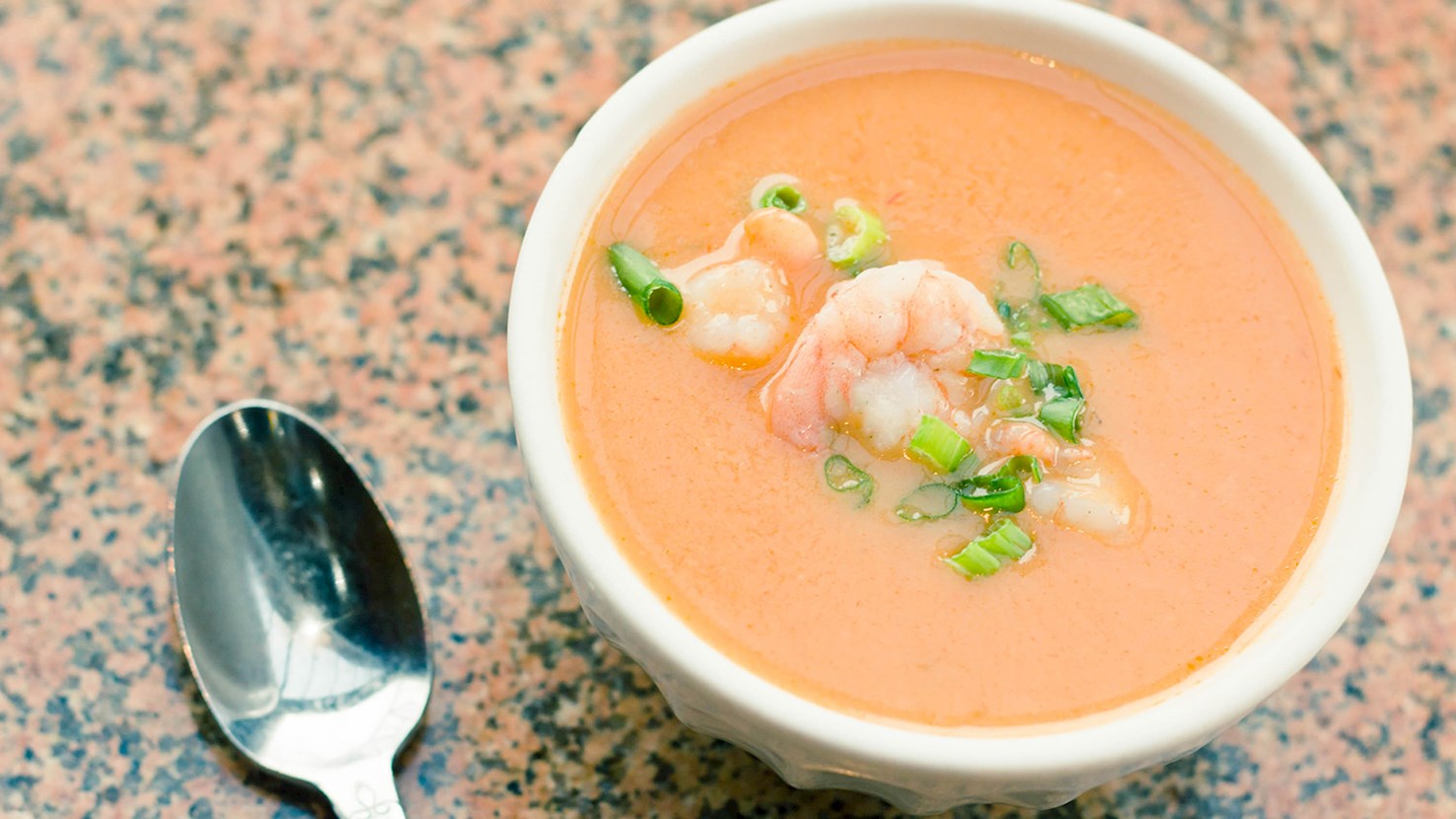
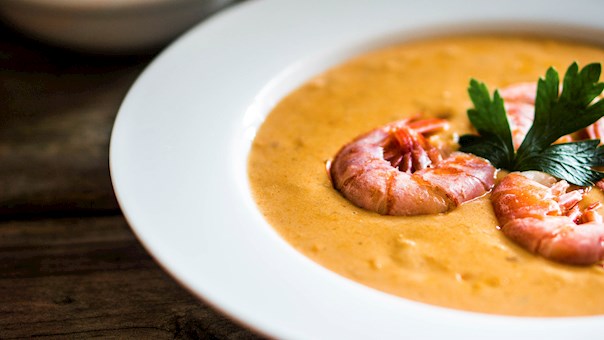
Shrimp bisque is a traditional Cajun dish originating from Louisiana. The soup is usually made with a combination of large shrimp, seafood broth, shrimp broth, butter, bell peppers, shallots, garlic, flour, cream, brandy, hot sauce, and seasonings. The shrimps are simmered in the broth until the liquid is reduced, while a combination of butter, bell peppers, shallots, and garlic is sautéed and sprinkled with flour and mixed with brandy and cream until the combination becomes thick. The cooked shrimps are added to the pot and simmered until hot, and the dish is then served, often garnished with sliced green onions or parsley. It's recommended to serve shrimp bisque with French bread on the side for mopping up the juices.
TasteAtlas food rankings are based on the ratings of the TasteAtlas audience, with a series of mechanisms that recognize real users and that ignore bot,
nationalist or local patriotic ratings, and give additional value to the ratings of users that the system recognizes as knowledgeable.
For the “Top 100 Seafood Soups in the World” list until August 15, 2026, 5,903 ratings were recorded, of which 3,252 were recognized by the system as legitimate.
TasteAtlas Rankings should not be seen as the final global conclusion about food. Their purpose is to promote excellent local foods,
instill pride in traditional dishes, and arouse curiosity about dishes you haven’t tried.







What People Say