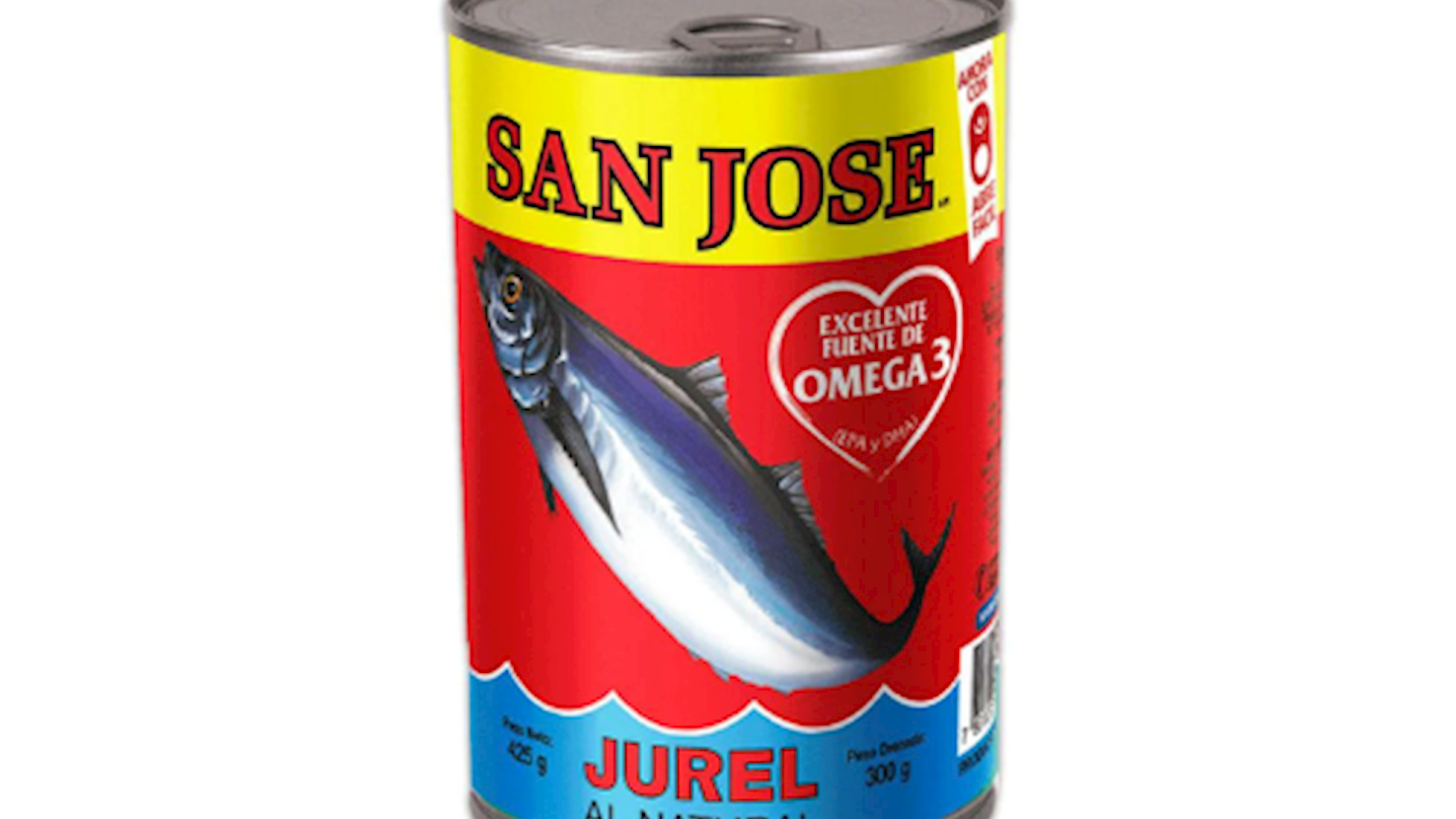
San José is a prominent canned fish brand from Chile, operating under the umbrella of Orizon, one of the leading producers of marine food products. With a tradition spanning over 60 years, San José offers a wide range of canned seafood, with its standout product being Jurel fish - canned Chilean jack mackerel, renowned for its rich nutritional value and distinctive flavor.
San José is also recognized for its strong commitment to sustainability and responsible fishing, maintaining a controlled supply chain and holding international certifications for quality and environmental responsibility. As a brand that combines tradition, innovation, and natural resources, San José is increasingly present in international markets as a trusted choice in the canned fish category.
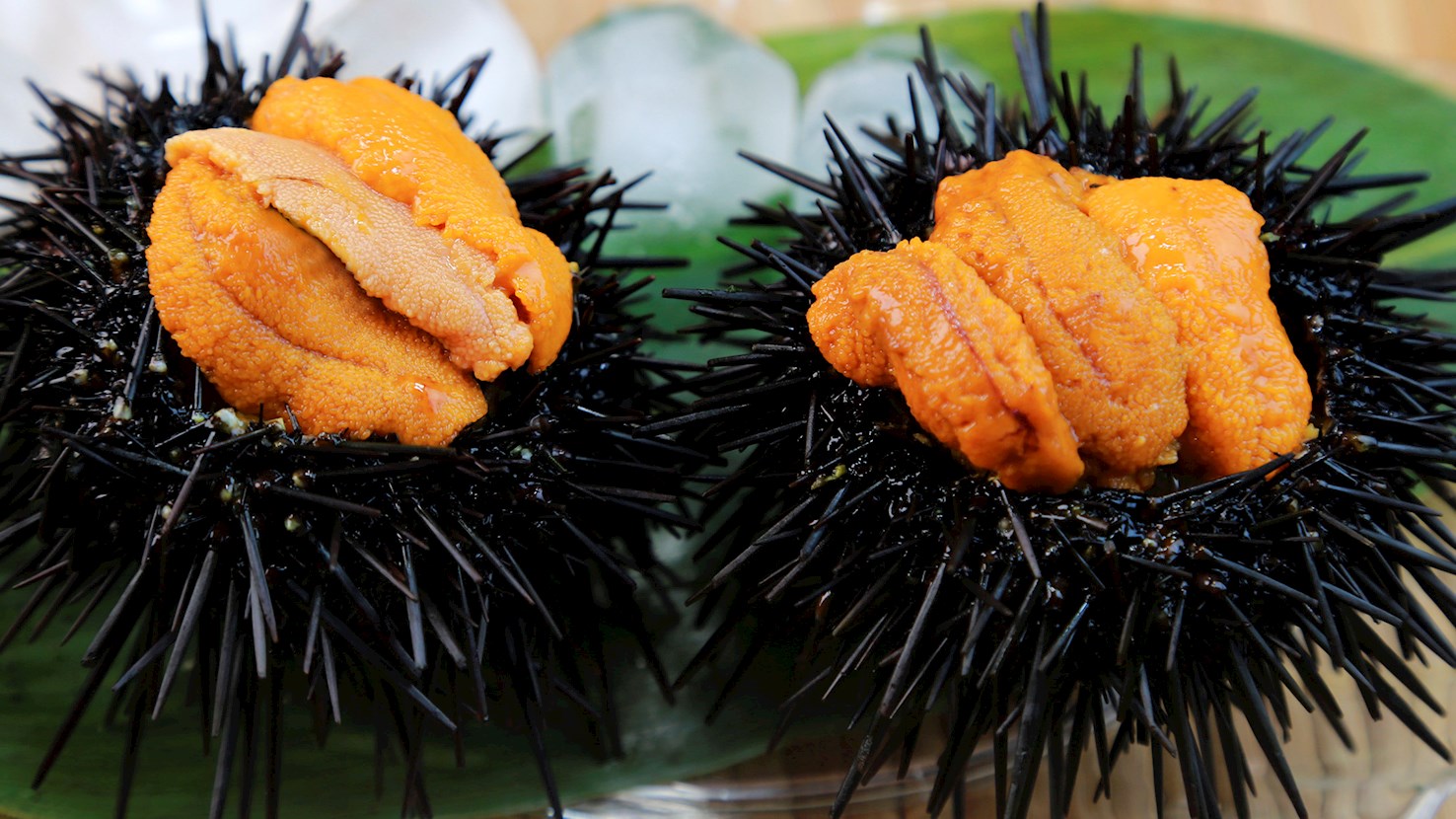
Uni is a Japanese name for sea urchin gonads, an organ which produces the animal's roe. It is the only edible part of the sea urchin, commonly consumed in various European, South American, and Asian countries. The texture of uni should be firm, creamy, and smooth, while its flavor is rich and briny. Uni is usually found at local markets or restaurants, and it can be easily incorporated into a variety of dishes. However, it should always be consumed fresh, preferably just out of the shell. In most countries, it is eaten raw, usually with a splash of lemon juice. The most prominent uni varieties are cultivated in Japan, California, Maine, and Italy, and although very similar, they are region-specific and differ in size, flavor, color, and texture. In Japan, uni is mostly used as a sushi ingredient, though it is also easily incorporated into other Japanese dishes. In Italy (ricci di mare), they are mainly found in Sicily, Sardinia, and Apulia where they are consumed raw, usually with a splash of lemon juice and homemade bread, but they are also incorporated into pasta dishes. Sea urchin gonads, known as oricios, are also consumed in various Spanish regions, in Greece (achinos), and Chile (erizos). They are eaten raw, but they are also used in sauces, patés, scrambled eggs, or soups.
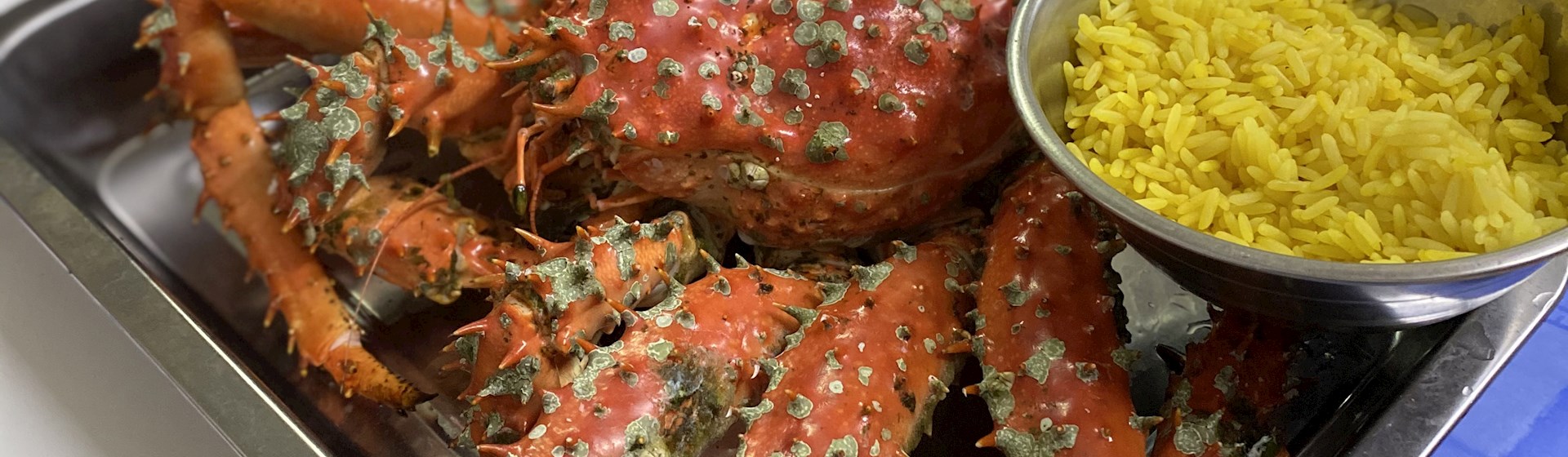
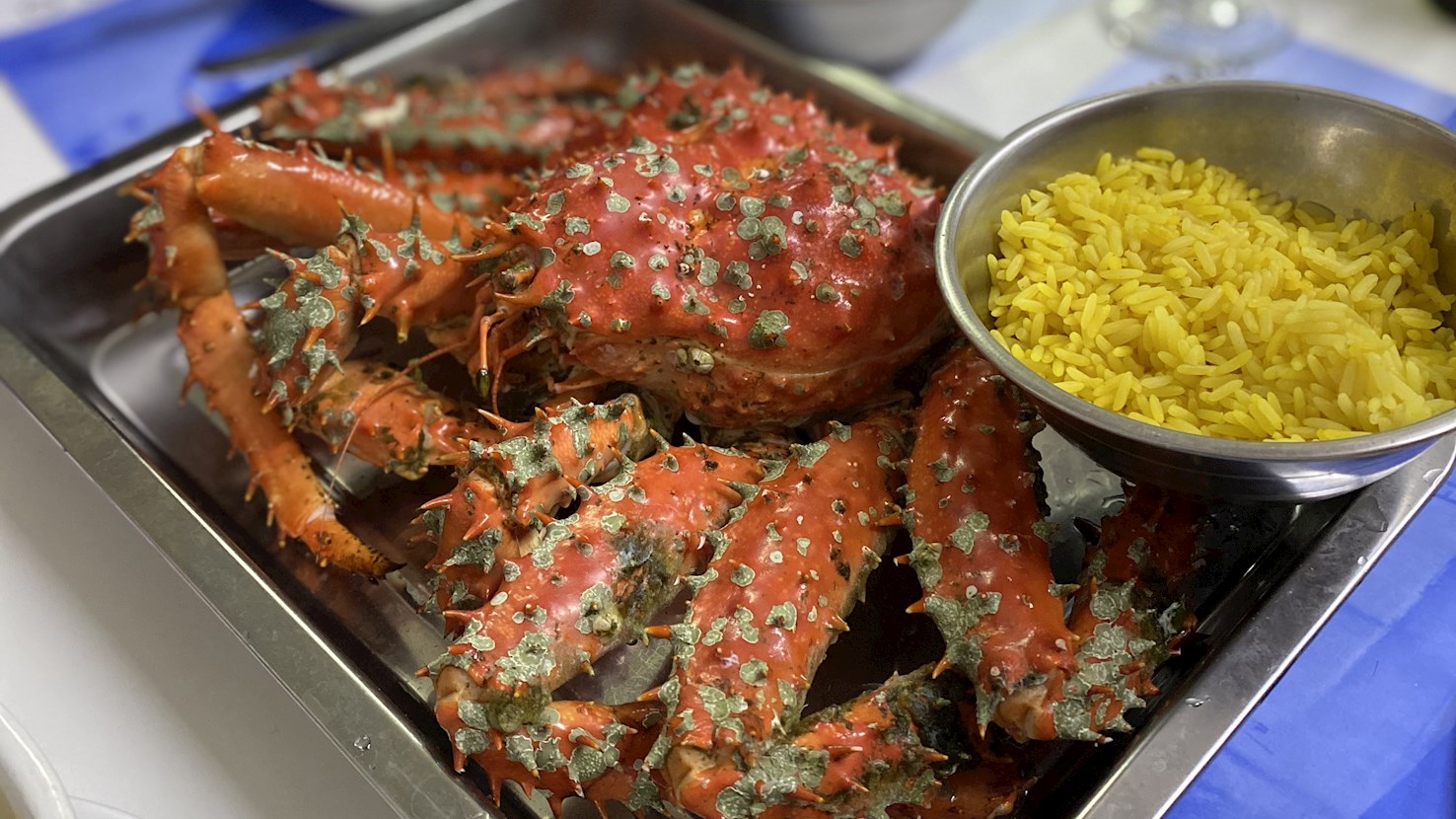
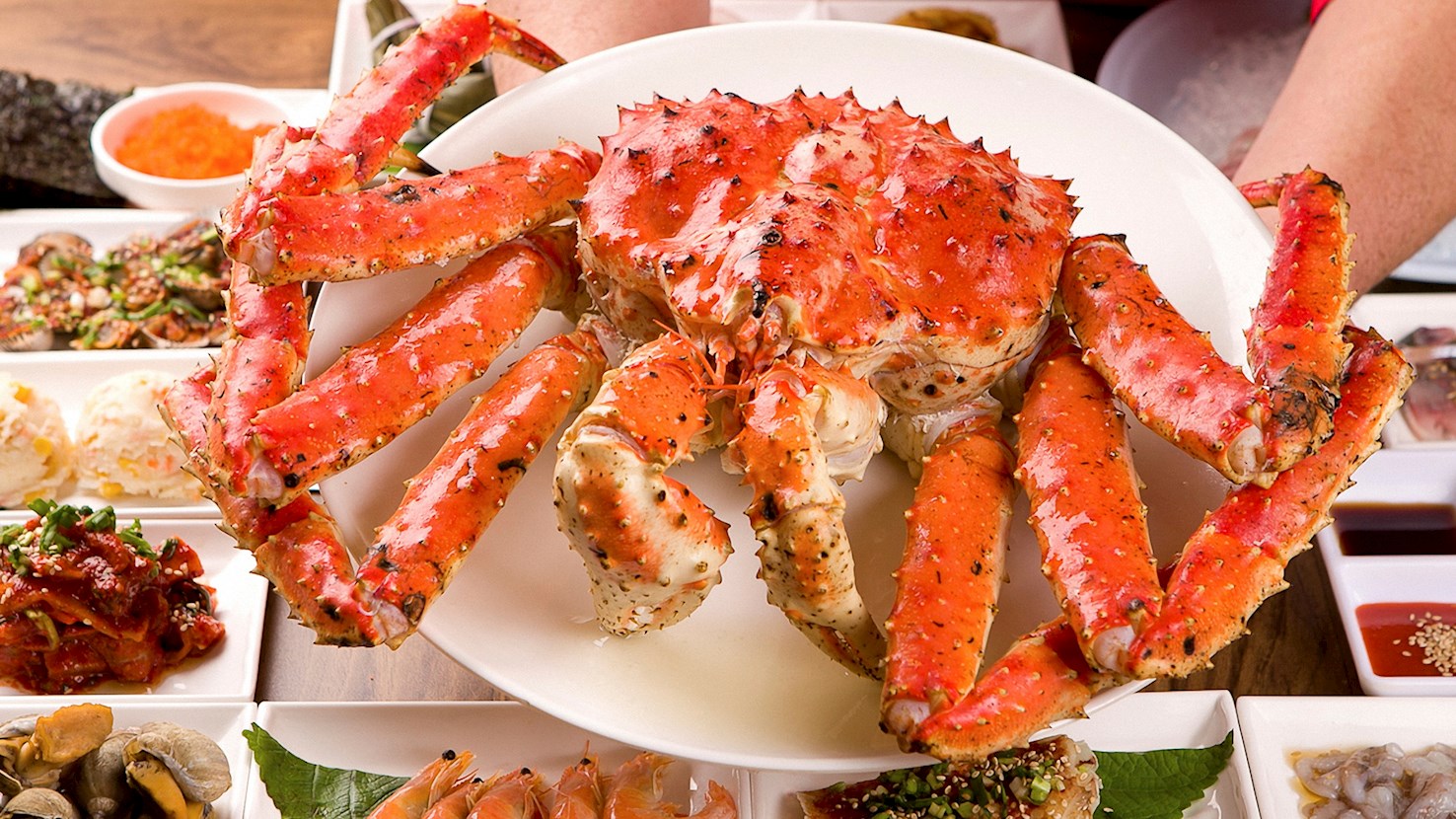
Centolla fueguina is an exceptionally flavored crustacean of the crab family Lithodes santolla, also known as Southern king crab or Tierra del Fuego crab, native across the southern coasts of Argentina and Chile. The best-known fishing grounds with the highest quality of crab are found in the Beagle Channel in the south of Argentina. The crab’s sweet, delicately flavored meat found in the long legs and the red, spiky shell is widely regarded as one of the best crab meat in the world. A gastronomic delight, centolla fueguina is undisputedly one of the most famous regional delicacies of the Tierra del Fuego province, served in restaurants all over the region. Once removed from the cold water, the crab has to be prepared or frozen immediately as its meat is very delicate and highly susceptible to deterioration. Its natural flavor shows off best when cooked plain, with no added flavors or sauces, but it is nonetheless used in the preparation of a variety of delicious crab dishes, such as crab gratins, casseroles, ceviche dishes, tarts, or crêpes, to name a few.
Lithodes santolla (the scientific classification of the southern king crab) is a species of king crab native to the coast of Chile, Argentina, and Peru. They can typically live in waters up to 150 meters deep, but some fishermen have also found them in depths of up to 600 meters. The fishing process involves cooking the legs and then flash-freezing them to preserve freshness. Thus, preparing the legs for consumption simply means reheating them using a steamer, an oven, or even a microwave, then eaten as is or dipped in a savory sauce. Also worth mentioning is that the southern king crab has one of the highest meat/shell ratios of all crabs, so the sweet and delicate interior is enough to go around!
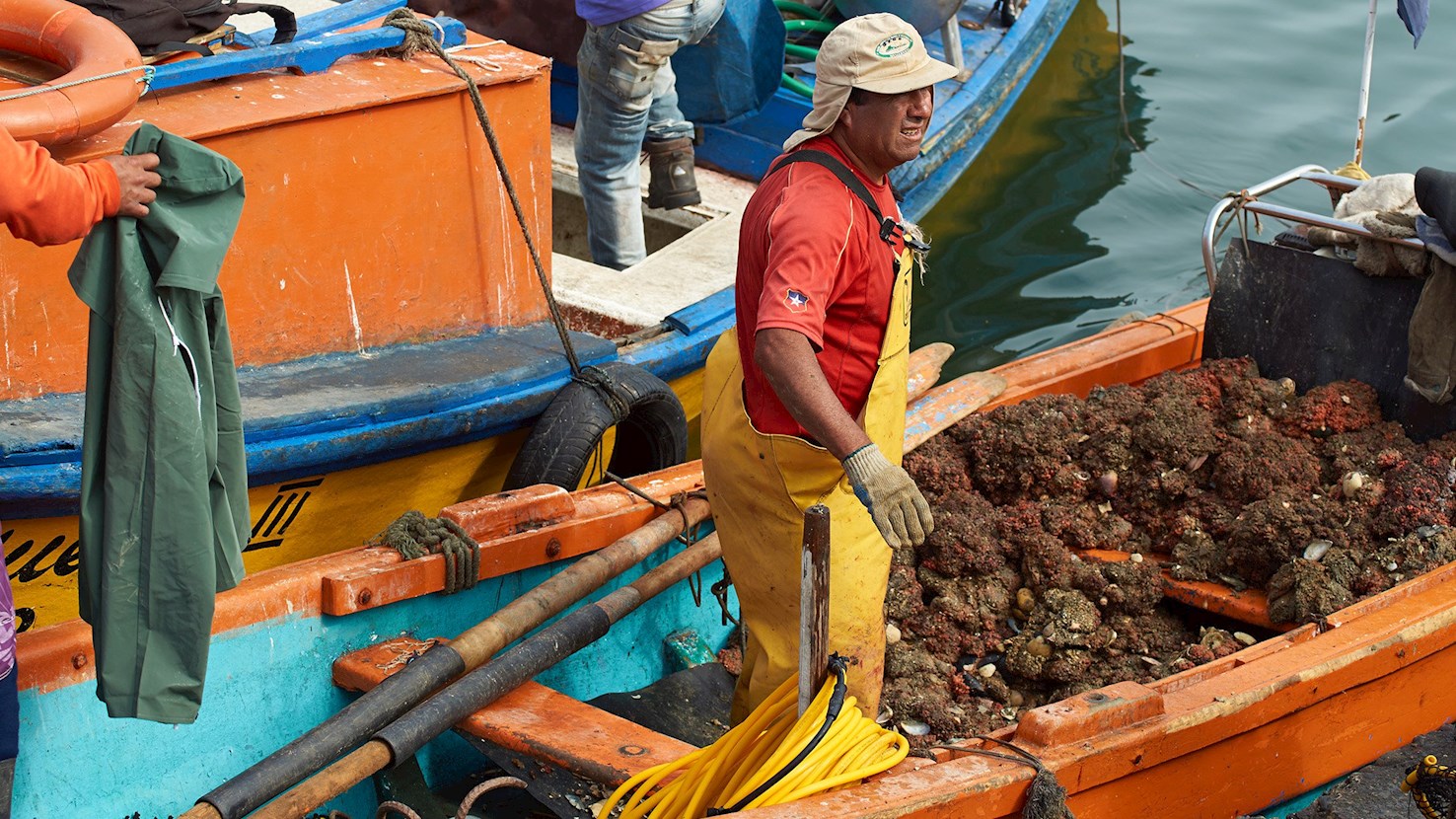
Often referred to as the living rock, pyura chilensis - or simply piure in Spanish - is a marine invertebrate found in shallow waters off the coasts of Chile and Peru. This peculiar, brainless, rock-like creature feeds on microorganisms and is capable of reproducing asexually, as it becomes a hermaphrodite after reaching adulthood. When cut open - which is not a sight for the squeamish - piure looks like oozing, squishy, blood-red guts. That, however, is its flesh tissue, regarded in Chile as a delicacy that is eaten either raw, cooked, fried, or even dried. Piure has an intense iodine-like, slightly bitter flavor and is typically served tossed with chopped onions and cilantro, drizzled with lemon juice, and accompanied by bread.
Peruvian silverside or Chilean silverside (lat.Odontesthes regia), locally known as pejerrey (although this name denotes various South American fish species), is a species of neotropical silverside native to the Pacific coast of South America, mainly present in the waters of Peru and Chile. It has a streamlined body of small size with shiny, silver-colored sides and tender flesh, making it suitable for various culinary preparations, especially those that highlight the freshness of the fish.
Snoek is a wild-caught, predatory pelagic marine fish belonging to the snake mackerel family Gempylidae, distributed throughout the cool temperate waters of the Southern Hemisphere, including Southern Africa, southern Australia, Tasmania, New Zealand, and the southern coasts of Chile and Argentina. Dutch mariners during seventeenth-century maritime expeditions applied the name snoek to the species due to its elongated, tooth-filled jaw structure resembling the European freshwater pike (snoek in Dutch), while British settlers in Australasia designated it as barracouta, establishing commercial handline and trawl fisheries across the southern oceans over the following centuries. Preparation methods vary across global regions, with South African cooks butterflying the fish and grilling it over charcoal while basting with melted butter, garlic, lemon juice, and apricot jam, New Zealand and Australian cooks hot-smoking or battering and deep-frying the fillets for fish-and-chip shops, and South American coastal cooks hot-smoking or braising the flesh into stews. The skeletal anatomy contains fine, forward-pointing intermuscular Y-shaped pin bones running along the length of the lateral line, requiring consumers to carefully strip or flake the firm flesh away from the bones during consumption. Rapid post-harvest enzymatic degradation of the tissue occurs if the fish is not bled immediately after capture, causing the flesh to soften into a paste-like consistency, which necessitates immediate gutting, icing, or salting onboard fishing vessels. Snoek is eaten across South Africa, Australia, New Zealand, and southern Chile in coastal fish markets, harbor eateries, roadside stalls, and home kitchens, consumed as braai-grilled fish, battered fried fillets, hot-smoked cutlets, pickled fish preserves, or seafood chowders, paired with roasted sweet potatoes, thick-cut potato chips, crusty white bread, crisp Sauvignon Blanc, dry Riesling, pale lager, or ginger beer.
TasteAtlas food rankings are based on the ratings of the TasteAtlas audience, with a series of mechanisms that recognize real users and that ignore bot,
nationalist or local patriotic ratings, and give additional value to the ratings of users that the system recognizes as knowledgeable.
TasteAtlas Rankings should not be seen as the final global conclusion about food. Their purpose is to promote excellent local foods,
instill pride in traditional dishes, and arouse curiosity about dishes you haven’t tried.
The initial list of top producers was compiled based on available reviews, awards, local recommendations, media and blog coverage, and consumer reviews.
The list will be updated with ratings from TasteAtlas local ambassadors and TasteAtlas users.






What People Say