shutterstock

Top 10 German Semi-soft Cheeses

Last updated on June 05, 2026

Best German Semi-soft Cheeses
01

Käserei Champignon Hofmeister

4.5 ·
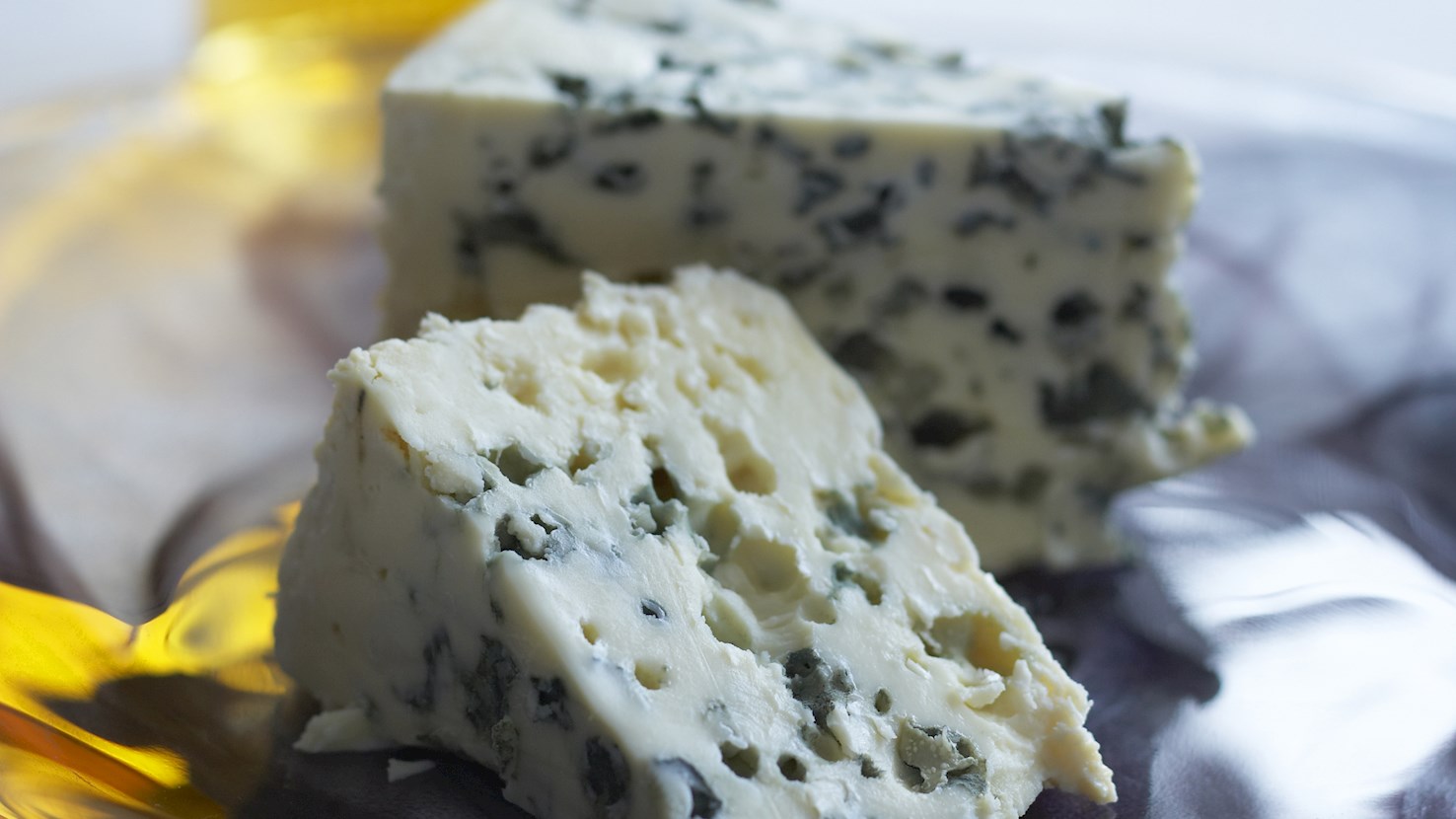
Käserei Champignon Hofmeister is a German cheese producer located in Bavaria. The company was established in 1908, and it specializes in producing soft cheeses, including the famous Cambozola, a blue-veined cheese that blends characteristics of Gorgonzola and Camembert. Käserei Champignon Hofmeister uses traditional handcrafting techniques alongside modern technology to ensure the quality of their products. Their cheeses are made using milk from local farms, ensuring high freshness and quality standards.
Awards
Global Cheese Awards - Best (2019)
Global Cheese Awards - Gold (2023, 2021, 2019, 2018)

Best German Semi-soft Cheese Types
01

Bavaria Blu

4 ·

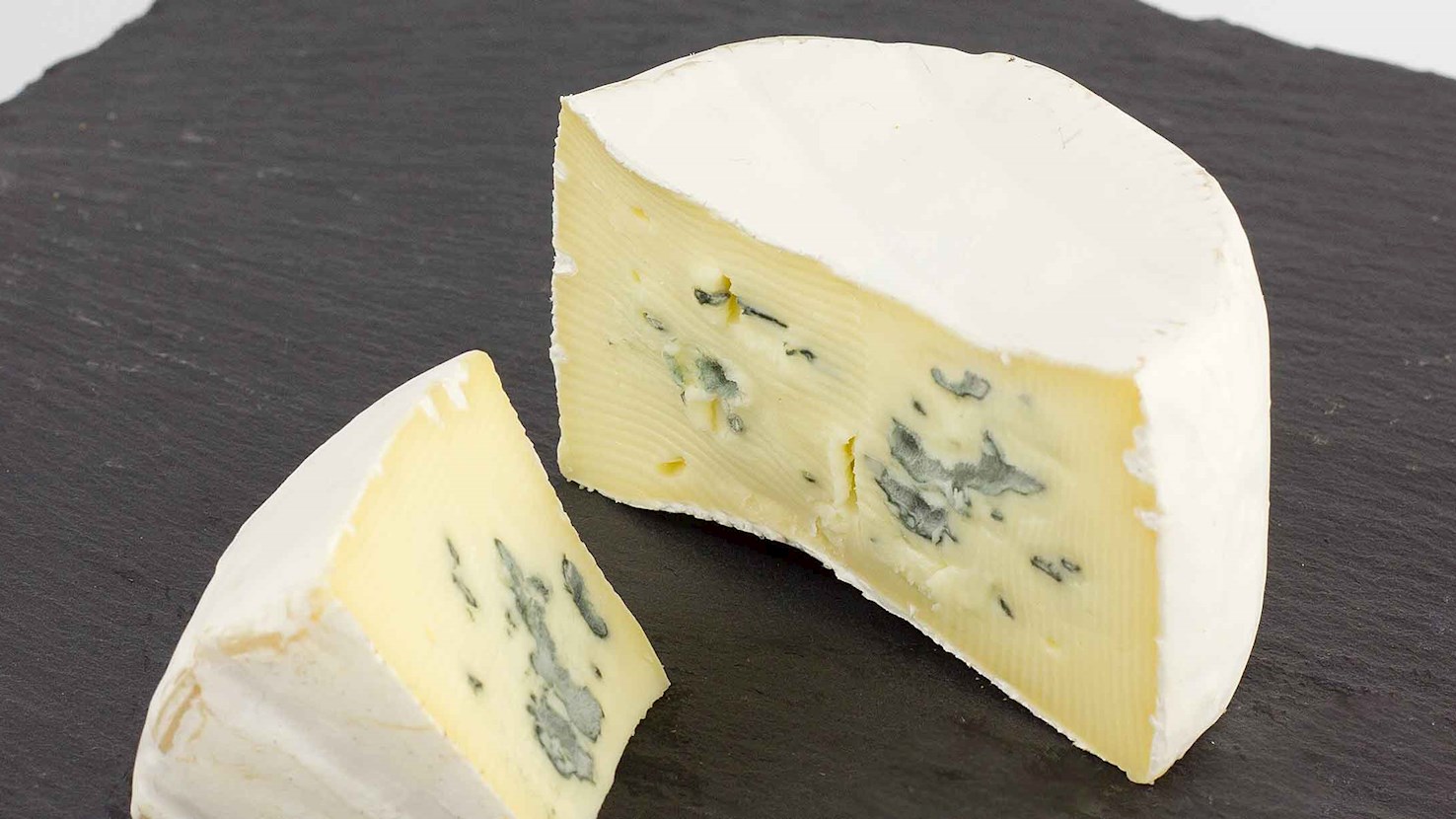
Bavaria Blu is a German blue cheese that was originally introduced to the market by Bergader in 1972. The cheese is handmade from high-quality pasteurized cow's milk coming from the Bavarian Alps. The rind is mold-ripened and the texture is soft and creamy. The aromas are rich and intense, while the flavors are sharp, creamy, and strong. There are also other versions of this cheese such as Bavaria Blu Rich and Creamy and Bavaria Blu Fitness, with a lower fat content. It's recommended to pair Bavaria Blu with aromatic reds such as Lagrein or Dornfelder, or whites such as Silvaner or Riesling.

02

Rauchkäse

4 ·

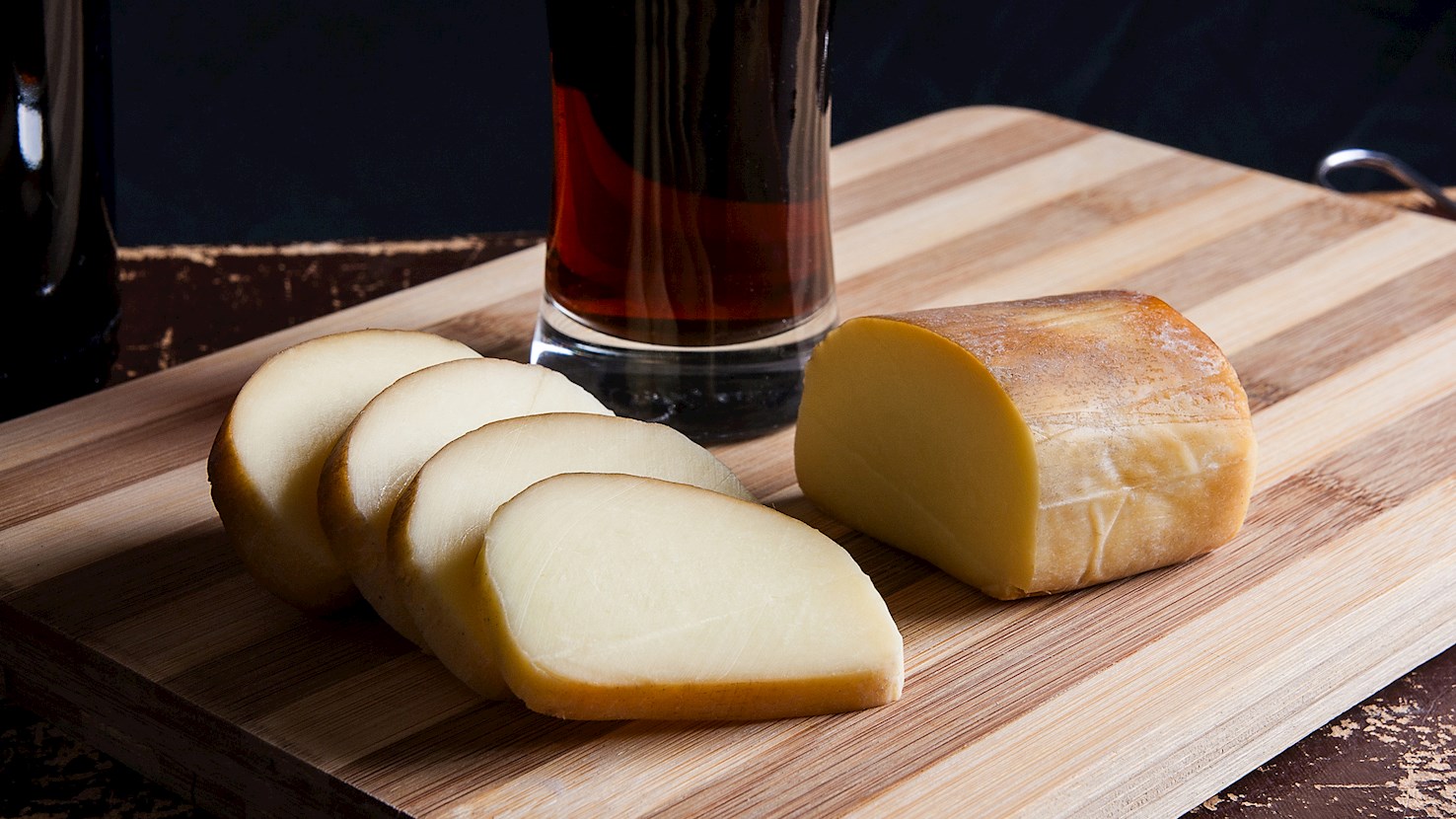
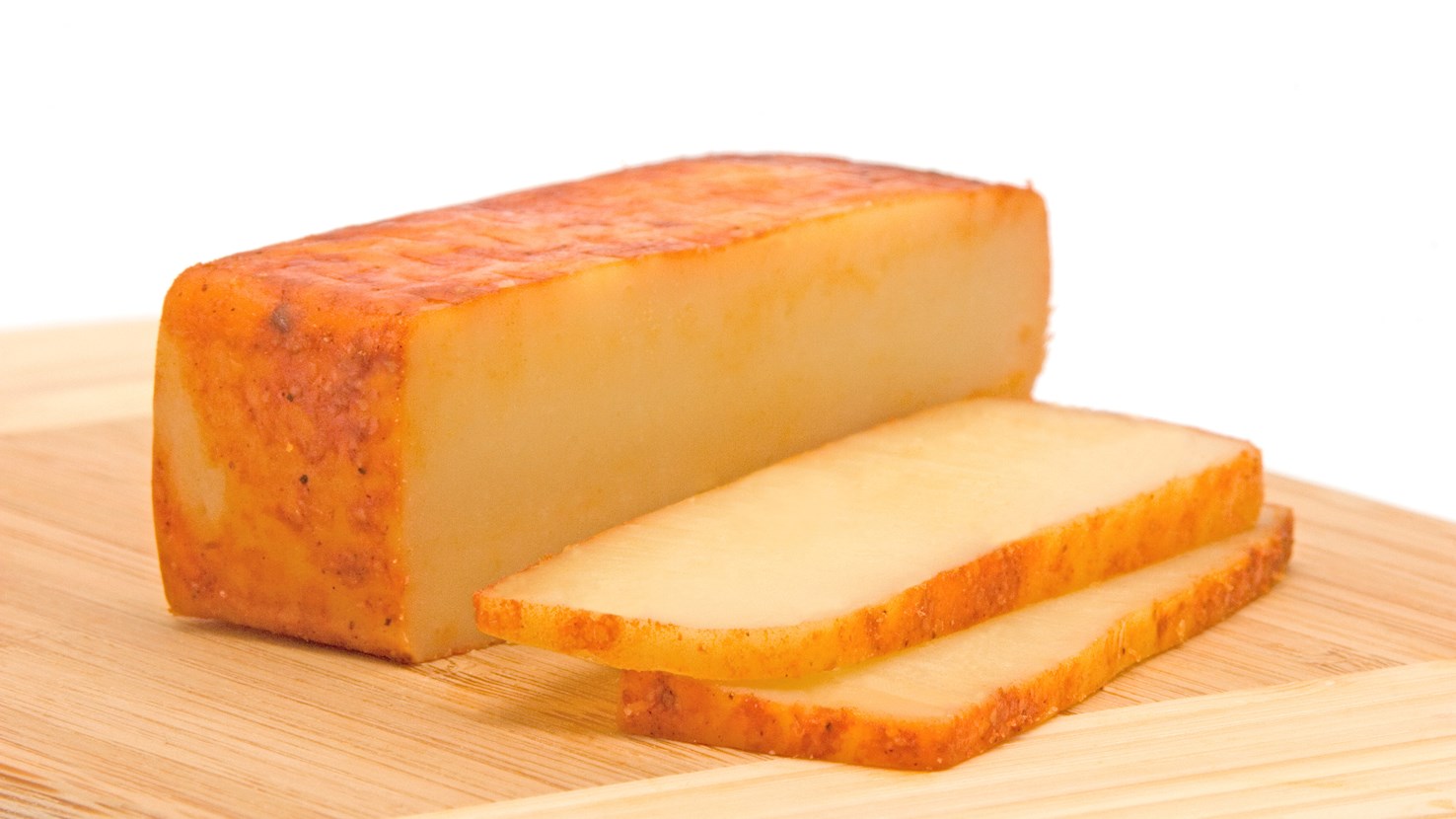
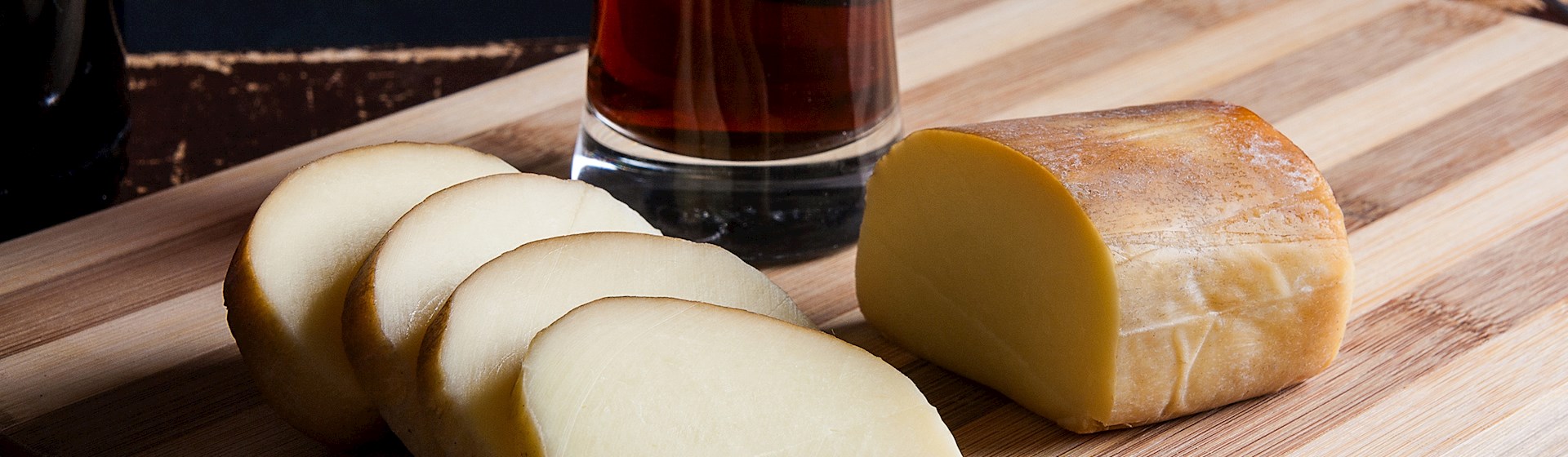
Rauchkäse is a German smoked cheese that's typically made in Bavaria, but it's also popular throughout the country. The most famous variety is produced by Basils, named after a dairy entrepreneur Basil Weixler. The cheese is semi-soft and has a natural rind. Its texture is dense, soft, and compact, while the aroma is smoky. The flavors are smoky, spicy, and salty, which is a result of smoking the cheese over Bavarian birch and spruce. Made from high-quality cow's milk, Rauchkäse is suitable for a variety of hot and cold dishes, and it's especially great for melting in au gratin or raclette dishes.

03

Cambozola

3.9 ·

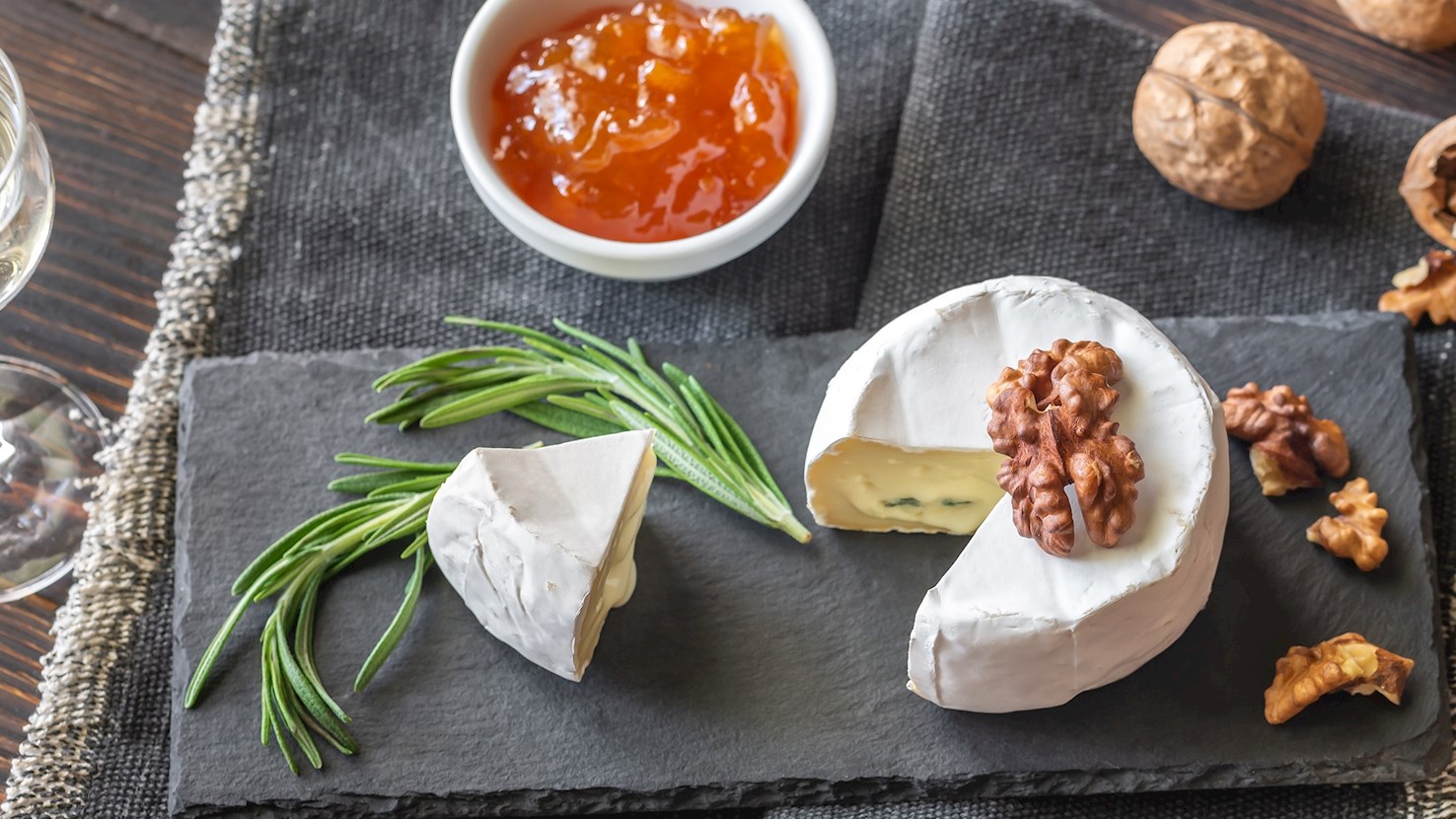
Cambozola is an unusual German triple-cream cheese made from cow's milk. The cheese is produced in the region of Allgäu since the early 1970s by Käserei Champignon, although it first appeared in the 1900s. This cross between Camembert and Gorgonzola (hence the name) has a bloomy rind that hides a creamy and smooth texture of the paste underneath. On the exterior, grey mold is clearly visible, and on the inside, there are pockets of blue veins. The aroma is strong, while the flavors are sharp, nutty, and slightly sweet. It's recommended to pair Cambozola with a glass of Chardonnay and serve it with honey, crackers, and fruit.

04

Butterkäse

3.5 ·

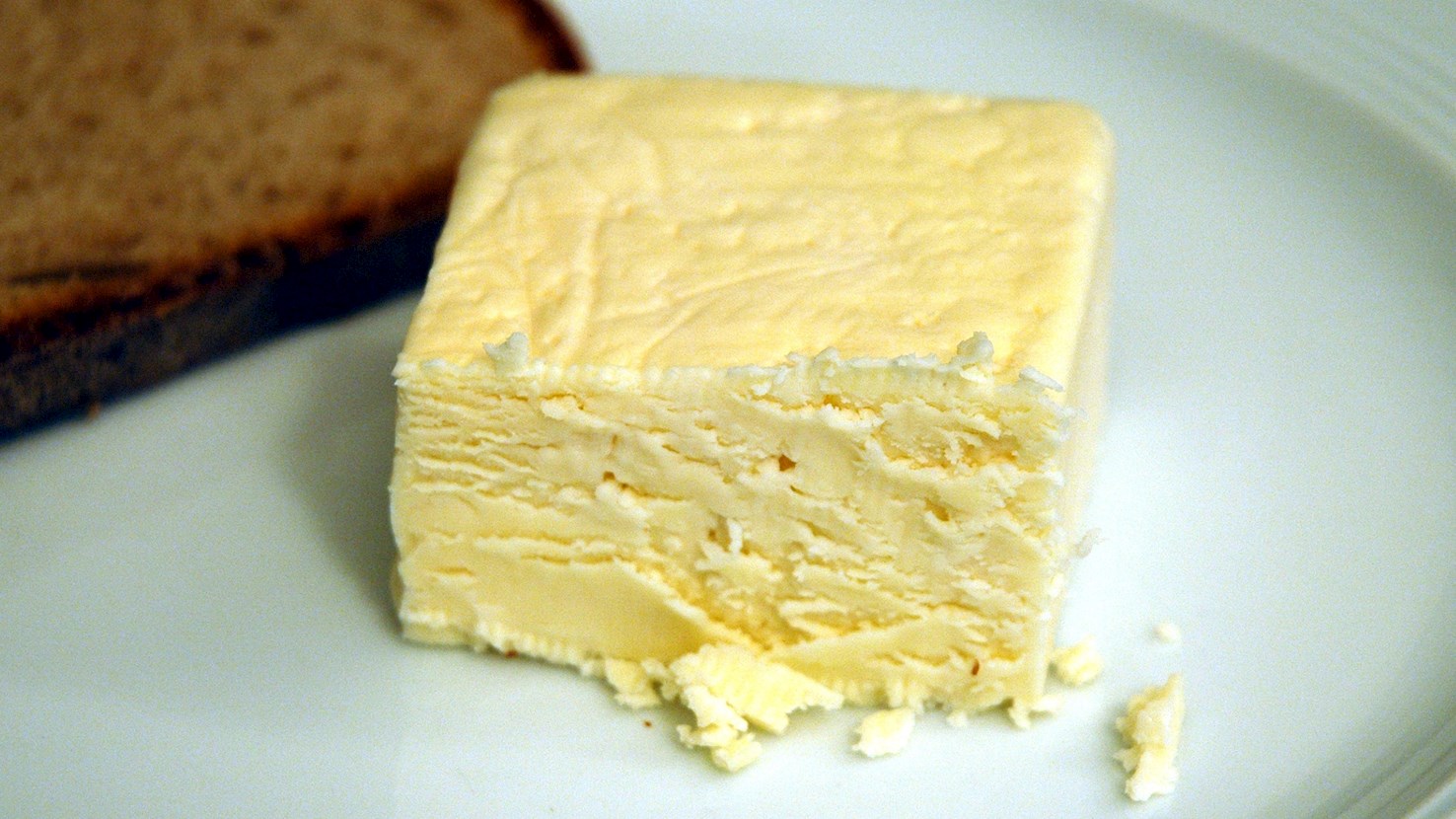
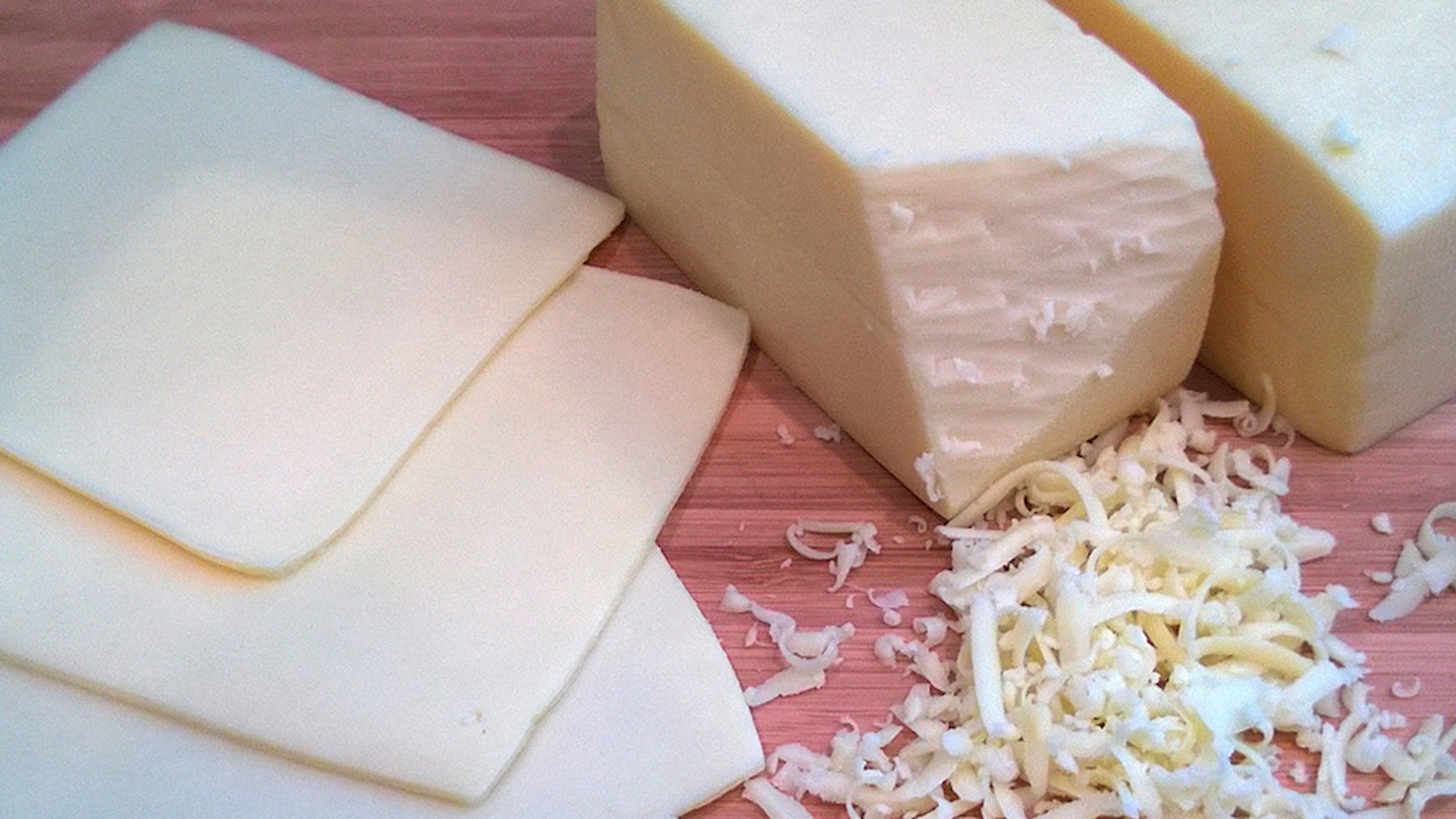
Butterkäse is a semi-soft German cheese made from cow's milk. Its texture is smooth and creamy, while the flavors are mild and buttery, hence the name. The cheese ripens for one month and develops a natural golden rind. It also melts exceptionally well, which is the reason why it's used in some pretty good stuff such as grilled cheese sandwiches, fondues, omelets, and burgers. If you can, pair it with a glass of ice cold beer on the side.

05

Limburger

3.4 ·

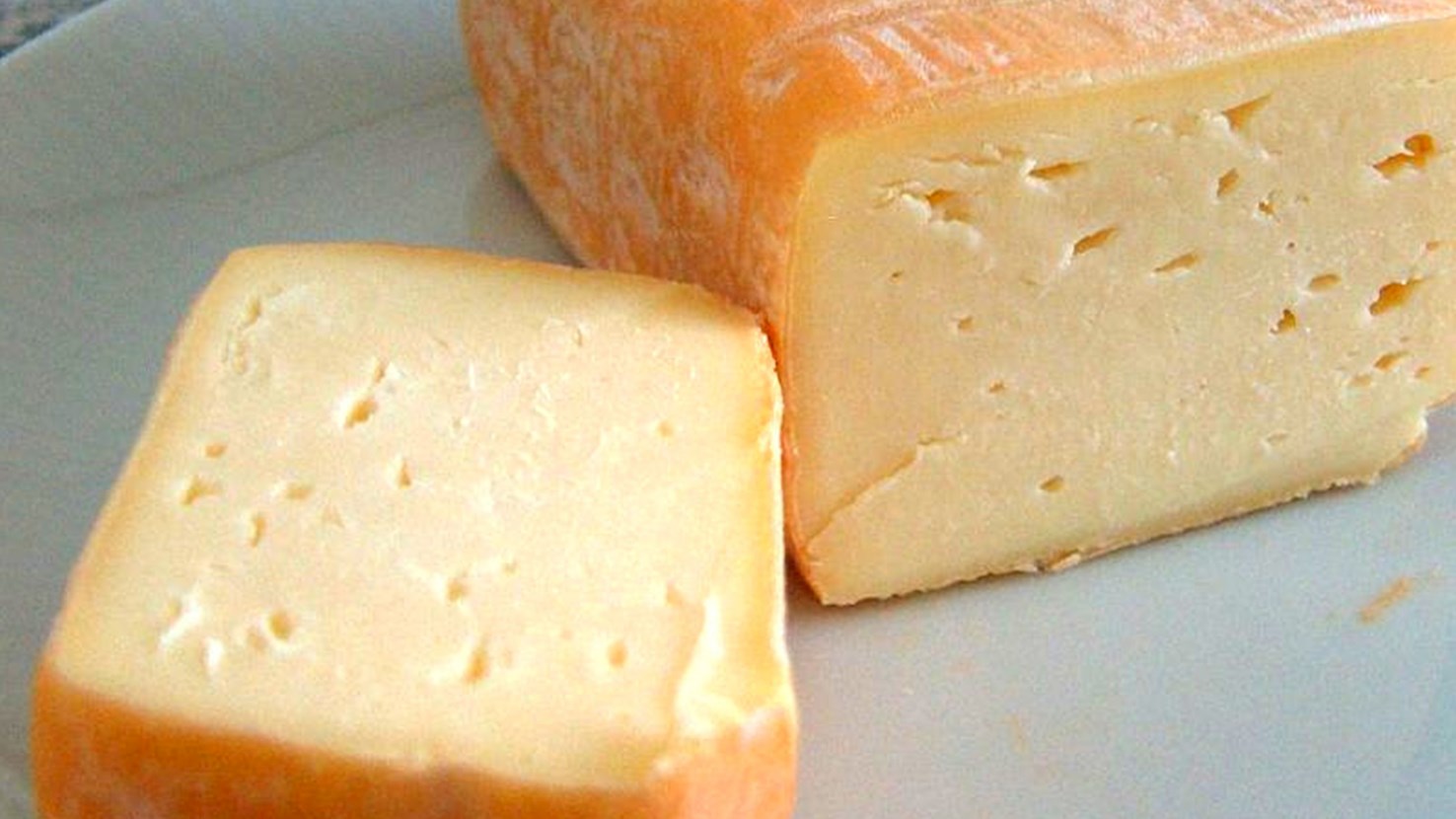
Characterized by its pungent smell, Limburger is a semi-soft, smear-ripened cheese made from cow’s milk. It was first produced in the 19th century by Trappist monks in the Duchy of Limburg, which is nowadays divided between Germany, the Netherlands, and Belgium. Today, most of Limburger cheese is produced in Germany. It has a straw-colored washed rind, while the flavor can best be described as mild, grassy, and reminiscent of mushrooms. The texture changes as it ripens – in the beginning, it is crumbly and firm, but after six weeks it becomes smooth and creamy. After three months, the cheese develops its infamous aroma, which is the result of smear-ripening. Interestingly, malaria mosquitos are attracted to Limburger’s smell because it is reminiscent of foot odor. It is recommended to use Limburger in sandwiches, between two slices of rye bread, accompanied by onion slices.

06

Hessischer Handkäse

2.5 ·

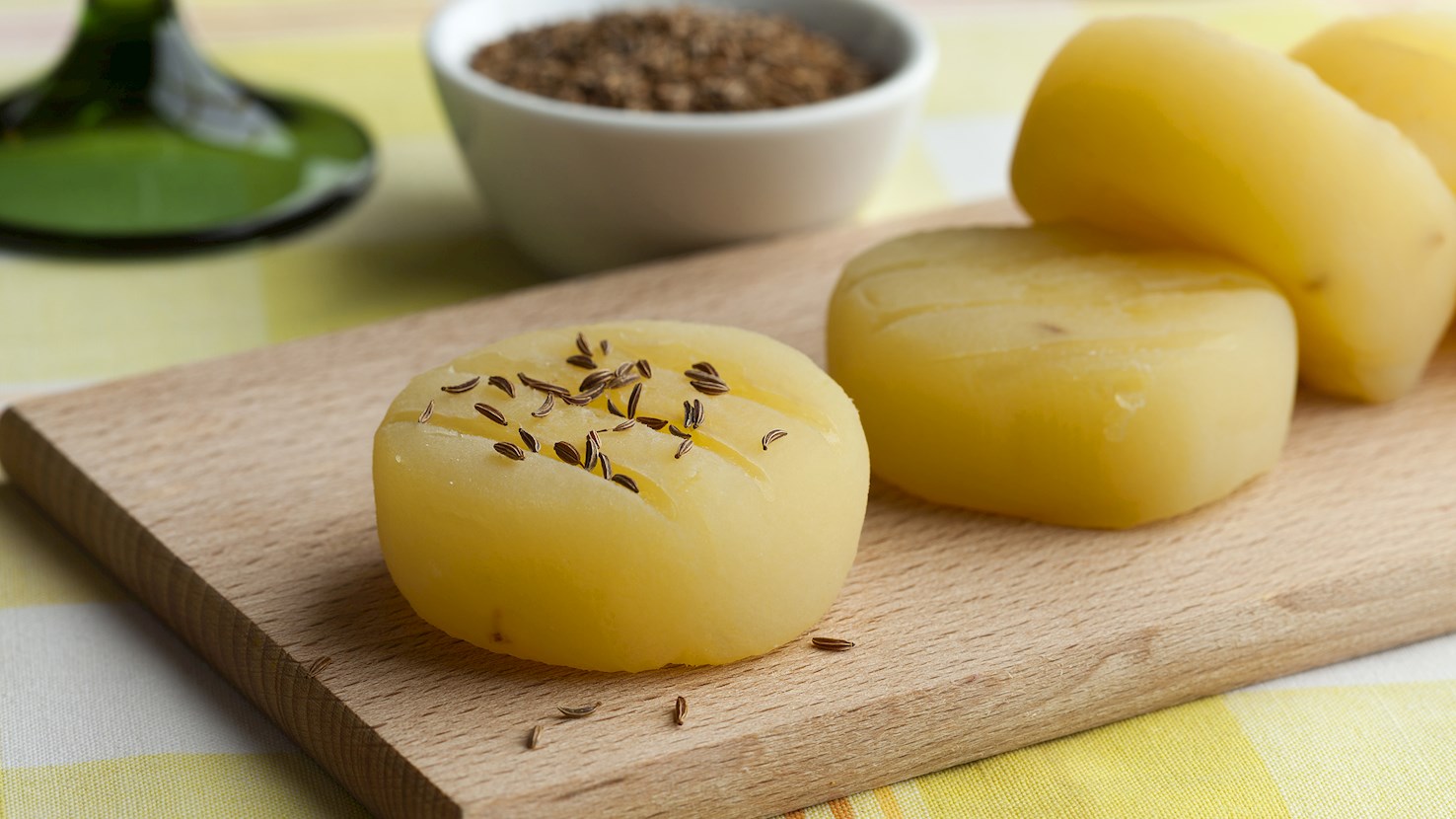
The name and the size of Hessen Handkäse are both derived from its traditional manufacturing method, in which the cheese was molded by hand. Handkäse is a German regional sour milk cheese produced in Frankfurt Rhine-Main and Rheinhessen. It has a fat content of less than 1% and an impressive protein content of 25%. Hessen Handkäse is a delicious cheese with quite a pungent aroma, and it is usually served sprinkled with caraway seeds and topped with sliced onions. Traditionally, this cheese is served either plain or as 'Hessen Handkäse mit Musik', seasoned with salt and pepper and marinated with onions in oil and vinegar, occasionally with some water or a dash of cider or wine added to the marinade.

07

Nieheimer Käse

n/a ·

This cheese from Nieheim in Ostwestfalen-Lippe is made from low-fat sour cow's milk quark using a traditional recipe. After ripening for a few days, the cheese is rubbed with a mixture of salt, cumin, and water. Nieheim cheese tends to become stronger and harder over time, which makes it perfect for grating. Its flavor is slightly sour, pungent, and spicy with a hint of caraway. Despite its low fat content (less than 1%), it develops an exceptionally rich flavor. The production and sale of this hand cheese is strictly controlled. The 1927 guidelines for making this cheese, which are on display the Museum of the Nieheim cheese, are still partly enforced. Every two years, a cheese fair known as the German Cheese Market is held in the town of Nieheim on the first weekend in September, and it attracts up to 60,000 visitors to the city.

08

Bruder Basil

n/a ·

Bruder Basil is a traditional cheese hailing from Bavaria, where it was originally produced by Trappist monks. This smoked (rauchkäse-style, smoked over beech wood), semi-soft cheese is made from pasteurized cow's milk. Underneath its washed rind, the texture is smooth, creamy, and open with large irregular eyes distributed throughout the body. The aromas are intense and smokey, while the flavors are mild, savory, and smokey. It's recommended to use Bruder Basil in raclette, sandwiches, or gratins. Pair it with a glass of dry white wine or a bottle of dark beer.

09

Weißlacker

n/a ·

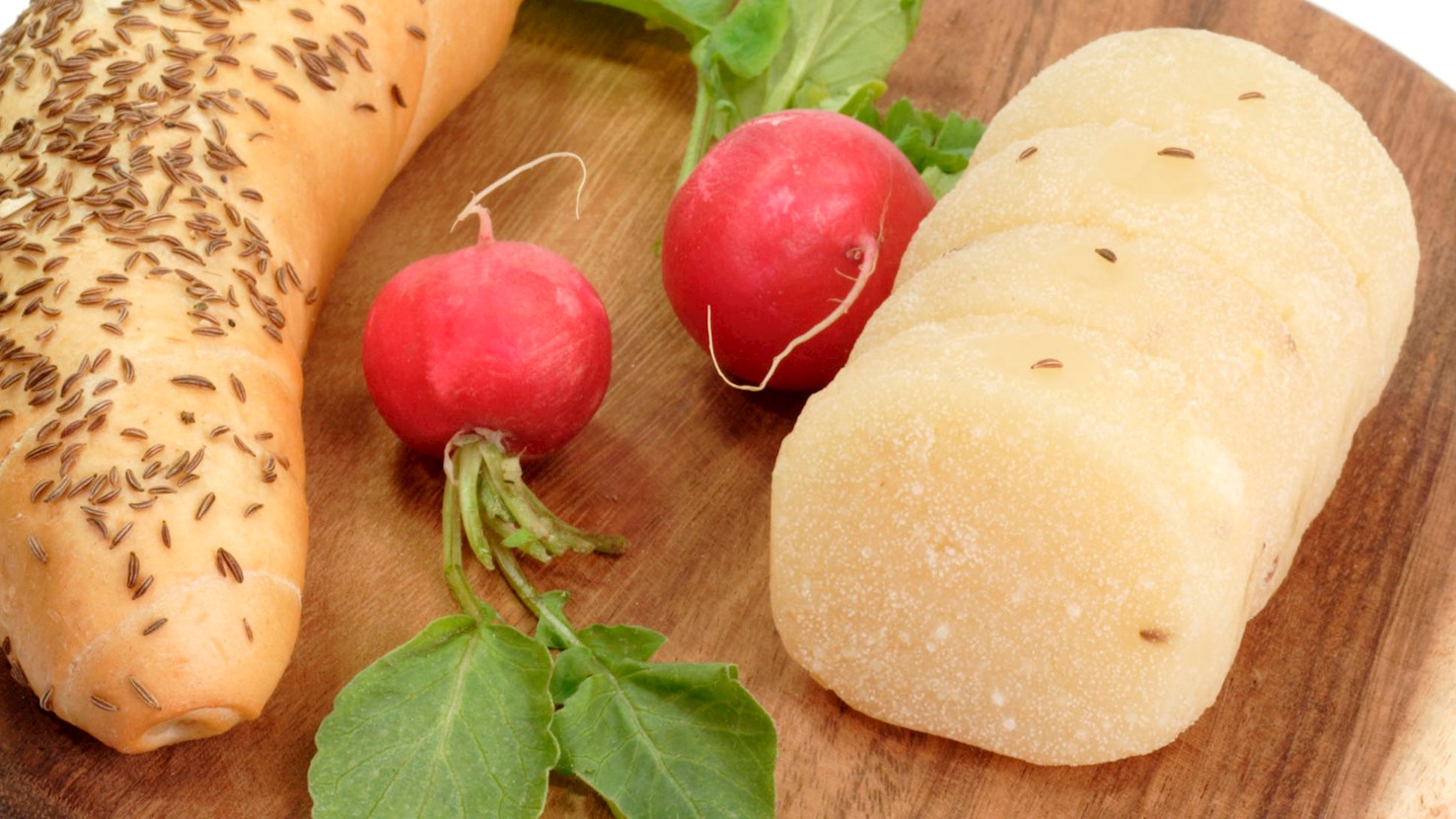
Also known as 'beer cheese', this piquant, salty, semi-soft sliced cow cheese is made using a traditional recipe from the Allgäu region in Germany. Weisslacker was first made during the Franco-Prussian War by the Kramer brothers in Wertach. It is the first patented cheese in the world, and its name, German for 'white lacquer', derives from its bright white color. Connoisseurs throughout Germany often dip this cheese directly into the beer it is served with – it is too strong to be paired with most wines. Weisslacker is a regular appearance on menus throughout southern Germany and the Czech Republic, and it is popularly served with pumpernickel or rye bread and radishes or Wurst. Weisslacker’s place of origin, the Kramer brothers’ house, has been turned into a national monument for the cheese.

10

Chiriboga Blue

n/a ·

Chiriboga Blue is a semi-soft blue cheese hailing from Bad Oberdorf in the Bavarian Alps. It is produced by Arturo Chiriboga, an Ecuadorian native. The cheese is made from pasteurized cow's milk and it's usually left to age for a month or two before consumption. This rindless cheese has a dense, smooth, creamy, and almost spreadable texture with light veining. The flavors are bright, tangy, creamy, and buttery. Pair it with a glass of Merlot or Riesling.

Read more
View all
View map
About this ranking

TasteAtlas food rankings are based on the ratings of the TasteAtlas audience, with a series of mechanisms that recognize real users and that ignore bot, nationalist or local patriotic ratings, and give additional value to the ratings of users that the system recognizes as knowledgeable. For the “Top 10 German Semi-soft Cheeses” list until June 05, 2026, 410 ratings were recorded, of which 342 were recognized by the system as legitimate. TasteAtlas Rankings should not be seen as the final global conclusion about food. Their purpose is to promote excellent local foods, instill pride in traditional dishes, and arouse curiosity about dishes you haven’t tried.

The initial list of top producers was compiled based on available reviews, awards, local recommendations, media and blog coverage, and consumer reviews. The list will be updated with ratings from TasteAtlas local ambassadors and TasteAtlas users.

Similar lists