dreamstime

Top 11 Scandinavian Semi-soft Cheeses

Last updated on July 22, 2026

Best Scandinavian Semi-soft Cheeses
01

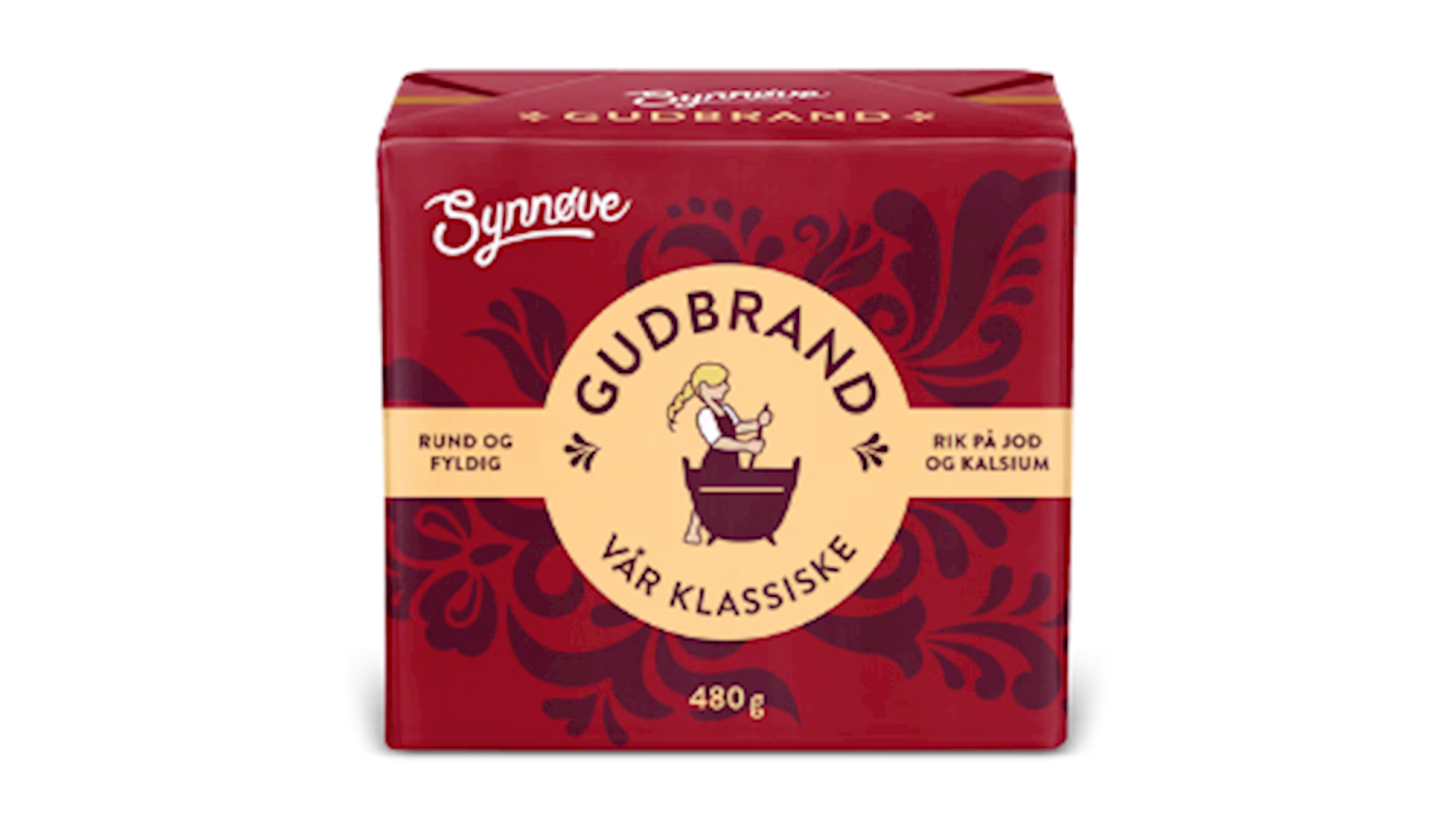
Synnøve Finden

4.9 ·

Synnøve Finden is a Norwegian food company with a tradition dating back to 1928, renowned for its expertise in producing cheeses, dairy products, and plant-based dairy alternatives. Over the decades, it has developed a diverse product range - from traditional Norwegian specialties such as brunost, the distinctive caramelized whey cheese, and gulost, to various hard and semi-hard cheeses, processed cheeses, yogurts, and innovative plant-based spreads. All products are made in modern production facilities, where state-of-the-art technology is combined with a strong commitment to preserving authentic flavors and traditional methods.

The company uses only milk sourced from Norwegian farms, ensuring freshness and full traceability while supporting local agriculture. This dedication to quality and provenance is reflected in the consistently high standards of its products. By merging Norway’s rich dairy tradition with modern product development, Synnøve Finden has positioned itself as a reliable and innovative brand.

It is present in both domestic and international markets, attracting consumers who value authentic taste, premium ingredients, and a contemporary approach to nutrition that respects the environment and evolving dietary habits.

Awards
World Cheese Awards - Gold (2024)

Best Scandinavian Semi-soft Cheese Types
01

Havarti

4.0 ·

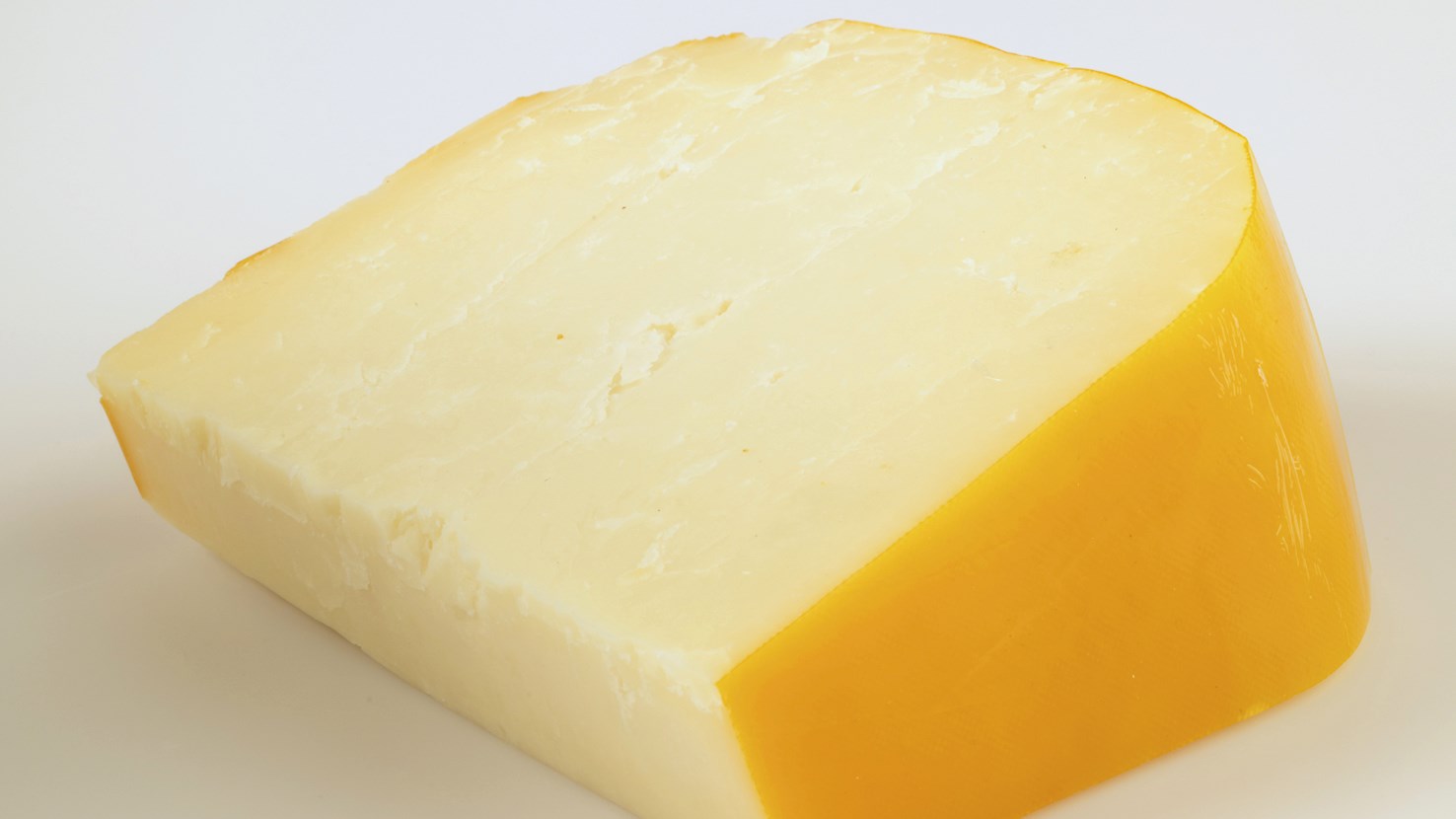
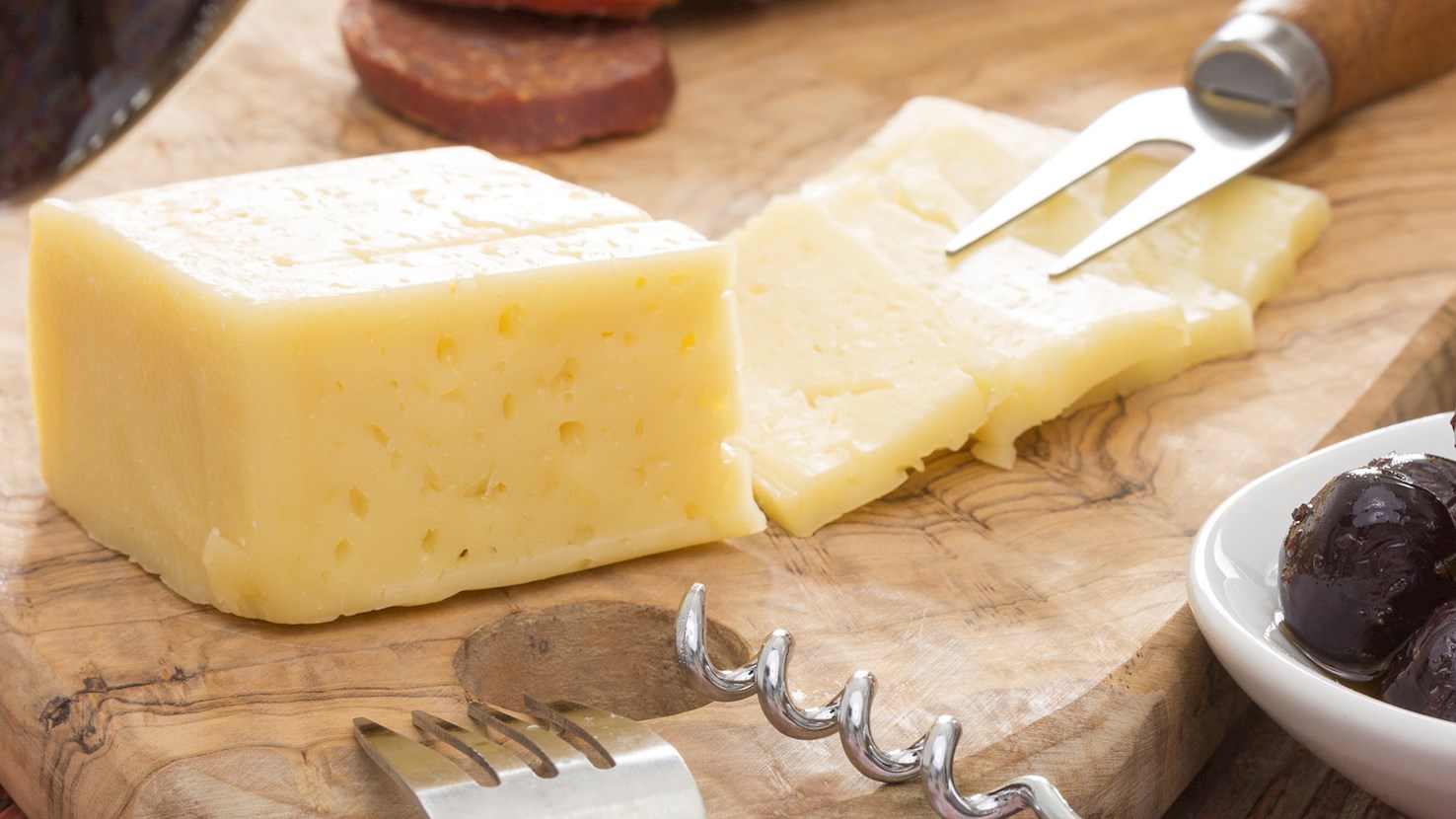
Havarti is a Danish hard cheese made from pasteurized cow's milk. It must mature for at least 3 months, after which it develops small holes throughout its body. It is known as a pumped-curd cheese, a process in which the curd is molded and then melted. The interior is ivory to yellow, with a soft, easily sliceable texture. The flavor is mild, aromatic, creamy and slightly acidic, and the flavors get even more intense as the cheese matures. Additional seasonings may be added in the process, such as dill, garlic, red pepper or chives, adding a new dimension of flavor to the cheese. It pairs especially well with sliced apples, honey, pickled vegetables and red wines.

02

Danablu

3.9 ·

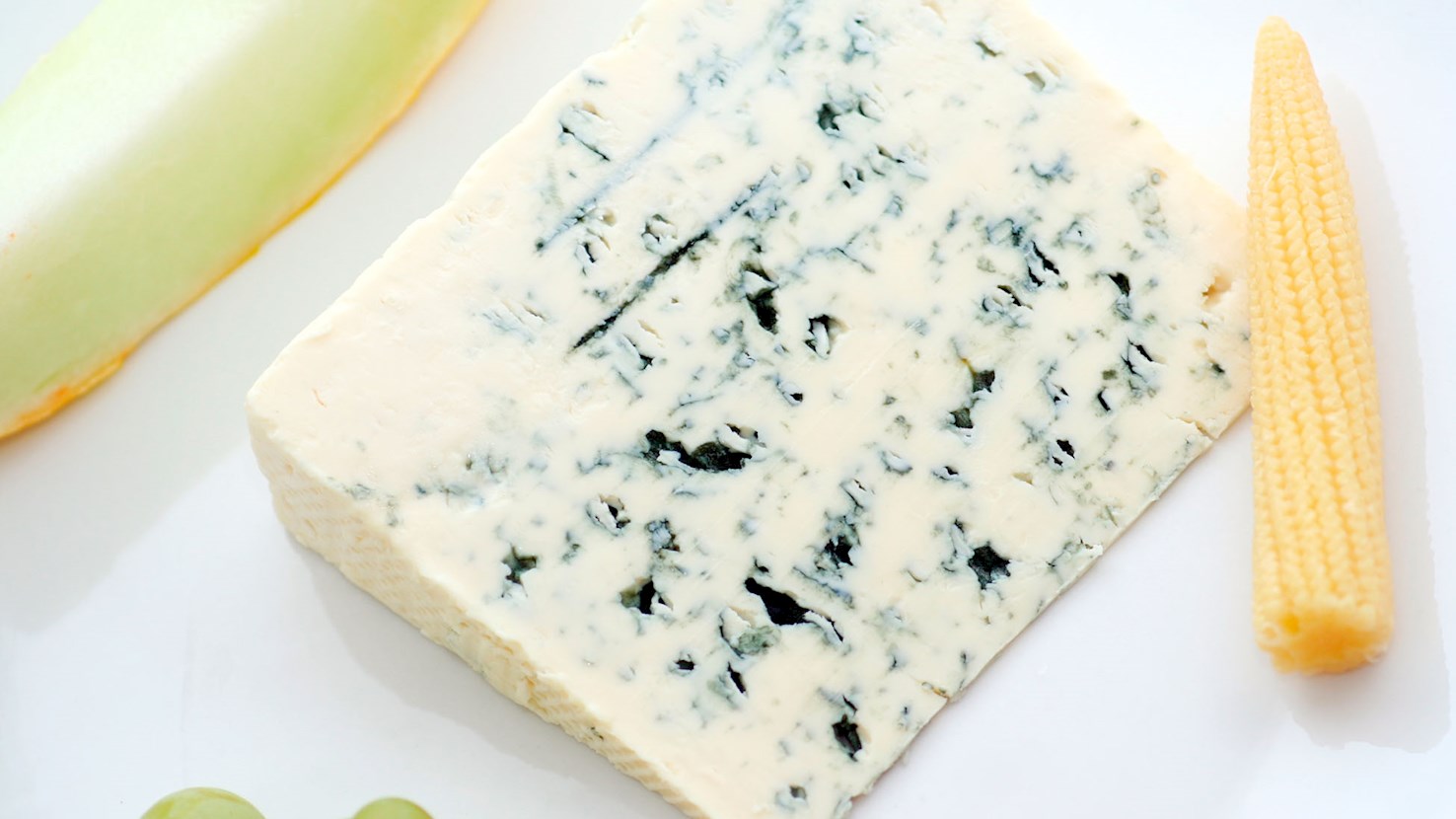
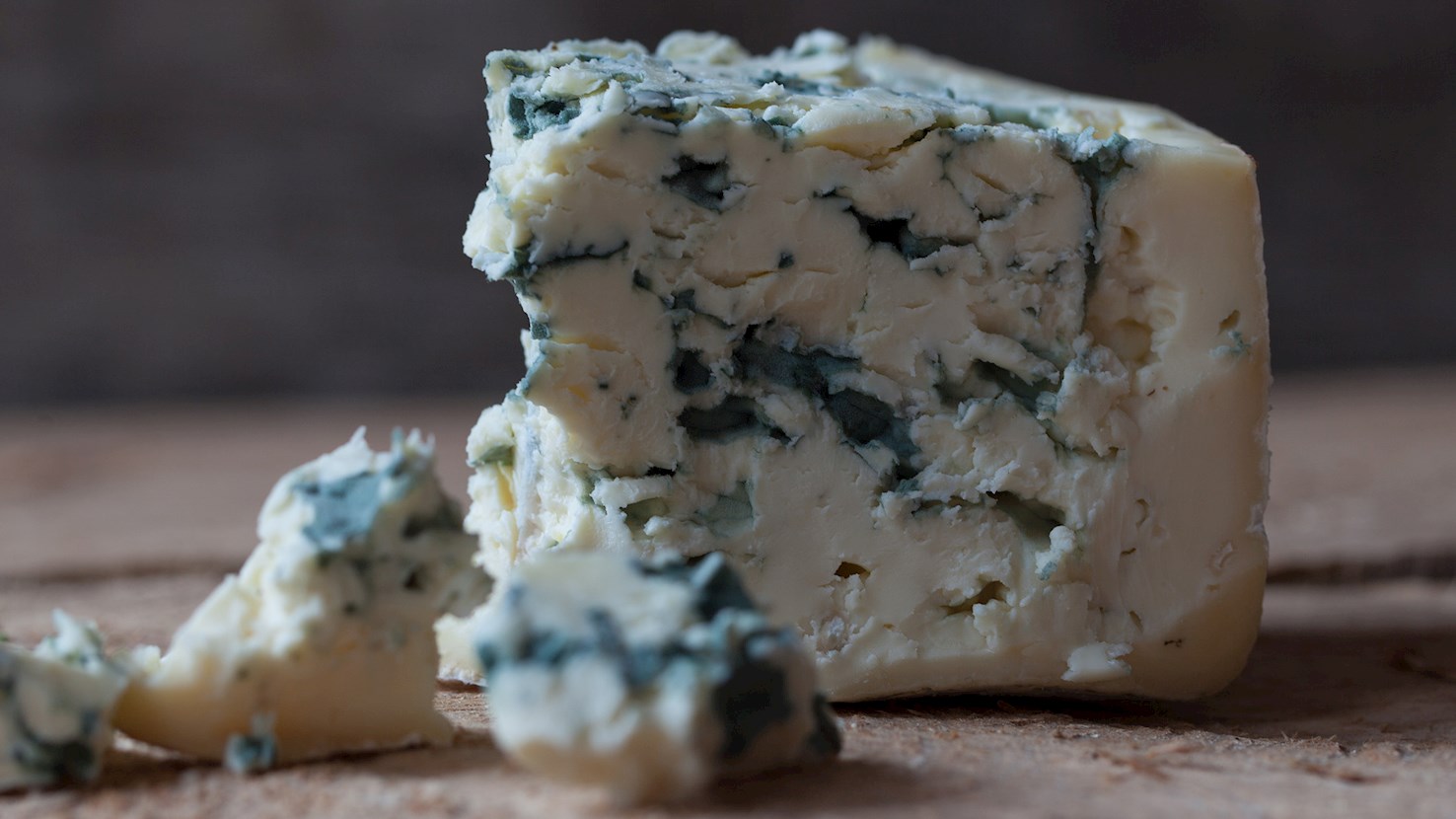
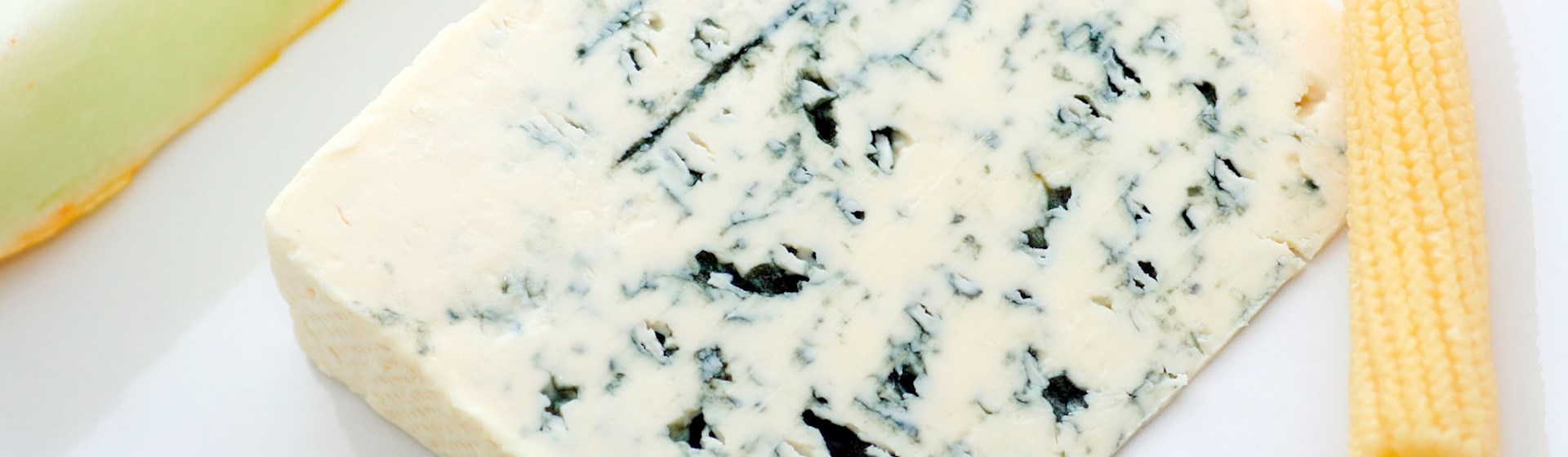
Danablu is a semi-soft blue cheese made from full-fat cow's milk in Denmark. While the milk is hardening, the curds are pricked with needles to develop the blue-gray mold which spreads evenly throughout the cheese. The cheeses mature for 5 to 6 weeks and develop a creamy, crumbly texture and a white or light yellow color. Its flavor is intense, sharp, salty and slightly bitter, while the aromas are pure and piquant. Although it does not develop a rind, it has a tight and firm outer layer. Danablu can be enjoyed in many ways, served on cheeseboards, on bread, as an ingredient in sauces, dressings and salads, grilled or paired with roasted almonds, sliced pears, walnuts, honey, or stout beer.

03

Prästost

3.9 ·

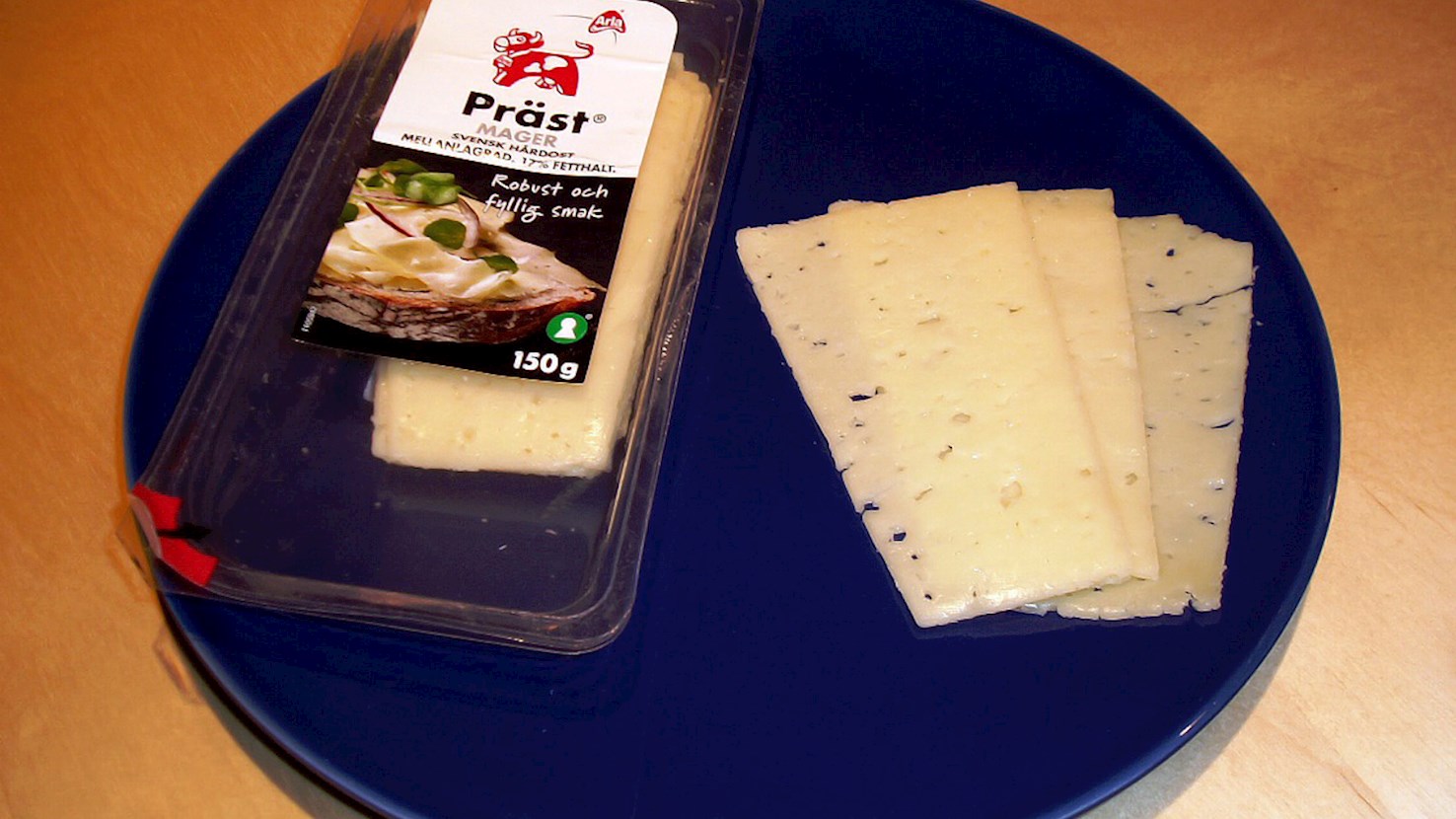
Prästost is a cheddar-style cheese originating from Sweden. Its name means Priest Cheese, referring to the fact that it was made in churches in the 16th through 19th centuries, and the cheese was used as a form of payment instead of money. Nowadays, it's mostly produced in factories. Prästost has a creamy semi-soft texture, the aromas are intense and rich, while the flavors are strong, salty, and spicy. Due to its strong flavors, it's often enjoyed as a snack or in soups. There are also versions of this cheese that are cured in whiskey (Saaland Pfarr cheese) or Absolut vodka (VODCheese).

04

Jarlsberg

3.9 ·

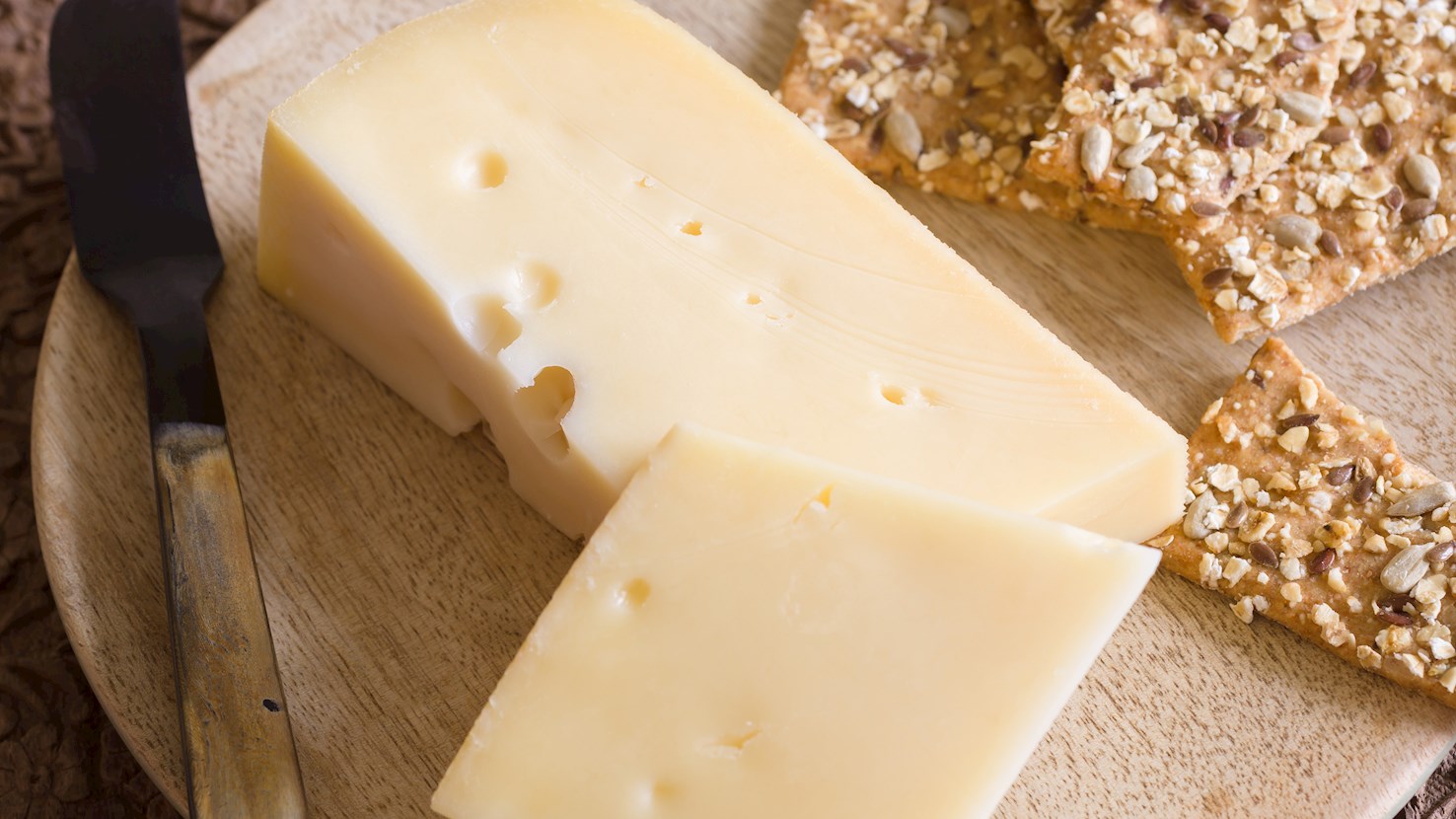
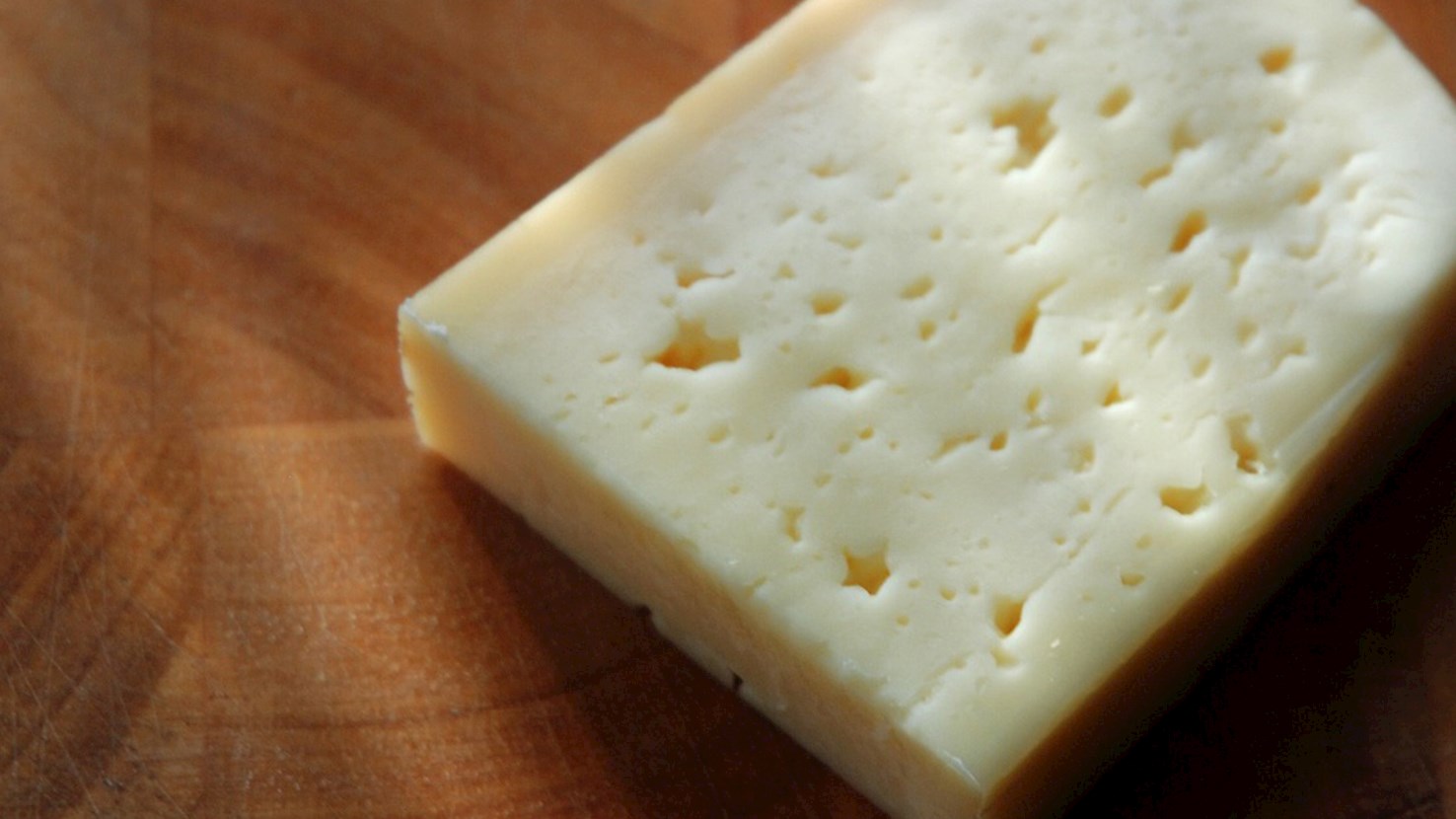
Jarlsberg is a Norwegian cheese made with cow's milk. It has a semi-soft texture, while the flavors are mild, buttery, and slightly nutty. The cheese was invented by Anders Larsen Bakke in the village of Vale, not far away from Oslo. Jarlsberg has characteristical irregular holes dispersed throughout its body, which is why it's often marketed as a Swiss cheese. The cheese melts exceptionally well, and as a result it is used in fondues, quiches, and sandwiches. It is recommended to pair Jarlsberg with a glass of Merlot.

05

Brunost

3.6 ·

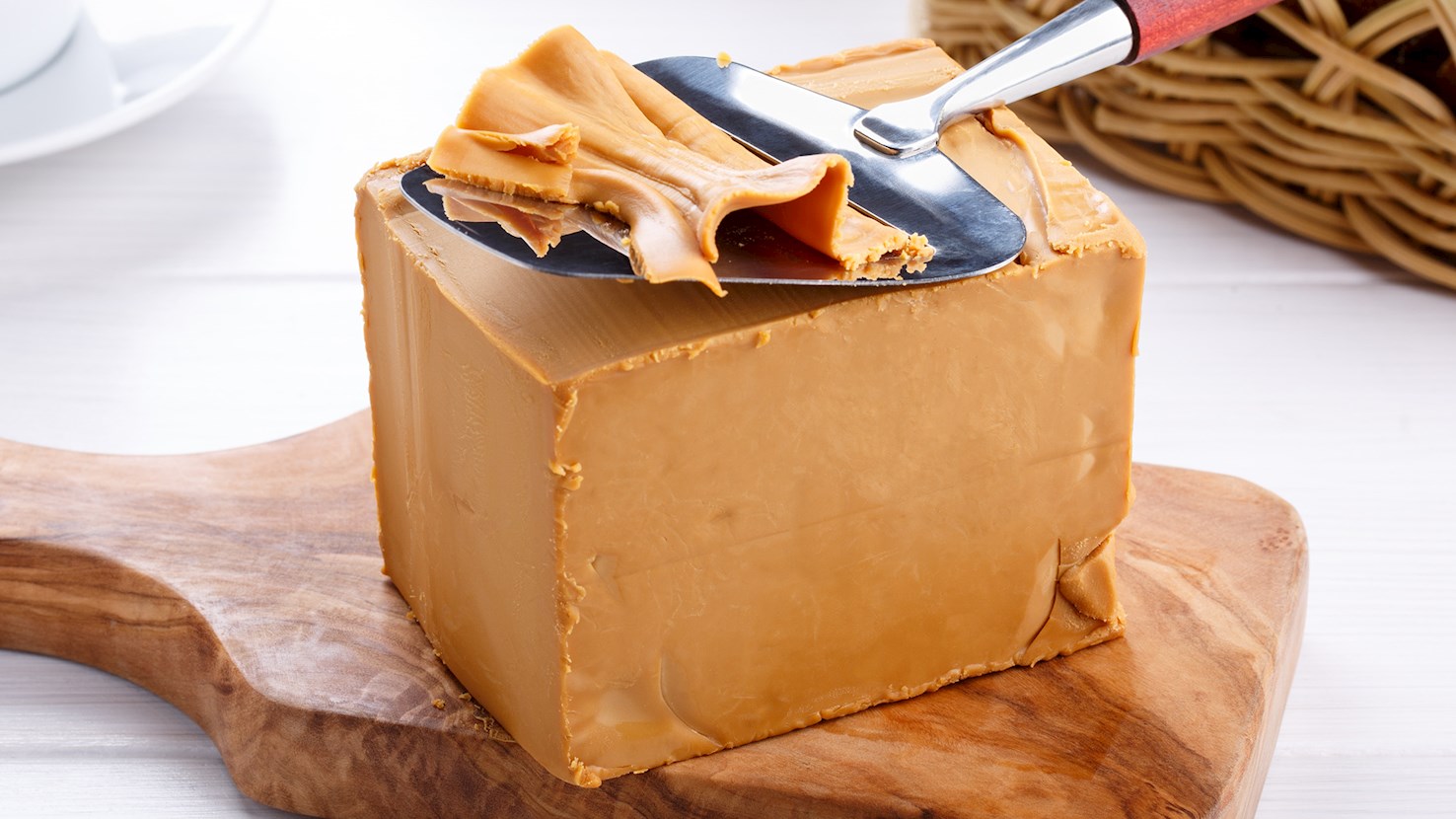
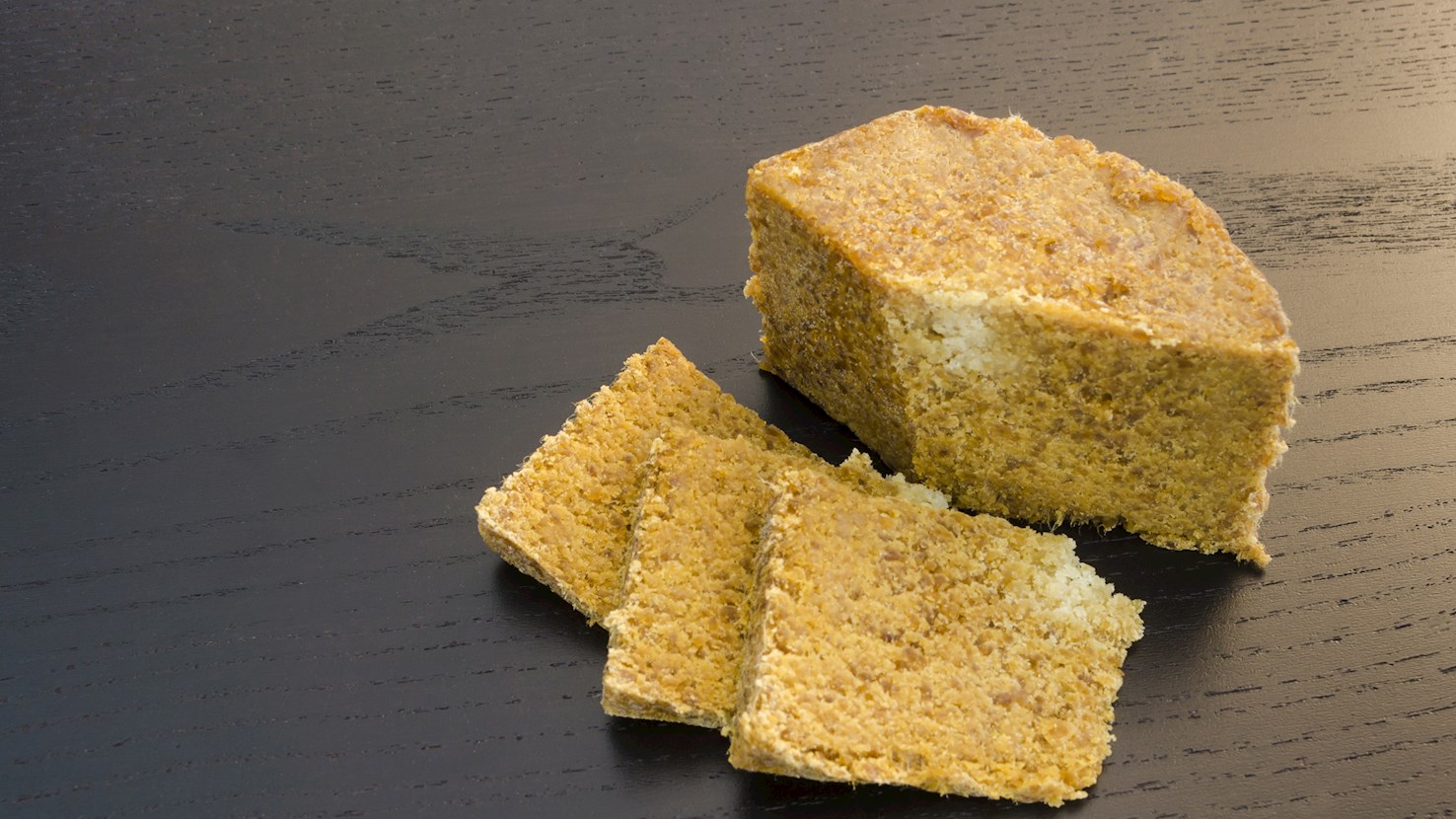
Brunost is a distinctive Norwegian cheese known for its rich brown color and sweet, caramel-like flavor. Unlike typical cheeses made from curdled milk, brunost is made by slowly boiling whey, the liquid leftover from cheese production, until the sugars caramelize and the mixture thickens into a fudge-like consistency. This process imparts its characteristic sweetness and deep brown hue, setting it apart from other dairy products. Brunost has been part of the country’s food culture for centuries, particularly valued in rural and mountainous regions where dairy farming was a central livelihood. Early producers discovered that boiling down whey extended the use of all milk components and created a shelf-stable product that could be stored for long periods without refrigeration. Over time, brunost became closely associated with Norwegian identity and cuisine, reflecting the resourcefulness and simplicity of traditional farming communities. The preparation of brunost involves heating whey for several hours to evaporate water and concentrate the milk sugars. The mixture is carefully stirred to prevent burning and to encourage even caramelization. Once the desired consistency and color are reached, the thickened mass is poured into molds to cool and set. Different variations of brunost exist, made from goat’s milk, cow’s milk, or blends of both, each offering subtle differences in flavor and texture. Brunost is most commonly enjoyed sliced thinly and served on bread or crispbread, often accompanied by butter or jam. It is a staple in Norwegian breakfasts and lunches and sometimes used in cooking to add a unique sweet note to sauces and soups.

06

Danbo

3.6 ·

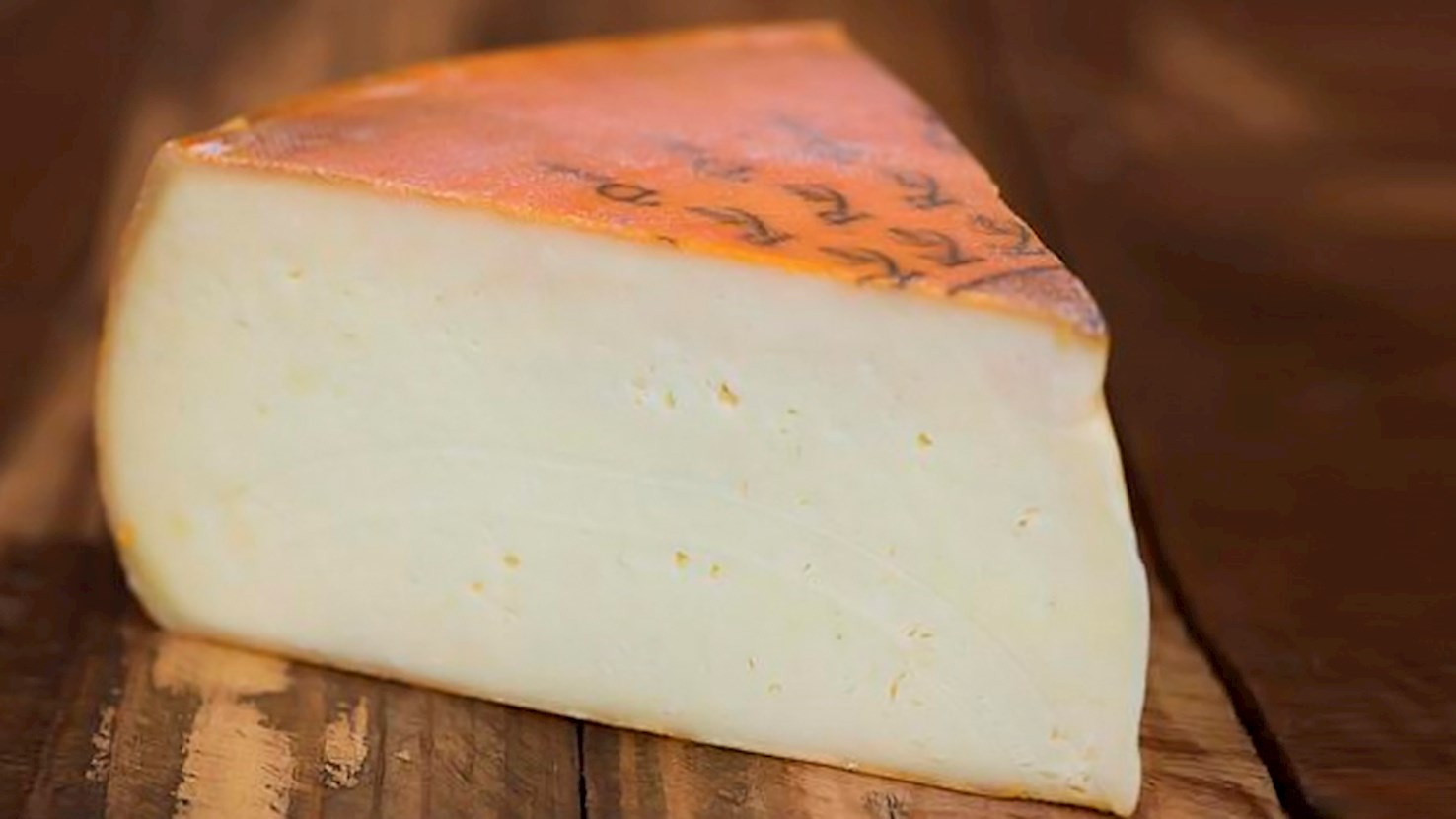
Danbo is a semi-hard, well-matured cheese made from milk of bovine origin produced in Denmark. It comes in two varieties: 30+ or 45+, relating to the minimum fat content in dry matter. On the exterior, it has a firm, smeared rind, while on the interior it is ivory to pale yellow, with a soft, pliable texture that slices easily. Its flavor is mild, sweet, nutty, aromatic and slightly acidic, but when it matures for 3 to 4 weeks, the aromas and flavors become more intense. There is also a different variety of Danbo with caraway seeds added in the process, and the cheese is then called King Christian. Danbo can be used for snacks, in sandwiches, or it can be grilled. It pairs well with dry white and velvety red wines.

07

Esrom

3.2 ·

Esrom is a semi-hard to hard drained cheese produced from cow's milk in Denmark. Depending on the minimum fat content (20+, 30+, 45+ and 60+), it is available in four varieties. Esrom is named after an abbey where monks first started making it in the 12th century, and it became popular after the recipe was rediscovered in the 1930s. Although it is quite mild when young, as it matures for 10 to 12 weeks it develops a pungent aroma. The rind is washed, hard, thin and greasy on the exterior, while on the interior Esrom is pale yellow with small holes dispersed throughout its body. The texture is supple, making it easily sliceable. The flavor is rich, aromatic and slightly acidic, ranging from mild to strong, so it goes especially well with bold red wines and strong beer, and it is also good on sandwiches due to its good melting properties.

08

Ridder

2.9 ·

Ridder is a traditional cheese made from cow's milk. It was invented by a Swedish cheesemaker, Sven Fenelius. The cheese has a pliable and creamy texture and its rind is washed and sticky. Ridder matures for almost 3 months, during which it develops sweet, buttery, and slightly nutty flavors. It's recommended to pair it with light and fruity wines and serve it with fruit or crackers. Interestingly, the name Ridder means knight in Norwegian.

09

Gamalost

1.5 ·

Gamalost is a traditional cheese made from skimmed cow's milk. The cheese has a mold-ripened rind; its texture is dense, granular, and chewy, the aromas pungent, while the flavor is sharp. It's also rich in protein and has a fat content of only 0.5 to 1.0%. The cheese is traditionally aged from 1 to 6 months. In order to make it, an acid is added to skim milk, causing it to sour. The fermented solids are then pressed into molds to create the circular shape. Later on, the cheese is hand-rubbed with mold and left to age. It can be stored for a prolonged period of time without refrigeration, which is why it's been produced in the past when there were no methods of refrigeration. Gamalost should be cut with a hollow blade cheese knife due to its dense and granular texture. It's recommended to pair it with gin or a robust beer. Serve it with dark bread with butter, sour cream, cranberries, fresh fruit, or fruit jams.

10

Mycella

n/a ·

Mycella is a traditional blue cheese made from cow's milk. It is produced in the region of Bornholm. This rindless, semi-soft cheese has a mild, rich, and slightly salty flavor with occasional notes of cherry and smoke. It is easily recognizable by the blue-green mold that runs throughout the paste. After 4 months of aging, Mycella is ready to be consumed, and it's often used as a table cheese or added to various salads.

Read more
View all
View map
About this ranking

TasteAtlas food rankings are based on the ratings of the TasteAtlas audience, with a series of mechanisms that recognize real users and that ignore bot, nationalist or local patriotic ratings, and give additional value to the ratings of users that the system recognizes as knowledgeable. For the “Top 11 Scandinavian Semi-soft Cheeses” list until July 22, 2026, 741 ratings were recorded, of which 630 were recognized by the system as legitimate. TasteAtlas Rankings should not be seen as the final global conclusion about food. Their purpose is to promote excellent local foods, instill pride in traditional dishes, and arouse curiosity about dishes you haven’t tried.

The initial list of top producers was compiled based on available reviews, awards, local recommendations, media and blog coverage, and consumer reviews. The list will be updated with ratings from TasteAtlas local ambassadors and TasteAtlas users.

Similar lists