vasileioudairy

Top 28 Greek Sheep's Milk Cheeses

Last updated on July 08, 2026

Best Greek Sheep's Milk Cheese Types
01

Graviera Kritis

4.5 ·

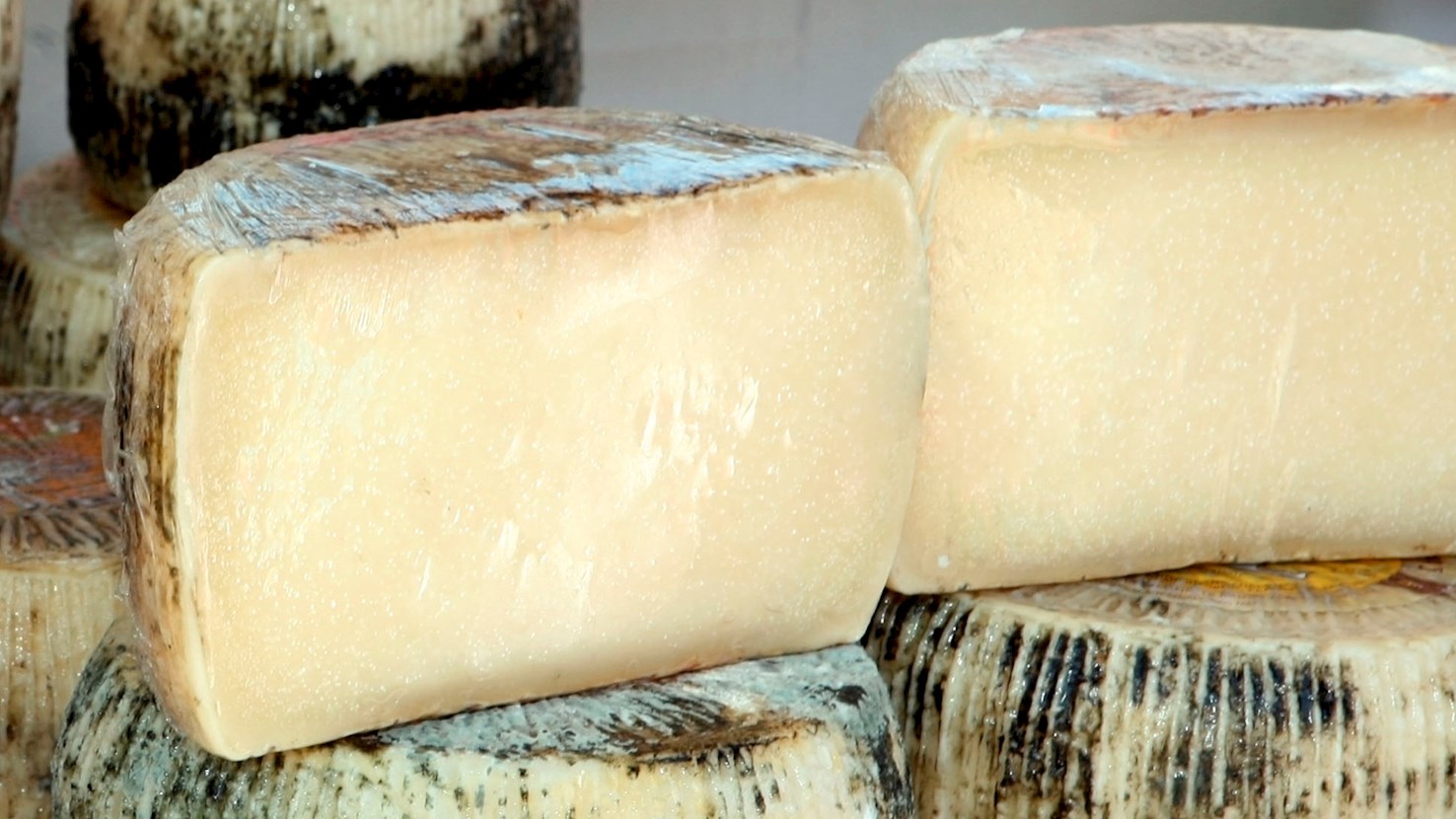
This cheese has a long history, and it is the best-known Greek graviera cheese. It is produced using traditional methods and ripened in facilities in Hania, Rethymnos, Iraklion, and Lasithio prefectures on the island of Crete. It is traditionally produced from sheep milk or from a mixture of sheep milk and a maximum of 20% goat milk. These goats and sheep wander freely on the green pastures of the island, and their diet is based on local plants, which give their milk a special quality that is expressed in this exceptional cheese. It is a hard table cheese with a light yellow color and firm texture. Its taste is slightly sweet and nutty. This cheese matures for 3 to 5 months before being put on the market. It is the most popular Greek cheese next to feta, and it can be found almost anywhere outside of Greece's borders. It can be served as an appetizer or grated and used in salads or soups.

02

Kefalograviera

4.4 ·

This is one of the most famous Greek cheeses. It has been made in Western Macedonia, Epirus, Aitoloakarnanina, Evrytania, and in western mainland Greece since the 1960s, which makes it one of the newest cheeses on the Greek market. It is a hard table cheese usually made from sheep's milk or a mixture of sheep's and goat's milk. Kefalograviera got its name after two cheeses because it's a cross between Kefalotyri, a salty, intensely flavored cheese, and the mellow Graviera cheese. It is sold in wheels or wedges, and is easily identified by its firm texture and light brown rind. Statistics show that it is becoming one of the most widespread cheeses in Greece, with annual production of around 3,000 tons. Kefalograviera is a hard table cheese that is often used to prepare a popular Greek fried cheese dish called saganaki.

03

Kalathaki Limnou

4.4 ·

This white, soft, brined cheese is made from fresh sheep milk or a combination of sheep and goat milk taken from breeds that graze freely on wild grasses on the island of Lemnos in the northern Aegean Sea. The method of production is quite similar to that of traditional feta cheese, with one significant difference that also gave this cheese its name. According to the traditional method, the curd is put in a kalathaki ("small basket") for draining and organic acidification, during which time the cheese acquires its characteristic cylindrical shape. Later, the baskets are submerged in brine to mature for at least two months. While it is similar to feta in texture, Kalathaki Limnou has a milder, pleasant flavor. Its taste can be described as salty and slightly acidic. It is usually consumed as a table cheese served with fruit, but it can also be used in a variety of traditional Greek dishes, Greek salad, or as a substitute cheese for saganaki.

04

Ladotyri Mytilinis

4.4 ·

Ladotyri Mytilinis is a hard table cheese made from sheep's milk or sheep's and goat's milk, the amount of which should not exceed 30%. It is produced only on the island of Lesbos, in the Prefecture of Lesbos in the Northern Aegean Islands. It is made in special cylindrical moulds that provide the cheese with a characteristic shape. This pale yellow cheese is very salty and slightly spicy and exudes a distinctive fragrant aroma of sheep milk. After the maturation, the common practice is to preserve Ladotyri Mytilinis in olive oil or cover it with paraffin wax. In fact, Ladotyri even translates to 'the cheese preserved in oil'. This cheese is very famous in the area of its production, but in the whole of Greece, as well, although it is one of the rarest cheeses available on the market. It is usually enjoyed in various dishes and salads and paired with light, fruity wines.

05

Sfela

4.4 ·

This semi-hard cheese is traditionally produced from sheep or goat milk, or a mixture of the two. The milk used to make this cheese comes from breeds reared traditionally in the Messinia and Lakonia prefectures, where this cheese has been produced for more than 100 years. To make Sfela, the curd has to be divided into pieces and reheated. Afterwards, the pieces are drained using cheesecloth, and they are lightly pressed and cut into small strips ('sfelas') and salted. The strips are stored in tin cans full of brine for at least three months to mature. During maturation, the cheese acquires its characteristic yellowish color. Its body is full of small holes created during fermentation. A cheese adored by consumers, sfela is a commonly used ingredient in modern Greek cooking. It is usually served as an appetizer, grilled, or combined with meat and vegetables in a tasty Greek pie.

06

Graviera Agrafon

4.3 ·

This is a delicious hard table cheese produced exclusively from sheep milk or a mixture of sheep milk and no more than 30% goat milk. This cheese has been made for over a century in the mountainous Agrafon area of the Karditsa prefecture, and it contains the aroma and flavor of mountain herbs. Graviera Agrafon cheese is ripened for around three months. During the maturing process, microflora develops on its surface which contributes to the ripening process and the characteristic scent of the cheese. It is a hard, round cheese, usually available in varying sizes from 2 to 3 kilos. The interior of the cheese is compact and full of small holes. Not as popular as Graviera Naxou or Graviera Kritis, this bright yellow cheese has a slightly sweet taste and rich aroma that make it worth trying. Sliced, this cheese pairs well with tannic red wines.

07

Xynomyzithra Kritis

4.3 ·

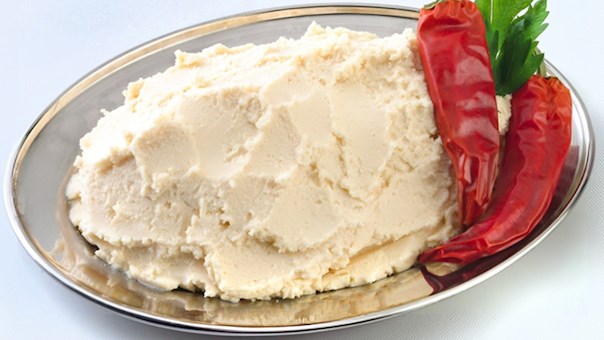
This soft table cheese is made from whey from the processing of Graviera or Kefalotyri Kritis cheeses and the addition of sheep or goat milk, or a mixture of the two. Its name is a combination of two words – mizithra and xyno – meaning 'acidic whey cheese'. It is produced on the beautiful island of Crete in the Chania, Rethymno, Heraklion, and Lasithi prefectures, where it has been produced since the 17th century. Today, Xynomyzithra Kritis is one of the most popular cheeses made on Crete. This lovely, white, rindless cheese has a distinctive sweet and sour taste, and its texture can vary from creamy to granular. Xynomyzithra Kritis can be used in a variety of recipes, as it becomes milder and softer when cooked.

08

Galotyri

4.3 ·

The name of this cheese is derived from the words galo (milk) and tyri (cheese). This 'milky' cheese is a curd cheese made from milk and yogurt. It is produced in Epirus and Thessaly in central Greece, and is made from sheep or goat milk, or a mixture of the two. Nowadays, it is mostly produced in August from the thick, fatty summer milk of sheep and goats reared traditionally in the region. Galotyri is a soft, rindless, creamy cheese with a pleasant and fresh taste. Its aroma is slightly sour, and it pairs especially well with ouzo and raki. It is not as popular as other cheeses produced in Greece, and it is sometimes used as a replacement for feta in recipes. It has fewer calories and less salt than plain feta cheese, making it a tasty and much healthier alternative.

09

Kefalotyri

4.2 ·

Kefalotyri is a traditional Greek-Cypriot cheese made from goat’s or sheep’s milk. It has a firm and flaky texture with irregular eyes and a strong, rich aroma, while the flavors can best be described as salty, strong, tangy, sharp, and spicy. It is believed that kefalotyri is the predecessor of most hard Greek cheeses, since it dates back to the Byzantine era. There are two main varieties – young kefalotyri, aged for a minimum of 2-3 months, and aged kefalotyri, which is aged for at least one year and has a much stronger flavor. It is recommended to use kefalotyri in pasta dishes and meat dishes, or grate it over stews, salads, and pizzas. If consumed on its own, pair it with figs, grapes, pears, and a glass of red wine.

10

Formaella Arachovas Parnassou

4.2 ·

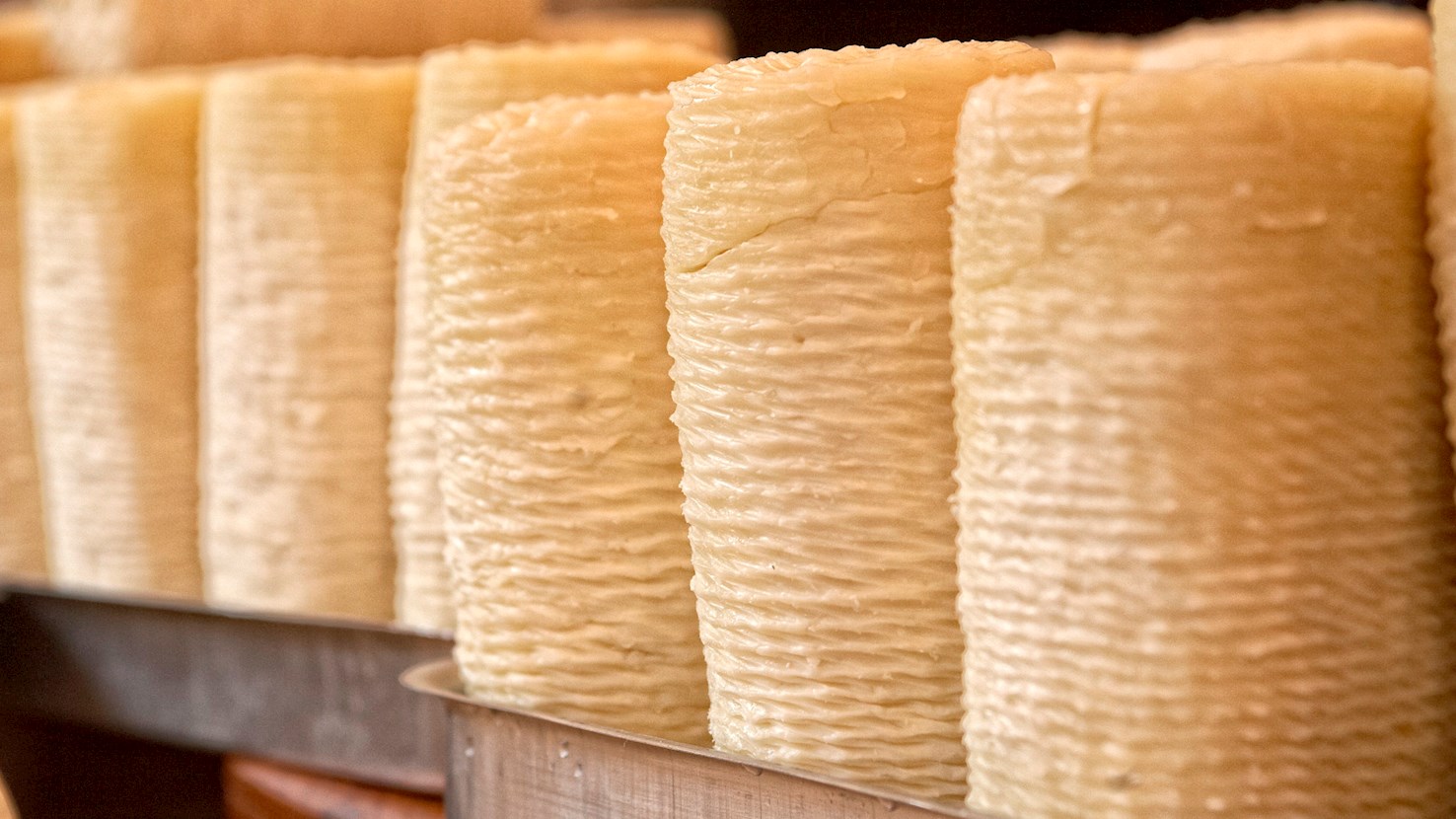
This semi-hard cheese has been produced from goat or sheep milk, or a blend of the two, in the town of Arachova below mount Parnassus in central Greece for at least a century. The milk is taken from breeds which have adapted to the mountainous region, and their diet is based on local herbs and plants. The cheese is curdled, and the curd is divided and put into special molds or baskets, where it is salted and dried. The cheeses have a compact structure, a characteristic cylindrical shape, a pale yellow color, and a striped appearance that results from the reed mats on which they are placed to dry. Formaella Arachovas Parnassou is a cheese with a very pleasant taste and aroma, and it is usually eaten plain or either fried or grilled as an ingredient in typical regional dishes.

11

Myzithra

4.2 ·
12

Manouri

4.2 ·
14

Feta

4.1 ·
15

Malaka

4.1 ·
16

Krasotyri

3.9 ·
17

Batzos

3.9 ·
19

Anthogalo

3.8 ·
20

Krasotiri Ko

3.6 ·

Best Greek Sheep's Milk Cheeses

01

Kourellas

4.2 ·

Kourellas S.A. is a family-owned dairy producer based in Grevena, Greece, established in 1960. The company specializes in organic dairy products and is recognized for producing a variety of cheeses, including feta, which adhere to traditional Greek cheese-making methods.

Kourellas S.A. is also known for its commitment to organic farming practices, sourcing milk from herds that graze freely in the mountainous regions of Greece.

Awards
Great Taste Awards - 3 Stars (2024)
World Cheese Awards - Gold (2022)
02

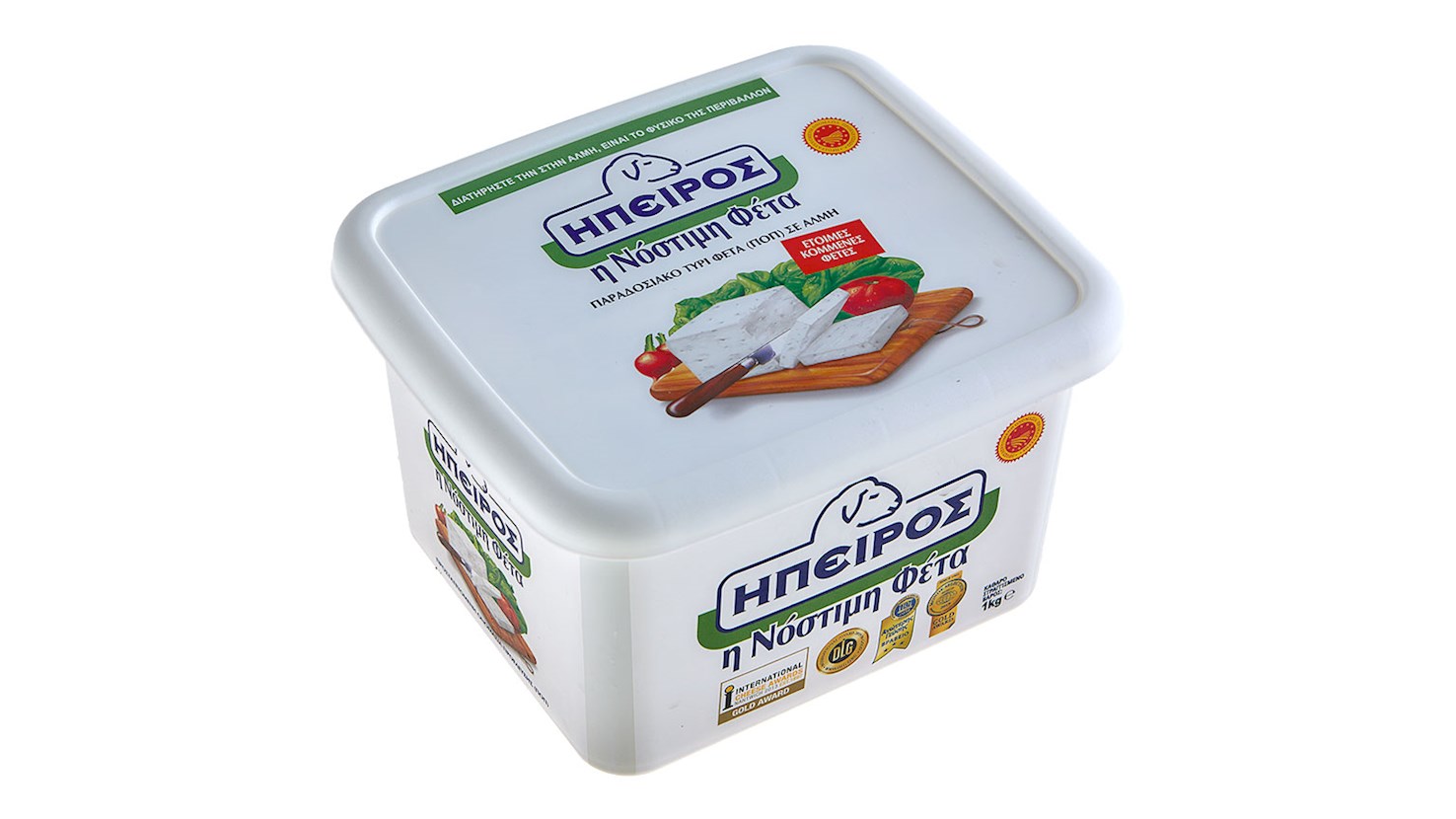
Epiros

4.2 ·
Awards
Great Taste Awards - 3 Stars (2024)
Global Cheese Awards - Gold (2024)
Read more
View all
View map
About this ranking

TasteAtlas food rankings are based on the ratings of the TasteAtlas audience, with a series of mechanisms that recognize real users and that ignore bot, nationalist or local patriotic ratings, and give additional value to the ratings of users that the system recognizes as knowledgeable. For the “Top 28 Greek Sheep's Milk Cheeses” list until July 08, 2026, 5,051 ratings were recorded, of which 2,381 were recognized by the system as legitimate. TasteAtlas Rankings should not be seen as the final global conclusion about food. Their purpose is to promote excellent local foods, instill pride in traditional dishes, and arouse curiosity about dishes you haven’t tried.

The initial list of top producers was compiled based on available reviews, awards, local recommendations, media and blog coverage, and consumer reviews. The list will be updated with ratings from TasteAtlas local ambassadors and TasteAtlas users.

Similar lists