


shutterstock

Top 8 Brazilian Side Dishes

Last updated on May 15, 2026
01

Tutu de feijão

4.2 ·

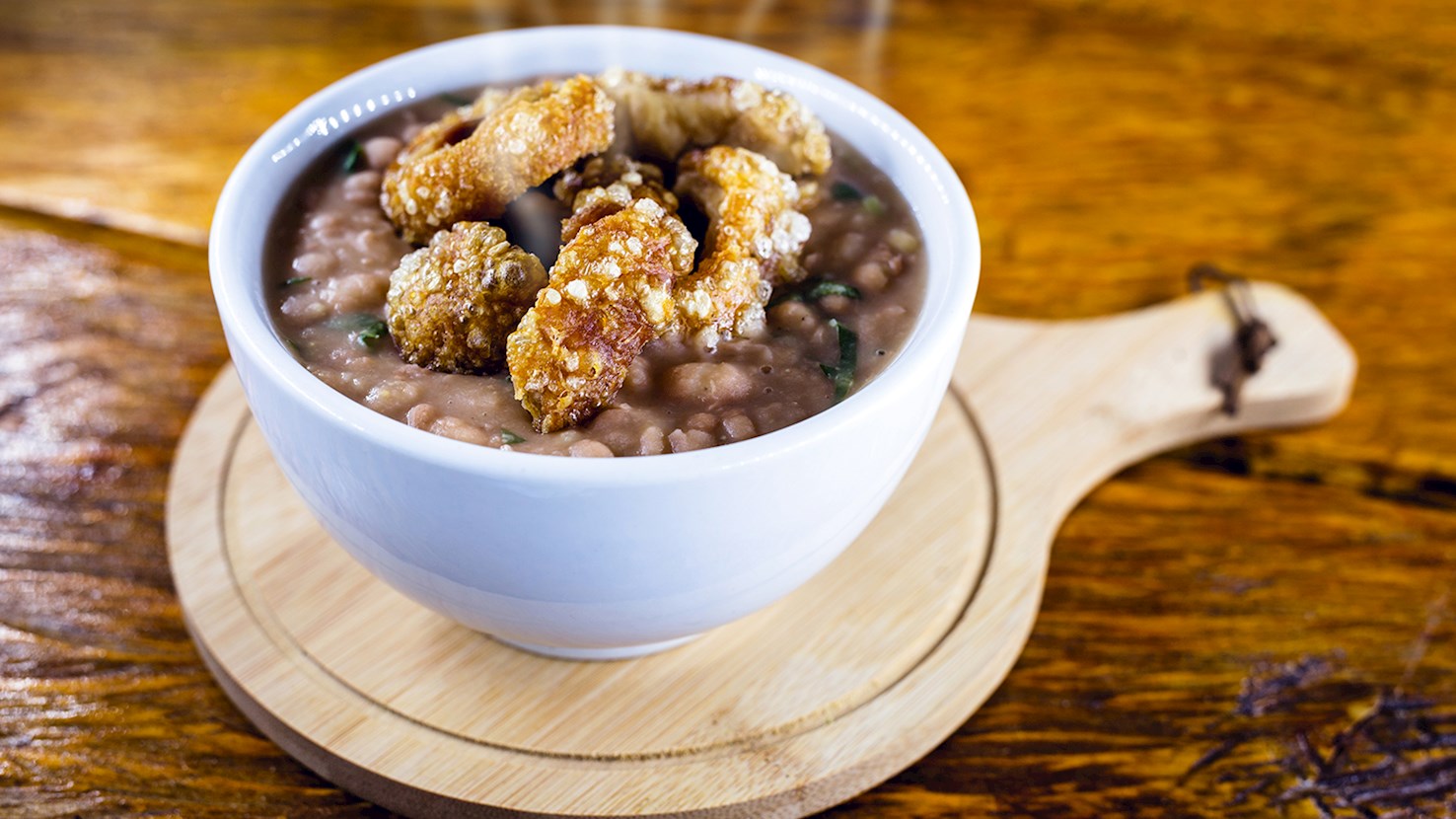
Tutu de feijão is a traditional dish originating from the region of Minas Gerais. The dish is made with a combination of puréed beans (traditionally black beans) and cassava flour that's used as a thickening agent. Other ingredients used in the dish include onions, garlic, olive oil, parsley, and bay leaves. Although there are many variations on the dish, it's usually served accompanied by pork sausages, rice, eggs, or sometimes kale.

02

Cuscuz nordestino

4.1 ·

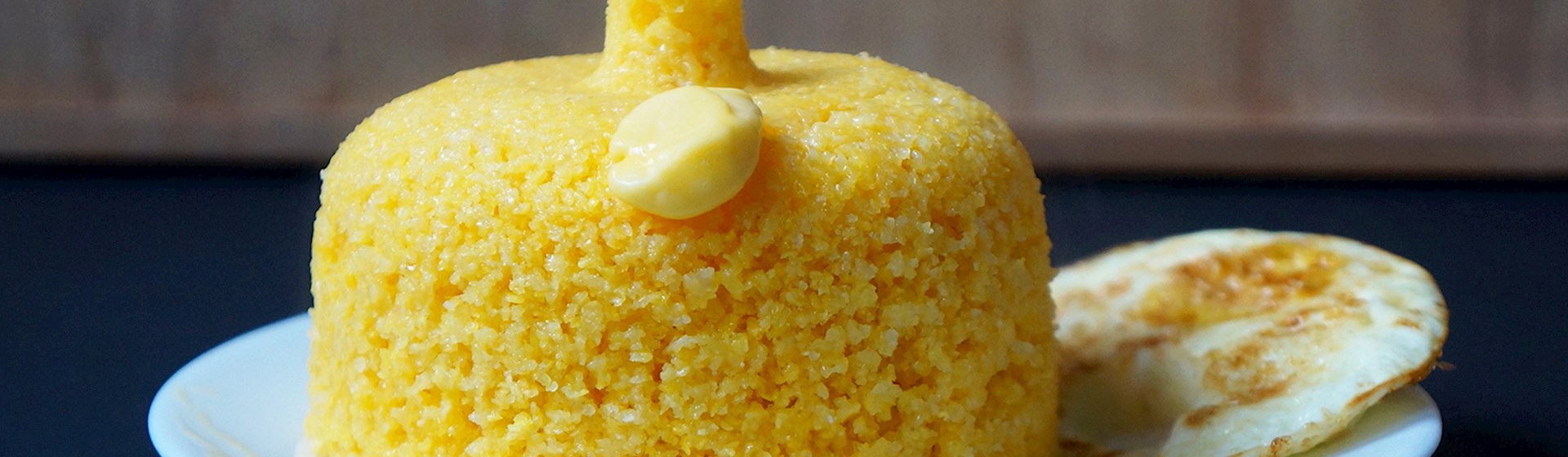
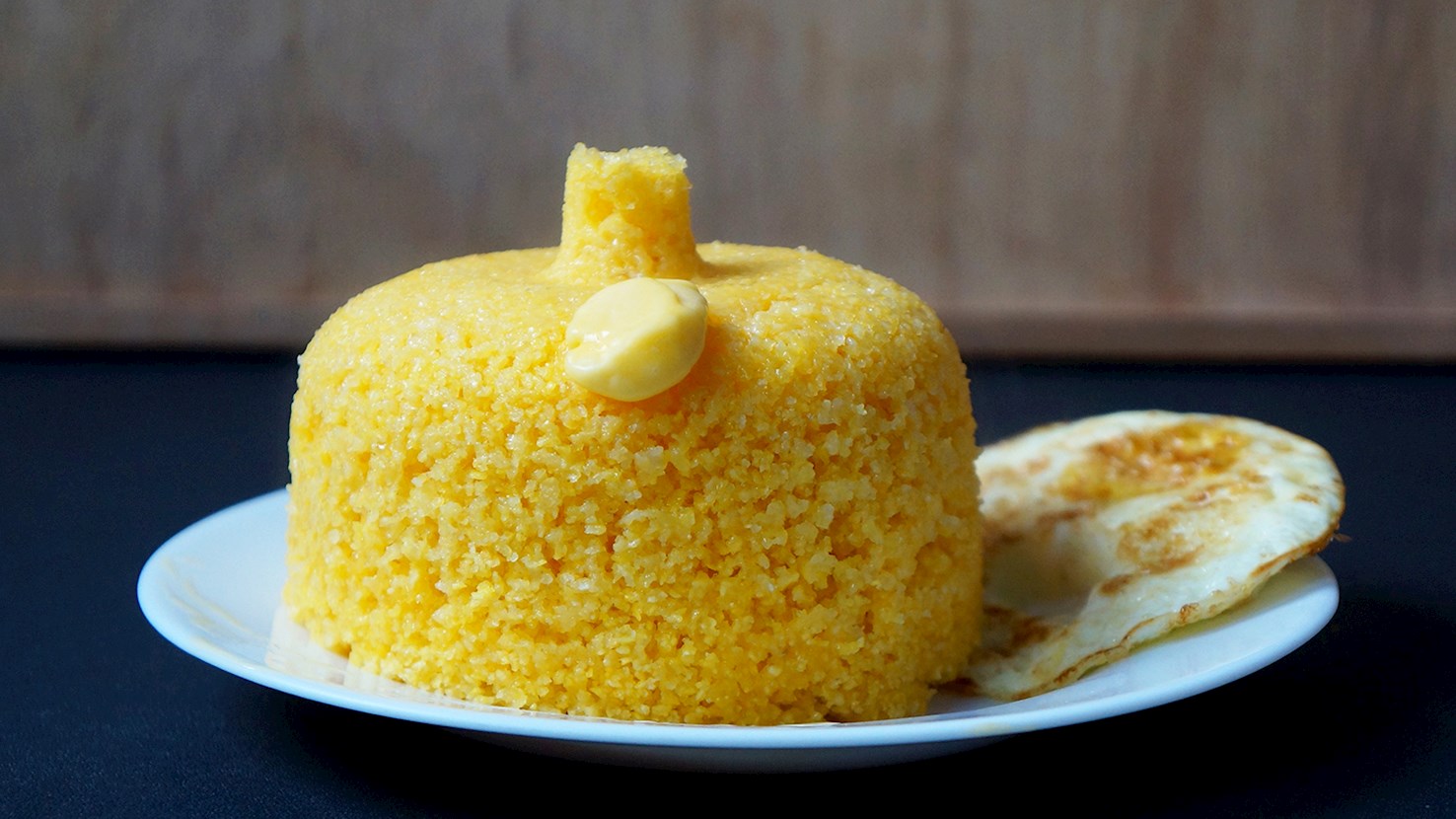
Cuscuz nordestino is a traditional dish from the Northeast region of Brazil. It is prepared with corn flour, salt, manioc starch, and either water or coconut milk. The combination of these ingredients is steamed until fragrant. Once prepared, cuscuz nordestino is cut into slices and served hot. This nutritious, inexpensive, and simple dish was brought to Brazil by Portuguese colonizers, and today it's a staple in the Northeast of Brazil – in some places, it's even used as a replacement for bread.

03

Farofa

4 ·

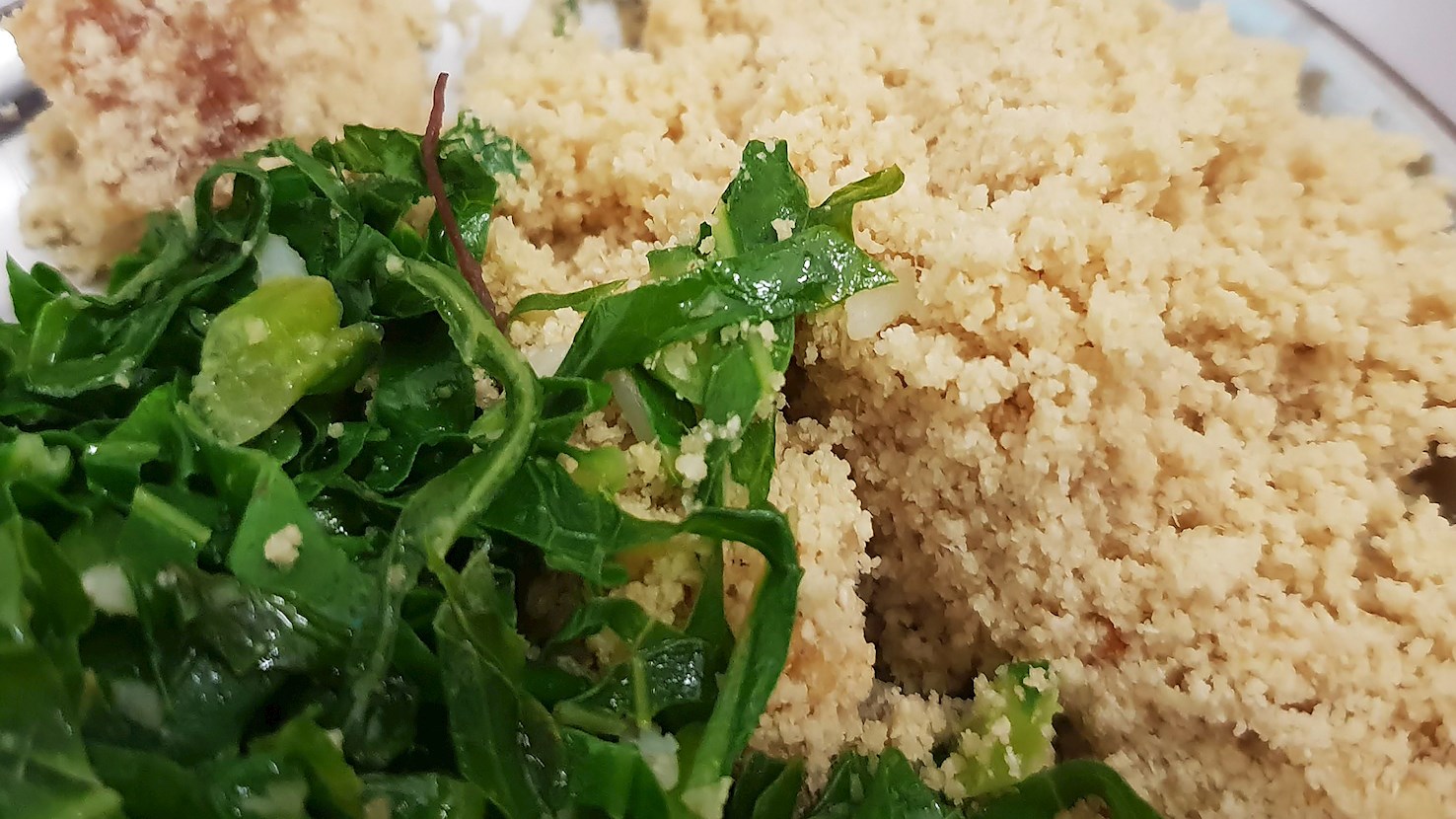
Farofa is a common side dish in Brazil that no churrasco (barbecue) is complete without. It consists of toasted manioc flour dressed up with complementary ingredients such as onions, olives, nuts, crispy bacon pieces, dried jerky, or fresh herbs. Popular since the time of Brazil's first settlers, it is typically sprinkled over savory dishes such as feijoada and xinxim. One popular variety from Bahia is made with bananas and onions. Farofa has such a legacy in Brazil that it even has its own shaker, called a farinheira, found on virtually every table in the country. Due to its sandy texture and a relative lack of flavor, outsiders are sometimes puzzled by farofa, but the habit of eating it easily sneaks up on anyone that is commonly indulging in Brazil's meat dishes.

04

Pirão

3.9 ·

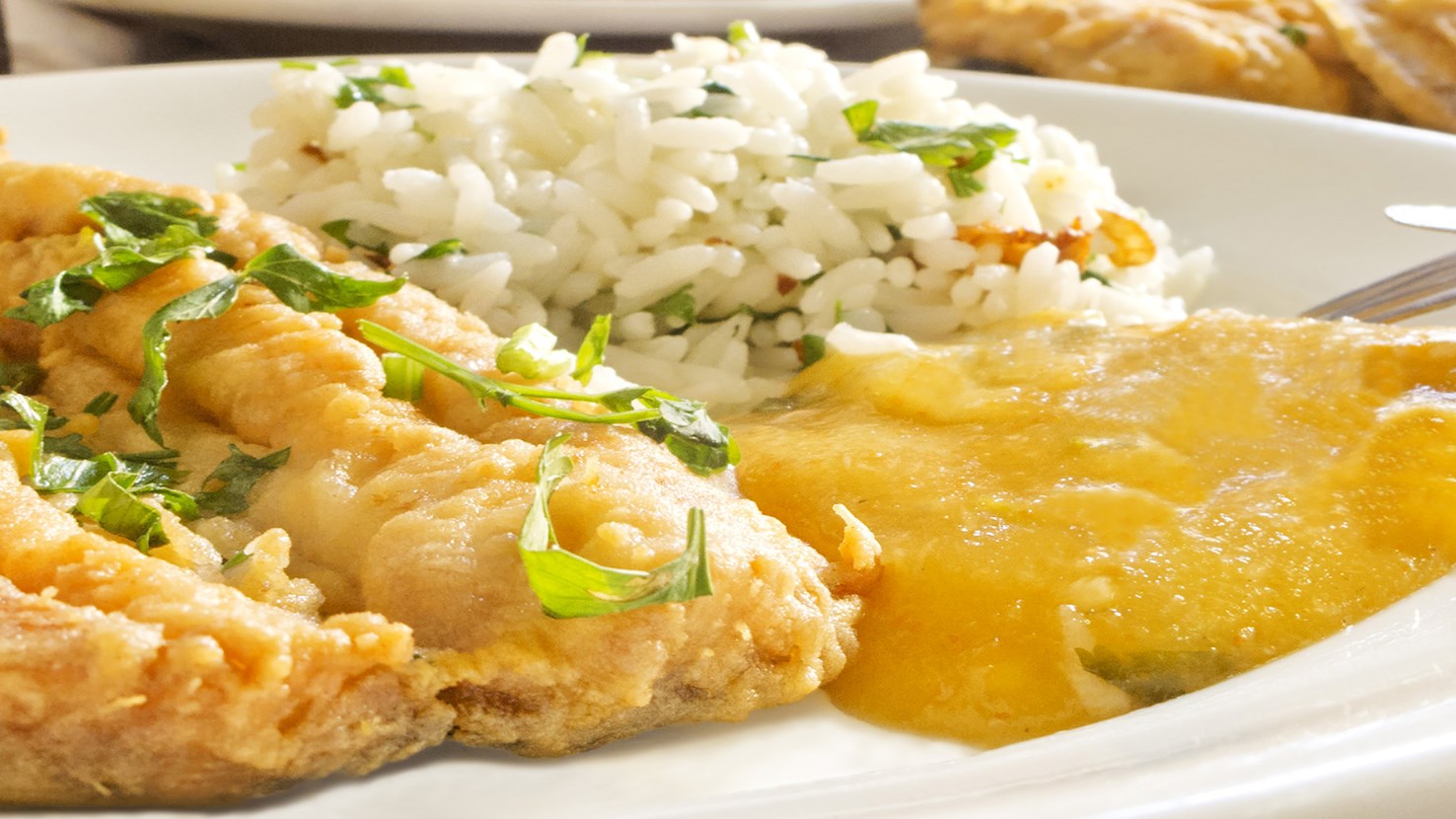
Pirão is the quintessential Brazilian side dish which resembles a watered-down porridge or polenta. It appears in numerous varieties throughout the country, but it is mainly prepared by stirring manioc flour in various flavorful meat or seafood broths. This simple, yet hearty dish has been a staple of Brazilian cuisine for centuries, and even though its exact origins are unknown, it probably originated among the indigenous Brazilian cultures. It is mainly served as an accompaniment to rice and numerous meat and seafood dishes.

05

Salpicão de Frango

3.7 ·

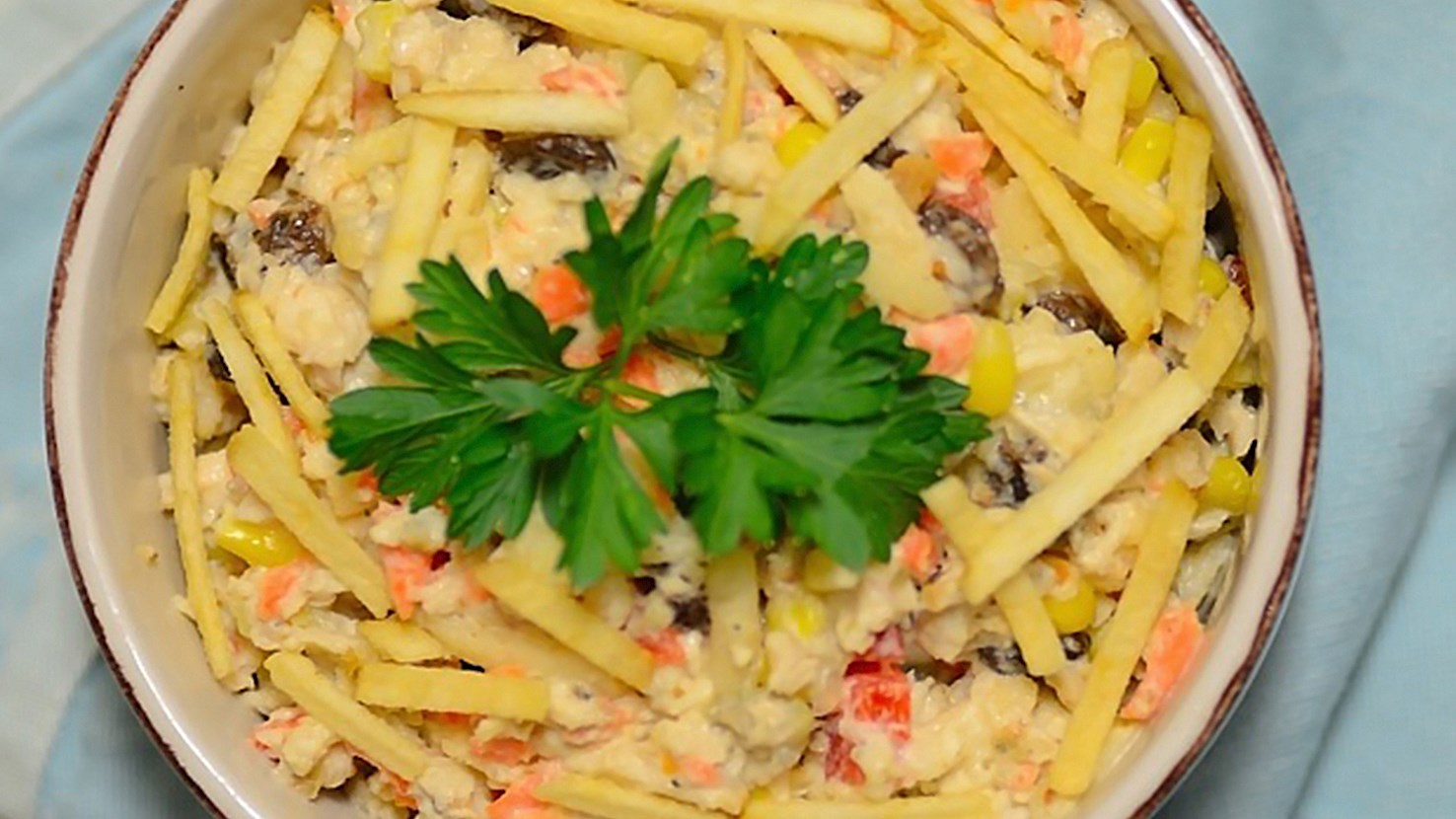
Salpicão is the Brazilian version of a chicken salad with numerous variations. Generally, it consists of a few key ingredients: cooked and shredded chicken, fruits, vegetables, and a binding agent, in this case – mayonnaise. The salad is traditionally topped with shoestring potatoes, while some cooks like to add dried fruits such as raisins and apricots to the mix. Salpicão can be commonly found on numerous Brazilian buffet tables, where it is an omnipresent staple. It can be consumed as a salad, a cold side dish, or on sandwiches.

06

Salada de maionese

3.6 ·

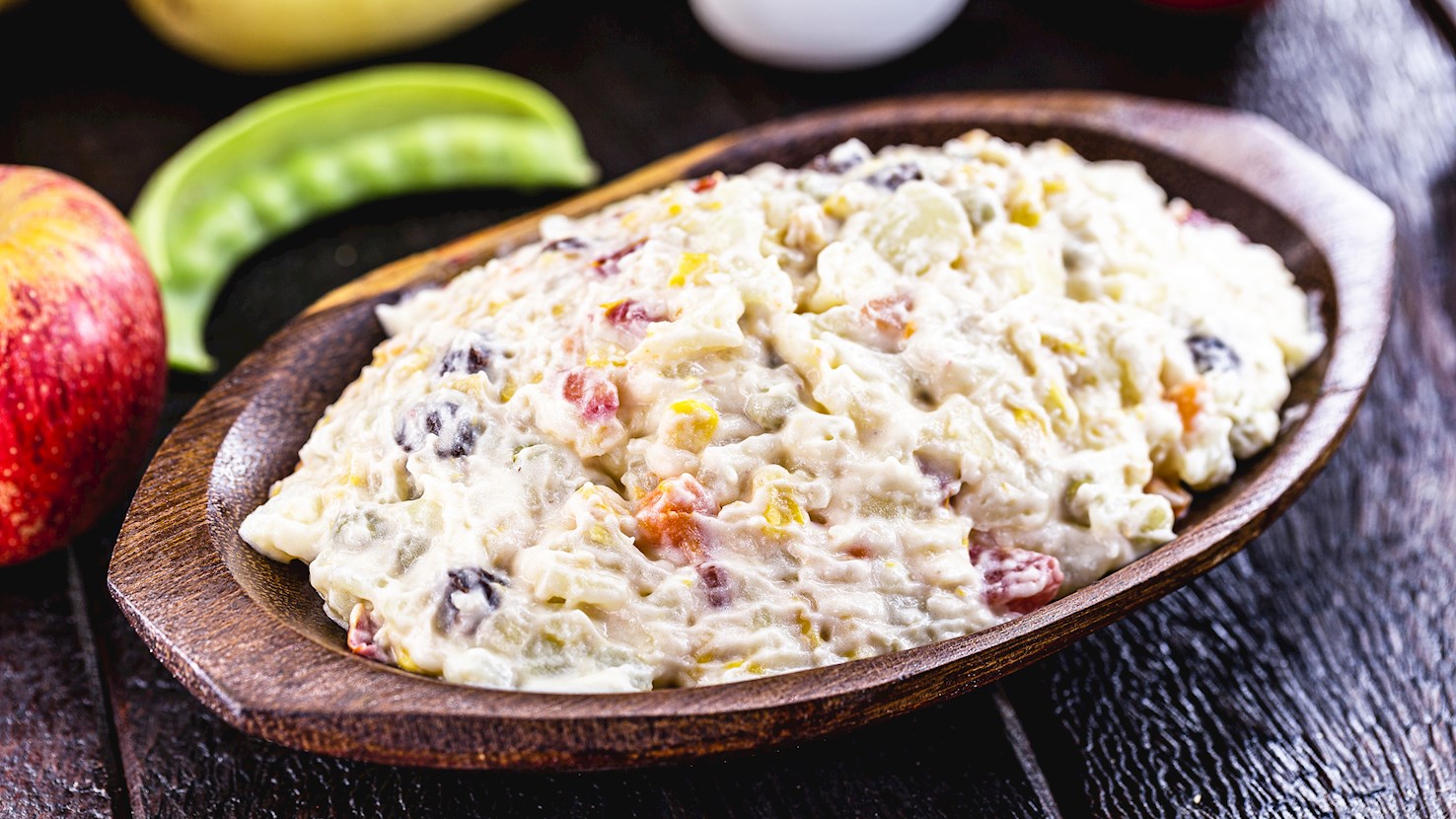
Salada de maionese is a Brazilian salad that's traditionally served with churrasco barbecue. It's also known as Gaúcho potato salad since it was invented by Gaúchos, Brazilian cowboys. The salad is made with a combination of potatoes, carrots, peas, corn on the cob, thinly sliced green apples, raisins, and mayonnaise. The potatoes, carrots, and corn are cooked until soft, yet firm. The carrots and potatoes are cut into cubes, while the corn kernels are sliced from the cob and the peas are simply blanched in boiling water. The ingredients are mixed with apples, raisins, and mayonnaise until well combined, and the salad is ready to be served alongside nicely barbecued pieces of churrasco meat.

07

Caruru

3.5 ·

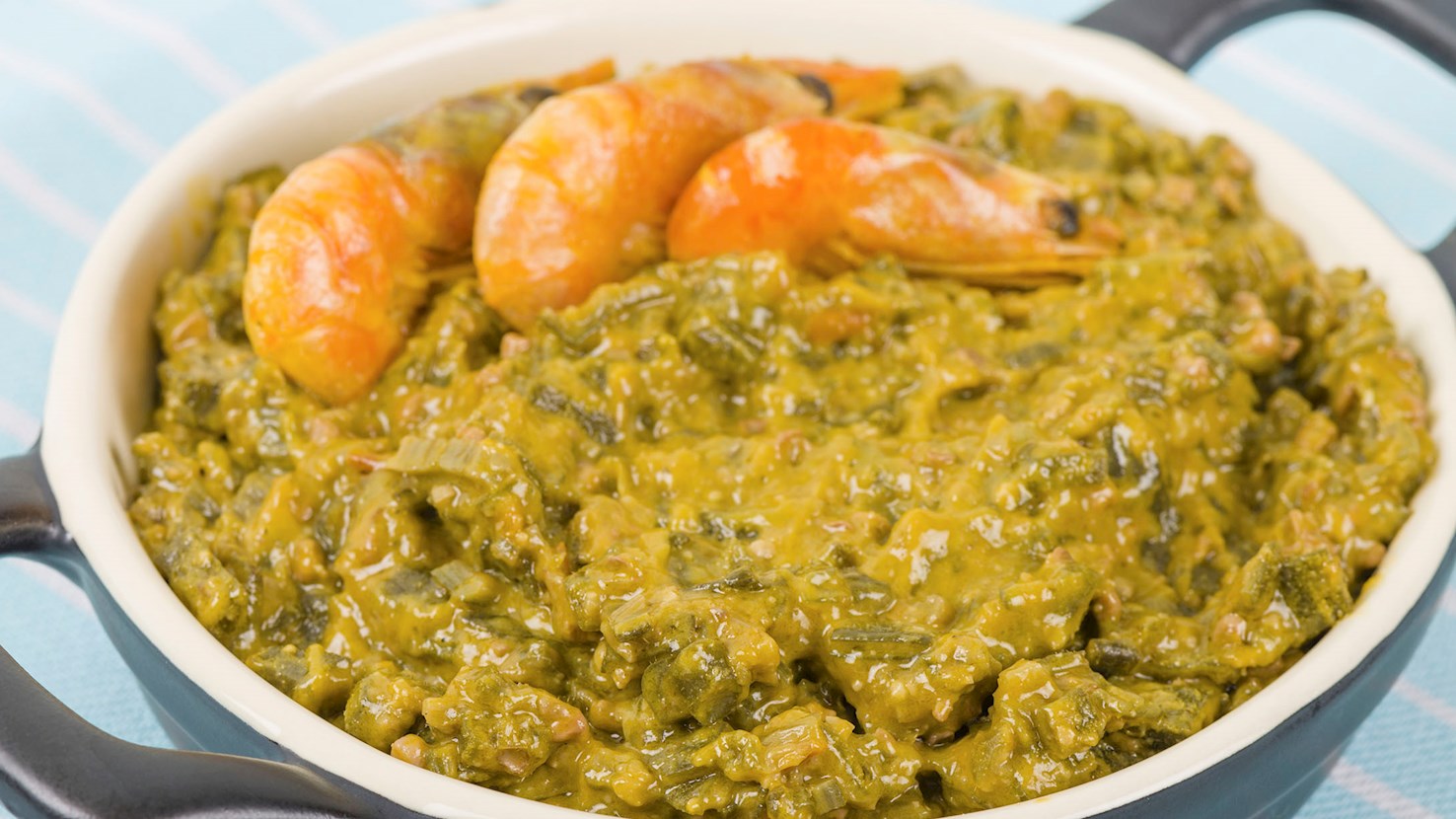
Caruru is a Brazilian dish consisting of okra, dried shrimps, onions, and toasted nuts cooked in dendê palm oil. In the Bahia region, caruru is traditionally consumed as a condiment alongside acarajé, a type of street food consisting of fried black-eyed peas. Although the dish has African origins, it is considered to be a Brazilian dish which was exported out of Africa by the slaves who worked on sugar plantations in Brazil. Caruru is a staple of Afro-Brazilian religious ceremonies, where it's known under the name amalá, and it is a favorite of Xango, the Yoruba African god of fire. It is also the main meal that is served during the September festivities honoring Cosme and Damien, the twin saints of Bahian Afro-Catholic culture. The dish is traditionally served to guests as a sign of celebrating family ties and friendship.

08

Acaçá

n/a ·

Acaçá is a traditional Afro-Brazilian dish that's the most important ritual food of the Candomblé religion. This thick mush-like dish is made from ground or grated white corn that's soaked, pounded, then wrapped and shaped in banana leaves. The Candomblé religion originated in Bahia, and that's where you can find this specialty. The flavor of acaçá is somewhat bland and neutral because it only contains white corn and salt. It's usually served with dishes that contain some kind of sauce in order for acaçá to absorb its flavors.

Read more
View all
View map
About this ranking

TasteAtlas food rankings are based on the ratings of the TasteAtlas audience, with a series of mechanisms that recognize real users and that ignore bot, nationalist or local patriotic ratings, and give additional value to the ratings of users that the system recognizes as knowledgeable. For the “Top 8 Brazilian Side Dishes” list until May 15, 2026, 928 ratings were recorded, of which 705 were recognized by the system as legitimate. TasteAtlas Rankings should not be seen as the final global conclusion about food. Their purpose is to promote excellent local foods, instill pride in traditional dishes, and arouse curiosity about dishes you haven’t tried.

Similar lists