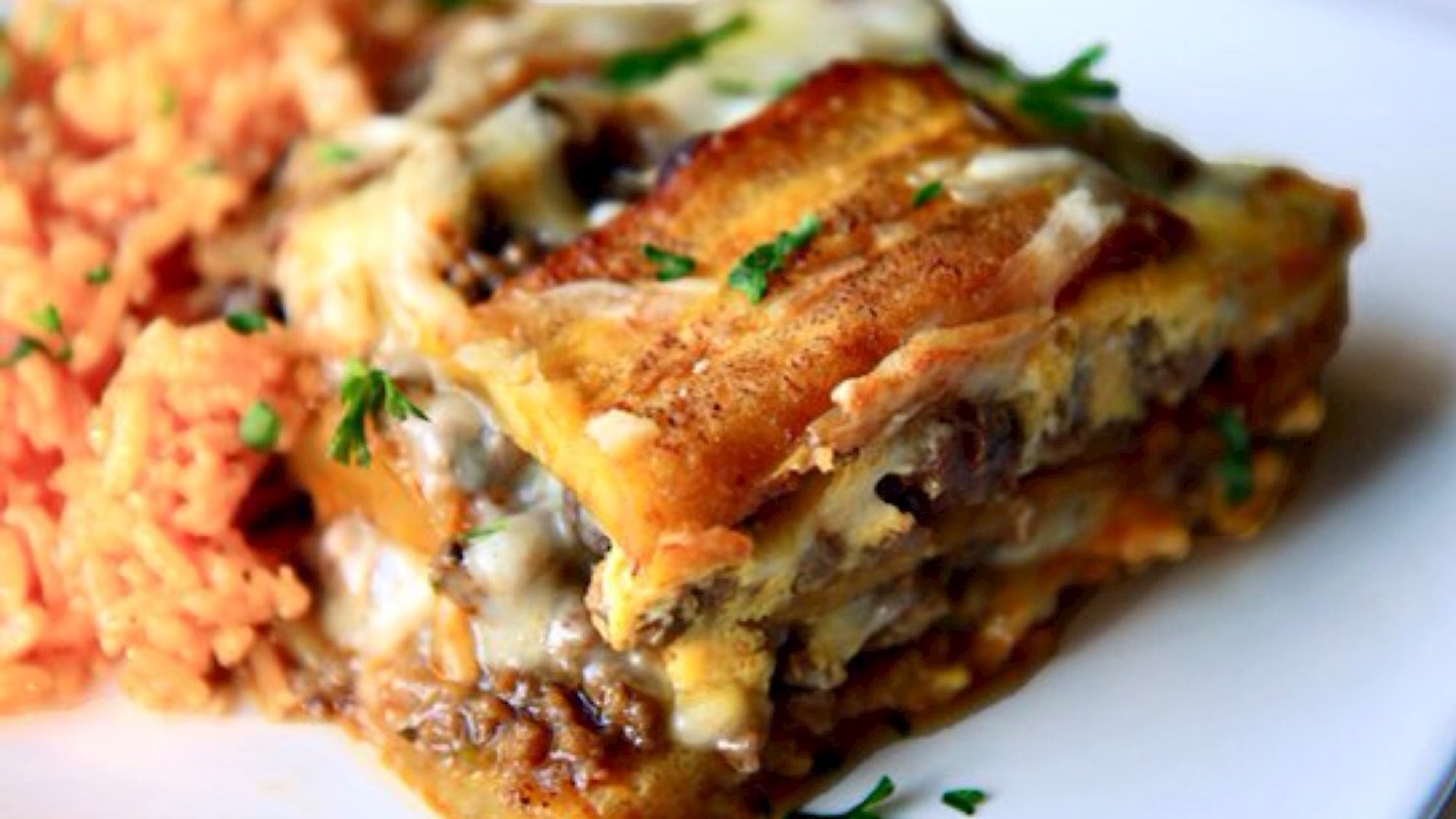
Pastelón is a Caribbean baked casserole most strongly associated with Puerto Rico and the Dominican Republic, where it is made by layering ripe plantains with seasoned ground meat, cheese, and eggs before baking until set. The dish belongs to a broader Caribbean way of combining sweet ripe plantain with savory meat, and while Puerto Rican and Dominican versions differ in method and seasoning, both rely on that contrast as the central idea. In Puerto Rico, pastelón is commonly made with long slices of fried ripe plantain arranged in layers around a picadillo-style filling of ground beef cooked with onion, peppers, garlic, tomato, olives, capers, and seasonings such as oregano and adobo, while beaten egg is often poured over the assembled casserole to help bind the layers. Dominican pastelón is more likely to use boiled or baked ripe plantains mashed into a smooth layer, with the meat and cheese placed between portions of the mash, producing a softer, more uniform texture. In both cases, the plantains need to be fully ripe, with darkened skins and pronounced sweetness, because underripe fruit would make the finished casserole too starchy and firm. Cheese varies by household and country, with mozzarella, cheddar, or local melting cheeses all used, and some versions include raisins or extra olives in the meat filling. Once assembled, the dish is baked until the cheese melts, the egg sets, and the edges begin to brown. Pastelón is served hot in square or rectangular portions and is substantial enough to work as a main course, especially at family lunches, holidays, and larger gatherings. It is commonly paired with white rice, beans, avocado, or a simple green salad, while cold fruit drinks, beer, or light-bodied red wine work well alongside the sweet plantain and savory meat.
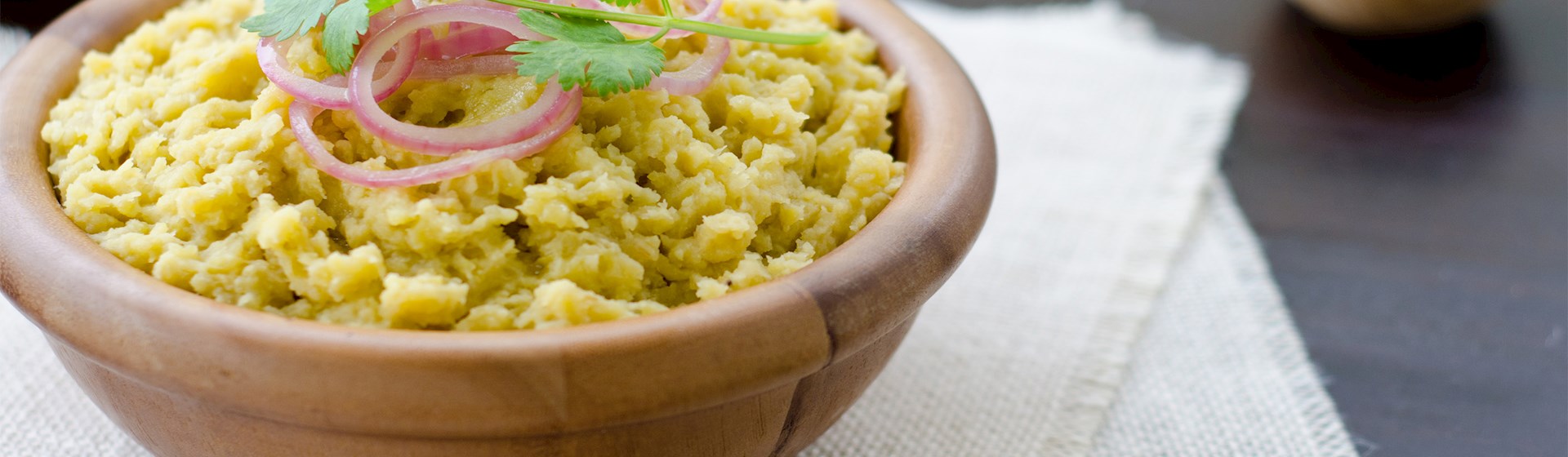
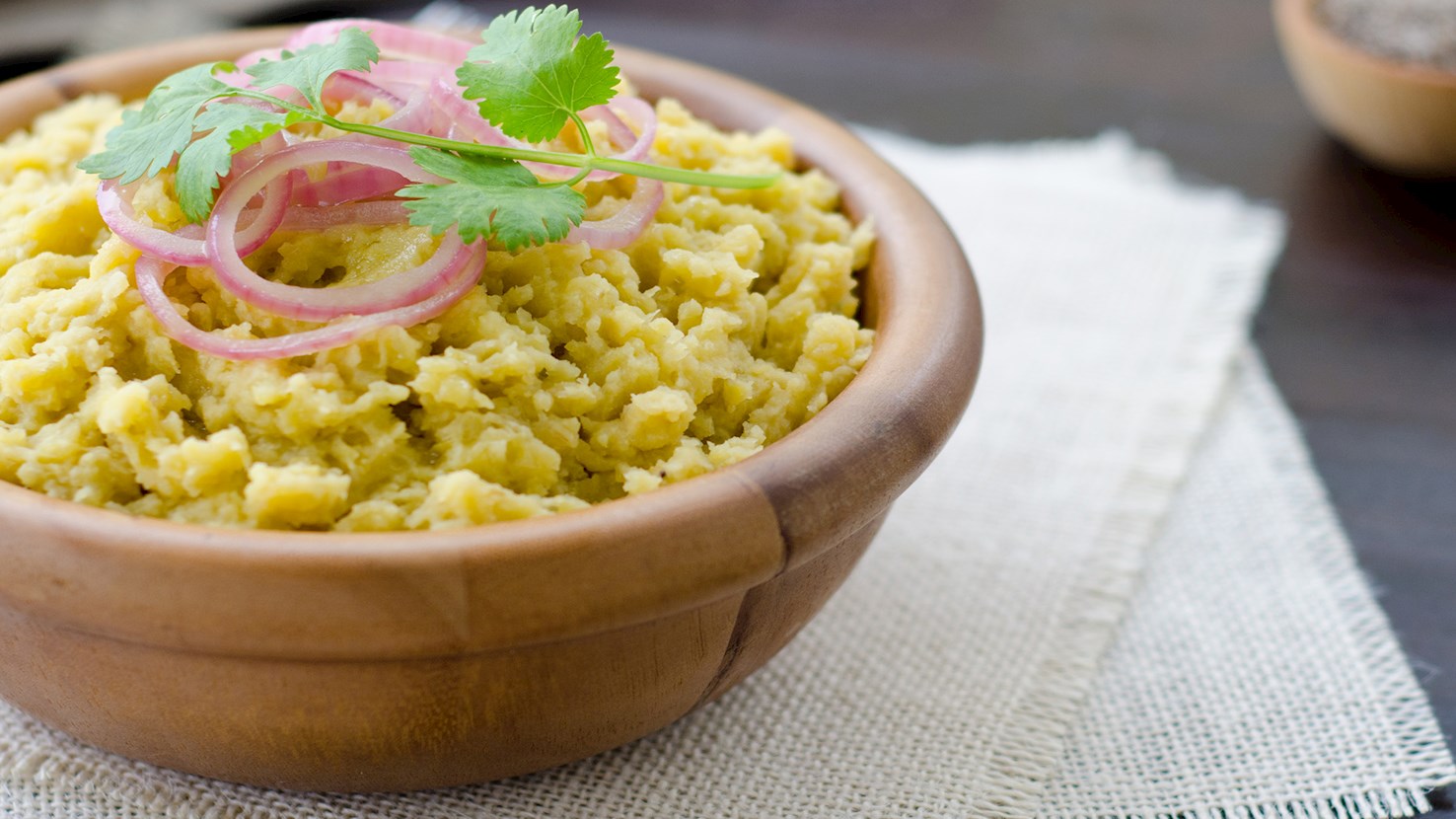
Mangú is a traditional dish that consists primarily of mashed plantains. It is a staple breakfast food in the Dominican Republic but can also be served at other meals. The preparation of mangú is quite simple: green plantains are peeled, cut into chunks, and boiled until they are soft. After boiling, the plantains are mashed with some of the water they were boiled in, along with butter, oil, or margarine to create a smooth, creamy consistency. Mangú is typically served with red onions that have been sautéed in vinegar, which adds a tangy flavor contrast. It is often accompanied by other side dishes such as fried cheese, eggs, or salami, making it a hearty and filling meal. This combination of foods is sometimes referred to as "los tres golpes" or "the three hits," referring to the three most common sides served with mangú.
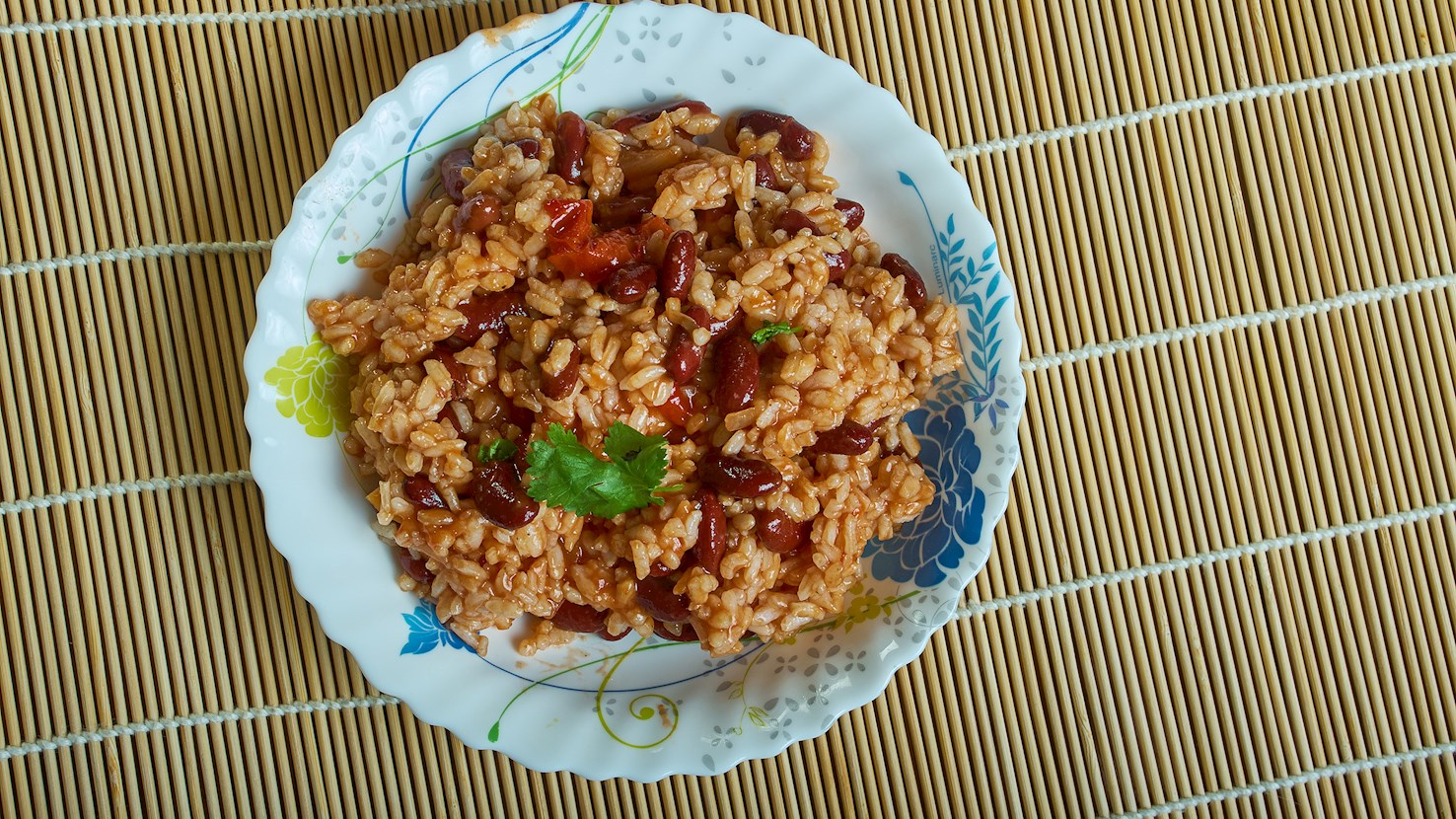
Arroz y habichuelas is a simple and traditional Puerto Rican dish. It consists of rice and beans flavored with bacon or ham, sofrito, tomato purée, spices, and (optionally) olives. In Puerto Rico, it is typically served as a side dish, but it can also be served on its own. Throughout Central and South America, there are numerous variations and twists on this simple side dish, beloved for its protein content which comes from the beans.
Diri ak pwa, also called diri kole ak pwa, is the national dish of Haiti, consisting of rice and beans. The dish became a common, everyday staple during the period of slavery, when rice and beans were two of the few ingredients that were fed to the slaves by their owners. It can be made with a variety of beans, but pinto, red kidney beans, and black beans are the most common options. Diri ak pwa is exceptionally nutritious as rice is rich in starch and contains iron, vitamin B, and protein, while the beans also contain iron and a greater amount of protein than rice. When combined, they make a complete protein. A true Haitian classic, you can see diri ak pwa eaten everywhere on the island, and as the locals say "A meal is not a meal without a side of rice and beans." Even though the dish is tasty and nutritious on its own, Haitians often serve it with a lot of sauce, and it is best paired with Creole chicken or topped with red snapper, tomatoes, and onions. Another interesting accompaniment to diri ak pwa is bouillon, a hearty stew consisting of tomatoes, potatoes, spices, and goat or beef meat.
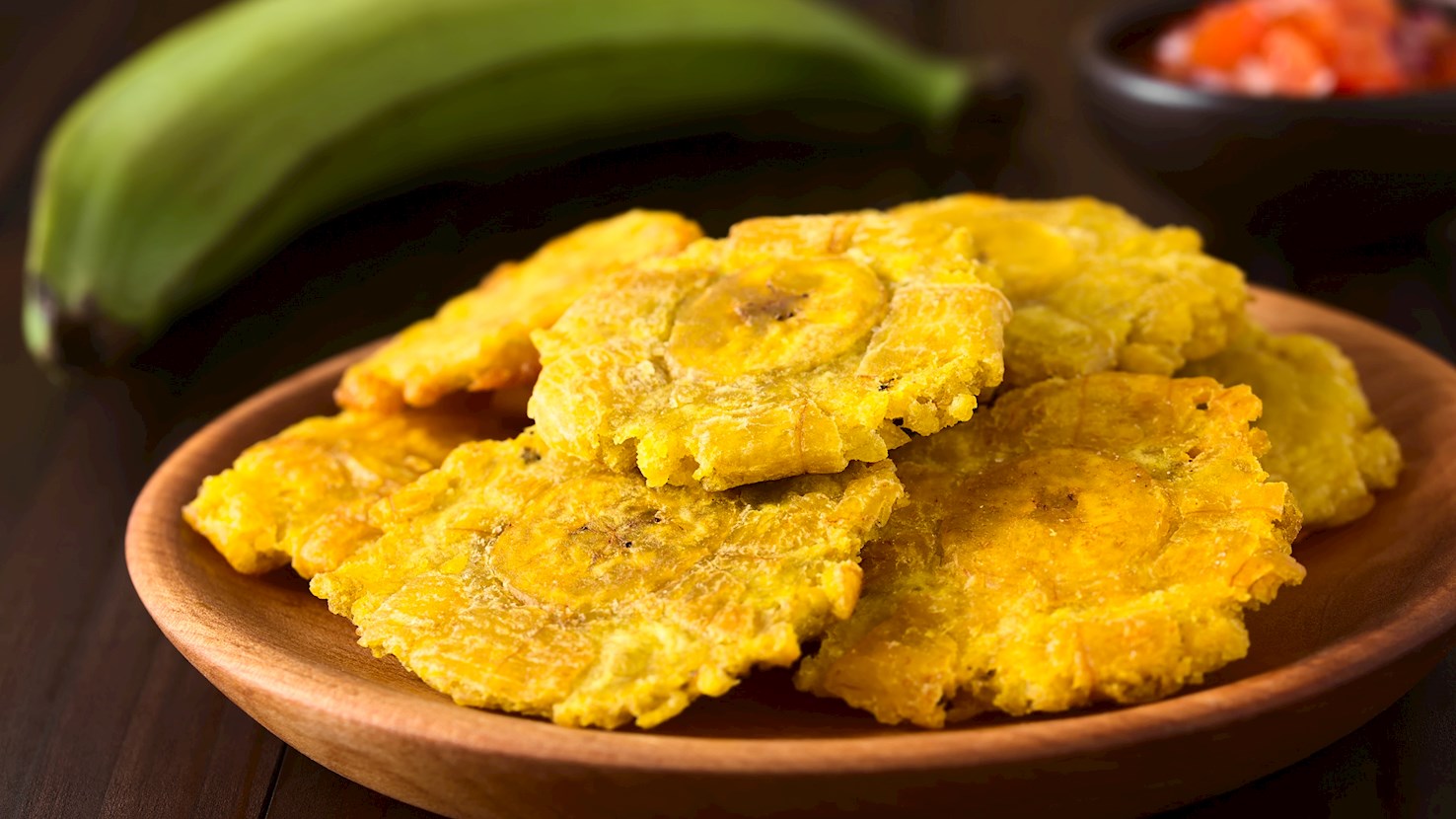
Tostones is a traditional side dish that's popular throughout Latin America and the Caribbean, especially in Puerto Rico. Unlike platanos fritos, where only ripe plantains are used, tostones are made with unripe, hard, very green plantains. They are sliced into pieces, fried on each side, then smashed or flattened and deep-fried one more time until they become golden. Once prepared, the tostones are sprinkled with sea salt and served as a side dish to various dishes. They are often served with garlic mojo sauce (mojo de ajo), either on top of the tostones, or on the side as a dip.
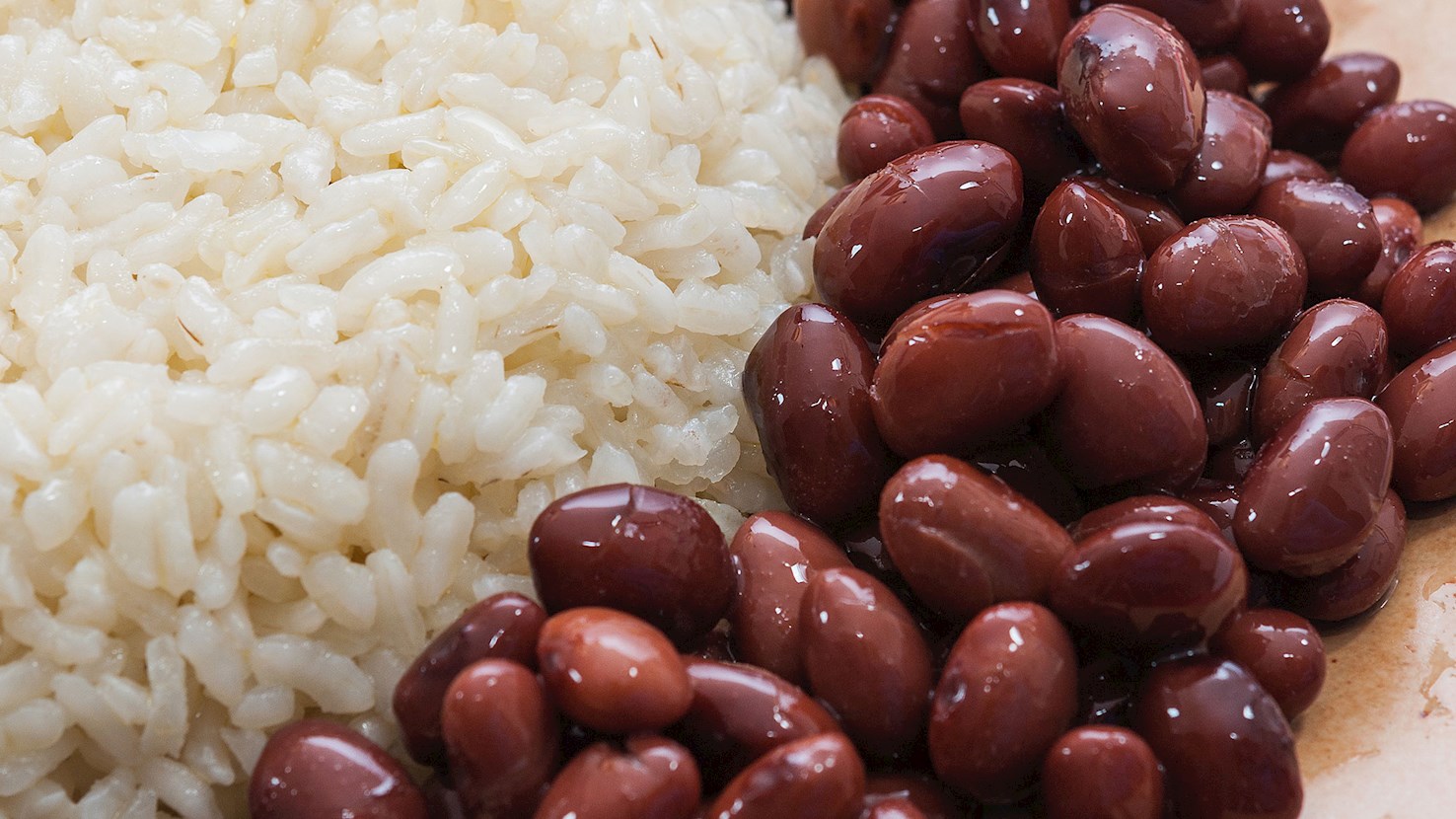
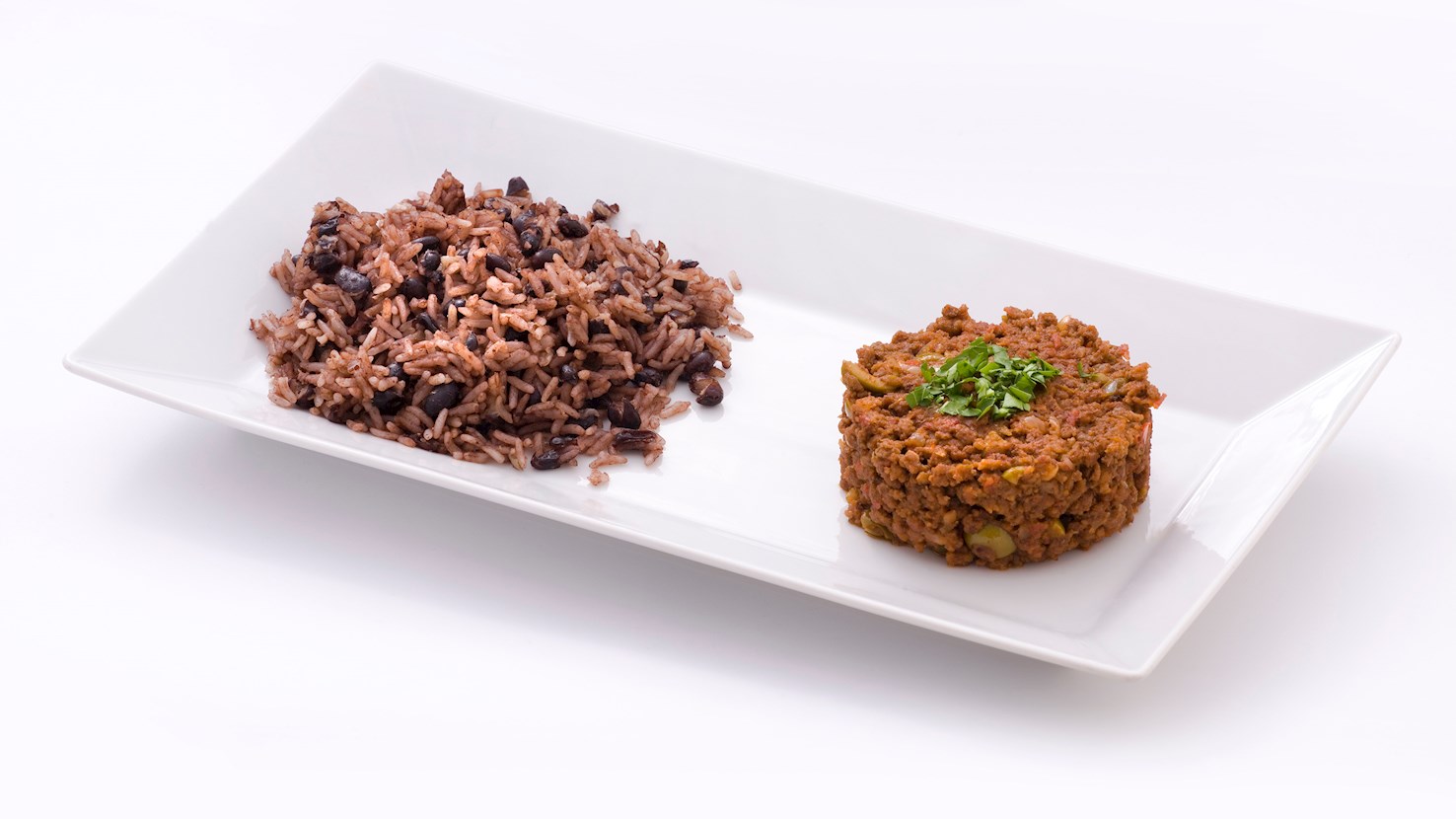
Platillo Moros y Cristiano, roughly translated as Moors and Christians dish - a poetic name referring to history, is the national dish of Cuba, a hearty combination of fluffy white rice and seasoned black beans, cooked together in the same pot. Moros y Cristiano is originally Spanish, and it spread to Cuba with its strong Spanish, Caribbean, and North African influences. White rice represents the Spanish Christians, while black beans are supposed to be the Muslim Moors, remembering a long period of wars between the two, known as Reconquista, and celebrating how both groups came to reconciliation in the Iberian Peninsula. The dish is found everywhere in Cuba, and you can't go to any restaurant, home, or street corner without it appearing in some form, so it is not unusual that there are as many recipes for the dish as there are Cuban people with cooking skills.
Baiganee is a classic Trini snack that can also be served as a side dish. This vegetarian treat consists of sliced eggplant or baigan (hence the name) that is coated in a spicy batter, then deep-fried to golden-brown perfection. It is typically sold by street vendors who often pair it with a tamarind dipping sauce or mango chutney. Baiganee is also quite popular during festivities such as Divali.
Bahamian mac and cheese is a Bahamian take on the classic macaroni and cheese. The dish is usually made with elbow macaroni pasta, cheddar cheese, onions, bell peppers, butter, eggs, paprika, habanero pepper, evaporated milk, salt, and black pepper. The cooked macaroni are sautéed in butter with the grated cheese, hot peppers, seasonings, and vegetables until the cheese is melted and well-blended. Beaten eggs and evaporated milk are added to the mixture, which is then spread in a casserole dish, topped with the remaining cheese, and baked until the top becomes golden. Before serving, Bahamian mac and cheese is left to cool, and it's then cut into squares that should hold everything together nicely. The dish can be eaten on its own, but it's more often served as a side dish for Sunday meals and feasts and holidays such as Christmas or Easter. The addition of evaporated milk to the dish is an alternative to fresh dairy, stemming from the early colonial times of the 18th and 19th centuries. Nowadays, some locals enjoy the dish with a bit of tomato ketchup.
Diri ak djon djon is a rice dish from Haiti made by cooking white rice in a dark, intensely flavored liquid extracted from dried djon djon mushrooms. The mushroom broth gives the grains a charcoal-gray to almost black color and a distinctive earthy, smoky, deeply savory flavor. The rice is commonly seasoned with epis, thyme, garlic, onion, peppers, cloves, and Scotch bonnet, and often contains lima beans or green peas. Djon djon is the Haitian name for a group of small, dark edible mushrooms rather than a single, securely identified species. The mushrooms most closely associated with the name belong to the Psathyrella group, particularly forms identified as Psathyrella cf. hymenocephala. Dried market mixtures can contain more than one closely related species, so identifying all djon djon as Psathyrella coprophila is incorrect. The mushrooms grow wild in humid areas, often around decaying wood, buried branches, tree stumps, and other organic material. They are especially associated with the mountainous areas surrounding Haiti's Artibonite Valley and with northern Haiti, although they also occur in other parts of the country. People collect them during wet periods and dry them for storage and sale. Diri ak djon djon is especially associated with northern Haitian cooking and has long been regarded as a prestigious rice specialty. It is particularly common at weddings, communions, birthdays, Sunday meals, holidays, and other celebrations. Real dried djon djon can be expensive and difficult to obtain outside Haiti, which has also led to the widespread use of commercial djon djon bouillon cubes as a substitute. To make the characteristic broth, dried djon djon mushrooms are soaked or simmered in water. As they hydrate, they release dark pigments and soluble flavor compounds that turn the water grayish brown to nearly black and give it a strong earthy aroma. The liquid is then strained carefully. The mushrooms themselves are usually discarded because the dried stems and other fibrous pieces remain tough and unpleasant to eat. The valuable part is the concentrated mushroom liquid, which provides both the color and much of the flavor of the finished rice. The rice base usually begins with oil and Haitian epis, made from aromatics such as garlic, scallions, parsley, thyme, bell pepper, and other herbs and peppers. Onion or shallot may be added separately, and whole cloves are another characteristic seasoning. Lima beans, often called butter beans, are one of the most recognizable additions. Green peas can also be used. They cook with the rice and provide a soft, slightly sweet contrast to the dark mushroom broth. The strained djon djon liquid is poured into the seasoned pot and brought to a simmer. Long-grain white rice is added and cooked until the grains absorb the mushroom broth. The finished rice should remain separate and fluffy rather than becoming a soft or sticky mass. A whole Scotch bonnet may be placed in the pot while the rice cooks. Keeping it intact allows its fruity aroma and moderate heat to perfume the rice without releasing the much stronger heat that comes when the pepper is cut or broken. Shrimp is one of the most established variations. It can be seasoned separately and incorporated into the rice or cooked alongside the aromatics before the mushroom broth is added. The briny sweetness of shrimp works particularly well with the deep mushroom flavor. Lobster and other seafood can also be added, particularly in more elaborate versions made for celebrations. These richer seafood versions strengthen the savory character of the djon djon without changing the basic rice-and-mushroom structure. Smoked herring can accompany many Haitian starches, but it is not one of the defining additions to diri ak djon djon. Bulgur and millet are likewise separate grains and should not be presented as standard variations of this rice specialty. Replacing the rice with either produces a different food rather than a conventional form of diri ak djon djon. Diri ak djon djon can be served as part of a meatless meal, but it frequently accompanies chicken, pork, goat, seafood, or other substantial mains. Poul ak nwa, the northern Haitian chicken-and-cashew stew, is a particularly natural partner because both foods are strongly associated with northern Haiti. Griot, fried or braised chicken, fish, shrimp, and richly sauced meats can also be served alongside. The dark mushroom rice functions as a flavorful starch rather than simply a neutral base. Fried or boiled plantains are common additions to a larger Haitian plate. Sweet ripe plantains provide a soft, caramelized contrast, while fried green plantains give a firmer, more savory texture. They are common accompaniments but are not required every time diri ak djon djon is served.
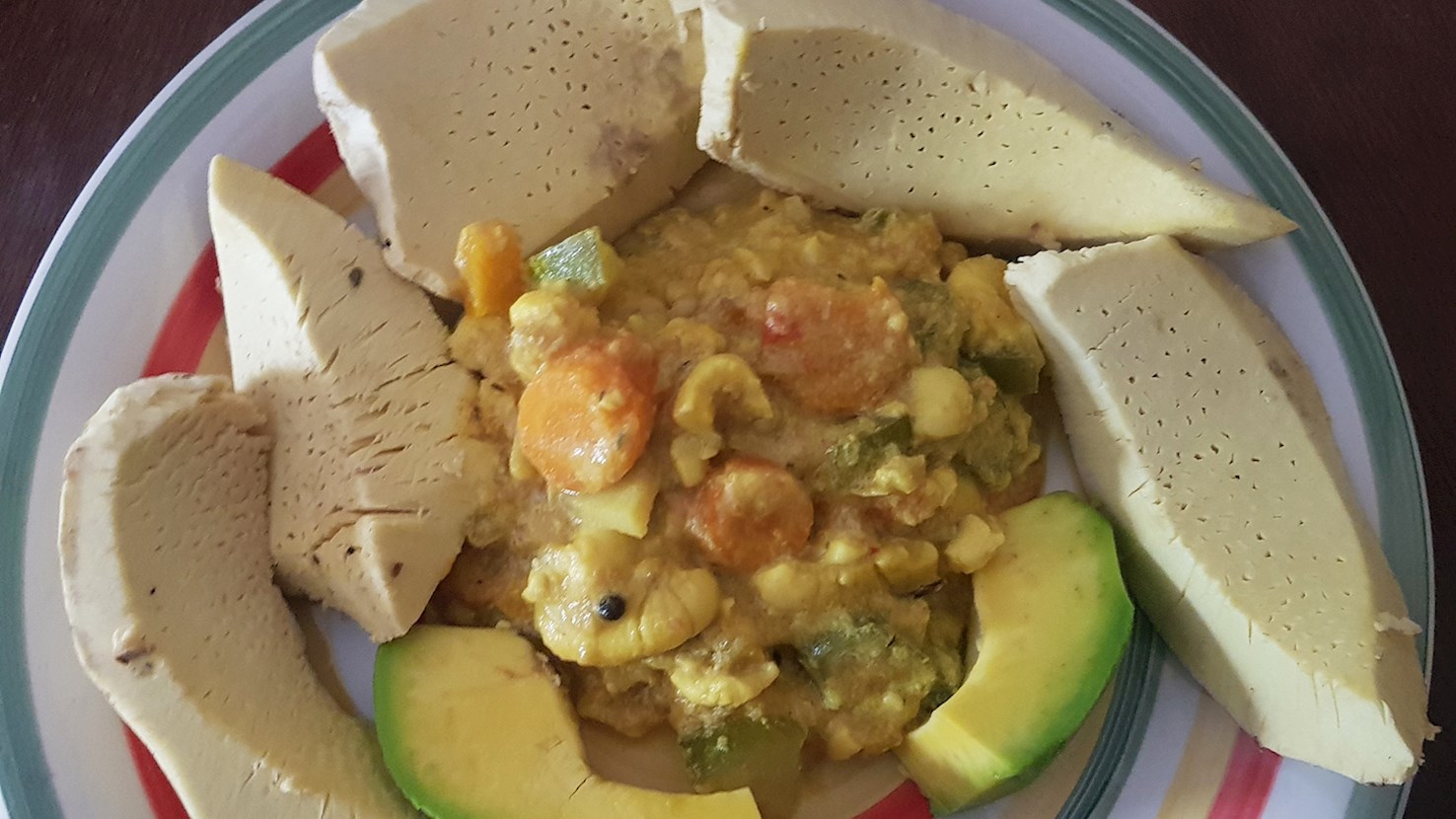
Jamaican roasted breadfruit is a starchy food prepared in Jamaica from the mature fruit of the breadfruit tree, Artocarpus altilis, and consumed as a staple rather than as a side dish or garnish, valued for its density, mild flavor, and ability to substitute for grains or tubers. Its presence in Jamaican cooking is tied to the introduction of breadfruit to the island in the late eighteenth century as a crop suited to tropical conditions and capable of producing large yields with minimal cultivation, after which it became integrated into everyday foodways, particularly in rural areas where open-fire cooking was common. Preparation involves roasting the whole unpeeled fruit directly over open flame, hot coals, or a stovetop burner, turning it repeatedly until the skin is charred and the interior becomes soft and fully cooked, after which the burnt exterior is scraped away and the flesh is cut into pieces, revealing a texture that ranges from bread-like to potato-like depending on ripeness. This method requires no added fat or seasoning during cooking and relies entirely on heat and timing, with doneness judged by softness and aroma rather than strict measurements. Roasted breadfruit is typically served hot, sometimes brushed with butter or coconut oil, and eaten plain or alongside other foods. It is commonly consumed at home, by roadside vendors, or at outdoor gatherings, paired with salted fish, ackee, fried plantain, or stewed meats, and it is often accompanied by simple beverages such as water, coconut water, or lightly sweetened drinks that do not compete with its neutral, filling character.
TasteAtlas food rankings are based on the ratings of the TasteAtlas audience, with a series of mechanisms that recognize real users and that ignore bot,
nationalist or local patriotic ratings, and give additional value to the ratings of users that the system recognizes as knowledgeable.
TasteAtlas Rankings should not be seen as the final global conclusion about food. Their purpose is to promote excellent local foods,
instill pride in traditional dishes, and arouse curiosity about dishes you haven’t tried.








What People Say