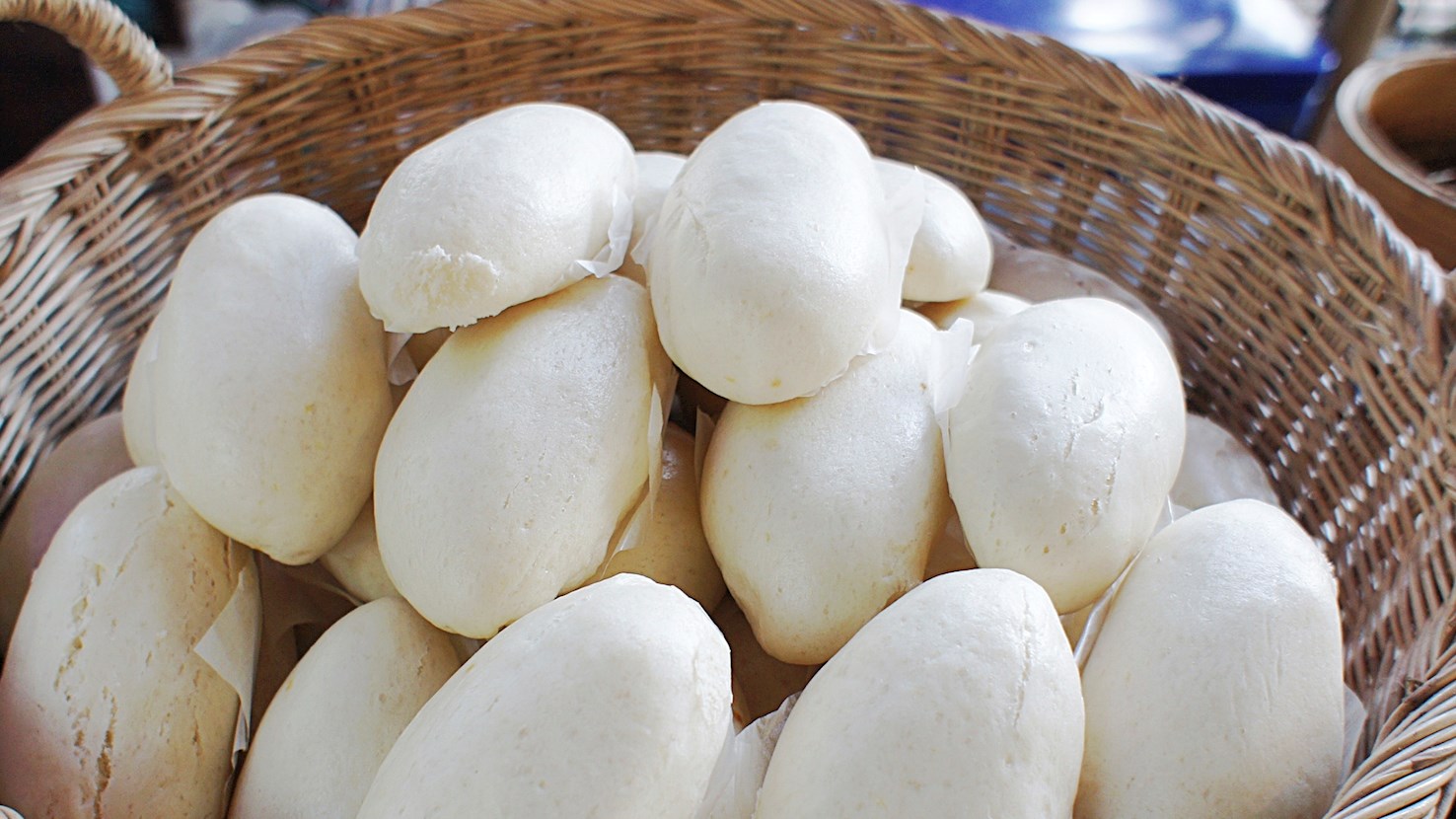
Mantou are Chinese steamed buns that are usually prepared plain, without any filling on the inside. It is sometimes served as a side dish, although it is more commonly consumed as it is. Mantou has a round, flattened shape, and it is a staple food of the Northern part of China. Traditionally, the buns are tasteless and they have no crust, while the crumb is somewhat dense. They are made from wheat flour and yeast, which is used as a leavening agent. For Chinese people, mantou is as important as bread is to the westerners. According to a popular legend, the word mantou literally means barbarian's head. During the period of the Three Kingdoms, chancellor Zhuge Liang attempted to capture a barbarian named Meng Huo. He was told that the barbarians used witchcraft, so only the gods could help him. Since the barbarians used to throw human heads in the river, Liang filled the buns, representing barbarian's heads, with pork and mutton, and sacrificed them to the River God. Modern buns with no filling did not appear until the mid-17th century. Nowadays, mantou is regularly consumed as a daily snack or as fast food for busy people, while in Singapore and Malaysia, it is traditionally eaten by dipping it into a gravy of chili crab dishes.
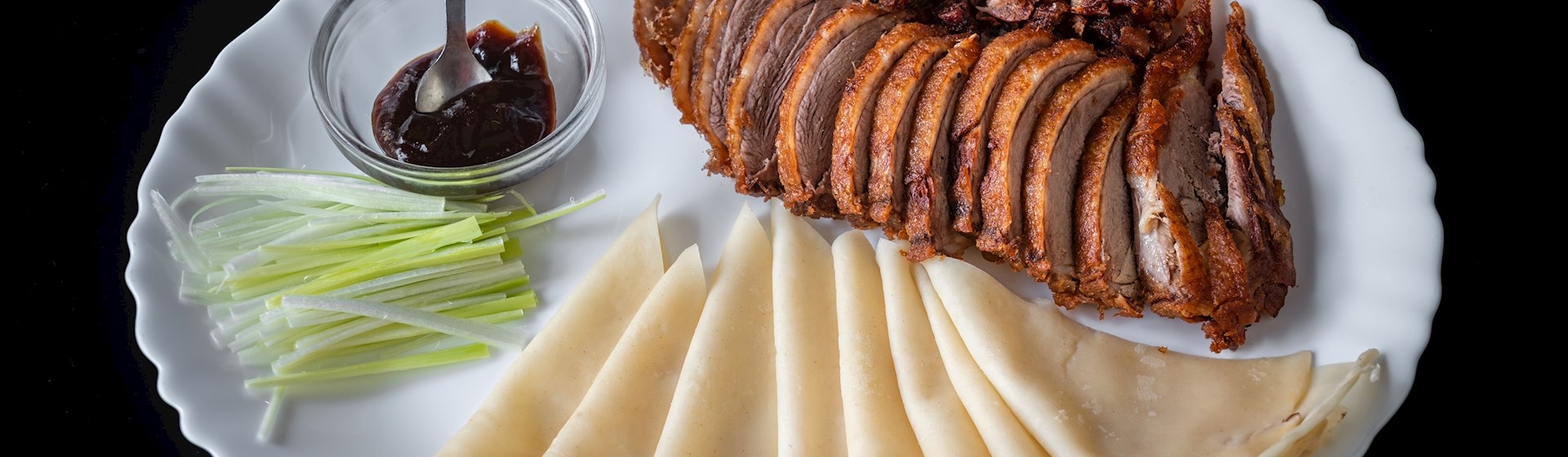
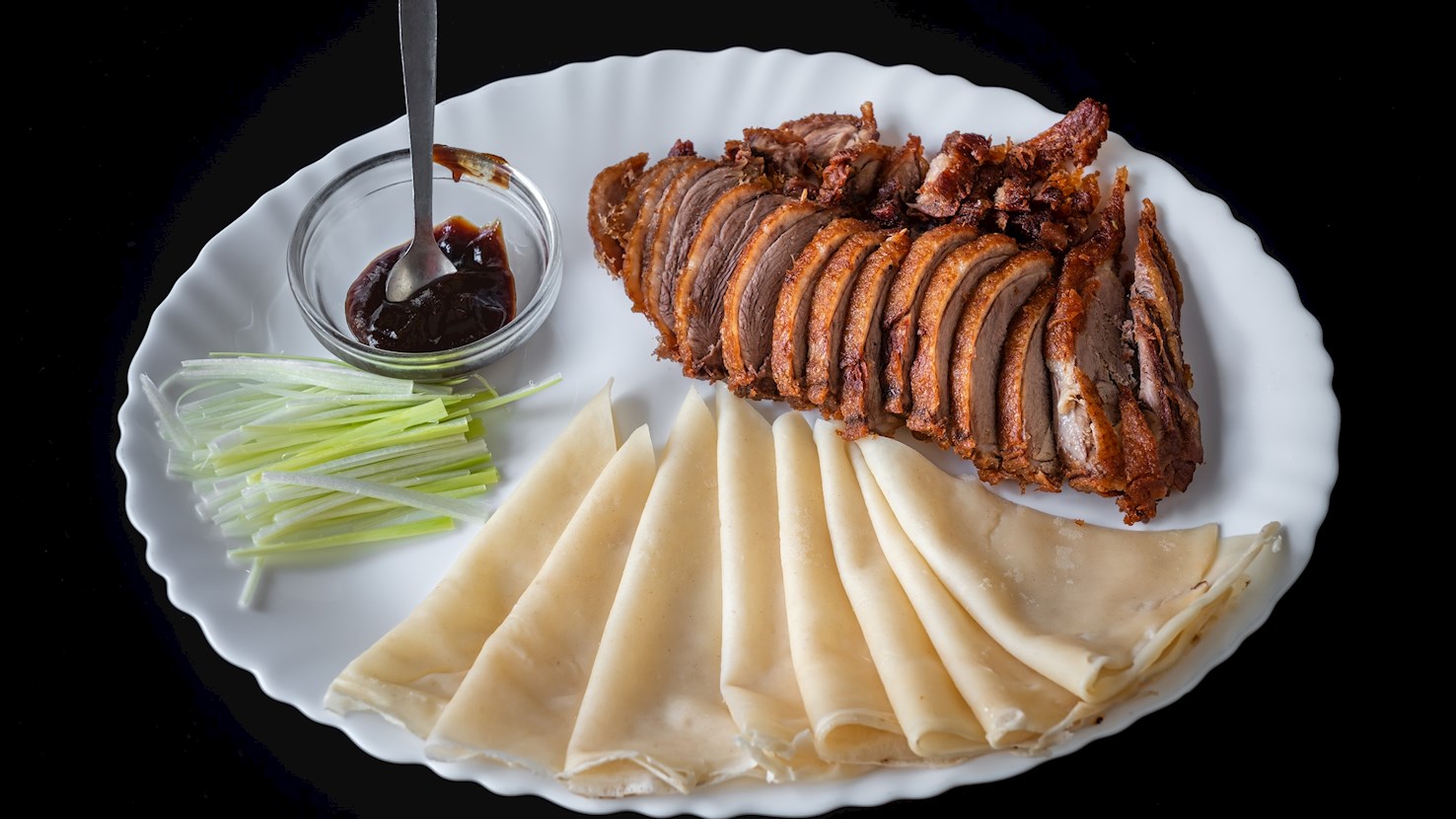
Mandarin pancakes are traditional Chinese pancakes that are always served with the famous Peking duck. The dough is usually made with a combination of flour, vegetable oil, and boiling water. The flour is mixed with boiling water in order to make a dry dough that's kneaded until firm and slightly elastic. Once rested, it's rolled into a sausage that's sliced into smaller pieces, and each piece is rolled into a small ball. Each ball is rolled out into a thin circle, and each pancake is brushed with oil on one side. The pancakes are paired up, oiled sides facing together, and they're fried in a bit of oil on both sides until brown bubbles start to appear. The pancakes are peeled apart, folded in half, stacked on a large plate, and steamed before serving.
Qiang lianhuabai is a traditional dish originating from Sichuan. The dish is usually made with a combination of cabbage, dried chili peppers, soy sauce, Chinkiang black vinegar, Sichuan pepper, salt, sugar, and oil. In order to prepare the dish, the cabbage is torn and stir-fried with hot peppers and Sichuan pepper, and then seasoned with sweet-and-sour flavorings before serving. The Chinese prefer to use lianhuabai, the large, flat, and loosely-leaved white cabbage, but it can be replaced with regular cabbage. This dish is beloved because it's quick and easy to make along with being inexpensive.
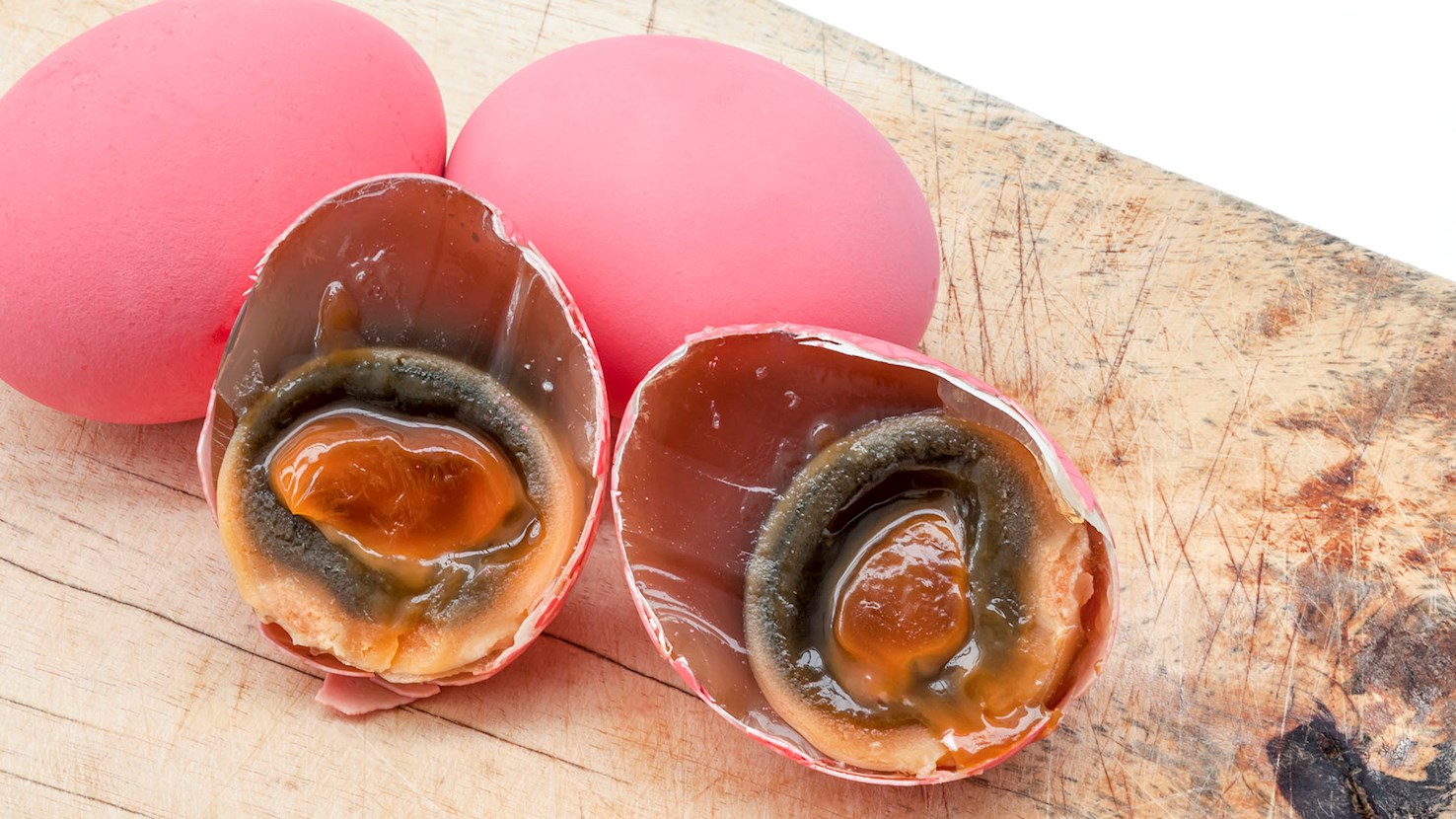
Pi dan, commonly known as a century egg, is a preserved egg product created by burying duck, quail, or chicken eggs in a highly alkaline mixture of clay, wood ash, salt, quicklime, and rice hulls for several weeks to several months. Historical accounts trace the discovery of this preservation method to Hunan during the Ming Dynasty, roughly six hundred years ago. A homeowner allegedly found duck eggs resting in a shallow pool of slaked lime used for mortar during household construction. Tasting these accidentally preserved eggs prompted the creation of a deliberate manufacturing process with added salt to improve the final flavor. The modern preservation process coats the raw egg with a paste of alkaline materials, which gradually raises the egg's internal pH from around 9 to 12 or higher. This severe chemical shift breaks down complex, flavorless proteins and fats into smaller, highly flavorful chemical compounds. The egg white transforms into a translucent, dark brown jelly with a salty taste. The yolk simultaneously turns into a dark green or grey creamy substance with a strong odor of sulfur and ammonia. The rice hulls prevent the eggs from sticking together in the curing vessel and form a protective crust on the outer shell. Certain curing methods produce delicate, white crystalline patterns resembling pine branches on the surface of the translucent egg white. People eat the preserved eggs on their own as a snack or slice them and add them to a warm bowl of rice congee with minced lean pork. Slices of pickled sweet ginger root frequently accompany the egg to cut through the rich, alkaline flavor. A popular serving method involves arranging wedges of the dark egg over a block of chilled silken tofu before pouring a dressing of soy sauce, black vinegar, sesame oil, and chopped cilantro over the plate.
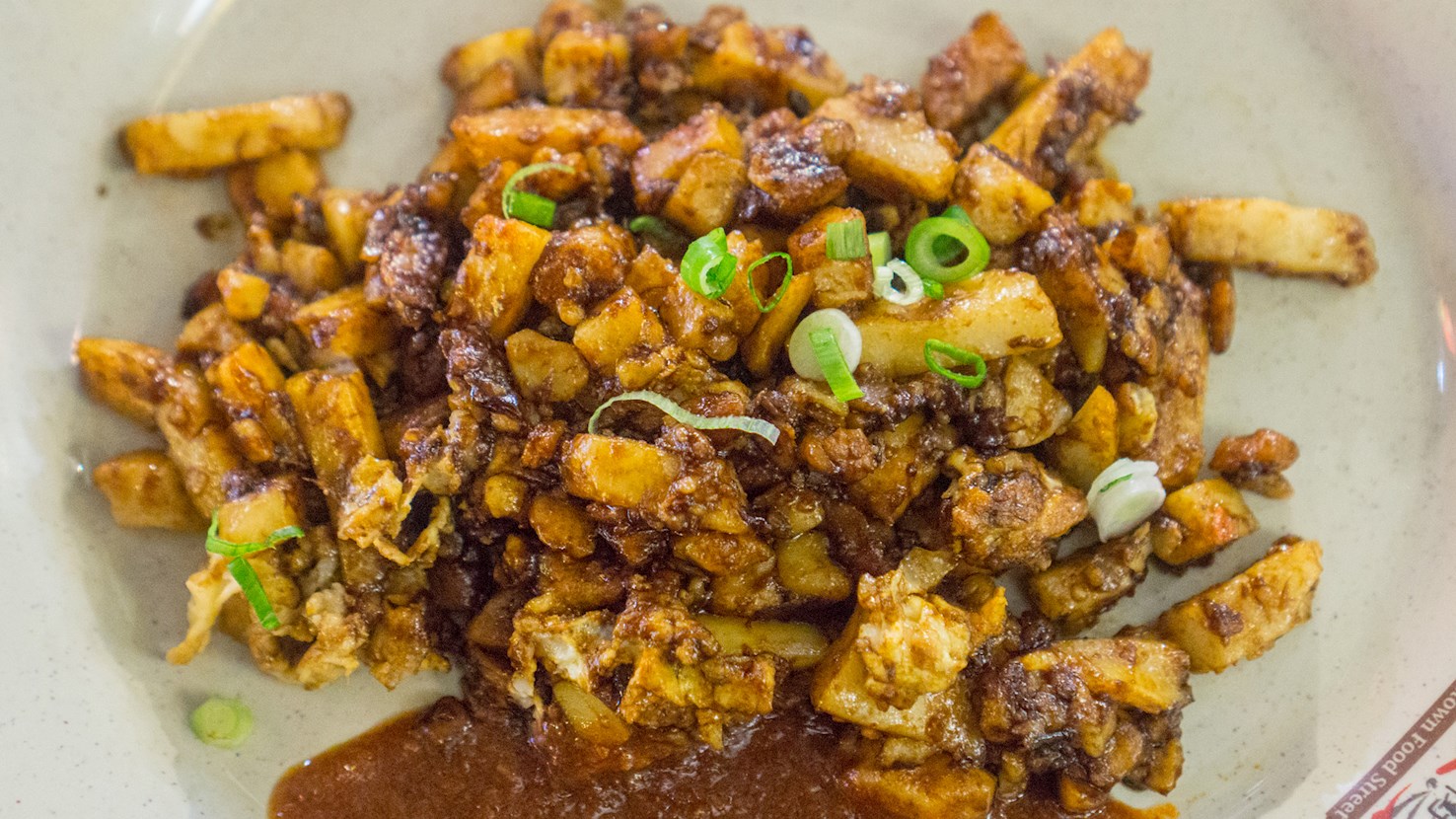
Chai tow kway is a savory dish originating in the Teochew Chinese community and widely popular in Singapore, Malaysia, Indonesia and southern Thailand, where it is often called carrot cake despite containing no carrot. The name comes from the Teochew words for radish and cake, referring to the main ingredient: steamed rice flour and white radish batter that is set into a firm cake. This cake is cut into cubes and then stir-fried with preserved radish, eggs, garlic, and seasonings. The preparation results in a dish that is both crisp and tender, with a balance of savory and lightly sweet flavors. The batter for chai tow kway begins with grated white radish, which is mixed with water and rice flour to form a thick slurry. This mixture is poured into a tray and steamed until it solidifies into a smooth, cohesive block. After cooling, the cake is diced into bite-sized pieces. In hawker stalls and home kitchens alike, the cubes are then fried in hot oil with chopped preserved radish for a salty undertone, garlic for aroma, and beaten eggs to bind everything together. Depending on preference, the dish can be prepared in a white style without sweet soy sauce, or in a black style where dark sweet soy sauce is added for a richer taste and caramelized edges. Chai tow kway is typically garnished with chopped scallions and sometimes a sprinkle of white pepper. It is eaten hot, often as a breakfast or supper dish, and is a staple offering at many hawker centers. Vendors usually prepare it fresh to order, letting customers choose how much egg or chili to include. The dish is commonly enjoyed with pickled chilies on the side, adding a sour and spicy contrast.
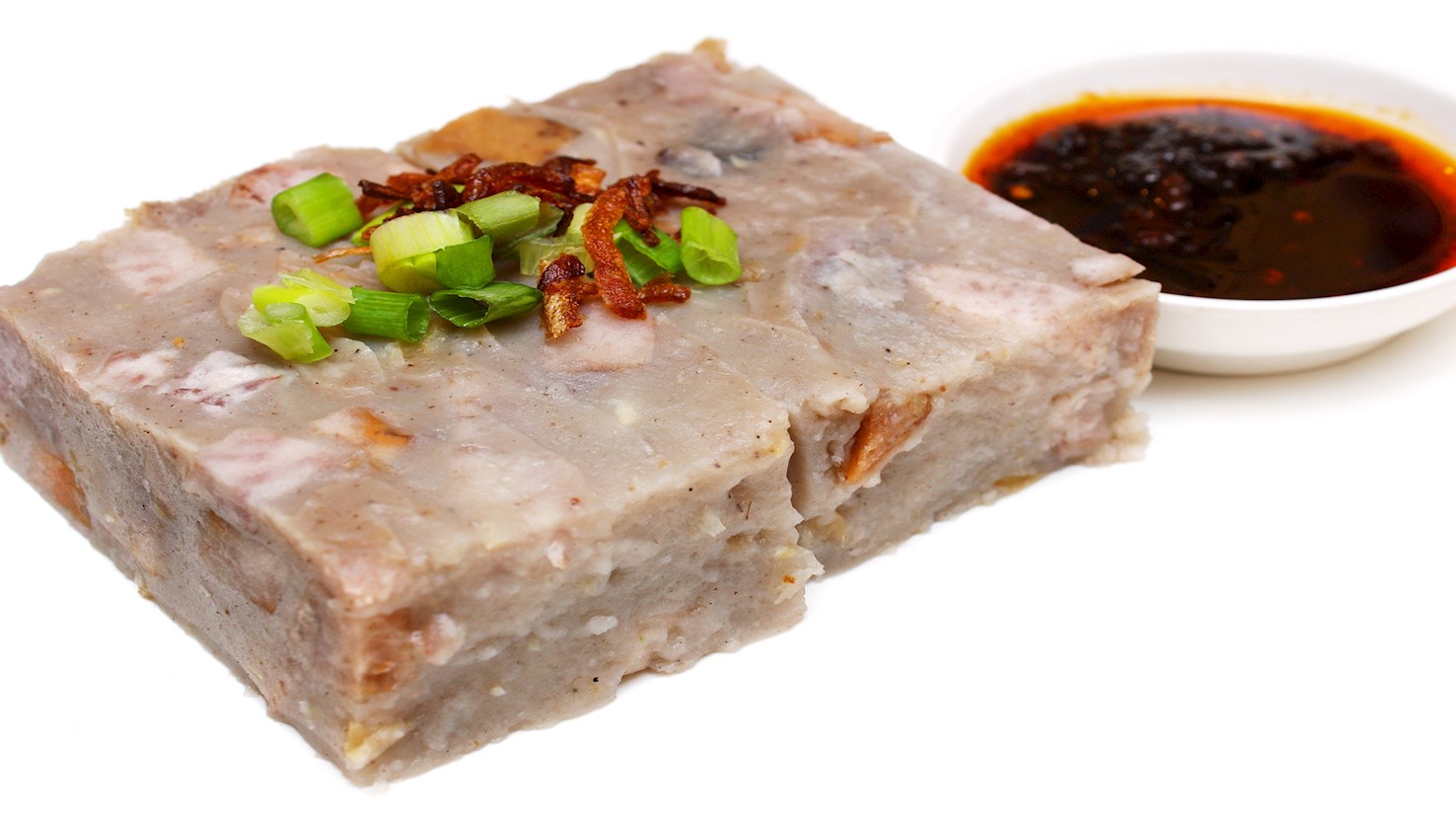
The chewy taro cake is a savory Chinese delicacy prepared with rice flour and stewed taro roots. In many ways similar to the traditional turnip cake, it usually incorporates diced Chinese sausage, pork, scallions, and mushrooms. Steamed in round or rectangular pans, it is usually shortly fried until crispy and golden before serving. Even though it is a staple in traditional dimsum restaurants in China and Hong Kong, it is also one of the most common snacks or side dishes served on Chinese New Year.
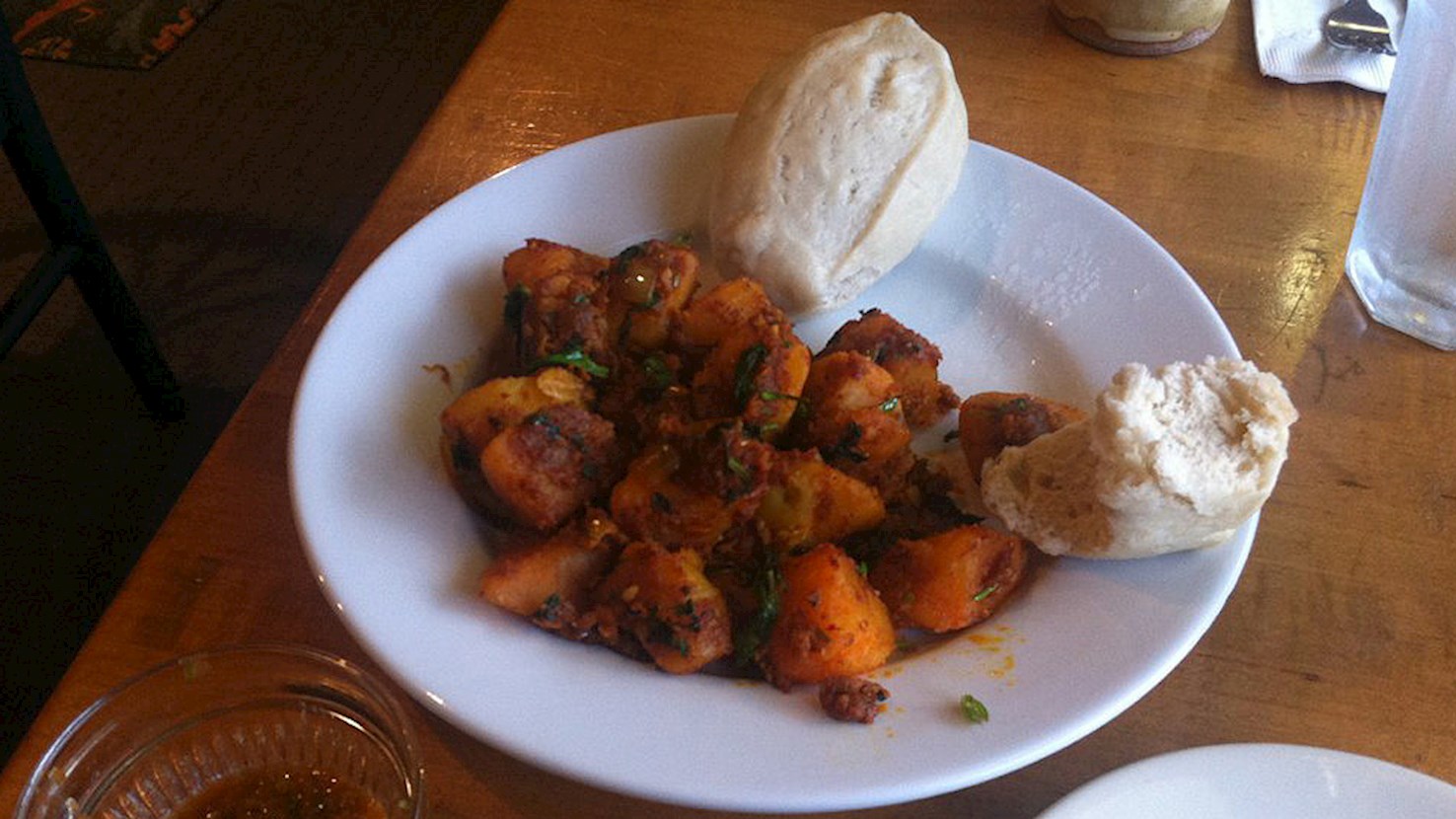
Shogo khatsa is a traditional dish originating from Tibet. The dish is usually made with a combination of potatoes, hot peppers, garlic, oil, and salt. The potatoes are partly boiled and chopped into chunks. The hot peppers and garlic are mashed into a paste, mixed with a bit of water, and fried in oil. Chopped potatoes are added to the pan, and they’re stir-fried with the chili sauce until they’re tender. Once done, shogo khatsa is typically served as an appetizer or a side dish.
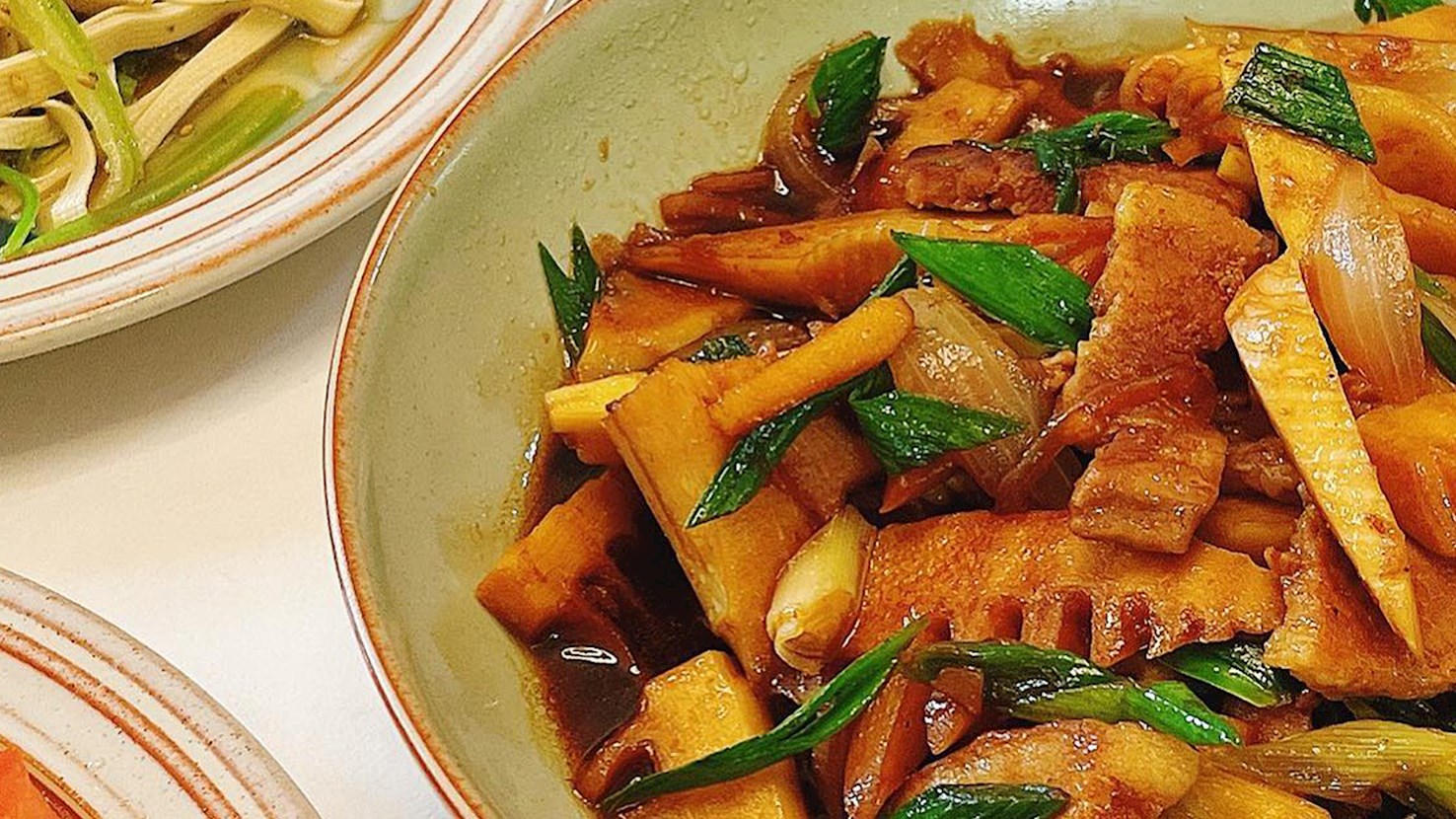
The Chinese dish known as braised spring bamboo shoots is often seen in the menus of numerous restaurants in the country because it is easy to prepare, high in nutrients, and has a delicious, savory flavor. Spring bamboo shoots are unearthed around April 5, also known as the Tomb-Sweeping Day. In order to prepare the dish, tender bamboo shoots are simply braised in vinegar and lots of sugar. When properly prepared, the dish should have a bright red color and a flavor which can best be described as tender, fresh, salty, and sweet.
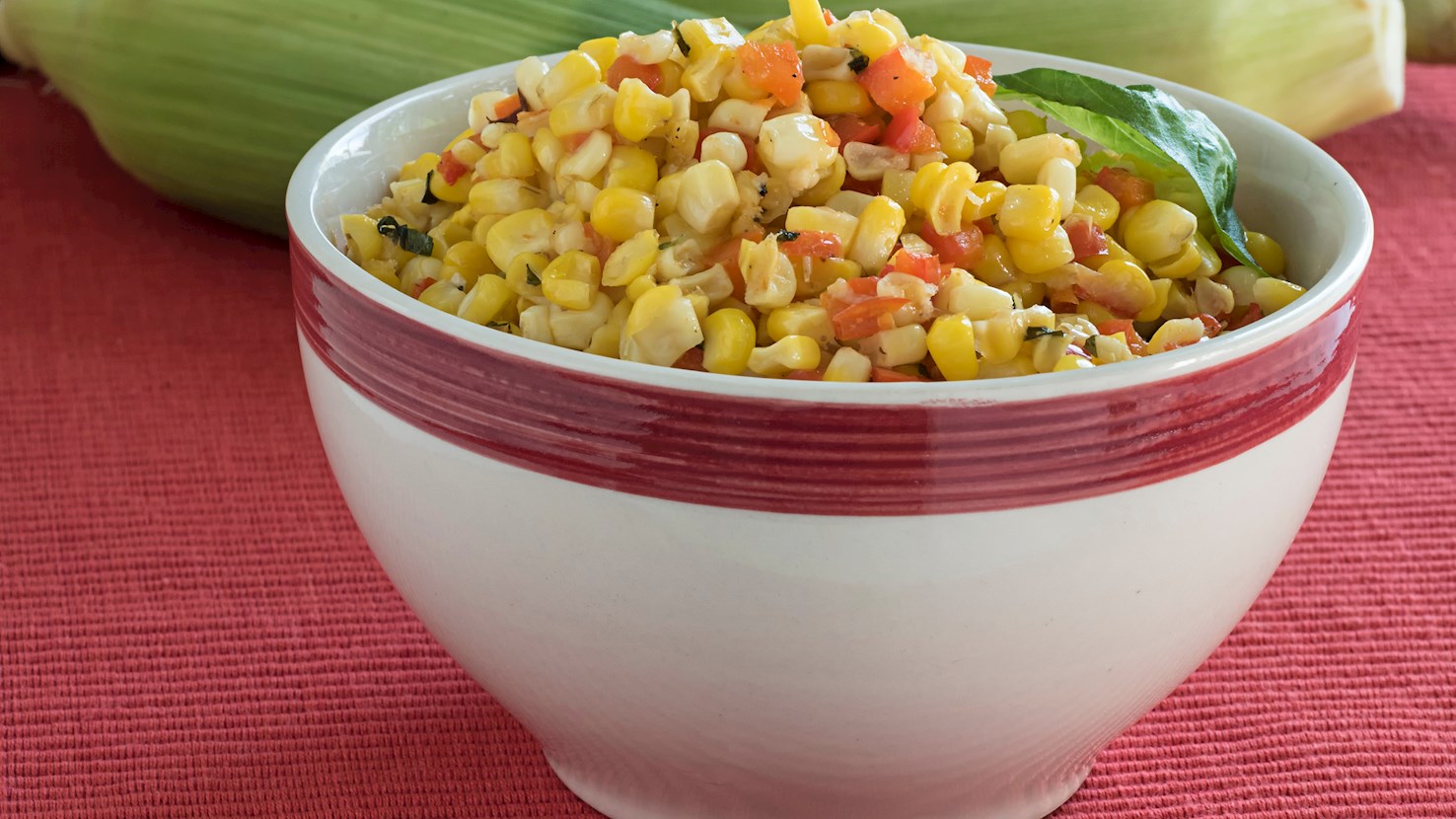
Qing jiao yu mi is a traditional dish originating from Sichuan. This simple dish is usually made with a combination of sweet corn kernels, green peppers, salt, and oil. The kernels are stripped from the cobs, the pepper is cut into chunks that are roughly the same size as corn kernels, and both are then fried in oil in a wok over high heat until piping hot and sizzling. During the stir-frying process, the dish is seasoned with plenty of salt. Qing jiao yu mi is an everyday dish that can be found in home kitchens and low-key restaurants in the region.
Stir-fried beansprouts is a traditional side dish that's popular throughout China and in Chinese restaurants across the world. It's usually made with a combination of beansprouts, garlic, scallions, salt, and vegetable oil. Crisp and firm beansprouts are washed and stir-fried with garlic in vegetable oil. Once the beansprouts are coated with the oil, the scallions and salt are added to the wok, and the dish is shortly stir-fried until everything is heated through. Stir-fried beansprouts are served while still hot, often as an accompaniment to meat dishes. There are many variations on the dish, so it's not unusual to see ginger, soy sauce, or hot peppers in the wok as well.
TasteAtlas food rankings are based on the ratings of the TasteAtlas audience, with a series of mechanisms that recognize real users and that ignore bot,
nationalist or local patriotic ratings, and give additional value to the ratings of users that the system recognizes as knowledgeable.
TasteAtlas Rankings should not be seen as the final global conclusion about food. Their purpose is to promote excellent local foods,
instill pride in traditional dishes, and arouse curiosity about dishes you haven’t tried.






What People Say