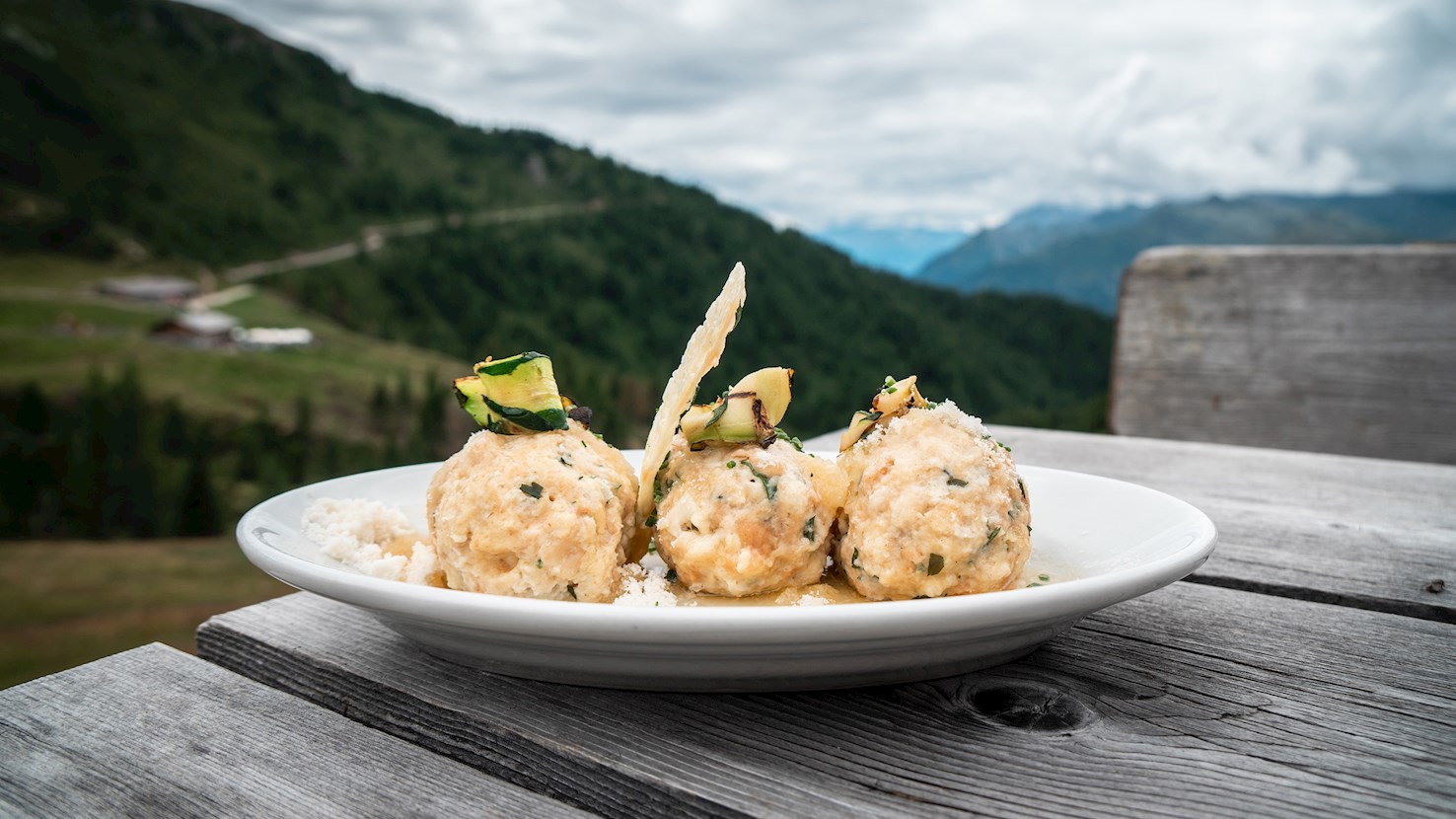
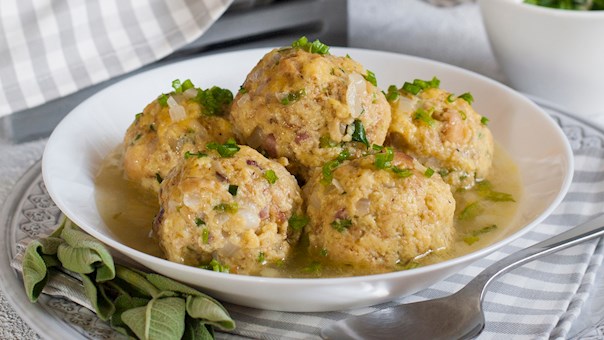
Käseknödel is a traditional dumpling enriched with cheese originating from Tyrol and South Tyrol. These cheese dumplings are typically served as a side dish that shows an inventive way of using leftover stale bread. The stale bread is mixed with cheese, eggs, butter, milk, onions, parsley, salt, and pepper. Käseknödeln are usually boiled in water or fried in butter on both sides until golden brown and then served in a broth or with various salads and stews.
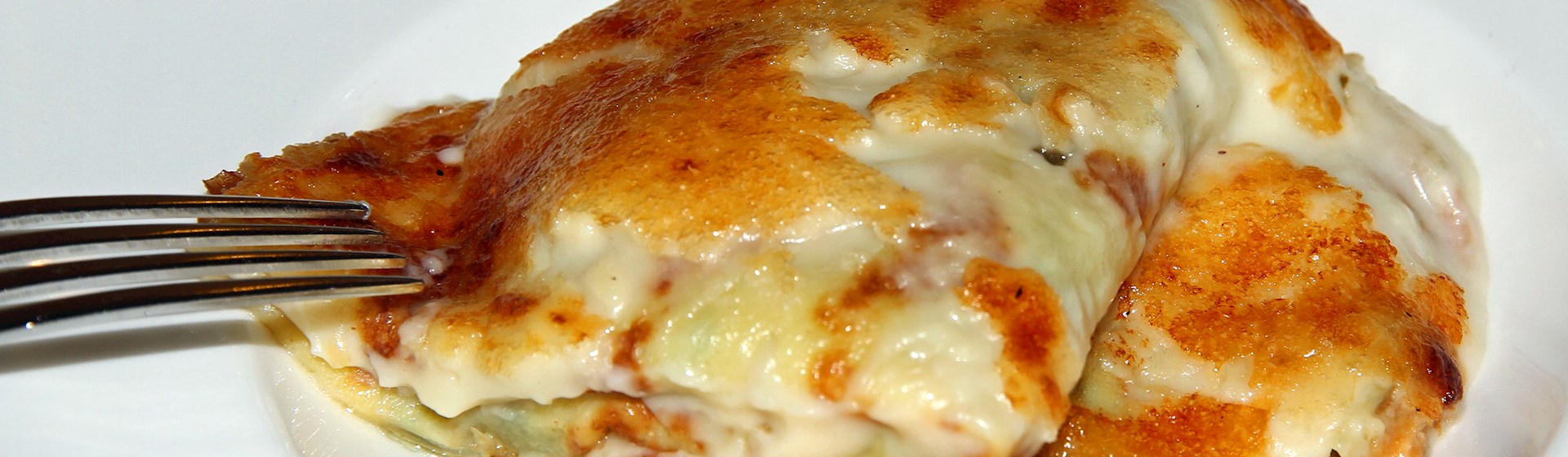
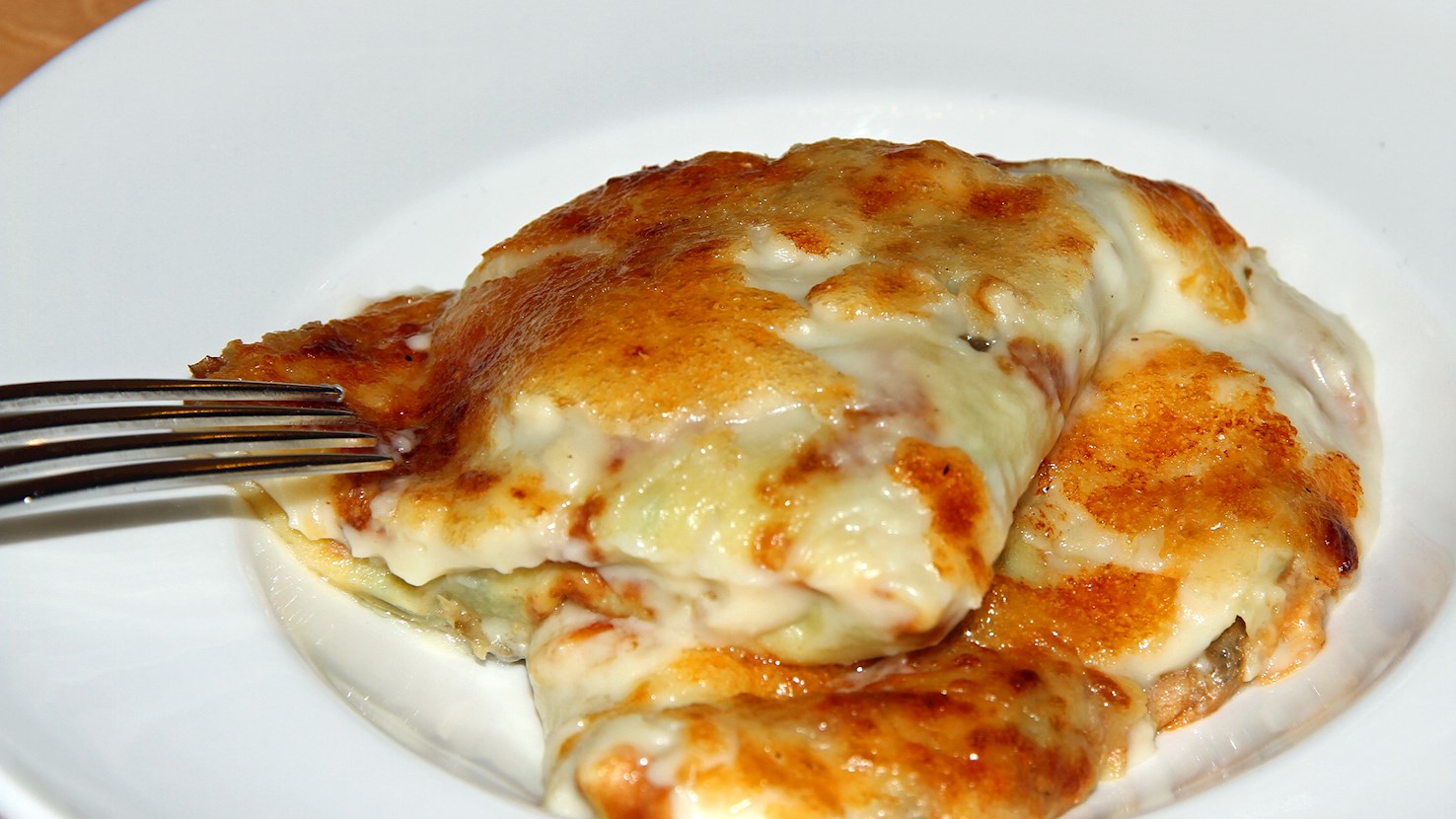
Hailing from the Aosta Valley, crespelle alla Valdostana is an Italian specialty that consists of savory, stuffed crêpes smothered in gooey Fontina cheese and béchamel sauce. The batter for the crêpes is made with a combination of flour, milk, eggs, melted butter, salt, and pepper, while the filling typically includes diced or sliced Fontina cheese, cooked ham (such as gran biscotto ham), and (sometimes) mushrooms. Once fried to perfection, the crêpes are filled, then rolled or folded into a fan shape and placed snugly into a baking dish before being baked with additional cheese, béchamel sauce, and knobs of butter on top. This traditional dish can be served on its own or as an accompaniment to grilled meat, and it pairs well with wines such as Blanc de Morgex or Erbaluce di Caluso.
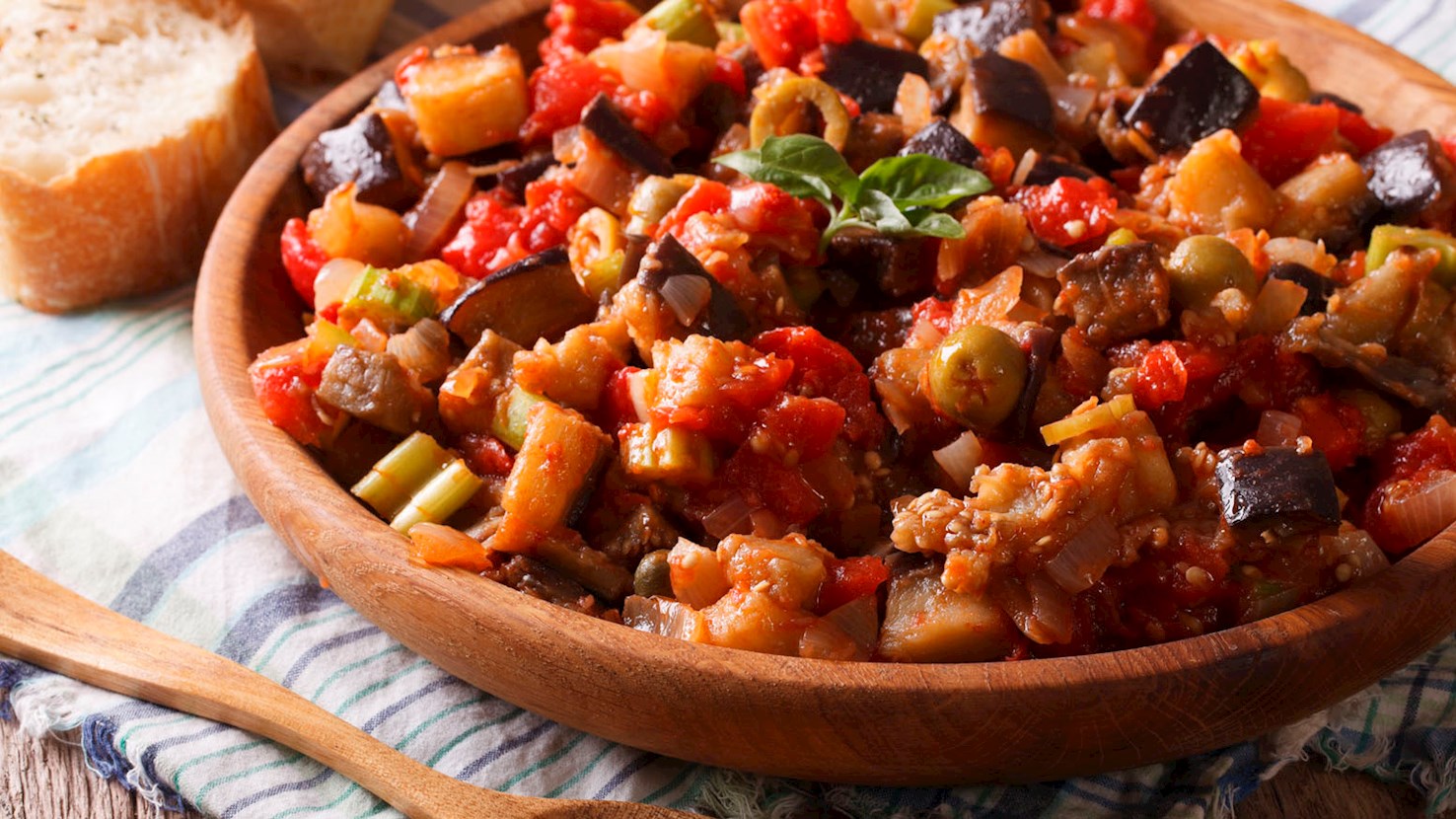
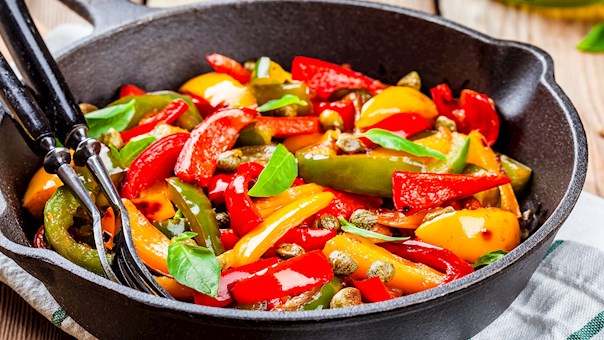
Even though it is prepared throughout southern Italy, the flavorful caponata is a typical Sicilian vegetable dish whose origins date back to the early 18th century. In the original recipe, the most important ingredient was gurnard fish (capone in Italian), but due to its price, gurnard was soon replaced by the widely available and much cheaper eggplant. This version that has remained the most popular to this day. Today, there are over 30 different recipes for caponata, all of which make an amazing use of the rich late summer harvest of eggplants and tomatoes. Capers, olives, onions, and celery lend an invigorating bite to this delicately piquant dish, and with other ingredients such as pine nuts, raisins, almonds, and friggitello peppers, the colorful caponata easily becomes a wonderful embodiment of the true essence of Sicily. After being sautéed one at a time, the vegetables are seasoned with a pinch of sugar and simmered in vinegar, which slowly melts into a tangy medley of sweet and sour flavors. Caponata can be enjoyed while still warm, as a side with various meat, poultry, and seafood dishes, or it can be served atop rigatoni or ziti for a filling pasta meal. In Sicily, caponata is typically kept for a couple of days after cooking, allowing time for the flavors to deepen, after which it is most often served as a cold antipasto on a crispy bruschetta or alongside sfincione Palermitano - Sicilian-style focaccia bread.
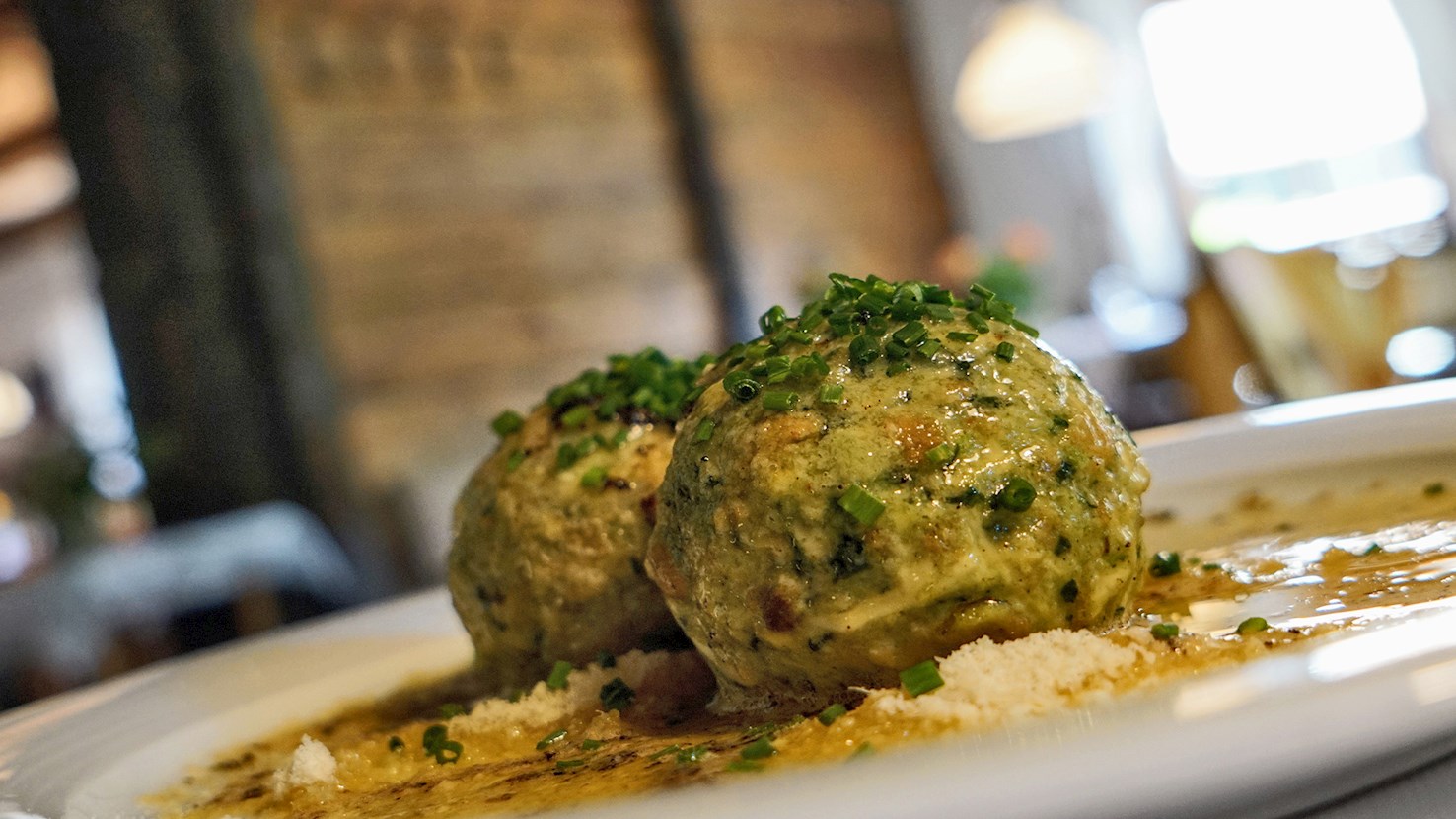
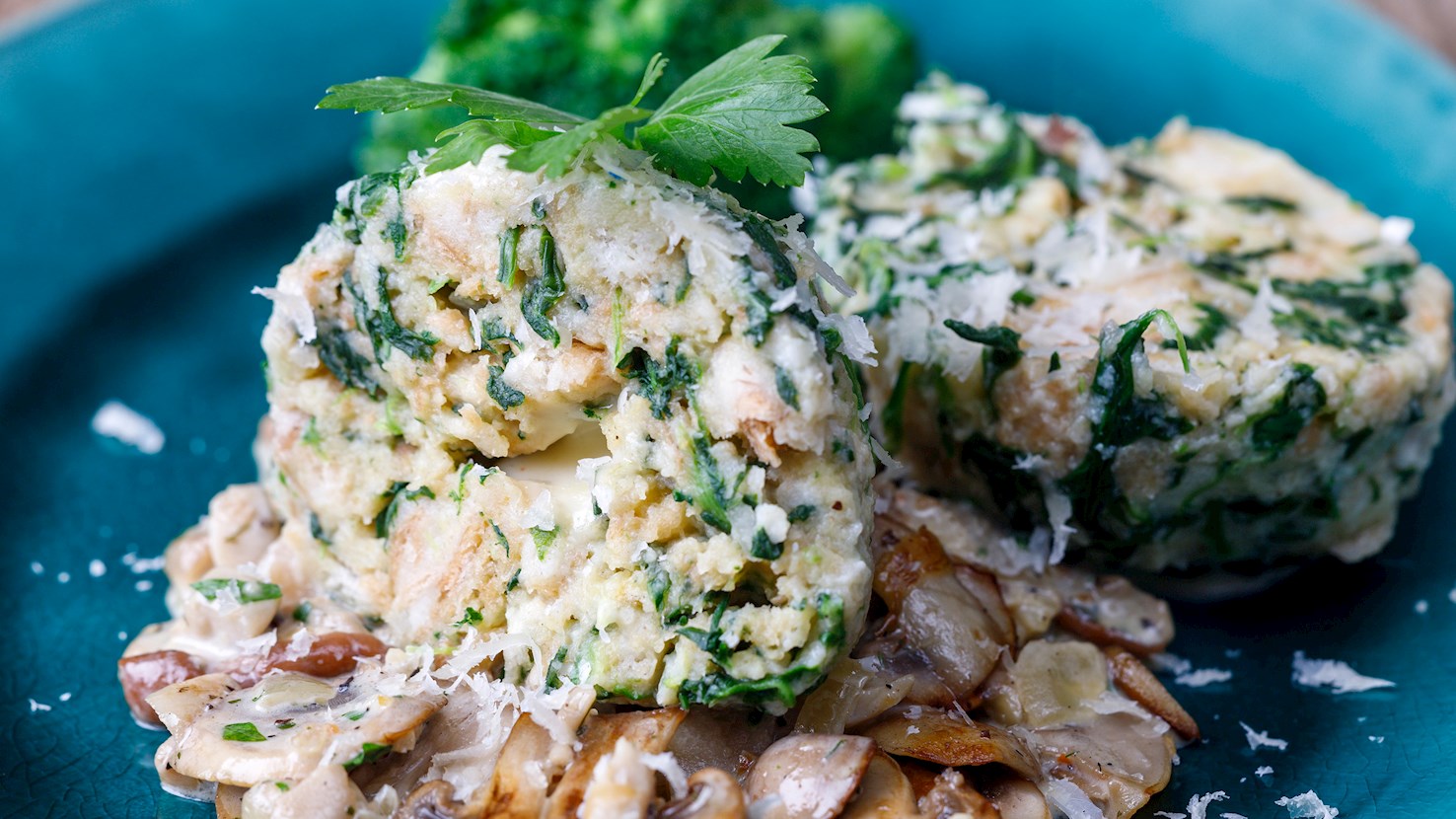
Spinatknödel is a spinach dumpling from Tyrol that is usually served as a side dish. It provides an inventive way of using up leftover stale bread, which is combined with a combination of spinach, eggs, butter, garlic, onions, and cheese, preferably parmesan. After they have been boiled, the dumplings are traditionally drizzled with melted butter and sprinkled with grated cheese.
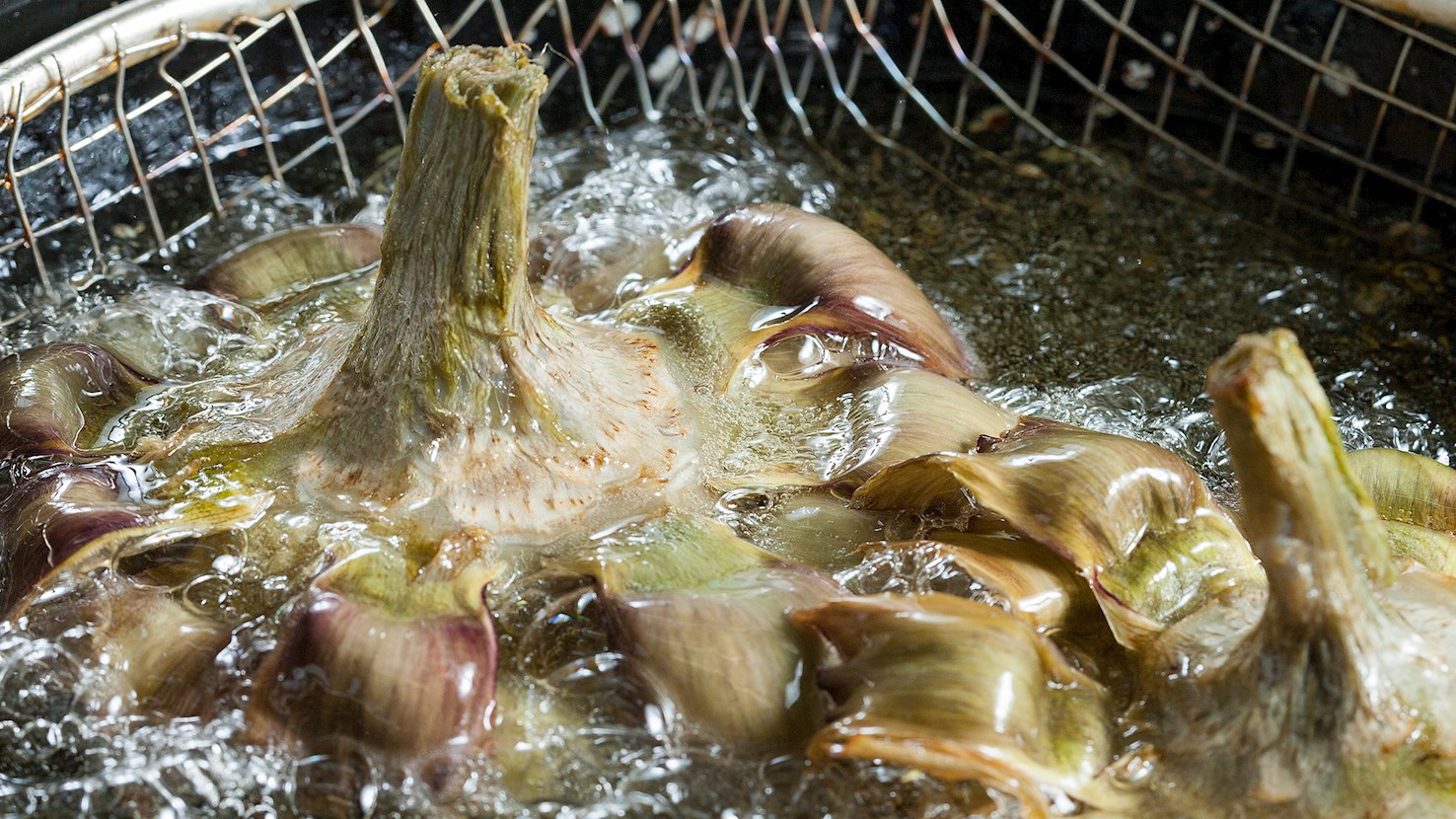
These crunchy, deep-fried artichokes are a classic Roman side dish that originated in the oldest Jewish community in all of Europe, Rome's Jewish ghetto — hence the moniker alla Giudía. First, artichokes are trimmed and peeled down to their tender hearts, then they are marinated for a few hours in lemon water, and finally seasoned with salt and pepper before being fried in olive oil until crispy. The best variety of artichokes for preparing this dish are Romanesco artichokes. This cultivar from the coastal region northwest of Rome is harvested between February and April, making carciofi alla Giudía a springtime staple in numerous trattorias and eateries in the city's old Jewish quarter.
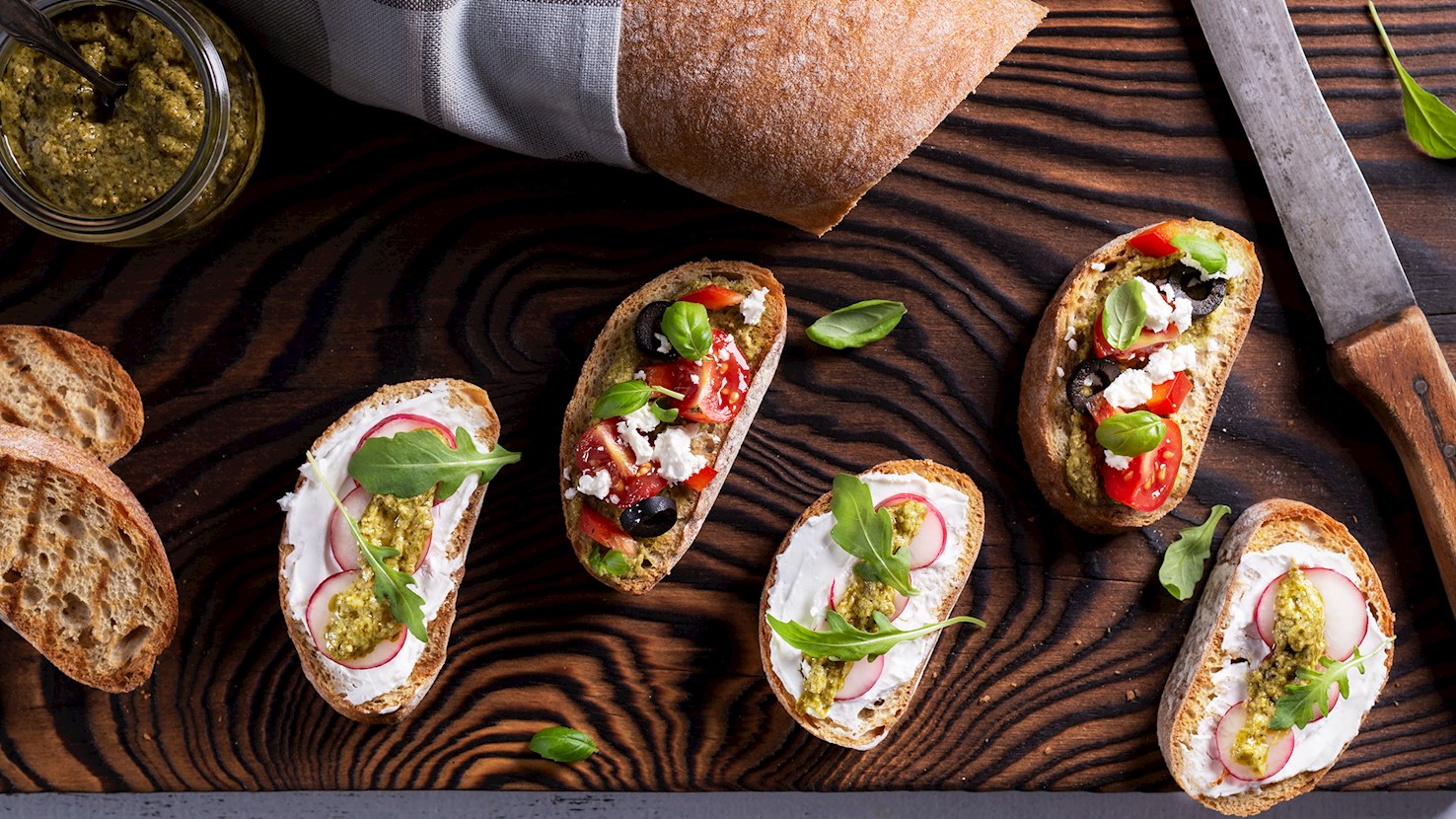
Crostini are a group of Italian appetizers consisting of small pieces of toasted or grilled bread topped with a variety of flavorful toppings. Crostini are believed to have originated during the Middle Ages, when poor Italian peasants used to eat their food off of bread instead of plates. The bread was often stale, so it had to be soaked in a liquid such as wine to make it edible. Today, crostini are topped with virtually anything from olive oil, fresh herbs, and garlic to cheeses, olives, spinach, and tomatoes. They can be served as bar snacks, appetizers, or in soups, and in some cases, crostini can be served as a side dish with steak tartare.
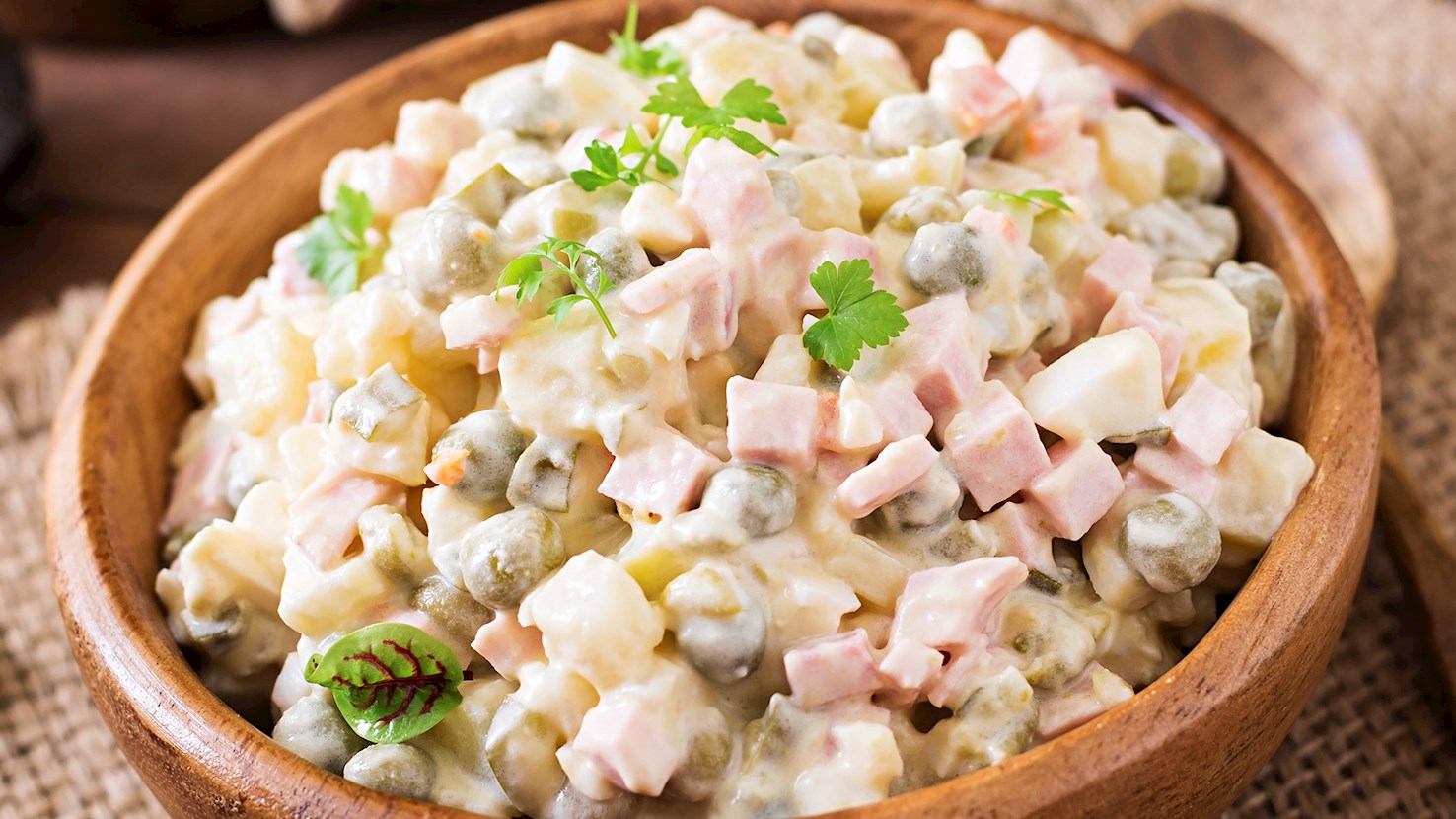
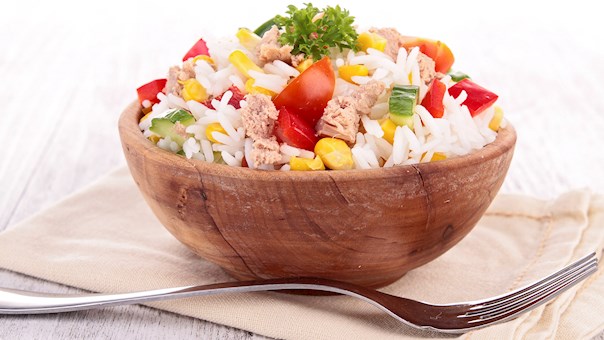
Olivier salad is a salad with variable ingredients, but it is typically made with chopped vegetables, meat, and mayonnaise. The key ingredients include diced potatoes, vegetables, eggs, chicken, or ham. This salad is one of the most important appetizers at the New Year's salad buffets in Russia, as well as in some of the other countries of the former USSR. The original was invented in the 1860s by Lucien Olivier, a chef in the popular Moscow restaurant called L'Hermitage. Olivier guarded the recipe until he died, but it is believed that the recipe was stolen by an employee who watched the chef at work, so the salad is still made today. Another theory says that the recipe for the new Olivier salad was developed by one of the restaurant's customers who wanted to keep the salad alive after the chef passed away. Olivier salad as we know it today is nothing like the original version, because it was called game bird mayonnaise, made with gourmet ingredients such as black caviar, capers, hen, and crayfish tails. Over time, the salad evolved and most of the gourmet ingredients have been replaced with more common ones such as peas, chicken, ham, and pickles. Today, the variations are endless, but most Russian chefs agree on one thing: adding carrots to the Olivier is a heresy. Interestingly, Olivier salad is also sometimes called Russian salad, while the meatless version is called French salad or francuska salata, probably due to the French name of its creator. The Spanish version is known as ensaladilla rusa. It is so popular in Spain that it's an important part of the Spanish gastronomy as well as being a staple in schools and summer camps all over the country. Ensaladilla rusa is also one of Spain's most popular tapas – in some cases, it's even served free of charge if you order a beer. There's also the Piedmontese insalata russa, typically consumed as an appetizer, and with many variations, so the salad might also include ingredients such as pickled cauliflower, anchovies, and tuna. Interestingly, in the Italian municipality of Carrù, tuna is an obligatory element of the salad.
Pilzeknödel or canederli ai funghi is a traditional dumpling enriched with mushrooms. The dumplings originate from Tyrol and South Tyrol and they're typically served as a side dish that displays an inventive way of using leftover stale bread. The bread is usually mixed with mushrooms (porcini or chanterelle), eggs, butter, milk, onions, parsley, salt, and pepper in order to make the dumplings. Pilzeknödel are boiled in water or fried in butter on both sides until golden brown. They're typically served in a broth or with a variety of stews. Mushroom dumplings can also be enjoyed as they are, sprinkled with grated Parmigiano-Reggiano.
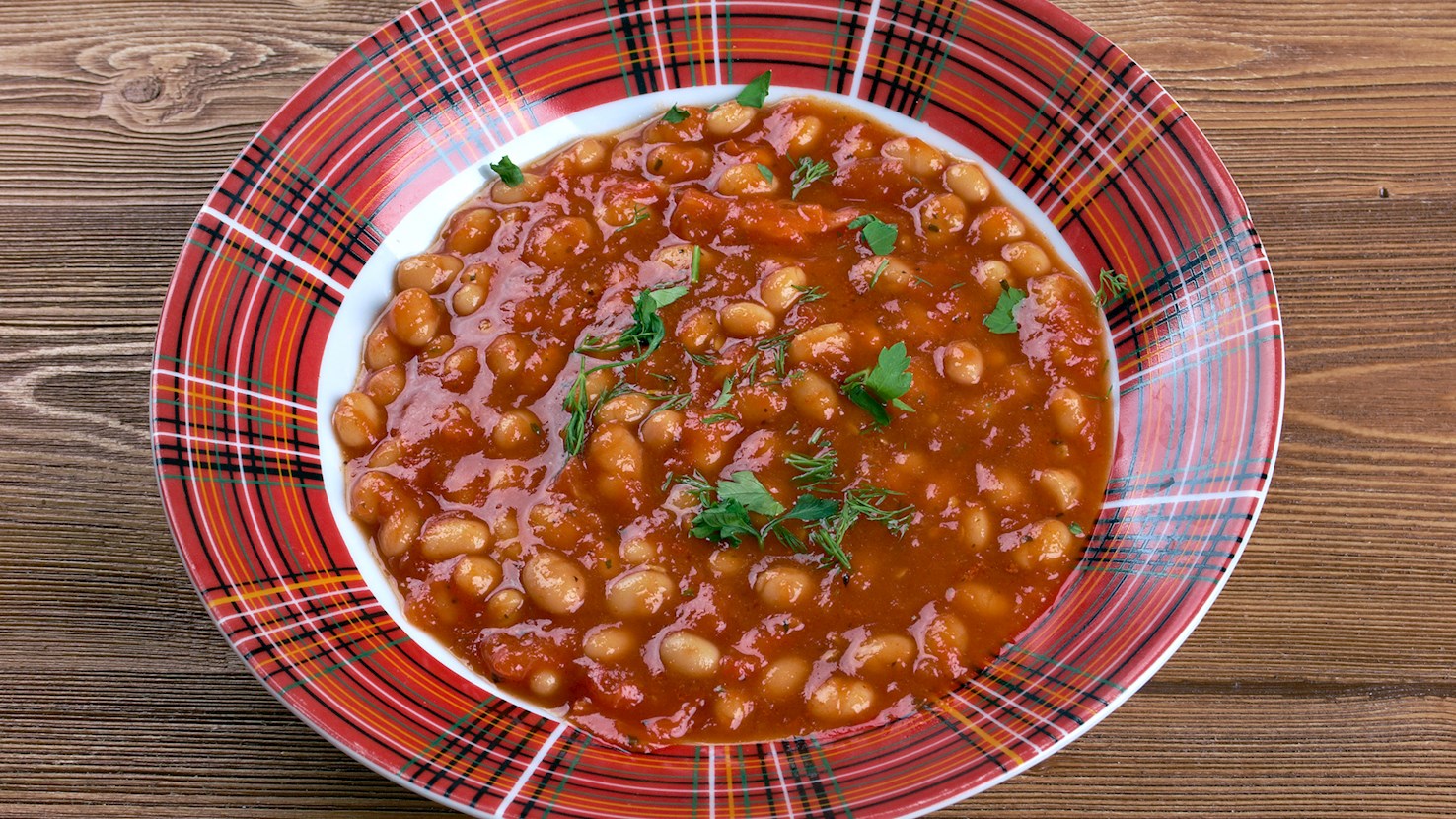
Fagioli all'uccelletto is an italian dish originating from Tuscany. It's made with a combination of cannellini beans, sage leaves, garlic, extra virgin olive oil, tomato paste, and fresh pork sausages. The beans and sausages are simmered over a low flame, then served with bread on the side. The beans should become creamy, while the sausages shoudn't release their fat and flavor. Fagioli all'uccelletto are served in nearly every trattoria in Tuscany, either as a hearty side dish or a main course. The name of the dish refers to sage and garlic, which are typically used for little birds known as uccelletti.
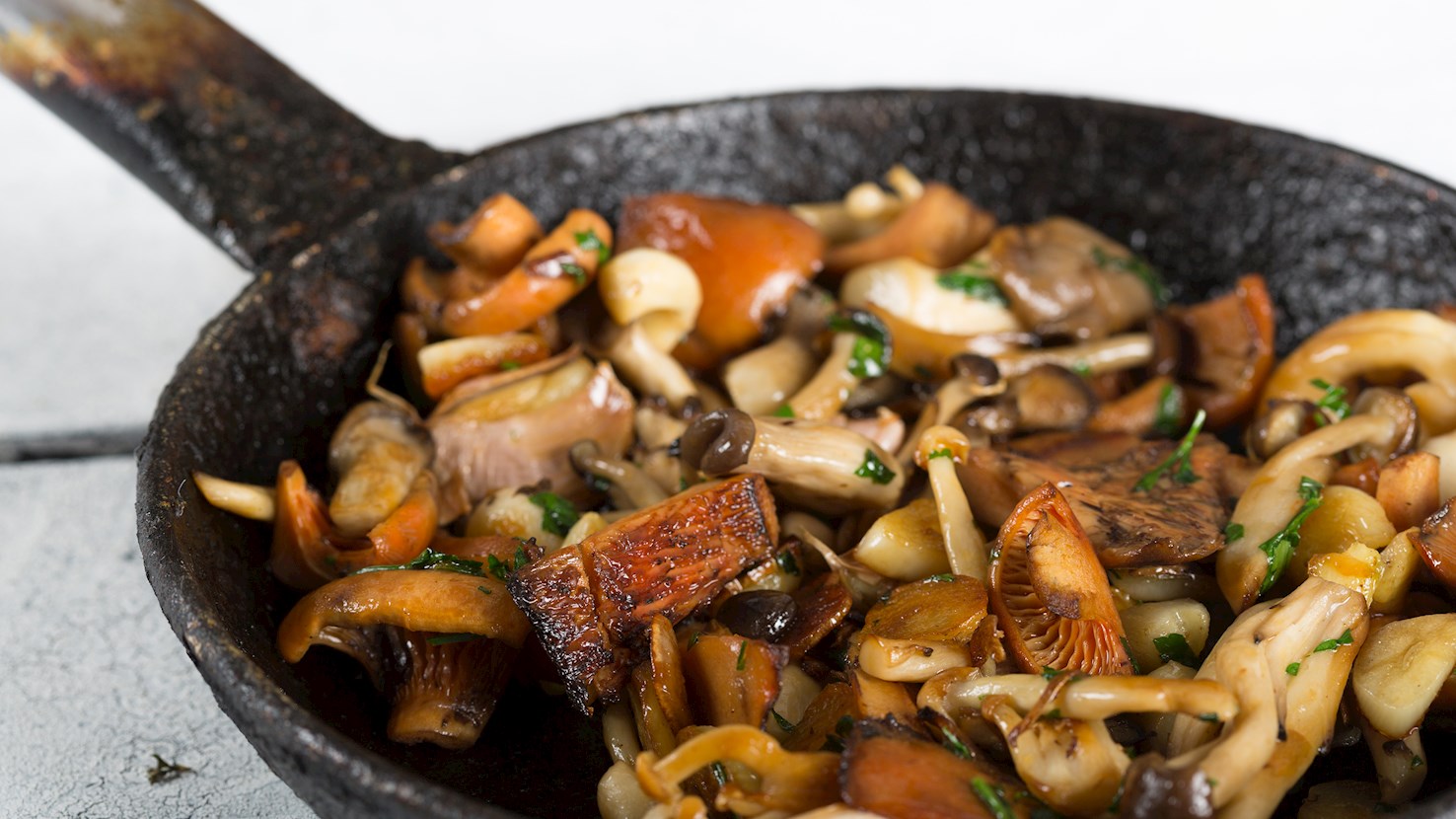
Funghi trifolati is a traditional dish based on mushrooms. The term trifolati denotes dishes cooked in olive oil with parsley and garlic. The dish is made with mushrooms, garlic, olive oil, parsley, and salt. The mushrooms are cut into quarters and sautéed in olive oil with garlic and parsley, and the dish is then served, either on its own in shallow bowls with crusty bread for mopping up the juices, or as a side dish that can be served hot or cold with meat dishes or polenta. Regarding the mushrooms, fresh porcini are said to be the best choice, but any mushrooms will do such as button, cremini, shiitake, or chanterelles.
TasteAtlas food rankings are based on the ratings of the TasteAtlas audience, with a series of mechanisms that recognize real users and that ignore bot,
nationalist or local patriotic ratings, and give additional value to the ratings of users that the system recognizes as knowledgeable.
For the “Top 70 Italian Side Dishes” list until September 15, 2026, 1,734 ratings were recorded, of which 1,345 were recognized by the system as legitimate.
TasteAtlas Rankings should not be seen as the final global conclusion about food. Their purpose is to promote excellent local foods,
instill pride in traditional dishes, and arouse curiosity about dishes you haven’t tried.



What People Say