


shutterstock

Top 32 Korean Side Dishes

Last updated on May 15, 2026
01

Jeon

4.2 ·

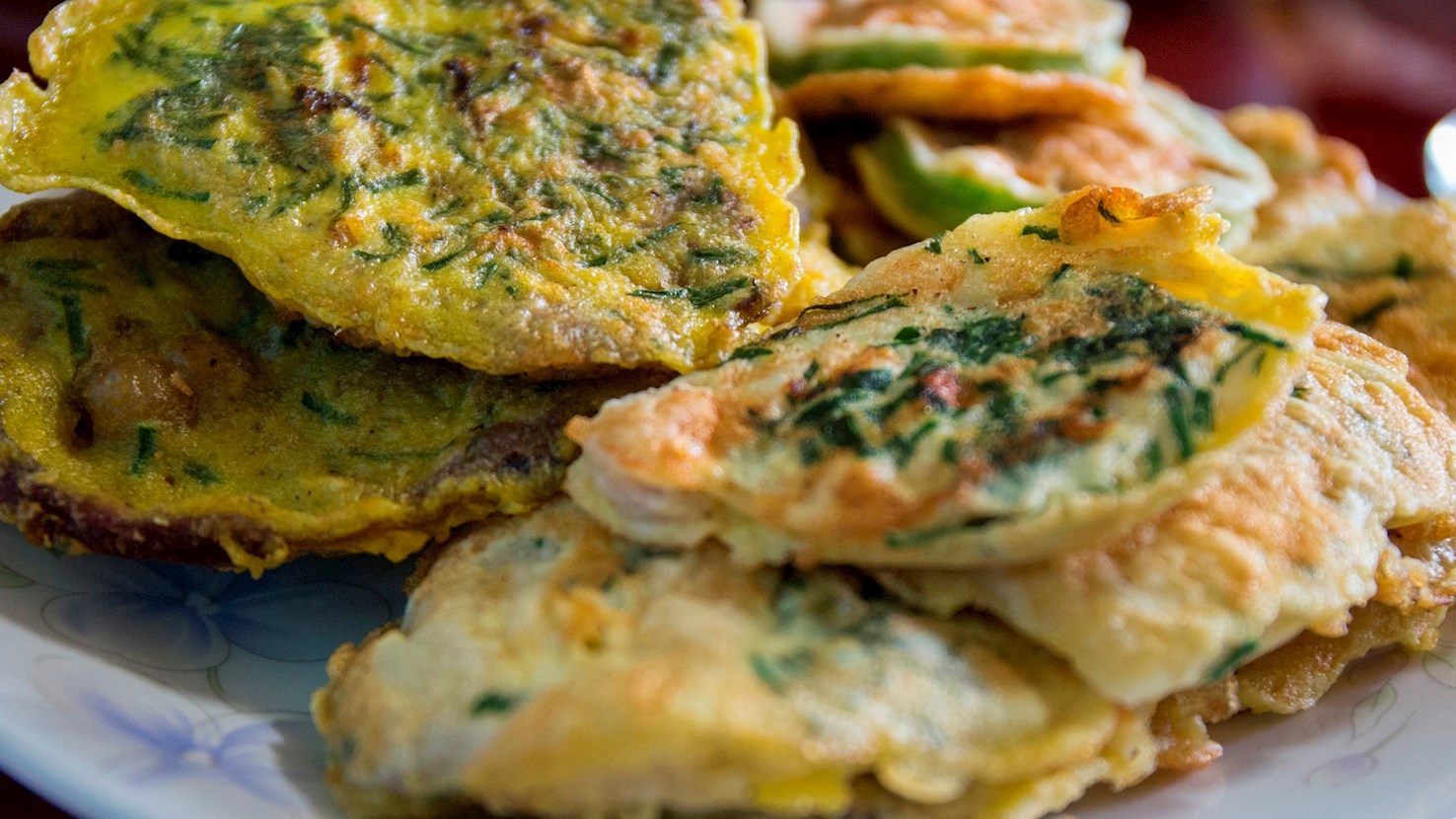
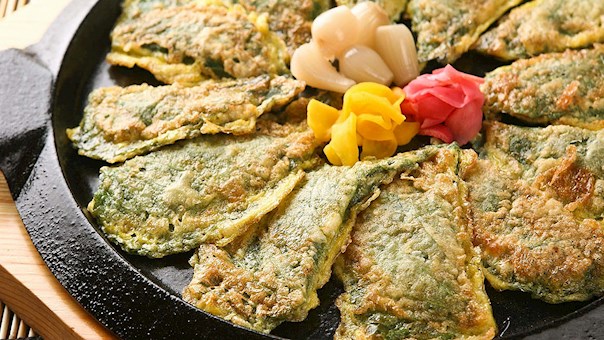
Jeon, also known as Korean pancakes, represents a number of pancake-like dishes in Korean cuisine that are often served as appetizers, side dishes, or consumed as snacks. Although jeon are typically prepared in savory versions, there are also some sweet varieties of these flavorful pancakes. At their simplest, it is food that is first coated in flour and eggs, then pan-fried in oil. Jeon incorporates ingredients such as thinly sliced meat, poultry, seafood, and various vegetables. The pancakes are traditionally prepared every year during the Korean Lunar New Year and Korean Harvest Festival, although they are eaten daily throughout the year. Some of the more popular varieties of jeon are made with shredded beef (yukjeon), oysters (guljeon), kimchi (kimchijeon), and green onions (pajeon). It is recommended to serve jeon with a spicy soy-based dipping sauce or a refreshing cucumber salad.

02

Kimchijeon

4.2 ·

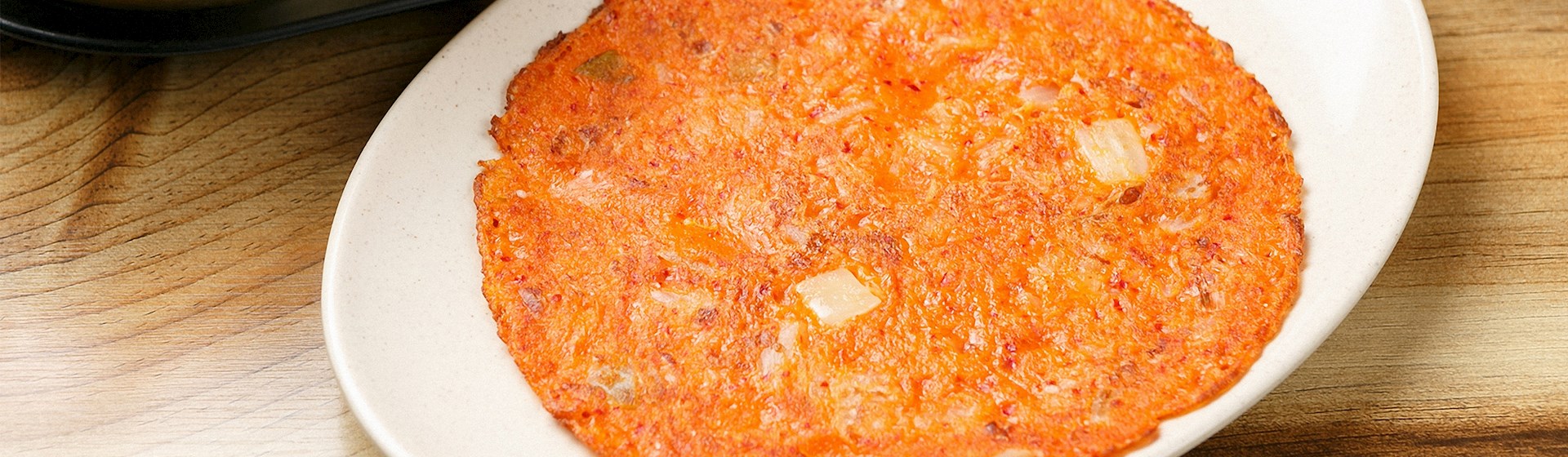
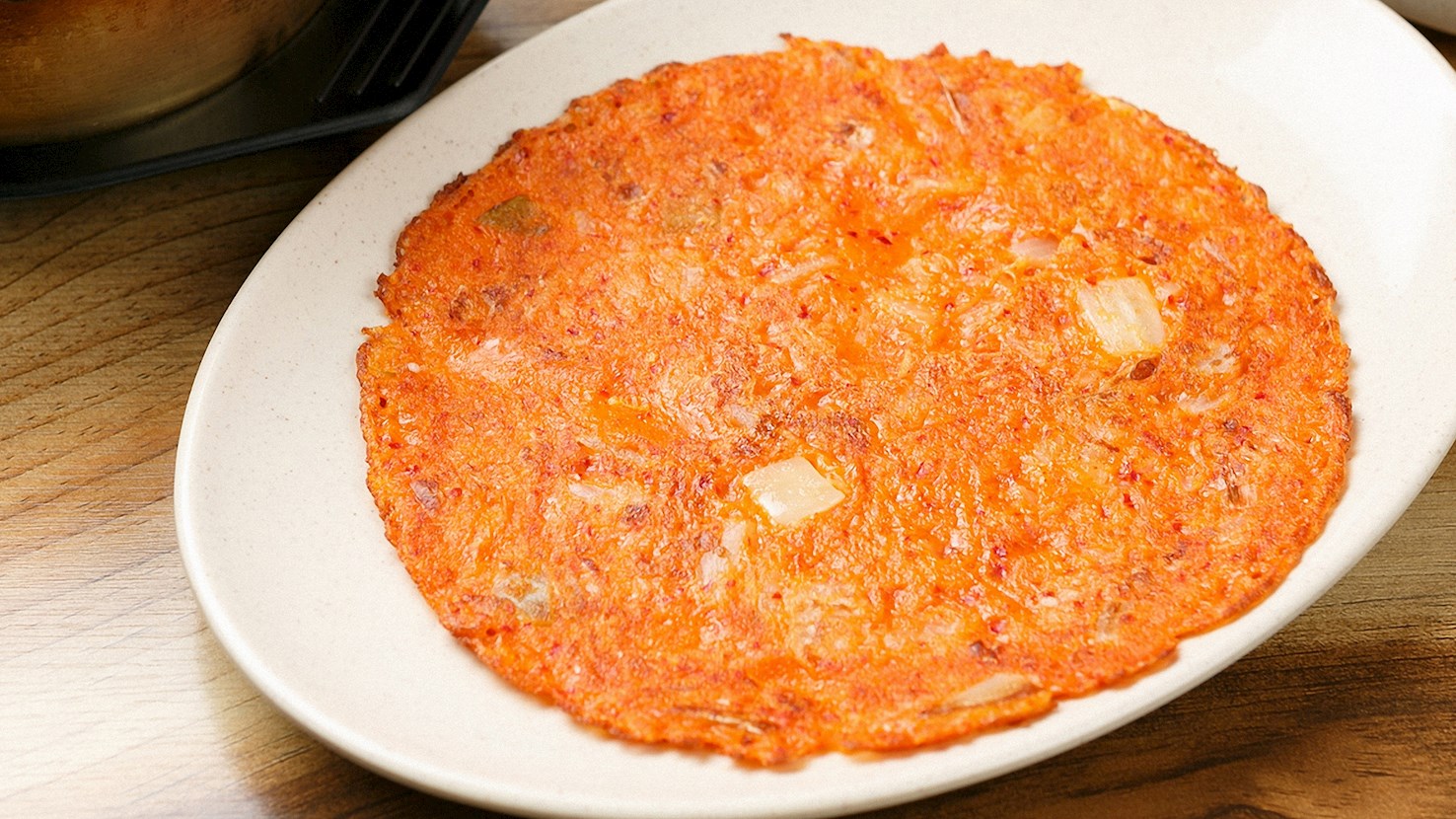
In its simplest form, this South Korean pancake incorporates sliced kimchi, preferably ripe version, with a simple flour batter. The dish belongs to a wide group of jeon—savory Korean pancakes—and it is easily adapted with various ingredients such as chili paste (gochujang), ground meat, or other vegetables. The pancakes are occasionally served with a dipping sauce on the side and may come sprinkled with sesame seeds. They are usually enjoyed as a quick, filling snack or an appetizer, but they can also be served as a main course or a side dish.

03

Nakji bokkeum (Stir-Fried Octopus)

4.1 ·

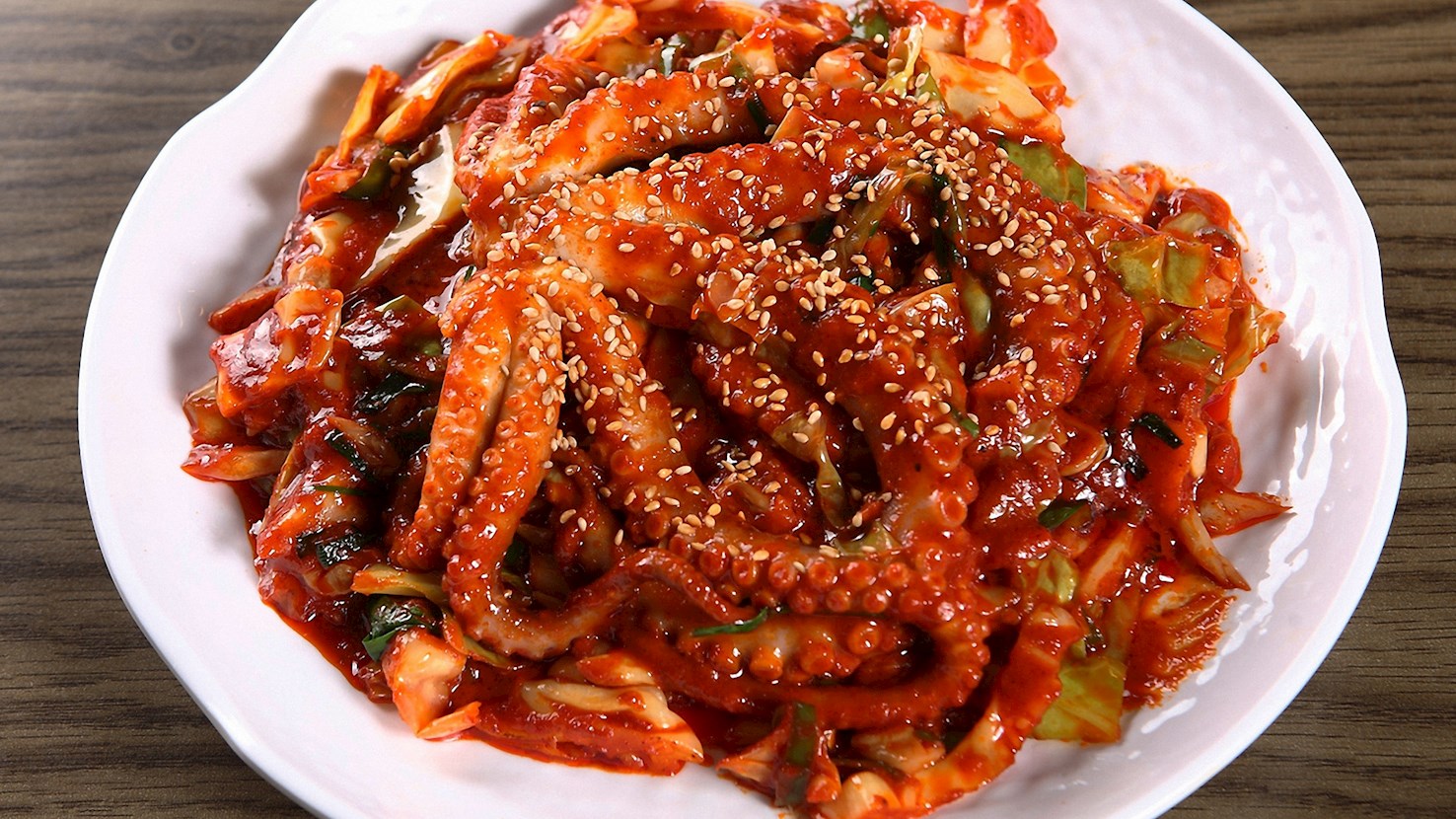
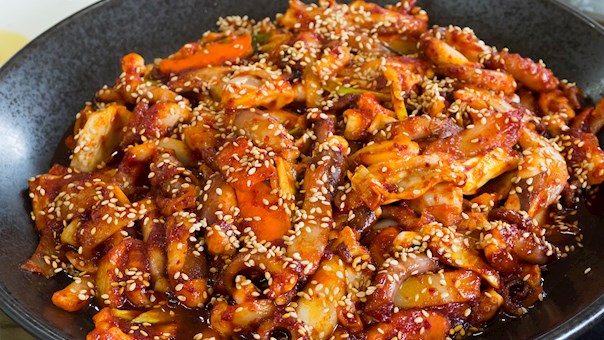
Stir-fried octopus is a classic Korean banchan (side dish). It is usually prepared with a small-sized octopus that is sliced and then fried in a flavorful combination of garlic, ginger, and gochujang chili paste, while other additions include sliced vegetables such as onions, scallions, cucumbers, chili peppers, or zucchinis. The dish is usually served sprinkled with roasted sesame seeds and goes exceptionally well with hearty Korean soups and stews.

04

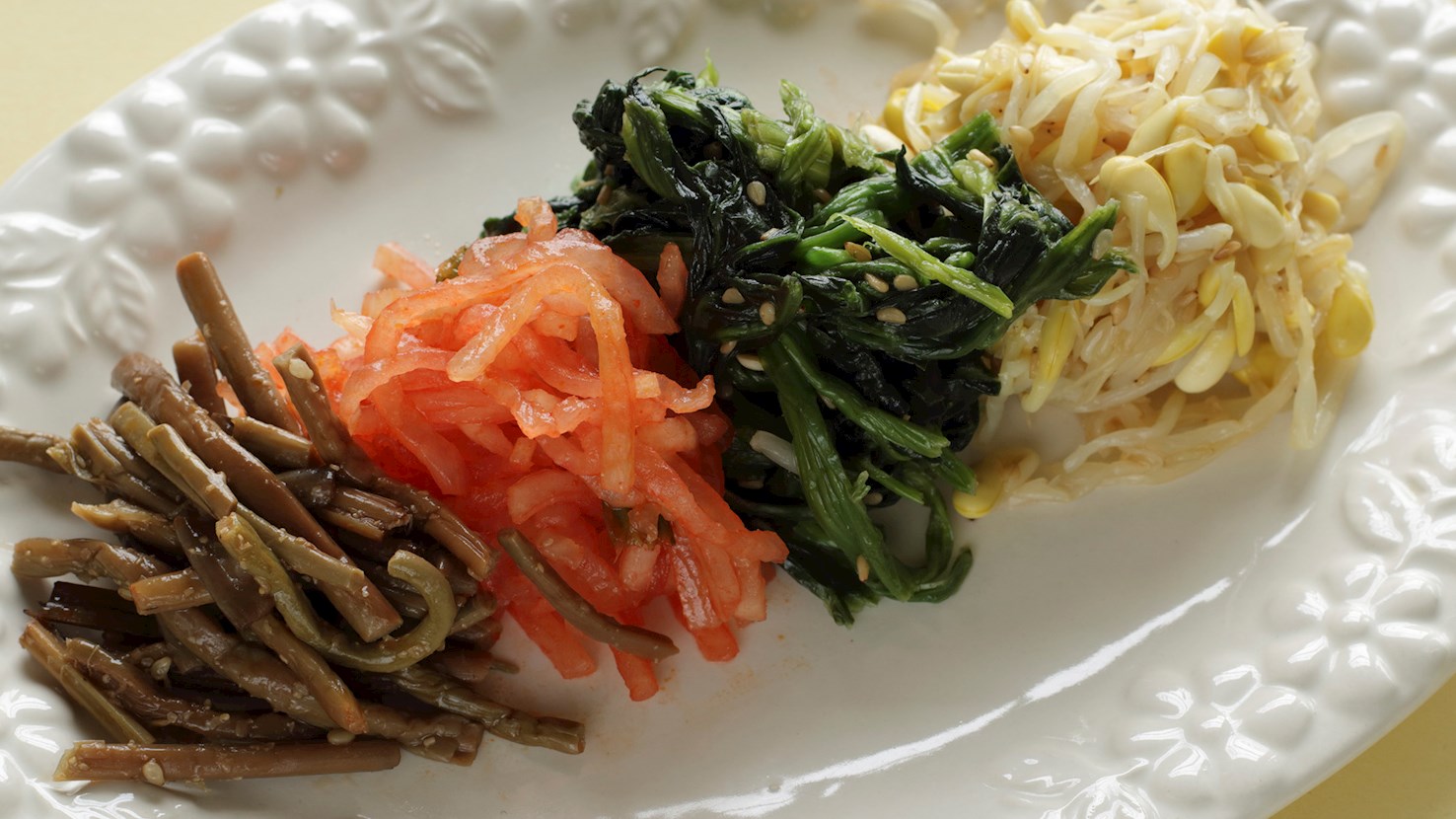
Namul

4.1 ·

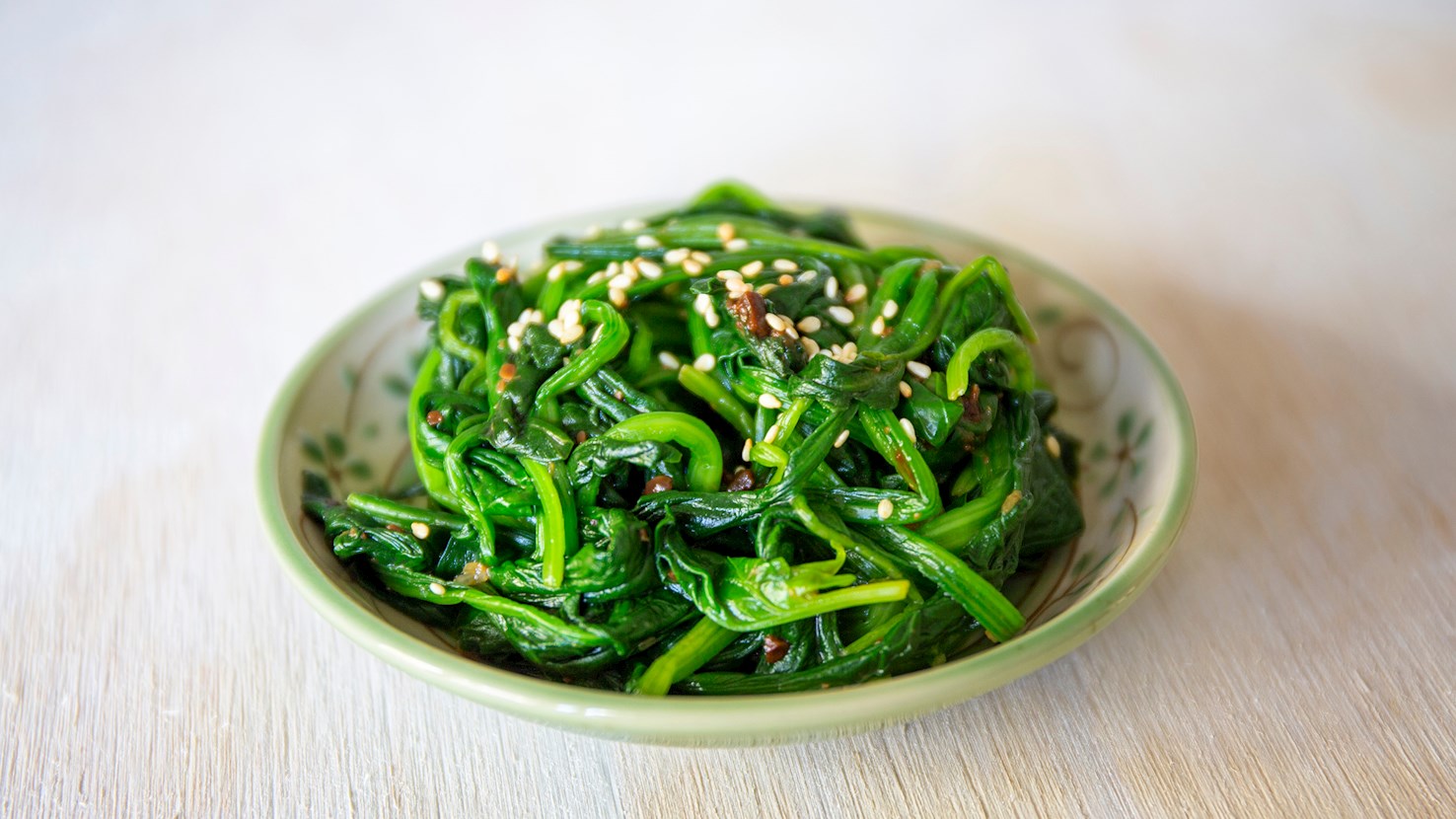
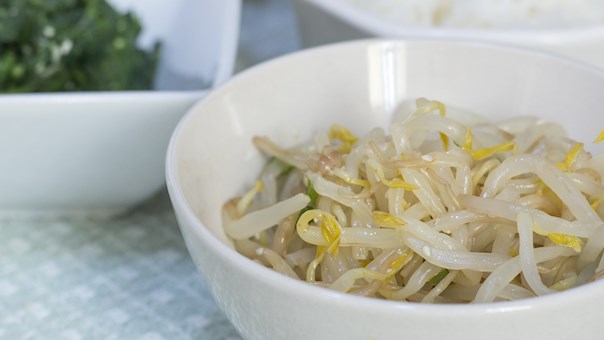
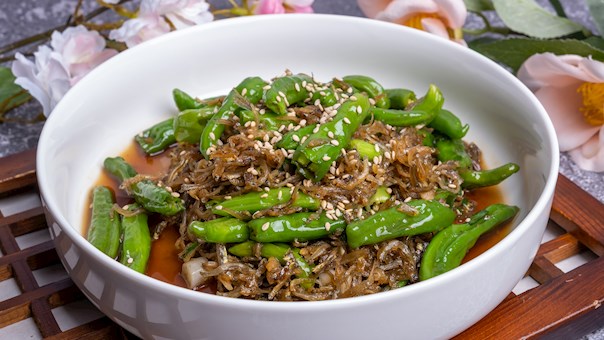
Namul is a widely accepted term used to refer to Korean vegetable side dishes, which can include green leafy vegetables, starchy root varieties, sprouts, green beans, and occasionally even fruit. The ingredients are used in raw, pickled, fried, sautéed, blanched, or dry form. They are usually seasoned with soy sauce, sesame oil, sesame seeds, vinegar, garlic, and occasionally the spicy red chili paste known as gochujang. The seasoning in all namul types is not overpowering, and the main characteristic is the fresh taste of the vegetables. Namul belongs to a wider group of banchan dishes - traditional Korean sides served next to main courses. They usually come served on separate plates, creating a refreshing addition to meat-based meals. This highly versatile group of dishes represents a staple in Korean households and traditional Korean restaurants. They are an irreplaceable accompaniment to barbecues and often come as a condiment in the mixed rice dish known as bibimbap.

05

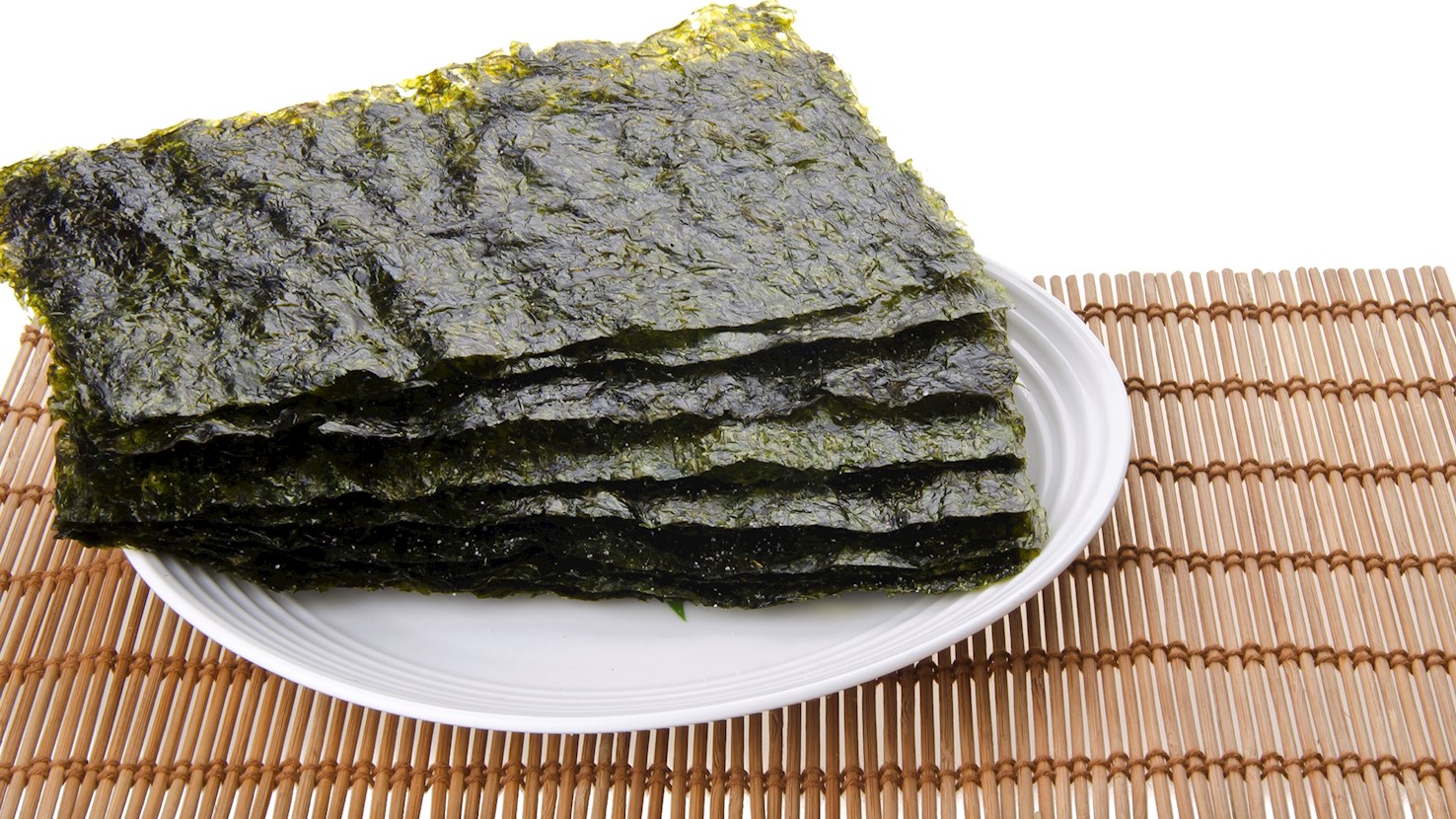
Gim gui

4 ·

Gim gui is a simple, yet delicious Korean side dish consisting of crispy and salty roasted seaweed. The dish is a common item in numerous bento boxes due to its great flavor and hefty doses of fiber, vitamins, minerals, and protein. Many people like to consume gim gui with a cold beer on the side because of its overpowering saltiness. Although gim gui can nowadays be found in most grocery stores, in the past, every Korean cook used to roast his own seaweed. When beer is not available, it is recommended to pair gim gui seaweed with freshly steamed white rice and consume the whole thing as a nutritious snack.

06

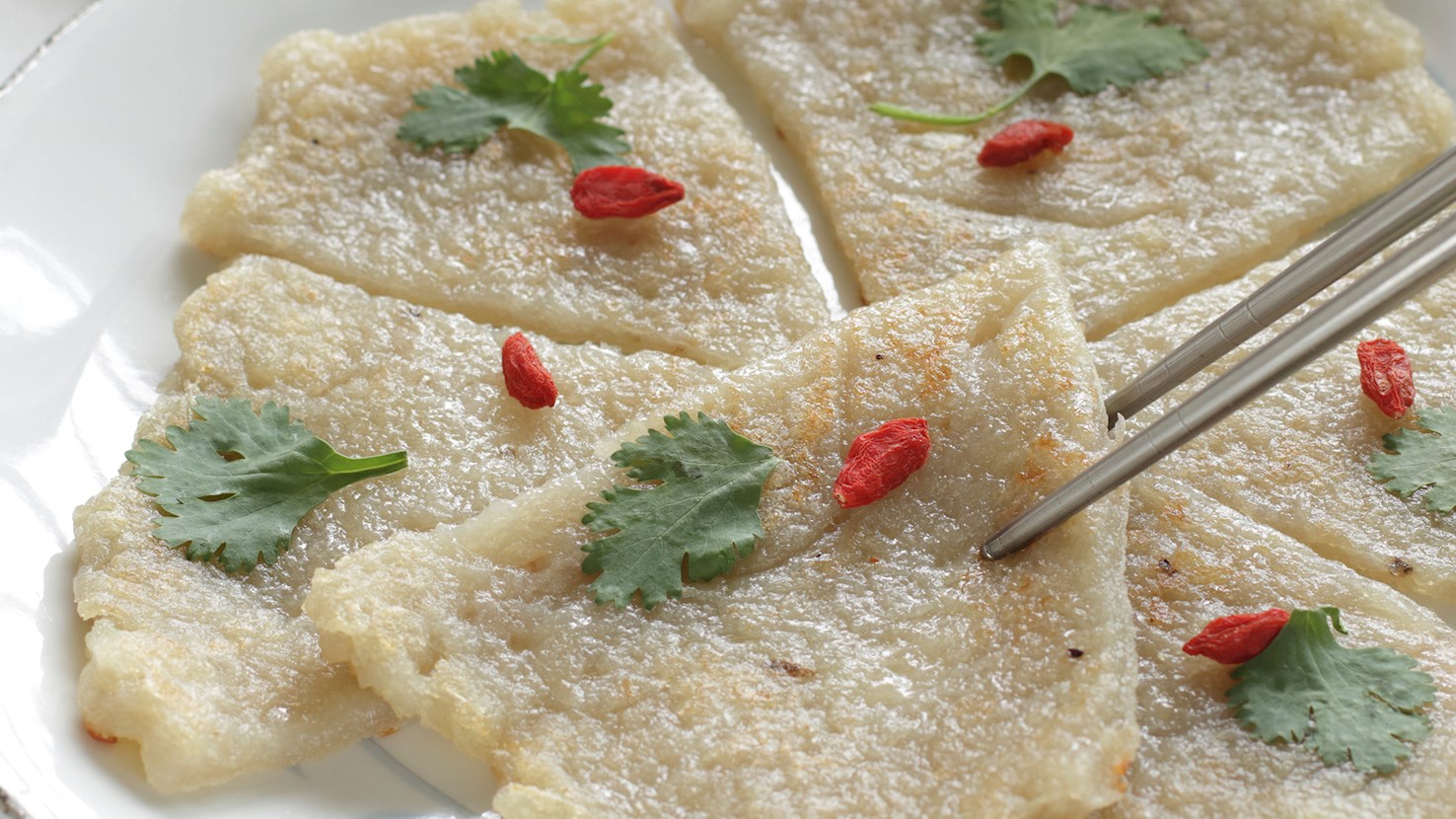
Gamjajeon

3.9 ·

Gamjajeon is a type of Korean pancake prepared with grated or puréed potatoes, while some varieties may include scallions, chives, carrots, or onions. The pancakes are usually small and round and should be pan-fried until perfectly crispy on the outside. They make for an excellent snack, side dish, or an appetizer, as well as a light main course. Gamjajeon are usually served with choganjang dipping sauce that combines soy sauce, vinegar, sugar, and water, or optionally gochujang chili paste, chili flakes, and sesame seeds.

07

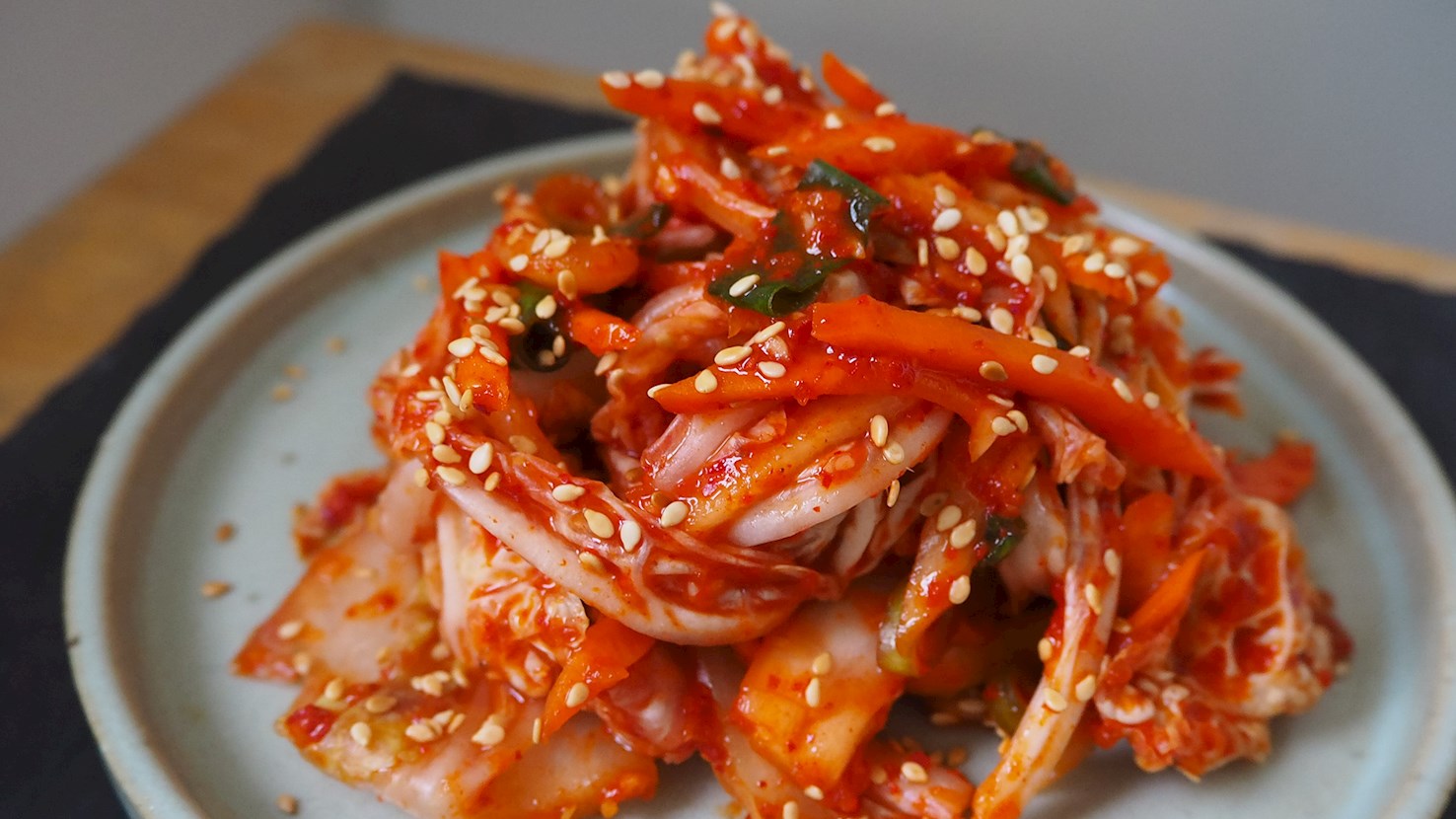
Geotjeori

3.9 ·

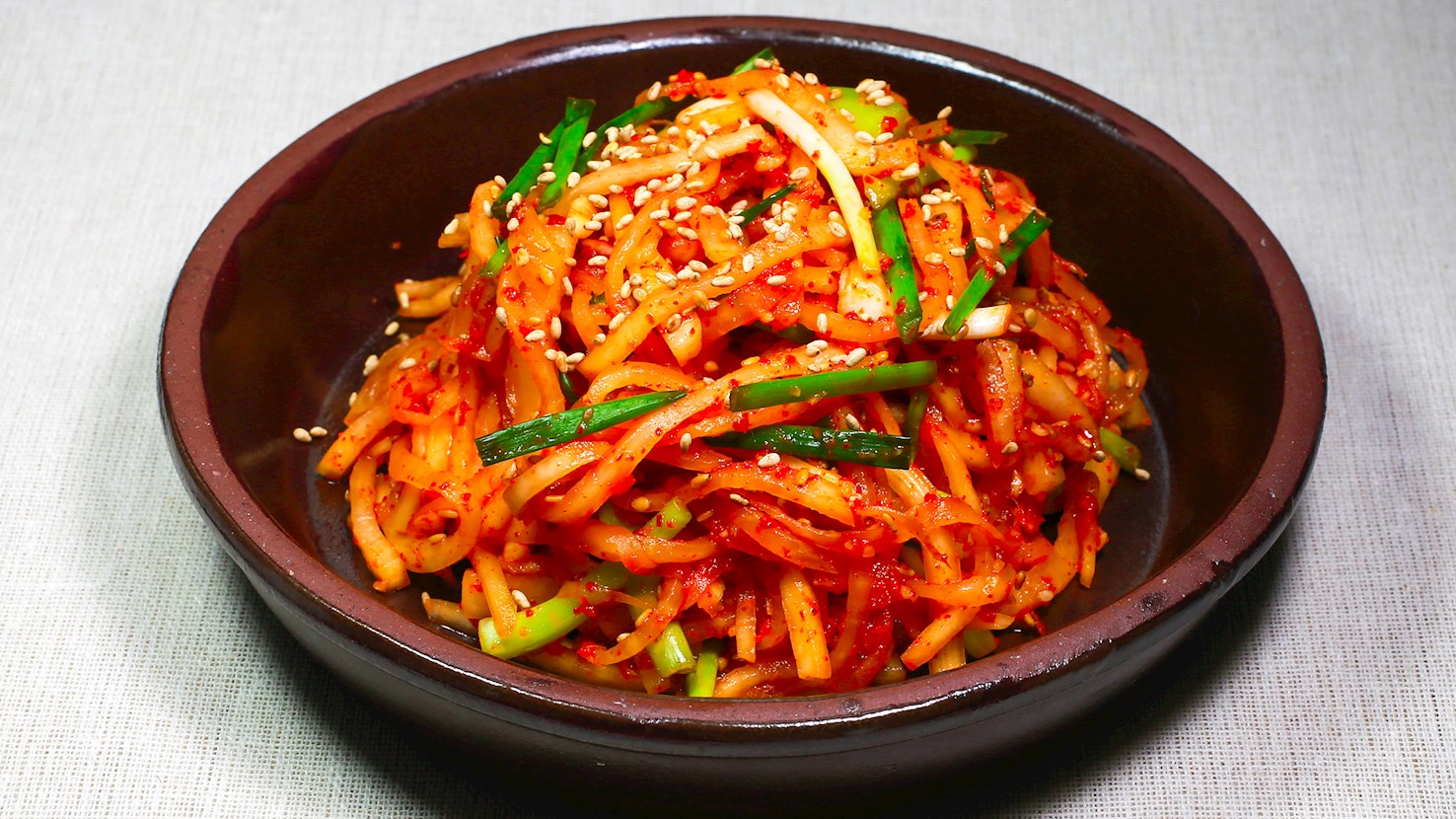
Geotjeori is a fresh variety of kimchi. Just like classic kimchi, it is usually prepared with napa cabbage (baechu), but unlike the more popular version, geotjeori is not fermented. It is typically made with tender and salted cabbage leaves or other vegetables, which are coated in an aromatic paste usually consisting of chili flakes, soy sauce, garlic, ginger, fish sauce, or (occasionally) anchovy sauce. The crispy texture and refreshing flavor of geotjeori perfectly complement hearty soups and stews, but it can also be served with various other dishes. Geotjeori is best enjoyed freshly made and sprinkled with sesame seeds.

08

Sigeumchi namul

3.8 ·

Sigeumchi namul or shigeunchi is a traditional side dish originating from South Korea. This type of namul is prepared with spinach as the key ingredient. The spinach is blanched until slightly crispy and tender. It is then strained and mixed with a combination of garlic, scallions, sesame oil, roasted sesame seeds, and soy sauce. If desired, this tasty side dish can be garnished with red pepper flakes on top before serving. Sigeumchi namul is traditionally served with other side dishes or with steamed rice on the side.

09

Goguma mattang (Candied Sweet Potatoes)

3.8 ·

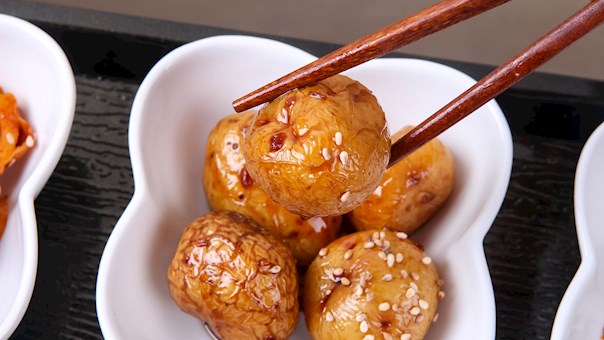
Goguma mattang is a traditional sweet treat and side dish originating from South Korea. It's usually made with a combination of sweet potatoes, honey, sugar, oil, and walnuts. The sweet potatoes are cut into cubes, steamed, and deep-fried in oil until crispy. They're tossed with sugar-honey syrup and chopped walnuts. These candied sweet potatoes are then served warm, and if desired, they're garnished with sesame seeds on top before consumption.

10

Musaengchae

3.7 ·

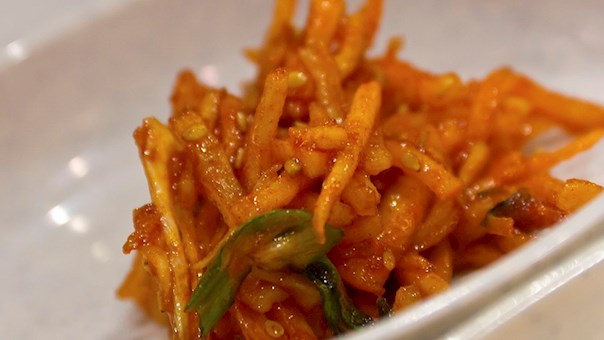
Musaengchae is a traditional side dish (banchan) originating from South Korea. This type of namul is prepared with Korean radish as key ingredient. The radishes are peeled and cut into matchsticks, then seasoned with salt and mixed with a combination of minced garlic, scallions, vinegar, red pepper flakes, and sugar. For the final touch, the combination is sprinkled with roasted sesame seeds, mixed one more time, then served. The dish is usually eaten with other side dishes or with rice. Musaengchae is also often served with bossam (boiled pork that's wrapped in napa cabbage).

Read more
View all
View map
About this ranking

TasteAtlas food rankings are based on the ratings of the TasteAtlas audience, with a series of mechanisms that recognize real users and that ignore bot, nationalist or local patriotic ratings, and give additional value to the ratings of users that the system recognizes as knowledgeable. For the “Top 32 Korean Side Dishes” list until May 15, 2026, 1,009 ratings were recorded, of which 921 were recognized by the system as legitimate. TasteAtlas Rankings should not be seen as the final global conclusion about food. Their purpose is to promote excellent local foods, instill pride in traditional dishes, and arouse curiosity about dishes you haven’t tried.

Similar lists