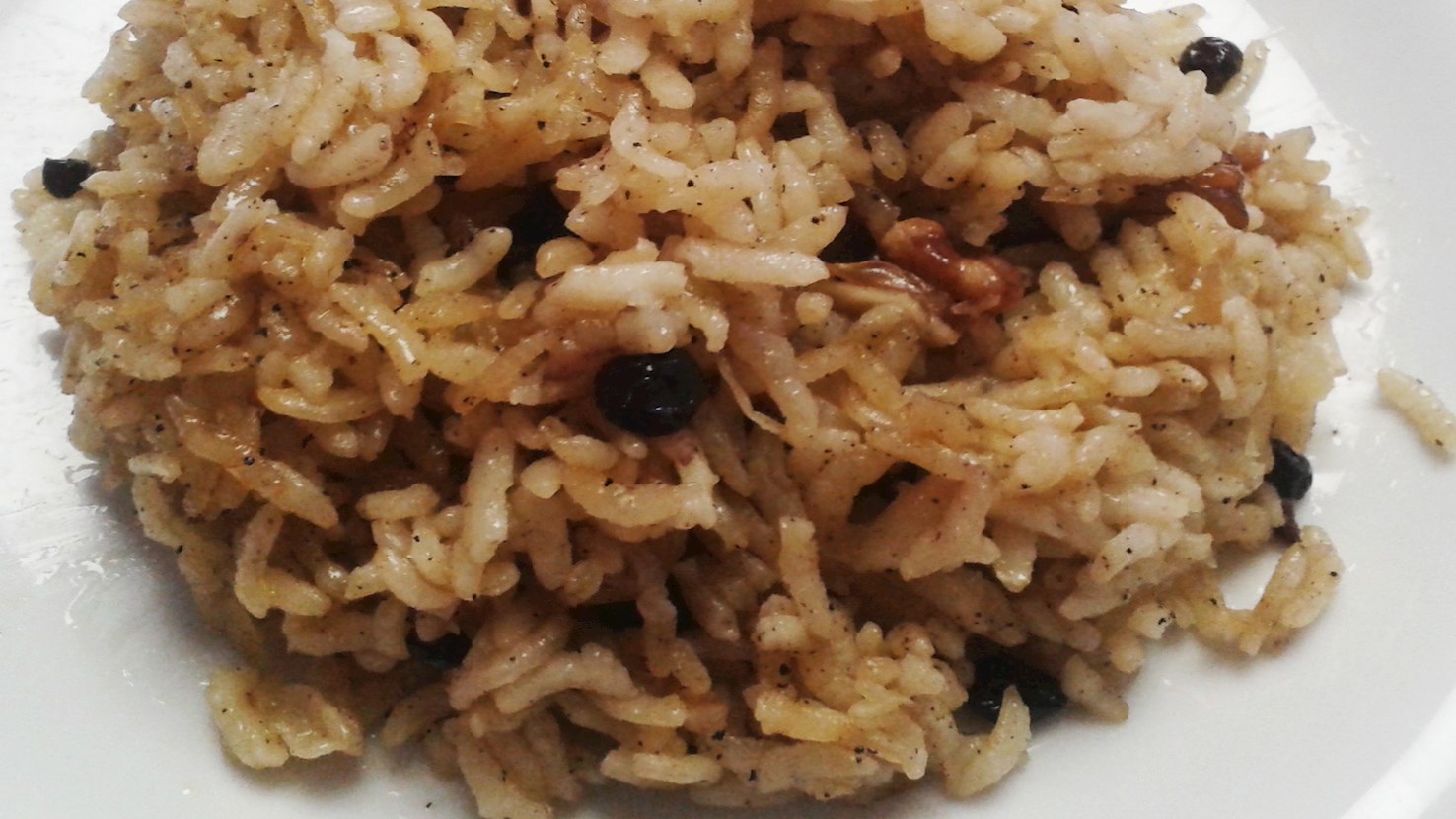
İç pilav is a flavorful Turkish pilaf made with a combination of rice (often of the Baldo variety), onions, currants, tomatoes, mint, and pine nuts. It is typically flavored with allspice, cinnamon, salt, and pepper. The ingredients are combined, and when the rice is cooked, the pilaf is ready to be stirred for one last time, then consumed. İç pilav is traditionally used as an accompaniment to roasted or fried meat dishes, but it is sometimes also used as a stuffing.
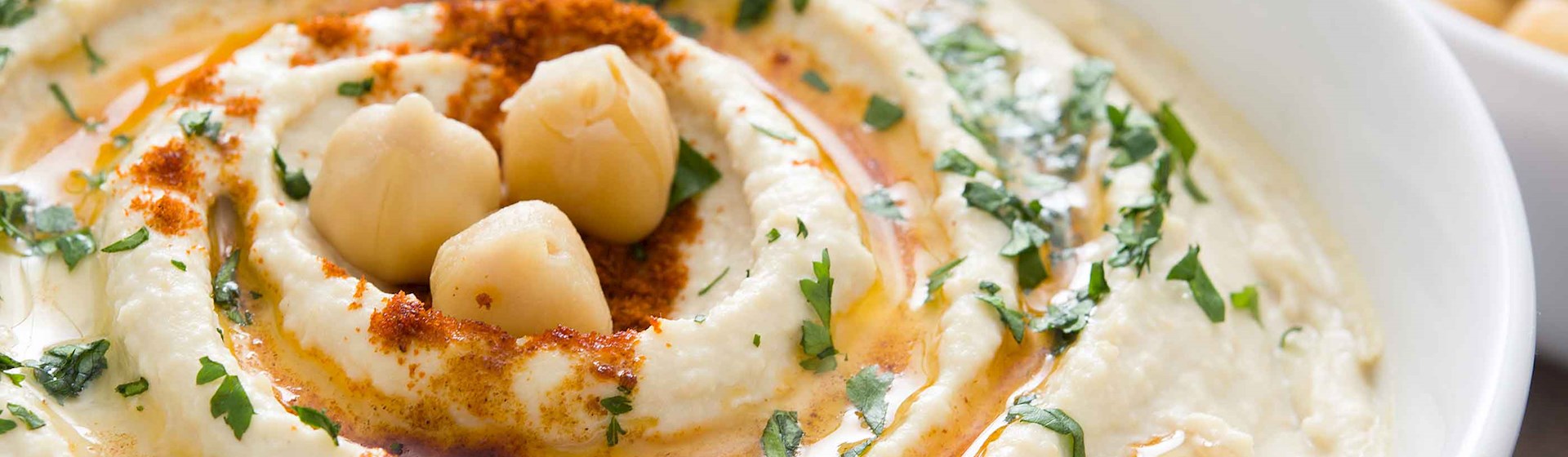
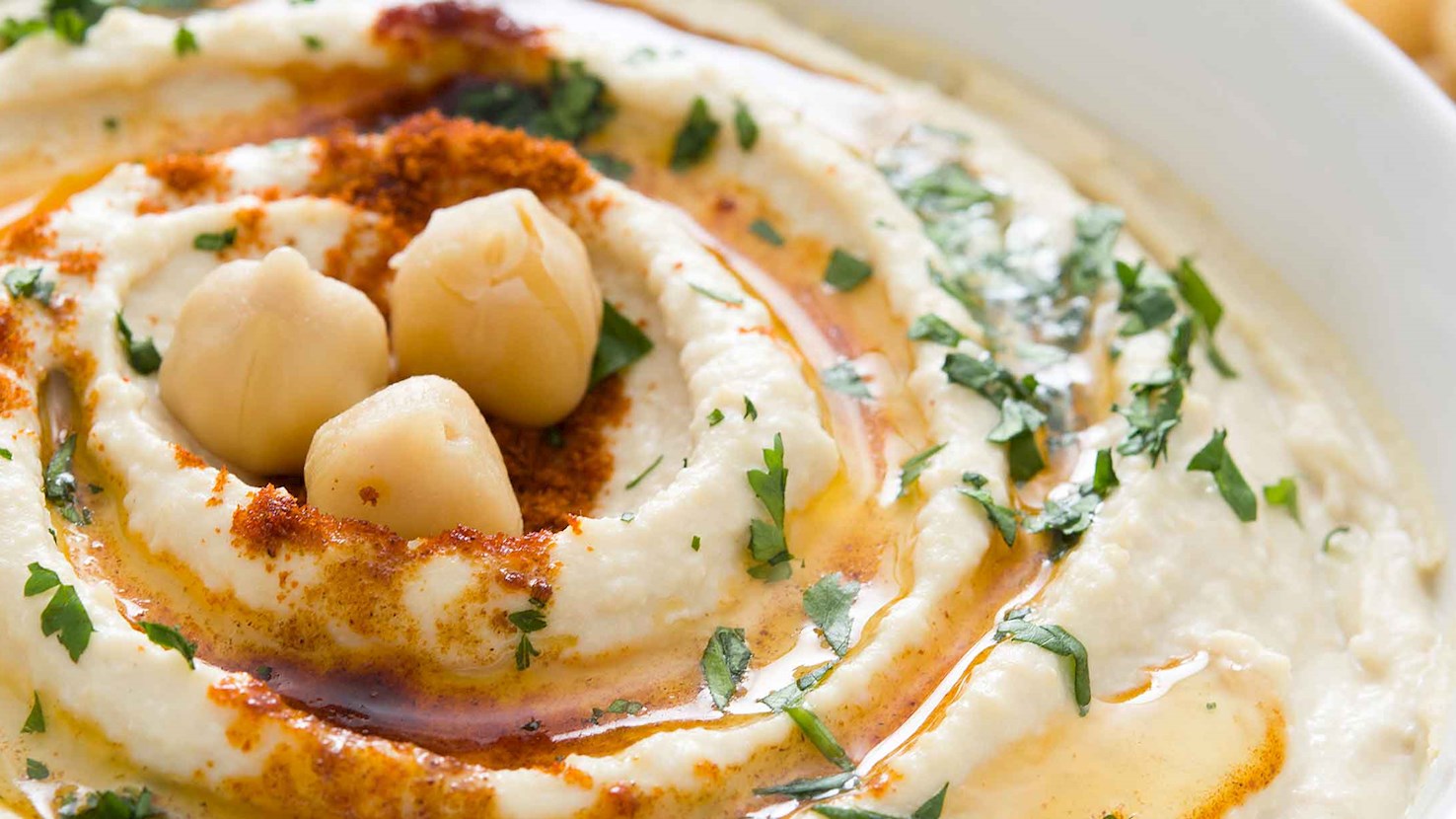
Hummus is a creamy dip made primarily from cooked and mashed chickpeas blended with tahini, olive oil, lemon juice, and garlic. It originates from the Middle East, where it has been a dietary staple for centuries, especially in countries like Lebanon, Palestine, Israel, Syria, and Jordan. Hummus’s roots can be traced back to ancient times (earliest mention of hummus dates back to 13th-century Egypt), when legumes and seeds were common sources of nutrition in the Levant. Over time, the combination of chickpeas and tahini evolved into a dish that balances earthy, nutty, and tangy flavors. While recipes vary slightly across regions, the core ingredients remain consistent, emphasizing freshness and quality. The smooth texture and rich taste make hummus both versatile and widely appealing, able to serve as a simple snack or a complement to more elaborate meals. Preparation involves soaking and cooking dried chickpeas until tender, then blending them with tahini paste, freshly squeezed lemon juice, crushed garlic, and extra virgin olive oil to create a velvety consistency. Salt is added to enhance the flavors, and the mixture is often garnished with a drizzle of olive oil, a sprinkle of paprika or sumac, and sometimes fresh herbs or whole chickpeas. Hummus can be served chilled or at room temperature, paired with pita bread, vegetables, or as part of a larger mezze platter. Hummus enjoys widespread popularity not only in the Middle East but globally, embraced as a healthy and flavorful dish. It is commonly found in homes, restaurants, and markets, representing both everyday nourishment and a dish for social gatherings.
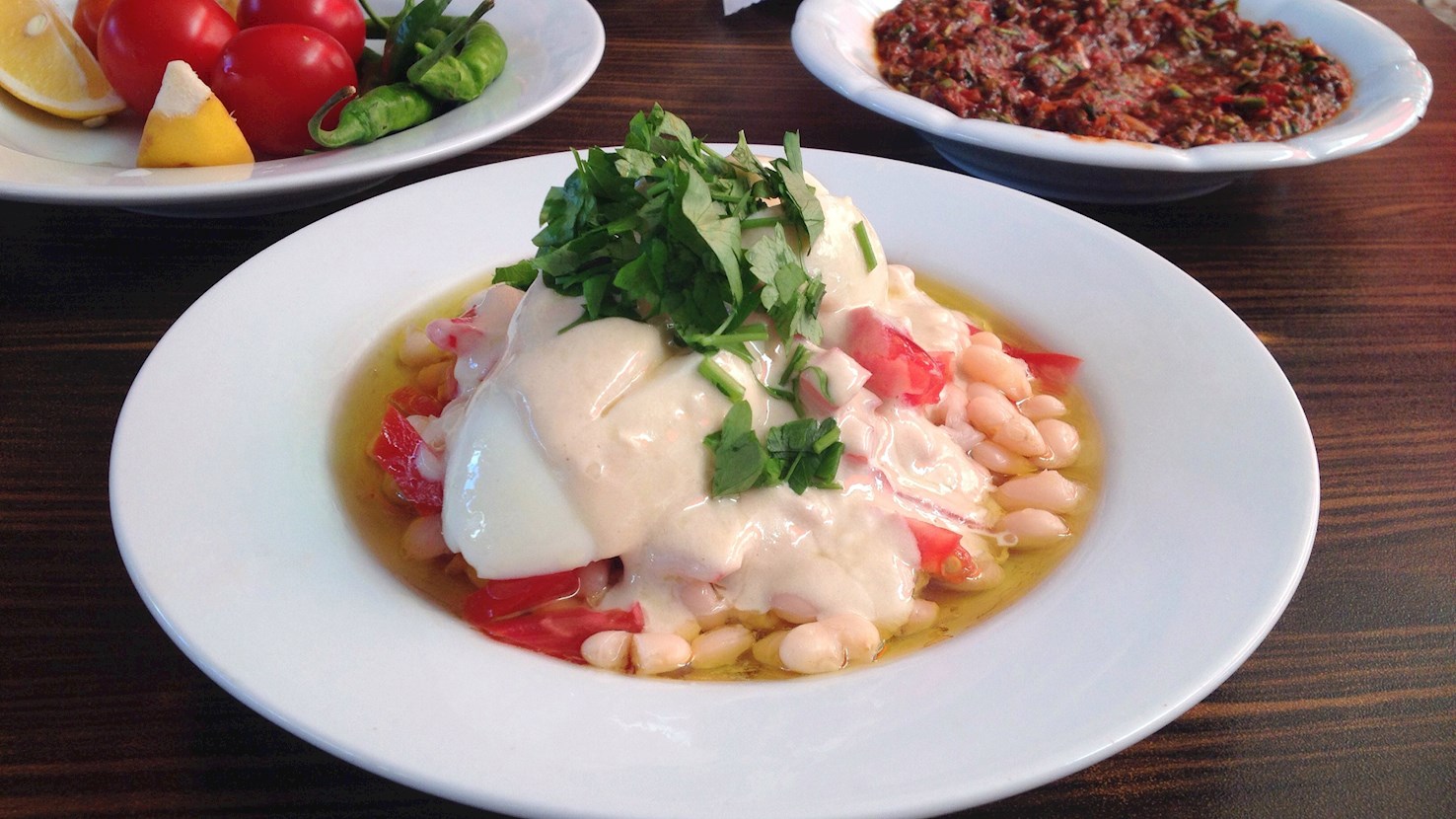
Piyaz is a traditional salad. In most of the country, it's a general term for a dish of dried beans, parsley, onions, and sumac. In Antalya, however, piyaz also contains a rich and smooth sauce consisting of tahini, lemon juice, and vinegar. The beans are topped with the sauce, and the dish is usually dressed with chopped tomatoes, sliced onions, hard-boiled eggs, olive oil, and parsley. Piyaz is often eaten as an accompaniment to köfte and similar grilled meats, but it can also be included in a meze selection.
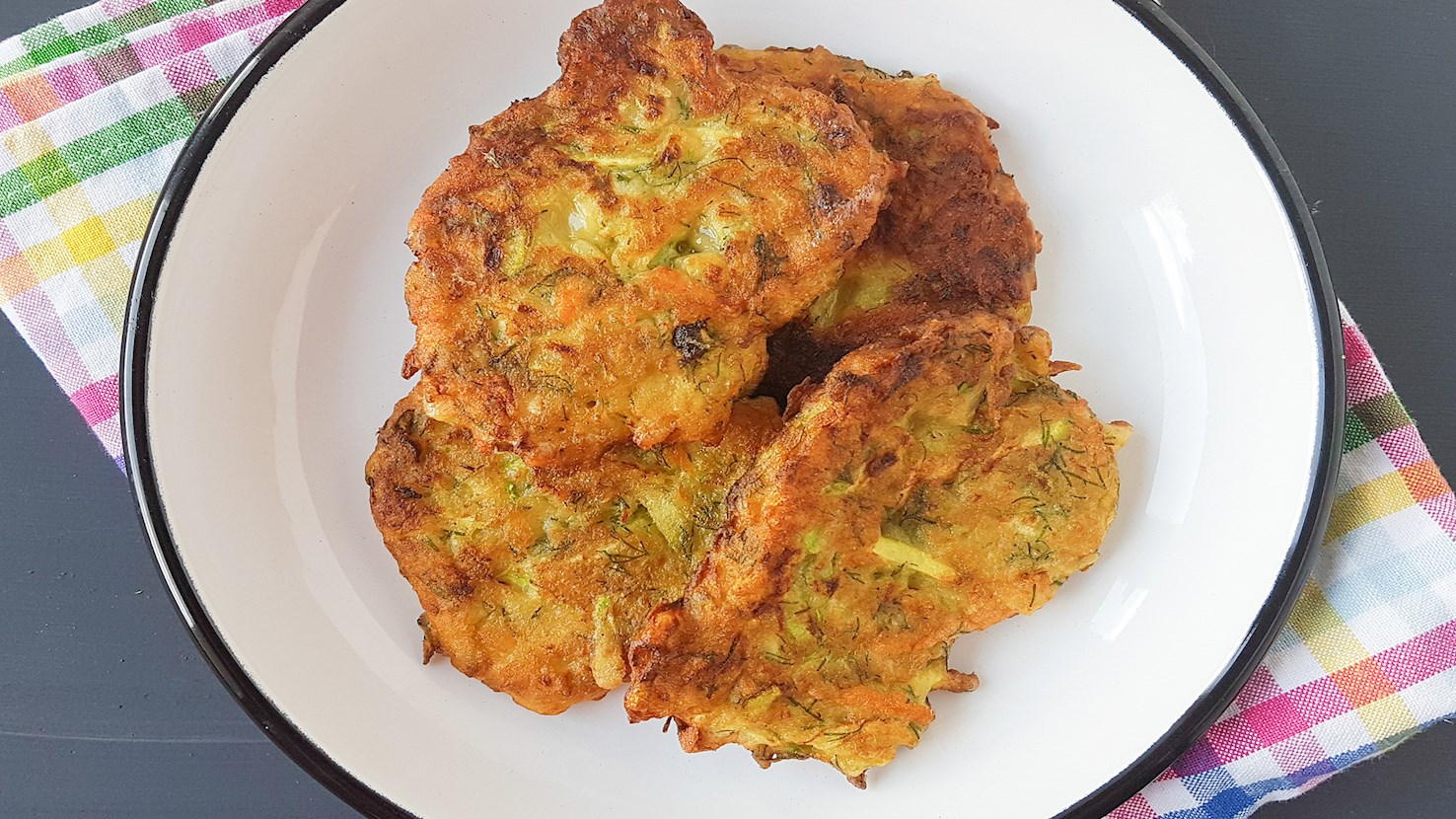
Turkish zucchini fritters are traditionally prepared with a combination of grated zucchini, flour, and eggs, while typical additions include white Turkish cheese, onions, and herbs such as parsley, dill, or mint. The fritters are usually pan-fried until golden and are typically served with plain yogurt or yogurt-based sauces on the side. They make an excellent appetizer or a perfect vegetarian side dish.
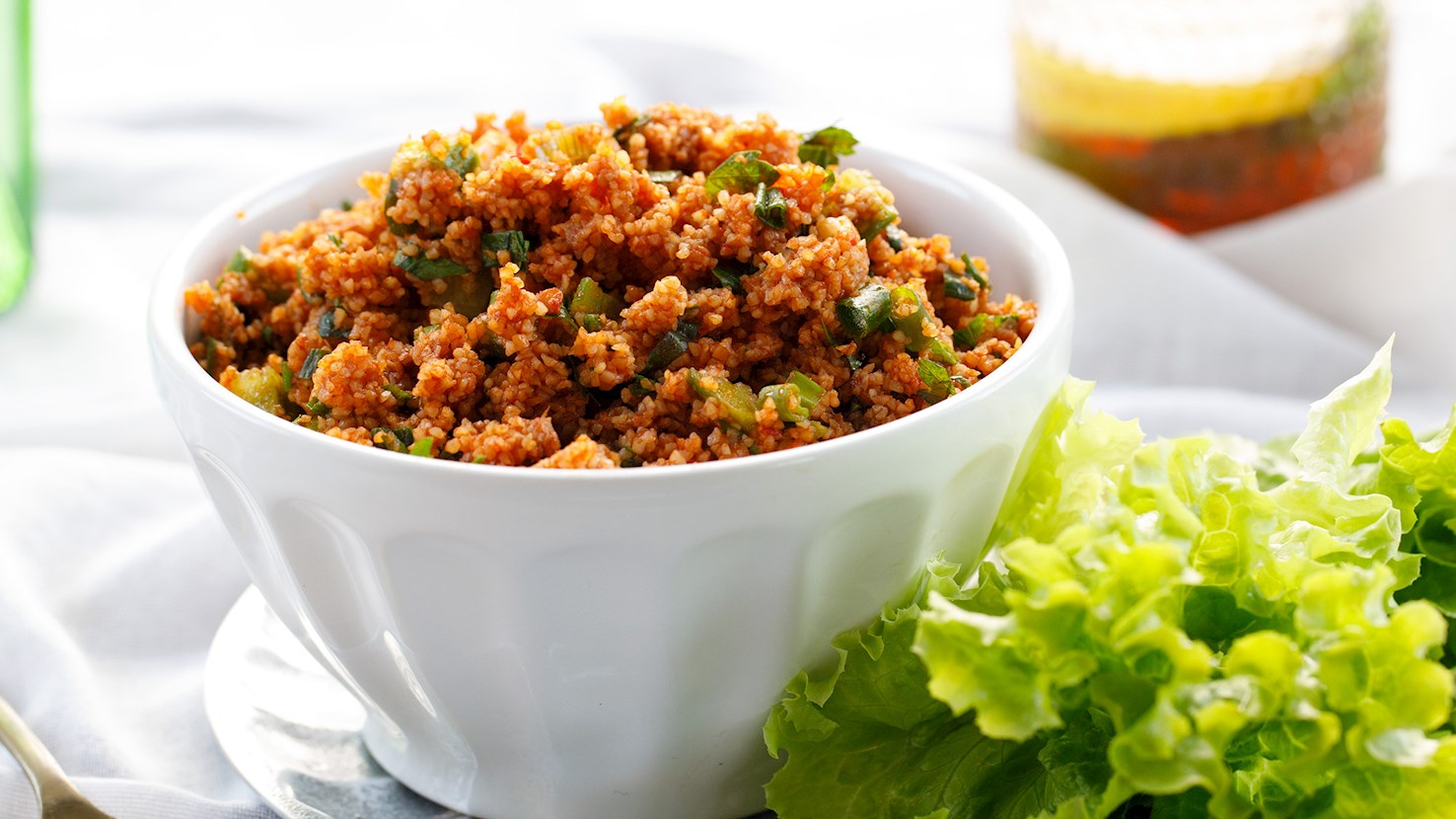
Kısır is a classic Turkish salad made with thin bulgur wheat, tomatoes, mint, garlic, parsley, and either lemon juice or sour pomegranate molasses. Red pepper flakes are often added to the salad to make it spicier. Lemon juice is typically used in northwestern Türkiye, while pomegranate molasses is more commonly used in the southeast of the country. The salad is ideal for buffets and meze, but it is also often used as a side dish for a variety of barbecued meat dishes. It is traditionally served cold or at room temperature.
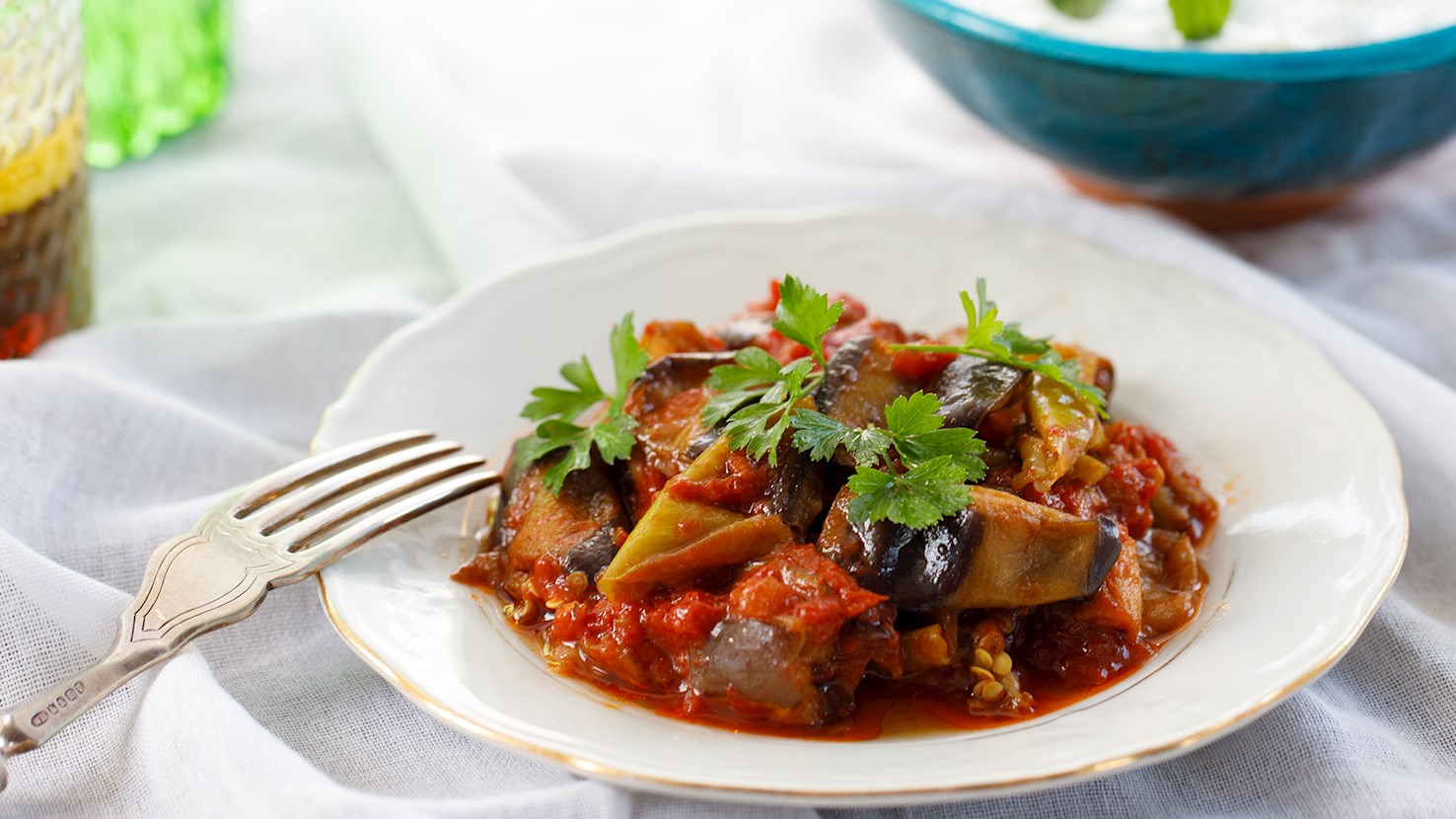
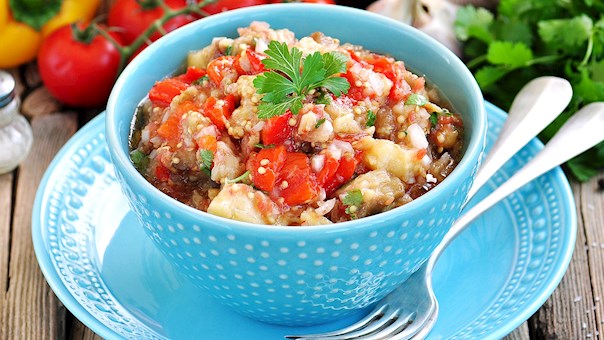
Şakşuka is a Turkish meze dish made with eggplants and zucchinis which are fried in olive oil, then combined with tomato sauce, garlic, and green peppers. When prepared right and served fresh, şakşuka is typically used as a side dish with a variety of grilled meat dishes. Before serving, it is topped with yogurt that has been seasoned with garlic. The dish is usually served chilled, and it is recommended to pair it with freshly baked lavash bread.
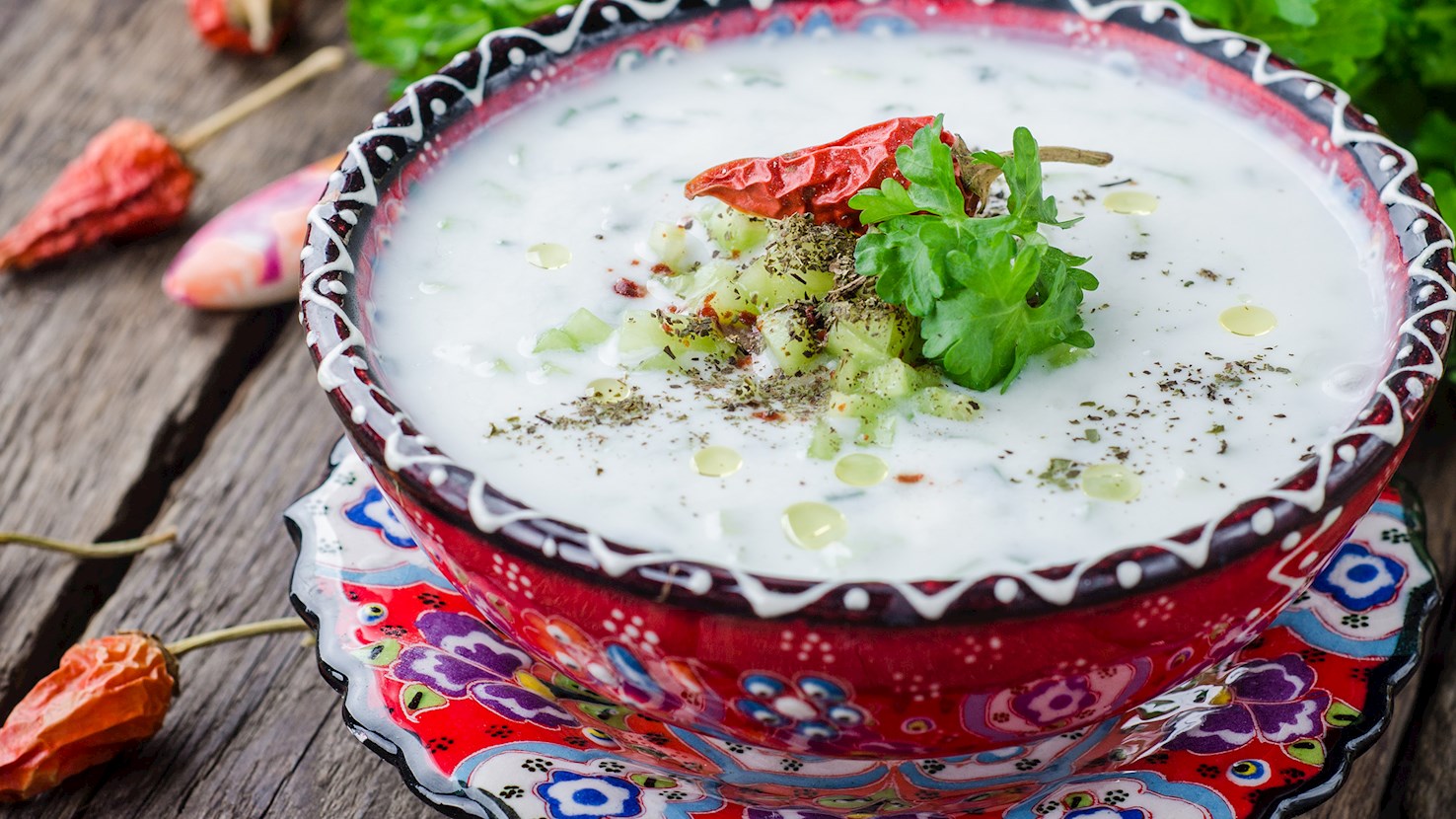
Found in various forms throughout cuisines of Southeast Europe and the Middle East, cacık is a refreshing Turkish dip made with strained or diluted yogurt mixed with finely chopped cucumbers and minced garlic. It is traditionally flavored with olive oil, dill weed, mint, either lemon juice or vinegar, and sometimes even oregano, thyme, sumac, and paprika. Cacık is served chilled and it is used for virtually everything from various appetizers to main dishes. It pairs especially well with classic Turkish meat fare such as köfte and kebabs of all kinds. As a side dish, cacık is typically enjoyed in place of a salad, diluted with water and eaten with a spoon, like soup.
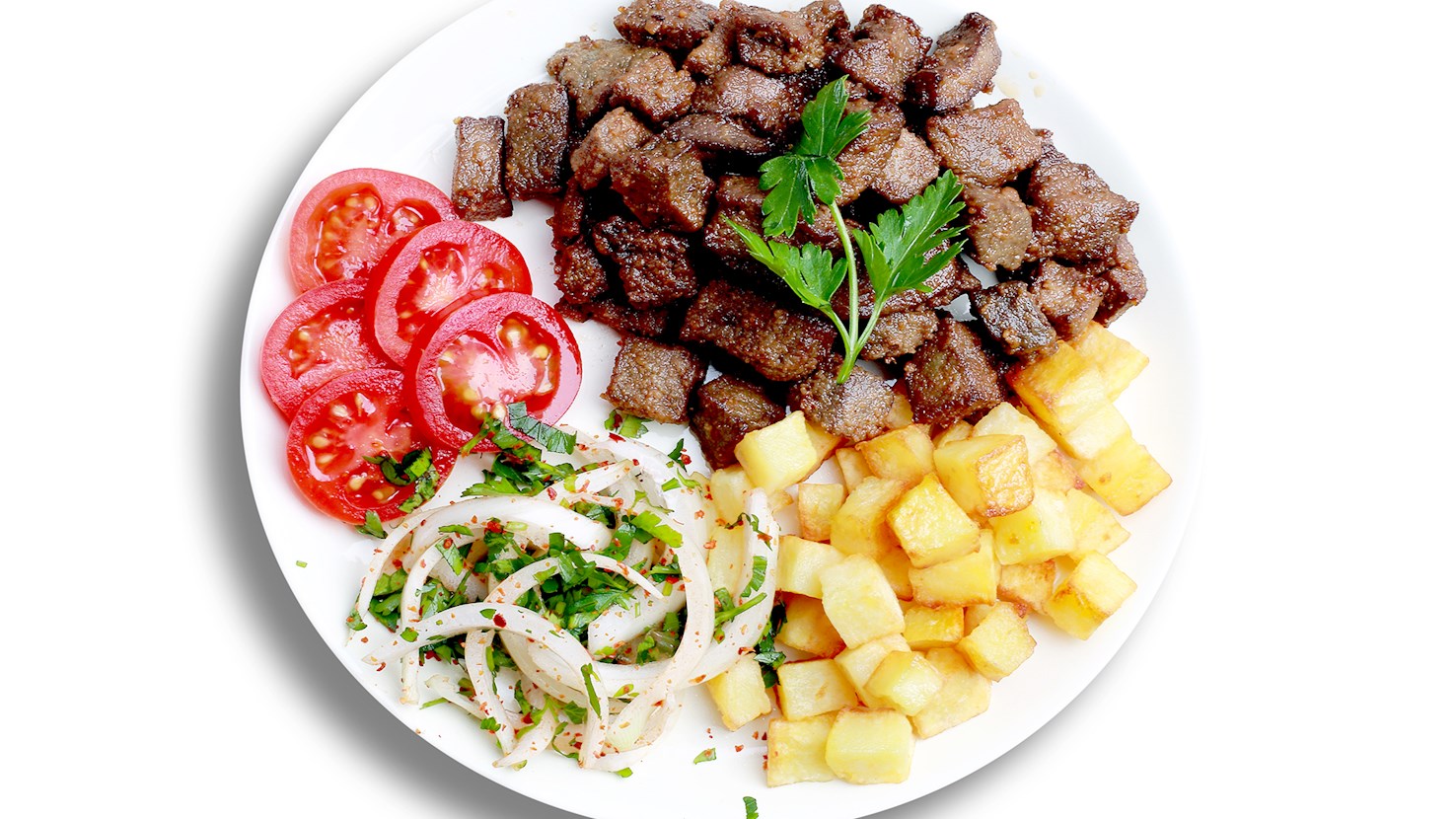
Arnavut ciğeri (lit. Albanian-style liver) is a Turkish dish that is extremely easy to prepare. It consists of fried lamb liver and onions. The dish is typically seasoned with sumac, paprika, and black pepper. It is believed that arnavut ciğeri was invented during the time when the Ottomans ruled Albania, hence the name. Fried liver and onions are traditionally served as a meze dish. In restaurants and taverns, it is usually served with oven-baked potato cubes on the side.
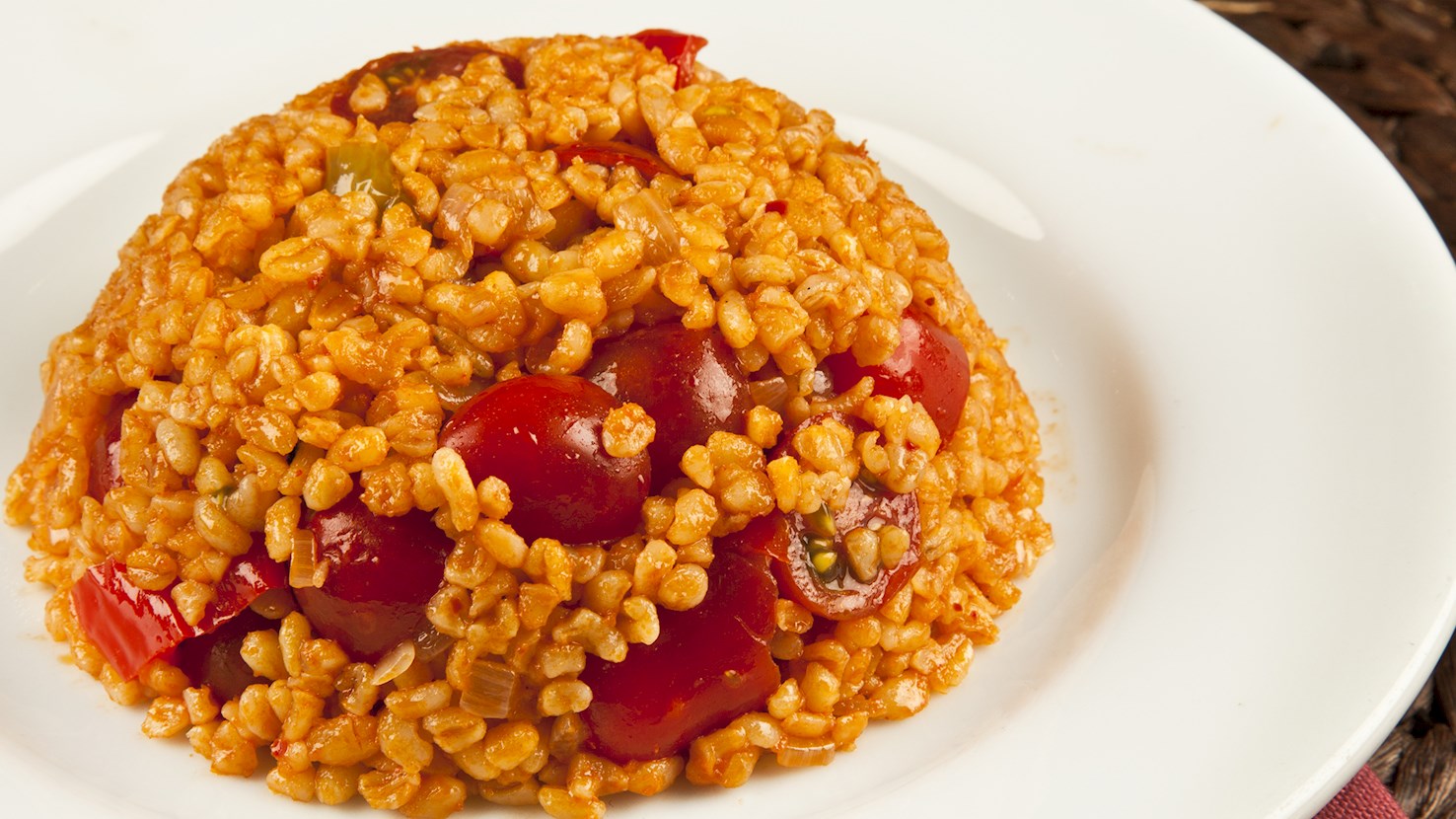
Bulgur pilavı is a nutritious Turkish pilaf that is often additionally flavored with onions, green peppers, tomatoes, and various spices. When the bulgur is tender and ready to consume, it is recommended to garnish it with fresh parsley. The dish is typically served as an accompaniment to casseroles or meat dishes such as kebap, izgara, and köfte.
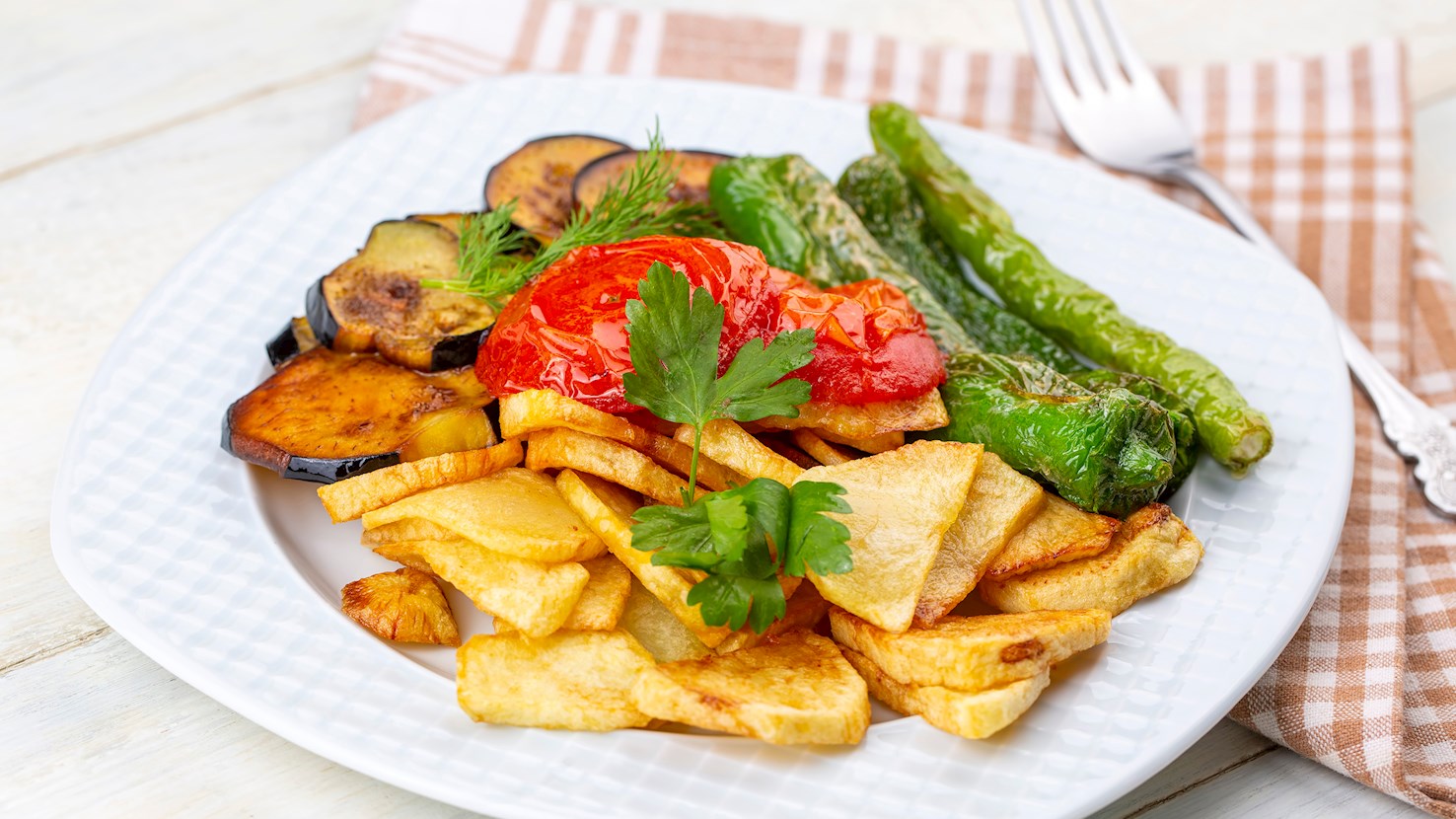
Kızartma is a Turkish dish consisting of fried vegetables. Although the combination of potatoes and chili peppers is the most popular, you can also use vegetables such as eggplants and zucchinis. The vegetables are fried in oil until they become tender, and they are then served with a thick sauce made from tomatoes, garlic, parsley, and olive oil. In Turkey, kızartma is often made at home and for picnics because it's easy to make the dish in advance. It also makes for a great accompaniment to meat dishes.
TasteAtlas food rankings are based on the ratings of the TasteAtlas audience, with a series of mechanisms that recognize real users and that ignore bot,
nationalist or local patriotic ratings, and give additional value to the ratings of users that the system recognizes as knowledgeable.
For the “Top 13 Turkish Side Dishes” list until September 15, 2026, 3,866 ratings were recorded, of which 2,149 were recognized by the system as legitimate.
TasteAtlas Rankings should not be seen as the final global conclusion about food. Their purpose is to promote excellent local foods,
instill pride in traditional dishes, and arouse curiosity about dishes you haven’t tried.




What People Say