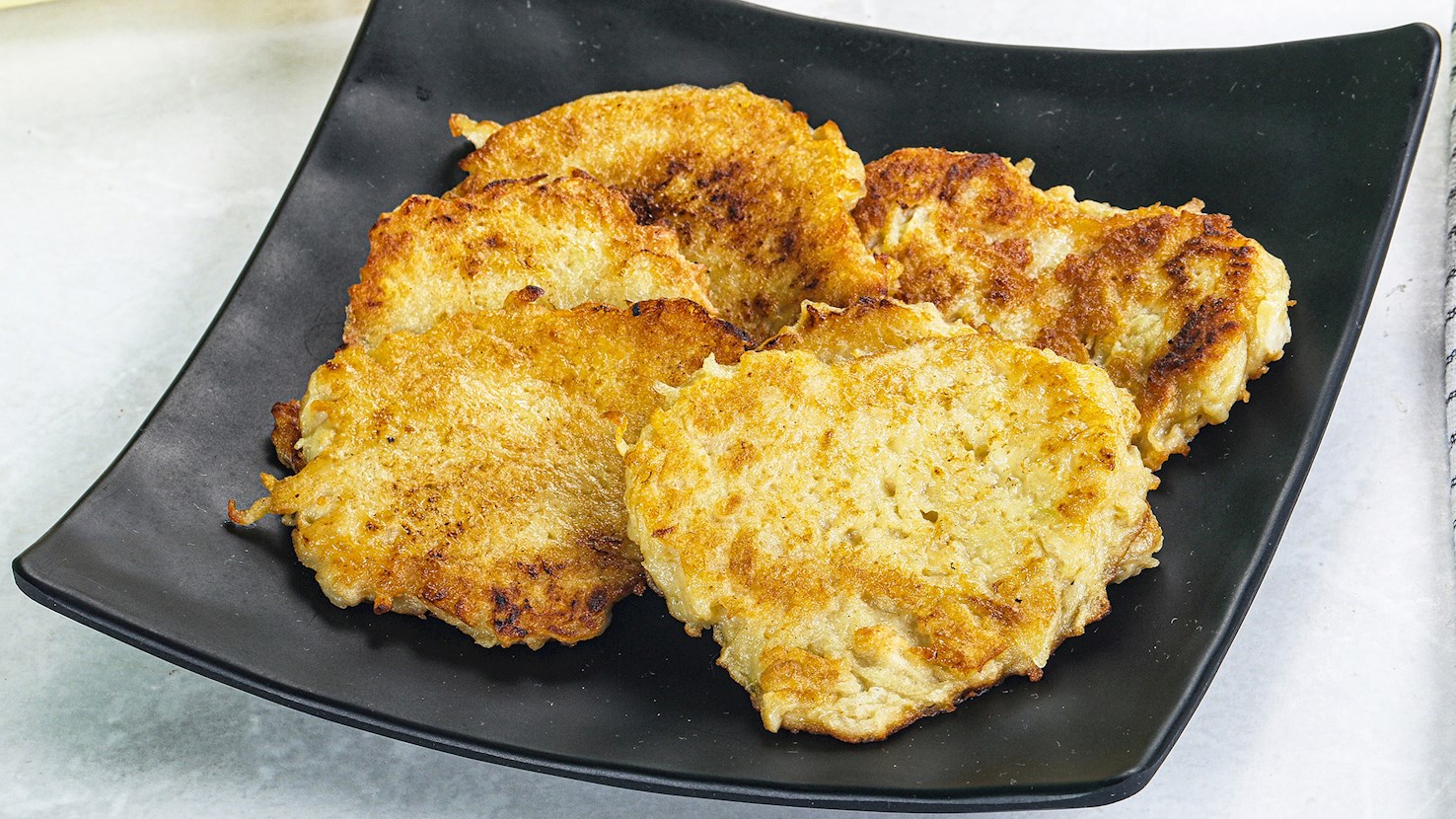
Hash browns are a fried potato dish made from grated or finely chopped potatoes that are pan-fried until golden and crisp, most commonly associated with American breakfast cuisine. The dish originated in the United States in the late 19th century and gained popularity through diners and hotel breakfasts, particularly in the Northeast. The term “hashed brown potatoes” first appeared in American cookbooks in the 1880s, referring to boiled potatoes that were chopped, fried, and browned. Over time, the name was shortened and the preparation adapted to use raw, grated potatoes, resulting in the crisp-textured version recognized today. The basic preparation involves peeling and grating raw potatoes, then rinsing and squeezing them to remove excess starch and moisture. The grated potatoes are then seasoned with salt and sometimes pepper or onion, and shaped into patties or left loose in the pan. They are fried in a skillet with oil or butter over medium heat until browned on the outside and tender inside. Some versions use a binding agent such as egg or flour, but many rely solely on the starch from the potatoes to hold the shape together. Hash browns are widely served across the United States, especially as a side dish for breakfast or brunch. They are often paired with eggs, bacon, toast, or pancakes and are available in a range of formats, from hand-formed patties in diners to preformed frozen rounds in fast food chains. Variations exist that include added onions, cheese, or herbs, and the dish is sometimes layered in casseroles or served as a base for other ingredients, such as in a breakfast skillet or hash. While hash browns are most closely associated with American cuisine, similar preparations exist internationally. In Switzerland, rösti is made in a similar way but is often cooked in a larger, round cake. In the UK, hash browns have become a staple of English breakfasts, usually in triangle-shaped, industrially prepared portions. The American version, however, is notable for its simplicity, crisp texture, and its role as a core component of the modern breakfast plate.
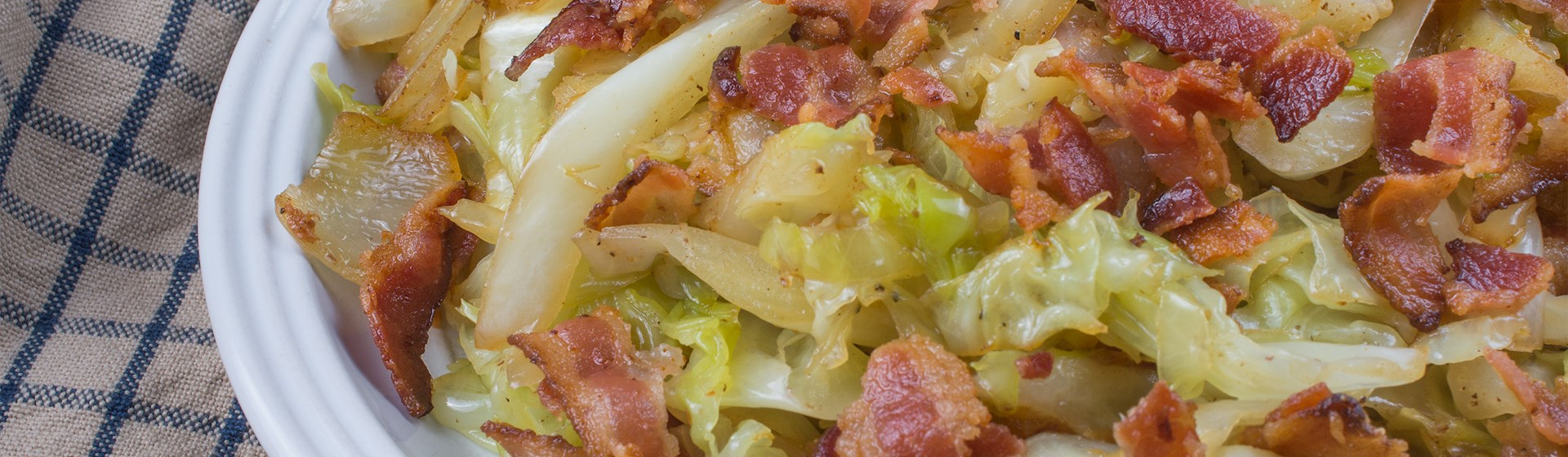
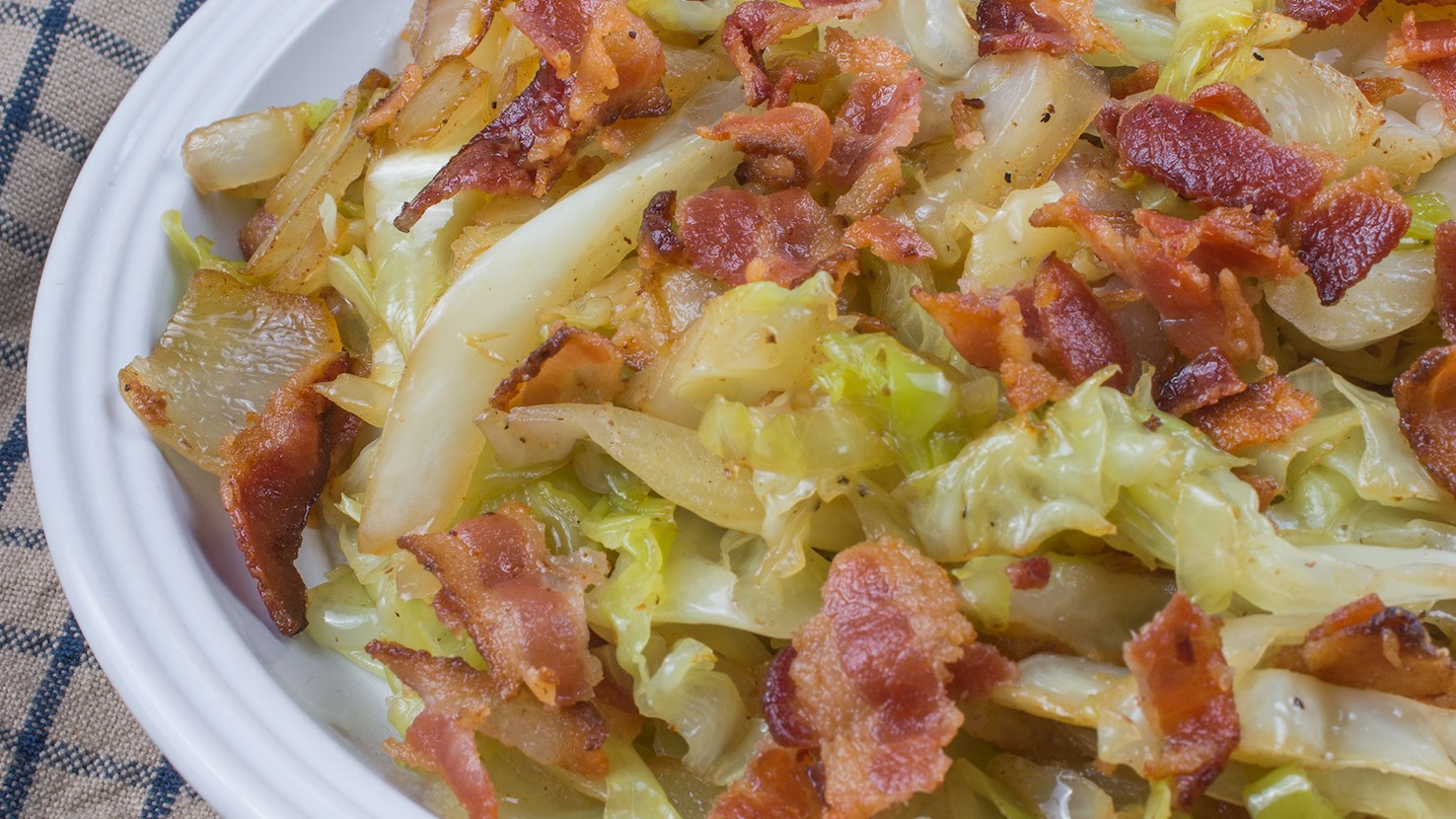
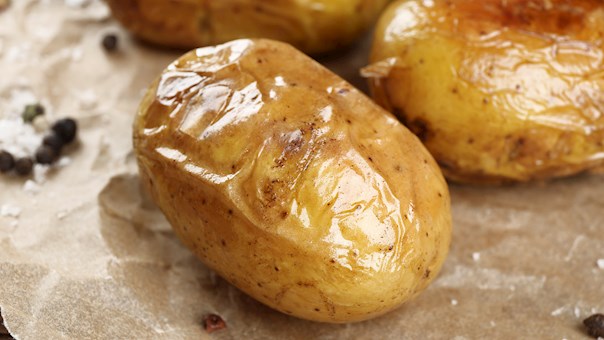
Although the name might suggest otherwise, this Southern classic is prepared with shredded cabbage that is sautéed and braised in butter until tender. It is usually accompanied by bacon, onions, and occasionally sliced apples. Fried cabbage can be enjoyed as a meal on its own, but it is traditionally served as a side dish to complement jacket potatoes, fried chicken, or cornbread.
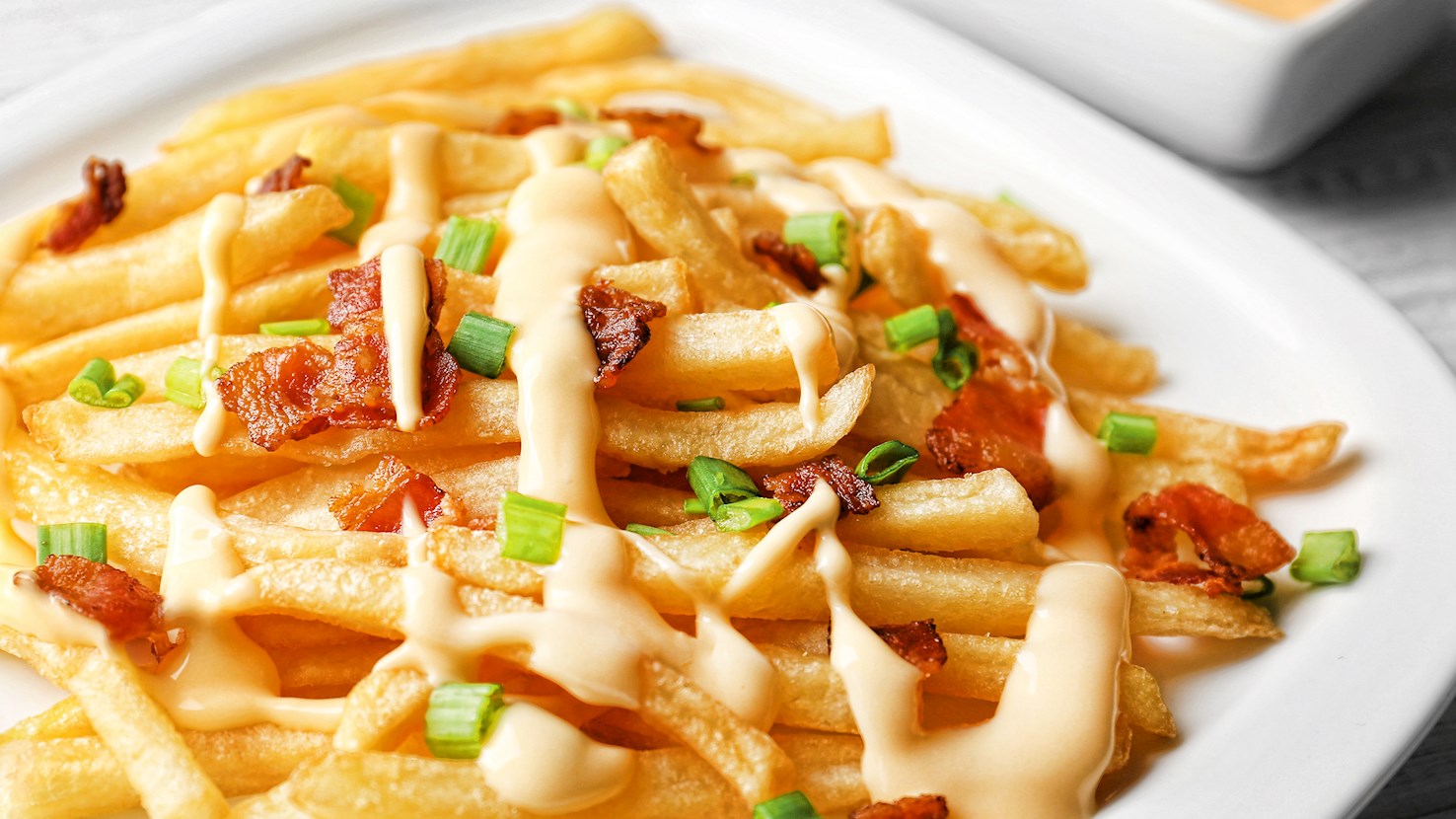
This simple fast food dish is made by topping french fries with melted cheese. Depending on the varieties of the dish, the cheese is sometimes enriched with the addition of various vegetables, meats, and spices. Although not much is known about the history of cheese fries, it is believed that it gained popularity after 1952, when canned cheese products became available in the United States of America. What is known, however, is that this comforting side dish is a staple of numerous diners and fast food joints across the country.
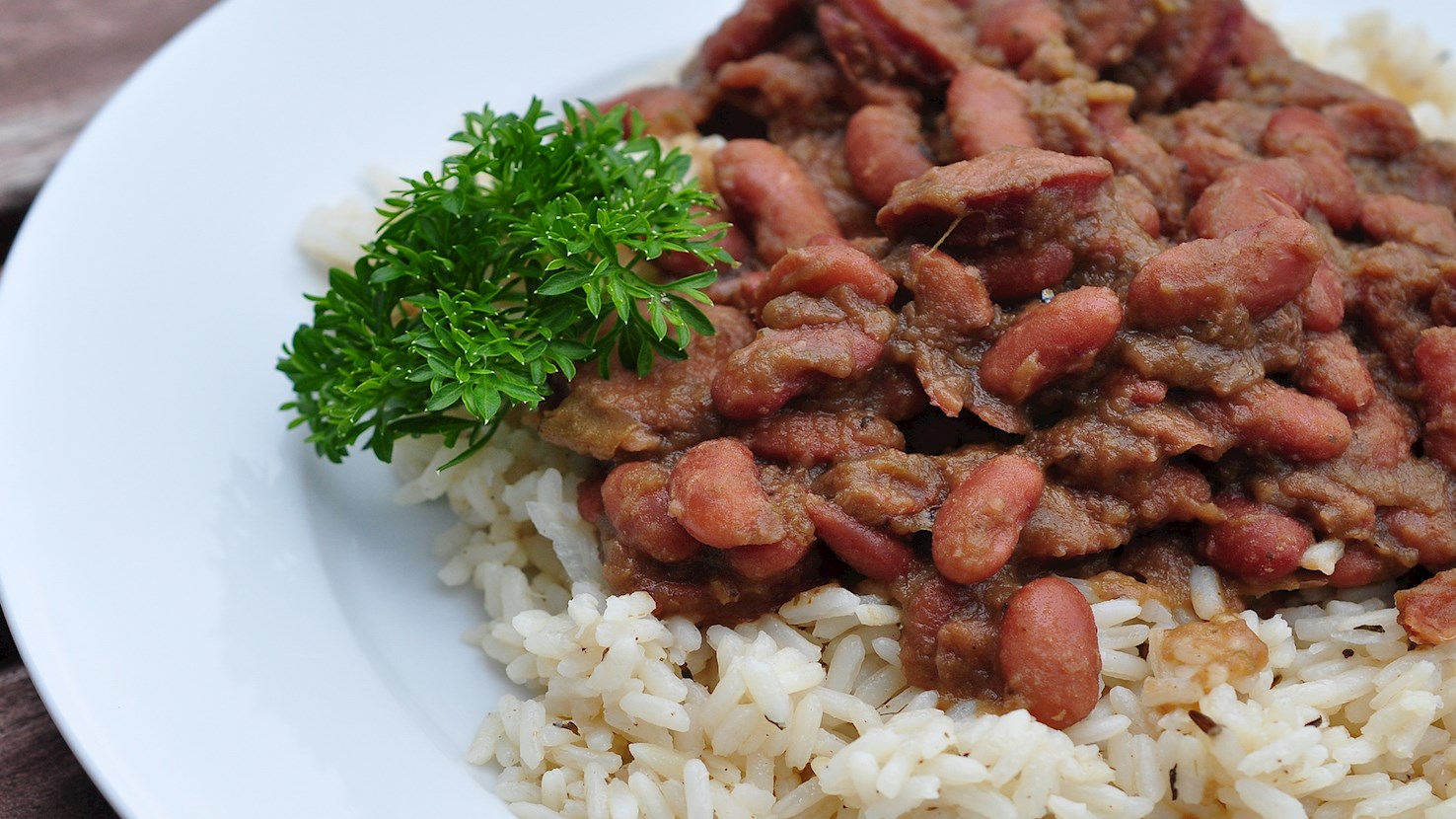
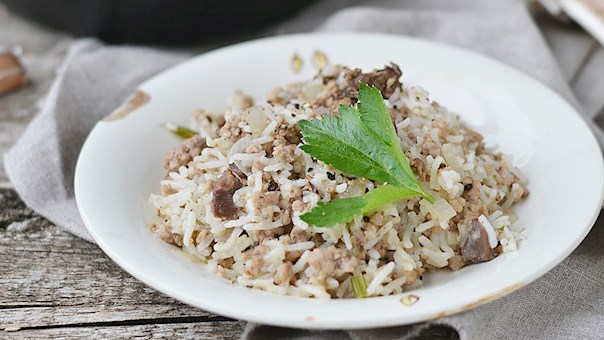
Louisiana's comfort food is nicely represented in red beans and rice, a dish that is traditionally prepared on Mondays, with the aroma of red beans drifting through the neighborhoods. The dish originates from the New Orleans Creole kitchens of the 1700s and the 1800s. The beans are typically cooked over low heat throughout the day, with additions such as ham hock and Andouille sausage. When served, the beans are spooned over hot rice, and the whole thing is often spiced up with some hot sauce.
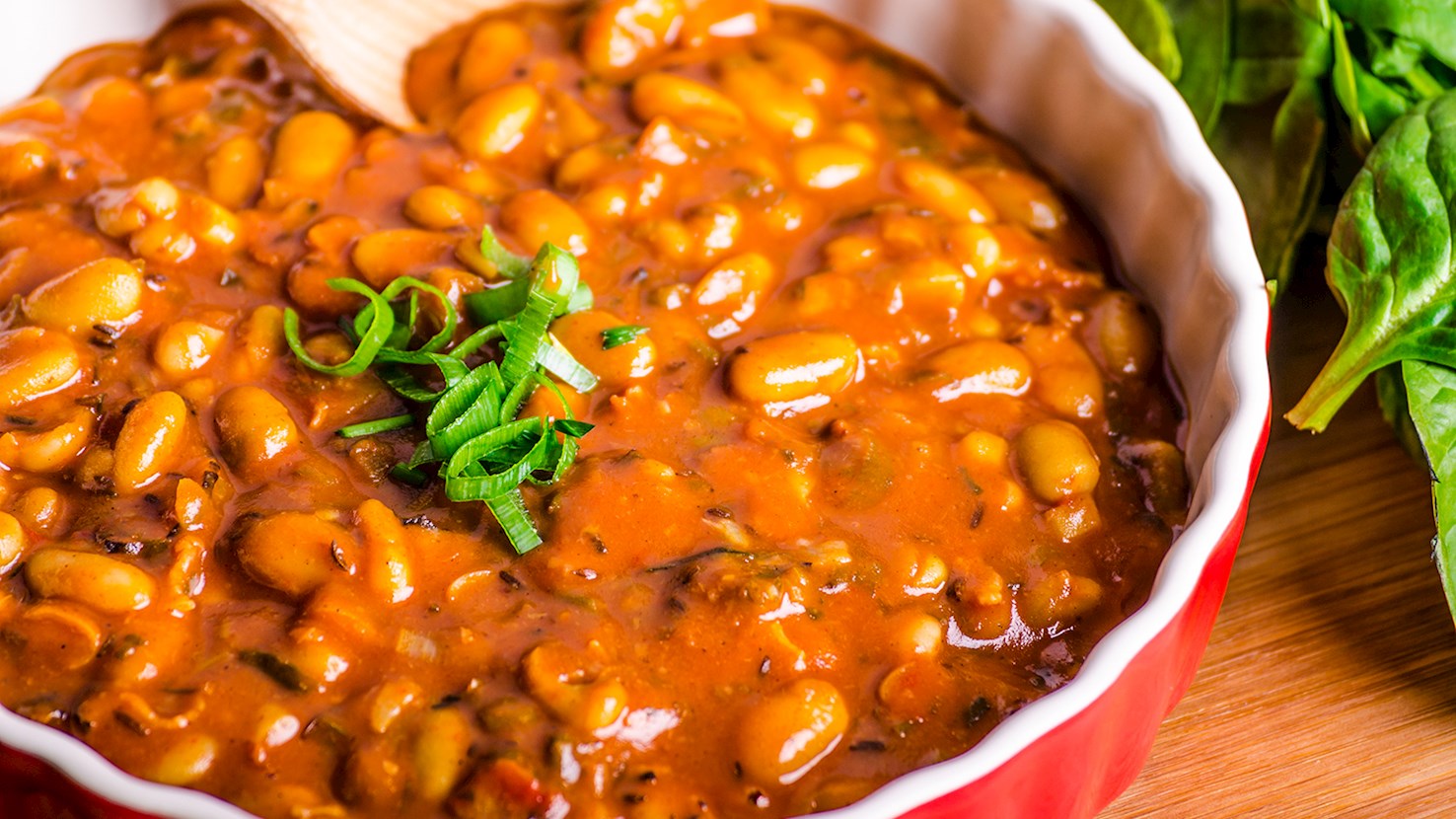
Cowboy beans or chuckwagon beans is a traditional dish with unknown origins. However, it is especially popular in the American Southwest and a staple of Texan cuisine. The dish is usually made with a combination of pinto beans (alternatively: red kidney beans, black beans, or white navy beans), ground beef, smoked meat, and a sweet and tangy sauce made with different ingredients such as barbecue sauce, brown sugar, ketchup, garlic, onions, or Worcestershire sauce. Cowboy beans are a staple at parties, barbecues, and potlucks in the region. Interestingly, the dish can be seen in Mel Brooks' famous Western parody Blazing Saddles (1974).
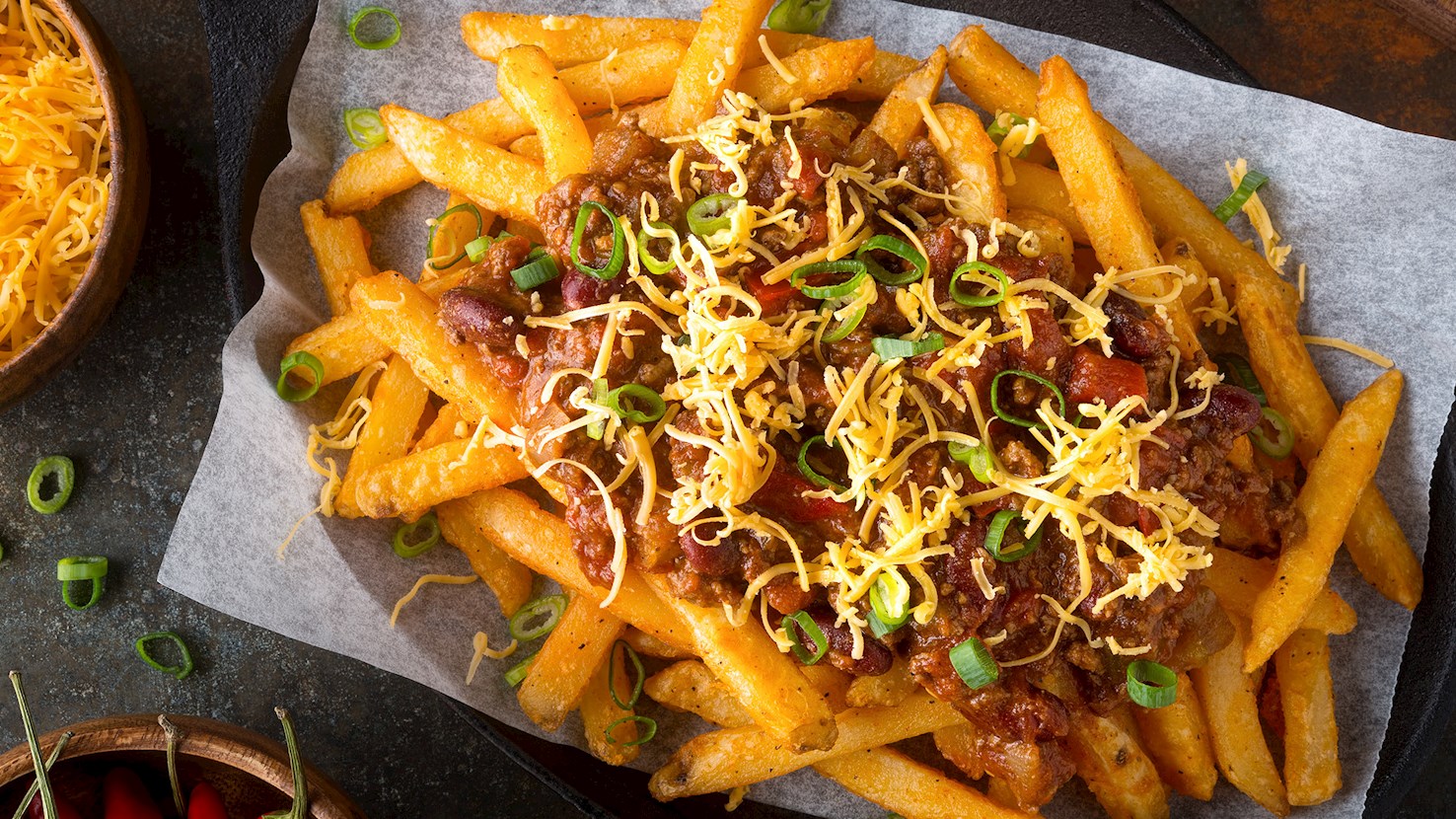
Chili cheese fries is an American dish with elusive origins. The dish consists of french fries that are topped with chili and grated cheese. There are many origin stories connected with chili cheese fries, although none of them can be 100% confirmed. Texans claim that a 16-year-old Don A. Jenkins invented the dish when he was eating lunch at the local Dairy Queen in Tomball, Texas. In Michigan, it is believed that the dish was invented by two local waitresses who simply combined the ingredients. There are similar stories in New York, Philadelphia, Chicago, and Missouri, but all that is known is that chili cheese fries could be bought in frozen form as early as 1975.
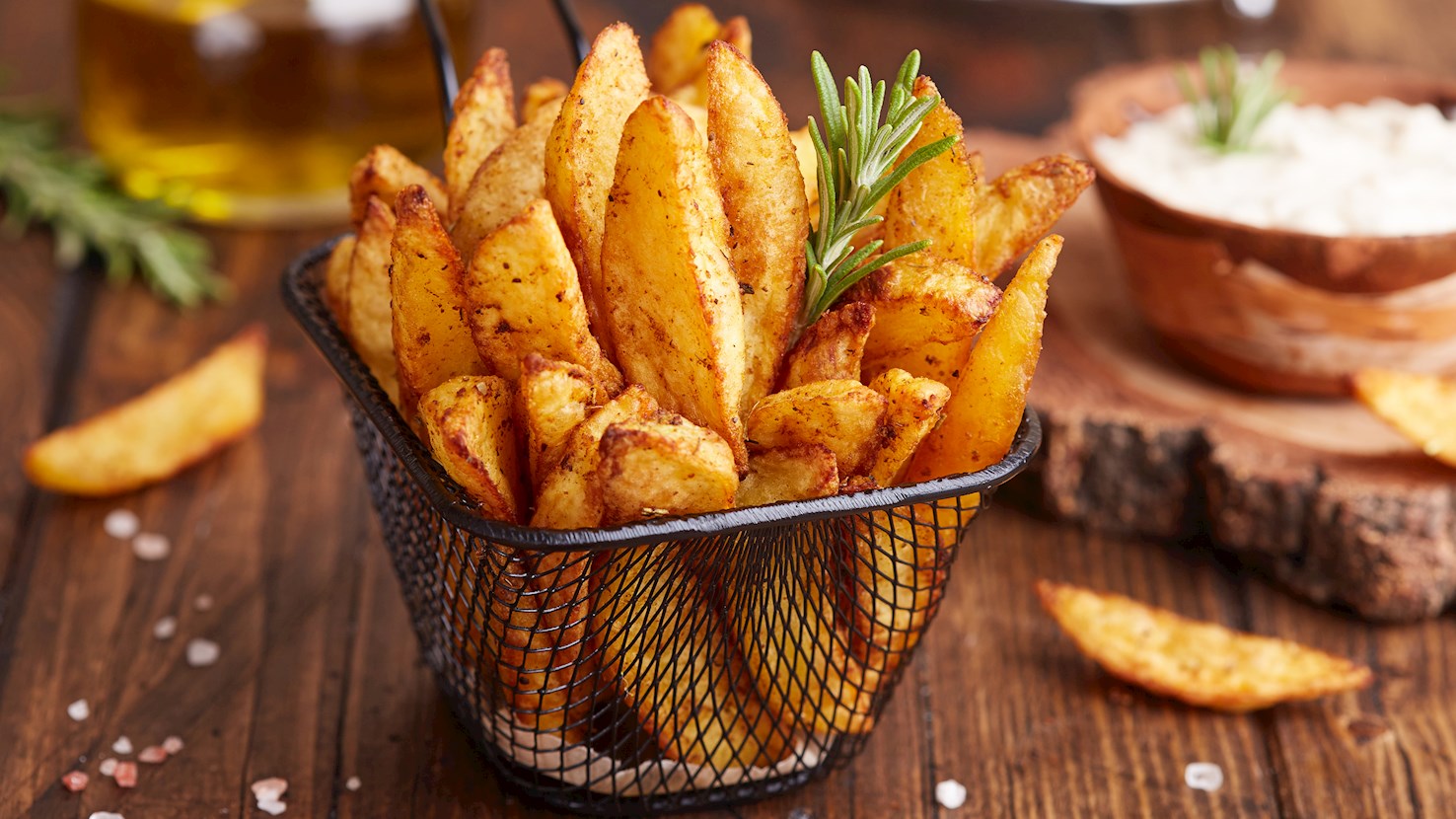
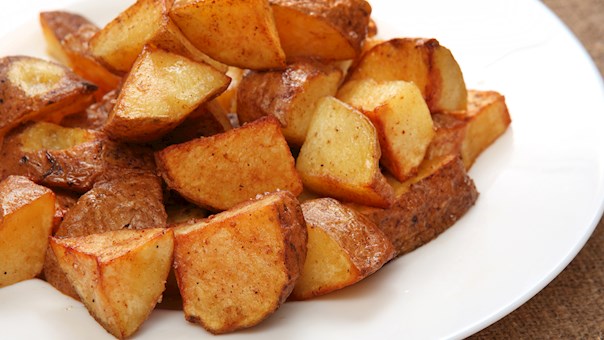
Jo Jo potatoes is a traditional dish that's a staple in roadside eateries across the Pacific Northwest. Although there are many variatons, the dish is usually made with a combination of potatoes, breadcrumbs, salt, cayenne pepper, garlic powder, thyme, mustard, paprika, and oil. The potatoes are cut into wedges, gently heated, drizzled with oil and stirred. The breadcrumbs are mixed with paprika, mustard, salt, garlic powder, cayenne, and thyme. The potatoes are dredged in the mixture and baked or pressure-fried until golden brown and crisp. Jo Jo potatoes are served immediately, ideally with Ranch dressing on the side.
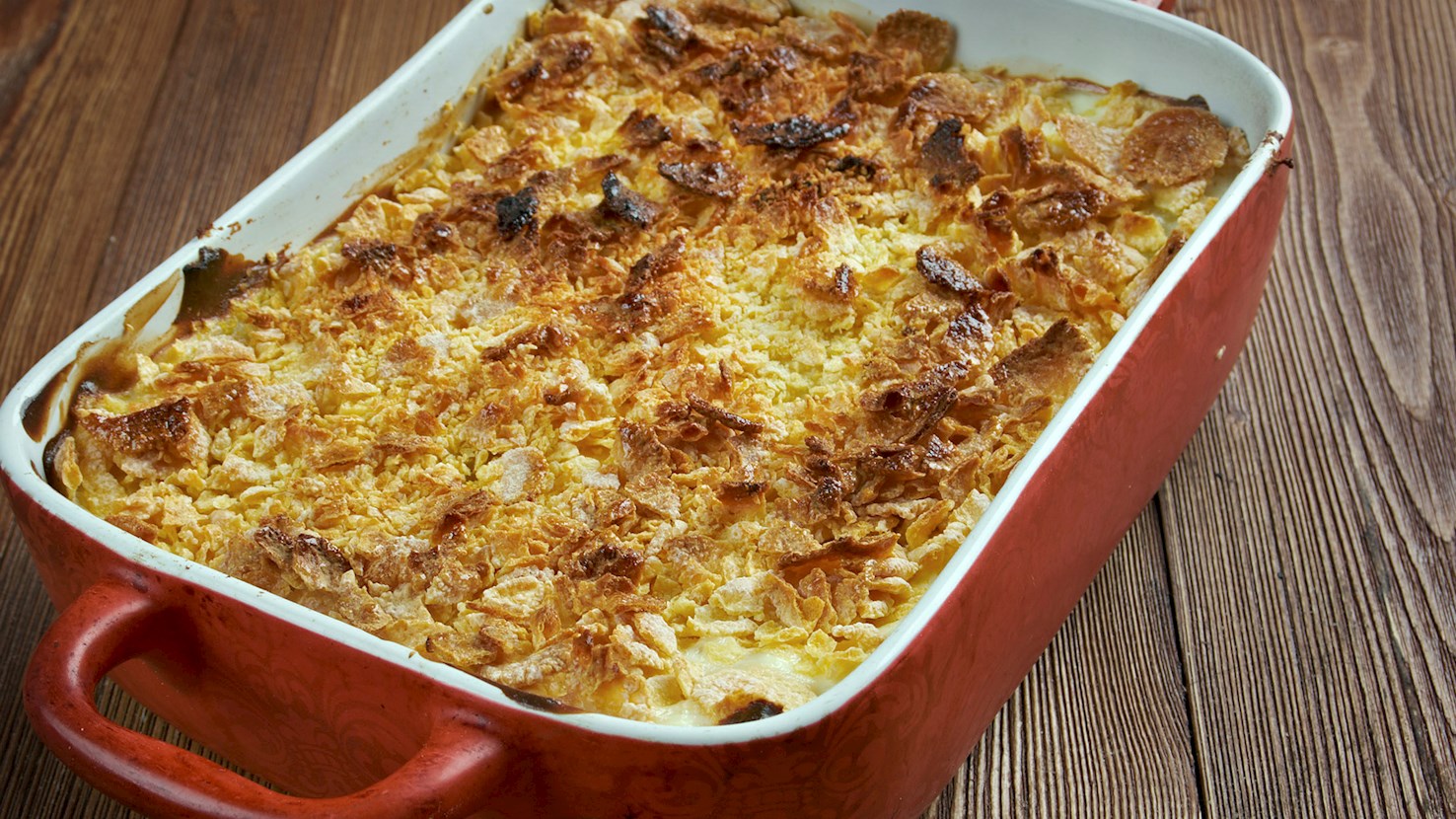
Contrary to its name, funeral potatoes are the ultimate comfort food, a cheesy au gratin potato casserole that is synonymous with the state of Utah and The Church of Jesus Christ of Latter-Day Saints. It consists of cubed potatoes, cheese, onions, cream soup or sauce, sour cream, and a topping of butter and cornflakes or crushed potato chips. The dish is commonly prepared by the members of the Church to comfort grieving relatives after a loved one's funeral, so it is not just an ordinary dish, but also a sign of care, love, and compassion. Although funeral potatoes started as a dish intended for funerals, today it is a common side dish that can be served at any time. It is best accompanied by ham, pastry rolls, and salads with ranch dressing.
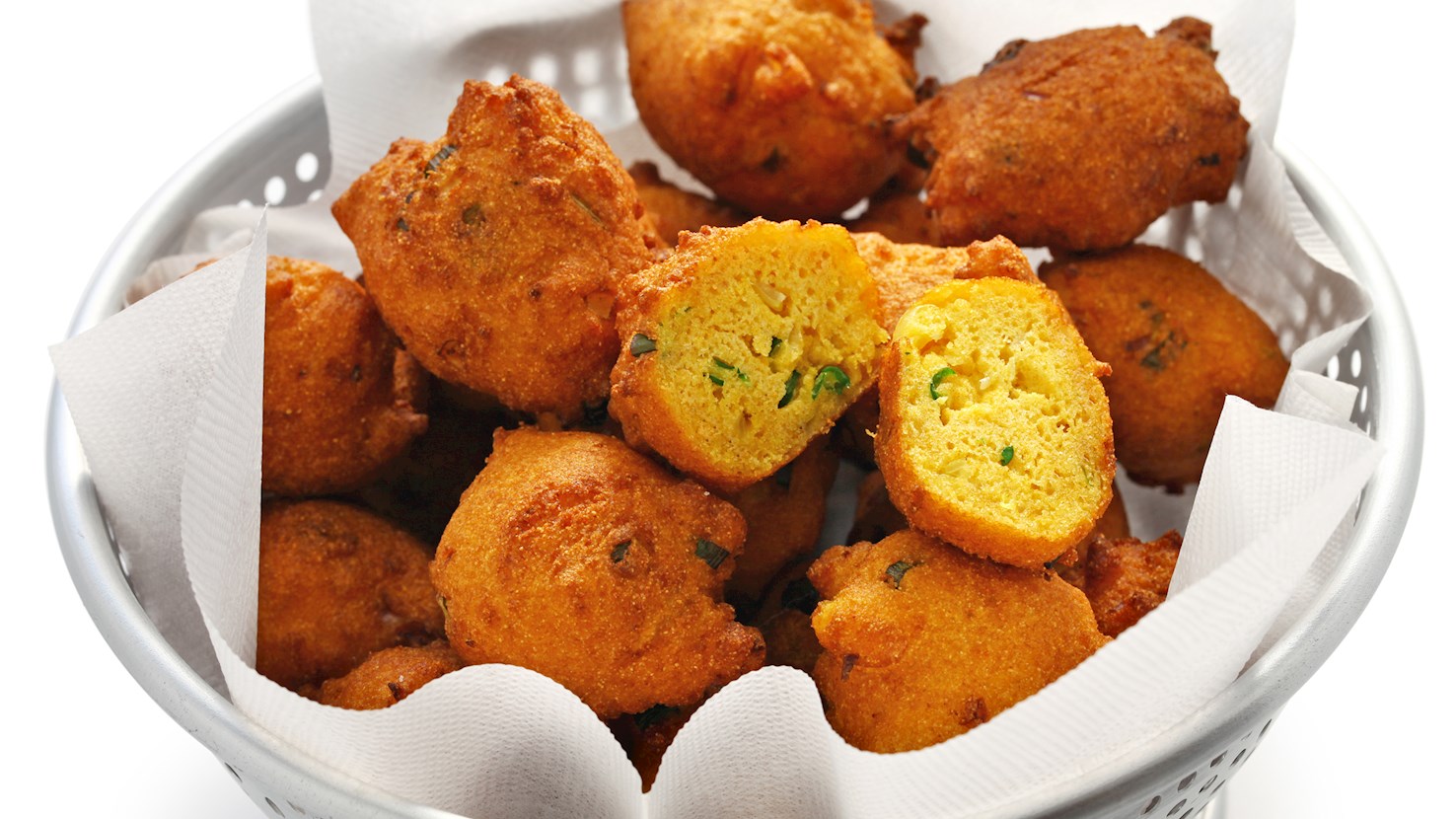
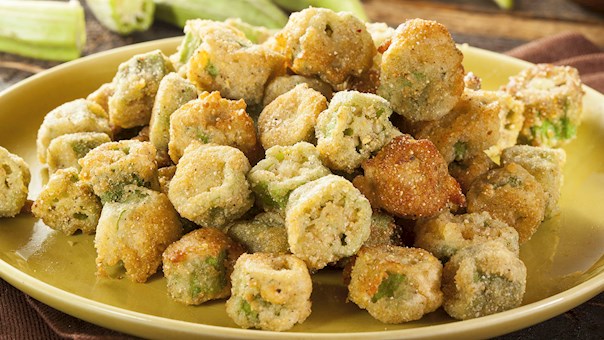
A staple of Southern fried food in the United States, hushpuppies are an extremely popular snack consisting of deep-fried cornmeal batter. The batter is sometimes enriched by the addition of onions, garlic, corn, and peppers. Regarding the origins of the dish, there are as many theories about it as there are recipes for the hushpuppies. One of the most popular theories states that hunters and fishermen would feed the fried cornmeal to their dogs and command them to "hush, puppies", so the dogs would not disturb their prey. Another, similar theory states that Confederate soldiers would also feed it to their dogs so that the enemy soldiers wouldn't hear the dogs' barking. Hushpuppies are best when served steaming hot with tartar sauce or a smoked trout dip, while some claim that a glass of crisp sparkling wine proves to be the best accompaniment.
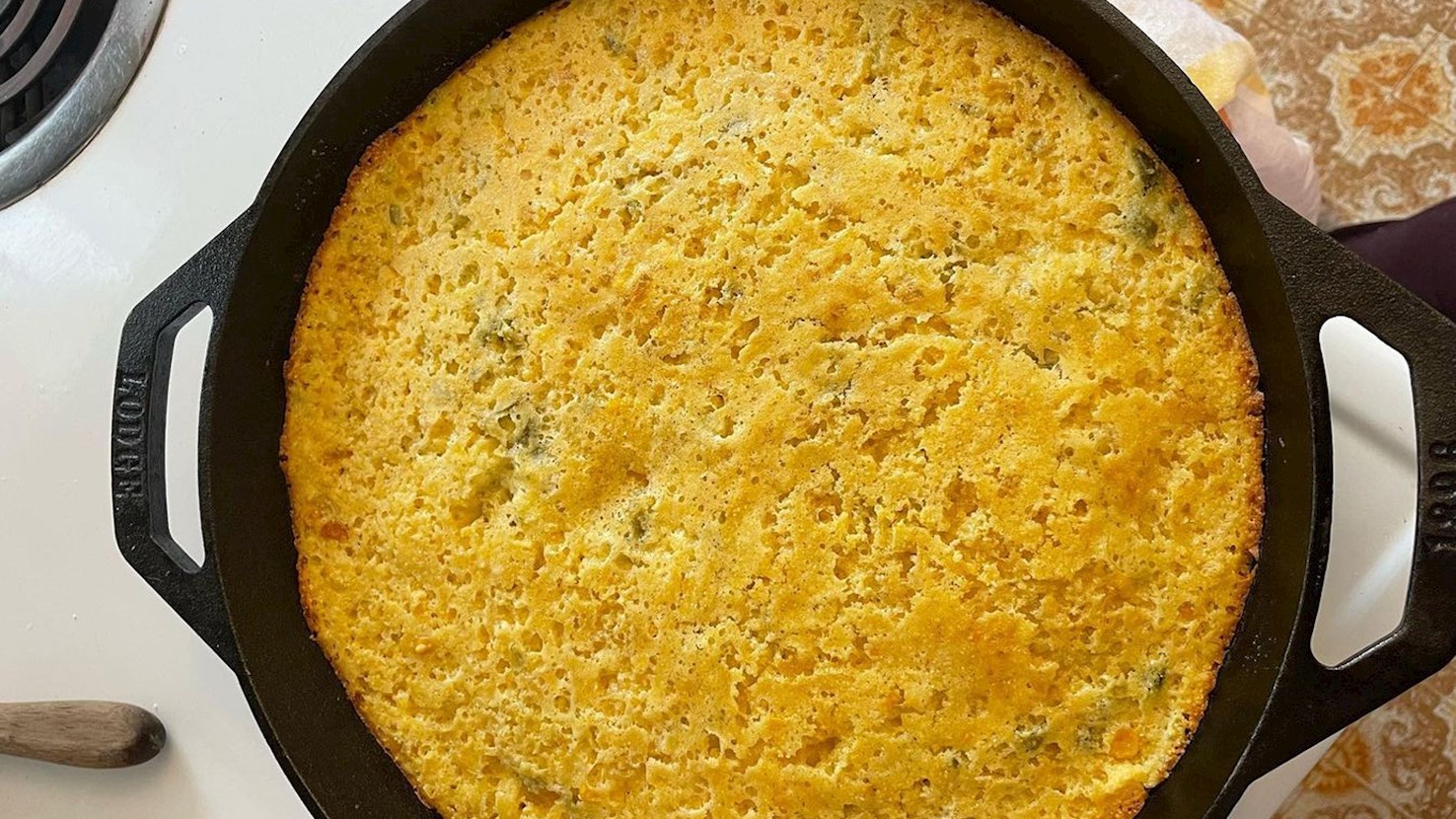
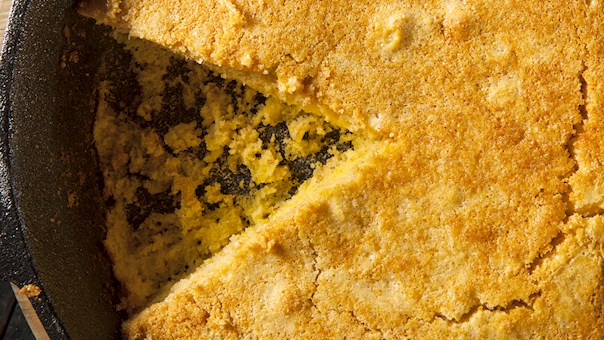
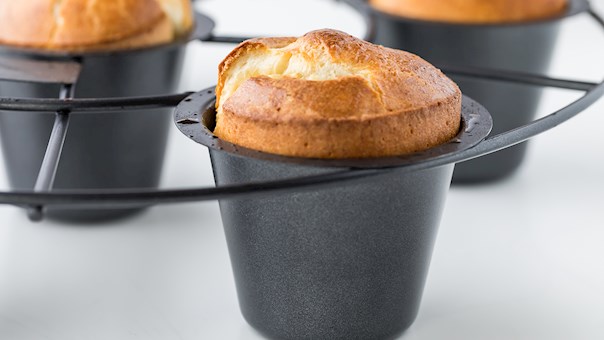
Spoonbread is a dish that is popular throughout the American South, usually consisting of ground cornmeal, milk, butter, and eggs. The whole thing is flavored with salt and sugar, then baked in an oven like a pudding. It is often served as a side dish, sometimes accompanied by gravy or various sauces. The name spoonbread is derived from the fact that the dish is typically scooped from the baking vessel by using a big spoon. It can additionally be enriched with cheese and vegetables in order to have more flavor. Regarding spoonbread's origins, Sarah Routledge links it to Native Americans in her 1847 cookbook called The Carolina Housewife, Jeff Smith says that Virginia spoonbread was a staple during the Revolutionary War in his 1987 book The Frugal Gourmet Cooks American, while some claim that it can be traced to an Indian porridge known as suppone or suppawn. Regardless of the origins, spoonbread is nowadays celebrated annually in Berea, Kentucky at the Spoonbread Festival that has been held every September since 1997.
TasteAtlas food rankings are based on the ratings of the TasteAtlas audience, with a series of mechanisms that recognize real users and that ignore bot,
nationalist or local patriotic ratings, and give additional value to the ratings of users that the system recognizes as knowledgeable.
For the “Top 42 American Side Dishes” list until September 15, 2026, 3,737 ratings were recorded, of which 3,549 were recognized by the system as legitimate.
TasteAtlas Rankings should not be seen as the final global conclusion about food. Their purpose is to promote excellent local foods,
instill pride in traditional dishes, and arouse curiosity about dishes you haven’t tried.



What People Say