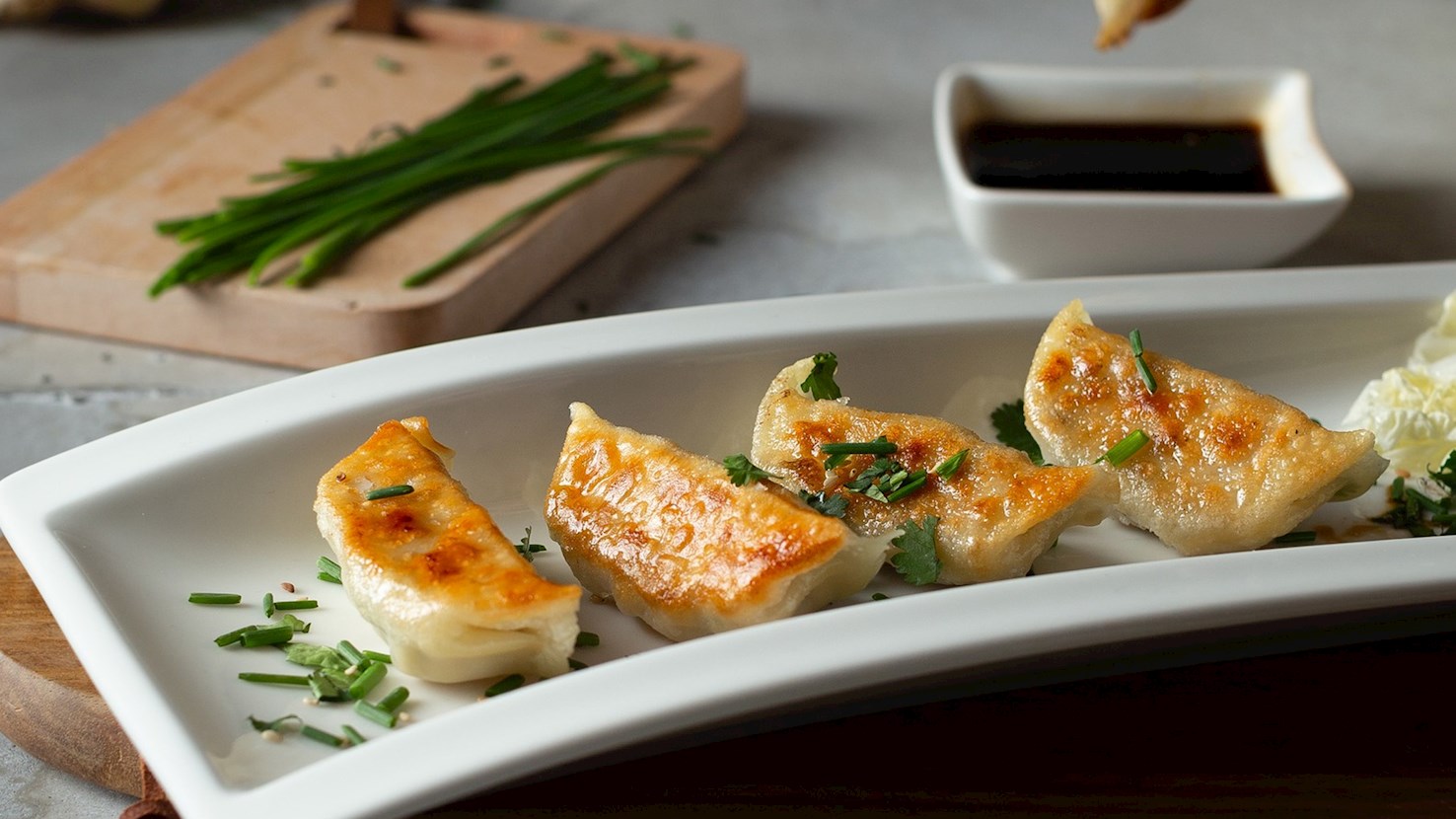
The pan-fried variety of the Chinese jiaozi dumpling, known as guotie, is a Northern Chinese dumpling typically filled with minced pork, Chinese cabbage, scallions, ginger, rice wine, and sesame seed oil. Crunchy and soft textures are achieved by a special method of preparing; while the bottom of the dumpling is frying, a small amount of liquid is added to the pan which is then covered, thus allowing the rest of the dumpling and the filling to steam. When it comes to the shape, guotie should always be long and straight as it can stand more easily and it does not fall over during cooking. Goutie can be literally translated as pot sticks, so these dumplings are often nicknamed potstickers, especially in North America. Although the first-known mention of goutie dates back to the Song Dynasty, today they are a popular street food, often eaten as a snack or an appetizer, typically accompanied by a dipping sauce.
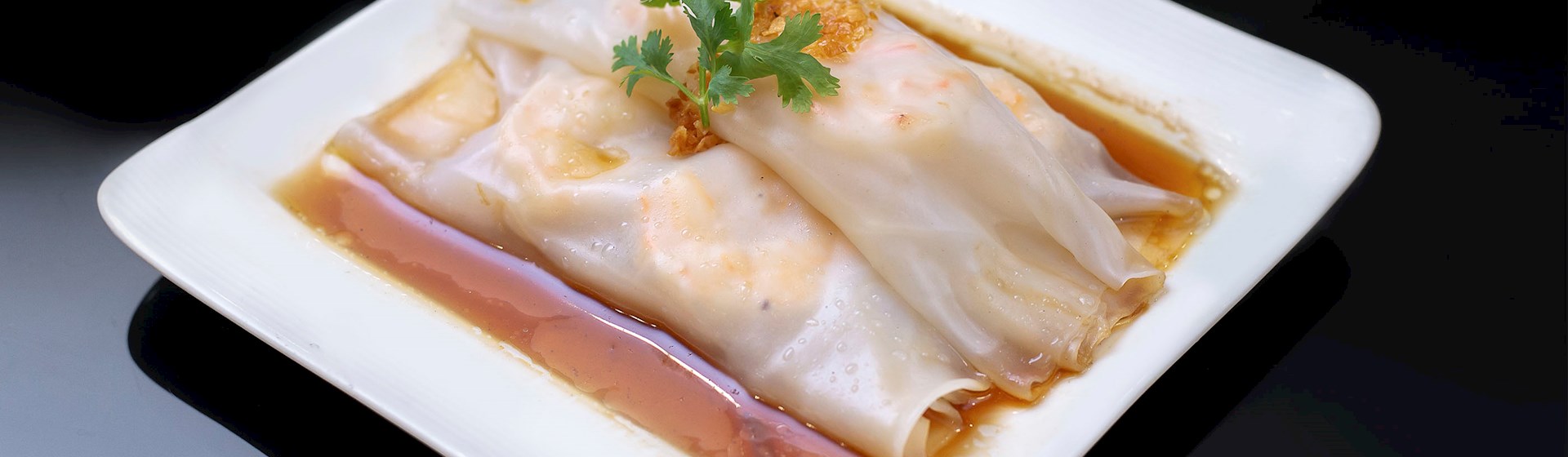
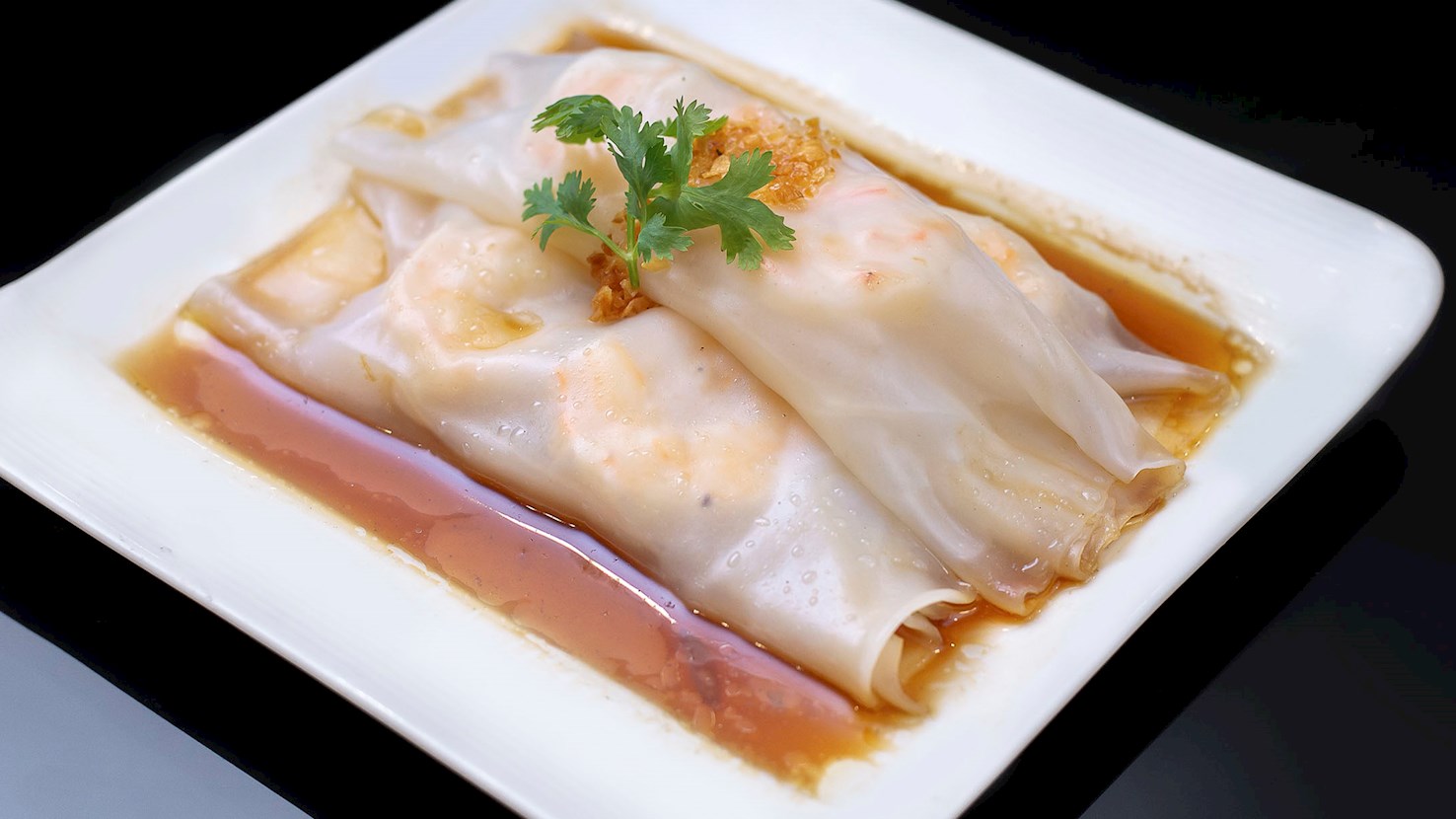
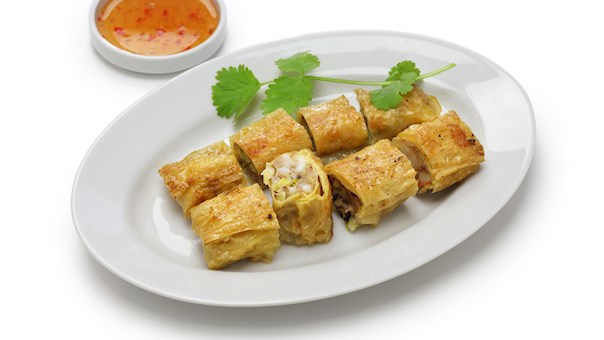
A typical Cantonese dish originating from the southern parts of China (including Hong Kong) known as rice noodle roll is a small roll prepared with a wide strip of rice milk that is usually filled with vegetables, beef, pork, or shrimp. The dish can also be made without any fillings, when it's commonly known as chee cheong fun, literally translated to pig intestine noodle, due to the fact that the noodle is rolled tightly, resembling the small intestine of a pig. Rice noodle roll is usually served either as a variety of the popular dim sum or as a snack, and it is common to pour some sweet soy sauce over it prior to serving. Because it is a popular snack in China, regional varieties are not uncommon, so in Cantonese cuisine, it is often prepared as dim sum, in Vietnamese cuisine it's mostly eaten for breakfast, and in Southeast Asian cuisine, it is served in two versions - dry or wet, accompanied by a sweet black sauce called timzheong.
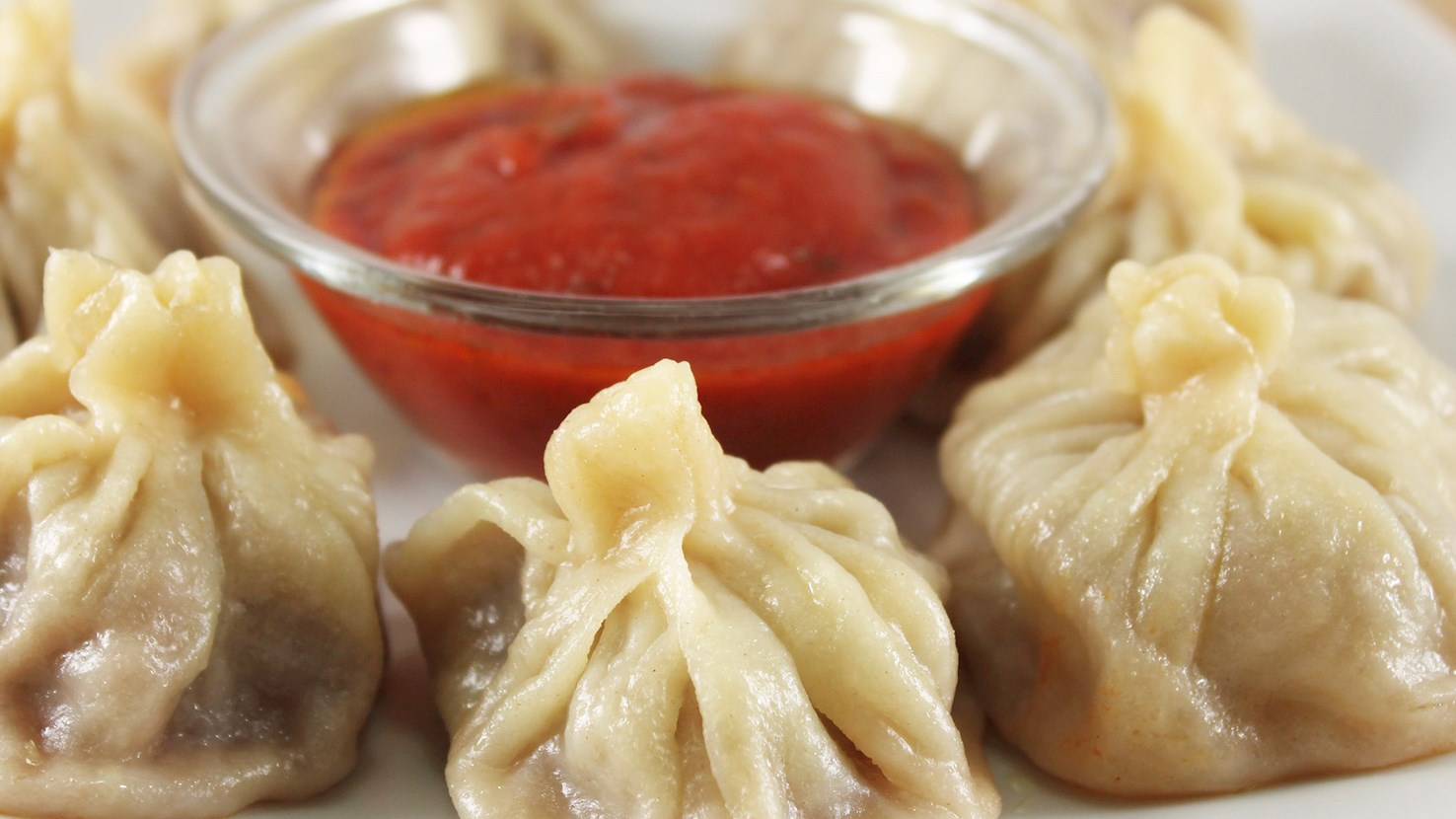
Momo dumplings were traditionally only filled with minced meat, but nowadays, the fillings have diversified to include vegetables, dairy, or a combination of both. They are native to Tibet and have been brought to the Kathmandu Valley by traveling Newar merchants, and thus Nepal, where they consider them as their own. Thanks to Tibetan diaspora, momos are also today hugely popular in India. Momo dumplings are typically steamed, but they can also be fried. They are usually shaped either into purses or into half-moons (other shapes also exist). The best-known varieties include buff momos made with water buffalo meat, sha momos made with beef or yak meat, and khasi momos with lamb or mutton filling, while both jhol momos and C-momos come served in a spicy, hot sauce. Other noted types of momo dumplings include open momos, tarkari momos that have a vegetable filling, potato-filled momos, and cheese-filled momos. These dumplings are very versatile and can be eaten either as a snack or an appetizer. However, they are typically served as a main course with a dipping sauce on the side.
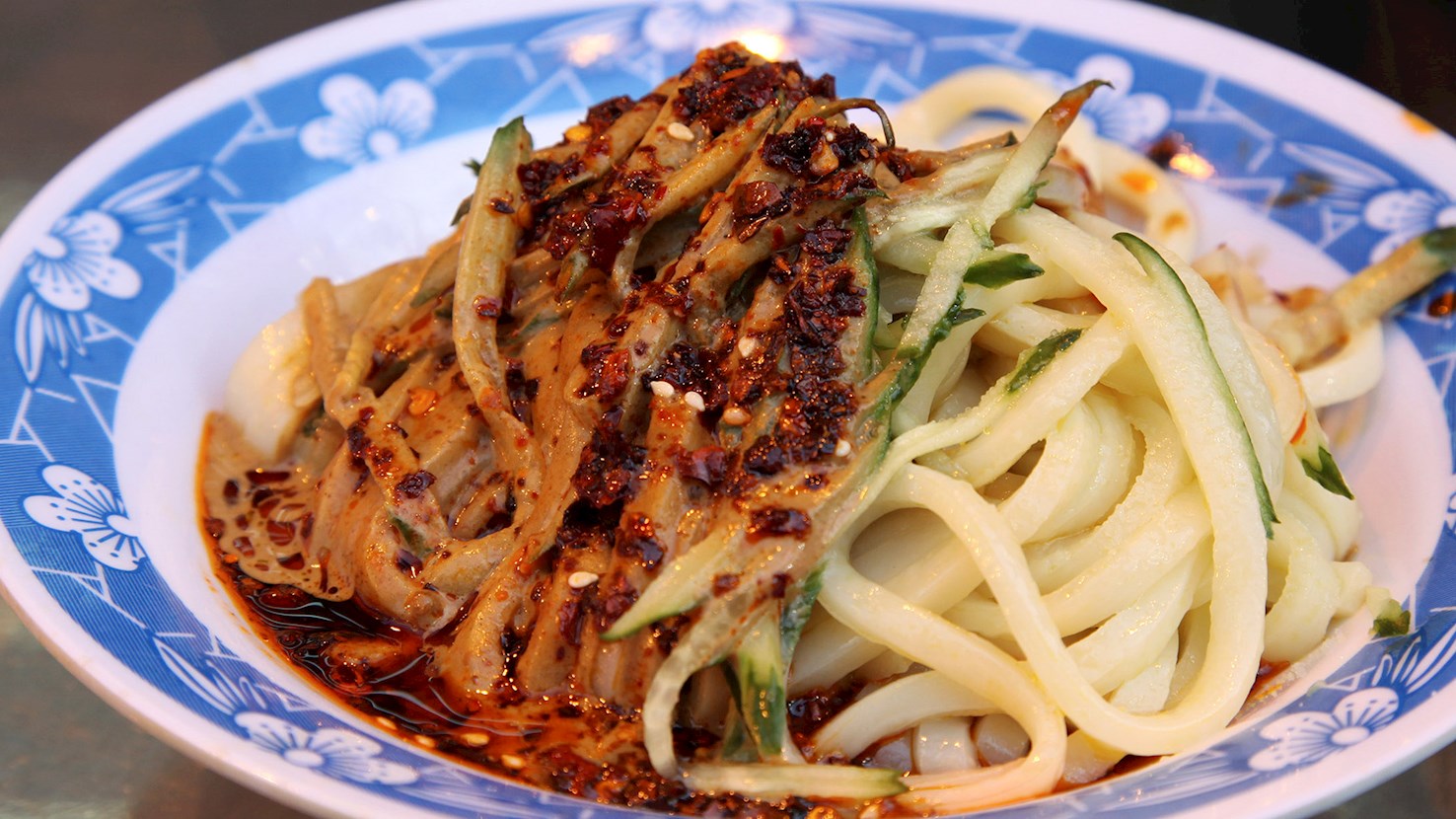
Liangpi is a noodle dish that originated in China's Shaanxi province. To prepare the dish, noodles that are made from either wheat flour, rice flour, or a combination of both are dressed with soy sauce, chili oil, and vinegar, while typical garnishing includes thinly sliced strips of cucumber, bean sprouts, and cilantro. The meaning of the name when translated is cold skin, referring to the chewy, thick, and translucent texture and appearance of the noodles, while their genesis, according to a folk tale, happened during the Qing Dynasty. Depending on what ingredients are used, several variations of the dish exist; liangpi from the city of Hanzhong is prepared with steamed garlic and hot chili oil, maijang liangpi is named after the black sesame paste that's used in the sauce, and shan xin gan mianpi is garnished with wheat gluten, mashed garlic, and bean sprouts in a sauce made with vinegar, chili oil, and salt. Liangpi is eaten cold, often as a snack, all year round.
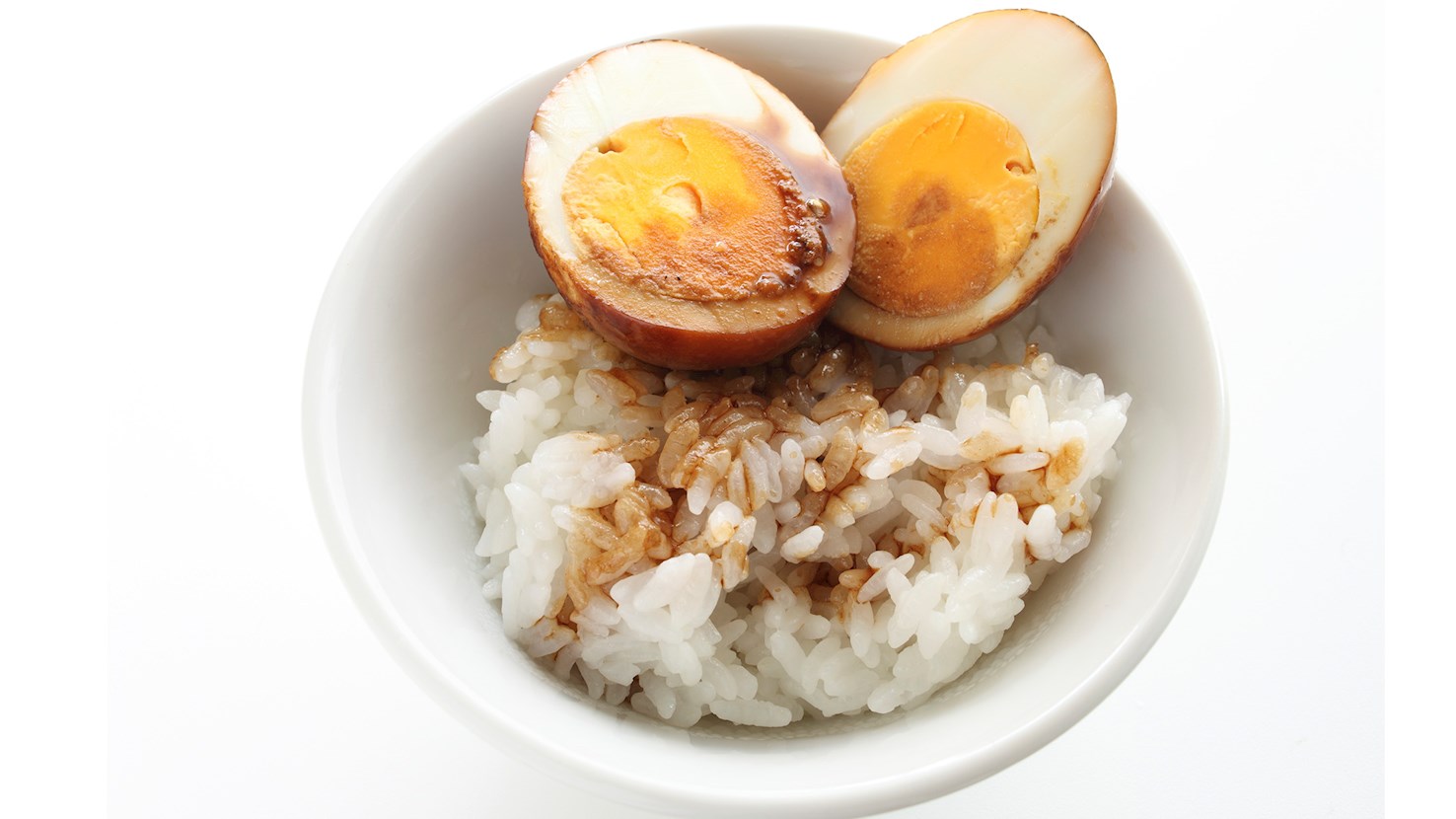
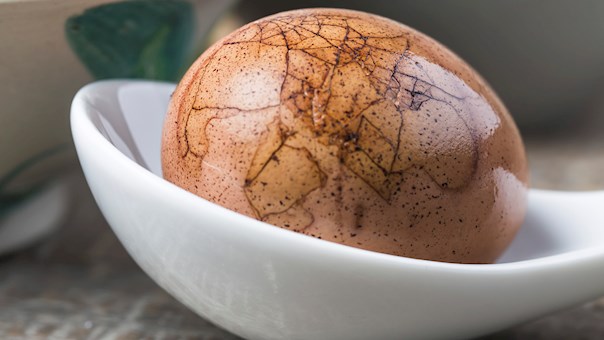
Delicately flavored soy eggs are a simple and versatile Chinese invention. Boiled and peeled eggs are submerged in the soy sauce mixture and left for a couple of hours until the salty flavors penetrate, infuse, and color the outer layer of the egg. The simplest marinade includes a combination of soy sauce, spices and other ingredients that might include typical and authentic ingredients such as scallions, sliced ginger, chili peppers, or garlic. The marinade can be boiled or simply mixed, and eggs should not be left in it for too long, as the flavors would become overpowering. When cooking soy eggs, the key is not to overcook them. The yolk should be left soft, almost like a silky custard, and slightly runny in the center. Soy sauce eggs are best known as a topping served alongside hearty ramen dishes, but they also represent a quick and satisfying snack and are commonly eaten as an accompaniment to different alcoholic beverages. Since their taste is not overpowering, they make an excellent breakfast choice and a nutritious addition to various salads and rice dishes.
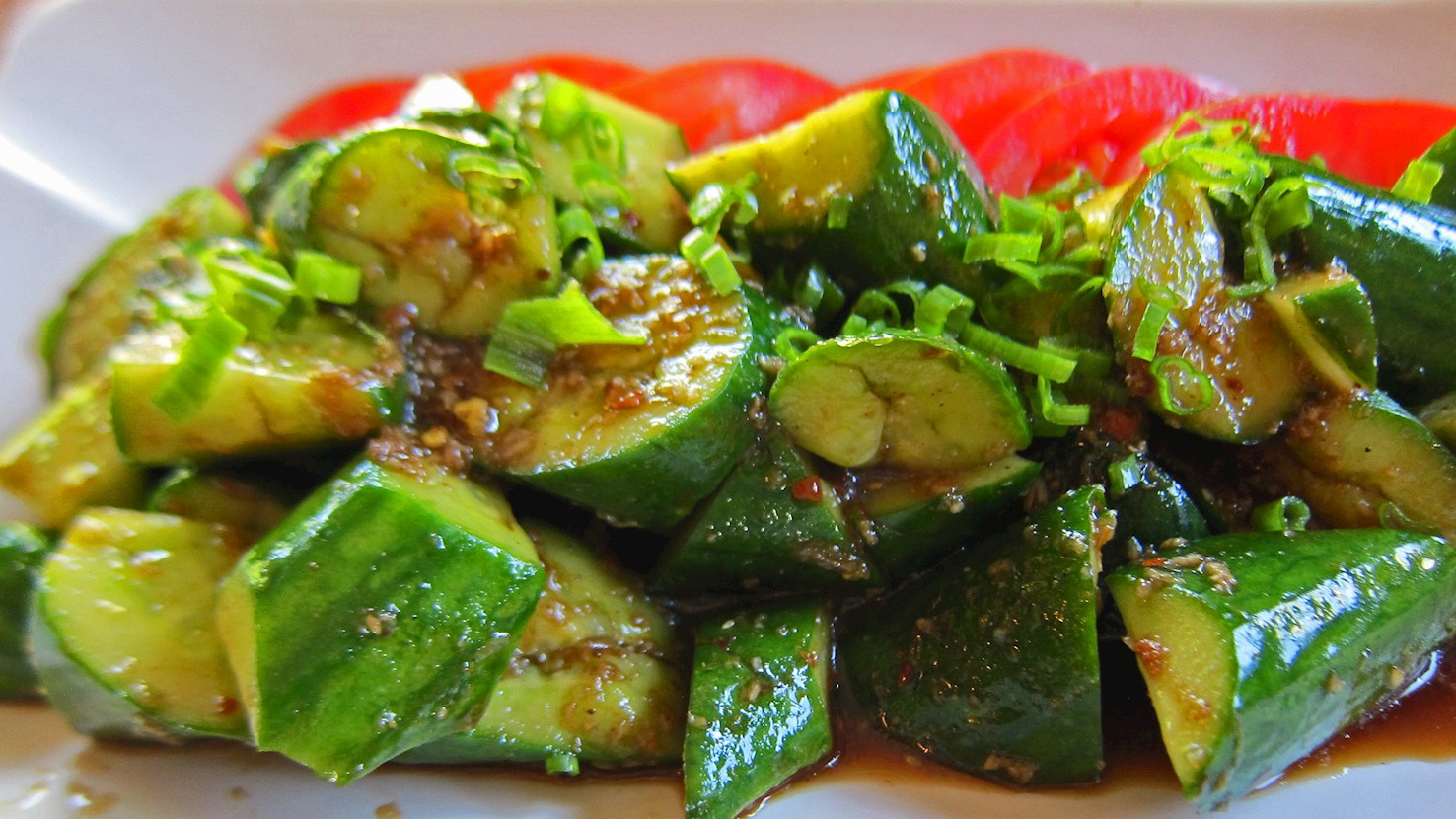
Smacked cucumber is a traditional Asian dish that’s especially popular in Tibet as a snack for picnicking. The dish is usually made with a combination of cucumbers, garlic, sesame oil, black vinegar, and soy sauce. The cucumber is peeled and smacked with a rolling pin so that it’s bruised and starting to break apart. It’s sliced into chunks and mixed with the rest of the ingredients. The ingredients are tossed well and then served on a large plate. The cucumber is smacked because it will absorb the flavors of garlic, oil, vinegar, and soy sauce even better and it will have a more intense flavor.
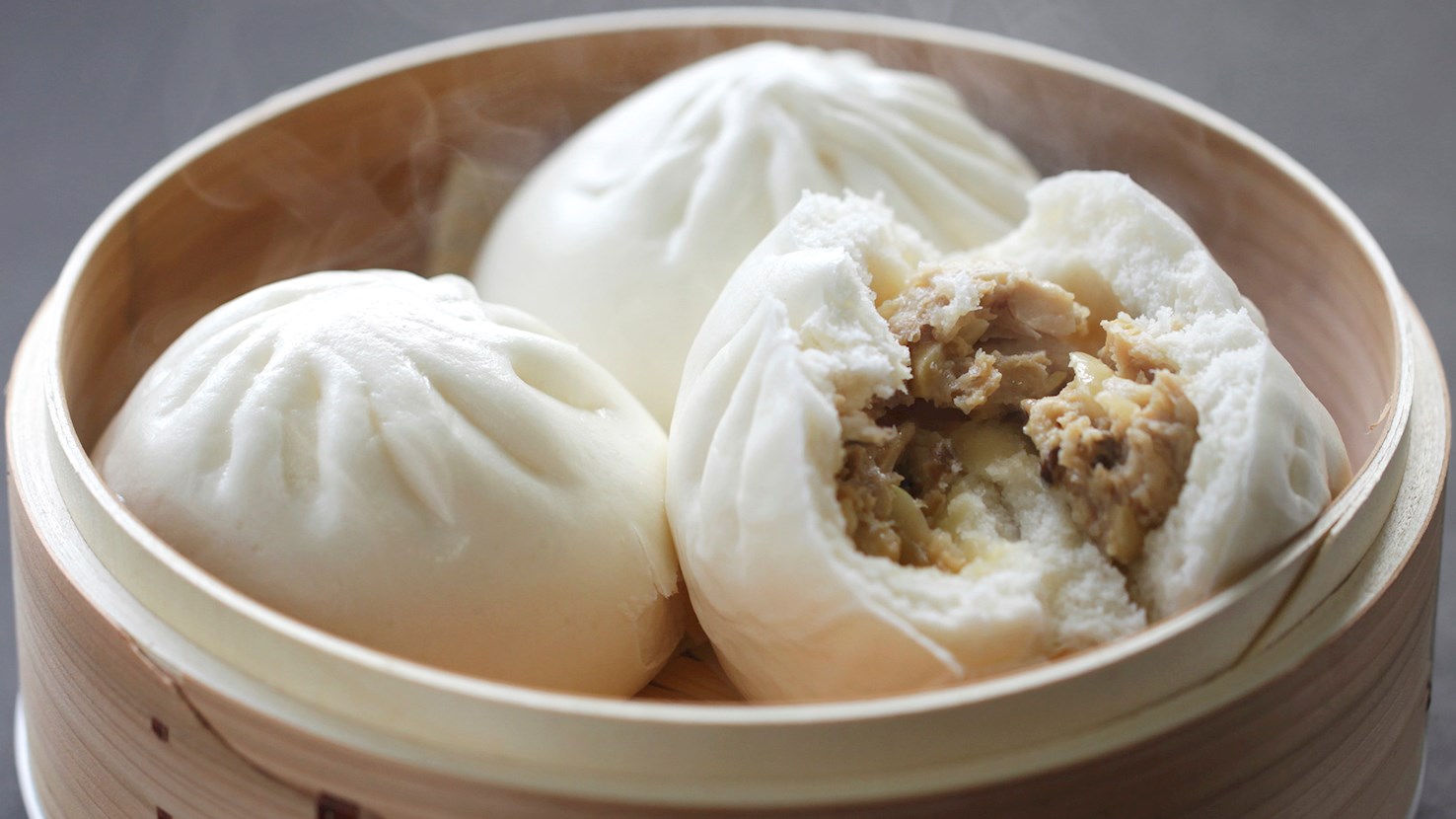
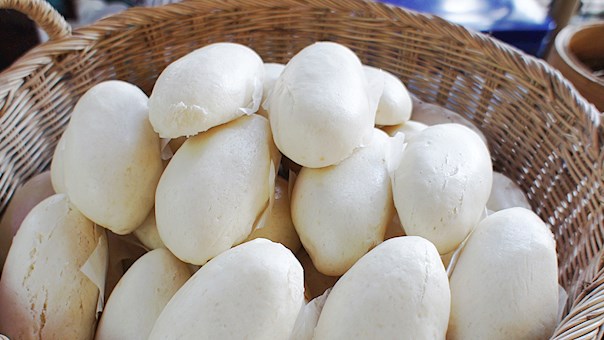
Big pao is a variety of baozi, the famous Chinese steamed buns. Consisting of a soft delicate bun and a delicious savory filling, they are similar to other steamed bun types, but are usually larger in size. The pastry is made with yeasted dough, which develops a tender, springy texture when steamed. The filling is usually a delicious mixture of minced meat, mainly pork or chicken, shiitake mushrooms, and green onions, all doused in a fragrant sauce infused with soy sauce, oyster sauce, and sesame oil. Some versions might include Chinese sausage, while quarters of hard-boiled eggs are a welcome addition, usually positioned inside or on top of the meat filling. Big pao buns are typically served as an afternoon snack or a hearty breakfast. They are mainly prepared at home or eaten as a takeaway meal, and similar varieties can be found in Hong Kong, Singapore, Malaysia, Indonesia, and Taiwan.
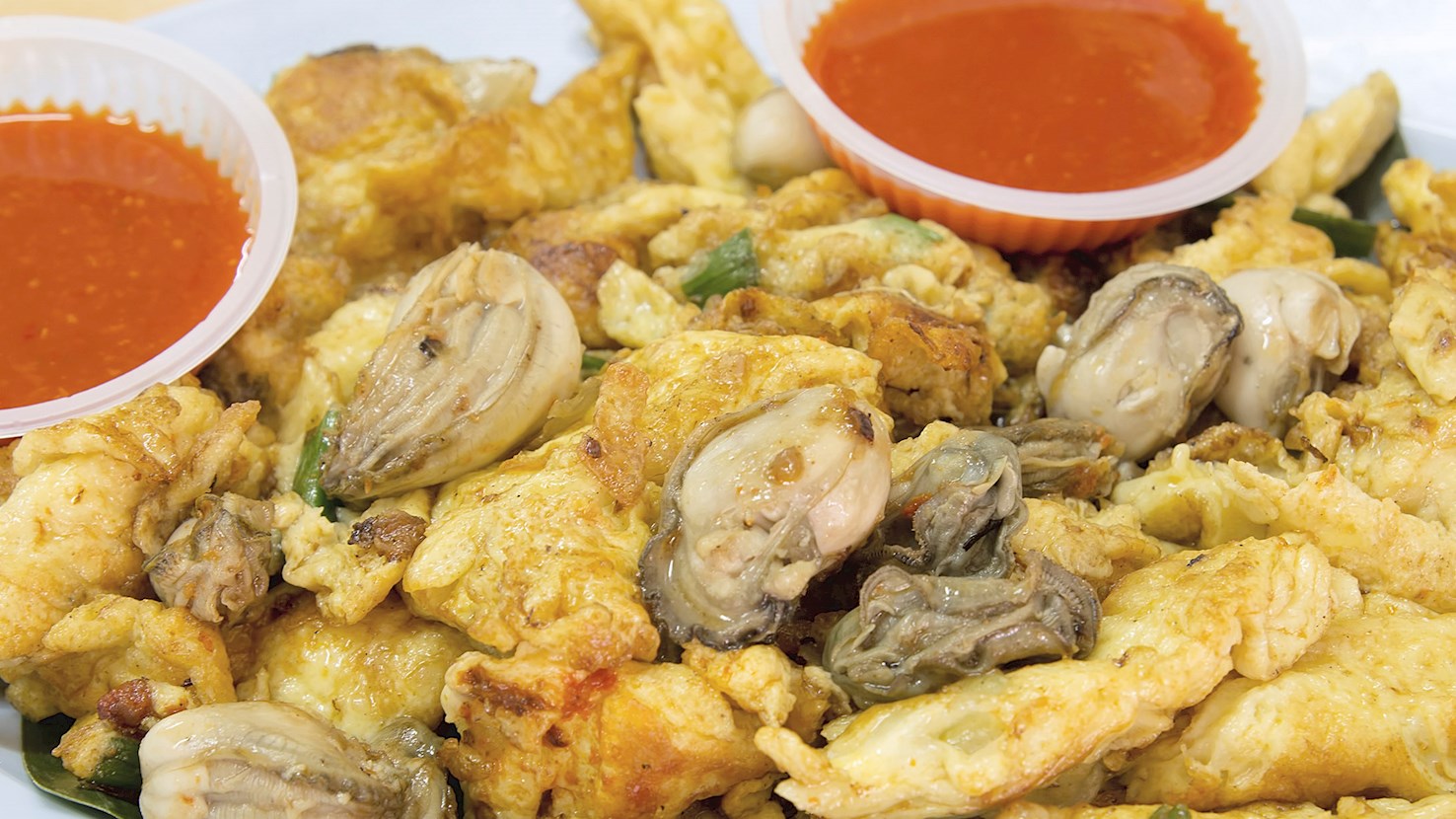
Oyster omelette is a savory egg-based dish originating in the coastal regions of southern China, particularly in Fujian and Guangdong, and it later spread across Southeast Asia, where it became a beloved staple of street food culture in places like Taiwan, Thailand, Malaysia, Singapore, and the Philippines. It combines small, fresh oysters with eggs and a starch batter, resulting in a dish that is crisp on the outside and soft within, often finished with herbs, sauces, or spicy condiments. Its roots lie in the coastal abundance of oysters and the ingenuity of cooks who sought to make use of seasonal shellfish in a satisfying and economical way. In port cities and fishing towns, oysters were plentiful but perishable, and incorporating them into quick, hot dishes allowed them to be eaten fresh while also providing nourishment and flavor to working families and laborers. The dish evolved over time, with each region adapting it to local tastes. In Fujian and Chaoshan areas, the emphasis is often on the delicate interplay of soft oysters and lightly set eggs, while in Taiwan the starch component became more prominent, forming a chewy, slightly gooey texture that contrasts with the crisp edges from the hot griddle. Thai and Malaysian versions tend to be spicier and sometimes include additional aromatics or bean sprouts for freshness and crunch. Preparation begins with a batter made of sweet potato, tapioca, or potato starch mixed with water, poured onto a hot, greased griddle or wok, and spread into a thin layer. Oysters are added on top, followed by beaten eggs, which cook quickly and bind the ingredients together. The omelette is flipped and browned until parts become crisp while the interior remains tender and moist. It is usually served hot, garnished with cilantro or scallions, and accompanied by a sweet, sour, or spicy dipping sauce, depending on the region. Today, oyster omelette is eaten both as a street snack and a restaurant dish, often associated with night markets, coastal seafood stalls, and festive occasions. It pairs well with light soups or rice porridge and is sometimes enjoyed alongside beer or tea, especially in settings where it is served as part of a shared meal.
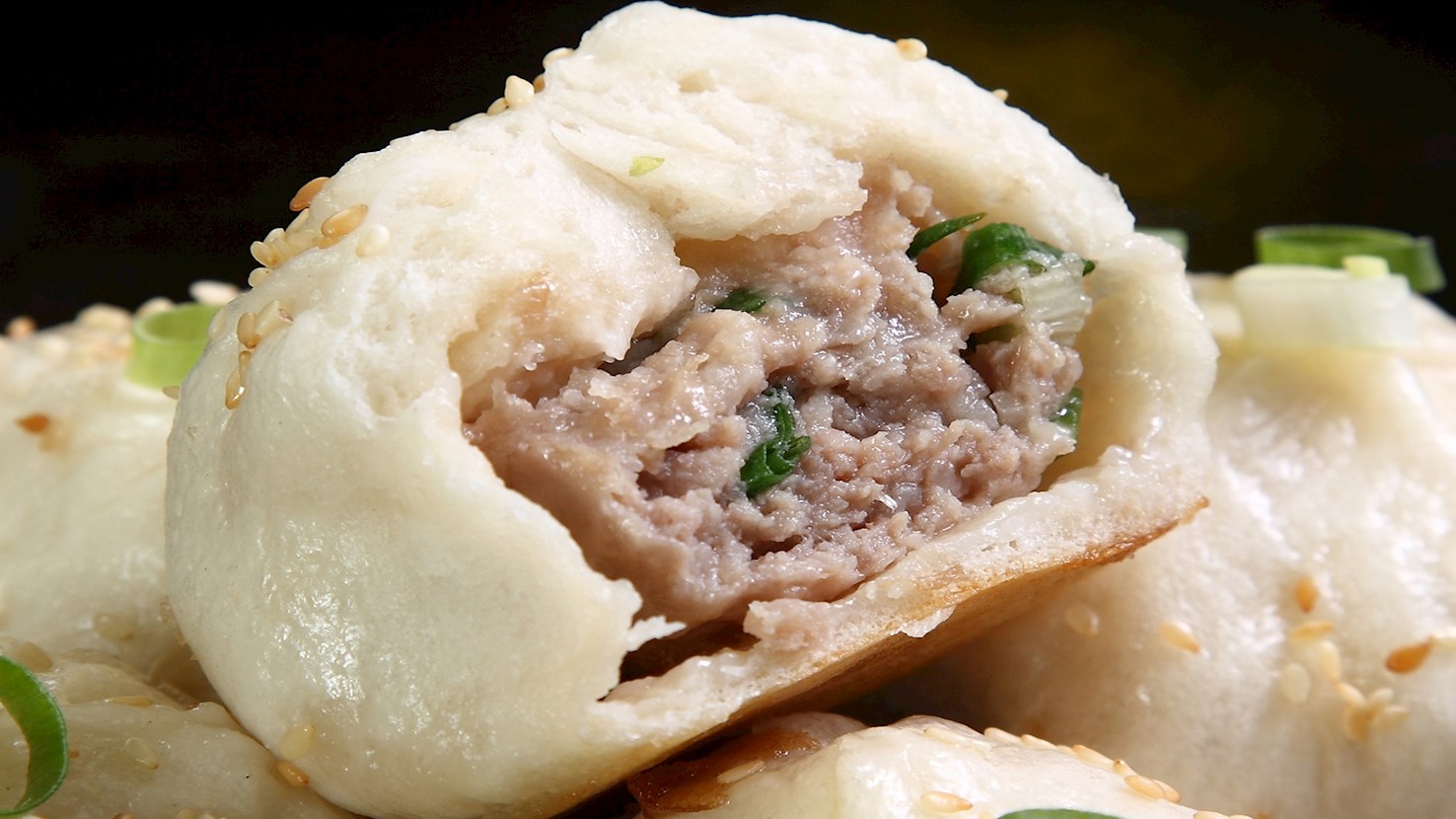
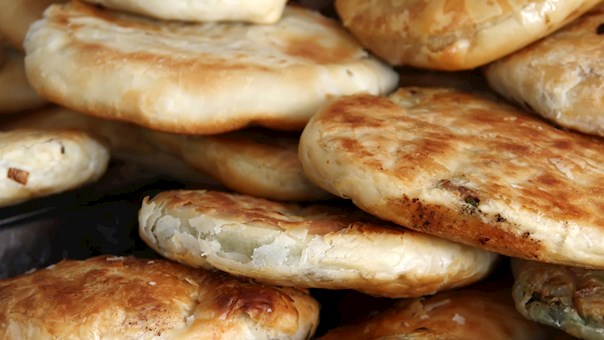
Hújiāo bǐng is a street food delicacy that is believed to have originated in Fuzhou, Fujian. This filling snack consists of a bun that is stuffed with sliced scallions and minced or finely chopped meat, preferably marinated fatty pork cuts. The buns are usually sprinkled with sesame seeds before they are baked in clay ovens. Apart from China, pepper buns are also popular in Taiwan where they are traditionally sold by street vendors of Fujian descent.
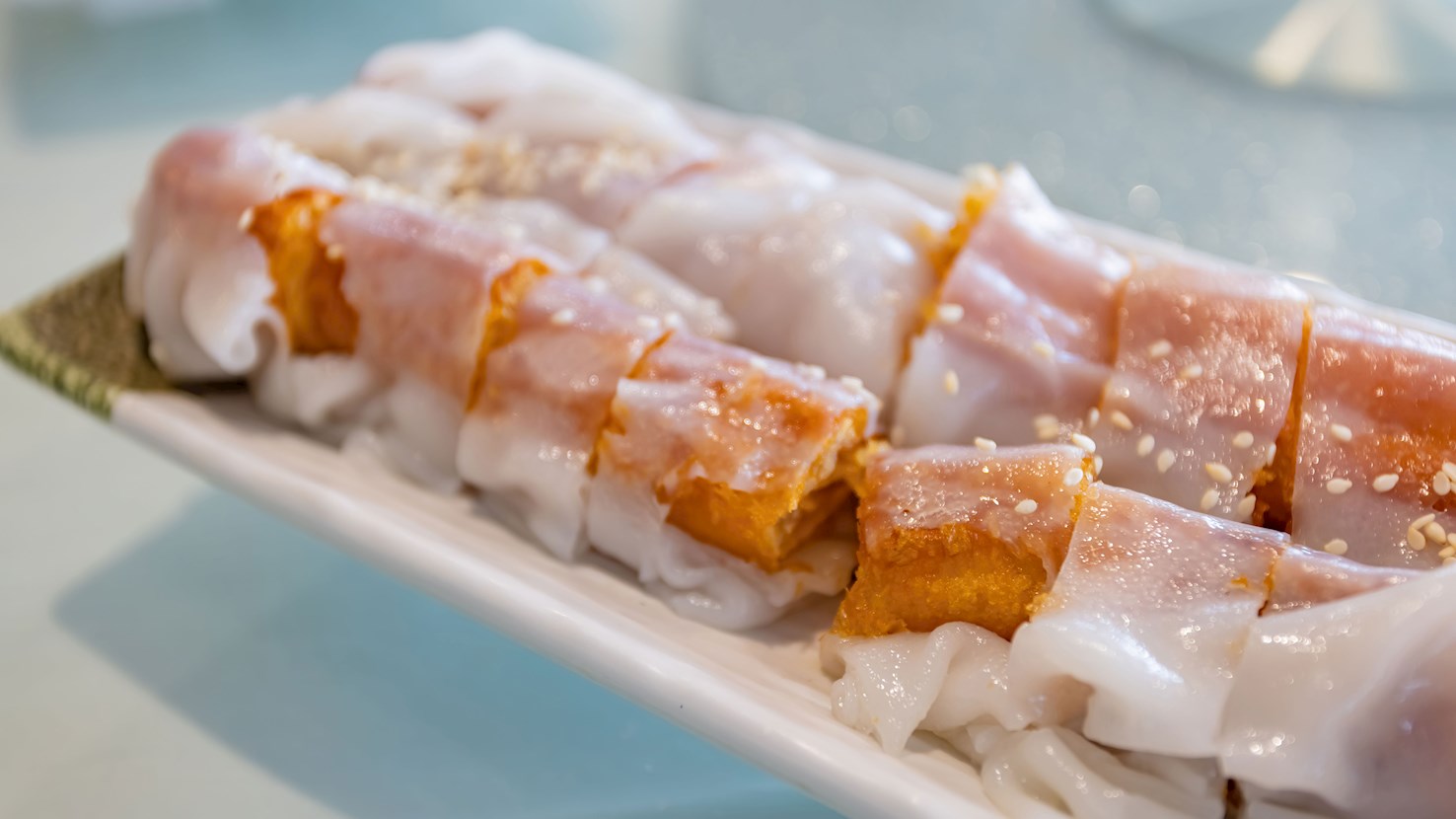
Originating from Cantonese cuisine, zhaliang refers to traditional Chinese deep-fried crullers wrapped in silky and almost translucent rice sheets. Similar to the plain cruller, zhaliang is commonly served for breakfast, but it is often a part of traditional Cantonese dim sum meals. It is accompanied by a unique, slightly sweetened soy-based sauce, which can be incorporated into the dish or served on the side. Zhaliang should always be freshly prepared, so the crullers do not lose their crunchy and soft texture. For easier consumption, they are served cut into bite-sized pieces and garnished with sesame seeds and sliced scallions. The dish is widely popular in the Cantonese region, particularly the Guangdong province, and it is one of the favorite dim sum dishes in Hong Kong. However, its popularity is also increasing in Chinese restaurants across the world, where it is becoming a staple dim sum dish.
TasteAtlas food rankings are based on the ratings of the TasteAtlas audience, with a series of mechanisms that recognize real users and that ignore bot,
nationalist or local patriotic ratings, and give additional value to the ratings of users that the system recognizes as knowledgeable.
For the “Top 47 Chinese Snacks” list until September 15, 2026, 3,359 ratings were recorded, of which 2,913 were recognized by the system as legitimate.
TasteAtlas Rankings should not be seen as the final global conclusion about food. Their purpose is to promote excellent local foods,
instill pride in traditional dishes, and arouse curiosity about dishes you haven’t tried.



What People Say