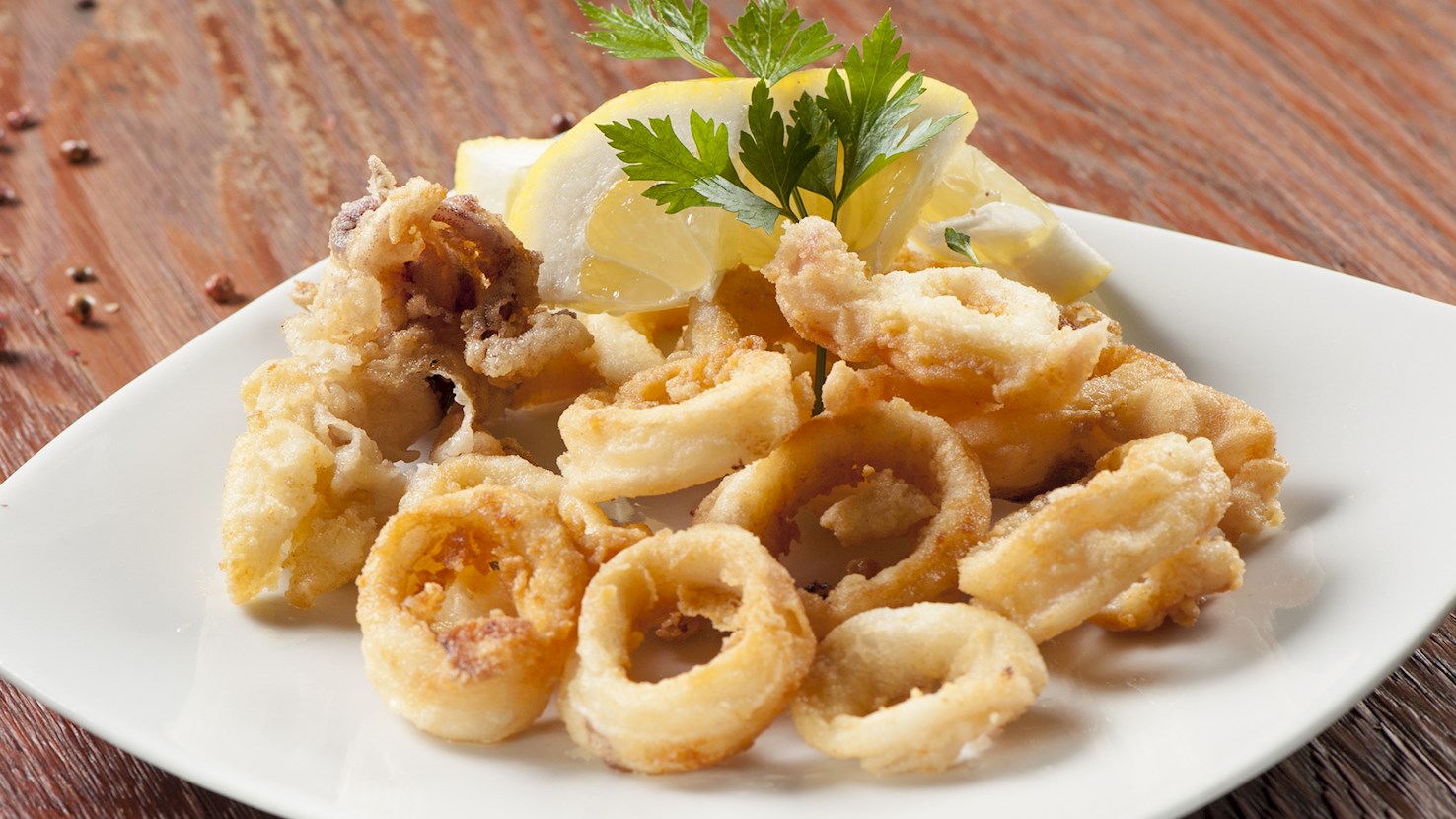
This classic Greek dish consists of squid rings and tentacles that are seasoned, dredged in flour, and fried until crispy and golden brown. Fried calamari is a restaurant staple, typically enjoyed as an appetizer or a meze dish. It is usually complemented by lemon wedges and garnished with freshly chopped parsley.
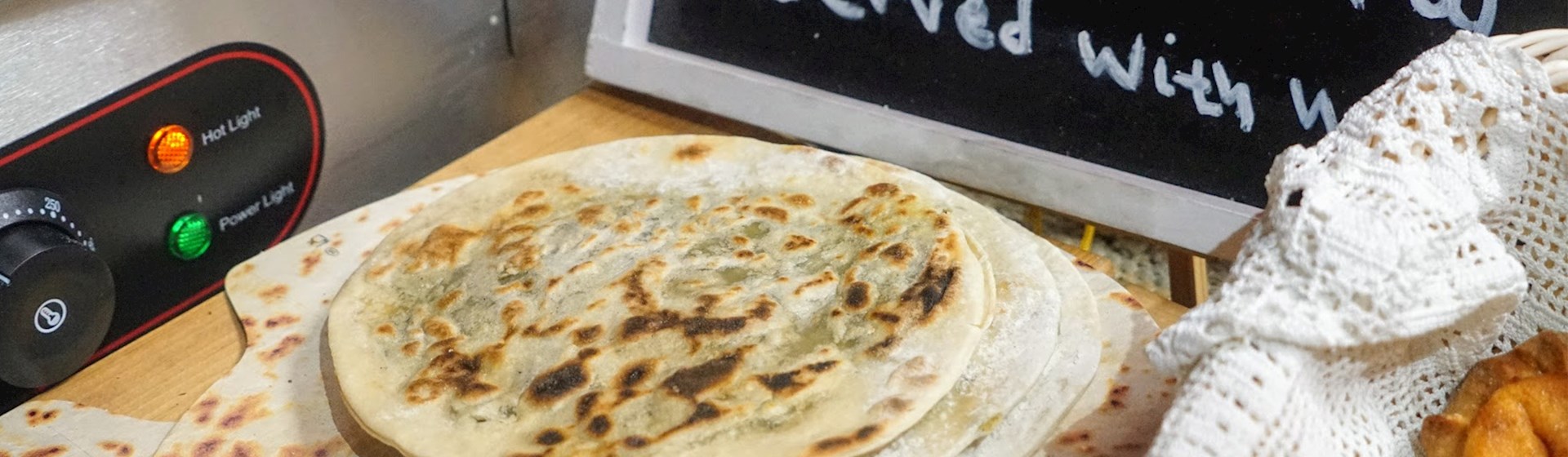
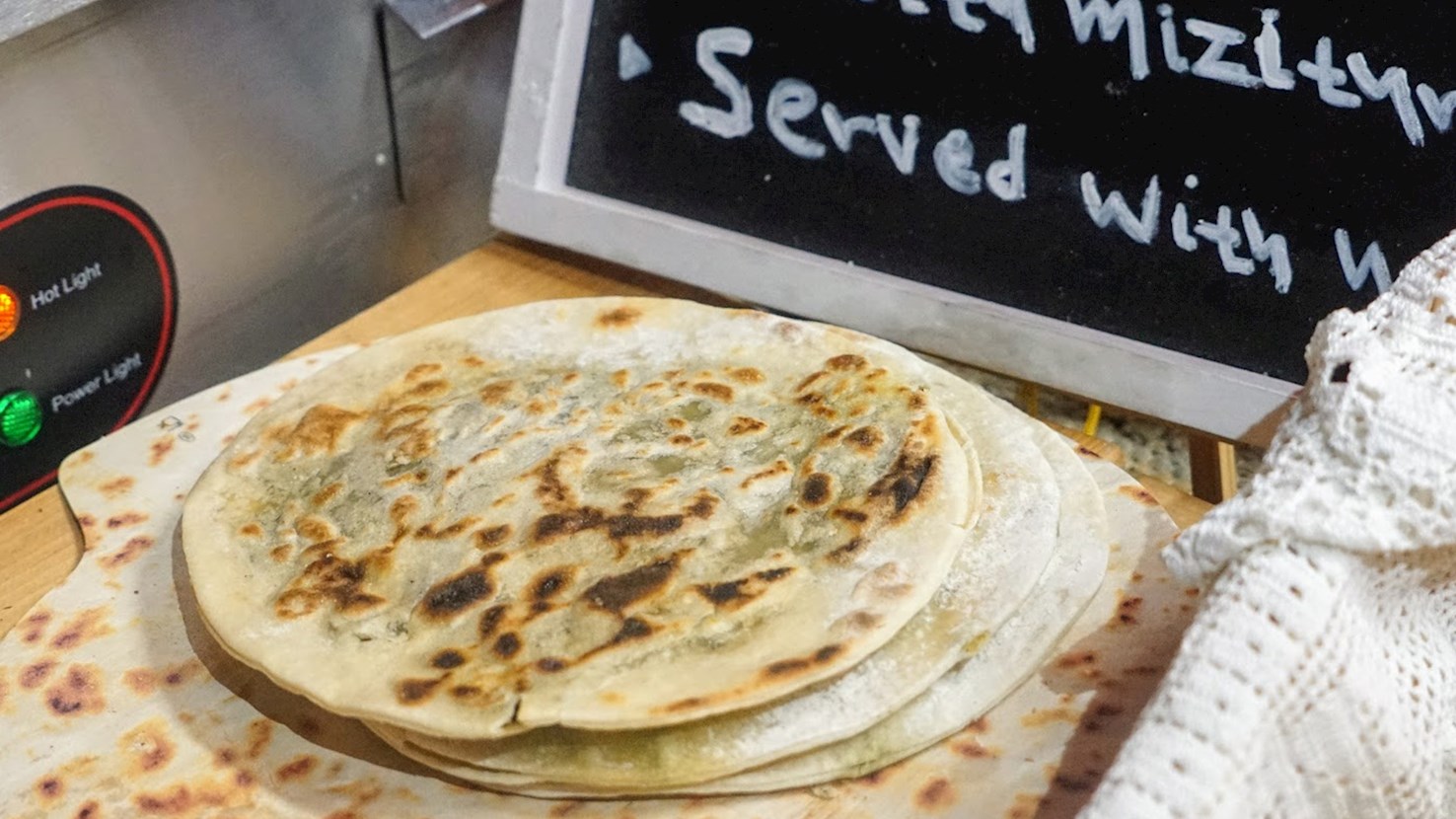
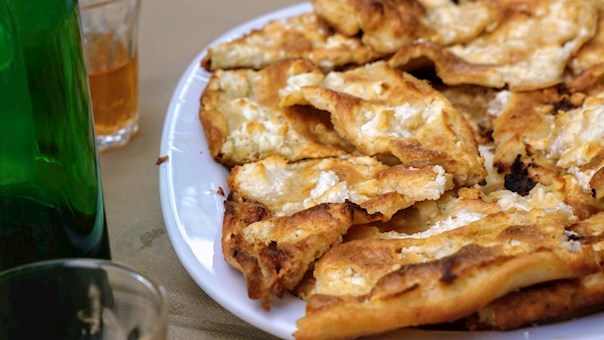
Sfakianopita is a traditional Cretan treat that couples layers of thin, unleavened dough and soft white whey cheese. The pie is typically made with flour, olive oil, water, salt, and a shot of raki (Cretan tsikoudia), and rather than being filled with local myzithra cheese, the dough is kneaded with the cheese. The whole combination is then flattened out into a thin, almost crepe-like or pancake-like circle and fried until golden, spotted, and crispy. Also known as sfakiani pita or mizithropita, this specialty is believed to have been created by Cretan shepherds from Sfakia, hence the name sfakianopita. The pie is usually enjoyed warm as a sweet breakfast and is traditionally served drizzled with thyme honey, creating a perfect blend of sweet and savory flavors. Other typical toppings used for flavoring the pie include sesame seeds, cinnamon, and almond slivers. It can also be transformed into a savory pie, depending on personal preferences. Sfakianopita can be found in almost any traditional tavern, and it is usually accompanied by cold tsikoudia on the side.
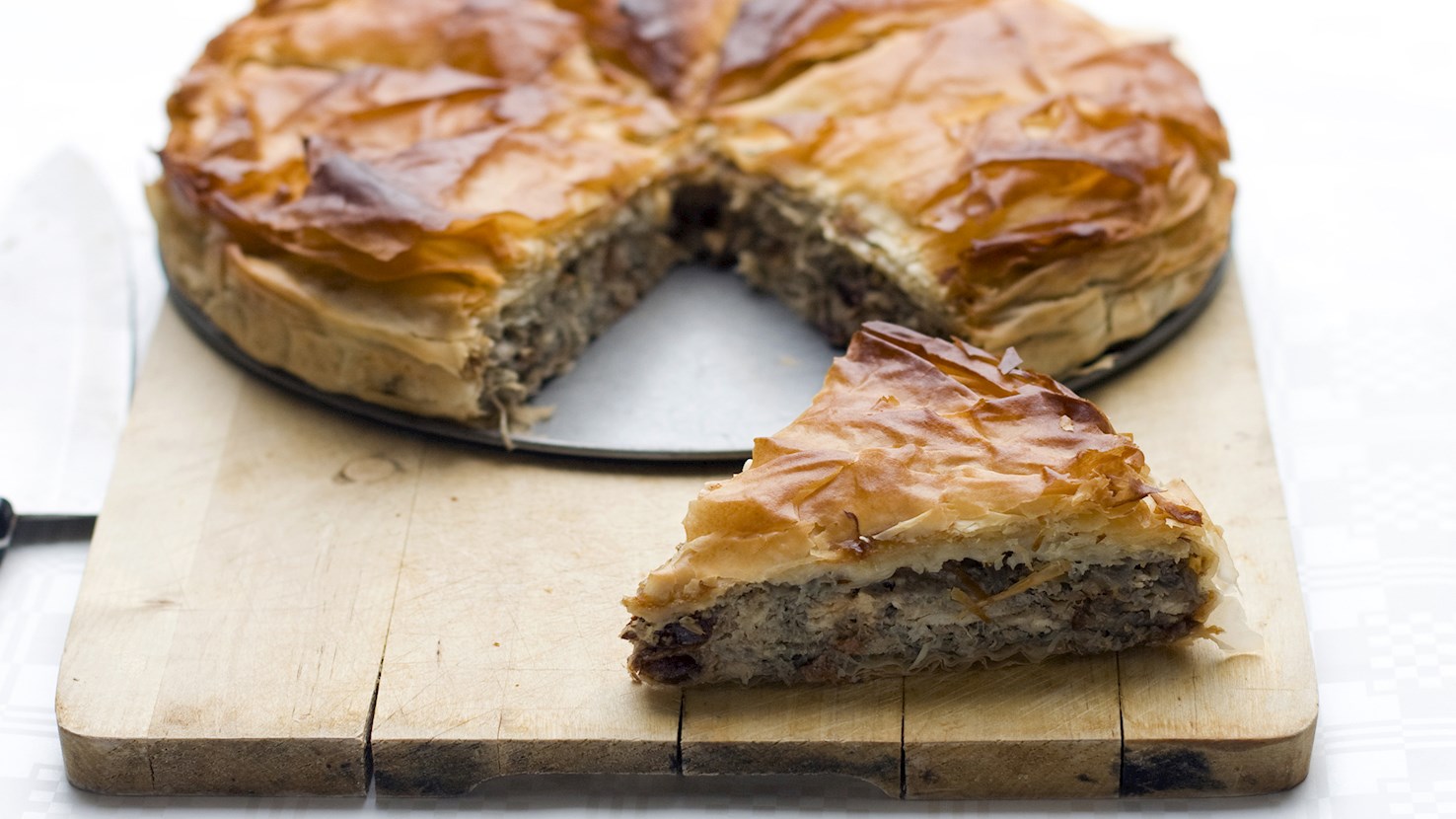
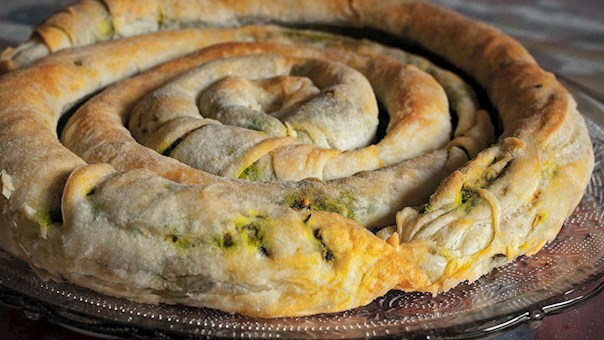
This traditional Greek meat pie combines flaky phyllo dough with a flavorful ground meat filling. Since it is eaten across the country, kreatopita appears in numerous versions that often vary in shape and adapt the filling with rice, leeks, cheese, béchamel sauce, and various herbs and seasonings. Regardless of the abundant varieties, they can all be enjoyed as a filling main course, snack, or even as a convenient street food option.
Fouskakia are traditional Greek donuts or loukoumades that are prepared on the islands of Skopelos and Alonnisos, in the northwest Aegean Sea. The name of this specialty derives from the Greek word foúska, meaning a bubble, referring to the typically small spherical shape of the fluffy fried pieces of dough which resemble bubbles. These donuts are typically made with a simple batter of flour, water, and yeast, and once deep-fried in oil, they’re usually eaten while still warm. Fouskakia are usually enjoyed drizzled with honey on top and sprinkled with cinnamon or nuts, although they can also be accompanied by scoops of ice cream on the side.
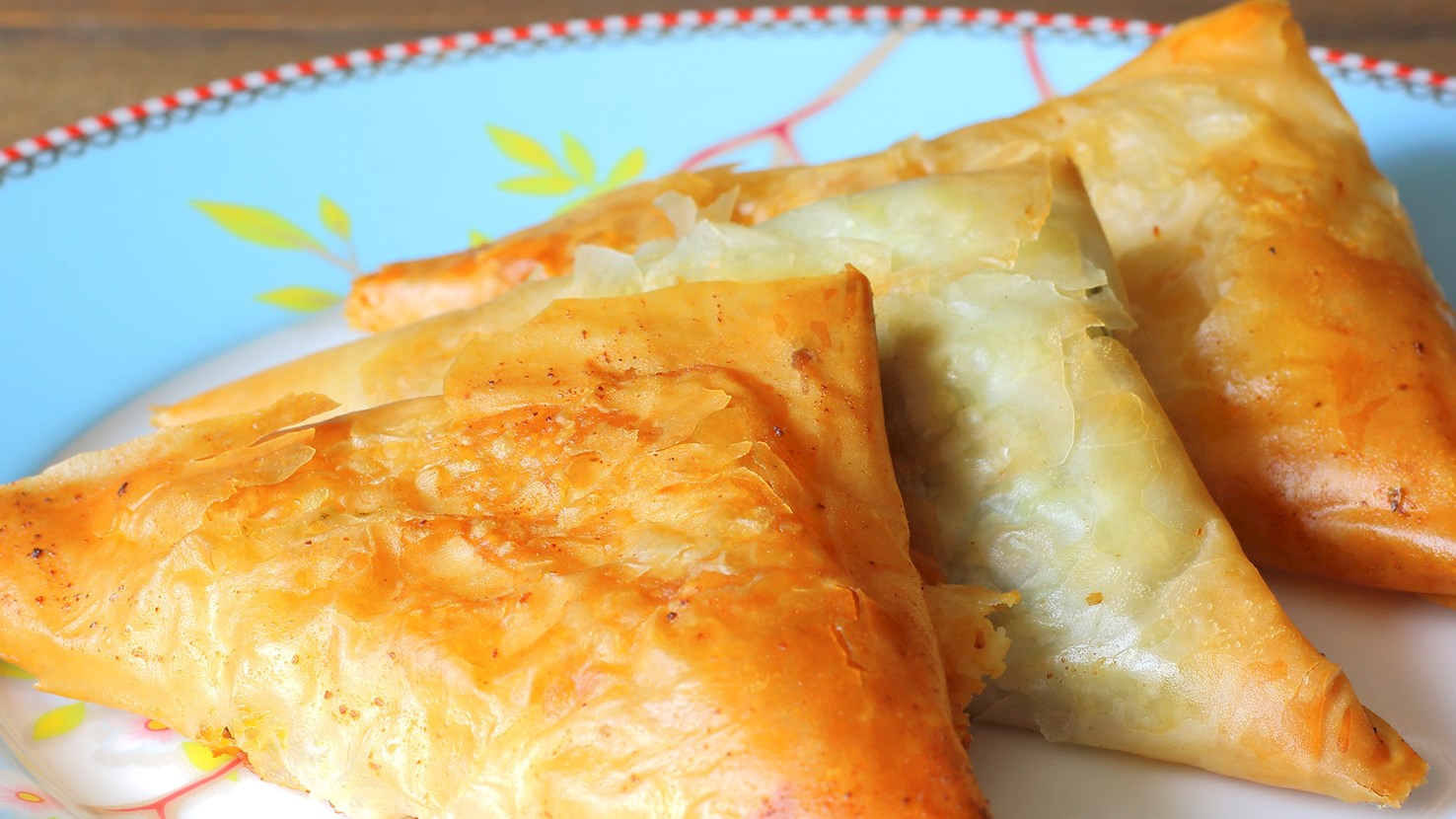
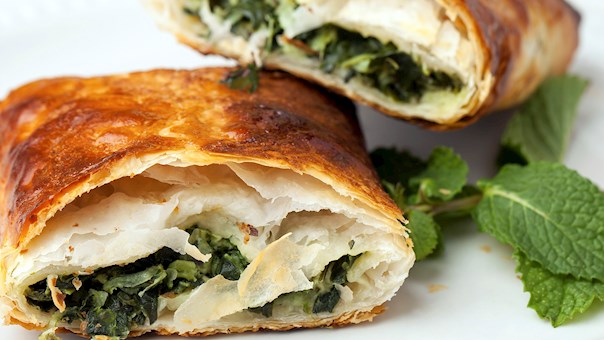
Tiropita is a popular Greek snack consisting of sheets of phyllo dough that are filled with a combination of cheese (usually feta) and eggs. The dish is typically wrapped in triangular pieces and brushed with melted butter before baking. This tasty pastry is found in almost every Greek bakery, although it is commonly served as an appetizer, when it is accompanied by numerous dips on the side. There are several theories about its origin, but most link the dish with either Byzantine, Roman, or Turkish cuisine. Tiropita is mostly consumed in the mid-morning in Greece, since breakfast is usually reserved only for bread with butter and a cup of coffee. With its huge popularity, there are also some other variations of tiropita, such as kasseropita, which is filled with kasseri cheese, or spanakopita, a spinach-filled variety.
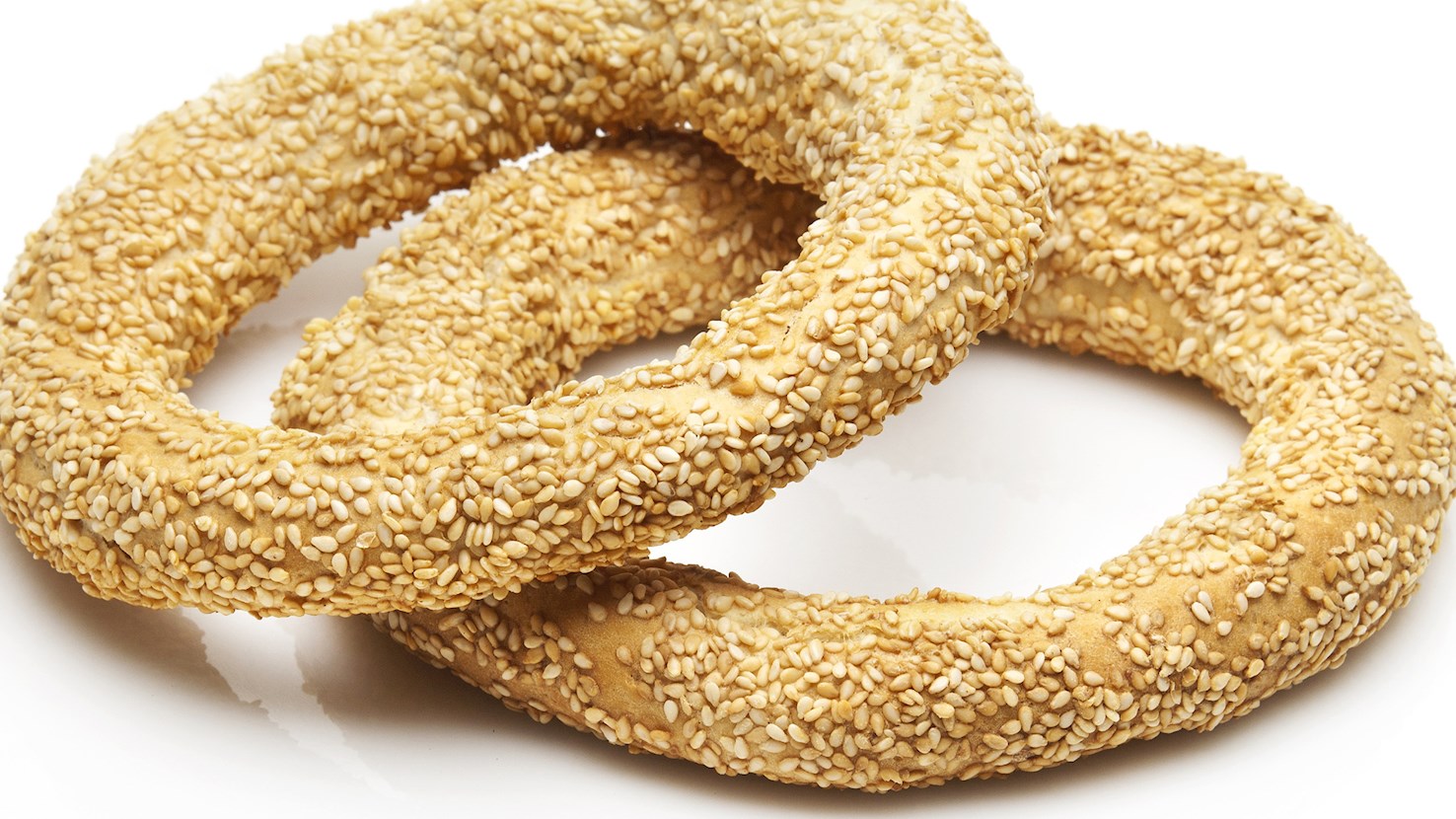
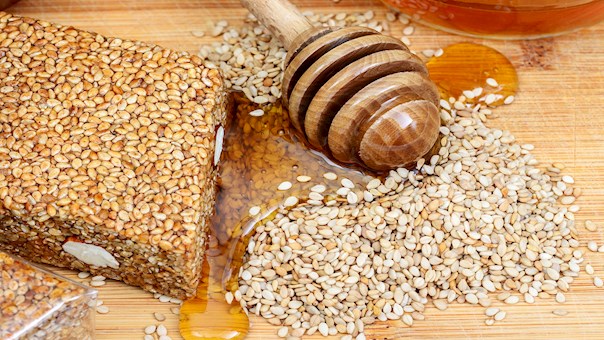
Koulouri Thessalonikis is a traditional street food staple and their national take on simit—a similar circular bread found in Turkey. In its simplest form, koulouri is made with wheat flour dough that is shaped into a ring before it is coated in sesame seeds and baked. This Greek version is believed to have traveled with Greek refugees from Asia Minor who first settled in Thessaloniki, hence the name. The origin is still disputed between the two countries, but the Greeks have implemented this crunchy and filling snack in their national cuisine. Unlike the Turkish version, koulouri is not braided, and it is only sometimes dipped in molasses. In Greece, modern varieties are often filled with chocolate spreads, tahini, or cheese, while some even appear without sesame seeds. This snack is often enjoyed for breakfast and it can be bought from street vendors or in numerous bakeries across the country.
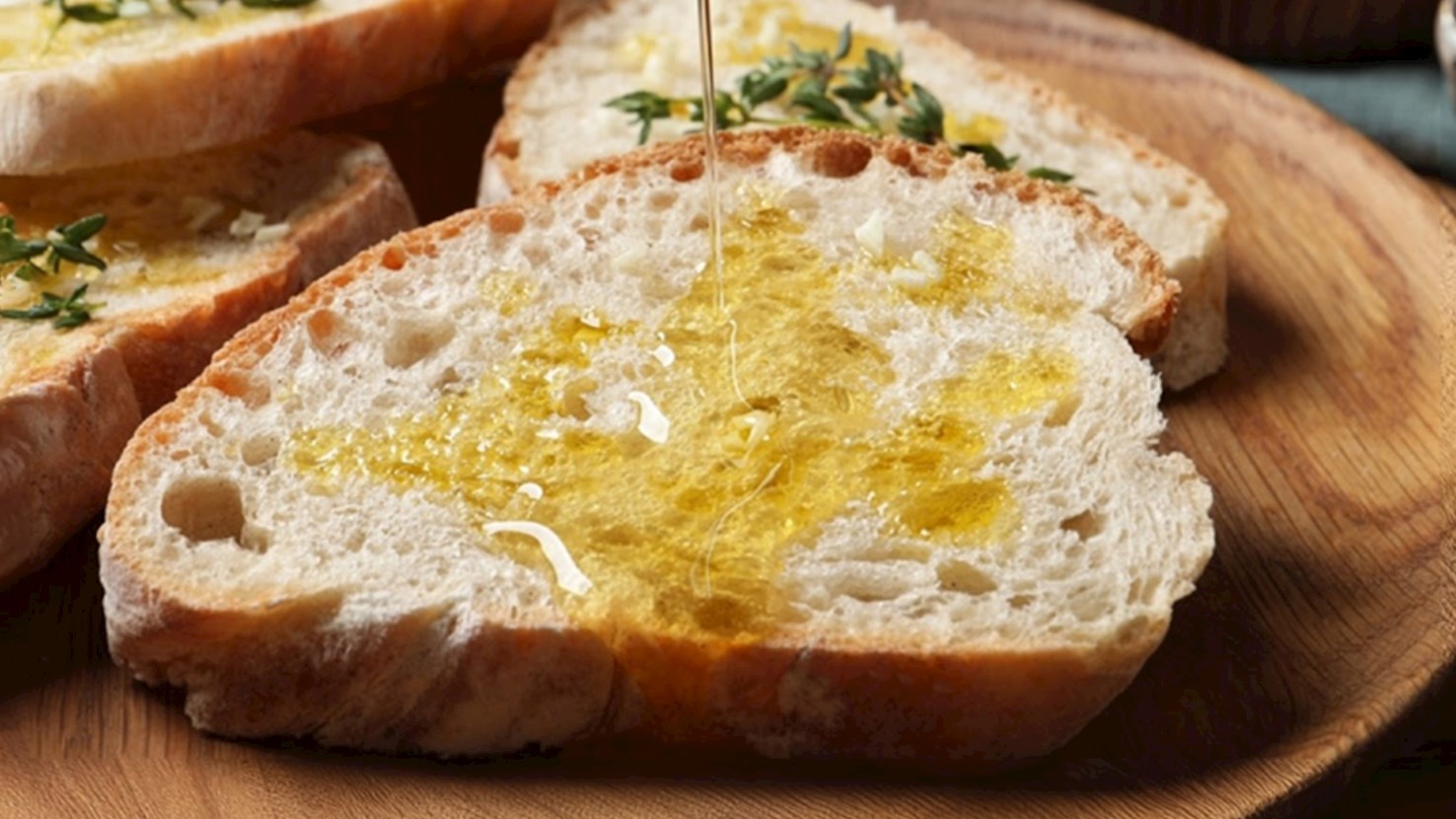
Pane e olio is an Italian phrase meaning bread and oil, referring to a simple yet classic Italian dish that highlights the quality of its basic ingredients: bread and olive oil. Traditional Italian bread such as ciabatta, focaccia, or a rustic country loaf is typically used, while extra virgin olive oil (EVOO) is the oil of choice due to its superior flavor and health benefits. High-quality, cold-pressed olive oil from regions like Tuscany or Puglia is ideal. The bread is usually sliced and may be served fresh or lightly toasted, with toasting enhancing its texture and providing a warm base for the olive oil. The olive oil is typically poured into a small dish or bowl for dipping, though some variations may include a drizzle of olive oil directly on the bread slices. The olive oil can be seasoned with a pinch of sea salt, freshly ground black pepper, or a dash of balsamic vinegar for added flavor, and some might add a sprinkle of dried or fresh herbs such as rosemary, thyme, or oregano. Rubbing a clove of garlic on the toasted bread before adding the olive oil can infuse the dish with a subtle garlic flavor, and additional toppings like sliced tomatoes, olives, or anchovies can be added for more complexity. Pane e olio is often served as an appetizer or a starter in Italian meals but can also be enjoyed as a light snack or part of an antipasto platter. This dish emphasizes the Italian culinary philosophy of using simple, high-quality ingredients to create delicious food and is a common practice in Italian households, showcasing the country's rich tradition of olive oil production and bread-making. But apart from Italy, the same dishes exist in other countries as well, such as Spain's pan con aceite, France's pain et huile d'olive, Lebanese khebez w zeit zaytoun, Turkish ekmek ve zeytinyağı, and many more.
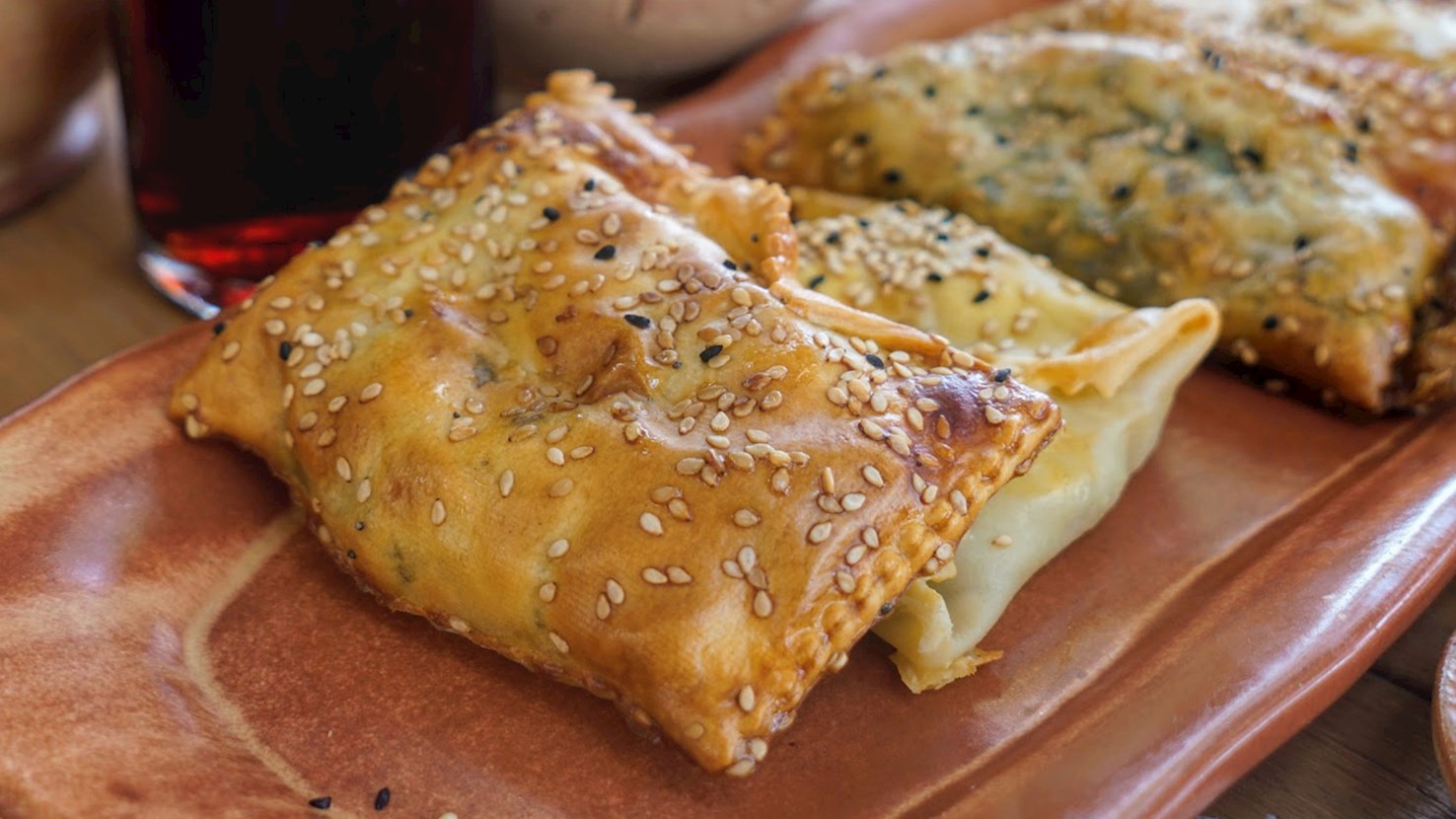
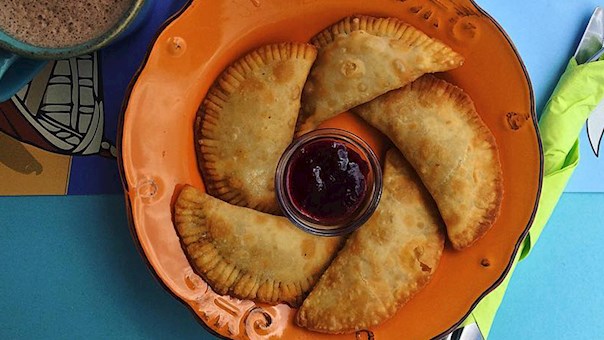
Hailing from the Greek island of Crete, kalitsounia or skalotsounia is a traditional, small-sized snack that comes in numerous different shapes and can be both savory and sweet. In its most traditional form, it combines an unleavened pastry and a filling that consists of fresh cow's milk cheese called mizithra. Sweet varieties enrich the cheese with cinnamon and lemon zest, while the savory versions occasionally employ spinach. Though it is traditionally associated with Easter, nowadays it is enjoyed all year-round.
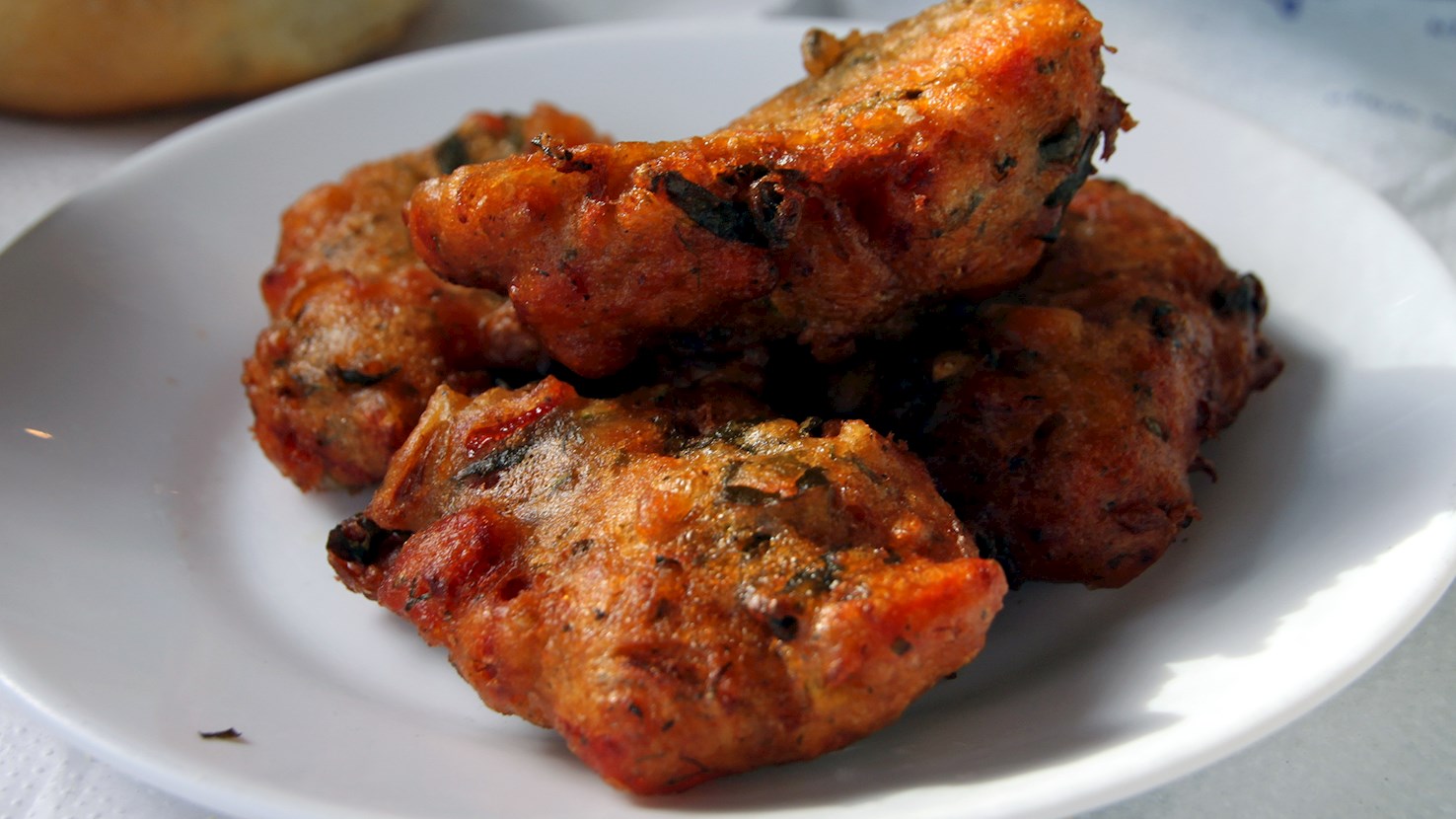
These flavorful fritters employ diced tomatoes as their main ingredient, while other additions commonly include onions, fresh herbs, spices, feta cheese and grated zucchinis. The dish is usually associated with Santorini, an island known for the highly prized local tomato variety Tomataki Santorinis. The fritters are typically enjoyed as a light main course, a snack, or a meze dish, and are best paired with creamy fava or tzatziki dips.
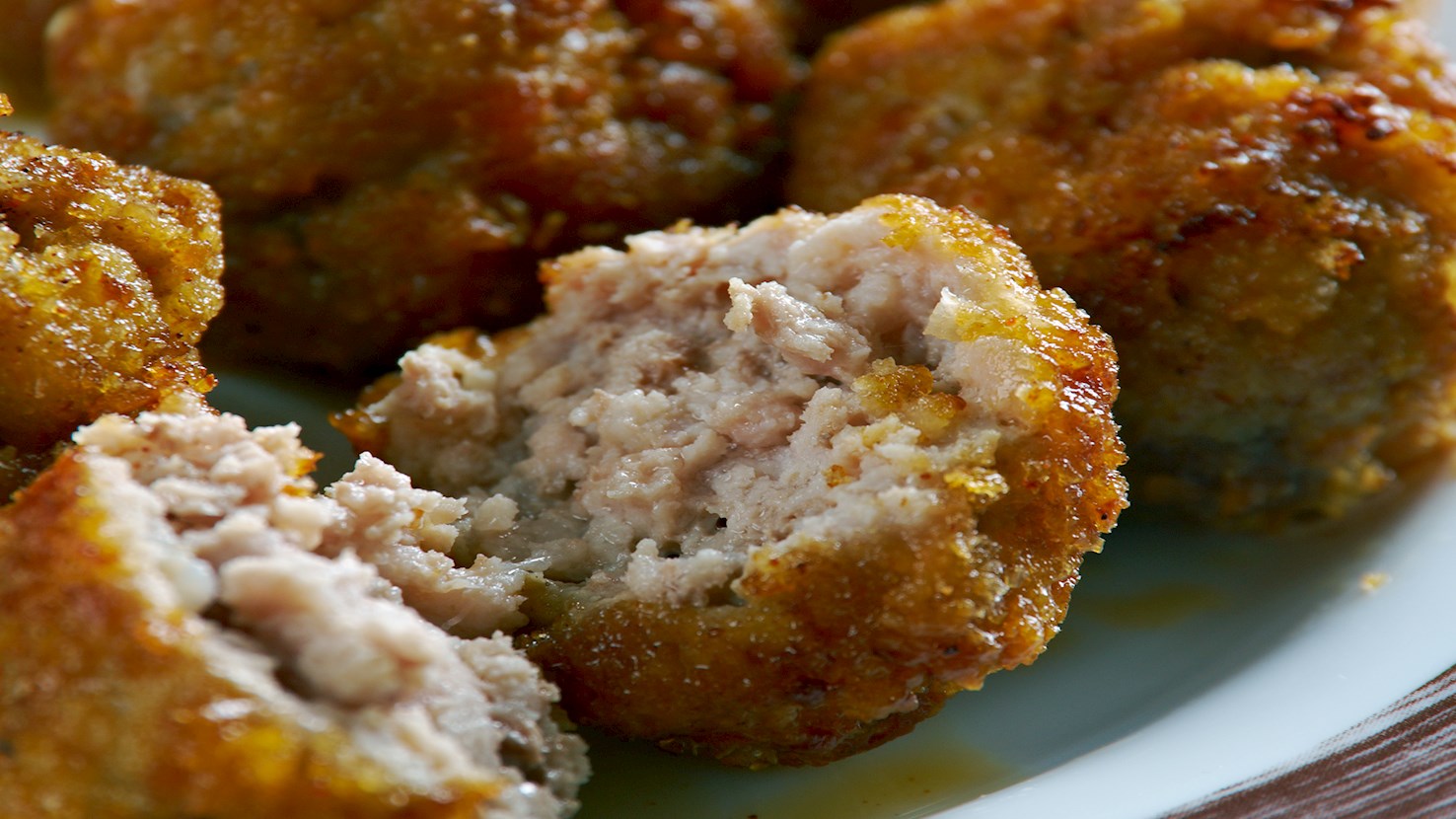
Keftedakia are small meatballs from Greece, typically made with ground meat, grated onion, garlic, bread, eggs, and a generous amount of herbs. The mixture is usually flavored with fresh spearmint, dried oregano, black pepper, and sometimes cumin, giving the meatballs their distinctive aromatic character. Although similar fried meatballs are found throughout Greece, versions associated with Smyrna and Asia Minor cooking are especially known for their warm spices and abundant mint, a style that became more prominent in Greece after the arrival of Greek refugees from Asia Minor in the early 20th century. The preparation usually begins with stale bread soaked in milk, wine, or water, then squeezed and mixed with ground beef, pork, lamb, or a combination of meats. Grated onion, garlic, eggs, chopped mint, oregano, salt, and pepper are added, and the mixture is kneaded until soft and cohesive. It is often left to rest so the flavors can develop and the texture can firm up before shaping. The meatballs are rolled into small, bite-sized rounds or ovals, lightly coated in flour, and fried in hot olive oil until crisp and deeply browned on the outside while remaining tender and juicy inside. Some regional versions include a splash of ouzo, while others use lamb instead of pork or beef for a stronger, more rustic flavor. A related variation is simmered in tomato sauce rather than fried, often with cumin and other warm spices. Keftedakia are most commonly served as part of a meze spread, usually with lemon wedges, tzatziki, fried potatoes, pita bread, or a simple salad. Their round shape also makes them ideal for popular Greek picnics, where keftedakia are served as snacks, but they can also be served as appetizers or as a main course.
TasteAtlas food rankings are based on the ratings of the TasteAtlas audience, with a series of mechanisms that recognize real users and that ignore bot,
nationalist or local patriotic ratings, and give additional value to the ratings of users that the system recognizes as knowledgeable.
For the “Top 25 Greek Snacks” list until October 15, 2026, 3,765 ratings were recorded, of which 2,155 were recognized by the system as legitimate.
TasteAtlas Rankings should not be seen as the final global conclusion about food. Their purpose is to promote excellent local foods,
instill pride in traditional dishes, and arouse curiosity about dishes you haven’t tried.







What People Say