


Top 24 Mexican Snacks

Last updated on May 15, 2026
01

Esquites

4.4 ·

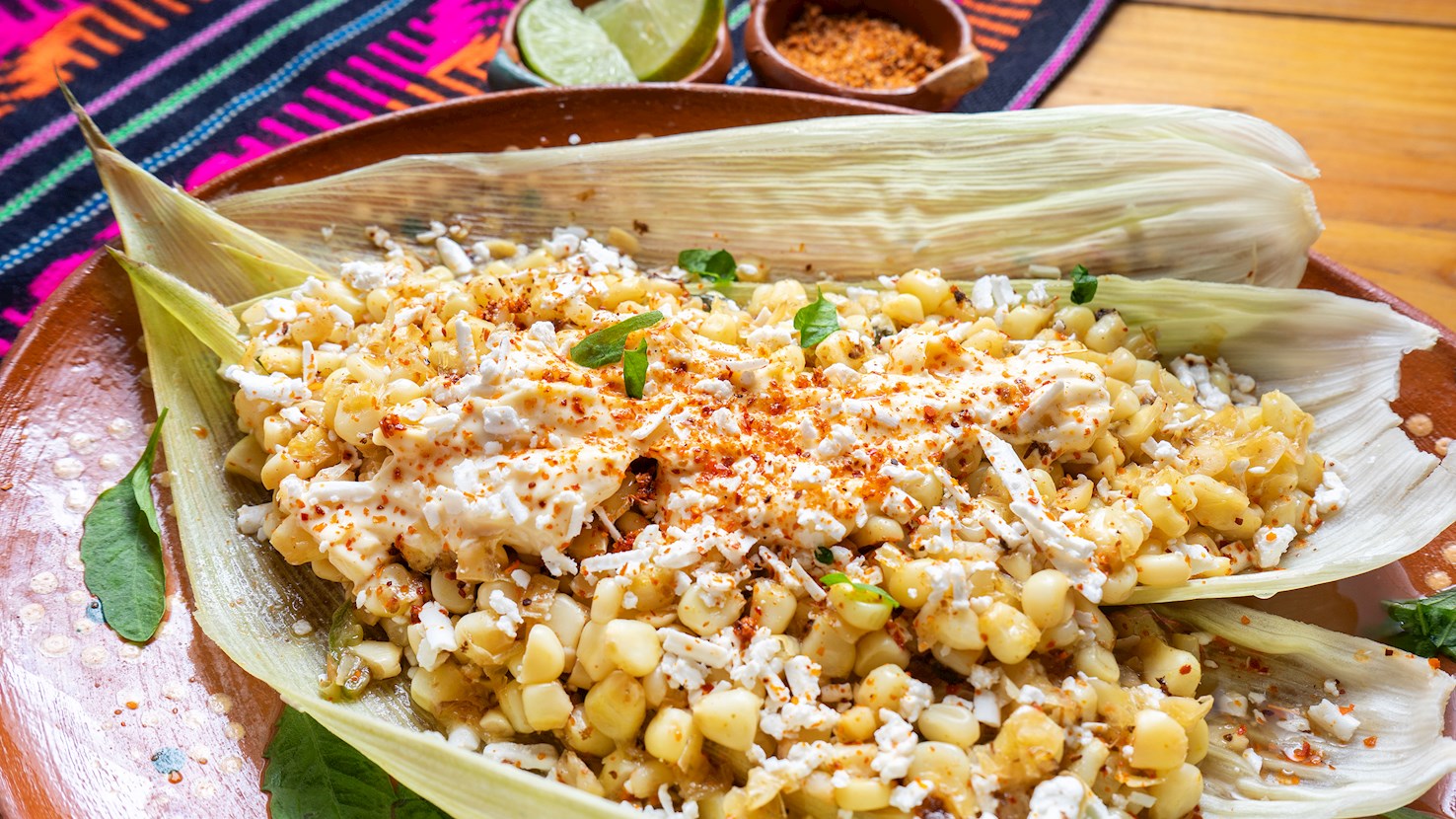
Esquites is the name for popular Mexican street food that is usually consumed as a snack on the go. It is made with mature corn kernels, epazote, and salt. Corn is either grilled and shaved, or cooked with epazote, and it is then typically served in small cups, topped with chili peppers, lime juice, or cotija cheese. Sour cream, mayonnaise, and pequin chili powder are sometimes served on the side so everyone can add the ingredients according to personal preferences. The name esquites is derived from the Nahuatl word izquitl, meaning toasted corn.

02

Antojitos

4.4 ·

Antojitos (lit. little cravings) refers to a variety of Mexican foods that are prepared in market stalls and on the streets. Due to the fact that formal, substantial meals are consumed in the mid-afternoon, most antojitos are eaten either in the morning or the evening. Typical antojitos include fajitas, tortas, tamales, tacos, tostadas, tlayudas, elote, chalupas, gorditas, empalmes, quesadillas, cemitas, empanadas, pambazo, chilaquiles, and nachos. However, vegetables, fruits, and soups such as pozole and menuda are also classified as antojitos. And let's not forget about the popular Mexican beverages known as aguas frescas, which are traditionally found on the streets. The famous American author and chef Rick Bayless grouped antojitos according to the one element present in all antojitos – corn masa, and in the end, he was left with 8 types of antojitos: tamales, tostadas, tacos, sopes, gorditas, quesadillas, enchiladas, and chilaquiles. Regardless of the classifications, antojitos are one of the staples of Mexican food, and can be consumed as an appetizer, a snack, or as a full meal when eating more than a couple of these delicious "little cravings."

03

Quesadilla

4.2 ·

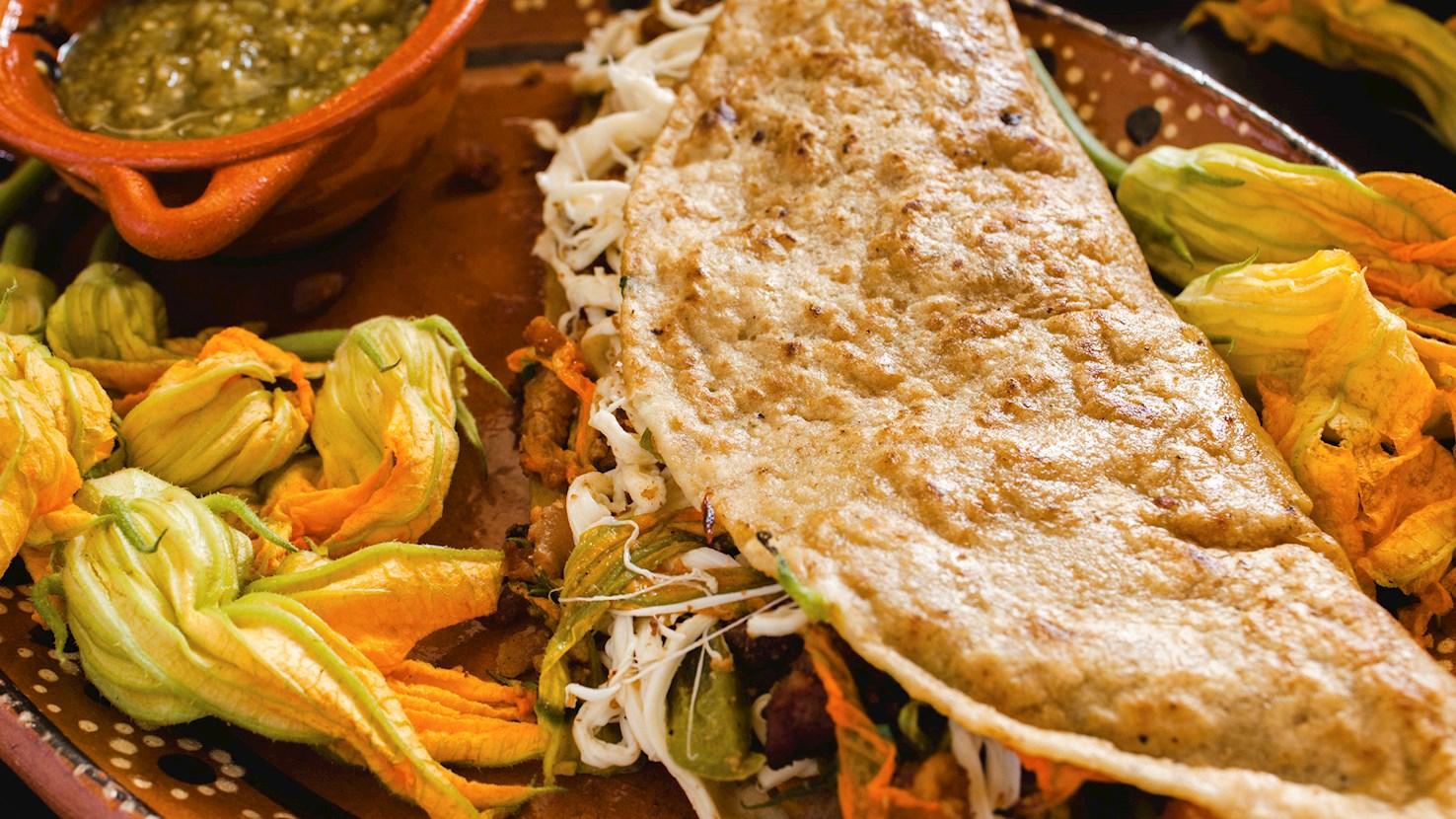
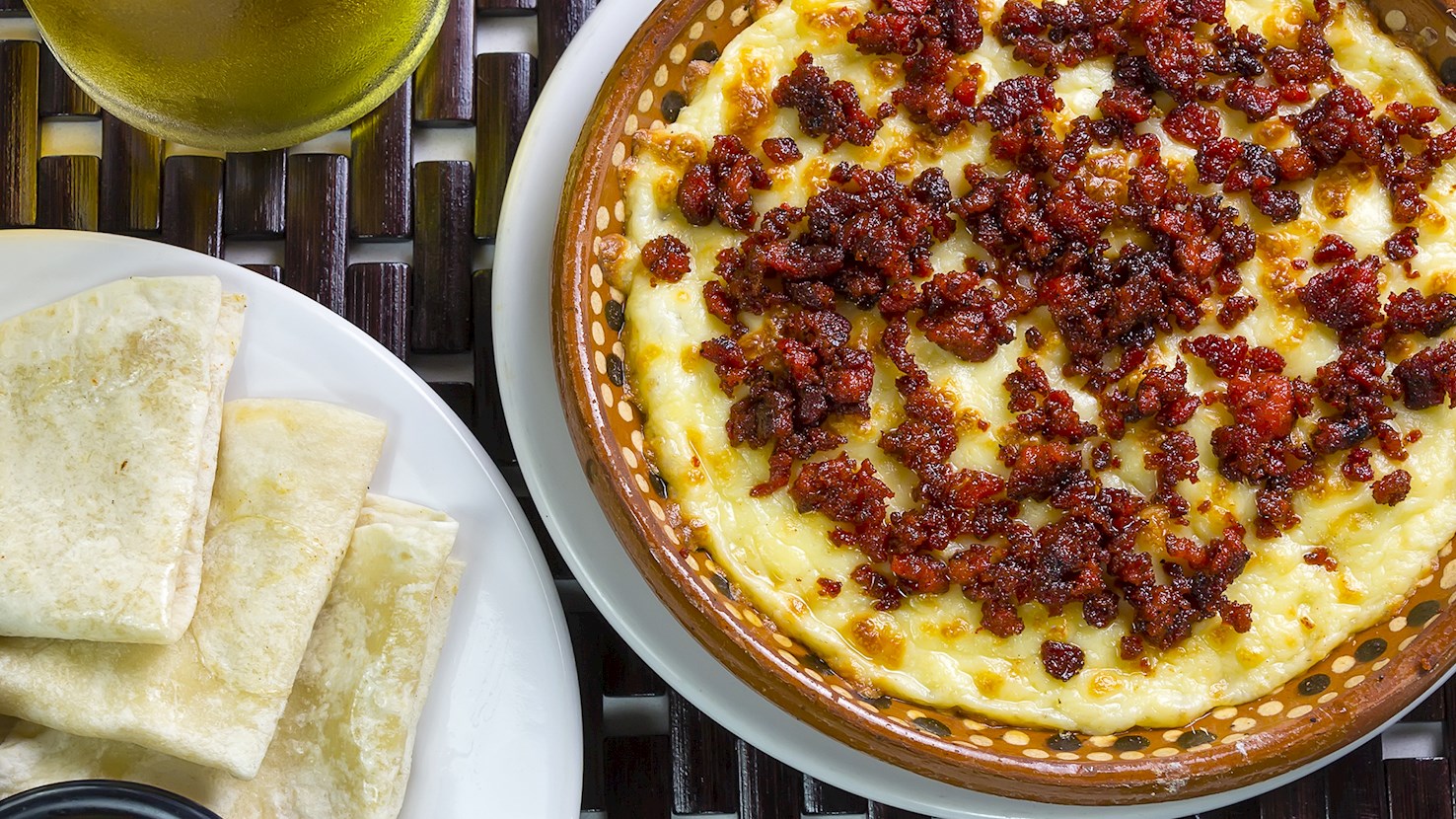
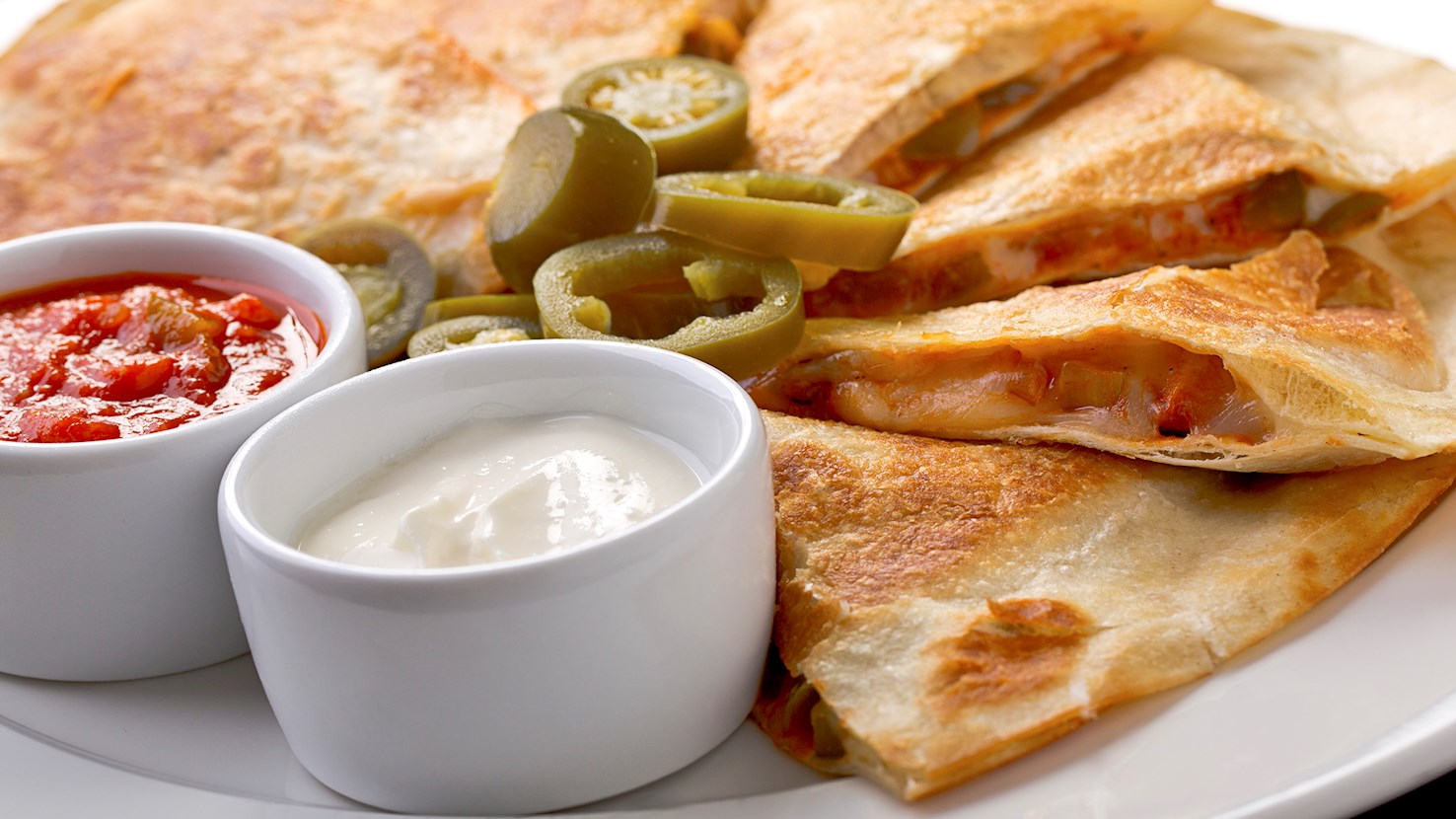
Quesadilla is a simple Mexican snack consisting of a flour or corn tortilla filled with cheese that melts well. It is commonly folded in half and consumed. A quesadilla can also have some other ingredients on the inside such as meats, beans, or potatoes, but cheese is always mandatory (with the exception of Mexico City, where cheese in a quesadilla is often an afterthought). Sometimes, it is cut into wedges and served with salsa or guacamole on the side, and it can be topped with vegetables such as diced tomatoes, onions, lettuce, or hot chiles. The origins of quesadilla are somewhat murky, but it is known that the cheese was brought to Mexico by the Spaniards along with other dairy products in colonial times, and the thin flatbreads were already a staple of the Mesoamerican people. The Spaniards named the dish quesadilla (little cheesy thing). In northern Mexico, and parts of the southwestern United States, flour tortillas are more common than corn tortillas, so quesadillas with flour tortillas started to gain popularity throughout the United States as well. Today, there are numerous varieties and fillings for quesadillas such as chorizo, Oaxaca cheese, epazote, and squash blossoms.

04

Gordita

4.2 ·

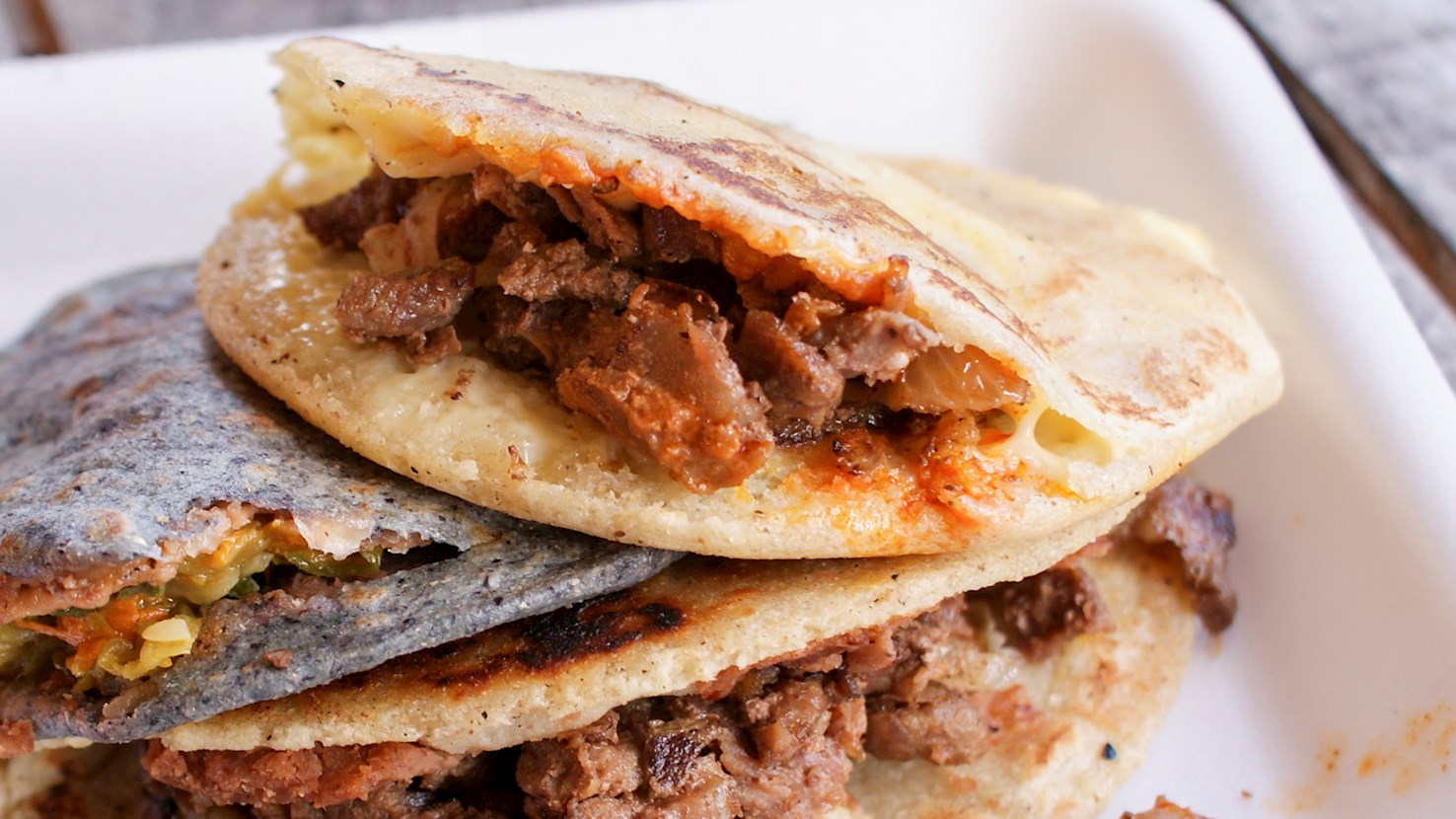
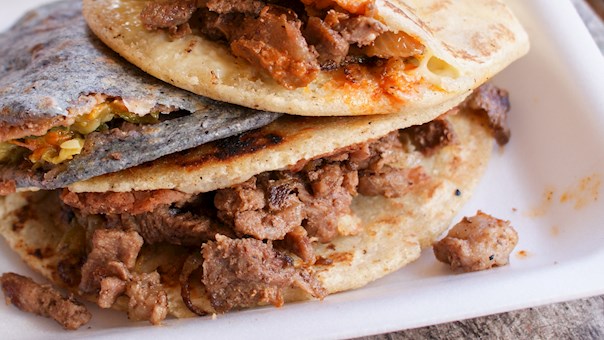
Gorditas are thick tortillas from Mexico, made from masa corn flour and stuffed with a variety of ingredients such as meat, cheese, beans, nopal cactus, and salsa or guacamole. Due to their thickness, they can withstand some ingredients that a regular tortilla can't, such as thick stews. Even their name, gordita, means little fat one in Spanish, referring to their thickness, a word that is commonly used as a term of endearment. Gorditas are typically served as street food in Mexico, but their popularity has spread all over the world. The dish is also ideal for a light lunch or supper, or to serve before a rustic main course such as lamb birria. Although most gorditas are prepared in a savory version, there is also a dessert version called gorditas de azucar, with sugar and spices added to the dough, and a filling of chopped fruits and whipped cream.

05

Elote

4.2 ·

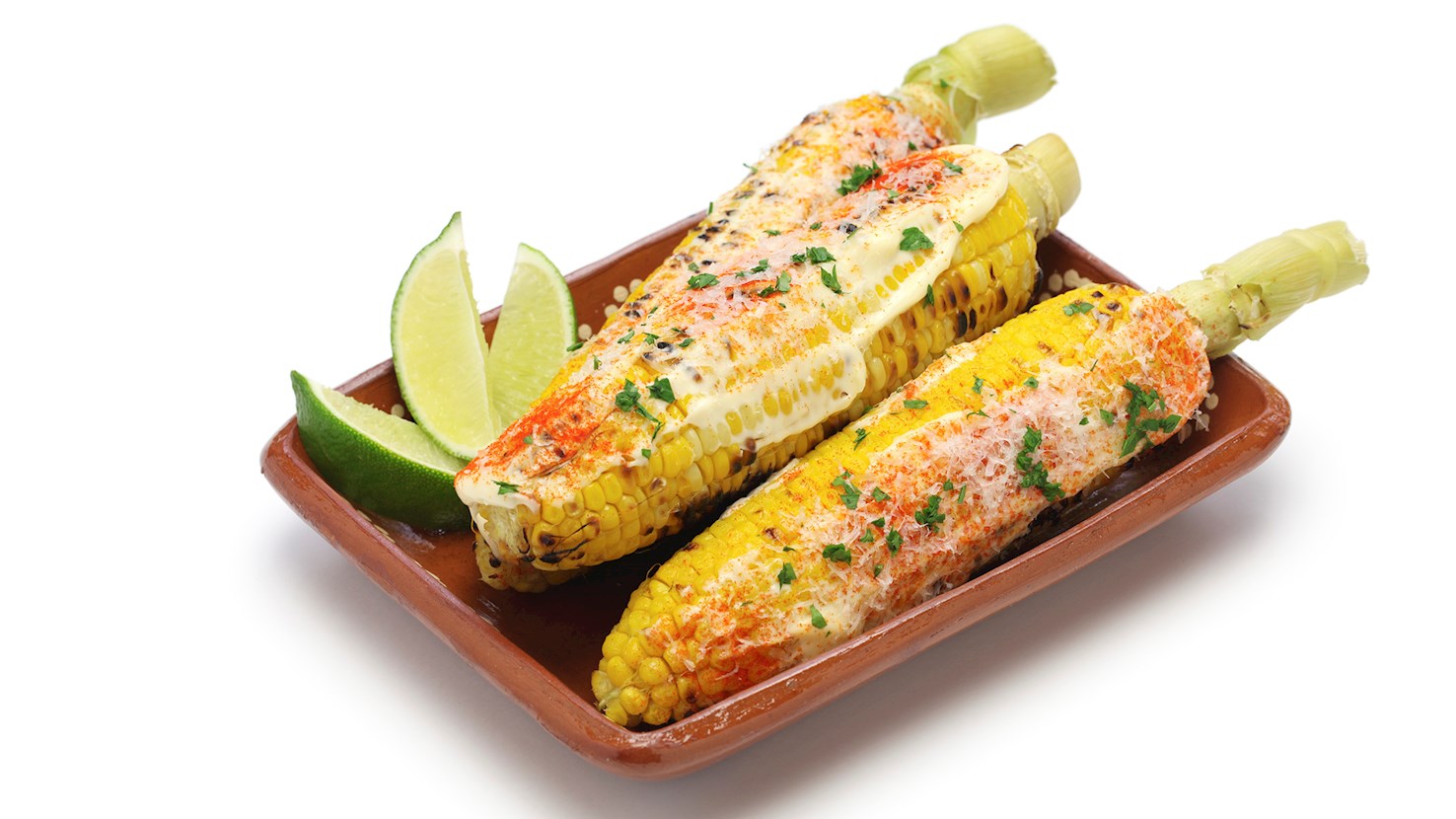
Although elote is a Spanish word for corn, it also signifies a popular Mexican street food consisting of corn on the cob that is coated with lime and mayonnaise, then rolled in crumbled cotija cheese and chile powder. The dish is usually held by the stalk and consumed with hands. Over the years, elote has achieved such popularity that it is no longer reserved as a street food, sold by numerous Mexican street vendors. In recent years, it is sometimes featured even in upscale restaurants across the world, where it is treated as an international delicacy. Apart from Mexico, elote can also be found in the United States, in cities such as Boston, Los Angeles, and New York, where its contrasts of hot and cold, crunchy and creamy, and salty and spicy are regularly satisfying numerous hungry consumers.

06

Toquera

4.1 ·

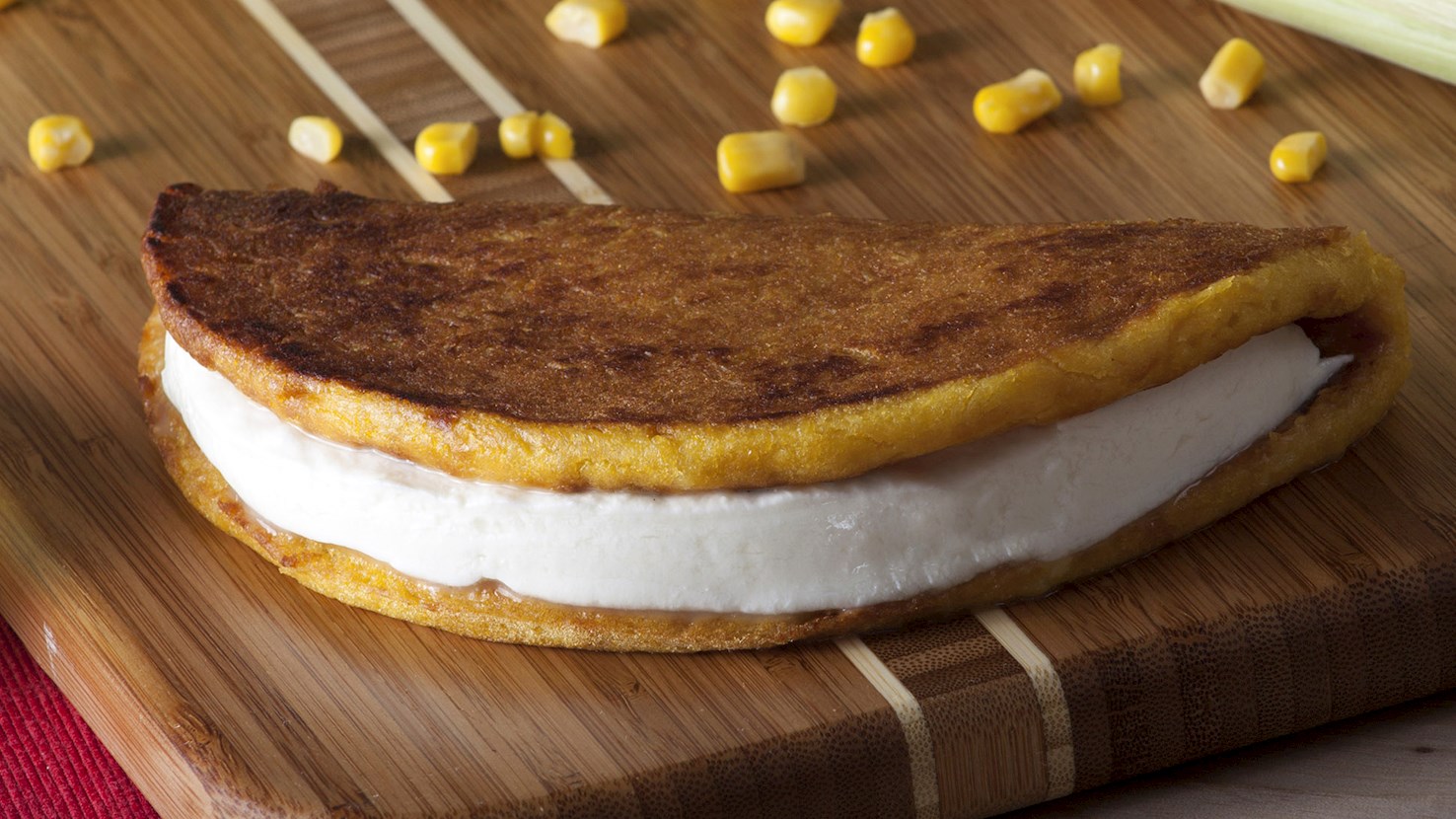
Cachapa, chorreada, arepa de choclo, güirila, toquera, tortilla de choclo, and tortilla changa, are all names that describe a Latin American corn dish that can be categorized as either a pancake, tortilla, or flatbread, depending on the country. It can be made only of corn or have additional ingredients like sugar, water, milk, salt, butter, cheese, and oil. They are typically prepared by street vendors and are either fried or griddled (in Nicaragua, they’re cooked between two banana leaves!) and characterized by a sweet-savory flavor. They can be eaten plain with a beverage, wrapped around a filling, or topped like an open-faced sandwich with things like cheese, shredded pork, sour cream, and eggs. They can be eaten any time of day, but typically they're eaten for breakfast, as a snack, or a quick dinner.

07

Sope

4 ·

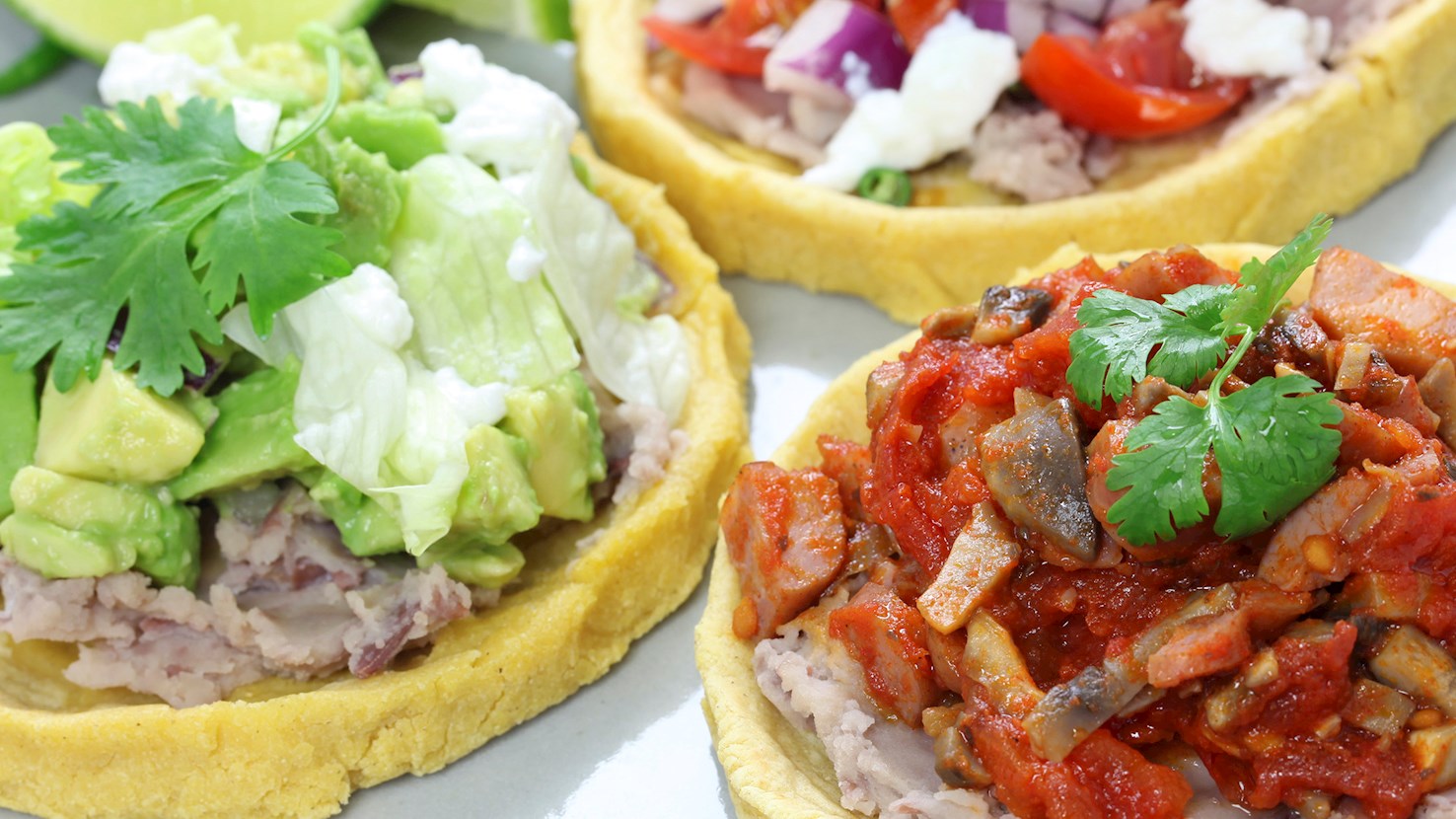
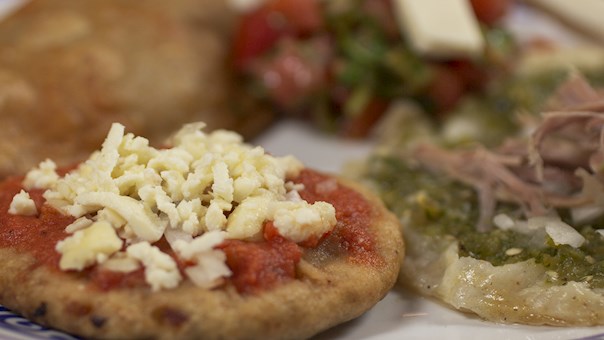
Sopes are small, thick disks of fried corn dough under a topping that usually consists of beans, meat, cheese, and a sauce. Every state in Mexico makes its own version of the dish and calls it differently. In Puebla, it's pellizcada (from pellizcar, meaning to pinch), in Veracruz a picada, in Yucatán a panucho, and in Oaxaca, a sope is called memela or garnacha. It is characterized by its pinched edges that form a border which holds the toppings. The dish is sometimes referred to as the Mexican pizza, as the simplest form of explanation about what sope really is. These savory snacks are served either as an appetizer, as a main dish, for lunch or for dinner.

08

Sincronizadas

4 ·

Sincronizadas are Mexican snacks consisting of two corn or flour tortillas, cheese, and slices of ham. Optionally, beans and chorizo sausage can also be added to the dish as a filling. Quesadillas sincronizadas are commonly cut into wedges and served with guacamole, pico de gallo, or sour cream. It is said that the only way the sincronizada differentiates itself from a regular quesadilla is the mandatory inclusion of ham. There is also a similar dish called gringa, which uses al pastor pork meat instead of ham. The lines are blurred between these dishes and they often get confused with one another, but what matters the most is that all of them are delicious and popular throughout the world due to their unique flavors.

09

Tlacoyo

4 ·

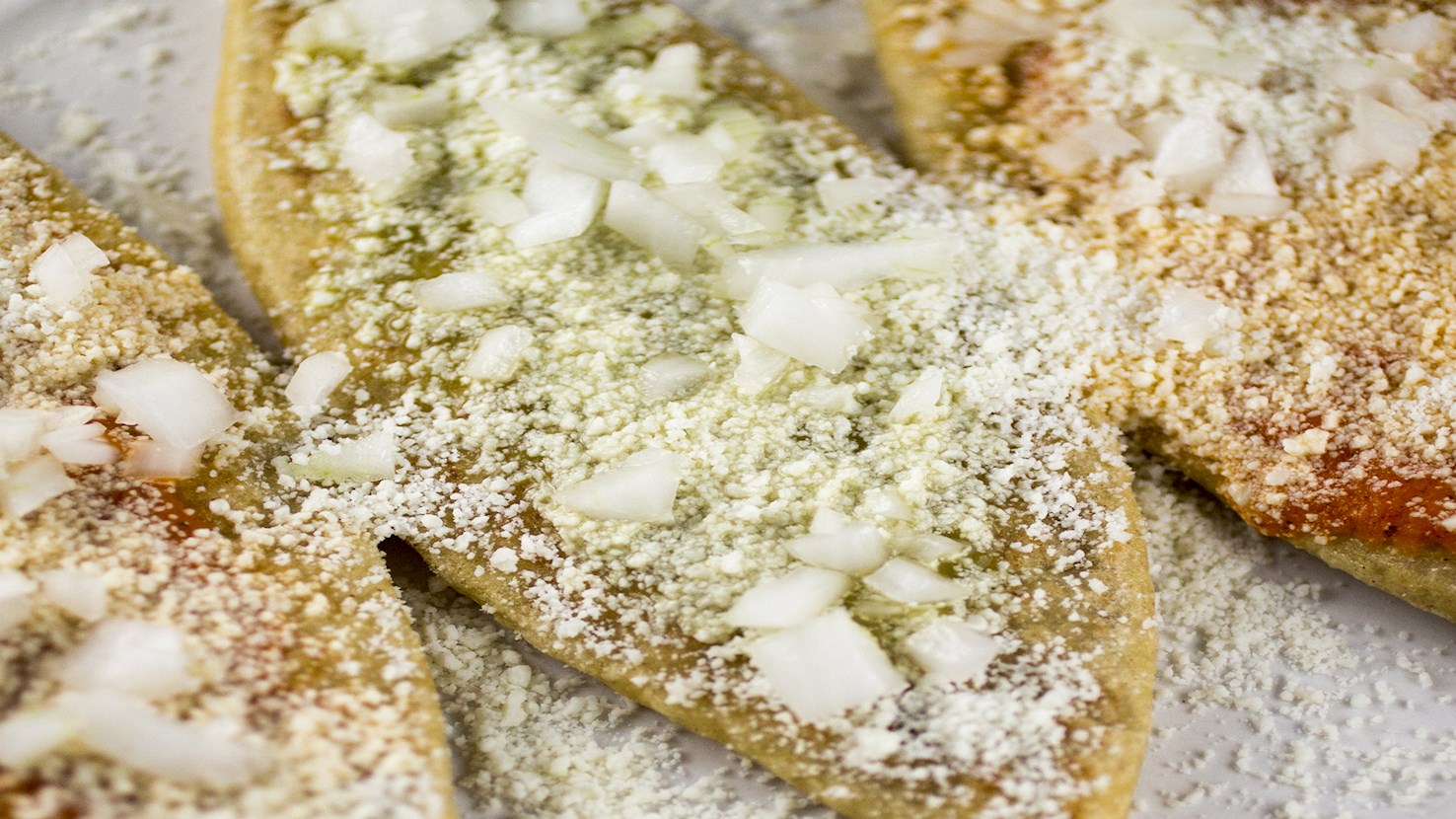
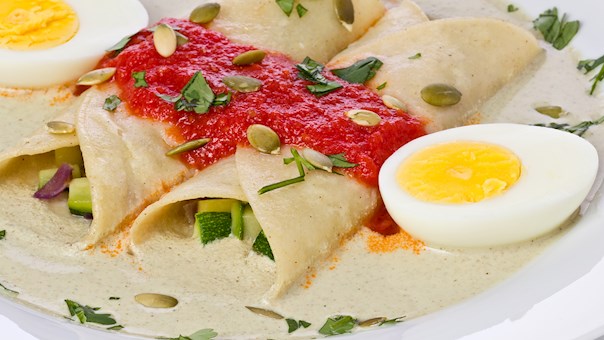
Tlacoyo is a popular Mexican street snack made from masa dough that is filled with anything from smashed beans and mushrooms to potatoes and cheese. The dish is characterized by its oval shape that is reminiscent of a football, and it is usually grilled on a hot comal (a smooth, round griddle). Tlacoyos are often topped with a variety of ingredients such as onions, salsa, coriander, and grilled nopales cactus.

Best restaurants
10

Nachos

4 ·

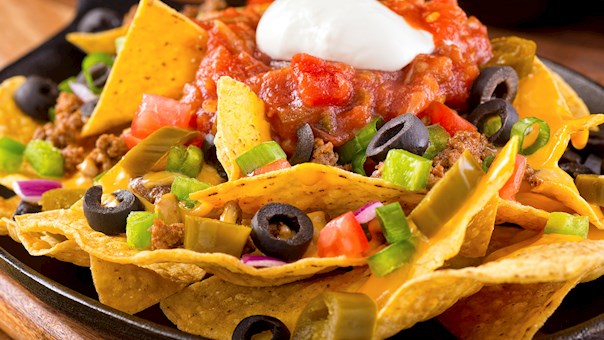
The first, original plate of nachos consisting of tortilla chips, melted cheese, and jalapeños was made for a group of military officers' wives in 1943 in Piedras Negras, Mexico. The ladies of the US Army Air Force base went over to a restaurant in the city, called the Victory Club. Its maitre d', Ignacio "Nacho" Anaya couldn't find the cook, so he combined some readily available ingredients for the ladies and presented them with canapes of tortilla chips, cheese, and jalapeño peppers. Nachos were created, and Anaya became the restaurant's head chef a few years later. The dish was named after his nickname, and was advertised on both sides of the border as Nacho Specials. The combination of chips and melted cheese quickly gained popularity, so by the 1960s, it became a staple of Tex-Mex cuisine. Some people credit a man named Frank Liberto for turning the nachos into a global phenomenon, since he is the one who turned the dish into stadium food in the United States, greatly increasing the sales of nachos and boosting their popularity even more. Today, common toppings include ingredients such as beans, elote corn, guacamole, lettuce, onions, tomatoes, and meat, and there is even a special event called the International Nacho Festival, held every October in Piedras Negras.

Read more
View all
View map
About this ranking

TasteAtlas food rankings are based on the ratings of the TasteAtlas audience, with a series of mechanisms that recognize real users and that ignore bot, nationalist or local patriotic ratings, and give additional value to the ratings of users that the system recognizes as knowledgeable. For the “Top 24 Mexican Snacks” list until May 15, 2026, 5,198 ratings were recorded, of which 2,770 were recognized by the system as legitimate. TasteAtlas Rankings should not be seen as the final global conclusion about food. Their purpose is to promote excellent local foods, instill pride in traditional dishes, and arouse curiosity about dishes you haven’t tried.

Similar lists