



shutterstock

Top 11 Polish Snacks

Last updated on June 15, 2026
01

Placki ziemniaczane

4.2 ·

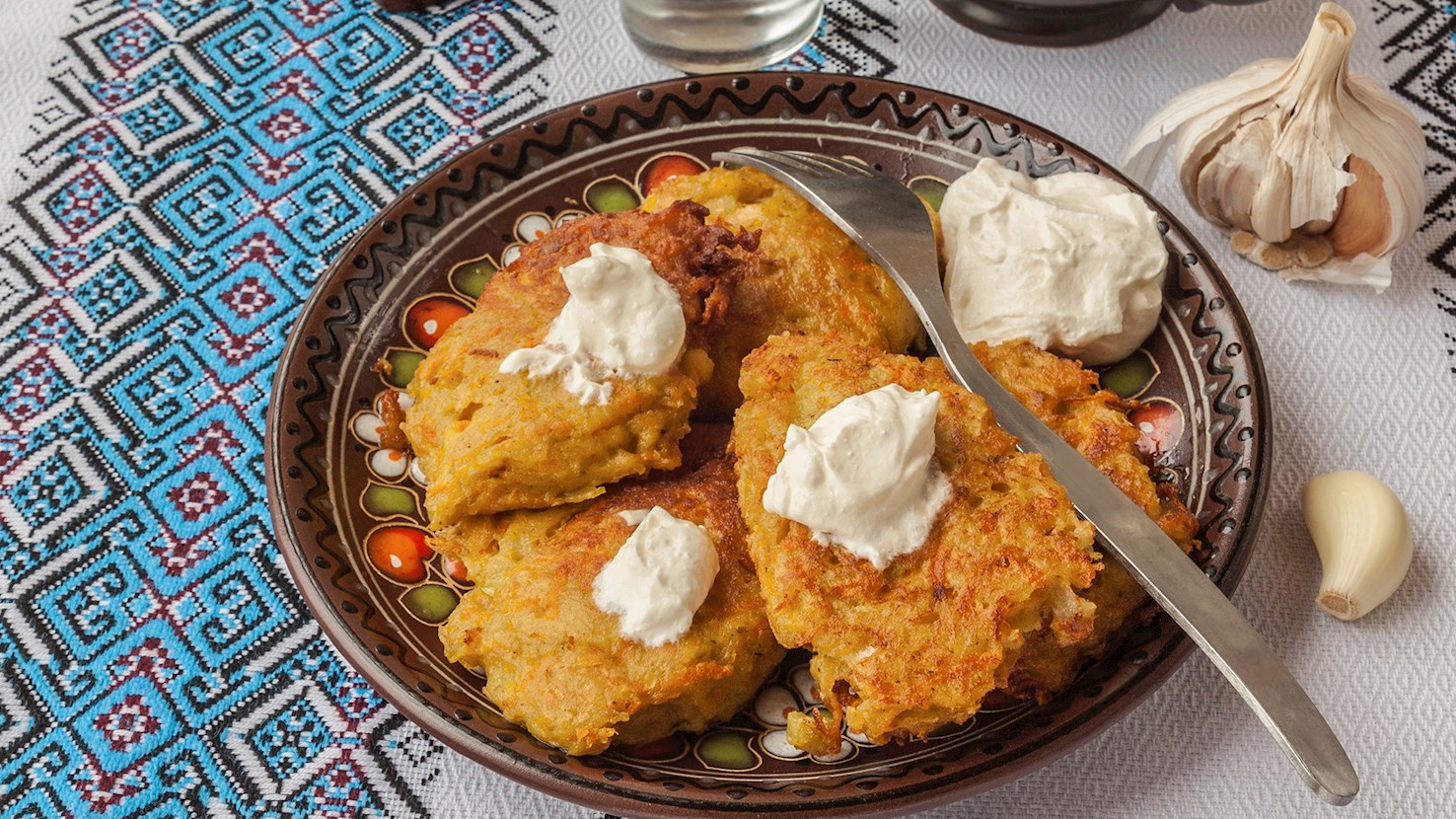
Placki ziemniaczane are the well-known potato pancakes, a common and straightforward dish enjoyed in all parts of Poland. The combination of grated potatoes and onions, incorporated with eggs and occasionally flour, form the base of the dish. It is highly versatile, and it can be adapted with crushed garlic or spices such as marjoram, parsley, and chives, to satisfy every taste. Potato pancakes are round and small in size, similar to American pancakes, and usually fried in shallow oil. With dark and crispy skin and spongy and soft interior, this quick and adaptable dish is a staple in every Polish household. Even though Polish regard them as a national dish, slightly different varieties of potato pancakes can be found across Central and Eastern Europe. Their exact origin is hard to trace, but in all regions and countries, they represent one of the most popular traditional dishes. In Poland, they are usually served with sour cream, which can be elevated with chives, paprika, and horseradish, or a satisfying mushroom sauce. These crispy potato clusters are often consumed as a sweet treat when they are usually topped with thick applesauce or simply sprinkled with sugar. They are eaten for breakfast, lunch, or dinner, and make an excellent and quick sweet or savory snack.

02

Zapiekanka

4.2 ·

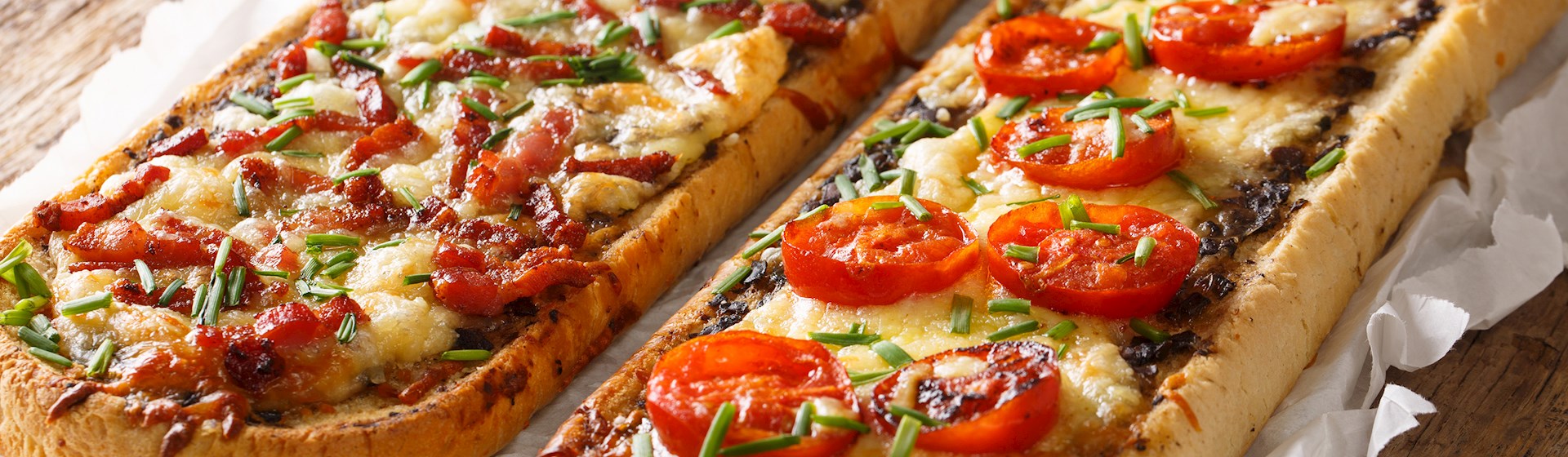
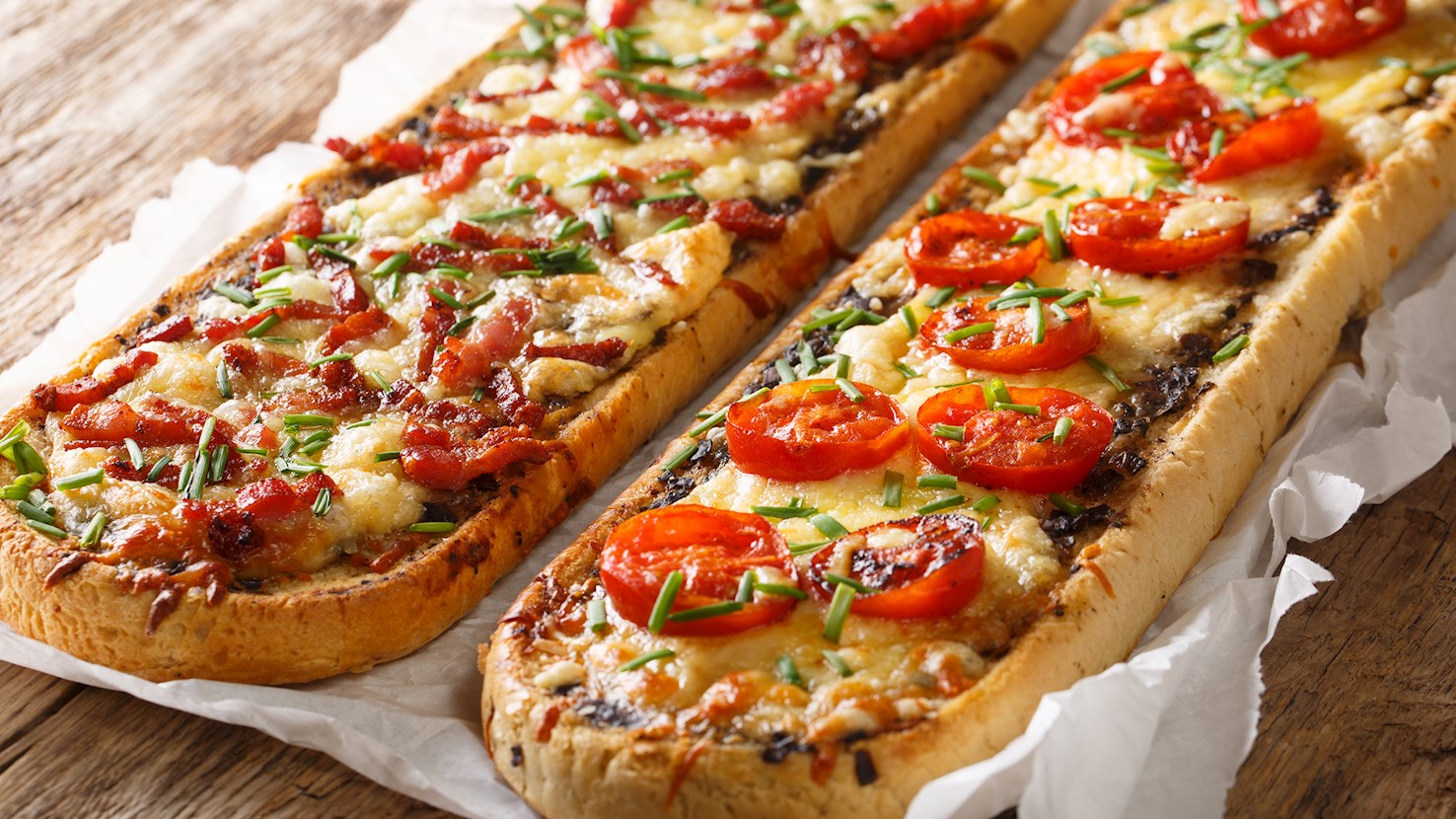
One of Poland's favorite fast foods is this unique open-faced sandwich. The scrumptious Polish zapiekanka is made with a plain white baguette cut lengthwise, topped with a variety of tasty ingredients and a generous heaping of grated semi-hard cheese, and grilled under a broiler. Hailing back to the 1970s, this snack originated at a time when even the most basic of ingredients were hard to come by in communist Poland, and people had to think of how to make the best use of whatever they had available. The original zapiekanka was made with sautéed mushrooms and cheese, but with time, a variety of other ingredients such as meat, bacon, sausages, or even feta cheese, olives, and pineapple started to become customary toppings for these crusty warm sandwiches. They are always served sizzling hot, most often with a drizzle of tomato ketchup on top. Though available across the country, zapiekanka remains the most popular snack at the fast food stands of Krakow, especially in the wee weekend hours after a long night of overindulgence.

03

Paszteciki

4.1 ·

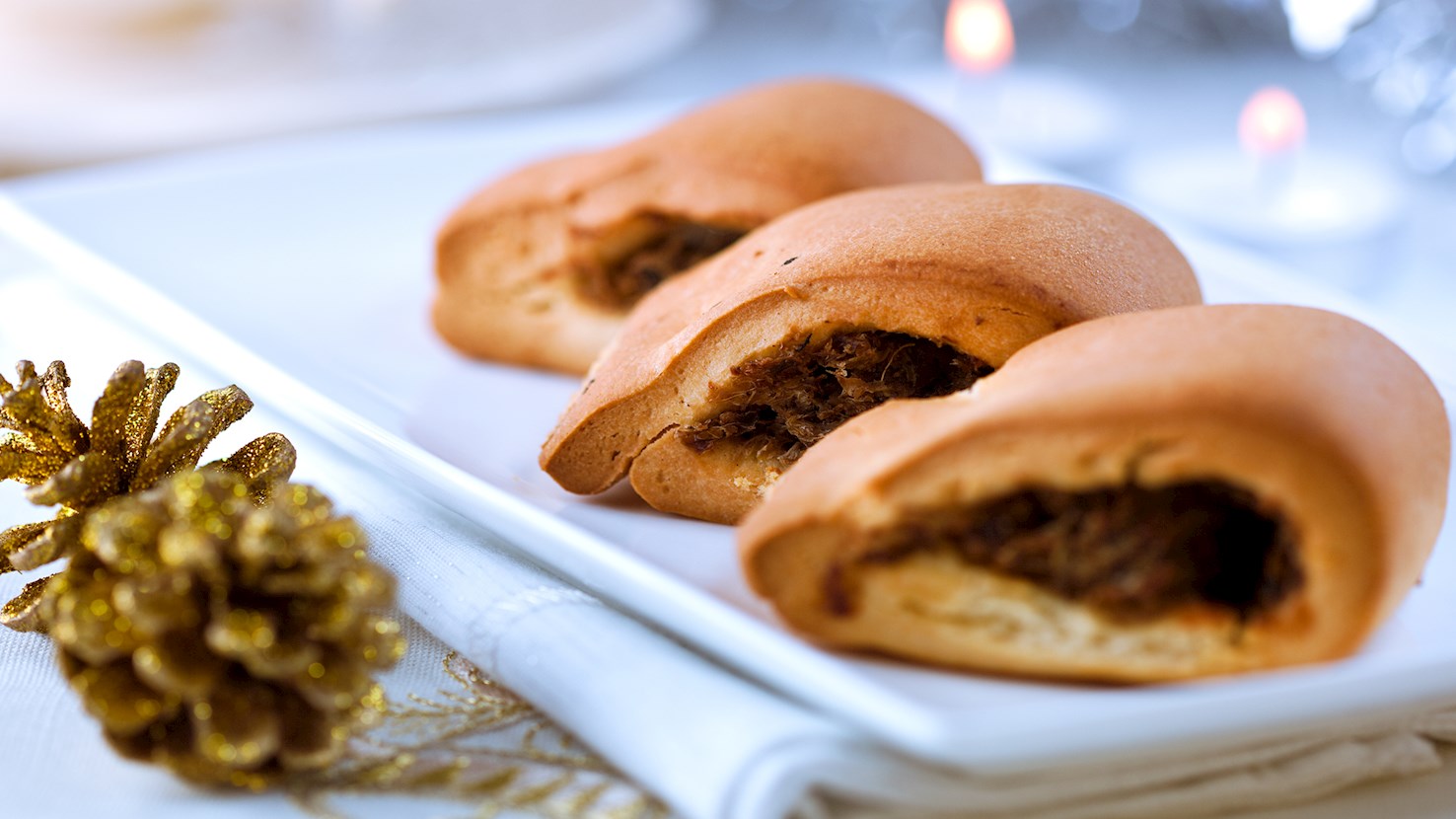
Polish paszteciki are popular pastries or rolls consisting of either yeast-risen or buttery dough that is wrapped around various fillings such as mushrooms, cabbage, or minced meat. While these baked delicacies are a part of the traditional Polish cuisine and were initially paired with various hearty soups (especially the Christmas beet soup), in the 1960s, the unique pasztecik szczeciński was developed. This machine-produced, deep-fried paszteciki version immediately gained popularity, and today it is officially listed as a traditional Polish product that can only be made following the traditional recipe.

Best restaurants
04

Racuchy

4.1 ·

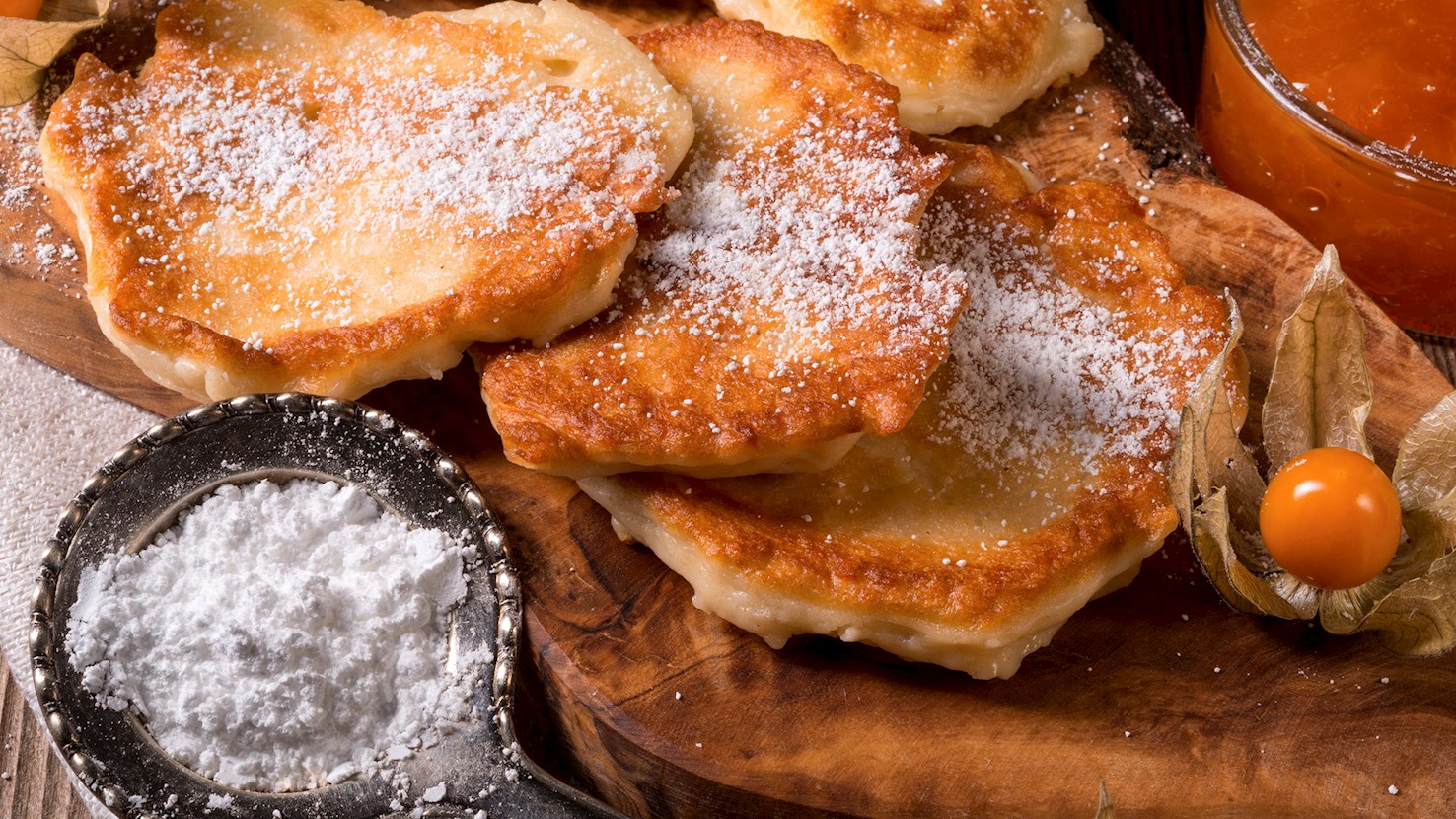
A mix between classic American pancakes and thin crepes, fluffy racuchy are an authentic Polish dessert. They are traditionally made with apples, but the plain varieties are also quite popular. Eggs, milk or buttermilk, sugar, and yeast or baking powder create the basic thick mix for these classic pancakes. Apples are usually diced or thinly sliced and added last. Racuchy can range from thick to rather thin forms, depending on preference, but they are always smaller in size than crepes. The pancakes are pan-fried, resulting in a crunchy exterior with a soft and elastic center. Before serving, they are usually sprinkled with plain or powdered sugar. Although racuchy are especially popular as a dessert, they can often be served as a sweet breakfast or as a snack. These pancakes can be eaten plain or accompanied by a cup of warm milk. Occasionally, apples can be substituted with other fruit, such as bananas and pears, while a dollop of whipped cream is often served on the side.

05

Krokiet

4 ·

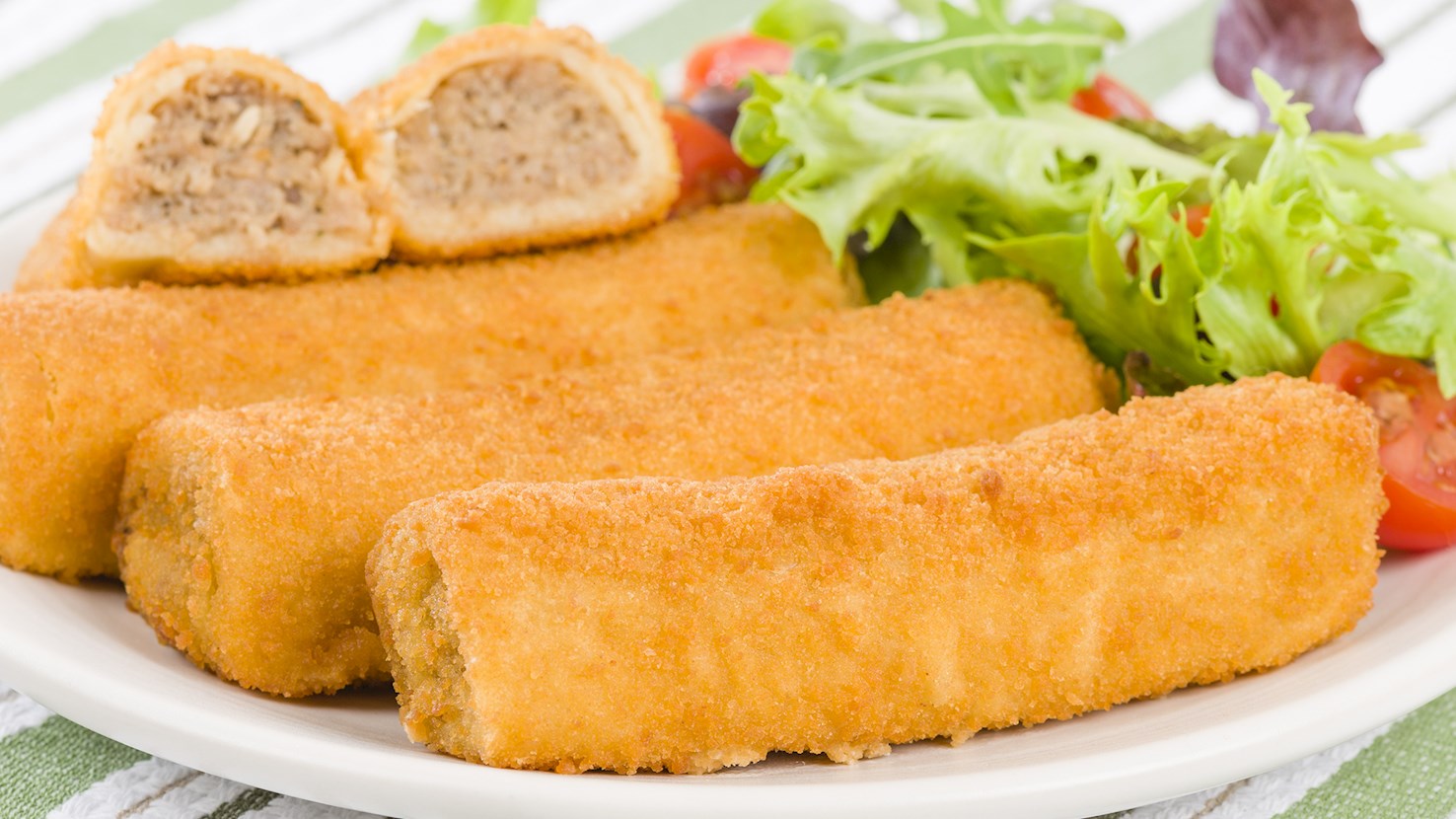
Krokiet is a unique Polish dish consisting of a thin crêpe filled with various ingredients. It is then neatly folded in a roll, breaded, and shortly fried until golden and crispy. The fillings are usually based on sautéed meat or vegetables, or a combination of both. Two or more krokiets are traditionally served as the main course, but they can often be enjoyed as a side dish served alongside hearty and thick Polish soups.

06

Bułka z pieczarkami

4 ·

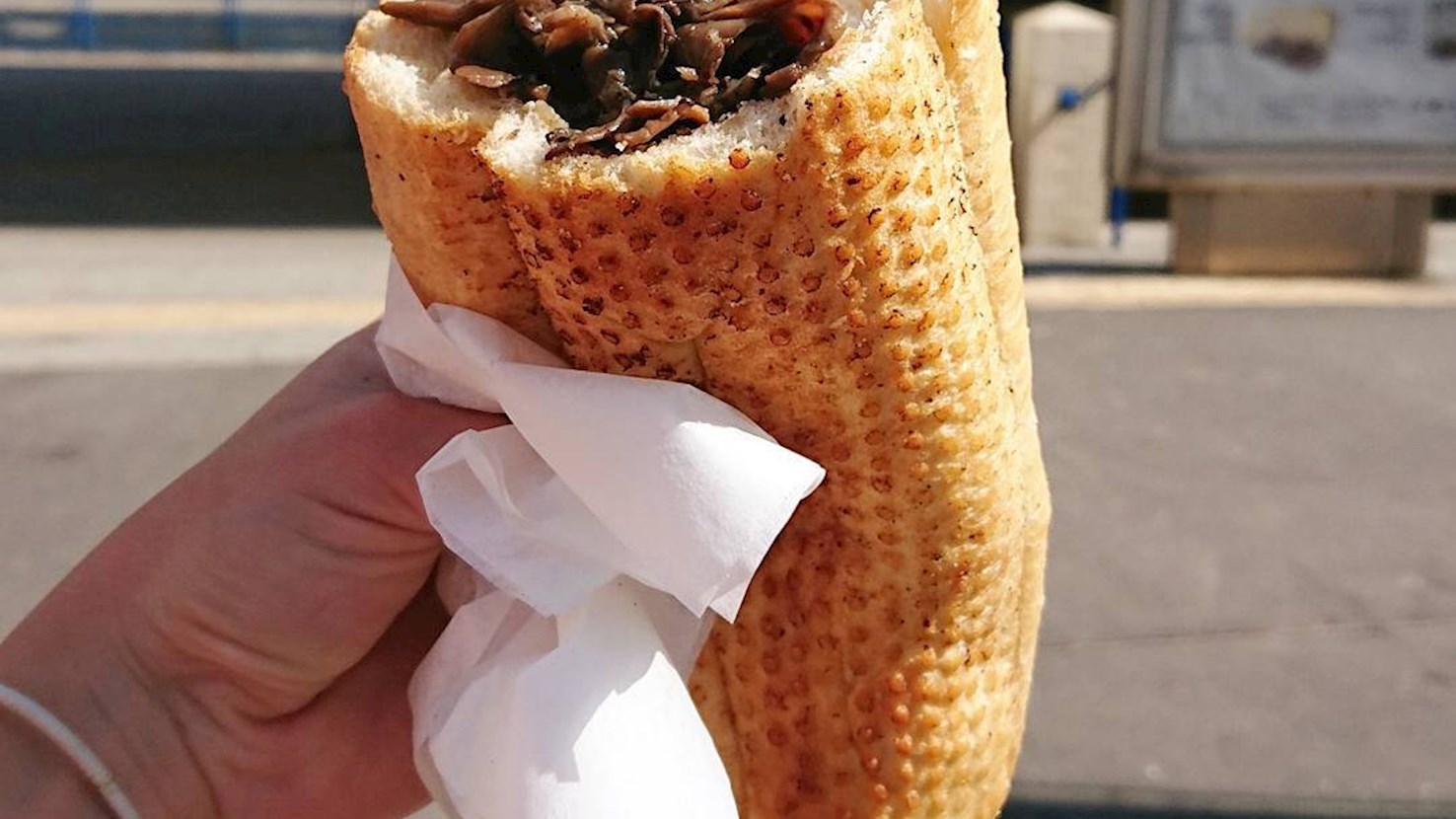
Bułka z pieczarkami is an authentic Polish mushroom roll consisting of a bread roll that is stuffed with mushrooms and onions. Other optional ingredients include grated cheese, sausages, or heavy cream. The rolls are served hot and crunchy, topped with ketchup, mustard, or a combination of both. Although they are somewhat overshadowed by more popular street food fare such as burgers and hot dogs, mushroom rolls are still a typical street food item in Poland, sold at numerous food kiosks and street stalls across the country.

07

Cebularz Lubelski

3.9 ·

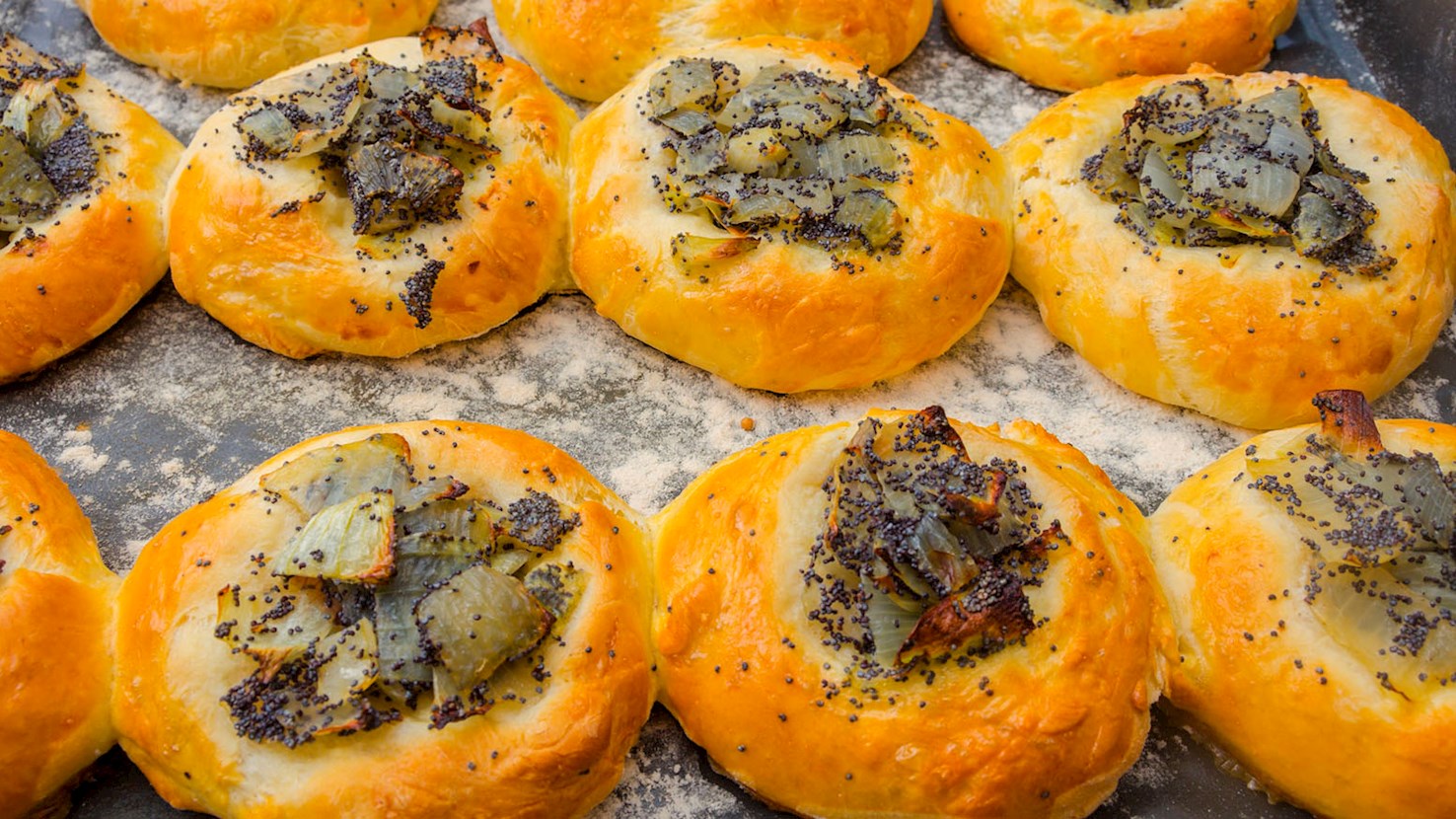
Cebularz lubelski is a round-shaped flatbread with a thickness of about 1,5 centimeters. It is produced in the Lublin Province in Poland, and only 24 bakeries make this unique product that should be eaten fresh, as it must be consumed within 48 hours of being baked. It is made with high-quality flour dough that contains twice as much sugar and margarine or butter compared to the ordinary wheat dough. The flatbread is topped with diced onions, salt, and poppy seeds, baked until it develops a golden color and an aroma characteristical of freshly fried onions. This product has Jewish origins and it was first made in the 19th century by Jews from Lublin, Kazimierz Dolny, and Zamość, but later it has spread and became popular among Poles. It currently holds a strong reputation and is often served at gatherings, events and family picnics.

08

Rurki

3.8 ·

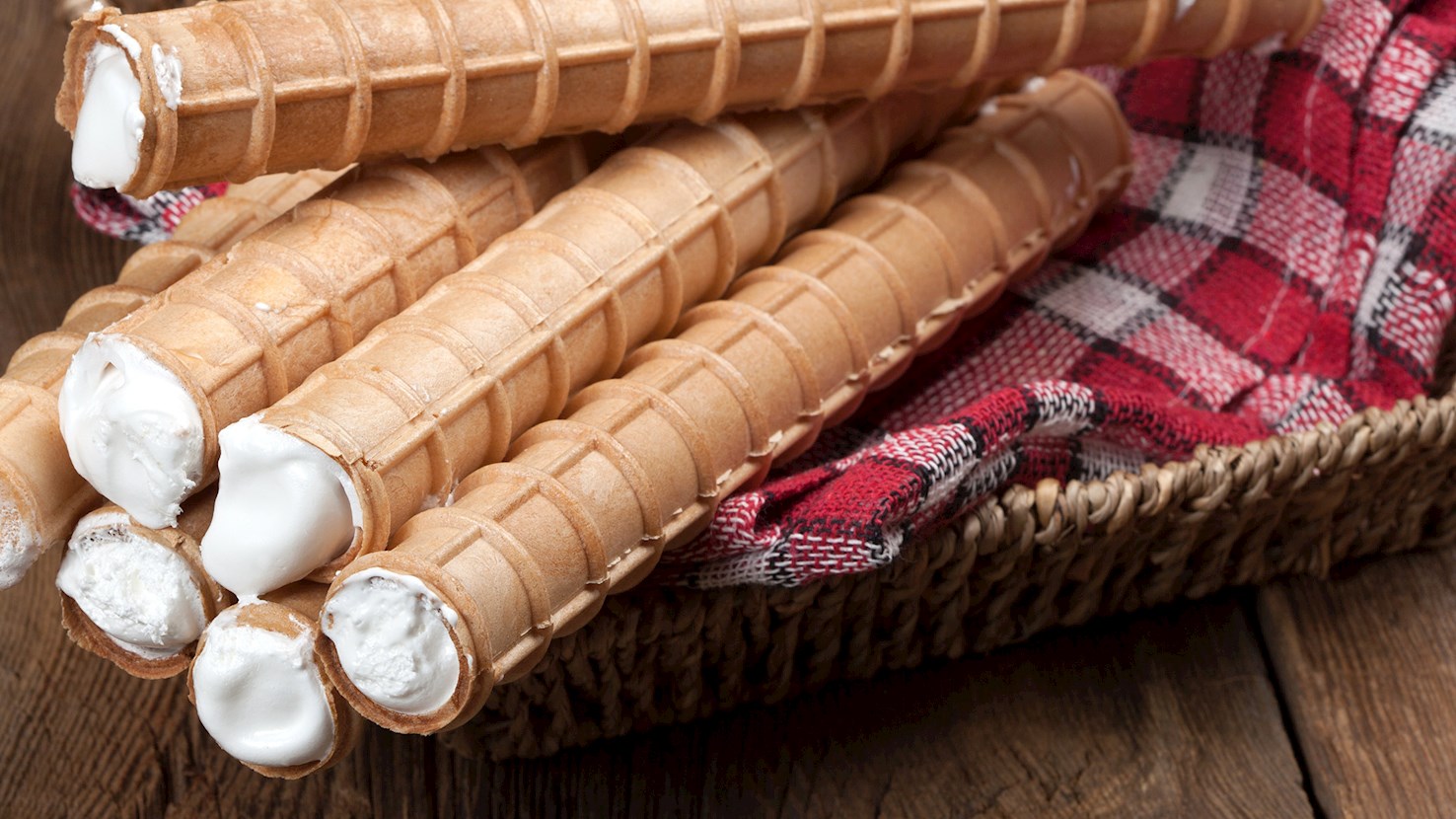
Called rurki or rurki z kremem in Poland, this sweet specialty is a type of cream roll consisting of thin pastry that’s typically filled with whipped cream or pastry cream. It is often dubbed torpedo dessert due to its characteristic shape, and apart from Poland, there’s also a long-standing tradition of preparing this dessert in other countries. The origins of rurki are often associated with Türkiye and Bulgaria, where the dessert is known as torpil tatlısı and funiiki s krem, respectively. There are many variations of this sweet delicacy regarding the ingredients used for its preparation, the appearance, texture, and flavor of the rolls, and the type of cream used for filling the pastry. In Poland, rurki cream rolls are usually long and crispy, wafer-like tubes filled with thick and subtly sweet whipped cream, and they’re a staple street snack. In other countries, the cream rolls resemble soft and buttery bread rolls with flaky texture, and they are usually filled with pastry cream or custard cream.

09

Andruty Kaliskie

3.4 ·

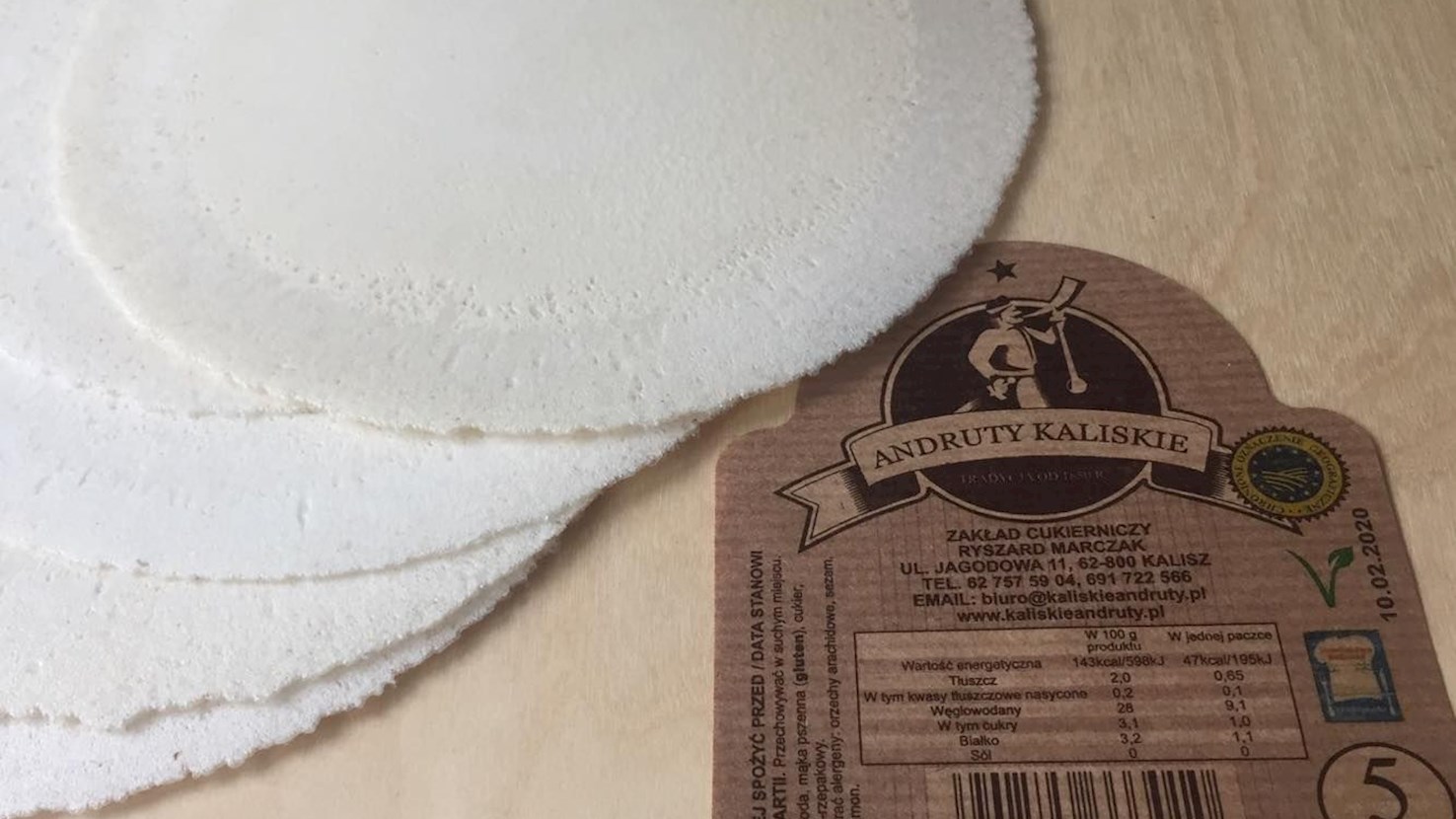
Andruty kaliskie, also known as Kalisz wafers, are thin, sweet and crisp cream-colored wafers with a shiny surface produced in the city of Kalisz in Poland since the 19th century. They have become a symbol of the town in the Wielkopolska region. To achieve their delicate, dry, crisp and smooth taste, water, sugar, flour and rapeseed oil are mixed to form a dough that is then pressed between the two plates of a traditional waffle iron. In the past, they have regularly been sold on Sundays and holidays at the park in Kalisz and were a favorite snack of families on their outings. The wafers are mostly eaten on their own, as they are crunchy and soft that there is no need to spread or stuff them with any accompaniments, yet adults are sometimes known to consume them alongside a cold beer or two.

10

Kawior po żydowsku

n/a ·

Kawior po żydowsku, also known as Jewish caviar, is a Masovian specialty consisting of finely chopped and fried chicken or calf livers, onions, garlic, and hard-boiled eggs. Sometimes the caviar mixture is ground instead of chopped, and it is usually flavored with ground cumin. This common Polish snack is typically topped with chopped dill and used as a spread on Jewish matzah or a slice of sourdough rye bread. This specialty should not be accompanied by any dairy products as Jewish cuisine strictly prohibits combining milk with meat products. Just like any other Jewish dish that is in one way or another associated with a specific holiday or a special celebration, this one is traditionally reserved as an appetizer for Shabbat. In Poland, the dish is often a part of the holiday tables in many households. It is also commonly found on the menus of restaurants that serve dishes of Ashkenazi Jewish cuisine.

Read more
View all
View map
About this ranking

TasteAtlas food rankings are based on the ratings of the TasteAtlas audience, with a series of mechanisms that recognize real users and that ignore bot, nationalist or local patriotic ratings, and give additional value to the ratings of users that the system recognizes as knowledgeable. For the “Top 11 Polish Snacks” list until June 15, 2026, 2,050 ratings were recorded, of which 1,629 were recognized by the system as legitimate. TasteAtlas Rankings should not be seen as the final global conclusion about food. Their purpose is to promote excellent local foods, instill pride in traditional dishes, and arouse curiosity about dishes you haven’t tried.

Similar lists