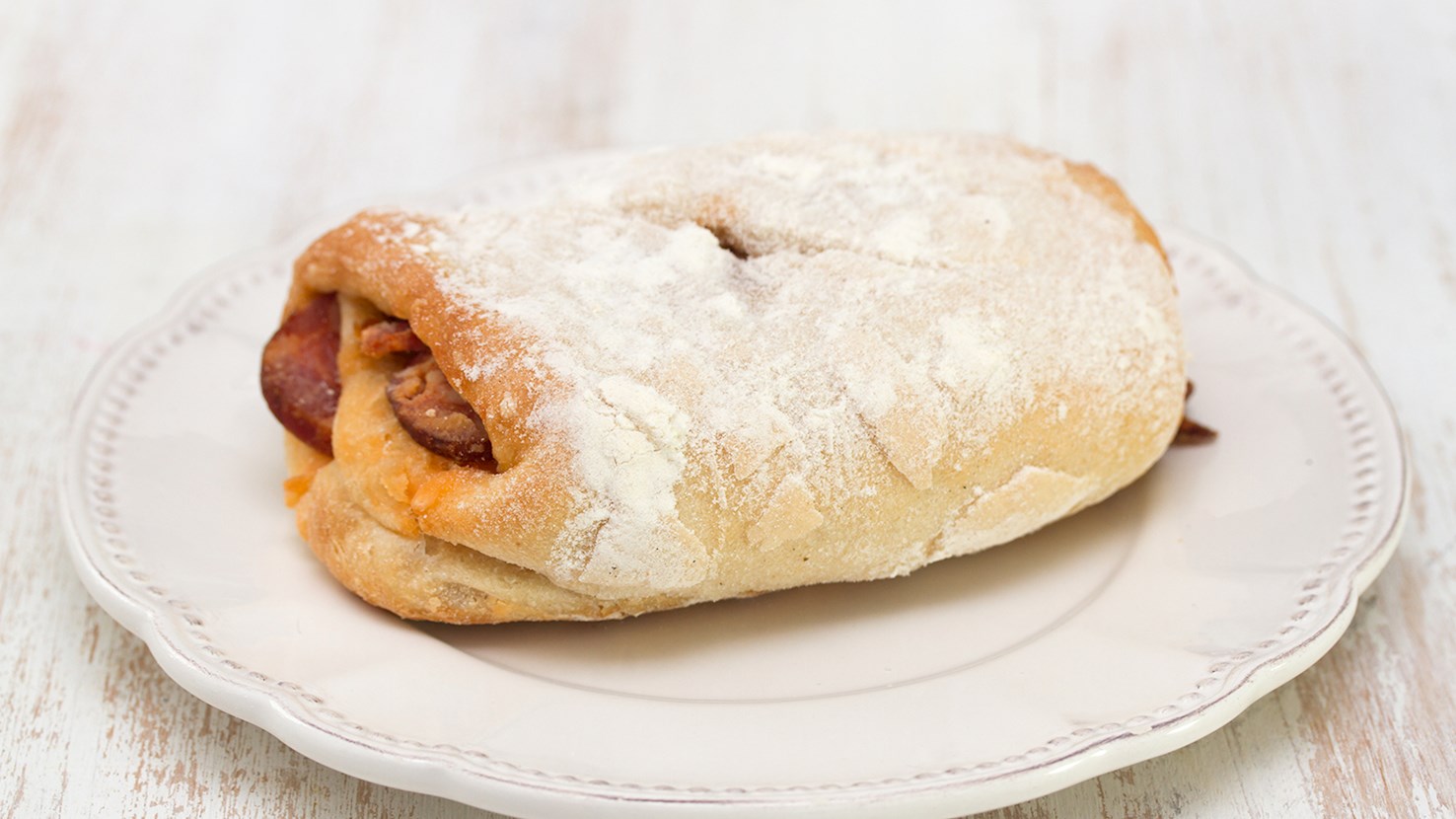
Pão com chouriço is a traditional snack. It consists of yeasted dough rolls that are filled with the famous pork sausage known as chouriço. The bread rolls are usually made with flour, yeast olive oil, salt, and slices of chouriço sausage. Once the dough has been prepared, it's typically rolled into rectangles, topped with slices of chouriço, then rolled and closed. These delicious snacks are baked in the oven until golden brown, and it's recommended to serve them while still warm.
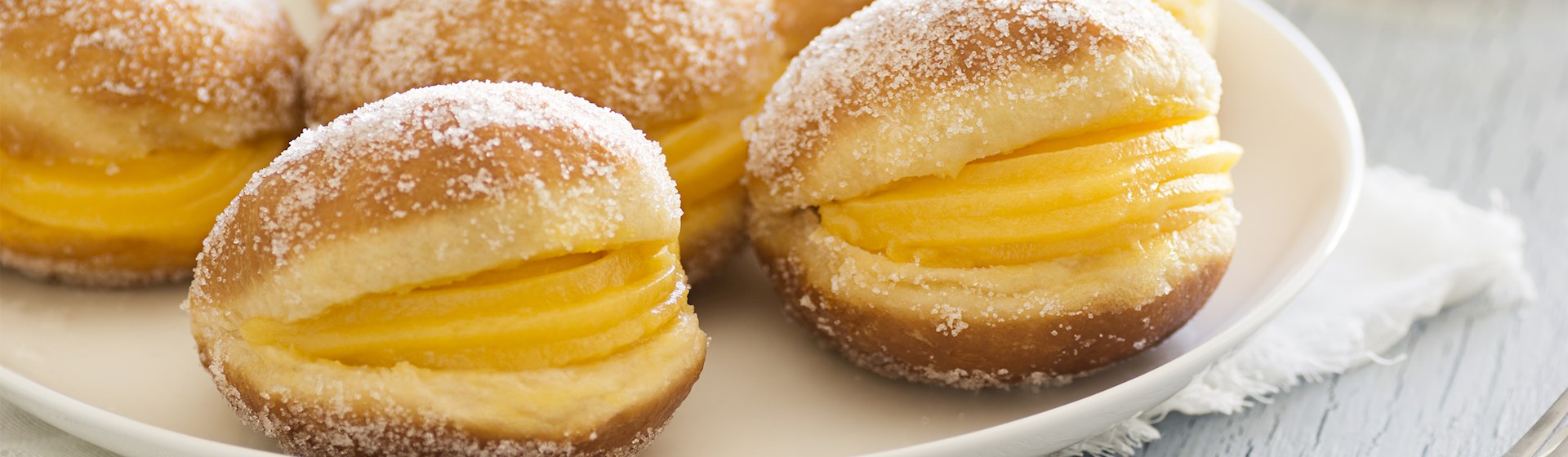
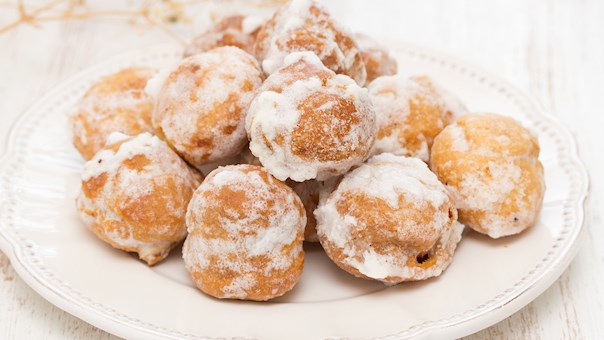
Bolas de Berlim are Portuguese donuts that are sliced in half, then filled with sweet and creamy egg-based custard. Fluffy on the exterior and thick and creamy on the interior, these donuts are typically rolled in granulated sugar before being filled with the custard. On the Portuguese coast, vendors sell these tasty balls on numerous beaches, and locals love to consume them while sunbathing. Although bolas de Berlim are typically filled with custard, they can also be ordered sem creme, meaning without the creamy filling.
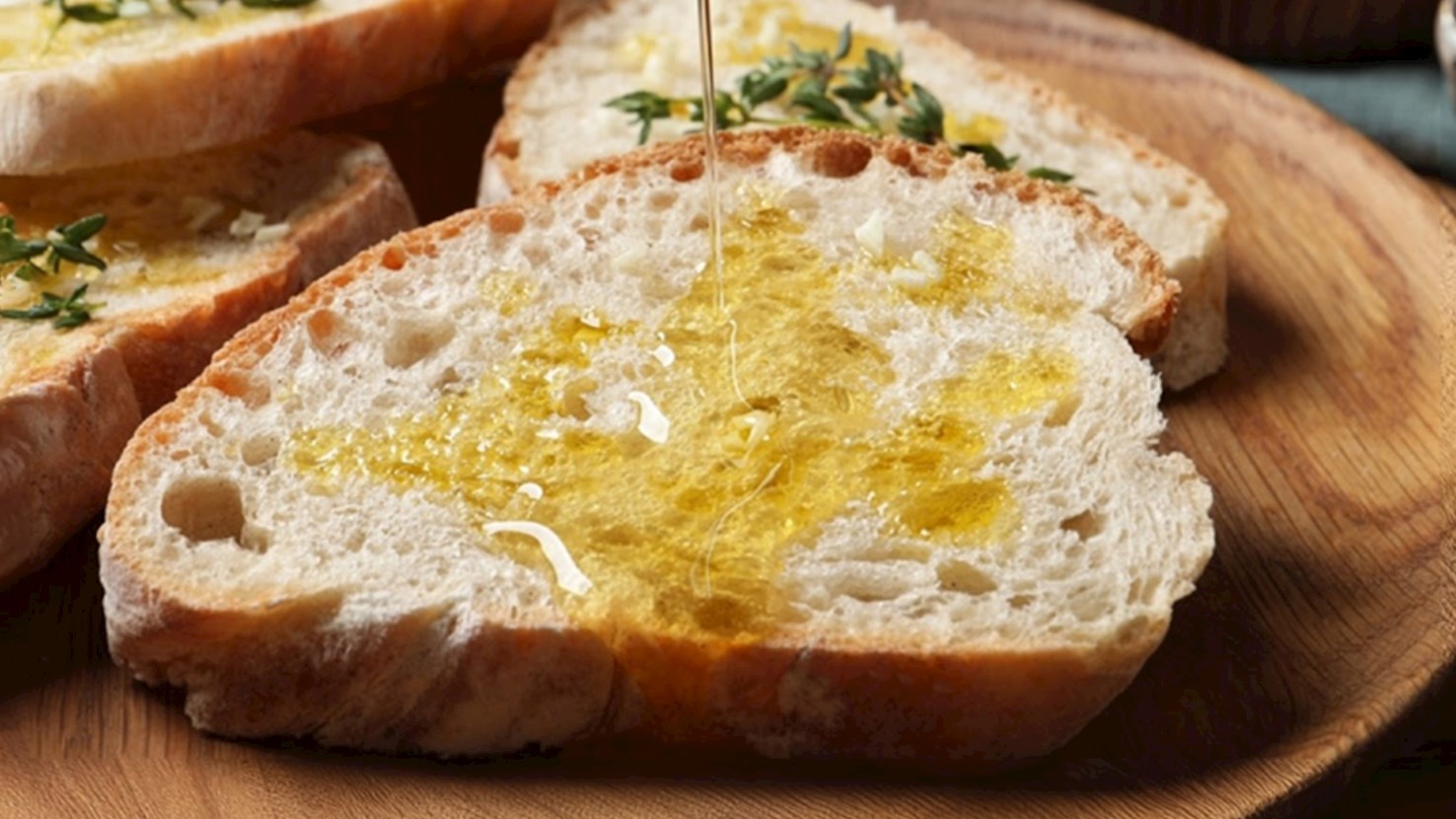
Pane e olio is an Italian phrase meaning bread and oil, referring to a simple yet classic Italian dish that highlights the quality of its basic ingredients: bread and olive oil. Traditional Italian bread such as ciabatta, focaccia, or a rustic country loaf is typically used, while extra virgin olive oil (EVOO) is the oil of choice due to its superior flavor and health benefits. High-quality, cold-pressed olive oil from regions like Tuscany or Puglia is ideal. The bread is usually sliced and may be served fresh or lightly toasted, with toasting enhancing its texture and providing a warm base for the olive oil. The olive oil is typically poured into a small dish or bowl for dipping, though some variations may include a drizzle of olive oil directly on the bread slices. The olive oil can be seasoned with a pinch of sea salt, freshly ground black pepper, or a dash of balsamic vinegar for added flavor, and some might add a sprinkle of dried or fresh herbs such as rosemary, thyme, or oregano. Rubbing a clove of garlic on the toasted bread before adding the olive oil can infuse the dish with a subtle garlic flavor, and additional toppings like sliced tomatoes, olives, or anchovies can be added for more complexity. Pane e olio is often served as an appetizer or a starter in Italian meals but can also be enjoyed as a light snack or part of an antipasto platter. This dish emphasizes the Italian culinary philosophy of using simple, high-quality ingredients to create delicious food and is a common practice in Italian households, showcasing the country's rich tradition of olive oil production and bread-making. But apart from Italy, the same dishes exist in other countries as well, such as Spain's pan con aceite, France's pain et huile d'olive, Lebanese khebez w zeit zaytoun, Turkish ekmek ve zeytinyağı, and many more.
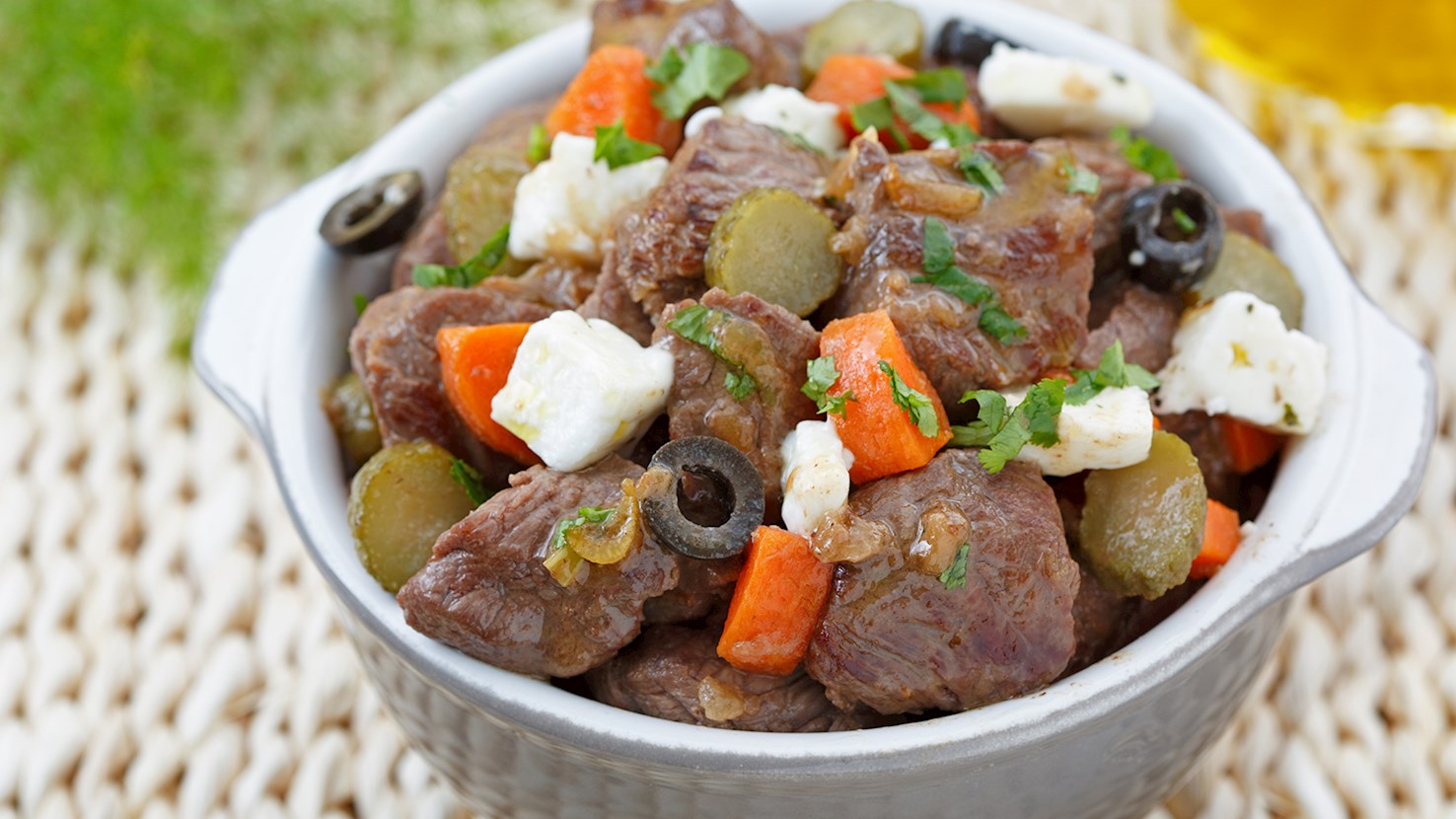
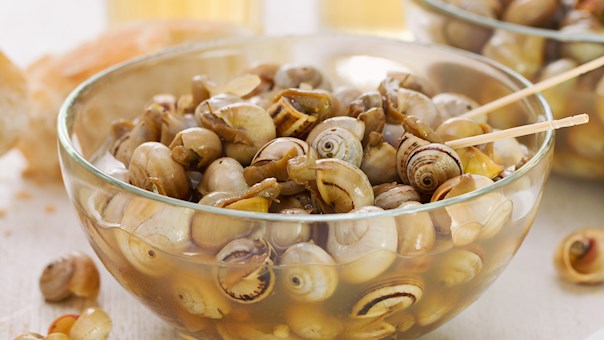
Pica pau is a traditional dish consisting of small pieces of fried beef in a light gravy made with beer, garlic, oil, chili, and mustard. The dish is usually consumed as a snack, accompanied by a few glasses of cold beer and bread for mopping up the sauce. When served, pica pau is traditionally topped with olives and pickled carrots and cauliflowers. The name of the dish means woodpecker, because you pick at the beef with a wooden toothpick. Pica pau is a staple of the Portuguese tascas – tiny little restaurants.
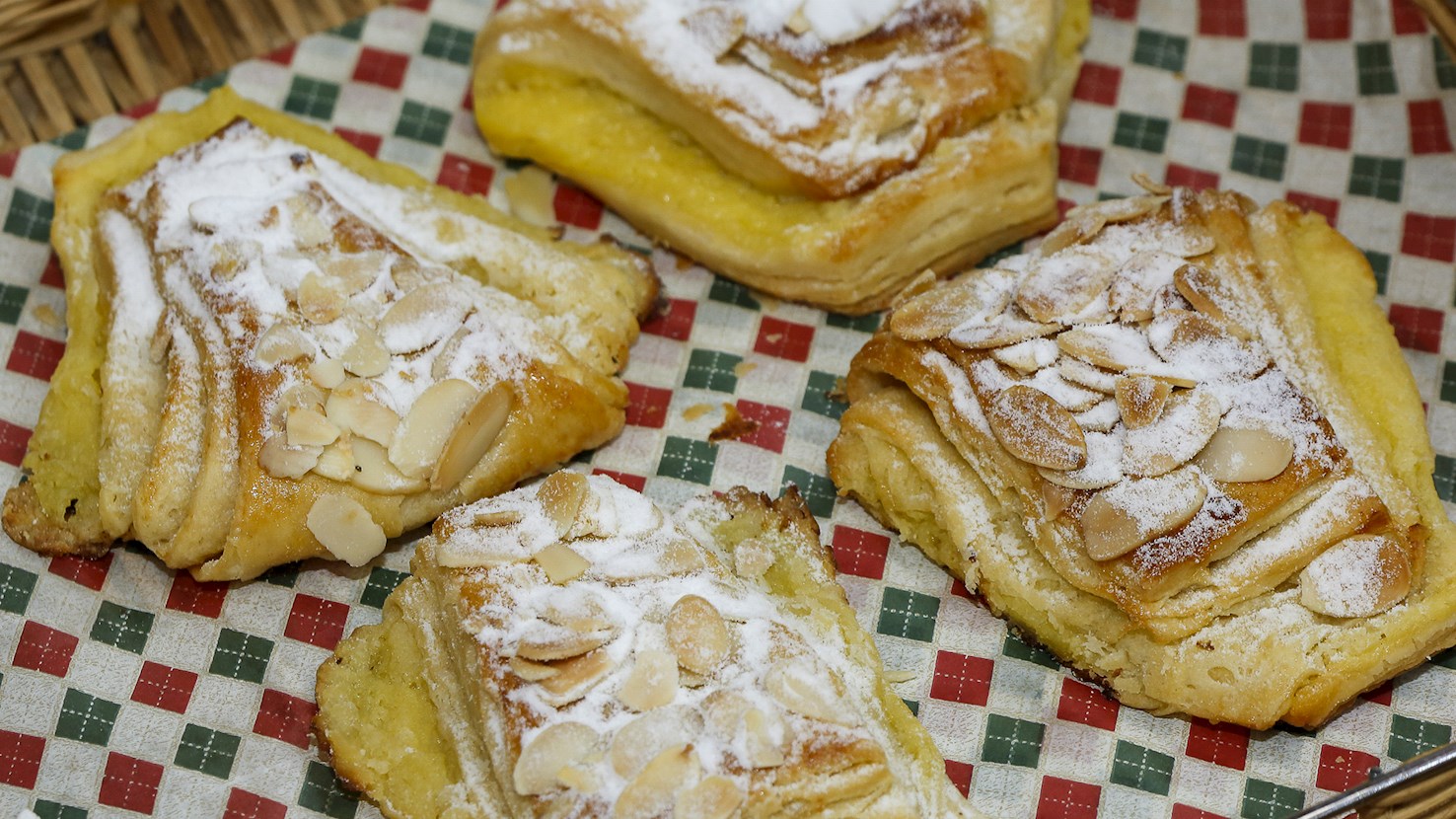
These triangle-shaped pastries are one of many sweets that were initially prepared in Portuguese convents. Jesuítas are made with layers of puff pastry that are coated in egg custard, and the whole slice is typically topped with meringue. There are numerous theories about the name and the origin of these pastries, but the only certainty is that they initially appeared in the city of Santo Tirso. Nowadays, they are commonly found in Portuguese pastry shops, and some varieties may be flavored with cinnamon or topped with almonds.
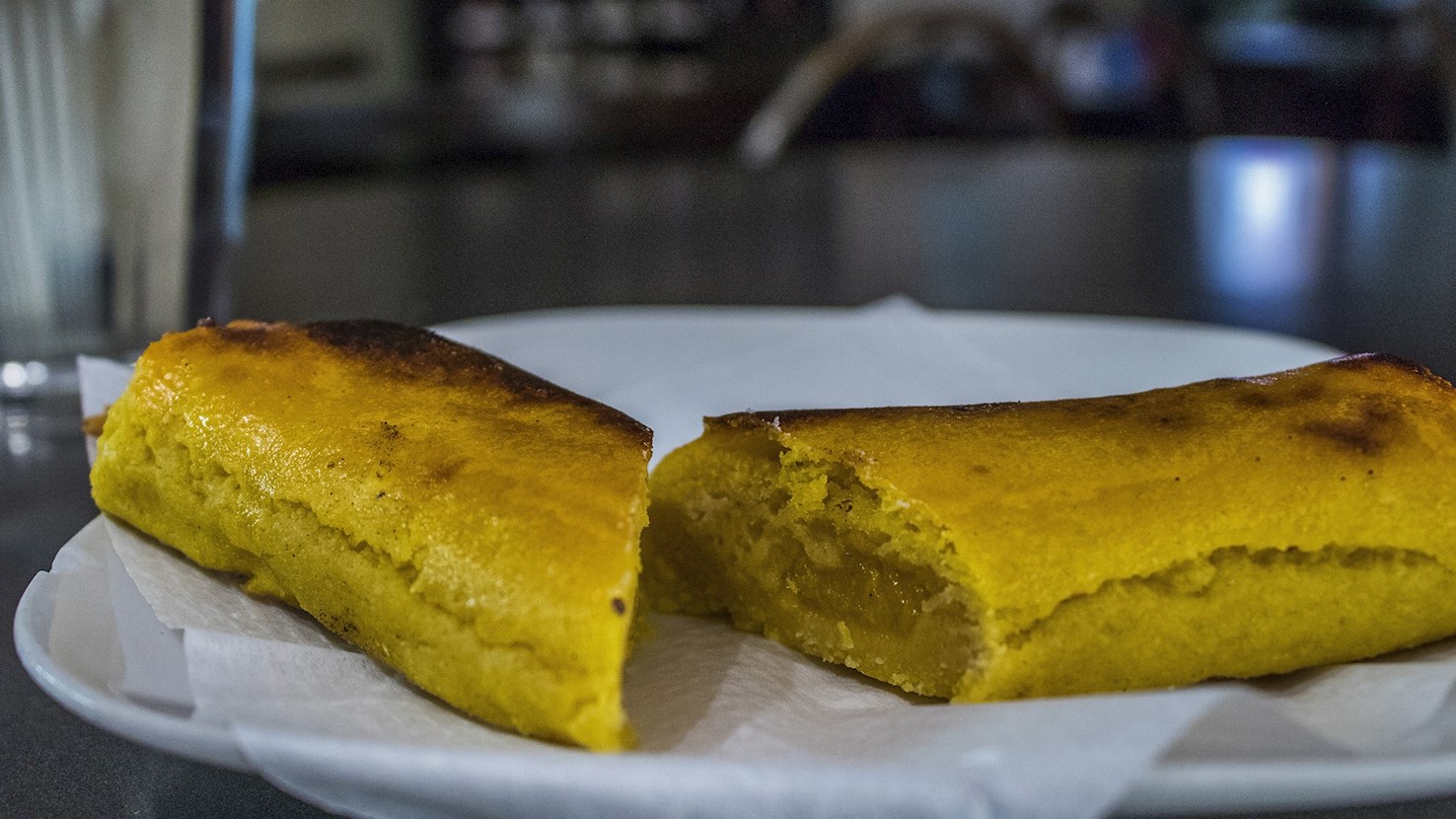
Characterized by its round, elongated shape, this sweet Portuguese treat combines buttery pastry and a creamy, cinnamon-spiced egg yolk filling. The name of the pastry is linked to campinos - traditional cattle herders who use long wooden sticks (pampilhos) to encourage cattle to move. Although it is found in other Portuguese regions, pampilho is traditionally associated with Santarém. It is typically enjoyed for breakfast or as a sweet mid-day snack.
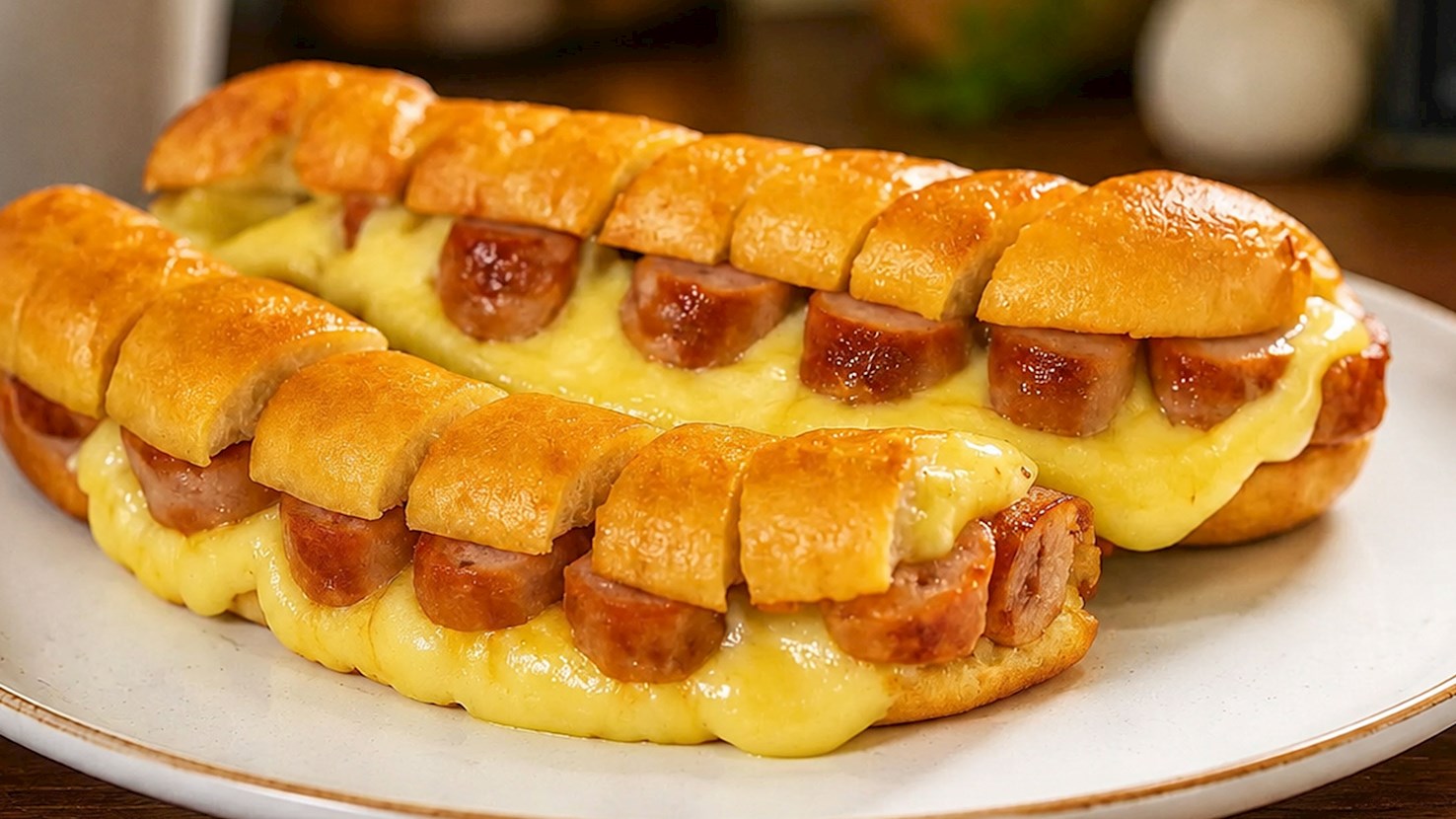
Cachorrinho is a popular snack originating from Porto. It is a small, hot sandwich made with a crispy bread roll filled with two types of sausages (linguiça and chouriço, fresh and smoked, respectively, traditionally acquired from the Bolhão market) and cheese, brushed with a mixture of butter and piri piri sauce. The sandwich is often grilled or toasted until the bread is crunchy and the cheese melts. Cachorrinho is commonly enjoyed in cafés and bars as a quick, tasty treat, accompanied by French fries and beer.
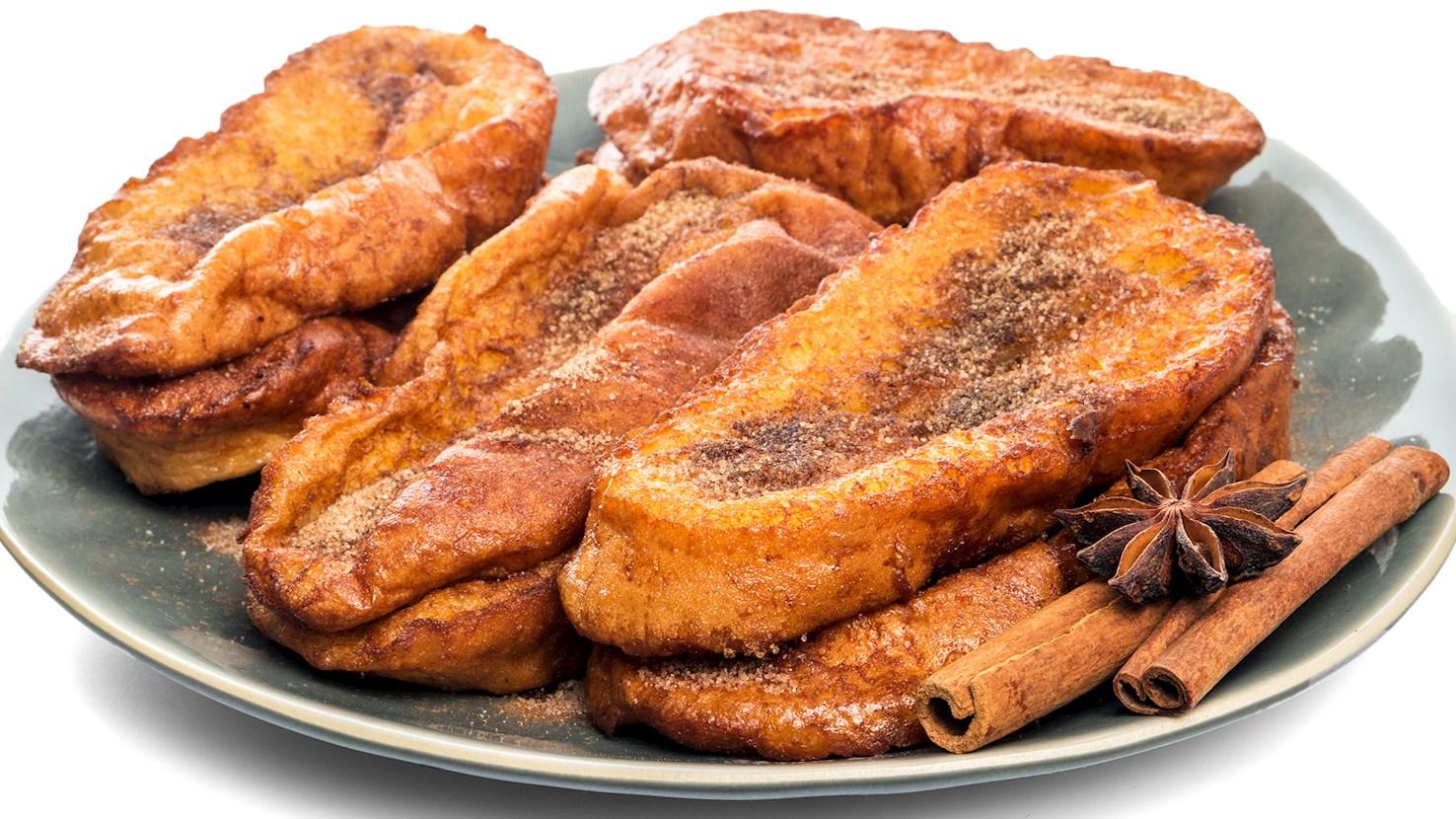
Rabanada is the Portuguese and Brazilian version of french toast. It's made with round or oval stale bread cut in thick slices that's dipped in milk (or milk, sugar, and vanilla) and beaten eggs, fried in oil, then sprinkled with cinnamon sugar. As a result, rabanada is sweeter and crunchier than the American french toast. The first mention of rabanada dates back to the 15th century, when it was described by Juan del Encina as a dish that's helpful for recovery from childbirth, which is why rabanada is alsko known as fatia parida, meaning slices for the new mom. The first recipe dates back to the 17th century, and by the beginning of the 20th century, the treat was commonly served in the taverns of Madrid, accompanied by jugs of wine. Nowadays, it is particularly popular during Christmas time but can be enjoyed year-round in many parts of Brazil and Portugal.
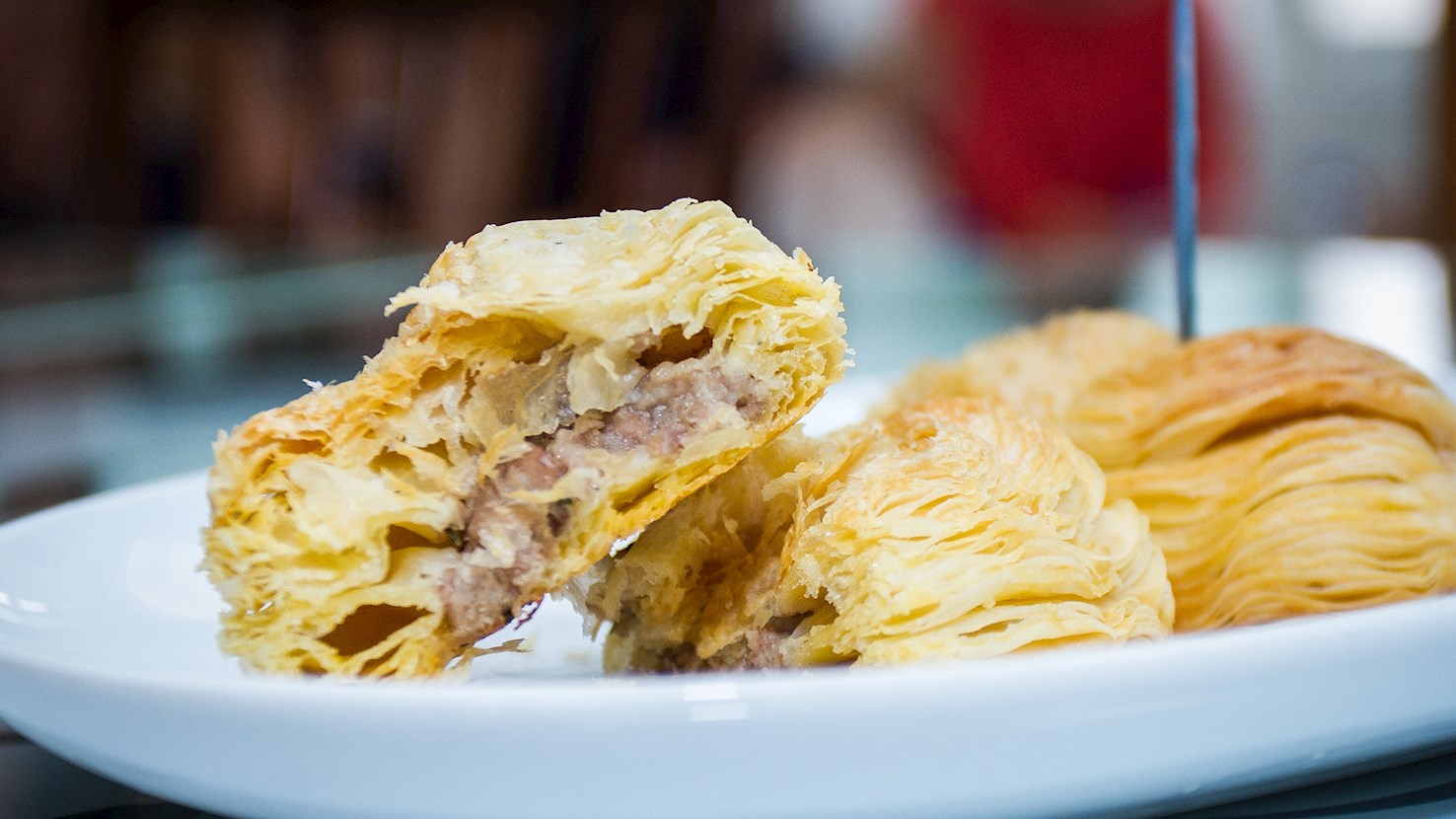
This clam-shaped Portuguese delicacy is made with a puff pastry shell that is filled with a unique mixture of minced veal, bread, and onions. The tradition of preparing pastel de Chaves dates back to 1862, and according to a popular legend, the first person to sell these unique pastries was Teresa Feliz Barreira, the founder of Casa do Antigo Pasteleiro, the first establishment where pastel de Chaves could be bought. The original recipe stayed in her possession for 75 years, until the 1940s, when other bakeries in Chaves started to manufacture and sell the same product. The Portuguese city of Chaves protected this famous pastry as their authentic product, which licensed them to be the only location where pastel de Chaves can be produced and sold. According to municipal records, the town of Chaves produces more than 25,000 of these delectable pastries daily. In recent history, numerous other varieties have appeared, including the sweet versions, but only the original, savory version is allowed to carry the name pastel de Chaves.
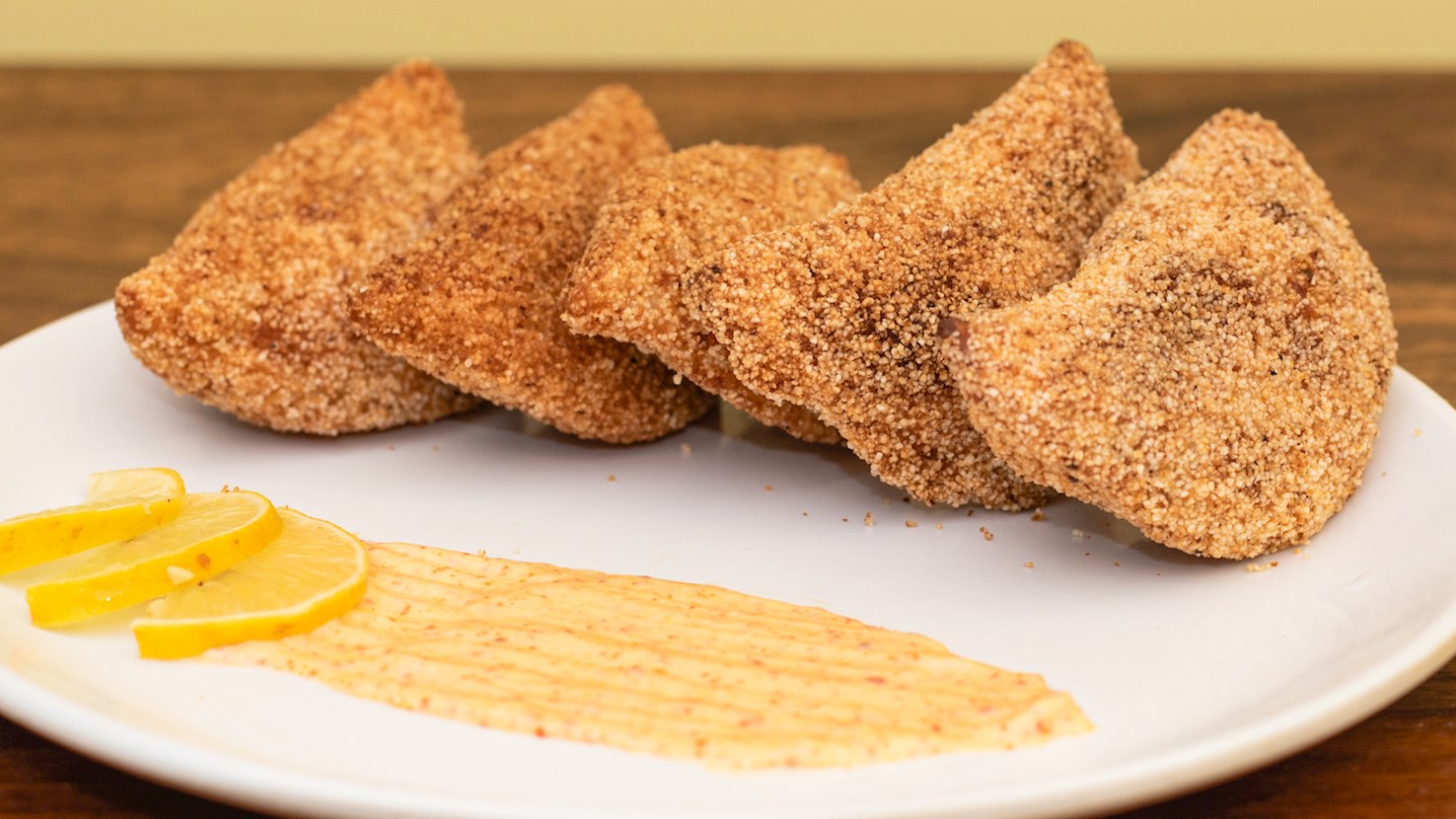
Portuguese rissóis are a type of savory pastry similar to empanadas or turnovers. They consist of a dough filled with a variety of fillings, which can include shrimp (rissóis de camarão), minced meat (rissóis de carne), or codfish (rissóis de bacalhau). The filled dough is then breaded and deep-fried until golden and crispy. Rissóis are a popular snack or appetizer in Portugal, often served at gatherings, parties, and as part of a selection of petiscos (Portuguese tapas).
TasteAtlas food rankings are based on the ratings of the TasteAtlas audience, with a series of mechanisms that recognize real users and that ignore bot,
nationalist or local patriotic ratings, and give additional value to the ratings of users that the system recognizes as knowledgeable.
For the “Top 21 Portuguese Snacks” list until September 15, 2026, 2,050 ratings were recorded, of which 1,463 were recognized by the system as legitimate.
TasteAtlas Rankings should not be seen as the final global conclusion about food. Their purpose is to promote excellent local foods,
instill pride in traditional dishes, and arouse curiosity about dishes you haven’t tried.





What People Say