





shutterstock

Top 26 European Snail Dishes

Last updated on May 16, 2026
01

Escargots à la Bourguignonne

4 ·

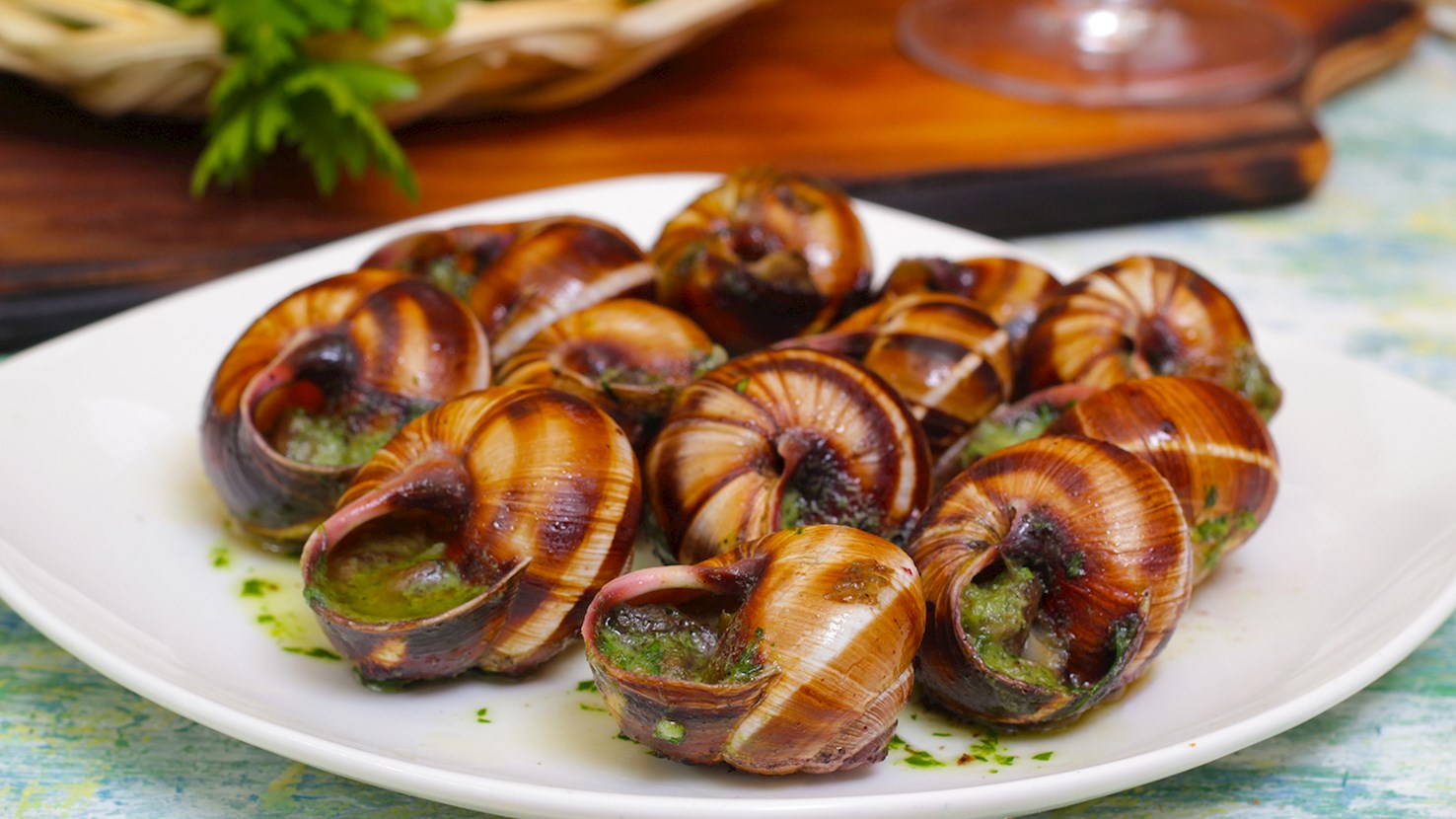
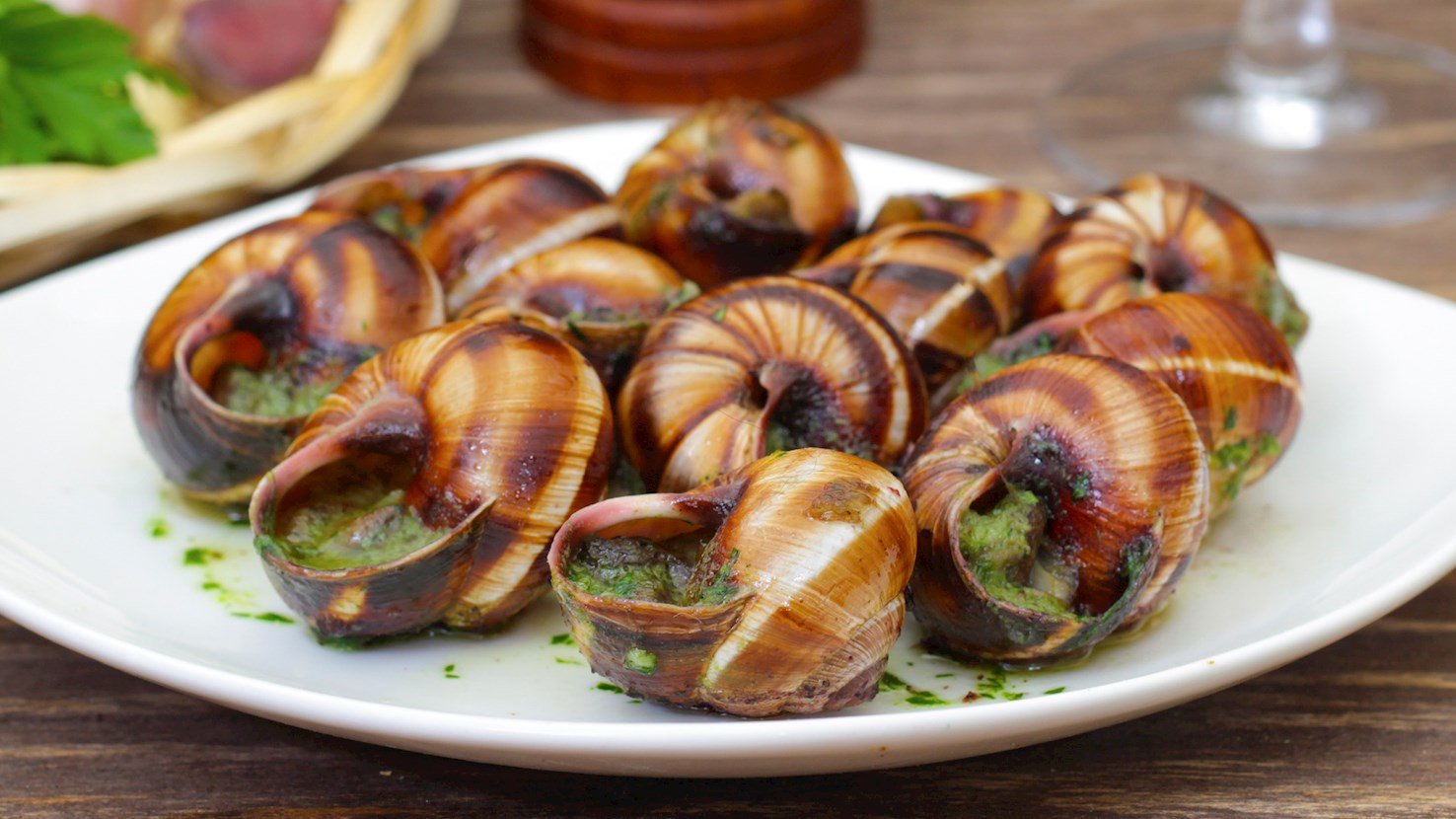
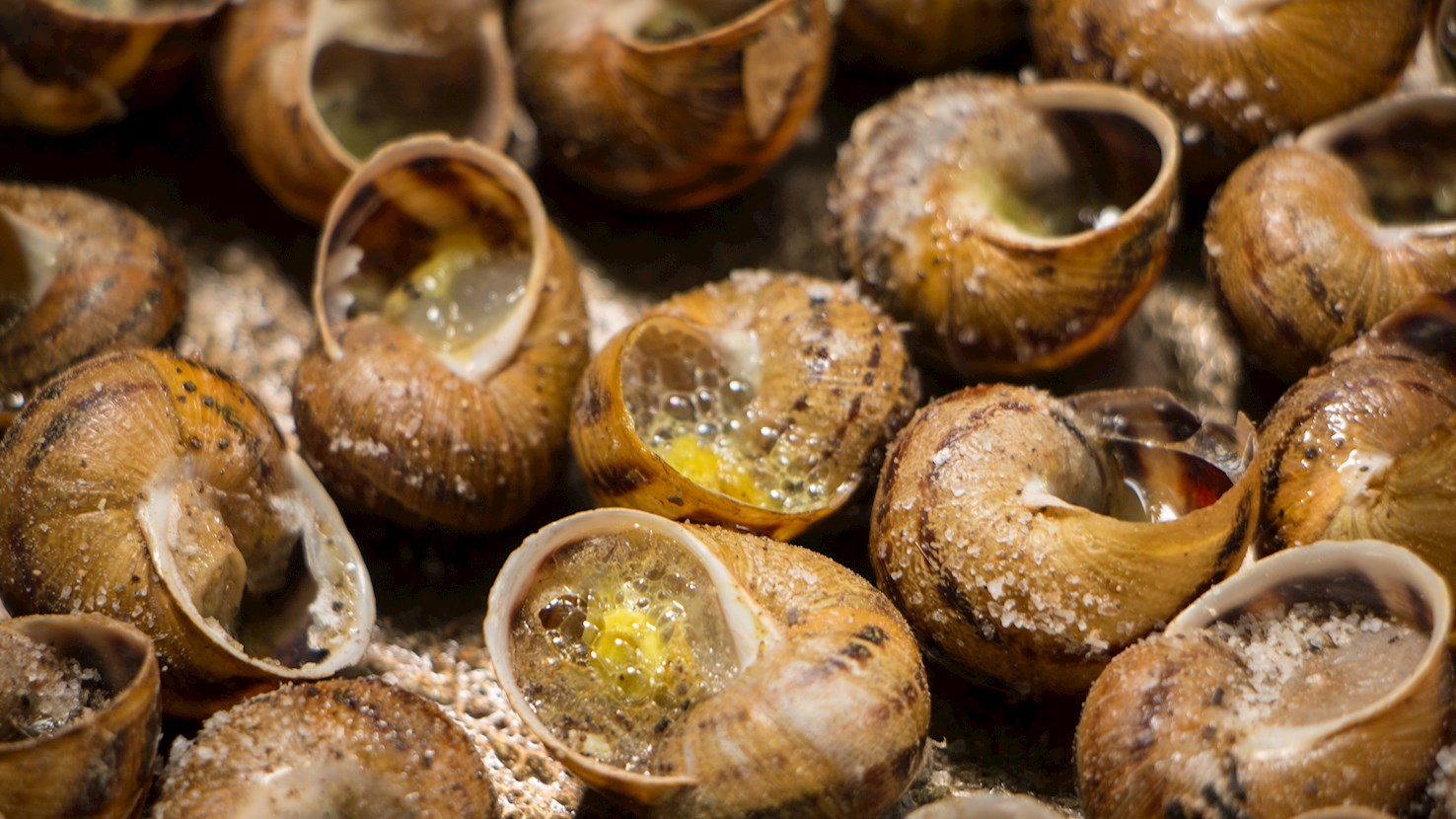
Escargots à la Bourguignonne is a traditional dish originating from Burgundy. The dish consists of snails that are baked with garlic and butter. If using fresh snails, they should be blanched in boiling water and rinsed in clear water. The snails are then cleaned with a small brush in a mixture of water and vinegar, and rinsed again. Many people buy canned cooked snails and then place them in empty snail shells, which can be found in most French supermarkets. They are covered with plenty of garlic butter enriched with shallots, parsley, salt, and pepper, then baked in the oven. Once done, the snails are served immediately. It's recommended to serve the dish with a crusty baguette for mopping up the juices.

02

Kohli bourbouristi

3.7 ·

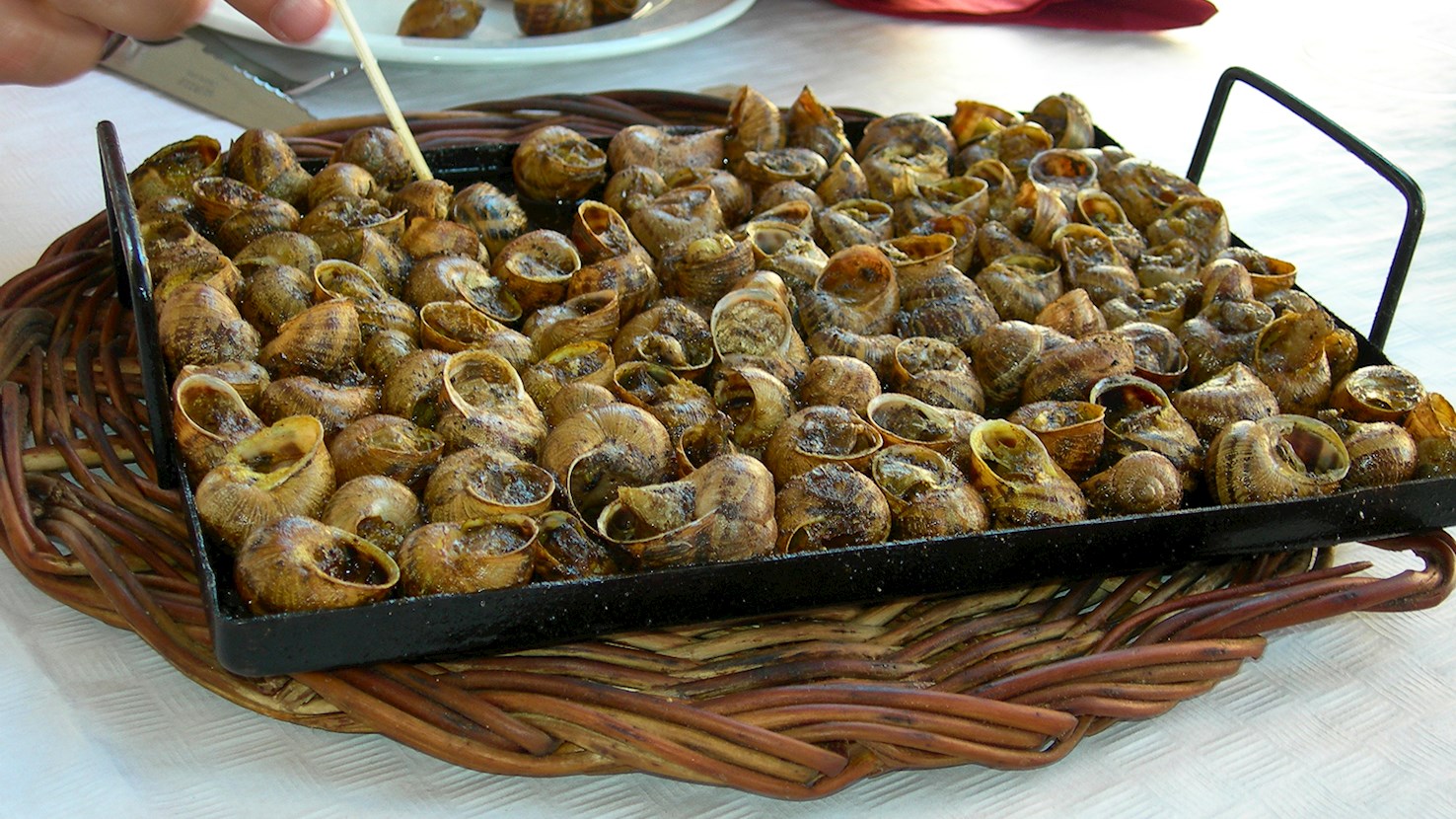
The star ingredient in this traditional Greek dish are snails that are pan-fried in their shells, usually in hefty amounts of olive oil or on a bed of salt. The dish is often elevated with the addition of vinegar or herbs such as parsley or rosemary. The unusual name, which vaguely translates as popping fried snails, refers to the loud sound the snails make when fried. Others claim it comes from the Cretan word abouboura, meaning face-side down. The snails are served inside the shells, and they are traditionally eaten with toothpicks, while crusty bread and a glass of raki or ouzo are often served on the side. The dish is mainly associated with Crete, where it is considered to be an authentic delicacy that's especially popular before the Greek Orthodox Easter, when it can be found in most homes and taverns.

Best restaurants
03

Escargot

3.6 ·

Escargot, or cooked snails, are a beloved French delicacy that is usually served as an appetizer. Before preparation, the snails must be purged, removed from their shells, and cooked, usually with garlic butter, chicken stock, or wine. Their tender texture and clean, woody flavors pair especially nicely with herb-infused butter - garlic, thyme, and parsley are the most common choices. Cooked escargots can be served on toasted pieces of baguette, but they are more commonly placed back into their shells and served on an escargot plate. In that case, special snail tongs are needed to hold the shell while extracting the meat with a two-pronged snail fork.

04

Caracóis à Algarvia

3.4 ·

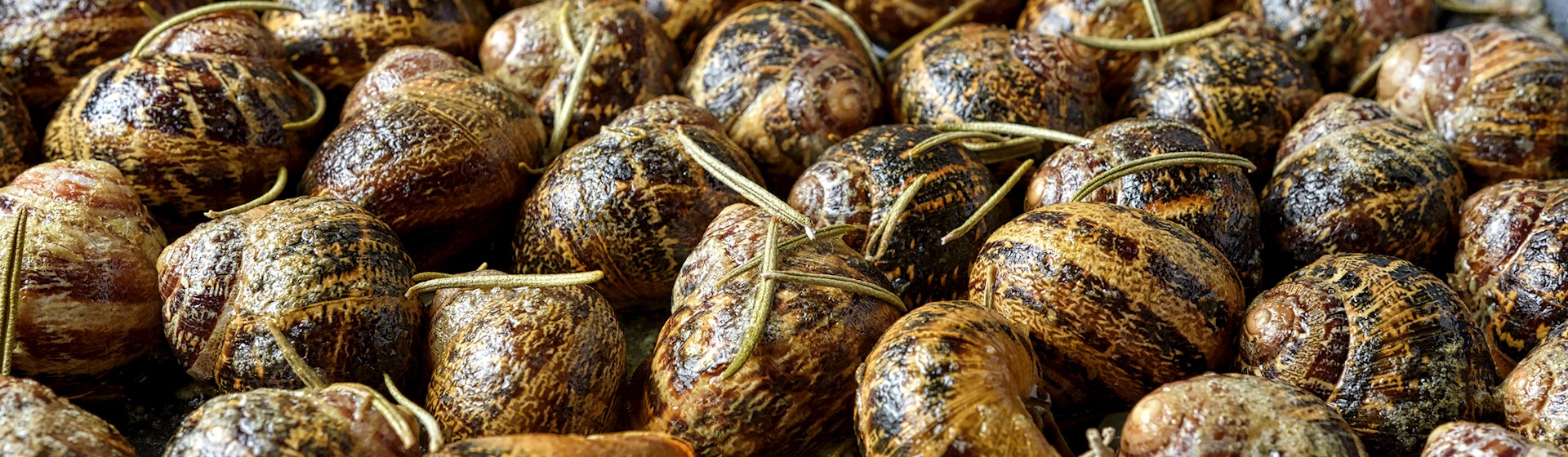
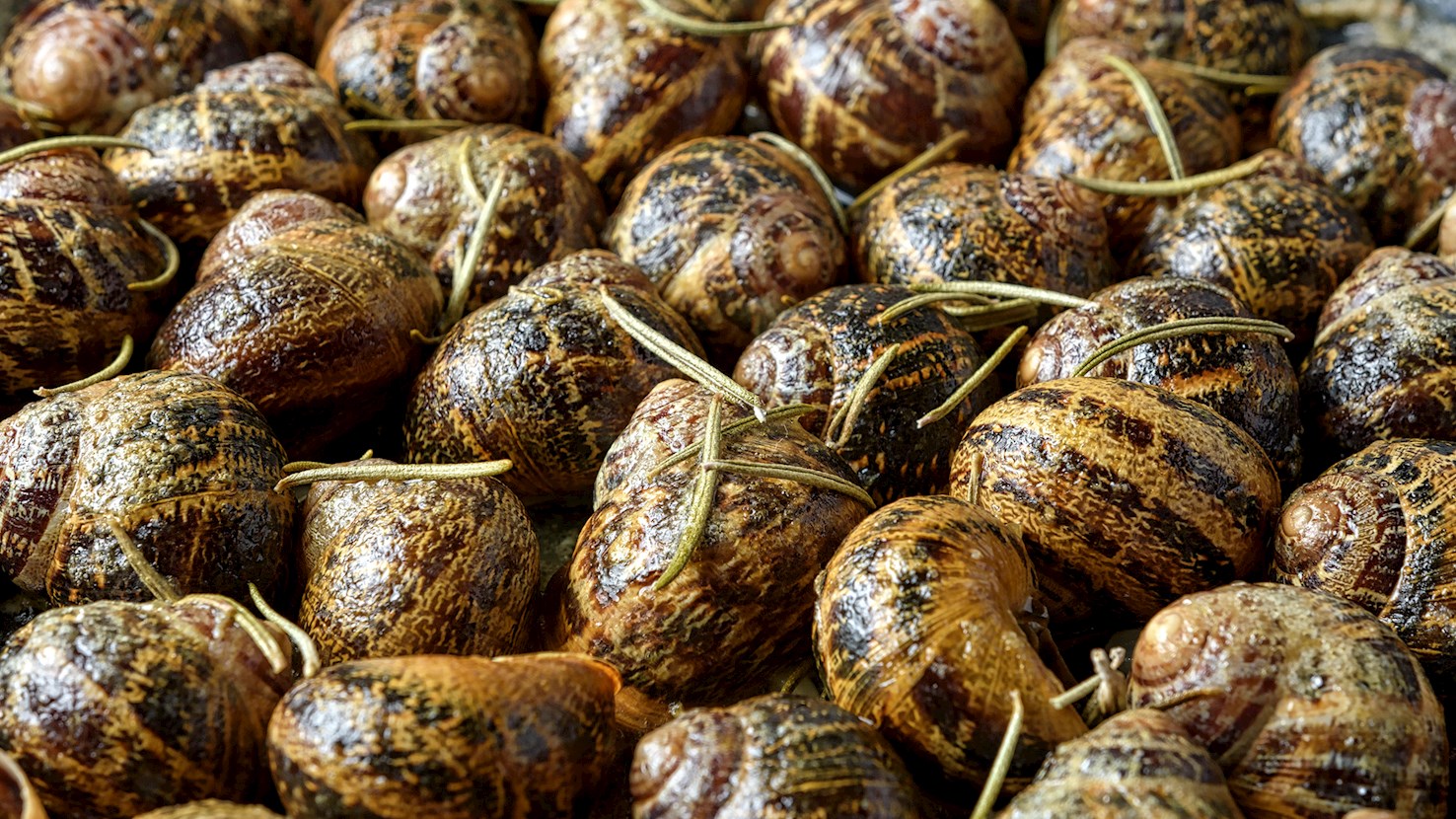
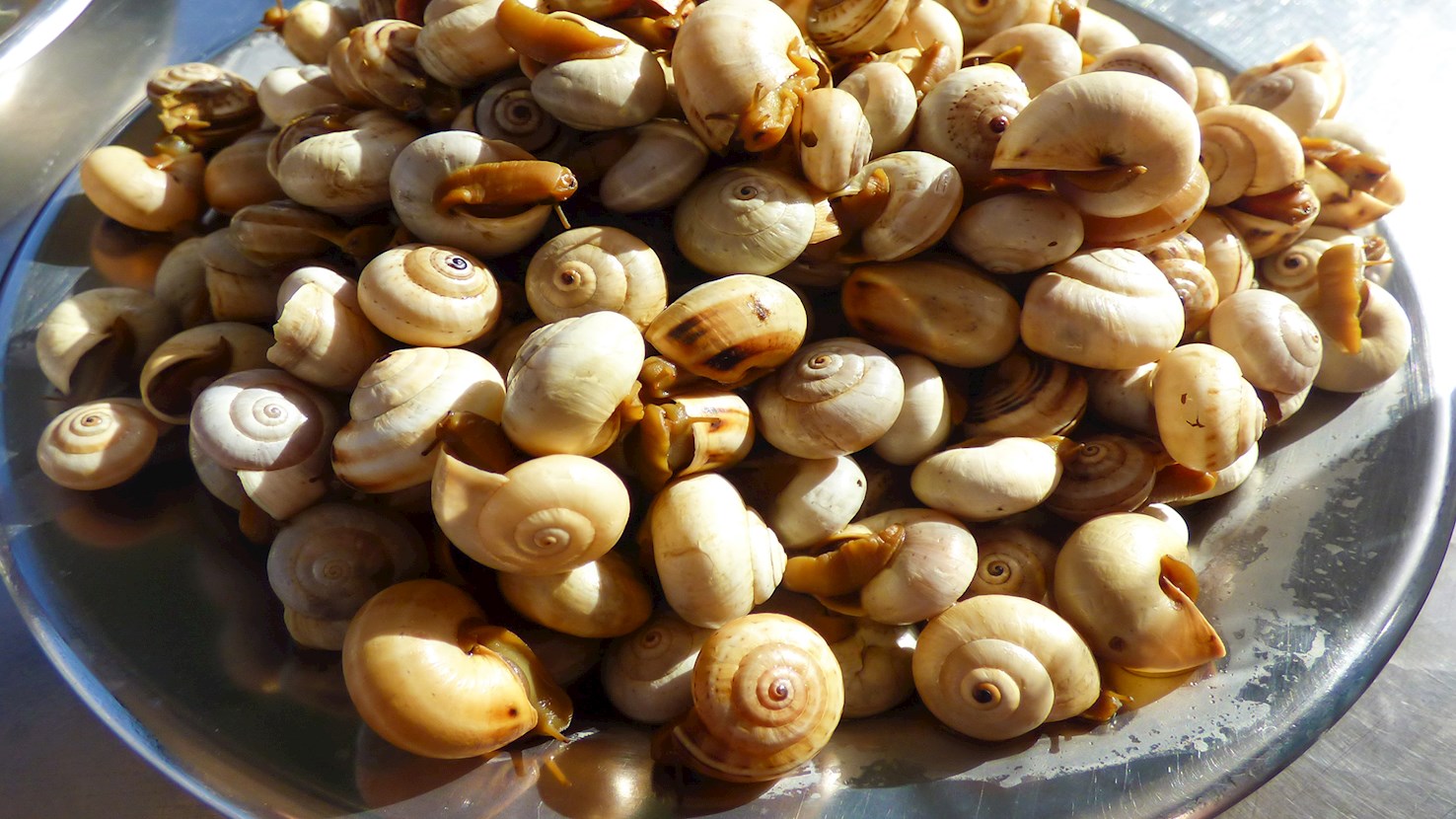
This flavorful Portuguese dish consists of thoroughly cleaned snails that are stewed in a simple combination of water and oregano sticks, while different variations also may include other types of herbs, tomatoes, or chili peppers. As the name suggests, the dish is associated with Algarve, where snails are traditionally harvested from April to June. Caracóis are always served in the shell, and the whole dish is usually accompanied by country-style bread.

05

Caracoles a la andaluza

3.2 ·

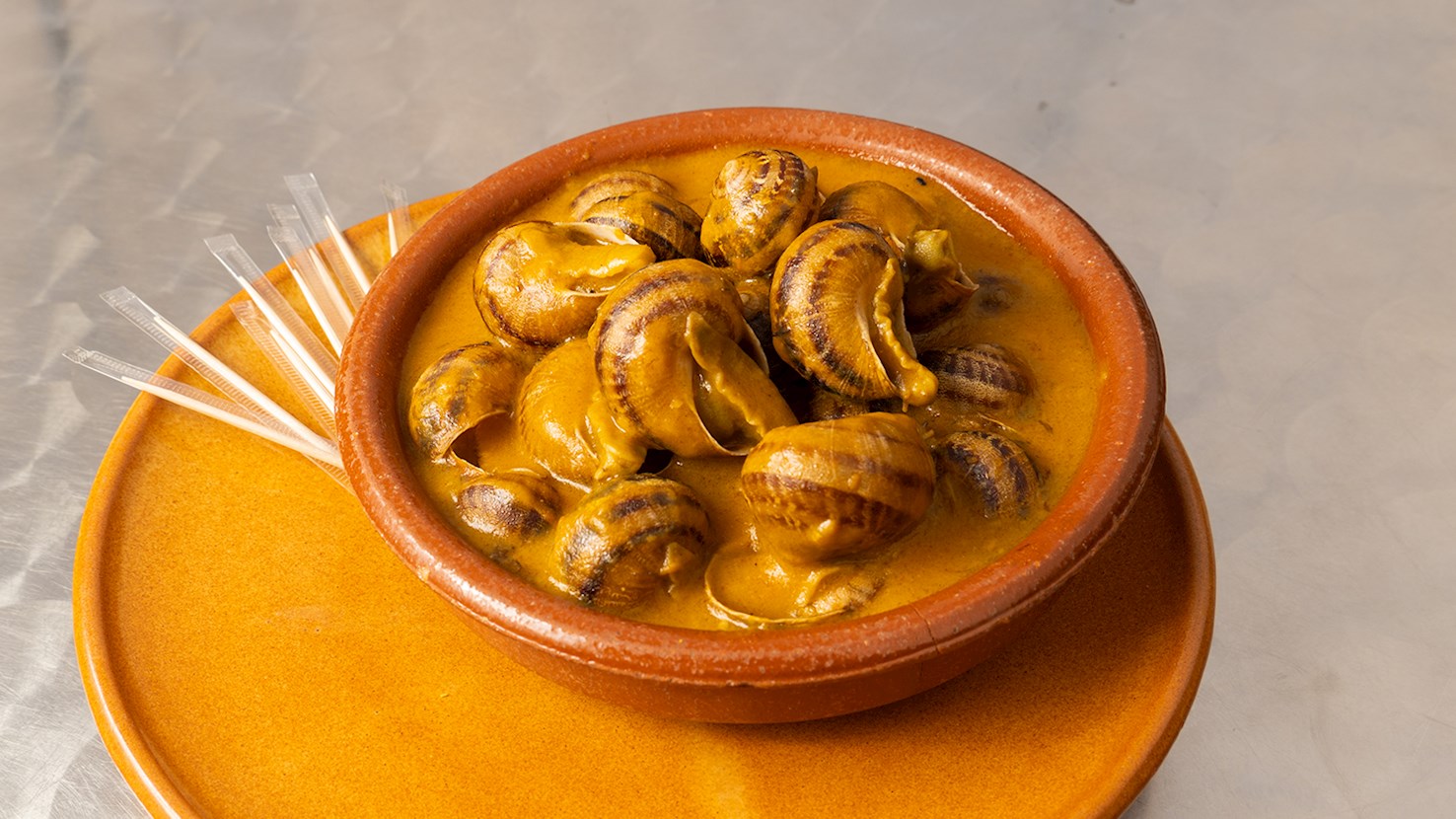
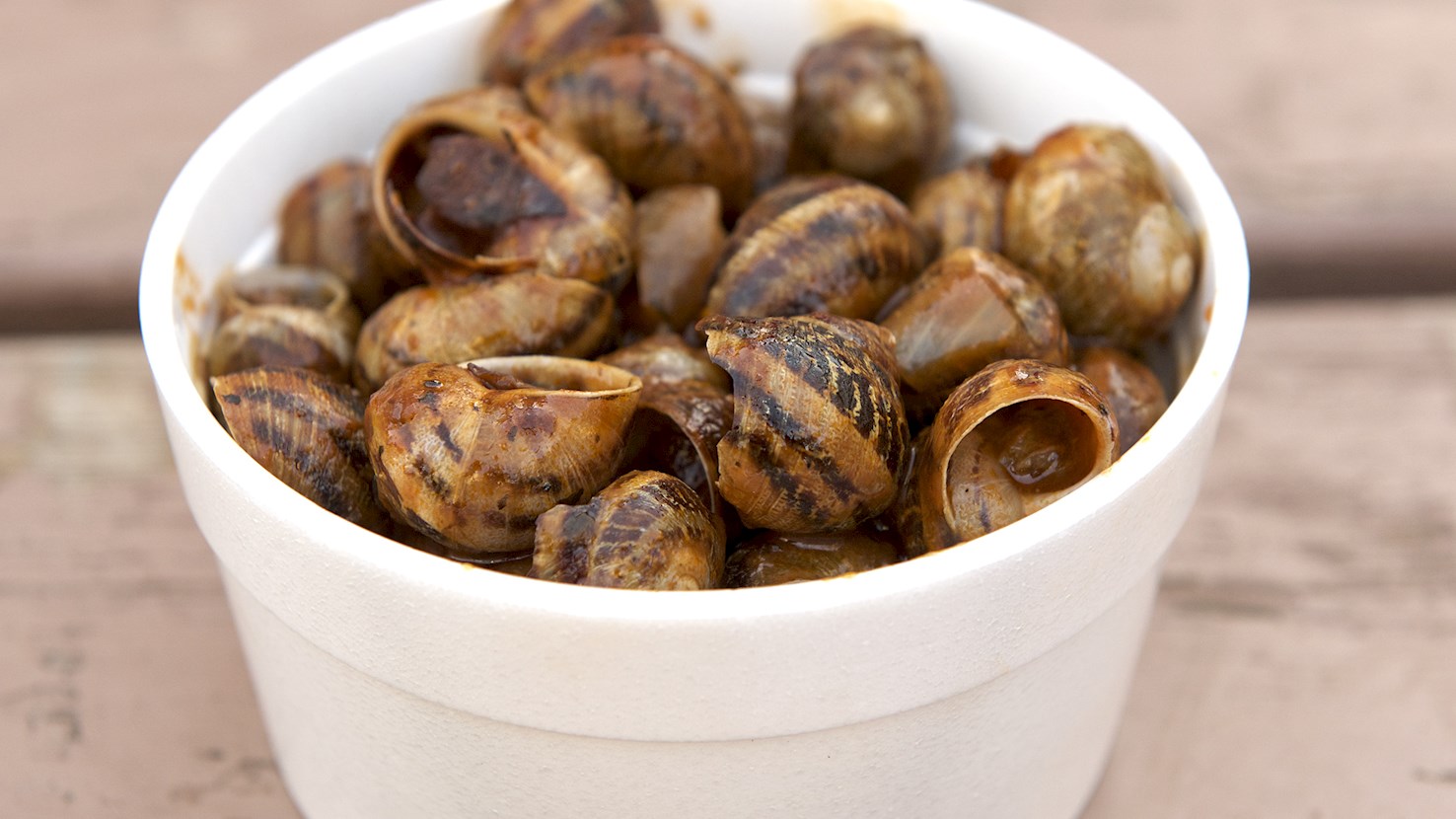
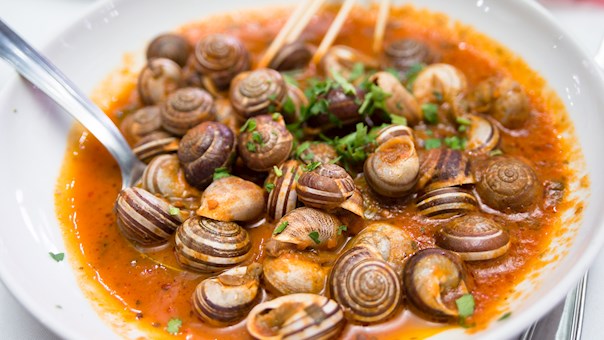
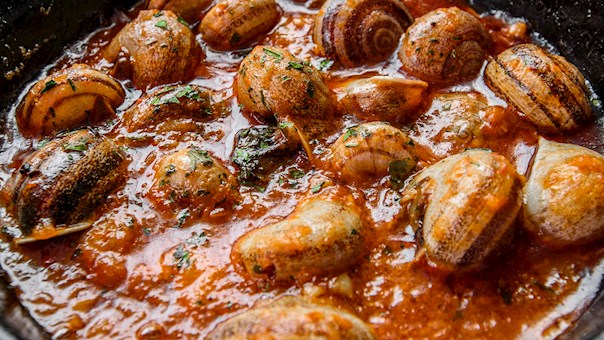
Caracoles a la andaluza is a traditional tapa or appetizer originating from Andalusia. It’s made with a combination of snails (caracoles) and a rich sauce consisting of tomatoes, garlic, parsley, longaniza sausage, salt, pepper, white wine, and brandy. Aromatic herbs such as mint are often added to the sauce. The snails are first boiled in salted water, then mixed with the sauce. The dish is served in earthenware bowls while piping hot. It’s recommended to pair caracoles a la andaluza with a glass of sherry on the side.

06

Caracóis

3.2 ·

Caracóis, also known as Portuguese snails, are a popular petisco (small dish) in Portugal. Typically enjoyed during the summer months, these small snails are simmered in a flavorful broth made with olive oil, garlic, onions, bay leaves, oregano, and sometimes piri-piri (spicy chili). Sometimes chicken broth or sausages or bacon can be included as well. The snails are cooked until tender and served hot, often accompanied by crusty bread to soak up the broth. Caracóis are a beloved snack at Portuguese cafes and taverns, with many regional variations, commonly enjoyed with a cold beer or a glass of wine.

07

Caragols

3 ·

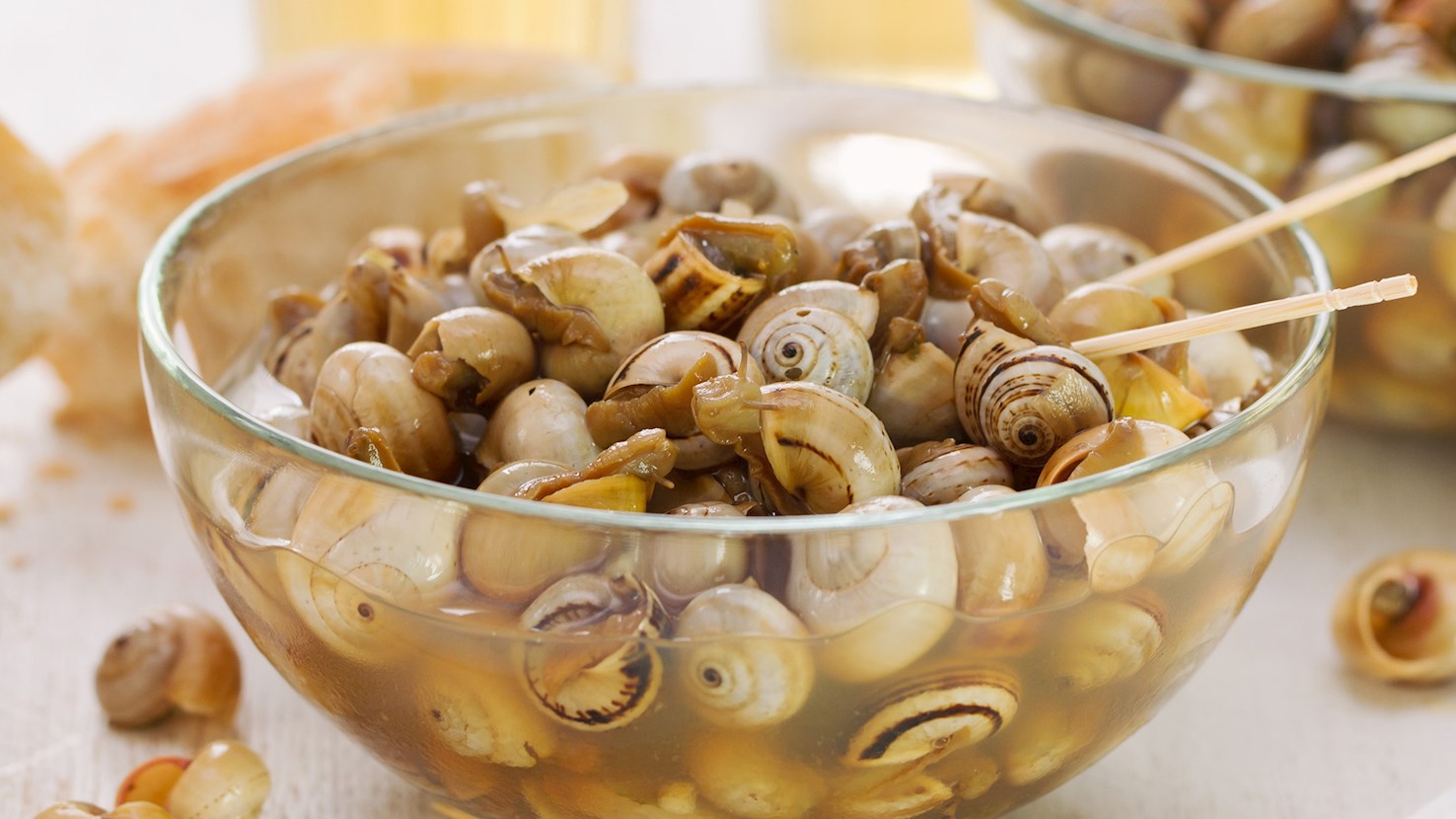
Common land snails, known as caragols in the Catalan dialect, are a highly appreciated gourmet delicacy in Spain, especially in Catalonia, Andalucía, and Valencia - regions where snails have long been wild-harvested and featured as a staple ingredient in traditional cuisine. Some of the most common varieties of snails eaten in the country include the country snail or garden snail (Helix aspersa), and the vineyard snail (Helix pomatia), with the first being more commonly used. Known as caracoles in Spanish, these soft-shelled mollusks are typically distinguished by a delicate and earthy flavor, and these days, they are also cultivated at special snail farms throughout the country. Once a seasonal delicacy, caragols can be prepared in various traditional ways including caragols a la llauna, caragols a la gormanda, and caragols in samfaina. This beloved local mollusk is celebrated during the gastronomic event called L’Aplec del Caragol, held each May in the Catalan city of Lleida and featuring a wide range of snail specialties that are savored by a great number of locals and tourists.

08

Cargols a la llauna

2.9 ·

Cargols a la llauna is a traditional dish originating from Catalonia. It's made with a combination of snails, mayonnaise, and garlic. The snails are grilled in their own shells for a few minutes, then served with garlic and mayonnaise sauce. The snails are then traditionally dipped in the sauce. Every year, 200,000 people come to Lleida for the Aplec del Cargol (which can be translated as snail gathering) to enjoy snail-based specialties.

09

Bebbux

2.9 ·

Called bebbuxu in Maltese, edible land snails are just as beloved and traditional in Malta as they are in countries such as France, Spain, and Portugal, among others. After they’ve been cleansed through fasting over a couple of days, the snails are typically cooked in salted water before being smothered in an aromatic tomato sauce or mixed with a combination of oil, garlic, and herbs. The Maltese generally consume this culinary specialty as an appetizer, and they often pair it with crusty bread for dipping and a cold beer or whiskey on the side. Cooked bebbux is also a common accompaniment to fenkata, a well-known Maltese rabbit stew. In Malta, snails start popping up in grocery stores, traditional restaurants, and local bars during the rainy months of autumn, the time when traditional harvesting of edible snails usually takes place in the country.

10

Cargolade

n/a ·

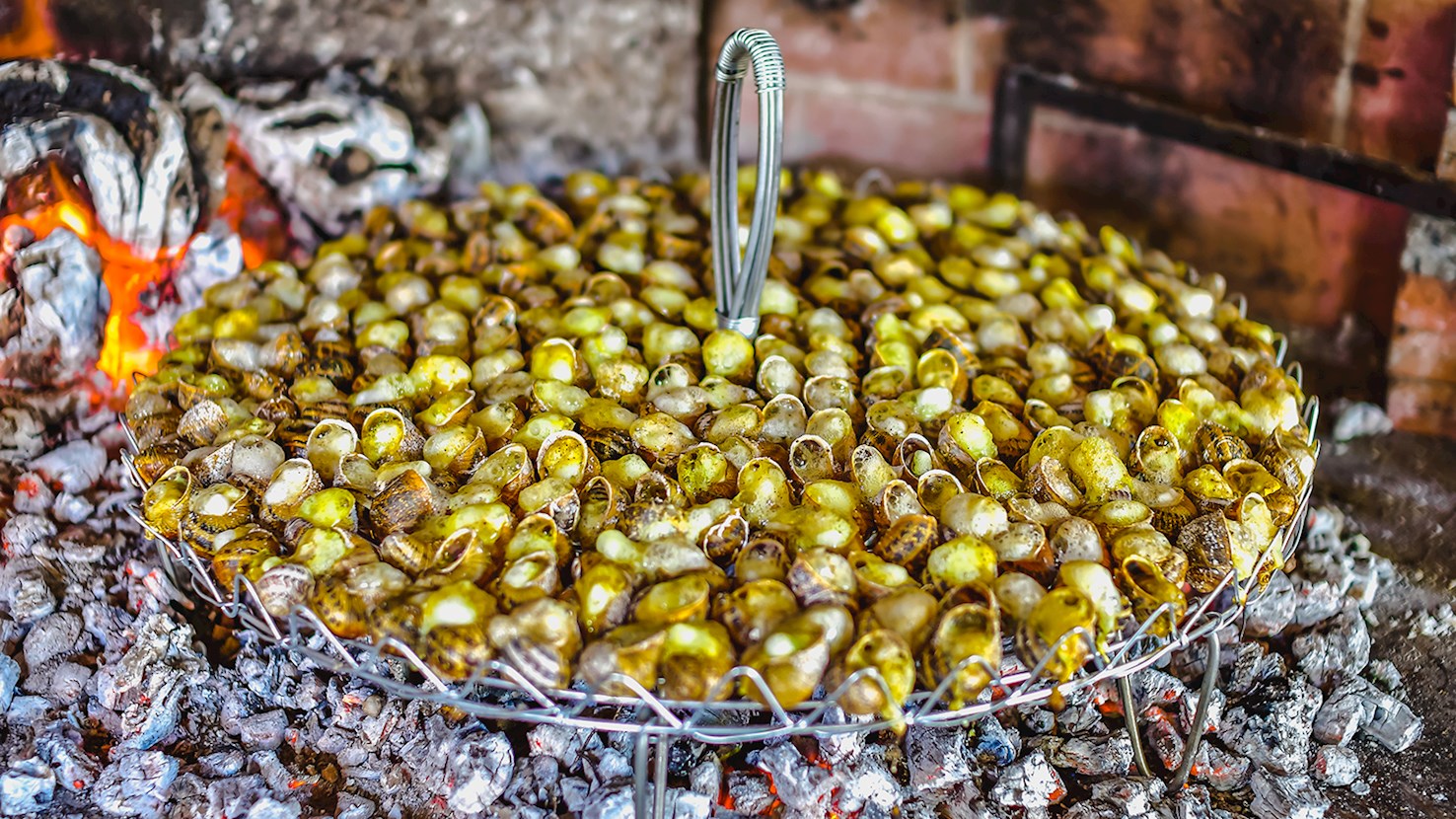
Cargolade is a traditional northern Catalan specialty that's popular in Occitanie as well. The dish is prepared with the local variety of snails that are cooked in their shells, often outdoors and over vine wood. The name of the dish is derived from cargols, Catalan for snails, and the suffix -ade, denoting a meal that's based on a single ingredient. The snails are stuffed with a combination of lard, garlic, and parsley, then seasoned with paprika and salt before they're placed on the grill. When they start to whistle, they're fully cooked. Cargolade is traditionally eaten piping hot while standing up and it's usually accompanied by aioli. There's also a second method of preparing the snails in the Aude, where they are flambéed with salt, herbs, piment d'Espelette, and rendered lard.

Read more
View all
View map
About this ranking

TasteAtlas food rankings are based on the ratings of the TasteAtlas audience, with a series of mechanisms that recognize real users and that ignore bot, nationalist or local patriotic ratings, and give additional value to the ratings of users that the system recognizes as knowledgeable. For the “Top 26 European Snail Dishes” list until May 16, 2026, 615 ratings were recorded, of which 480 were recognized by the system as legitimate. TasteAtlas Rankings should not be seen as the final global conclusion about food. Their purpose is to promote excellent local foods, instill pride in traditional dishes, and arouse curiosity about dishes you haven’t tried.

Similar lists