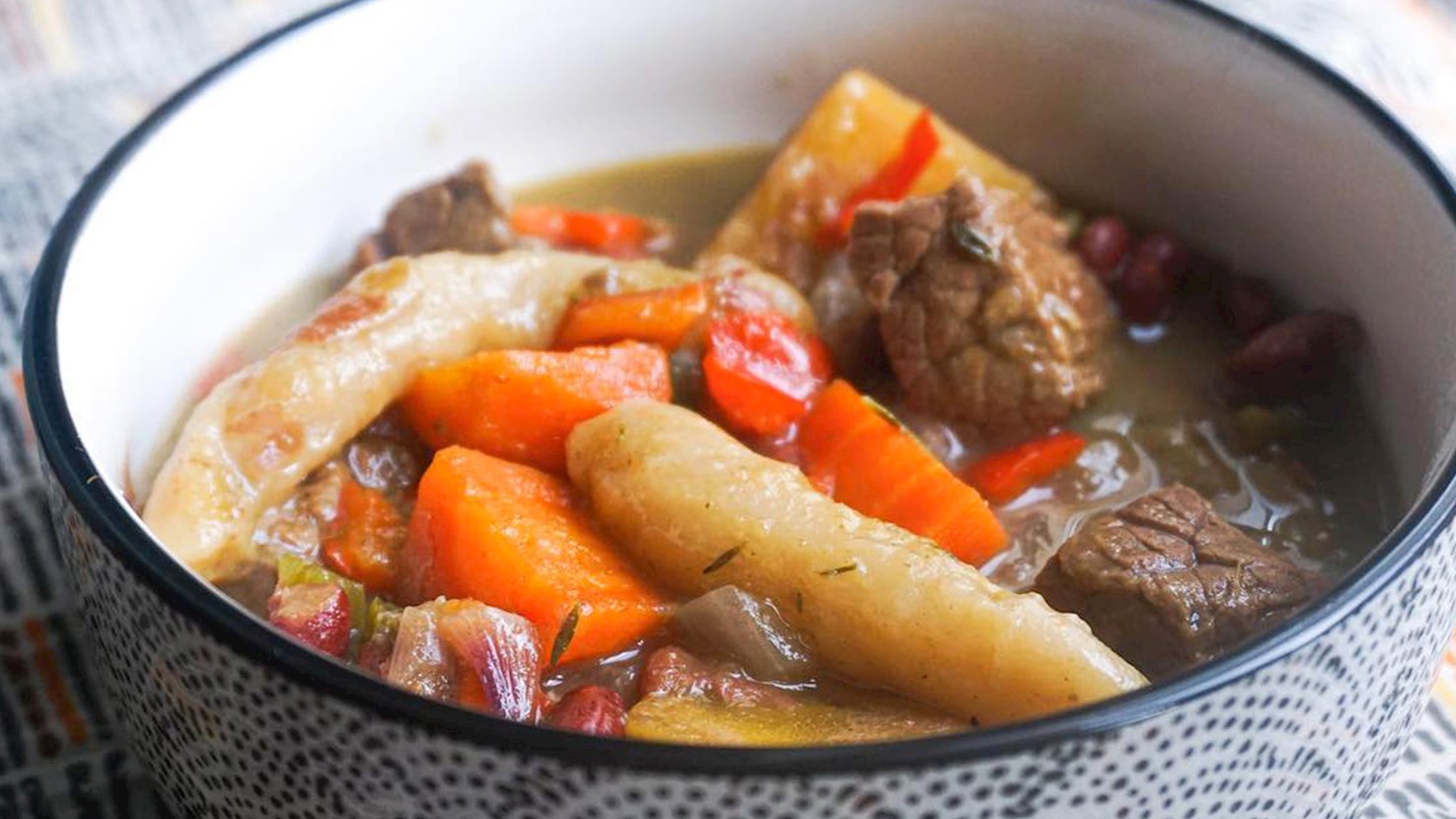
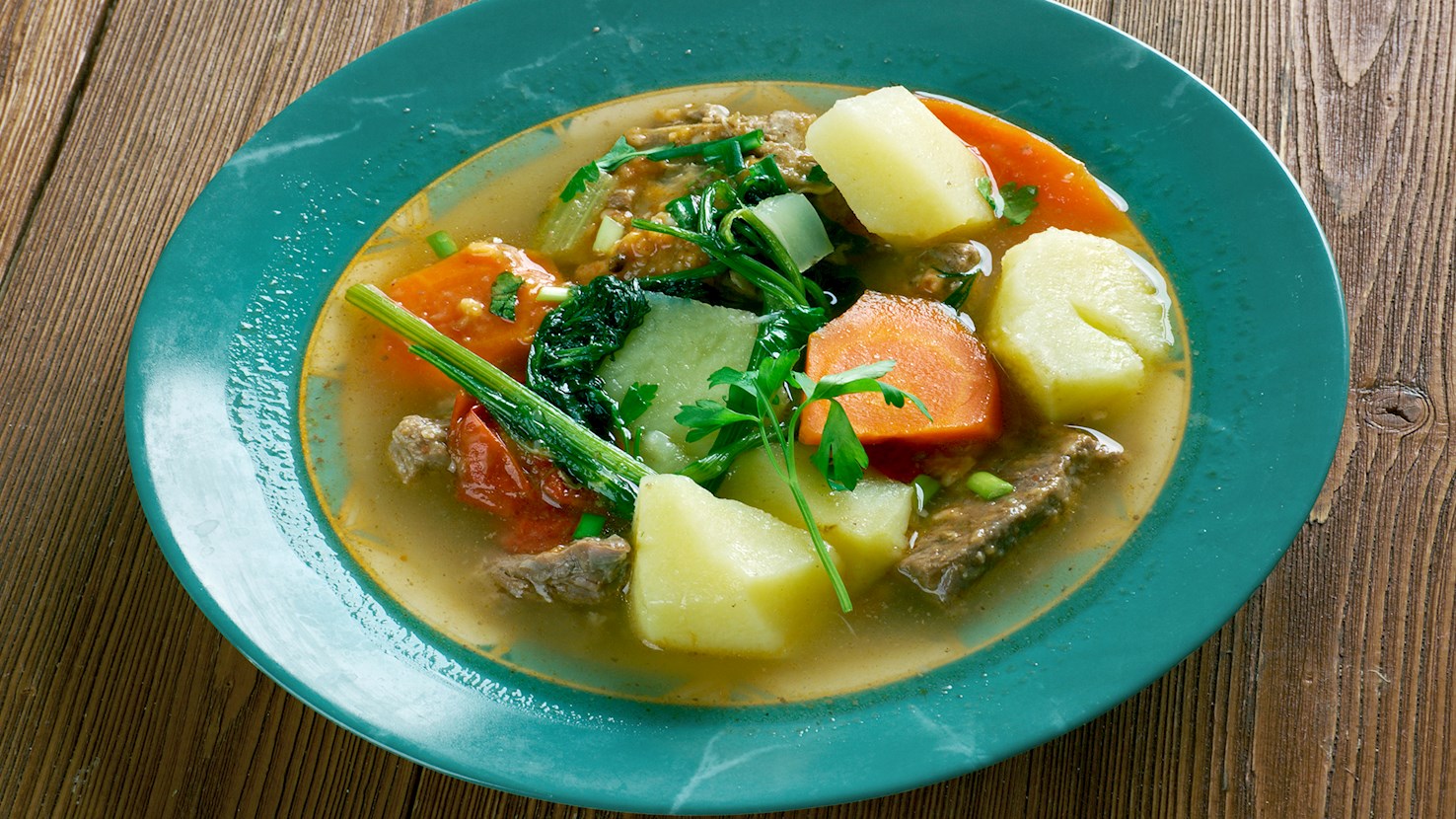
Bouillon is a hearty and slightly thick Haitian soup made with meat, epis, yams, kelp, cabbage, plantains, potatoes, scotch bonnet peppers, and celery. It is sometimes served with small dumplings which are made by rolling the flour into a small amount of broth. The name of the soup is derived from the French word bouillir, meaning to boil. It is recommended to serve bouillon piping hot, preferably on rainy days.
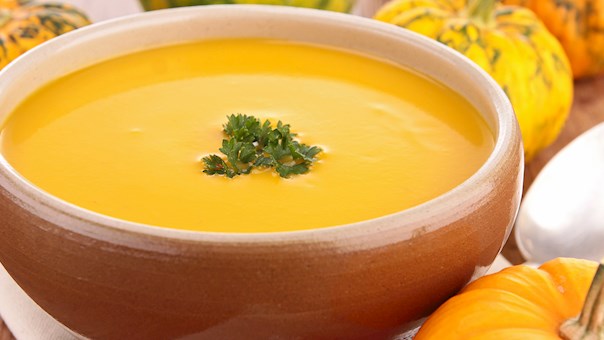
Haitian pumpkin soup is traditionally served on New Year's Day as a celebratory reminder of Haiti's hard-won liberation from slavery and independence from France. The soup was once a delicacy reserved only for white masters, while the slaves who prepared it were forbidden to eat it, but ever since January 1, 1804 — the day when Haitian revolutionary leader Jean-Jacques Dessalines declared Haiti’s independence—joumou has become a symbol of liberty that graces every Haitian's table on the first of every January. Apart from pumpkin or squash, the thick, savory joumou is loaded with various other vegetables, beef, and flavorings such as thyme, parsley, and chili peppers.
Sopa de mondongo is a term that is widely used all across Central and South America when referring to a hearty tripe and vegetable soup. The star of the dish is beef or pork tripe, the rather tough edible part of animal stomach which is cut into smaller pieces and cooked with other ingredients in a flavorful broth. Different versions of the soup are found all across Latin America, where it has been adapted with locally available ingredients and spices. Typically, sopa de mondongo employs plain and sweet potatoes, cassava, corn, cabbage, plantains, onions, sliced avocado, and generous amounts of chopped cilantro, which is used as a garnish. It is often spiced with cumin and the authentic Latin American spice called achiote. Local varieties commonly include additional ingredients such as lean pork meat, pork feet, Columbian chorizo sausage, and animal bone marrow. Because of its nutritious ingredients, it is usually regarded as a complete meal that is mainly served alongside white rice. Sliced lemon or lime wedges and local tortilla varieties such as arepa in Colombia are often served on the side. Unusual additions may include raisins or capers in Puerto Rican versions, or peanut sauce in the Ecuadorian version, popularly called guatica. In many Latin American countries, sopa de mondongo is believed to have healing properties, and it represents a traditional dish that is usually served for lunch or in the early hours after a night of clubbing.
Asopao is a Puerto Rican dish that is best described as a cross between a soup and a stew. It always contains rice, and can be made with beef, pork, seafood, pigeon peas, or chicken – which is also the most popular and traditional version of asopao, called asopao de pollo, where the chicken is typically flavored with various spices and cooked with ham, peppers, onions, tomatoes, olives, and sausages. Due to the fact that asopao is usually very filling and flavorful, it can be found in numerous local restaurants and most households.
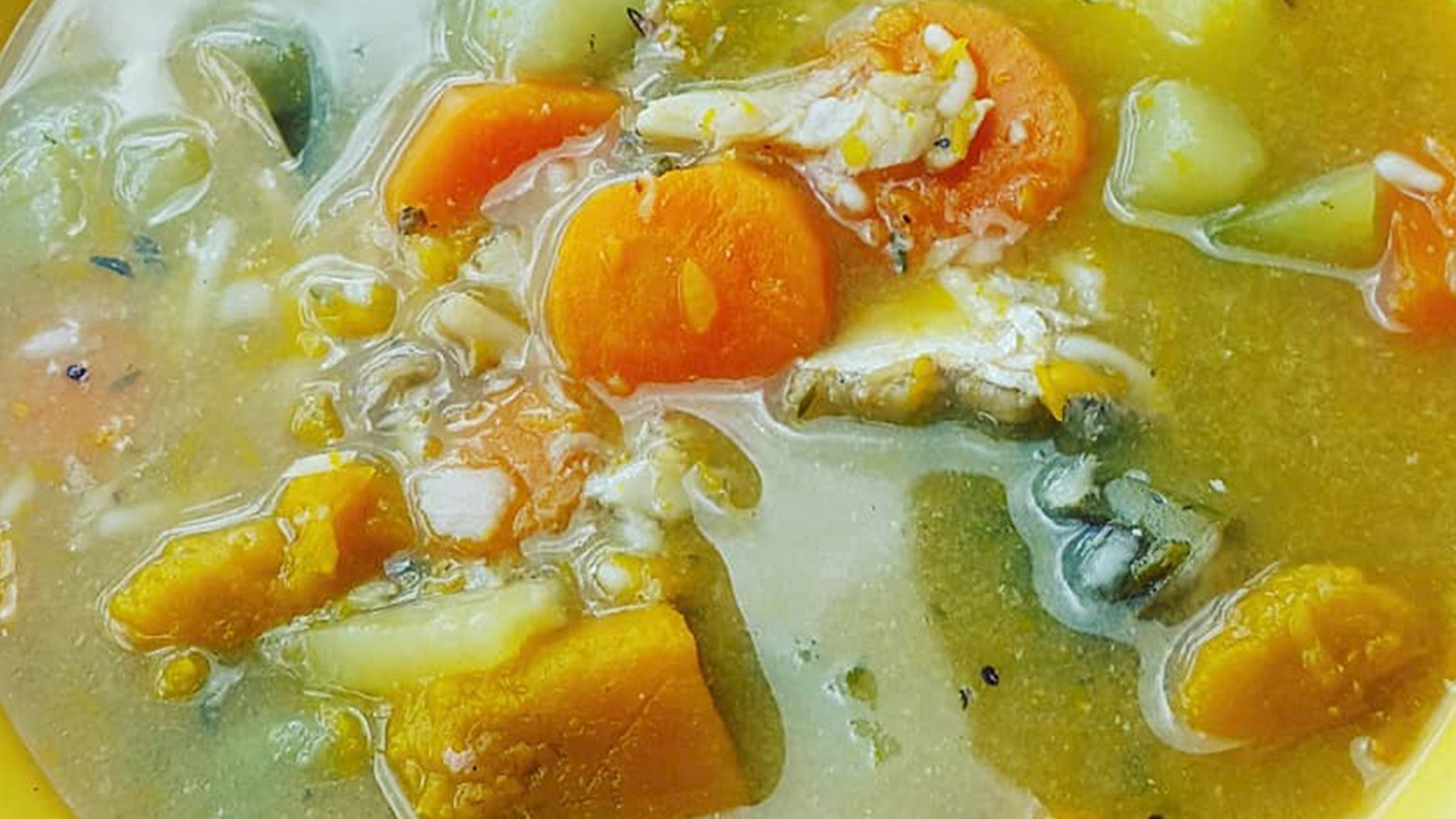
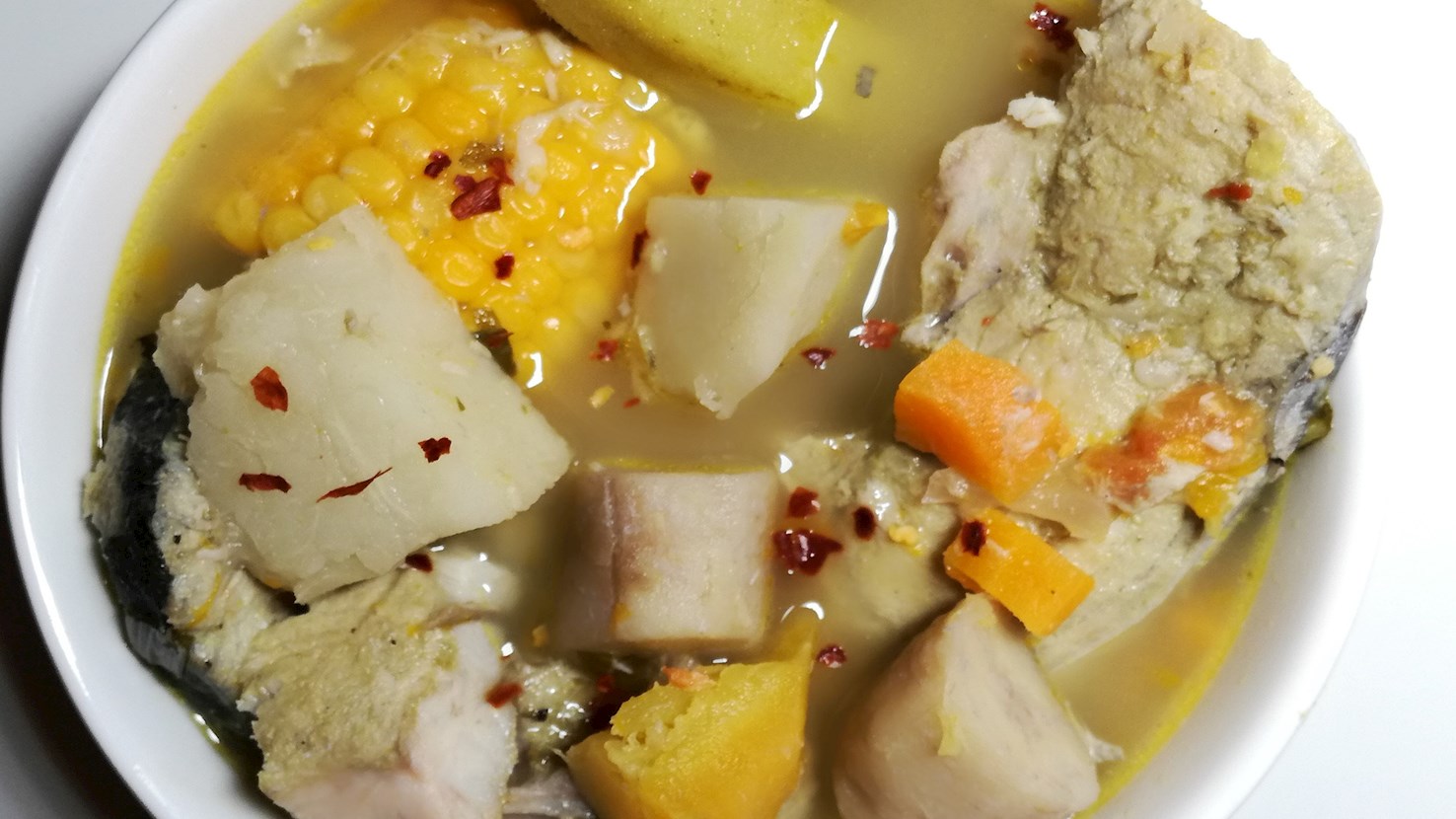
Fish tea is a light, broth-like Jamaican soup made by simmering small fish with vegetables, herbs, and seasonings until the ingredients break down into a thin, flavorful liquid. Despite the name, it is not a tea but a clear fish soup with a thin consistency compared to heavier Caribbean fish soups or stews. It is prepared throughout Jamaica and is commonly served at roadside stalls, community gatherings, fishing villages, and home kitchens. Many versions use small whole fish such as sprat or parrotfish, which dissolve during cooking and contribute to the body and flavor of the broth.Its development reflects coastal cooking practices in Jamaica where fish was used in soups alongside starchy vegetables and local seasonings. Light fish broths were common in fishing communities because they could be prepared quickly with inexpensive fish and available produce. As rural and urban Jamaicans adapted the dish, they incorporated elements such as thyme, Scotch bonnet pepper, pimento, pumpkin, green bananas, and carrots, combining African, European, and indigenous culinary influences. Preparation begins with cleaning the fish and cutting vegetables such as pumpkin, chocho, carrots, okra, onion, and scallion. These are simmered in water with thyme, pimento, garlic, and sometimes green bananas or yam. The fish is added early enough that it breaks down during cooking, creating flavor without leaving many intact pieces. The broth becomes lightly opaque as the fish dissolves. A Scotch bonnet pepper is added whole or partially cut to provide aroma and heat without overwhelming the soup. Salt is added at the end once the flavors have developed. Some cooks strain the broth lightly to remove bones, while others serve it as-is with soft vegetables and flakes of fish. Fish tea is eaten throughout Jamaica as a light meal, restorative soup, or social dish at gatherings such as beach outings, fishing trips, and cookouts, while some believe that it is a strong aphrodisiac. It is common during rainy weather and at evening events where food is shared in large pots. It pairs well with crackers, fried dumplings, or hard dough bread, which absorb the broth. Beverage pairings include lime water, ginger beer, sorrel drink, or cold beer, though many people drink fish tea on its own given its light consistency.
This hearty Trini soup is made with cow heel as the key ingredient. Everyone on the island has their own variation of the soup, so different vegetables might be added to the pot, and some people like to add dumplings, while others opt out of them, according to personal preferences. Typically, the soup contains ingredients such as onions, split peas, okra, and carrots. Before serving, cow heel soup is additionally seasoned with salt and pepper, then served hot in large bowls or plates.
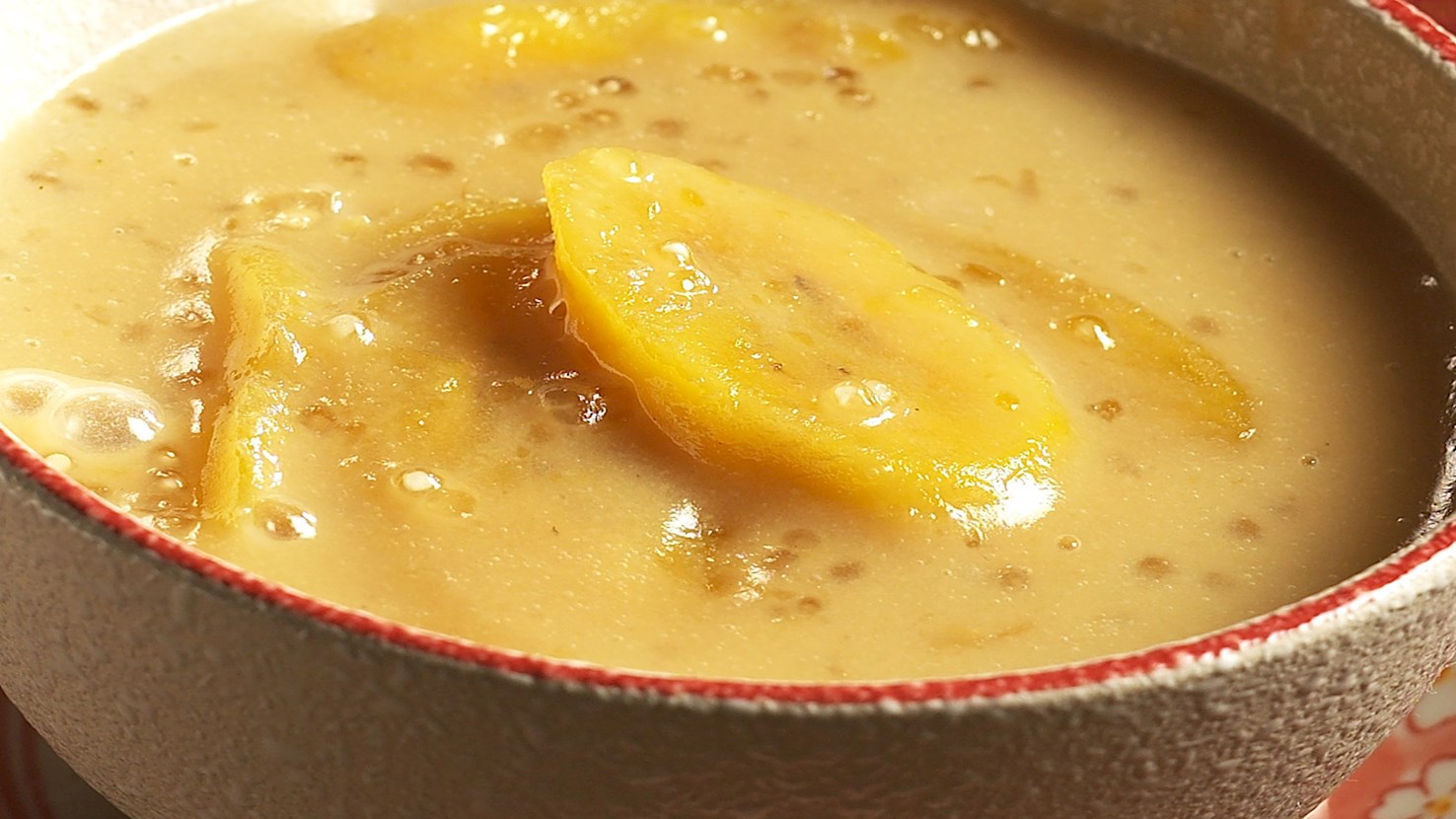
Sopa de platano is a flavorful soup that is popular throughout Latin America, especially in Cuba, Puerto Rico, and Colombia. It usually consists of grated plantains and a broth, while numerous variations also include additional flavorings such as lemon juice, annatto oil, cumin, paprika, and sofrito. In Puerto rico, the soup is traditionally served with bread and avocado slices, while chopped parsley is used as a garnish.
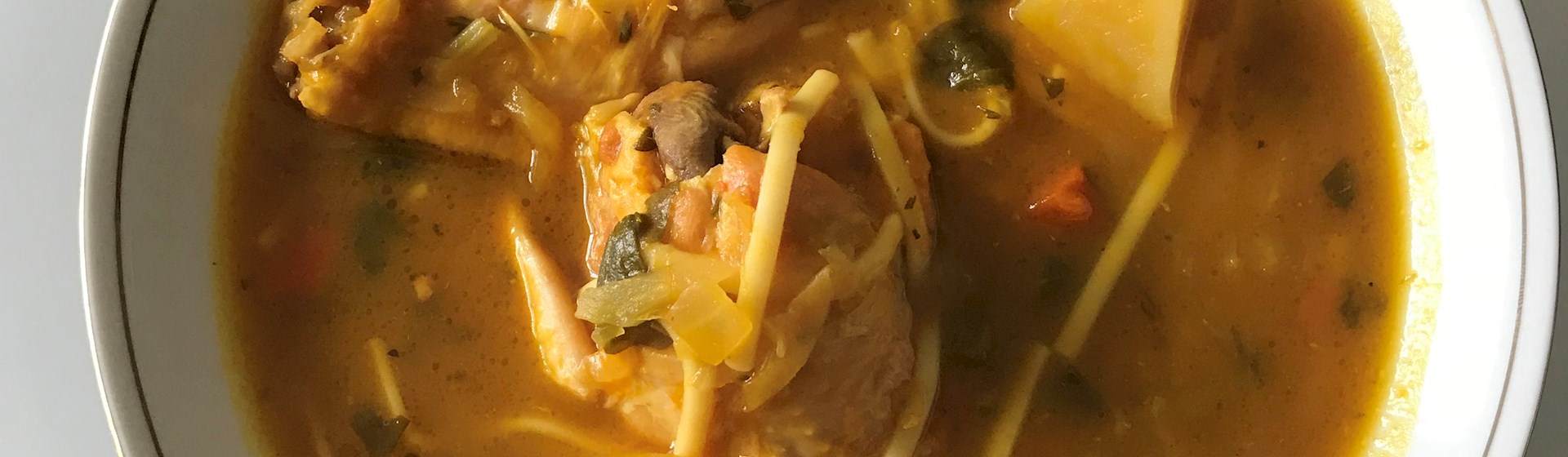
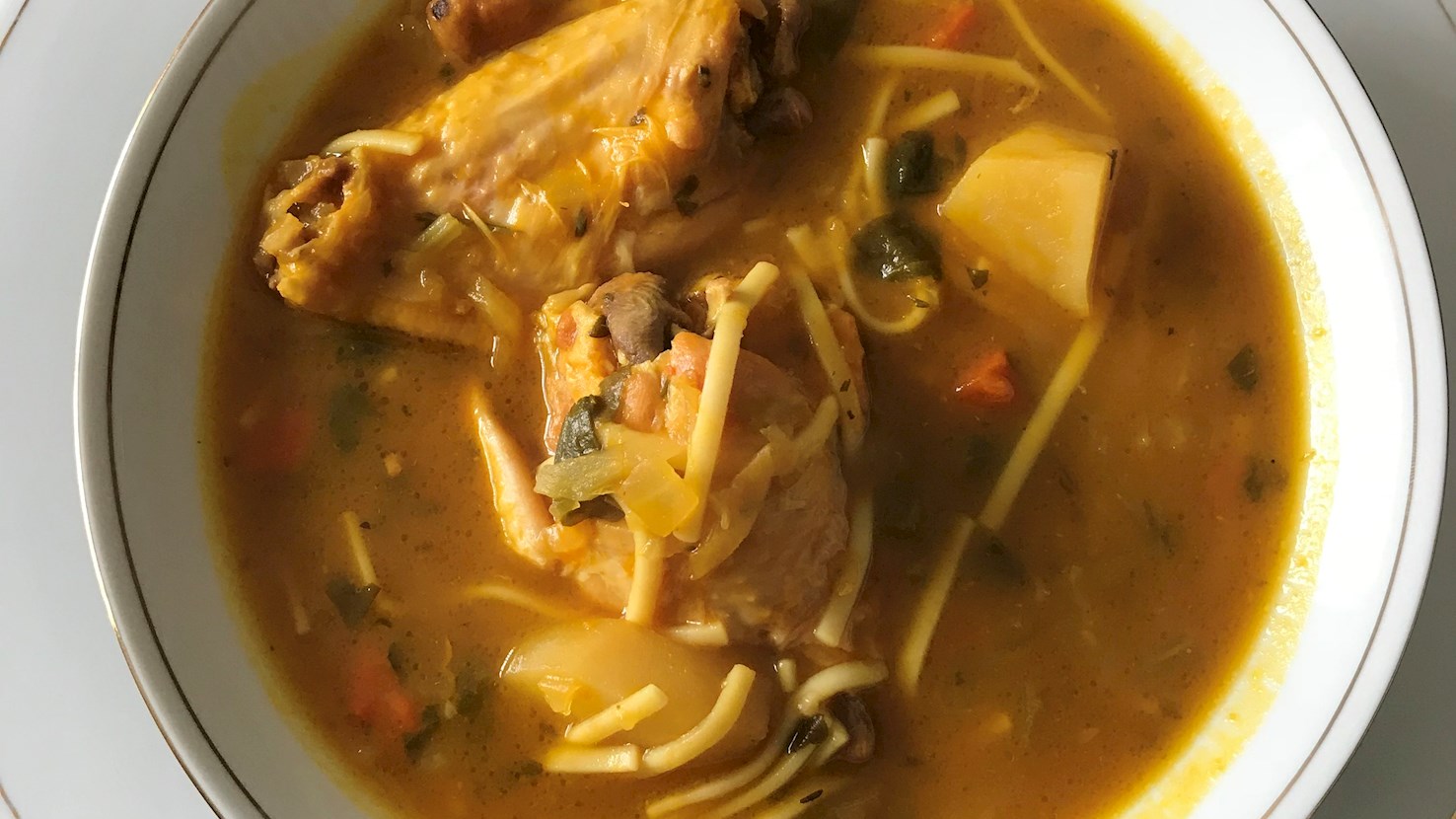
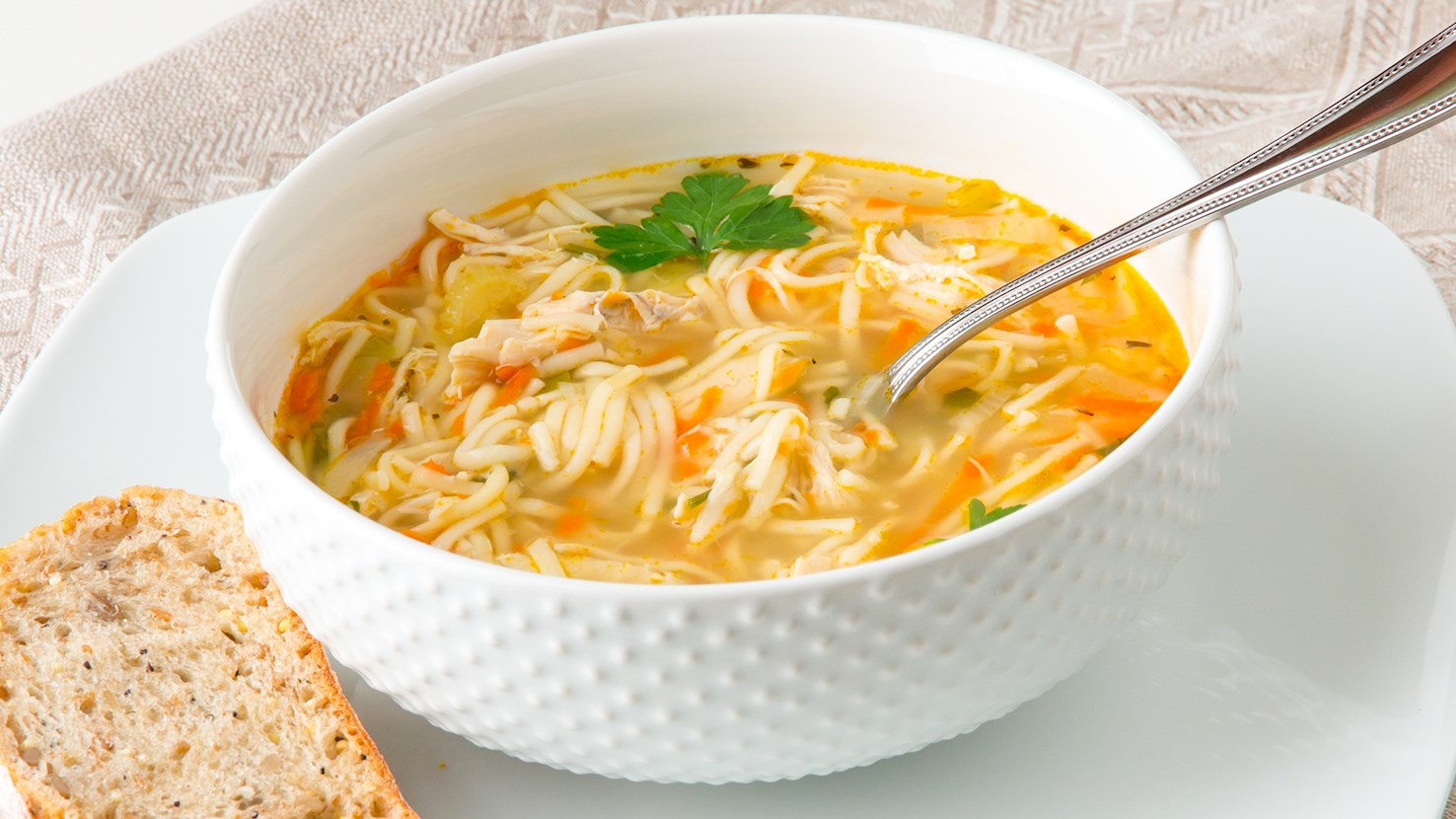
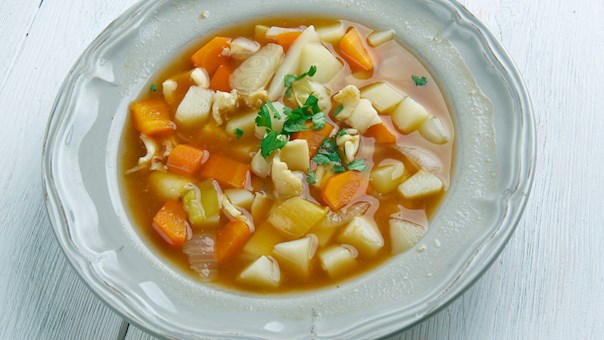
Sopa de pollo y fideos is a classic Puerto Rican chicken soup with noodles, a comforting dish that is best consumed on chilly or rainy days. It is made with chicken pieces, chicken stock, sofrito, olive oil, onions, carrots, celery, potatoes, noodles, and various spices. The noodles are added near the end of cooking because they only need a short amount of cooking time to become tender and fully cooked. It is believed that this soup tastes the best when reheated the next day.
Fish broth is a flavorful Trini soup made with vegetables, fresh herbs, fish, and either pasta or dumplings. It is believed that the broth tastes even better the next day when it gets reheated. The dish varies from one household or restaurant to the next one, since the flavor of the broth depends on how the fish is marinated and seasoned. Fish broth is traditionally served as a main dish, unlike other countries where soups are typically served as a starter.
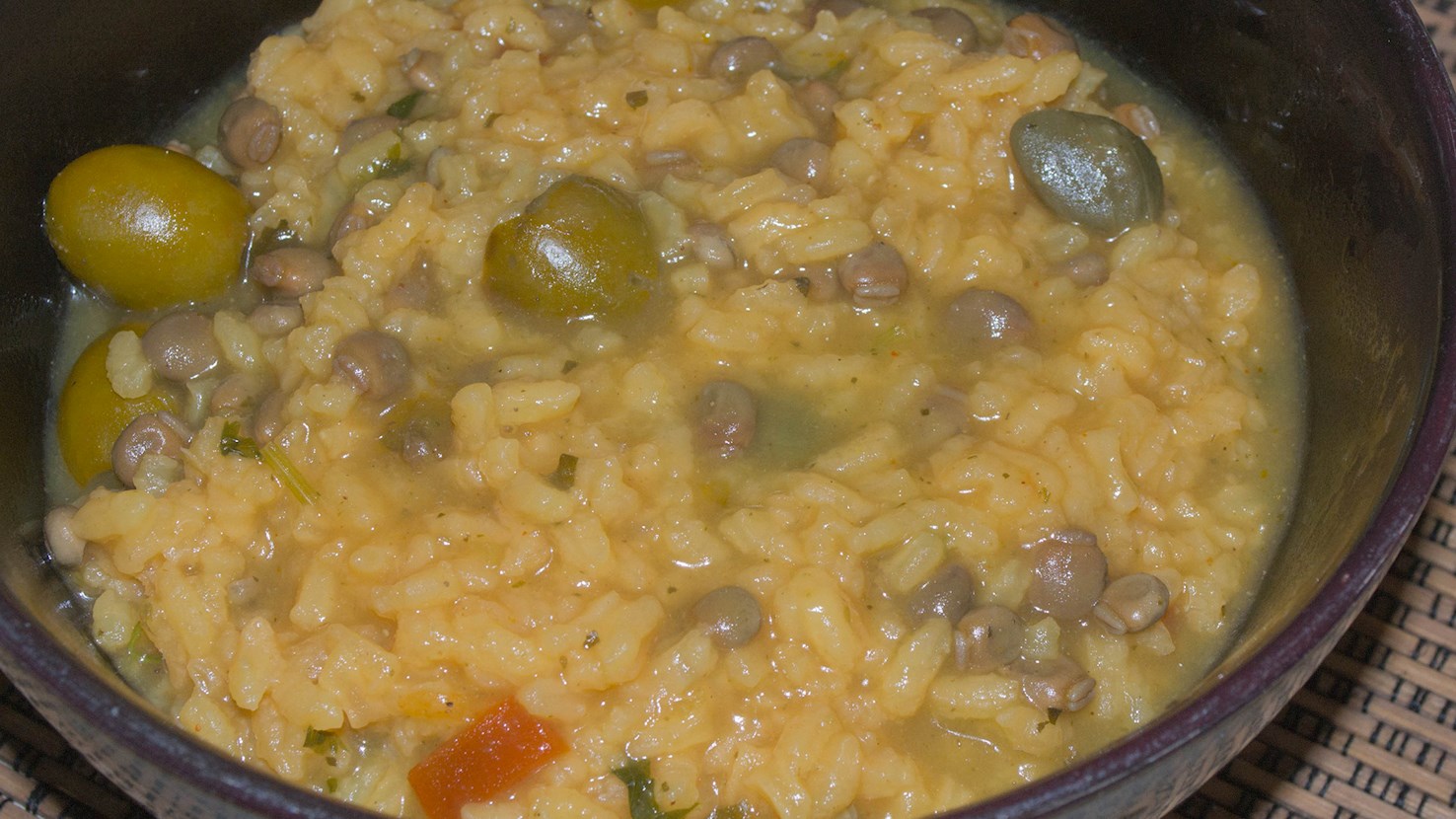
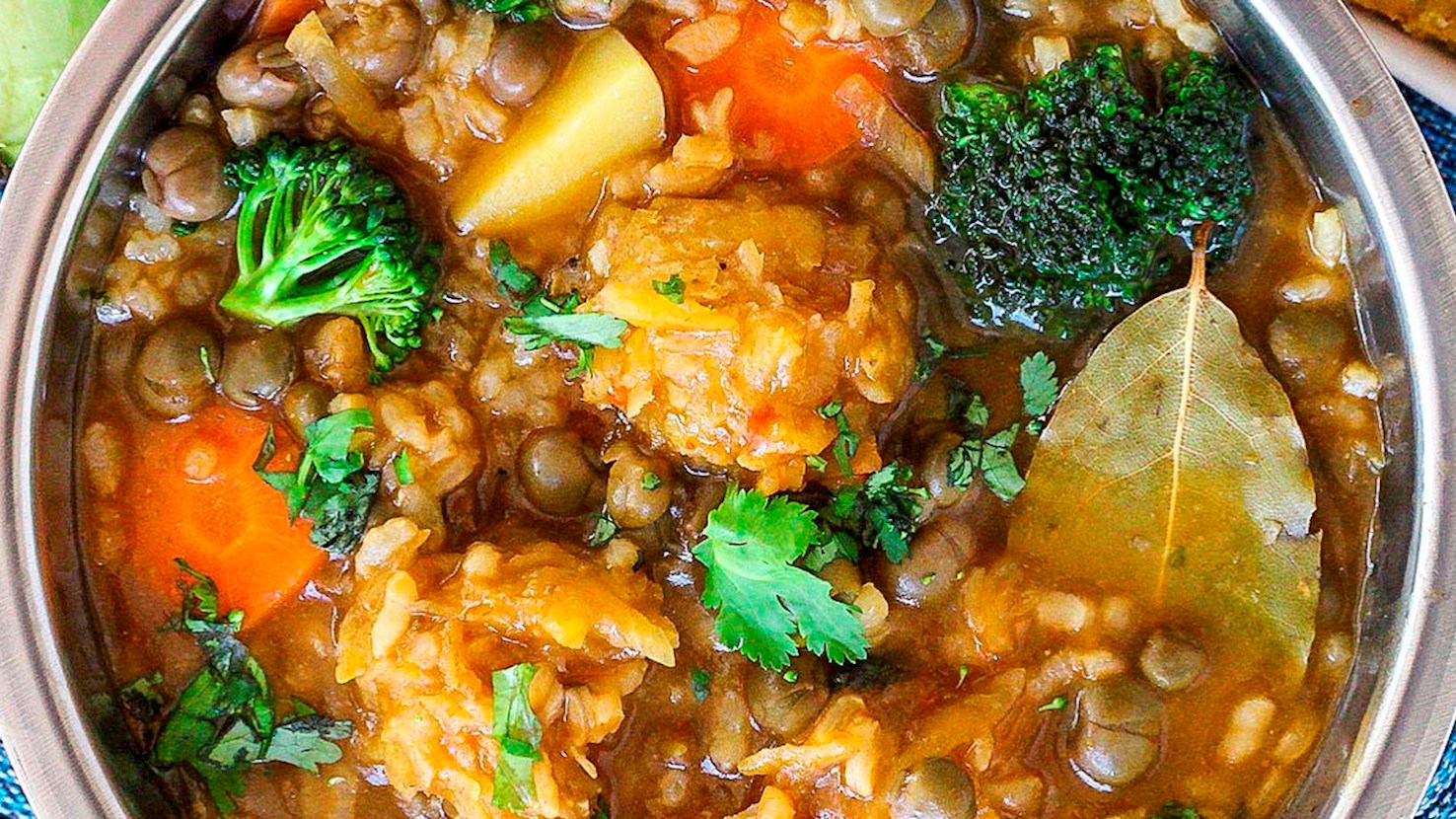
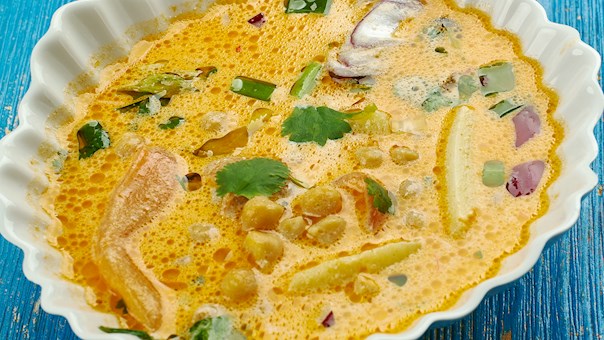
Asopao de gandules is a variety of Puerto Rican asopao, made with pigeon peas as the key ingredient. They are typically combined with onions, ham, sofrito, chicken stock, rice, tomato sauce, and olive oil. The result is a hearty stew that is often enriched with plantain dumplings, when the dish is known as asopao de gandules con bolitas de platano. Chock-full of Hispanic ingredients, the stew is ready for consumption when thickened, and the rice is fully cooked. It is recommended to serve it warm, but it can also be reheated and enjoyed the next day.
TasteAtlas food rankings are based on the ratings of the TasteAtlas audience, with a series of mechanisms that recognize real users and that ignore bot,
nationalist or local patriotic ratings, and give additional value to the ratings of users that the system recognizes as knowledgeable.
TasteAtlas Rankings should not be seen as the final global conclusion about food. Their purpose is to promote excellent local foods,
instill pride in traditional dishes, and arouse curiosity about dishes you haven’t tried.





What People Say