


shutterstock

Top 36 Chinese Soups

Last updated on June 15, 2026
01

Lanzhou lamian

4.4 ·

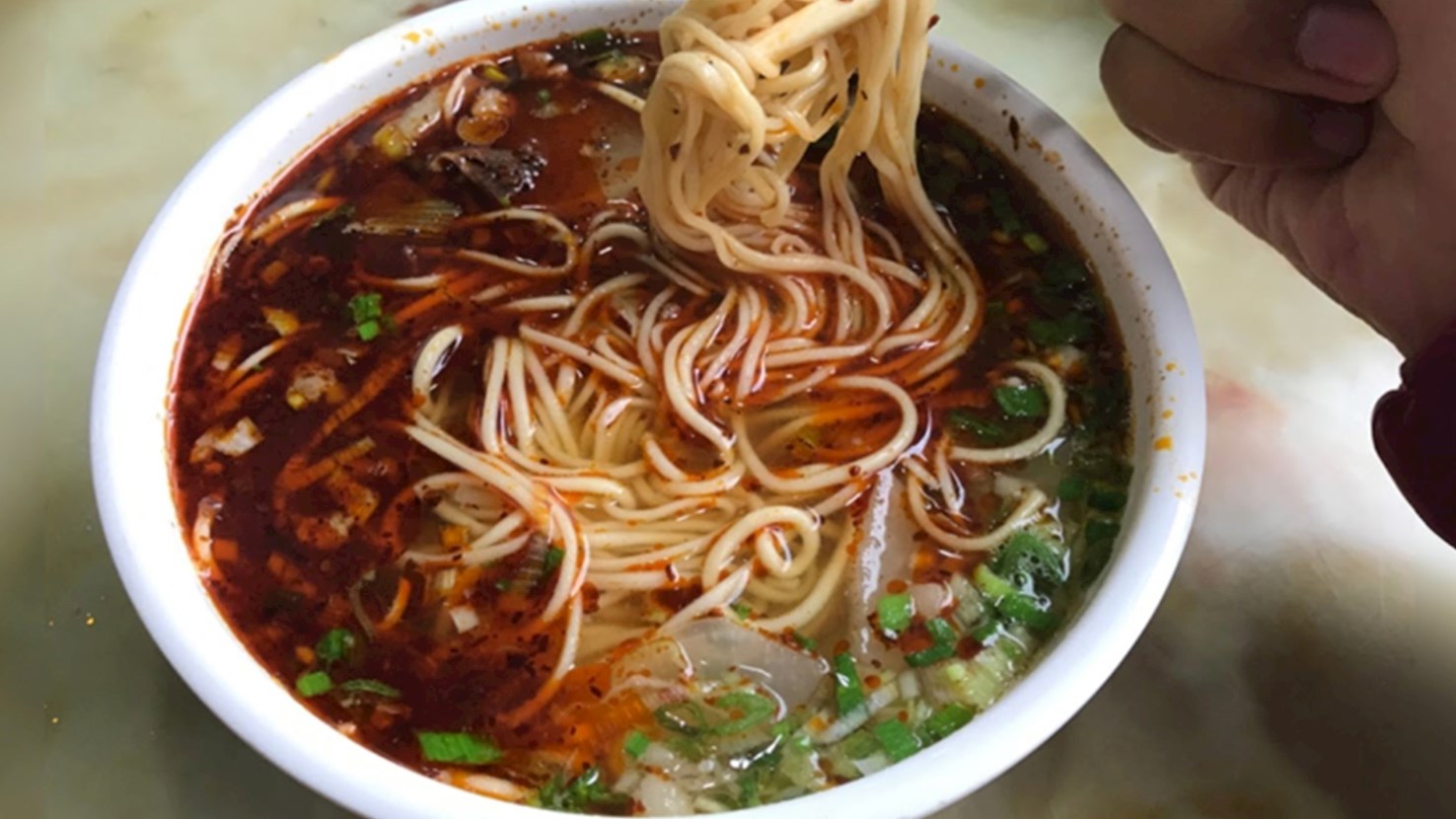
Lanzhou lamian is a Chinese noodle dish known for its hand-pulled noodles, originating from Lanzhou. "Lamian" translates to "pulled noodles", as the dough is stretched and folded repeatedly by hand to create long, thin noodles with a perfect chewy texture. This technique not only aligns the gluten but also enhances the texture of the noodles. The resulting noodles are cooked in a rich beef broth that is clear and flavorful, without the use of soy sauce, allowing the natural flavors of the ingredients to shine through. Lanzhou lamian is often served with thinly sliced beef and various toppings, and is traditionally garnished with fresh cilantro, chili oil, and slices of white radish, adhering to a visual principle of the "five colors": clear broth, white radish, green cilantro, red chili oil, and yellow noodles. This dish has gained immense popularity across China and is often recognized as one of the country's top noodle dishes. The origins of Lanzhou lamian date back to the Tang Dynasty, with its modern form believed to have been popularized in the early 19th century by a Hui Muslim vendor named Ma Baozi. Today, it is commonly found in numerous noodle shops throughout China, particularly those owned by Hui families who serve halal food.

02

Beef Noodle Soup (Beef noodle soup)

4.3 ·

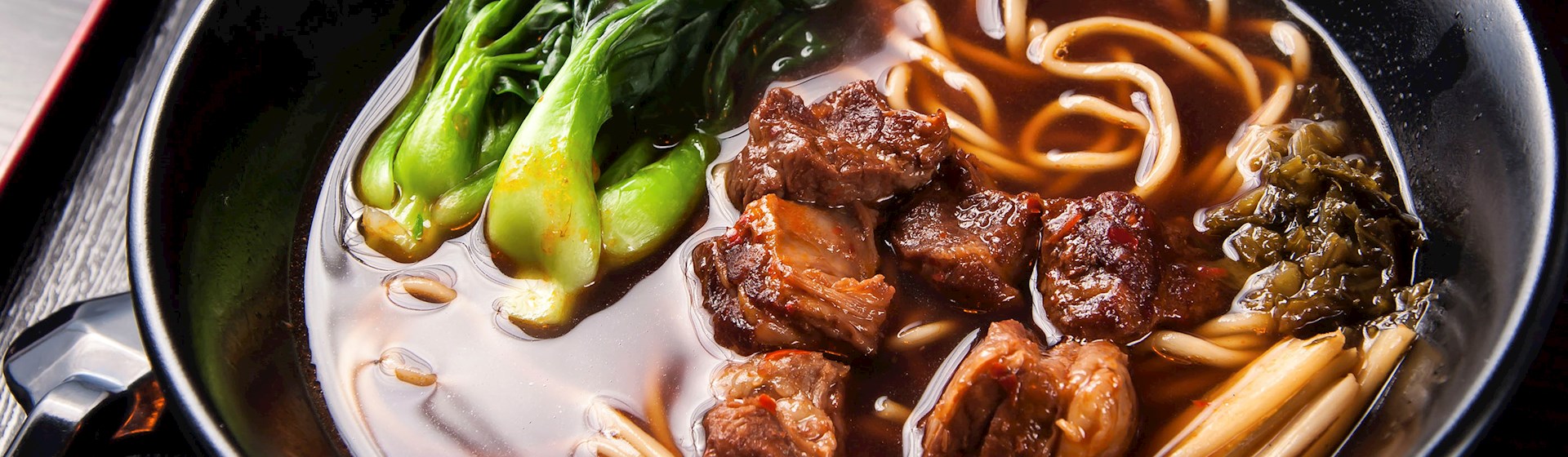
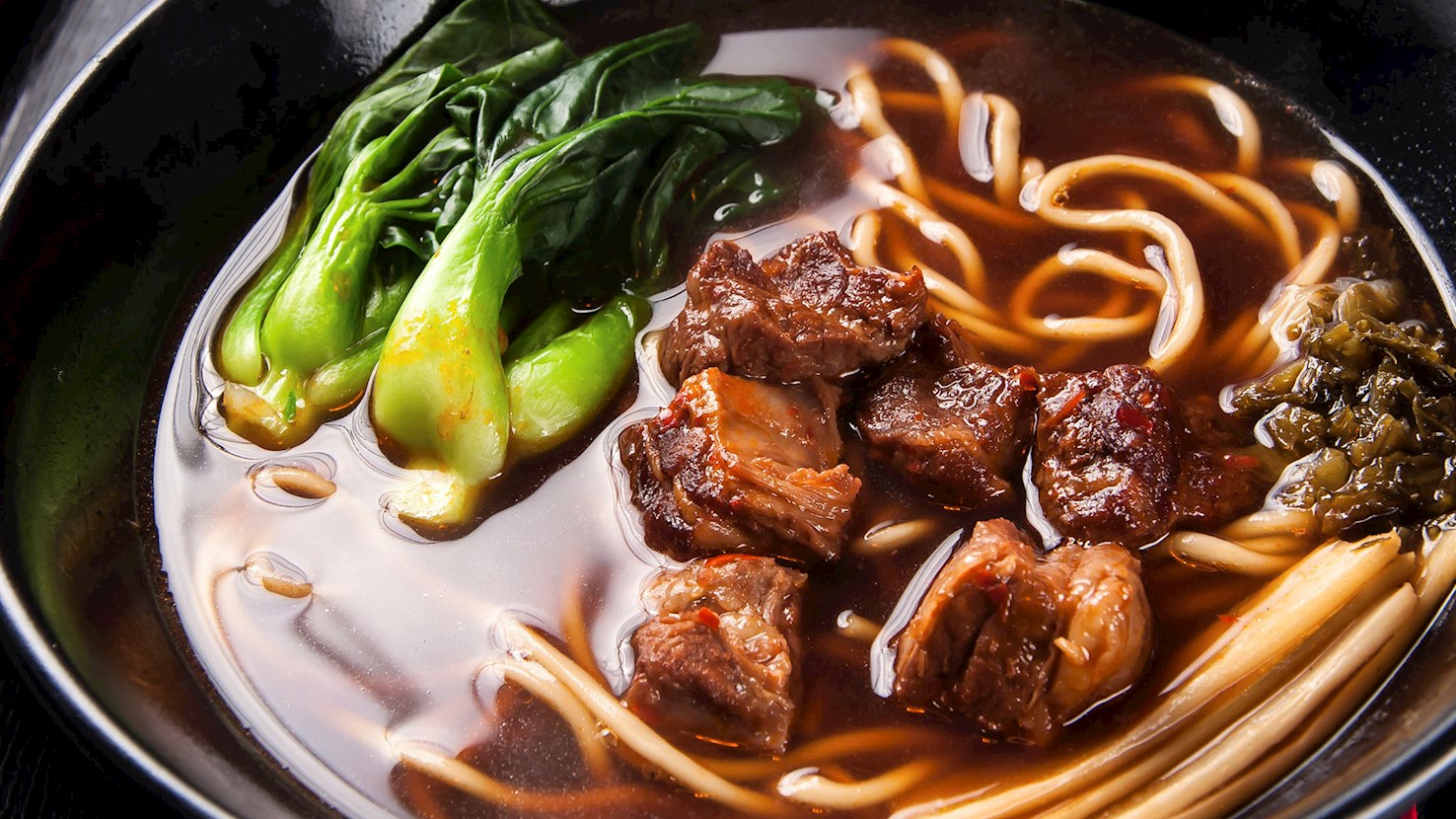
The savory, spicy beef noodle soup is the national dish of Taiwan and the source of immense pride for the locals. The dish is an ideal winter comfort food, typically consisting of beef, broth, vegetables, noodles, and spices. Beef noodle soup has a great Sichuan influence dating back to the 1940s, when China was in civil war and many Chinese people moved to Taiwan, creating this cross-provincial dish and incorporating chili bean sauce and Sichuan peppercorns into it along the way. Variations are endless when making this long-simmering stew, and in Taiwan, there are numerous side dishes to accompany it, such as seaweed and braised dried tofu. Today, there is even an annual Beef Noodle Festival held in Taipei, where various restaurants and cooks compete for the prestigious title of Best Beef Noodle.

03

Wàhn tān mihn (Wonton noodles)

4 ·

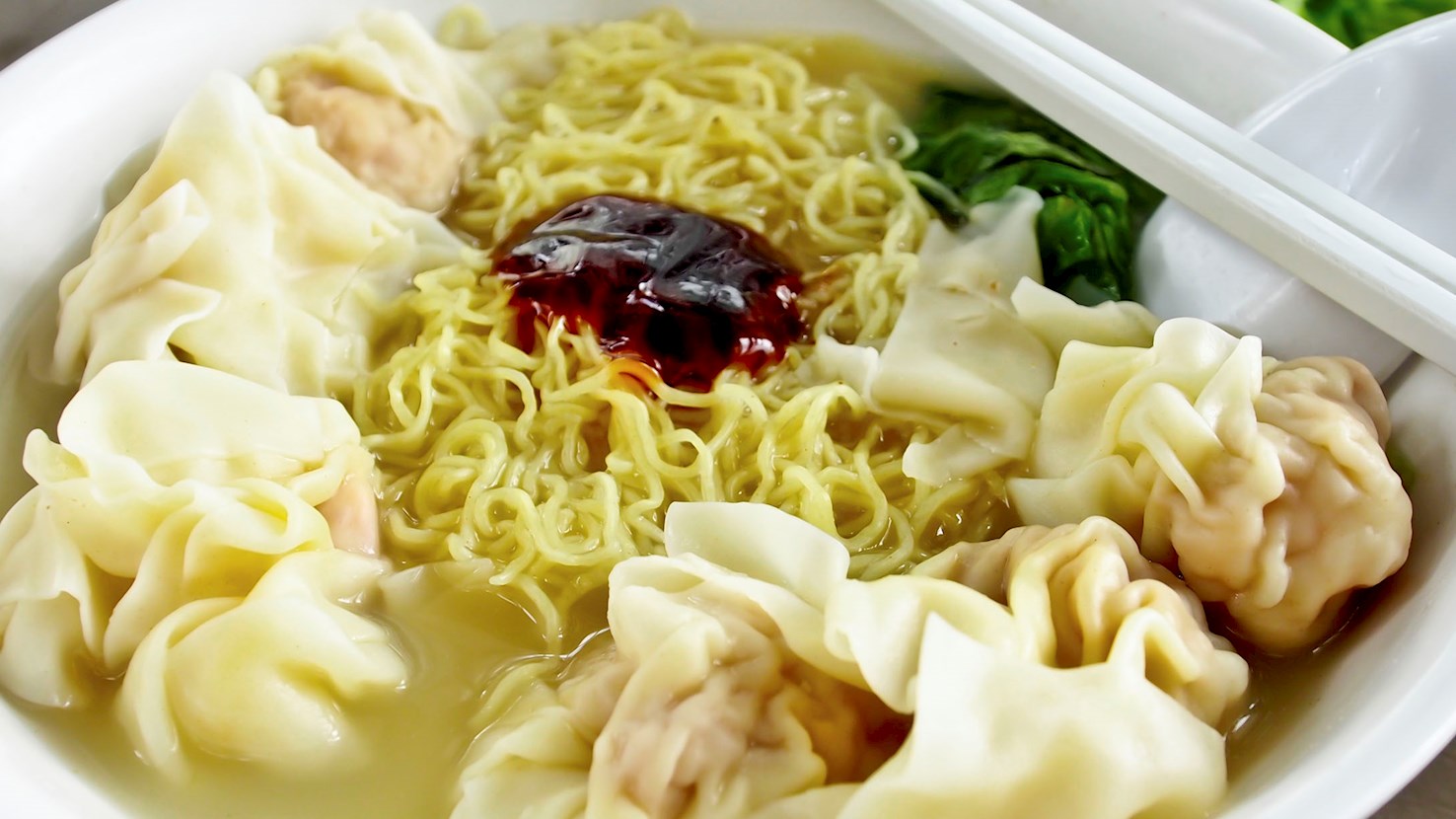
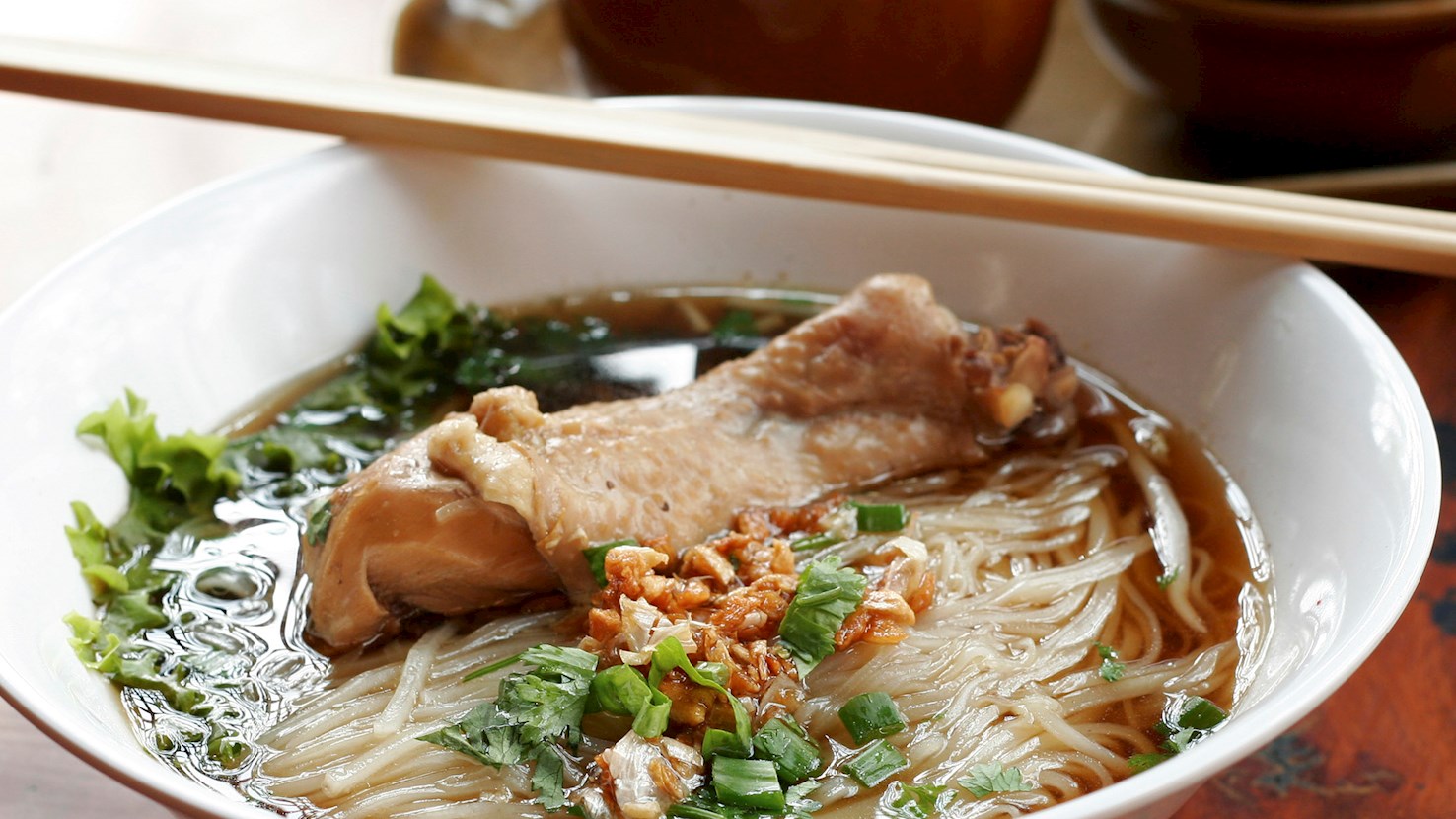
Wonton noodles is a popular Cantonese noodle dish with many regional varieties found throughout Southeast Asia. Traditionally, it consists of chewy egg noodles and wonton dumplings, combined and served in a flavorful chicken, pork, or seafood broth. The dumplings are usually filled with a combination of minced pork and shrimps, lightly flavored with sesame oil, soy sauce, and grated ginger. The stringy thin egg noodles are the most common variety found in many versions of the dish. The choice of garnishes is region-specific and is influenced by common culinary traditions of the particular area where wonton noodles are found. The traditional Cantonese version is typically served with sliced chives and scallions sprinkled on top of the assembled soup. In Malaysia, Singapore, and Thailand, slices of barbecued pork are the most common addition, usually placed on top of the soup. Malaysian versions are often adapted with the addition of green leafy vegetables and use pickled green chilis as a standard condiment. The dish is also widely popular in dry form, in which the noodles are drained and served alongside dumplings, meat, and vegetables, while the fragrant broth is served on the side. Whether it is favored as a clean and original Cantonese variety or the more nutritious version found in other Asian countries, wonton noodles is one of the classic dishes that is considered a staple of Chinese and Asian cuisine.

04

Suān là tāng (Hot and sour soup)

3.9 ·

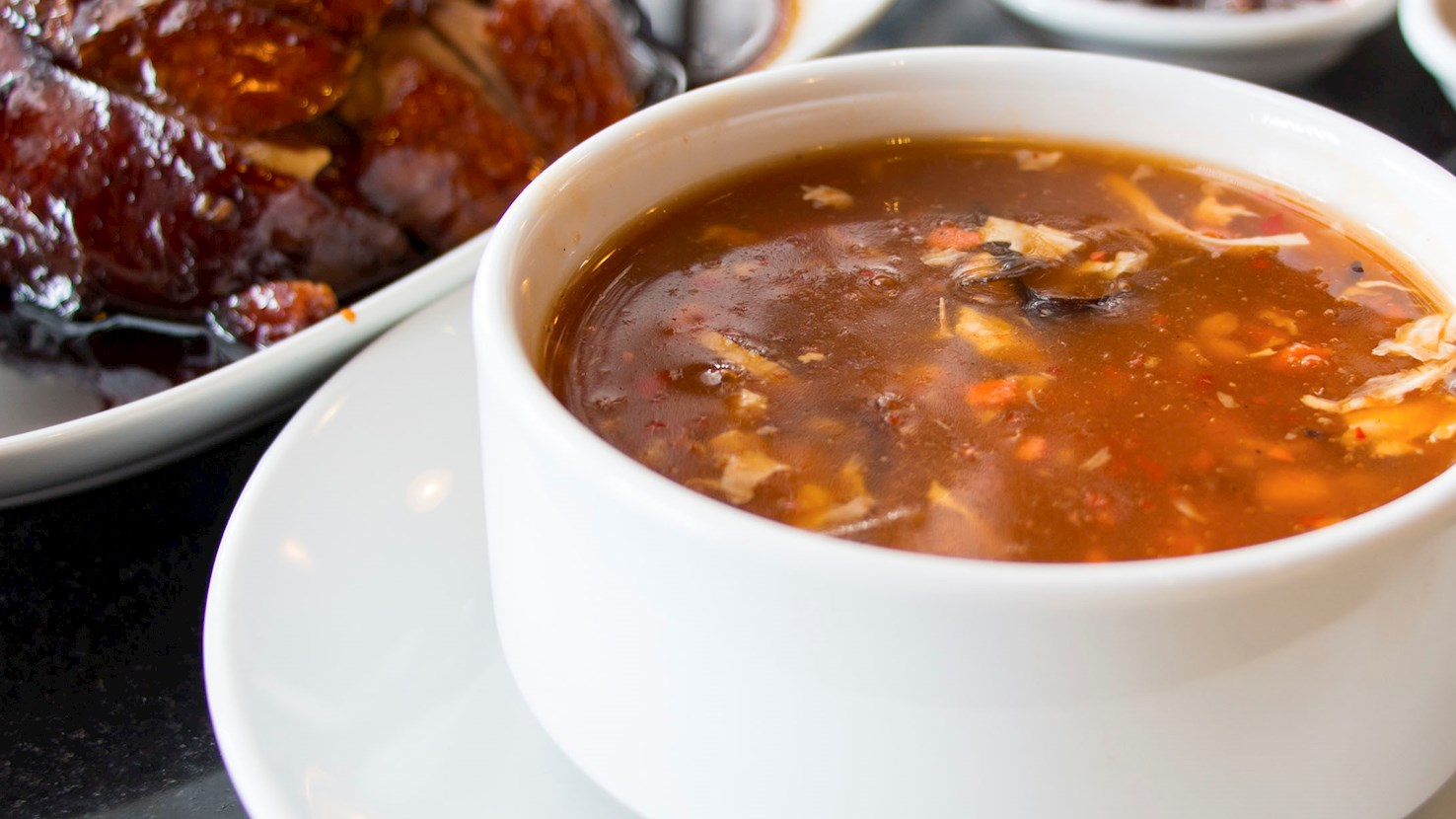
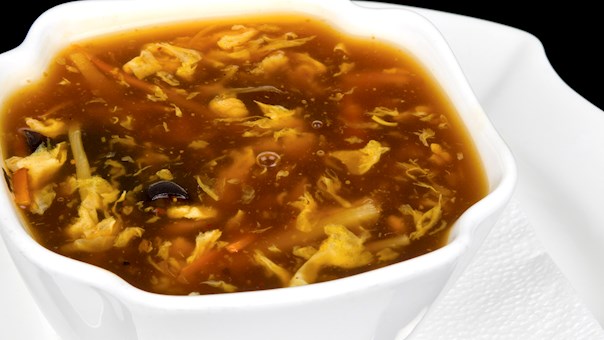
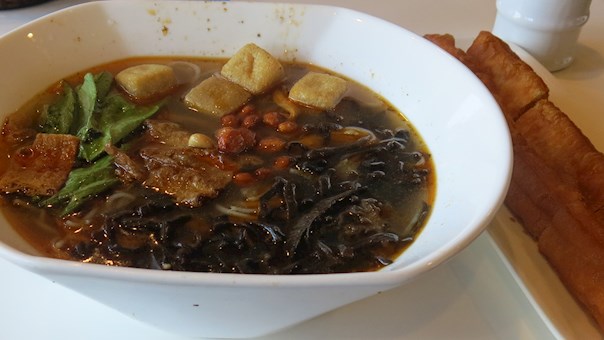
Originating from either Sichuan or Beijing, hot and sour soup is a classic meal that is suitable for every occasion and most weather conditions. It typically contains ingredients such as day lily buds, bamboo shots, tofu, wood ear fungus, and soy sauce-flavored broth. The hotness comes from red or white peppers, while the sour flavor is achieved by the use of vinegar. Hot and sour soup is commonly consumed after a big meal or as a hangover cure. It is also said that the soup is a great choice for giving a boost to one's appetite.

05

Lǎo huǒ tāng (Cantonese slow-cooked soup)

3.8 ·

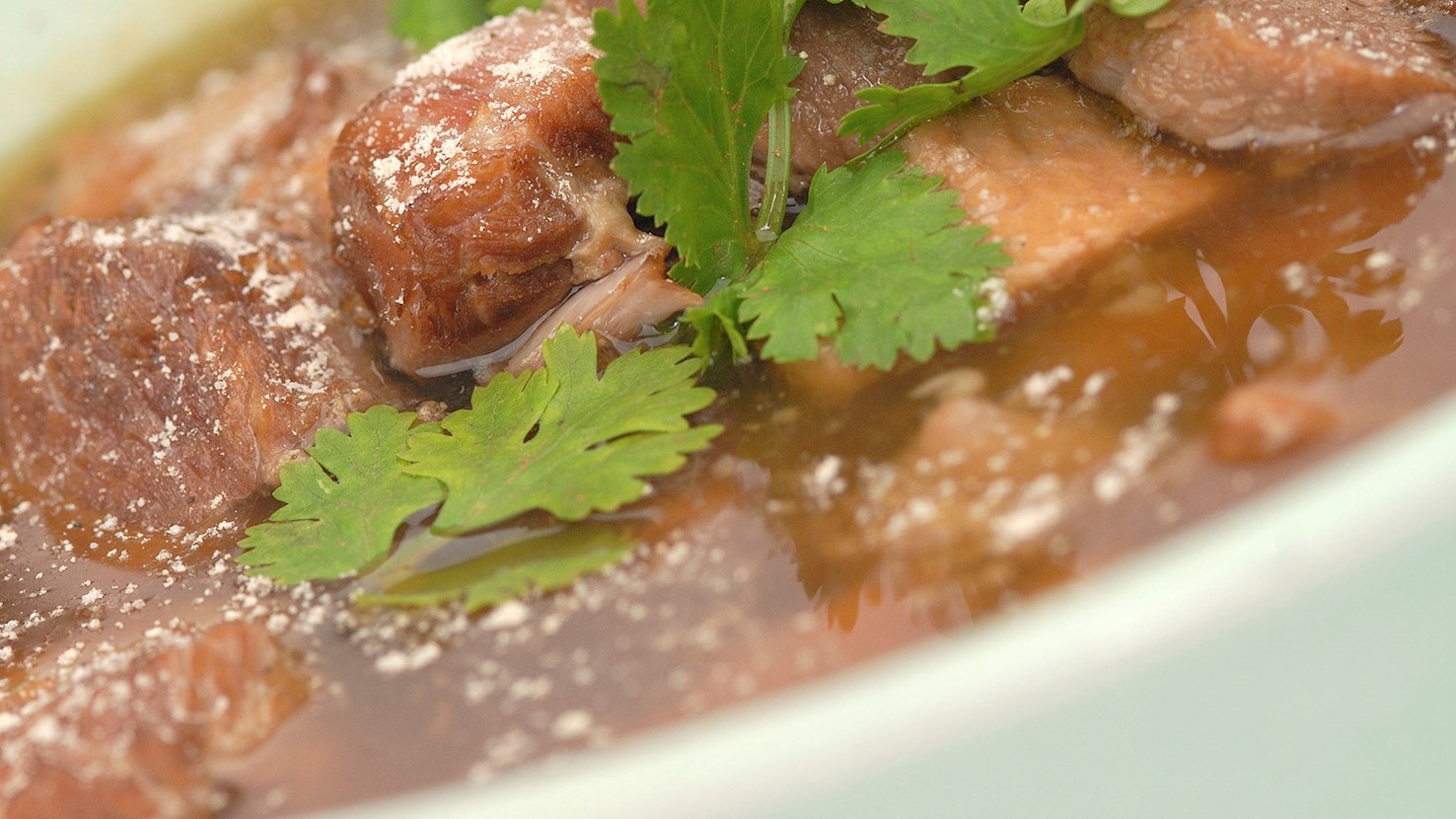
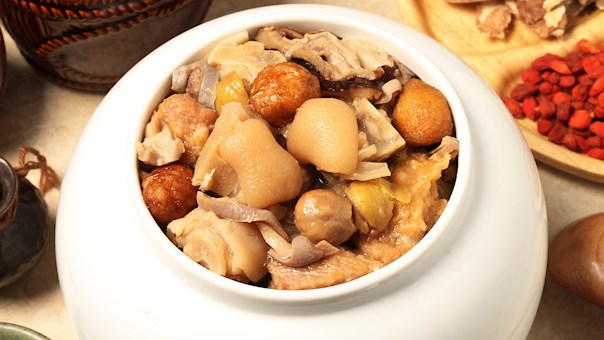
Slow-cooking is a Cantonese technique of cooking soups by slowly simmering meat and any other ingredients over low heat. The soups are often found at banquets, but are also consumed for their medicinal properties. In China, there is a soup for every season and every ailment, so winter melon soup is typically consumed when it's too hot outside, while spare rib and watercress soup is also consumed for its cooling effect on the human body. Traditionally, Chinese slow-cooked soups are made from lean meats, fish, vegetables, and natural flavorings such as fresh herbs. Since the soups are renowned for strengthening one's health, but take a long time to cook, soup chain stores have become fairly popular throughout Cantonese-dominated cities such as Hong Kong.

06

Fan qie dan zang (Tomato egg drop soup)

3.7 ·

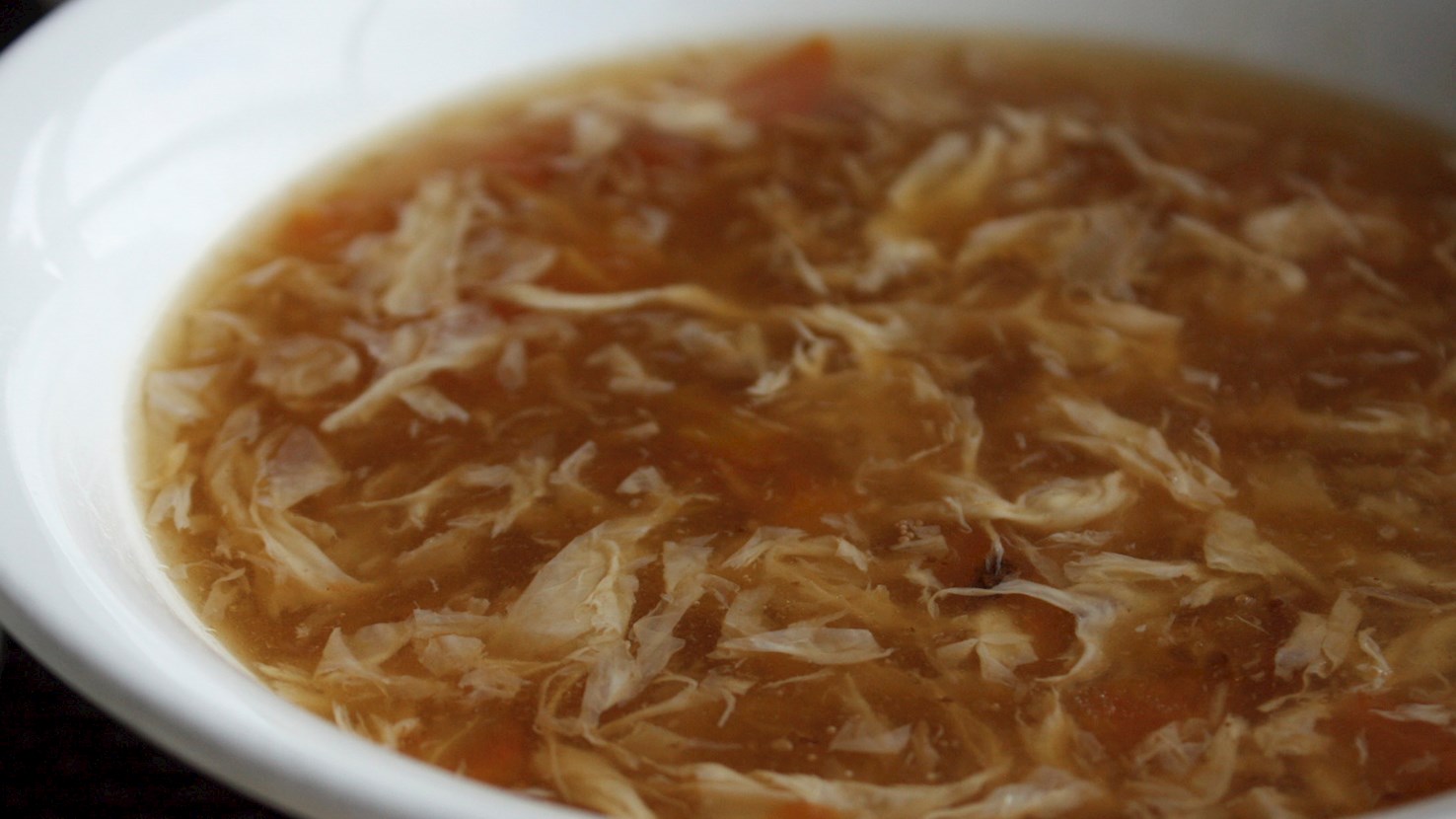
A variety of dan hua tang (lit. egg flower soup), the nourishing tomato and egg soup is a classic Chinese comfort dish. It is made with coarsely chopped tomatoes and green onions simmered in a flavorful pork broth, while eggs are stirred into it towards the end of cooking. Tomato and egg soup is often flavored with Chinese pickled mustard greens called zha cai or fish sauce, both of which add saltiness and a good deal of tang to each spoonful. This light, refreshing soup is typically served after a meal, especially a heavy, greasy one, and it tastes just as good hot or cold.

07

Dan hua tang (Egg drop soup)

3.6 ·

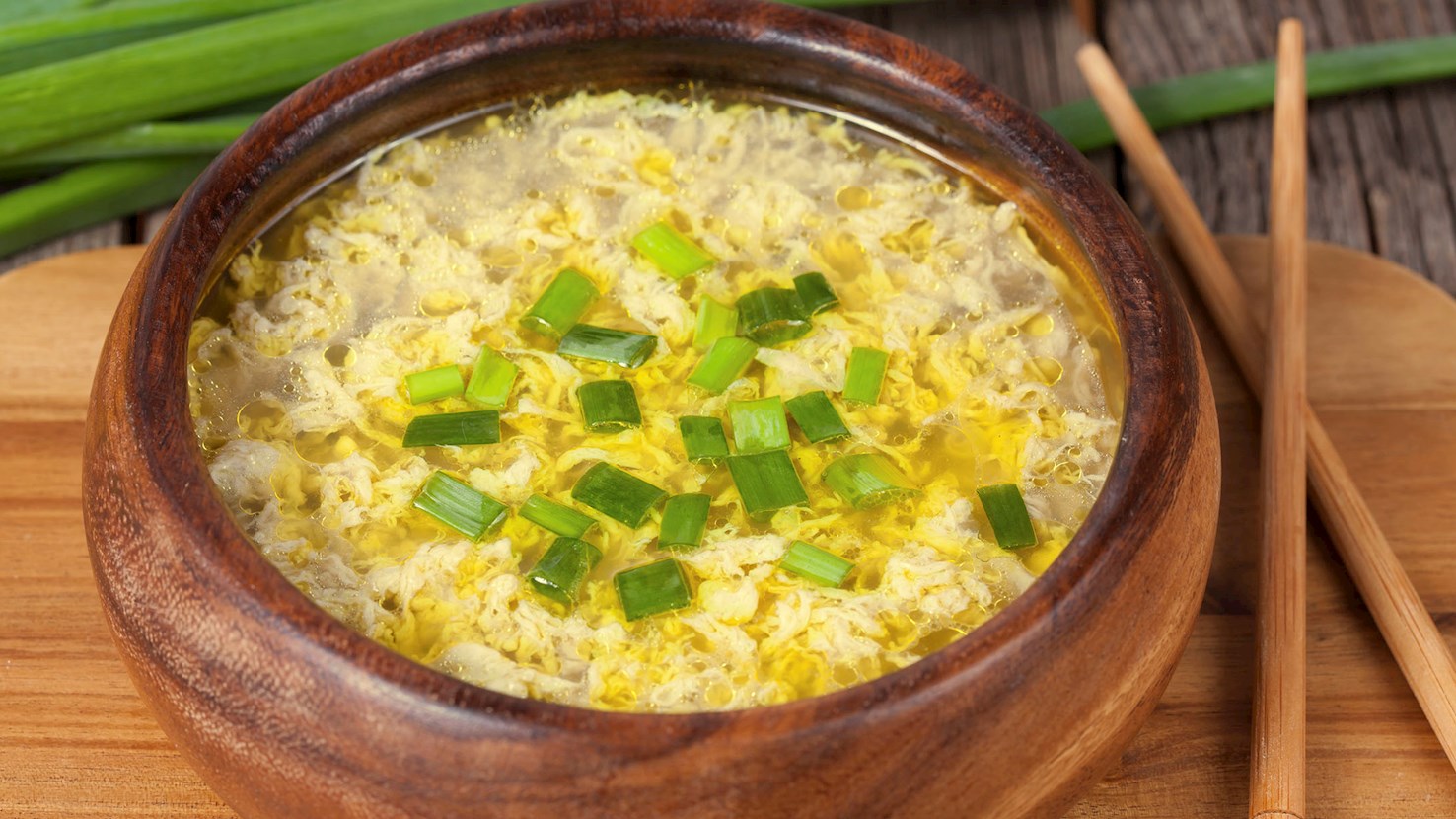
One of the staple soups in Chinese cuisine is the famous egg drop soup. As the name suggests, it is made by dropping whisked eggs in hot broth, which should form the delicate, flower-like clusters. Although simple in preparation, this soup can be dressed up by numerous ingredients which make it an extremely versatile dish. The most common broth used in egg drop soup is the chicken broth, although vegetable broth or any other flavorful variety can be used. Additional ingredients include scallions and sesame oil, but tofu or vegetables such as peas and tomatoes can also be incorporated into it. Egg drop soup is one of the most popular Chinese soups outside the country. It is a common staple of many Chinese restaurants in the world; however, the western variety is usually much thicker than the traditional Chinese counterpart. In southern parts of China and American-Chinese cuisines, the soup is usually eaten as an appetizer. However, in the northern parts of China, the soup is sometimes consumed with or after the main meal, as they believe it helps with digestion of the main dish. In American-Chinese cuisine, it is often served with Chinese egg rolls.

08

Dong gua tang (Winter melon soup)

3.6 ·

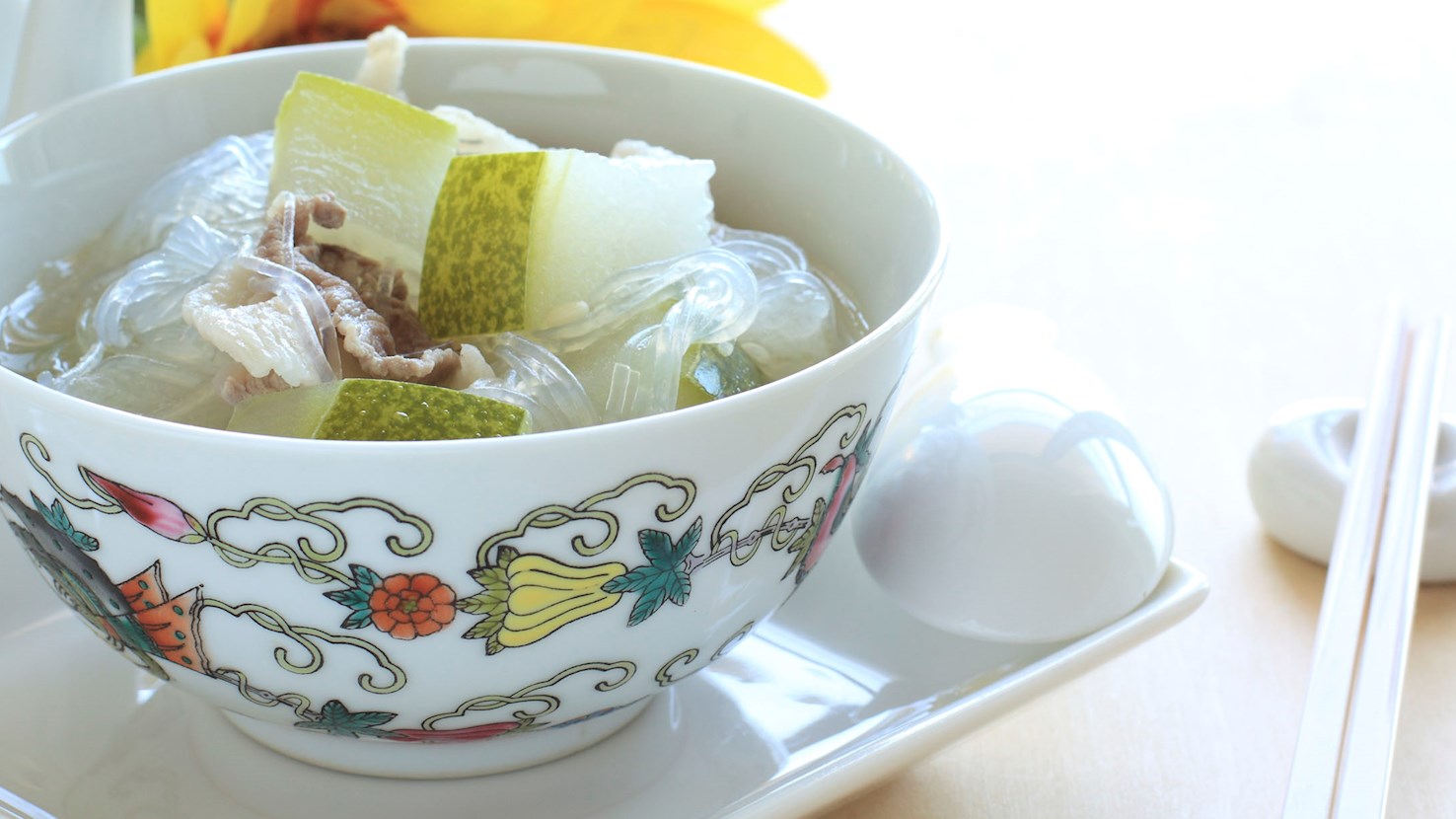
From the simplest versions prepared for weekday meals to the more elaborate ones served at various Chinese banquets and on special occasions, winter melon soup is a classic dish of Cantonese cuisine, popular throughout Southeastern Asia. Even though winter melons ripen in summer, they have a long shelf life and can be stored for up to a year, which is why this gourd is one of the few vegetables available during winter season. Apart from that, dong gua - as the Chinese call it - is particularly prized for its restorative, diuretic, detoxifying, and immunity boosting properties. And although the delicate flesh of dong gua has no distinct flavor of its own, the velvety, almost translucent cubes of this squash-like melon easily take on the rich flavors of pork or chicken broth used to make the soup. For a more wholesome meal, this versatile soup can be enriched with a wide variety of other ingredients: chicken meat, pork ribs, ham, bacon, dried shrimps or anchovies, crab meat, pearl barley, goji berries, lotus seeds, straw mushrooms, kombu seaweed, etc. Regardless of its name, winter melon soup is not only enjoyed as a heartwarming meal traditionally served in wintertime, but also as a refreshing dish which helps to bring down body heat during hot summer months.

09

Guo qiao mi xian (Crossing-the-bridge noodles)

3.6 ·

Over the bridge rice noodles (guo qiao mi xian) is a rice noodle soup, a specialty of Yunnan cuisine. When broken into segments, the soup consists of chicken soup, rice noodles, sliced meat, and vegetables, as well as some additional ingredients used for garnishing and seasoning. The dish originated from Mengzi County over 100 years ago. What's peculiar about this soup is the way in which it is prepared; a bowl of hot soup, a bowl of rice noodles, and a platter with sliced ingredients are brought to the table where the dish is assembled and cooked. Ingredients are added one by one, starting with meat. Next are quail eggs, squid, and tofu skin, followed by vegetables, often only bok choy, Chinese mushrooms, and herbs. Rice noodles are saved for the end, and the finished soup gets divided into individual bowls. Given that the soup can be somewhat bland, the taste can be adjusted to personal preference with soy sauce, vinegar, pickled vegetables, and chili sauce. The rice noodle soup is often served in restaurants and sold by street vendors, but the price is determined by the number of ingredients - the more, the pricier.

10

Paomo

3.5 ·

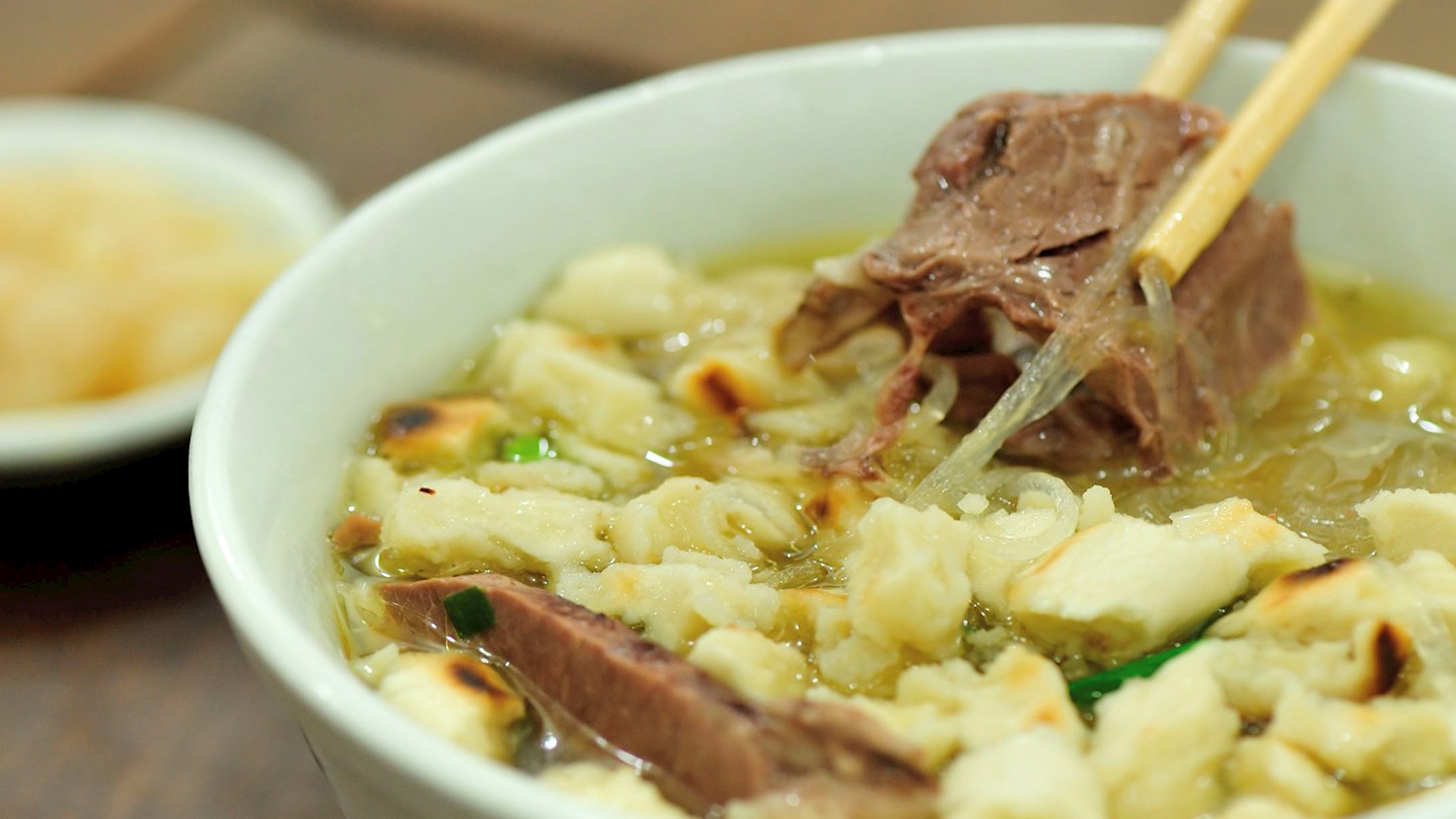
Paomo, a specialty of the Shaanxi cuisine, is a stew consisting of steamed and leavened bread () that is soaked in a simple mutton soup and typically eaten in the city of Xi'an. The invention of the dish is often ascribed to the Song Emperor Zhao Kuangyin, while the name of the stew, when translated from Chinese, reveals its main feature: soaked bread. Additions commonly include rice noodles and chopped greens, while a side of pickled garlic and sweet chili paste has a principal role in elevating the flavors of the dish. Depending on the type of meat used, there are two variations; yangrou paomo made with lamb, and niurou paomo made with beef. Traditionally, in restaurants, you will be asked first to chop up or tear the bread which is then taken back to the kitchen where the cook will assemble the stew and bring it back to you complete and served with condiments. The city of Xi'an is filled with specialized paomo restaurants, predominantly in the city's Muslim Quarter.

Read more
View all
View map
About this ranking

TasteAtlas food rankings are based on the ratings of the TasteAtlas audience, with a series of mechanisms that recognize real users and that ignore bot, nationalist or local patriotic ratings, and give additional value to the ratings of users that the system recognizes as knowledgeable. For the “Top 36 Chinese Soups” list until June 15, 2026, 1,003 ratings were recorded, of which 841 were recognized by the system as legitimate. TasteAtlas Rankings should not be seen as the final global conclusion about food. Their purpose is to promote excellent local foods, instill pride in traditional dishes, and arouse curiosity about dishes you haven’t tried.

Similar lists