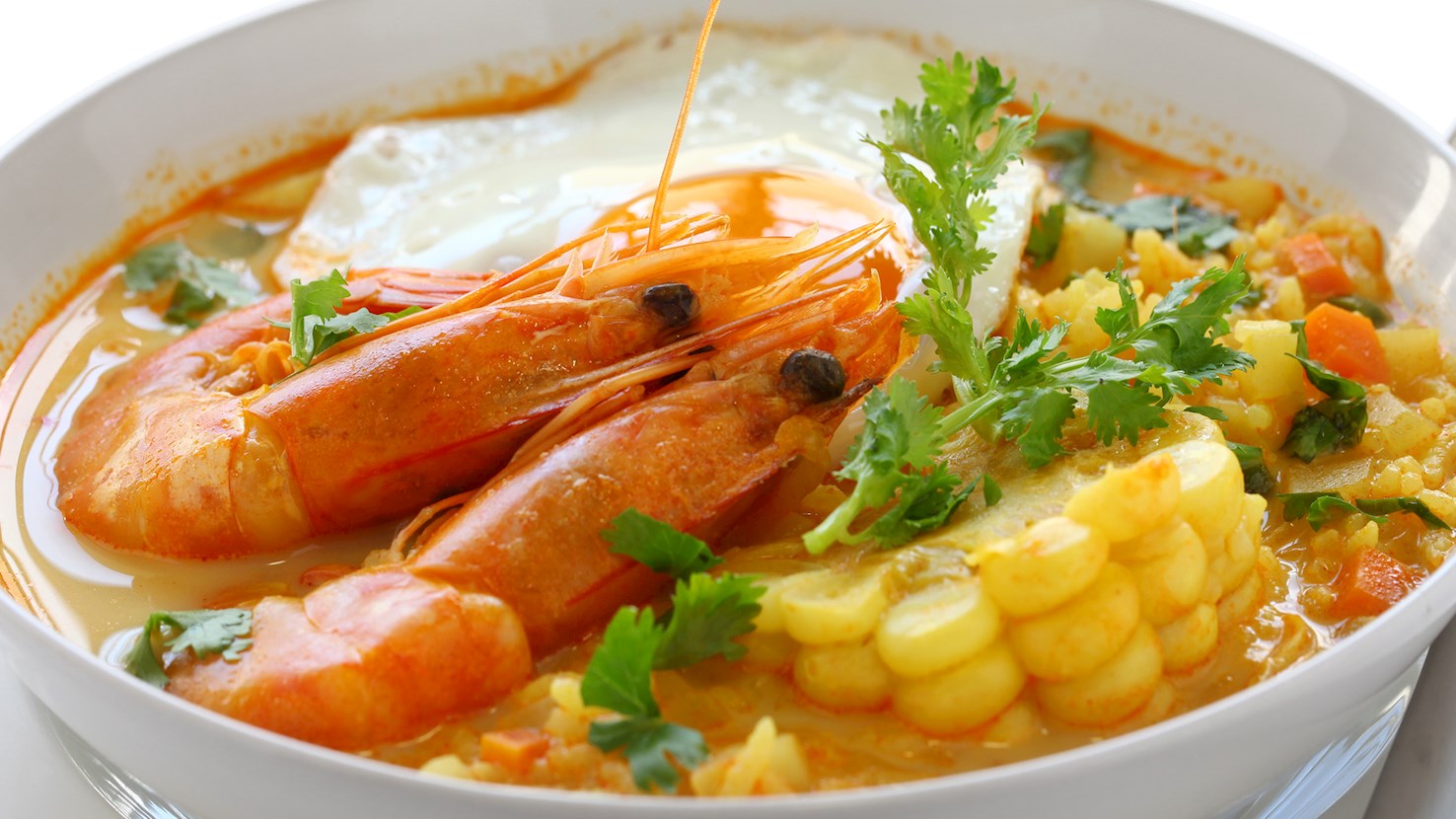
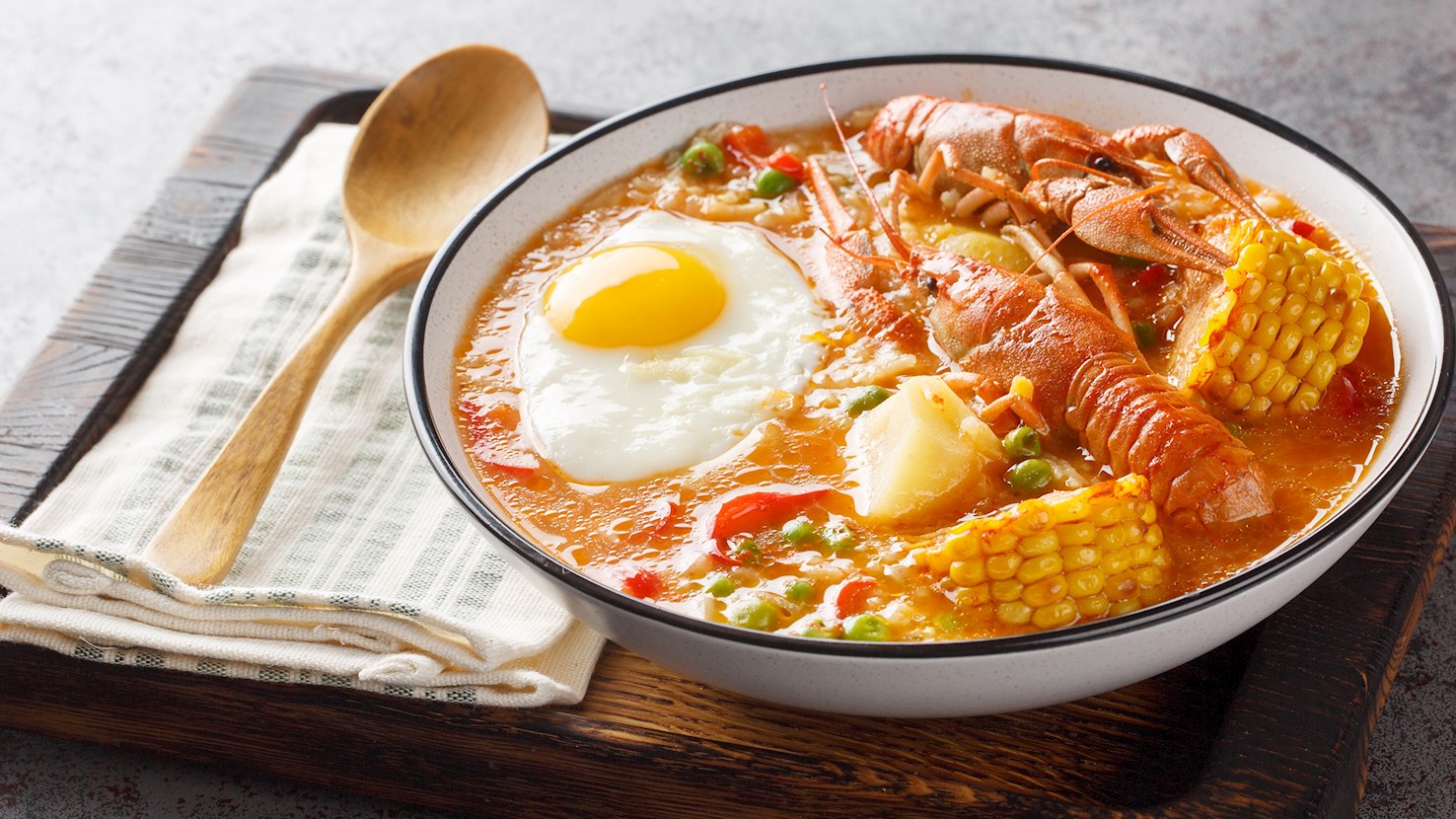
Chupe de camarones is a popular Peruvian shrimp (or prawn) chowder with a long and unusual history. The chowder is typically made with fish stock, fresh shrimps, onions, garlic, and yellow potatoes, while rice, beans, carrots, and peas are used often, but not always. The dish is traditionally served in deep bowls and garnished with parsley. In recent years, food historians have revealed that chupe de camarones actually evolved from a thick Arequipeño stew made with potatoes, llama meat, and herbs. The dish was called chuwa misa (lit. deep bowl) and was prepared before the 16th century. After the Spanish conquest, locals started to catch shrimps, preparing shrimp ceviche and shrimp sauteé in the process. The Spaniards brought some new ingredients to the region, such as milk and cheese, and added them to the shrimp sautée, resulting in the creation of chupe de camarones.
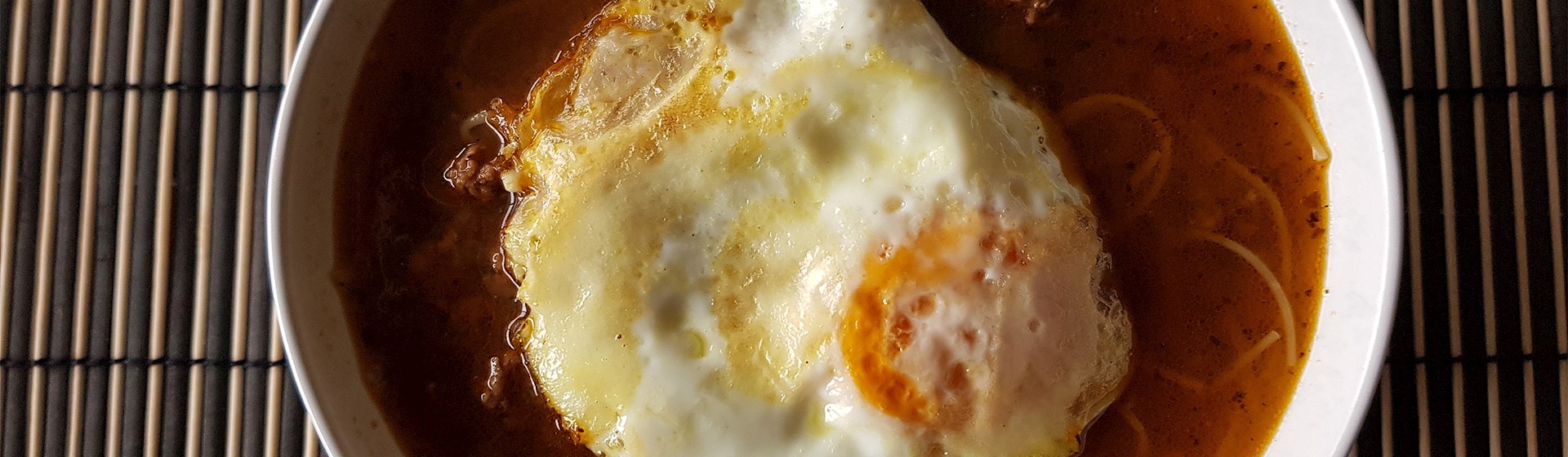
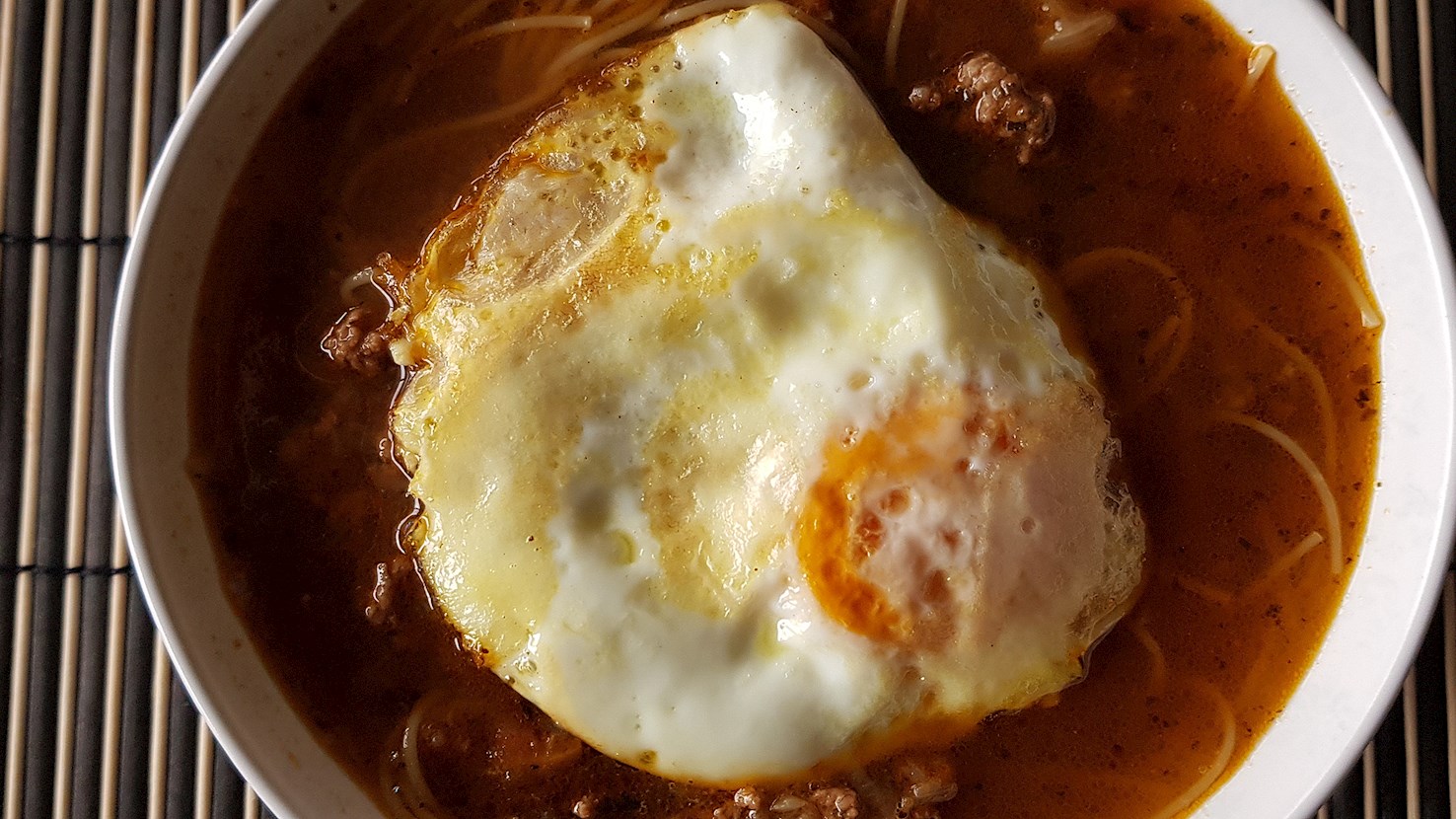
Sopa criolla is a comforting and filling Peruvian soup. It's made with a combination of beef, onions, garlic, aji panca paste, tomato paste, stock, potatoes, angel hair pasta, evaporated milk, oregano, and eggs. Once it has been cooked, the soup is typically garnished with homemade croutons. It is believed that sopa Criolla was brought to the country by Italian immigrants. For the best experience, serve it on a chilly winter day.
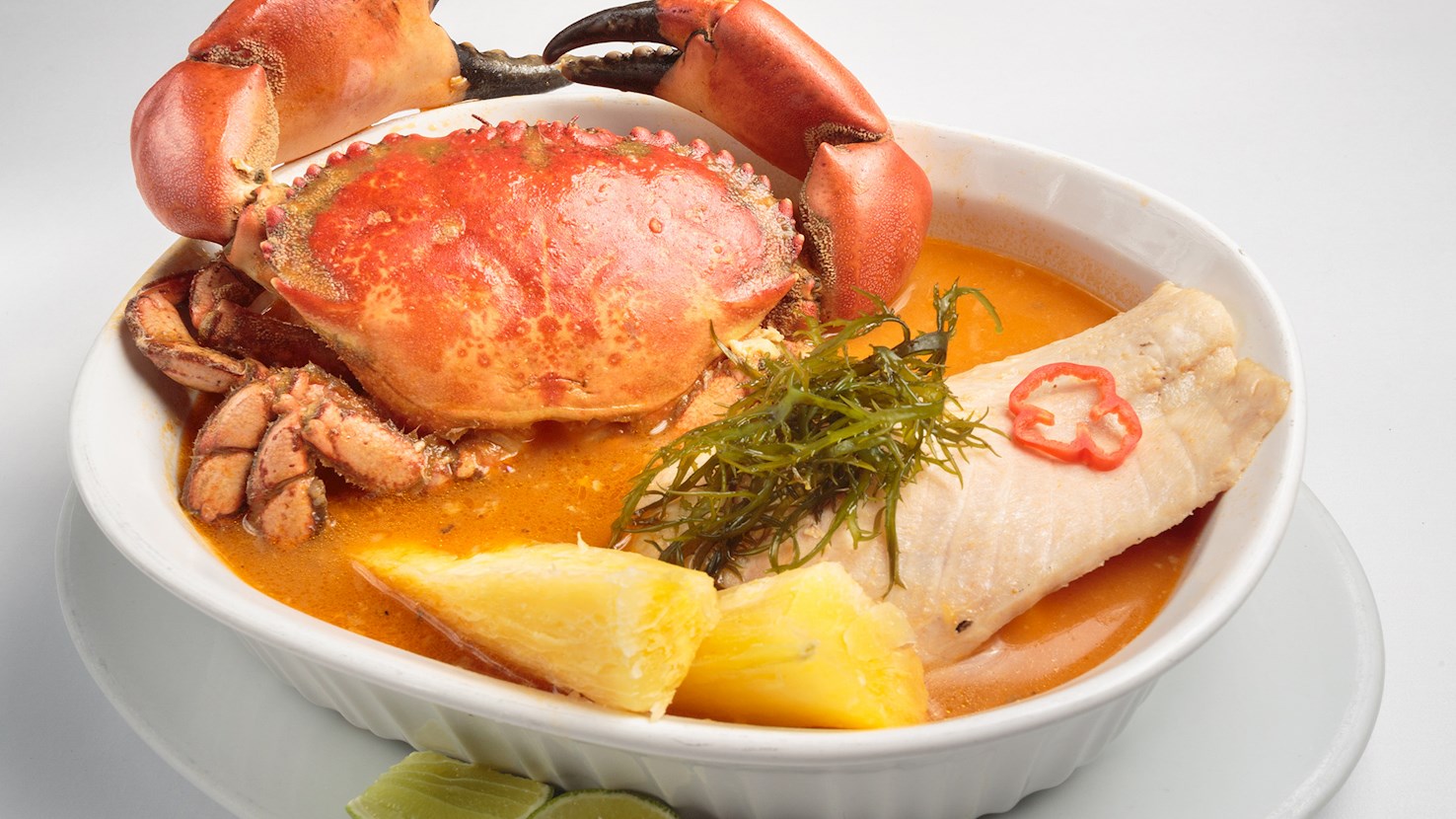
This hearty and spicy seafood soup whose flavors and ingredients are uniquely Peruvian originated in the fishing communities of Peru; it is what the fishermen would enjoy after a long day at sea, and it is now a popular dish all along the coast. Parihuela recipes traditionally use firm-fleshed white fish as the main ingredient, such as the center cut of a cod or sea bass, crabs, and a variety of other fresh seafood, while the signature flavor comes from ají panca, a Peruvian chili pepper variety which lends an amazing floral bouquet to the dish, even when used dried. Other seasonings include cumin, ginger, cilantro, and lime juice, making parihuela particularly invigorating.
Chupe de mariscos is a traditional and Chilean seafood chowder that includes ingredients like shrimp, mussels, clams, squid, and sometimes fish. The choice and variety of seafood can vary based on availability and regional preferences. The broth is typically made from fish stock or the cooking liquid from the seafood. It's thickened with rice, while other common ingredients include potatoes, choclo, onions, garlic, tomatoes, and peas. What sets this dish apart from other soups is the addition of dairy. Evaporated milk or fresh milk is often added to give the soup a creamy consistency, and some versions might also have a touch of cheese, which is melted into the soup. Aji peppers, typically aji amarillo (a yellow chili pepper), give the chowder its characteristic color and a hint of heat. The soup is also seasoned with salt, pepper, cumin, and fresh herbs like coriander or parsley. Towards the end of the cooking process, eggs are usually cracked into the simmering soup, where they poach in the hot liquid. Chupe de mariscos is typically served hot, garnished with fresh herbs. Given its hearty nature, it's often enjoyed as a main dish rather than a starter.
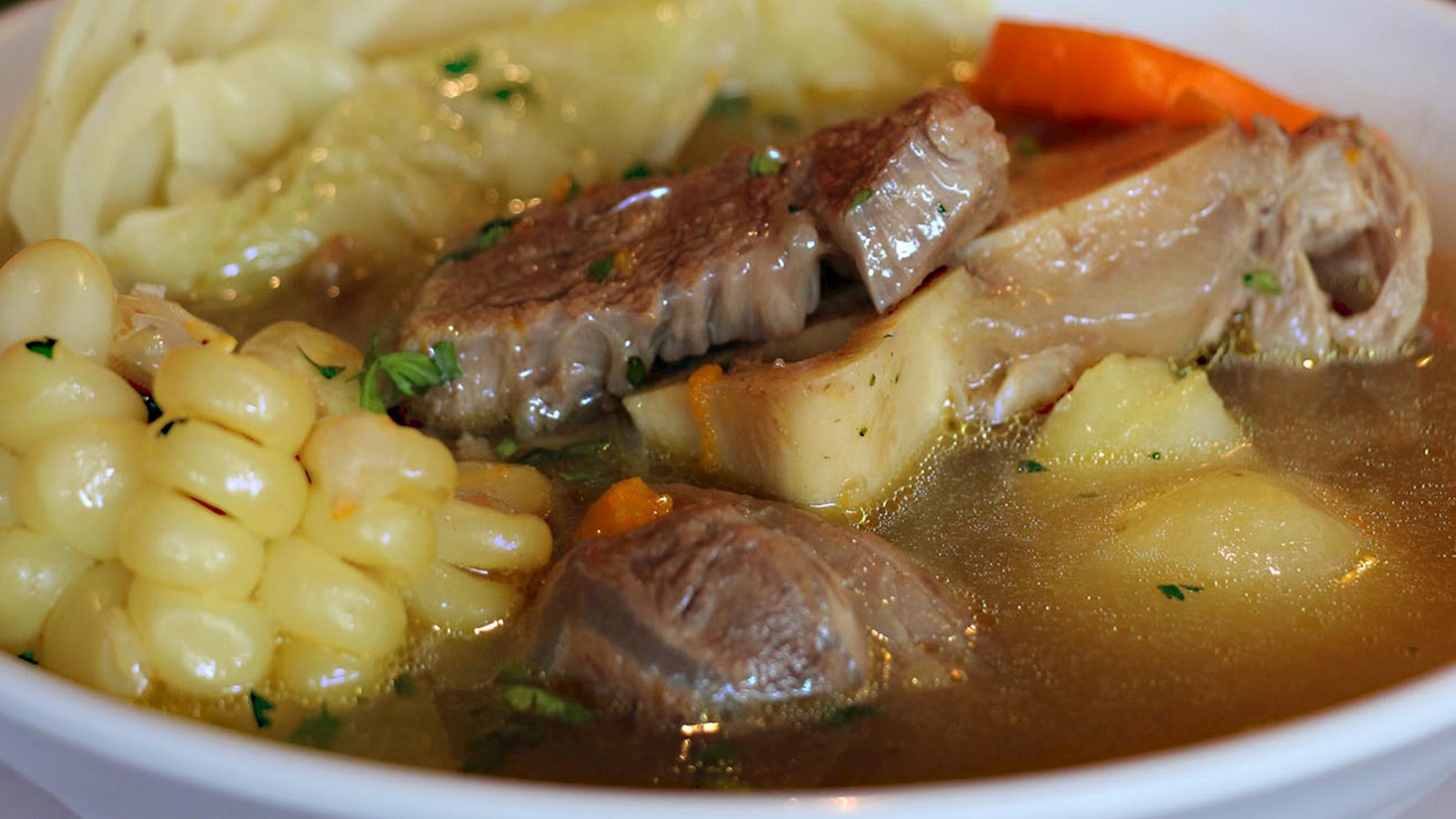
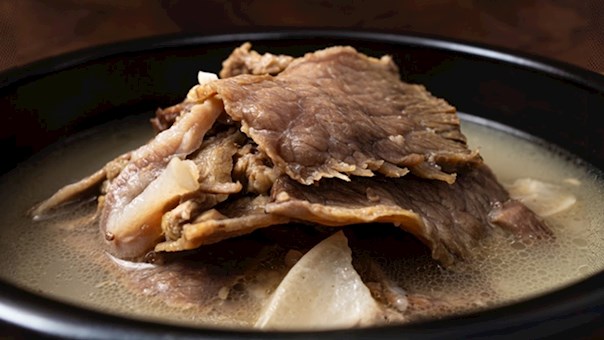
Sancochado is a robust Peruvian soup that was originally prepared with around ten different meats, but nowadays only one or two are used in its preparation. Besides meat, sancochido is made with a variety of vegetables such as potatoes, sweet potatoes, carrots, yucca, and cabbage. When served, the soup is typically accompanied by lime slices on the side, as well as several sauces such as salsa criolla, rocoto, or huancaina sauce. It is believed that sancochado was prepared in pre-Hispanic times, and was later influenced by the Madrilenian cuisine which came to the country with Spanish immigrants.
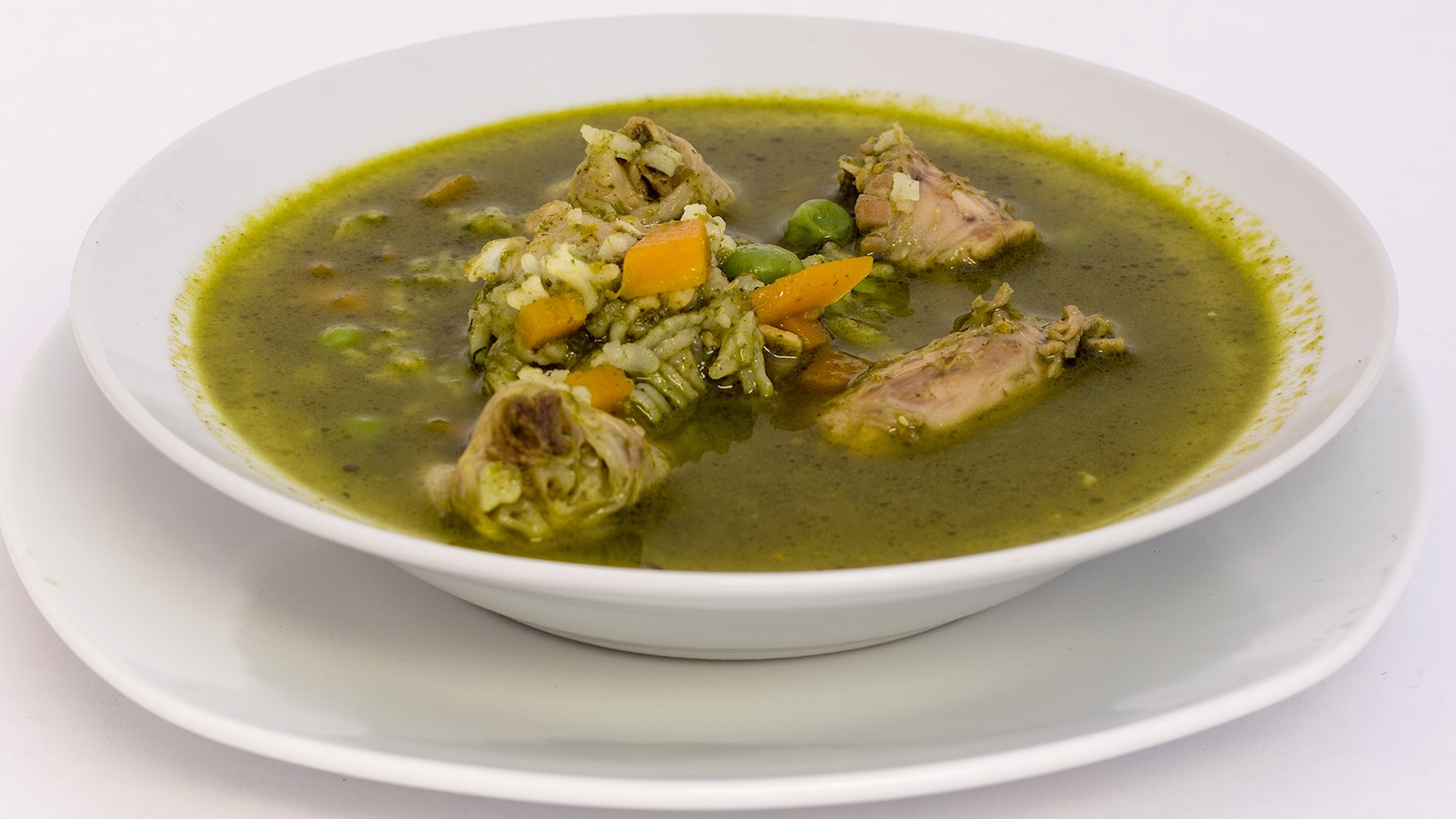
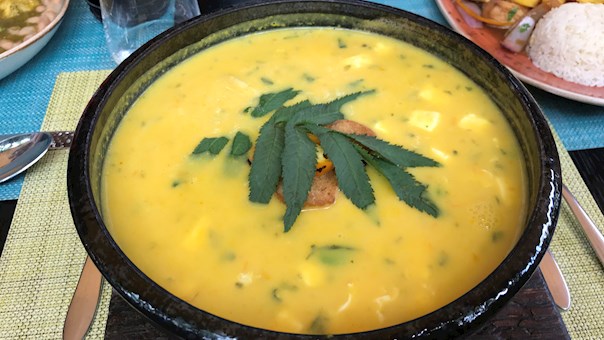
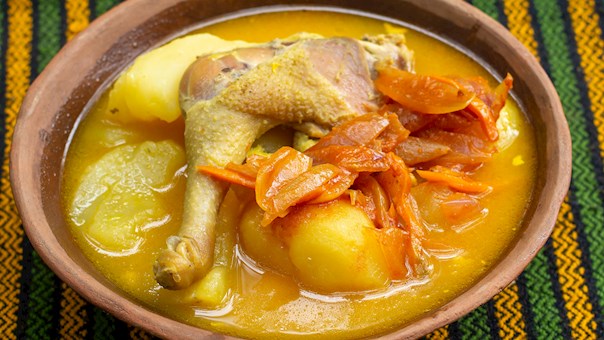
Aguadito de pollo is a traditional soup prepared with a combination of large chicken pieces, aji amarillo peppers, peas, corn, onions, yellow potatoes, rice, and cilantro, which gives the soup its typical flavor and green color. In the country, this soup is well-known as being a great hangover cure, but it is also often prepared as a flu remedy. Due to the fact that the soup is so popular in Peru, there are many variations, prepared with turkey, duck, mussels, fish, or scallops instead of chicken. Once done, aguadito de pollo is usually served in big bowls with lime wedges on the side.
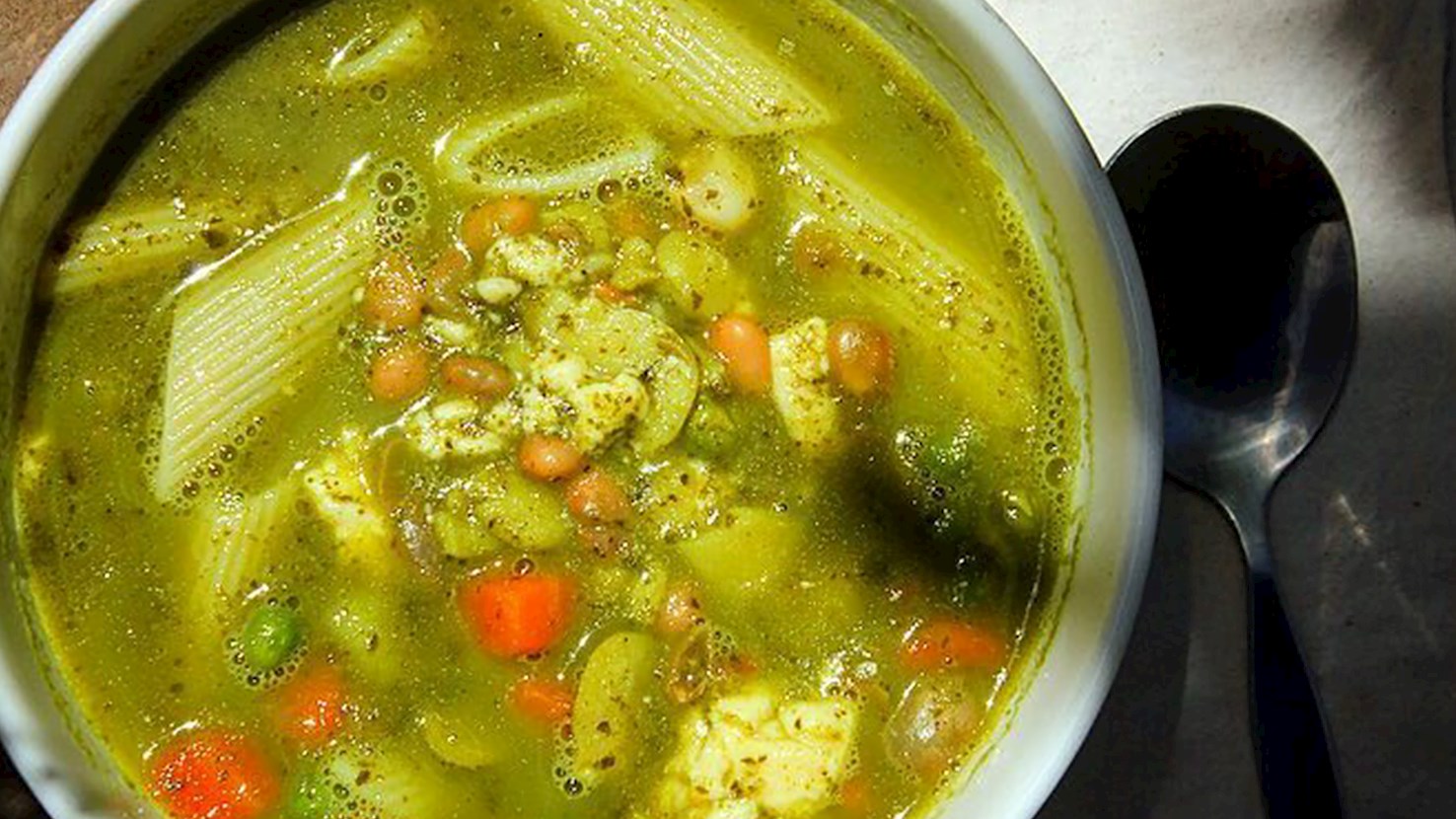
Menestrón is a Peruvian soup that is an adaptation of the famous Italian minestrone. The soup became popular in Peru with the first Italian immigrants, and over time, it was adapted for local palates using a variety of Peruvian ingredients that it doesn't have a lot in common with the Italian classic anymore. The ingredients vary from region to region, but menestrón is usually prepared with beef stock, beef, local vegetables such as beans, peas, carrots, cabbage, celery, choclo, and potatoes. Interestingly, there are no tomatoes in menestrón. As a replacement for pesto, the Peruvian version contains salsa verde made with a combination of garlic, onions, basil, and spinach, while inside the soup, you will often find chunks of queso fresco. Pasta may also be used in menestrón, either penne, rigatoni, or broken spaghetti. It is recommended to serve menestrón in big bowls and garnish it with parsley or cilantro.
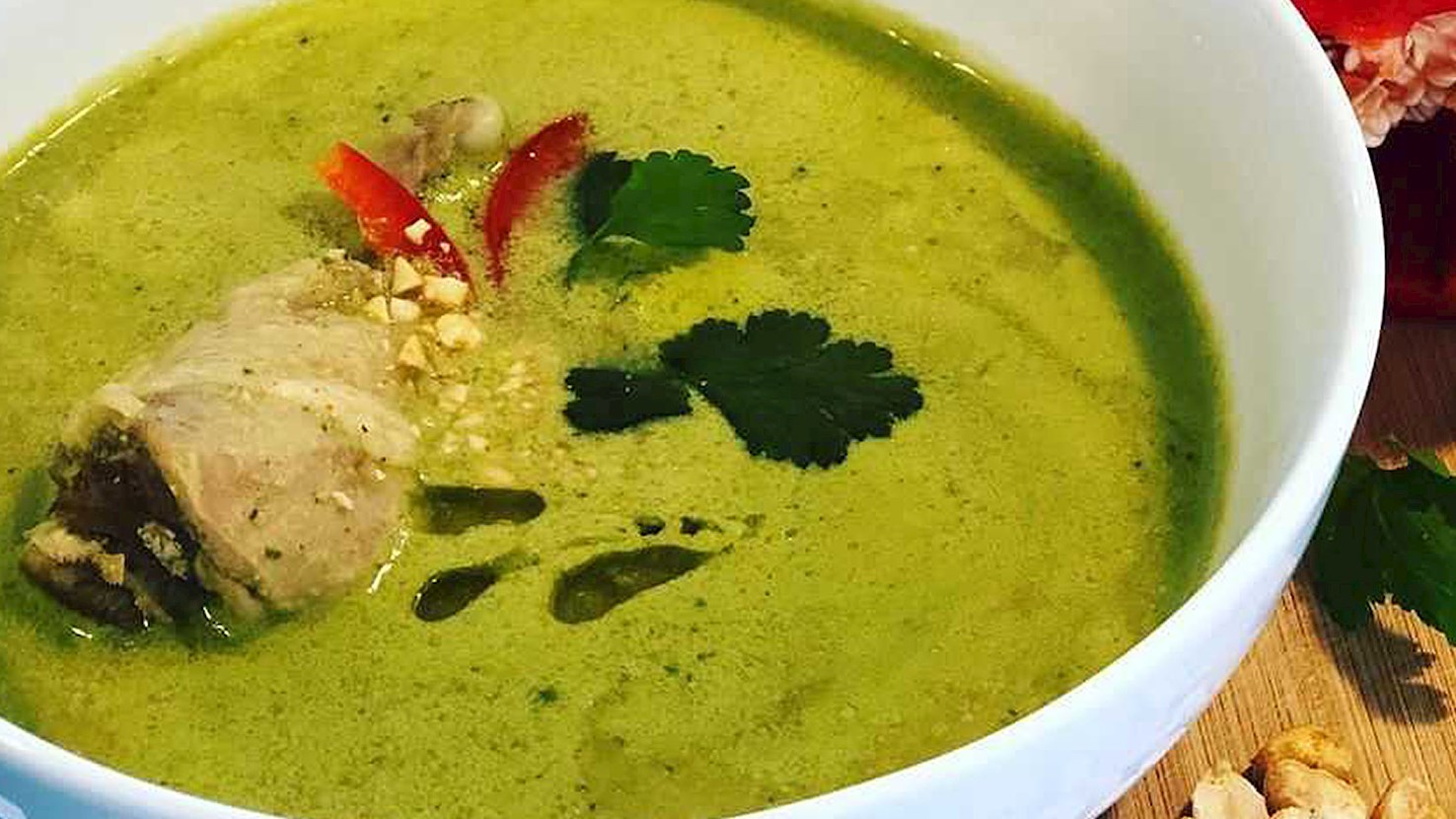
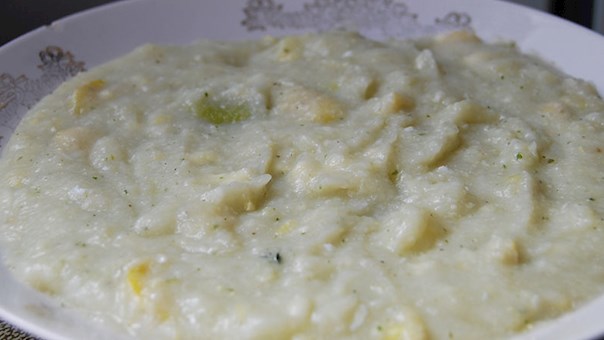
Inchicapi is a creamy Peruvian soup made with chicken or hen meat, cornmeal, peanuts, oil, cassava, and garlic as key ingredients. It originates from the Peruvian jungle regions of San Martin, Loreto, and Ucayali. Before serving, this traditional soup is usually garnished with chopped coriander.
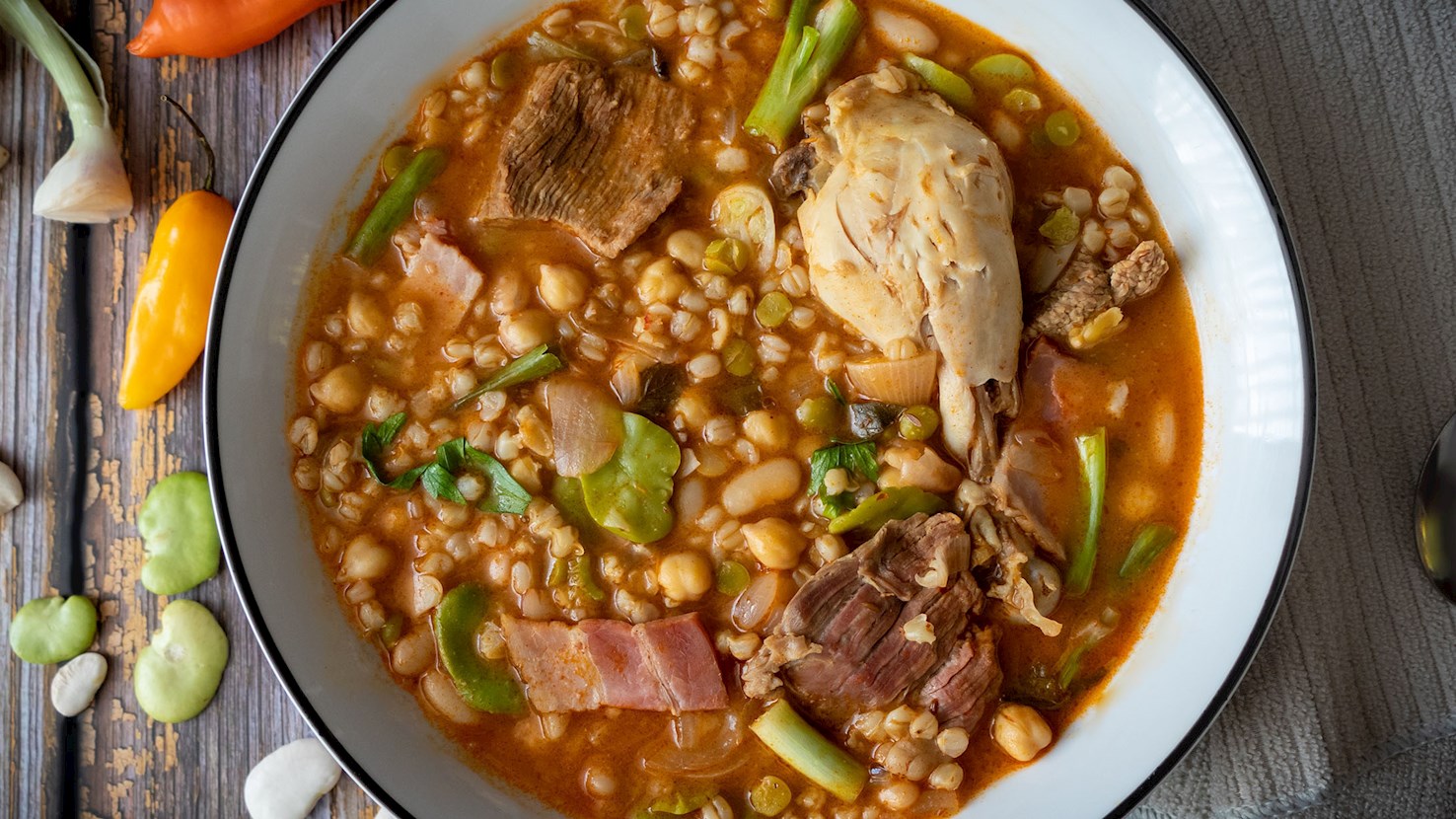
Shambar is a traditional soup originating from the region of Trujillo. It is made with various types of beans, wheat, chickpeas, peas, and at least three different types of meat such as smoked pork, ham, pork skin, pork ears, beef, and chicken. It is typically seasoned with cumin, garlic, and hierba buena. The end result is a thick and nourishing soup filled with nutrients. Shambar is traditionally consumed only on Mondays in order to prepare the working people for the upcoming week.
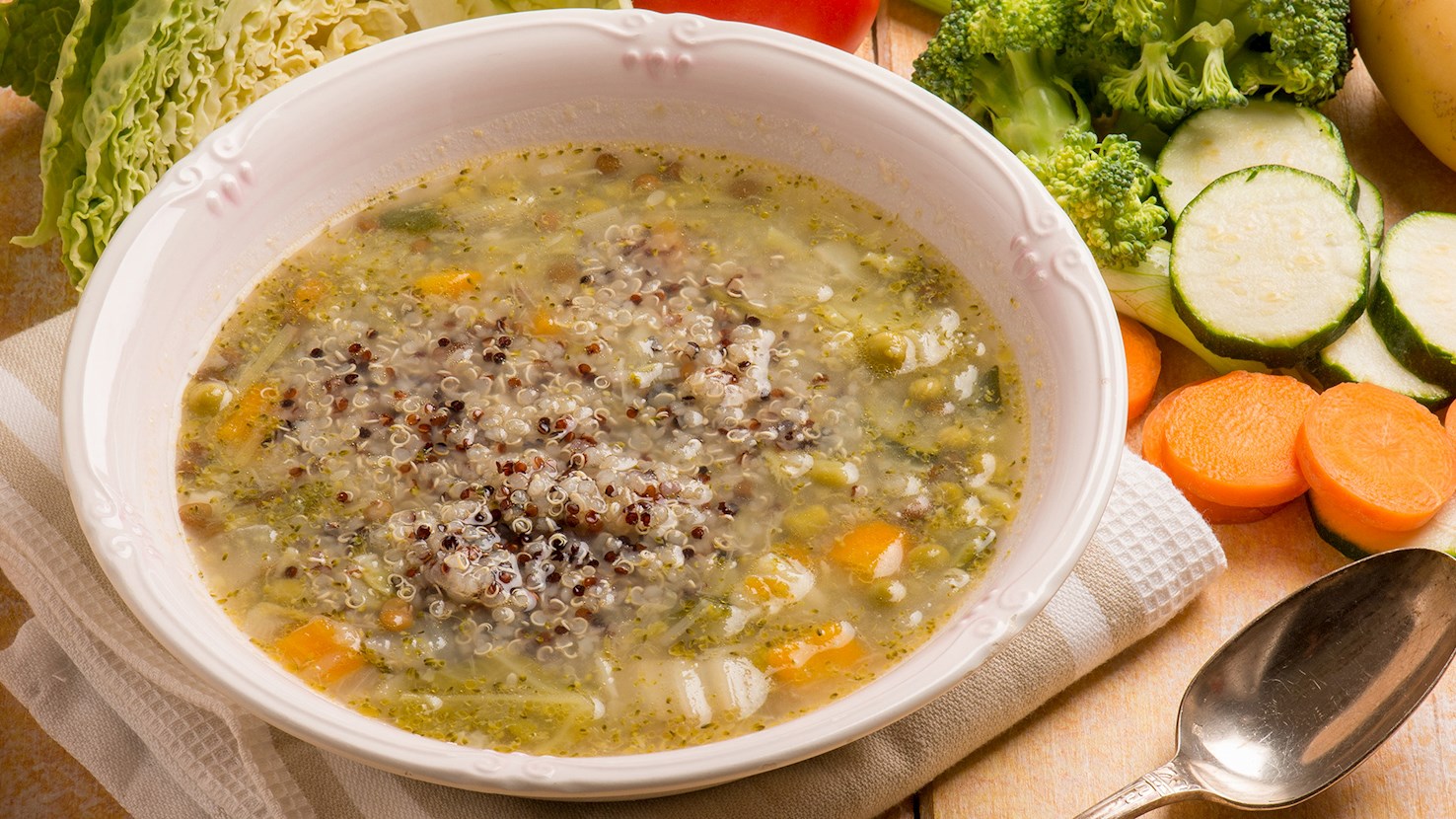
Sopa de quinoa is a traditional quinoa soup originating from Peru. Although there are many variations and recipes, the soup is usually made with a combination of quinoa, carrots, celery, leeks, garlic, cabbage, vegetable or chicken stock, onions, cumin, salt, and pepper. The quinoa is boiled in vegetable or chicken stock, and the vegetables, garlic, and seasonings are then added to the pot, and the soup is simmered until everything is soft. Once done, sopa de quinoa is served piping hot, and it’s often garnished with chopped coriander before serving. If desired, oregano, lime juice, and hot peppers can be added to the soup in order to elevate the flavors.
TasteAtlas food rankings are based on the ratings of the TasteAtlas audience, with a series of mechanisms that recognize real users and that ignore bot,
nationalist or local patriotic ratings, and give additional value to the ratings of users that the system recognizes as knowledgeable.
TasteAtlas Rankings should not be seen as the final global conclusion about food. Their purpose is to promote excellent local foods,
instill pride in traditional dishes, and arouse curiosity about dishes you haven’t tried.






What People Say