

shutterstock

Top 11 Singaporean Soups

Last updated on June 15, 2026
01

Laksa

4.1 ·

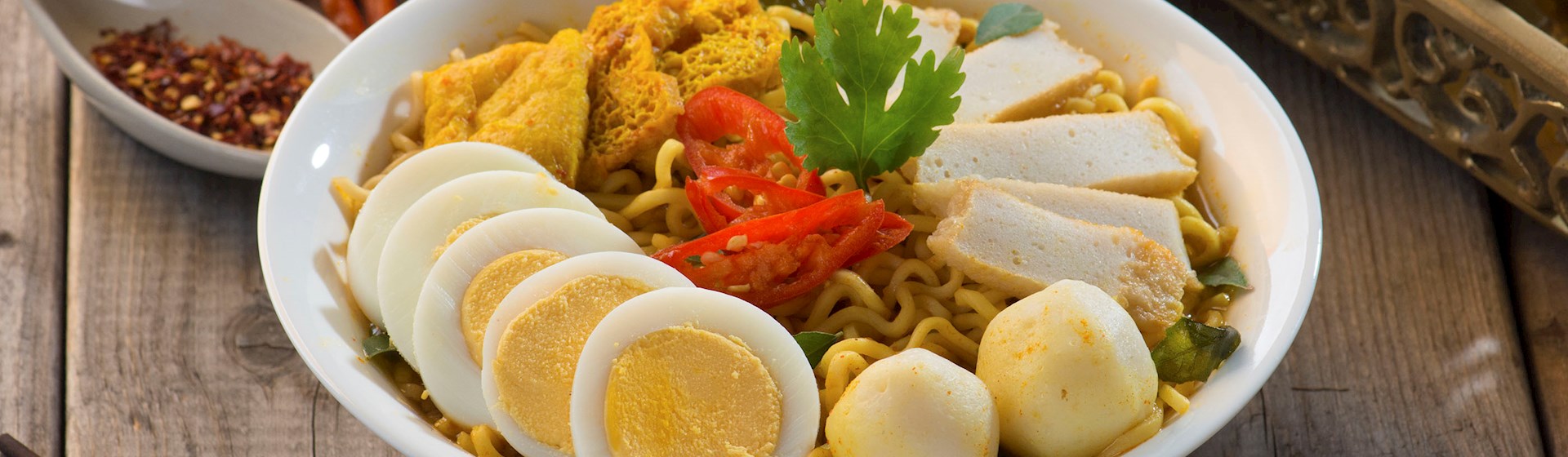
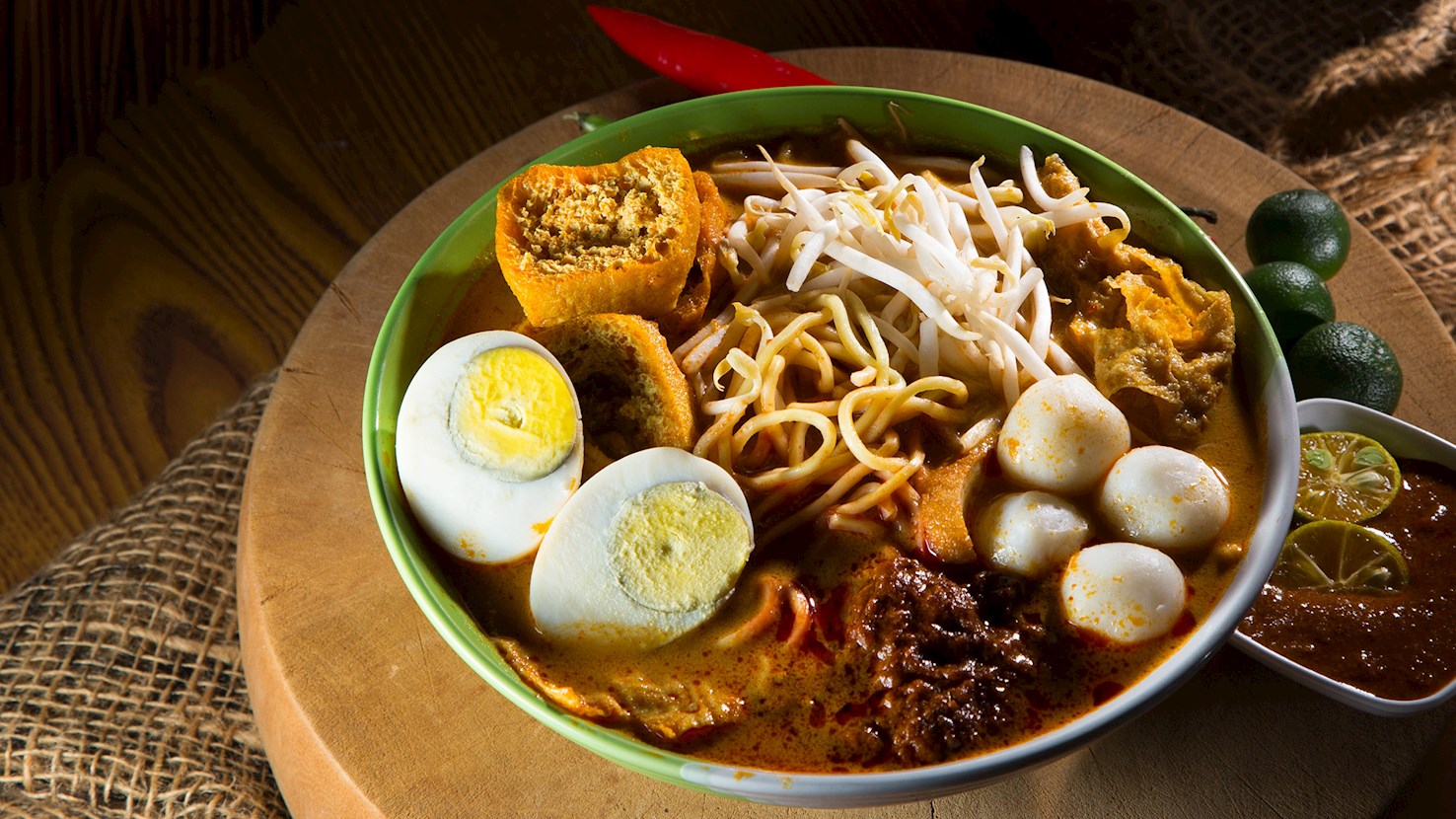
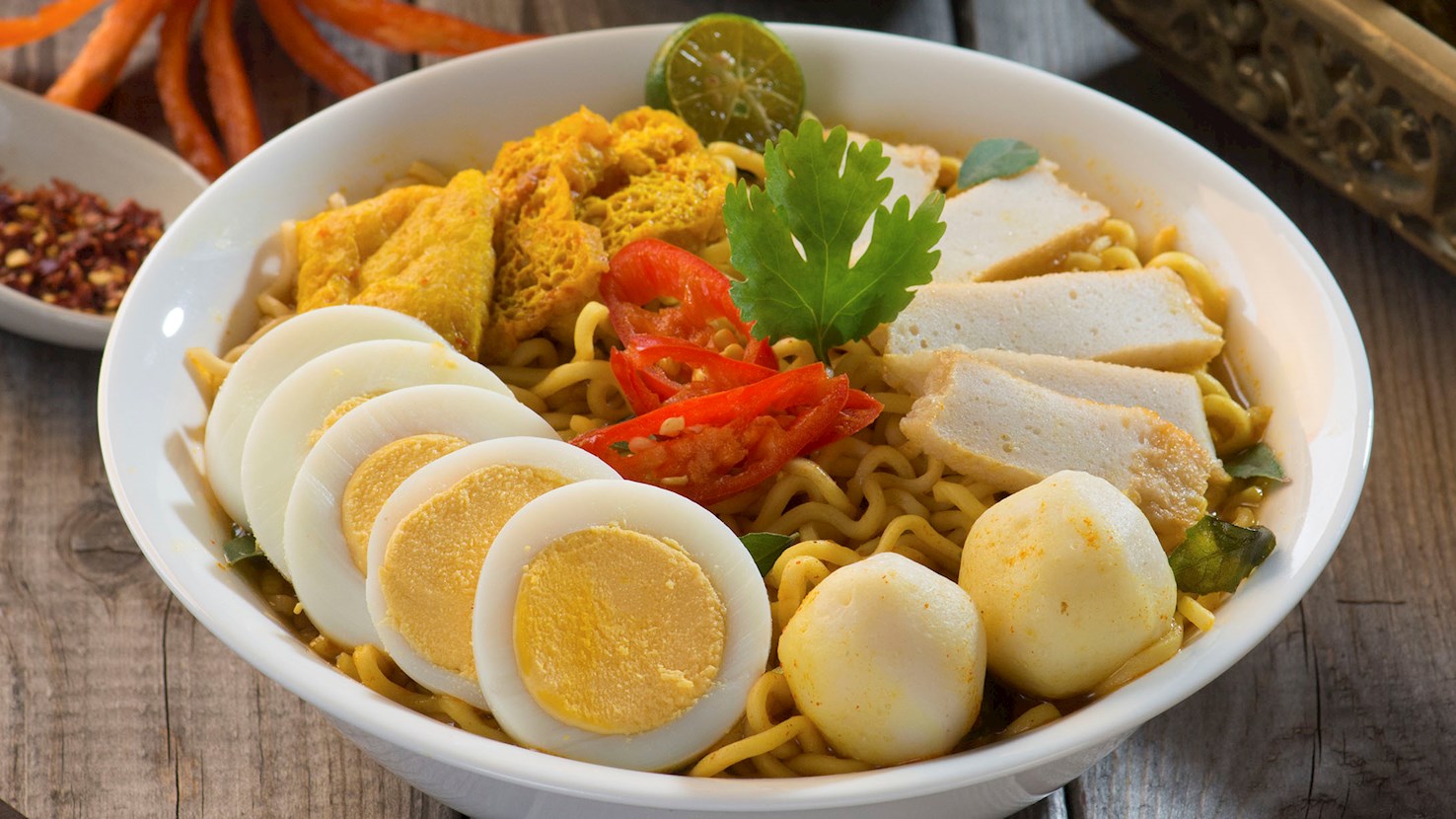
Characterized by its rich and spicy broth, this comforting noodle soup is one of the classic dishes found in many Southeast Asian countries. It was developed under the influence of different culinary traditions, which has led to the creation of numerous regional varieties that differ in flavors and ingredients. Two of the most famous versions are the sour, tamarind-based asam laksa and the creamy curry laksa. Especially favored in Malaysia, Singapore, and Indonesia, laksa is usually prepared and enjoyed at hawker centers as a hearty main course.

02

Curry Laksa

4.1 ·

Curry mee is a spicy noodle soup commonly eaten in Malaysia and Singapore (where it's often called curry laksa). It is a true fusion dish, influenced by Indian, Chinese, and Southeast Asian culinary traditions. It is one of the numerous varieties of laksa, the quintessential noodle soups of Southeast Asia. The basis for this creamy dish is made with curry and coconut milk which form the unusual sweet and spicy sauce. Although very similar to curry, the sauce for curry mee is usually much thinner, but still has a strong and rich flavor. Traditionally, thin rice noodles are used in curry mee, and they are often cut into smaller pieces in order to ease the consumption. Other ingredients include tofu puffs, prawns, and fishcakes. The most traditional versions of curry mee also include a very unusual ingredient - cockles, saltwater clams which are usually served raw. Before serving, the dish is spiced with a dollop of traditional chili sauce and chopped coriander leaves. Curry laksa is the favorite variety in Singapore, where it is often referred to only as laksa. In Singapore, it is the most common hawker-style dish, and many vendors prepare curry laksa as their signature dish.

03

Katong laksa

4 ·

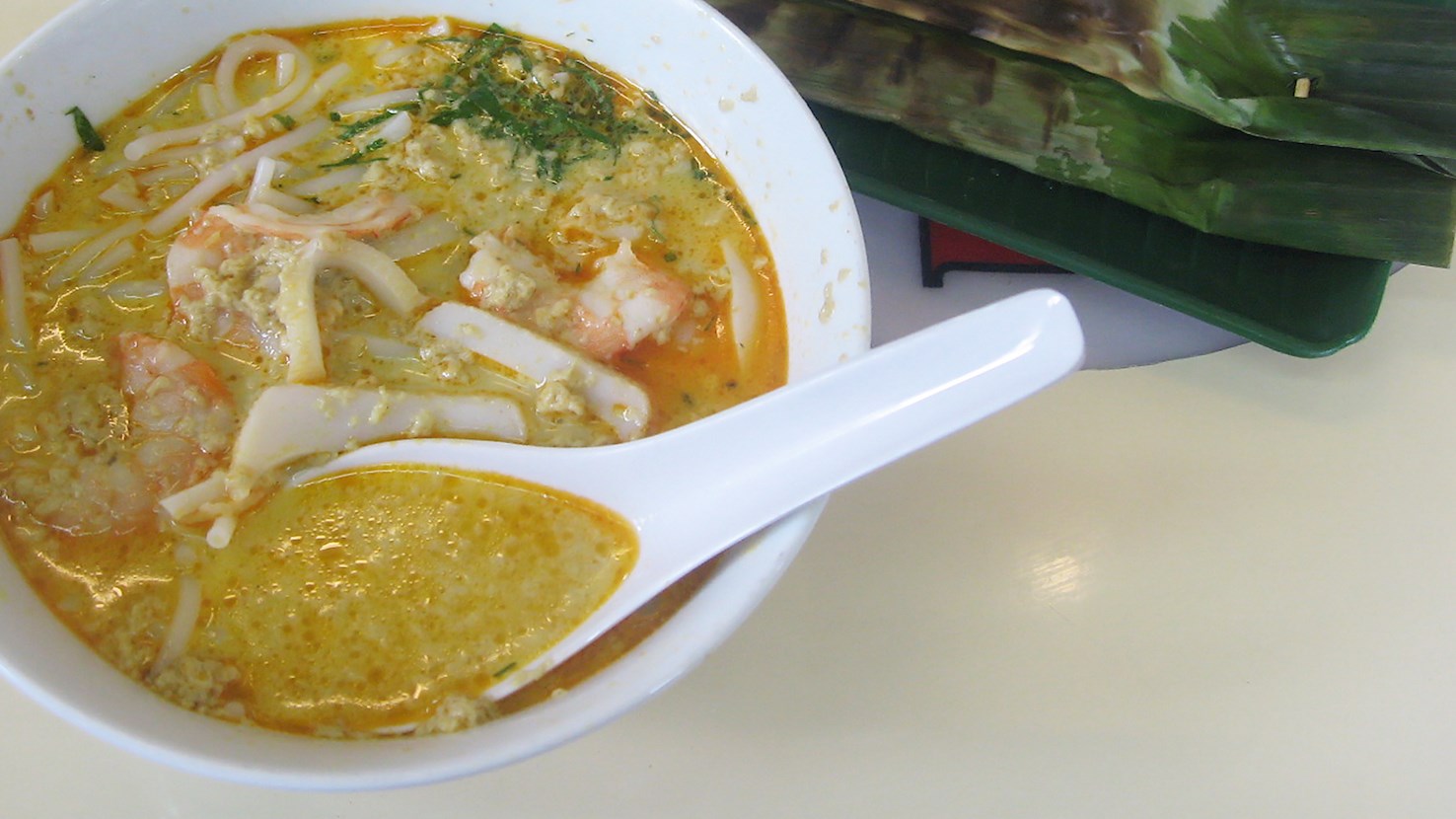
As the name implies, this laksa variety hails from the Katong neighborhood of Singapore's Central Region. It is based on a spicy, shrimp-infused broth that's flavored with coconut milk and a special laksa paste consisting of dried shrimps, herbs, and spices. Other elements include thick rice noodles and a variety of condiments and toppings such as shrimps, fishcakes, cockles, tofu puffs, fish balls, spicy sambal sauce, or coriander. The noodles in Katong laksa are always cut into smaller pieces, and when served, each bowl comes with a spoon. It is believed that the dish originated among the Peranakan (Strait Chinese), but it rose to fame during a dispute over which hawker stall serves the original version. The most popular theory claims that Ng brothers first started selling it in 1963 at a stall then named Marine Parade. When they had to move out, their place was taken over by Nancy Lim who later renamed it 328 Laksa. Eventually, numerous stalls appeared, Ms. Lim moved her business, and the sons of Ng brothers opened a new laksa shop.

04

Bak kut teh

4 ·

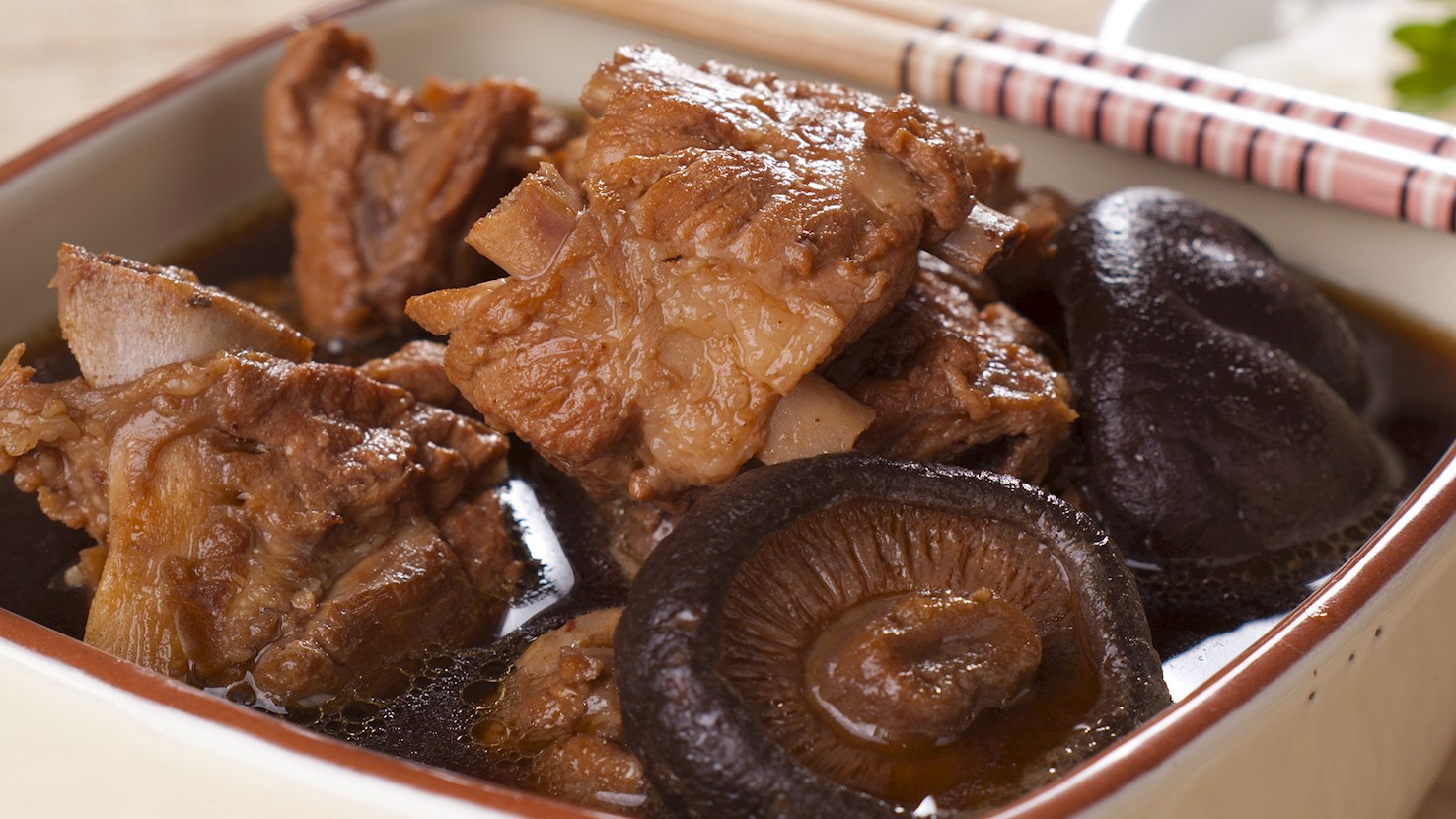
Even though it is traditionally associated with Malaysia and Singapore, this hearty dish stems from the Chinese culinary tradition. In its simplest form, it consists of various pork cuts that are cooked in a flavorful broth which is seasoned with star anise, cinnamon, garlic, and fennel. It is commonly complemented with tofu puffs or mushrooms and usually comes served with several condiments. Among the numerous stories of its origin, the most probable claims that the Fujian immigrant Lee Boon Teh was the first who started selling the dish in Klang—a city that is recognized as the place where the authentic bak kut teh originated. However, the authenticity of this theory has been disputed by the Singaporeans, who also claim the dish as their original invention. Regardless of these conflicting theories, bak kut teh remains a classic dish which perfectly illustrates the rich culinary heritage of both countries.

05

Zhu za tang (Pig's organ soup)

3.2 ·

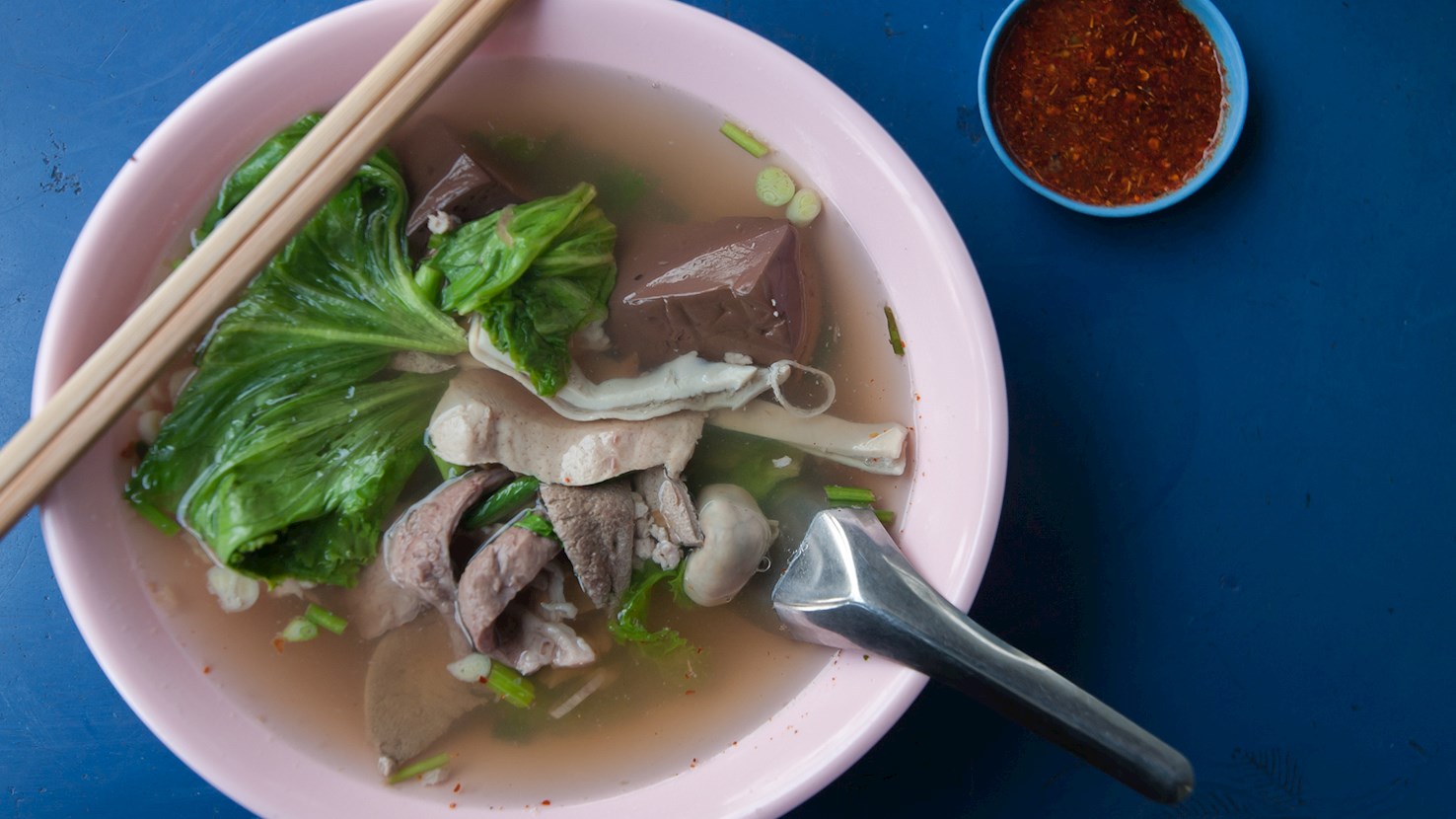
Although it originated from the Chaozhou province in China, pig’s organ soup is nowadays most popular in Singapore. The dish consists of pig offal, sliced pork, vegetable strips, onion leaves, and pepper. It is often served accompanied by eggs, rice, vegetables, braised tofu, or a special sauce prepared with a combination of soy sauce and chopped chili peppers. It is believed that the secret to a good broth is the combination of saltiness and sweetness coming from hours of boiling together pickled vegetables and pork bones.

06

Sliced Fish Soup

3.2 ·

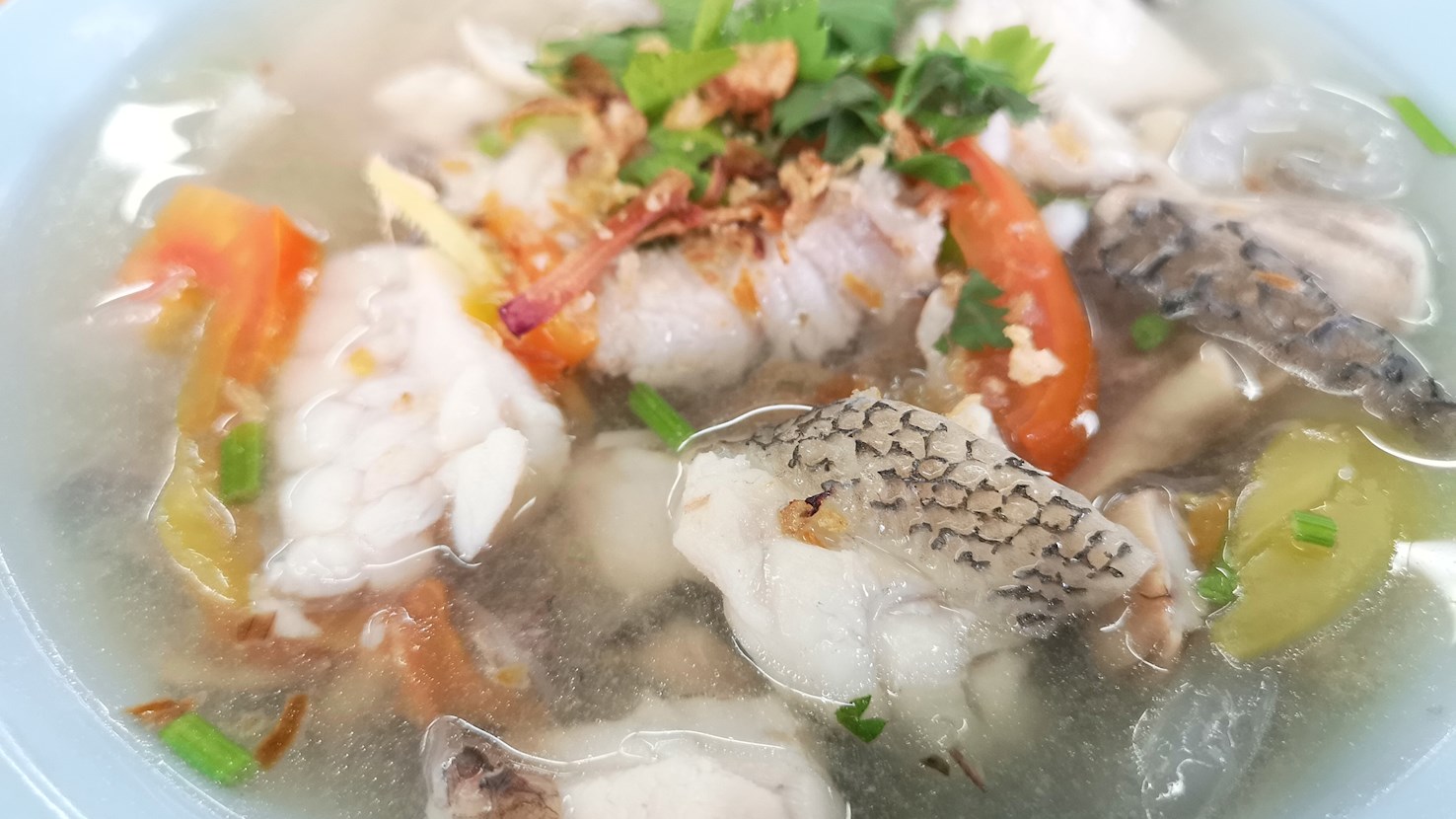
Sliced fish soup is a traditional fish soup originating from Singapore. There are many variations, but it’s often made with a combination of fish such as grouper, minced pork, cabbage, tofu, tomatoes, fish stock, salt, white pepper, sesame oil, cornstarch, soy sauce, and Shaoxing wine. The fish and meat are marinated, sautéed, and then cooked into a soup with the vegetables and seasonings. If desired, cooked noodles can also be added to the soup. Sliced fish soup is a staple at hawker centers across the country and it’s believed that the dish was created by the Teochew people.

07

Fish soup bee hoon

3.2 ·

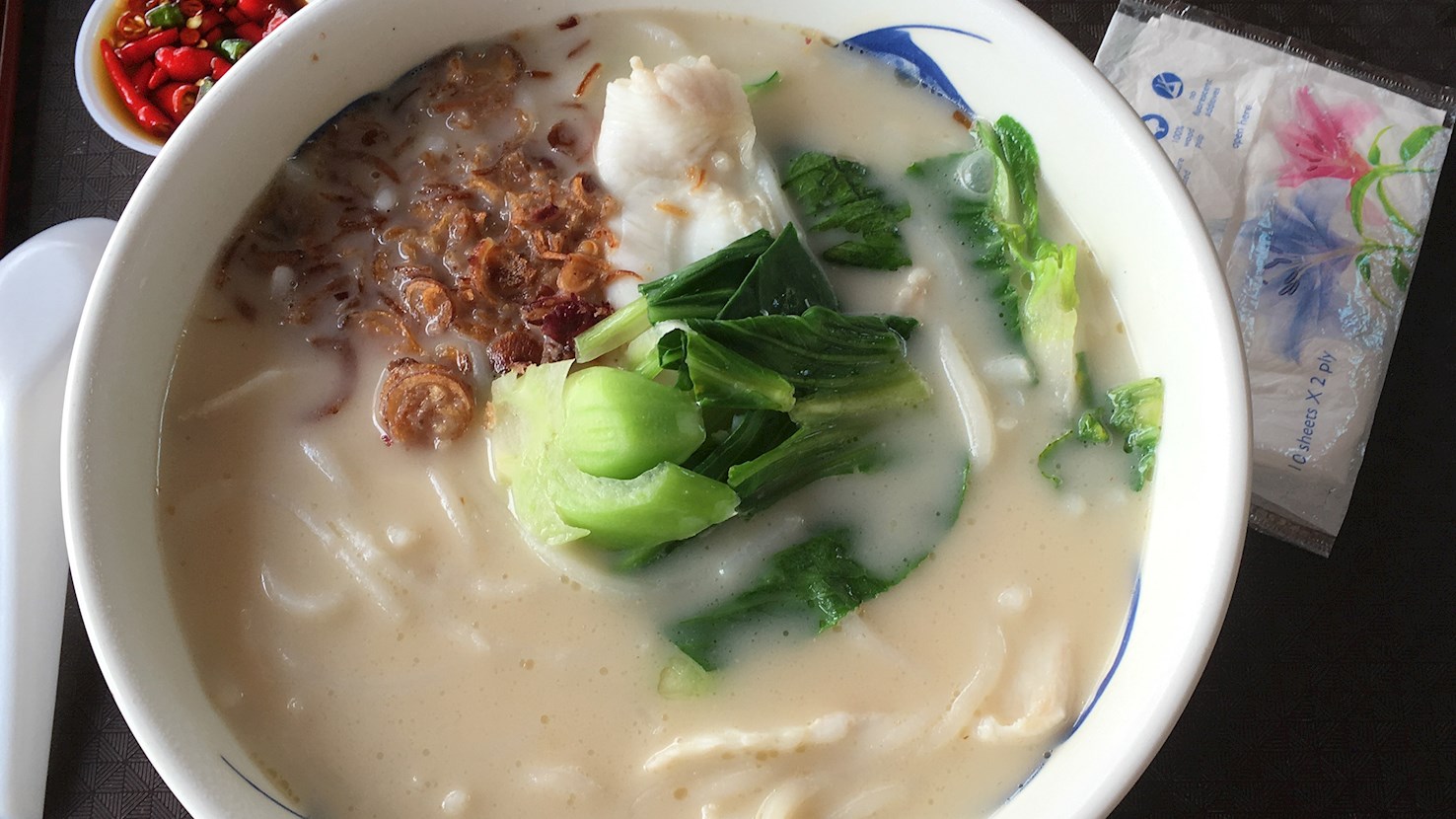
The main elements of this Singaporean soup include a flavorful fish-based broth that is enriched with milk and spices, bee hoon noodles (rice vermicelli), fried or boiled fish heads or fish slices, and mustard greens. Garoupa, snakehead, pomfret, and batang are the most common types of fish used in this dish, and the fish stock is occasionally flavored with brandy or rice wine. This hearty soup is a classic hawker-style dish that is usually served garnished with fresh scallions. In 2010, CNN mentioned this soup as one of the forty must-try dishes in Singapore.

08

Crab bee hoon soup

n/a ·

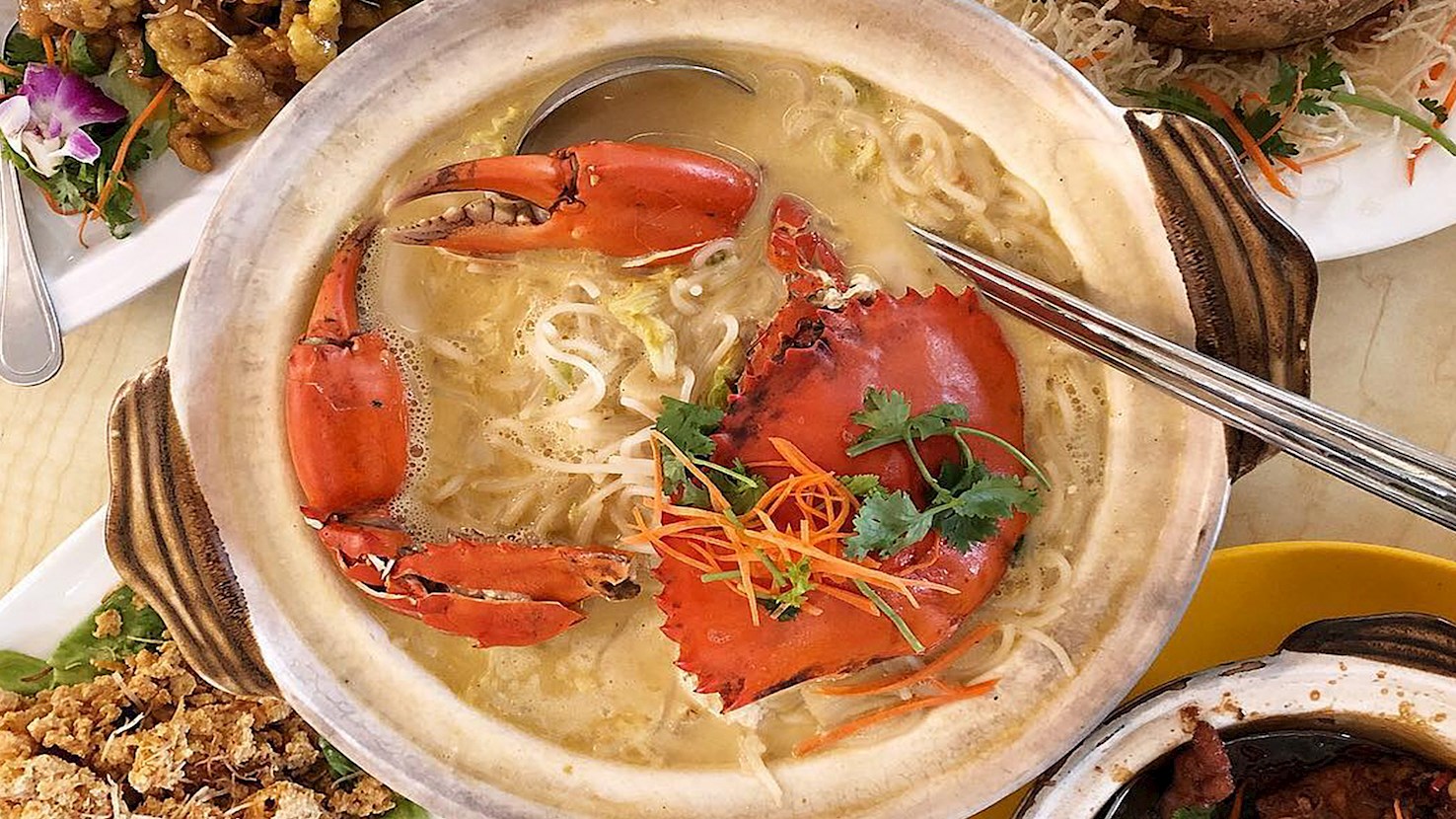
Crab bee hoon soup is a Singaporean delicacy that consists of bee hoon noodles (rice vermicelli) and succulent crab meat drenched in a silky, aromatic broth. Sri Lankan mud crabs are most commonly used in this dish, while the broth is usually made with a combination of chicken broth, butter, evaporated milk, ginger, garlic, white pepper, sesame oil, fish sauce or oyster sauce, and a splash of Chinese rice wine, brandy, or XO Cognac. The soupy broth is also typically enhanced with leafy vegetables such as baby bok choy or chye sim, scallions, and cilantro leaves. This savory specialty is often served in a clay pot, while chili-based dipping sauces usually accompany it on the side.

09

Shredded Chicken Noodles

n/a ·

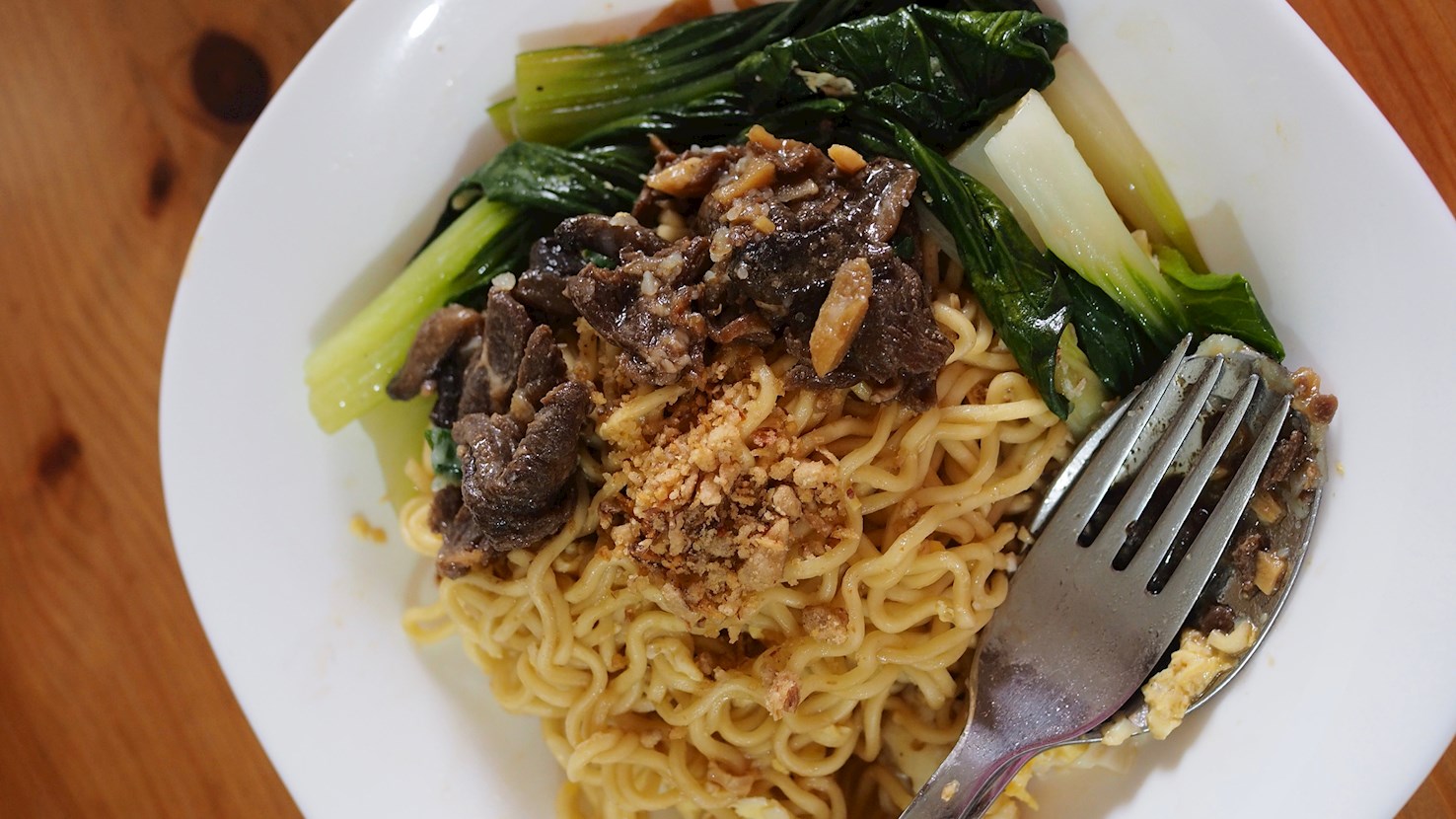
Shredded chicken noodles is a traditional dish originating from Singapore, where it’s a hawker staple. The dish has many variations, but it’s usually made with a combination of egg noodles, mushrooms, chicken, chicken stock, soy sauce, oyster sauce, Shaoxing wine, sugar, cornflour, and green leafy vegetables such as spinach. The chicken is cooked in the stock and set aside. The mushrooms, soy sauce, oyster sauce, wine, and sugar are added to the same pot and cooked with cornflour. The noodles and vegetables are cooked and added to the pot, along with shredded chicken. This noodle soup is served immediately, while piping hot.

10

Pao fan

n/a ·

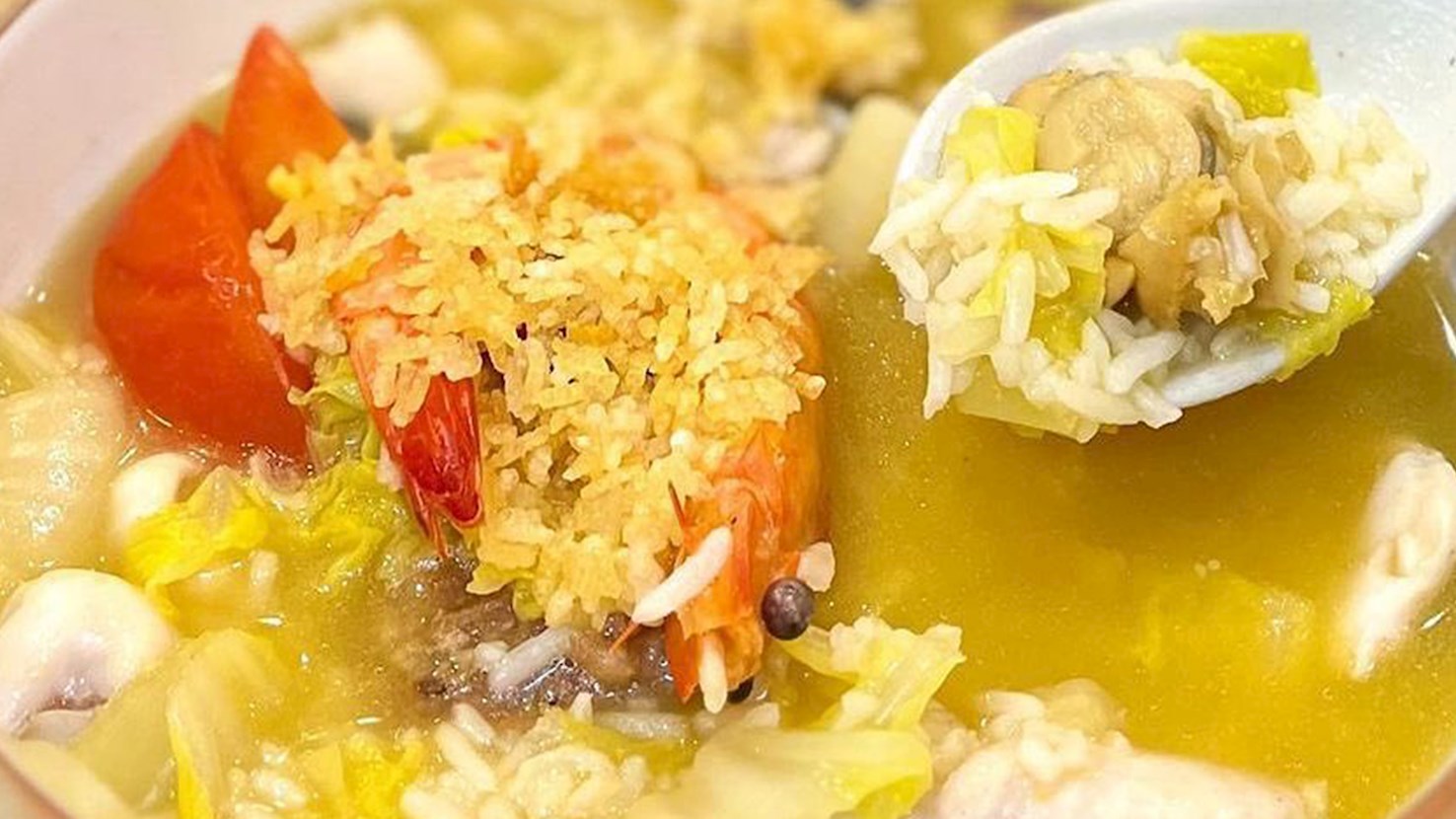
Pao fan is a comforting and traditional Teochew soup dish that features rice submerged in a flavorful broth, often enriched with seafood, meat, or vegetables. The distinguishing feature of pao fan compared to other rice soups, like congee, is the texture of the rice. In pao fan, the rice retains its individual grain texture, as it is not cooked down to a porridge-like consistency. Instead, pre-cooked rice is added to a boiling broth, which can be made from chicken, fish, pork, or any other stock, making the dish light yet flavorful. Seafood pao fan is one of the most popular variations, including ingredients such as shrimp, fish slices, and sometimes clams or scallops, which add a fresh and oceanic flavor to the broth. It's also common to top pao fan with crispy fried ingredients like garlic, shallots, or rice puffs, adding a delightful contrast in textures between the soft rice and the crunchy toppings.

11

Soup tulang

n/a ·
Read more
View all
View map
About this ranking

TasteAtlas food rankings are based on the ratings of the TasteAtlas audience, with a series of mechanisms that recognize real users and that ignore bot, nationalist or local patriotic ratings, and give additional value to the ratings of users that the system recognizes as knowledgeable. For the “Top 11 Singaporean Soups” list until June 15, 2026, 577 ratings were recorded, of which 453 were recognized by the system as legitimate. TasteAtlas Rankings should not be seen as the final global conclusion about food. Their purpose is to promote excellent local foods, instill pride in traditional dishes, and arouse curiosity about dishes you haven’t tried.

Similar lists