

shutterstock

Top 100 Southeast Asian Soups

Last updated on June 15, 2026
01

Soto Betawi

4.4 ·

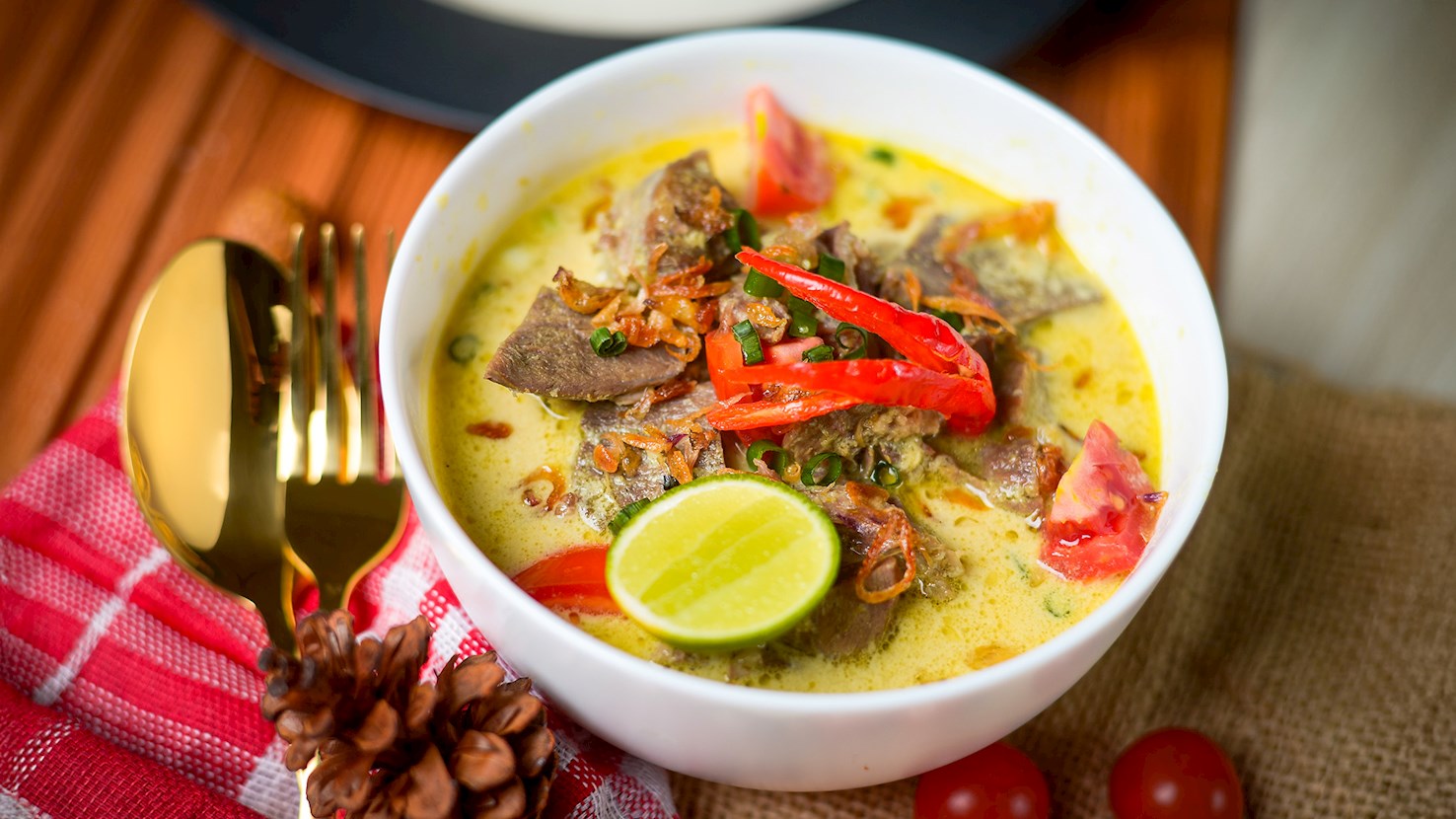
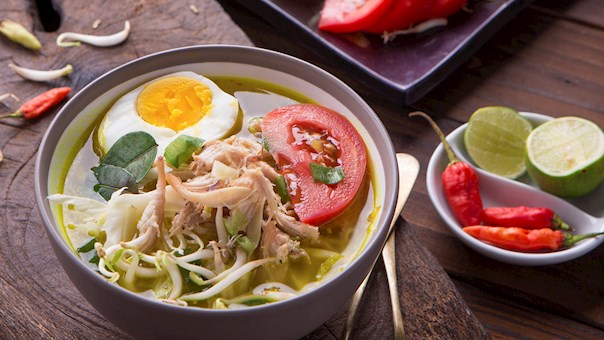
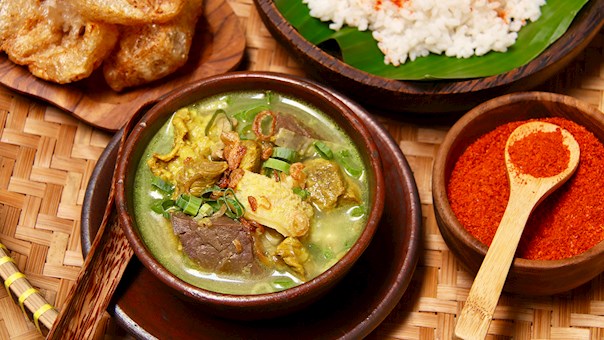
Soto Betawi is a hearty beef soup consisting of chunks of meat and offal that are slowly simmered in a coconut milk broth, which is usually enriched with various spices such as lemongrass, turmeric, galangal, kefir lime leaves, and coriander. When served, the soup is accompanied by different condiments that typically include tomatoes, scallions, sweet soy sauce, and emping crackers. Because of its name, it is believed that the dish originated in Jakarta among the Betawi people, and today it is one of the most popular dishes in the city, usually sold at various street stalls, restaurants, or hawker-style establishments. Soto Betawi is traditionally enjoyed with steamed rice and pickled acar on the side.

02

Sinigang na baboy

4.4 ·

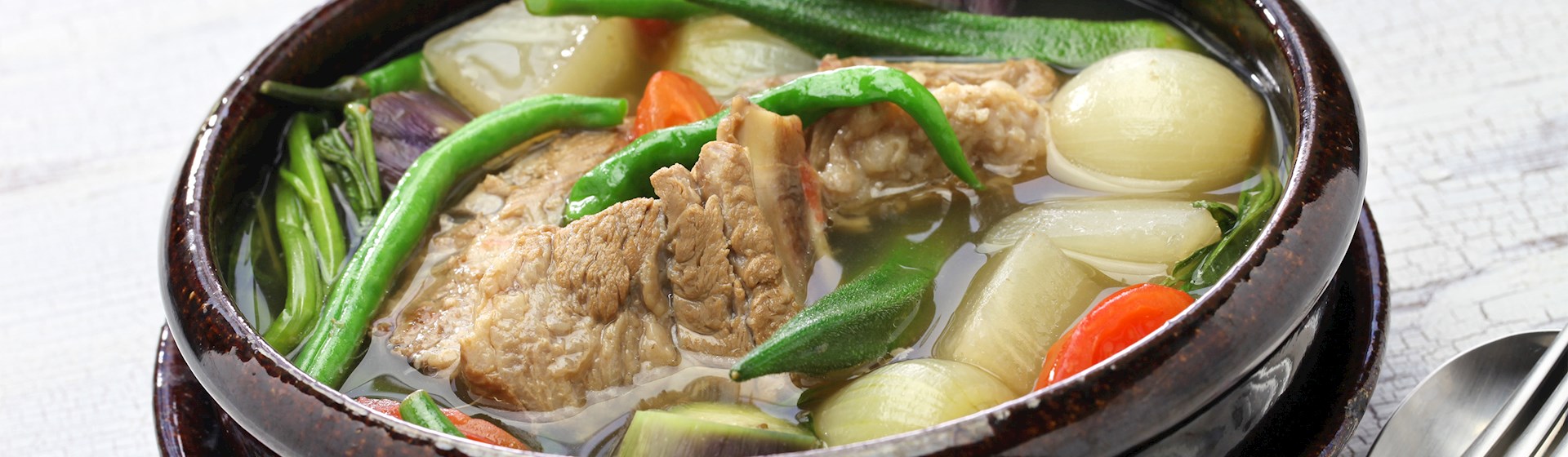
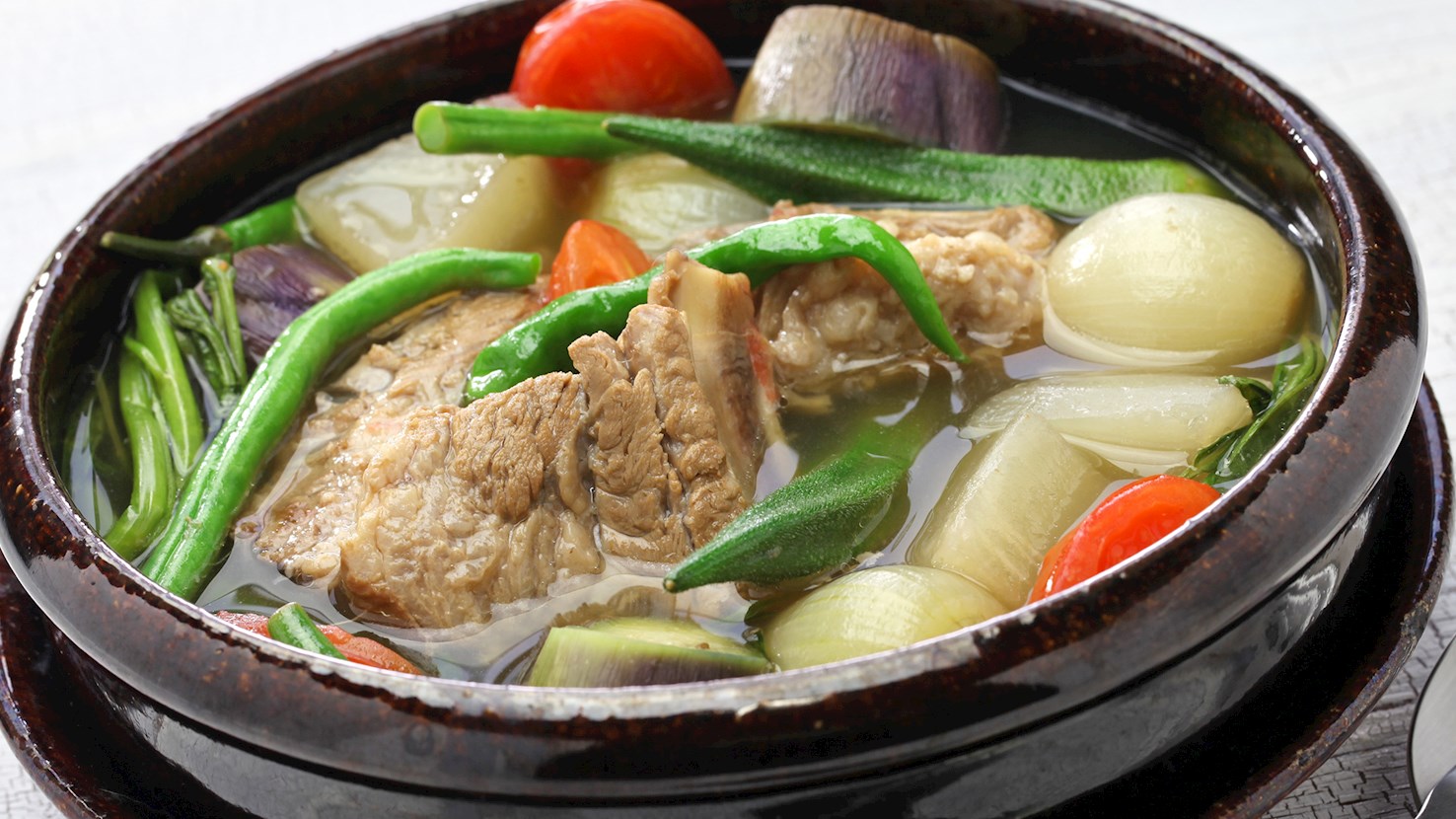
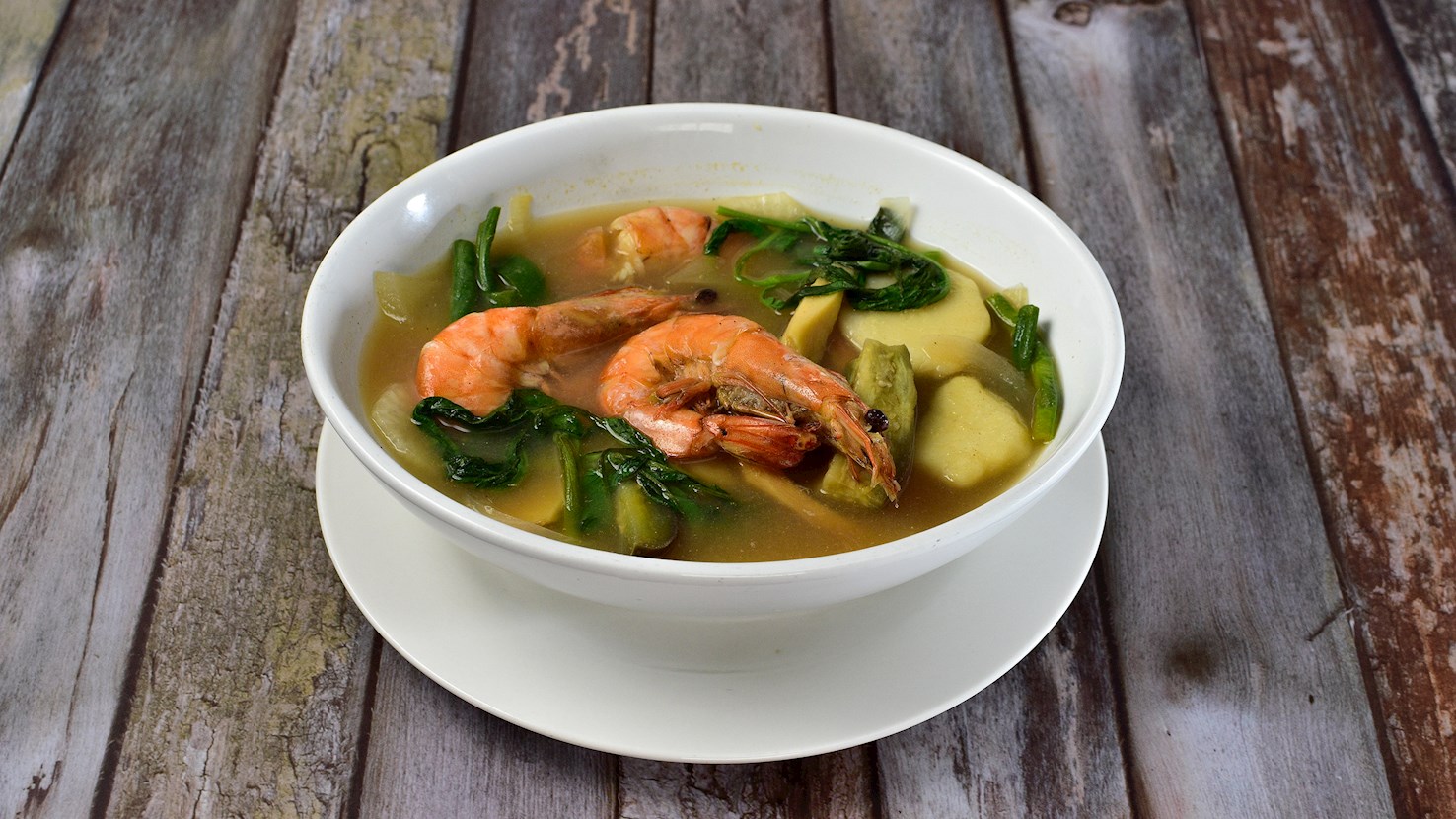
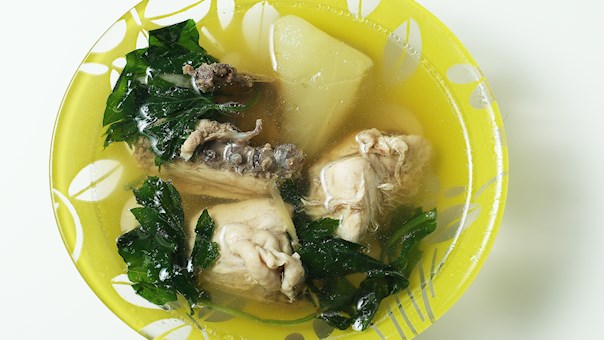
This variety of sinigang - Filipino savory and sour soup - consists of various pork cuts that are simmered along tamarind fruit. Tomatoes, onions, garlic, okra, white radish, water spinach and green long peppers are also commonly used for this soup. There is also a similar dish in Malaysian cuisine called siniggang. A version of the pork sinigang is sinigang na miso, which uses the Japanese seasoning made from fermented rice and barley or soybeans. Nowadays, sinigang mix is available in supermarkets, but enjoying the dish made from scratch represents the full experience.

03

Tom kha gai

4.4 ·

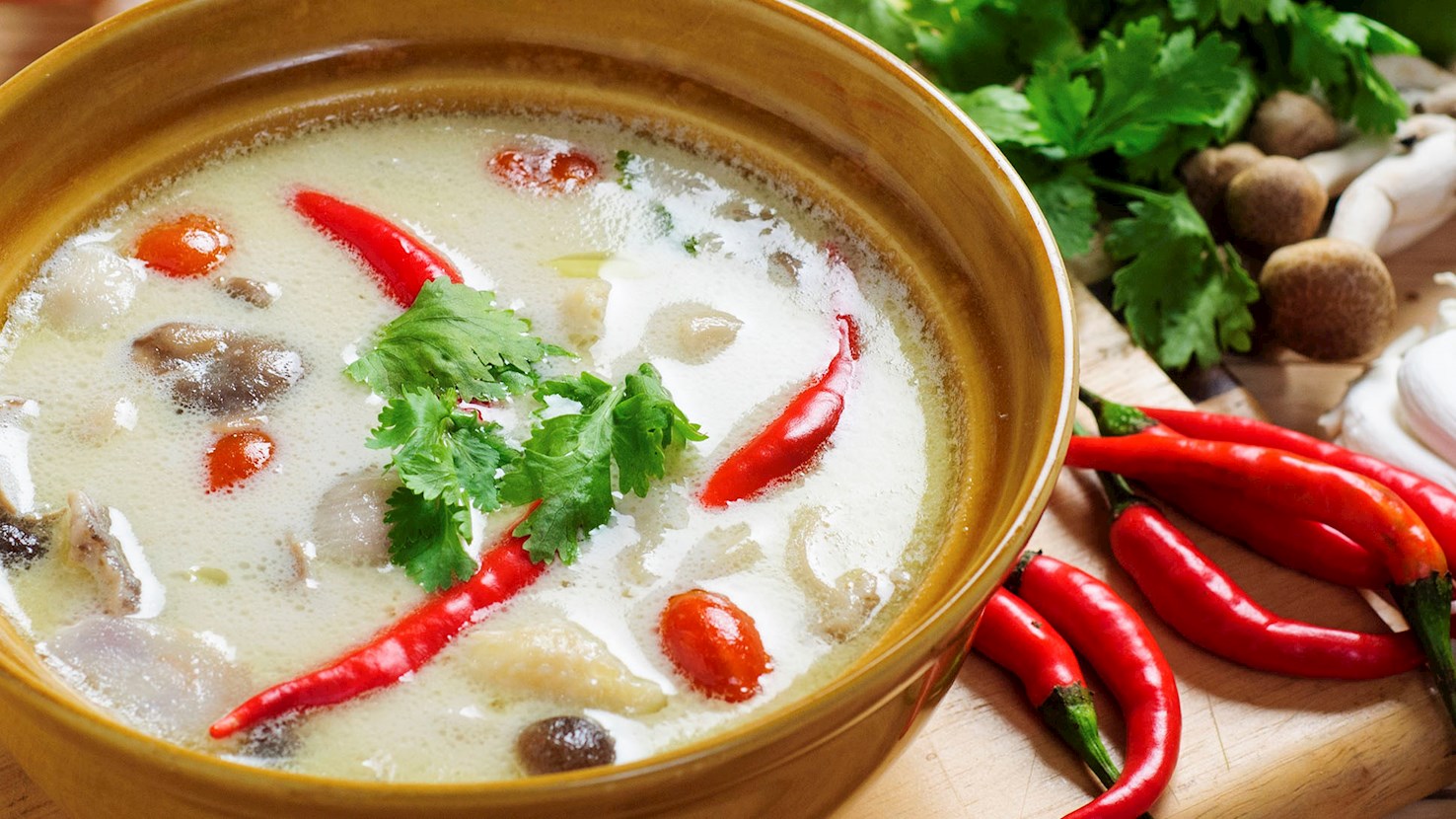
Tom kha gai is Thailand's delicious national dish coming from the central part of the country and bearing the influence of neighbouring Laos. It is a soup whose name translates to boiled galangal chicken soup, consisting of coconut milk, chicken chunks or shreds, galangal (reddish-brown or pink woody plant related to ginger), lemongrass, garlic, bird's eye chili peppers, kaffir lime leaves, fish sauce, and shiitake mushrooms. Galangal's peppery, pungent, slightly sour and floral flavors provide an interesting contrast to the creaminess of coconut milk, creating a wonderfully aromatic dish in the process. Tom kha gai is highly nutritious with great medicinal properties, such as the ability to soothe the gastro-intestinal tract. Since the dish is very popular, there are also other versions of the soup - vegetarian, tofu, seafood, and pork tom kha are just some of its varieties. It is traditionally served with rice on the side, garnished with coriander leaves and diced tomatoes.

04

Sinigang

4.4 ·

Sinigang is a sour Filipino soup consisting of sampalok (fruits of the tamarind tree), water spinach, hot peppers, cabbage, broccoli, eggplant, diced tomatoes, sliced onions, ginger, garlic, green beans, fish sauce, and salt. The basic broth usually consists of rice washing, with the addition of a souring agent. Ingredients such as pork, fish, milkfish, shrimp, chicken, or beef may also be added to the soup. Sinigang is traditionally served piping hot as a main dish, with rice as its accompaniment. It's an often seen dish at special occasions such as birthdays or weddings, and over time, as the dish became more popular, there were new variations that used guava or raw mango instead of sampalok, and each region developed their own version of the popular soup. With its sour lightness perfectly matching the harsh tropical heat of the country, sinigang is a unique soup that is a true representative of Filipino cuisine.

05

Phở bò (Beef pho)

4.4 ·

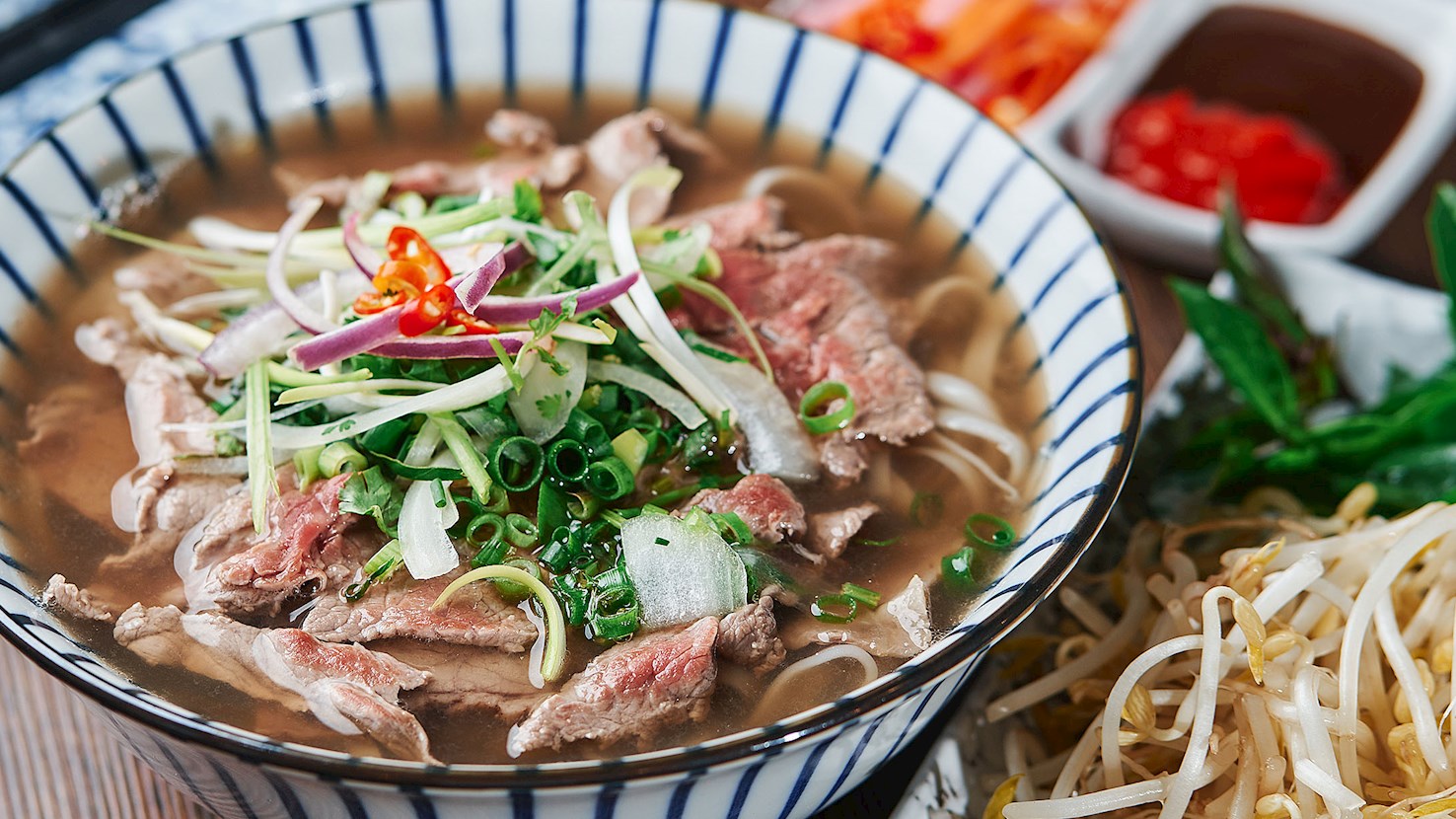
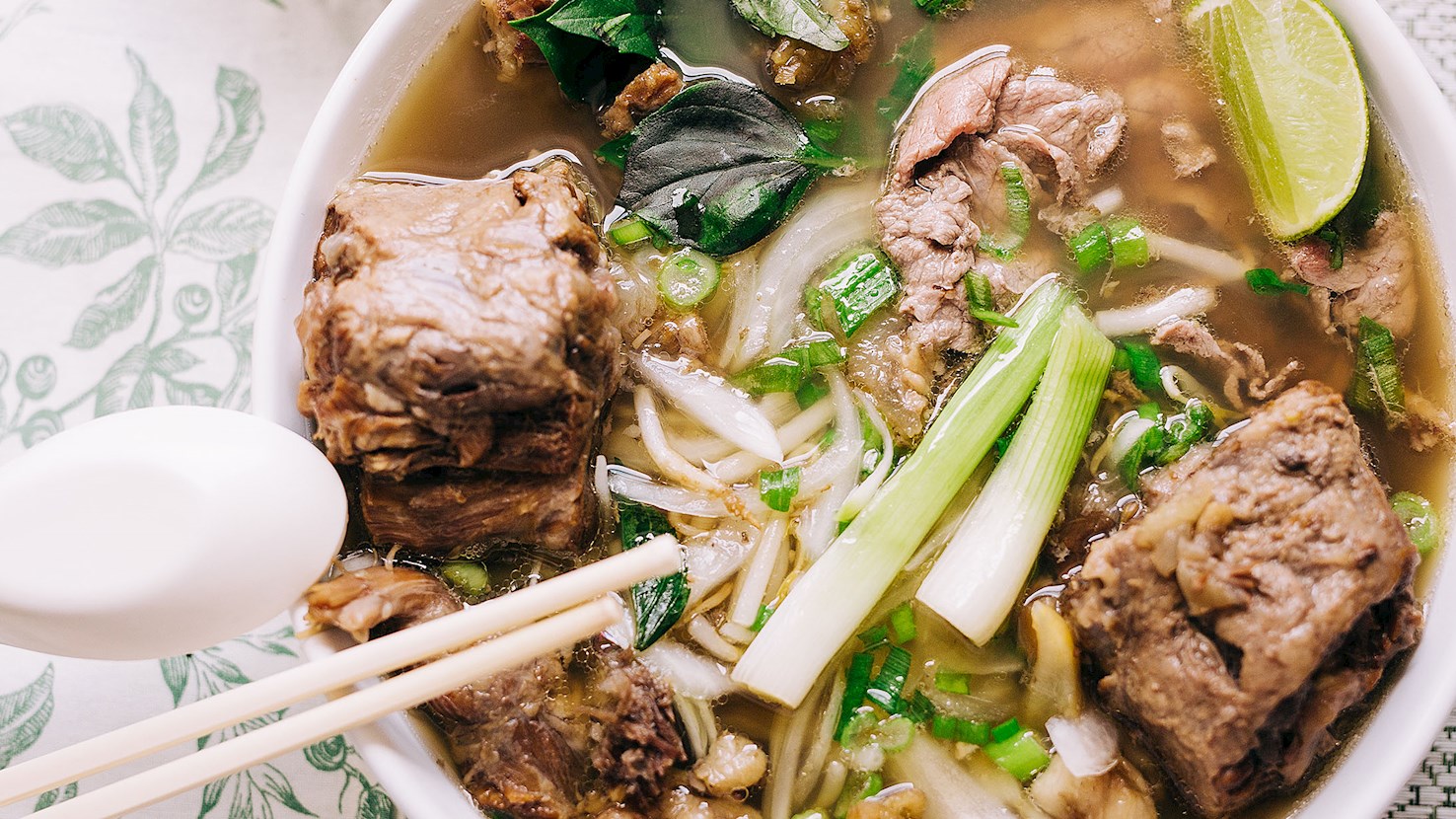
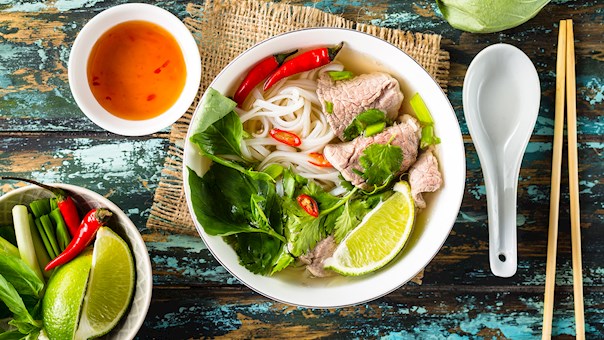
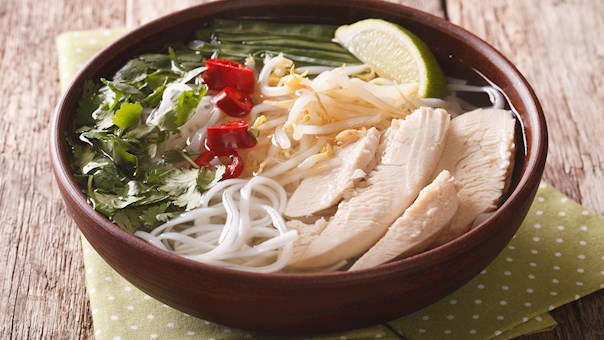
This beef-based version of pho is prepared with assorted cuts and parts of beef – the stock is made from beef bones, shank, ox tail, and neck, while the toppings include thinly sliced fatty brisket (gầu), flank, eye-round steak, tripe, cooked and raw beef (tái nạm), tendon (gân), or beef balls (phở bò viên), but the latter version is not that popular in Vietnam. Beef pho is usually flavored with dried spices such as cinnamon, star anise, cloves, cardamom, and coriander. The dish is served piping hot in a bowl along with rice noodles, and it's typically topped with cilantro, sliced onions, and chopped green onions. On the side, you can often find a platter with bean sprouts, lime wedges, and sliced hot peppers so each person can add the garnishes to his or her liking. Hoisin and Sriracha sauces are also often-seen staples on the side.

06

Gulai

4.3 ·

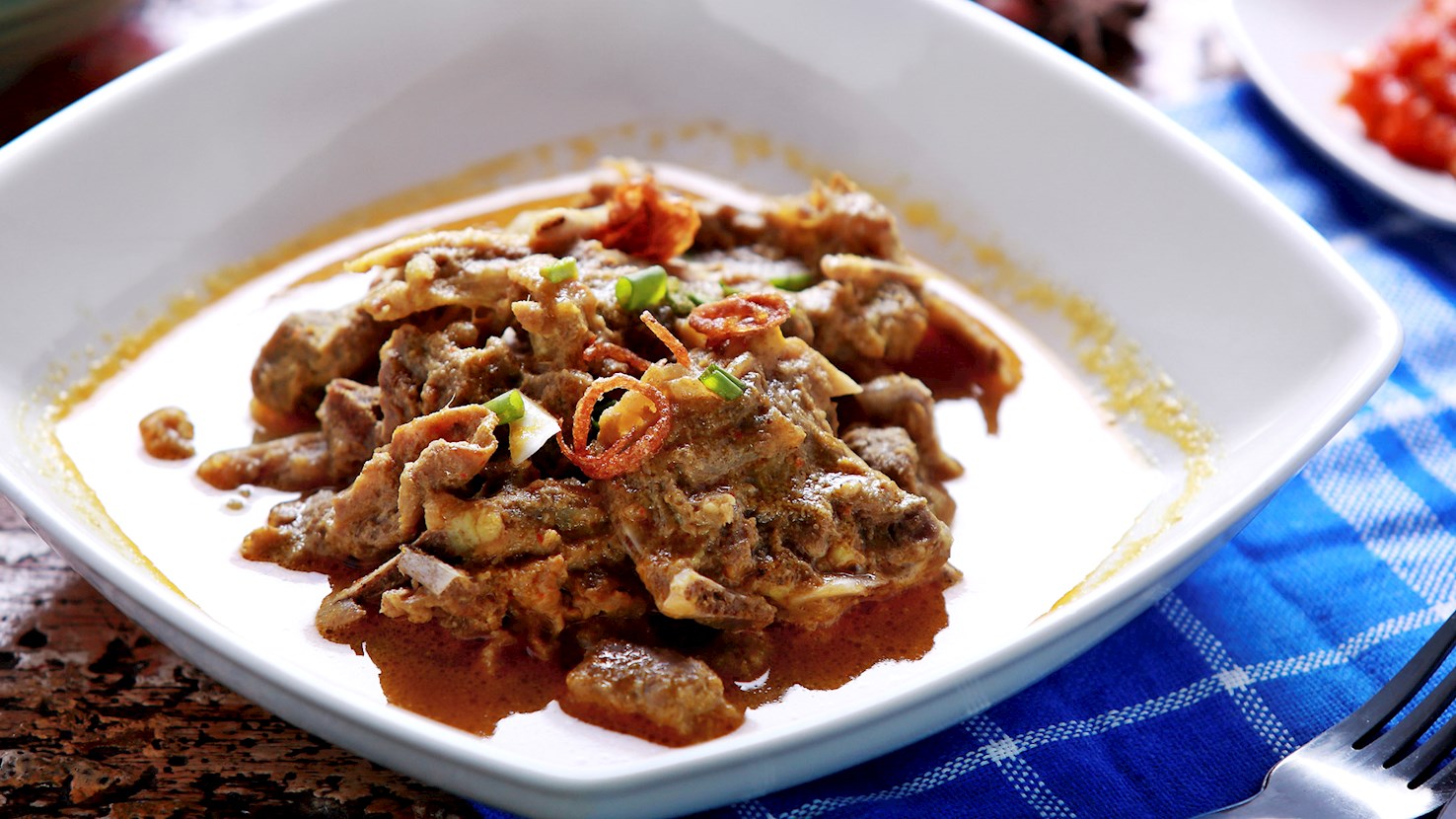
Gulai is a spicy Indonesian dish resembling a stew or a thick soup. Because of its appearance and taste, it is often dubbed as the Indonesian curry. Any meat variety can be the main ingredient in gulai, as well as offal, seafood, or vegetables. The ingredients are cooked in a combination of coconut milk and spices until the sauce achieves a thick consistency. Gulai originated in Sumatra, most likely under Indian culinary influence, but nowadays it is enjoyed everywhere in Indonesia. The dish can be found at Indonesian hawker centers and traditional restaurants. The most common side dish served alongside gulai is steamed rice.

07

Bulalô

4.3 ·

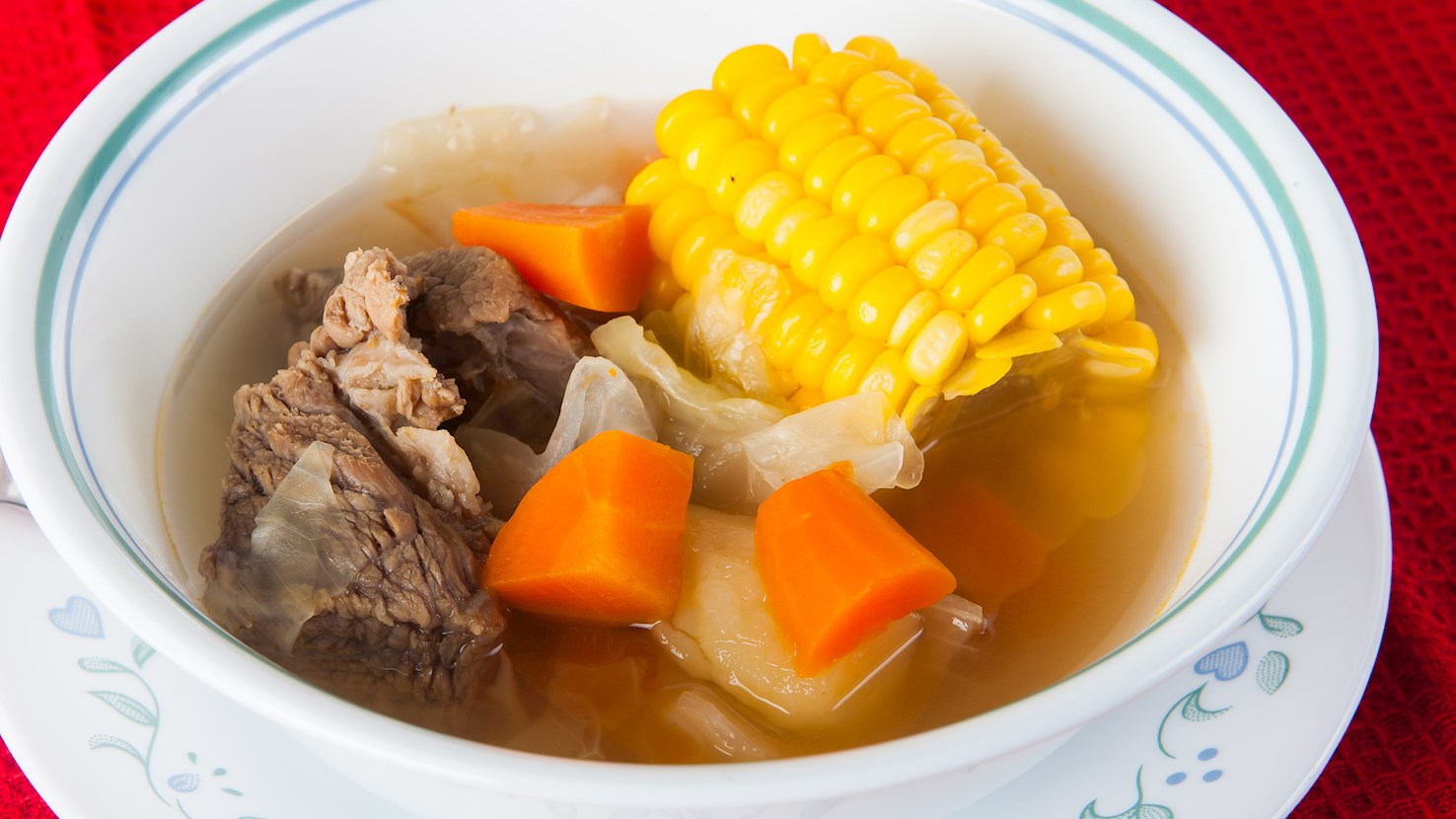
Bulalô is a traditional Filipino soup that is prepared by cooking beef shanks and marrow bones until the fat and collagen dissolve into the broth, resulting in a robust flavor of the dish. The soup is a specialty of the Luzon region, where it is traditionally consumed during cold weather, when it is usually served for dinner. Most versions of the soup include vegetables such as cabbage, string beans, onions, and corn. It can be found in most upscale restaurants in the Philippines, due to the fact that beef shank and bone marrow are not among the cheapest cuts of meat in the country. It is believed that this simple, comforting, and flavorful soup is the best when the meat is so tender that it falls off the bone.

08

Sarawak laksa

4.3 ·

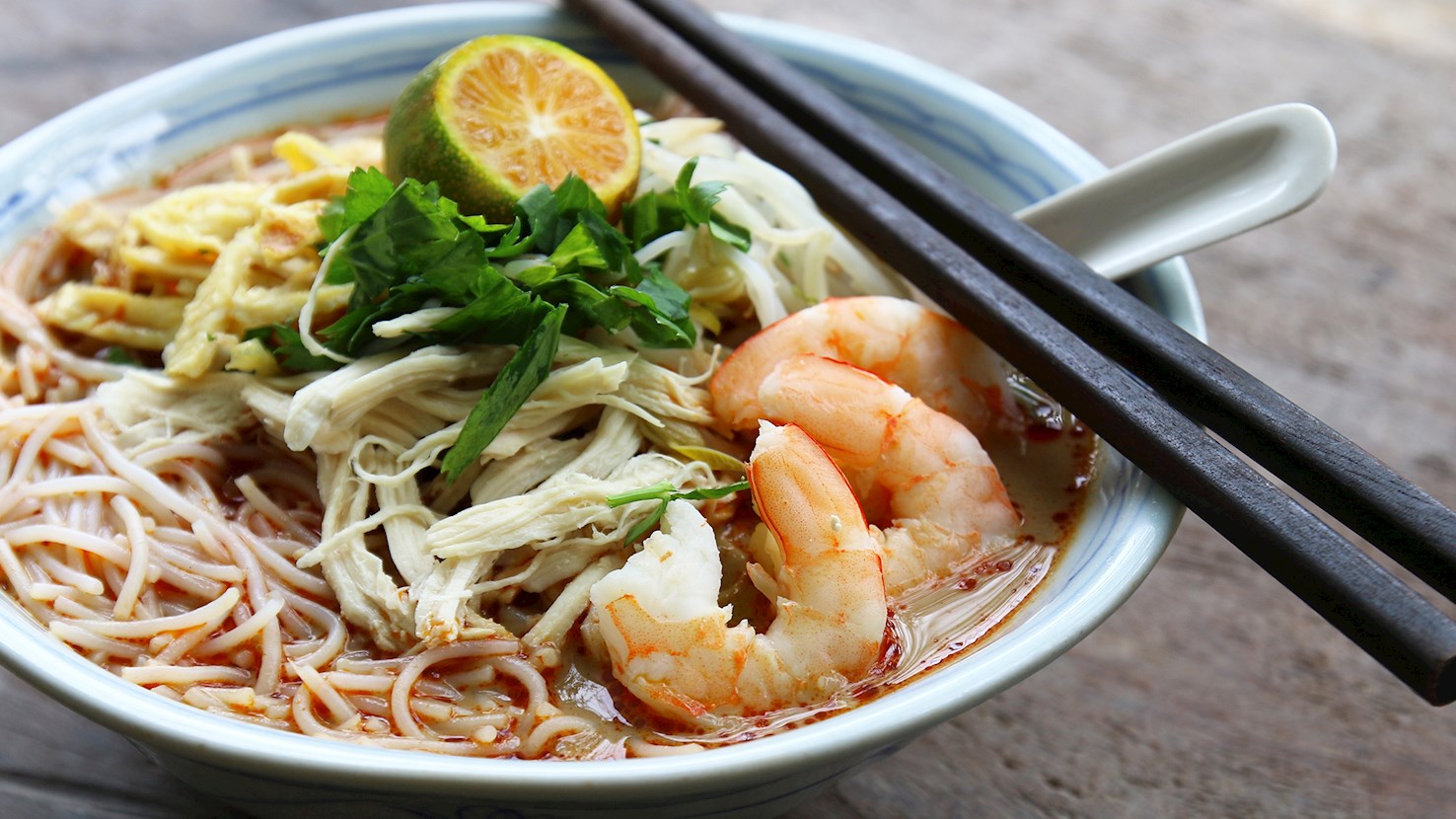
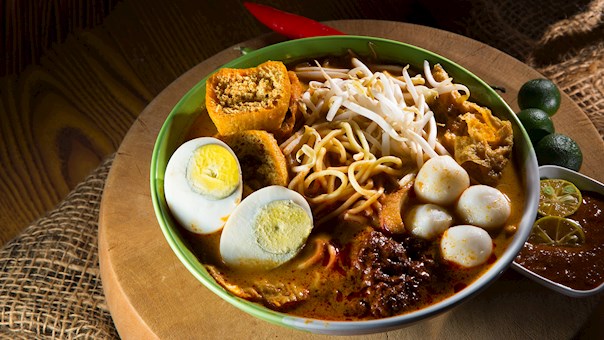
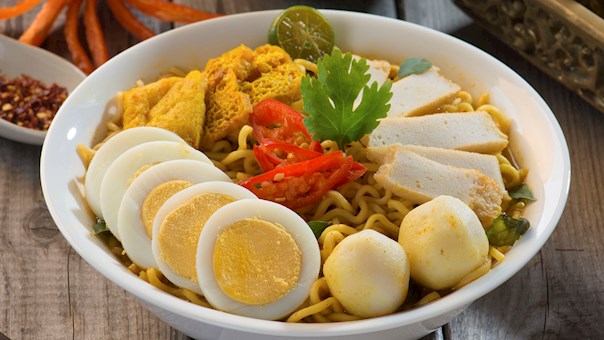
Closely related to other laksa varieties, Sarawak laksa is characterized by a subtle, mild flavor. Consisting of a flavorful chicken or shrimp-based broth that is seasoned with thick laksa paste, which sometimes includes more than twenty different ingredients, the soup is accompanied by vermicelli noodles, shredded omelet, cooked prawns, and shredded chicken. Spicy sambal and lime are traditionally served on the side. The origin of Sarawak laksa is still unclear, but it is believed that the dish appeared when Goh Lik Teck began to offer his noodle dish along Kuching’s Carpenter Street in 1945. According to popular belief, the thick paste used in the dish was popularized by the Tan family from Kuching, somewhere between the 1960s and 1970s. Tan Yong Him experimented with herbs and spices to create a basic paste, which he later distributed under the brand name Swallow. The product was soon picked up by many vendors, who then included Sarawak laksa on their menus. Today, it is a signature dish of Sarawak and the city of Kuching.

09

Phở bò tái chín (Northern Vietnamese Beef Pho)

4.3 ·

Phở bò tái chín is a Northern Vietnamese version of phở bò (beef pho). This soup is prepared with well-done (chín) and rare or half-done beef (tái) that's cooked by the broth when served. Other common components of the soup include beef broth, bones, ginger, onions, fish sauce, sugar, anise, cloves, cinnamon, and rice noodles. A few slices of roast beef and raw beef are served in each bowl before the broth is ladled into the bowls. Phở bò tái chín is usually garnished with Thai chili peppers, bean sprouts, cilantro, and Asian basil, while lime wedges are often served on the side.

10

Rawon

4.2 ·

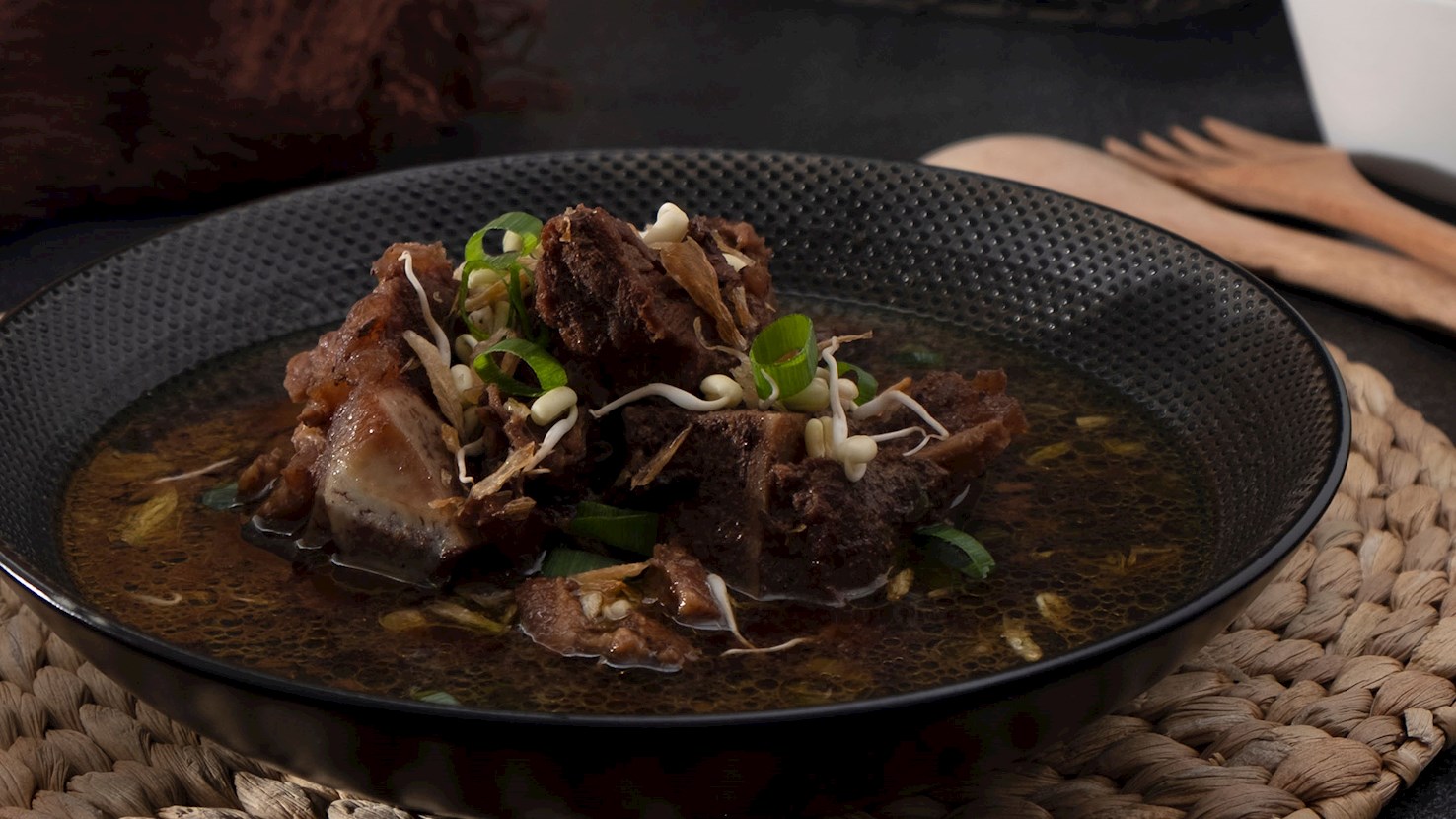
Rawon is a unique Indonesian dish with origins in East Java. This flavorful soup is usually made with slow-braised beef and other traditional Indonesian ingredients such as lime leaves, lemongrass, ginger, and chili. However, the key element is buah kluwek, the Indonesian black nut. This unusual Indonesian spice is highly toxic when raw, and always needs to be fermented before consumption. It is ground with other ingredients and spices, giving the dish its earthy and sour taste and the unique dark black color. The origin of the dish is believed to be the city of Surabaya, the capital of East Java. Primarily prepared as a plebeian dish, it soon became a favorite among royalty and quickly grew in popularity. Today it can easily be found on the menus of numerous traditional Indonesian restaurants. It is usually served alongside plain rice, salted eggs, bean sprouts, and sambal - a spicy Indonesian chili paste.

11

Tom yum

4.2 ·
12

Pho

4.2 ·
14

Soto

4.1 ·
15

Laksa

4.1 ·
18

Curry Mee

4.1 ·
19

Bakso

4 ·
Read more
View all
View map
About this ranking

TasteAtlas food rankings are based on the ratings of the TasteAtlas audience, with a series of mechanisms that recognize real users and that ignore bot, nationalist or local patriotic ratings, and give additional value to the ratings of users that the system recognizes as knowledgeable. For the “Top 100 Southeast Asian Soups” list until June 15, 2026, 7,009 ratings were recorded, of which 4,467 were recognized by the system as legitimate. TasteAtlas Rankings should not be seen as the final global conclusion about food. Their purpose is to promote excellent local foods, instill pride in traditional dishes, and arouse curiosity about dishes you haven’t tried.

Similar lists