


shutterstock

Top 32 American Soups

Last updated on June 15, 2026
01

She-crab soup

4.2 ·

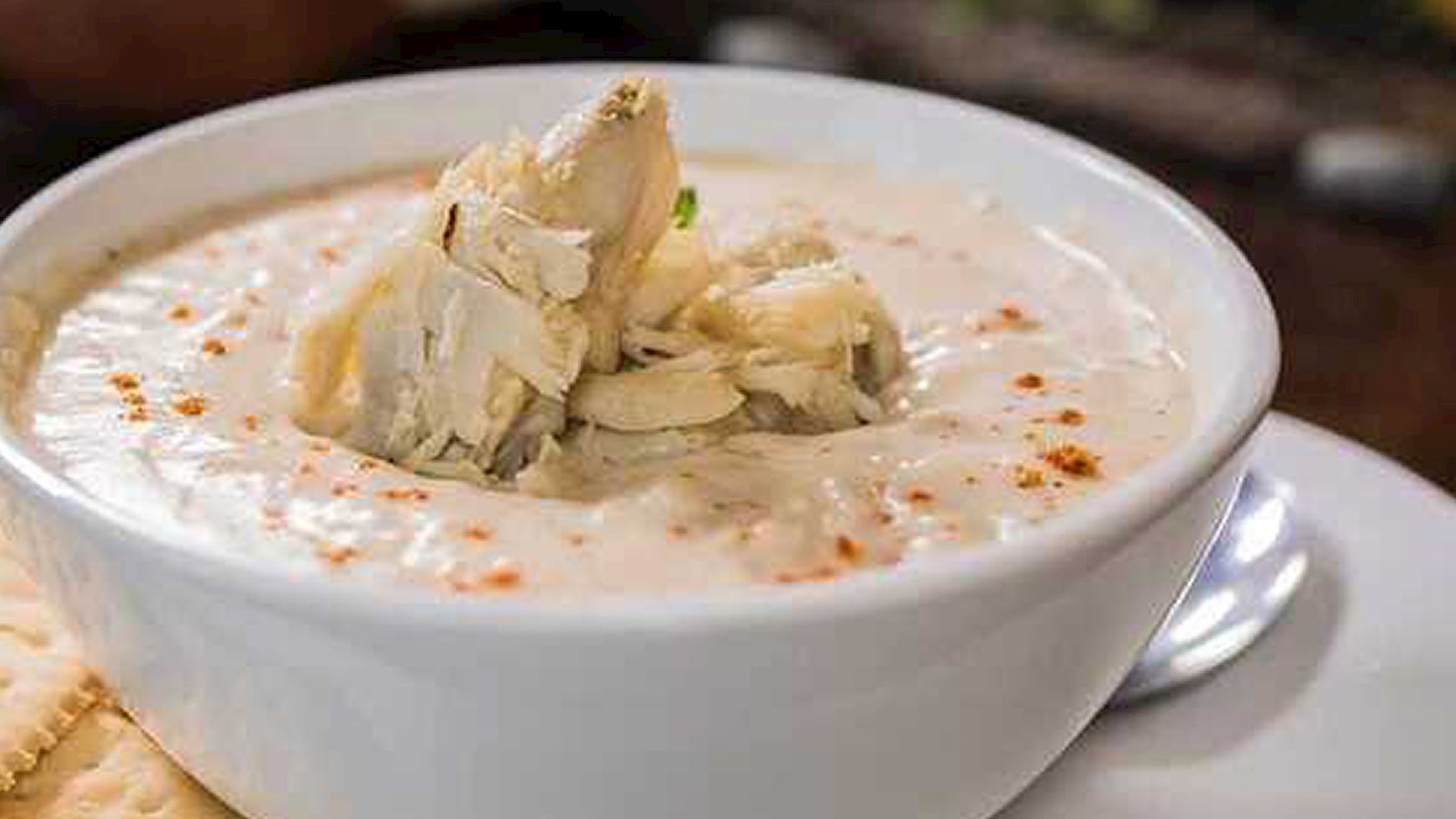
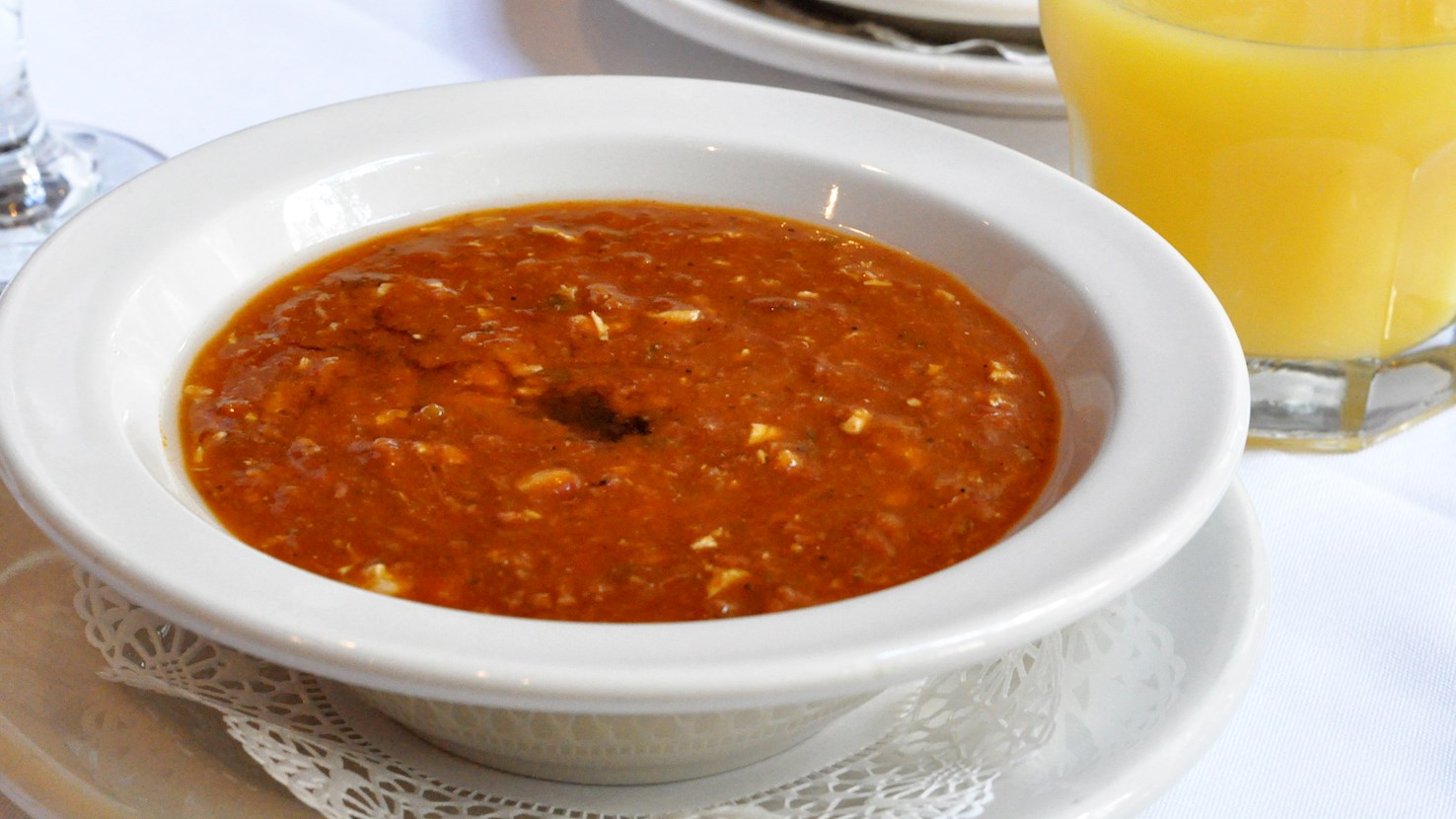
She-crab soup, somewhat of a cross between a bisque and a chowder, is a soup made with heavy cream or milk, crabmeat, sherry, fish or crab stock, and roe—a key ingredient in the dish that improves the flavor and is responsible for the color. The soup is thickened with a roux or puréed boiled rice, and it is usually seasoned with either mace, onions, or shallots. A regional specialty of Tidewater, Virginia, the South Carolina Lowcountry, and Georgia coast, it was first introduced to these parts by the Scottish settlers in the 1700s in the form of partan-bree, a famous seafood bisque, but it was not until the 1900s that the soup gained its present-day form.

02

Gumbo

4.1 ·

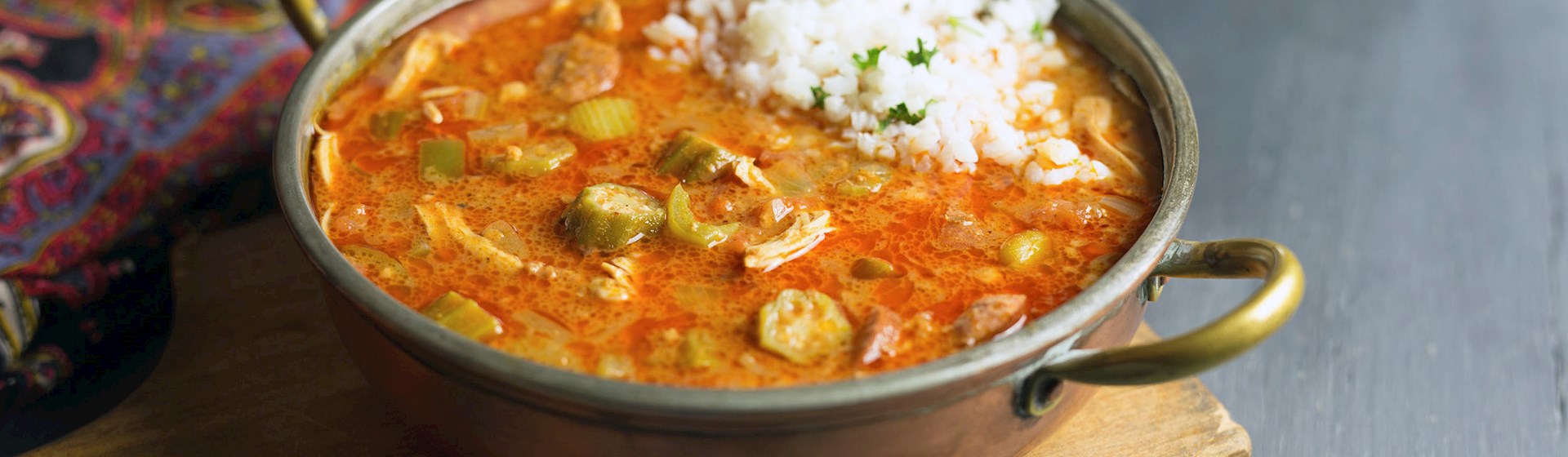
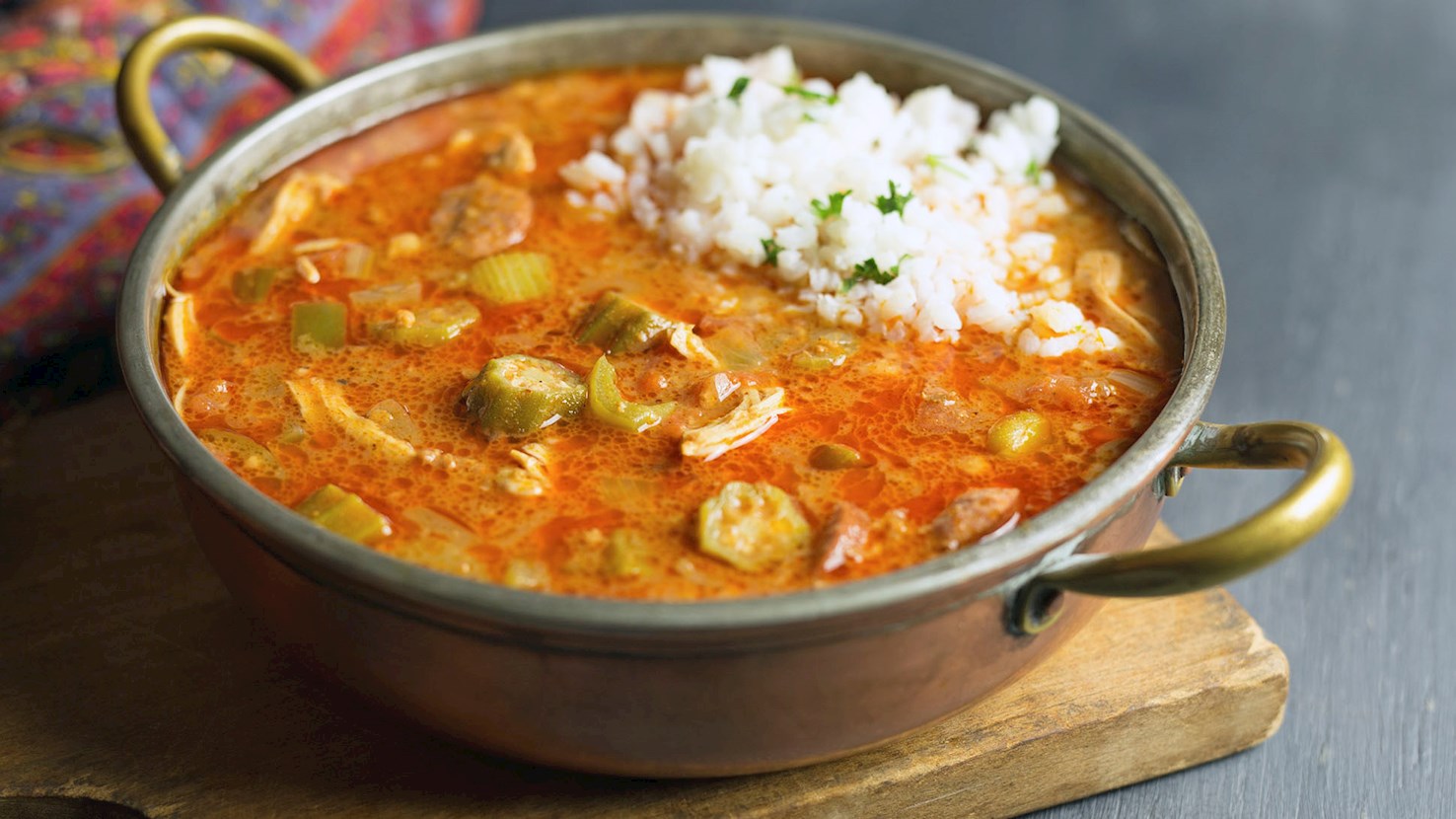
There is nothing better to represent a true taste of New Orleans than gumbo, a filling soup that is usually prepared in large, black, iron pots. A cultural and gastronomical symbol of Louisiana, it can be based on seafood and okra with tomatoes, or on turkey and chicken with added ham, sausage, and poached oysters. Perhaps rabbit or a wild duck will be the main stars, accentuated in flavor by tasso ham. Regardless of its base, gumbo is always intensely fragrant and aromatic with onions, garlic, bay leaf, and thyme, its thick and rich liquids ladled into bowls with an accompaniment of steamed white rice. Gumbo evolved from the French pot-au-feu, when the slaves from West Africa added okra as a thickener to the already roux-thickened French stew. If okra was not in season, filé powder was added, made from dried and crushed sassafras leaves, giving the dish a new layer of viscosity and a unique flavor. Whatever its variety of ingredients may be, gumbo must always include rice, roux (a combination of fat and browned flour that changes the flavor and modifies the thickness), and another thickener, be it okra or filé powder, but never both at the same time. Filé is typically used in thicker gumbos with sausages and chicken, while okra is used in lighter gumbos with seafood. Finally, a note for all gumbos - the ones that taste the best are those which had been left for a day or two and were then reheated, giving the ingredients a chance to combine into a flavorful and complex dish.

03

Shrimp Bisque

4.1 ·

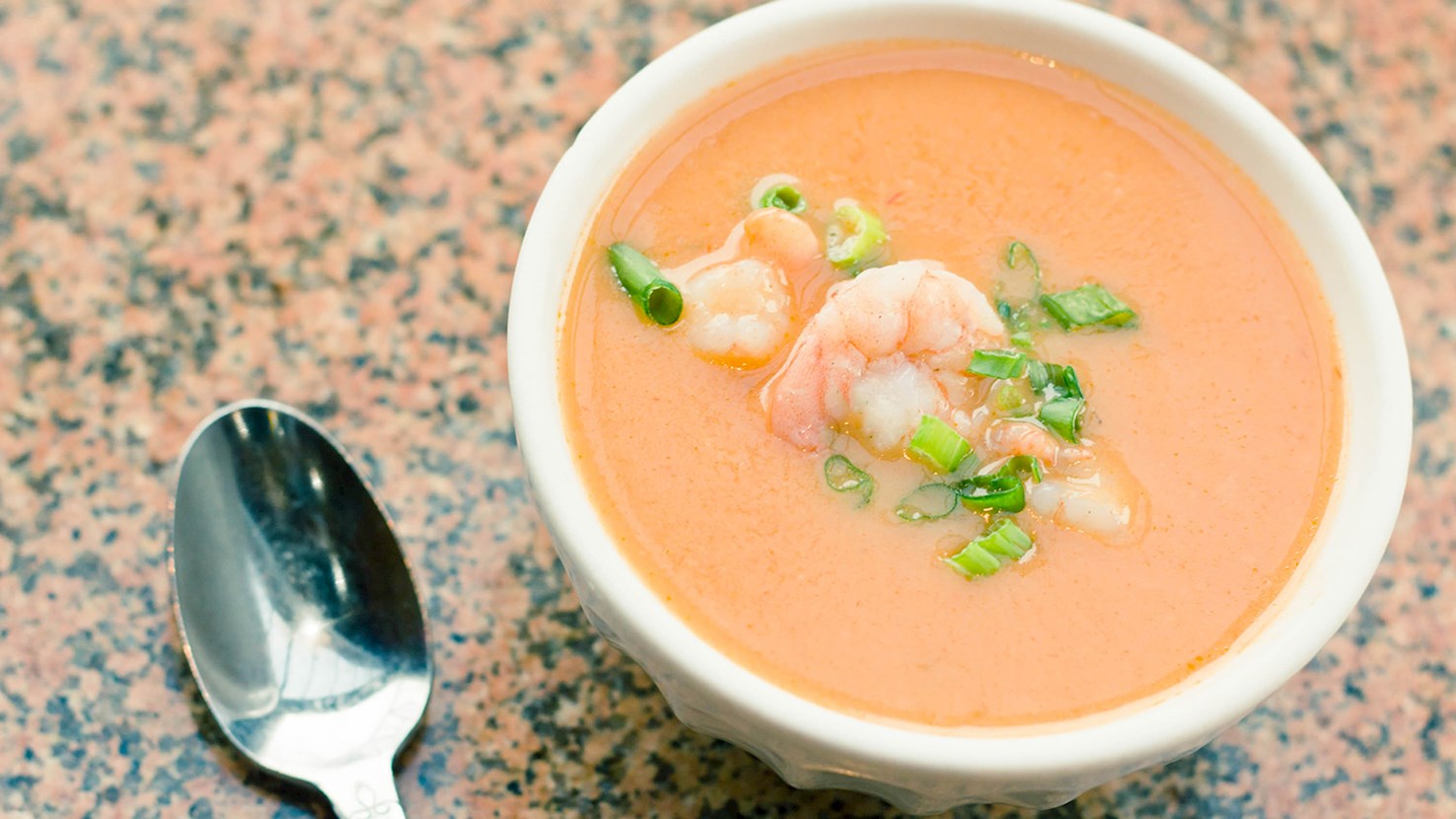
Shrimp bisque is a traditional Cajun dish originating from Louisiana. The soup is usually made with a combination of large shrimp, seafood broth, shrimp broth, butter, bell peppers, shallots, garlic, flour, cream, brandy, hot sauce, and seasonings. The shrimps are simmered in the broth until the liquid is reduced, while a combination of butter, bell peppers, shallots, and garlic is sautéed and sprinkled with flour and mixed with brandy and cream until the combination becomes thick. The cooked shrimps are added to the pot and simmered until hot, and the dish is then served, often garnished with sliced green onions or parsley. It's recommended to serve shrimp bisque with French bread on the side for mopping up the juices.

04

New England clam chowder

4.1 ·

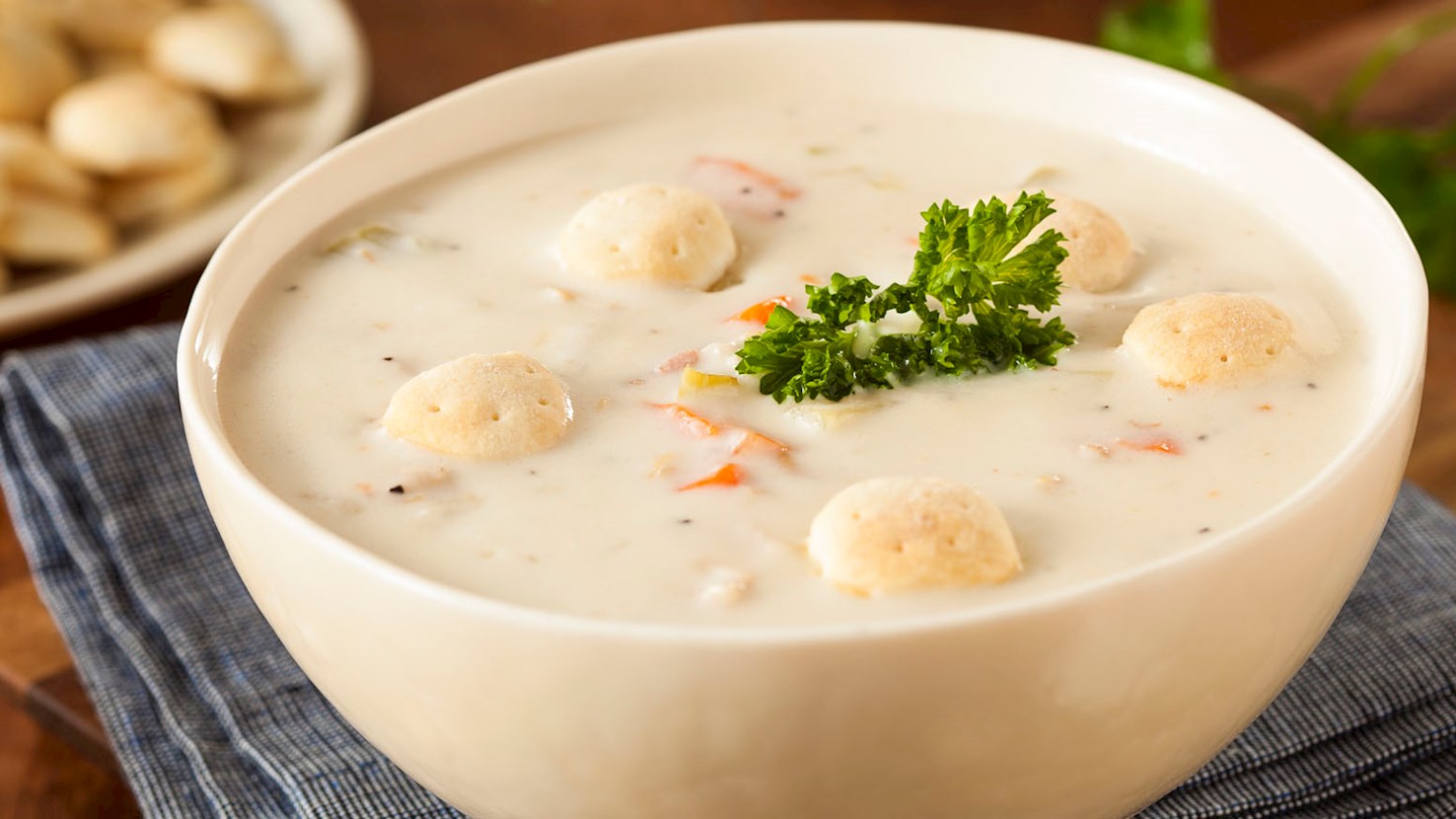
One of the earliest and quintessential American dishes, New England-style clam chowder is a creamy stew made with briny clams, chunks of salt pork, sweet onions, potatoes, and milk. The dish was invented by the Pilgrims who had landed near Plymouth Rock in 1620. Hungry and with nothing to eat, they turned to delicious clams that are commonly found on New England's shores and cooked them in pots filled with water over an open flame. As for the word chowder, some claim it stems from the French chaudiére, denoting an iron cooking pot, while others claim it stems from chaudeau, meaning hot water. The creamy version we all know and love today started to become popular at the beginning of the 19th century, and by the end of it, there were also some regional versions of the dish. Some of them added crushed crackers, butter, or chopped fish to the already flavourful broth. Aromatic and sea-flavored, it is almost a sacred dish in New England, regularly celebrated with various competitions, festivals, chowder lovers societies, and boat races. Today, there are many versions of clam chowder in Manhattan, Rhode Island, Long Island, Minorcan, Hatteras, Delaware, and New Jersey.

05

Californian clam chowder

3.9 ·

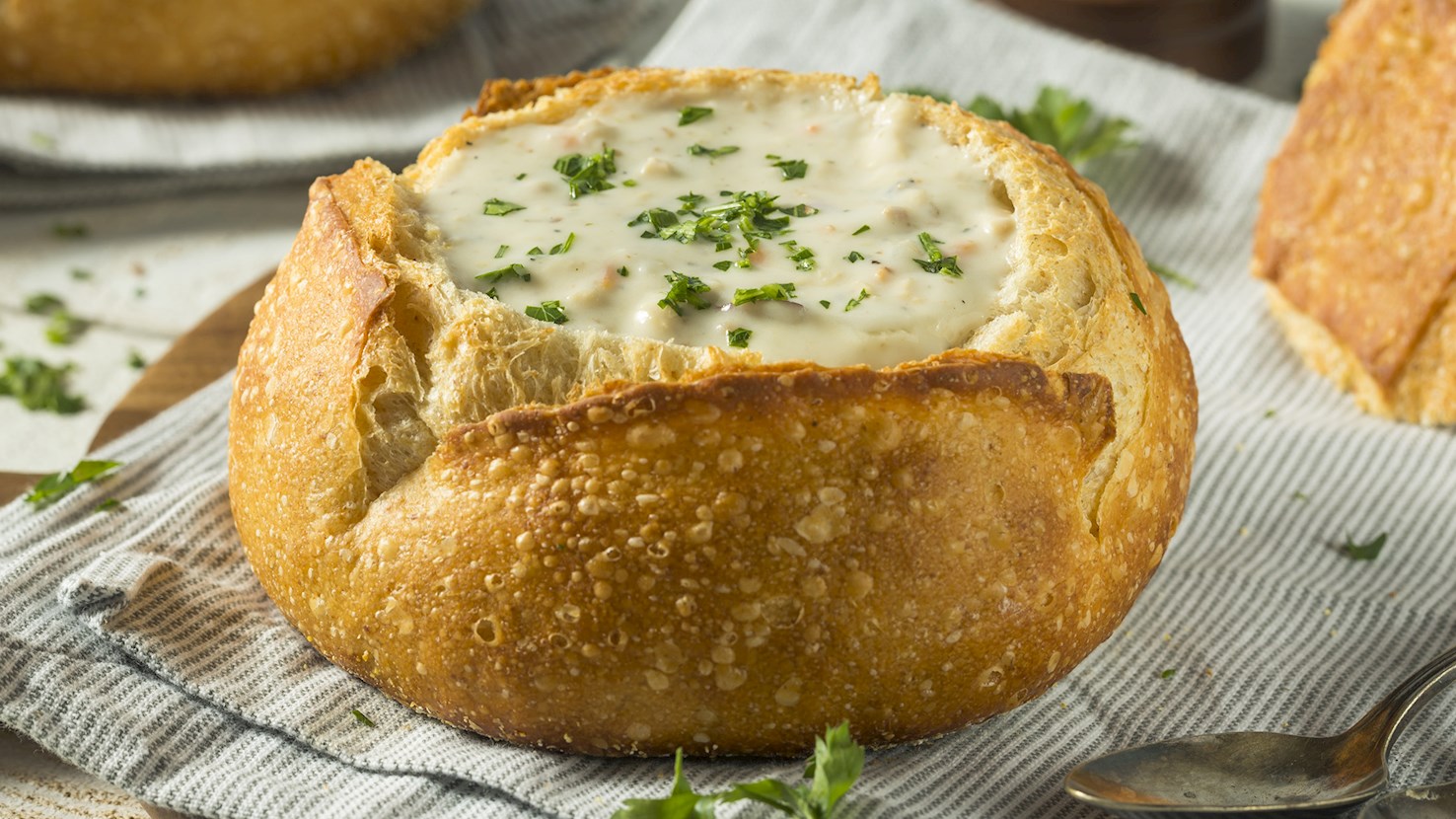
Following in the footsteps of the classic New England-style clam chowder, Californian clam chowder is a creamy stew containing clams, potatoes, and onions. The key to making it Californian-style is to carefully tuck the chowder inside a sourdough bread bowl, which is the Californian way to enjoy this iconic American dish. Clam chowder in a sourdough bread bowl is believed to have originated in 1849, in the San Francisco restaurant called Boudin, and has since become the signature dish of the city.

06

Matzah ball soup

3.8 ·

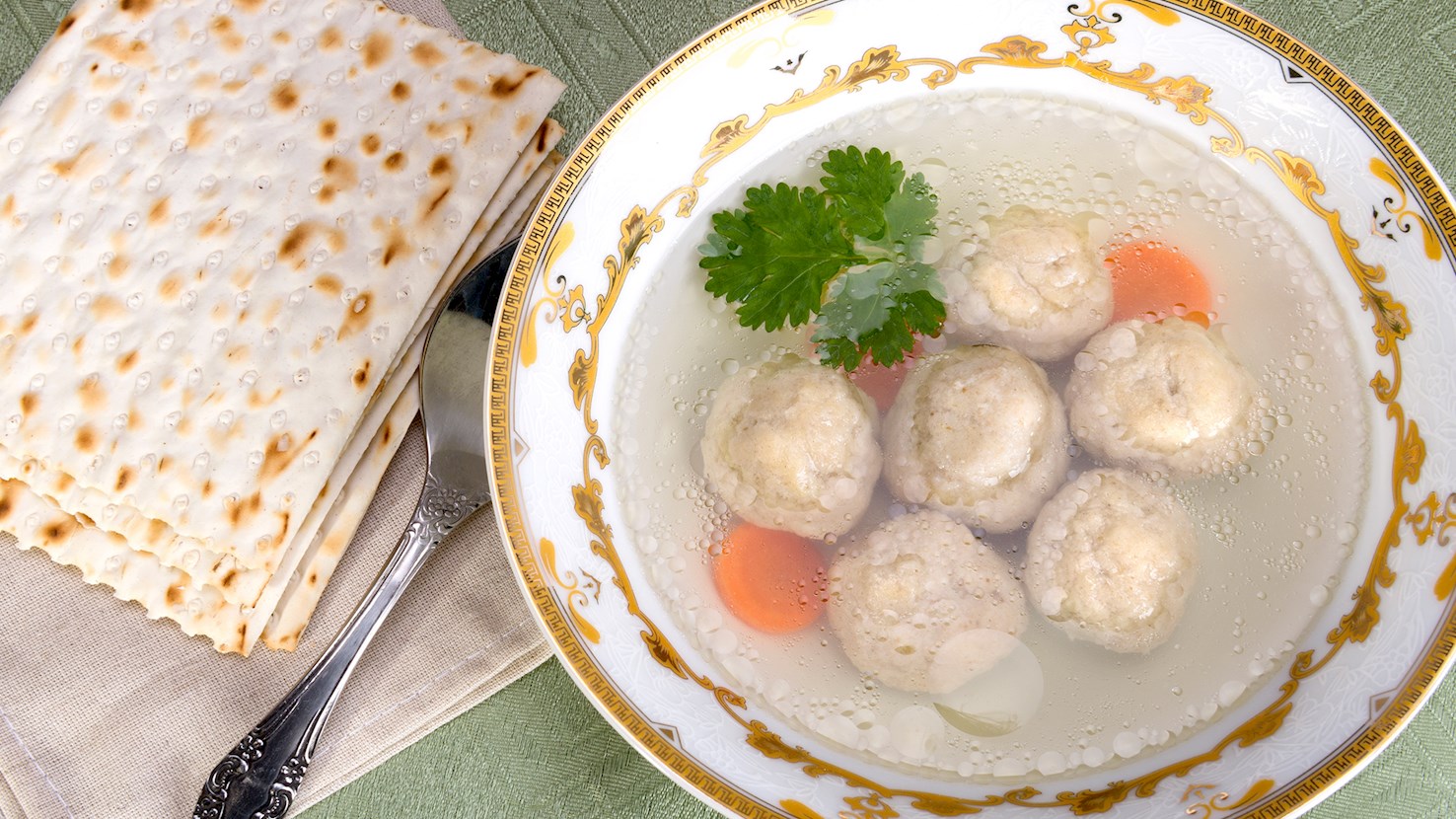
The center of every Jewish Seder—Passover meal—is a bowl of chicken broth with large matzah balls. The dish is deeply rooted in Jewish tradition, and it is believed that it originated among the Ashkenazi Jews who invented it as an adaptation of Central European bread dumplings (knödels). In Jewish tradition, the large balls are often referred to as kneydl, knaidel, kneidel, or knodel and are made with matzo meal—consisting of ground matzo bread—and rendered chicken fat. Nowadays, matzah ball soup is not exclusively associated with Passover and has become a year-round comfort food that is enjoyed in most Jewish communities.

07

Turtle soup

3.8 ·

Turtle soup is a traditional soup originating from Louisiana. This dark soup is so robust that it borders on a stew. It's typically made with turtle meat, a roux of butter and dark flour, sherry, tomatoes, stock, diced hard-boiled eggs, lemon juice, and a variety of herbs and spices such as parsley, paprika, cumin, coriander, and allspice. Once done, the soup is served in individual bowls, often with sherry, lemon wedges, or crusty bread on the side. The turtles used for the soup are alligator snapping turtles, but nowadays they come from farms, not from the wild because commercial collection of this species has been outlawed in Louisiana in 2004.

08

Vermont Corn Chowder

3.8 ·

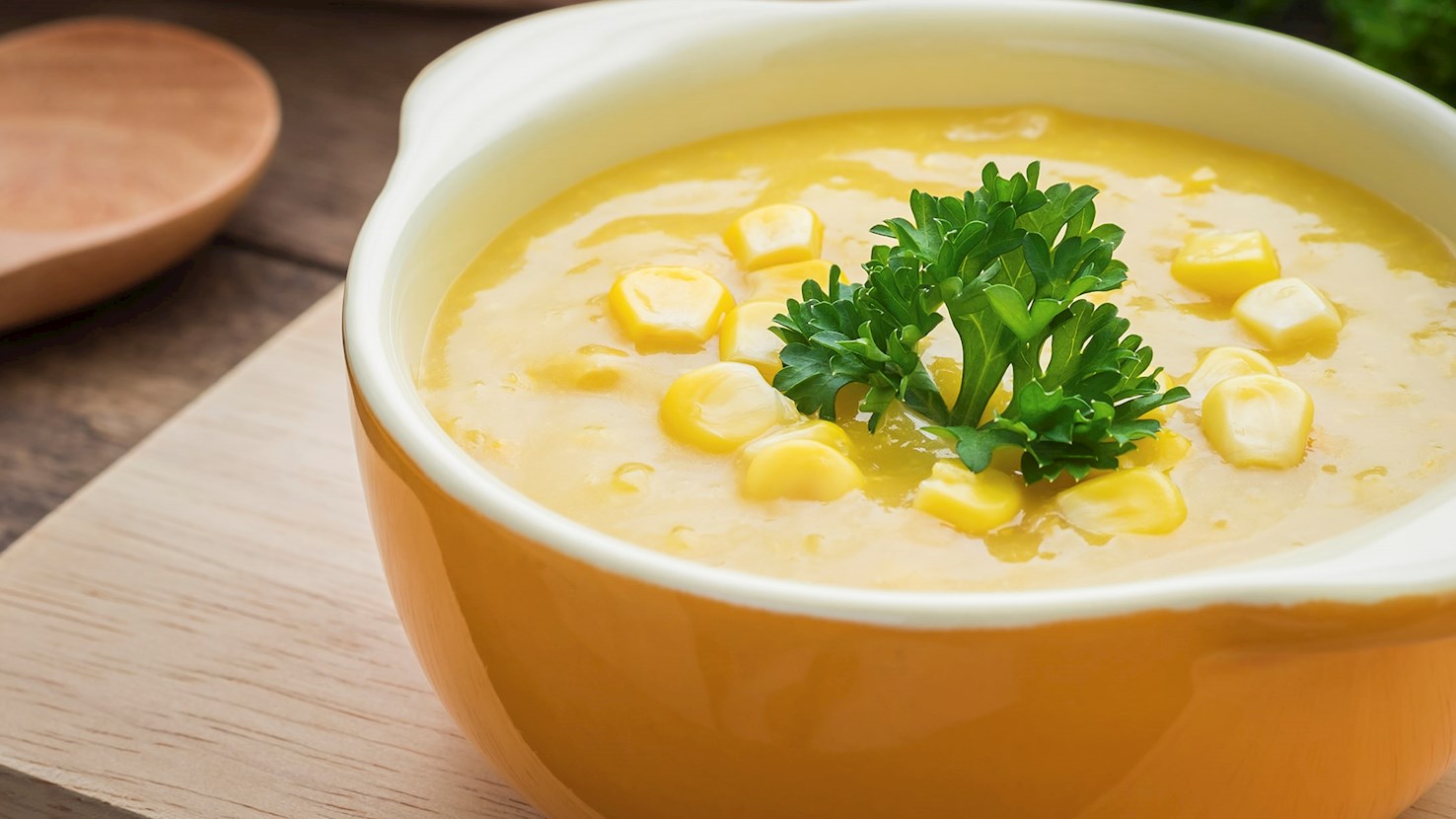
Vermont corn chowder is a traditional dish made with a milk-based broth, corn, and other vegetables such as onions, peas, potatoes, and cabbage. The dish is usually enriched with strips of bacon and thickened with flour or Vermont cheddar cheese. Chowder can be traced back to the 16th century, when it was considered a poor man's meal. The word chowder is derived from the French word chaudiere, referring to a vessel used by the French fisherman who made hearty fish stews by cooking fish with vegetables and milk. Vermont corn chowder is praised as an ideal dish for late summer evenings when locally grown corn is at its peak.

09

Saimin

3.7 ·

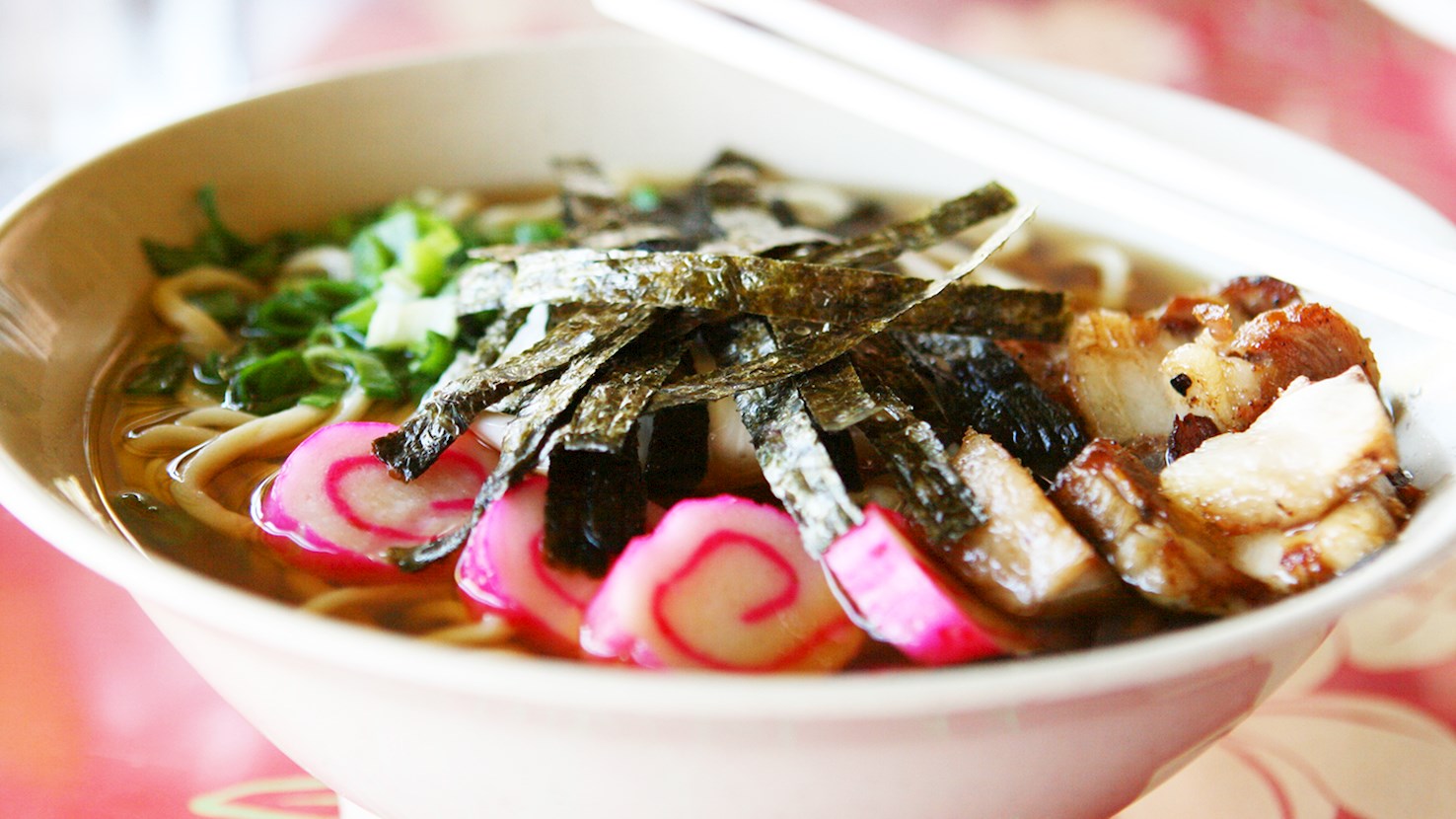
Saimin is a traditional noodle soup that’s considered the national dish of Hawaii. There are several variations on the dish, but it usually consists of thin noodles in clear broth with fish cakes, scallions, and often char siu pork or ham. Additional ingredients often include shrimp, poultry, and eggs. The noodle soup is always served hot and it’s eaten at any time of day with a spoon or with chopsticks. The leftover dashi broth is drunk from the bowl. Saimin is a result of Hawaii’s Chinese, Japanese, and Filipino culinary influences. Nowadays, the dish can also be bought in stores as a ready-mix instant package because it’s considered the staple comfort food.

10

Wedding Soup

3.6 ·

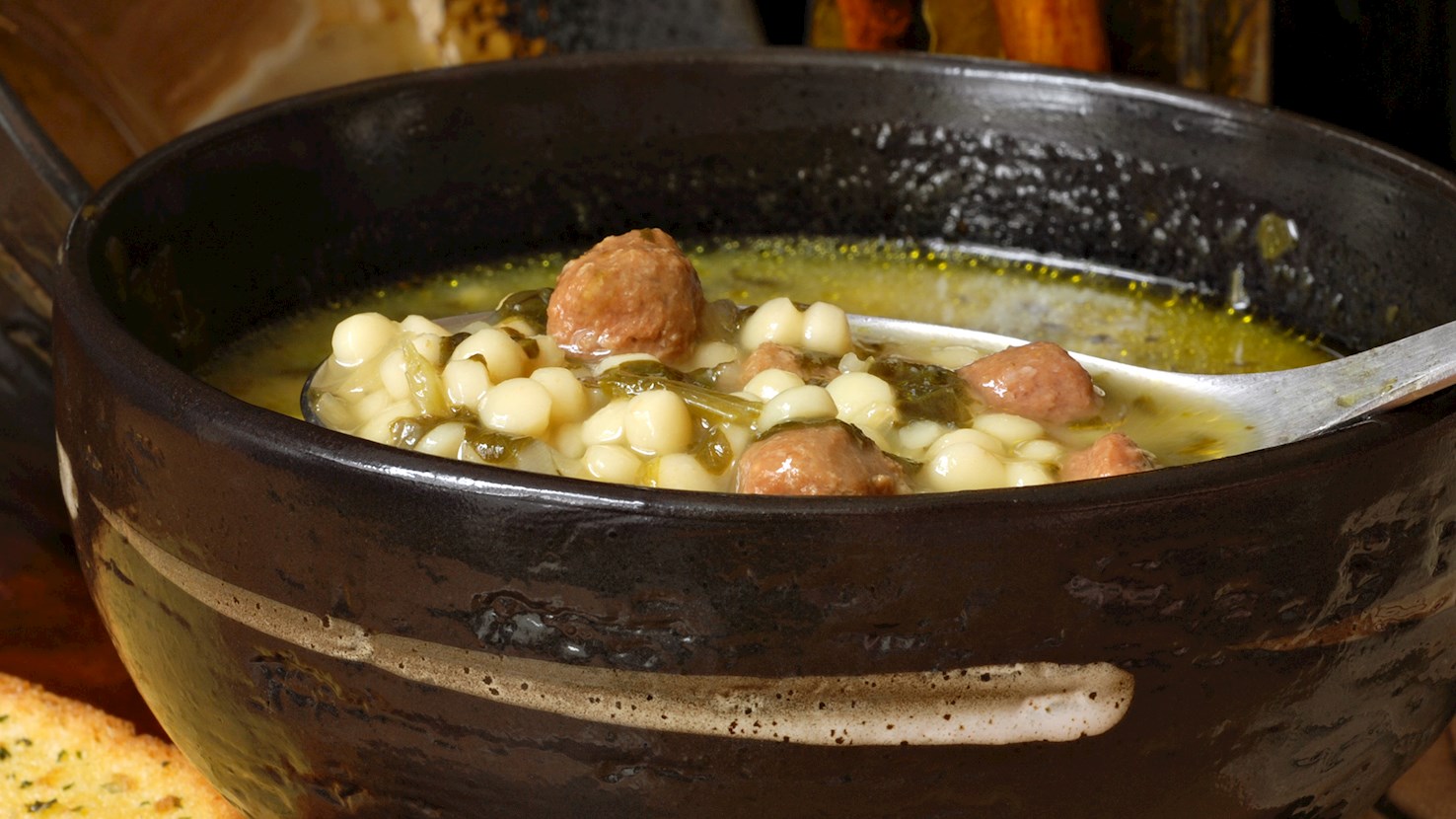
The famous American-Italian invention known as wedding soup gets its name from the Italian words minestra, meaning soup, and maritata which means married, referring to the delicious and harmonious union of flavors coming from meat and vegetables in a clear chicken broth. The meats of choice are typically meatballs or sausages, while the greens can be any variation of escarole, chard, cabbage, spinach, broccoli, rabe, chicory, endive, lettuce, or kale. Other variations of the classic Italian wedding soup may also include small pasta—most often of the tiny acini di pepe (lit. peppercorns) variety — but also long noodles, or sometimes even beans. In America, this soup is so popular that it has even been marketed in a canned variety under the name Chickarina.

Read more
View all
View map
About this ranking

TasteAtlas food rankings are based on the ratings of the TasteAtlas audience, with a series of mechanisms that recognize real users and that ignore bot, nationalist or local patriotic ratings, and give additional value to the ratings of users that the system recognizes as knowledgeable. For the “Top 32 American Soups” list until June 15, 2026, 989 ratings were recorded, of which 888 were recognized by the system as legitimate. TasteAtlas Rankings should not be seen as the final global conclusion about food. Their purpose is to promote excellent local foods, instill pride in traditional dishes, and arouse curiosity about dishes you haven’t tried.

Similar lists