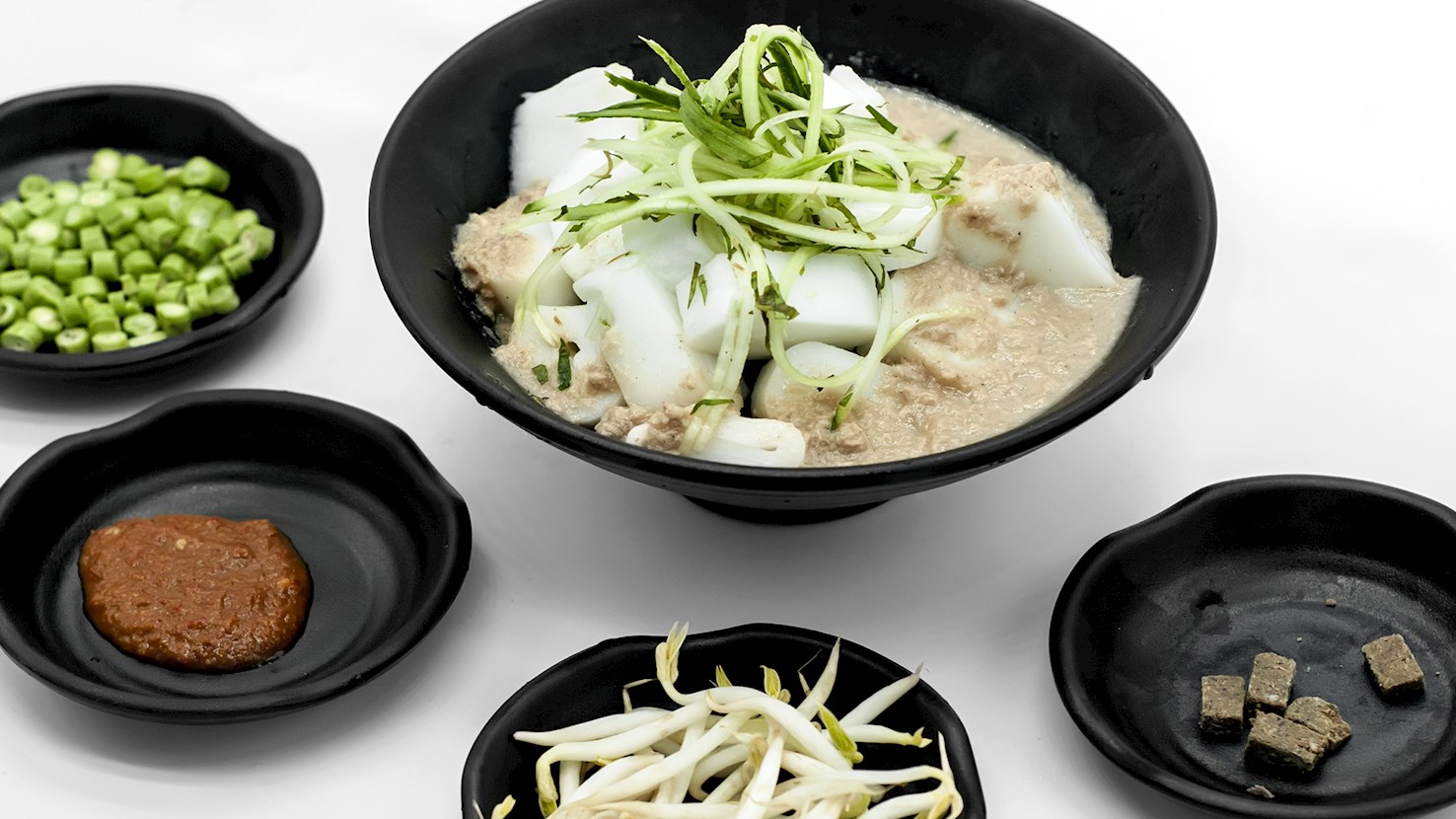
Traditionally associated with the regions of Kelantan and Terengganu, this flavorful Malaysian soup consists of rolled rice noodles served in a creamy fish broth. The noodles are prepared with a thin rice flour batter that is poured on a flat surface, steamed, and then rolled and sliced into bite-sized pieces. The broth served alongside the noodles is made with coconut milk and creamy fish paste, and is usually seasoned with ginger, shallots, and garlic. The whole dish is complemented by various vegetables such as sliced cucumbers or green beans and is usually accompanied by spicy sambal. Laksam is traditionally enjoyed as a warm, hearty breakfast.
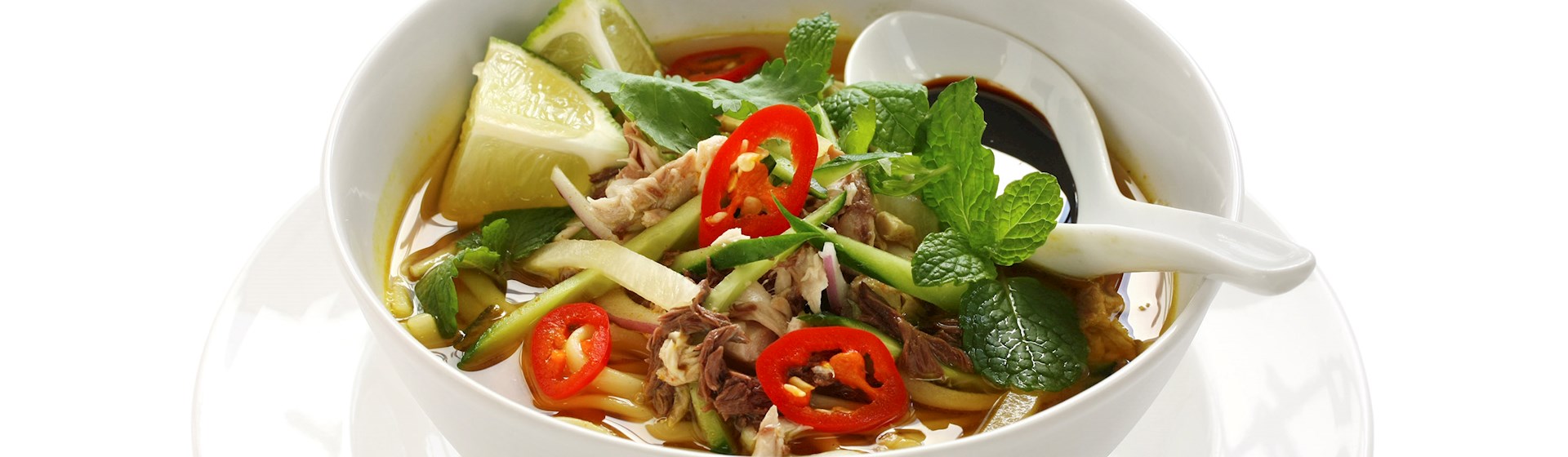
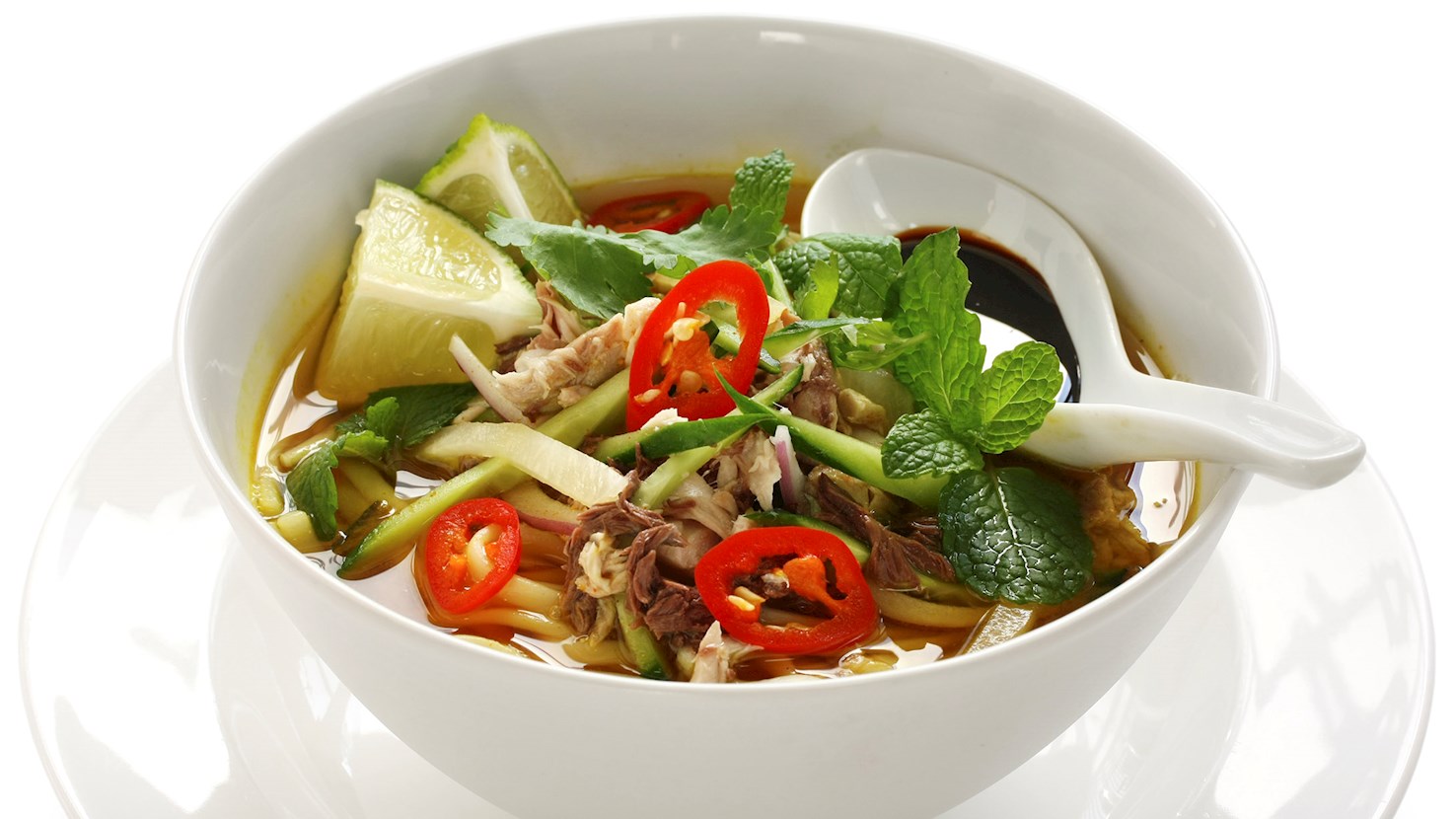
Assam laksa is a traditional fish-based sour noodle soup. It is the one of the numerous varieties of laksa, popular noodle soups widespread throughout Southeast Asia. The dish consists of rice noodles, shredded fish, and sliced vegetables, most commonly cucumber, onion, and lettuce. It has a distinctively tangy taste, which is attributed to tamarind, the sour ingredient generously used to spice the dish. The exact origin of the dish is unknown, but it is believed that it has originated in the coastal areas of Malaysia among the local fishermen who assembled the dish out of available ingredients. Through history, the dish evolved into assam laksa that we know today. Regardless of its origin, nowadays it is a signature dish of the Malaysian region of Penang. It is one of the most famous street dishes found in the area, and a favorite with both locals and tourists. In Penang, street vendors prepare assam laksa from the early morning until late in the evening. Traditionally, the dish should be served with hae ko, a dark and rich Malaysian-style shrimp paste.
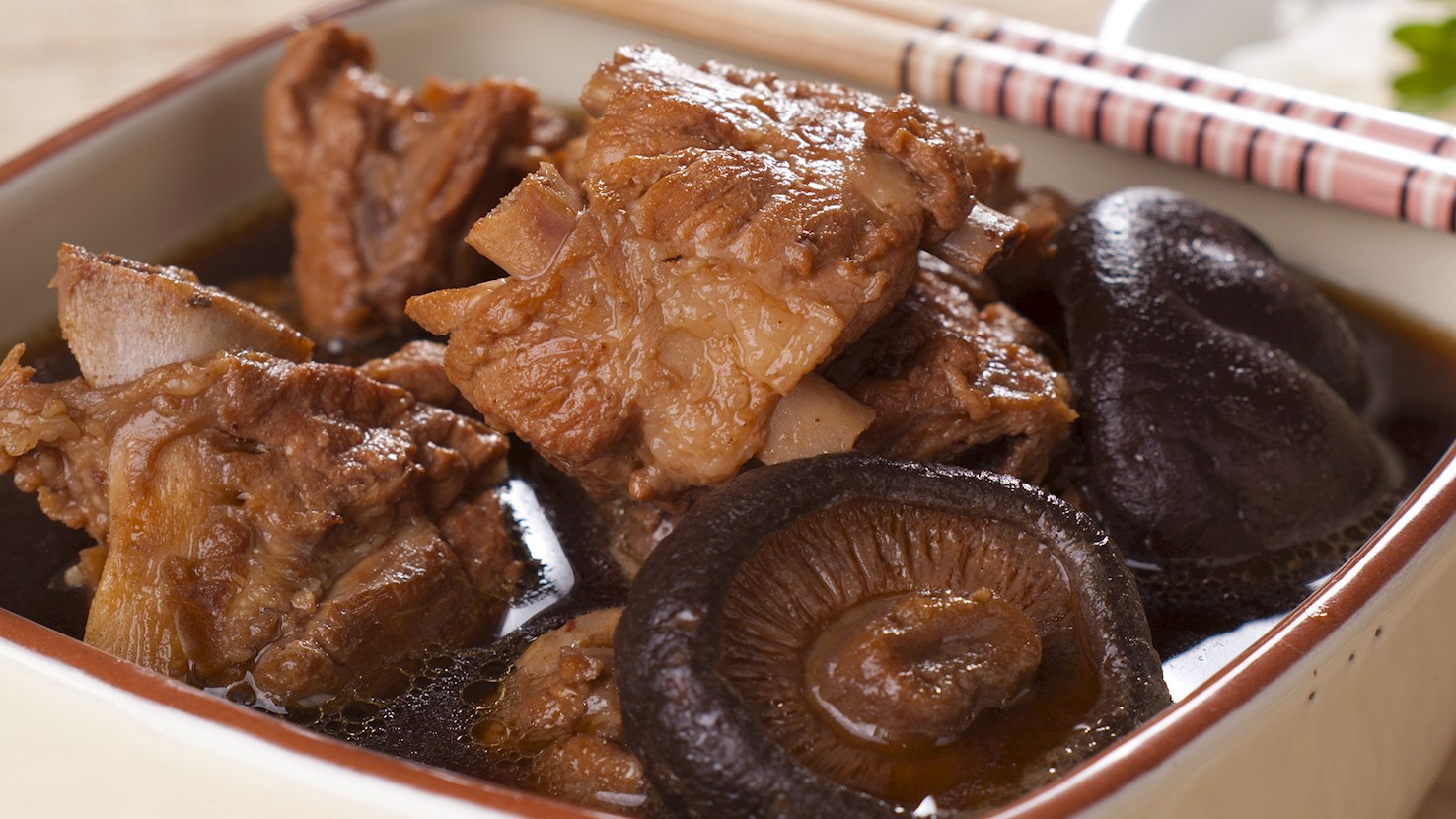
Even though it is traditionally associated with Malaysia and Singapore, this hearty dish stems from the Chinese culinary tradition. In its simplest form, it consists of various pork cuts that are cooked in a flavorful broth which is seasoned with star anise, cinnamon, garlic, and fennel. It is commonly complemented with tofu puffs or mushrooms and usually comes served with several condiments. Among the numerous stories of its origin, the most probable claims that the Fujian immigrant Lee Boon Teh was the first who started selling the dish in Klang—a city that is recognized as the place where the authentic bak kut teh originated. However, the authenticity of this theory has been disputed by the Singaporeans, who also claim the dish as their original invention. Regardless of these conflicting theories, bak kut teh remains a classic dish which perfectly illustrates the rich culinary heritage of both countries.
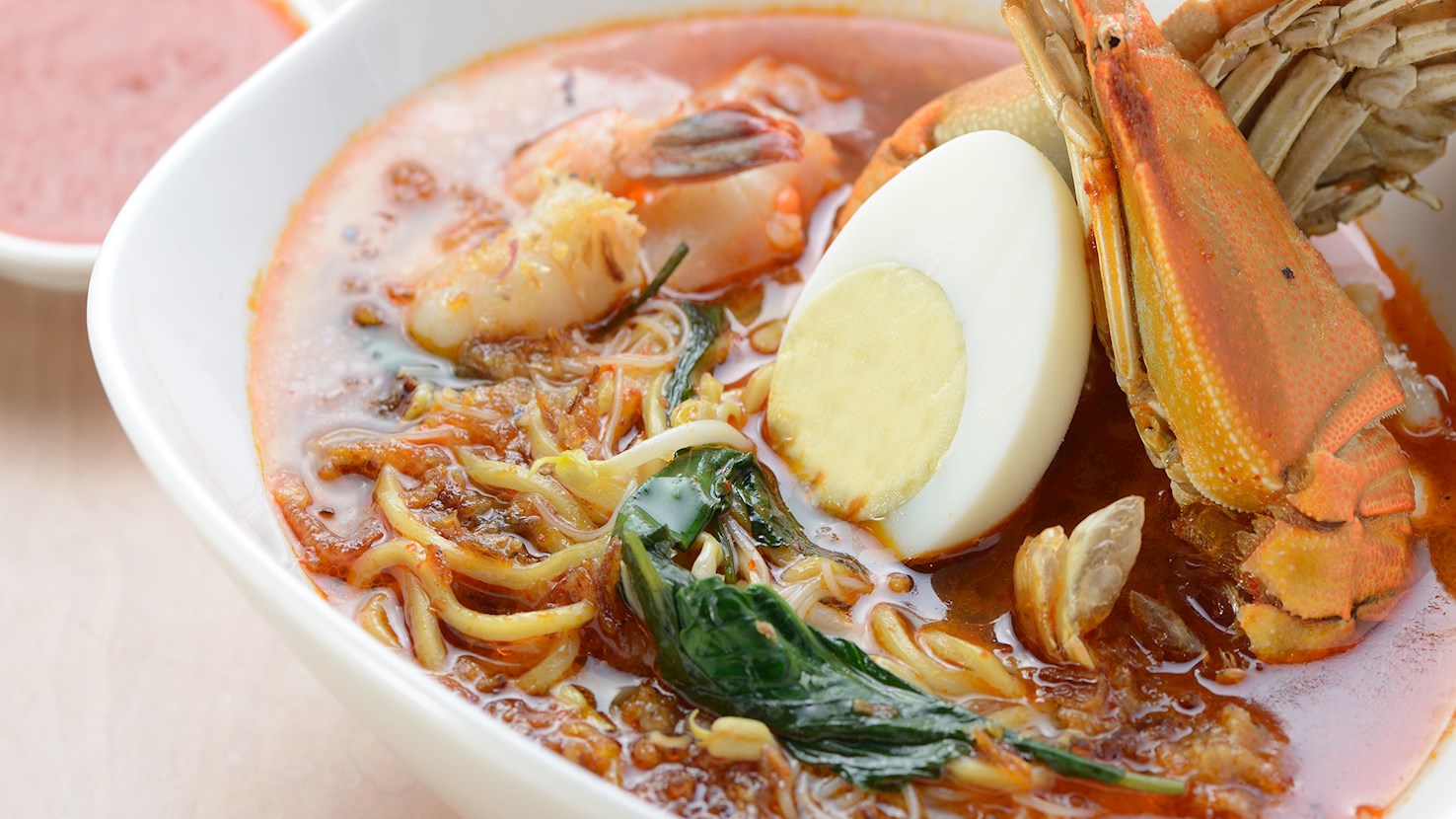
Penang version of the dish known as Hokkien mee is significantly different from the varieties that can be found in other parts of Malaysia and Singapore. Often referred as prawn mee, the dish consists of a broth that is flavored with prawns and pork ribs, and which comes topped with ingredients such as sliced pork, rice and wheat noodles, bean sprouts, prawns, kangkong (water spinach), fried shallots, and boiled eggs. This hawker classic is usually served with a chili-based sauce. As the name suggests, the origins of the dish are among the Hokkien community who emigrated from Chinese province of Fujian.
TasteAtlas food rankings are based on the ratings of the TasteAtlas audience, with a series of mechanisms that recognize real users and that ignore bot,
nationalist or local patriotic ratings, and give additional value to the ratings of users that the system recognizes as knowledgeable.
TasteAtlas Rankings should not be seen as the final global conclusion about food. Their purpose is to promote excellent local foods,
instill pride in traditional dishes, and arouse curiosity about dishes you haven’t tried.



What People Say