Top 84 Mexican Spirits

Last updated on June 10, 2026

Best Mexican Spirits
01

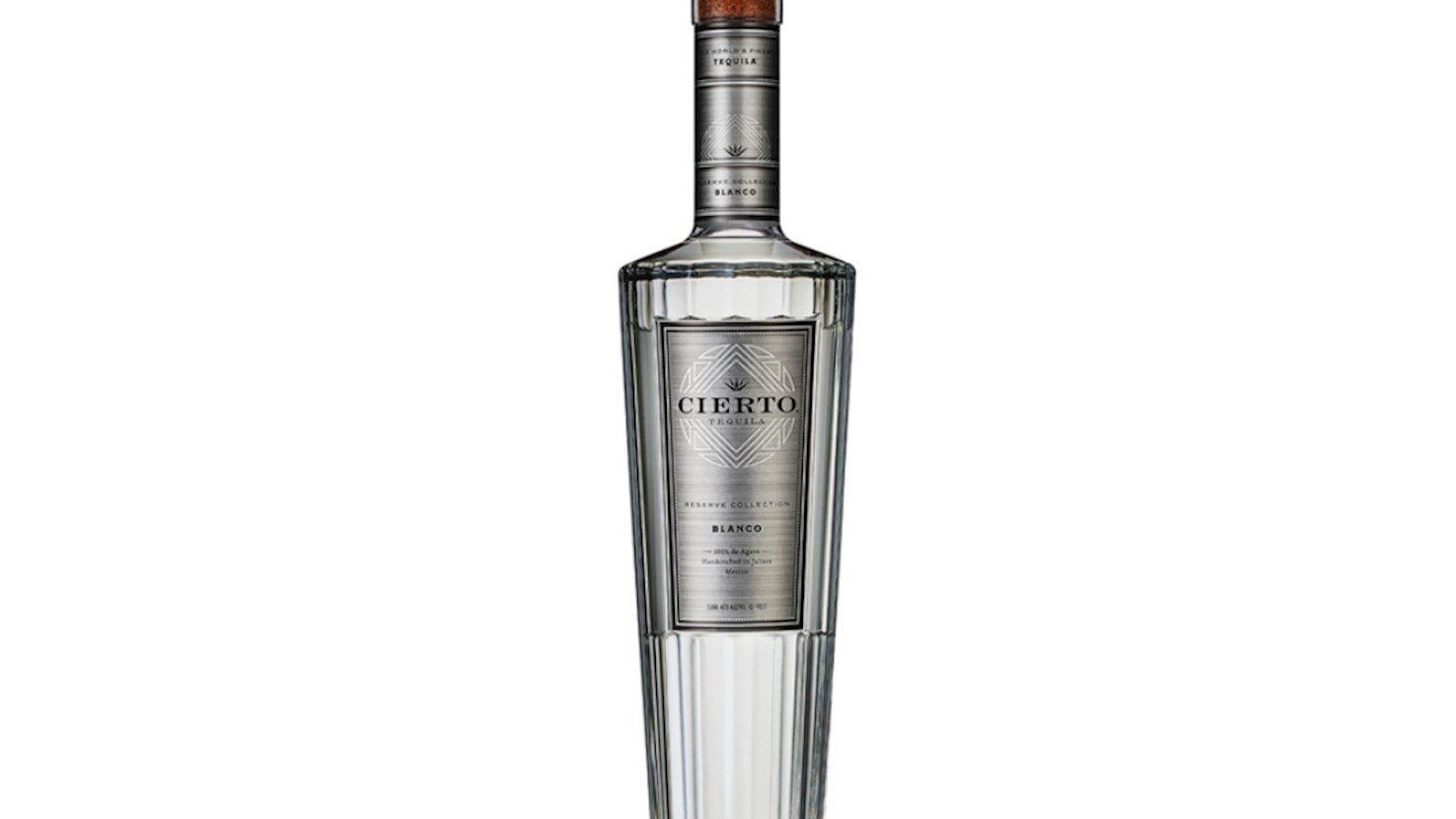
Cierto Tequila

5 ·
Cierto Tequila is a premium tequila producer renowned for its artisanal approach and commitment to excellence. Crafted in Jalisco, Mexico, Cierto sources 100% Blue Weber agave grown in both the highlands and lowlands, ensuring a balanced and complex flavor profile. The brand emphasizes sustainability and traditional production techniques, including slow cooking in brick ovens and careful aging in French and American oak barrels. Cierto offers a range of luxury tequilas, including Blanco, Reposado, Añejo, and Extra Añejo expressions, each celebrated for its smoothness, richness, and elegance. The tequilas have received numerous accolades at international spirits competitions, solidifying Cierto's reputation as a leading name in ultra-premium tequila.
Awards
SFWSC - San Francisco World Spirits Competition - Double Gold (2024, 2023)
NYWSC - New York World Spirits Competition - Double Gold (2024, 2023)
02

Tequila Ocho

5 ·
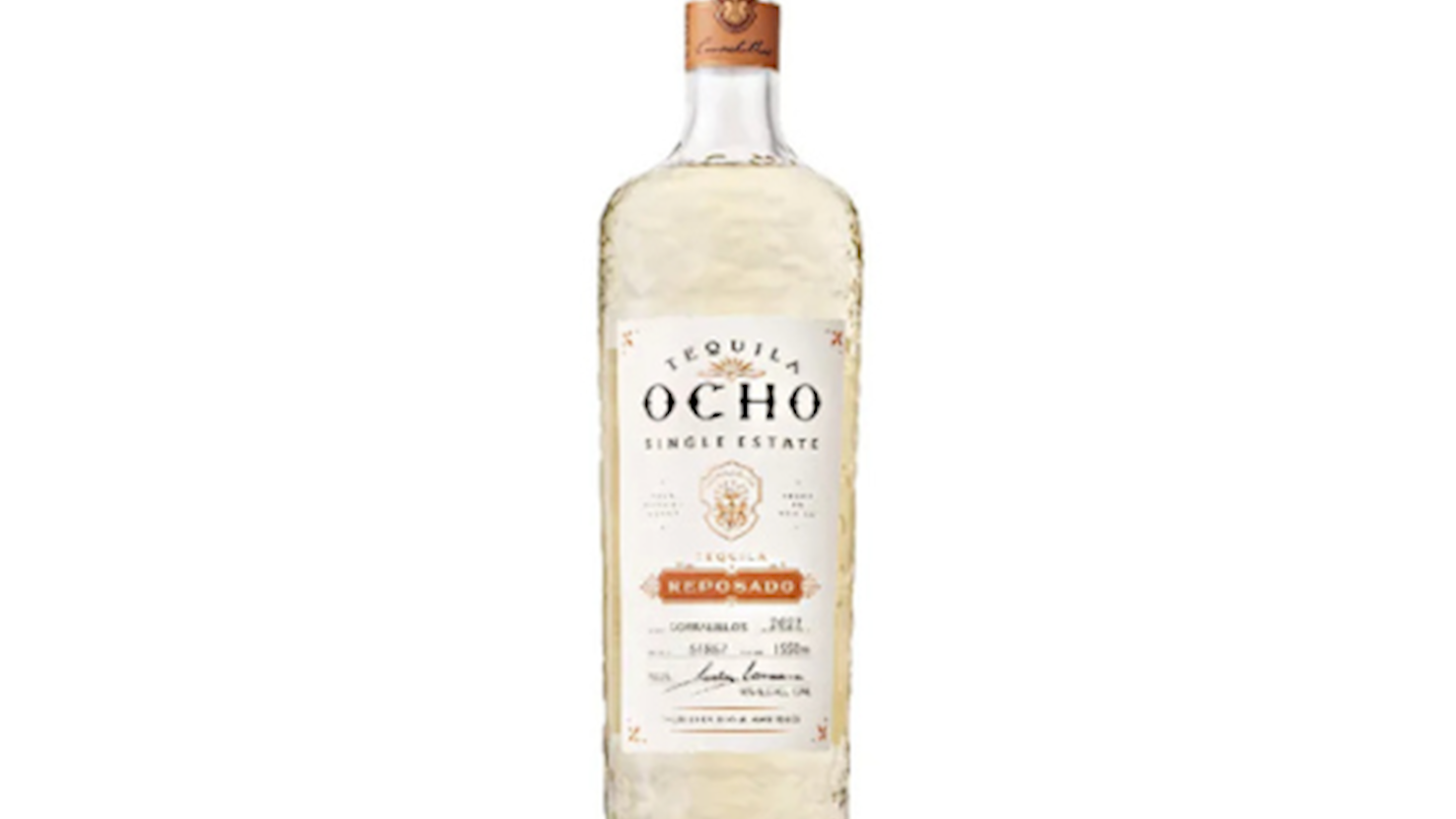
Ocho Tequila is a renowned producer of high-quality, artisanal tequila, celebrated for its commitment to tradition and transparency. Founded by Tomas Estes, a global tequila ambassador, and Carlos Camarena, a master distiller from a legendary tequila family, Ocho is known for being the first tequila to designate its production from specific agave fields, emphasizing terroir in its flavor profile. Crafted from 100% Blue Weber agave grown in Jalisco, Mexico, Ocho Tequila is produced using traditional methods, including slow cooking in brick ovens and natural fermentation. Each batch is made from agave harvested in a single estate, showcasing the unique characteristics of the land. Their lineup includes Blanco, Reposado, and Añejo expressions, all admired for their purity, complexity, and smoothness. Ocho is a favorite among tequila connoisseurs, embodying the artistry and heritage of authentic Mexican tequila.
Awards
SFWSC - San Francisco World Spirits Competition - Double Gold (2024, 2023)
USC- Ultimate Spirits Challenge - Chairman's Trophy (2023, 2022, 2021, 2020)
03

Mezcal Vago

5 ·
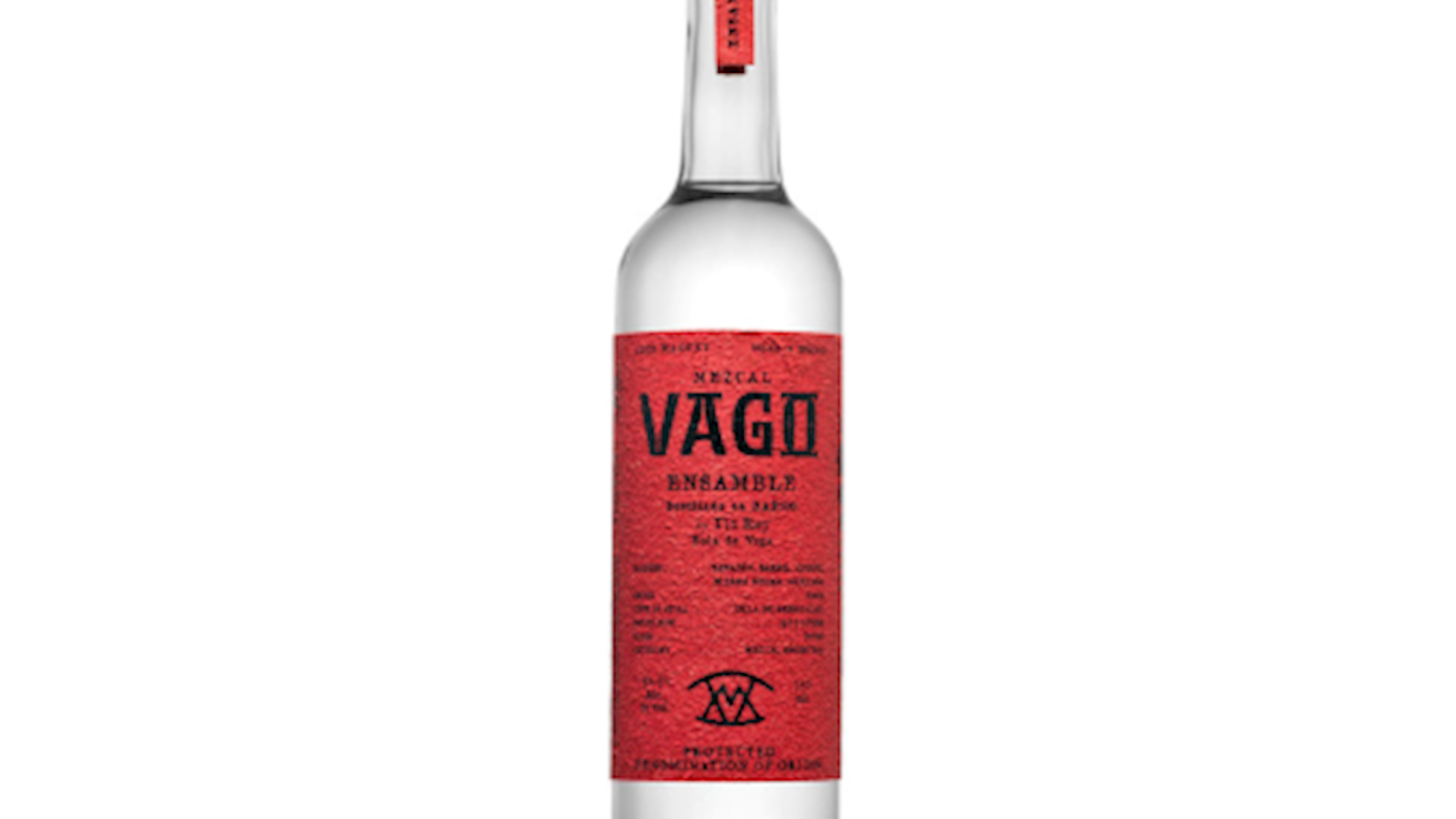
Mezcal Vago is a producer focused on small-batch, artisanal mezcals sourced from remote regions of Oaxaca, Mexico. The brand collaborates with four master mezcaleros, each using traditional methods passed down through generations. Their mezcals reflect the distinct terroir of the area and the unique craftsmanship of each producer. Mezcal Vago emphasizes authenticity, sustainability, and the deep cultural heritage of mezcal-making.
Awards
SFWSC - San Francisco World Spirits Competition - Double Gold (2024, 2023)
USC- Ultimate Spirits Challenge - Top 100 (2023, 2022, 2021, 2020)
04

Del Maguey

5 ·
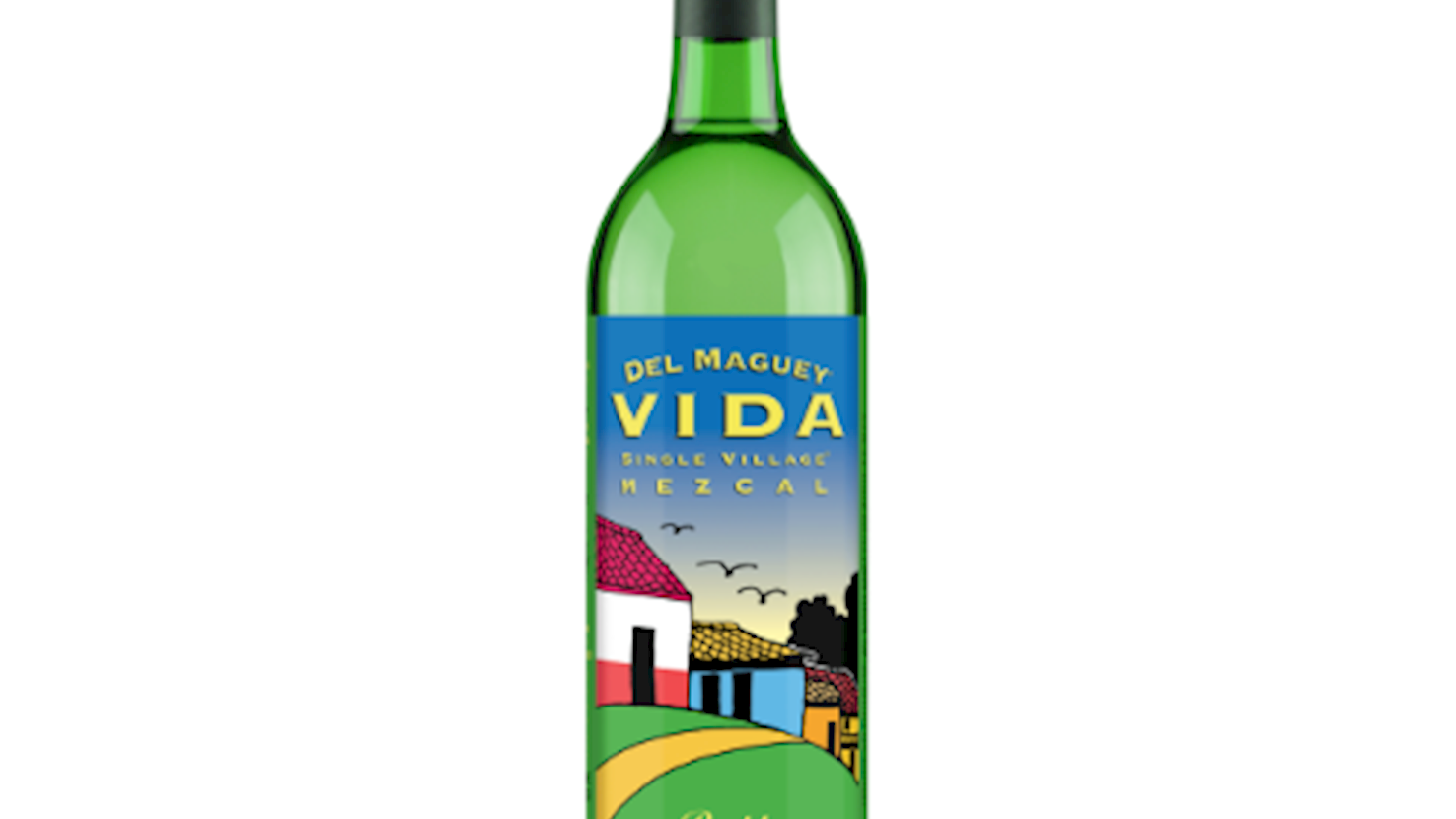
Del Maguey is a mezcal brand founded in 1995 with the goal of introducing traditionally crafted, village-produced mezcal from Oaxaca to the international market. The brand works directly with individual villages and family producers (palenqueros) who follow ancestral production methods, including roasting agave in underground pit ovens, natural fermentation, and distillation in copper or clay stills. Each bottling is identified by its village of origin, emphasizing differences in terroir, agave species, and artisanal technique. The portfolio includes the Vida collection, widely used in cocktails, as well as Village Tradiciones and Village Varietales expressions that highlight specific agave types and micro-regions. Flavor profiles range from smoky and mineral-driven to floral, fruity, and spice-accented, depending on the raw material and production style. Del Maguey is recognized as one of the key brands in the global expansion of premium mezcal, with a strong focus on authenticity, provenance, and the preservation of traditional distillation practices.
Awards
SFWSC - San Francisco World Spirits Competition - Double Gold (2024, 2023)
IWSC- International wine & spirit competition - Spirit Gold (2024)
05

Don Julio Tequila

5 ·
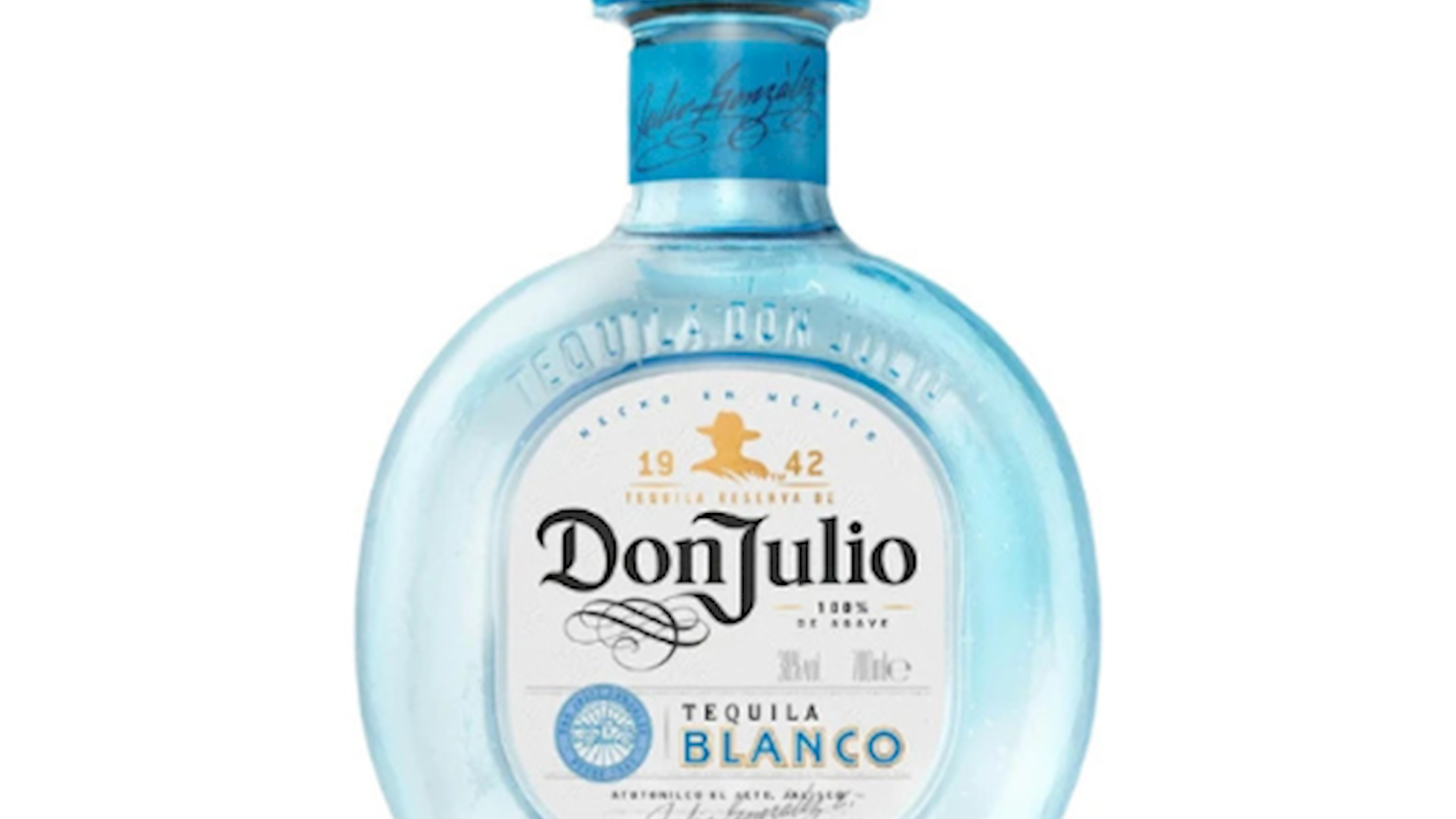
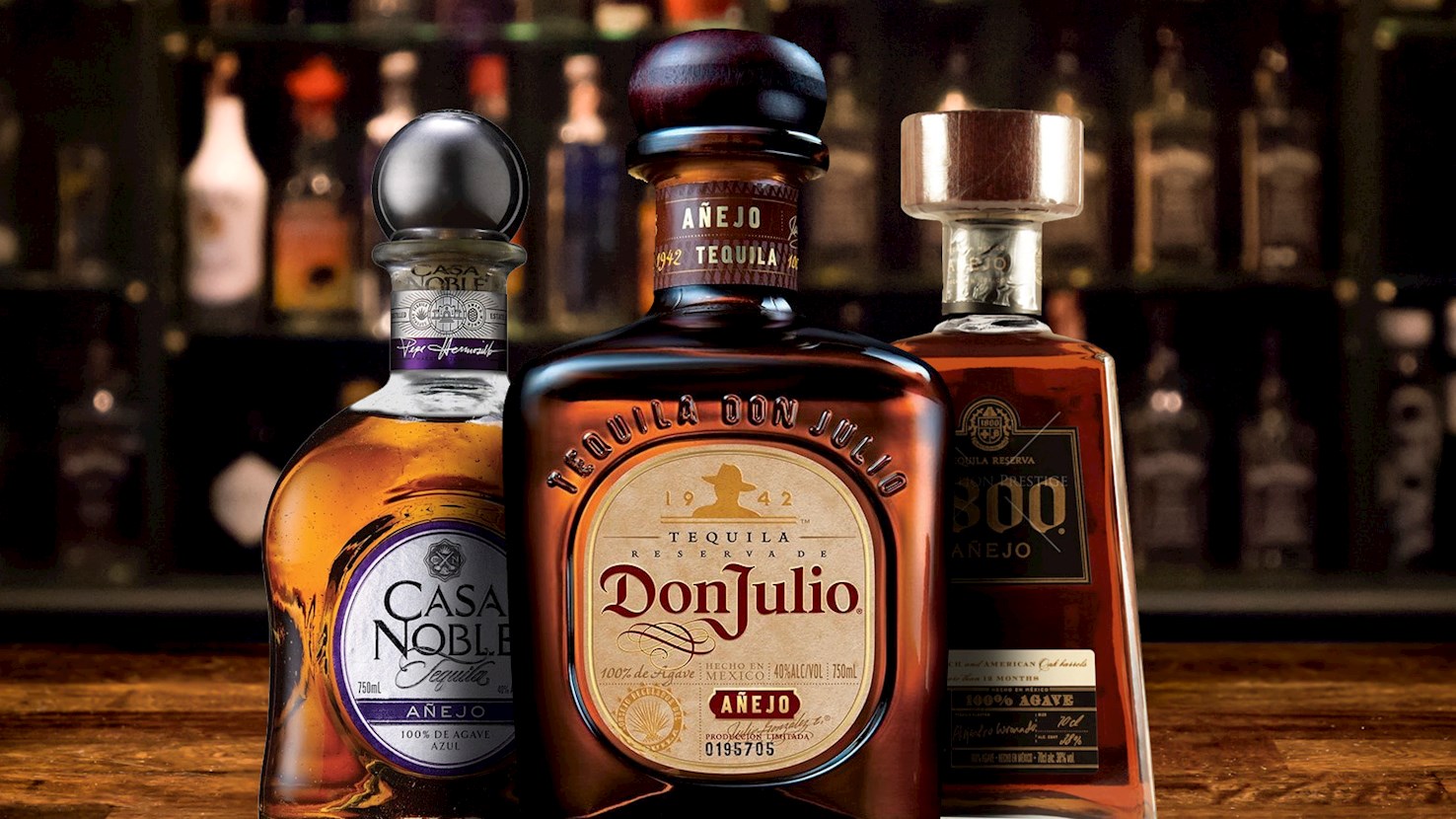
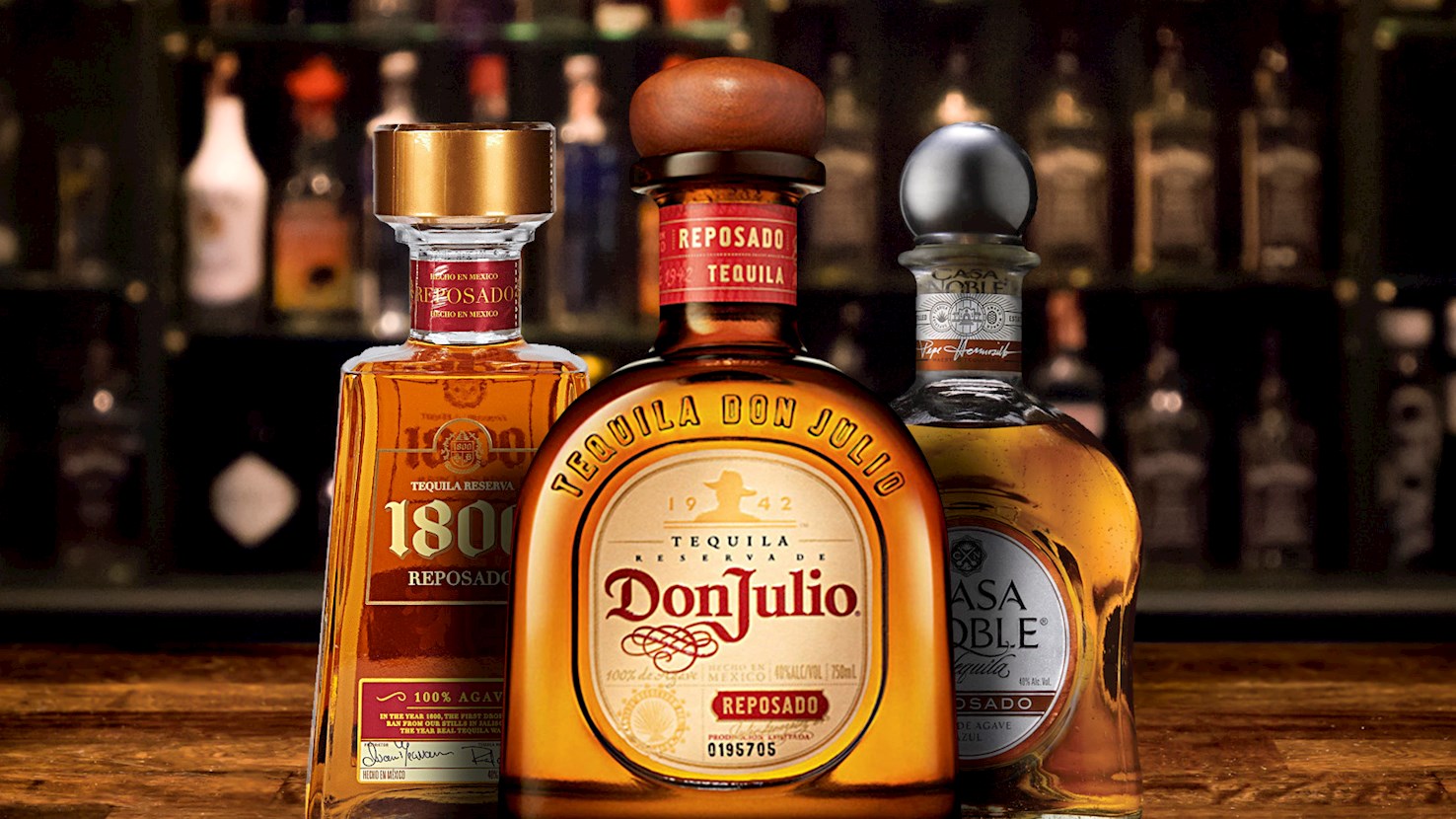
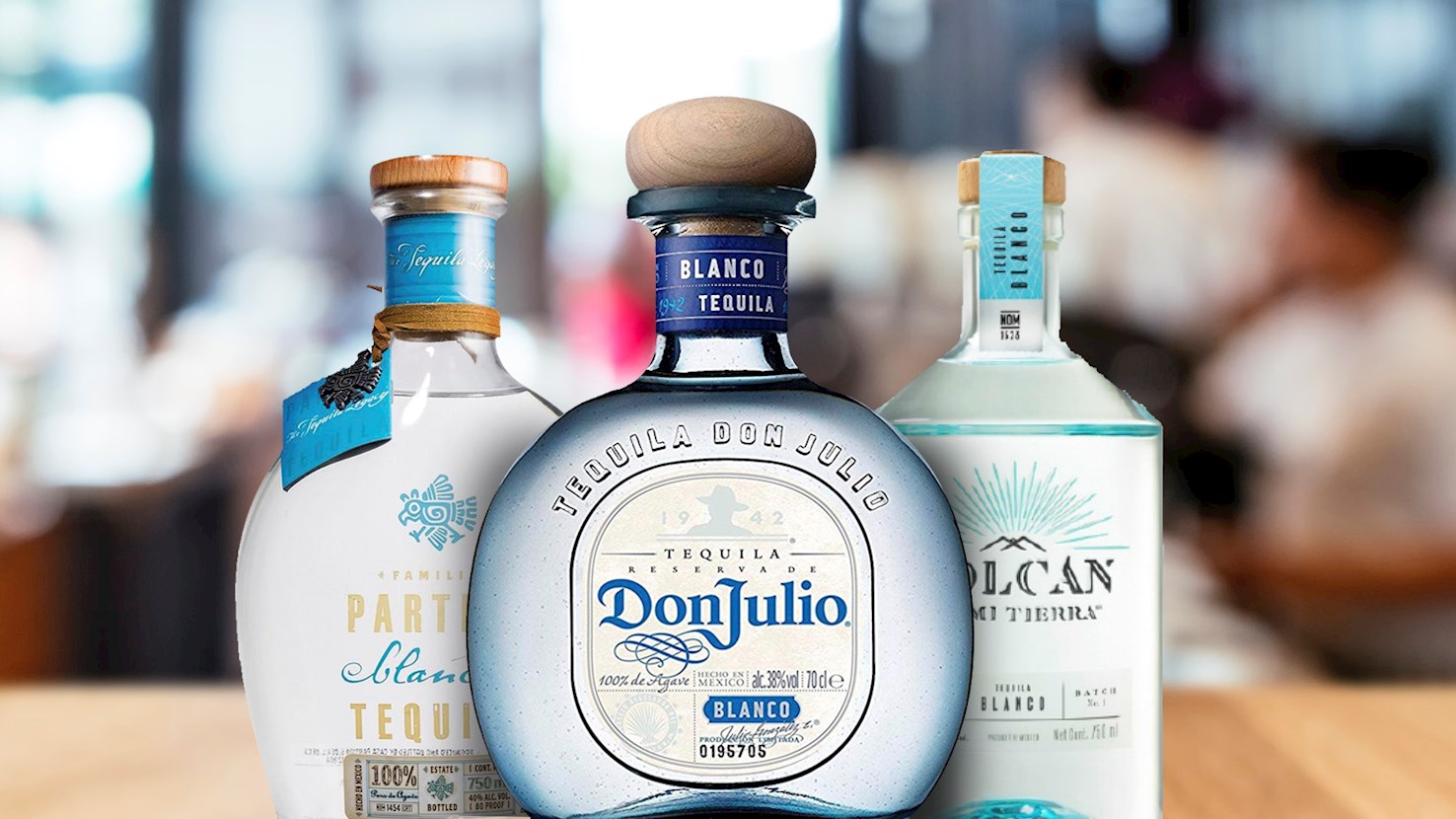
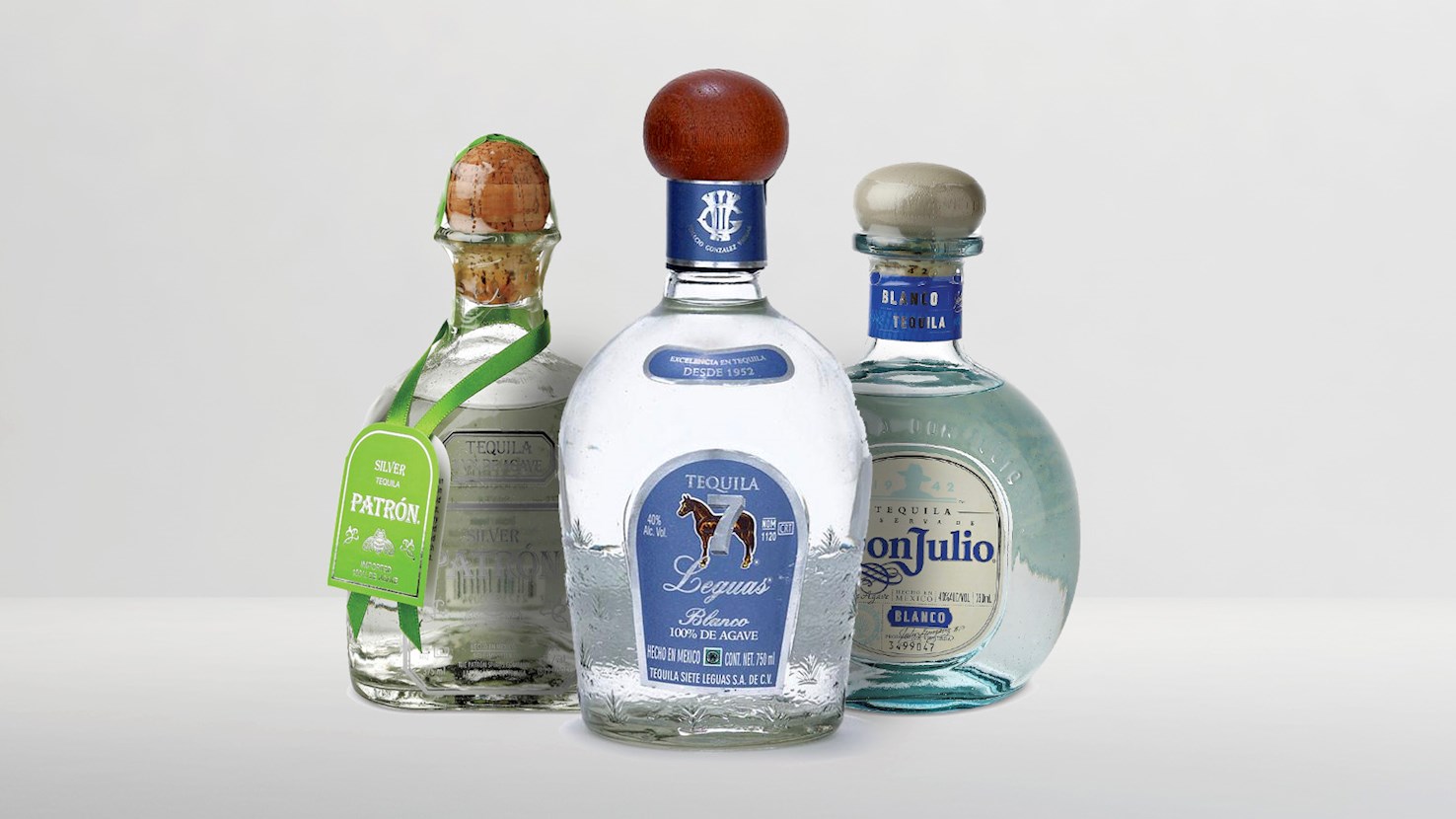
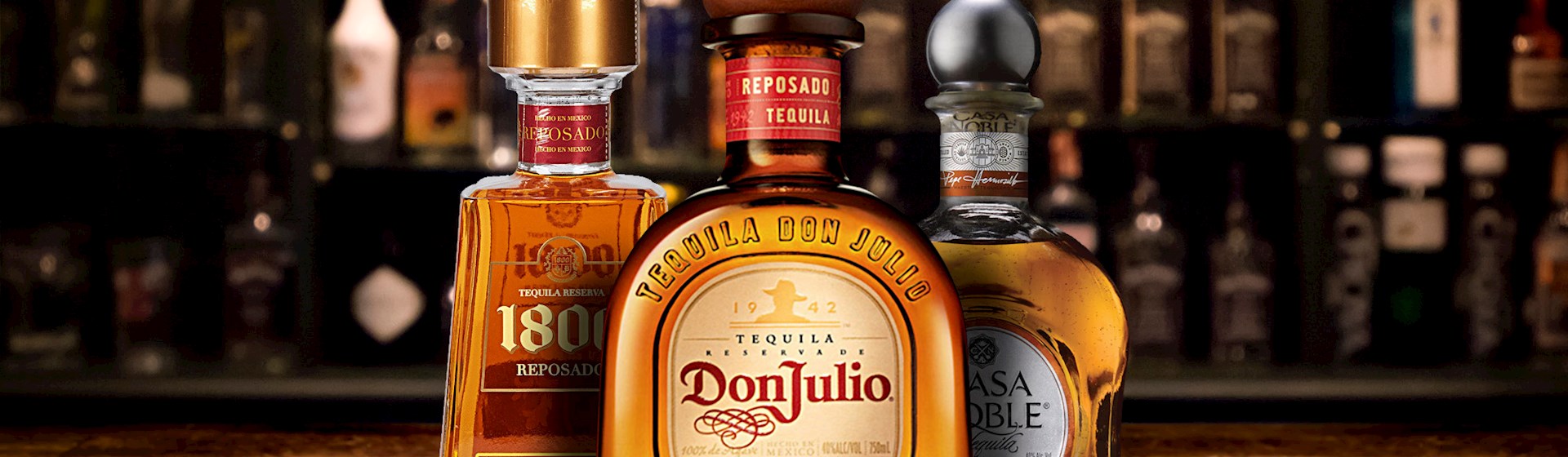
Don Julio Tequila is a prestigious tequila brand owned by Diageo, one of the world’s largest beverage companies. Known for its exceptional quality and craftsmanship, Don Julio was founded in 1942 by Don Julio González in Jalisco, Mexico, and quickly became a pioneer in the premium tequila industry. The brand emphasizes the use of 100% Blue Weber agave, combined with traditional production methods and aging techniques, to create smooth, refined tequilas. Under Diageo’s ownership, Don Julio has become a global leader in luxury tequila, celebrated for its rich flavor profiles and sophisticated offerings like Don Julio 1942 and Don Julio Añejo.
Awards
SFWSC - San Francisco World Spirits Competition - Double Gold (2024)
The Luxury Masters - Gold (2023)
06

Avion Tequila

5 ·
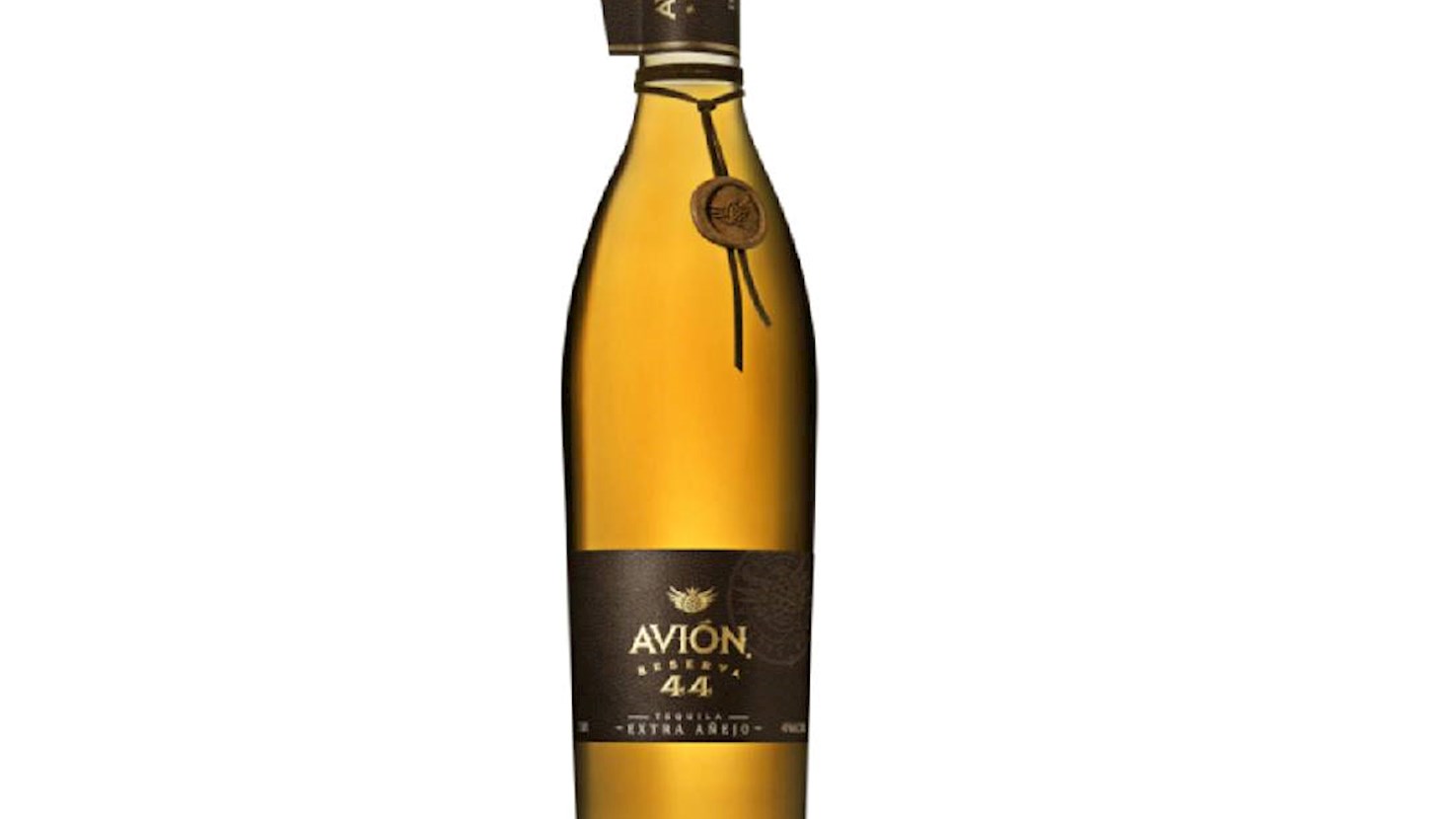
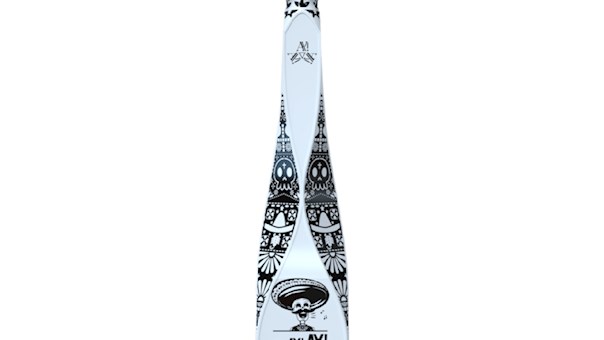
Tequila Avión is a premium tequila brand crafted in the highlands of Jalisco, Mexico, renowned for producing some of the finest blue weber agave in the world. The brand was founded with a commitment to creating tequila of unparalleled quality, utilizing traditional methods and a meticulous process that emphasizes purity and flavor. Avión is made from handpicked agave plants grown at high altitudes, which are known for their sweetness and complexity. The production process includes slow roasting the agave in brick ovens, followed by a meticulous fermentation and distillation process designed to preserve the agave's natural essence. Avión is further refined through a proprietary ultra-slow filtration method, enhancing its smooth and crisp profile. The tequila is available in various expressions, including Silver, Reposado, Añejo, and Reserva 44, each offering a unique balance of flavors and aromas.
Awards
SFWSC - San Francisco World Spirits Competition - Double Gold (2024, 2023)
IWSC- International wine & spirit competition - Spirit Gold (2023, 2021)
07

Don Fulano

5 ·
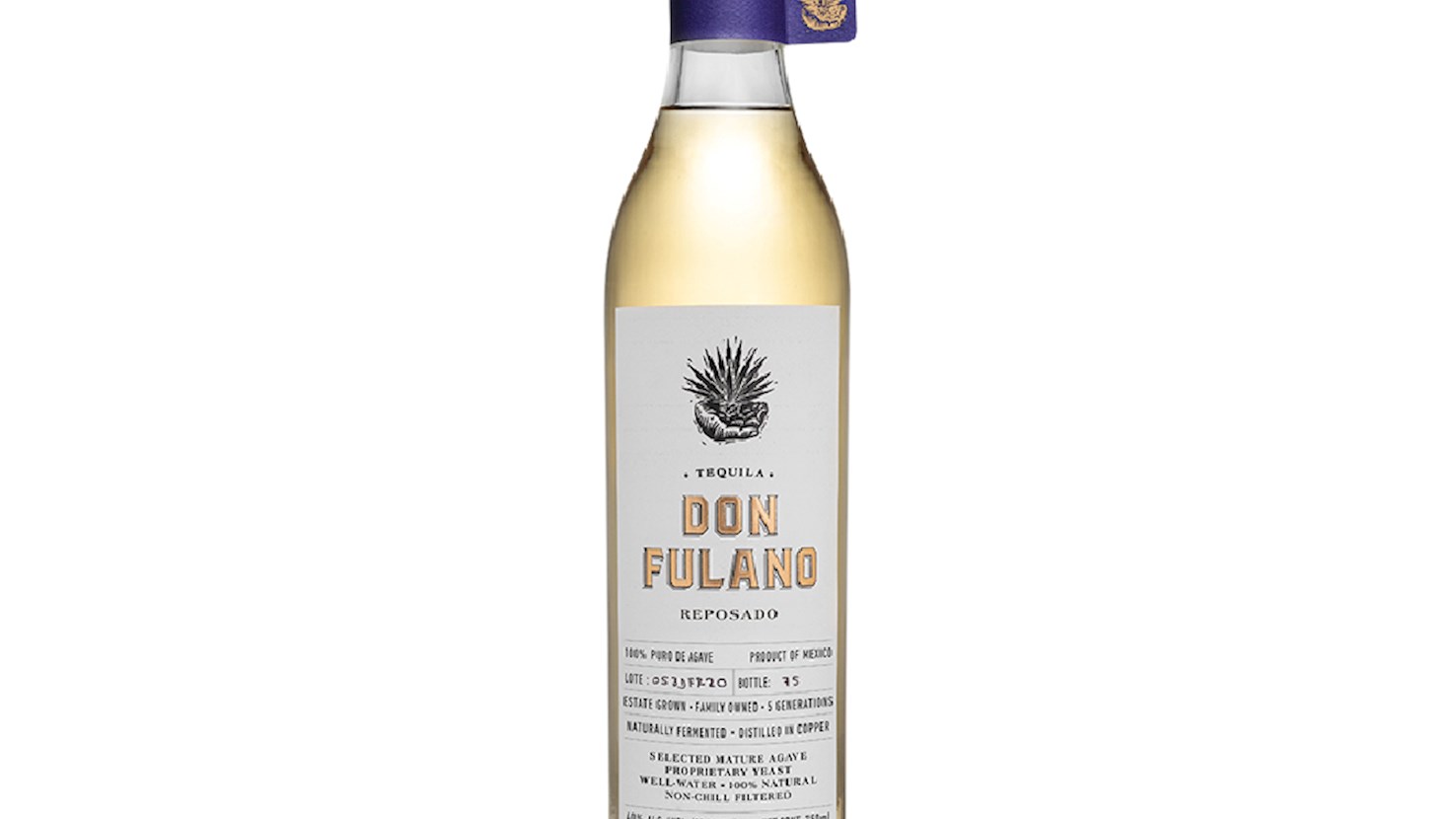
Don Fulano is a premium tequila brand rooted in the rich heritage of the Fonseca family, who have been cultivating agave in the Highlands of Jalisco, Mexico, for five generations. Their journey began over 140 years ago in Atotonilco, where they started as agave farmers before acquiring the historic La Tequileña distillery in the mid-1980s. This distillery, with over a century of history, became the foundation for producing their exceptional tequilas. Don Fulano tequilas are crafted using estate-grown, hand-selected mature agave, proprietary yeast, and natural volcanic spring water, ensuring a product that honors the natural gifts of the agave plant. The brand is recognized for its commitment to traditional methods and has garnered international acclaim for its quality and authenticity.
Awards
SFWSC - San Francisco World Spirits Competition - Double Gold (2024)
NYWSC - New York World Spirits Competition - Double Gold (2024)
08

1800 Tequila

5 ·
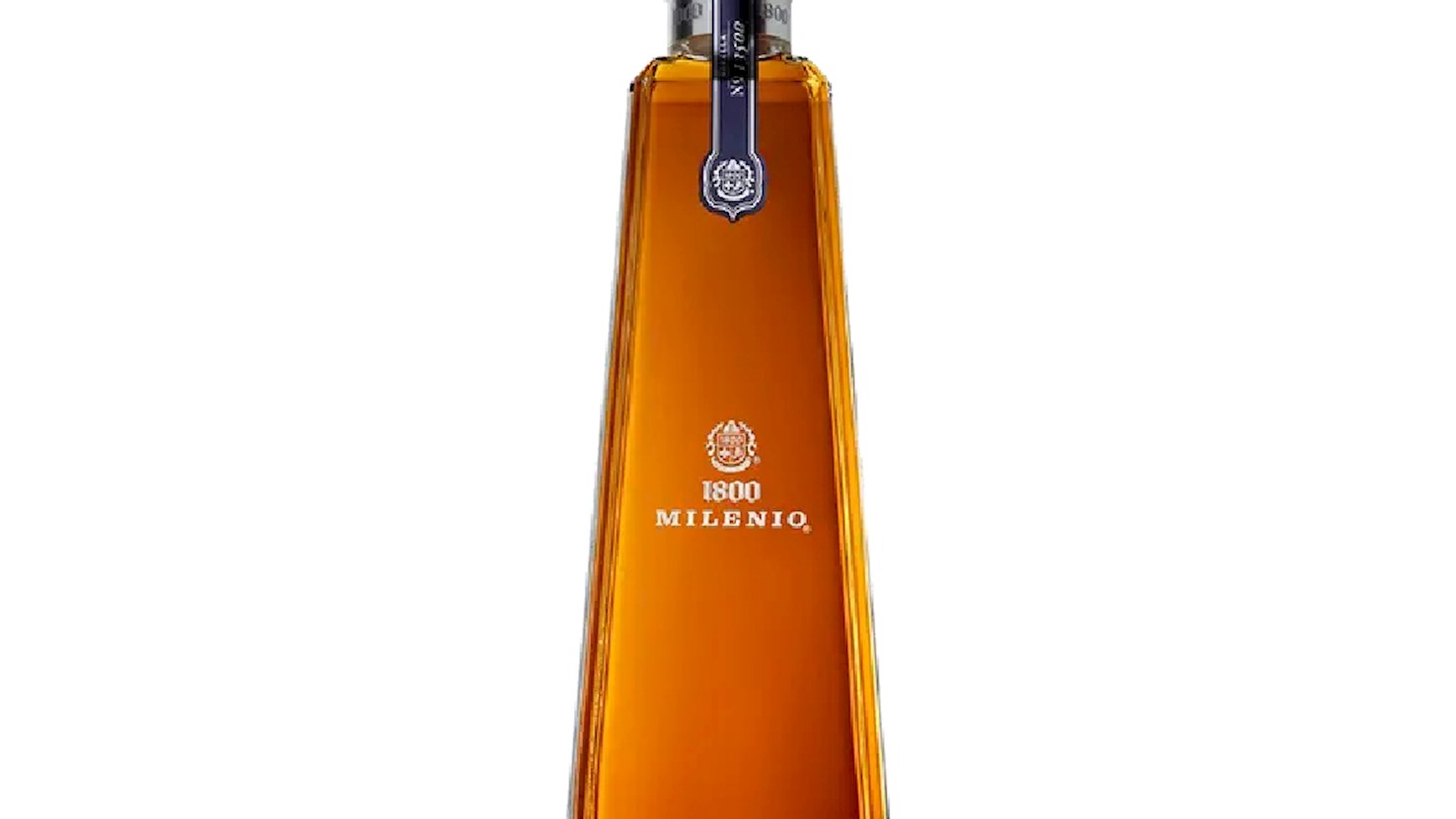
1800 Tequila, part of Proximo Spirits, is one of the oldest and most recognized tequila brands, crafted from 100% blue Weber agave harvested in Jalisco, Mexico. Known for its quality and variety, 1800 Tequila offers expressions ranging from Silver to Extra Añejo and specialty editions, including Cristalino and limited Artist Series releases. Each bottle showcases a commitment to tradition and innovation, making 1800 a staple in premium tequila.
Awards
SFWSC - San Francisco World Spirits Competition - Double Gold (2024)
NYWSC - New York World Spirits Competition - Double Gold (2024)
09

400 Conejos

5 ·
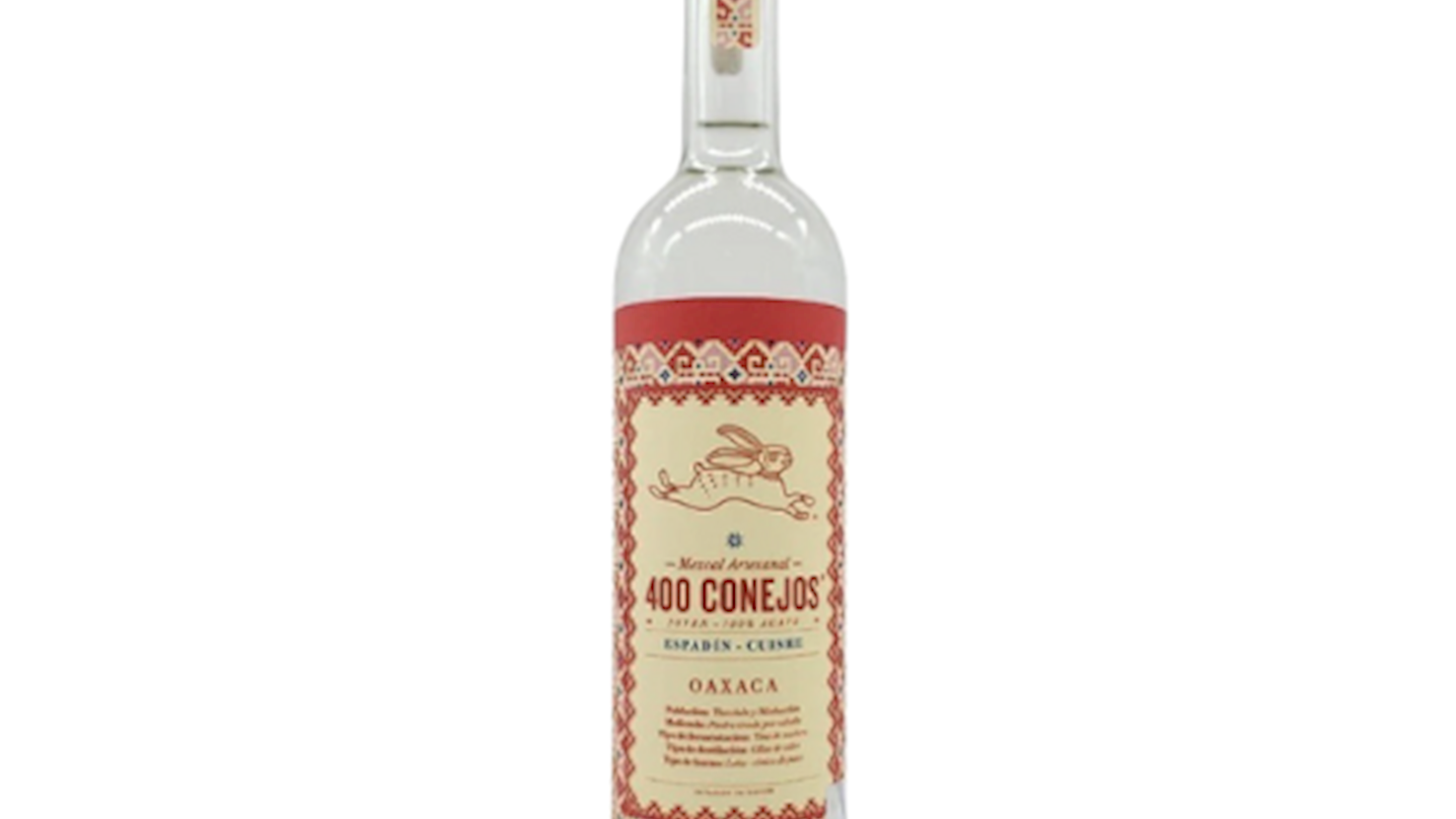
400 Conejos is a Mexican mezcal brand celebrated for its high quality and deep connection to traditional production methods. The name, inspired by Aztec mythology, symbolizes abundance, with "400 rabbits" representing the gods of intoxication. Their website showcases the brand's offerings, including various mezcal types crafted from carefully selected agave. It also provides cocktail recipes, serving tips, and insights into mezcal culture and heritage. By blending tradition with modern appeal, 400 Conejos promotes the richness of Mexican mezcal on a global scale.
Awards
NYWSC - New York World Spirits Competition - Double Gold (2023)
IWSC- International wine & spirit competition - Spirit Gold (2024)
10

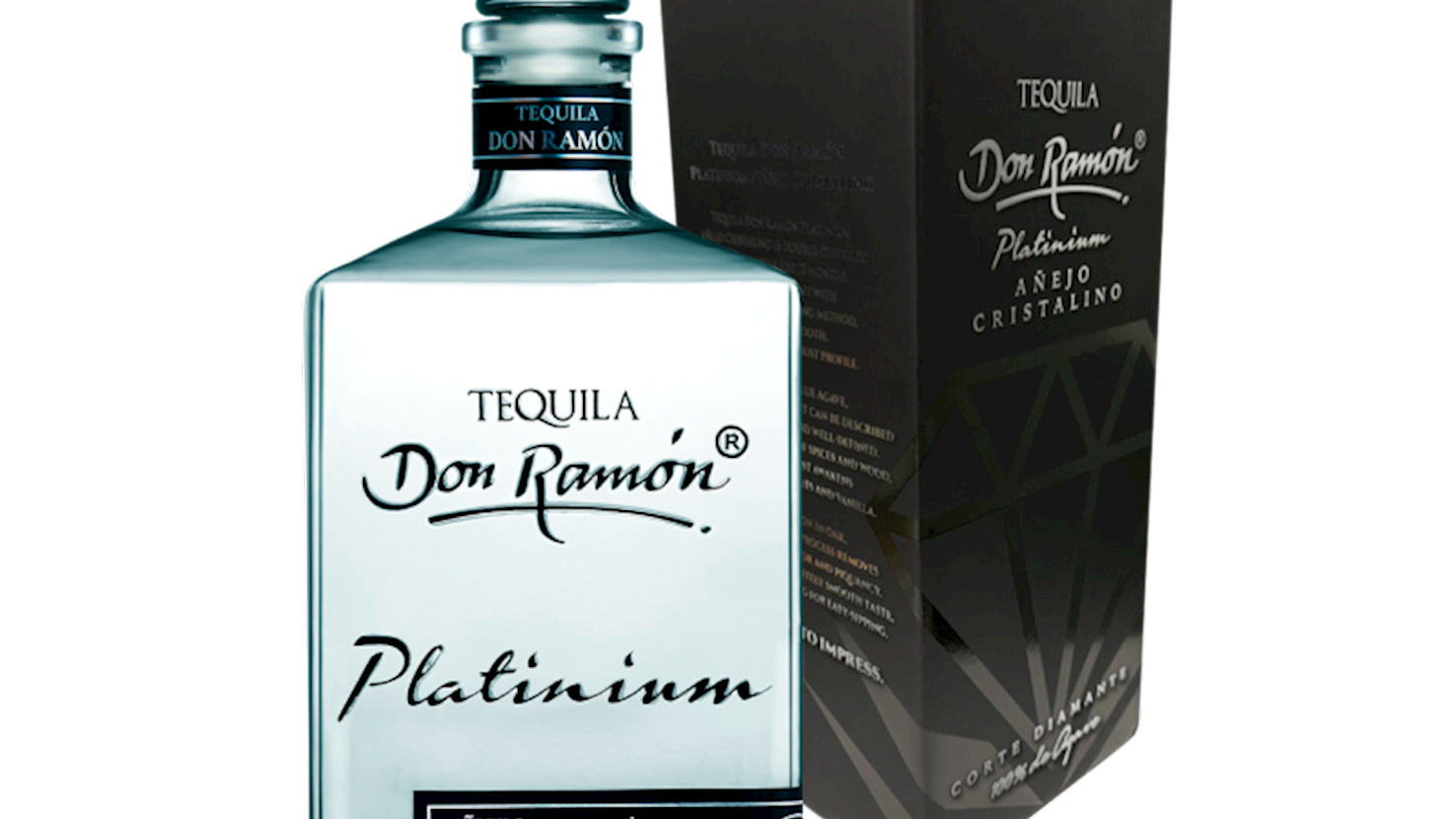
Casa Don Ramón

5 ·
Awards
SFWSC - San Francisco World Spirits Competition - Double Gold (2024, 2023)

Best Mexican Spirit Types
01

Añejo tequila

4.2 ·

Añejo is a tequila variety that has been matured for at least one year in oak barrels with a maximum capacity of 160 gallons (600 liters). The barrels are occasionally those once used for bourbon or cognac. This resting period in these barrels imparts a slightly darker golden hue to Añejo tequila, while its aromatic profile becomes more complex, and usually displays aromas of spices and vanilla.

02

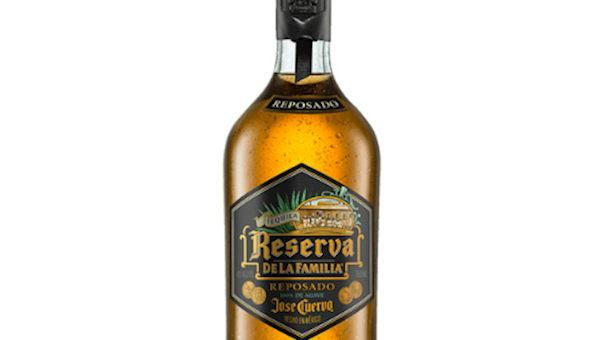
Reposado tequila

4.1 ·

Reposado is a tequila variety that has been aged for a minimum of two, and a maximum of twelve months, usually in French or American oak. This tequila is characterized by a pale golden color and mellow agave flavor. It is praised for its complexity and a great, subtle balance of agave and wood aromas. Reposado is the most common tequila variety enjoyed in Mexico.

03

Blanco tequila

4 ·

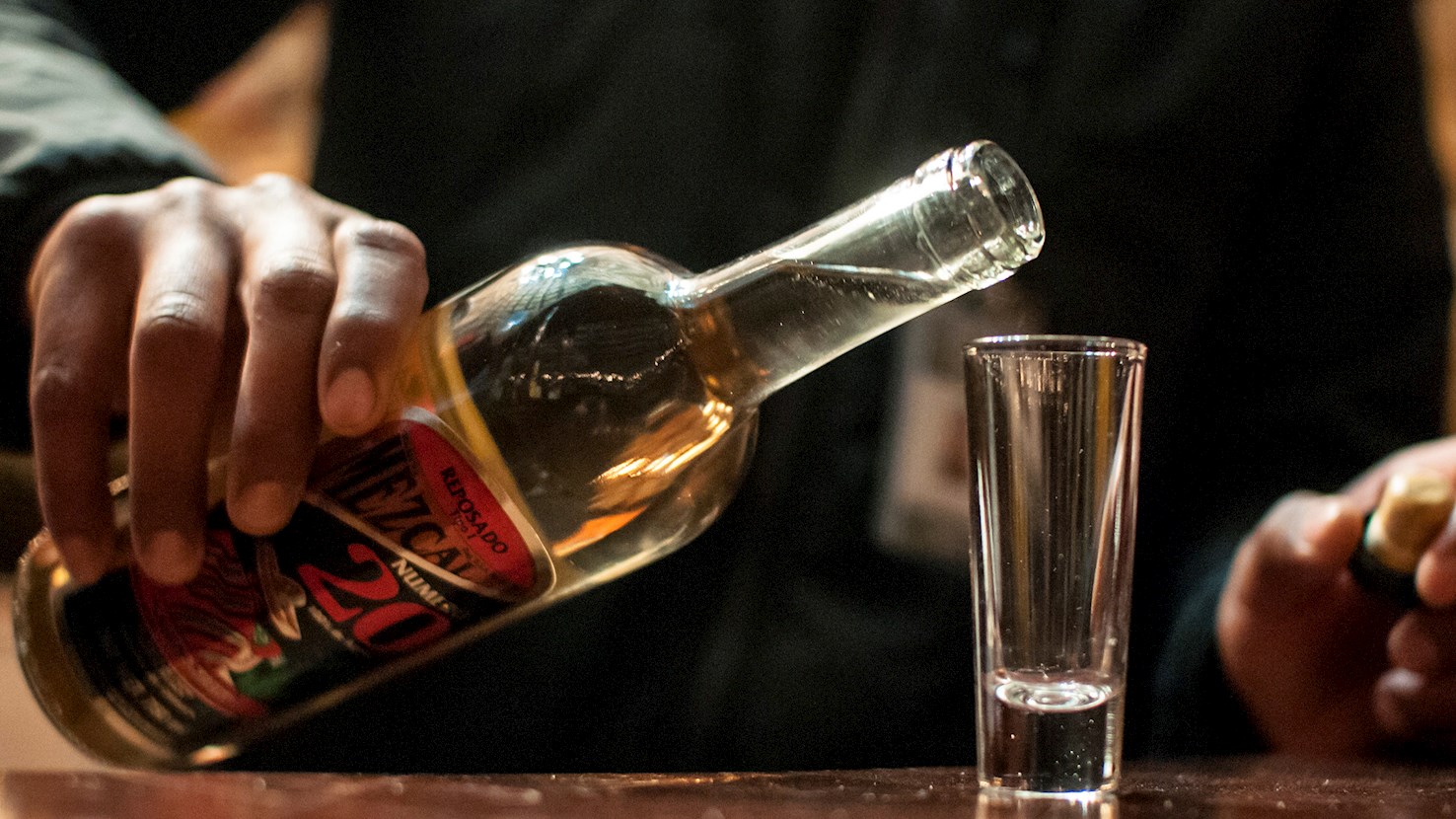
Blanco is a clear tequila variety that is usually not matured, and it is never colored. Soon after distillation, it is diluted to drinking strength, and it is then immediately bottled. This tequila shows a true agave character, especially if made with 100% blue agave, and it is usually quite potent. Blanco variety is usually enjoyed neat from shot glasses.

04

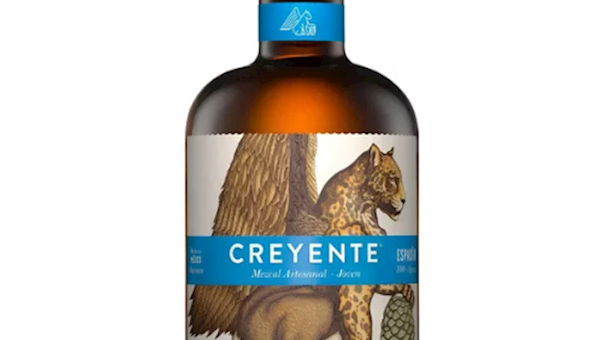
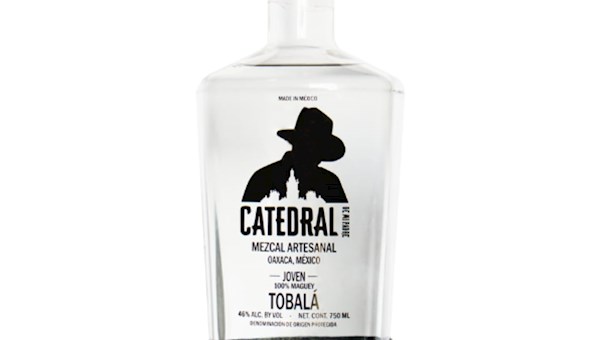
Mezcal

3.9 ·

This smoky Mexican spirit is produced from agaves that are grown throughout the country, but the main territory of mezcal production is in Oaxaca. Mezcal is traditionally prepared with agave hearts that are roasted in earthen pits and are then crushed to a pulp, which would later be distilled. Though some varieties are still made in this artisan way, mezcal is nowadays also commercially produced using modern ovens. Officially, it can be made in seven Mexican states and with over thirty types of agave, some of which only grow wild. It cannot, however, be made with blue Weber agave, which is used in the production of tequila. According to age, they are categorized as Joven, Reposado, Añejo, and Extra añejo. Mezcals have similar taste profile as tequila, but are slightly smokier and earthier, with hints of floral or ash aromas. In the 1950s, the spirit was infamous for red or golden worms that were found inside the bottles, but were only a marketing strategy and do not have any effects on the drink. High-quality, artisanal mezcals have recently been promoted into a fine sipping drink, but they also incorporate well in a variety of complex cocktails.

05

Extra añejo tequila

3.9 ·

Extra añejo tequila variety is matured for at least three years in oak barrels that have a maximum capacity of 160 gallons (600 liters). Longer aging time creates a drink of exceptional quality, and ultra-aged tequila varieties are typically incredibly complex, with a dark golden hue, and a mellow and long finish. They are occasionally marketed as Reserva and usually come with a high price tag.

06

Tequila

3.7 ·

This strong spirit originated in a small city of Tequila and was modeled on mezcal. The highly prized, original tequila varieties are made exclusively from fermented juices of blue Weber agaves, while other categories - known as mixto - must be distilled from a base that includes at least 51% of blue agave juices. Officially, tequila must be made in a designated region of Mexico. If aged, tequila is usually kept in oak barrels, and the process has considerable influence on the final fragrance and flavor. As the maturation period lengthens, tequila takes on spicy notes but becomes more mellow and elegant. Before bottling, it is usually cut with water, and in most varieties, the alcohol content does not exceed 40%. Basic unmatured tequila categories are Silver and Gold, while matured include Rested, Aged, and Ultra-Aged. Tequila was greatly popularized with the invention of Margarita—the most popular tequila-based cocktail—in the 1940s. However, its popularity soared when it was promoted as a youth drink, which was served as a shot, typically accompanied by salt and lemon or lime wedges. Recently, high-quality, 100% agave tequila varieties have seen an increase in production and sales, and are promoted as an exceptional sipping drink.

07

Joven tequila

3.4 ·

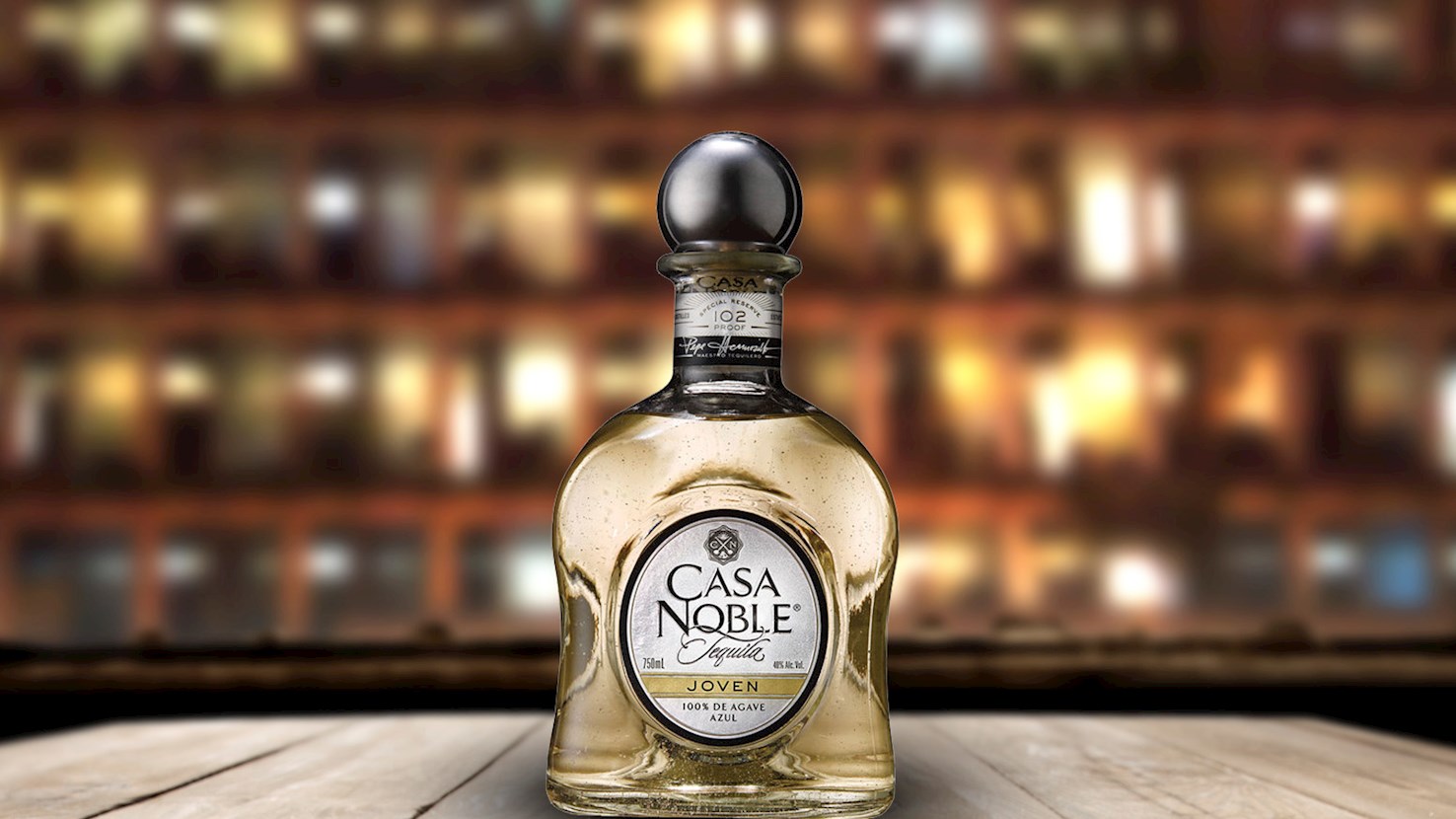
Joven is a tequila variety that is not matured, but it is usually colored with caramel, syrups, or other additives. In its basic form, Joven is a type of Blanco tequila that has been tinted to attain light golden color and to give tequila a slightly smoother flavor. This variety is commonly used in cocktails and mixed drinks, and it usually falls in the mixto category—meaning that is made with at least 51% of blue agave juices, while the rest can be produced with other types of agave.

08

Sotol

3.3 ·

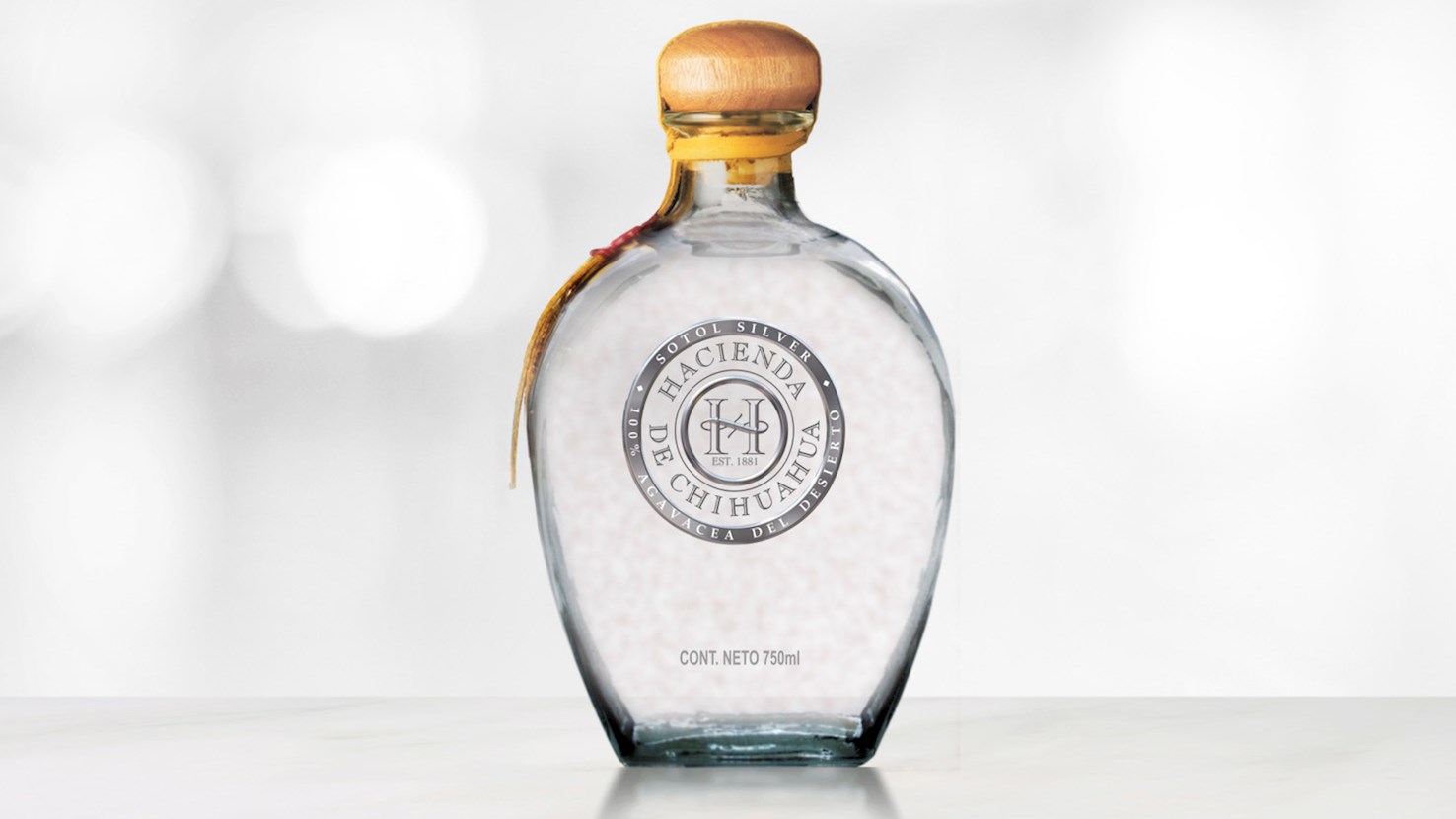
Sotol is a clear Mexican spirit distilled from a group of plants of the Dasylirion genus. The plants are known as sotol in Spanish, while the most common English term is the desert spoon. Sotol is an ancient Mexican spirit, often dubbed as a close relative to tequila and mezcal. It is mainly produced in Chihuahua. The drink is made by roasting, fermenting, and then distilling piña—the center of the plant. The final result is a drink with a smoky character similar to mezcal. The flavor is smooth and mellow, and the drink has a long-lasting, warming finish. In Mexico, sotol is served neat, and it should be sipped. It is also promoted as an excellent cocktail ingredient.

09

Pox

2.9 ·

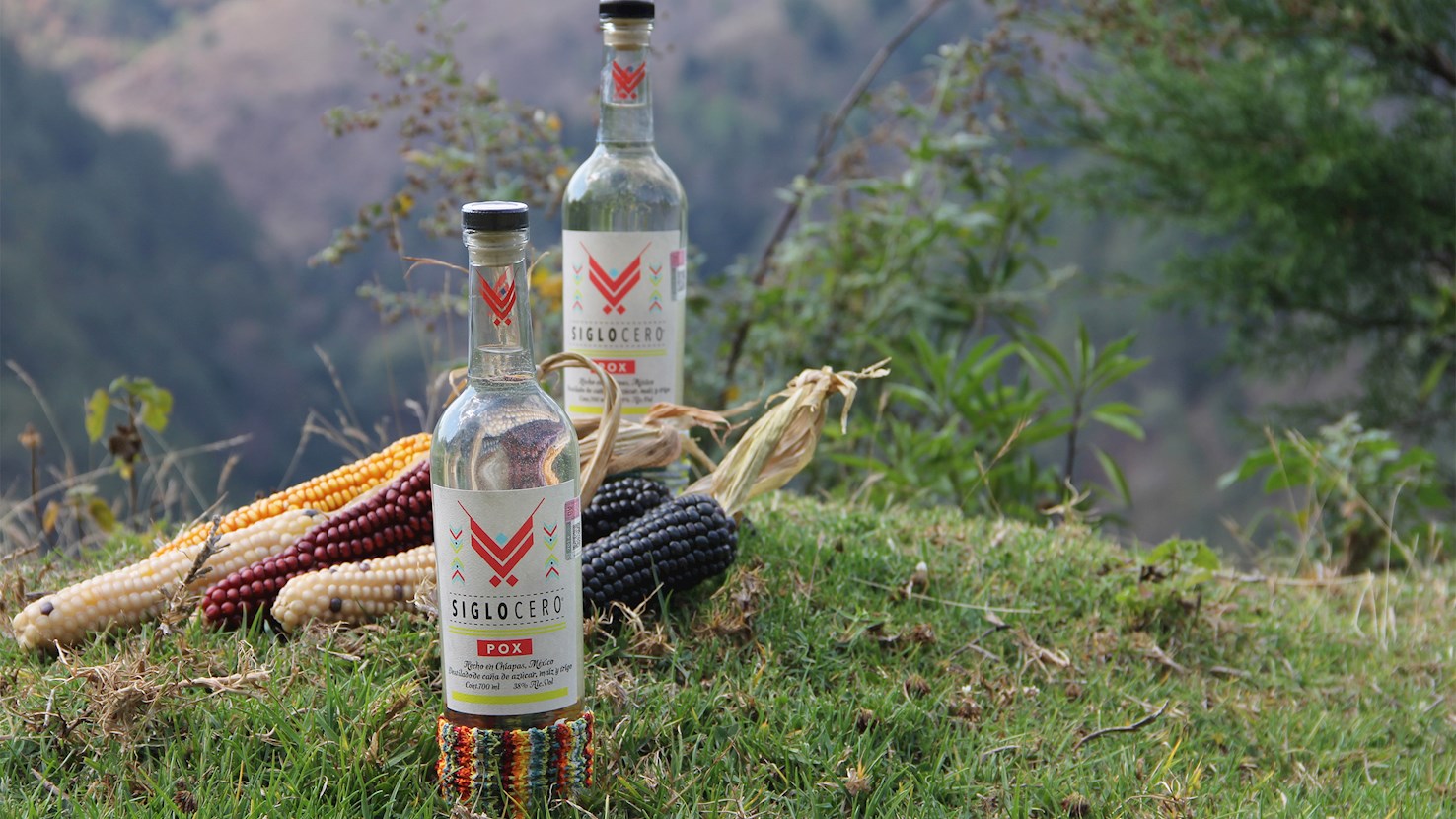
Pox (pronounced posh) is a ceremonial, corn-based Mexican drink that originated among the Tzotzil Maya in Chiapas. Originally fermented and made with corn, pox is nowadays often distilled and includes wheat, sugar cane, and because of its unregulated status, possibly some other additions. Since the production is not controlled, there are many pox variations, but it is usually potent, subtly sweet, and lightly smoky. It can be distilled once or twice, and it also comes in flavored versions. The drink has a long and vague history, but it was allegedly one of the symbols of resistance during the Spanish colonization. It was rarely seen outside Chiapas, and it was mostly used during religious ceremonies. The first commercially-sold examples started to appear in the 2000s in San Cristobal de las Casas, and in 2012, the government allowed its sales outside its native region. Pox soon began to pop out on the restaurant and bar menus, and it caused the appearance of specialty pox shops, known as posherias. However, pox is still rare and mostly available in Mexico. The character of this indigenous spirit can vary, but the drink is traditionally enjoyed neat, sometimes accompanied by garnishes such as coffee-dusted oranges or jicama. It can also work well as a cocktail ingredient.

10

Bacanora

2.6 ·

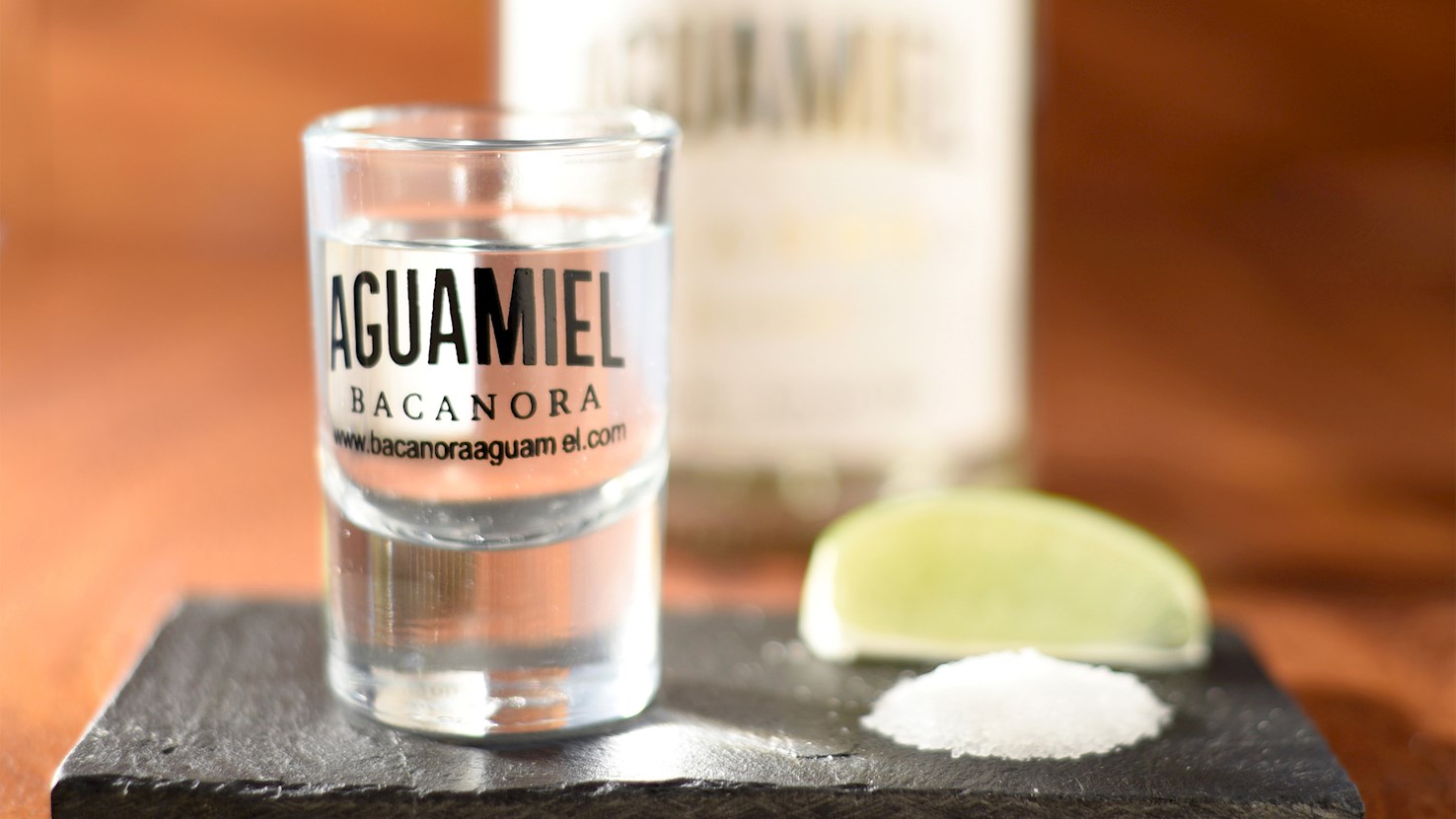
Bacanora is a native Mexican spirit exclusively made in the Sonora region. It is made with a specific type of agave called Pacifica (agave Angustifolia). Despite its turbulent history, in 2000, this once outlawed spirit has been awarded a denomination of origin status. Bacanora is a type of mezcal and a close cousin to tequila. It tends to be smoother than mezcal, while it typically has more smoky notes than tequila. Due to specific terroir, bacanora attains distinctive, complex character, smoky nuances, and an earthy finish. Bacanora has a long and rich history, but in the early 1900s, the government issued a ban on its production and consumption. It was only in 1992 that the ban was lifted. Following the decision, the tradition of making bacanora was slowly revived in Sonora. Bacanora is produced by mashing and fermenting roasted agaves. The mash is typically twice distilled, cut with water, and bottled between 40-50% ABV. Sometimes, the spirit is infused with anise or uvelama fruits. The spirit was named after the town of Bacanora in Sonora.

Best producers
Read more
View all
View map
About this ranking

TasteAtlas food rankings are based on the ratings of the TasteAtlas audience, with a series of mechanisms that recognize real users and that ignore bot, nationalist or local patriotic ratings, and give additional value to the ratings of users that the system recognizes as knowledgeable. For the “Top 84 Mexican Spirits” list until June 10, 2026, 1,301 ratings were recorded, of which 696 were recognized by the system as legitimate. TasteAtlas Rankings should not be seen as the final global conclusion about food. Their purpose is to promote excellent local foods, instill pride in traditional dishes, and arouse curiosity about dishes you haven’t tried.

The initial list of top producers was compiled based on available reviews, awards, local recommendations, media and blog coverage, and consumer reviews. The list will be updated with ratings from TasteAtlas local ambassadors and TasteAtlas users.

Similar lists