


shutterstock

Top 56 French Stews

Last updated on June 15, 2026
01

Beef bourguignon

4.2 ·

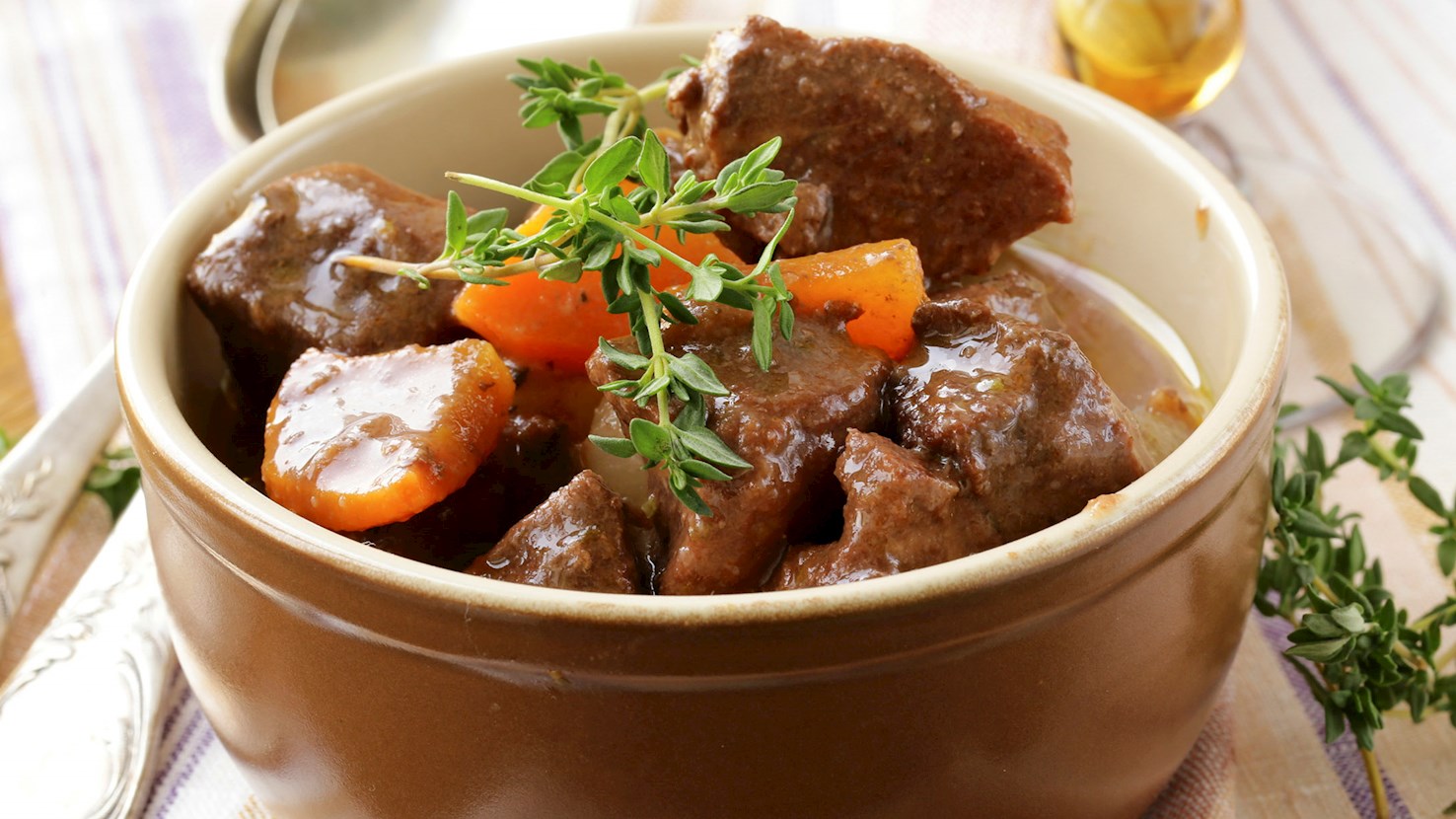
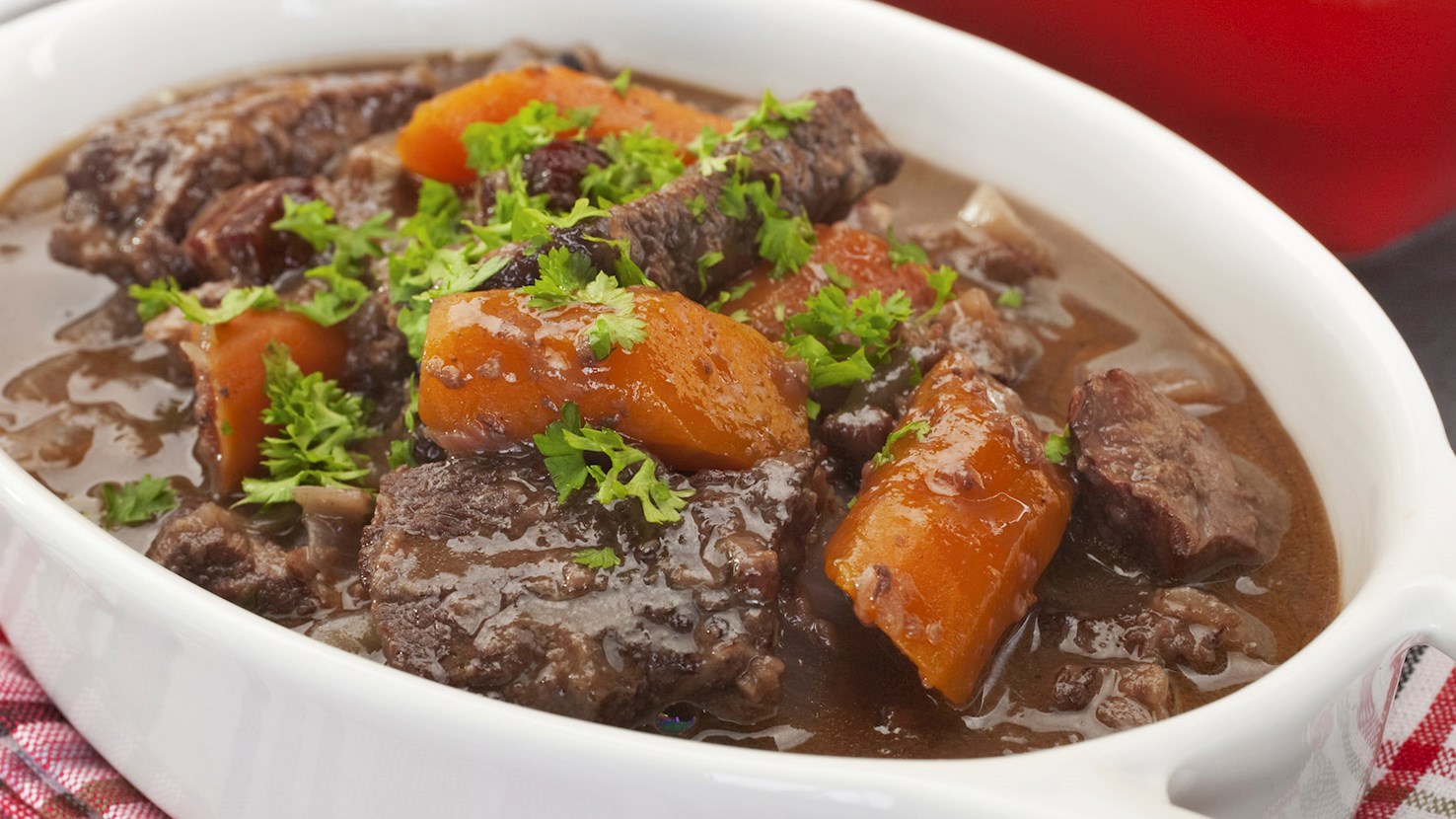
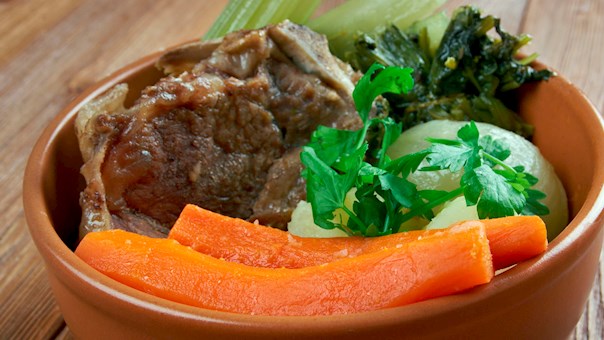
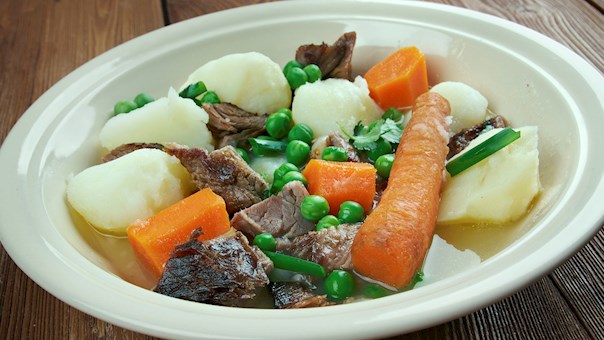
Beef bourguignon is a rich and complex stew originating from the region of Burgundy in France. The star of the dish is a robust red Burgundy wine, which is used to soften and tenderize tough cuts of Charolais beef, along with savory additions such as carrots, onions, garlic, thyme, and mushrooms. The ingredients are simmered for a long time until the meat is completely soft and succulent, and all the juices have blended into a hearty, dark sauce. Some say that the dish tastes even better after it has been refrigerated for 24 hours and then reheated. Beef bourguignon dates back to the Middle Ages, when the slow-cooking process was used to soften tougher cuts of meat using only the ingredients that were readily available. Pairing a serving of beef bourguignon with a full-bodied red Burgundy makes for a true gourmet delight.

02

Coq au vin jaune

4.1 ·

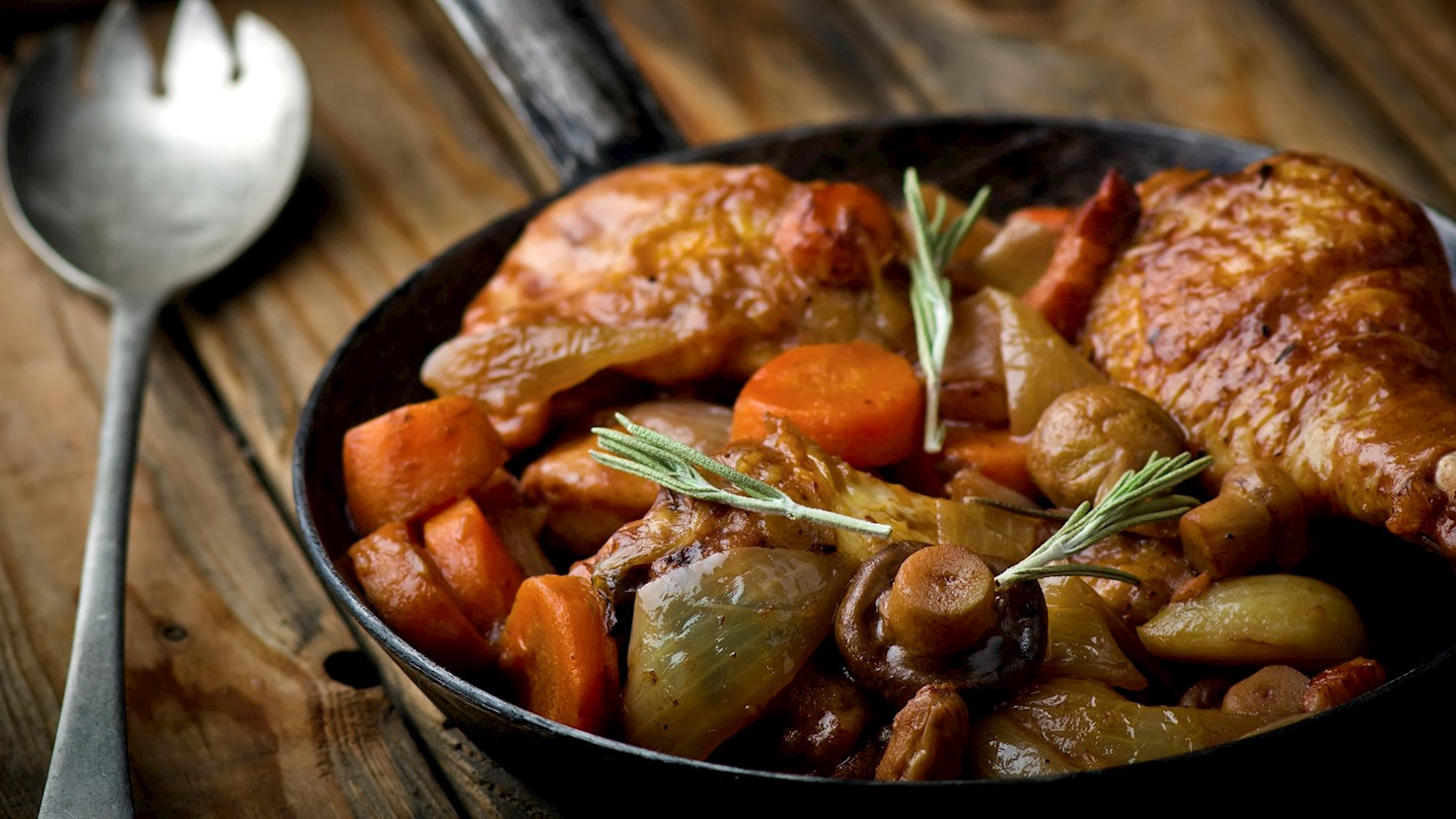
Along with coq au Riesling, coq au vin jaune is another variation on the classic coq au vin. Instead of red wine, coq au vin jaune incorporates yellow or white wine. The best vin jaune is found in the French region of Jura, but any yellow or white wine can be used instead of it. Light and sweet flavors and various colors make it a great summer dish, although the classic coq au vin is considered a typical winter dish. Morel mushrooms are commonly used in the preparation of coq au vin jaune, giving it a unique flavor and aroma. It is recommended to pair the dish with a glass of light white wine on the side.

03

Blanquette de veau

4 ·

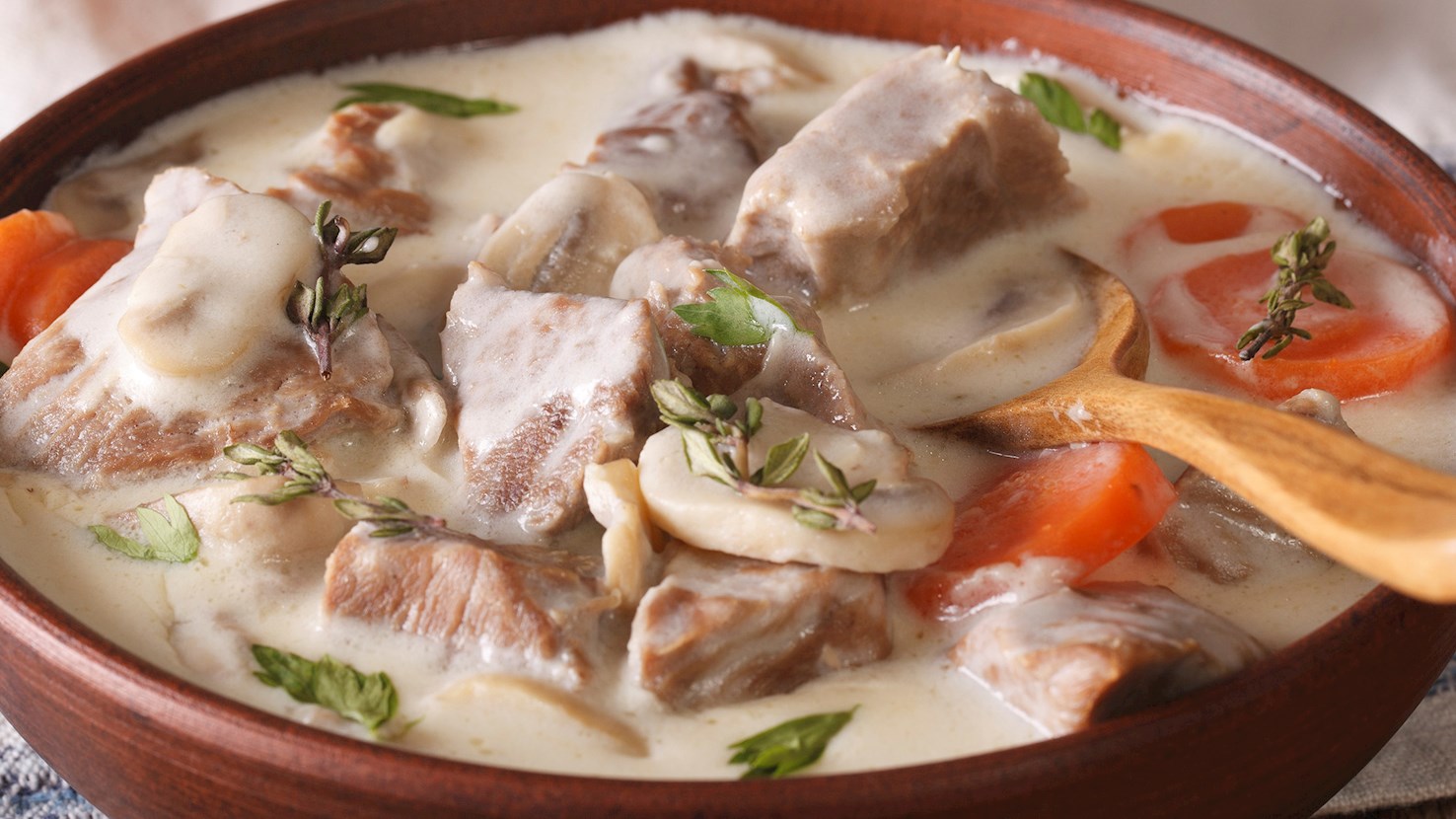
Often considered an institution of French cuisine and the mother of all French dishes, this is the ultimate home cooked meal – traditional and bourgeois, yet simple and flavorful. Blanquette de veau is a veal stew (often with mushrooms and onions) in which neither the veal nor the butter is browned during cooking. The ingredients are cooked en blanquette, meaning that they are simmered in white stock or water with various seasonings, resulting in a decadent and creamy white sauce. The first recipe for blanquette de veau hails from the 1739 edition of Les Dons de Comus, in which the author references its long tradition. The dish is usually served with rice, but carrots, leeks, and cucumbers also make great accompaniments to this gem of French cuisine.

04

Daube

4 ·

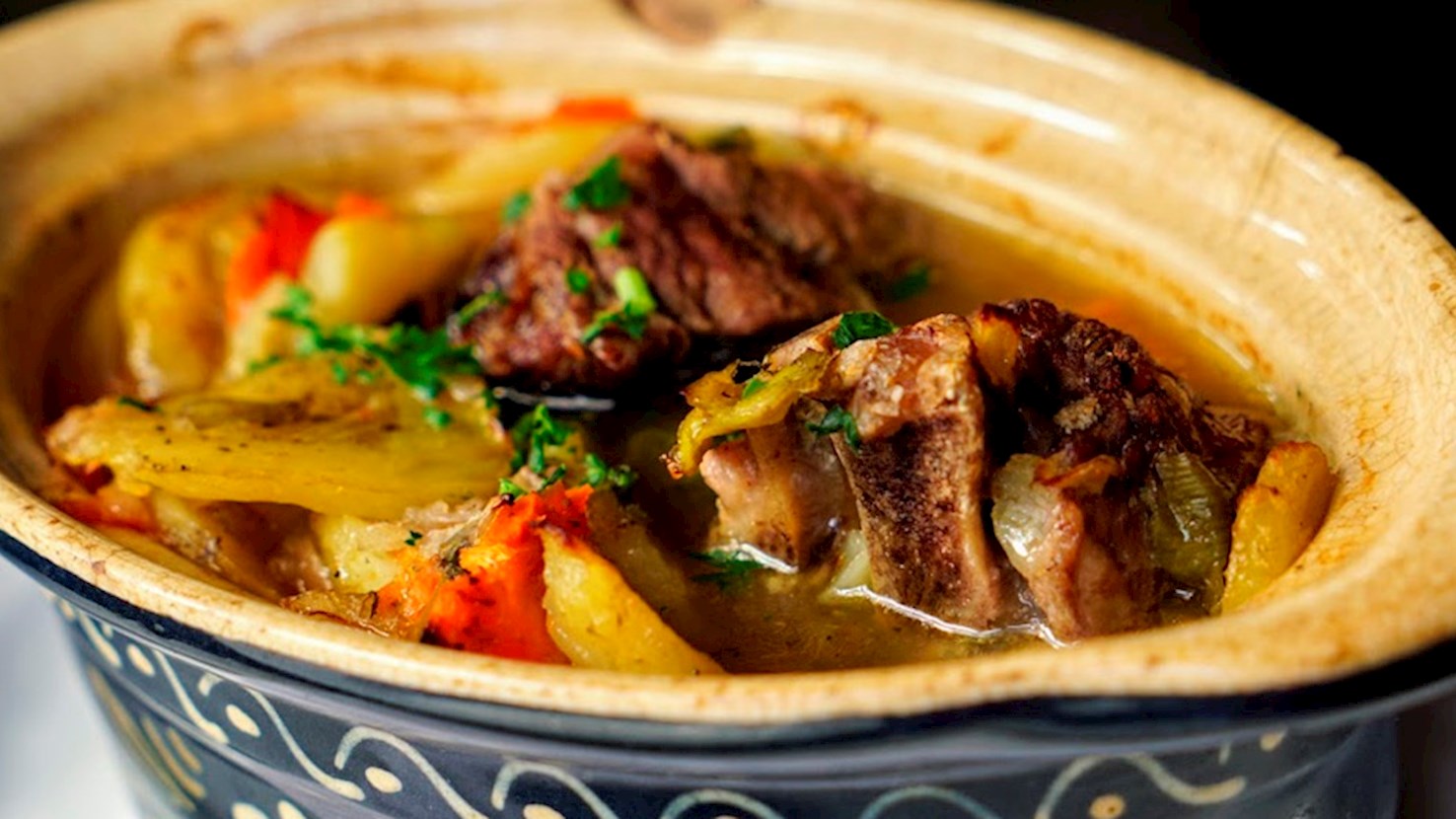
Daube is a hearty Provençal stew consisting of meat (mostly beef, but other meats like lamb can be used) that is simmered low and slow in wine with various vegetables and seasonings such as cinnamon, cloves, thyme, bay leaves, and peppercorns. Preparing daube is a time-consuming process in which the ingredients are added in layers, with the meat on the bottom and the spices and vegetables on top. Traditionally, the stew is prepared in a special earthenware vessel called a daubiére, which is specially shaped to stop the evaporation of the flavorful cooking liquids. Some cooks even seal the lid with a paste made of flour and water. The popularity of daube has led to the creation of numerous regional varieties of the stew, and it is often served with la macaronade, flat macaroni cooked in a sauce made from the braising juices mixed with a bit of white wine and some mushrooms. Some claim that the dish tastes even better when reheated – in which case it is called nougat de boeuf in Provençal.

05

Coq au vin

4 ·

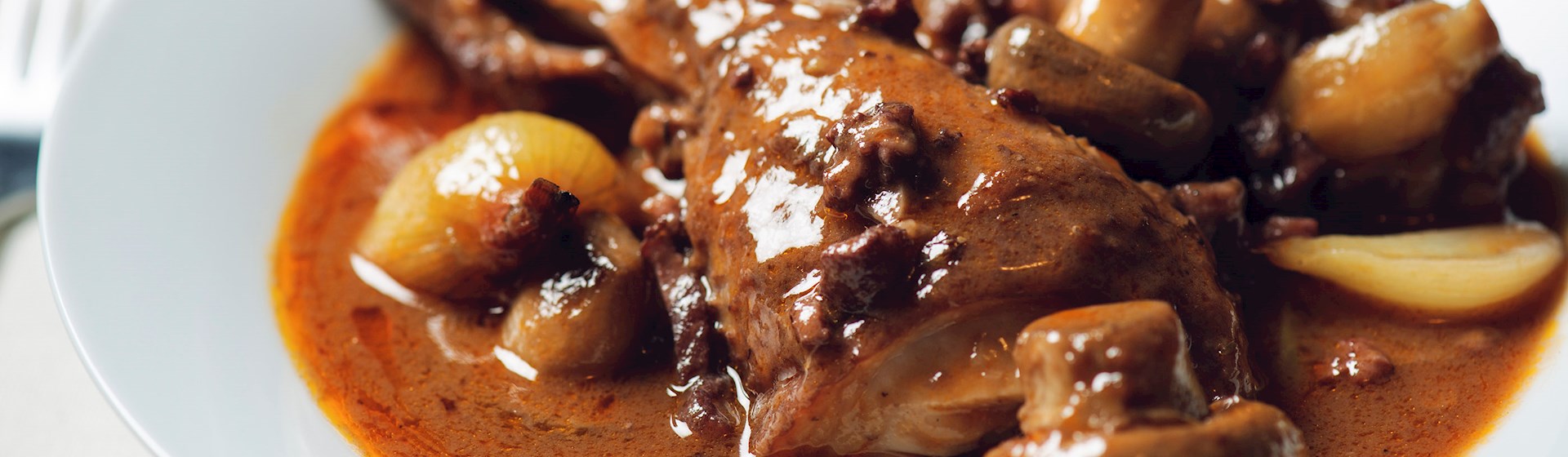
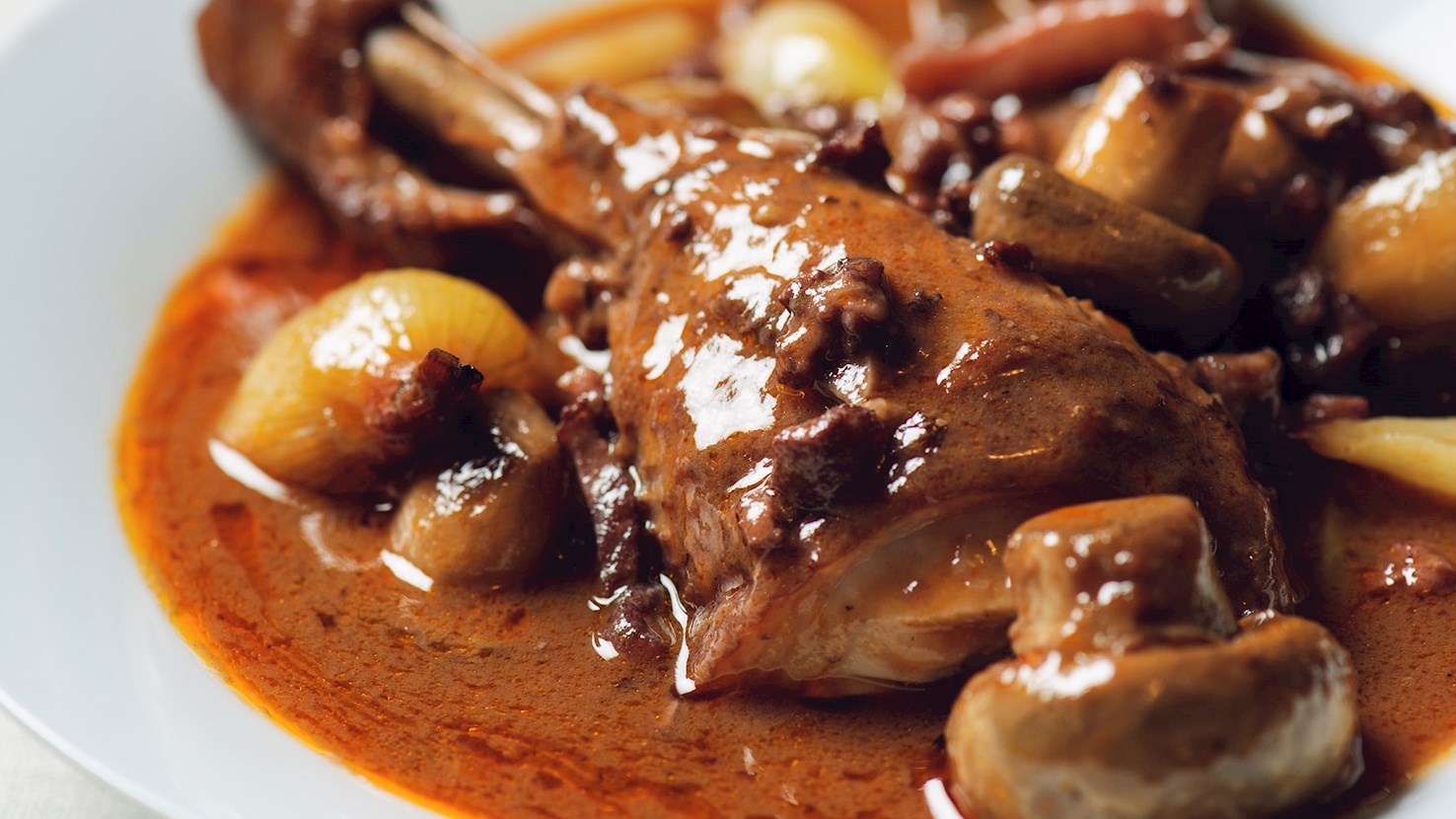
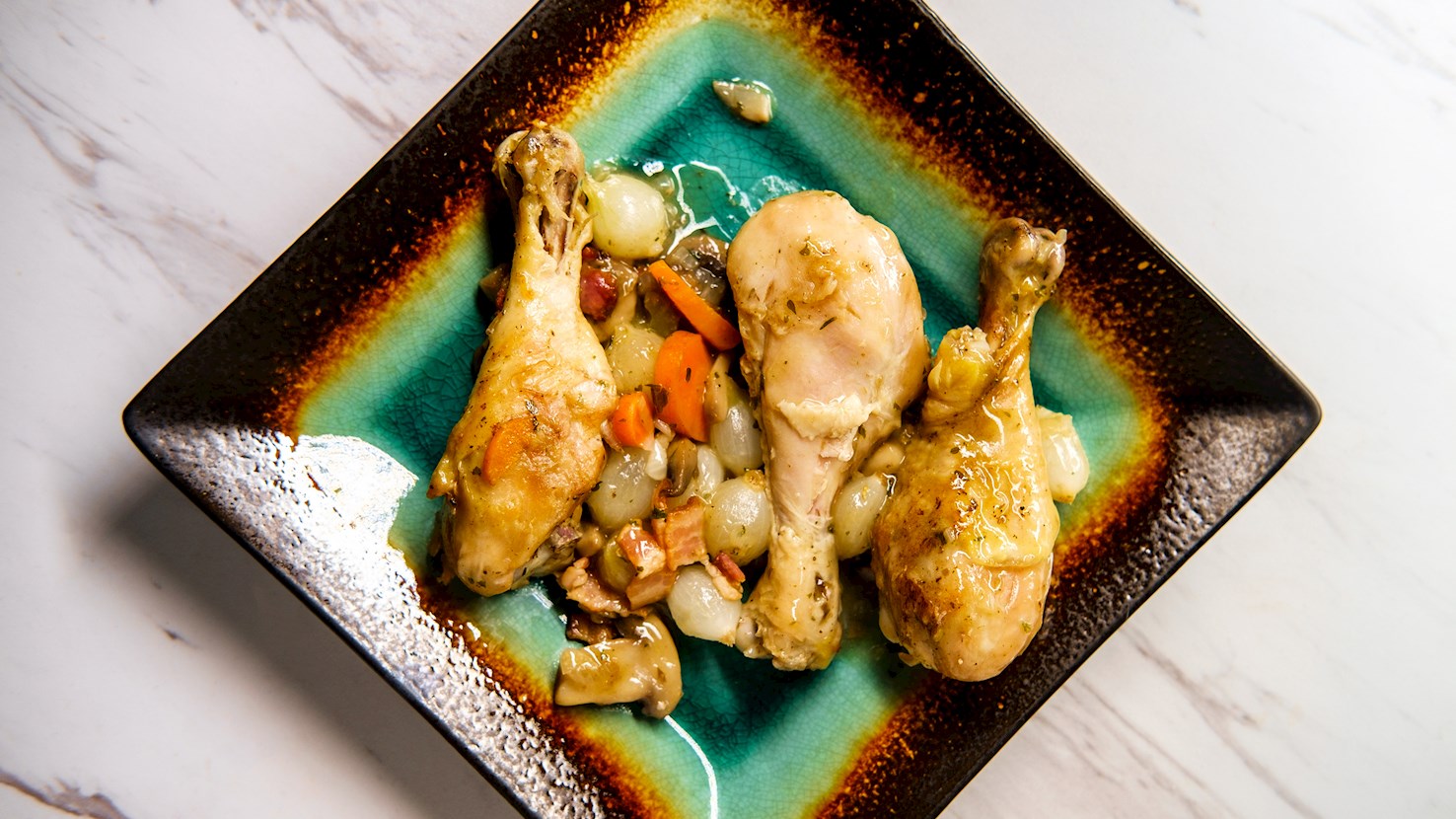
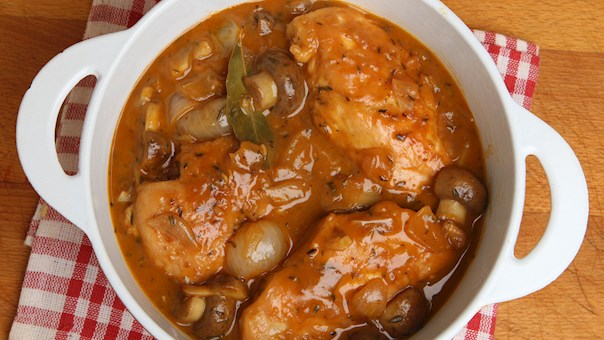
This classic peasant stew hails from the French region of Burgundy. This dish is the perfect showcase for the harmonious coexistence of its two main ingredients – coq, or rooster, and vin, or wine, in this case a bold, rustic red wine. The rooster is cut into sections and combined with rooster's blood, onions, carrots, garlic, thyme, bay leaves, parsley, mushrooms, salt, pepper, and a hefty dose of red wine. The ingredients are then slowly cooked over low heat until the meat becomes tender. One of the first documented recipes for coq au vin dates back to 1913, when the French natural philosopher and zoologist Mathurin Jacques Brisson stumbled upon the dish in the Chaîne des Puys region. Julia Child later popularized the recipe among English-speaking audiences on her TV program The French Chef. This simple "drunk chicken" dish is often accompanied by steamed or boiled parsley potatoes or buttered noodles.

06

Bouillabaisse

3.9 ·

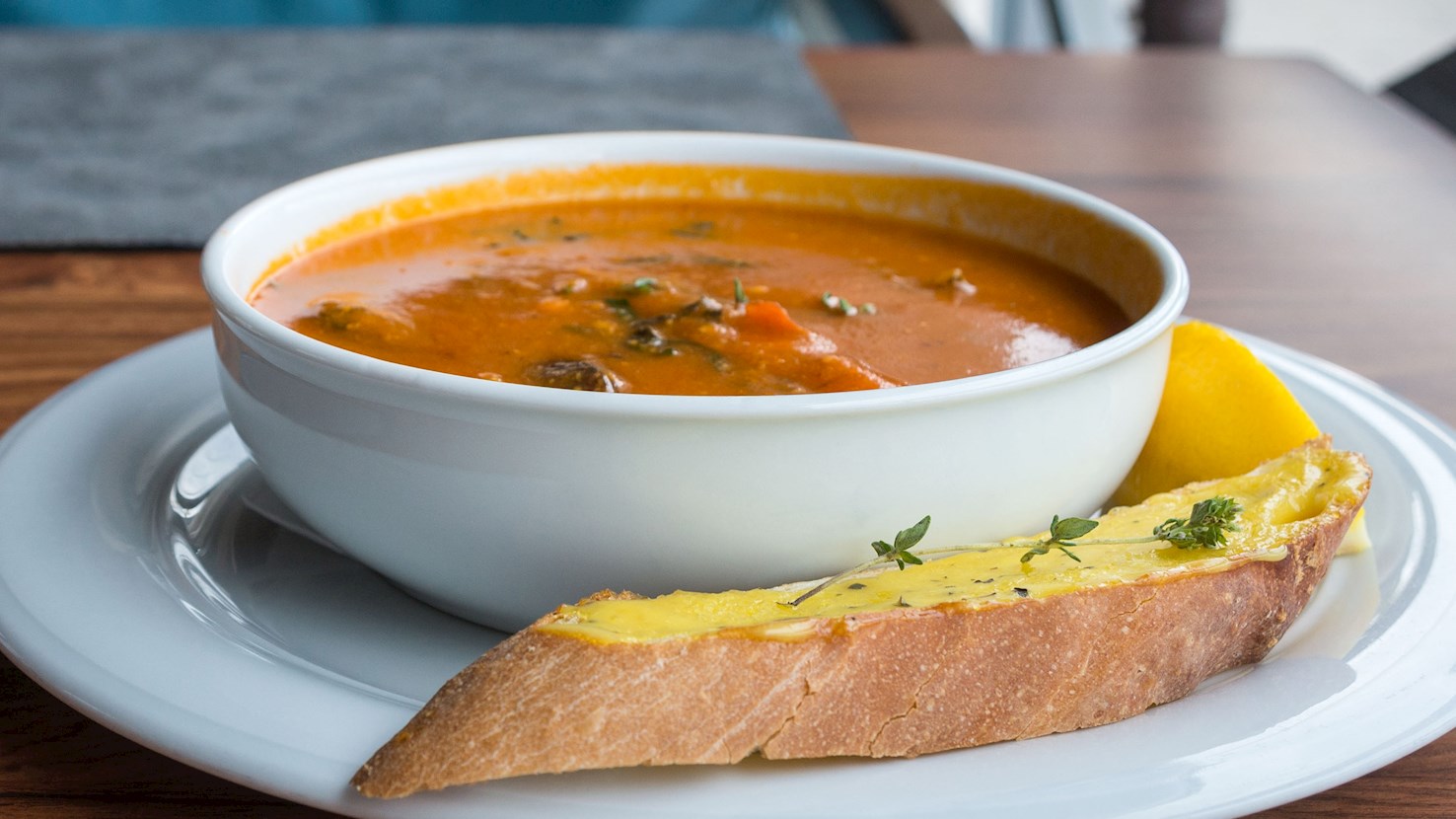
This traditional Provençal fish soup (and stew) originated in the 18th century when it was first concocted by Marseillaise fishermen, who would prepare it using the leftovers from their daily catch, making the best of what they had in their nets. Over time, bouillabaisse evolved into one of the most luxurious seafood dishes in the world: it is found in every upscale restaurant in the lively seaport city of Marseille where it can cost up to €200 for a meal for two. Anything below €50 is considered an ordinary fish soup—a good rule of thumb for those who want to taste the real thing. What gives bouillabaisse both its unique flavor and its high price is the red scorpionfish—known in French as rascasse or scorpion de mer—a type of venomous rockfish found only in the Mediterranean. Other ingredients may include several varieties of whitefish, mussels, crabs, squid, and sometimes even lobster or eel. Another thing that makes Marseille's signature dish so distinctive is its vibrant orange color, as well as the flavors and aromas arising from a selection of Provençal herbs and spices, especially saffron, fennel, and orange zest. Delicately infused with white wine and anise liqueur, bouillabaisse is traditionally served in two courses: the thick, rich soup is enjoyed with rouille sauce and garlic-rubbed croutons or toasted bread, while the fish and shellfish are served separately.

07

Cassoulet

3.8 ·

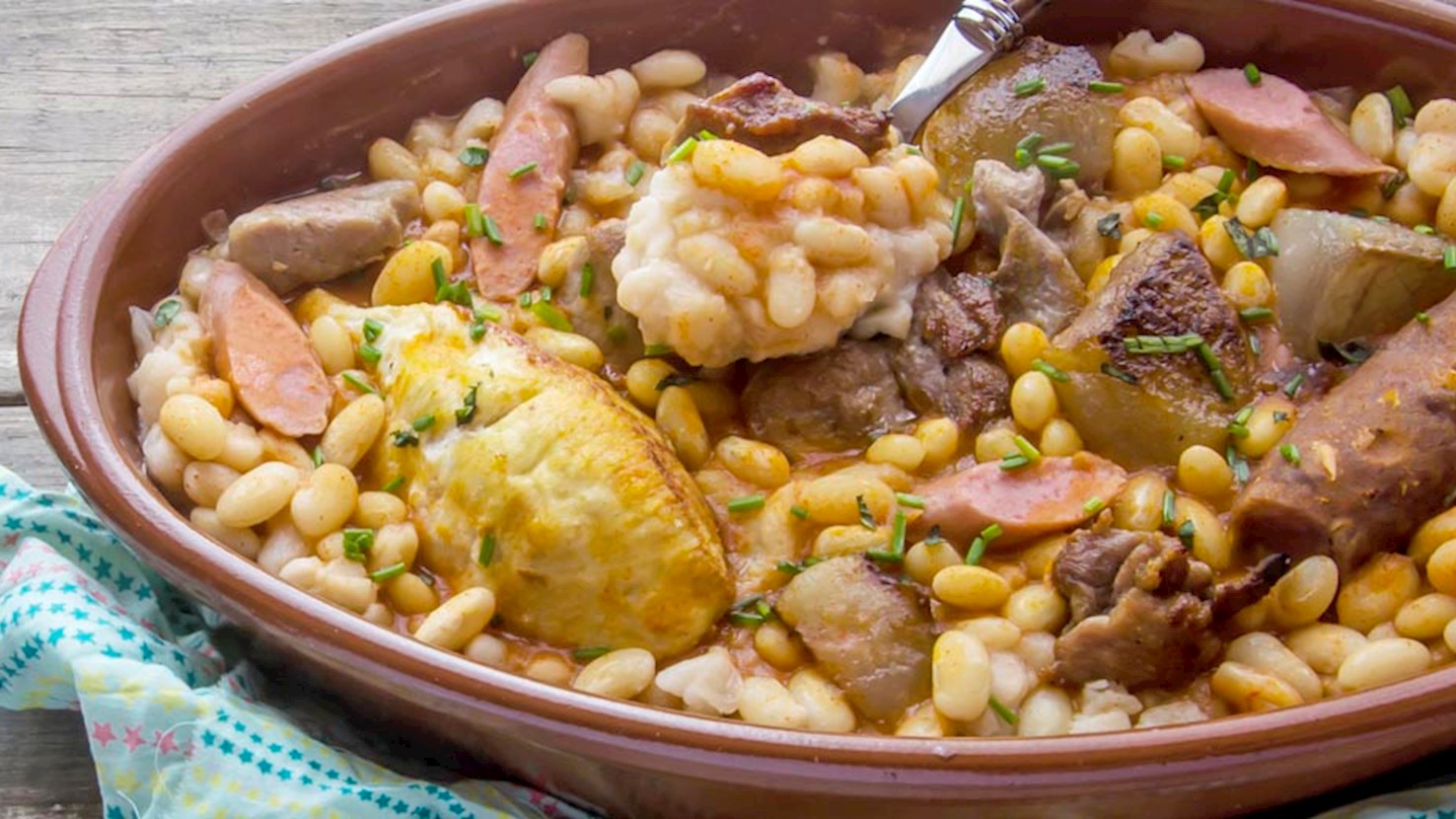
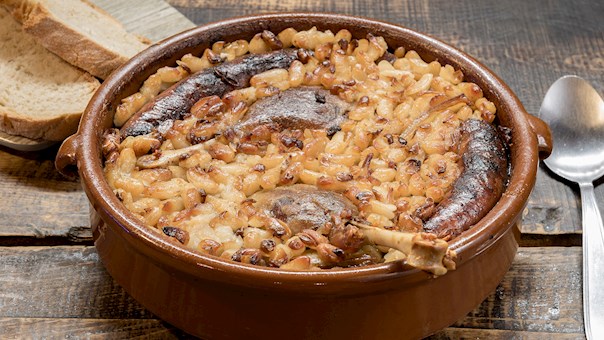
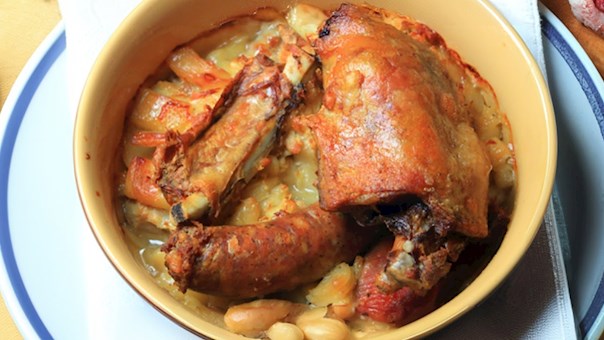
This traditional bean- and meat-based dish from the southwest of France comes in three versions, and each version is a separate dish in its own right. The name cassoulet comes from the name of the dish used to prepare it, called a cassole. The dish is braised for hours in this glazed terracotta casserole pot at a low temperature until the meat and beans are soft enough to melt in your mouth. Three cities claim to be home to the original recipe, and while they are eternally striving for the title of “best cassoulet”, all agree on one thing – this dish is held sacred in the Lauragais region. One version comes from Castelnaudary, and is based on white kidney beans with pork products such as smoked ham, spicy sausages, and pork shoulder. Cassoulet de Carcassone adds chunks of mutton, lamb, partridge, or quail, while cassoulet Tolousain combines duck or goose confit with all of the aforementioned ingredients. This staple of French comfort food is best enjoyed on a cold winter day and it is recommended to accompany it with a glass of fragrant, full-bodied red wine.

08

Baeckeoffe

3.7 ·

Baeckeoffe is a one-pot dish from the French region of Alsace containing vegetables, potatoes, wine, and three types of marinated meat - pork, beef, and lamb. The name of this typical peasant's dish is literally translated to baker's oven, as French women would leave the pots for the baker in the early morning. They left to do the laundry, and when they would return home with their children after school, they would pick up the pot from the baker. Another theory about the origin of the dish says that it was made on Saturday evening and left in the bakers' oven overnight to cool. The next day, the women would pick up the dish along with a loaf of bread from the baker, then consume baeckeoffe with some bread on the side.

09

Petit salé aux lentilles

3.7 ·

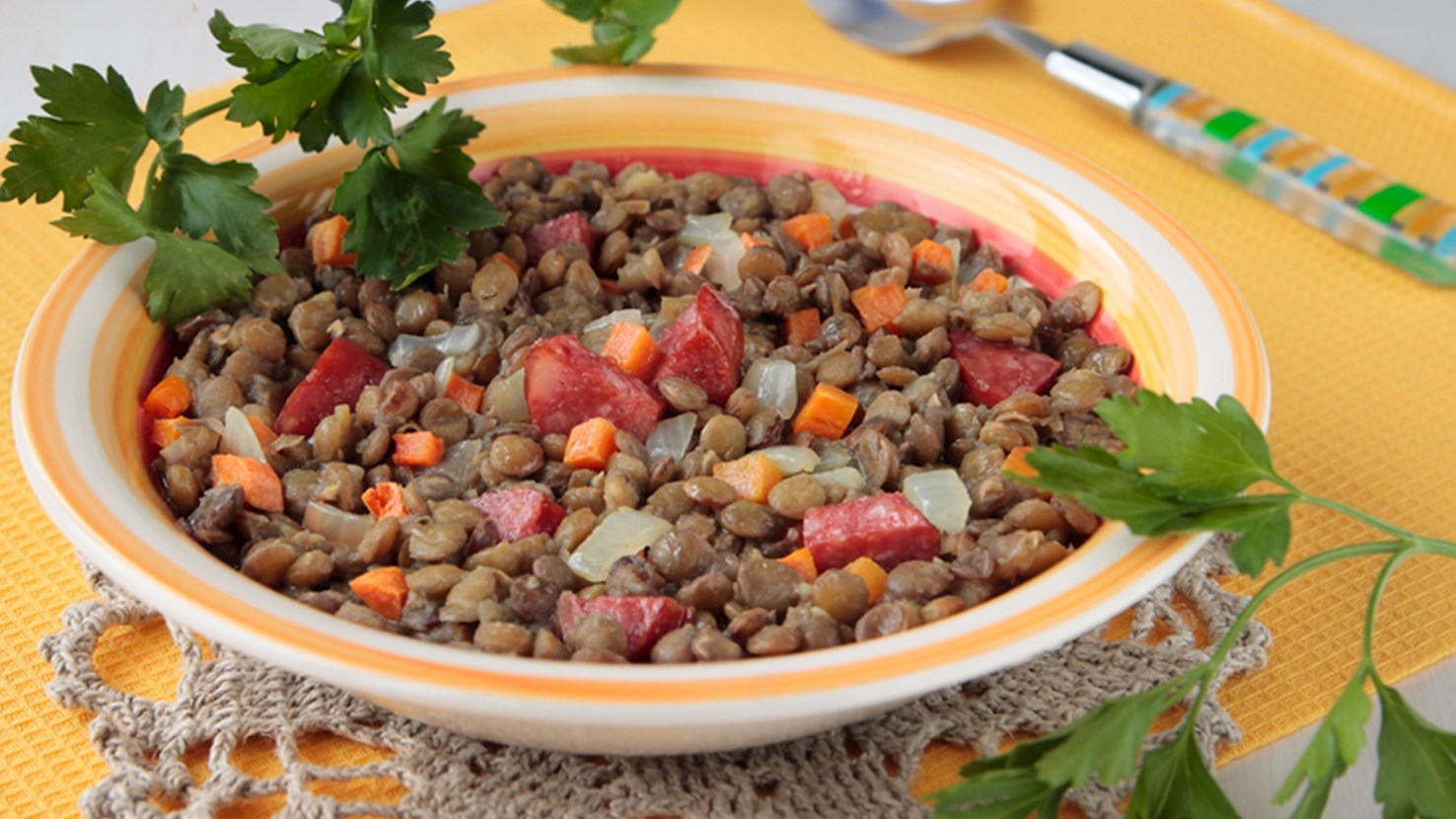
Petit salé aux lentilles is a classic French stew made with salt pork and puy lentils. Apart from the two main ingredients, the dish also contains butter, stock, shallots, carrots, garlic, onions, and bouquet garni (bay leaves, thyme, parsley). The salt pork is rubbed with sea salt and seasoned with pepper and thyme before being boiled until tender with garlic, onions, carrots, and herbs. The lentils and stock are added later, and the whole combination is simmered again until the lentils become soft. The dish is served by placing a thick slice of salt pork on top of the lentils, preferably with a few carrots on the side. This dish was traditionally prepared to make use of winter's preserved and salted meat by combining it with the pulses and any available vegetables. If desired, serve the dish with a simple green salad on the side.

10

Coq au Riesling

3.7 ·

An Alsatian version of the classic coq au vin, known as coq au Riesling is a dish consisting of chicken, mushrooms, onion, lardons, and dry Riesling wine from Alsace, recognized as one of the best wines in the world. It is said that the dish is even better when reheated the next day due to the flavors that deepen when left in the fridge overnight. The chicken can be served over egg noodles, white rice, boiled potatoes, or the more traditional spätzle, making for a great comfort dish, especially on a cold winter's night.

Read more
View all
View map
About this ranking

TasteAtlas food rankings are based on the ratings of the TasteAtlas audience, with a series of mechanisms that recognize real users and that ignore bot, nationalist or local patriotic ratings, and give additional value to the ratings of users that the system recognizes as knowledgeable. For the “Top 56 French Stews” list until June 15, 2026, 1,670 ratings were recorded, of which 1,381 were recognized by the system as legitimate. TasteAtlas Rankings should not be seen as the final global conclusion about food. Their purpose is to promote excellent local foods, instill pride in traditional dishes, and arouse curiosity about dishes you haven’t tried.

Similar lists