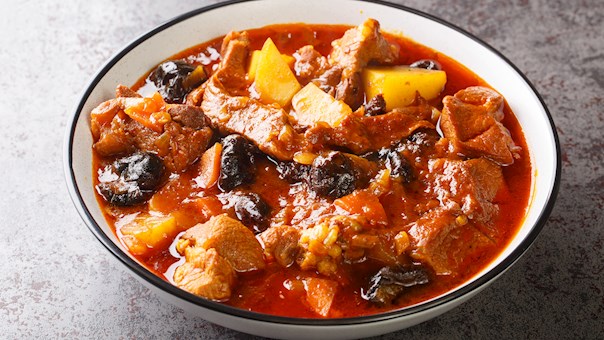
Khoresh is a Persian term describing a wide range of Iranian stews prepared by slowly simmering meat, vegetables, legumes, and aromatic spices into richly flavored dishes that are always served with rice. The word itself simply means “stew” in Persian, and it encompasses some of the most iconic meals of Iranian cuisine, including khoresh gheimeh with split peas and dried lime, khoresh fesenjan with ground walnuts and pomegranate molasses, and khoresh bademjan with eggplant and tomatoes. Each type of khoresh has a distinct character shaped by regional preferences, seasonal produce, and family recipes passed down over generations. The core technique behind khoresh involves layering flavor gradually. Onions are typically sautéed first, followed by meat (commonly lamb, beef, or poultry) which is browned to develop depth. Spices like turmeric, cinnamon, and black pepper are added early, while ingredients such as dried limes, fresh herbs, or tomato paste contribute their own nuances as the stew simmers. This slow cooking allows the sauce to thicken naturally and the meat to become tender without falling apart. Many khoresh recipes are finished with a sour component, like dried lime, lemon juice, or pomegranate, that balances the richness and gives the dish its distinctive taste. Khoresh is always paired with chelo, the carefully prepared Persian rice with separated grains, sometimes finished with saffron and accompanied by flatbreads and fresh herbs. The combination of fragrant stew and fluffy rice forms the heart of a typical Iranian meal. Whether the khoresh features vegetables like okra, squash, or eggplant, or rich combinations like fesenjan’s sweet-sour walnut sauce, the final dish is designed to be eaten communally, inviting diners to savor small bites with rice and side dishes. The concept of khoresh reflects Iran’s long history of regional cooking and culinary exchange. Each province has developed its own signature stews based on what grows locally and the influences of neighboring cultures. In Isfahan, you find the celebrated khoresh mast with lamb and yogurt. In Gilan, khoresh aloo esfahani uses prunes and lamb. While the basic approach remains consistent, the variety of vegetables, legumes, and flavorings has made khoresh a category with remarkable breadth.
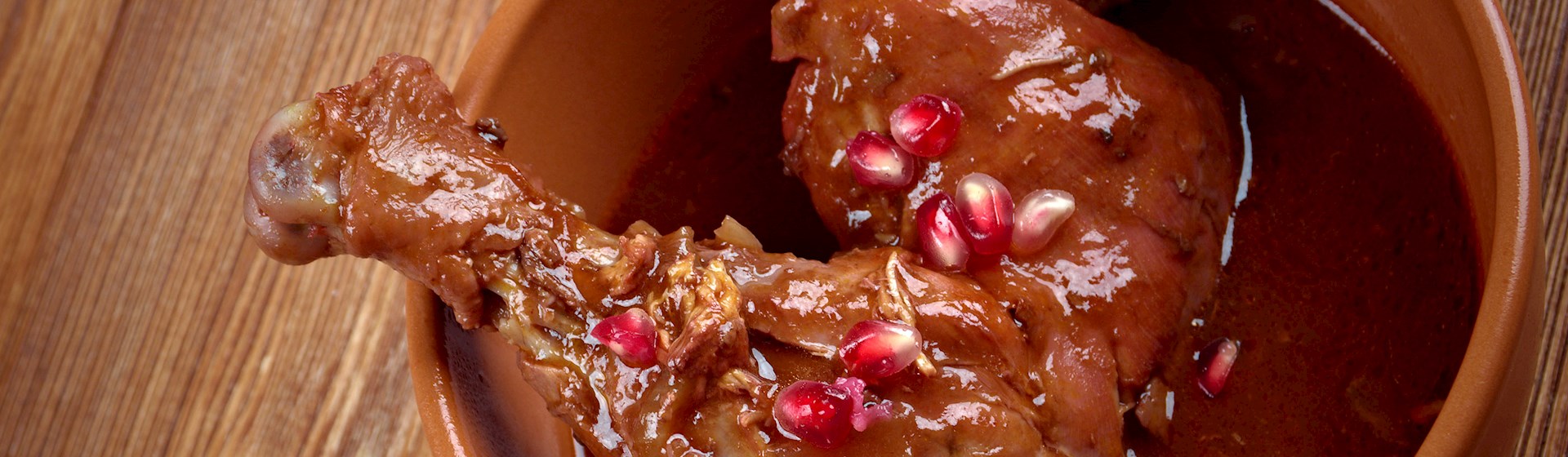
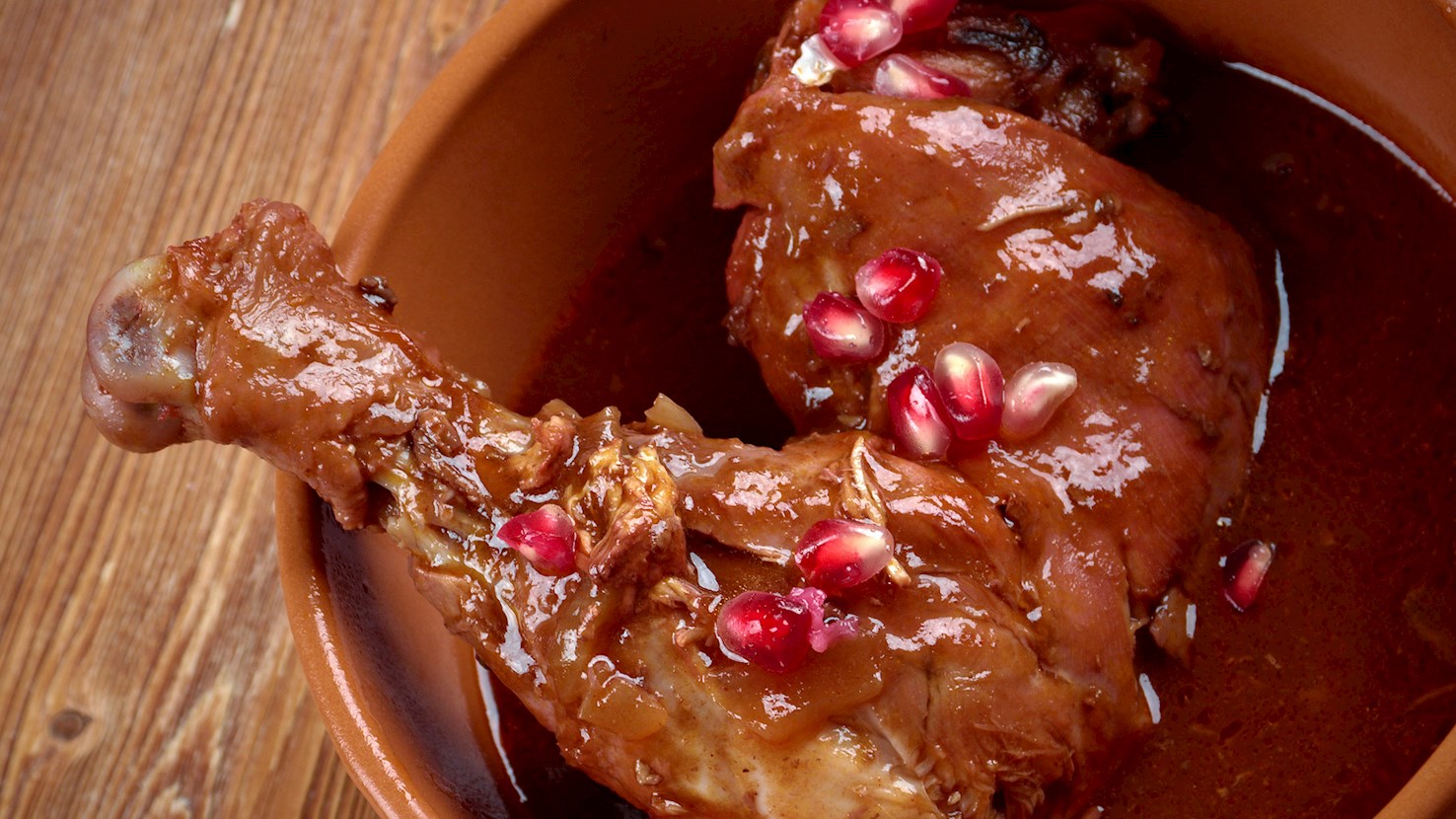
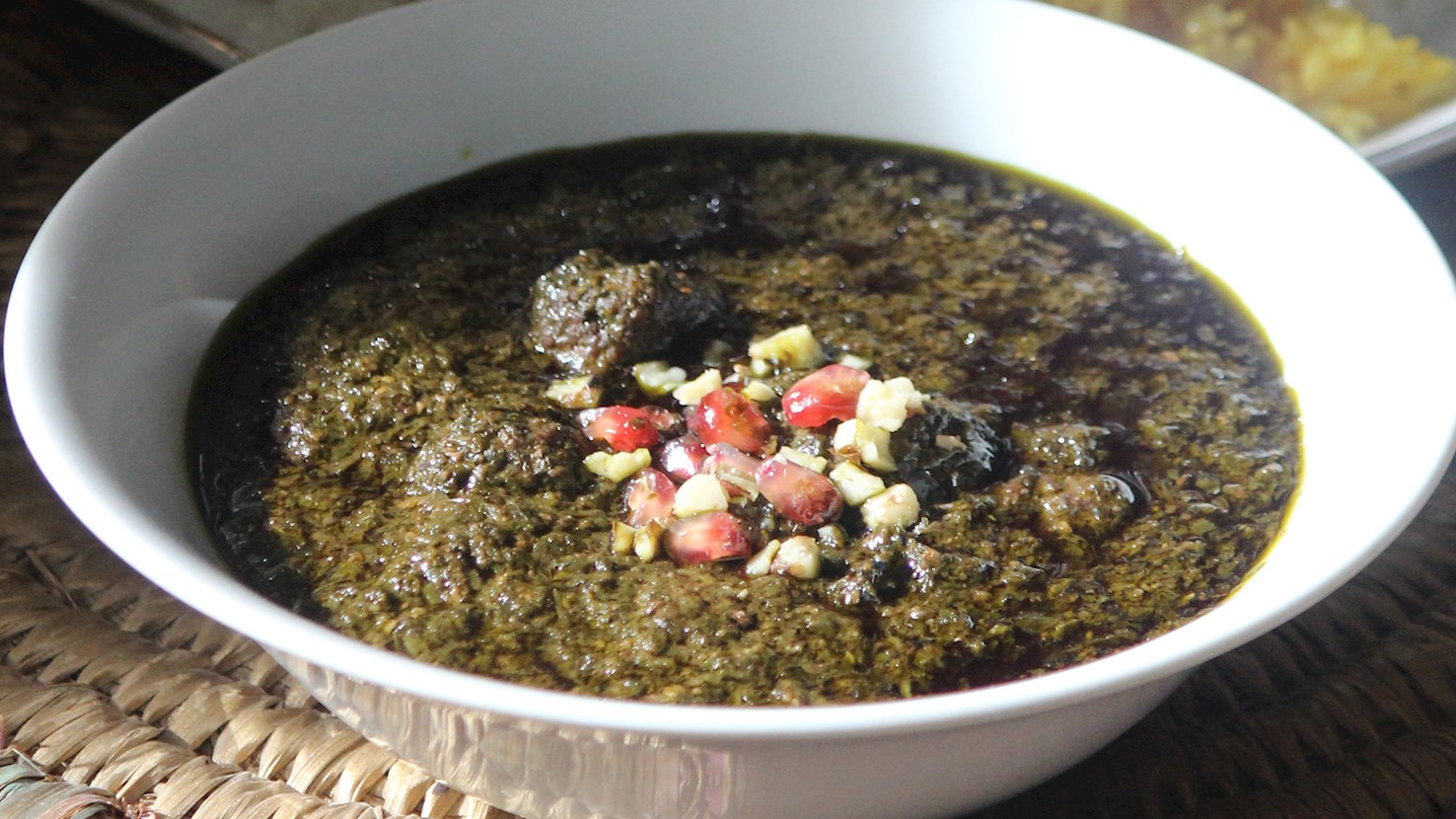
Fesenjān is a rich Persian stew that comes from the northern provinces of Iran, especially Gilan and Mazandaran along the Caspian Sea. Known for its distinctive combination of ground walnuts and pomegranate molasses, this dish is typically prepared with poultry such as duck or chicken, though lamb or beef can also be used. It is valued as one of the most refined examples of Iranian khoresh, offering a deep, tangy-sweet flavor profile that sets it apart from other Iranian stews. The documented history of fesenjān stretches back centuries, with references found in Persian culinary manuscripts describing the method of slow-cooking meat in nut pastes and fruit extracts. Its use of pomegranate, a fruit with ancient ties to Iranian agriculture and symbolism, points to the dish’s connection with pre-Islamic gastronomy and festive occasions. Over time, fesenjān became associated with family gatherings, celebrations, and autumn harvests when pomegranates are plentiful. To prepare fesenjān, cooks begin by finely grinding walnuts until they release their oils, forming a paste that will help thicken the sauce. The meat is seared lightly in oil and simmered slowly in the walnut base, which is diluted with water or stock. As the cooking progresses, pomegranate molasses is added gradually to achieve the characteristic balance of acidity and sweetness. The mixture must cook gently for several hours so the flavors develop fully and the walnuts release their richness, resulting in a thick, dark sauce that clings to each piece of meat. The final seasoning may include a touch of sugar if the pomegranate is especially tart, and occasionally saffron or cinnamon is stirred in to deepen the aroma. This stew is always served hot, ladled over a mound of steaming Persian rice (chelo), with the contrasting textures of fluffy grains and the glossy, walnut-laden sauce. Fesenjān is often presented on special occasions, such as weddings or religious celebrations. Beyond Iran’s borders, fesenjān has drawn the interest of chefs who admire its layered taste and the technique of cooking with nuts as a primary thickener. Its inclusion in cookbooks and restaurant menus highlights the diversity of Iranian regional cooking, which is far broader than many realize. In homes, it remains a dish associated with care and patience, cooked slowly to achieve the exact consistency and flavor that generations have come to expect.
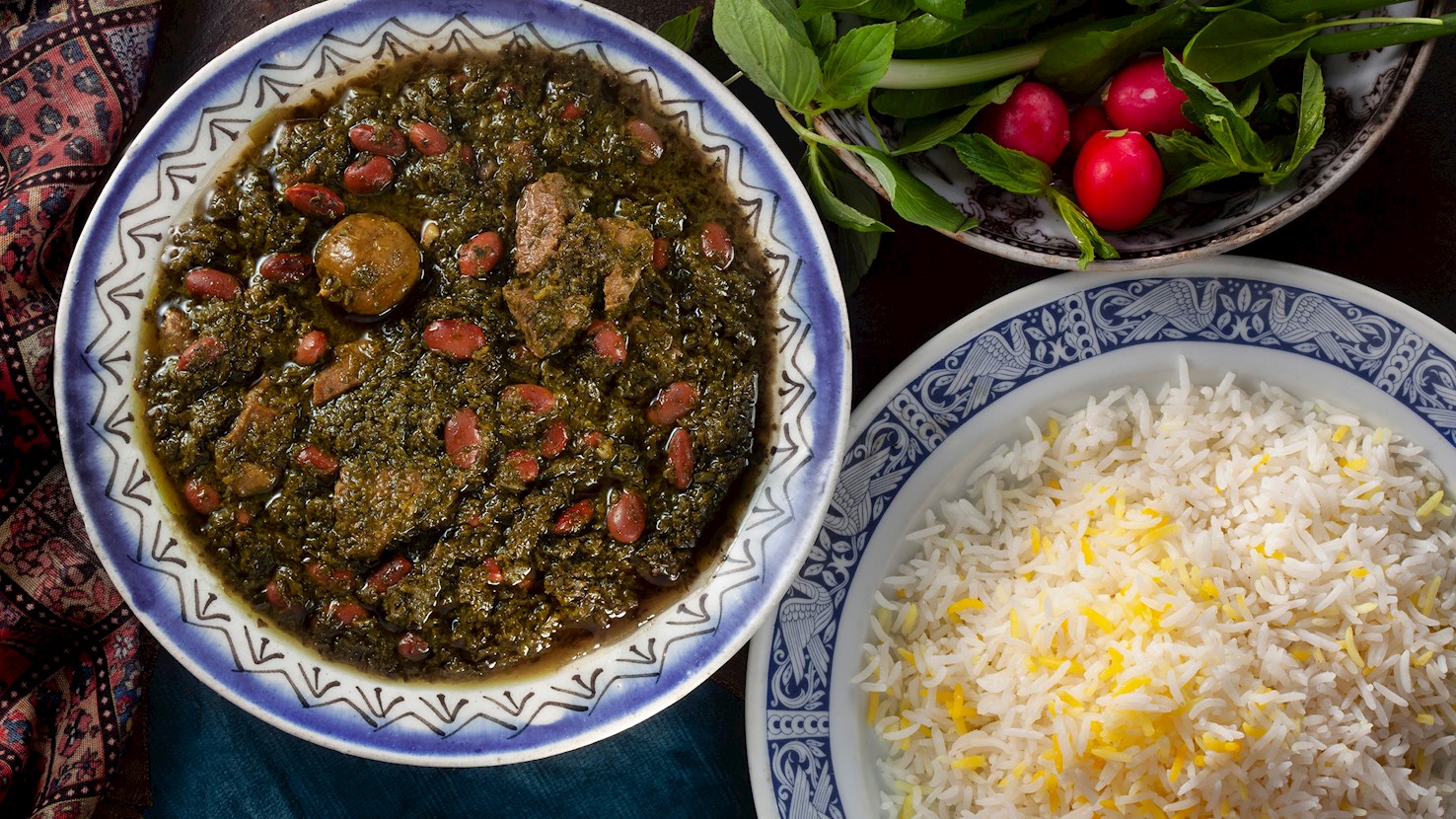
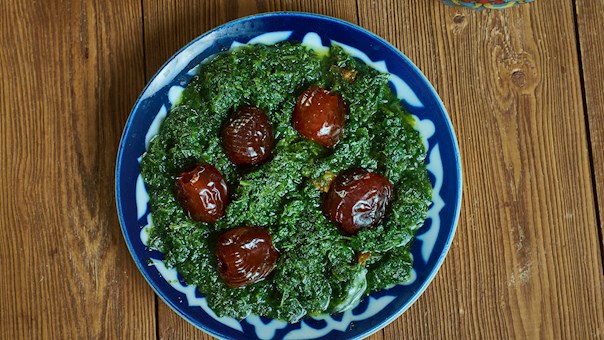
Ghormeh sabzi is an Iranian herb stew that has become one of the country’s most widely prepared and recognized dishes, appreciated for its complex flavor that combines aromatic greens, tender meat, and a signature tang from dried limes. The name translates simply as “fried herbs,” reflecting the preparation of finely chopped greens that form the core of the dish. Its origins are rooted in Persian home cooking, where it has long been a familiar part of family meals and gatherings. The preparation of ghormeh sabzi begins with a generous quantity of fresh herbs, primarily parsley, cilantro, and fenugreek, sometimes supplemented with spinach or chives. These greens are chopped finely and then sautéed slowly until their raw flavor mellows and their aroma intensifies. Cubes of lamb or beef are browned with onion and turmeric to build a savory base. Red kidney beans, either dried and pre-cooked or canned, are added along with water or broth. The mixture is left to simmer gently until the meat softens and the flavors meld together. Dried limes, known as limoo amani, are pierced and simmered in the stew, releasing a distinct sourness that balances the richness of the meat and herbs. Ghormeh sabzi is usually served hot with steamed Persian rice, allowing the rice to absorb the fragrant juices. The contrast between the fresh, slightly bitter herbs and the acidity of the limes is the hallmark of the dish. Though recipes vary by region and household, most agree that the herb frying step is essential, as it defines both the taste and the characteristic dark green color. Some cooks prefer more fenugreek, while others adjust the amount of kidney beans or substitute black-eyed peas. Across Iran, ghormeh sabzi holds a place of pride and is often viewed as a measure of a cook’s skill. Preparing it well requires patience, particularly in the slow sautéing and long simmering that bring out the stew’s depth of flavor. It is considered both a celebratory and an everyday dish, appearing in restaurants and homes alike.
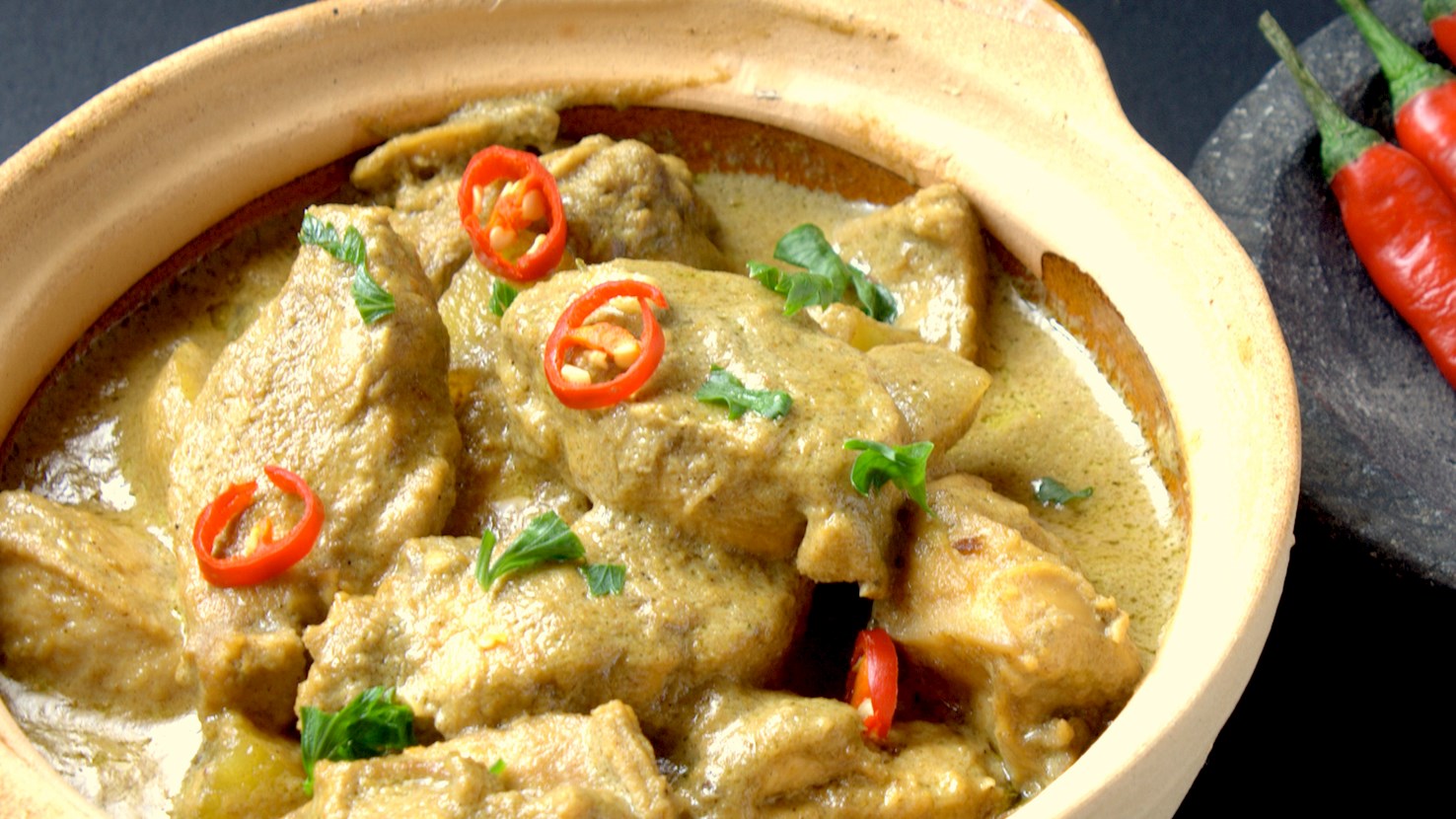
Korma is a rich and aromatic braised dish that comes from the Indian subcontinent, particularly associated with Mughlai cuisine in northern India, Pakistan and Iran. It typically consists of meat or vegetables slow-cooked in a sauce made with yogurt, cream, nut paste, or coconut milk, creating a delicate balance of savory and mildly sweet flavors with gentle spices like cardamom, coriander, cinnamon, and cloves. The word korma is derived from the Urdu and Hindi verb qormā, meaning “to braise,” which describes the technique of cooking meat or vegetables over low heat in a flavorful liquid. Korma has deep historical roots dating back to the Mughal era in the 16th century, when Persian-influenced cooking styles merged with Indian ingredients and methods. Court chefs developed korma as part of the refined Mughlai repertoire, where dishes were expected to be elaborate yet subtle. Over time, korma evolved into many variations, from the luxurious versions made with cream and ground nuts for aristocratic banquets to simpler, homestyle recipes using yogurt as the primary base. During colonial times, korma was also adapted to suit British palates, eventually inspiring modern interpretations such as the creamy korma curries popular in the UK today. Preparation of korma begins by marinating the main ingredient, commonly lamb, chicken, or vegetables, in yogurt blended with ground spices. The marinated pieces are then gently fried or seared with onions to build flavor. A mixture of ground almonds, cashews, or poppy seeds may be added to the pot, followed by stock or water. The dish simmers slowly to develop depth and a velvety texture. Toward the end of cooking, cream or coconut milk is sometimes stirred in for richness. The final seasoning is adjusted carefully to maintain the dish’s characteristically mellow spice profile. Korma can be found in restaurants, served at weddings, and cooked at home across South Asia. It is typically accompanied by steamed basmati rice, naan, or paratha. In some regions, it is customary to garnish it with slivered almonds or a drizzle of saffron-infused cream.
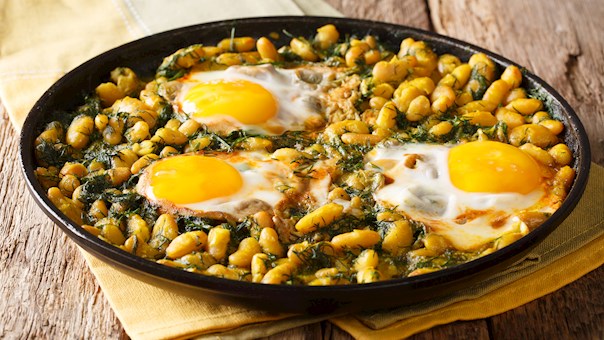
Vavishka is a hearty Iranian stew originating from the northern regions of Iran, particularly popular in the Gilan province along the Caspian Sea coast. This dish is distinguished by its rich blend of herbs, legumes, and tender meat, usually lamb or beef, simmered together to create a thick, flavorful stew that reflects the agricultural abundance and culinary heritage of the area. Vavishka embodies the region’s preference for fresh, green ingredients and the use of local herbs such as parsley, cilantro, and chives, which impart a distinctive aroma and vibrant character to the dish. The history of vavishka is closely connected to the rural communities of northern Iran, where stews have long been a staple due to their ability to combine available produce and proteins into nourishing meals. The dish developed as a way to utilize the region’s fertile land and diverse herbs, integrating them with pulses like chickpeas or white beans to create a filling and balanced dish. Over generations, vavishka has been passed down through families, adapting slightly with local tastes and ingredient availability, but maintaining its essential qualities of freshness and depth of flavor. Preparation of vavishka involves slow-cooking ground meat with an assortment of finely chopped herbs and legumes in a seasoned broth. The herbs are often sautéed before being added, helping to release their oils and intensify the stew’s fragrance. The legumes contribute to the stew’s texture and nutritional value, thickening the broth as they soften. The cooking process allows the flavors to meld over several hours, resulting in a stew that is rich, aromatic, and comforting. Vavishka is traditionally served with steamed rice, which balances the intensity of the stew and provides a complete meal.
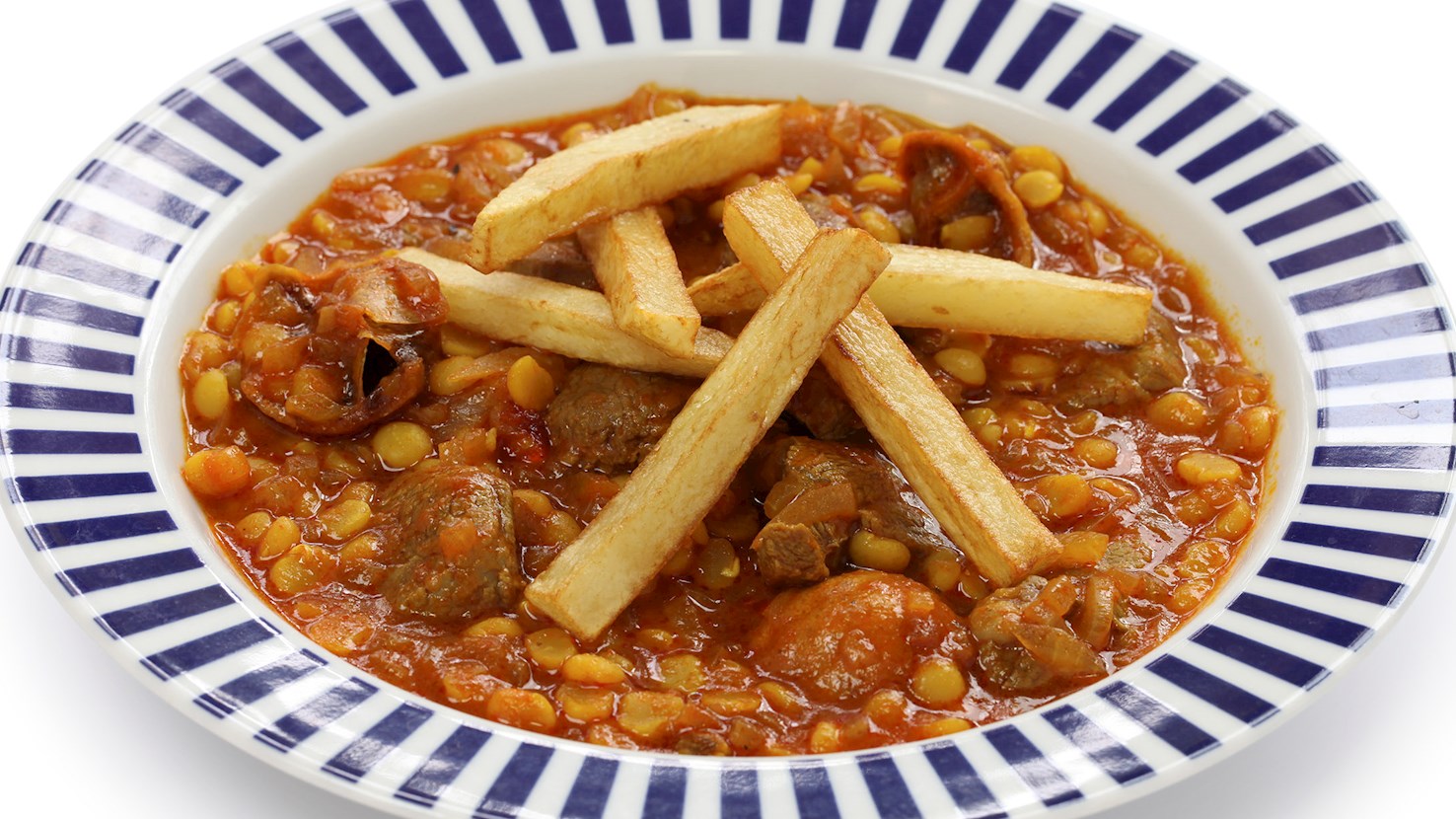
Khoresh gheimeh is a stew prepared with yellow split peas, diced meat, tomatoes, and dried limes, usually finished with a topping of fried potato sticks. Its name comes from the Persian word “gheimeh,” referring to meat cut into small cubes. The dish is widely cooked across Iran, appearing in home kitchens, restaurants, and on ceremonial tables, where it is often served alongside rice. The preparation begins by browning small pieces of lamb or beef in oil with chopped onions and turmeric until aromatic. Yellow split peas are rinsed and added to the pot, followed by tomatoes or tomato paste, which lend the dish its red hue. Water or stock is poured in, and the mixture is simmered gently until the split peas soften and the meat becomes tender. Dried limes, known as limoo amani, are pierced and added to the pot, infusing the stew with a distinctive, gently sour undertone that balances the richness of the meat. Toward the end of cooking, the surface is often dotted with fried potato strips that absorb the sauce and add a contrasting texture. Khoresh gheimeh is commonly served with chelo, steamed saffron rice, which helps soak up the stew’s sauce. It is sometimes garnished with additional fried potatoes and fresh herbs. The flavor is a combination of savory, tangy, and slightly earthy notes from the split peas and dried limes. While the recipe is straightforward, it requires patient simmering so the peas break down slightly and thicken the broth without becoming mushy. Regional variations of khoresh gheimeh exist throughout Iran. In some areas, the dish is enriched with cinnamon or more pronounced spices, while in others it may be made with less tomato and a stronger emphasis on dried lime. During large religious gatherings, especially the month of Muharram, khoresh gheimeh is often prepared in large cauldrons and served communally, reflecting its place in both everyday meals and special occasions.
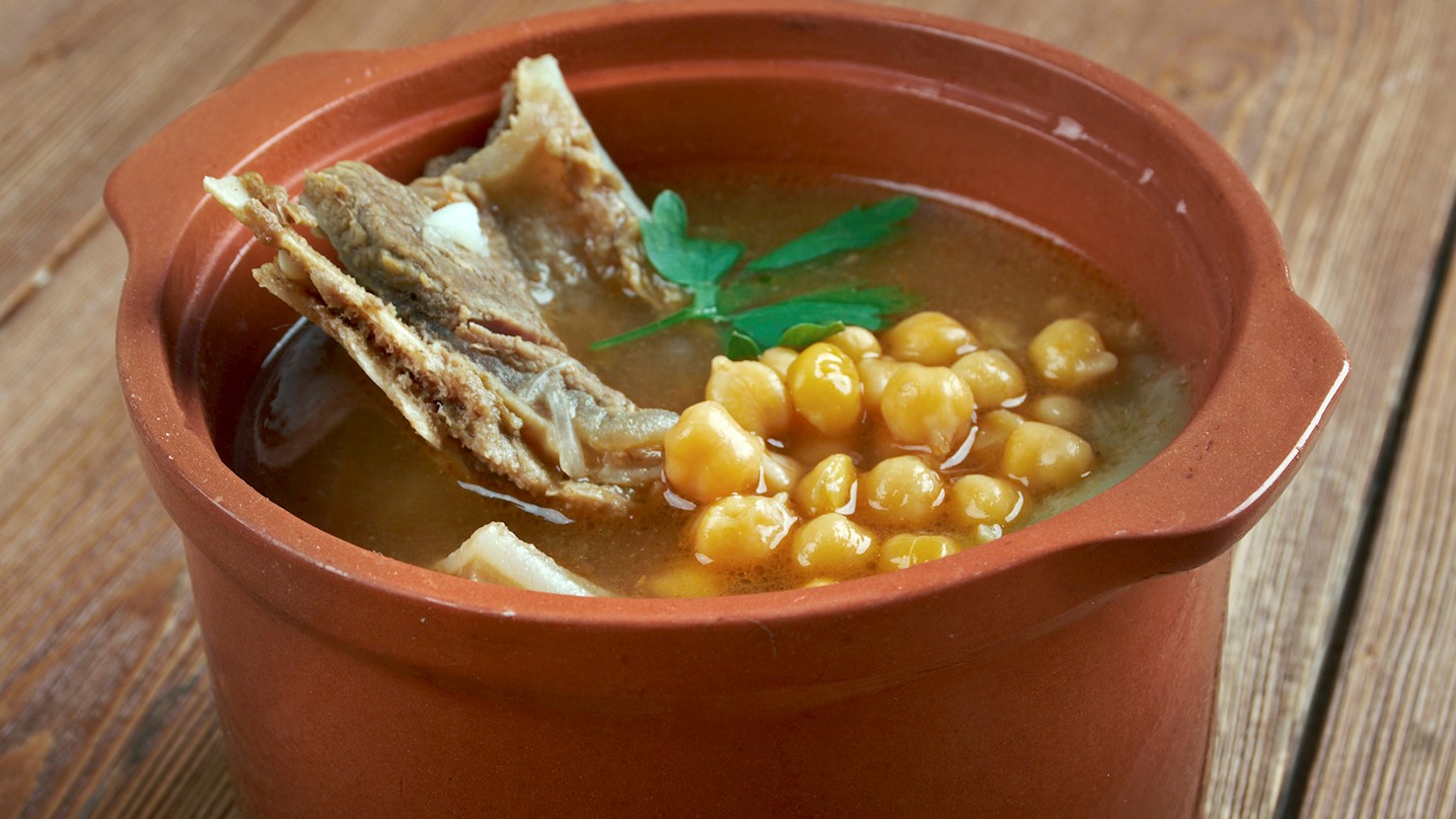
Abgoosht is a stew combining meat, legumes, and vegetables. Its name translates literally as “meat juice,” highlighting the importance of the rich broth it produces during cooking. This dish is commonly prepared by simmering lamb or mutton with chickpeas, white beans, potatoes, tomatoes, onions, and dried limes. Over several hours, the ingredients soften and meld together, creating both a fragrant broth and tender solids that are typically served in separate stages. Preparation begins by placing chunks of bone-in meat in a large pot with water, allowing the simmering process to extract the marrow and deepen the flavor. Chickpeas and white beans, usually soaked in advance, are added along with potatoes, tomatoes, and aromatics such as turmeric and black pepper. Dried limes (limoo amani) contribute a subtle sourness that balances the richness of the meat. As the abgoosht cooks, the broth gradually thickens and develops an amber color. Serving abgoosht follows a distinctive ritual that sets it apart from other stews. Once the cooking is complete, the liquid is separated and poured into bowls, often accompanied by pieces of flatbread torn into it. The remaining solids (meat, potatoes, and legumes) are mashed together with a wooden or metal masher called a goosht-koob. This mash, known as goosht kubideh, is then eaten with fresh herbs, pickles, and warm bread. The two parts of the meal, broth and mash, are enjoyed in succession, creating a contrast in texture and taste. Abgoosht is served across Iran in homes, teahouses, and small restaurants, where it remains a well-loved example of Iranian cooking that relies on slow preparation and accessible ingredients. In some regions, variations appear with additional spices or small noodles, though the core method of simmering meat and legumes remains consistent. The dish is often shared communally, emphasizing its role in family gatherings and casual meals alike.
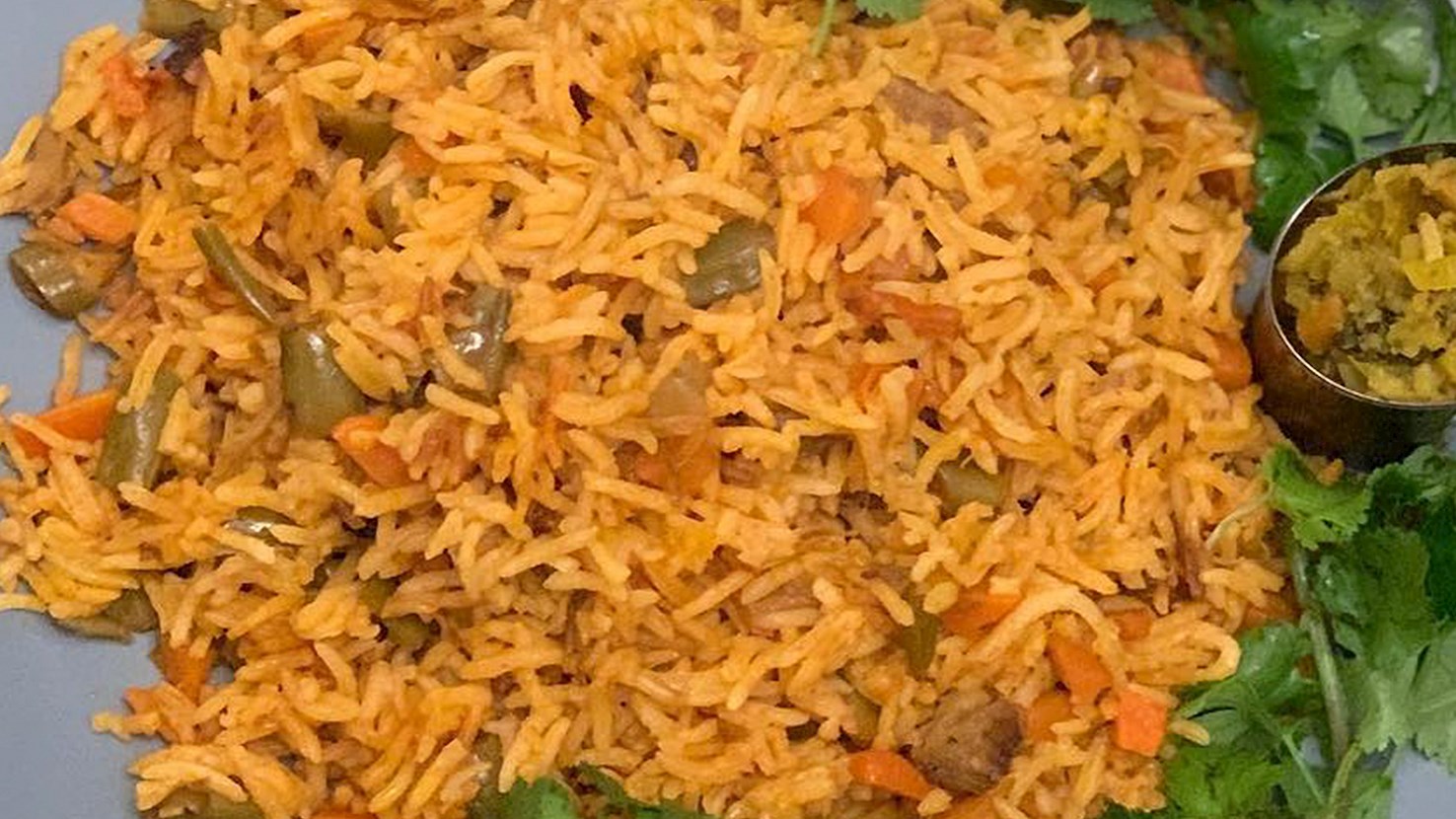
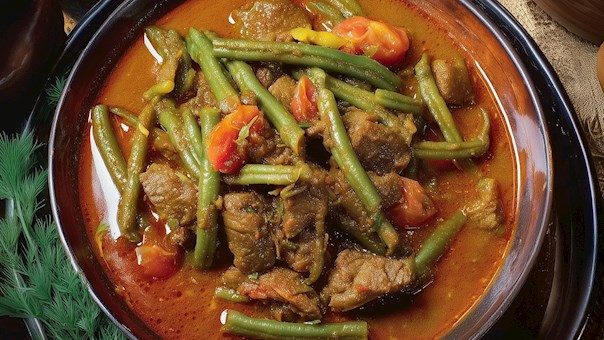
Estanboli polo is a Persian rice dish that originates from Iran and is particularly associated with the cuisine of the southern and southwestern regions of the country. It is a one-pot meal composed of rice cooked with tomatoes, potatoes, and often green beans, sometimes including meat such as lamb, beef, or chicken. The name suggests a connection to Istanbul, but the dish is firmly rooted in Iranian culinary practice and reflects the country's approach to rice-based meals layered with vegetables and spices. The history of Estanboli polo points to regional exchanges in the broader Middle East, where Persian cuisine interacted with Ottoman and other Mediterranean influences. While its exact origins are not fully documented, the use of tomatoes and potatoes indicates a more modern evolution, likely developing during the 19th or early 20th century, when these ingredients became more common in Iranian markets. Despite its name referencing Istanbul, there is no equivalent dish in Turkish cuisine under the same name, and the Iranian version stands as its own distinctive creation. It likely adopted the name due to a general fascination with Istanbul as a cosmopolitan cultural center during the Qajar period. Preparing Estanboli polo involves layering and simmering, typical of Iranian rice dishes. The base is long-grain rice, commonly Iranian varieties like domsiah or sadri, soaked and parboiled before being cooked again with a mixture of sautéed onions, chopped tomatoes, tomato paste, and sometimes garlic. Green beans are added either chopped fresh or blanched beforehand, and cubed potatoes provide additional texture and flavor. If meat is used, it is browned separately and then combined with the vegetables before being layered with the rice. The pot is often covered with a cloth under the lid to trap steam and ensure even cooking. The bottom layer, known as tahdig, becomes crisp during the final steaming and is considered a prized part of the dish. Estanboli polo is usually served hot, straight from the pot, often accompanied by plain yogurt, pickled vegetables, or fresh herbs. The tomato-rich base gives the rice a reddish hue and a slightly tangy flavor, setting it apart from more neutral Persian rice dishes. In some variations, turmeric, cinnamon, or saffron may be used to deepen the aroma and color. The presence or absence of meat varies by household preference, and in many homes, it is often made as a vegetarian dish. Although commonly prepared in Iranian homes, Estanboli polo is also found in local eateries and picnic meals, especially during family outings or casual gatherings. It is frequently cooked in large quantities for group settings, as it stores and reheats well.
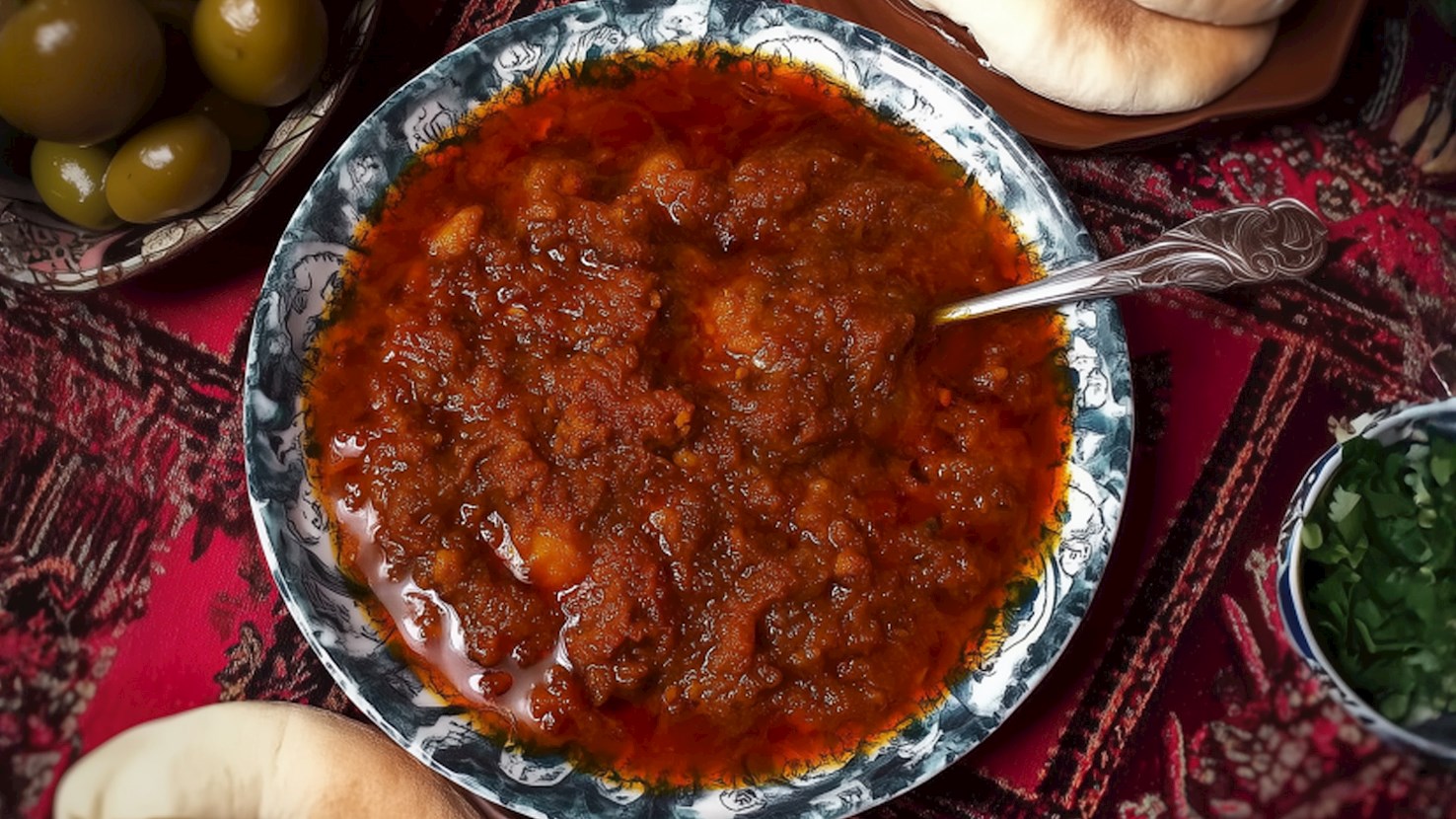
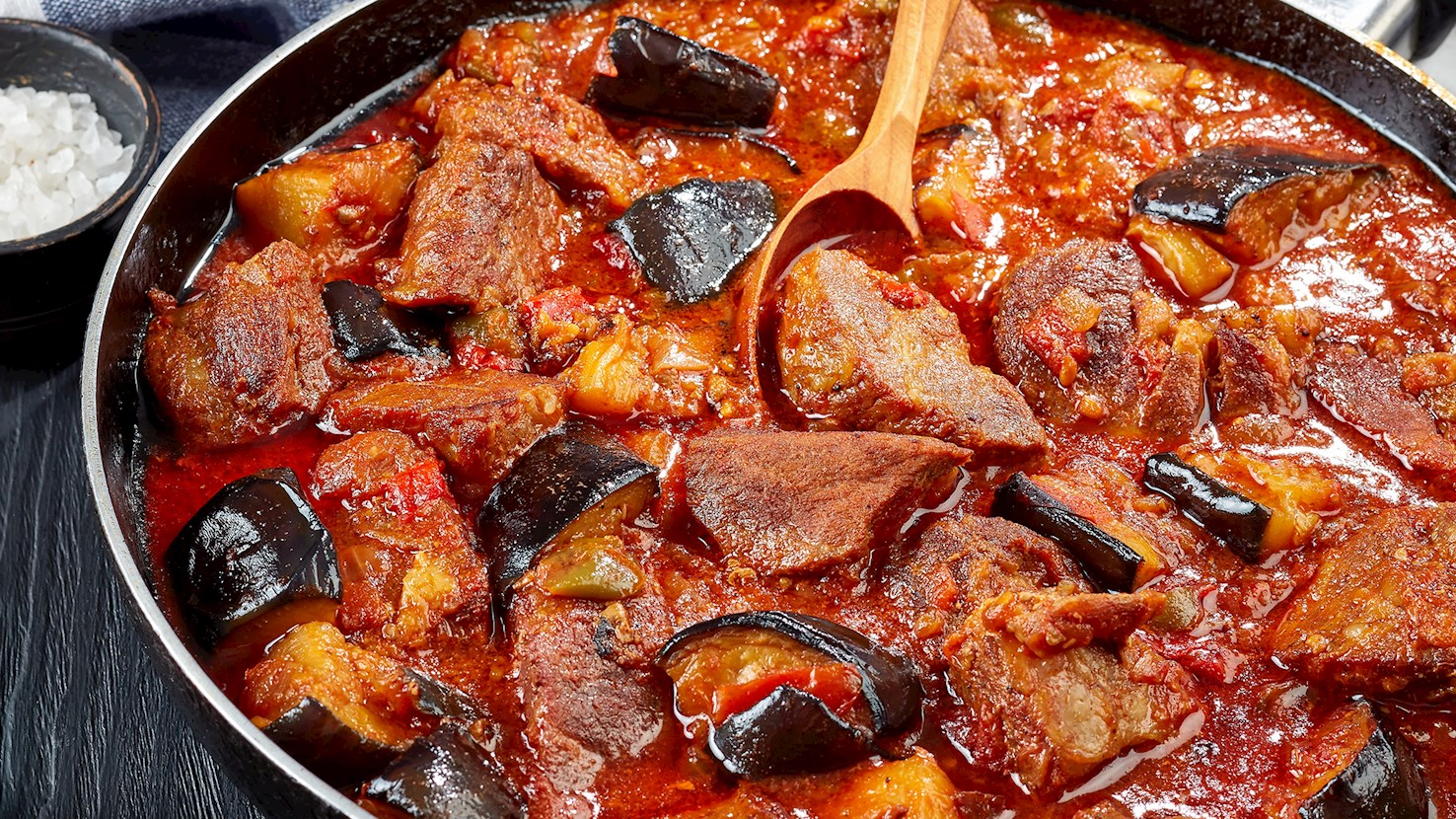
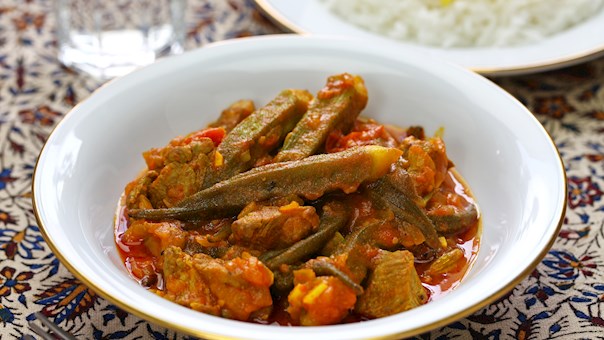
Khoresh bādemjān is a rich Iranian stew centered on eggplant, known for its balanced layers of tangy, savory, and aromatic flavors that have long made it a favorite throughout the country. Originating in Iran’s diverse regional cooking, this dish has been prepared for centuries as part of family meals and festive occasions, reflecting the country’s deep-rooted love of slow-cooked stews that pair seasonal produce with carefully selected spices. The name literally means eggplant stew, and it is widely associated with both home kitchens and traditional restaurants, especially in central and southern Iran. Historical references to khoresh, meaning “stew,” date back to Persian cookery manuscripts from the medieval period, where slow-simmered meat with vegetables and tart flavorings featured prominently. Over time, recipes for khoresh bādemjān became popular thanks to Iran’s abundant eggplant harvests and the introduction of tomatoes, which added sweetness and acidity. In many households, it is considered a dish that embodies everyday Persian cooking rather than only special occasions, prized for its comforting depth of flavor. To prepare khoresh bādemjān, eggplants are first peeled, sliced, salted, and fried or sometimes roasted to reduce bitterness and develop a silky texture. Lamb or beef, typically cut into cubes, is seared with onions and turmeric before being simmered in water or broth. Tomatoes, tomato paste, and dried limes or lemon juice create the stew’s characteristic tartness. The eggplants are gently layered over the meat, cooking slowly so they absorb the aromatic sauce without breaking apart. Near the end, saffron may be added for fragrance and a golden hue. It is served hot, often in large communal dishes, alongside steamed Persian rice such as chelow or kateh. The stew is remarkable for the way the eggplant melds into the broth, thickening it naturally. In some regions, cooks add yellow split peas for extra body and protein. Although recipes vary by family and province, the defining combination of tender meat, richly flavored sauce, and meltingly soft eggplant remains constant. Khoresh bādemjān is most often enjoyed at lunch or dinner, served with flatbreads and a spread of fresh herbs, pickles, and yogurt.
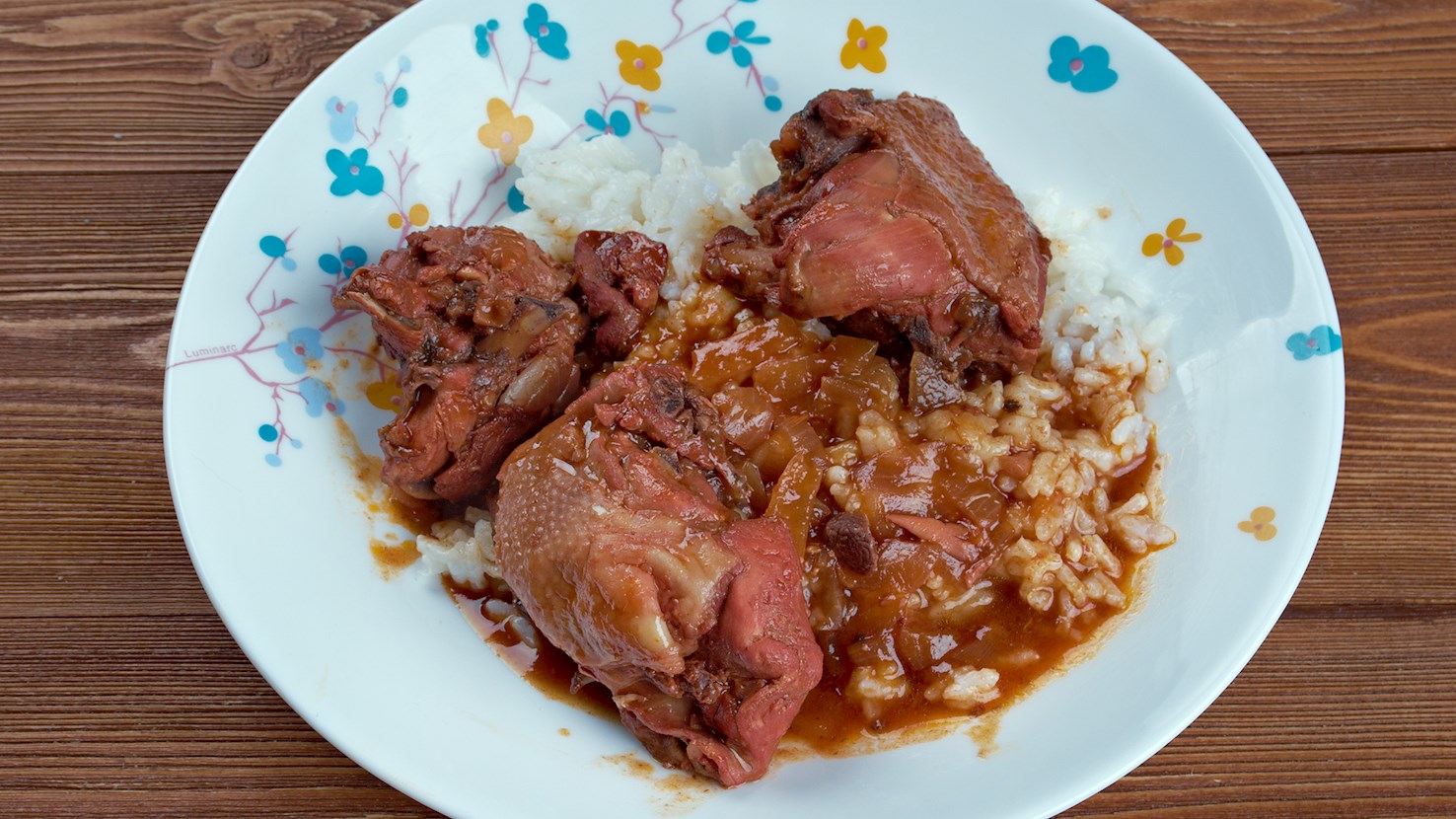
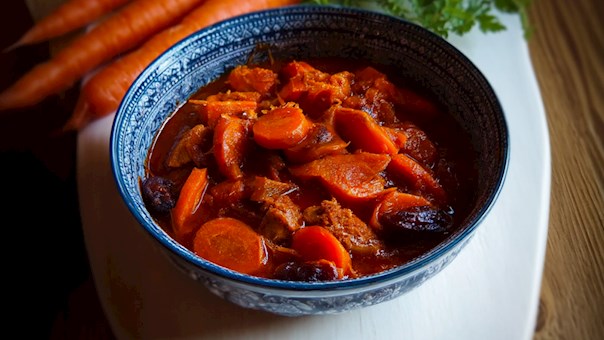
Anar bij is a flavorful Iranian dish originating from the northern regions of Iran, where pomegranates are widely cultivated and used in cooking. This dish combines tender pieces of meat, often lamb or beef, with the sweet and tart juice of pomegranates, resulting in a stew that balances rich, savory flavors with bright, fruity acidity. Anar bij reflects the culinary traditions of northern Iran, where the abundant local produce inspires dishes that are both hearty and refreshingly vibrant. The history of anar bij is closely linked to the agricultural richness of the Caspian Sea region, known for its fertile soil and diverse crops. Pomegranates have been a staple ingredient in this area for centuries, and their incorporation into savory dishes like anar bij showcases the regional preference for combining fruit with meat. The dish evolved as a way to utilize the fresh pomegranate juice during harvest season, highlighting the natural sweetness and complexity it brings to slow-cooked meals. Its recipe has been preserved through generations, adapting slightly with seasonal variations and local tastes. Preparation of anar bij involves marinating ground meat in a mixture of pomegranate juice and spices before slowly simmering them until tender. The cooking process allows the meat to absorb the tangy-sweet flavors of the fruit while developing a rich sauce. Additional ingredients such as onions, garlic, and herbs may be included to enhance depth and aroma. The dish is usually cooked over low heat to meld the flavors thoroughly and achieve a harmonious balance between acidity and savoriness. Anar bij is typically served with steamed rice, which complements the stew’s complex taste and provides a neutral base for the intense flavors. It is enjoyed in homes and local eateries throughout northern Iran, especially during pomegranate season when the fruit is at its freshest.
TasteAtlas food rankings are based on the ratings of the TasteAtlas audience, with a series of mechanisms that recognize real users and that ignore bot,
nationalist or local patriotic ratings, and give additional value to the ratings of users that the system recognizes as knowledgeable.
For the “Top 24 Iranian Stews” list until September 15, 2026, 1,402 ratings were recorded, of which 895 were recognized by the system as legitimate.
TasteAtlas Rankings should not be seen as the final global conclusion about food. Their purpose is to promote excellent local foods,
instill pride in traditional dishes, and arouse curiosity about dishes you haven’t tried.




What People Say