





Top 16 Northern European Stews

Last updated on May 15, 2026
01

Kalops

3.8 ·

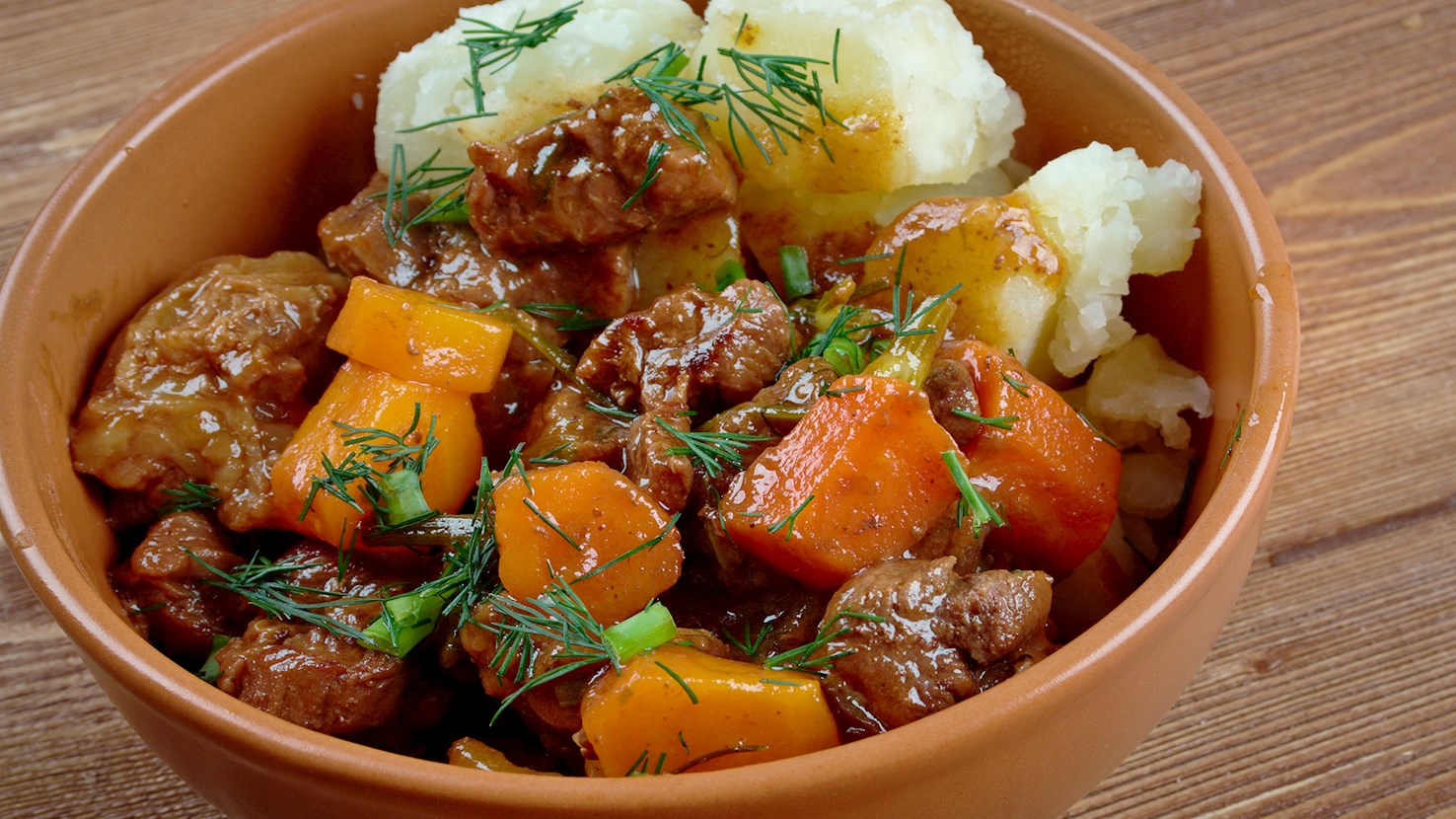
Kalops is a rich and comforting Swedish beef stew. It is prepared with chunks of beef that are slowly cooked with onions and spices such as whole peppercorns, bay leaves, and allspice. The most popular variation of the stew is Skånsk kalops, typical for Skåne region, which usually includes the addition of carrots. Kalops is believed to have originated in the 18th century and has been a wintertime classic ever since. It is traditionally served alongside potatoes and pickled beets.

02

Korv Stroganoff

3.6 ·

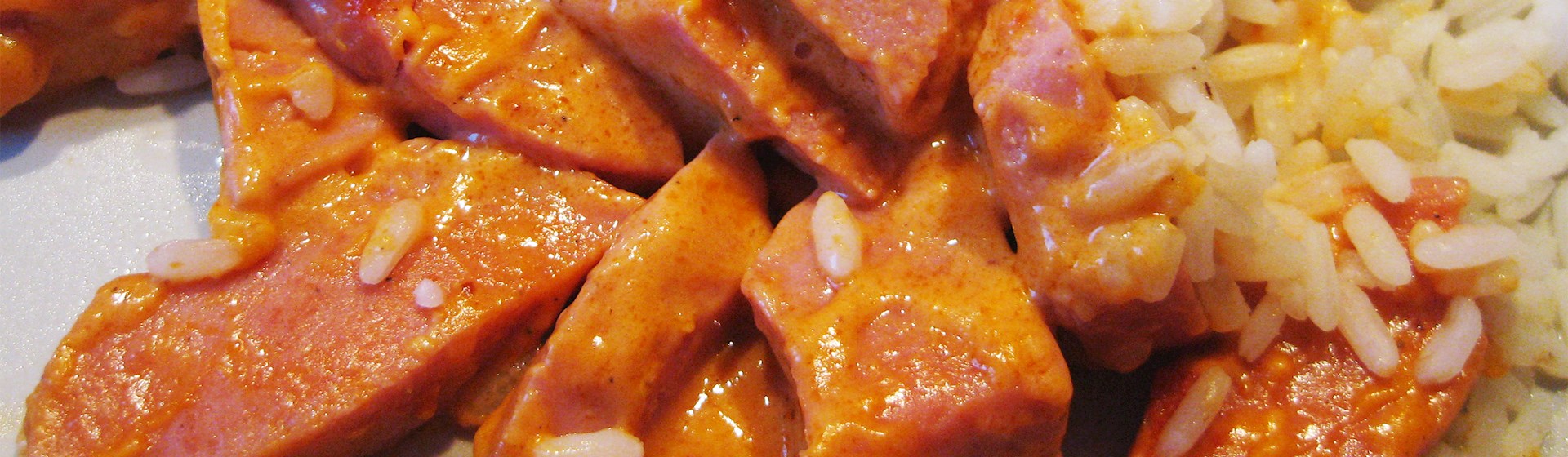
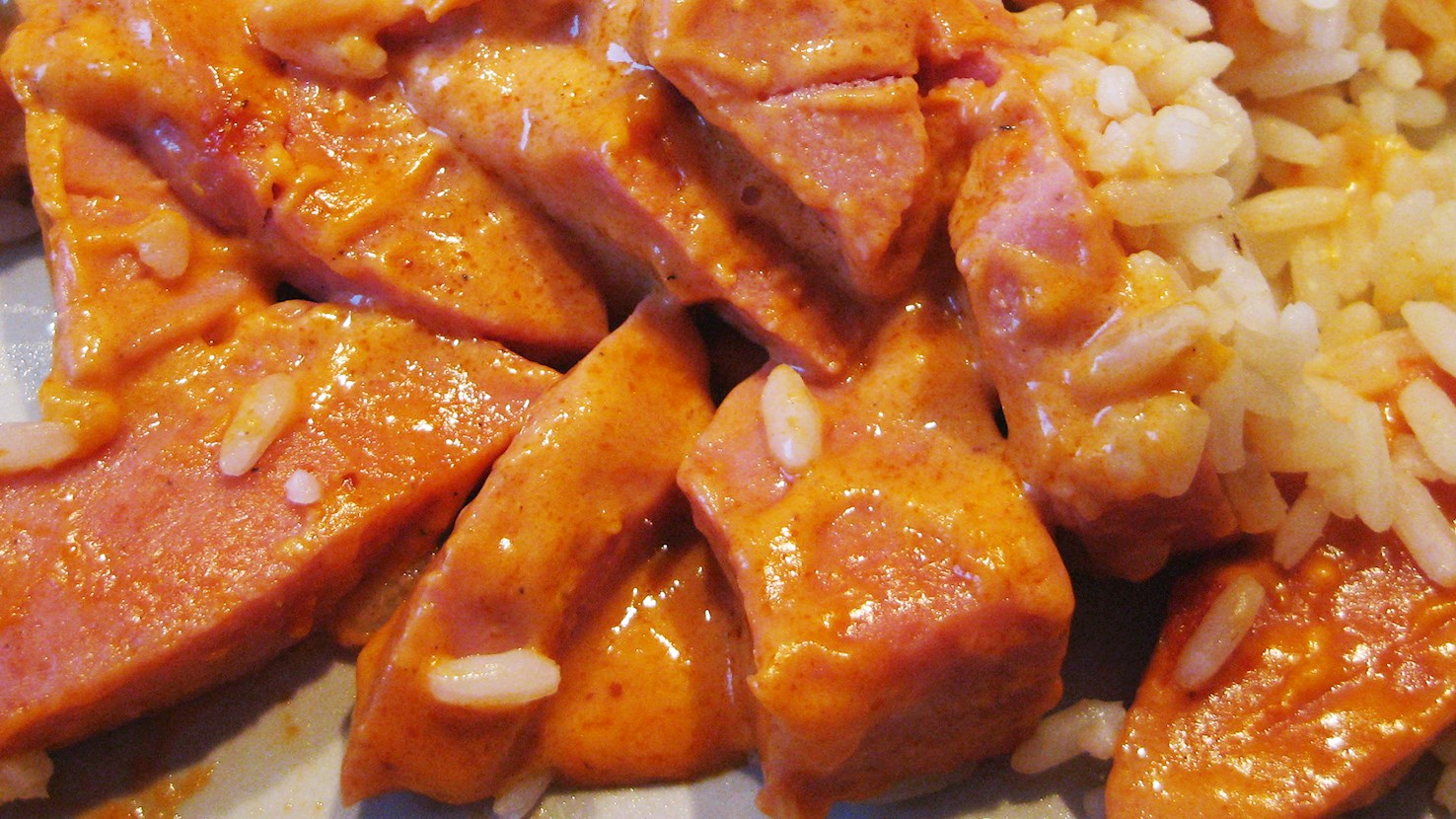
Korv Stroganoff is the Swedish version of a popular dish known as beef Stroganoff. Instead of beef, the dish is prepared with a Swedish sausage called falukorv, made with a combination of pork, beef, potato starch, and spices. Korv Stroganoff is beloved by children and takes only about 10 minutes to prepare. Apart from falukorv sausage, the dish is made with onions, tomato purée, chopped tomatoes, and crème fraiche. All ingredients are simmered and seasoned, and this warming, comforting dish is then served, ideally with boiled rice on the side.

03

Lapskaus

3.5 ·

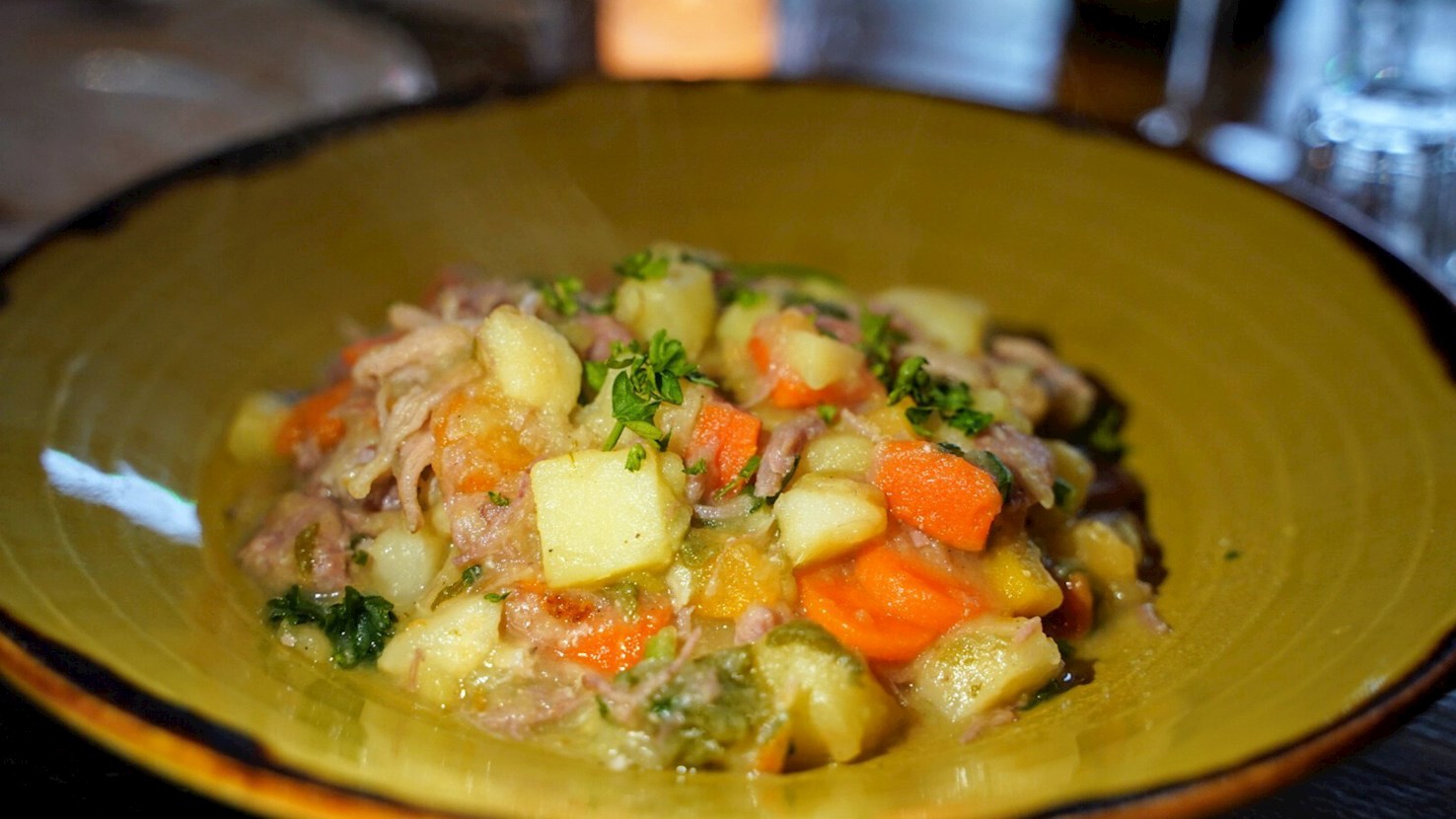
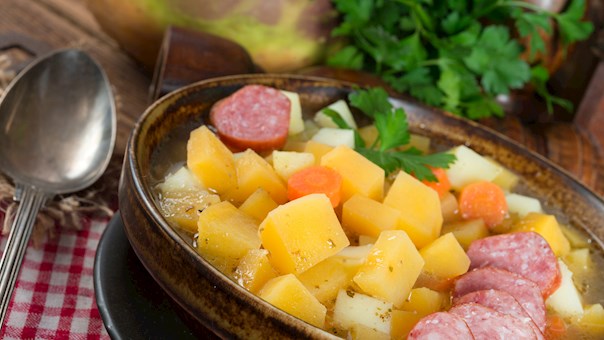
Lapskaus is a traditional stew originating from Norway. The stew is usually made with a combination of beef (lamb, pork, and chicken are also viable options), onions, potatoes, carrots, celery, rutabaga, stock, flour (optional), bay leaves, thyme, salt, and pepper. The beef is cooked in water with the vegetables, herbs, and seasonings. As the stew cooks, the broth becomes thicker, and once it develops the right consistency, it's served warm with a few slices of bread or lefse flatbread on the side. If desired, the broth can be thickened with a bit of flour. However, the dish has many variations, and some people like their broth to be thin and watery. This hearty stew is especially popular in autumn and winter. Like most stews, lapskaus tastes even better the next day.

04

Fårikål

3.5 ·

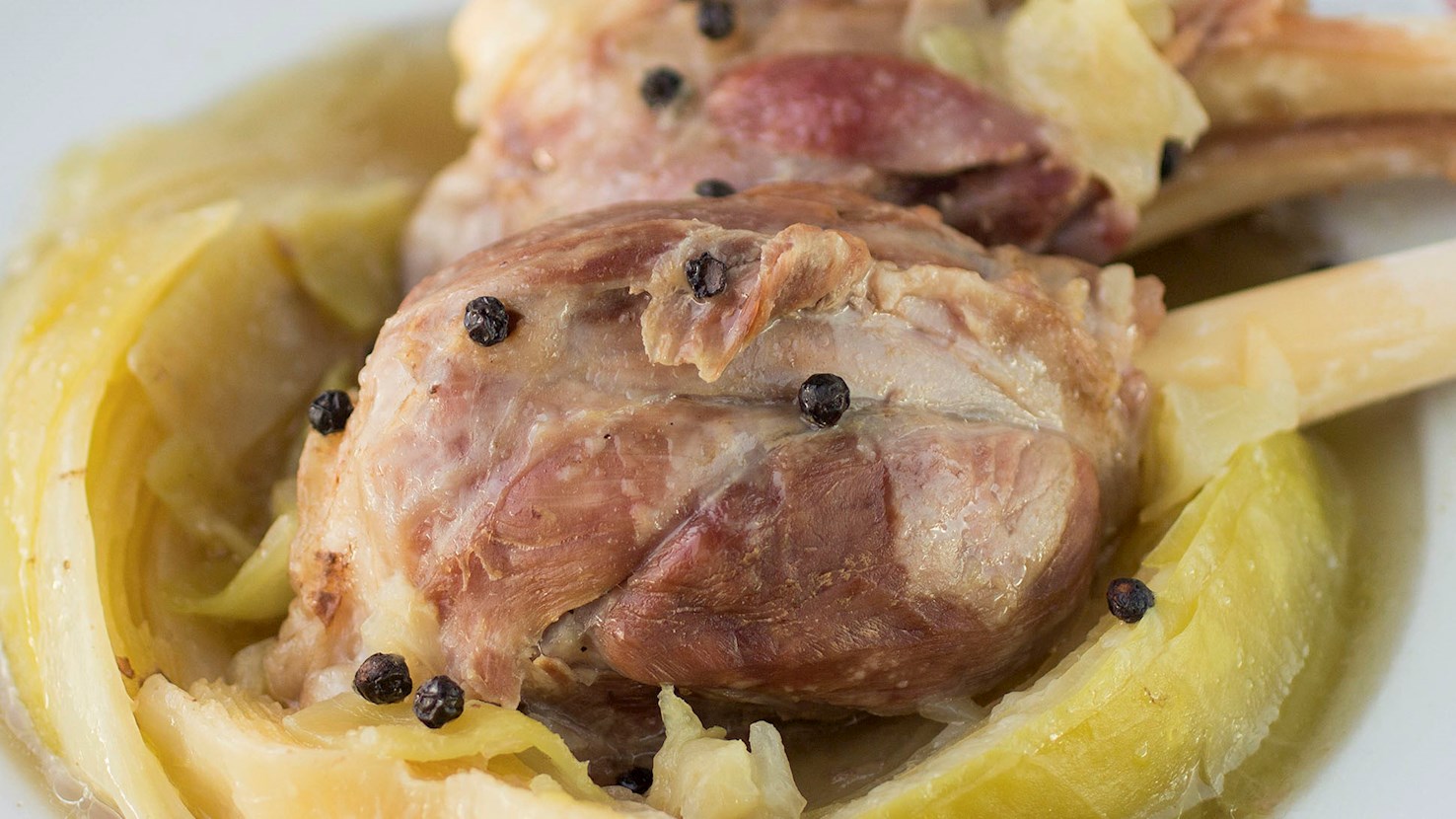
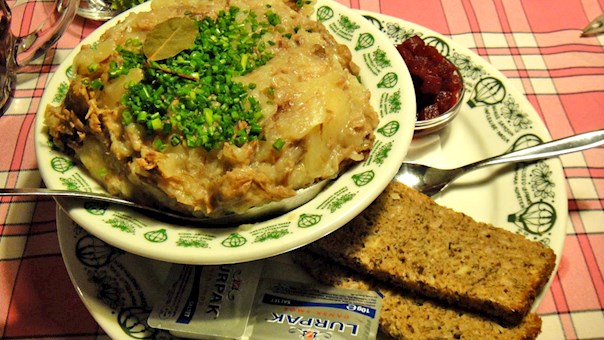
The national dish of Norway, fårikål, is hearty mutton and cabbage stew, typically served with boiled potatoes. The list of ingredients is scarce: only mutton, cabbage, salt, pepper, and water, although some recipes call for the broth to be thickened with flour. Traditionally, this stew was a seasonal, autumn dish, but today it is eaten throughout the year.

05

Karjalanpaisti

3.3 ·

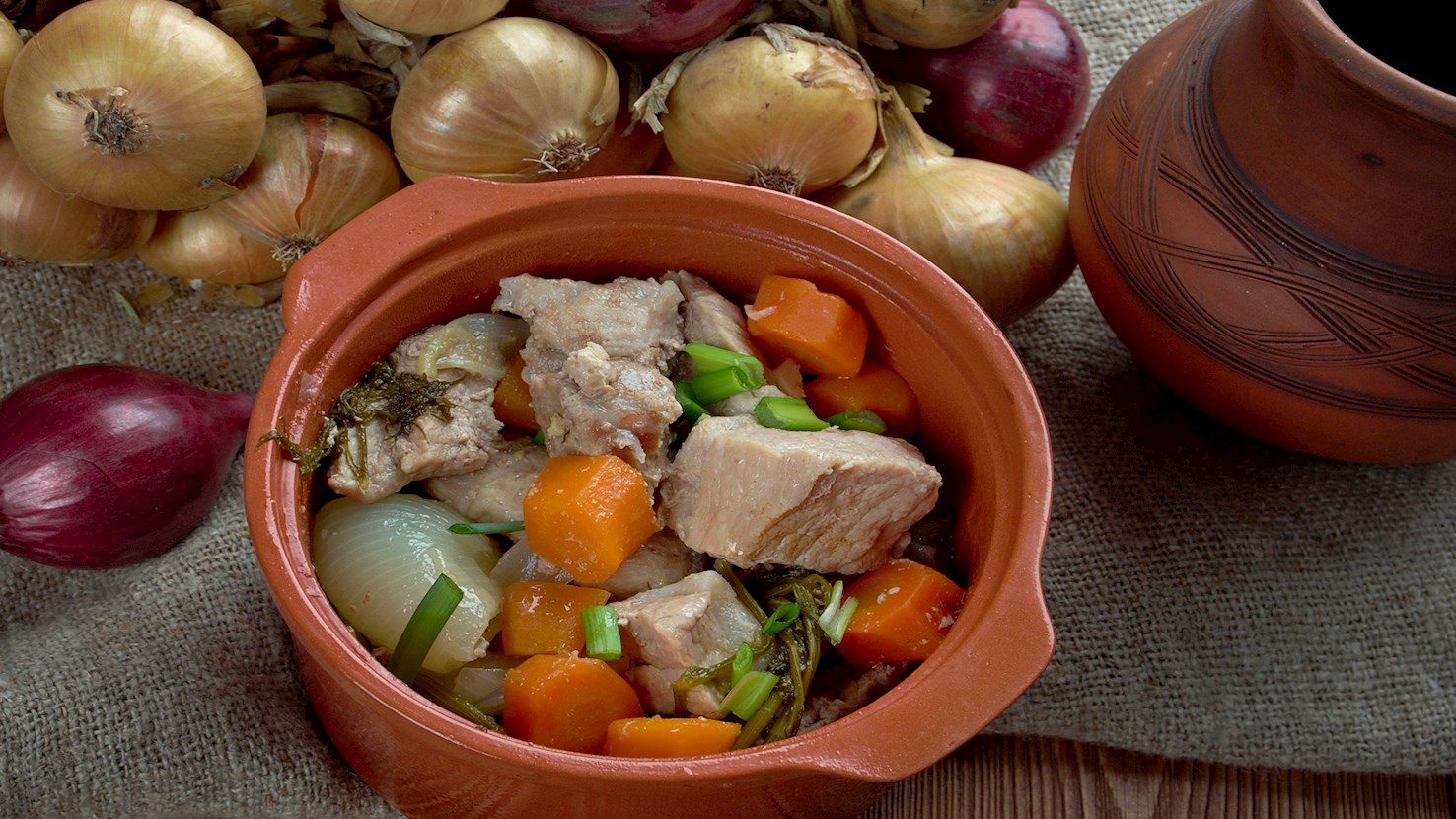
Karjalanpaisti is a traditional stew consisting of chunks of pork, beef, and mutton, with the occasional addition of potatoes, carrots, and onions. Generously seasoned with peppercorns, allspice, and bay leaves, the dish is simmered in the oven for a long time until all of the elements are cooked through and thoroughly infused with flavorful seasonings. This comforting and satisfying stew originated in the Karelia region, but today, it is enjoyed throughout the country and considered to be one of the best Finnish national dishes.

06

Biđus

2.9 ·

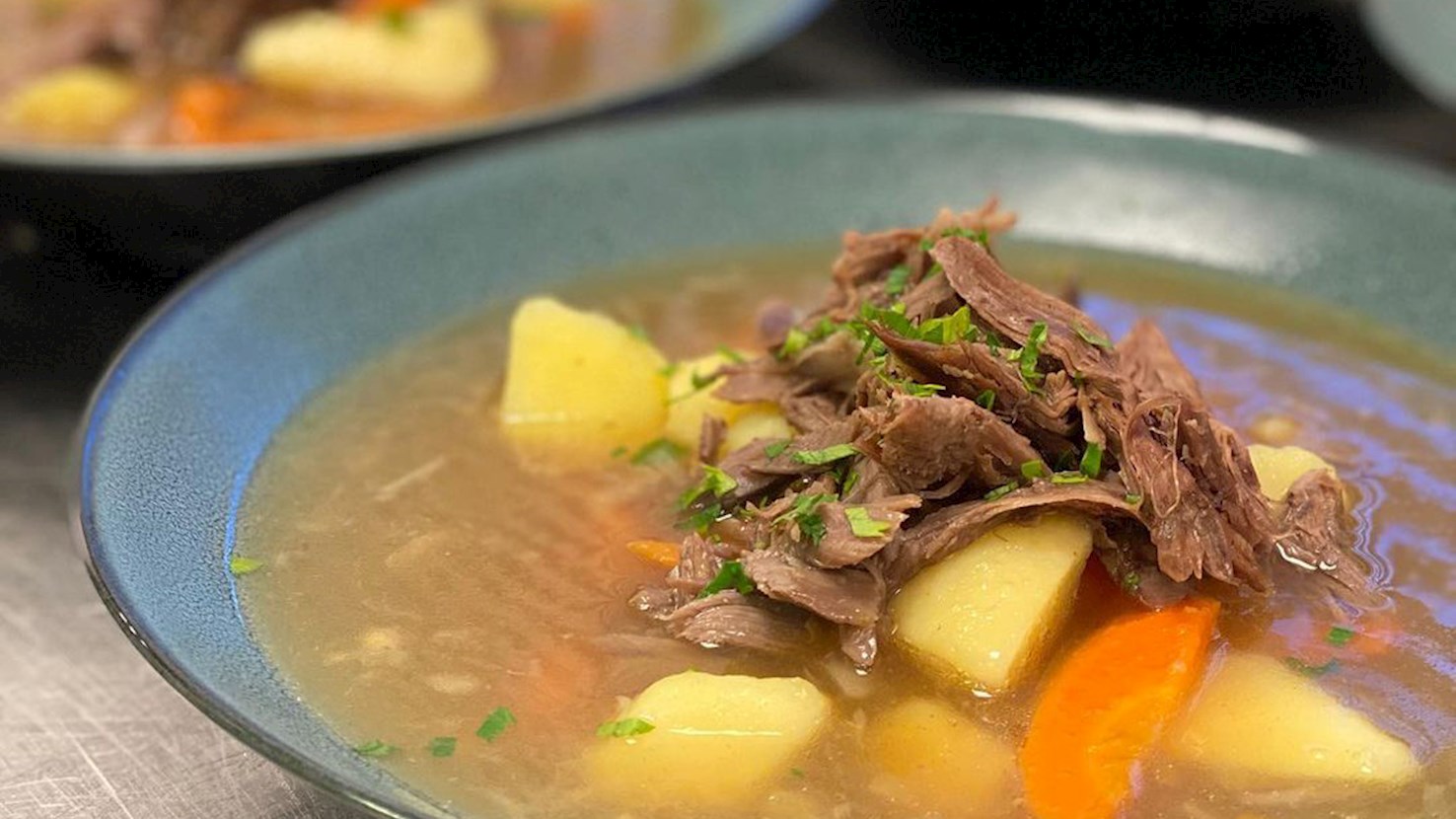
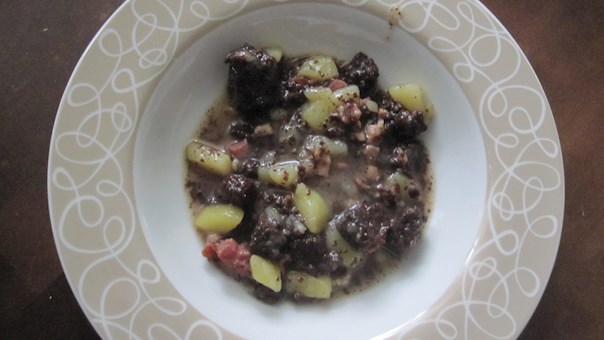
Bidos is a traditional stew of the Norwegian Sámi people. It's made with a combination of reindeer meat (including the heart), onions, potatoes, and carrots. Traditionally, no seasoning is used because the stew already has a rich flavor reflecting the reindeer's pasture. However, the stew can be enriched with a bit of mustard, if desired. The ingredients are slowly cooked until everything is tender. The Sámi people traditionally serve bidos at weddings and similar festive occasions.

07

Millionbøf

2.9 ·

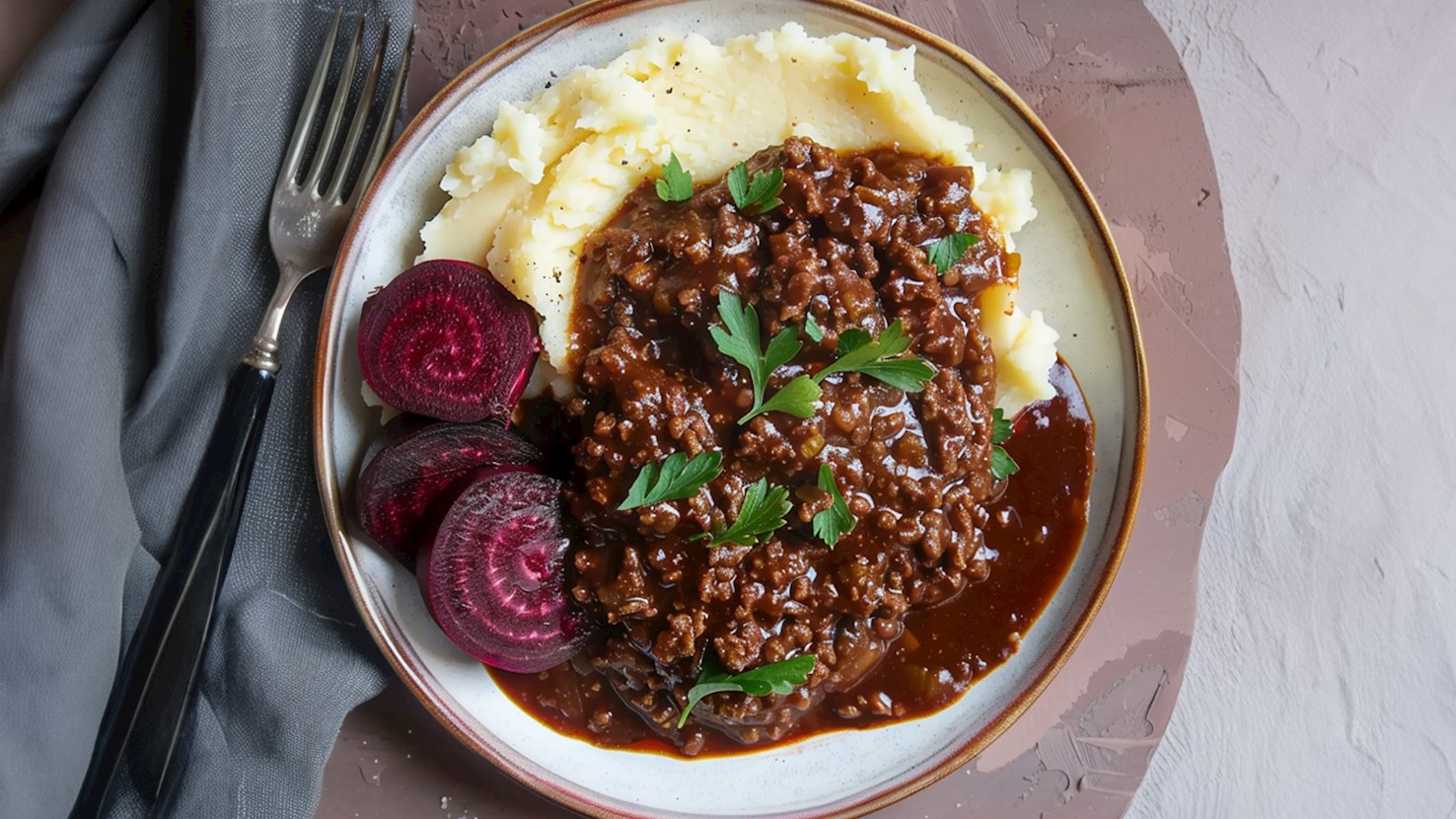
With an intriguing name translated as million steaks, this comforting Danish dish consists of ground beef that is stewed alongside onions and a variety of spices. The key is to break down the meat, as if it consists of a million tiny pieces, and to serve it with a rich, dark gravy. This classic Danish meal is usually accompanied by mashed or boiled potatoes and beets on the side.

08

Merimiespata

2.7 ·

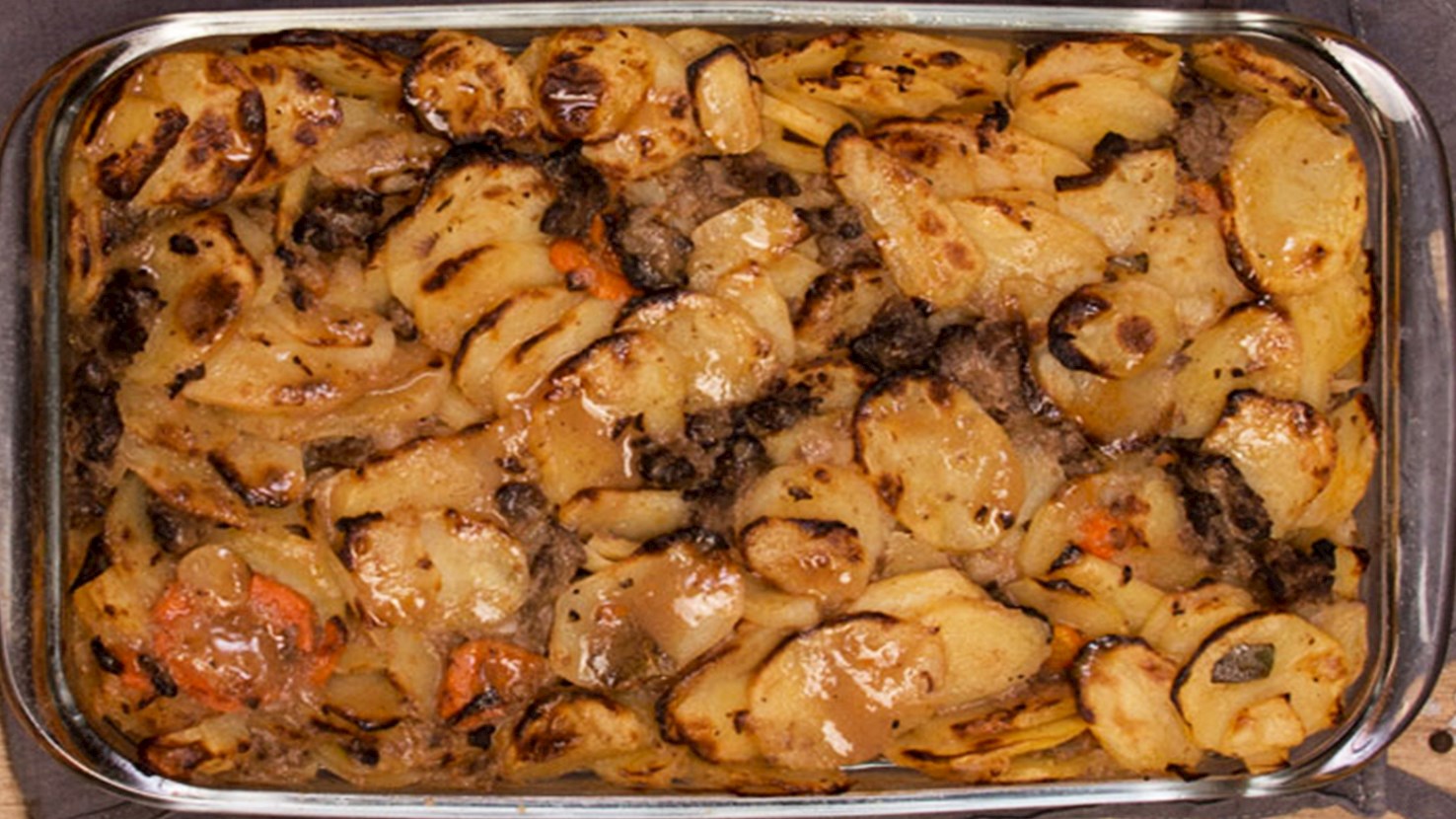
Merimiespata is a hearty Finnish stew prepared with beef, potatoes, onions, and beer. It is typically flavored with black pepper, sugar, bay leaves, and thyme. This stew is traditionally cooked in the oven, and when the vegetables are tender and the meat is cooked, it is garnished with thyme and served. Some say that merimiespata tastes even better when reheated the next day. If desired, the stew can be served accompanied by bread and pickled beets on the side.

09

Finnbiff

n/a ·

Finnbiff is a Norwegian stew made from thinly sliced reindeer meat, simmered with ingredients such as onions, mushrooms, cream, and sometimes juniper berries to create a rich and hearty dish. It originates from the northern regions of Norway, where reindeer herding has been an important part of Sámi culture for generations. The use of thin shavings of meat comes from a practical approach to cooking in cold climates, allowing the meat to cook quickly and evenly over open fires or in simple pots. Over time, the dish evolved from a campfire meal for herders into a well-known recipe served in homes and restaurants across the country. Preparation begins with browning the frozen or semi-frozen slices of reindeer in butter, which helps develop flavor and prevents the meat from stewing too early. Onions and mushrooms are added, followed by cream or sour cream to create a smooth sauce, with juniper berries or thyme sometimes included for aroma. The stew is usually served with boiled or mashed potatoes, lingonberry preserves, or flatbread, which complement the richness of the meat. One notable feature of finnbiff is that it retains the distinct taste of reindeer while becoming tender through the slow cooking process, making it both robust and refined. Today it is enjoyed throughout Norway, especially in the north, served in mountain lodges, local restaurants, and family kitchens, often as a warming meal during the colder months or offered to visitors seeking regional cuisine.

10

Reinsdyrgryte (Reindeer stew)

n/a ·

Reinsdyrgryte is a hearty reindeer stew from Norway, particularly common in the country’s northern regions where reindeer herding is an important part of the Sámi way of life and Arctic culinary culture. This dish features reindeer meat, typically sliced thin or cut into chunks, slowly simmered in a creamy base often enhanced with onions, mushrooms, and aromatic elements like juniper berries or thyme. The result is a rich, warming dish suited to the cold climate of northern Scandinavia, where hearty, nourishing meals are a natural part of daily life. Reindeer meat is valued for its lean, tender quality and its mild game flavor, which absorbs and complements the creamy sauces and forest-scented herbs used in cooking. The stew is typically cooked over low heat to ensure the meat becomes soft and infused with flavor. Although it is especially popular in areas with Sámi influence, it is served throughout Norway in wintertime menus, mountain lodges, and holiday celebrations, often accompanied by mashed potatoes, lingonberry jam, or root vegetables.

Read more
View all
View map
About this ranking

TasteAtlas food rankings are based on the ratings of the TasteAtlas audience, with a series of mechanisms that recognize real users and that ignore bot, nationalist or local patriotic ratings, and give additional value to the ratings of users that the system recognizes as knowledgeable. For the “Top 16 Northern European Stews” list until May 15, 2026, 299 ratings were recorded, of which 241 were recognized by the system as legitimate. TasteAtlas Rankings should not be seen as the final global conclusion about food. Their purpose is to promote excellent local foods, instill pride in traditional dishes, and arouse curiosity about dishes you haven’t tried.

Similar lists