

shutterstock

Top 52 Stone Fruits
in the World

Last updated on July 01, 2026
01

Rodakina Naoussas

4.5 ·

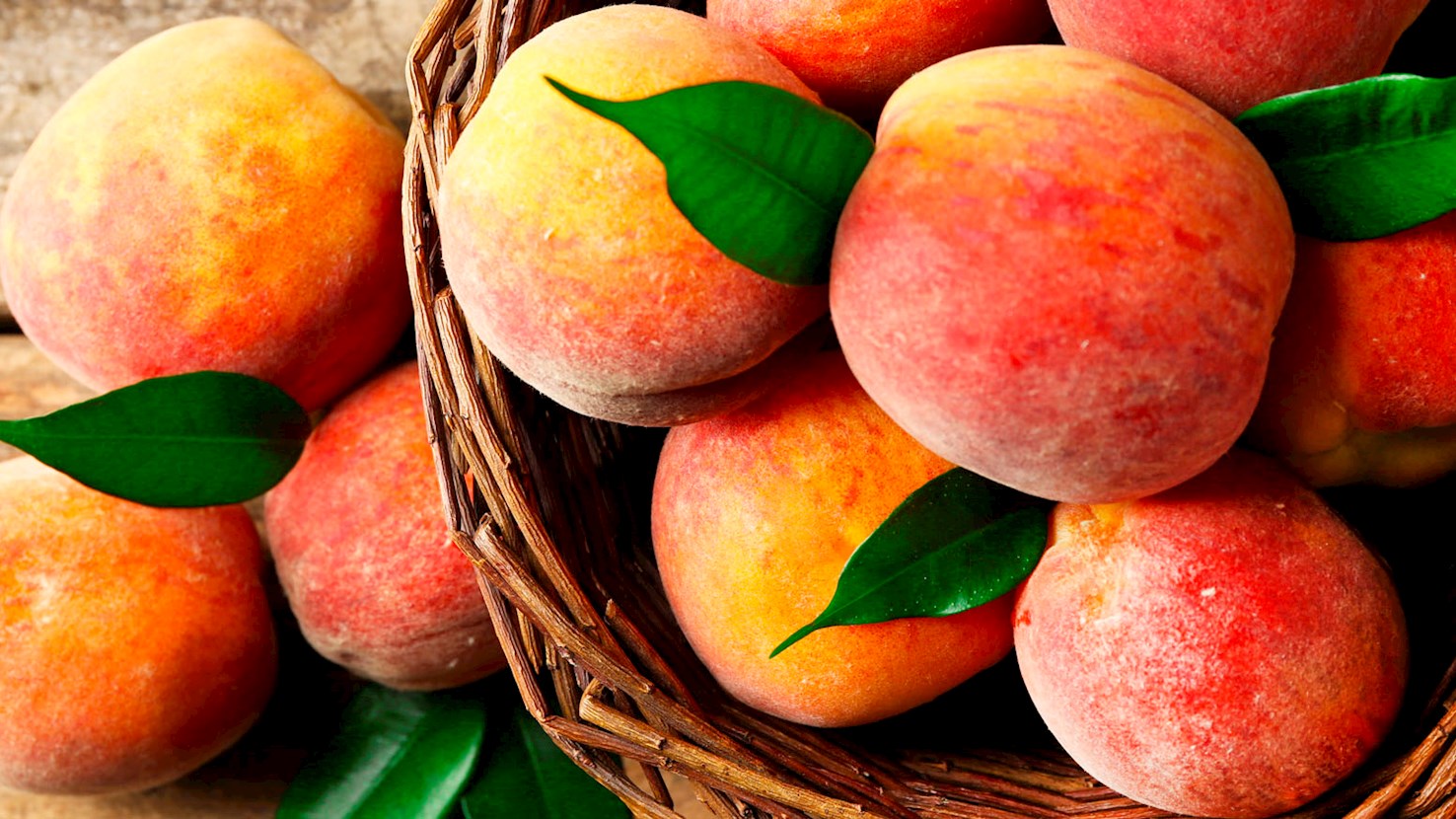
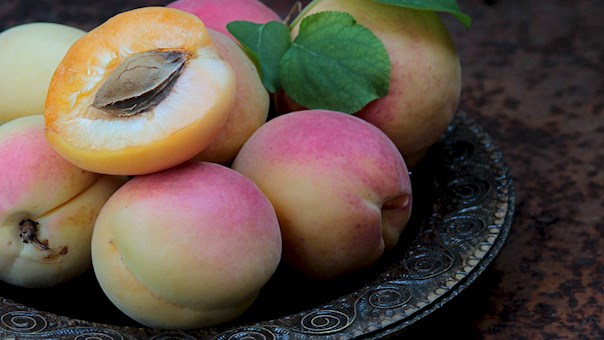
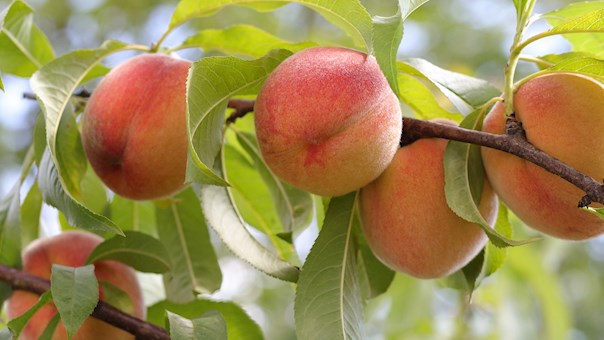
These tasty peaches of the May Crest, Spring Crest, June Gold, Dixired, Red Haven, Maria Bianca, Sun Cloud, Flavor Crest, Sun Crest, J.H. Hale, Honey Dew Hale, Naoussa Late, and Loring varieties grow in the Greek region of Central Macedonia. Even though these peach varieties originated in China, the excellent weather and soil conditions combined with systematic cultivation made them adapt quickly to the Mediterranean, and they quickly became one of the most popular fruits in Greece. They are harvested when ripe and immediately inspected and packed to retain their freshness. Due to their rich aroma and sweet taste, they are highly sought after by consumers both in Greece and beyond, especially in the markets of Europe and the Arabian Peninsula, where they are sold from the end of May to the end of October.

02

Melocotón de Calanda

4.5 ·

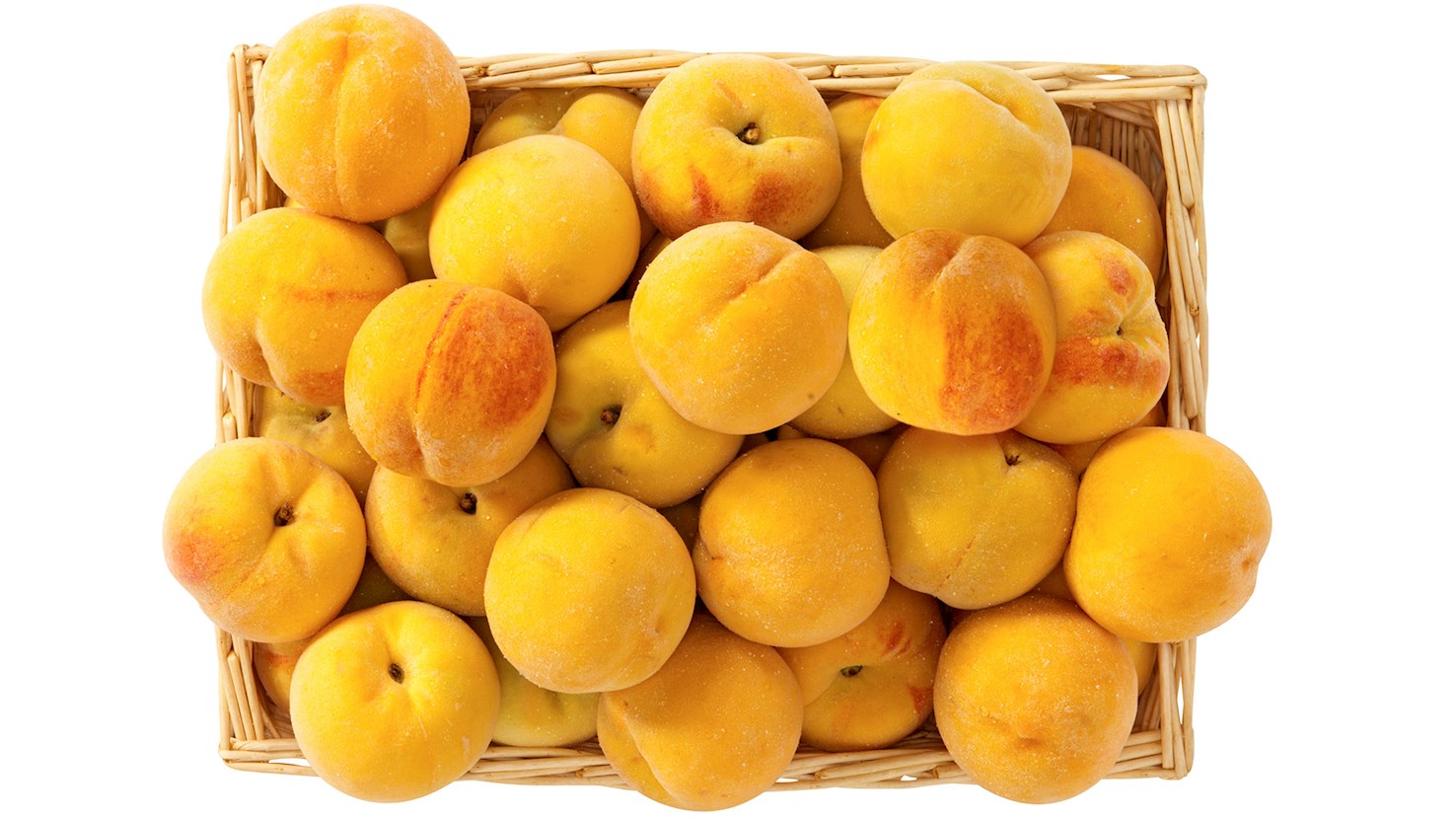
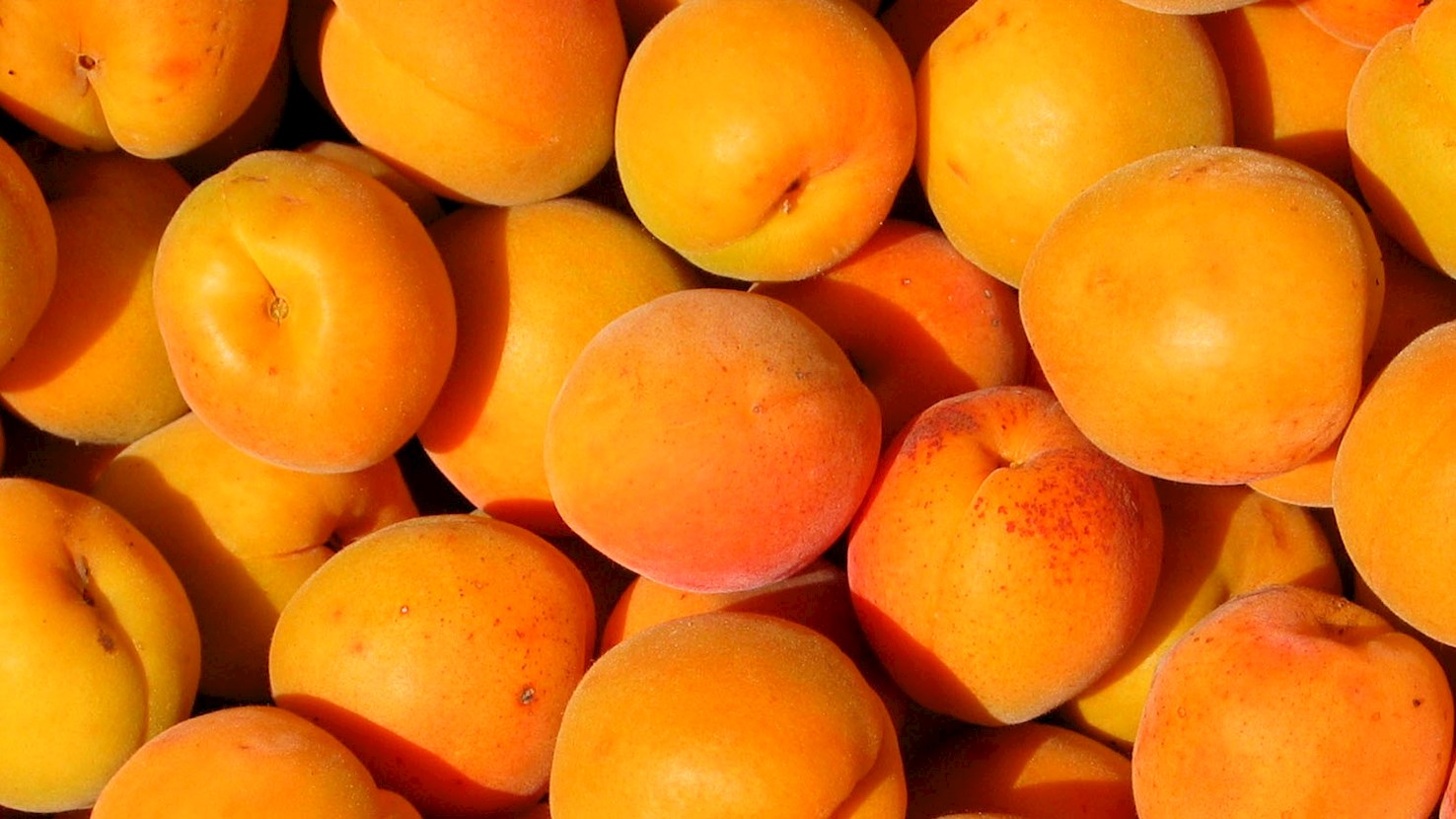
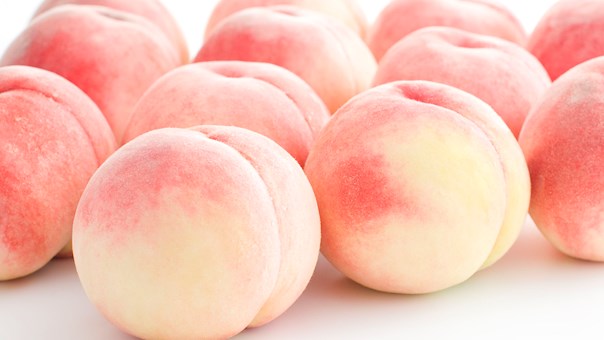
Melocotón de Calanda are the famous peaches grown in the east of the Autonomous Community of Aragón. They are unique because of their large size, sweetness, and extraordinary flavor. These creamy orange peaches have been grown in the region of Aragón since the 19th century and are still today picked at the peak of their ripeness to ensure fully developed flavor and succulent texture. With a minimum diameter of 73 mm, Melocotón de Calanda are larger then peaches grown elsewhere and mustn't have any visual blemishes. They are carefully packaged and shipped with a sticker that contains the logo and a code which ensures traceability and guarantees the quality of these superb peaches.

03

Wiśnia nadwiślanka

4.3 ·

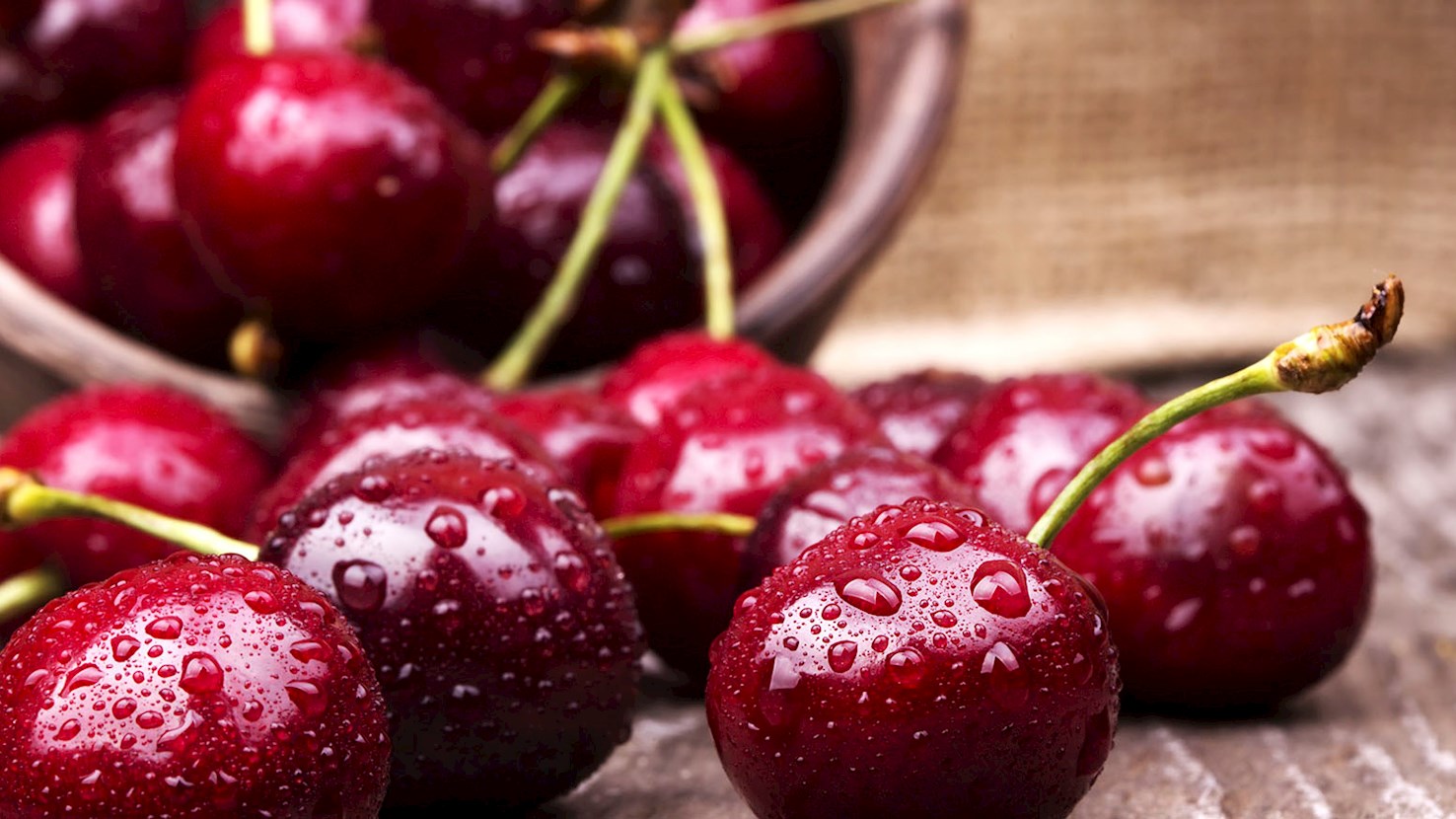
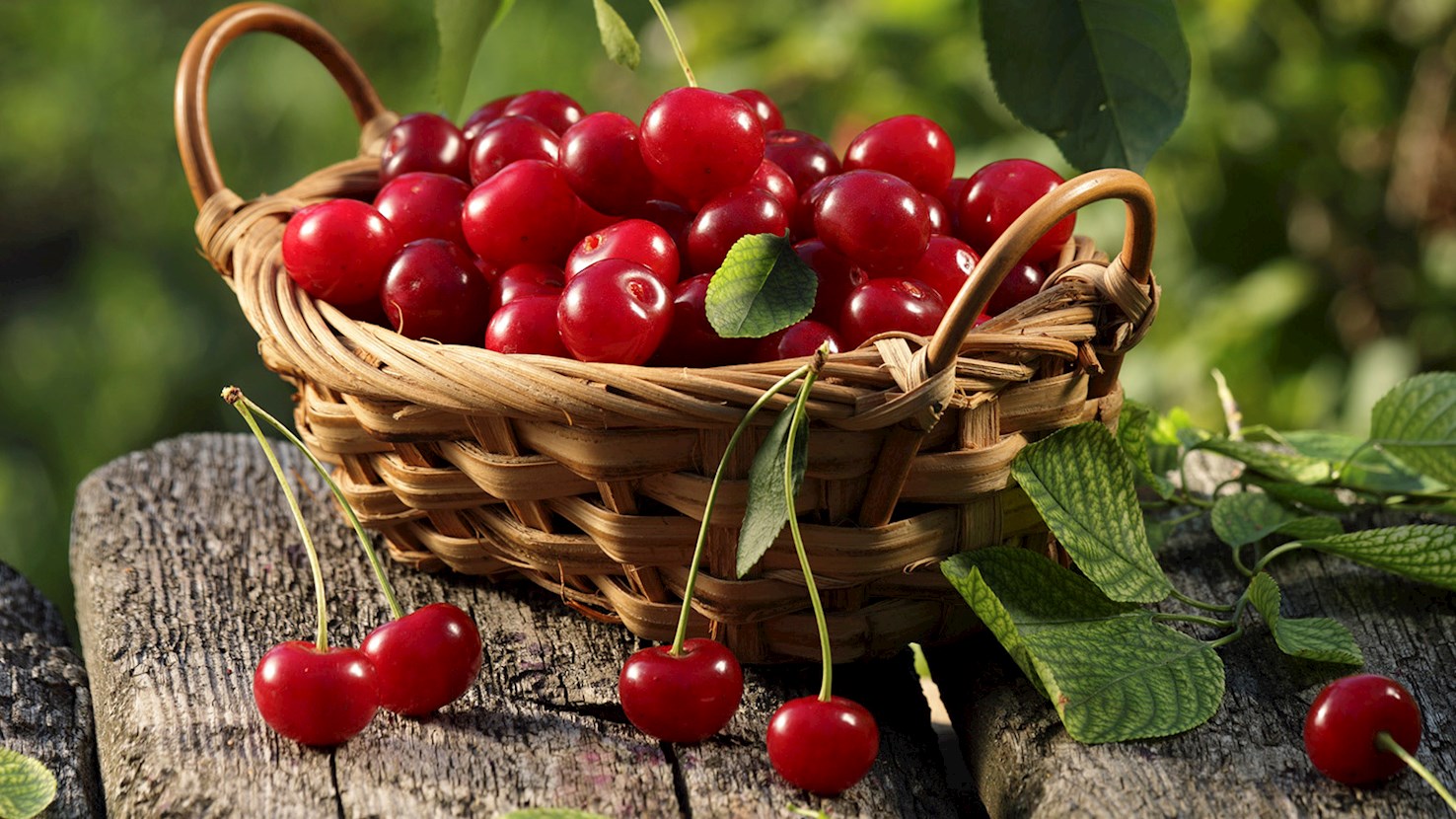
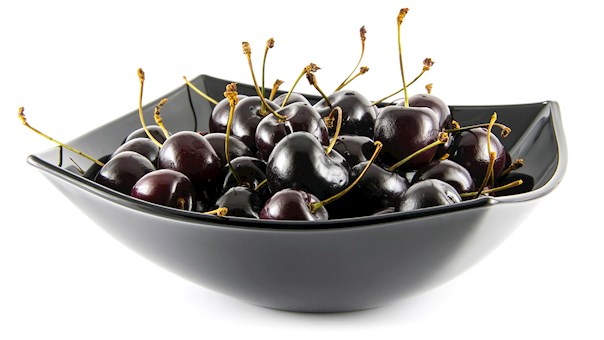
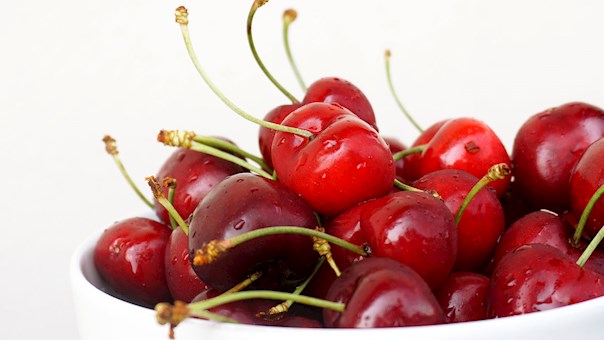
Wiśnia nadwiślanka is a cherry fruit grown for both direct consumption and processing purposes in Mazowieckie, Świętokrzyskie and Lubelskie Voivodships in Poland since the 20th century. The cherries are of the suckering sokówka cherry trees, the word refers to the Polish word for juice, sok, and the cherries are mainly used for making fruit juices. The cherries are small, round and very aromatic. Their flesh is an intense red color, while the stone is dark and the skin is an intense dark red to burgundy color. Their color is the result of a high anthocyanin content, and those substances are known to be anticarcinogenic, making the cherries an extremely health-beneficial product. The taste is strong, slightly acidic and tart and the scent is typical of cherries. Wiśnia nadwiślanka can be enjoyed on its own or consumed in fruit juices, delicious cherry jams and various desserts.

04

Wachauer Marille

4.2 ·

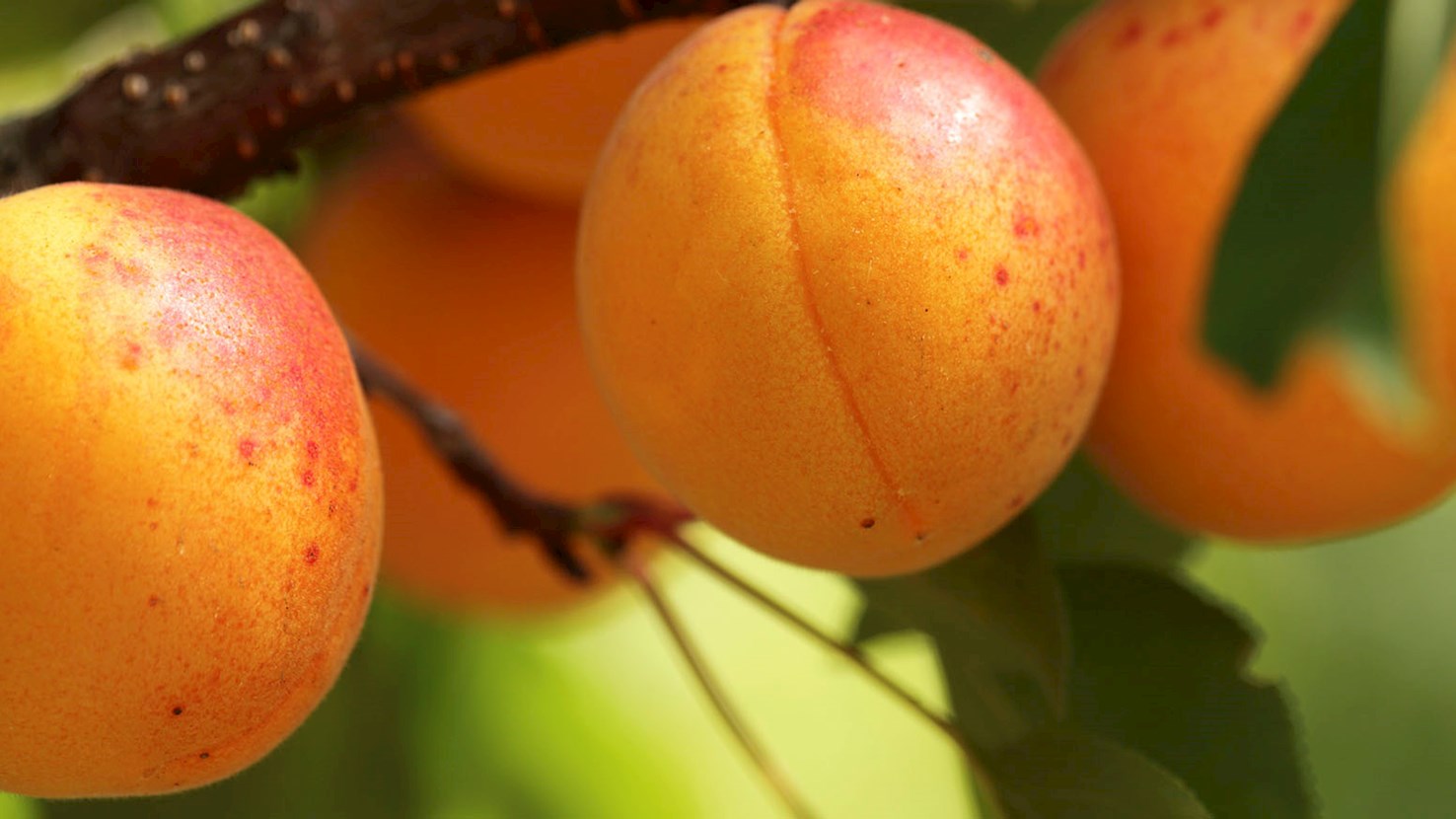
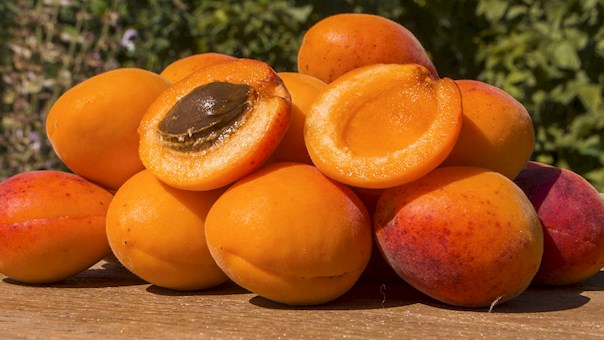
Nestled along the banks of the Danube River, the Wachau Valley is home to some of Austria's oldest wineries and distilleries, one of the most prominent tourist destinations, and the country's largest fruit cultivation area, whose stunning landscapes are dominated by apricot orchards, particularly during blossom in spring and harvest in summer. The exceptional flavor of Wachau apricots is directly influenced by the region's microclimate, especially the differences in temperature between day and night during the ripening phase. Twenty different Wachauer Marille cultivars are easily distinguished from other apricots by a special seal of quality that guarantees the origin, unique aroma, and rich flavor of these plump fruits. Each July, the Wachau apricot is honoured with its own Spitzer Marillenkirtag festival, a tradition that lasts for more than 50 years. Being such a versatile fruit, Wachauer Marille can be enjoyed in a number of products: syrups and nectars, jams and preserves, liquors and schnapps, and even apricot beer!

05

Ciliegia amarena

4.1 ·

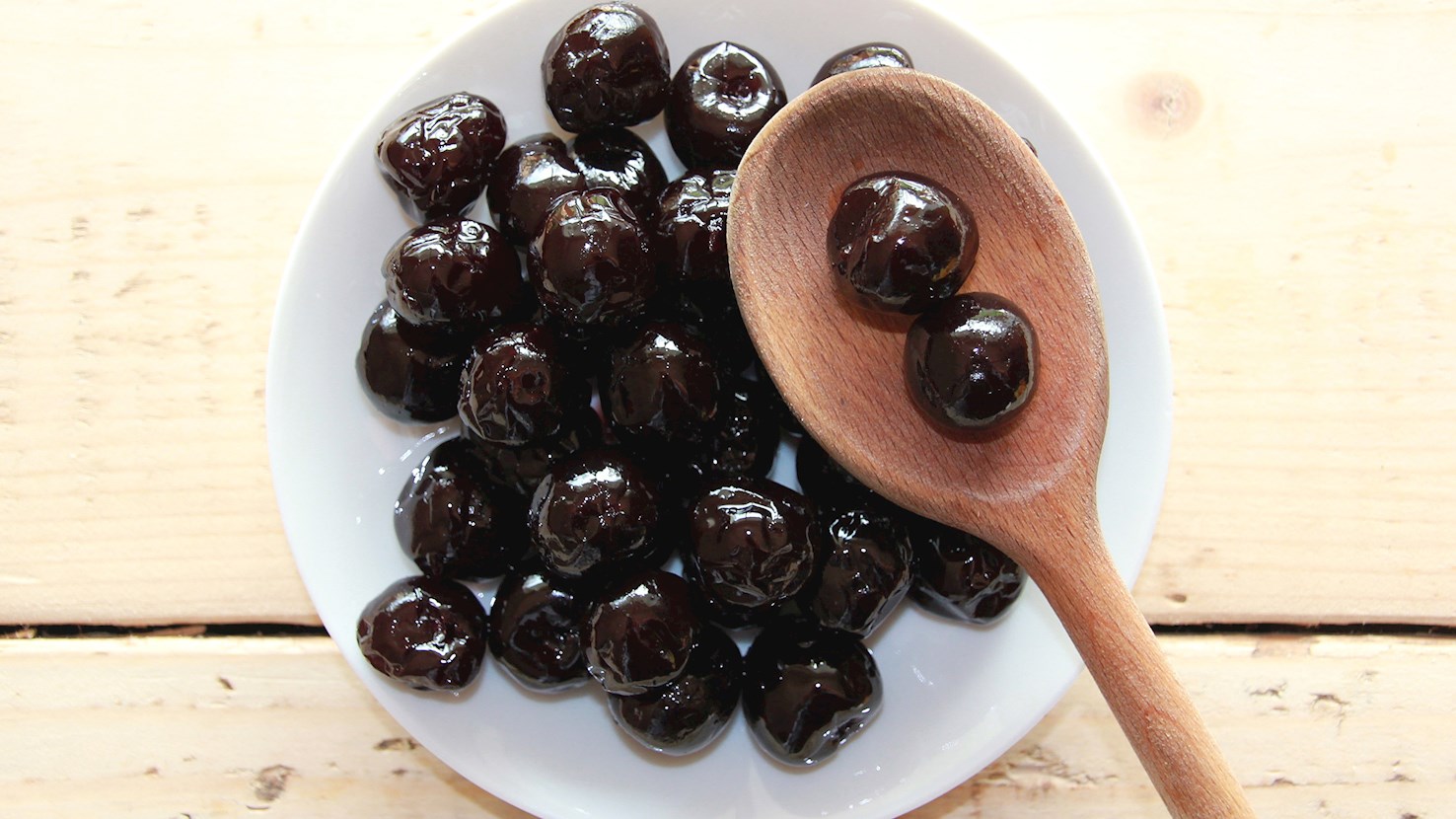
Amarena is a unique type of cherry originating from Bologna in Italy. It was developed by Gennaro Fabbri. The cherries have a dark, almost black color, while the texture of the flesh is tender and firm. The flavor is best described as sour, acidic, and sweet. These cherries are used in many ways – as a topping for gelato, in fruit salads, cocktails, cakes, tarts, pies, pastries, and chilled drinks. Amarena is also often transformed into a sweet and sour cherry syrup.

06

Mirabelles de Lorraine

4.1 ·

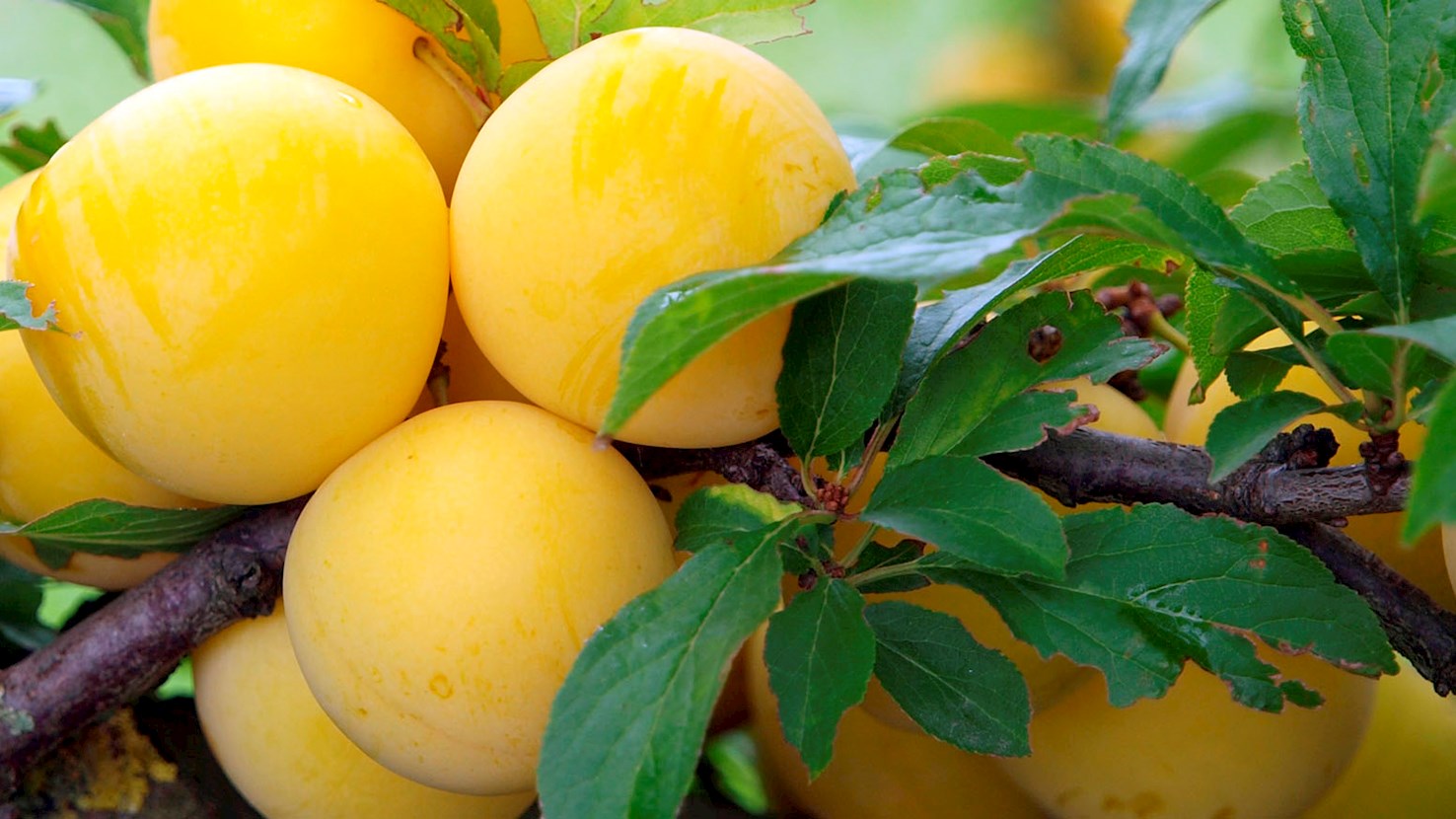
A specialty of the Lorraine region in France since the 16th century, these plums are small with a striking yellow to golden color. Their flesh has a smooth, fine texture and on the outside, the skin has numerous tiny spots. Usually eaten fresh or cooked in jams and pies, Mirabelle plums have a sweet, delicate taste and are harvested in September. A great thing about them is that they don't have a pit on the inside, so there is no need to manually remove it before cooking. The plums can also be used in tarts, souffles and sauces, and chefs are still inventing new recipes based on these unique plums.

07

Cereja da Cova da Beira

4.1 ·

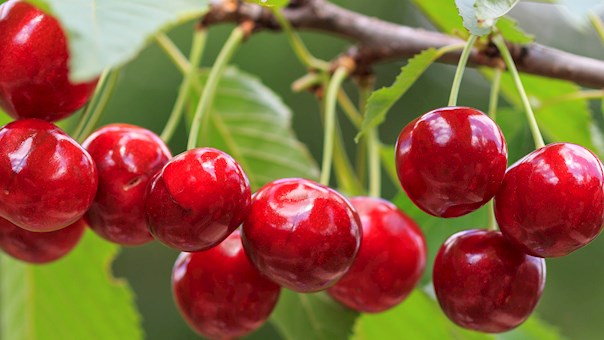
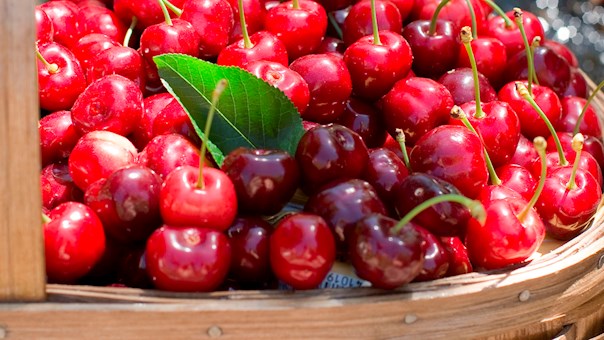
These cherries are the fruit of the Morangão and De Saco varietals. They are native to the Castelo Blanco region, where they have been cultivated since the nineteenth century. Today, bouquets of Cova de Beira cherry blossoms are a common gift for wedding couples who marry when the cherry trees are in bloom. The cherries are bright to dark red in color, with long, thick, light green stalks. Their texture is firm and dense, and their flavor is uniquely sweet. These cherries can be eaten fresh or used in the production of sweets, fruit desserts, cakes, and liqueurs.

08

Bayramiç Beyazı

4.1 ·

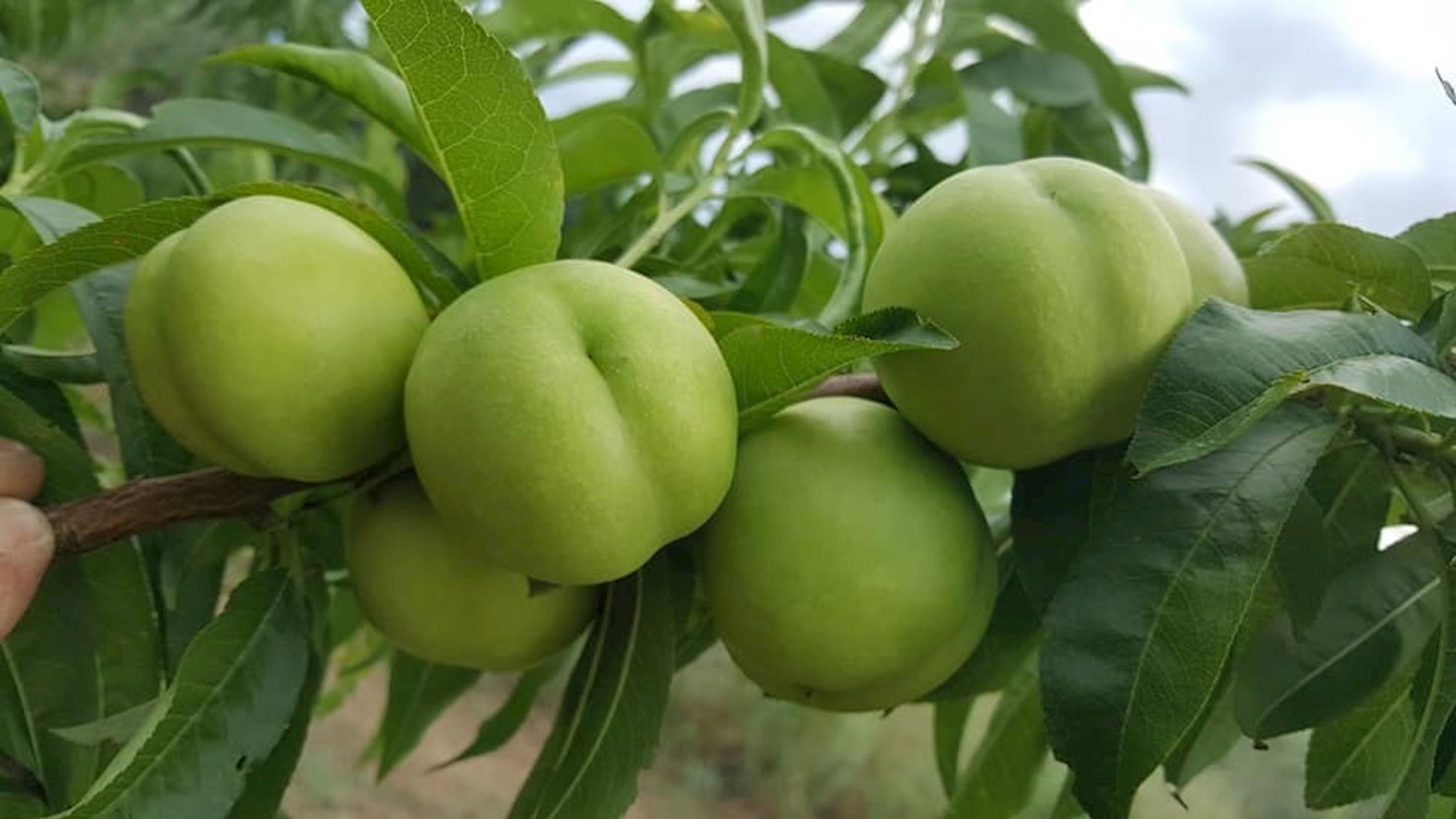
Bayramiç beyazı is the fruit of a local nectarine variety that's grown in the Turkish province of Çanakkale and the district of Bayramiç. Just slightly bigger than a cherry, this crunchy fruit has smooth skin with color ranging from light green to pink. The aromas are fresh and sweet, reminiscent of peaches, plums, and apricots. Juicy, refreshing, and aromatic, Bayramiç beyazı are best enjoyed fresh, but they are also perfect for jams or cakes.

09

Gönci kajszibarack

4.0 ·

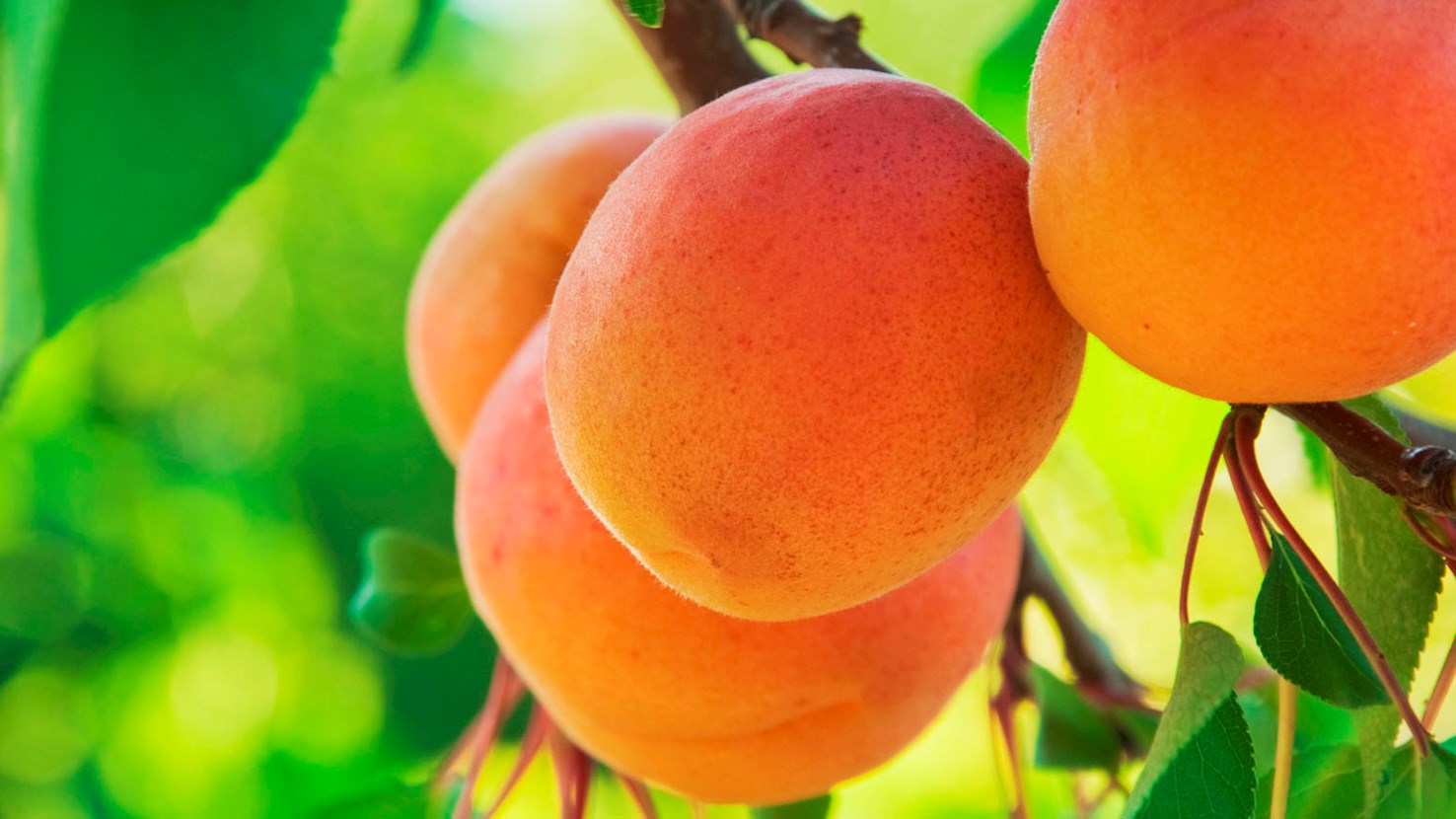
Gonci kajszibarack is a variety of apricots, unique for their traditional cultivation, harvesting, storing and transportation methods. The apricots grow in a very favorable, sunny climate, and only the following varieties are under protected status: Gonci magyar kajszi, Magyar Kajszi C 235, Mandulakajszi, Bergeron, Cegledi Piroska, Cegledi biborkajszi, Cegledi arany, Cegledi orias and Pannonia. The varieties differ in shape, size, color of skin and flesh, and flavor. Once they are hand picked, cooled and packed, they are ready to be eaten alone, or used in sweet dishes and fruit salads.

10

Malatya Kayısısı

4.0 ·

Apricot orchards are a trademark of the Malatya province in Eastern Anatolia. Being the world’s leading apricot producer, the province supplies fresh and dried apricots throughout the country, exporting a vast amount of its produce. Malatya apricots can thank their delicious taste to the fertile soil of the province, nourished from the lush Euphrates River. The apricots are sun-dried, without using sulphur in the process, and manufactured in family-run orchards still devoted to traditional methods. Also, Malatya apricots are often marketed ground up into a marzipan-like paste and coated in chocolate. In order to promote the quality of apricots and to encourage local producers to meet each other and the interested buyers, the Malatya Apricot Festival has been held annually for almost 40 years now.

About this ranking

TasteAtlas food rankings are based on the ratings of the TasteAtlas audience, with a series of mechanisms that recognize real users and that ignore bot, nationalist or local patriotic ratings, and give additional value to the ratings of users that the system recognizes as knowledgeable. For the “Top 52 Stone Fruits in the World” list until July 01, 2026, 941 ratings were recorded, of which 513 were recognized by the system as legitimate. TasteAtlas Rankings should not be seen as the final global conclusion about food. Their purpose is to promote excellent local foods, instill pride in traditional dishes, and arouse curiosity about dishes you haven’t tried.

Similar lists