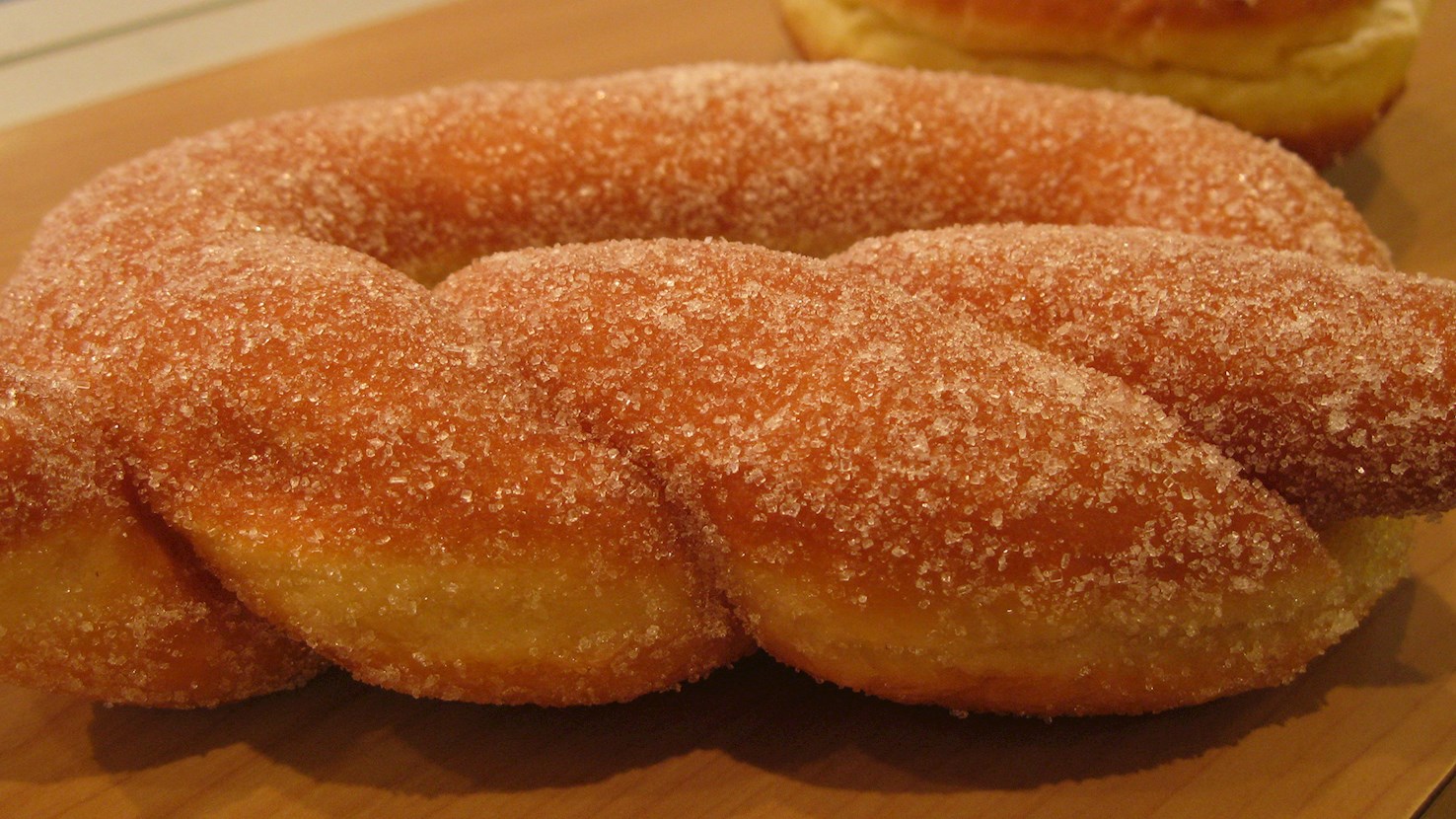
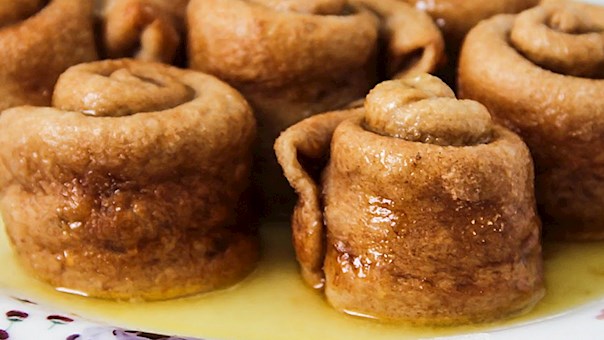
Nonnevot is a unique pastry originating from Limburg, dating back to at least the 17th century. The dough is prepared with flour, yeast, milk, salt, butter, lard, and brown sugar. It is then deep-fried until it develops a golden-brown color. Although nonnevot has traditionally been associated with the carnival, today it can be bought in many regional bakeries. The unusual name of this pastry means nun's butt, referring to its knotted shape and the knot on the back of a nun's uniform.
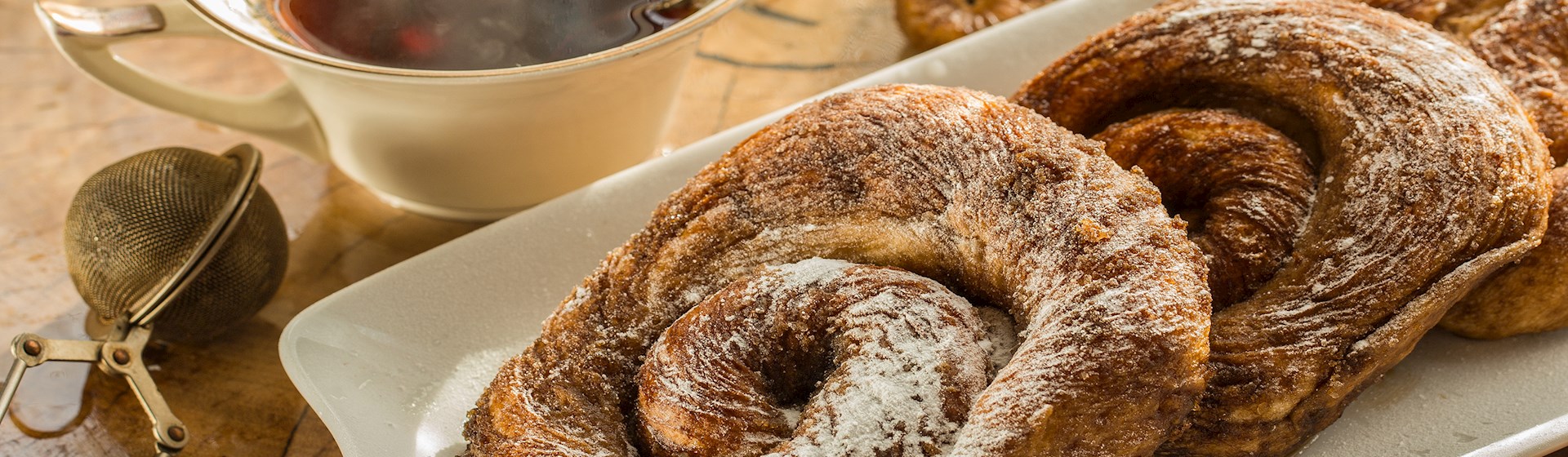
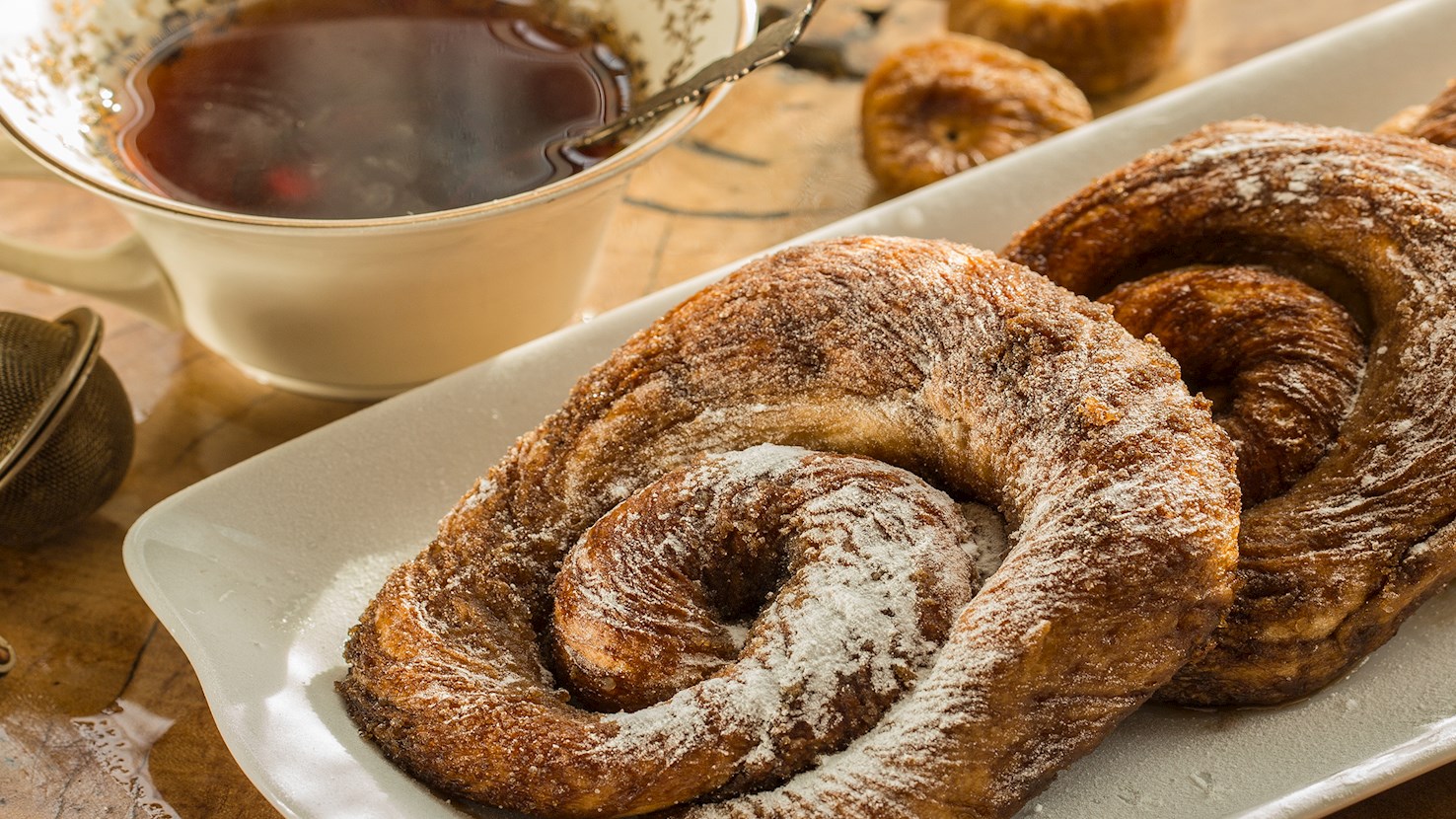
Zeeuwse bolus is a sweet Dutch pastry that is quite similar to the famous cinnamon roll. Best consumed warm, the sticky, gooey, and tender bolussen consist of flour, milk, salt, sugar, yeast, and butter. They are traditionally flavored with a combination of dark brown sugar and ground cinnamon, which melts nicely when these treats are baked. It is believed that bolussen were originally prepared by Sephardic Jewish bakers in the early 17th century. Today, Zeeuwse bolussen are said to taste the best when paired with some butter and a cup of coffee on the side.
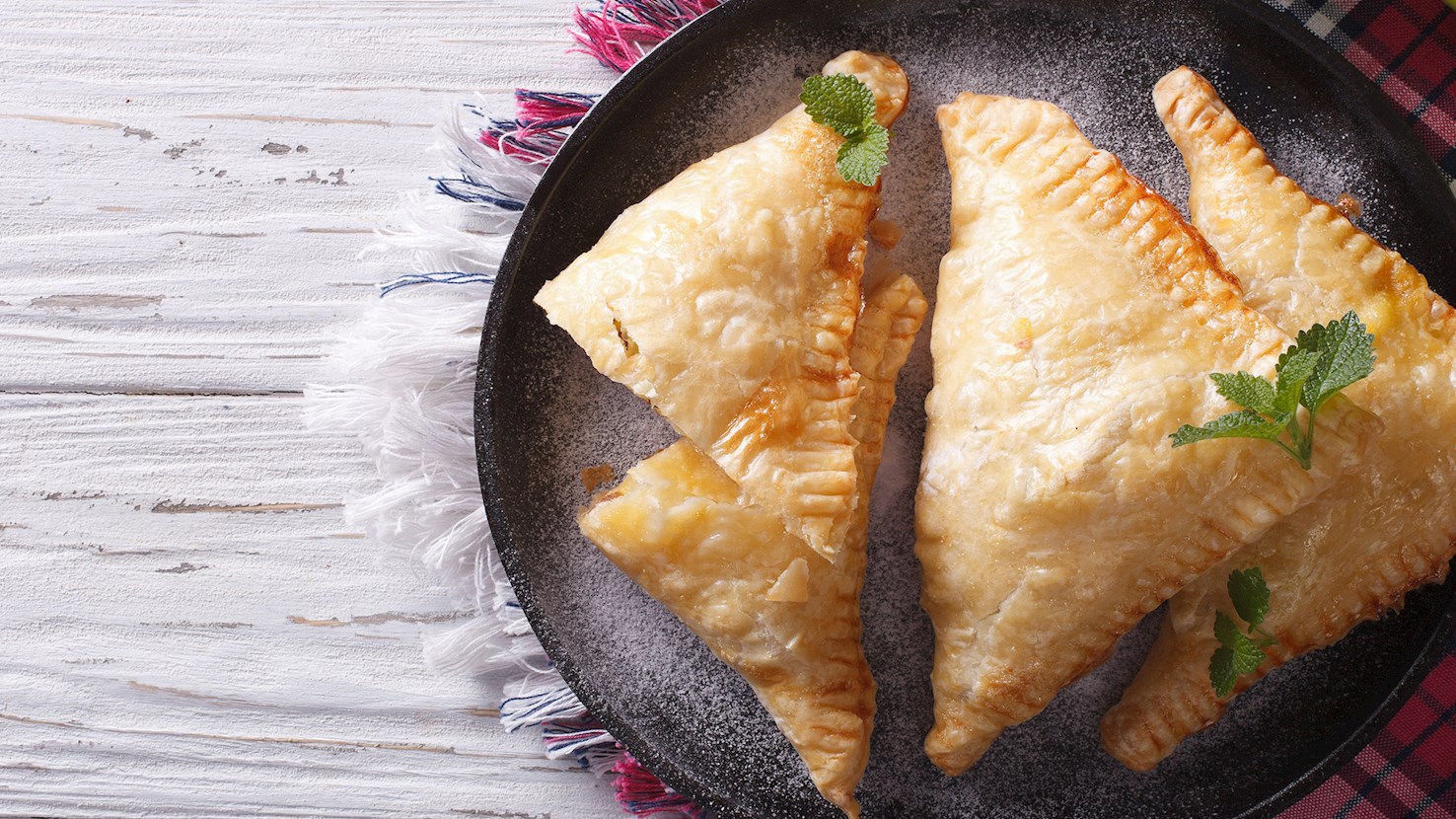
A traditional, sweet Dutch pastry known as appelflap consists of pastry dough that is filled with apples, raisins, sugar, and cinnamon. The dessert is traditionally covered with sugar granules on top. It can be found throughout the country in numerous bakeries or places where coffee and tea are served. The crispy appelflap is also often served for breakfast as a hot and tasty treat.
Oliebol is a traditional and Belgian snack that can be literally translated as oily ball. The dough, which is deep-fried in hot oil, is made with flour, eggs, yeast, milk, and baking powder. The exterior is crunchy, while the interior is chewy and soft, just like a true representative of comfort food at its best. Traditionally, the fritters are sprinkled with powdered sugar, while some varieties are filled with raisins or currants that were previously incorporated into the dough. Oliebollen are often prepared and consumed at numerous fairs, and they are especially popular during the Christmas and New Year period. In winter, these oily snacks can be bought at street stands throughout the Netherlands and Belgium. It is believed that oliebollen were first consumed by Germanic tribes during the Yule. The earliest recipe can be found in the 1667 book De verstandige kock, and in 1868 the word oliebol was added to Van Dale's Dutch dictionary. It is recommended to serve oliebollen with a hot cup of coffee and top them with powdered sugar before eating.
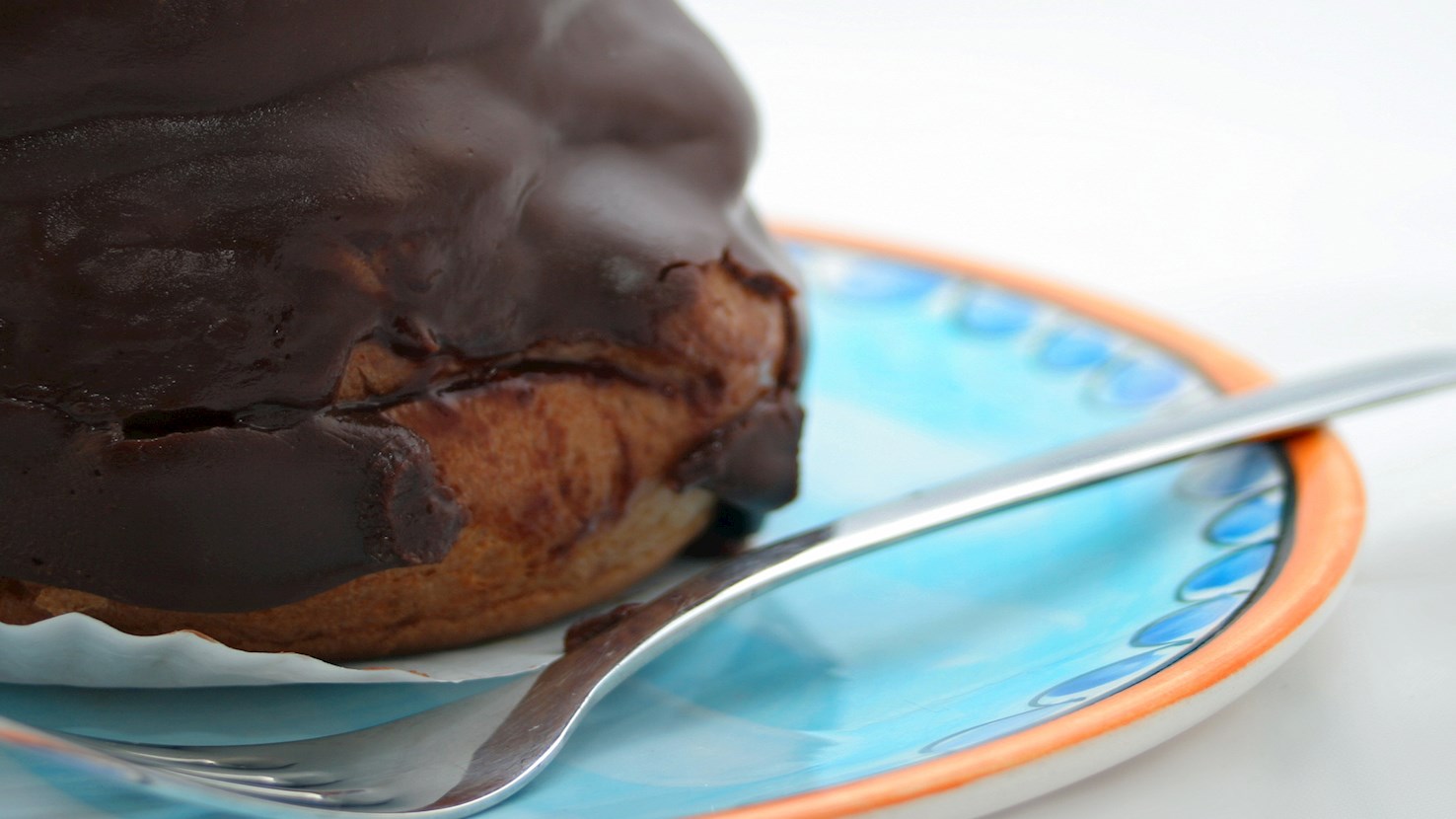
Bossche bol is a chocolate-coated, whipped cream-filled pastry from s'Hertogenbosch. These pastry balls are characterized by their large size, which is why they are often served with forks, knives, and a number of napkins to clean the inevitable mess made while consuming them. It is believed that the sweet treat was invented by Henri van der Zijde in 1920. Today, bossche bollen are traditionally paired with a cup of coffee on the side. There is also a version of Bossche bol that is twice its size, called a reuzenbol, while moorkop is a similar pastry, but much smaller.
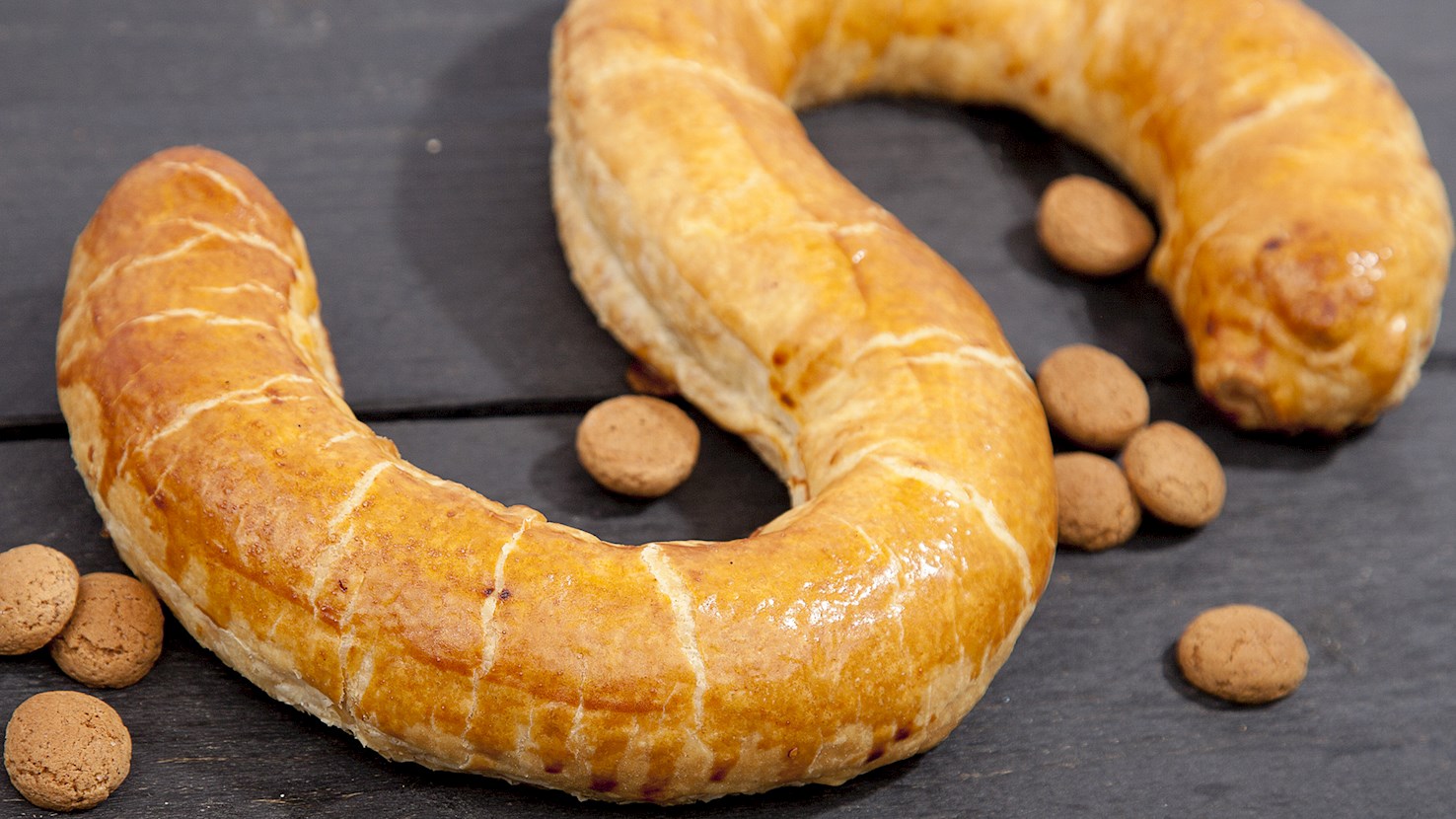
Letterbanket is a flaky Dutch pastry that is typically made with a combination of flour, butter, and eggs. The pastry is shaped into letters, filled with almond paste, and dusted with sugar. The letter is usually the first letter of the family’s last name, but sometimes each person gets a small letterbanket with the first letter of their name. These sweet treats are traditionally served on December 5, known as Sinterklaasavond. Letterbankets are also quite popular in the United States, particularly in Iowa and Michigan.
Banket or banketstaaf is a traditional pastry consisting of puff pastry that is filled with almond paste. It is sometimes additionally brushed with fruit jam and garnished with cherries or almonds on top. The pastry is usually prepared during the Christmas festivities, and it is recommended to dust banketstaaf with powdered sugar, serve it sliced, and pair it with a cup of coffee.
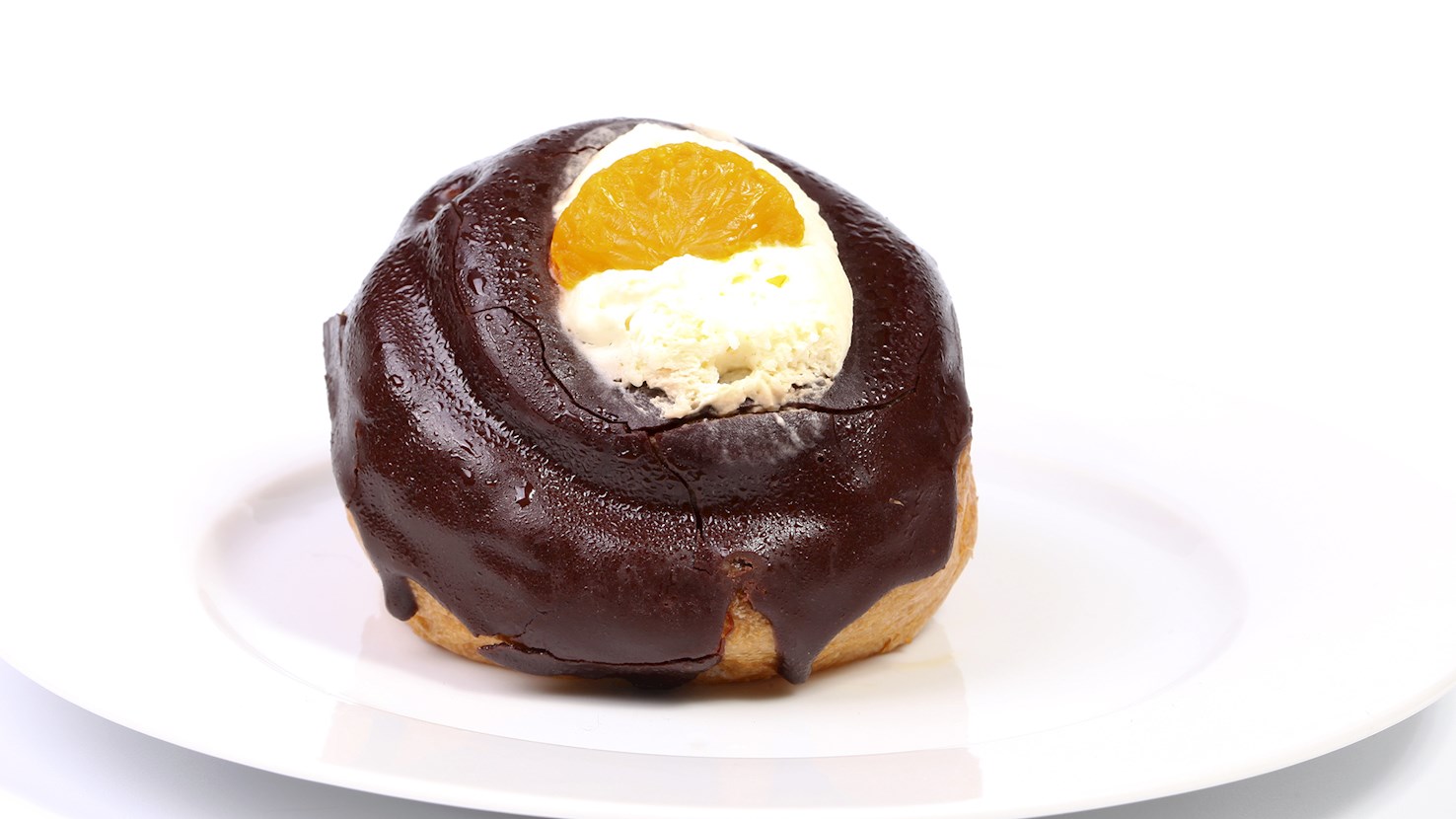
Moorkop is a decadent Dutch dessert consisting of a choux pastry that is filled with whipped cream and glazed with chocolate. The dessert is finished by topping it with some more whipped cream and, optionally, pieces of fruit such as pineapple or tangerine. The name moorkop means Moor's head, referring to the fact that the chocolate topping resembles his turban.
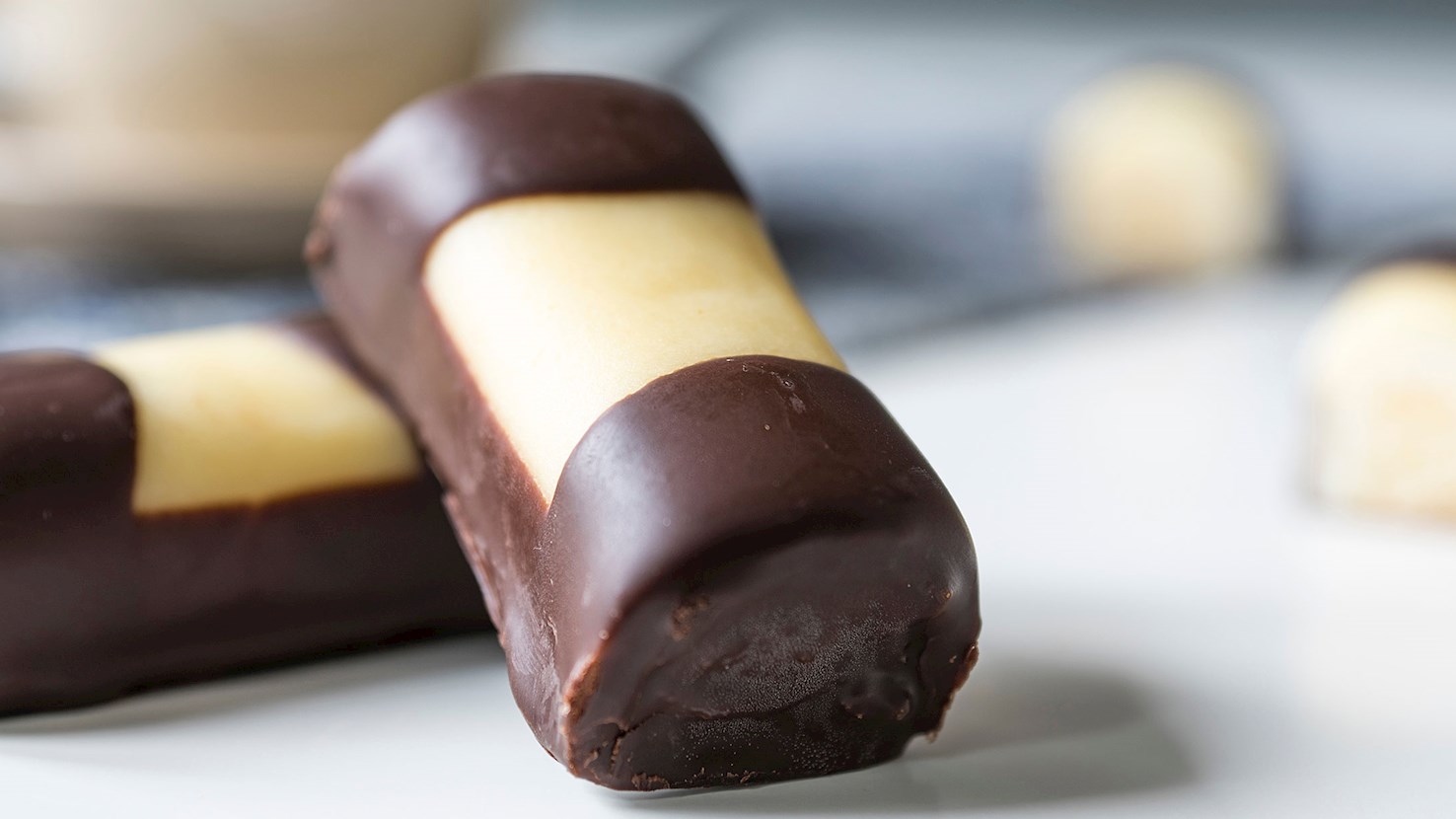
Mergpijpjes are cylindrical, cream-filled pastries wrapped in a layer of marzipan and dipped at both ends in chocolate. The item is a culinary representation of the bone marrow pipe, from which it derives its name, reflecting a 19th-century European confectionery trend of creating sweets that mimicked anatomical or everyday objects. The industrialization of Dutch pastry production in the early 20th century standardized the form, moving it from a handmade patisserie item to a widely available supermarket staple. Preparation begins with the baking of a light, aerated sponge, which is then sliced into small rectangular or cylindrical blocks. These blocks are split and filled with a layer of buttercream or occasionally a thin strip of fruit preserve, such as apricot or raspberry, to add acidity to the sugar-heavy profile. The pastry core is ensuite wrapped in a thin, rolled sheet of almond marzipan, ensuring a tight seal that prevents the sponge from drying out. A specific property of the mergpijpje is the contrast in textures provided by the soft internal sponge, the pliable almond paste, and the brittle chocolate caps. The final stage involves dipping the two circular ends into a tempered dark chocolate or a compound coating, which provides a structural grip and a bitter counterpoint to the sweet marzipan. While the standard version uses a white marzipan casing, regional variations sometimes employ a light pink or green almond paste. Mergpijpjes are consumed as a snack or a dessert, typically served during coffee or tea intervals in Dutch households. They are eaten at room temperature to ensure the buttercream remains soft and the marzipan flexible. Functional food pairings include tart berries or a small portion of whipped cream to mitigate the density of the almond paste. Beverage pairings focus on balance, with a strong, dark roasted coffee being the most frequent choice to cut through the high fat content of the cream and chocolate, while a glass of cold milk provides a neutral base that complements the almond notes.
Puddingbroodje is a sweet pastry from the Netherlands, consisting of a soft white bun filled with smooth pastry cream. It is often found in Dutch bakeries and cafés, enjoyed as a snack or light dessert. The origins of puddingbroodje lie in the growth of Dutch pastry-making during the late nineteenth and early twentieth centuries, when bakeries began to expand their offerings beyond simple breads to include custard-filled pastries and cream-based desserts. Influences from French patisserie, especially the use of pastry cream, merged with Dutch preferences for simple, filling baked goods. Over time, this particular bun became a bakery staple, appreciated for its portability and appeal to both children and adults. Preparation involves baking soft rolls, usually made from enriched dough containing milk, butter, and sugar, which gives the bread a tender crumb. Once baked and cooled, the buns are sliced open and filled generously with vanilla-flavored pastry cream, sometimes stabilized with a little starch so it holds its shape. The top may be dusted lightly with powdered sugar or left plain. The balance between the airy bun and the rich cream filling is the defining feature of the pastry. Today, puddingbroodje is eaten across the Netherlands, sold in bakeries, supermarkets, and school canteens. It is often enjoyed with coffee or tea in the afternoon, picked up as a quick treat while shopping, or given to children as a snack.
TasteAtlas food rankings are based on the ratings of the TasteAtlas audience, with a series of mechanisms that recognize real users and that ignore bot,
nationalist or local patriotic ratings, and give additional value to the ratings of users that the system recognizes as knowledgeable.
TasteAtlas Rankings should not be seen as the final global conclusion about food. Their purpose is to promote excellent local foods,
instill pride in traditional dishes, and arouse curiosity about dishes you haven’t tried.






What People Say