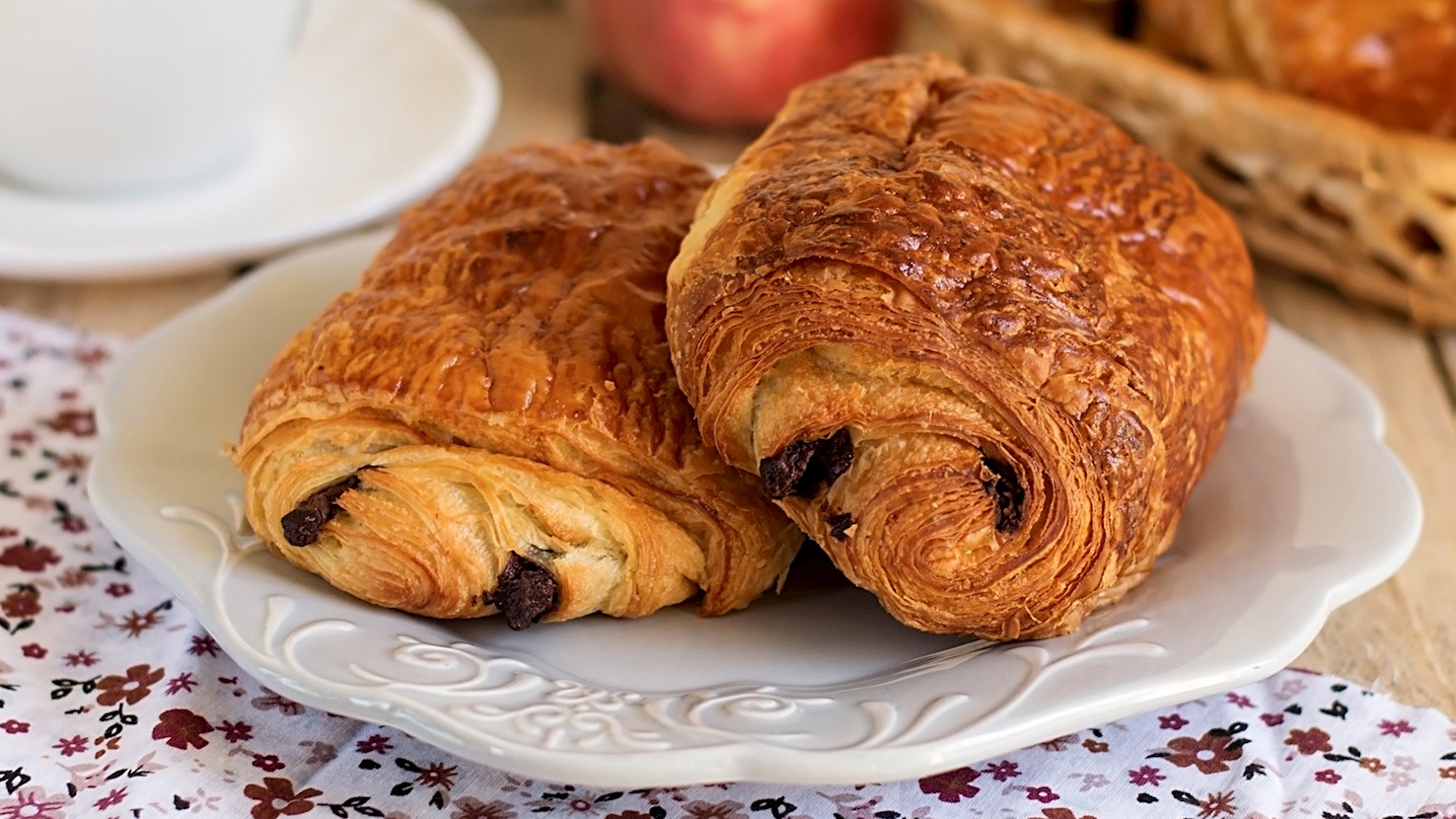
Pain au chocolat is a French viennoiserie roll made with a combination of rectangular, yeast-leavened dough and a few chocolate sticks or chocolate ganache. The filled dough is rolled, baked, then served, ideally while still hot or warm. This flaky pastry can be bought at numerous French bakeries and supermarkets. Interestingly, another name for pain au chocolat is chocolatine, and it is mostly used in the southwest of the country. In Bordeaux, there is even a case where customers had to pay more if they ordered a pain au chocolat rather than a chocolatine. It is believed that the southwest stuck with chocolatine because it is similar to the Occitan word chicolatina. Regardless of these "name wars", in France, one should never refer to pain au chocolat as a chocolate croissant.
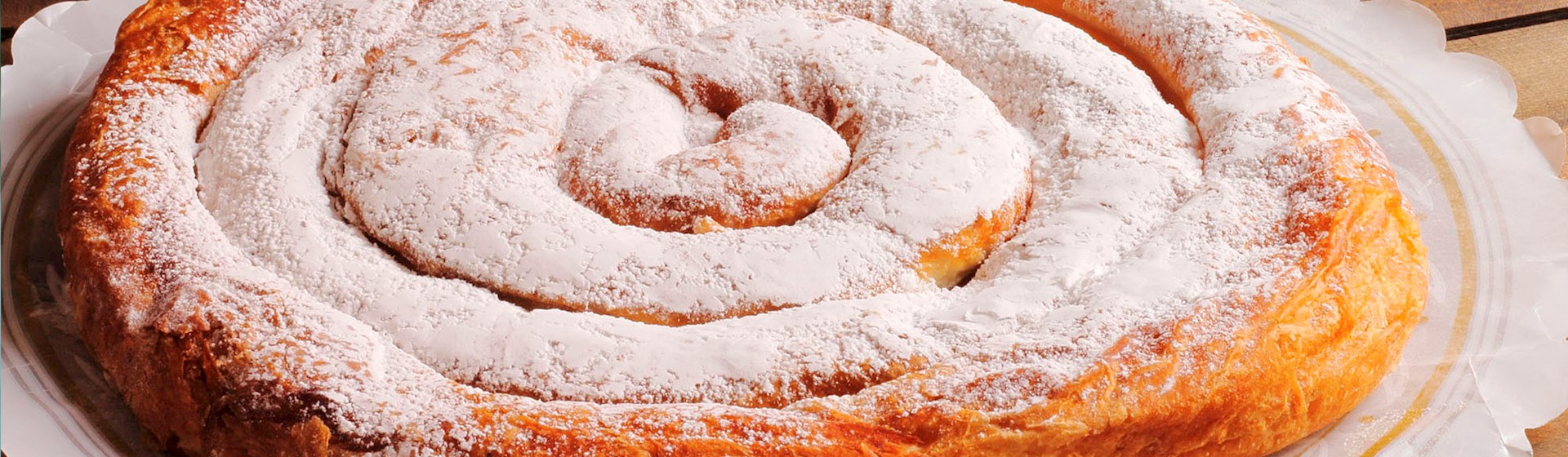
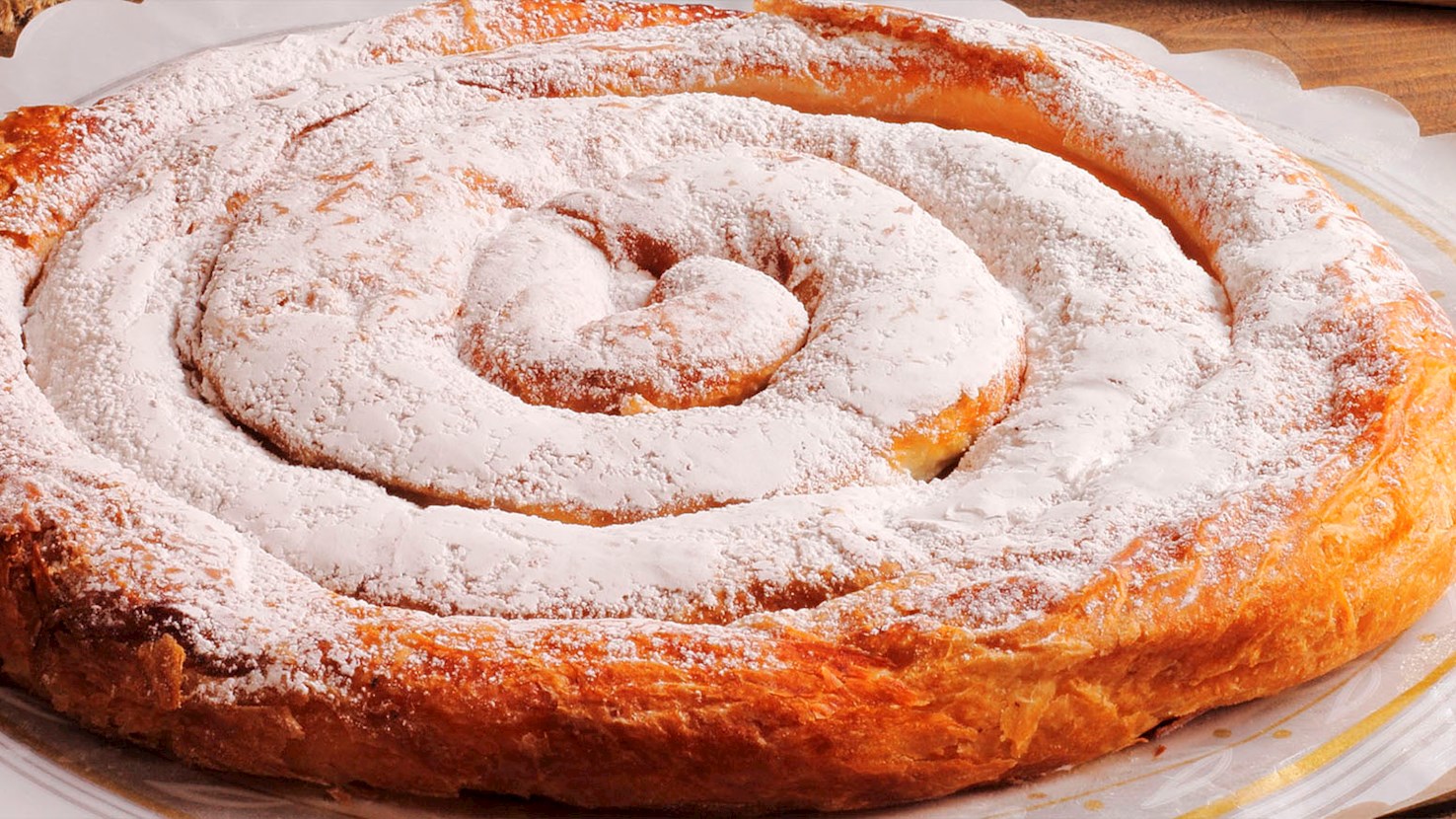
Ensaimada de Mallorca is a spiral-shaped sweet pastry made with yeast dough that is combined with eggs and lard. This type of pastry has been made on the island of Mallorca since the 17th century and the recipe has remained unchanged to this day. The word ensaïmada comes from saïm, meaning lard, which is the essential ingredient in this recipe. The base recipe for ensaimada de Mallorca is very simple and includes only flour, sugar, eggs, yeast, and water. However, there are many variations of this recipe which had been developed during the centuries, including the likes of those with pumpkin, cream, or chocolate.
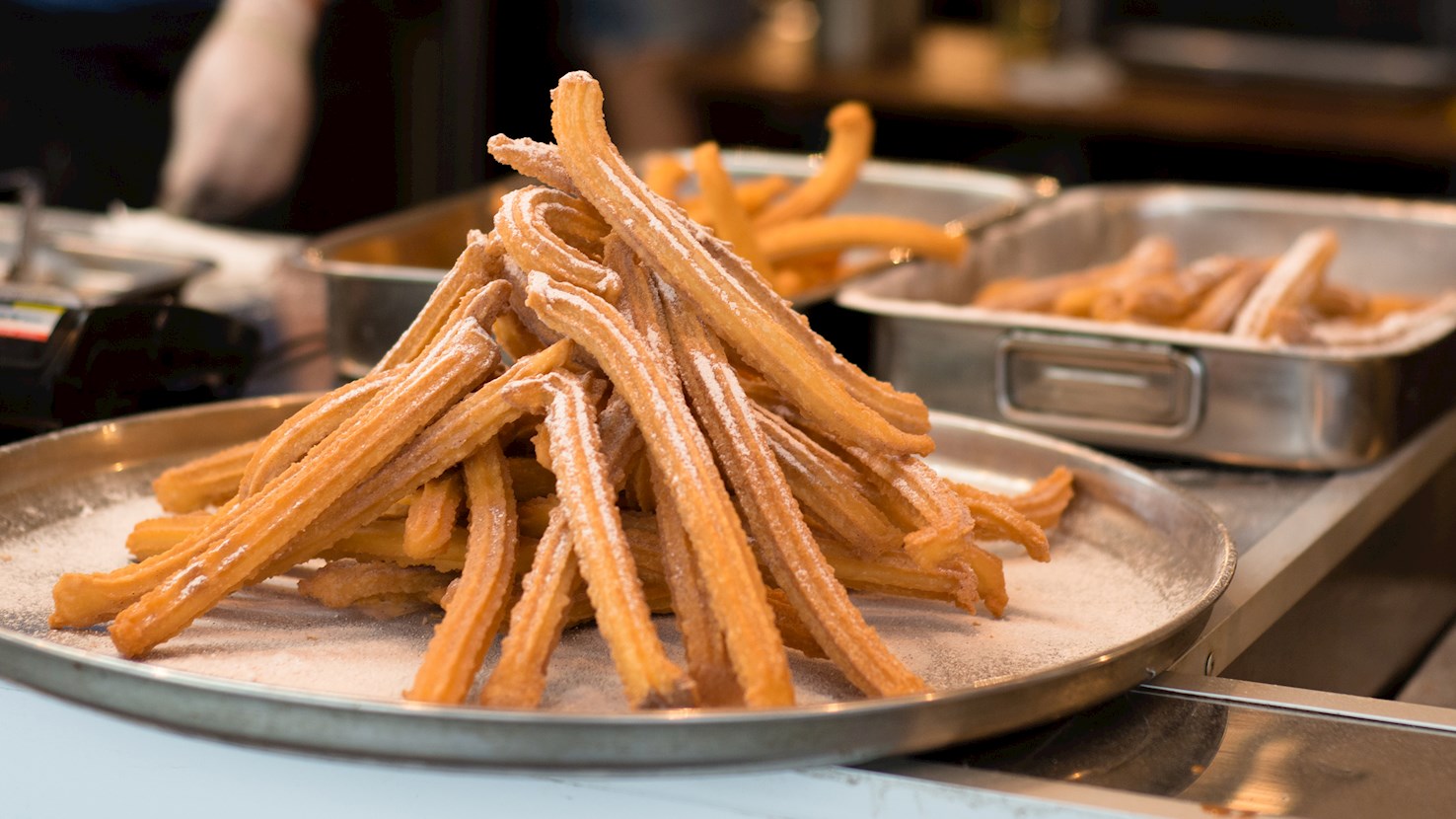
Elongated, crispy, crunchy and intensely fragrant, churros consist of deep-fried yeast dough encrusted with sugar. Although some may argue against consuming these sweet treats, warning others about the dangerous effects of sugar and fat on human bodies, the popularity of churros throughout the world doesn't seem to wane. Originally invented by Spanish shepherds who could easily cook them in a pan over an open fire, today these unusually shaped, cinnamon sugar sprinkled twists are most commonly eaten in Spain and Latin America as a hot breakfast food, accompanied by a strong cup of coffee or a cup of thick hot chocolate. Their characteristical shape is achieved by pressing the dough through plastic tubes so it emerges on the other side in thin, ridged ropes. Although churros are a Madrid specialty, the ones found in Seville are often praised because they differ in a lighter and more delicate texture. In Cuba, they may be filled with guava, in Mexico with dulce de leche, and in Uruguay with cheese. Regardless of the varieties, churros are an indulgence that must be tried at least once.
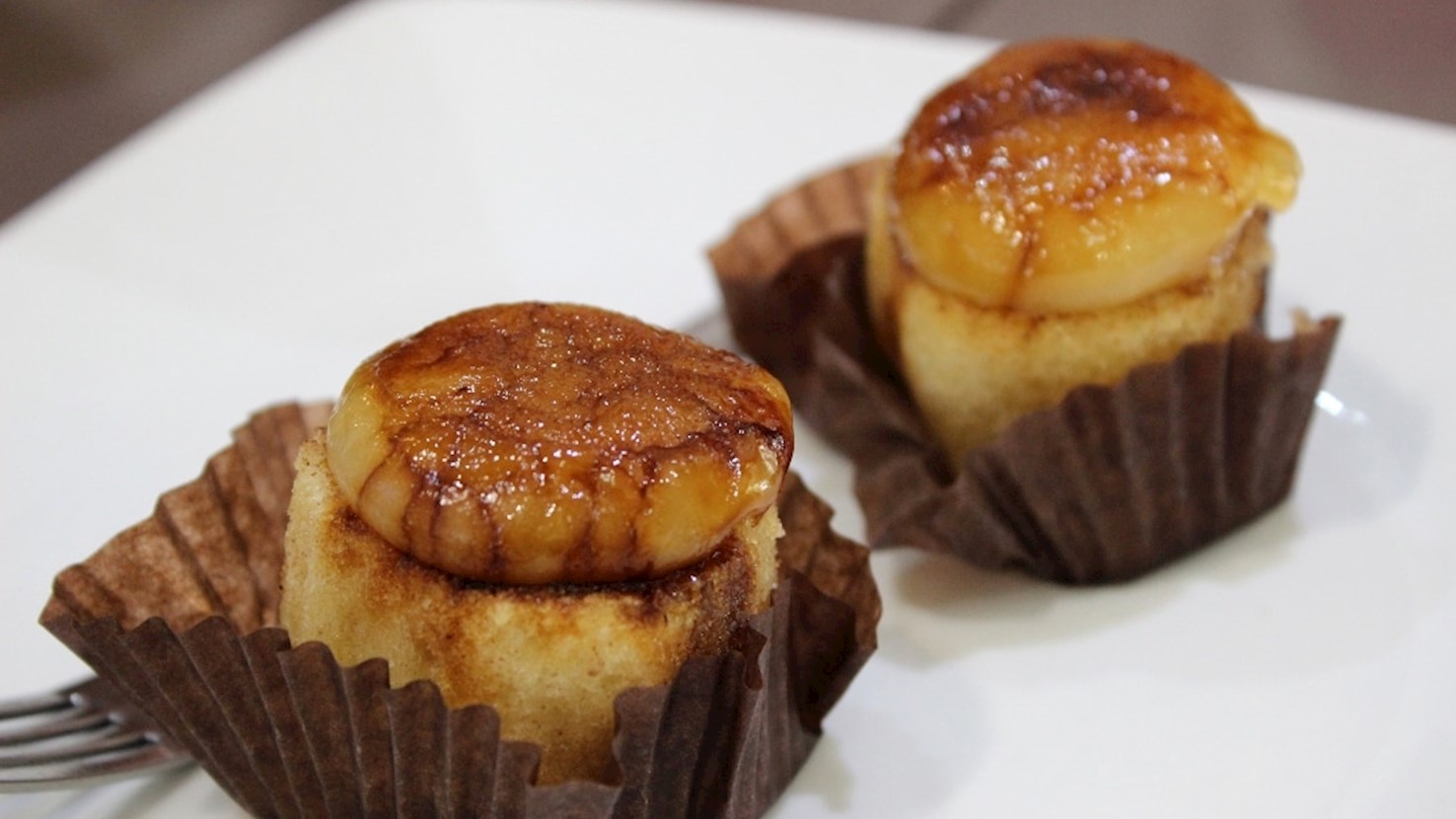
Piononos are traditional Spanish pastries originating from Santa Fé in Granada. This syrupy sponge cake filled with cream and cinnamon is rolled up into a cylinder, drenched with rum-laced syrup, and crowned with toasted cream and sugar. The pastry was invented by pastry chef Ceferino Isla, who wanted to pay tribute to Pope Pius IX (Pio Nono). That's why the pastry has the name pionono and it also visually recalls the Pope – a cylindrical and chubby appearance, served in white paper that represents the cassock, and the upper part which represents the solide with which the Pope covers his crown. Piononos are usually eaten for merienda in the afternoon, with a cup of coffee on the side.
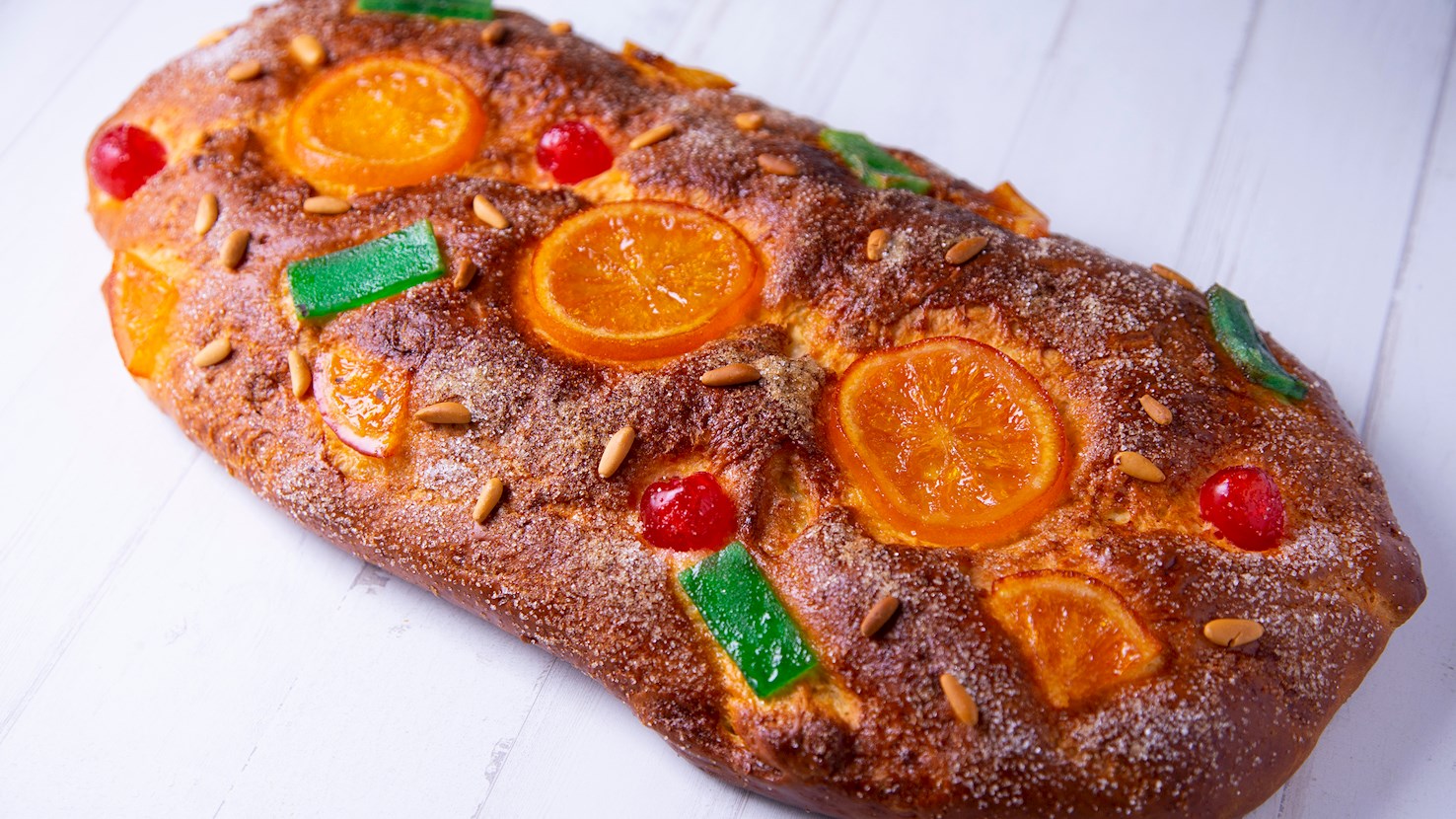
Considered the star of Catalan baked goods, coca is a traditional pastry prepared in a few varieties: sweet, savory, open, and closed. Depending on the variety, coca may take on various shapes and forms and resemble a flatbread, a pizza, or even a cake. The sweet variety usually consists of flour, sugar, butter, and eggs, and it is typically topped or filled with candied fruit, marzipan, cream, or pine nuts. The savory variety is prepared in the same way, but sugar and eggs are replaced by yeast and salt. A wide range of ingredients may go on top or inside savory cocas, including vegetables, fish, meat, and mushrooms, among others. Savory varieties include pizza-like cocas or coques as they’re called in Catalan, such as coca de recapte (topped with vegetables and fish) and coca de xulla (with bacon and other meat). There is also a variety that combines sweet and savory flavors such as coca de llardons, a flat coca which is made with pork cracklings, pine nuts, and sugar. In Spain, special varieties of coca are prepared for almost all important festivities and celebrations, and even national holidays such as La Mercè (Festival of the Virgin of Mercy) and La Diada de Cataluña (National Day of Catalonia) have their own unique cocas. Some of these include coca de San Juan (a sweet cake for the eve of St. John’s Day), mona de Pascua (an Easter cake eaten during the Semana Santa), and coca de reyes (a sweet Christmas cake for the Day of the Kings).
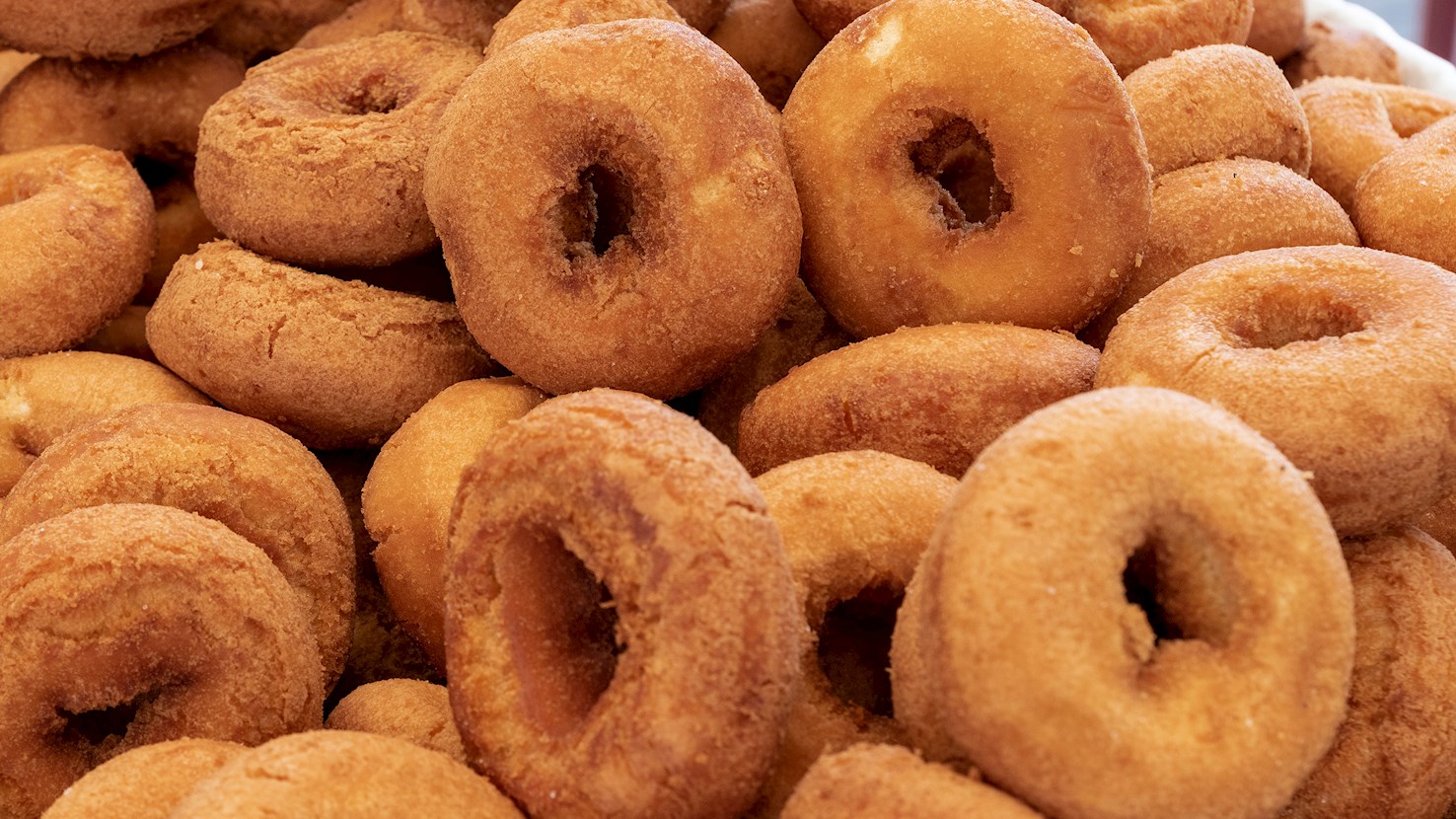
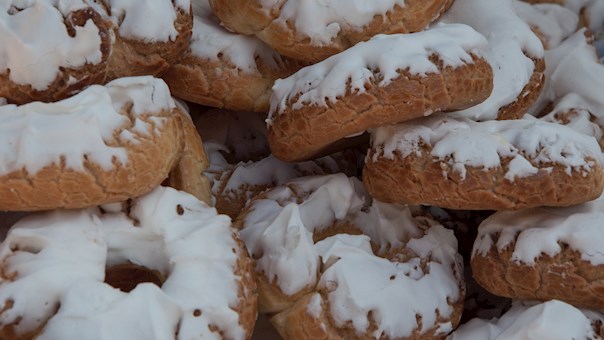
Rosquillas are traditional Spanish deep-fried donuts, characterized by their fluffy texture and a hole in the middle. They are typically prepared during the Holy Week festivities. Although there are many varieties of rosquillas, the classic ones are prepared with a combination of eggs, sugar, milk, oil, lemon zest, flour, baking powder, and anisette, which imparts a unique flavor to these tasty donuts. Another classic variety of rosquillas is made with sweet muscat wine (moscatel), and those donuts are known as rosquillas de vino. After they have been deep-fried, rosquillas are typically served as a sweet snack, topped with cinnamon sugar. Interestingly, in Honduras, the rosquillas are made with corn masa and curd cheese, and they are not deep-fried but baked in the oven.
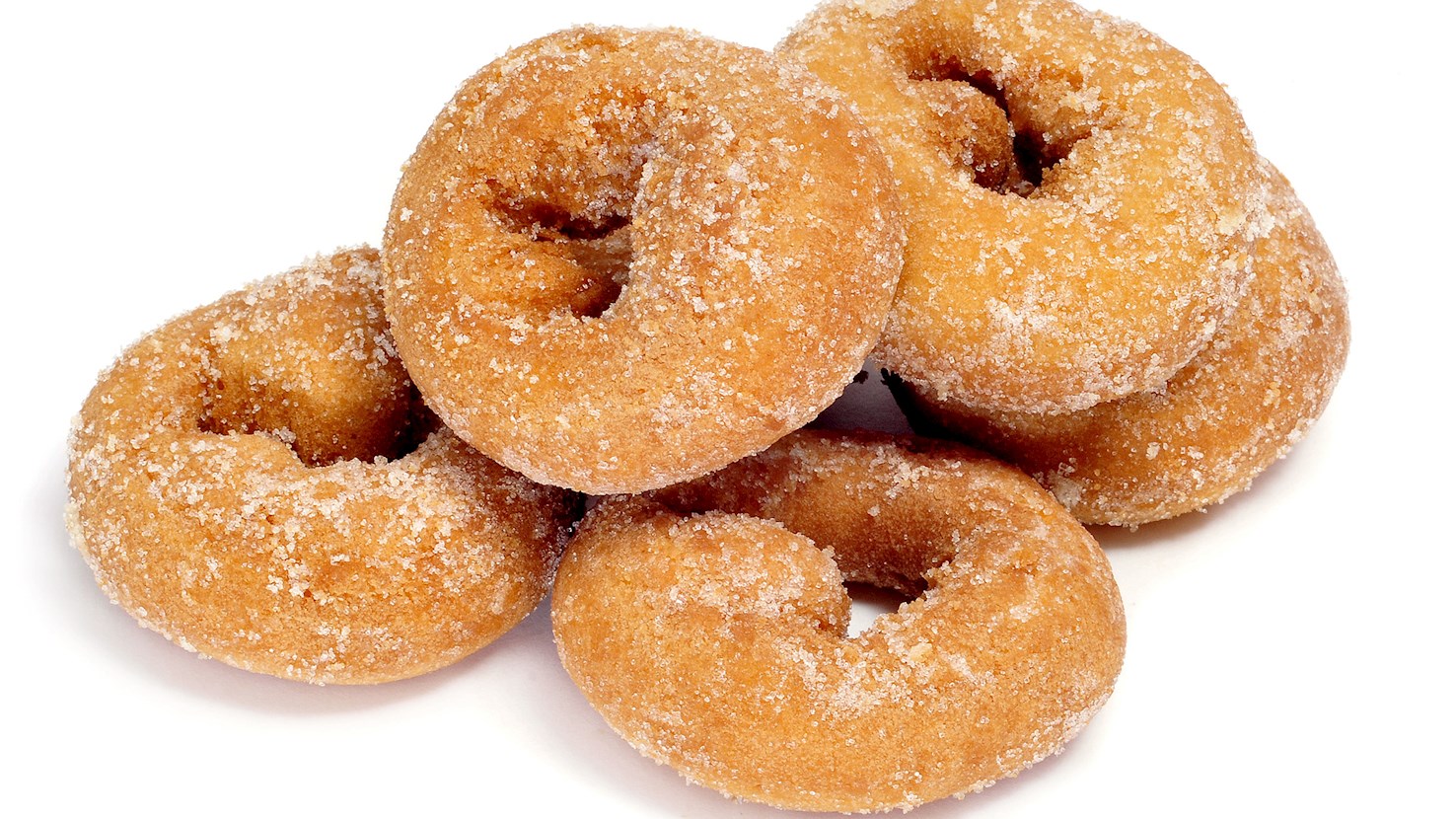
Roscos fritos are typical Spanish desserts that are similar to donuts, but they have a different texture and are a bit sweeter than regular donuts. Also, roscos are often rolled in sugar after being fried. The dough is prepared with a combination of eggs, sugar, flour, oil, and grated lemon rind. It is shaped into donut rings, then fried until golden. Although the place of origin of roscos fritos is thought to be in Andalusia, these sweet treats are nowadays consumed throughout the country, especially during the Easter festivities.
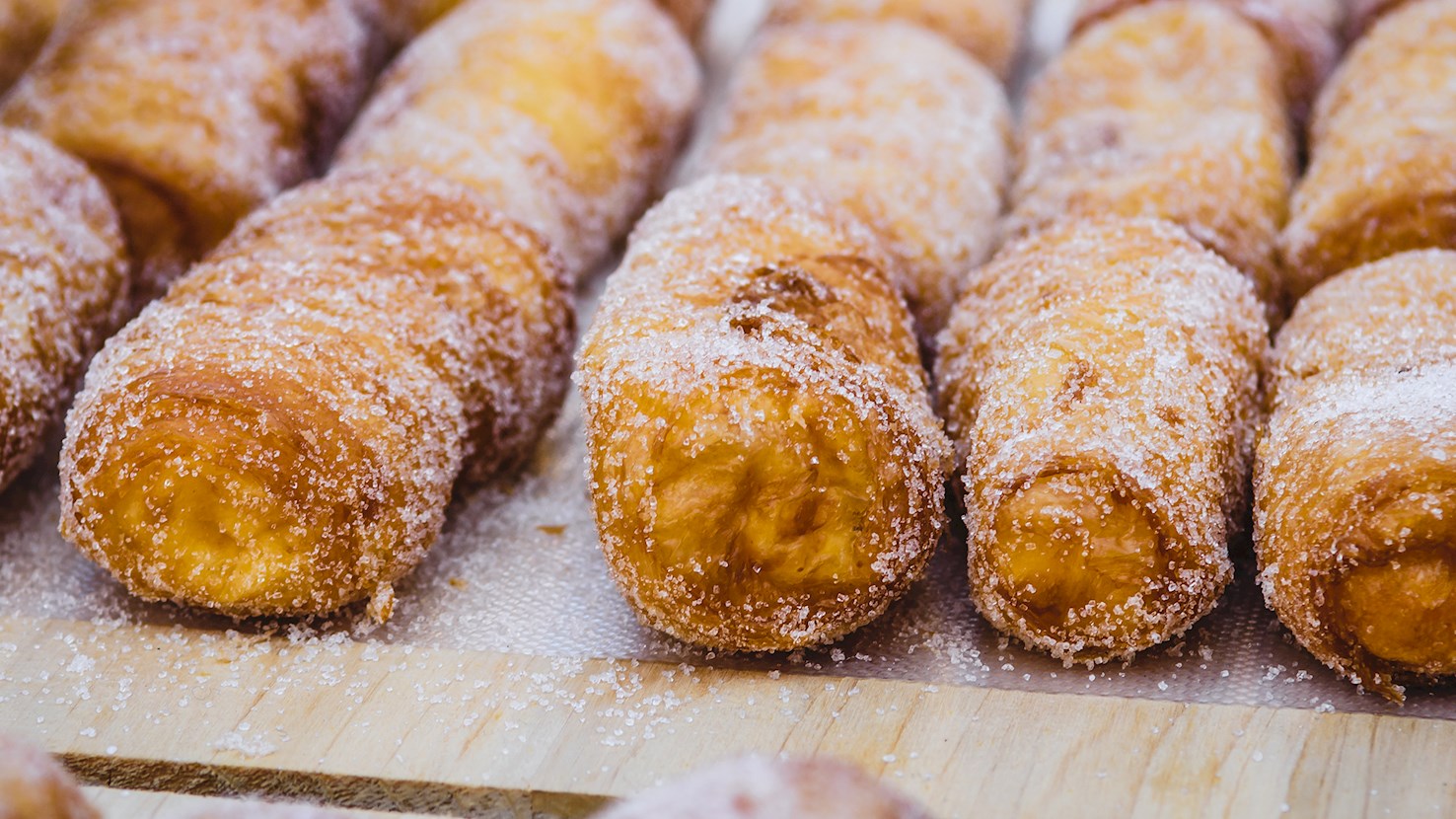
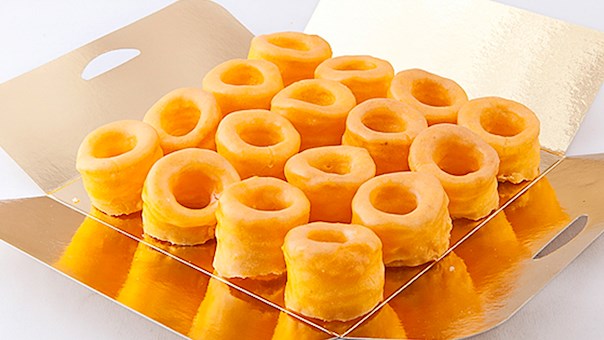
Xuixo (pronounced shoo-shoo) is a dessert originating from the city of Girona. Dating back to the 1920s, this pastry is cylindrical-shaped and filled with the delectable crema catalana. It's probably best to describe it as a cross between a croissant and a churro, but filled with cream. The xuixo is then deep-fried and sprinkled with crystallized sugar. According to the city's lore, an acrobat named Tarlá fell in love with a pastry chef's daughter, and one day when the chef entered his bakery he heard a sneeze, leading him to Tarlá's hiding spot. The acrobat then promised to marry the chef's daughter and gave him a recipe for this special pastry, which was named after the sneeze that gave the acrobat away. Nowadays, xuixo is usually eaten for breakfast or tea, and it's so popular that there is even a xuixo parade that goes through the city's streets, and when it's finished, the participants are given a treat of fresh xuixos.
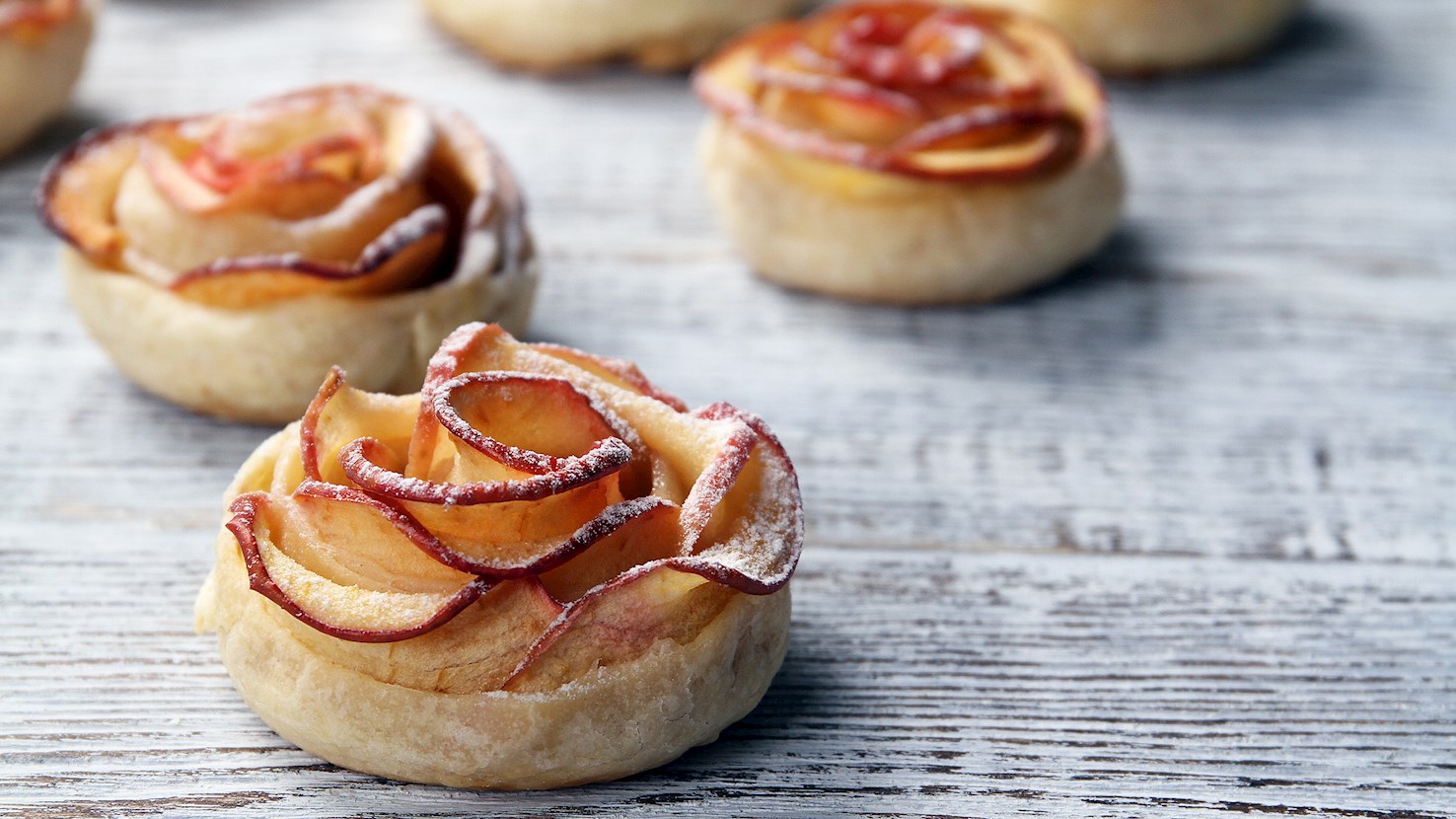
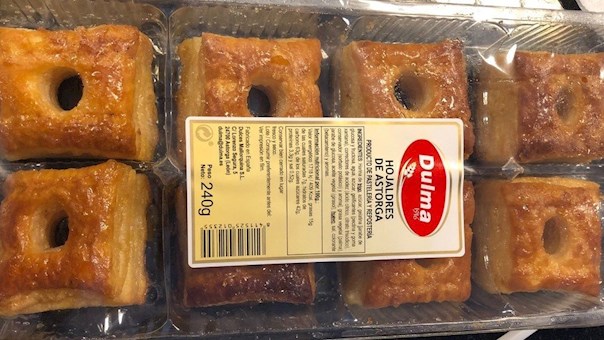
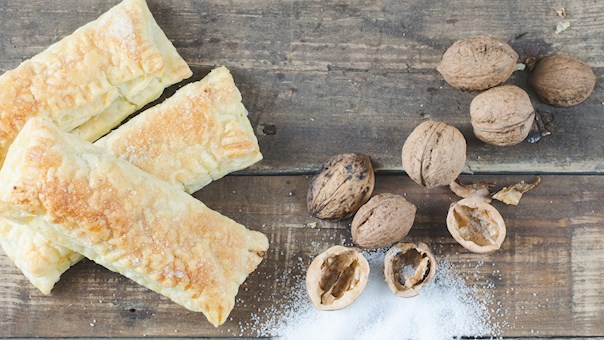
Flores de hojaldre is a specialty of the Spanish city of Alcalá de Henares, consisting of puff pastry (hojaldre) that has been rolled into beautiful shapes of flowers or roses. It is the unique shape of the pastry that has given it its name, which translates to flowers of puff pastry. At its simplest, flores de hojaldre are distinguished by a light, airy, and flaky texture, and they are usually served dusted with powdered sugar and accompanied by a cup of coffee on the side. Although it's most commonly made in the sweet version, this traditional Spanish pastry can also be savory, depending on the ingredients used for its preparation. Typical ingredients used for making the sweet flores de hojaldre include thin slices of apples or pears, fruit jam, cinnamon, honey, chocolate, powdered sugar, and cocoa cream, while the savory versions usually contain zucchini, salmon, cheese, bacon, or mushrooms. Depending on whether it’s sweet or savory, this simple pastry may be enjoyed as a dessert, a sweet or savory snack, or as an appetizer.
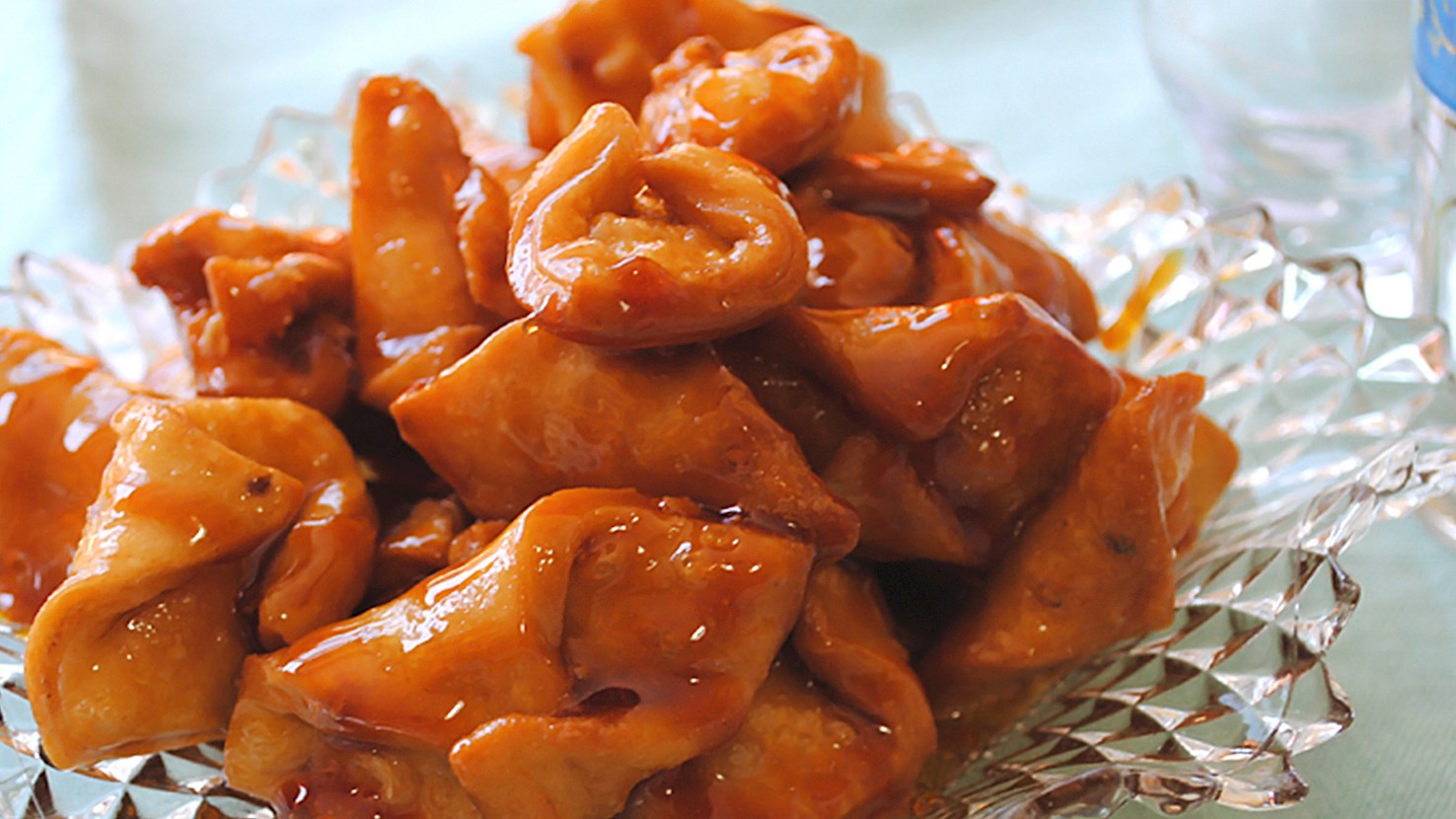
Pestiños are crisp fried pastries associated with Andalusia, although closely related versions are also made in Extremadura and other parts of the country. They are prepared from a thin wheat-flour dough flavored with olive oil, wine or citrus, aniseed, sesame, and sometimes cinnamon, then shaped into small folded pieces, fried until blistered and golden, and finished either by dipping them in warm honey syrup or coating them with sugar. Their shape is immediately recognizable: a small square or rectangle of dough has two opposite corners folded toward the center, producing something between a bow, an envelope, and a loose cylinder. Pestiños are especially common around Christmas and Holy Week, when they appear in bakeries, convent pastry shops, and family kitchens, often made in large batches for visiting relatives and guests, but nowadays available far beyond those periods. They have a notably long written record. One of the earliest clear literary references occurs in Francisco Delicado’s La Lozana andaluza, published in 1528, where pestiños are named among the many foods the protagonist has learned to make, placing them securely in the culinary vocabulary of the early 16th century. Later references appear in 18th- and 19th-century Spanish literature, suggesting the name and preparation remained recognizable for centuries. Fried flour pastries sweetened with honey are much older than that first written mention, however, so 1528 should not be treated as the date when pestiños were invented. Their deeper development belongs to the layered pastry culture of southern Iberia, where wheat dough, olive oil, honey, sesame, anise, and aromatic spices had been combined in many forms over centuries. Similarities are often noted between pestiños and Moroccan chebakia or shebbakiyya, another fried pastry flavored with spices and sesame and coated generously with honey. That resemblance has encouraged theories of a shared Andalusi background, and the connection is plausible in terms of ingredients and technique. The recipe starts not with the flour but usually with the oil. Olive oil is gently heated with aromatics such as aniseed, known in much of Andalusia as matalahúva or matalaúva, and orange or lemon peel, allowing their flavor to infuse the fat before the solids are removed or left in, depending on household preference. Sesame seeds, or ajonjolí, may be toasted separately and incorporated into the dough. The flavored oil is then mixed with flour and a liquid component, often white wine, orange juice, water, or a combination of the three. Recipes vary noticeably between provinces and even between neighboring households: some include egg, many do not; some use only aniseed, others combine anise with sesame and cinnamon; and some include a small amount of anise liqueur instead of, or in addition to, wine. An Andalusian recipe published in Seville, for example, combines wheat flour with extra-virgin olive oil, white wine, orange juice, aniseed, and orange peel, producing an especially aromatic dough. The dough is kneaded until smooth and pliable, rested briefly, and rolled quite thin. Small squares or rectangles are cut from the sheet, and two opposing corners are pinched firmly together in the middle. That final pressure is important because a poorly sealed pestiño can open while frying and lose its characteristic shape. The pastries are lowered into abundant hot olive oil and fried until crisp rather than left soft or cakey. They develop small bubbles and irregular blisters across the surface, while the folded areas become slightly thicker and chewier than the thin outer edges. Once drained, they take one of two main directions. Honeyed pestiños are immersed or thoroughly coated in a syrup made by warming honey with a little water, which gives the surface a glossy, sticky finish and softens the outermost layer while leaving the pastry crisp underneath. Sugar-coated versions are drained and tossed while still warm in granulated sugar, sometimes mixed with cinnamon. Both are widely recognized, and neither should be treated as merely a modern alternative to the other. The Extremadura recipe uses anise, orange peel, bay leaf, olive oil, flour, and honey, showing how the same basic pastry moved beyond Andalusia while keeping the essential fried-dough-and-honey structure. Regional variation can be substantial. In parts of Cádiz and Seville, sesame and anise are particularly prominent; Málaga recipes may lean toward citrus and wine; Extremaduran examples can incorporate aromatic infusions into the dough; and families often adjust thickness, folding style, and sweetness to their preferences. What makes a successful pestiño is less a rigid ingredient list than the balance between a thin, crisp shell and aromatic seasoning. Olive oil contributes more than frying fat because it is often part of the dough itself. Anise and sesame give the pastry a savory aromatic edge that keeps the honey or sugar from dominating completely. Citrus peel provides bitterness as well as perfume, and white wine contributes acidity while helping produce a brittle texture during frying. The result is very different from a doughnut: there is little or no leavening, very little interior crumb, and the pleasure comes mainly from crisp layers, fried edges, toasted seeds, and the sticky or crystalline finish. Their connection with Holy Week and Christmas also makes practical sense. Pestiños contain no cream or fresh filling, keep well for several days, and can be produced in large quantities, which is useful when preparing sweets for extended family visits and community celebrations. They are generally served at room temperature rather than hot from the fryer, since cooling makes the pastry crisper and lets the honey coating settle. A plate is often placed out for sharing rather than portioned individually, and the small size encourages eating more than one at a time. Honey-coated pestiños pair especially well with unsweetened coffee or strong black tea, which counter their sweetness, while sugar-coated versions work well with café con leche. In Andalusia, sweet or fortified wines can also pair well, though the best match depends on the finish. A dry or medium-dry oloroso suits less-sweet versions, while Pedro Ximénez is best reserved for very small portions because both the wine and the pastry are intensely sweet. Anise liqueur is another familiar after-meal partner, particularly when the same spice appears in the dough. Milk or a simple citrus infusion works well without alcohol.
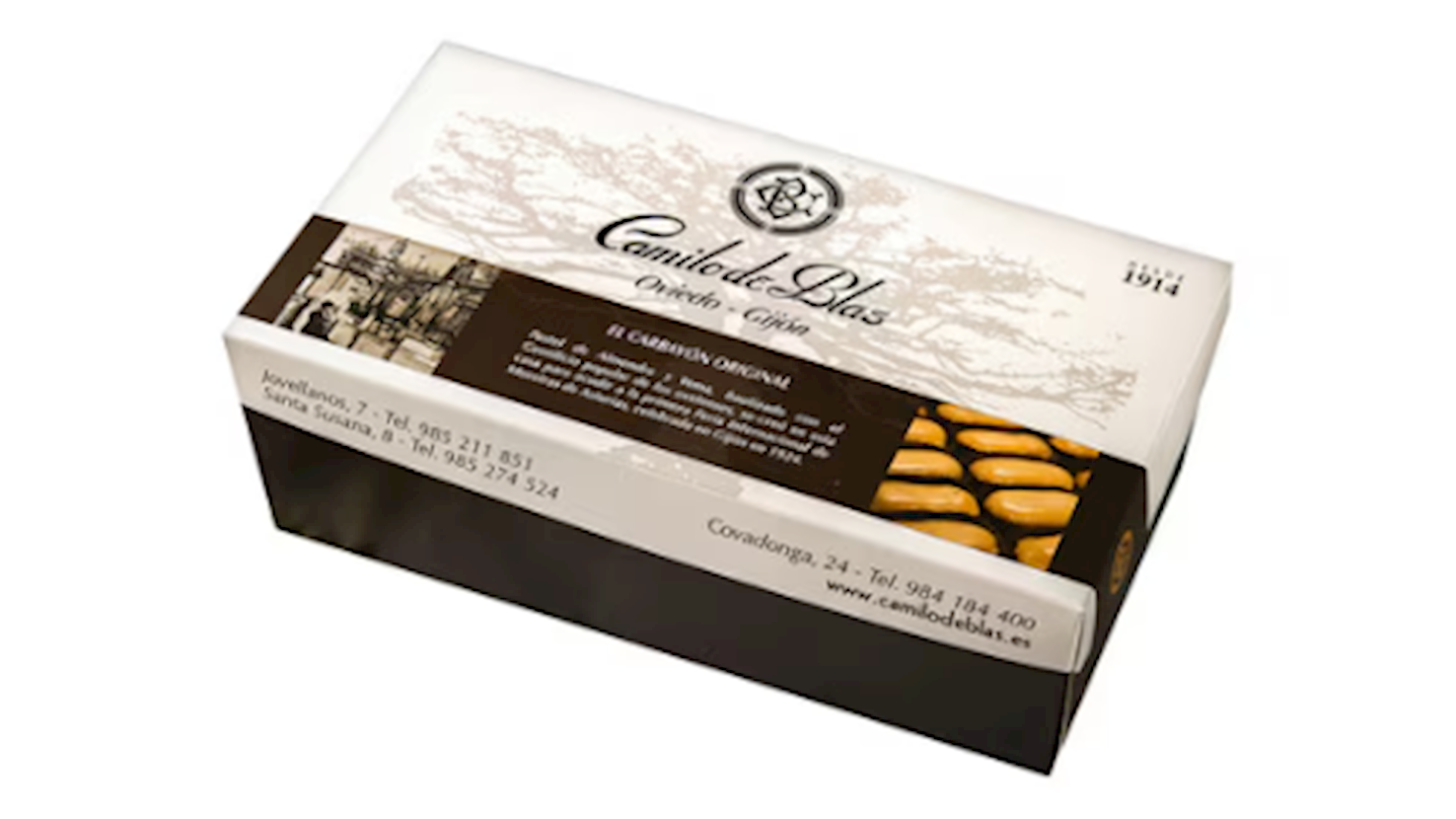
Camilo de Blas is a traditional Spanish confectionery and delicatessen company based in Oviedo, with origins dating back to 1876 when it was founded by Camilo de Blas Heras in León. A key stage in its development came in 1914 with the opening of its shop in Oviedo, which remains central to the brand’s identity.
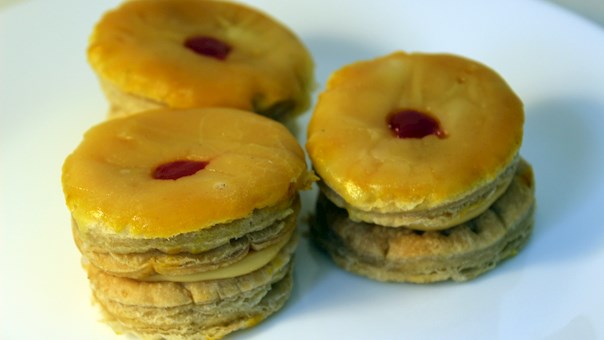
The business has remained family-owned across generations, preserving a strong link to artisanal production and traditional recipes while expanding its offer over time. The company is particularly known for creating the Carbayón in 1924, a pastry that has since become a symbol of Oviedo’s local gastronomy.
Its production focuses on classic confectionery techniques, using ingredients such as almonds, sugar, and puff pastry, with a significant degree of manual work that contributes to the final texture and flavor. In addition to sweets, Camilo de Blas has historically combined confectionery with gourmet retail, offering a broader selection of specialty products.
Today, it operates several retail locations in Asturias, especially in Oviedo and Gijón, positioning itself as a producer that maintains continuity of tradition while adapting to contemporary consumption.
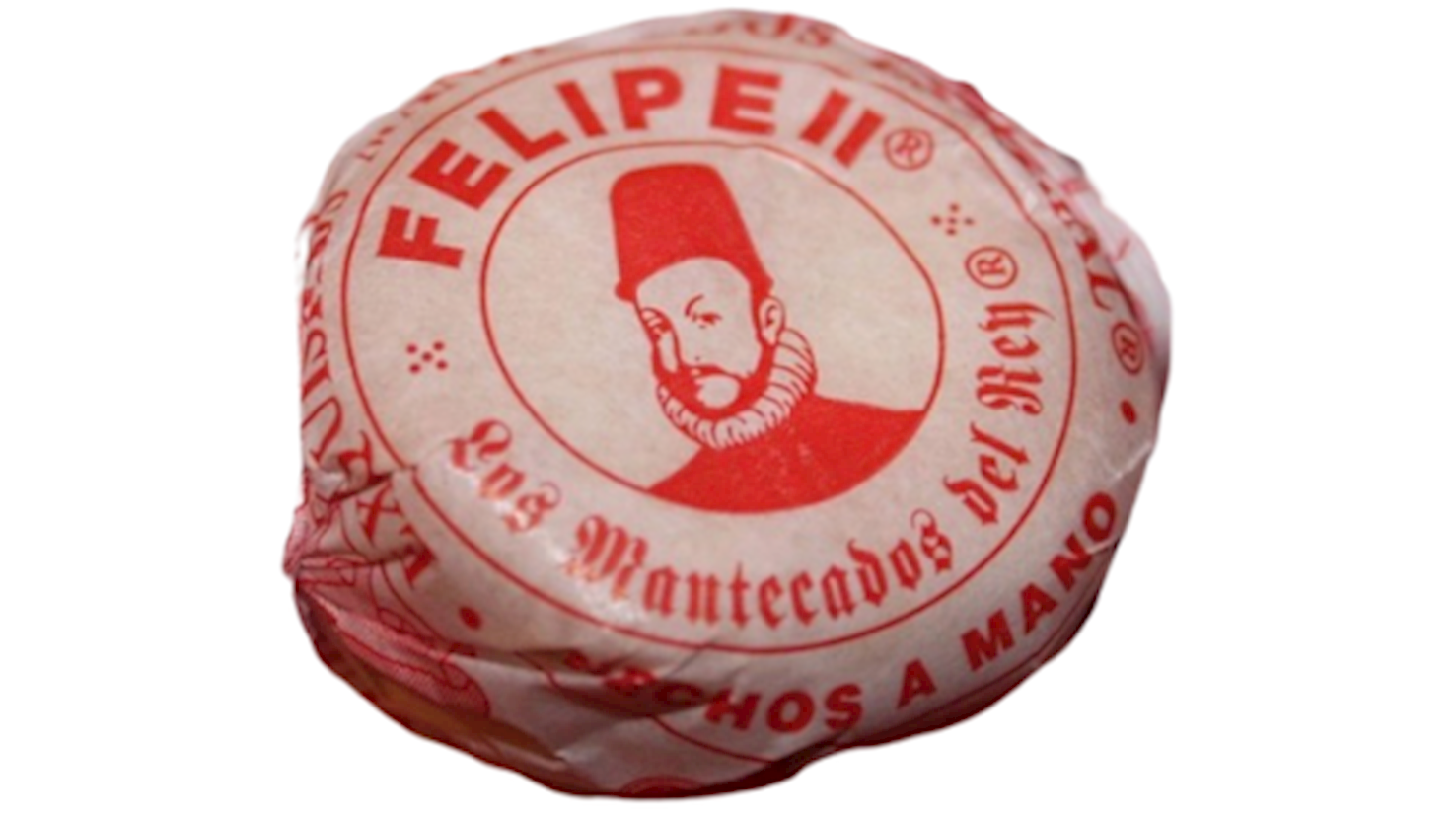
Mantecados Felipe II is one of the most recognizable brands of traditional Spanish mantecados, with an identity deeply rooted in history and artisanal production. Its origin is linked to the 16th century and a story associated with Philip II of Spain, after whom the brand is named, reinforcing its historical and cultural significance.
Today, production is managed by Confitería Blancanieves Tejedor, based in Vitoria-Gasteiz, which continues to preserve the original recipe and handcrafted approach. The brand is often regarded as one of the oldest references in the mantecado category in Spain, positioning it as a benchmark product.
The recipe relies on a limited number of high-quality ingredients, including wheat flour, powdered sugar, pork lard, and Marcona almonds, resulting in a distinctive crumbly texture and pronounced almond character. Production remains largely artisanal, maintaining the traditional format of individually wrapped small cakes, a presentation that has been preserved for over a century.
Rather than focusing on innovation, the brand’s value lies in continuity, combining historical heritage, established ingredients, and traditional craftsmanship. Mantecados Felipe II stands as a reference within Spanish seasonal confectionery, particularly associated with festive periods, while maintaining relevance through its clear connection to origin and long-standing production practices.
TasteAtlas food rankings are based on the ratings of the TasteAtlas audience, with a series of mechanisms that recognize real users and that ignore bot,
nationalist or local patriotic ratings, and give additional value to the ratings of users that the system recognizes as knowledgeable.
For the “Top 28 Spanish Sweet Pastries” list until November 15, 2026, 2,799 ratings were recorded, of which 2,359 were recognized by the system as legitimate.
TasteAtlas Rankings should not be seen as the final global conclusion about food. Their purpose is to promote excellent local foods,
instill pride in traditional dishes, and arouse curiosity about dishes you haven’t tried.
The initial list of top producers was compiled based on available reviews, awards, local recommendations, media and blog coverage, and consumer reviews.
The list will be updated with ratings from TasteAtlas local ambassadors and TasteAtlas users.




What People Say