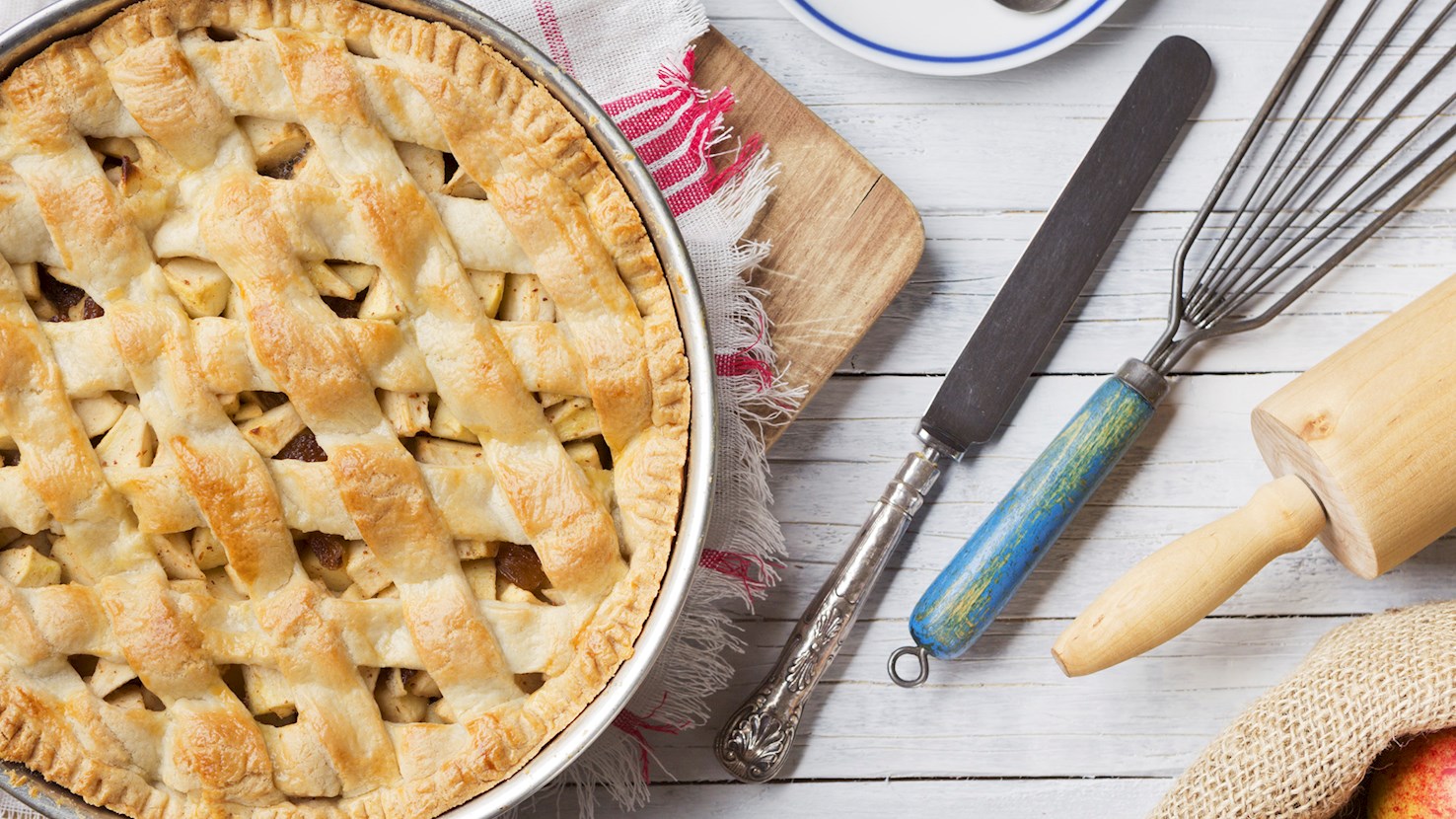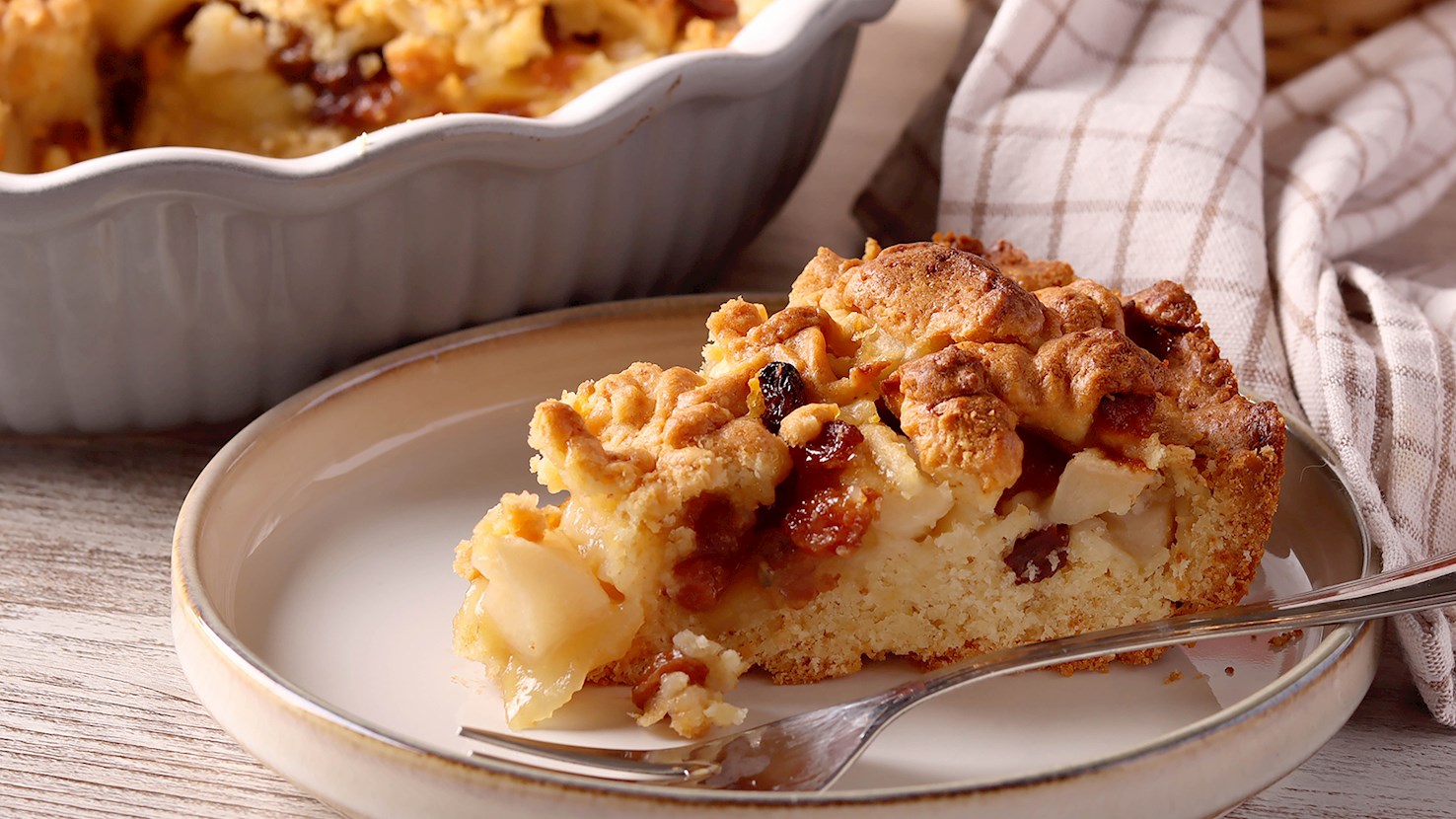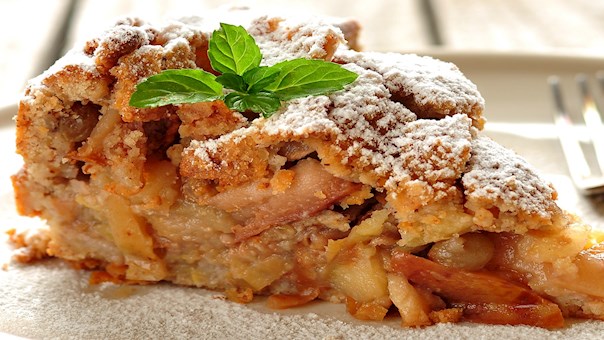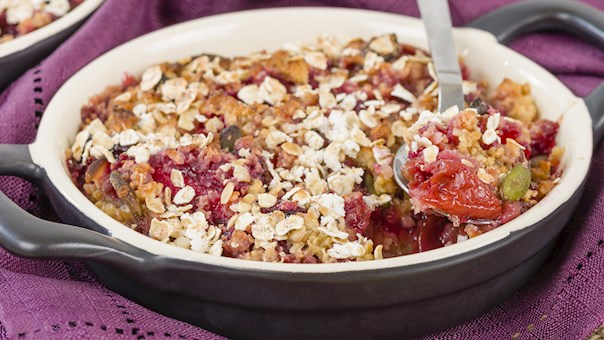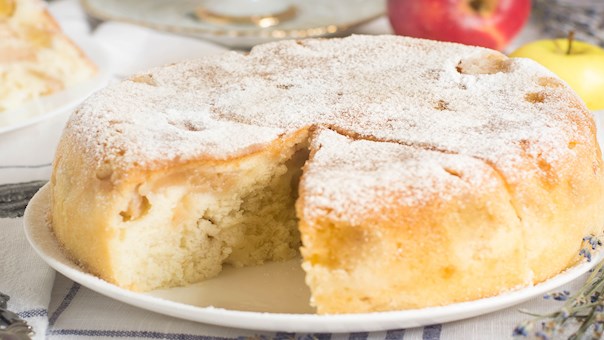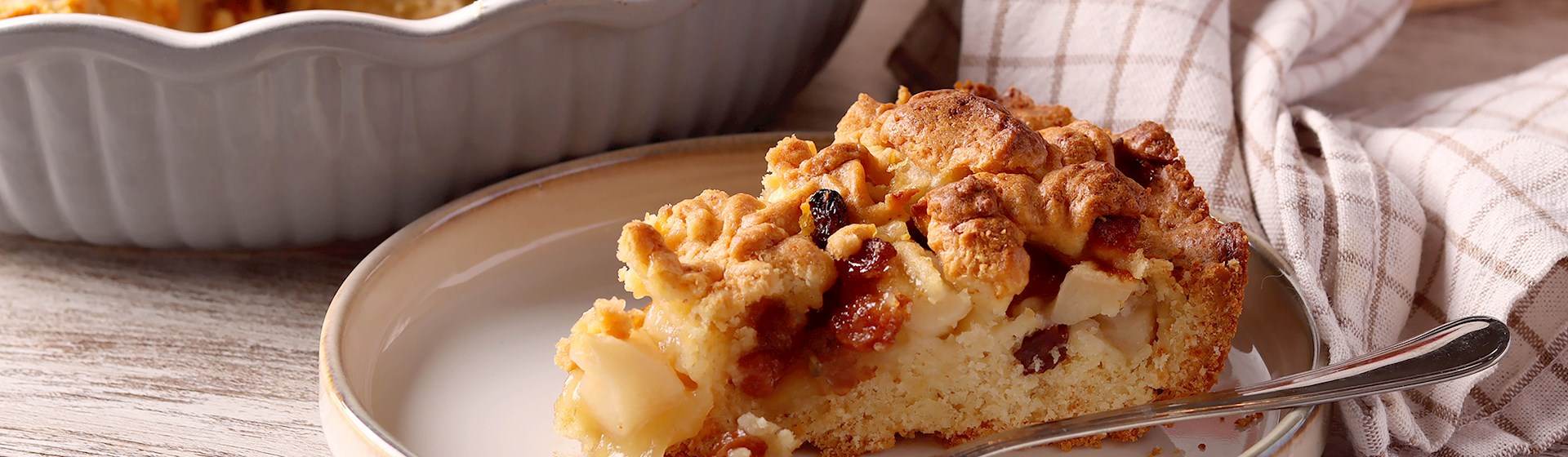
Appeltaart is a traditional apple pie that is very often accompanied by a cup of hot coffee. Although it is essentially the same as most apple pies, Dutch appeltaart differs from the classic American apple pie in many ways: it is baked in a spring-form pan, making it deeper; it is drier on the interior; it is full of big chunks of apple, currants, and raisins, and it is full of speculoos spices such as cinnamon, lemon juice, and other warm spices. Appeltaart dates back to the Middle Ages and it is believed that the baking time was measured by the number of prayers one had to say until it was ready to be taken out of the oven since ovens with temperature controls didn't exist at the time. In the Netherlands, appeltaart is usually served at room temperature and topped with a dollop of whipped cream, what is known as appeltaart met slagroom. This traditional dessert is one of the first pies that the young people learn to prepare in the Netherlands, but it is believed that the best ones are made by grandmas.
Szarlotka is a traditional apple pie that is hugely popular in all of Poland. There are countless ways of making it, but typically, it's made with shortcrust pastry or semi-shortcrust pastry and cooked or raw apples. It's a double-crust pie, and the top of the pie is usually crumbled. However, there is one variation of szarlotka that is well-known, and that is one that also includes a meringue layer underneath the crumble topping. Szarlotka can also have other fruits like peaches and pears, the apple filling can have raisins, and the crumble topping can be mixed with almonds. You will find szarlotka in most Polish bakeries, confectioners, and restaurants. Also, unlike American apple pie, szarlotka is not very sweet.
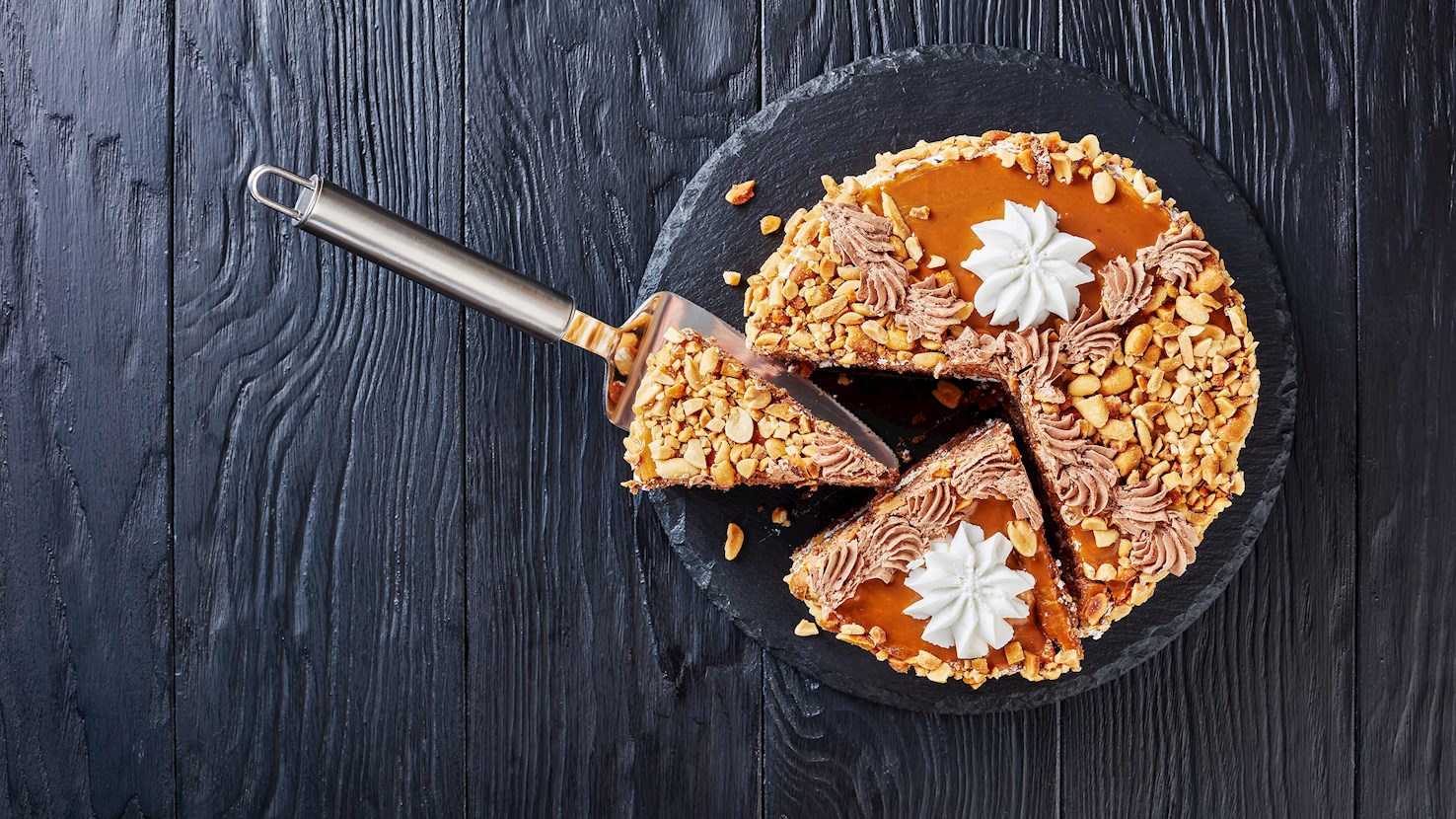
Peanut butter pie is a traditional pie hailing from Georgia. This sweet and salty pie consists of a crumbly pie crust that's filled with gooey peanut butter and chunks of roasted and salted peanuts. The filling is enriched with brown sugar, flour, butter, eggs, milk, vanilla extract, and corn syrup, while the crust is made from flour, sugar, salt, butter, and water. If desired, the peanuts can also be added to the crust. Once done, this nutritious pie is typically served with a dollop of whipped cream on top.
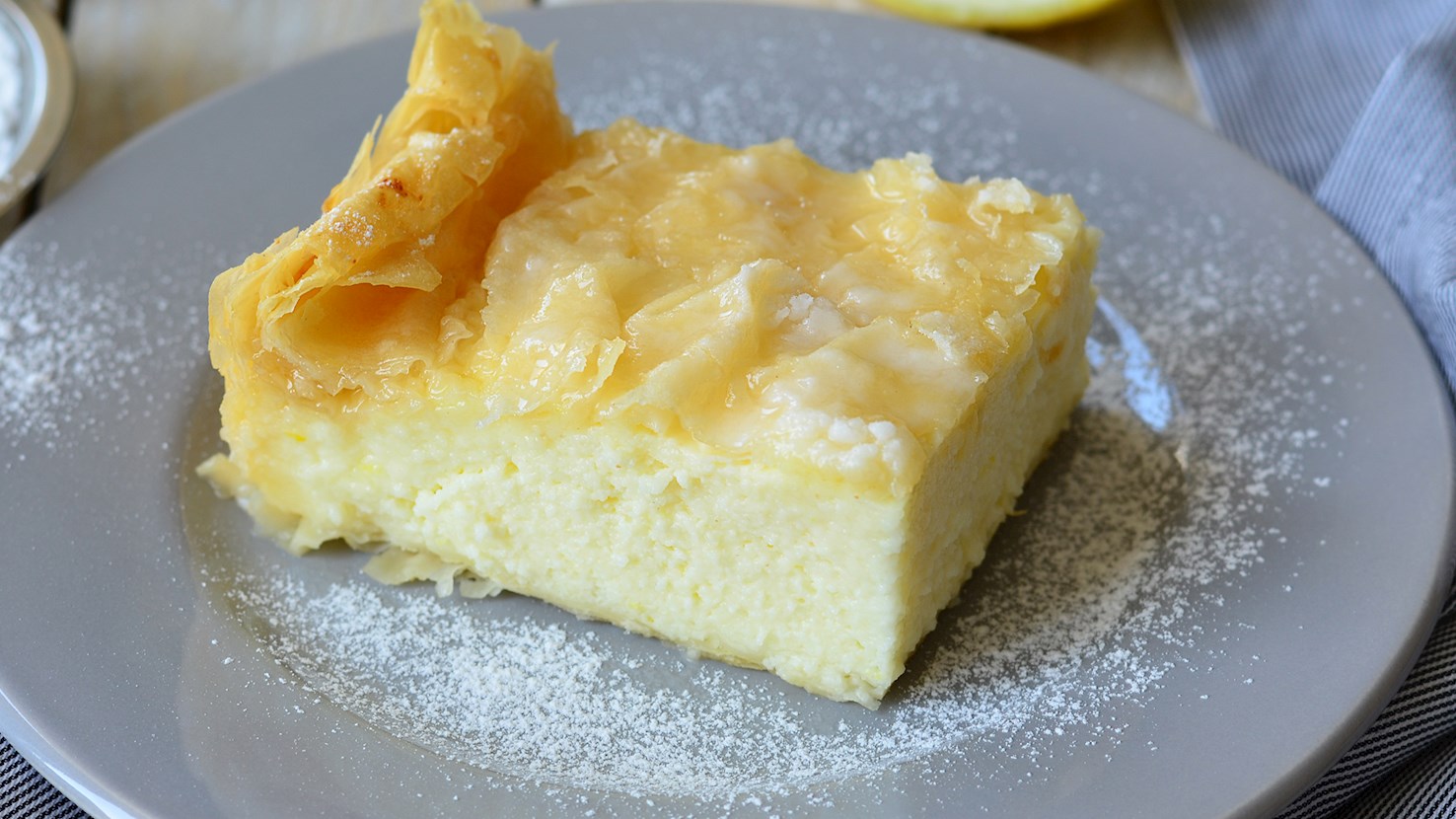
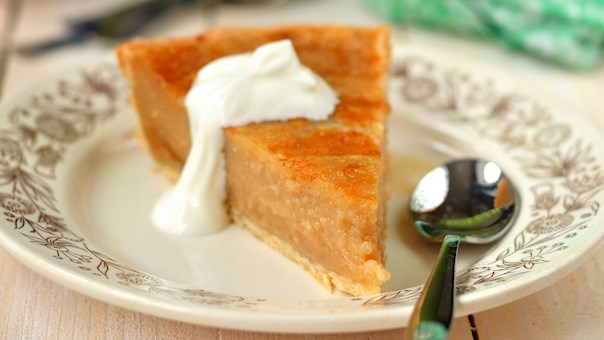
A close relative of galaktoboureko—that is distinguished by the use of phyllo sheets—classic Greek galatopita combines semolina, milk, eggs, butter, and sugar into a creamy, custard-like treat. Often enriched with citrus zest (and wrapped in pastry in some regions), galatopita is baked until golden-brown and is typically garnished with a sprinkle of powdered sugar or cinnamon. With its light texture and delicate flavor, it can be served on any occasion and is best enjoyed well-chilled.
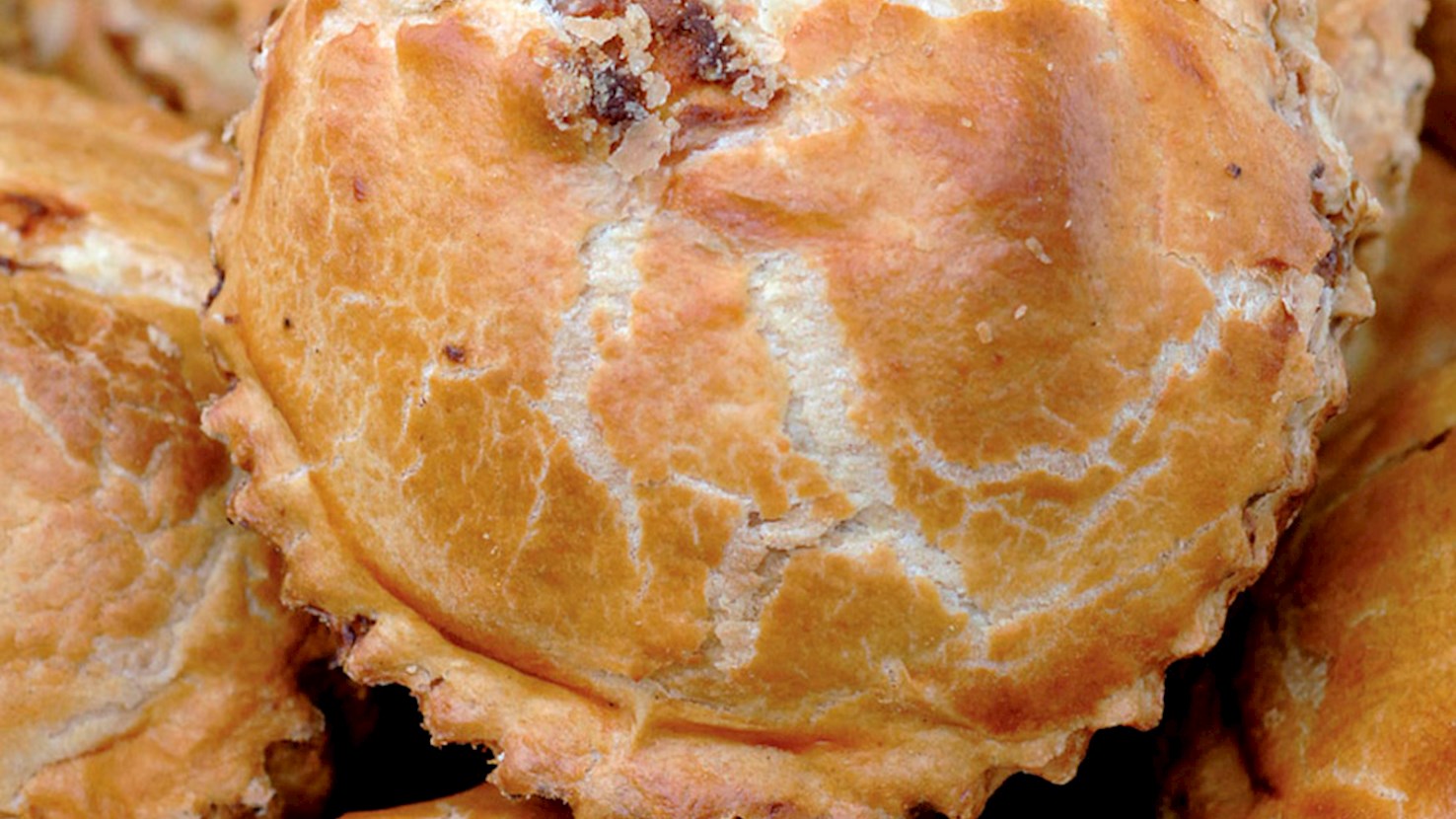
A typical dessert of the East Flanders, mattentaart is a small puff pastry pie with a tender, almond-flavored cheese curd filling called mattenbrij. These delicious Flemish pies are traditionally made in the city of Geraardsbergen and the neighboring village of Lierde, and their production depends heavily on the Geraardsbergen area's dairy produce, since genuine mattentaarts are prepared using only fresh milk, butter, and buttermilk from the local farms. Although the origins of mattentaart can be traced back to the Middle Ages, the oldest known recipe was found in Een Notabel Boecxken van Cokeryen, the first cookbook in Dutch, written and published in 1514 by Thomas van Der Noot. Later on, the famed mattentaarts were even depicted by the Flemish Renaissance painter and printmaker Pieter Bruegel the Elder in his 1567 painting The Peasant Wedding. And even though mattentaart is today famous throughout Belgium and abroad, in 2006, this pie has been declared a regional product protected by the European Union which means it can only be called mattentaart if it is produced in Geraardsbergen or Lierde.
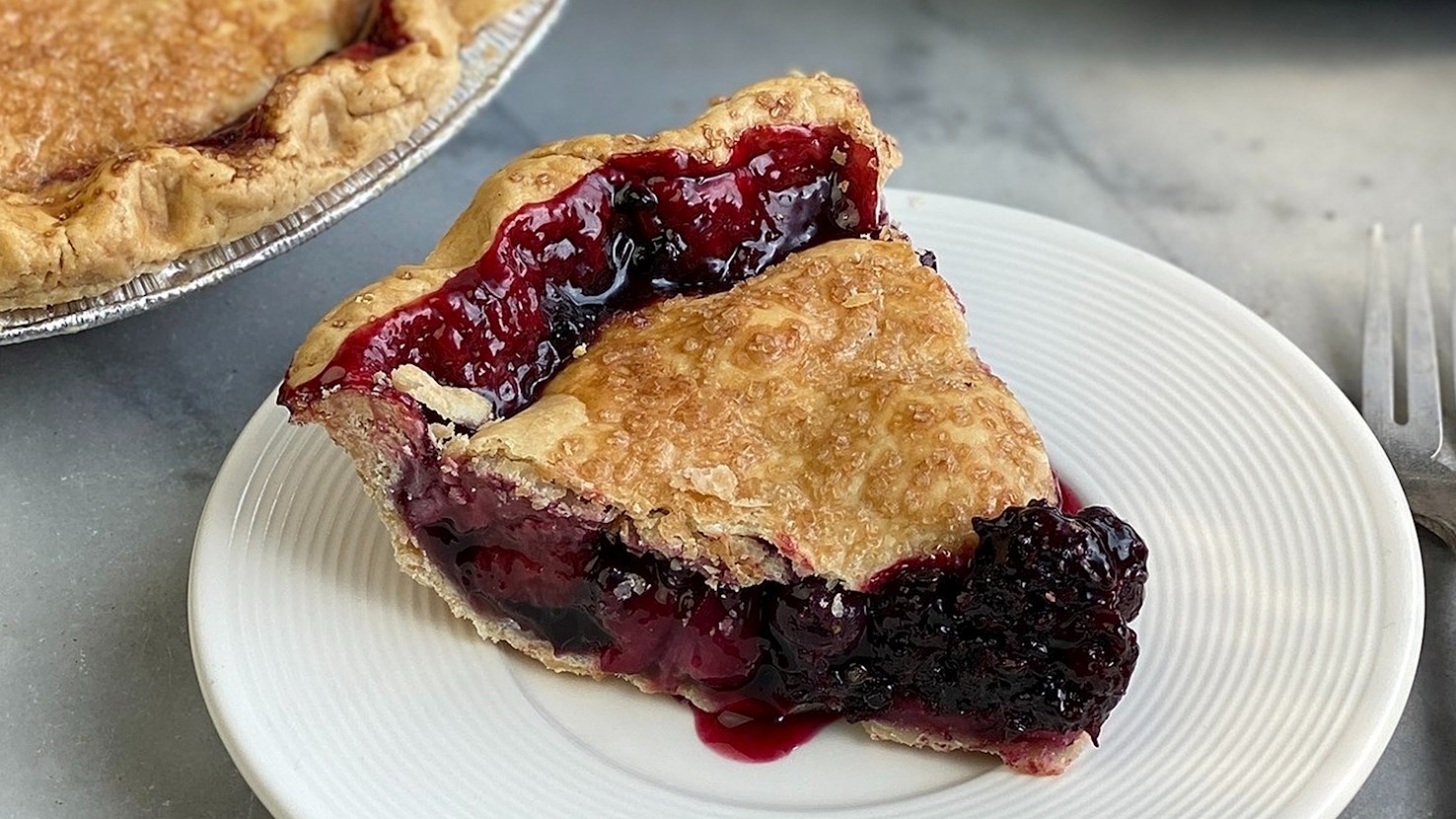
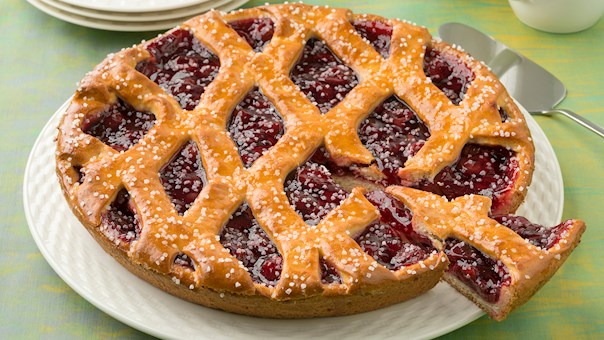
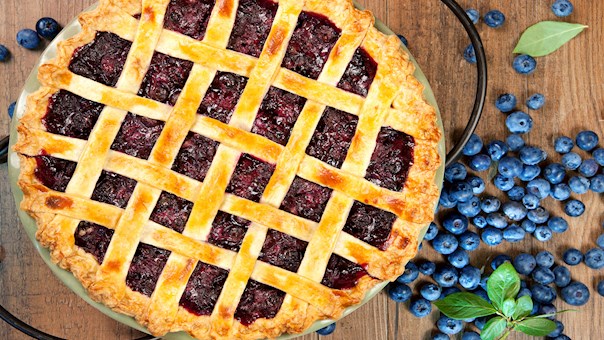
Marionberry pie is a traditional comfort food staple from Oregon. Marionberries are a cross of Chehalem and Olallie blackberries, characterized by a tart and complex flavor with a hint of earthiness and sweetness. The crust for this pie is made with flour, salt, shortening, and cold water, while the basic filling is prepared with a combination of marionberries, sugar, cornstarch, and cinnamon for extra flavor. Once assembled, the pie is baked until it develops a golden-brown color.
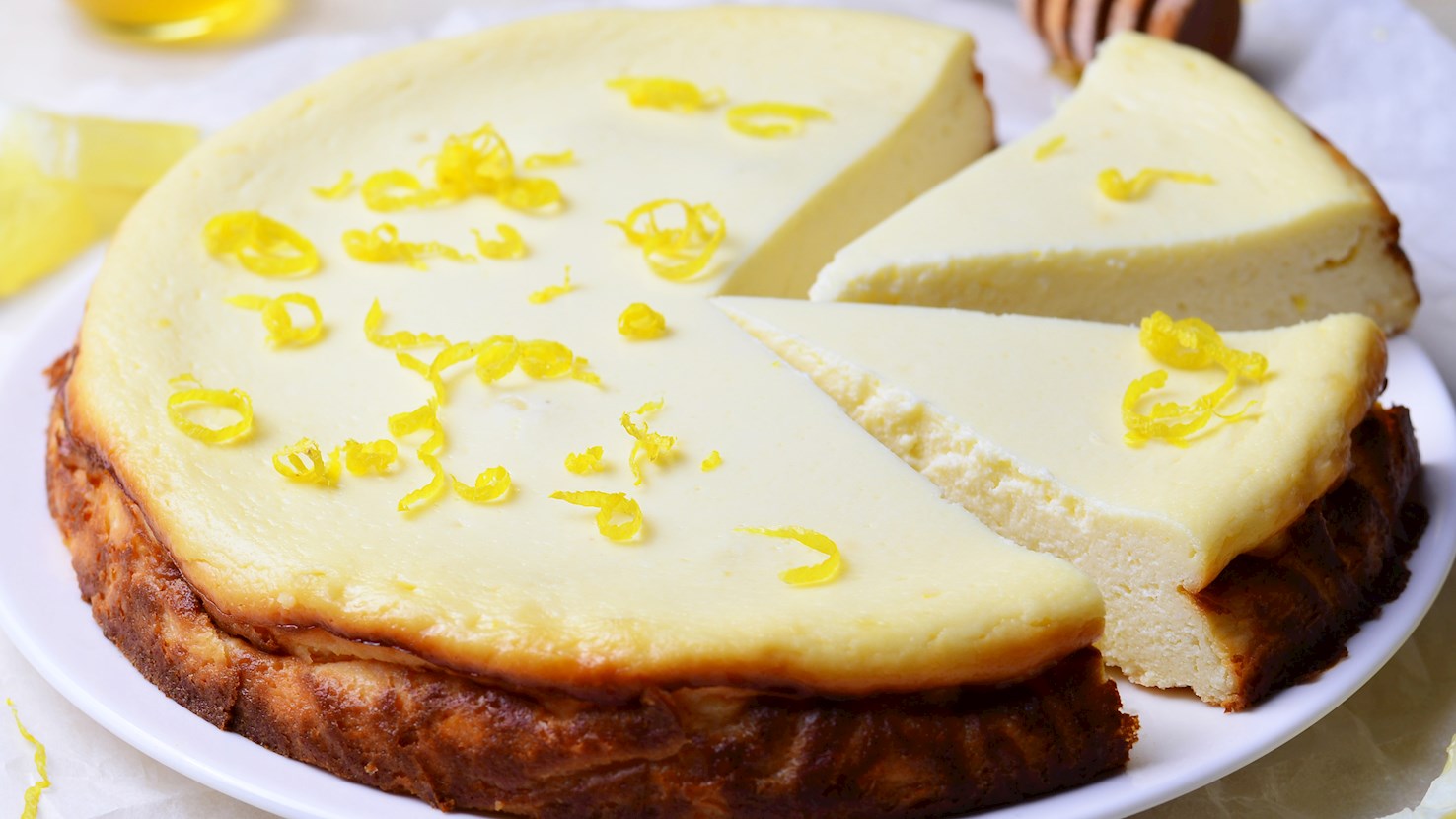
Translated as honey pie, this light Greek dessert is traditionally associated with the island of Sifnos, but its varieties can be found in other Greek regions as well. The pie combines fresh cheese, preferably mizithra based on sheep or goat milk, eggs, and honey, and it is usually baked as a round, crustless cake. It is recommended to garnish melopita with a sprinkle of cinnamon and an additional drizzle of honey.
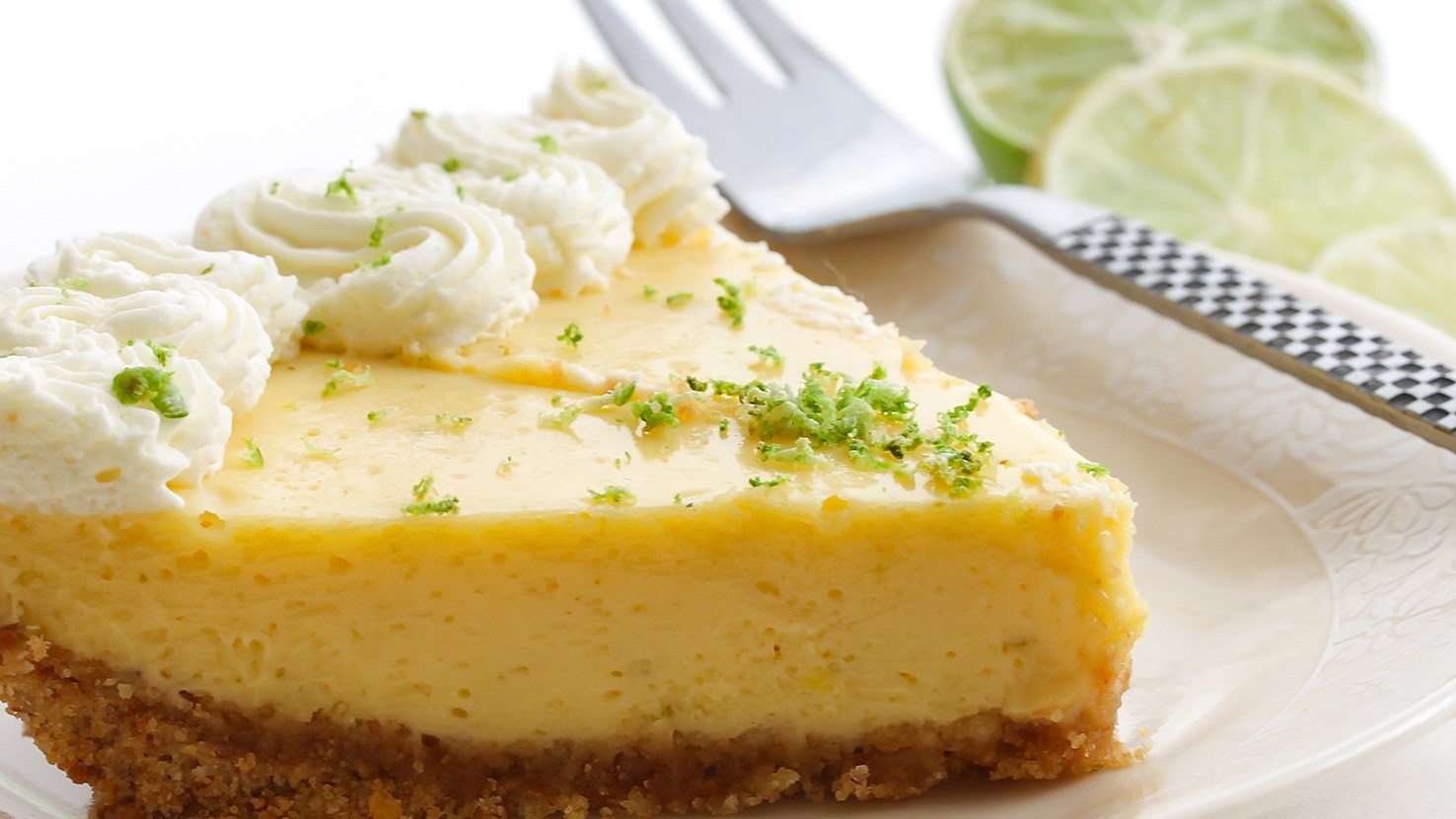
Key lime pie is a glass-green sweet and sour dessert originating from the Florida Keys. It consists of intensely aromatic Key lime juice, condensed milk, and eggs that are mixed together into a custard. The custard is poured into a buttery crust made from graham crackers and topped with sweet whipped cream. The spicy and acidic flavors of the limes provide a great contrast to sugar and sweet cream. Key lime, also known as citrus aurantifolia, Mexican lime, and West Indian lime is a fruit indigenous to Malaysia, and it has been connected to Florida since the 1830s when a botanist named Henry Perrine started planting them on Florida's Indian Key. Today, they are used in this traditional, refreshing pie that is even better when paired with light-bodied, crisp, and fruity white wines.
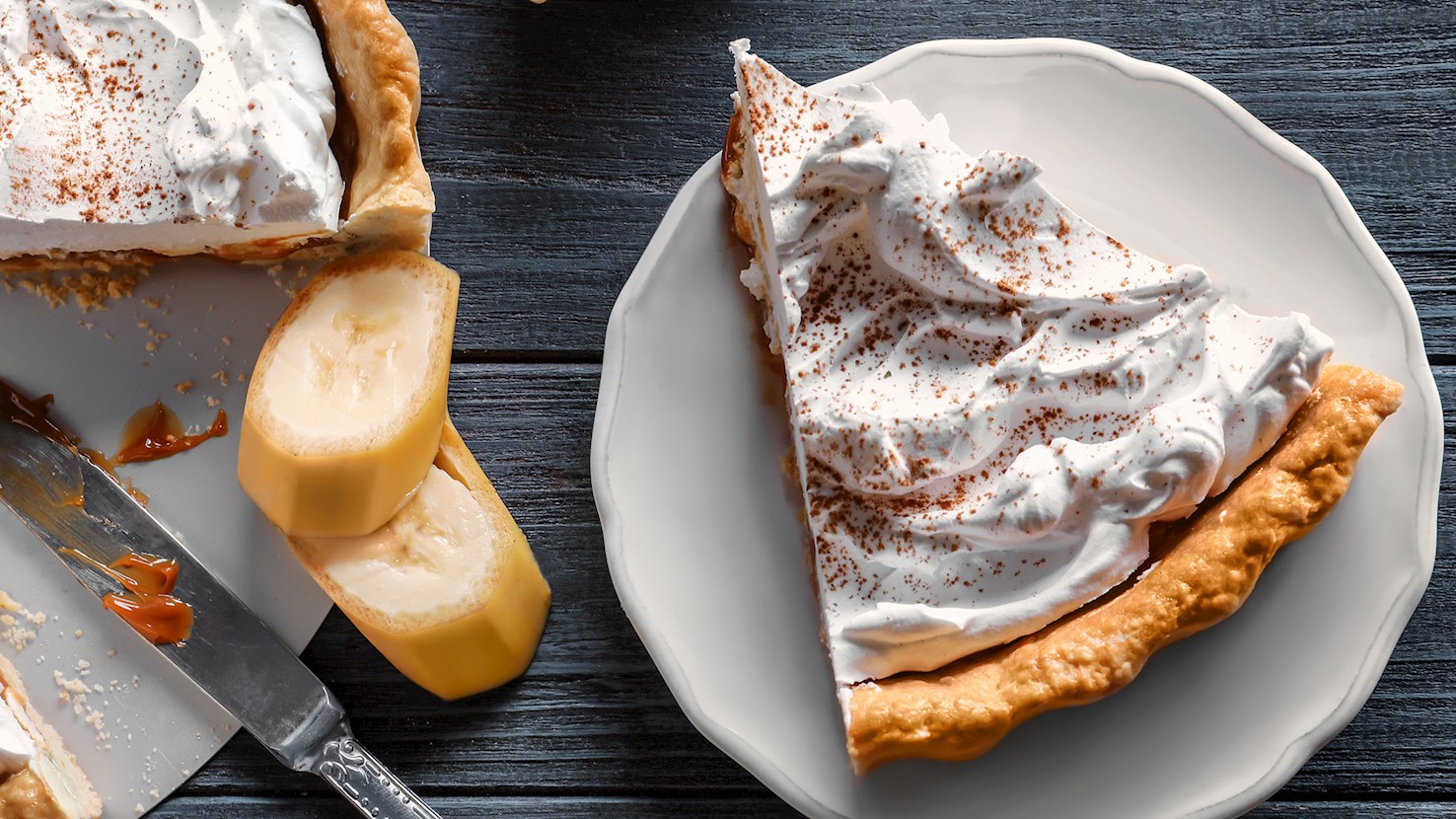
Banoffee pie is a rich, layered dessert pastry made with a crumbled biscuit base, thick toffee, sliced fresh bananas, and a generous mound of whipped cream, often paired with a strong cup of black coffee or unsweetened tea to balance the extreme sugar levels. It was created in 1971 at The Hungry Monk restaurant in East Sussex, England. The owner, Nigel Mackenzie, and his head chef, Ian Dowding, originally sought to modify an obscure recipe relying on coffee and caramel. After several failed attempts utilizing apples and mandarin oranges, Mackenzie suggested incorporating bananas instead. The resulting combination proved incredibly successful, prompting the invention of the word "Banoffee"—a simple portmanteau of banana and toffee—which eventually secured a spot in the Oxford English Dictionary. Assembling the pie begins by crushing digestive biscuits into fine crumbs and mixing them thoroughly with melted butter. This sandy mixture is firmly pressed into the bottom and up the sides of a fluted tart tin, then briefly baked or refrigerated until it forms a rigid shell. The critical toffee component relies on slowly boiling sealed cans of sweetened condensed milk for several hours until the sugars inside caramelize into a dark, thick paste. Once the biscuit shell has cooled completely, a thick blanket of this caramel is spread across the bottom, followed immediately by a dense layer of freshly cut, ripe bananas. Heavy cream is whisked until soft peaks form and spread high over the fruit. The final aesthetic touch is a light dusting of cocoa powder or finely grated dark chocolate over the white cream. Alterations to this baseline formula often replace the standard biscuit crust with crushed graham crackers or chocolate cookies to adjust the foundational flavor. Other variations mix a small splash of dark rum or instant coffee powder directly into the caramel to introduce a bitter contrast, while certain bakeries scatter toasted pecans or walnuts over the fruit layer for added crunch.
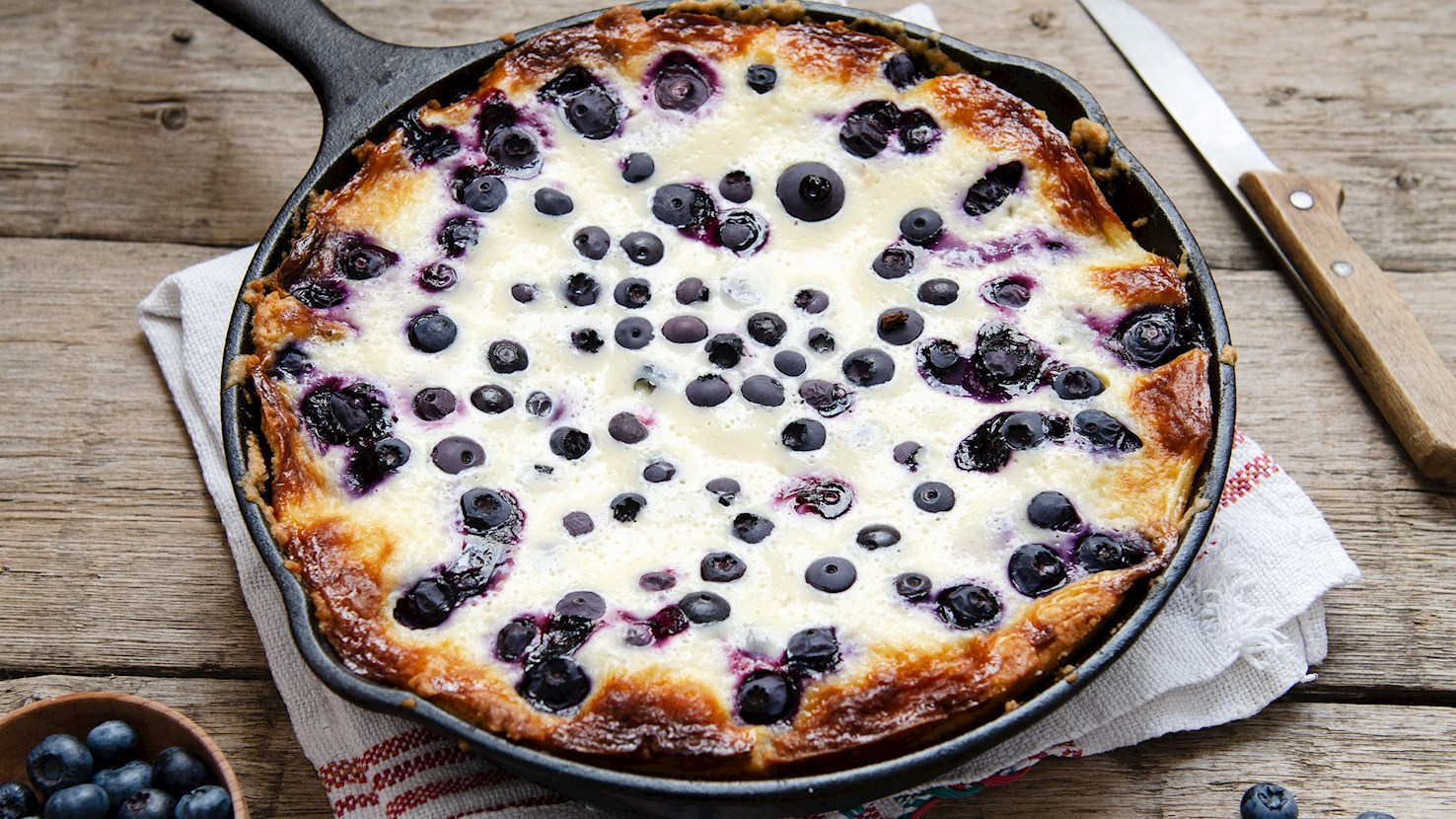
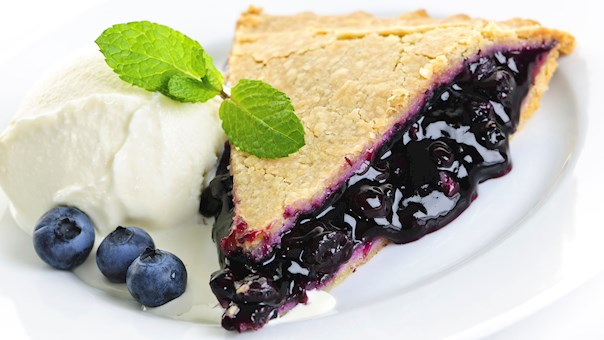
Mustikkapiirakka is a traditional blueberry pie originating from Finland. The crust for the pie is usually made with a combination of flour, butter, sugar, eggs, and baking powder. The dough is pressed into a tart pan, pricked with a fork, and pre-baked. It is then topped with fresh blueberries (in Finland they traditionally use bilberries, which are very similar, but different to North American blueberries) mixed with sour cream, eggs, sugar, vanilla, and cardamom, if desired. The pie is placed back in the oven and it's baked until the middle is set and the edges have browned. Once baked, mustikkapiirakka is cut into slices and enjoyed warm or cold. It's recommended to pair it with a dollop of whipped cream or a scoop of vanilla ice cream on the side.
TasteAtlas food rankings are based on the ratings of the TasteAtlas audience, with a series of mechanisms that recognize real users and that ignore bot,
nationalist or local patriotic ratings, and give additional value to the ratings of users that the system recognizes as knowledgeable.
For the “Top 95 Sweet Pies in the World” list until July 15, 2026, 4,848 ratings were recorded, of which 4,178 were recognized by the system as legitimate.
TasteAtlas Rankings should not be seen as the final global conclusion about food. Their purpose is to promote excellent local foods,
instill pride in traditional dishes, and arouse curiosity about dishes you haven’t tried.
The initial list of top producers was compiled based on available reviews, awards, local recommendations, media and blog coverage, and consumer reviews.
The list will be updated with ratings from TasteAtlas local ambassadors and TasteAtlas users.