shutterstock

Top 8 Korean Teas and Herbal Infusions

Last updated on June 15, 2026

Best Korean Teas and Herbal Infusions
01

Osulloc

4.6 ·
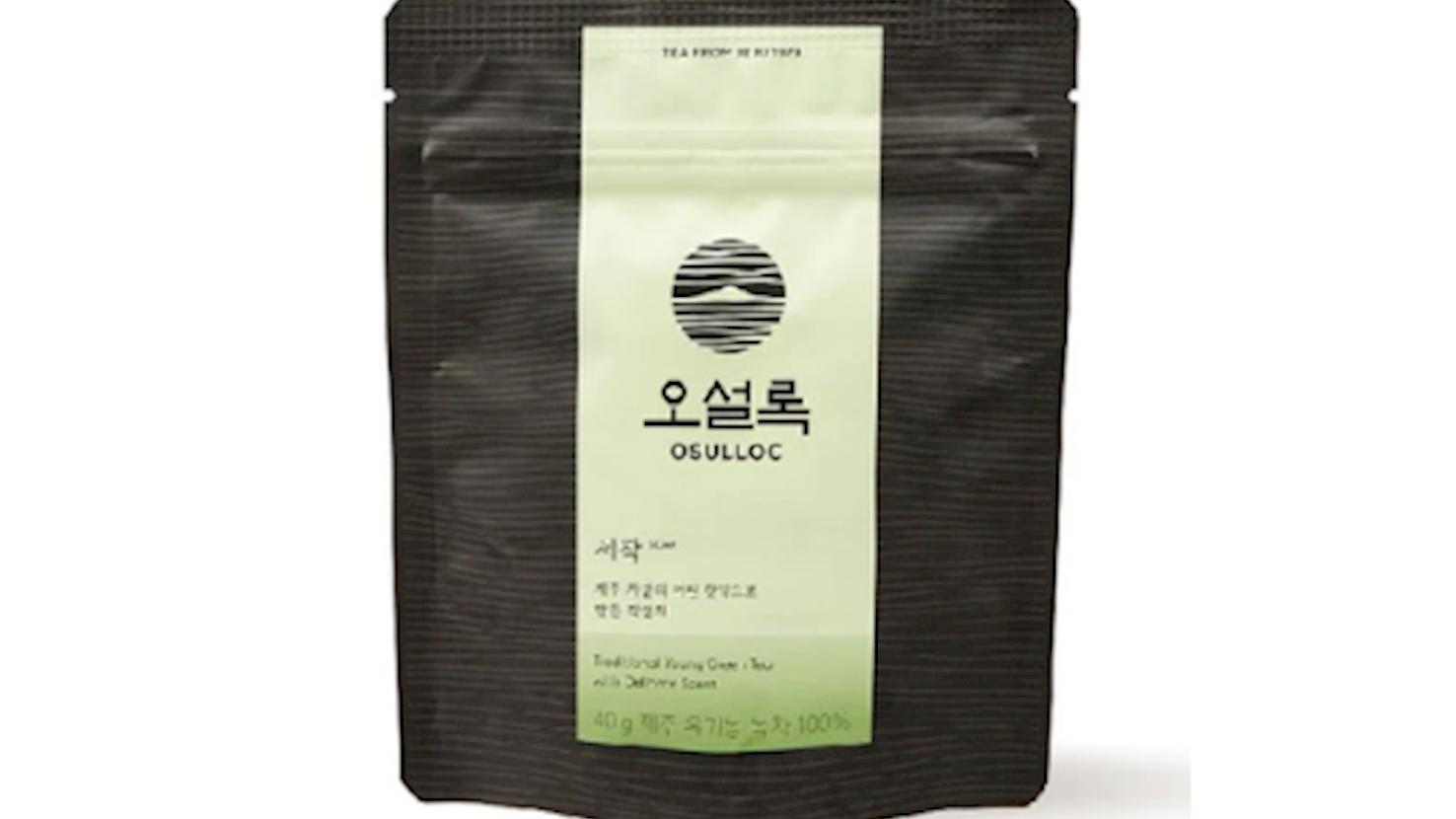
Osulloc is a prestigious tea brand from South Korea, specializing in the production of high-quality green teas sourced from Jeju Island, a beautiful volcanic island known for its pristine nature and ideal conditions for tea cultivation. Osulloc is part of the Amorepacific group, one of the largest South Korean conglomerates, renowned for its innovations in the beauty and health industry, as well as its commitment to sustainability and product quality. Founded with the mission to bring the best of Korean tea to the world, Osulloc takes advantage of the unique climate and soil of Jeju Island. The tea from Osulloc is distinctive due to the volcanic soil, rich in minerals, which allows the teas to develop rich aromas and nutritional values. Osulloc is known for combining traditional production methods with modern approaches, ensuring high-quality standards. Osulloc offers a wide range of products, with an emphasis on green tea, but they also produce jasmine tea, oolong, black tea, and herbal blends. One of the special aspects of the Osulloc brand is their Osulloc Tea Museum, located on Jeju Island. This museum is not only an educational center that explores the history and culture of Korean tea, but also a place where visitors can enjoy various tea ceremonies and try tea in specially designed tea rooms.

Best Korean Tea / Infusion Types
01

Yuja-cha

3.9 ·

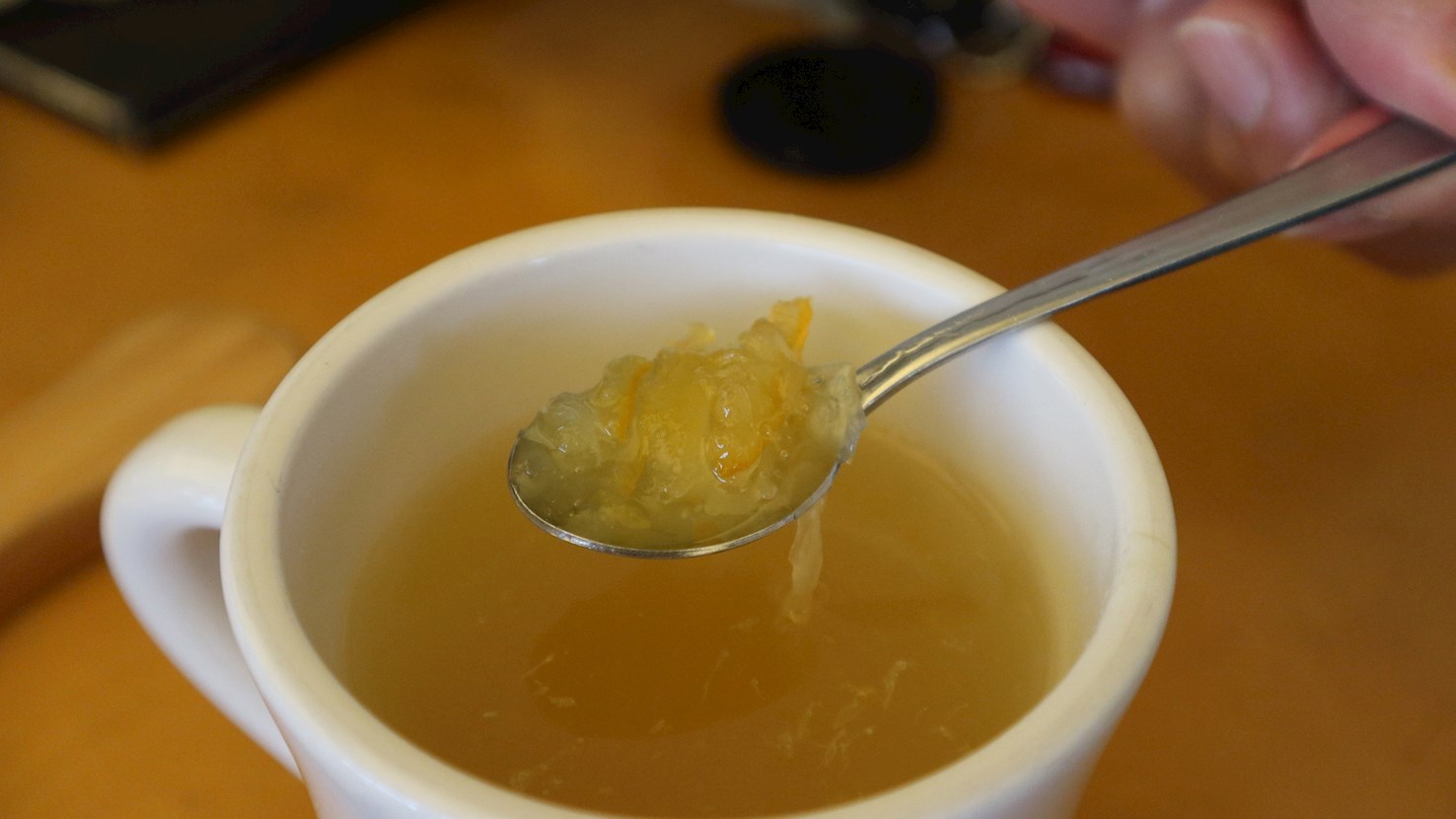
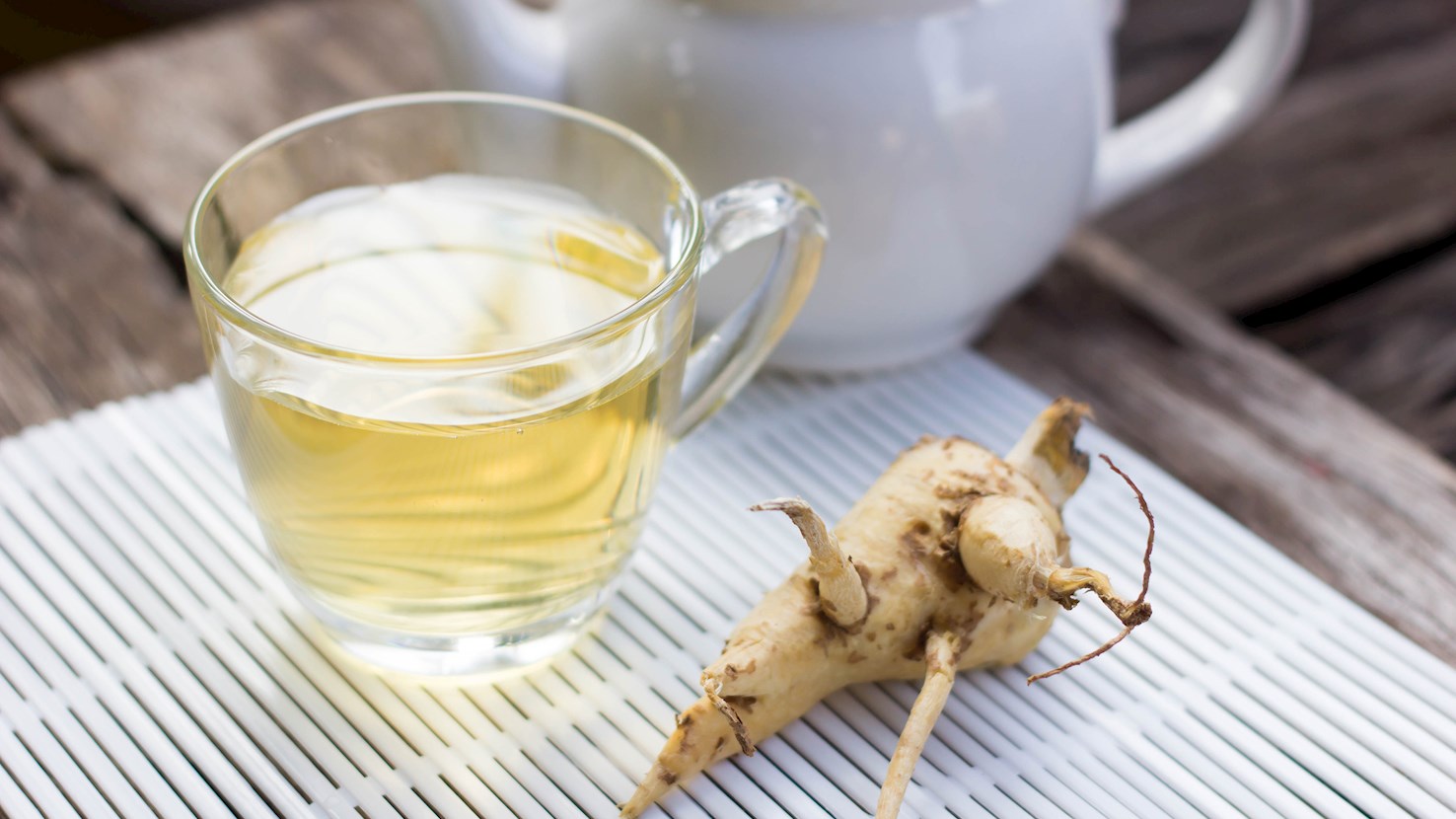
Yuja-cha is a Korean citrus infusion that is mostly enjoyed during winter. It is made with yuya—a lemon-like citrus fruit native to China that was brought to South Korea during Tang dynasty. The tea can be prepared by mixing fresh sliced fruit with sugar and then combining it with warm water. The other way is to make a fruit preserve (yuja-cheong), which usually consists of sliced yuya, honey or sugar, and water. The tea is then prepared by dissolving the preserve in water. This warming tea should be enjoyed warm and is often claimed to be a soothing health remedy.

02

Mugicha (Barley Tea)

3.8 ·

Mugicha is a Japanese name for barley tea—an infusion made by steeping roasted barley grains in hot or cold water. Technically, barley tea is a tisane, and nowadays, it is often made by using teabags consisting of roasted and ground barley. The drink has ancient origins and is enjoyed in many Asian countries. When brewed, barley tea has a light brown color and a savor, nutty and earthy flavor. It can be sweetened to preference, while the chilled, summer version is often served over ice. In China, barley tea is called dàmài-chá, and in Korea, it goes by the name boricha.

03

Omija-cha

3.5 ·

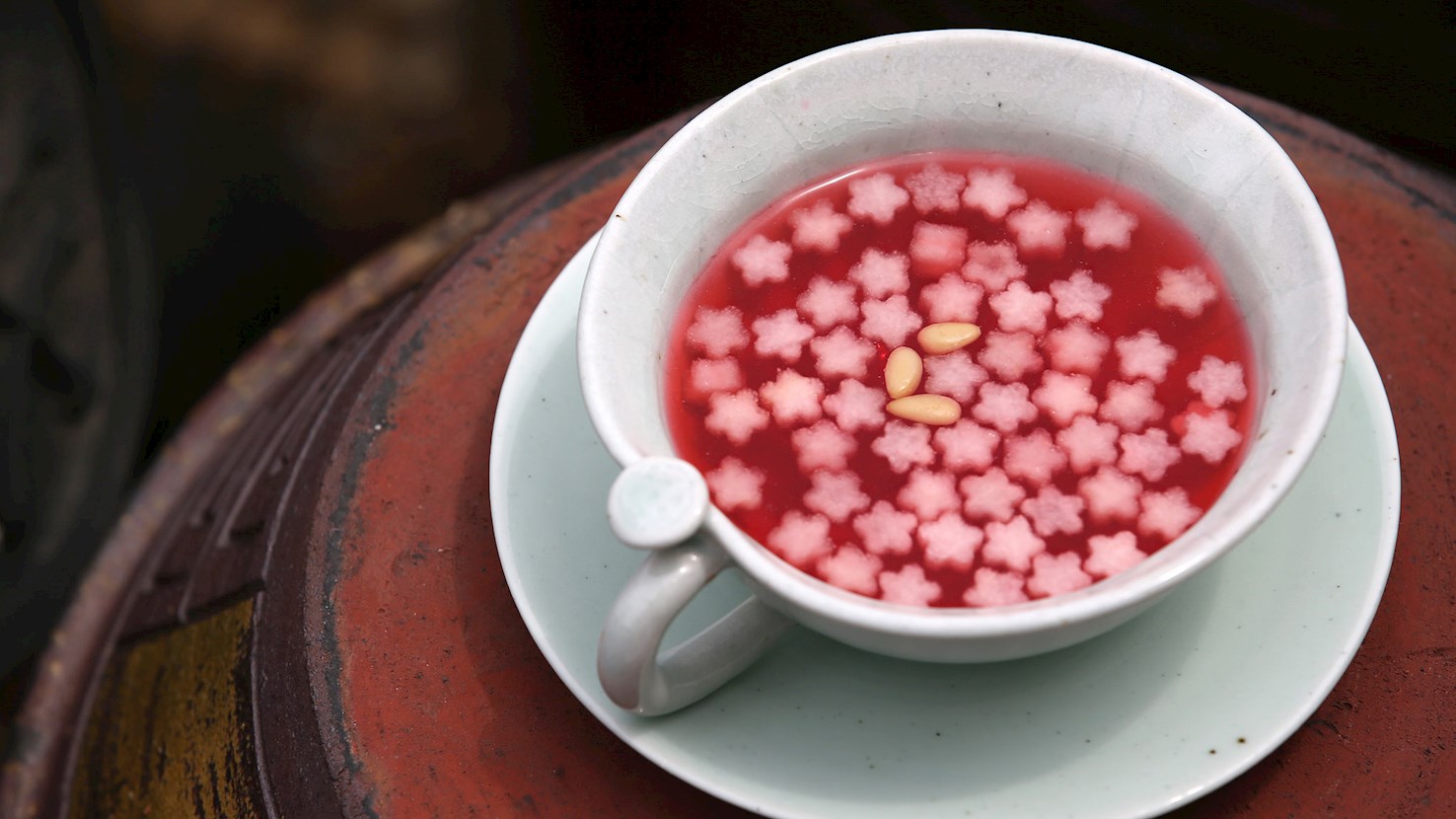
Omija-cha is a Korean infusion made with omija—five-flavor berry. Also known as schisandra or magnolia berry, these small red berries are dried before they are used to make omija tea. The berries can be boiled in hot water, which will bring out bitter flavors, but traditionally they are merely steeped in cold water. The tea is usually sweetened with sugar and honey, and it can be enjoyed warm or cold. The berries will give the drink its distinctive red hue, and they will also provide five omija flavors—hence the name of the fruit—which include saltiness, sweetness, sourness, bitterness, and pungency. Omija-cha is also promoted for its various health benefits.

04

Saenggangcha (Korean Ginger Tea)

3.4 ·

Although it is usually called ginger tea, this ginger-based drink is better described as a ginger infusion. It can be made by simmering sliced ginger in hot water, but in South Korea (saenggang-cha) and Japan (shōgayu), it is often prepared with a mixture of honey and grated ginger. The combination is stored, and it is then just mixed with water. Some variations will also include lemon or starch. The drink is commonly enjoyed as a health remedy, and it can either be made as a hot or cold beverage. Ginger tea comes in numerous variations that are found in various Asian countries.

05

Yulmu-cha

3.2 ·

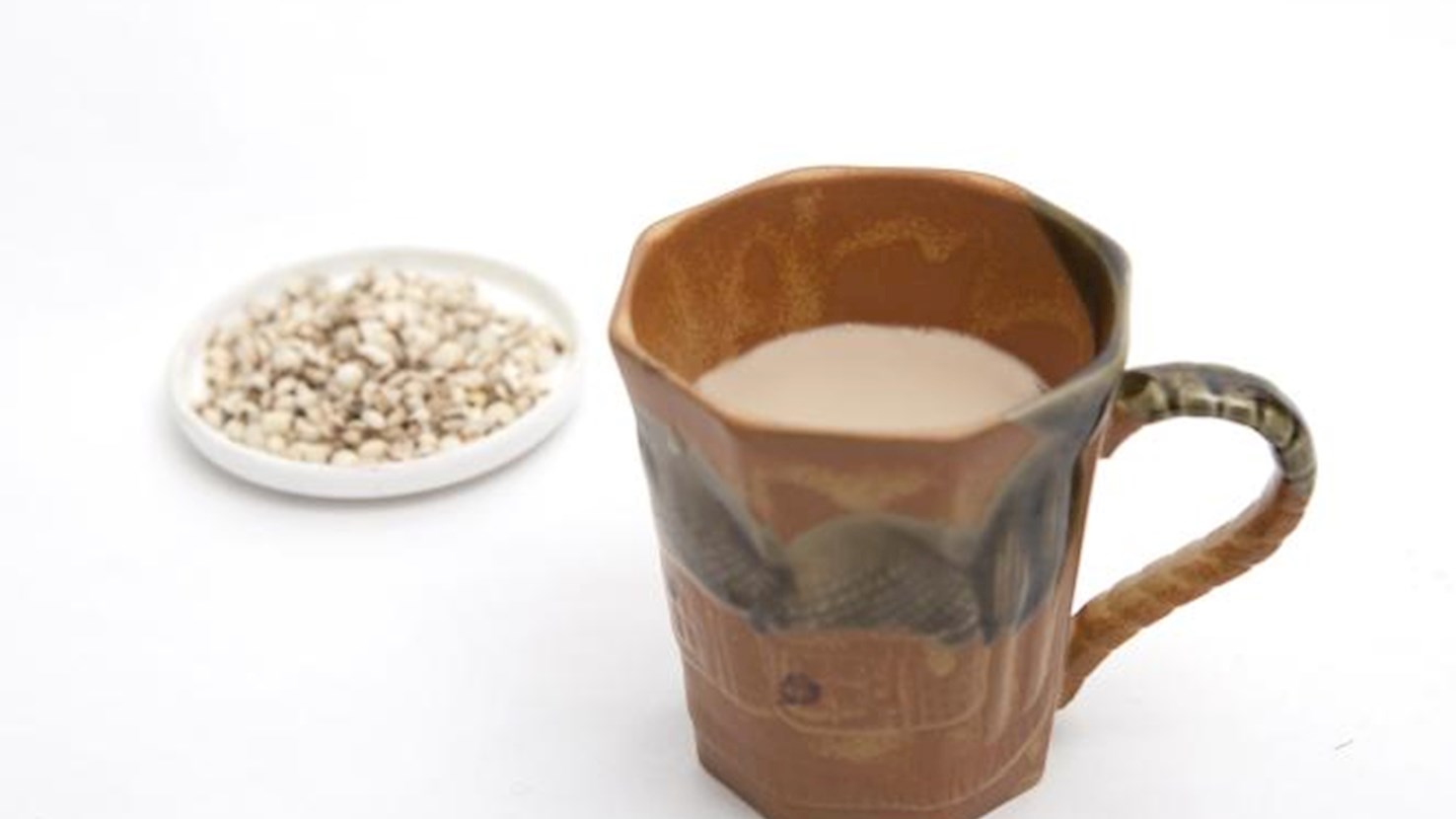
Yulmu-cha is a Korean tea that is made with yulmu—the seeds that are gathered from yulmu plant (also known as Job’s tears). The seeds are roasted and ground into a powder, which is then dissolved in warm water to make the tea. Optionally, yulmu powder can also incorporate other seeds, grains, or nuts. The tea is opaque and creamy with a distinctive nutty flavor. It is usually available as a pre-packed powdered mix, and it is sometimes sold from vending machines.

06

Sobacha (Buckwheat Tea)

3.2 ·

Although it is often labeled as tea, sobacha is an infusion or a tisane made with roasted barley. The blend can include grains, leaves, or flowers. Apart from Japan, the drink is popular in several Asian countries, including China (kuqiaocha) and South Korea (memil-cha). To prepare it, roasted kernels are simply steeped in hot or cold water. Alternatively, it can be made with teabags. The resulting drink has a yellow or a light brown hue, with an earthy and nutty flavor, subtle bitterness, and hints of sweetness. Buckwheat tea is a nutritious drink, and many believe that it has numerous health benefits.

07

Daechu-cha

3 ·

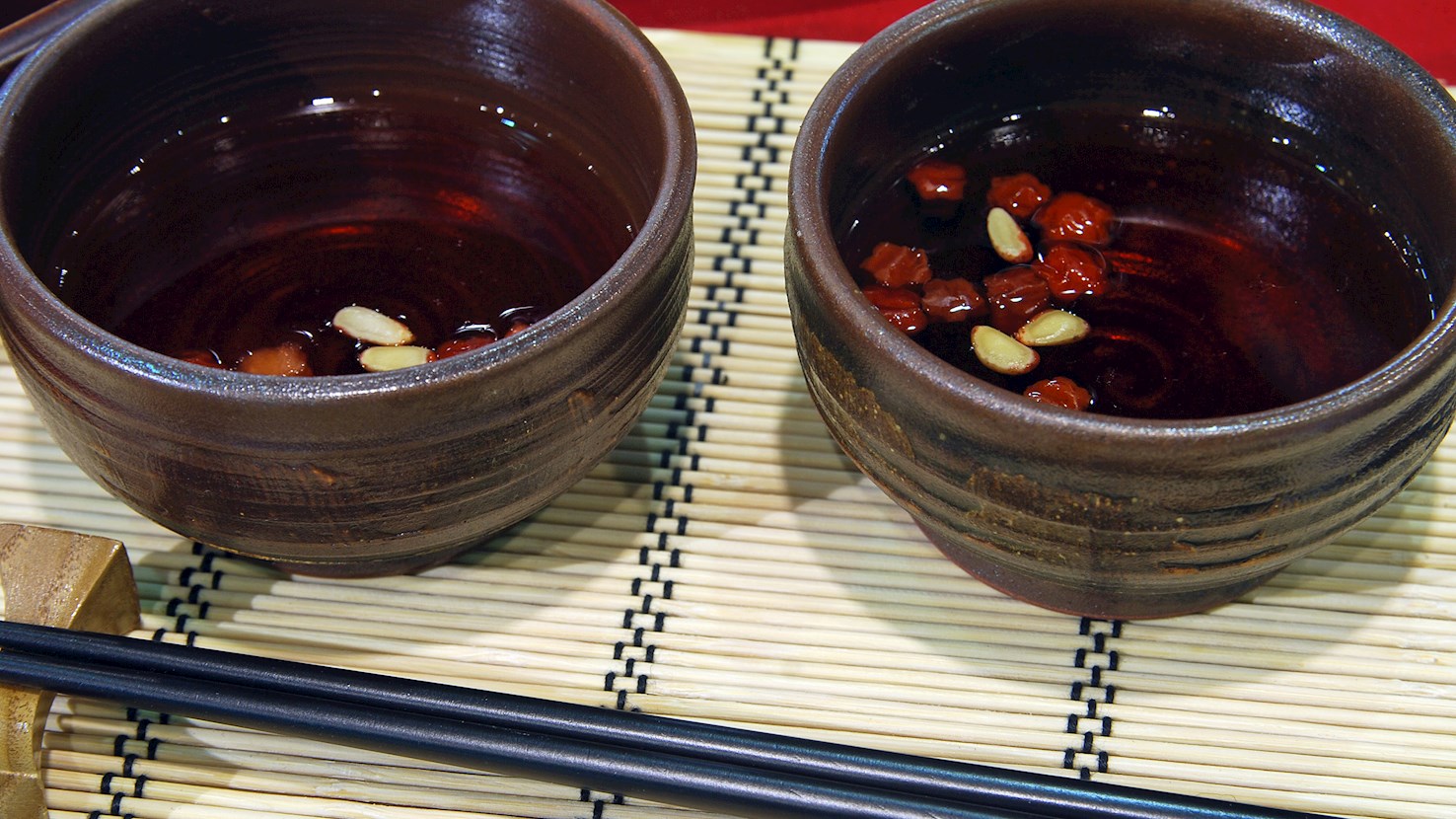
Daechu-cha is a South Korean tea made from jujubes. This tea can be made from dried jujubes, which are boiled in water, or with a jujube preserve, which is diluted in warm water. The tea is usually dark red or brown and is often praised for its health properties. When served, daechu-cha is usually garnished with pine nuts.

08

Sejak

n/a ·

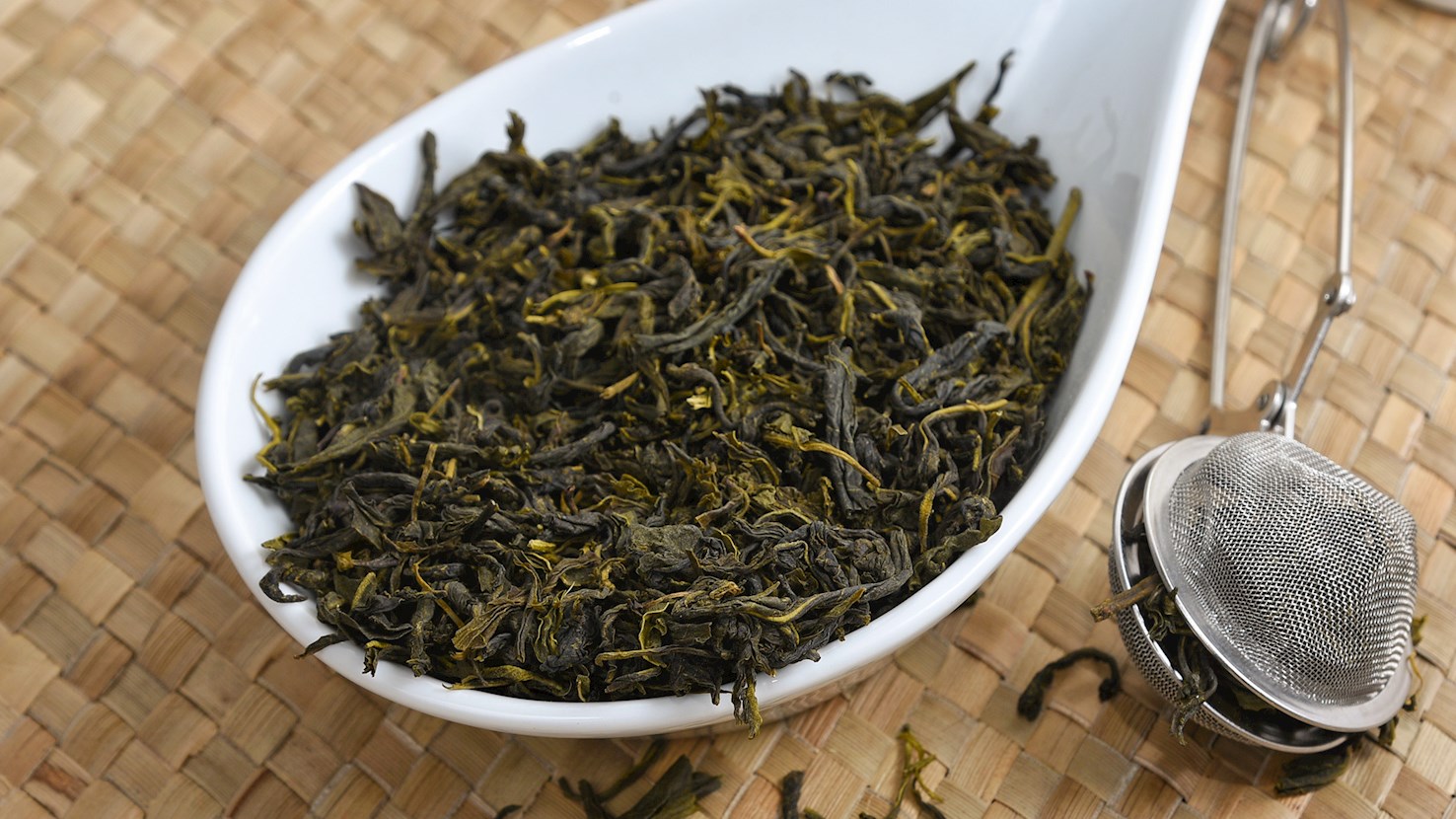
Sejak is a high-quality Korean green tea that is harvested in late April to early May, making it part of the ueon (first flush) or early jakseol (sparrow’s tongue) category of teas. It is considered one of the finest Korean green teas, produced mainly in the Hadong and Boseong regions of South Korea, where traditional tea cultivation techniques have been practiced for centuries. Sejak is made from young tea leaves and buds, carefully hand-picked before they fully mature. The leaves are then steamed or pan-fired to prevent oxidation, preserving their vibrant green color, fresh vegetal notes, and smooth, slightly nutty taste. Compared to other green teas, sejak has a balanced sweetness with mild umami undertones, and it lacks the strong bitterness found in some Japanese or Chinese green teas. This tea is known for its delicate yet complex flavor, often described as having hints of chestnut, sea breeze, and fresh grass, making it highly prized among tea enthusiasts. Traditionally, sejak is brewed at a lower temperature (around 70-75°C or 160-170°F) to enhance its sweetness and prevent bitterness. In Korean tea culture, Sejak holds a special place as a premium green tea, often enjoyed during tea ceremonies or by those who appreciate fine, hand-crafted teas.

Best producers
Read more
View all
View map
About this ranking

TasteAtlas food rankings are based on the ratings of the TasteAtlas audience, with a series of mechanisms that recognize real users and that ignore bot, nationalist or local patriotic ratings, and give additional value to the ratings of users that the system recognizes as knowledgeable. For the “Top 8 Korean Teas and Herbal Infusions” list until June 15, 2026, 166 ratings were recorded, of which 156 were recognized by the system as legitimate. TasteAtlas Rankings should not be seen as the final global conclusion about food. Their purpose is to promote excellent local foods, instill pride in traditional dishes, and arouse curiosity about dishes you haven’t tried.

The initial list of top producers was compiled based on available reviews, awards, local recommendations, media and blog coverage, and consumer reviews. The list will be updated with ratings from TasteAtlas local ambassadors and TasteAtlas users.

Similar lists