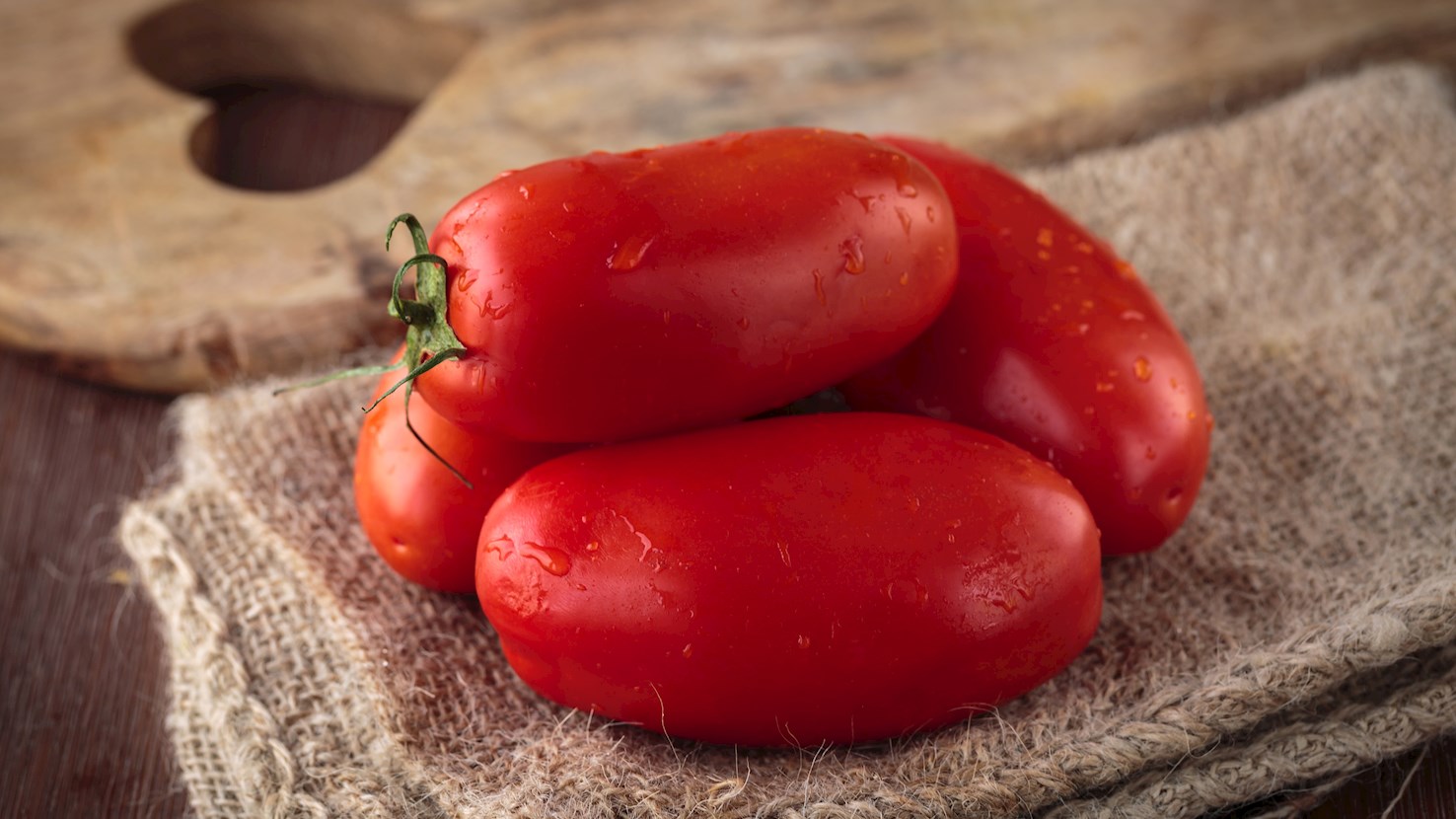
Prized by many chefs as the best of its kind, Pomodoro S. Marzano dell’Agro Sarnese-Nocerino is a variety of plum tomato grown along the banks of Sarno River in the fertile volcanic plains south of Mount Vesuvius, namely within the provinces of Naples, Salerno and Avellino. Locally known as 'the king of tomatoes', San Marzano peels quite easily and is characterized by an almost seedless flesh, bright red color and a delicate, bittersweet flavor. Even though San Marzano tomatoes are commonly used in a wide variety of Italian dishes, they have been designated as the only tomato variety that can be used for Vera Pizza Napoletana, the genuine Neapolitan pizza.
Named after its town of origin, pomodoro di Pachino refers to various varieties of fresh tomatoes grown within the Sicilian province of Syracuse. The sweet flavored Pachino tomatoes are characterized by a particularly succulent flesh and prized for their long shelf life. They are best enjoyed fresh, and typically used as an ingredient for mixed salads, cold pasta dishes or for pizza toppings. Also, according to old Sicilian culinary traditions, Pachino tomatoes are often sun-dried and preserved in olive oil in which way they can be used for making pâtés and tapenades, various flans and a seemingly limitless number of pasta dishes.
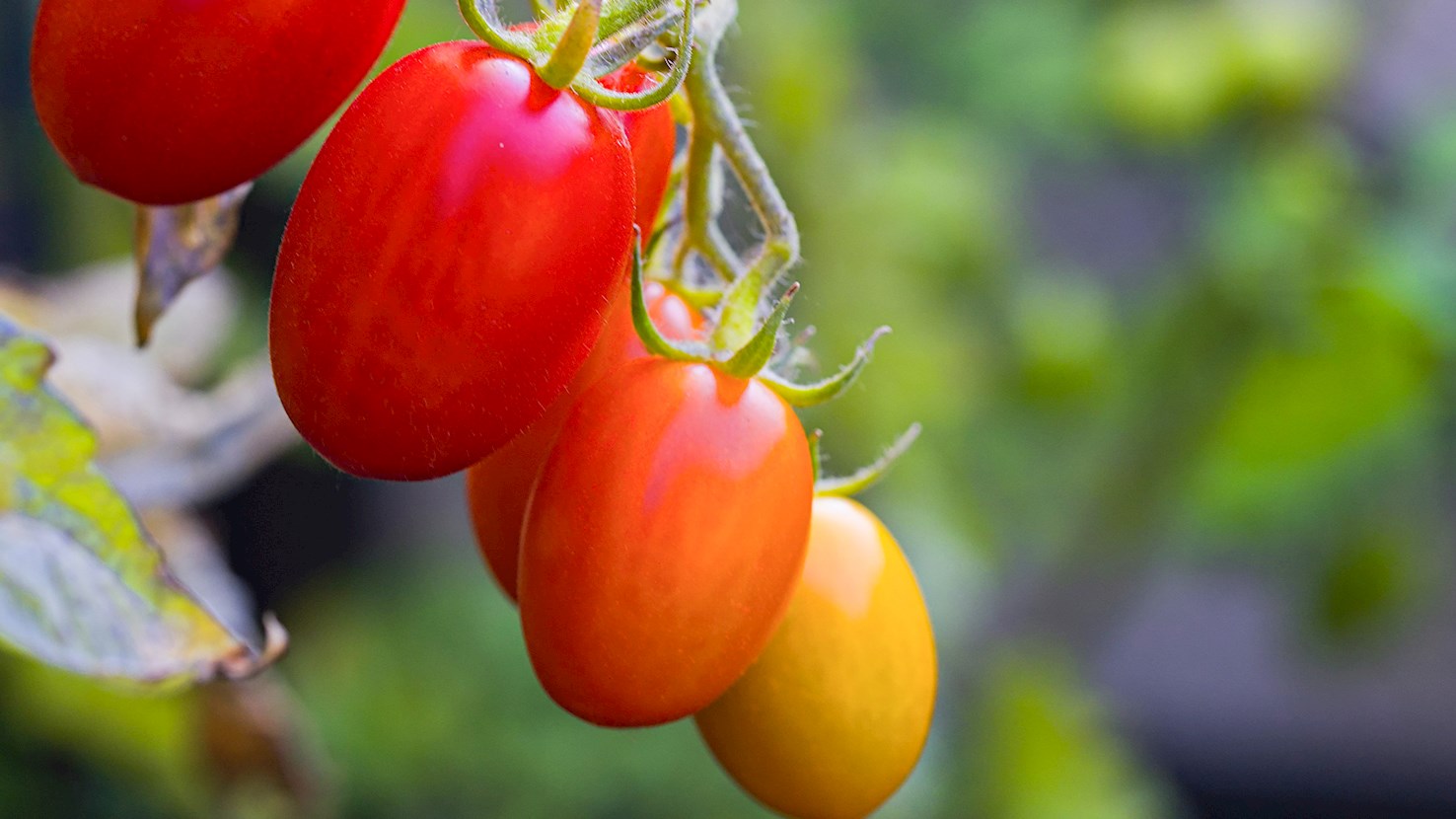
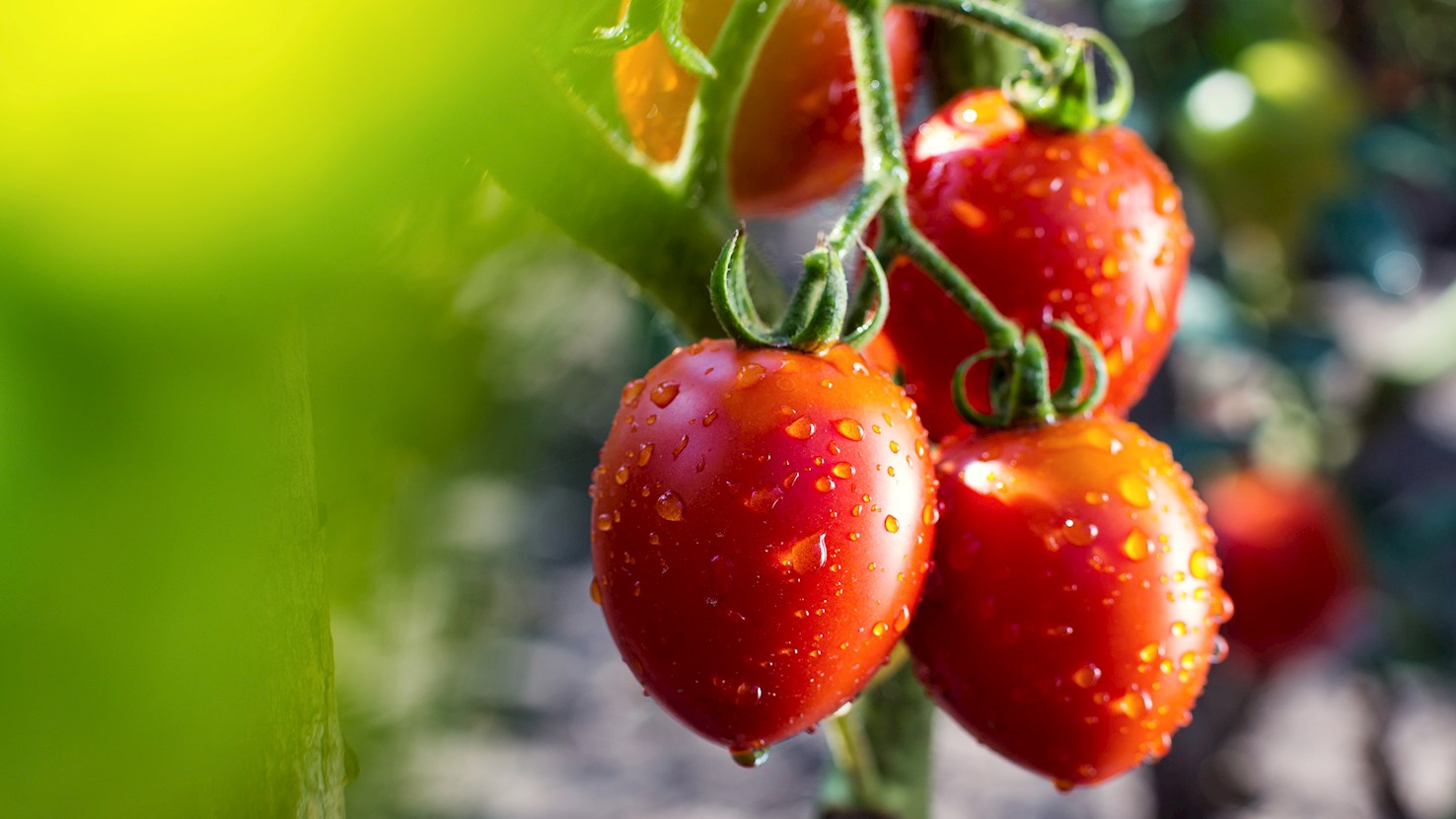
Datterino is a variety of tomato originating from Sicily, known for its sweet and intense flavor. It is small and oval-shaped, resembling a date, with a weight ranging from 15 to 40 grams (0.5 - 1.3 oz). The pulp is firm with low water content, a thin skin, and few seeds, making it ideal for fresh consumption in salads or for preparing sauces and preserves. The plant is vigorous, producing abundant clusters of tomatoes that have a long shelf life after harvesting.
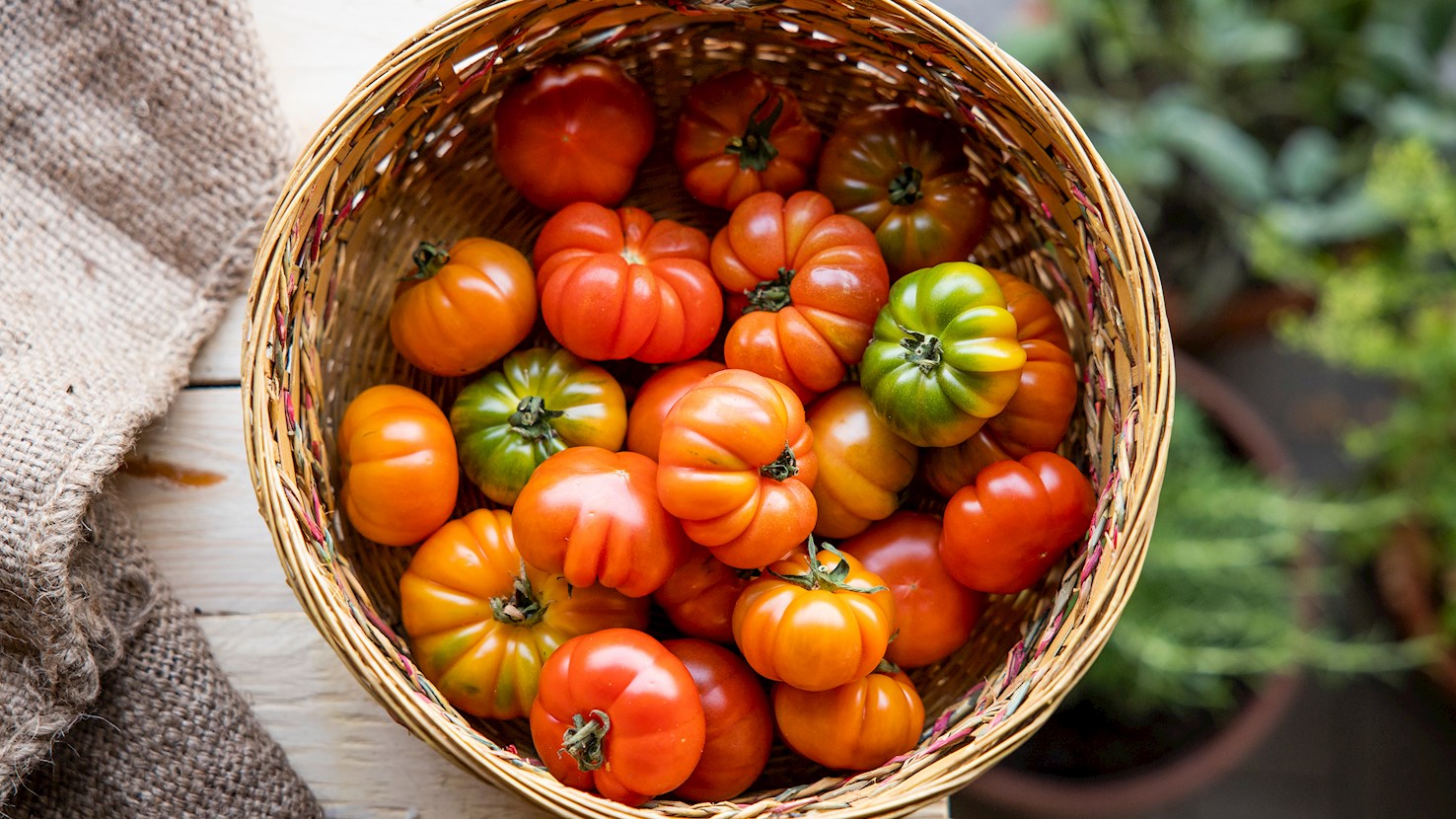
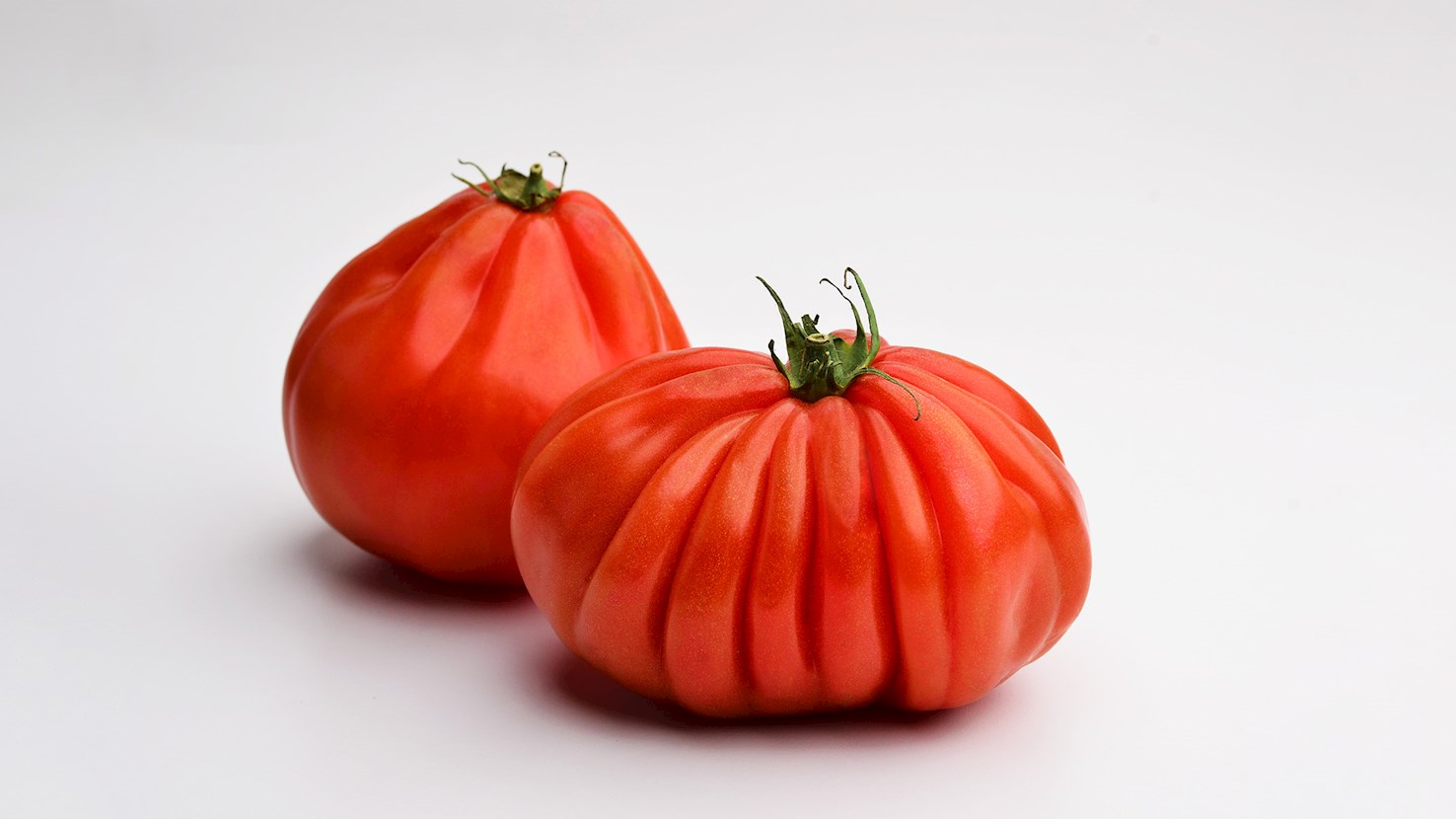
Costoluto fiorentino is a tomato variety originating from Florence. This heirloom has a distinct flattened and heavily ribbed shape. When mature, the color of the tomato is a brilliant deep red. These tomatoes have a meaty and juicy texture that is high in sugar and acid, making them one of the best varieties for cooking and making rich sauces or soups such as pappa al pomodoro. They are also used fresh, sliced and added to sandwiches or salads.
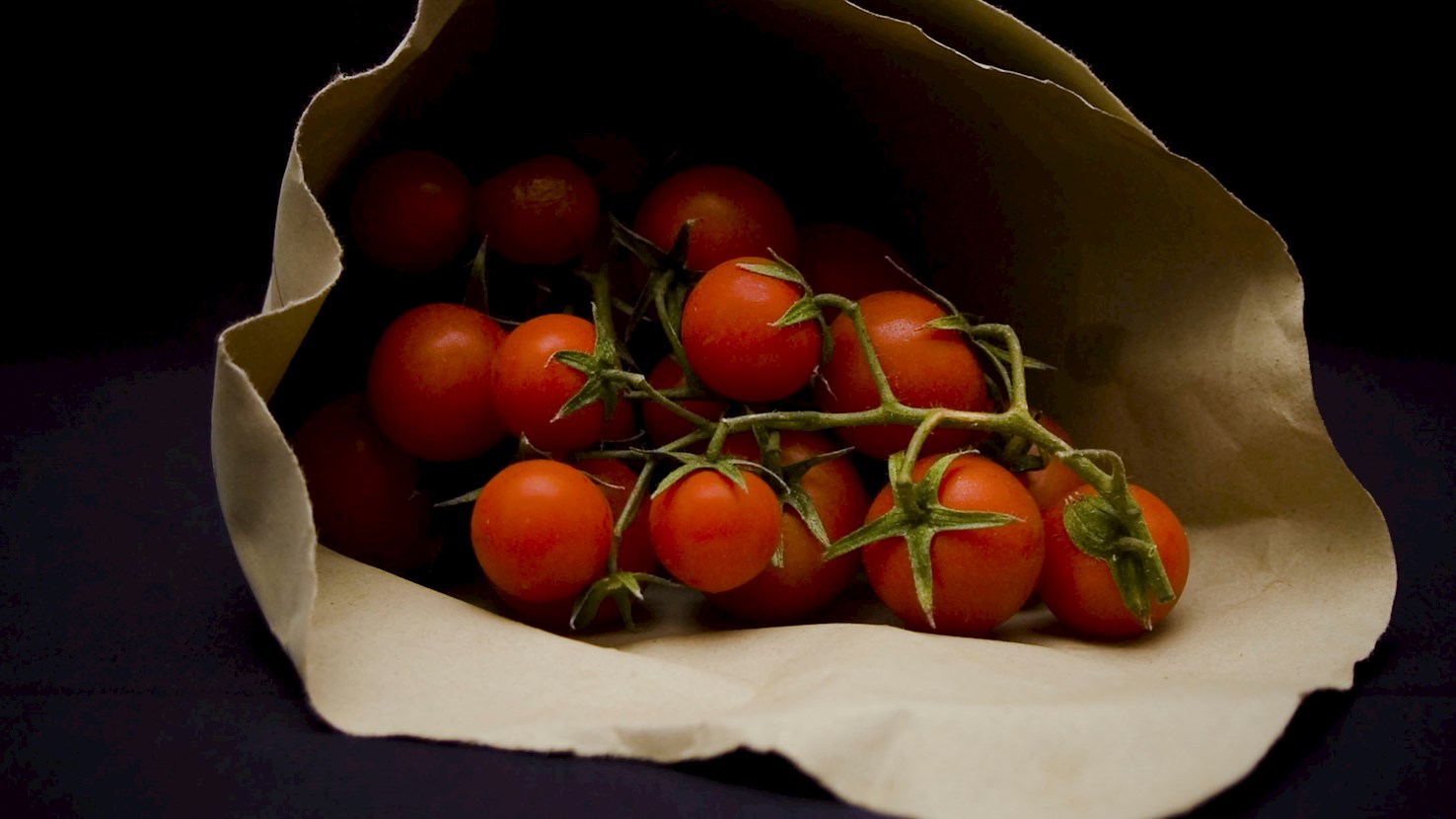
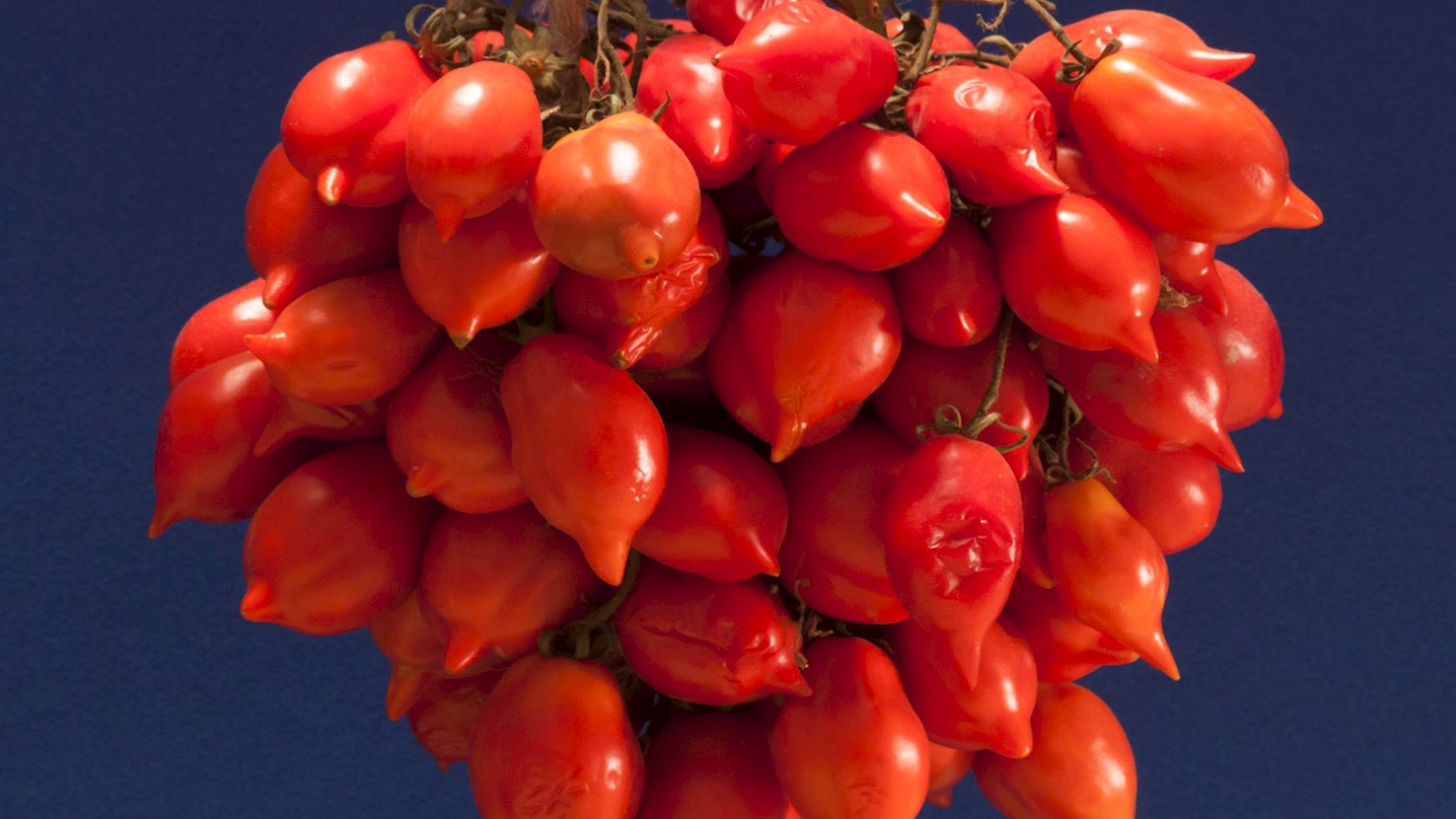
Grown and produced in the province of Naples, namely within the Vesuvio National Park, Pomodorino del Piennolo del Vesuvio refers to cherry tomatoes which are marketed al piennolo, braided in bunches and sun-dried. As the tomatoes slowly dry out, their sweet flavor and aroma become more intense and concentrated. Thanks to this old Vesuvian method of preserving, these fragrant cherry tomatoes can be enjoyed year round. Piennolo tomatoes are amazingly versatile and typically used as pizza topping or for preparing a wide variety of traditional Neapolitan pasta dishes like Scialatielli con salsiccia and Tagliatelle alle vongole or even desserts such as Millefoglie del Vesuvio.
Cuore di bue (which means "oxheart" in Italian) is a traditional heirloom tomato variety known for its large, piriform shape, thin skin, and meaty, juicy flesh. It is a beefsteak-type tomato, prized for its sweet, delicate flavor and low acidity, making it ideal for raw consumption. This variety is particularly popular in northern Italy, especially in Liguria and Piedmont, where it is a key ingredient in fresh summer salads. Unlike many modern tomatoes, cuore di bue has few seeds and little water content, which makes it perfect for caprese salads, sandwiches, and bruschetta, as well as for slicing and enjoying with a drizzle of olive oil. It comes in various sizes, often weighing between 300 and 500 grams (10.5-17.5 oz), and its shape can be slightly irregular, with prominent lobes. The skin is very thin, so it is delicate and should be handled with care. Because of its high pulp-to-seed ratio, it is also used in sauces and cooking, though its best qualities shine when eaten raw. This variety is still cultivated using traditional methods, often in small-scale farms, and is highly sought after in Italian and Mediterranean cuisine.
Pizzutello tomato is a traditional Italian variety renowned for its small, oval shape with a distinctive pointed tip—"pizzuto" in the local dialect, which gives the tomato its name. Predominantly cultivated in the Campania region, especially around the Vesuvius area, this tomato is typically grown without irrigation, adapting well to the local climate. Its firm, fleshy pulp offers a unique sweet-sour flavor, making it ideal for fresh salads and preserves. Harvesting occurs from early June in tunnel-grown plants and from mid-July in open fields. Beyond Campania, the pizzutello tomato is also produced in upper Calabria and lower Lazio. Traditionally, clusters of these tomatoes were intertwined and stored in dry, dark environments to dry, later used in winter for dishes like bruschetta or tomato pizzas.
Pomodoro fiaschetto di Torre Guaceto is a traditional cherry or plum tomato variety originating from Carovigno. The fiaschetto tomatoes are small in size, sweet, juicy, and great for preserving. They're often used to prepare passata (tomato sauce) that was saved for the winter. However, these small tomatoes came close to disappearing because the costs of cultivation and harvesting were too high, while yields were too low, unlike modern tomato hybrids that were developed specifically for the making of passata. The harvest of these tomatoes begins in June and lasts throughout the summer.
Regina di Torre Canne Tomato is a local variety of long-storage tomato grown in the salty soils of the Coastal Dunes Park, between Fasano and Ostuni in Puglia, Italy. Its name, "Regina" (meaning "Queen"), comes from the distinctive shape of its peduncle, which grows into a small crown-like form. The fruits are small, round, and deep red, with a thick skin that results from irrigation with brackish water. This characteristic enhances the tomato’s resistance to pests and improves its preservation. Harvested in July, some of these tomatoes are consumed fresh, while others are preserved in clusters called "ramasole," tied with cotton thread, allowing them to be stored and eaten until April of the following year. This preservation method is closely tied to local cotton cultivation, as the threads used for tying the tomatoes come from the same area. The Regina di Torre Canne Tomato is recognized as a Slow Food Presidium, protecting its biodiversity and traditional agricultural techniques.
Riccio di Parma is a traditional heirloom tomato variety originating from the Parma region in Emilia-Romagna, Italy. Its name translates to "curly of Parma," reflecting its distinctive heavily ribbed and pleated appearance. The fruits are large, scarlet red, and can weigh between 250 to 900 grams (approximately 0.5 to 2 pounds). They have a flattened shape with pronounced wrinkling, giving them a unique and rustic look. This variety is known for its meaty texture and rich, sweet flavor, making it particularly well-suited for sauces, canning, and slicing. The plants are indeterminate, meaning they produce fruit continuously over the growing season, and they exhibit regular leaf foliage. Due to the size and weight of the fruits, which can reach up to 2 pounds 10 ounces (approximately 1.2 kilograms), it's advisable to provide sturdy support to the plants to handle the heavy yields. The riccio di Parma tomato is cherished for its versatility in culinary applications, offering a robust flavor profile that enhances a variety of dishes. Its historical roots in the Parma region highlight its significance in Italian agricultural heritage.
TasteAtlas food rankings are based on the ratings of the TasteAtlas audience, with a series of mechanisms that recognize real users and that ignore bot,
nationalist or local patriotic ratings, and give additional value to the ratings of users that the system recognizes as knowledgeable.
TasteAtlas Rankings should not be seen as the final global conclusion about food. Their purpose is to promote excellent local foods,
instill pride in traditional dishes, and arouse curiosity about dishes you haven’t tried.








What People Say