shutterstock

Top 13 European Tropical Fruits

Last updated on July 22, 2026

Best European Tropical Fruits
01

Plantação de Ananás dos Açores

4.4 ·

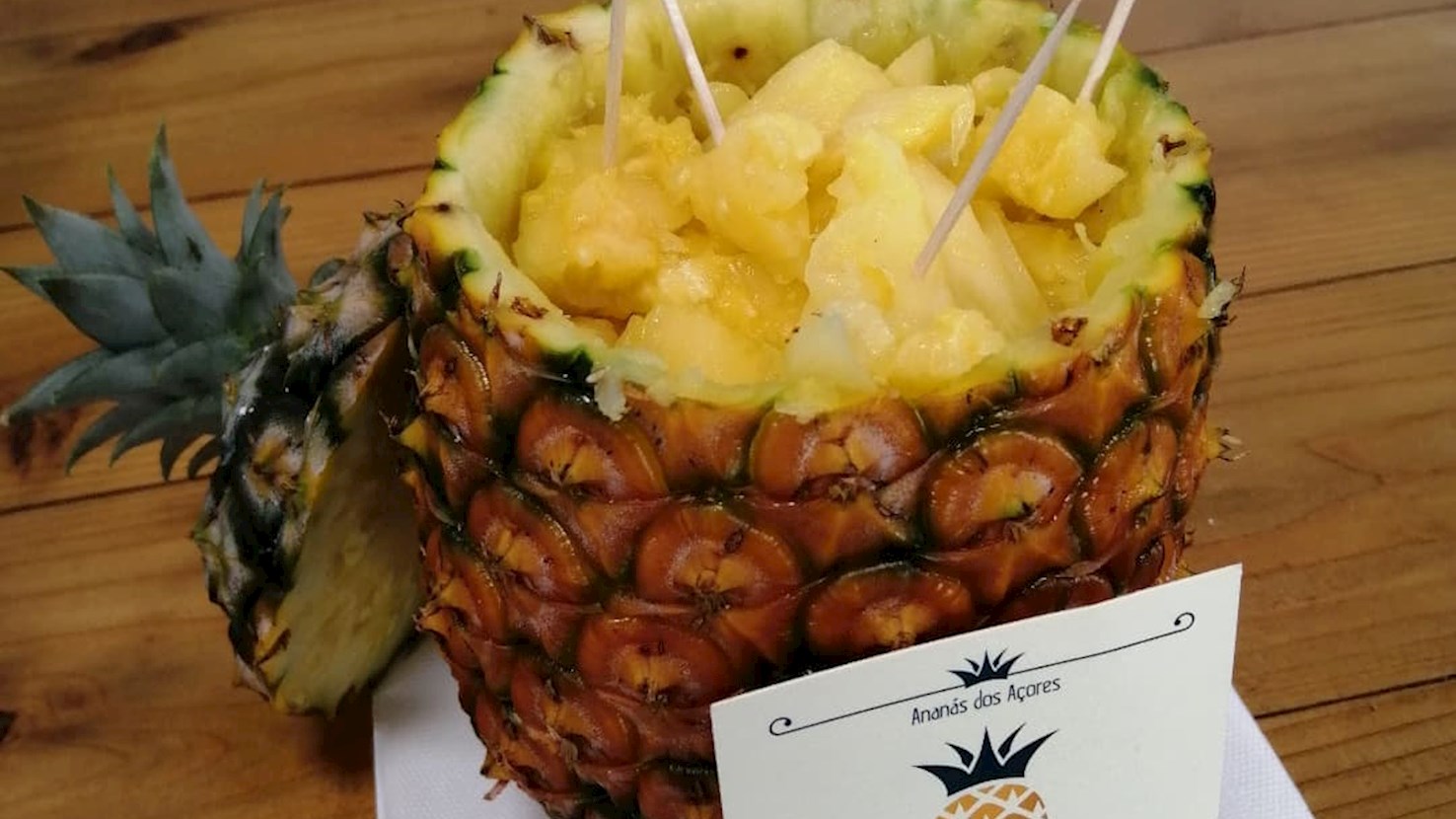
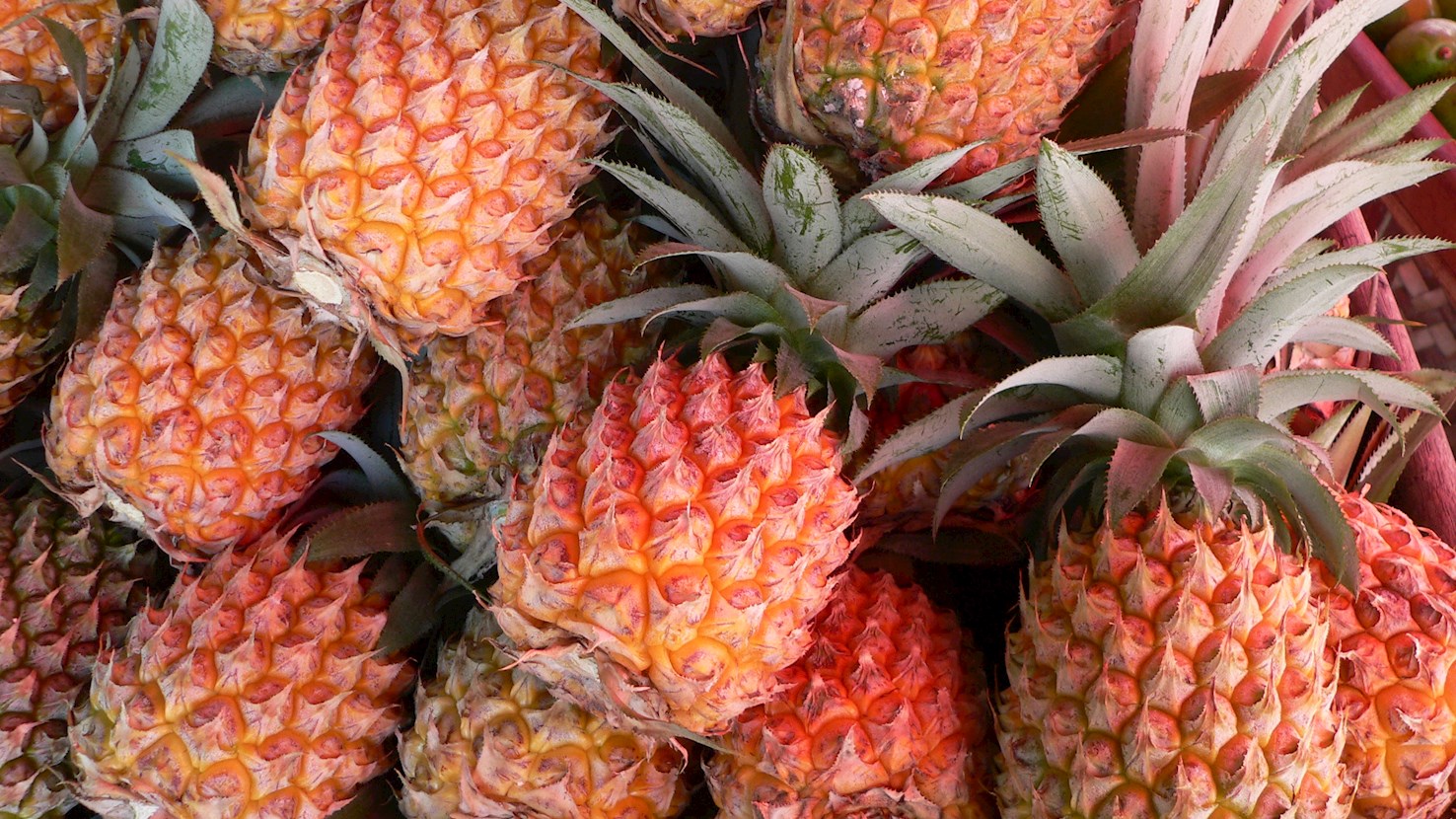
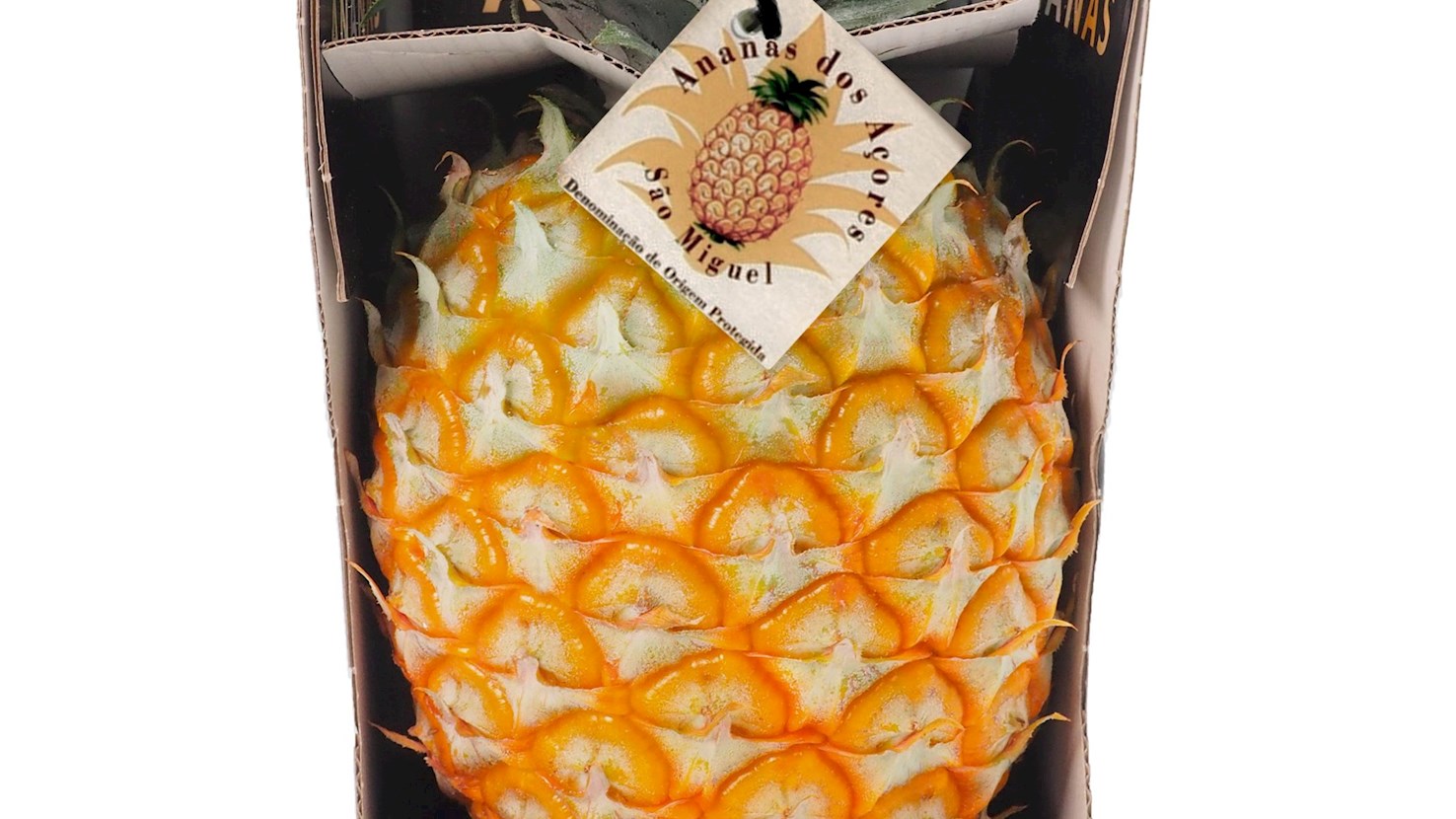
Plantação de Ananás dos Açores refers to the traditional cultivation of pineapples on the Portuguese island of São Miguel in the Azores. Unlike tropical pineapples, Azorean pineapples are grown in greenhouses to protect them from the Atlantic climate, using natural farming techniques. This unique production method results in a smaller, sweeter, and more aromatic pineapple compared to other varieties. The cultivation process takes around two years, from planting to harvest, ensuring the fruit's exceptional flavor and quality. Recognized as a regional delicacy, Ananás dos Açores is often used in gourmet cuisine and is protected by a Protected Designation of Origin (PDO) certification.

02

Ananás Santo António

4.3 ·

Ananás Santo António is a premium brand under the management of Casa Agrícola Bernardo Cabral, Lda., a company dedicated to the production and distribution of organic products exclusively from the Azores. Founded in 1911 by the Machado family, the company underwent a pivotal change in ownership during the 1940s when Manuel Bernardo Cabral acquired it, ensuring its place as a family-run business ever since.

Located on São Miguel Island, Ananás Santo António specializes in cultivating pineapples using traditional greenhouse methods, a hallmark of the Azorean agricultural heritage. This meticulous approach not only preserves the natural ecosystem but also produces pineapples of exceptional quality and flavor.

The brand has become synonymous with authentic Azorean excellence, providing a wide range of products derived from its organically grown pineapples, including jams, liqueurs, and desserts.

Best European Tropical Fruit Types

01

Plátano de Canarias

4.3 ·

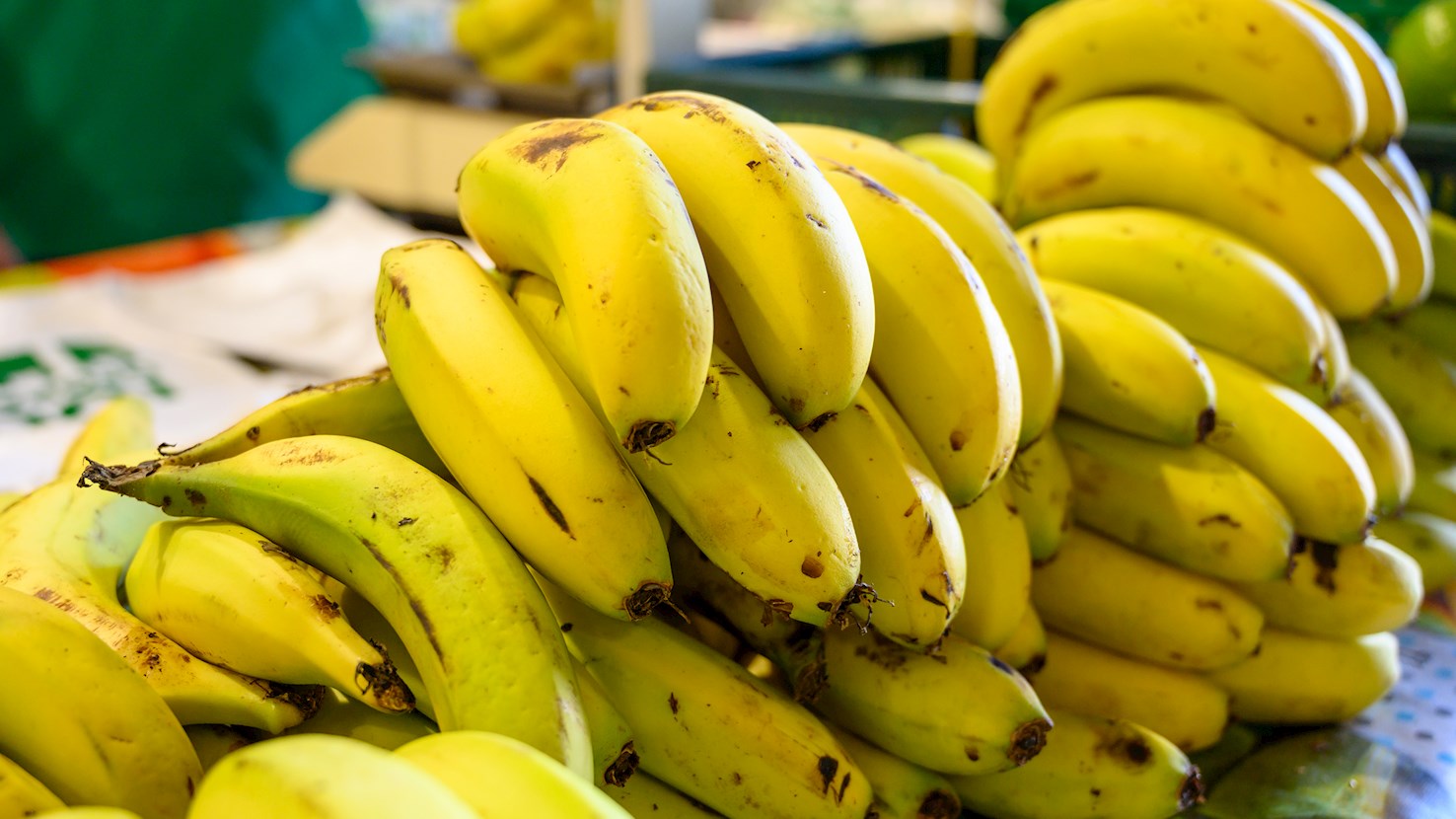
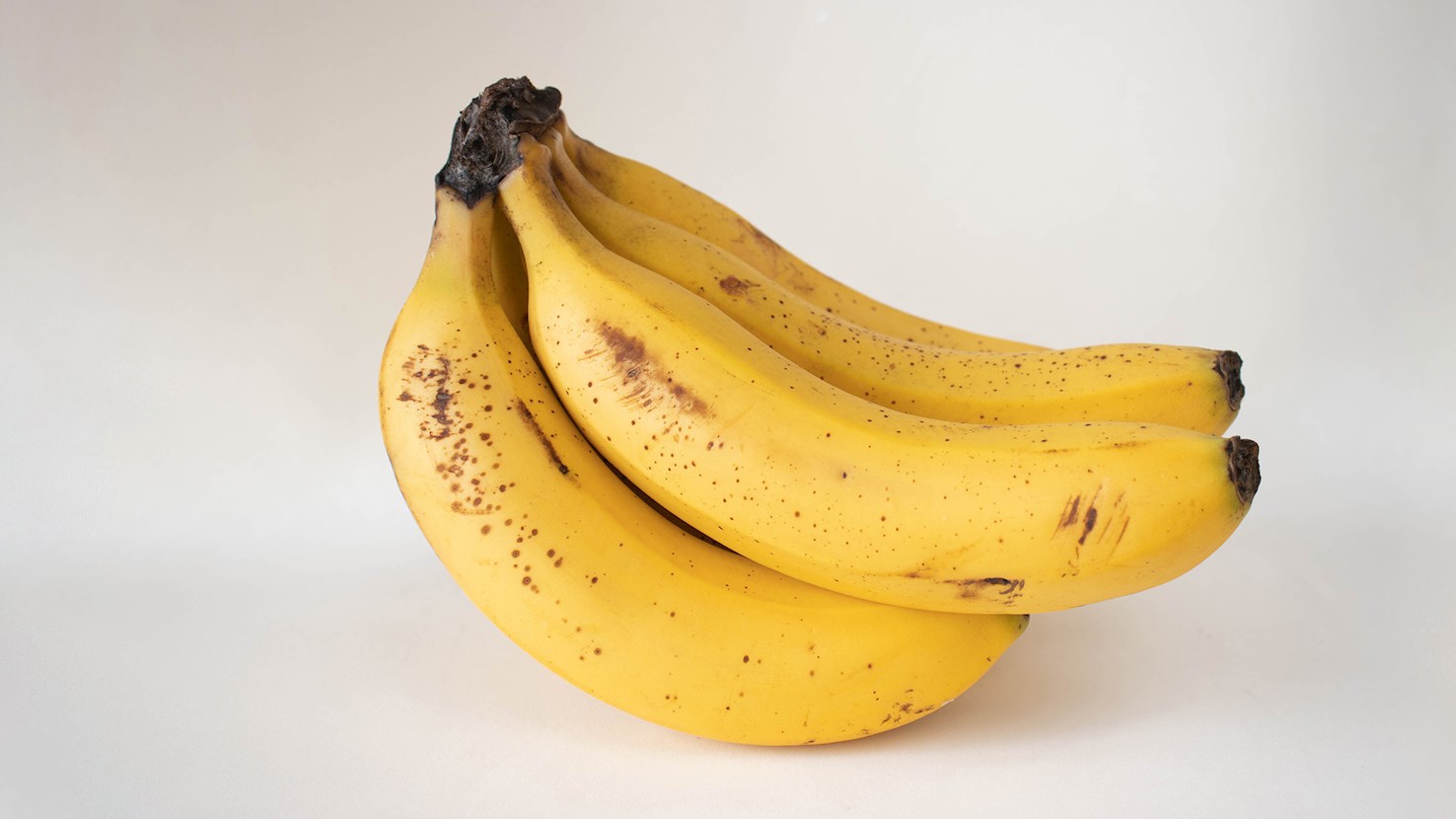
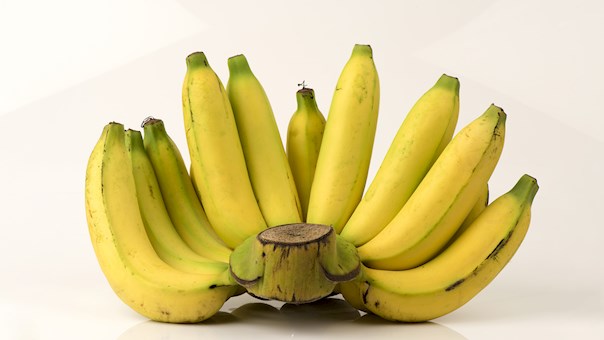
Plátano de Canarias are Cavendish variety bananas, grown in the archipelago of the Canary Islands. The distinctive feature of these bananas are the brown flecks on their bright yellow skin due to the higher activity of enzymes in this variety which help ripen the fruit faster. The fruits are graded by shape and are at least 14 cm long. Plátano de Canarias have an intense and sweet flavor, which is the result of its high sugar and low starch content. Nutritionally, these bananas contain more potassium and phosphorus and less sodium and calcium than those grown elsewhere.

02

Ananás dos Açores

4.3 ·

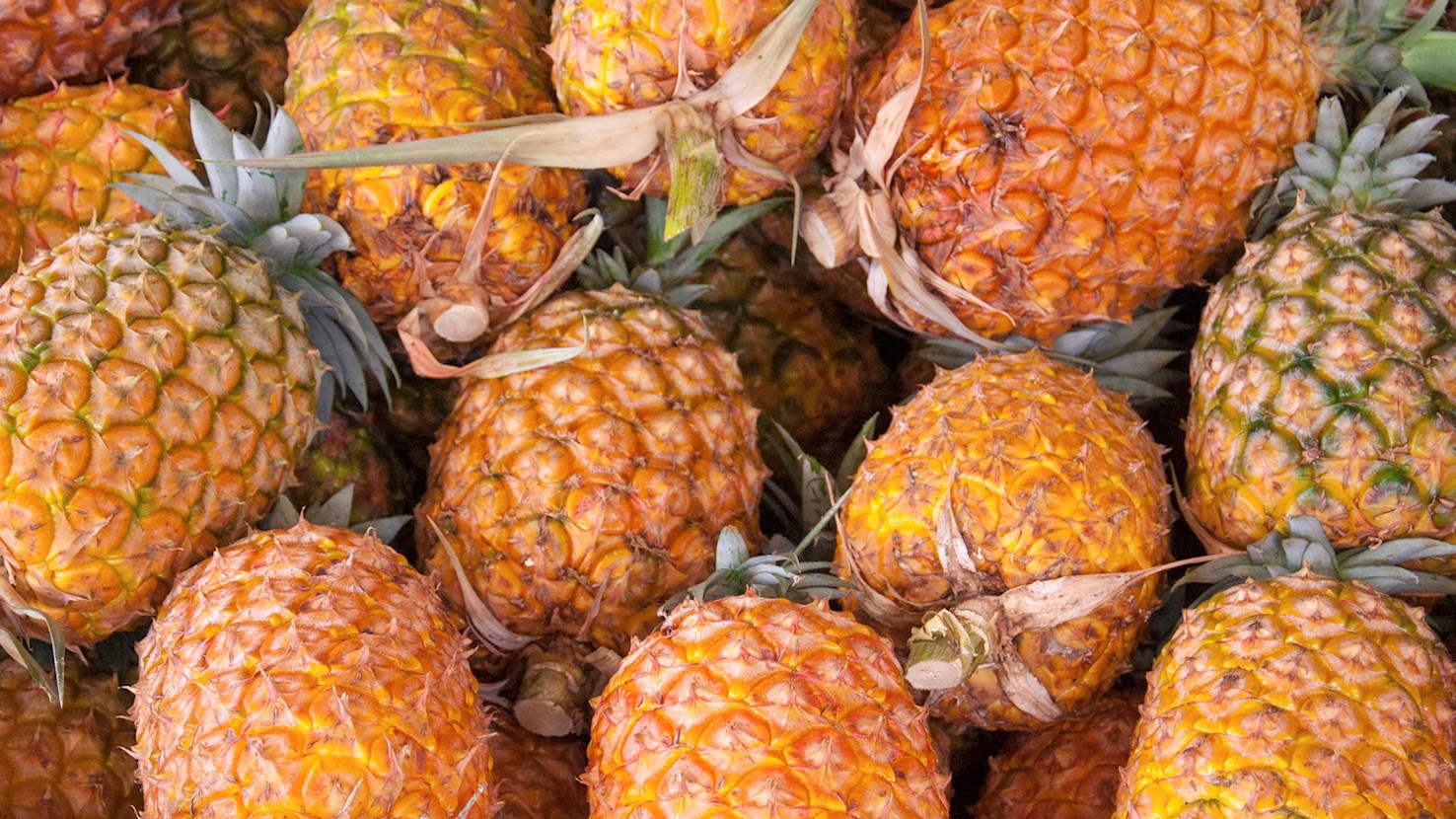
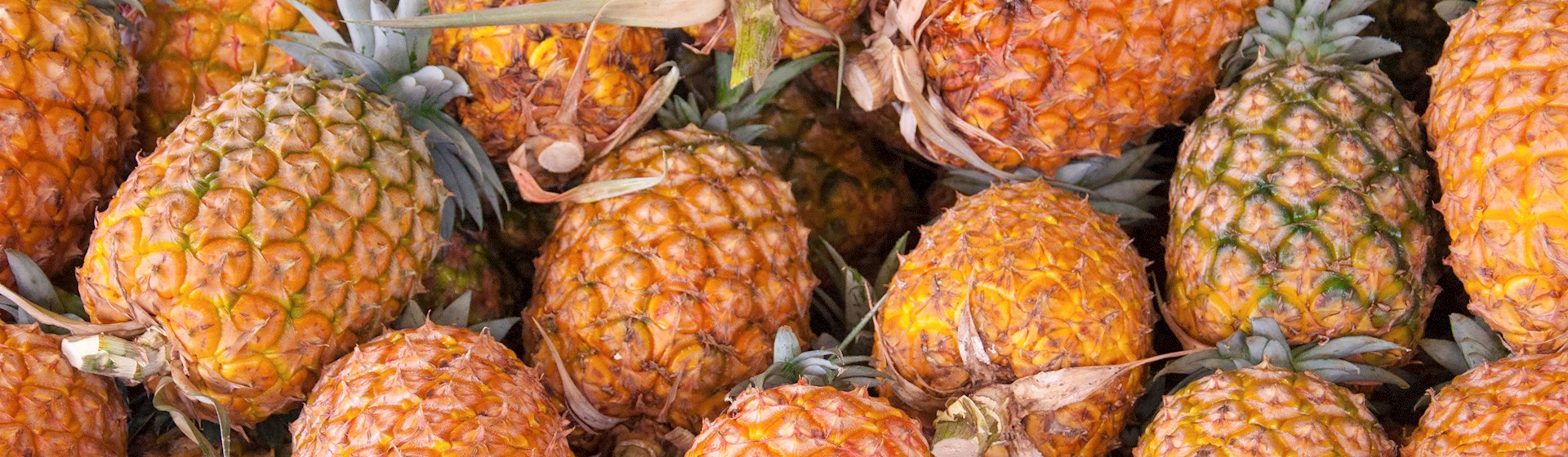
Grown on the Portuguese Azores island of São Miguel, the Ananás dos Açores is a pineapple of the Cayene variety. It is produced on the island in more than 6,000 glass greenhouses using traditional cultivation techniques. These pineapples can only be harvested two years from after they are planted. The Azorean pineapple has been grown in São Miguel since the 1840s, and it has enjoyed widespread popularity throughout Europe ever since. This particular varietal of pineapple has a bright orange skin, yellow flesh, and a small crown. The pulp is yellow and almost translucent, and it has a distinct, bittersweet flavor and a pleasant, exotic aroma. Apart from being used in a wide range of sweet and savory dishes, the Azorean pineapple is also featured in the ever-popular Piña colada cocktail.

03

Cavendish banana

3.9 ·

Cavendish banana is the most widely grown and consumed type of banana in the world today. Named after William Cavendish, the 6th Duke of Cavendish, who is credited with having propagated the plant from cuttings in his greenhouse in England in the 19th century, the variety itself originated from Southeast Asia. It was introduced to other parts of the world, including the Canary Islands, from where it was later exported to the Americas and became a staple in global agriculture. Cavendish bananas are known for their distinct features: they are medium-sized, have a thick, bright yellow skin when ripe, and are sweet with a creamy texture. This variety of banana is especially favored for its resistance to diseases that affected previous staple banana cultivars, like the Gros Michel, which was devastated by Panama disease in the mid-20th century. Despite its current dominance and popularity, the Cavendish banana is not without its challenges. It is susceptible to a strain of Panama disease called Tropical Race 4 (TR4), which threatens its production globally. The monoculture farming practices associated with Cavendish bananas also raise concerns about biodiversity, as reliance on a single variety increases vulnerability to pests and diseases.

04

Queen Victoria pineapple

3.8 ·

Queen Victoria is a pineapple variety originating from the French island territory of Réunion, located in the Indian Ocean. These pineapples are very small, but they make up for it with their intense fragrance and sweet flavor. The flesh is light yellow, and the core is soft. They're harvested from December to January and were introduced to the island in 1668. Due to the fruity and sweet flavors, these pineapples are considered to be the best in the world. Queen Victorias are eaten as they are or used in ice creams, desserts, and cakes. In some places in Asia, they're also used in savory dishes or as an accompaniment to meat.

05

Ficodindia di San Cono

3.8 ·

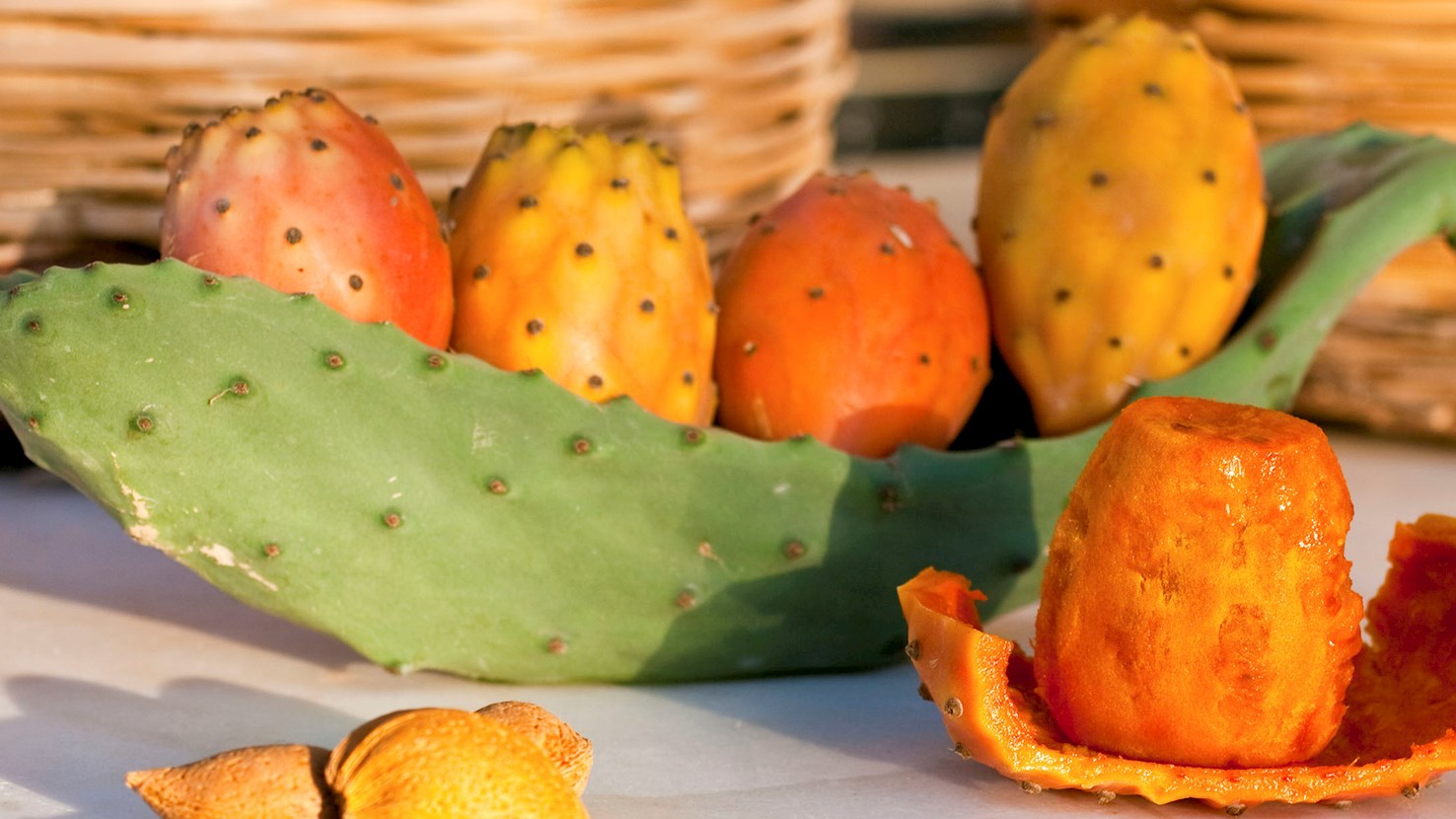
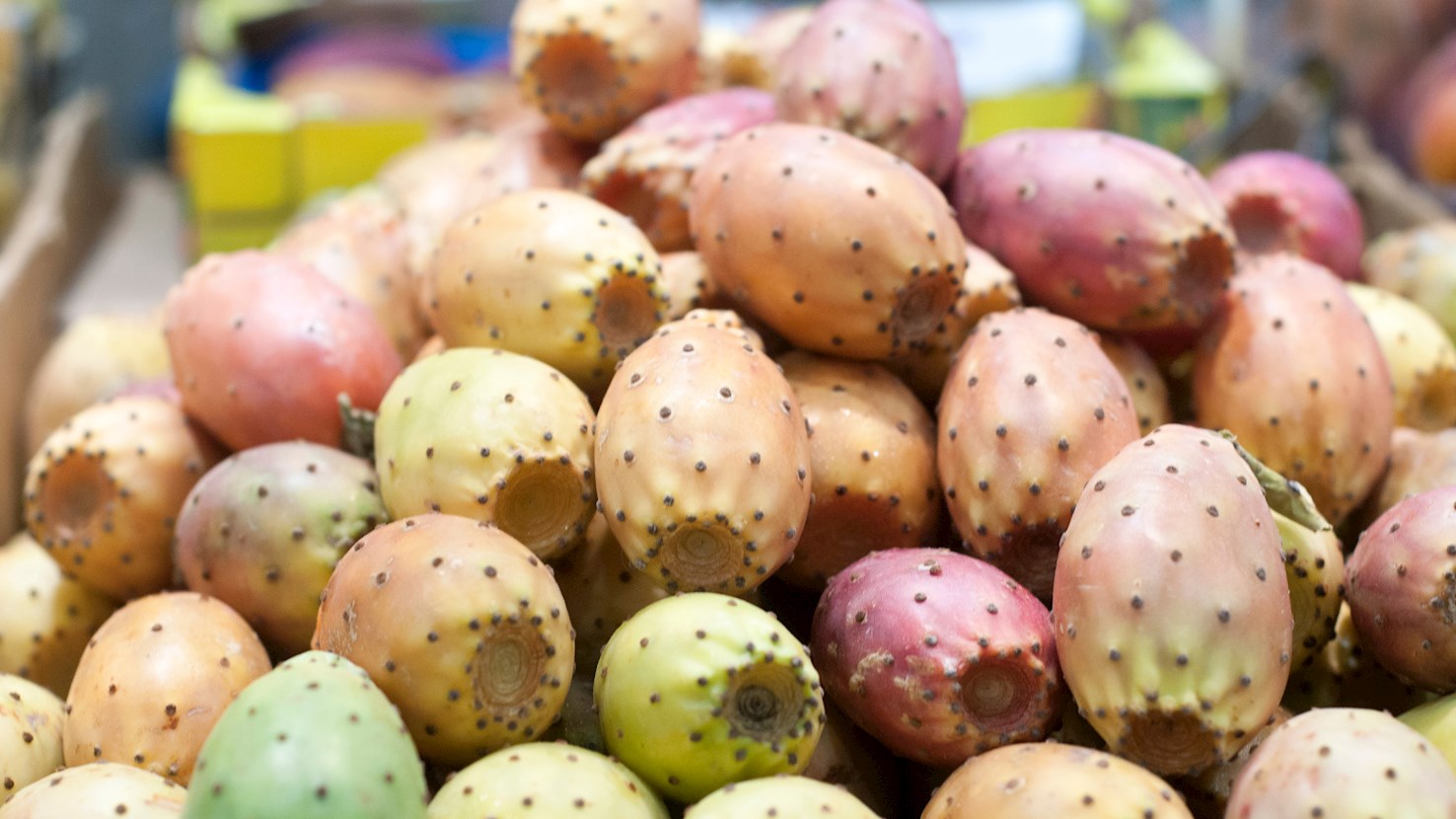
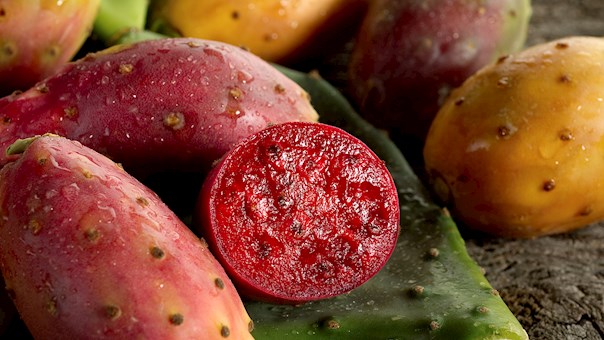
Grown in the Sicilian provinces of Catania, Enna, and Caltanissetta, at altitudes of 200-600 meters, Ficodindia di San Cono refers to the fresh prickly pear of the following varieties: the yellow Surfarina or Nostrale, the red Sanguigna, and the white fleshed Muscaredda or Sciannarina. This succulent, exotic fruit is extremely fragrant and delicate, with a rich, sweet flavor reminiscent of lemons and watermelons. Even though they are most often enjoyed fresh, the prickly pears of San Cono are also used for making jams and preserves, various sauces and they can even be found roasted or boiled in a number of different Sicilian dishes. For an interesting combination of flavors, Ficodindia di San Cono can be stuffed with onions and Provola cheese, breaded and deep fried. To try a number of other specialties, there's the gastronomic festival of Sagra del Ficodindia held every October in San Cono - an event not to be missed!

06

Maracujá dos Açores

3.8 ·

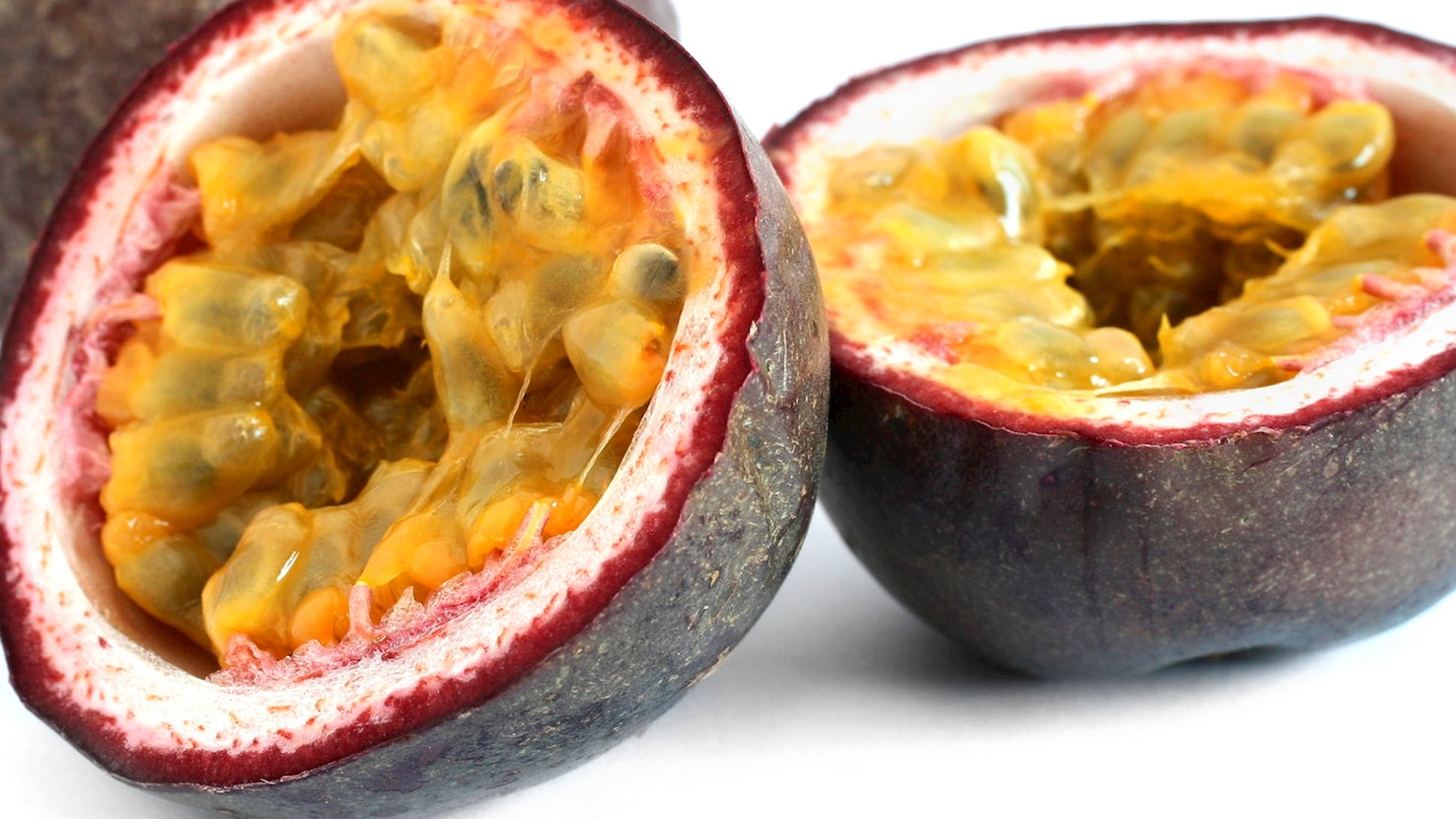
This fruit, also known as the São Miguel passion fruit, is the fruit of a red Passiflora species that hails from the Azores. The fruit consists of a husk, a juicy pulp, and seeds. Grown in greenhouses in light and fertile soil and protected from the wind, this passion fruit is hand-harvested from December to March and from July to October. It has an intense aroma, a hard, rough purpleish skin, and a light yellow, juicy pulp with a slightly sour flavor. It is commonly eaten fresh or used in desserts, fruit juices, and liqueurs, such as the Licor de Maracuja widely produced by the inhabitants of the Azores.

07

Fragosika

3.7 ·

Fragosika is a type of plant, a prickly pear cactus that produces flavorful fruit that’s packed with healthy nutrients and vitamins. This plant thrives throughout the Aegean islands, and on the island of Symi, fragosika has often been dubbed the banana of the island. Islanders have long been acquainted with this fruit, and they’ve included it in their daily diet in many forms - fresh, dried, or made into various sweet specialties. One popular Symian sweet treat that is based on this fruit is called misokofti, a type of creamy, pudding-like dessert.

08

Chirimoya de la Costa Tropical de Granada-Málaga

3.7 ·

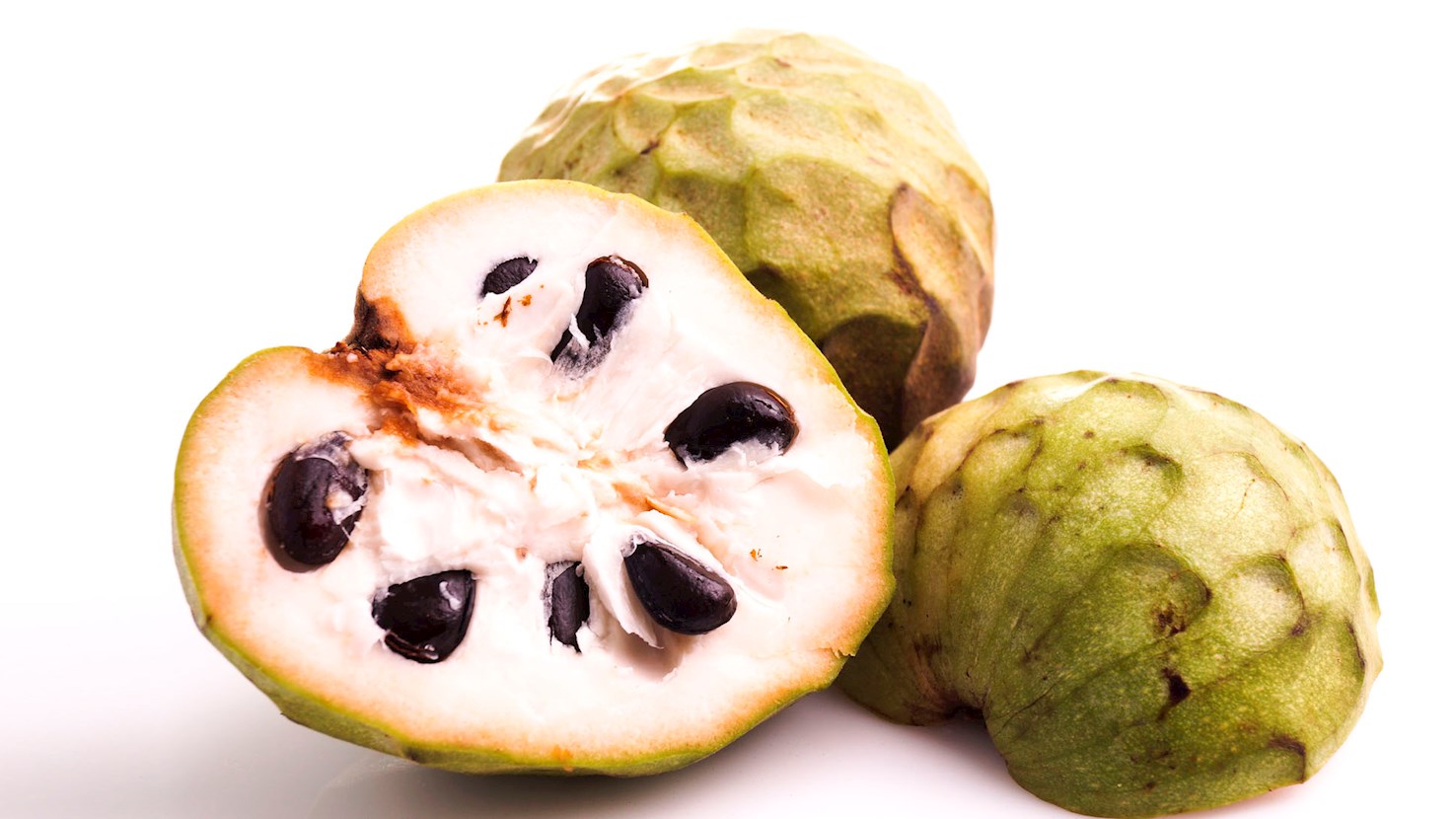
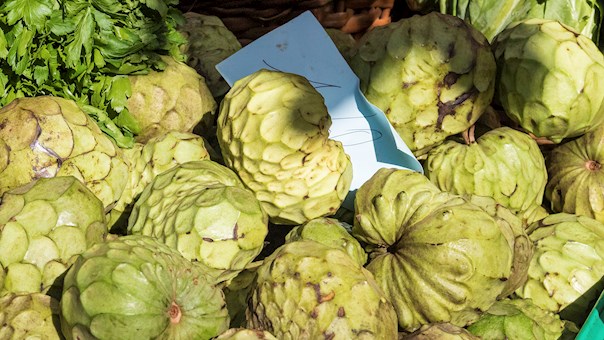
Chirimoya de la Costa tropical de Granada-Málaga are cherimoya fruits of the Fino de Jete variety grown in the provinces of Granada and Málaga. This fruit is also known as 'the custard apple' due to its sweet flavor and creamy texture. Chirimoya is light green on the outside, white on the inside with taste reminiscent of bananas, pineapple, peach, and strawberry. This fruit is usually eaten with a spoon, fresh and chilled. Chirimoya de la Costa tropical de Granada-Málaga is a very delicate, perishable fruit so every step of production is done with extreme care.

09

Kaki Ribera del Xúquer

3.5 ·

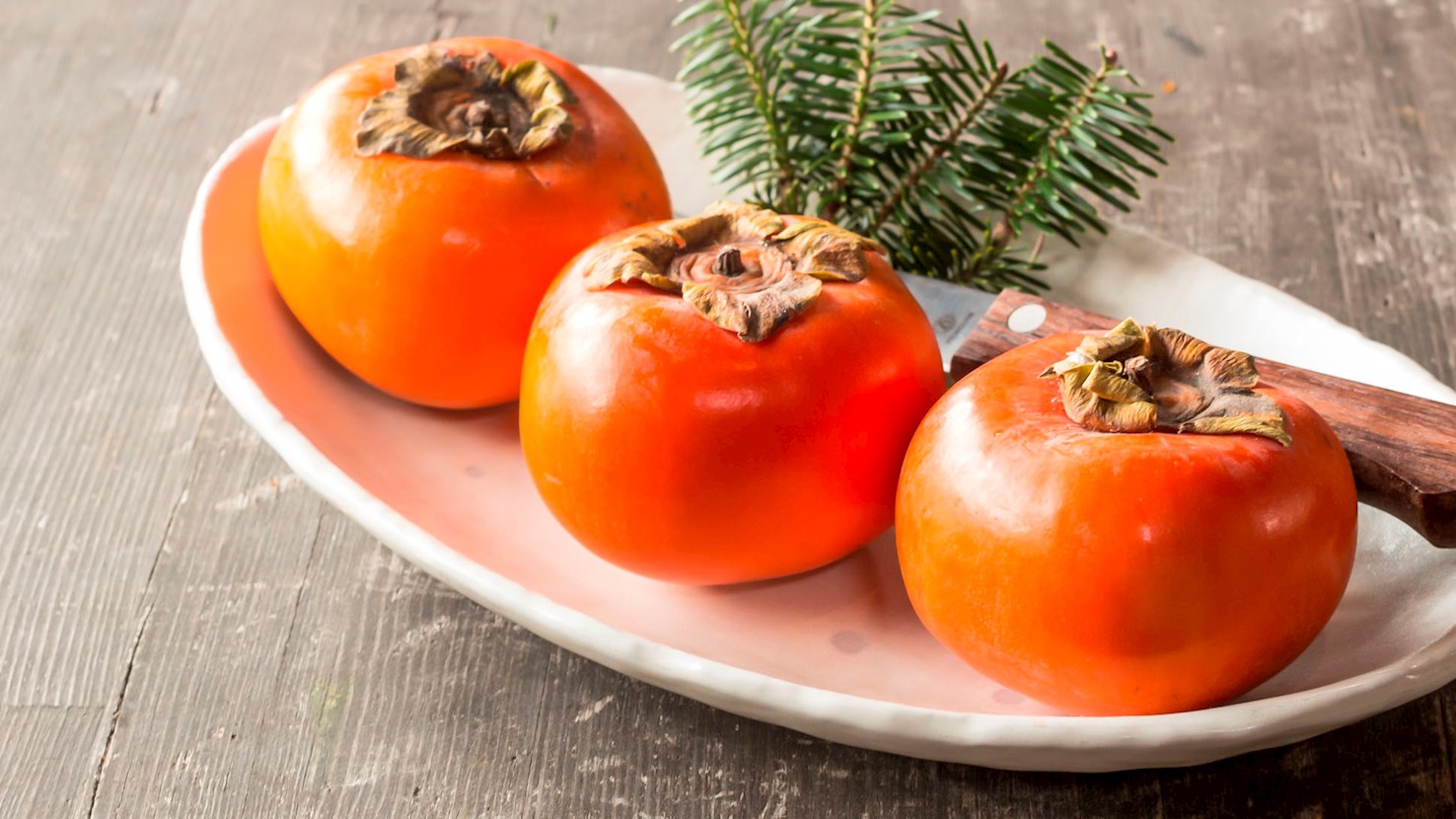
Kaki Ribera del Xúquer is the persimmon fruit grown in the Province of Valencia. This fruit was brought to Europe, and consequently to Spain, in the 19th century from China, where it had been cultivated since the 8th century. Persimmons grown in this region are larger in size and have a more pointed shape. Kaki Ribera del Xúquer is deep red, soft and has a very sweet, caramel flavor. This variety of persimmons does not contain any seeds and is very easy to peel. Because of the special method growers use to remove the bitterness and develop full flavor, this fruit can be picked before it is completely ripe and sold while its flesh is still firm.

10

Nísperos Callosa d'en Sarriá

3.5 ·

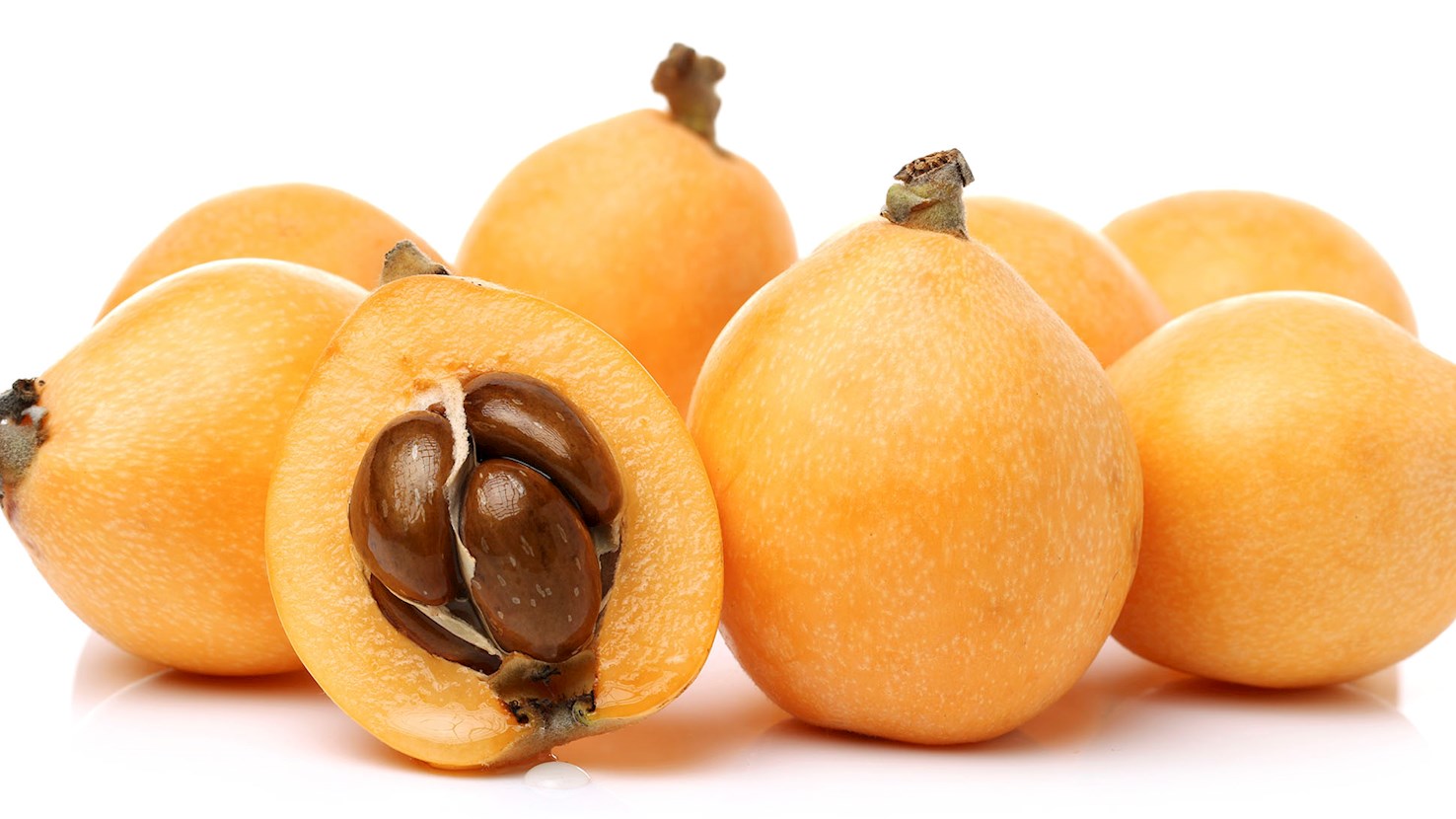
Nísperos Callosa d'en Sarriá is the fruit of the Eriobotryae Japonica Lindi species grown in the district of Marina Baja. This loquat fruit is from the Algar, Agerie or Nada varieties, and is bright yellow and has a sweet and slightly acidic flavor. An interesting fact about the loquat tree is that its flowers bloom in the autumn and early winter, and the fruits ripen from early spring to early summer. It has a thick and firm skin and white to pale yellow flesh. Nísperos Callosa d'en Sarriá is a fruit sold at the prime of its ripeness and without any visible blemishes. It is mostly eaten raw, by itself or combined with other fruits, and is often used to produce jams or chutneys.

Read more
View all
View map
About this ranking

TasteAtlas food rankings are based on the ratings of the TasteAtlas audience, with a series of mechanisms that recognize real users and that ignore bot, nationalist or local patriotic ratings, and give additional value to the ratings of users that the system recognizes as knowledgeable. For the “Top 13 European Tropical Fruits” list until July 22, 2026, 500 ratings were recorded, of which 359 were recognized by the system as legitimate. TasteAtlas Rankings should not be seen as the final global conclusion about food. Their purpose is to promote excellent local foods, instill pride in traditional dishes, and arouse curiosity about dishes you haven’t tried.

The initial list of top producers was compiled based on available reviews, awards, local recommendations, media and blog coverage, and consumer reviews. The list will be updated with ratings from TasteAtlas local ambassadors and TasteAtlas users.

Similar lists