
Top 40 Armenian Foods

Last updated on June 04, 2026

Best Armenian foods

01
Snack

Lamadjo

4.3 ·

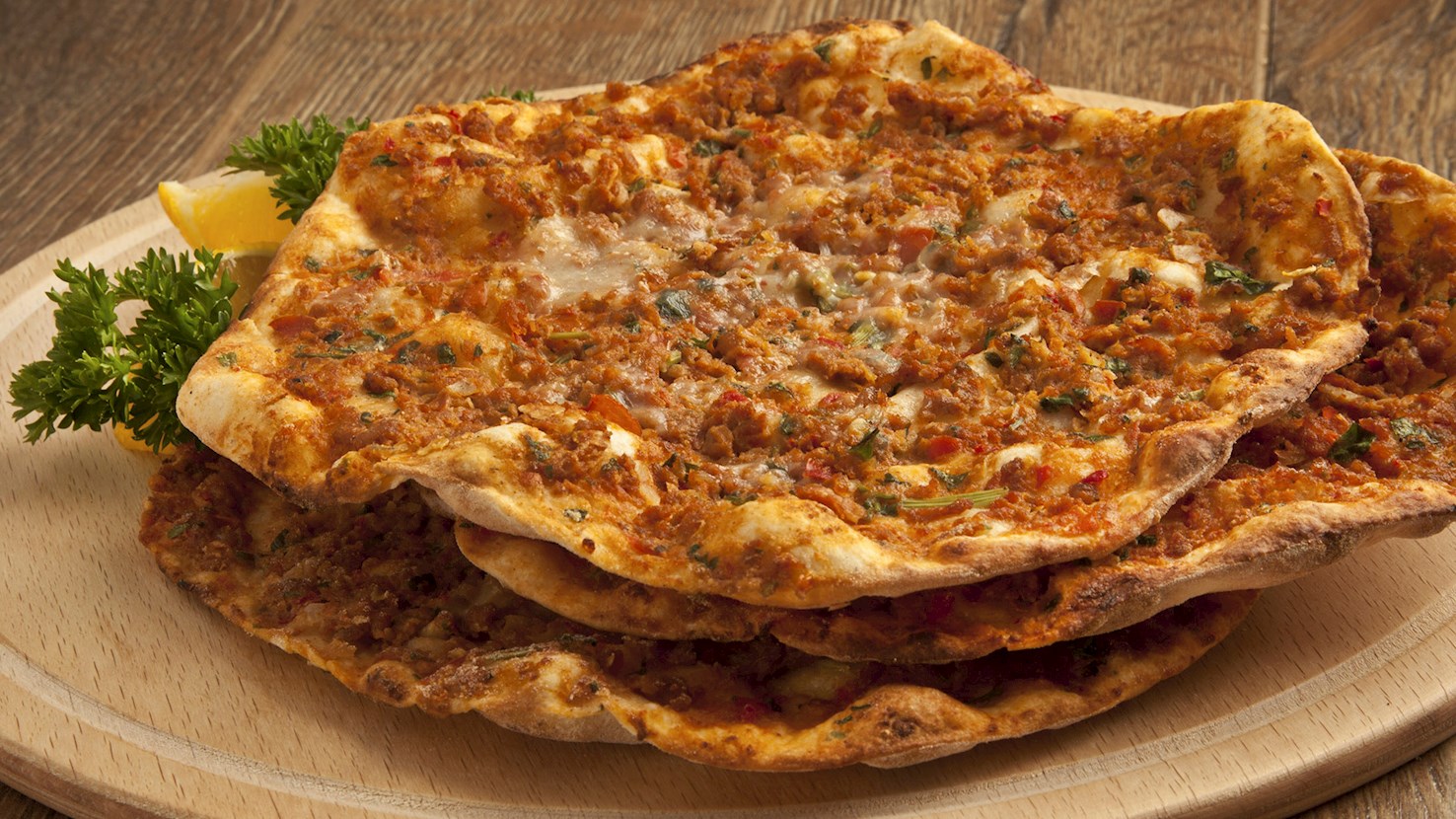
Even though lahmacun is popularly nicknamed Turkish pizza, it's origin is disputed and can be traced to Armenia, Syria, Lebanon, and Turkiye. It can be found at numerous street stalls as well as in virtually any traditional restaurant, but also in kebab eateries where they typically serve mini lahmacuns as appetizers. The perfect lahmacun is made by rolling a ball of sturdy semolina dough into a thin disc which is only lightly spread with meat - either lamb or beef, minced to a paste together with chili, onions, and other seasonings. The dish is then shortly baked in a super-hot (and preferably wood-fired) oven. Lahmacun is best served hot with a drizzle of lemon juice. It is traditionally enjoyed folded around the crispy onions and a parsley salad known as piyaz. It is recommended to pair lahmacun either with the salty, cold yogurt beverage called ayran, or şalgam suyu, the barrel-fermented juice of red carrot pickles, which is salted, spiced, and flavored with the aromatic turnip called çelem.

Best restaurants
02
Ground Meat Dish

Lula kebab

4.2 ·

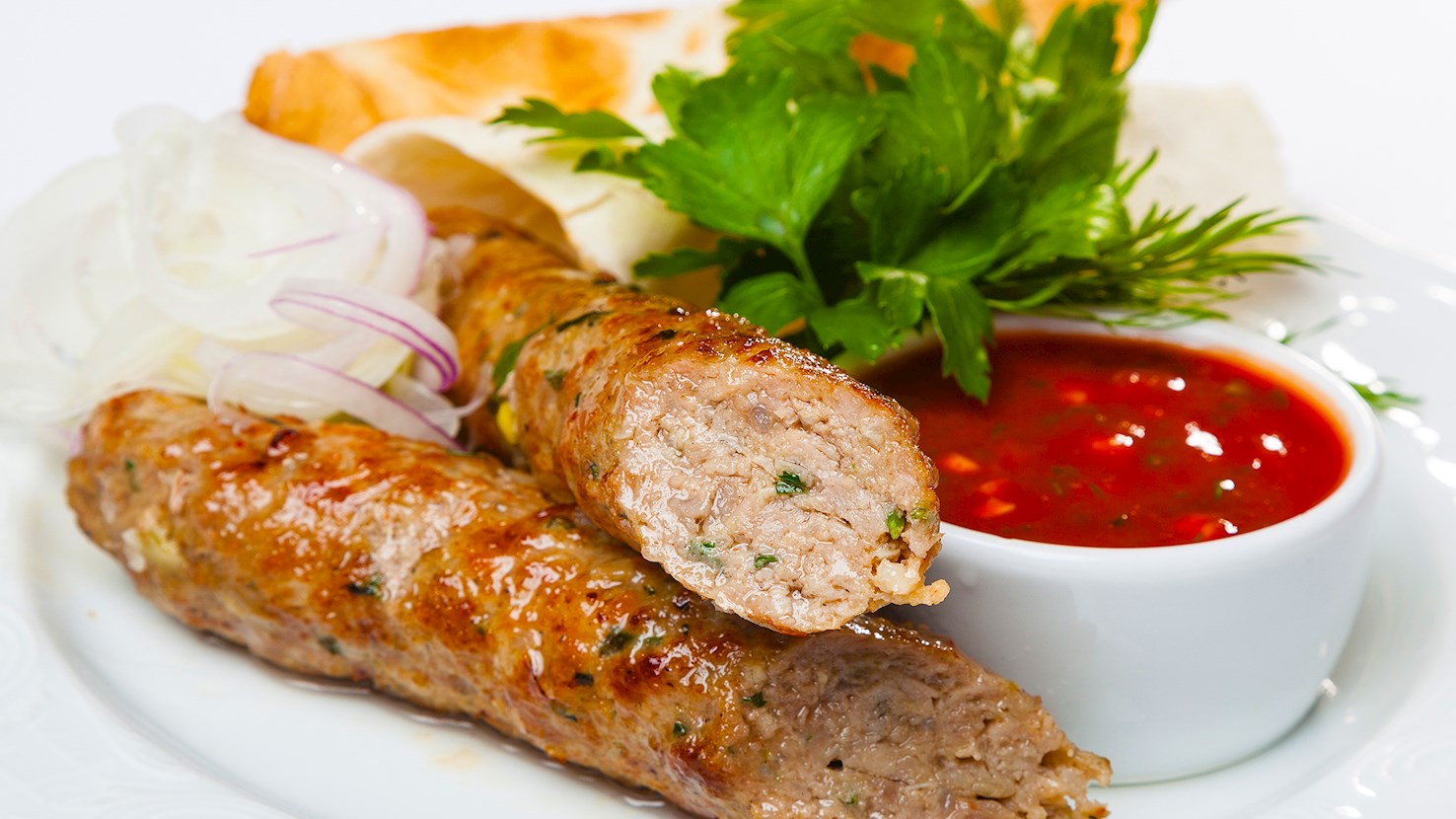
Lyulya kebab is a unique kebab variety popular throughout the Caucasus region. It typically consists of ground lamb combined with finely chopped onions. The mixture is seasoned with salt and black pepper, then skewered and grilled. Other types of meat such as fish and poultry can also be used in the preparation of lyulya. What makes this kebab variety so unique is the process of kneading the meat for a long time so that it becomes denser and does not fall apart. The dish dates back to the 2nd century, and it was even praised by the famous Roman historian Pliny the Elder, as well as the famous Roman scientist Ptolemy. It is recommended to pair lyulya with grilled vegetables, thinly sliced onions, sumac, and lavash.

03
Cooked Sausage

Suǰux

4.2 ·

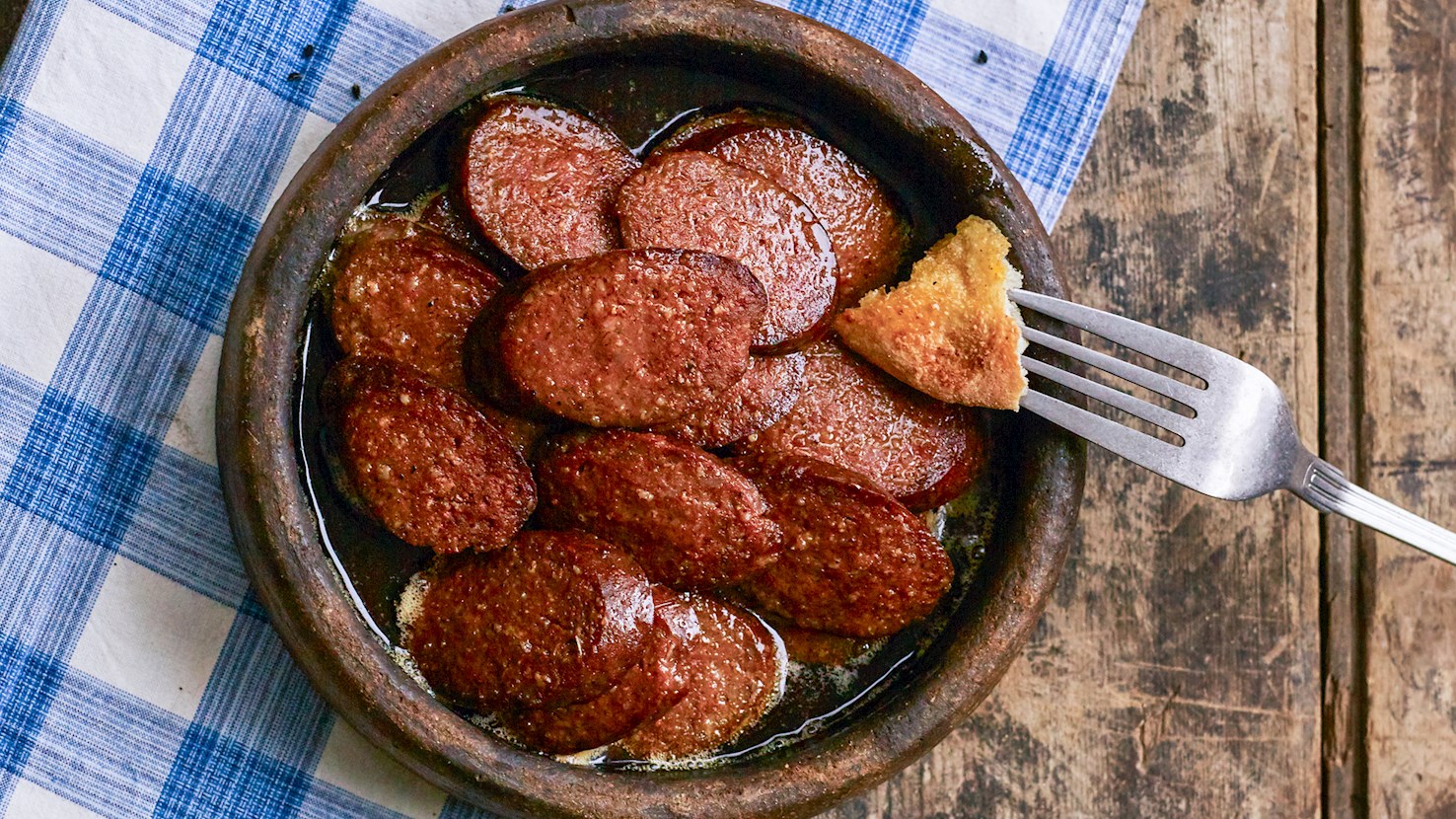
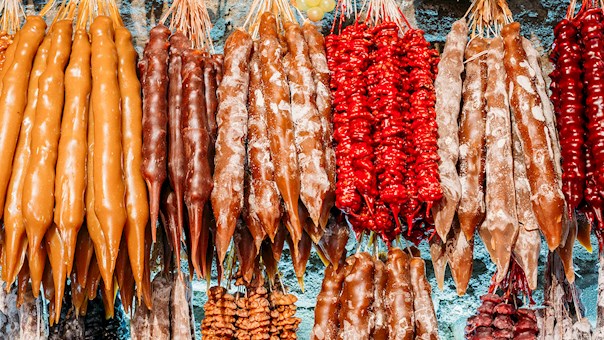
Sucuk or sujuk is a dry, cured sausage made primarily from beef or lamb and seasoned heavily with garlic and spices, produced and consumed across Anatolia, the Caucasus, and the eastern Mediterranean, with strong associations in Turkey, Armenia, and parts of the Levant, where it appears as a household staple rather than a delicatessen item. Its development followed patterns of meat preservation in regions with seasonal slaughter and limited refrigeration, relying on salting, spicing, and air-drying to stabilize minced meat, with spice blends evolving according to local availability, particularly paprika, cumin, and garlic, which also served functional roles in preservation alongside flavor. Preparation begins with finely ground beef (or lamb) mixed with salt, crushed garlic, paprika, cumin, and sometimes fenugreek, kneaded until cohesive, then stuffed into natural casings, pressed flat to encourage even drying, and left to cure under controlled airflow until firm and shelf-stable, after which it is stored whole and sliced as needed rather than cooked in advance. Serving involves slicing the cured sausage and cooking it briefly, most commonly pan-fried without added fat, as sucuk releases its own oils, and it is often cooked until the edges crisp while the interior remains dense, sometimes paired with eggs or incorporated into simple hot dishes rather than eaten on its own. A defining characteristic of sucuk is its flat shape and strong spice concentration, which allows small amounts to season a dish effectively without additional aromatics, and its cured state means it transitions directly from storage to pan without intermediate preparation. It is eaten at breakfast or lunch in homes and casual eateries, alongside flatbread, eggs, tomatoes, or cheese, and pairs well with plain yogurt, fresh vegetables, unsweetened tea, or black coffee, which offset its salt and spice without competing with its intensity.

04
Flatbread

Lavash

4.1 ·

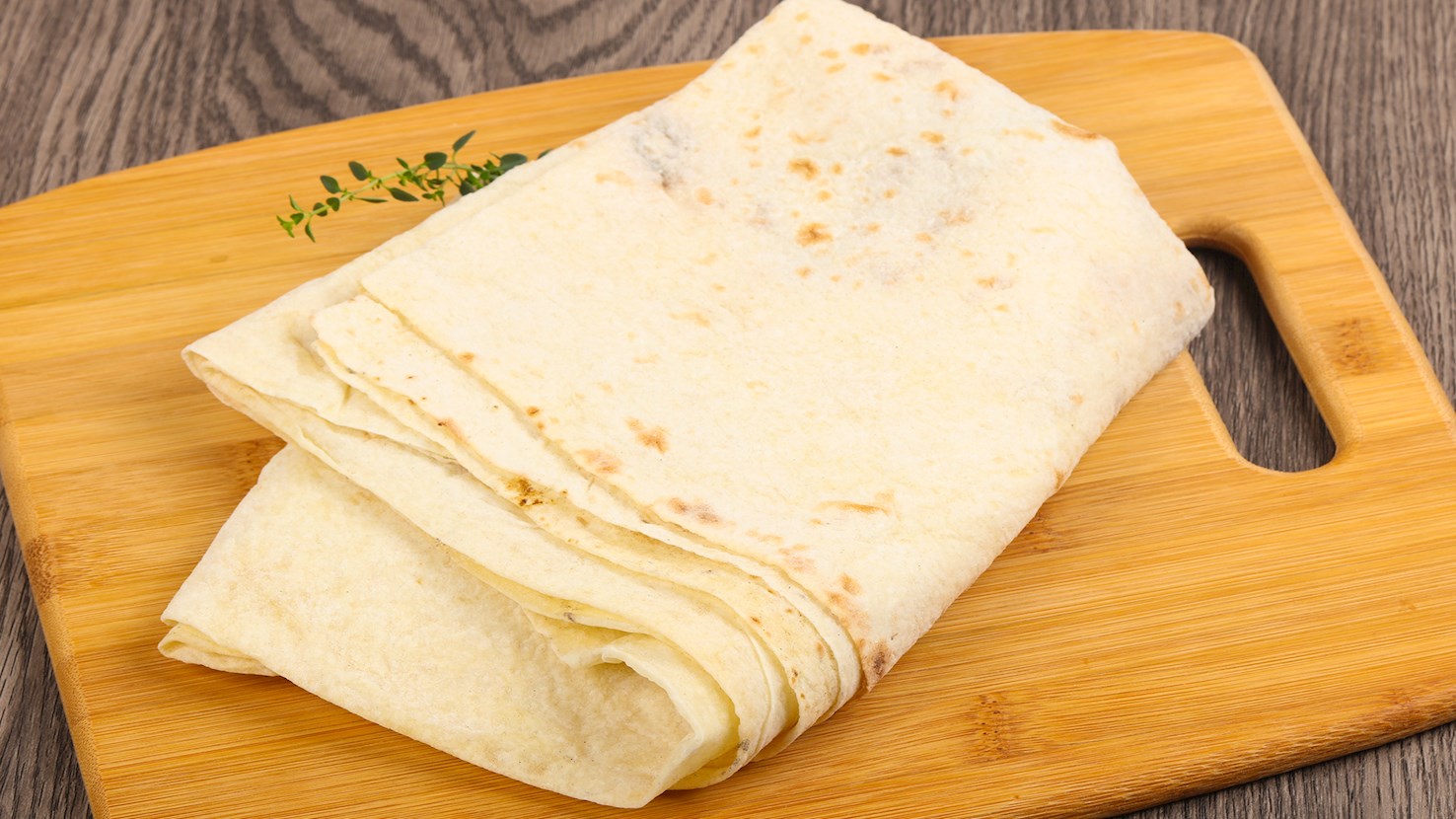
Lavash is a traditional flatbread claimed by many food specialists to be Armenian in origin, but it is well-known and prepared throughout Western Asia (most noteably Iran and Türkiye) and the Caucasus (most noteably Azerbaijan). The dough consists of wheat flour, salt, and water leavened only with a sourdough starter. Once the dough has risen, it is shaped into small lumps that are rolled flat and then slapped against the inside of a clay oven called tonir. Depending on the part or region of Armenia, these flatbreads can vary in thickness, size, shape, and the method of kneading. Because the process of making lavash is so labor-intensive, as well as time-consuming, this flatbread is typically prepared in advance. The baked flatbreads are kept in a dry place and sprinkled with water before use to restore their flexibility. Even to this day, lavash is only torn by hand and can be used either as bread, a wrap, or a spoon. The significance of this flatbread in Armenia is reflected in the ceremonial ritual of its preparation, starting with the choice of women who are fit to make this flatbread, to the sacred and obligatory whispering of blessings or reciting of kind words while making the dough, as it is believed the dough has magical powers to make the whispered wishes come true. As it is considered to be a symbol of fertility and prosperity, lavash has great significance in the Armenian wedding ceremonies, and is also used in traditional medicine since it is believed to have healing properties. In 2016, UNESCO recognized lavash making and sharing culture as an Intangible Cultural Heritage of Humanity.

05
Cheese

Chechil

3.9 ·

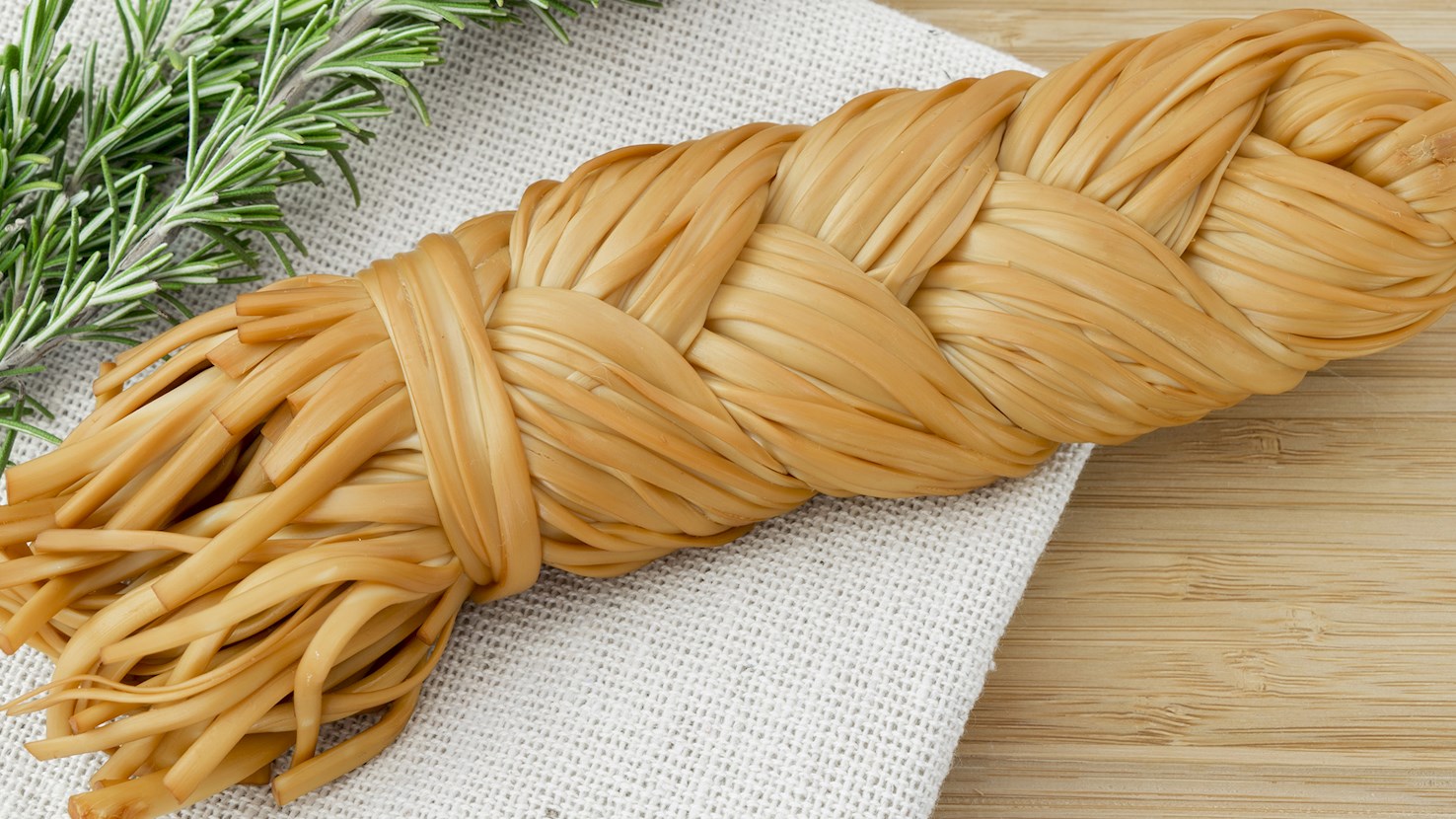
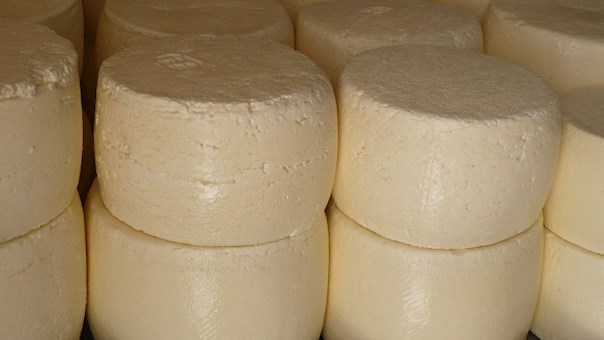
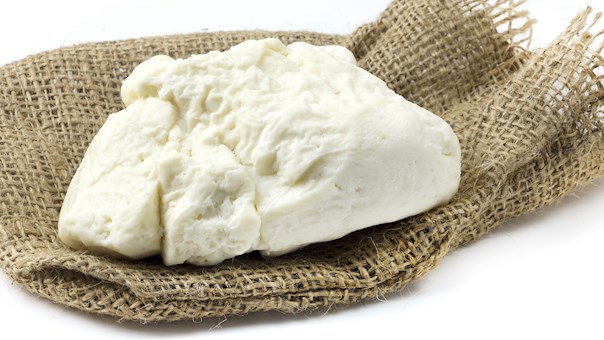
Originating from Armenia, chechil is a unique, low-fat cheese made from cow's milk. It is produced by heating up the curd to high temperatures, a process which allows the cheese to be pulled into thin strings. The cheese strings are then placed in brine, sometimes smoked, and hand braided. Throughout Eastern Europe and Central Asia, chechil is often served as an accompaniment to beer.

06
Flatbread

Zhingyalov khats

3.9 ·

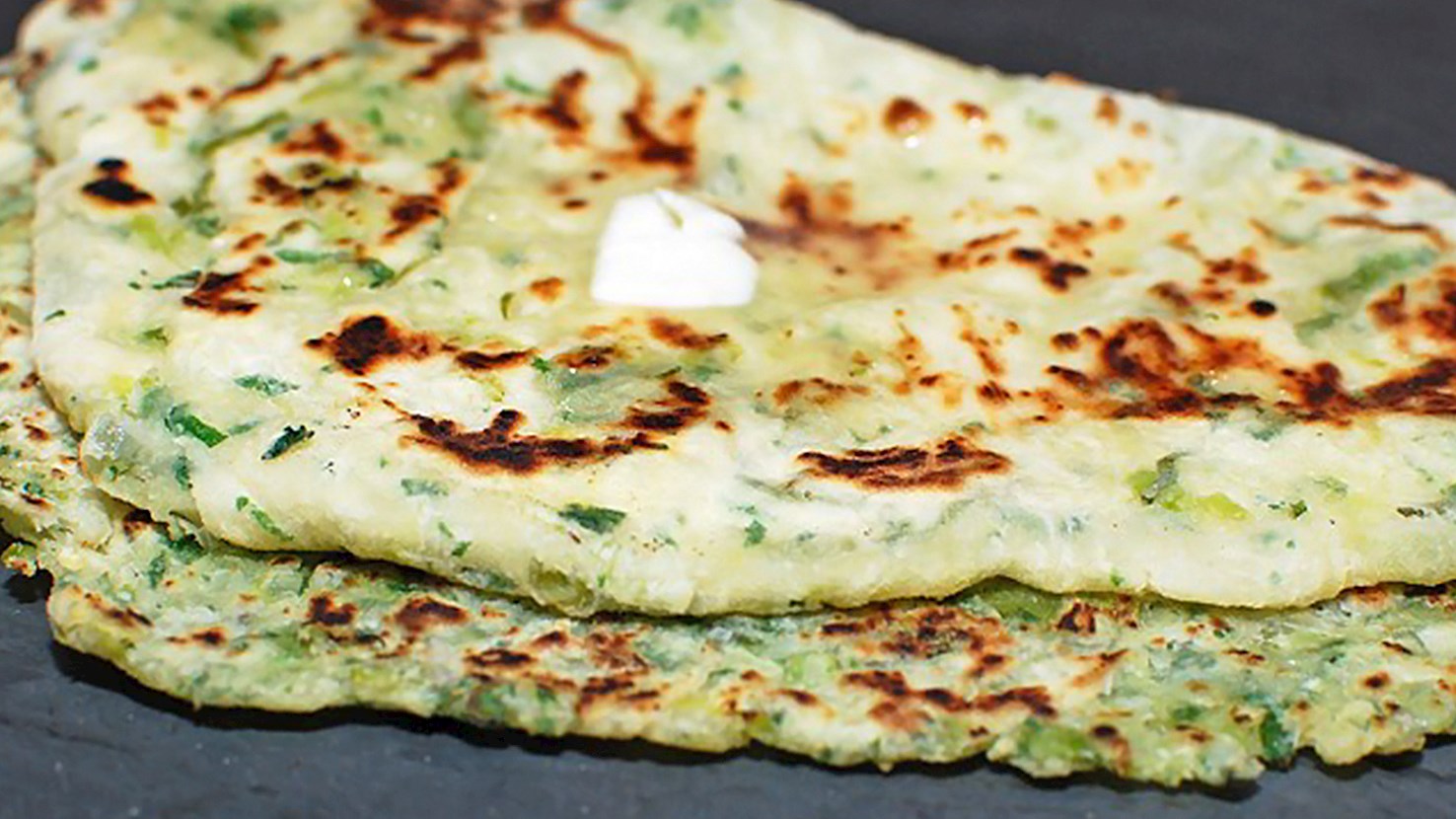
A culinary delicacy coming from Artsakh, or the Nagorno-Karabakh region, zhingyalov khats is a traditional flatbread that contains a variety of herbs and greens. Often considered a lavash with herb filling, this flatbread typically consists of a thin unleavened dough that is topped with a mixture of thinly sliced herbs and greens, folded over, sealed, and then carefully rolled out again. Zhingyalov khats is traditionally baked on a hot saj, a type of Armenian cast-iron vessel resembling a bulging tray. The filling is typically made with butter, salt, onions, and lots of herbs and greens, sometimes supposedly even up to 20 different kinds, such as spinach, leeks, scallions, nettle, chickweed, mint, parsley, tarragon, lettuce, chard, dill, or kale. In Armenia, this flatbread is commonly prepared and eaten during Lent, usually as a snack, an appetizer, or a dinner meal with some butter.

07
Lamb Dish

Khashlama

3.9 ·

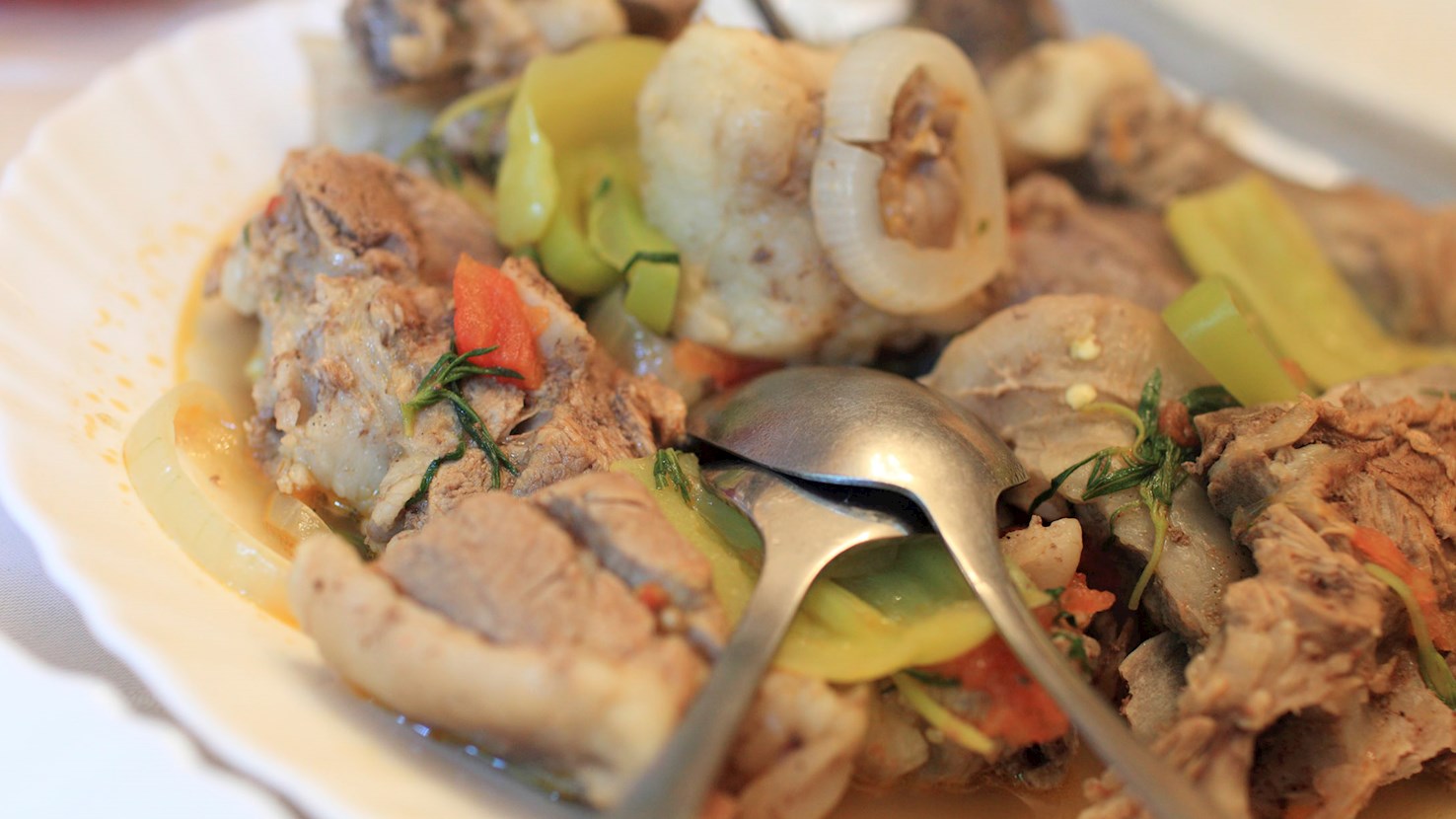
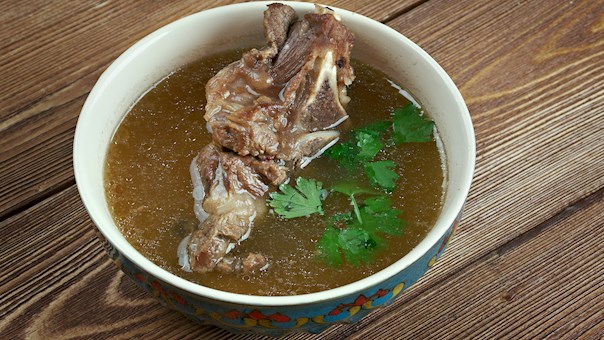
Khashlama is a straightforward and traditional meat dish originating from the Caucasus region. Although time-consuming, the dish is made by simply boiling large chunks of meat, usually beef or lamb, in hot water. The traditional version of this famous dish does not include other ingredients, except a few spices, making the boiled pieces of meat the star of the dish. Because of this, khashlama contains only the finest meat cuts available. The origins of the dish believe to be in the Georgian Kakheti region, where it is regarded as a regional signature dish. However, it is also widely popular in the neighboring Armenia, causing disputes over the true origin of the dish. Traditionally, khashlama is prepared on an open fire, slowly, until the meat is perfectly tender. It is commonly flavored with onions, garlic, bay leaves, and peppercorns. Because it is rather time-consuming, the dish is usually served on special occasions, and it is a common staple of supra, a traditional Georgian feast. Boiled pieces of meat are commonly served hot and garnished with a generous amount of coarse salt and chopped parsley.

08
Sweet Bread

Gata

3.9 ·

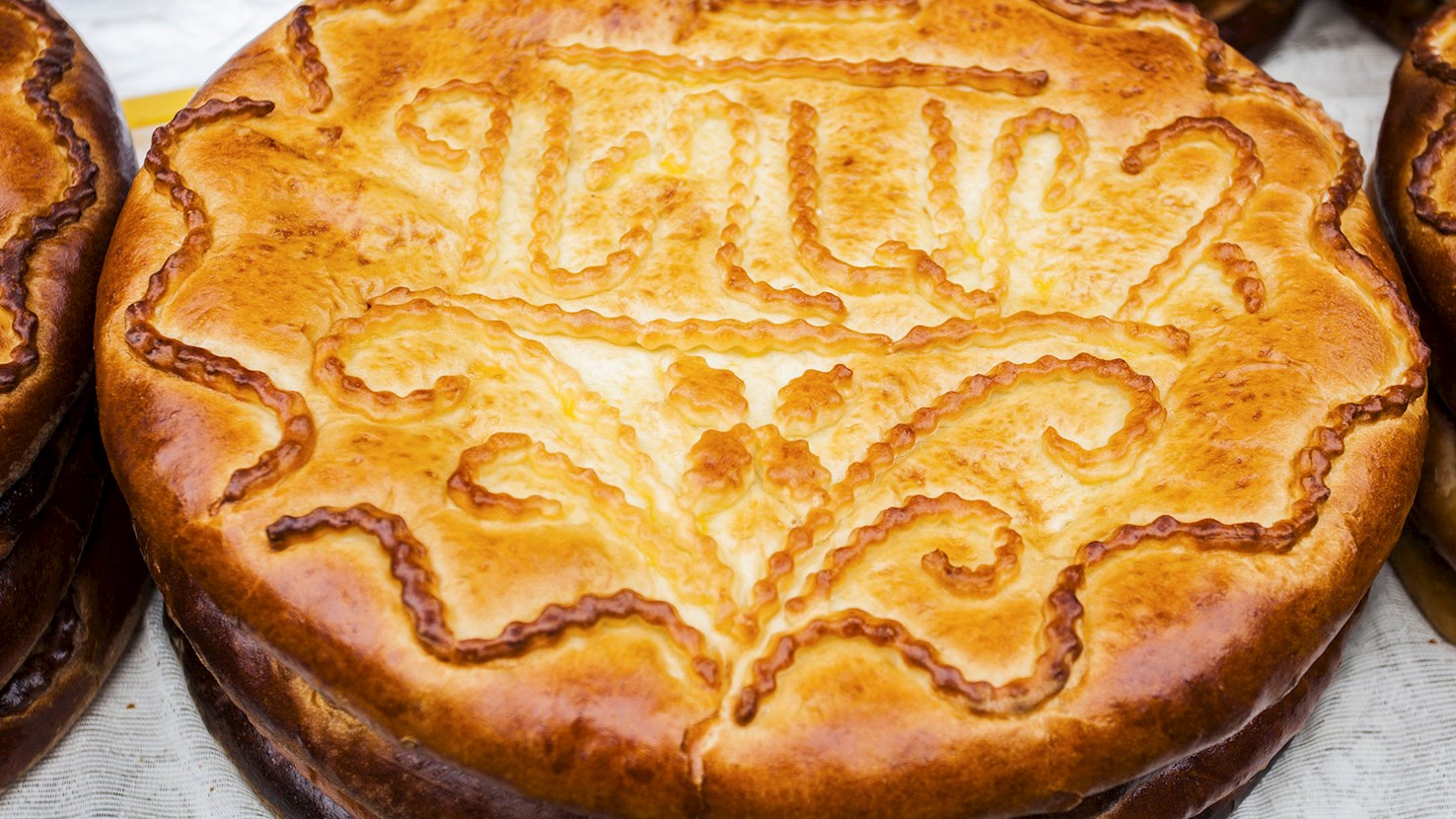
Gata is a mildly-sweet Armenian pastry with a shiny glaze crust. It comes in two varieties: plain, or if made for weddings and festive occasions, decorated with an intricate design on its top. There are many variations of gata, usually specific to different regions and towns, but the basic recipe consists only of flour, sugar, butter, eggs, and often an Armenian yogurt known as matsoni. Although this pastry is baked all year round and on every important holiday in Armenia, it holds great importance as a dish that is specifically prepared on Candlemas. The most popular variety of gata is khoriz, a pastry containing a single-layered filling made of sugar, flour, and butter, followed by gata breads from the villages of Garni and Geghard which are embellished, round and large (commonly a foot in diameter). Traditionally, a button or a coin is placed inside the bread, so whoever gets the piece is supposed to be blessed with good fortune.

Best restaurants
09
Salad

Jajukh (Cucumber Yogurt Salad)

3.9 ·

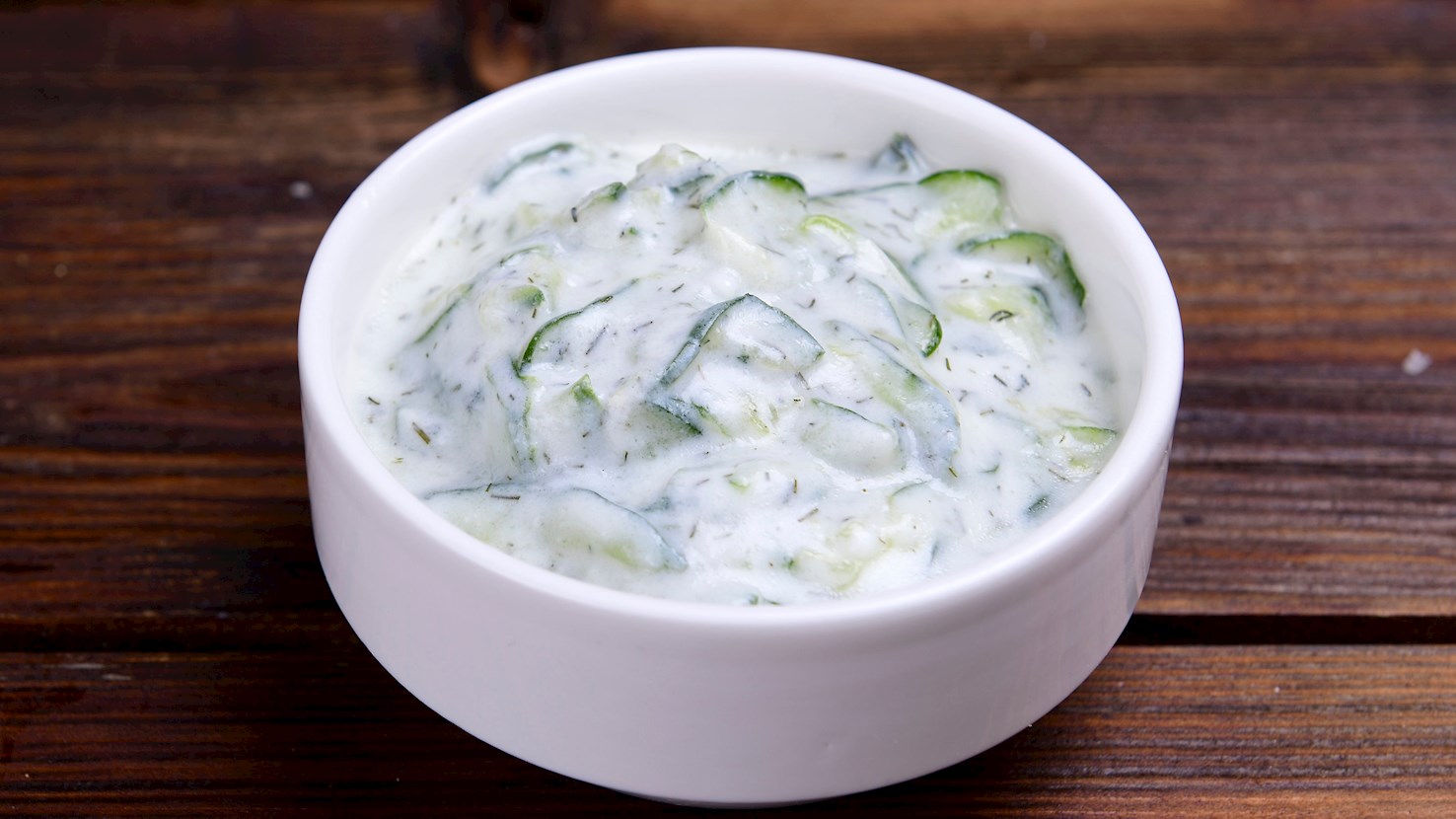
Jajukh is a traditional salad originating from Armenia. The salad is usually made with a combination of sliced cucumbers, yogurt, crushed garlic, chopped mint, and salt. The ingredients are stirred until combined, and ice cubes are then added to the bowl and left to slightly melt. The salad is then stirred once more and served cold. Jajukh is especially popular on hot summer days due to its refreshing properties. It’s recommended to serve it with pita or lavash on the side.

10
Flatbread

Matnakash

3.8 ·

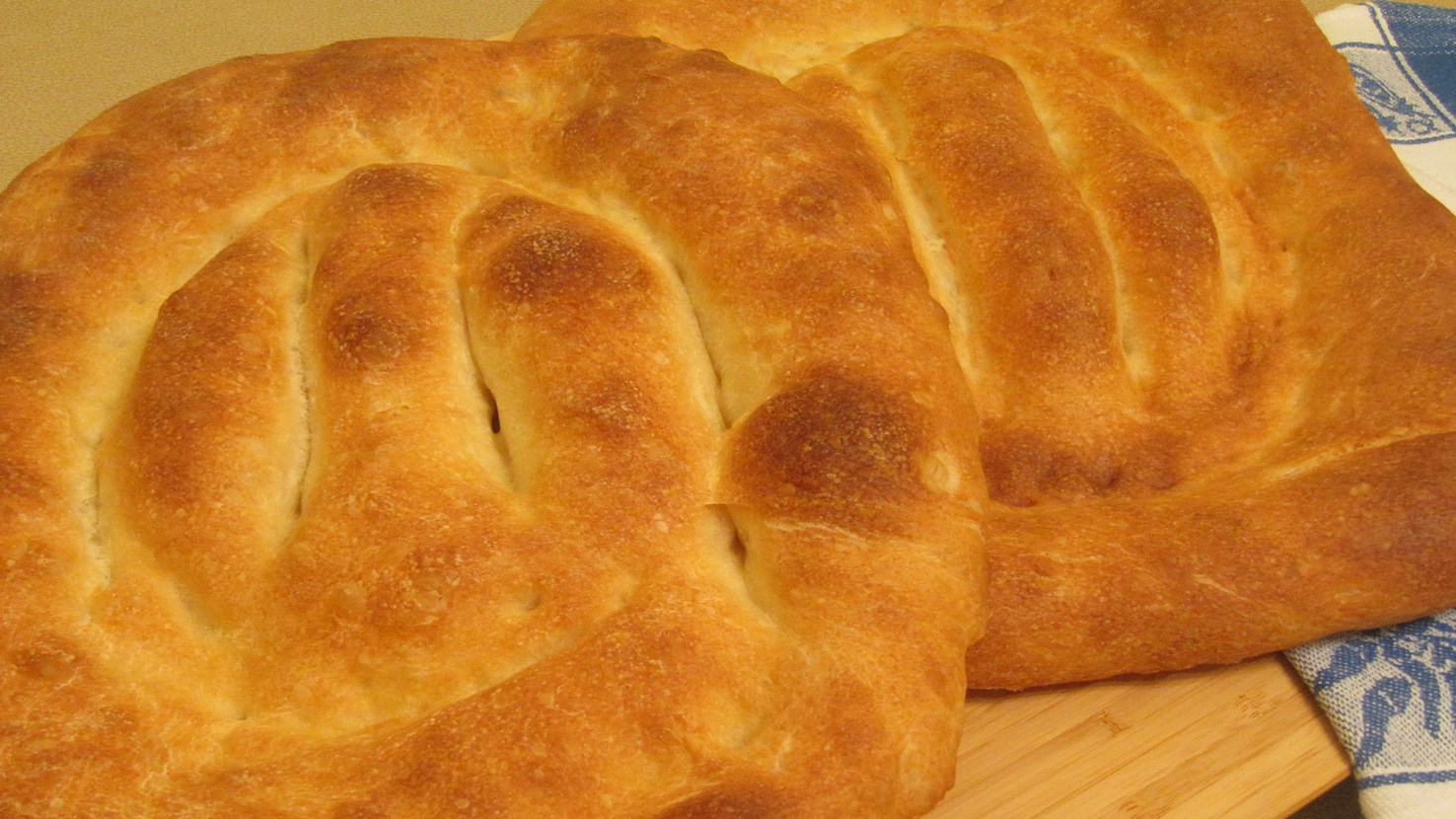
Matnakash is a traditional bread consisting of a smooth, elastic dough made with flour, yeast, water, sugar, salt, and oil. Originally, it was prepared only with flour and water, and without yeast. Before it is baked in a well-steamed oven, the dough is usually topped with a type of flour mixture consisting of flour and water or black tea, which lends the bread a unique, crispy crust that complements its soft and slightly chewy interior. This Armenian flatbread has a distinctive oval or round shape, and its surface is adorned with a traditional pattern of indentations. Its name matnakash translates to finger draw or finger pull and is derived from the traditional way of adorning the bread’s top by using one’s fingers. In Armenia, this leavened bread is still a staple as it has been for ages, and it is available in bakeries, grocery stores, and restaurants throughout the country. Matnakash is eaten warm, optionally sprinkled with sea salt flakes, and it pairs well with dipping sauces, soups, and curries.

11
Porridge

Harissa

3.7 ·
14
Soup

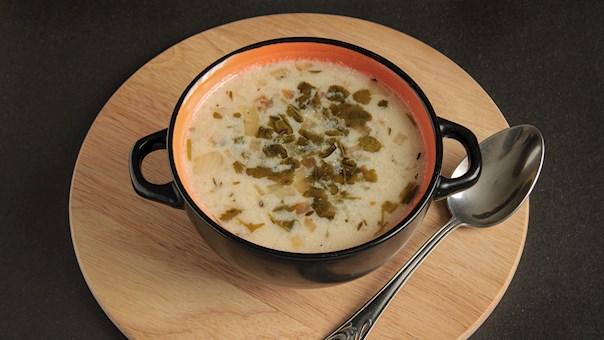
Spas

3.4 ·
15
Salad

Eetch

3.4 ·
16
Cheese

Lori

3.3 ·
17
Appetizer

Yalanchi

3.3 ·
19
Offal Soup

Khash

3 ·
20
Cheese

Chanakh

2.9 ·

Best Armenian food products
01
Spirit

Ararat Brandy

4.9 ·
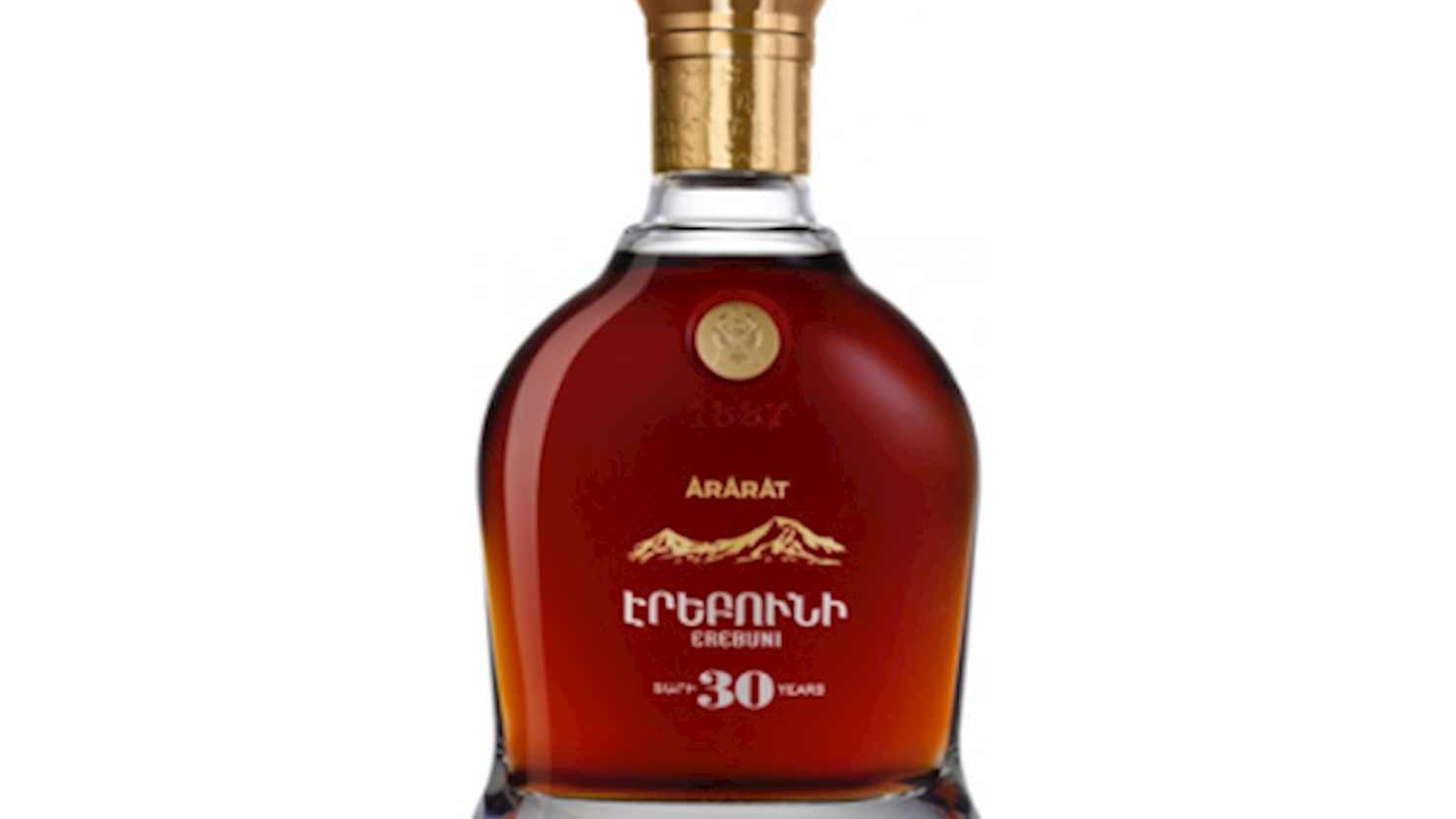
Ararat Brandy is the most iconic expression of Armenia’s distillation heritage, produced by the Yerevan Brandy Company since 1887. It is made exclusively from local white grape varieties grown in the Ararat Valley and neighboring regions, followed by double distillation that yields a clean, aromatically concentrated spirit. Maturation takes place in Caucasian oak barrels, whose old, dense wood imparts notes of dried fruit, nuts, vanilla, and gentle spice. The range includes various cuvées - from classic, younger expressions to premium and long-aged editions such as Akhtamar, Nairi, and Erebuni, some of which mature for decades. Ararat is appreciated for its clarity of style, balanced structure, and the way it unites traditional production methods with the character of the local terroir, establishing it as one of the most respected brandy producers in the region and beyond.
02
Wine

Zorah

4.9 ·
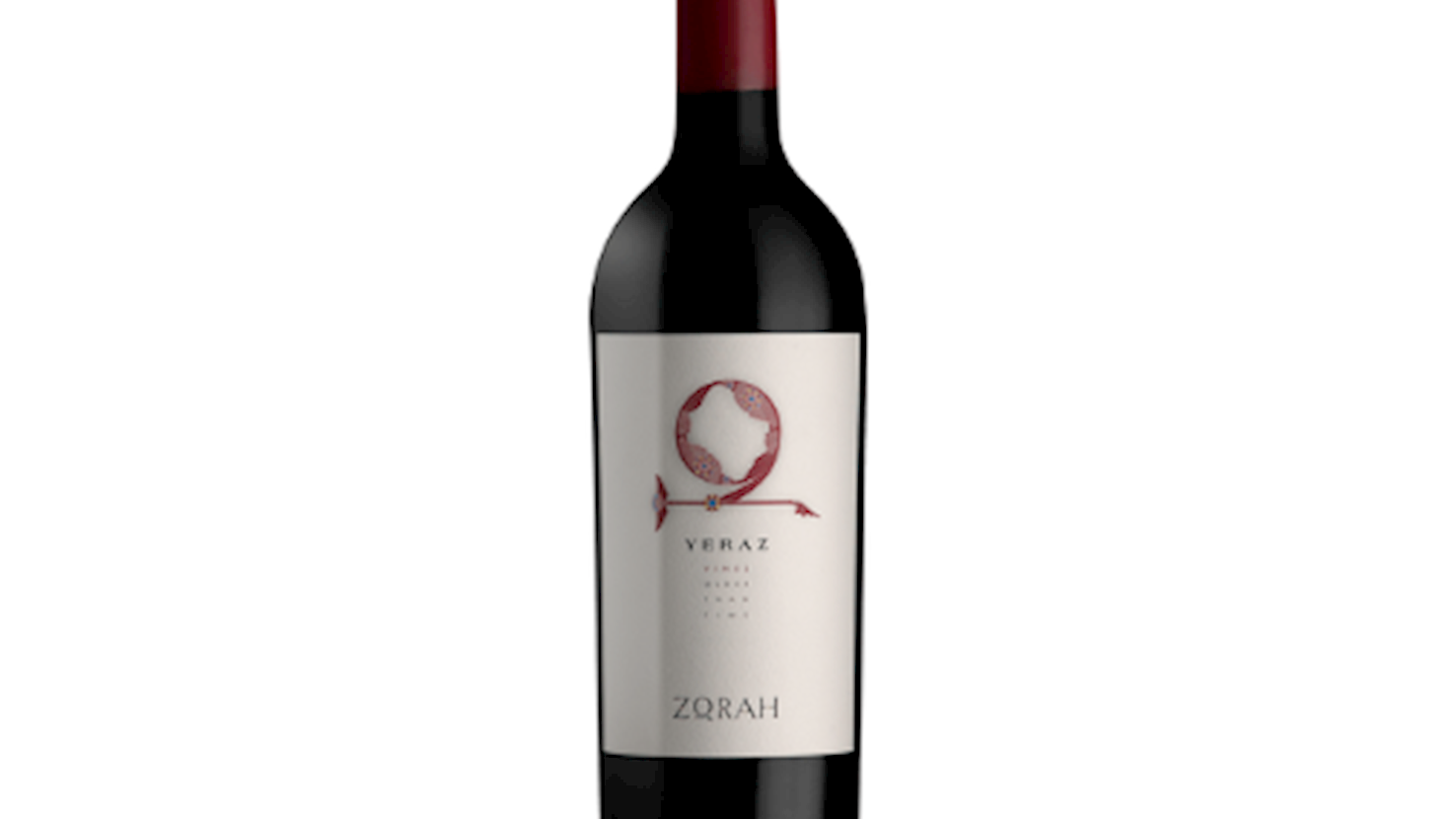
Zorah is a winery based in the village of Rind in the Vayots Dzor region, situated at around 1,400 meters above sea level, where rocky, limestone-sand soils and a dry climate create exceptional conditions for the indigenous Areni Noir variety. The winery builds its identity on a fusion of ancient techniques and modern precision, relying on phylloxera-free vineyards planted on their own roots. Fermentation and aging are carried out primarily in traditional clay vessels - karas - which allow gentle micro-oxygenation without the influence of wood, preserving pure varietal expression and the distinct character of the terroir. Zorah is renowned for elegant, mineral, and layered wines shaped by minimal intervention and strong regional authenticity, particularly through labels like Karasi that played a key role in the international recognition of Armenian wine. The winery’s philosophy emphasizes a return to genuine craftsmanship and truthful expression of the grape, positioning Zorah among the most relevant and influential producers in Armenia’s modern wine renaissance.
Awards
Vivino - 4.5
Vivino - 4.0
03
Spirit

Yerevan Ararat Brandy Factory

4.7 ·
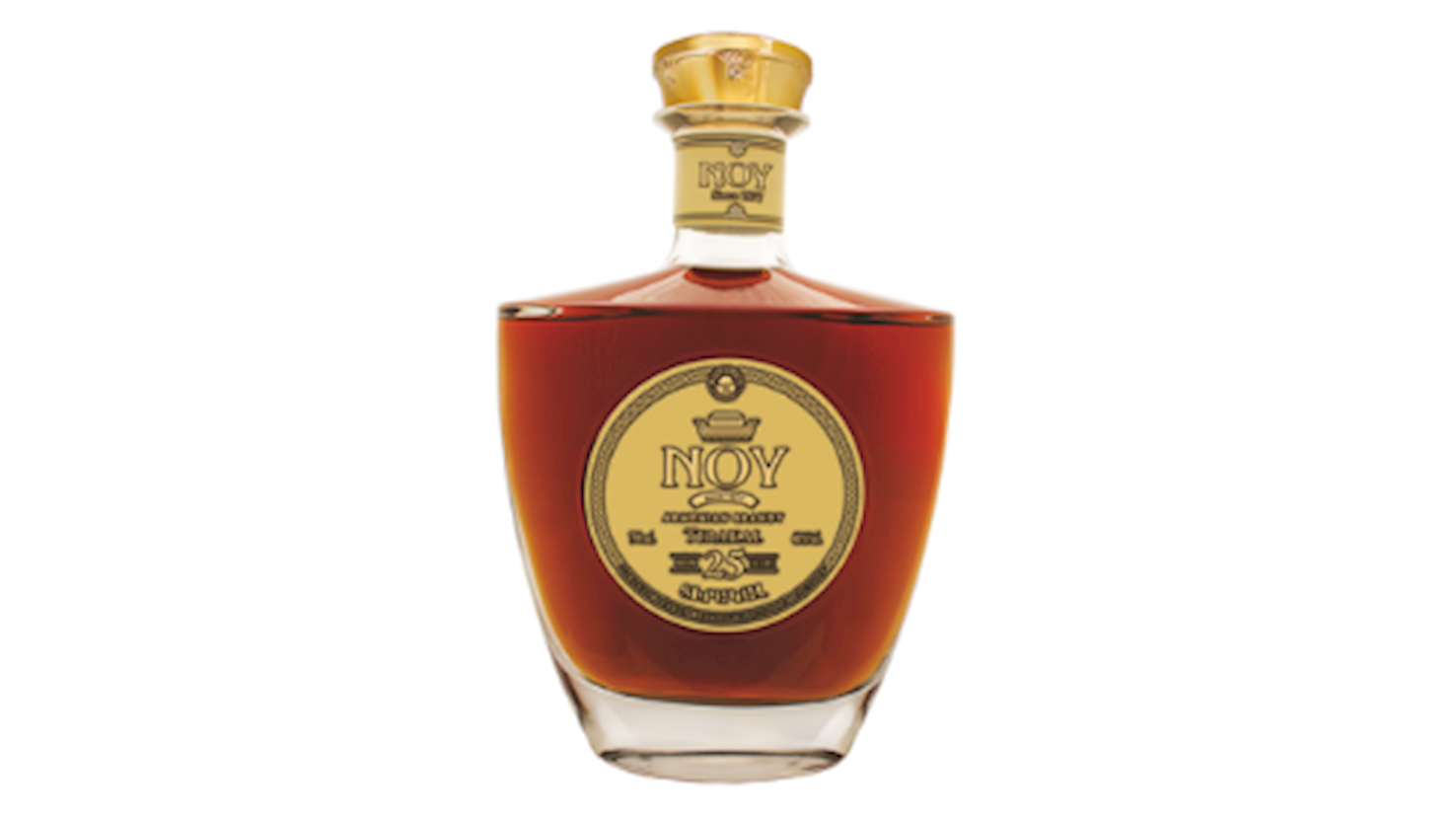
Yerevan Ararat Brandy Factory, known under the NOY brand, represents the modern continuation of one of Armenia’s oldest distillation traditions, with origins dating back to 1877. The factory was restored in the early 2000s on the historic site of the former Erivan fortress and the palace of the Sardar, where the production of brandy, wine, and fruit spirits was reestablished. NOY’s portfolio includes a wide range of products - from classic three- and five-year-old brandies to long-aged editions matured for two, three, or even five decades. Production relies on traditional double distillation and extended aging in Caucasian oak, which imparts characteristic notes of dried fruit, nuts, and vanilla. The factory presents its history, production techniques, and modern product lines as part of its identity, positioning NOY as a brand that bridges Armenian heritage with contemporary distribution and renewed quality.
04
Wine

Karas

4.7 ·
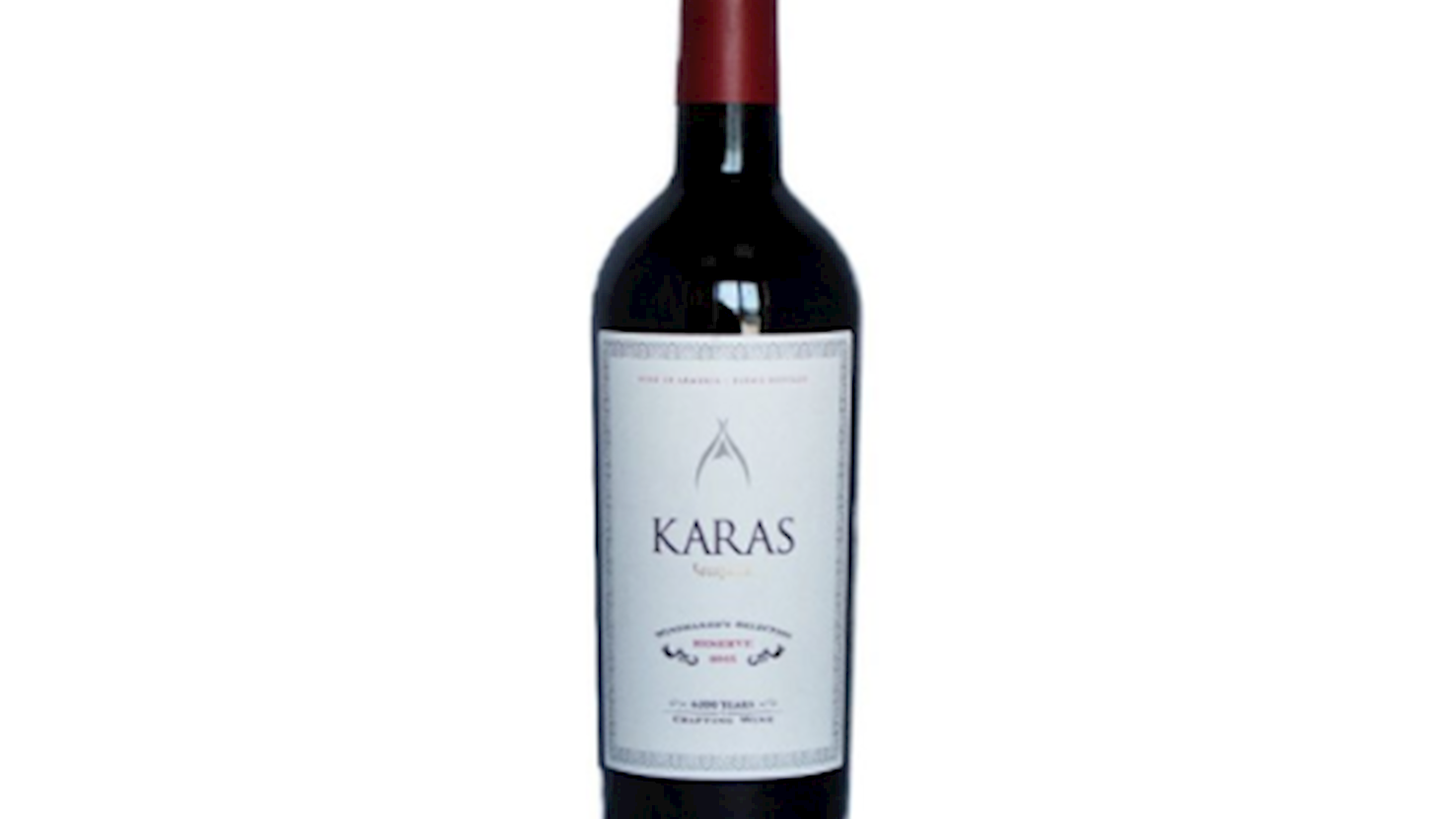
Karas Wines is a modern Armenian winery located in the Armavir region, within the Ararat Valley, where volcanic soils, abundant sunshine, and cool nights create ideal conditions for developing a complex aromatic profile in the grapes. The brand’s name comes from the traditional clay amphorae - karas - used in Armenian culture for winemaking for thousands of years, symbolically linking ancient heritage with a contemporary approach. Owned by the Eurnekian family, the winery builds on their international experience to revitalize Armenia’s wine sector through modern techniques and carefully managed vineyards planted with both indigenous and international varieties. Despite its advanced production methods, Karas remains focused on expressing the purity of the local terroir, sustainability, and consistent quality, which has positioned the brand among the leading representatives of Armenia’s modern wine renaissance. Their wines are known for balanced structures, marked minerality, and clear varietal expression, making Karas a key player in the country’s evolving winemaking landscape.
Awards
Vivino - 4.3
05
Wine

Voskevaz Wine Cellar

4.6 ·
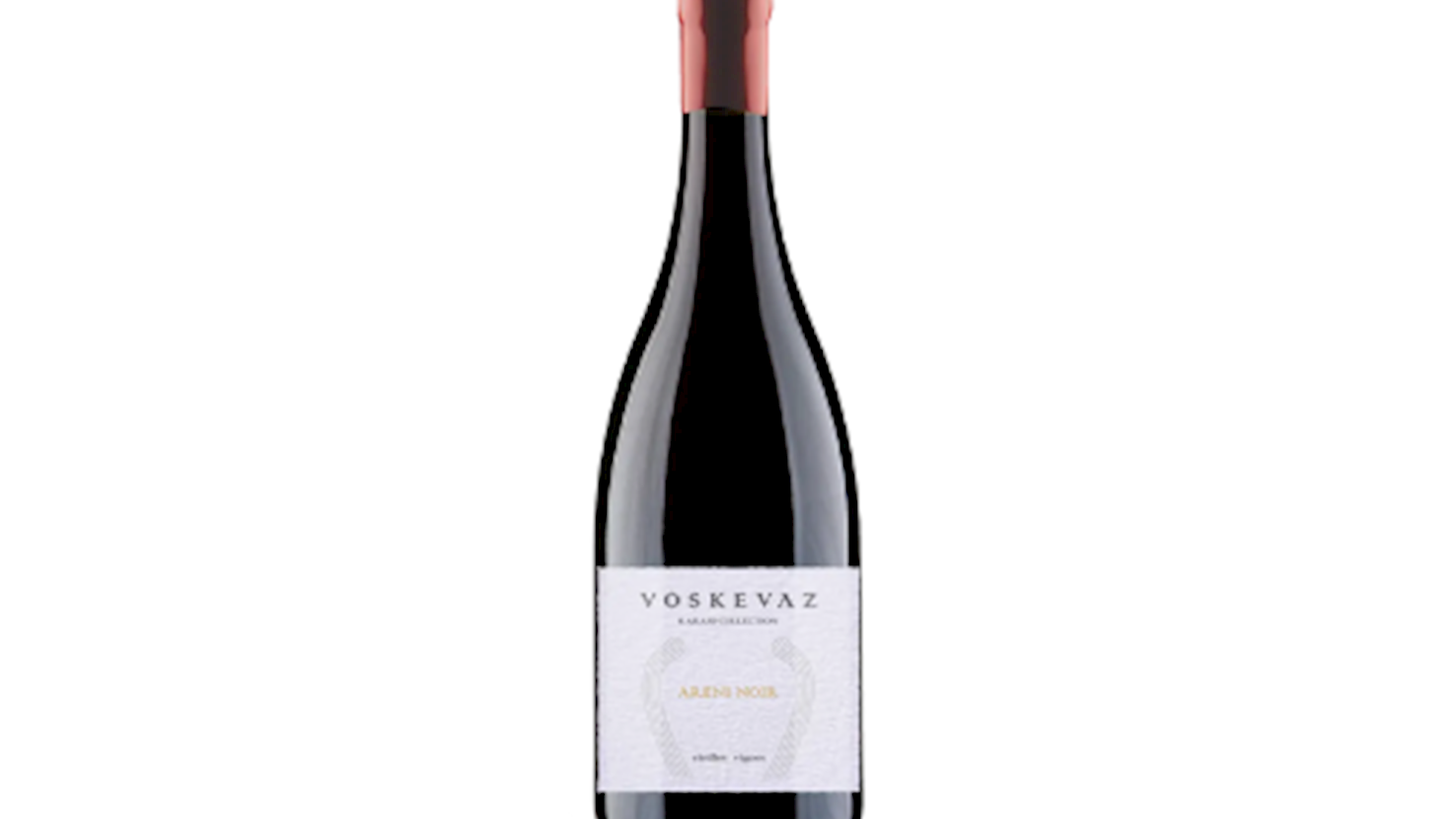
Voskevaz Wine Cellar is a family-owned winery from the village of Voskevaz in Armenia’s Aragatsotn region, originally founded in 1932 and revitalized in the early 2000s under the Hovhannisyan family. The winery is known for merging modern winemaking with ancient Armenian traditions, particularly by aging part of its wines in 19th-century clay amphorae. Their focus is on indigenous grape varieties such as Areni, Haghtanak, and Voskehat, sourced from selected local growers and harvested exclusively by hand. A standout segment of their portfolio is the “Karasi Collection”, which reflects the authenticity of Armenia’s terroir and its deep winemaking heritage. The range includes dry, semi-sweet, and dessert wines, including natural styles. With its distinctive character and consistent quality, Voskevaz has become one of Armenia’s notable contemporary wineries, while its cellar complex and tasting facilities also serve as an established wine tourism destination.
Awards
Vivino - 4.2
Vivino - 4.1
06
Juice

Sipan

4.4 ·
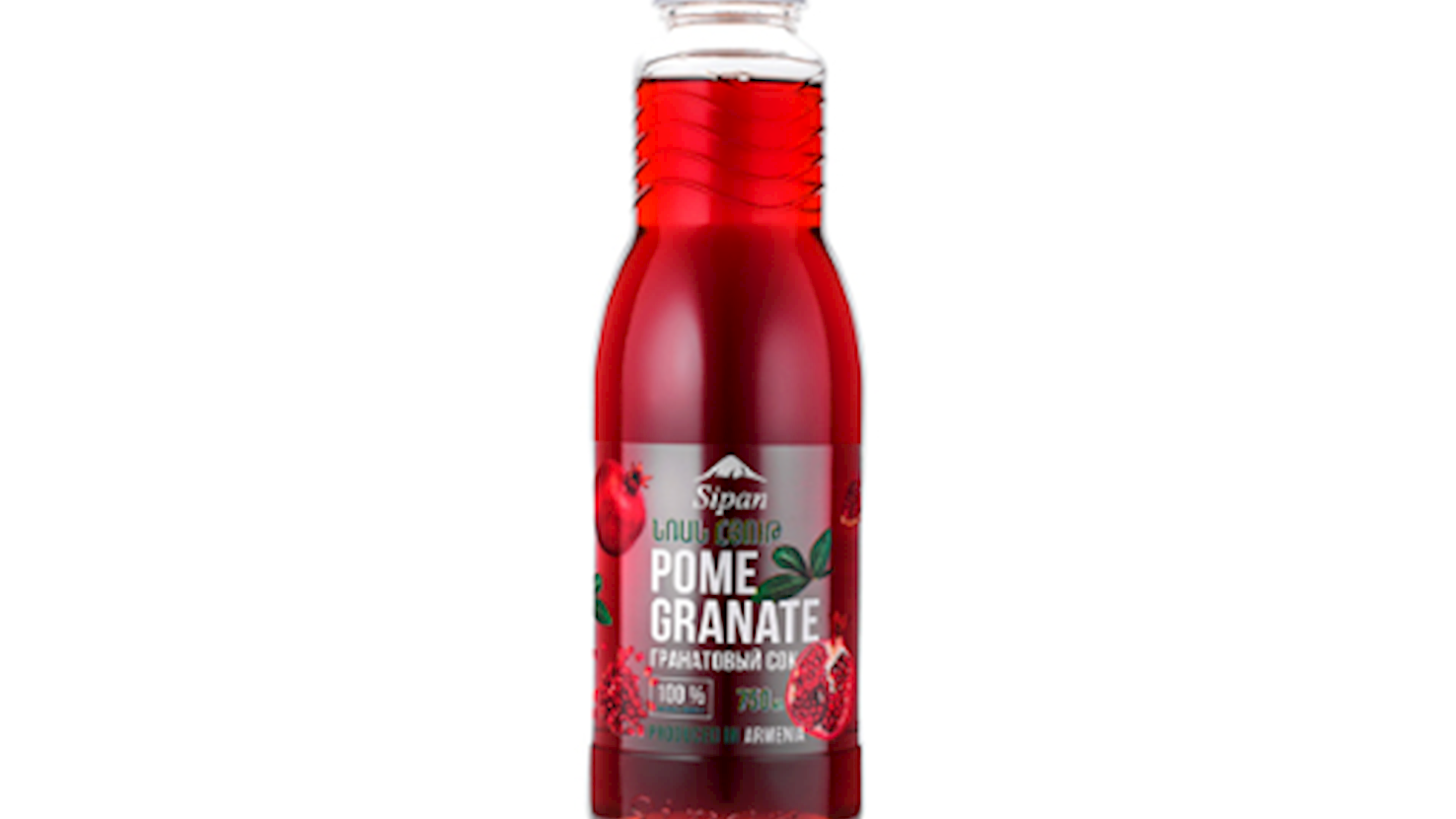
Sipan is an Armenian food brand specializing in the production of natural juices, nectars, compotes, jams, canned fruits and vegetables, as well as various non-alcoholic beverages. The company’s factory is located in Abovyan, in the Kotayk region, where modern processing technologies are combined with traditional methods of fruit and vegetable preservation. Their products are made without artificial colors, preservatives, or stabilizers, with a strong focus on maintaining the natural flavor and nutritional value of the raw ingredients. The assortment includes classic fruit juices, pomegranate and rosehip lines, fruit purées, marinades, and pickled products, making Sipan one of Armenia’s most recognized producers in the natural and processed foods category. The brand is also present on export markets, positioning itself as a reliable producer with a clear identity rooted in local ingredients and carefully controlled production.
07
Spirit

Otaroff

4.3 ·
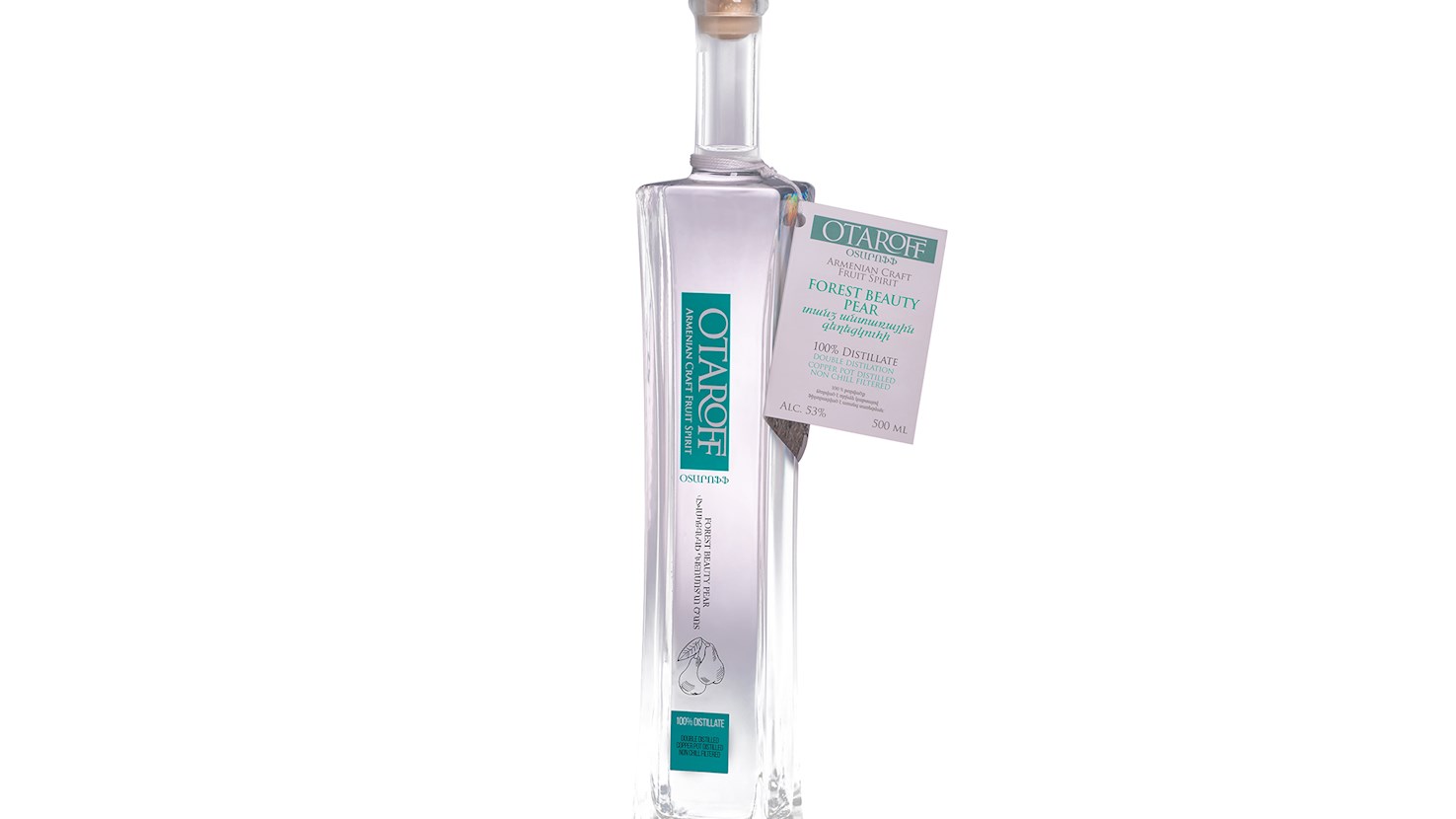
Awards
ISC-International Spirits Challenge - Double Gold (2021)
ISC-International Spirits Challenge - Gold trophy (2021)
08
Wine

Armenia Wine

4 ·
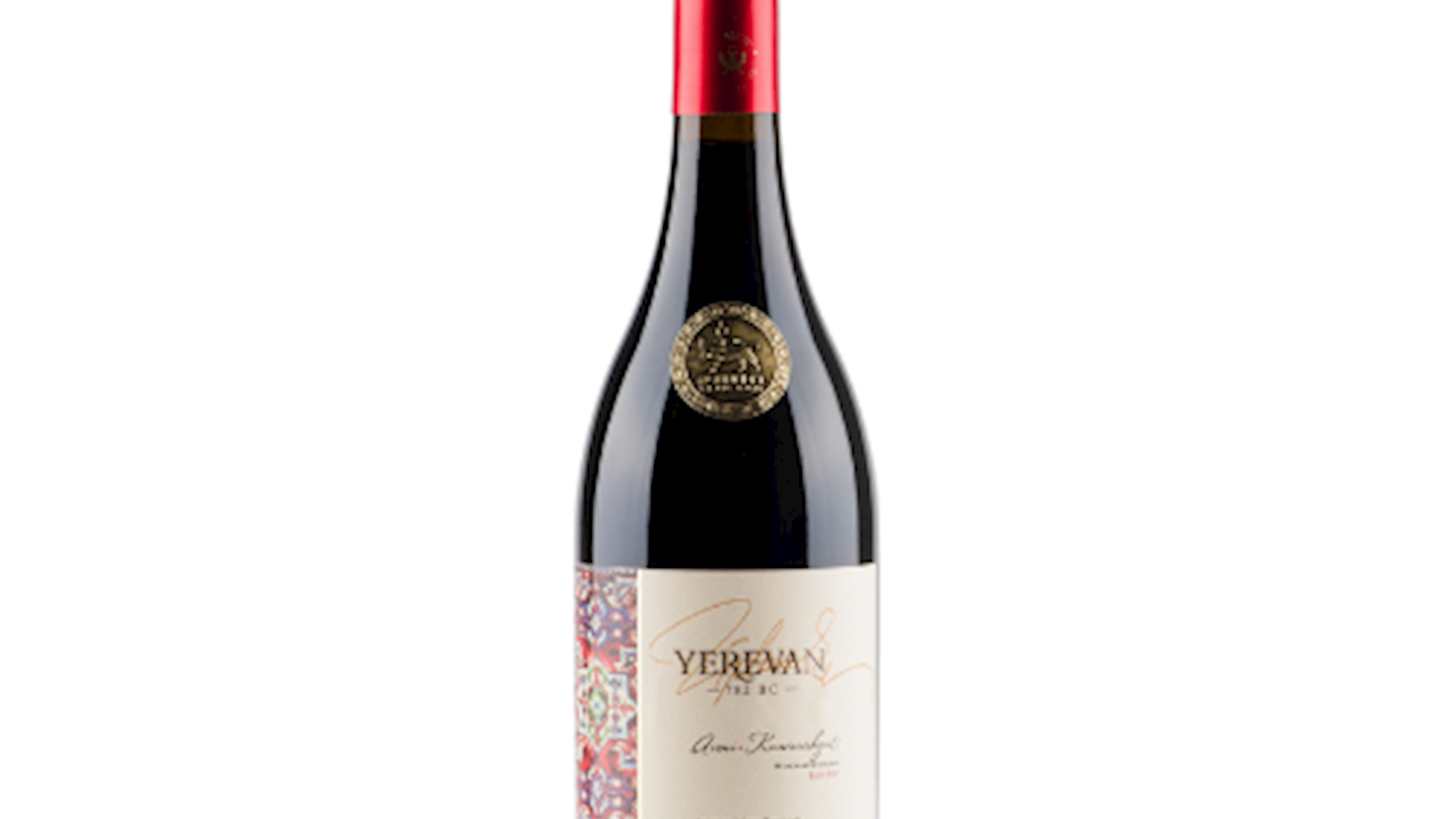
Armenia Wine Company is one of the most prominent modern wineries in Armenia, built on the fusion of the country’s millennia-old winemaking heritage and contemporary technology. The winery manages extensive vineyards, including more than 90 hectares of certified organic plots in the Aragatsotn region, while additional grapes are sourced through long-term collaborations with hundreds of local growers. Its portfolio spans a wide range of styles - from dry and semi-sweet wines to sparkling, fruit wines, and brandy - all designed to showcase the character of indigenous varieties and the distinct Armenian terroir. The winery also places strong emphasis on wine tourism, offering cellar tours, guided tastings, and thematic experiences. As a leading producer in the country, Armenia Wine Company positions itself as an ambassador of Armenian winemaking, combining modern practices with the preservation and promotion of authentic regional heritage.
Awards
USA Wine Ratings - Gold (2020)
Vivino - 3.8
Read more
View all
View map
About this ranking

TasteAtlas food rankings are based on the ratings of the TasteAtlas audience, with a series of mechanisms that recognize real users and that ignore bot, nationalist or local patriotic ratings, and give additional value to the ratings of users that the system recognizes as knowledgeable. For the “Top 40 Armenian Foods” list until June 04, 2026, 5,775 ratings were recorded, of which 2,515 were recognized by the system as legitimate. TasteAtlas Rankings should not be seen as the final global conclusion about food. Their purpose is to promote excellent local foods, instill pride in traditional dishes, and arouse curiosity about dishes you haven’t tried.

The initial list of top producers was compiled based on available reviews, awards, local recommendations, media and blog coverage, and consumer reviews. The list will be updated with ratings from TasteAtlas local ambassadors and TasteAtlas users.

Similar lists