





shutterstock

Top 54 African Vegetable Dishes

Last updated on June 15, 2026
01

Misir wat

4.2 ·

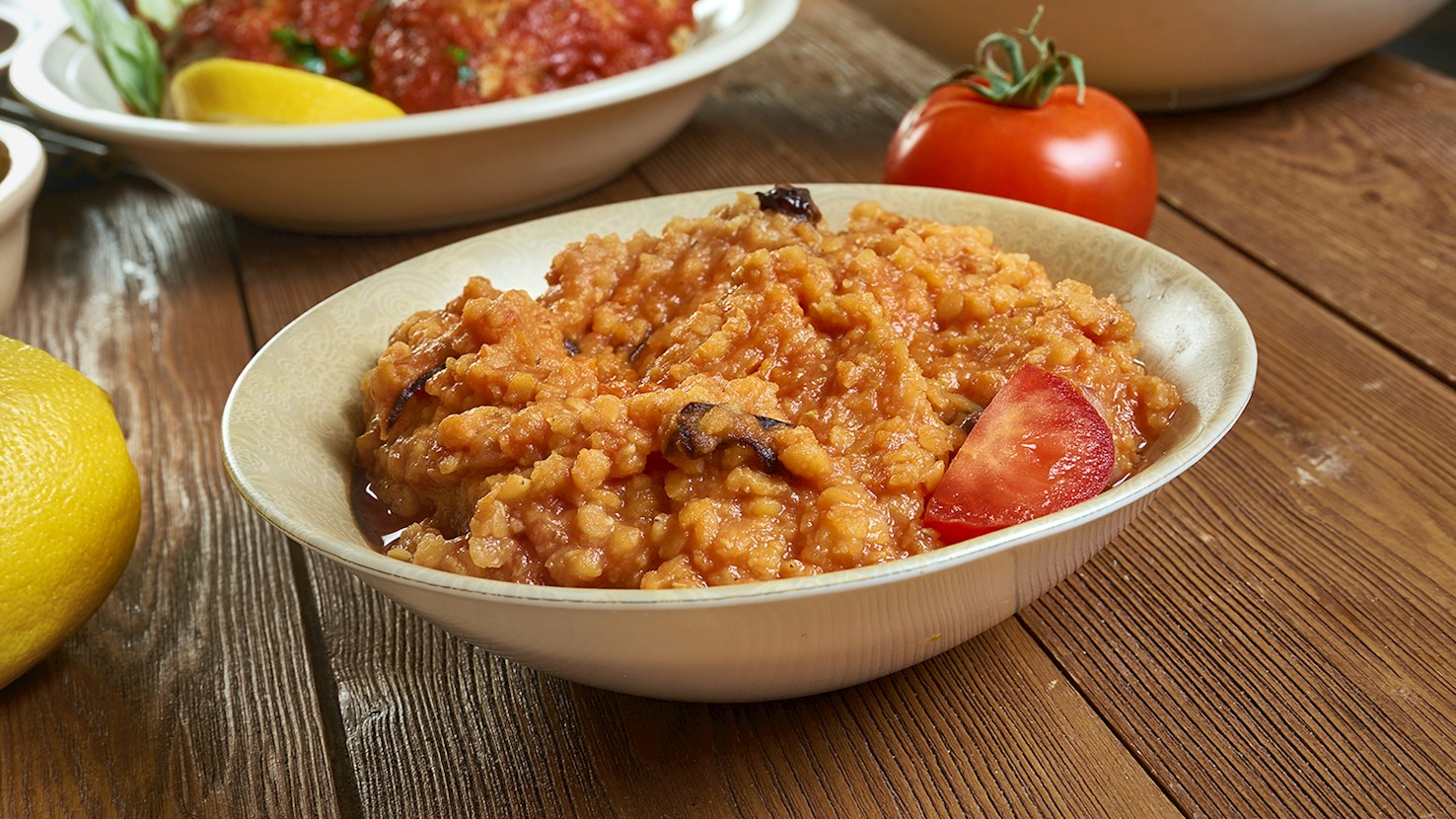
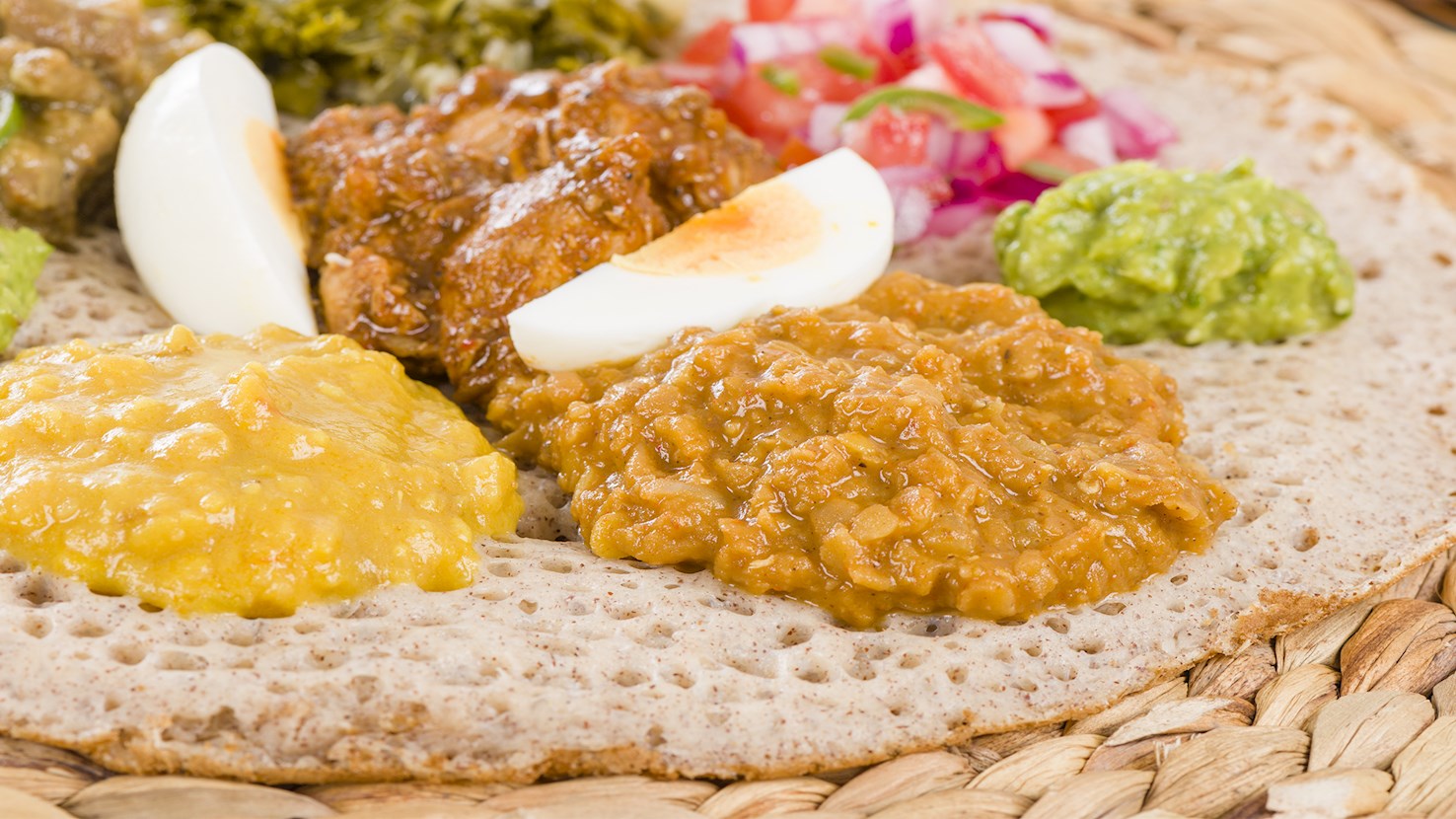
Misir wat or tsebhi birse nis a traditional and Eritrean dish and a type of wat (Ethiopian and Eritrean stew). In order to prepare it, onions are sautéed in niter kibbeh clarified butter, followed by garlic, ginger, tomato paste, berbere spices, stock, and lentils. The stew is slowly simmered until the lentils become soft, and the dish is then usually enriched with a bit more berbere spices and niter kibbeh near the end of cooking. Misir wat is served warm and it's usually accompanied by injera flatbread on the side, which is used to scoop up the lentils. If desired, the stew cna be garnished with a dollop of creamy Ayib cheese on top.

02

Ful medames

4.1 ·

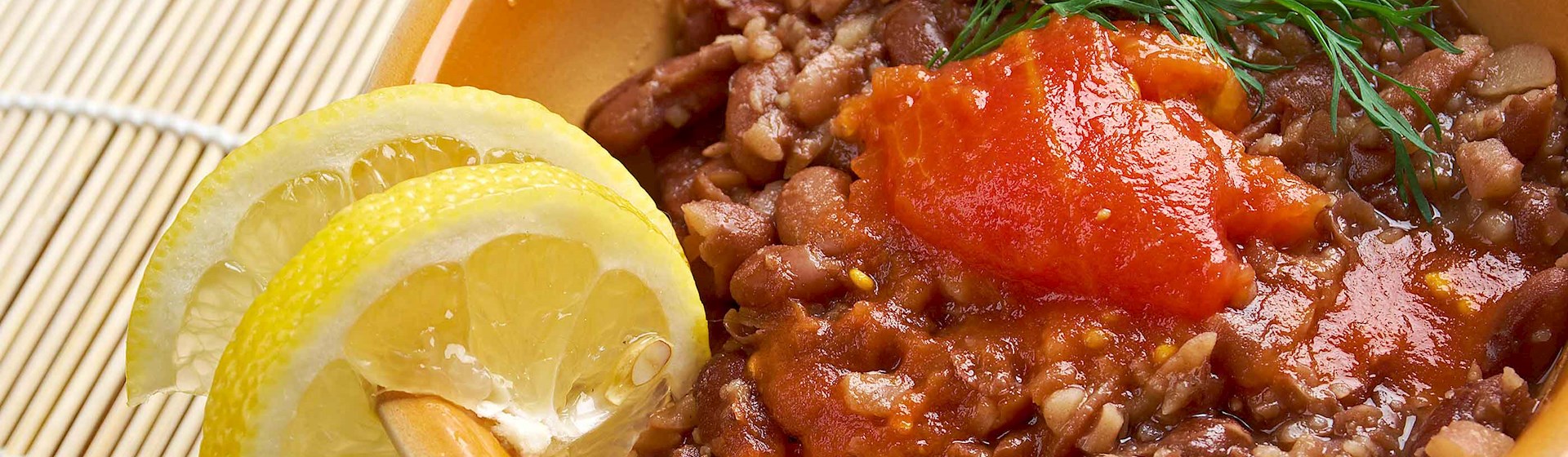
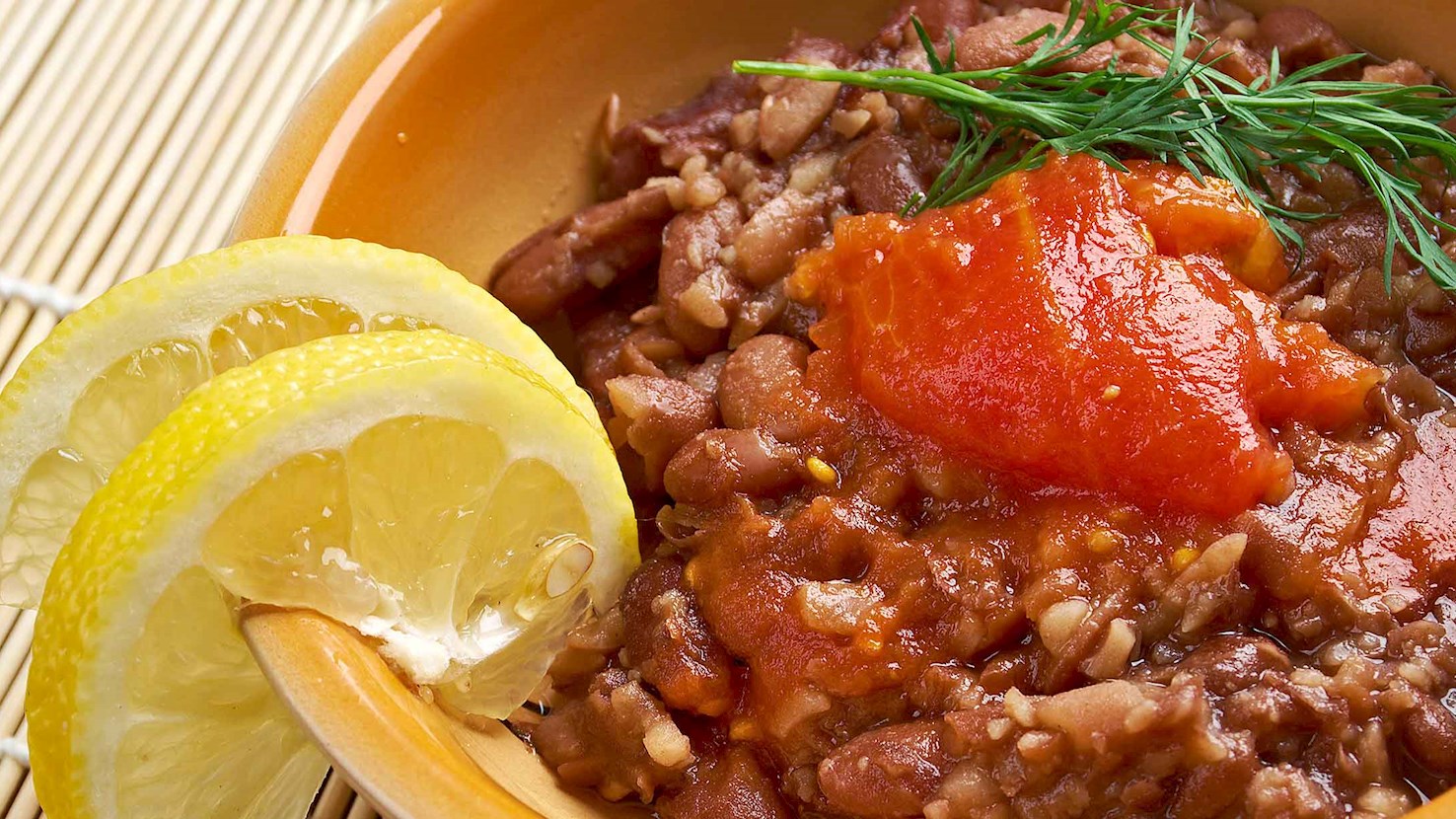
Ful medames is an ancient, pre-Ottoman and pre-Islamic national dish of Egypt, a traditional breakfast food consisting of slowly simmered fava beans seasoned with a squeeze of lemon juice, olive oil, garlic, and selected spices. Some remnants of the dish were found in the 12th Dynasty Pharaonic tombs in Egypt, and any food that has been found in an ancient tomb must have been a wildly popular culinary treat. Because it is a breakfast food that is also good for breaking the fasting, the dish is extremely popular during Ramadan. Although it's an Egyptian dish, it is also prepared throughout North Africa and the Middle East. Ful medames is a staple of the Egyptian diet, so much that the price of beans is regulated by the government in order to ensure that they are affordable to the poorest citizens. The creamy, earthy stew is usually spiced with the addition of chilis and cayenne pepper. It is recommended to prepare it a day in advance because the beans need to be soaked and cooked overnight. When eaten, the hearty stew is traditionally served out of big metal jugs, and once on the plate, it is often mopped up with pieces of fresh pita bread and topped with pickled beets, parsley, onions, tomatoes, and cumin. Filling, savory, nutritious, and easy to prepare, ful medames is a literal blast from the past.

03

Kafteji

4.1 ·

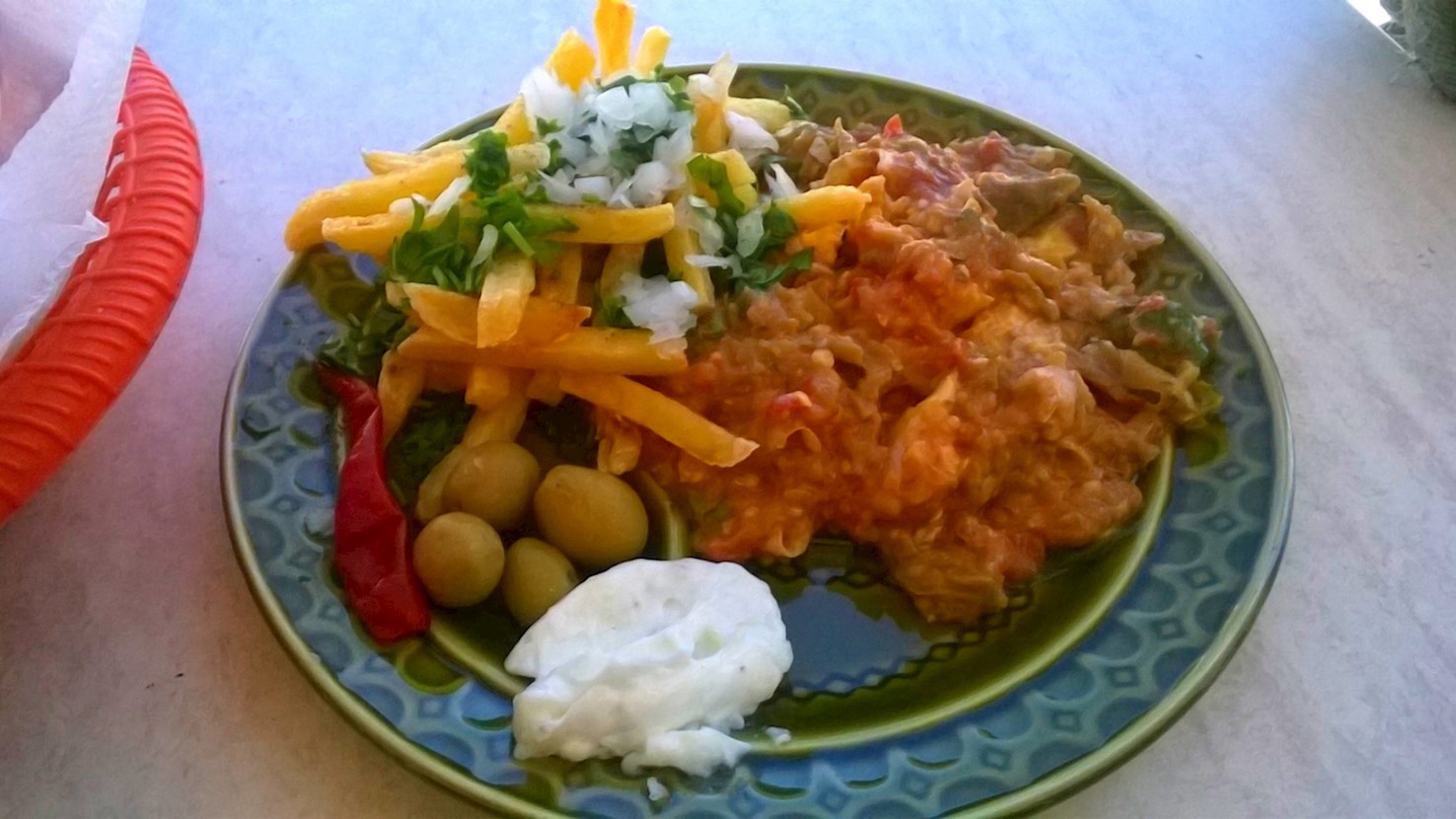
Kafteji is a traditional dish made with fried vegetables. Typical veggies used in the dish include eggplants, bell peppers, potatoes, tomatoes, zucchinis, and pumpkins. The vegetables are fried, chopped, then combined with (often fried) eggs and seasonings. The dish is often sprinkled with parsley or coriander, and it's then served as a side to poultry or fish, although it can be eaten as it is. Kafteji is also a popular Tunisian street food, often served in a baguette.

04

Loubia

4 ·

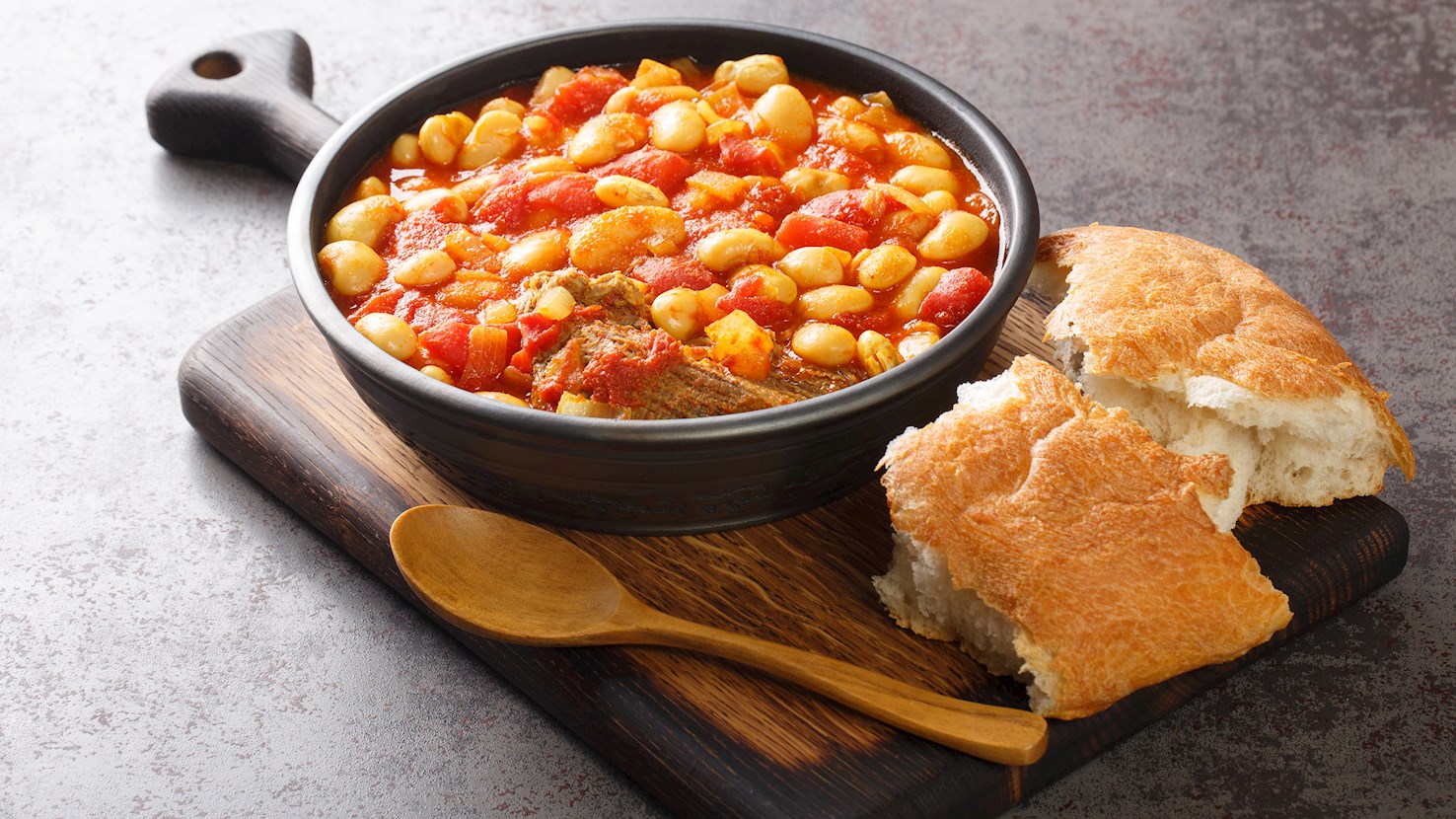
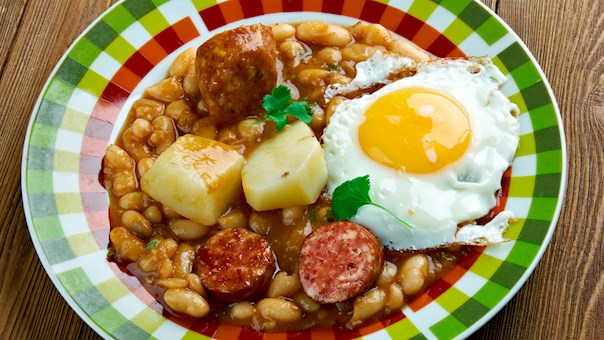
Loubia is a traditional North African dish consisting of stewed white beans. This dish is very popular in Moroccan, Tunisian, Algerian, and Libyan homes, where the beans that have been simmered in a zesty tomato-based sauce are typically scooped up with homemade flatbread. It is comfort food that can be served both as an appetizer, garnished with some coriander or parsley, and as a side dish - especially when used as an accompaniment to fried fish. Simple, quick, and delicious - it is unsurprising that loubia is commonly found in homes throughout Maghreb region.

05

Kik alicha

4 ·

Kik alicha is an Ethiopian dish consisting of a purée made from yellow split peas. The taste is mild and savory, and the dish can be additionally flavored with garlic, turmeric, or ginger. It is recommended to serve kik alicha with rice or injera bread on the side for a wholesome meal.

06

Fossolia

4 ·

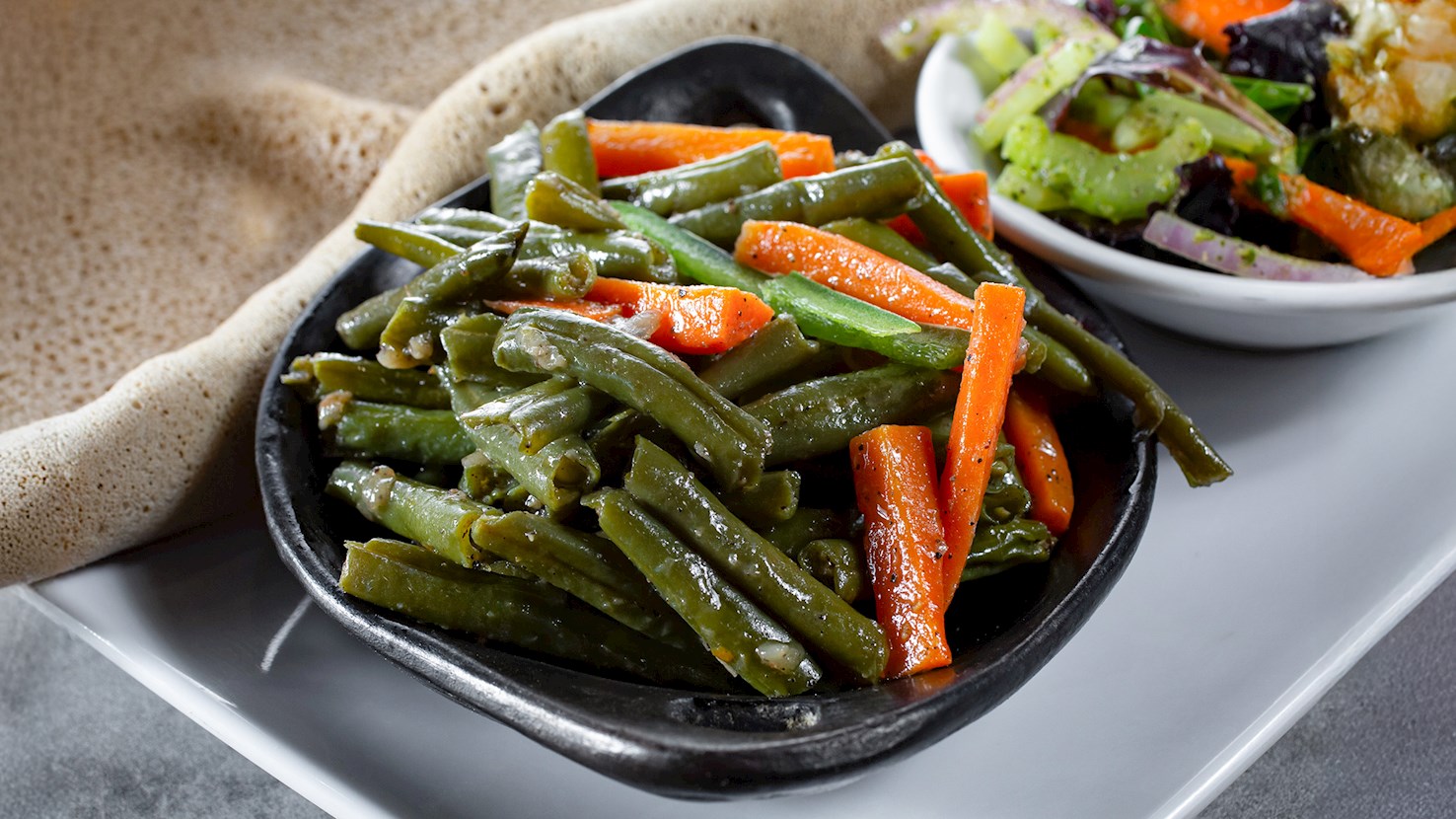
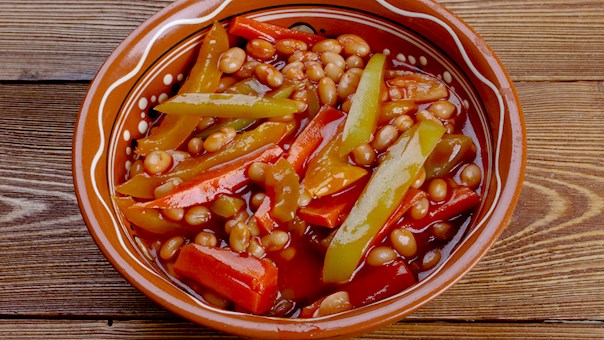
Fossolia is a traditional dish made with green beans as the primary ingredient. Apart from the green beans, the dish also contains onions, garlic, ginger, carrots, and tomatoes. Fossolia is cooked for a long time until the liquids evaporate and the vegetables become very tender. Once cooked, the dish is seasoned with ground pepper, then served as a side dish or on a piece of injera flatbread.

07

Bissara

4 ·

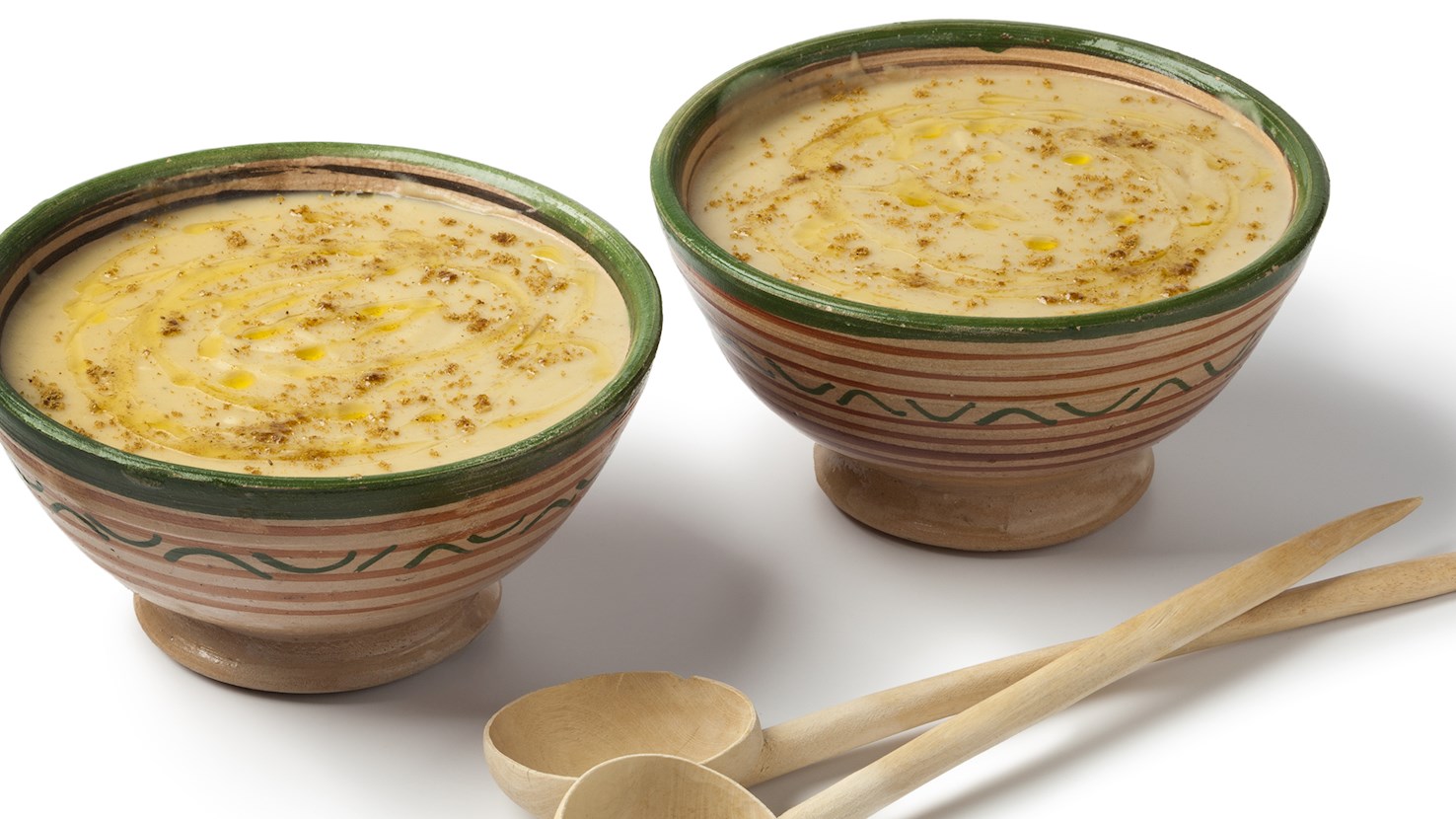
Bissara is a comforting Egyptian and Moroccan dish made with puréed beans – either split peas or dried fava beans. It can be prepared in the form of a soup or porridge, while the thicker versions are commonly used as a dip. The puréed beans are typically seasoned with olive oil, lemon juice, and garlic, and the dish is often served with paprika and cumin on the side, while crusty bread is almost mandatory. Bissara is traditionally served for breakfast, and it is especially popular during winter.

08

Gomen be siga

3.9 ·

Gomen be siga is a traditional dish that consists of sautéed collard greens (gomen) and chunks of beef (siga) as the key ingredients, made with addition of fresh ingredients like clarified spiced butter, and lots of onions and garlic for flavor. Like most Ethiopian dishes, gomen be siga is traditionally paired with injera flatbread. For a spicy kick, the dish can be consumed with awaze chili sauce.

09

Atakilt wat

3.9 ·

Atakilt wat is a traditional dish and a type of wat (Ethiopian stew). It's made with a combination of onions, vegan niter kibbeh, garlic, berbere spices, ginger, carrots, potatoes, and cabbage. The onion and garlic are sautéed in vegan nitter kibbeh, followed by berbere spices, carrots, potatoes, cabbage, and vegetable stock. The stew is simmered until the potatoes are tender, and it's then served garnished with coriander leaves. The dish is served hot, traditionally with injera flatbread on the side which is used to scoop up the stew.

10

Waakye

3.8 ·

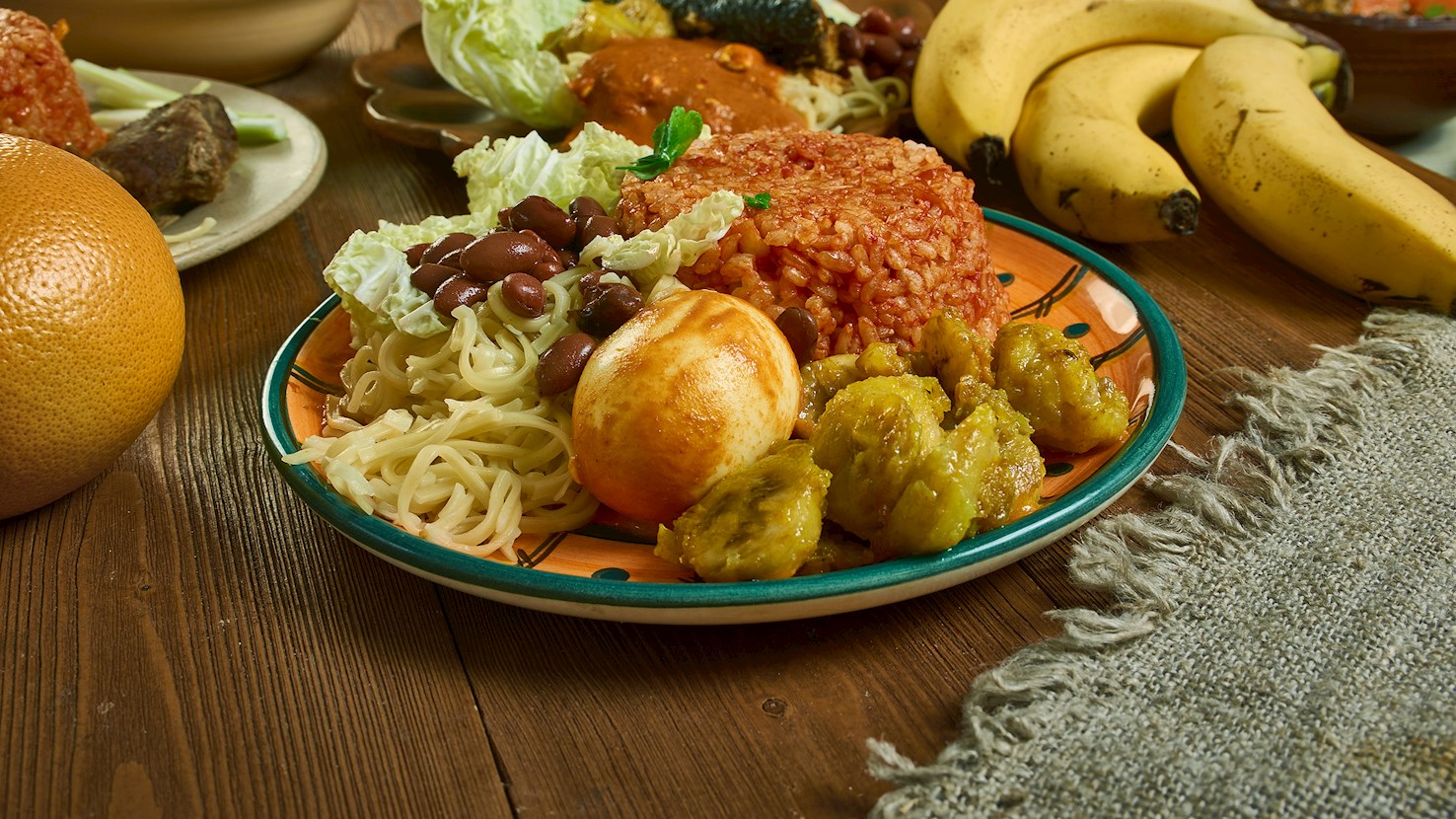
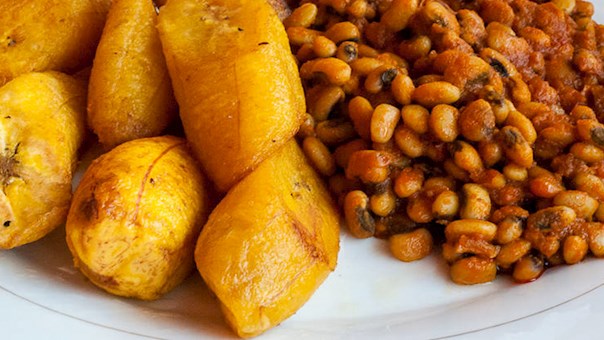
Although it originated in northern parts of Ghana, the rice-and-bean-based dish known as waakye is today consumed on a national level. Whether it's eaten for breakfast or lunch, this dish can be made as rich and as filling as one likes by adding an almost unending list of accompaniments. The most typical ones include fried plantains, the spaghetti-like talia, a black pepper sauce called shito, boiled eggs, avocados, a tomato-based soup which contains meat, and gari foto — a mashed sauce made with finely grated cassava. This versatile dish is a favorite street food and comes served on a large waakye leaf.

11

Kizaca

3.8 ·
12

Delele

3.6 ·
13

Couscous bil-bosla

3.6 ·
14

Red red

3.5 ·
15

Cachupa

3.5 ·
16

Chakalaka

3.5 ·
18

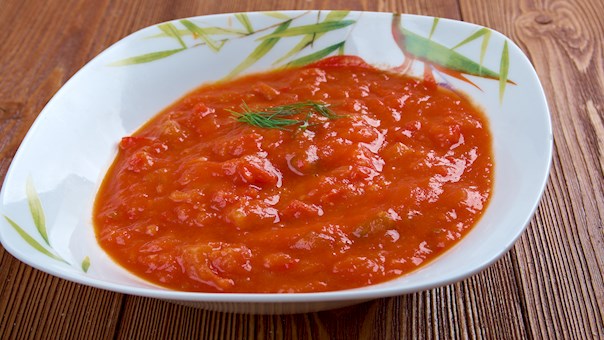
Matbucha

2.9 ·
19

Moin moin

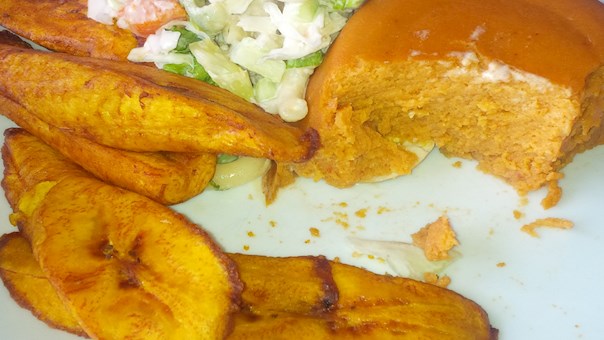
2.8 ·
20

Daraba

2.8 ·
Read more
View all
View map
About this ranking

TasteAtlas food rankings are based on the ratings of the TasteAtlas audience, with a series of mechanisms that recognize real users and that ignore bot, nationalist or local patriotic ratings, and give additional value to the ratings of users that the system recognizes as knowledgeable. For the “Top 54 African Vegetable Dishes” list until June 15, 2026, 1,610 ratings were recorded, of which 546 were recognized by the system as legitimate. TasteAtlas Rankings should not be seen as the final global conclusion about food. Their purpose is to promote excellent local foods, instill pride in traditional dishes, and arouse curiosity about dishes you haven’t tried.

Similar lists