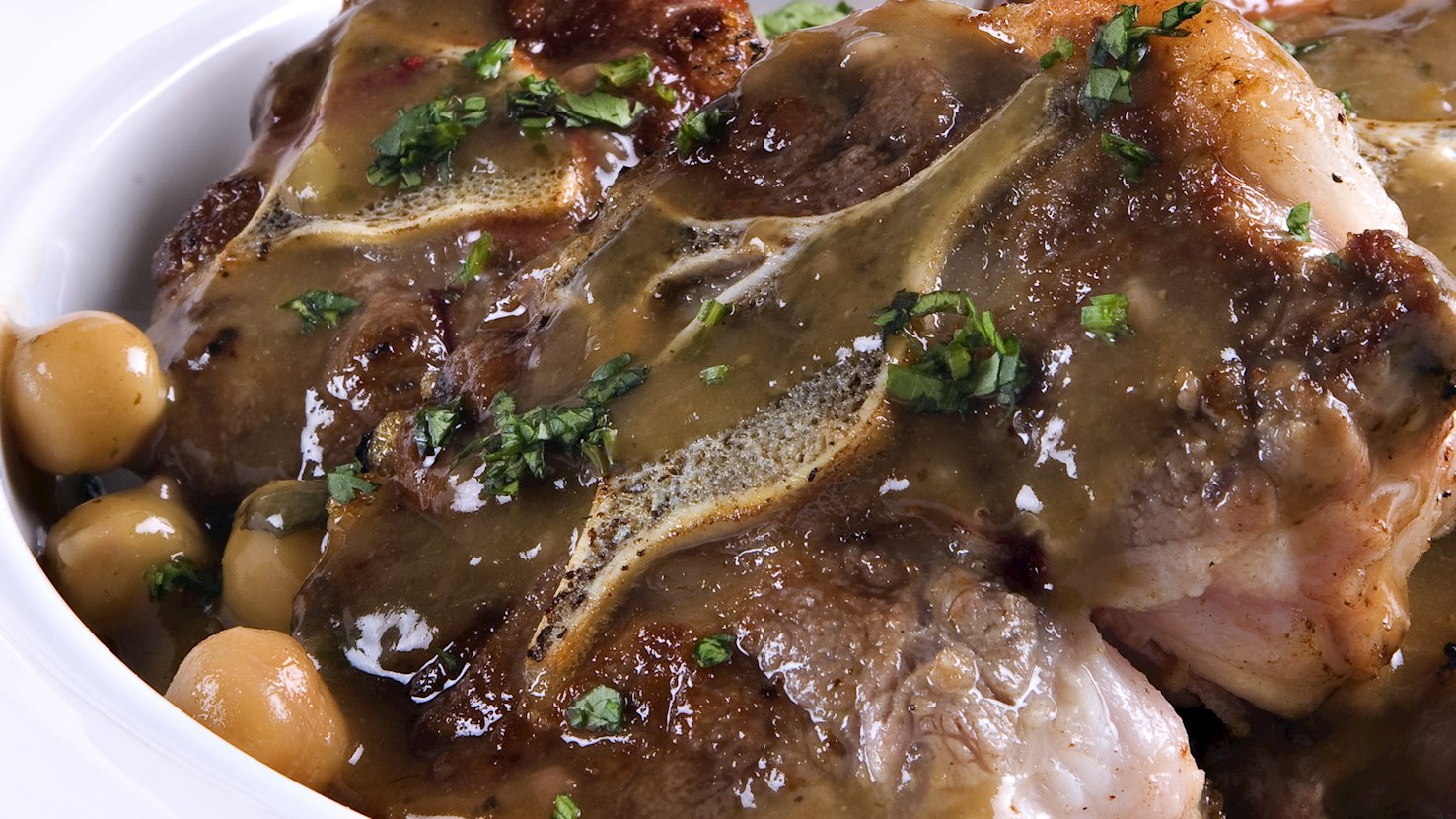
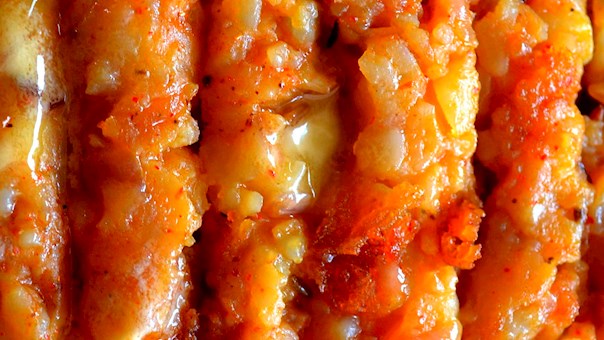
Oxtail with broad beans in Jamaica is a slow-cooked dish made from seasoned oxtail braised with butter beans, aromatics, and herbs until the meat becomes tender and the sauce thickens through natural gelatin released during cooking. It is prepared across the island in homes, canteens, and small restaurants, and is one of the most widely recognized Jamaican stews. The dish developed as cooks made use of oxtail, a cut that required long cooking but offered strong flavor and richness, and combined it with imported canned butter beans, which became readily available in Jamaican shops during the twentieth century and blended easily into the stew. The preparation reflects the influence of Afro-Caribbean cooking techniques centered on slow braising, seasoning with allspice and thyme, and creating a thick, savory gravy that pairs well with starchy sides common in the region. Preparation begins by cutting the oxtail into sections, seasoning them with salt, pepper, allspice, garlic, thyme, and often browning sauce or soy sauce for color. The meat is usually browned first to develop flavor, then simmered in water or stock with onions, scallions, carrots, and Scotch bonnet pepper placed whole or pierced for controlled heat. As the stew cooks, the collagen in the oxtail thickens the liquid, creating a gravy-like sauce. Butter beans are added toward the end so they remain intact but take on the flavor of the broth. Some cooks add a small amount of flour or cornstarch if they prefer a thicker sauce, though many rely solely on the natural gelatin from the meat. The combination of slow-cooked oxtail and soft beans gives the dish a characteristic contrast between rich, sticky meat and tender legumes. Oxtail with broad beans is eaten throughout Jamaica and in Jamaican communities abroad, often served with rice and peas, plain rice, fried dumplings, or boiled ground provisions such as yam or banana. It appears on lunch menus, at family gatherings, and at weekend cookshops where long-cooked stews are common. Beverage pairings include sorrel drink, ginger beer, dark rum, or simple iced water, depending on the setting. When served in restaurants or at home, the dish is often accompanied by sliced vegetables or a small salad to provide contrast to the richness of the stew.
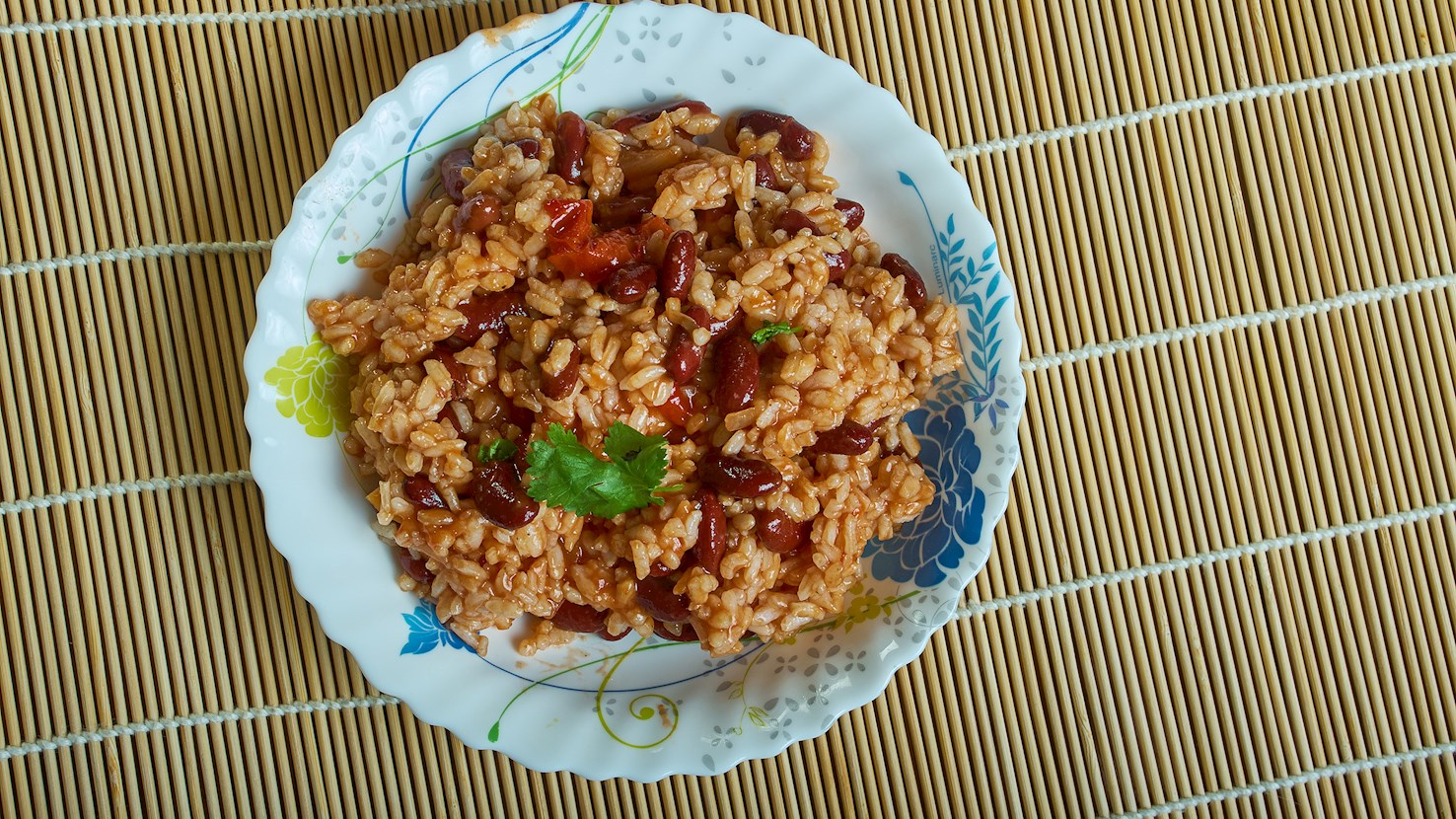
Arroz y habichuelas is a simple and traditional Puerto Rican dish. It consists of rice and beans flavored with bacon or ham, sofrito, tomato purée, spices, and (optionally) olives. In Puerto Rico, it is typically served as a side dish, but it can also be served on its own. Throughout Central and South America, there are numerous variations and twists on this simple side dish, beloved for its protein content which comes from the beans.
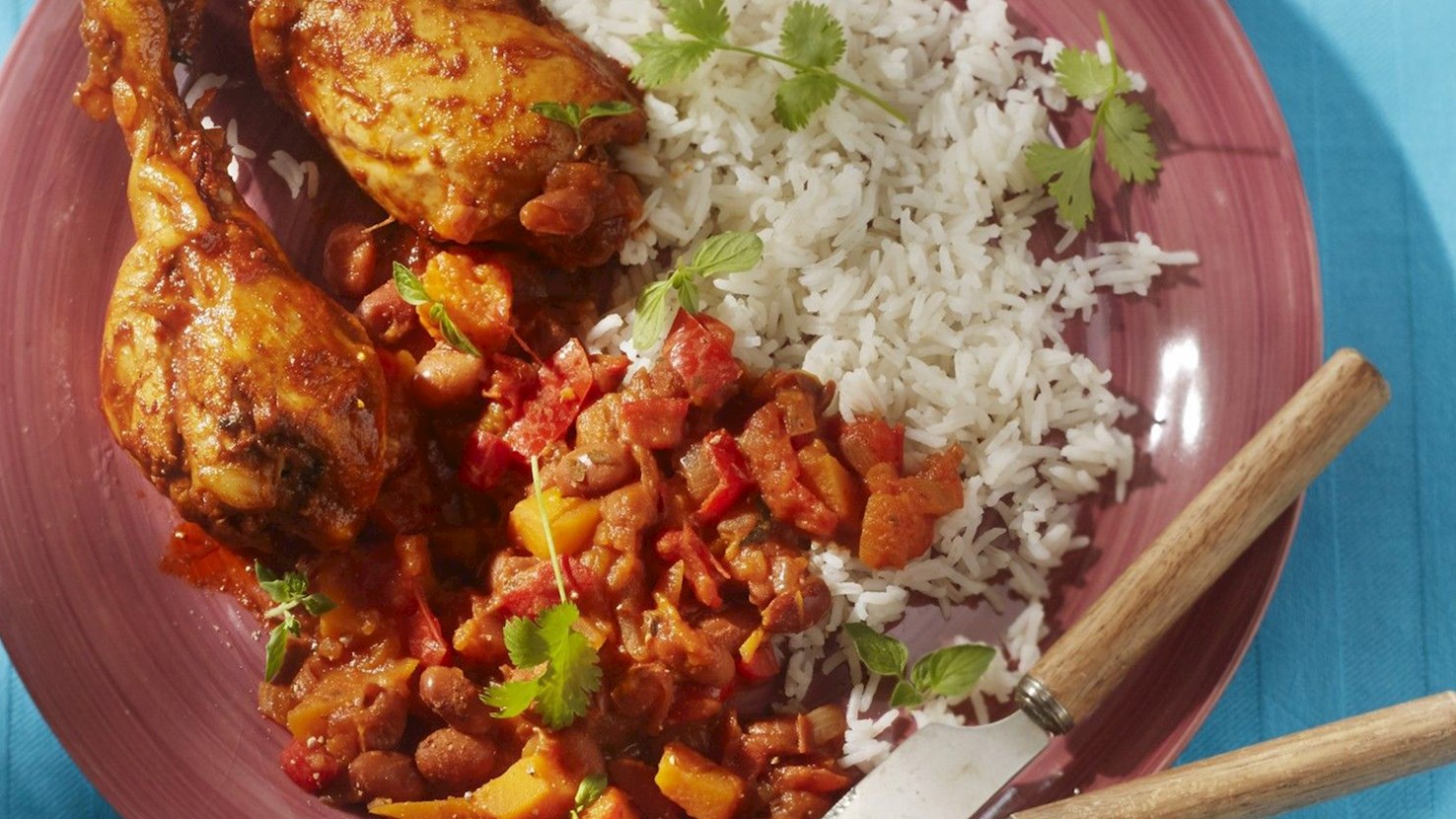
Dominican food is a unique mixture of African, Spanish, and Taino Indian influences, without spiciness but with a lot of herbs and sauces. La bandera Dominicana (literally translated as the Dominican Flag) is one such dish and a staple of Dominican cuisine. Similar to many Latin dishes, it starts with stewed beans and white rice, with the addition of meat, either stewed or roasted. The rice used in the dish is usually long-grained, cooked until it gets tender and dry on the exterior. It is mandatory to create a bit of concon - a dry, golden and crispy layer of rice, slightly burnt on the bottom of the pan. The beans are cooked in a savory tomato sauce with herbs, onions, garlic, celery, plantains, and squash. Dominicans choose chicken as the most popular meat in the dish since it is the cheapest option available, but beef, pork, and goat are all viable options. If the meat is stewed, the sauce is made from tomatoes and onions, and the meat is first caramelized on some burnt sugar in the bottom of the pan. When the plate is full of ingredients, it's time for side dishes, and Dominicans have a huge variety of those, such as salads, crispy-fried green plantains, corn fritters, or fried eggplant.
Diri ak pwa, also called diri kole ak pwa, is the national dish of Haiti, consisting of rice and beans. The dish became a common, everyday staple during the period of slavery, when rice and beans were two of the few ingredients that were fed to the slaves by their owners. It can be made with a variety of beans, but pinto, red kidney beans, and black beans are the most common options. Diri ak pwa is exceptionally nutritious as rice is rich in starch and contains iron, vitamin B, and protein, while the beans also contain iron and a greater amount of protein than rice. When combined, they make a complete protein. A true Haitian classic, you can see diri ak pwa eaten everywhere on the island, and as the locals say "A meal is not a meal without a side of rice and beans." Even though the dish is tasty and nutritious on its own, Haitians often serve it with a lot of sauce, and it is best paired with Creole chicken or topped with red snapper, tomatoes, and onions. Another interesting accompaniment to diri ak pwa is bouillon, a hearty stew consisting of tomatoes, potatoes, spices, and goat or beef meat.
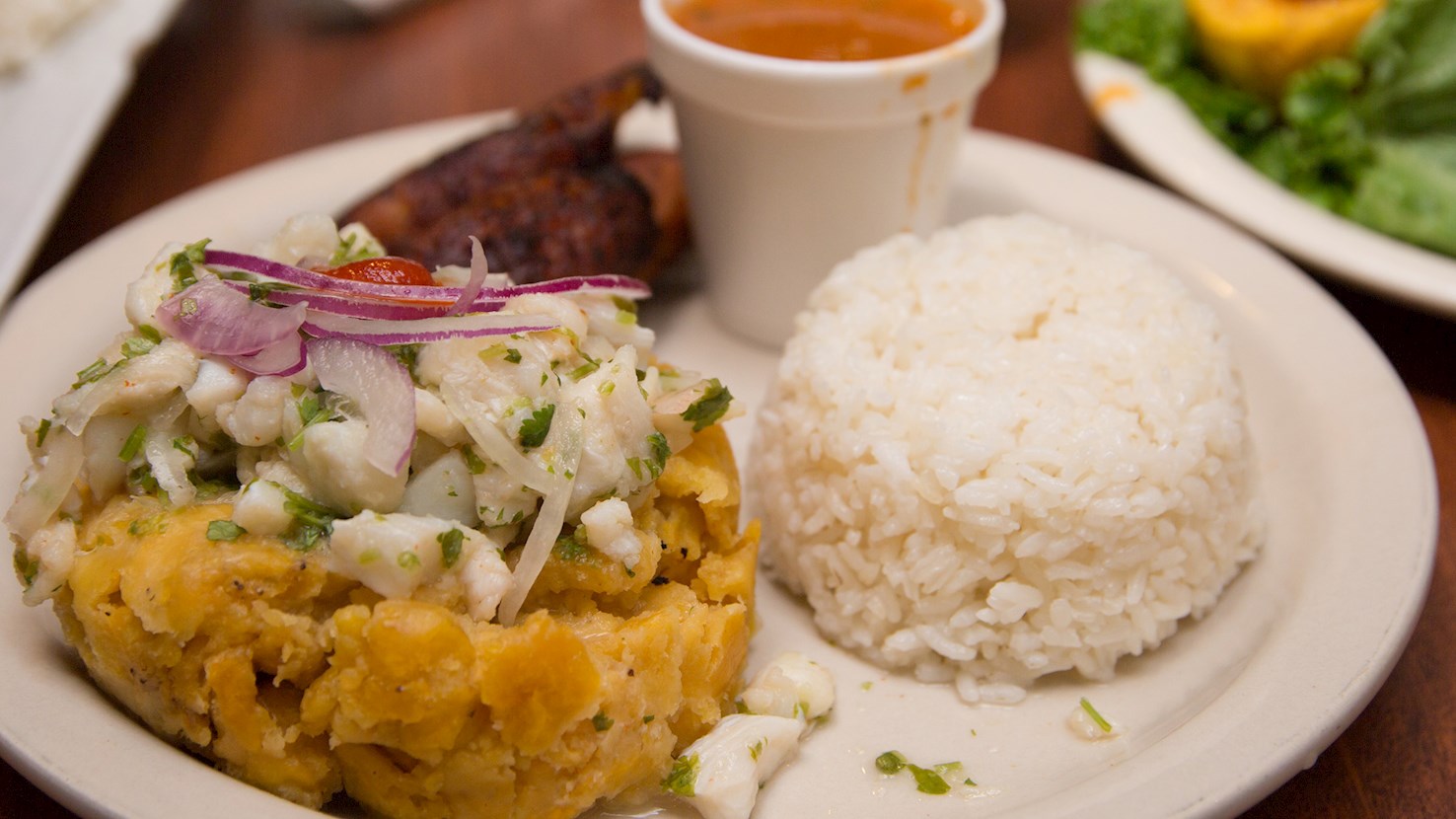
Mofongo is a Puerto Rican dish made from fried unripe plantains which are then pulverized or mashed. The starchy dish can be further enriched by the addition of ingredients such as lobster, prawns, garlic, chicken, or bacon. Although mofongo is Puerto Rican, it has African origins, as it was originally brought to Puerto Rico by slaves from Western and Central Africa. Today, it is also popular in Cuba and the Dominican Republic, where it's called mangu, and the plantains are not fried but boiled. Mofongo is usually consumed as a main dish, served with broth and fried meat, due to its starchiness that is ideal for absorbing all of the flavorful juices.
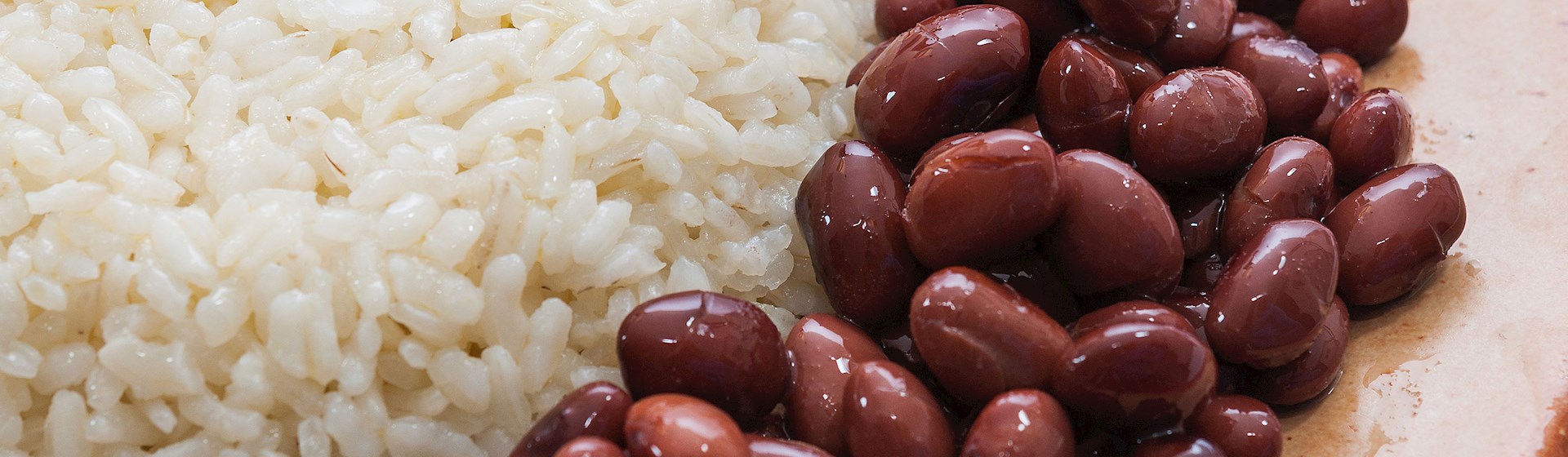
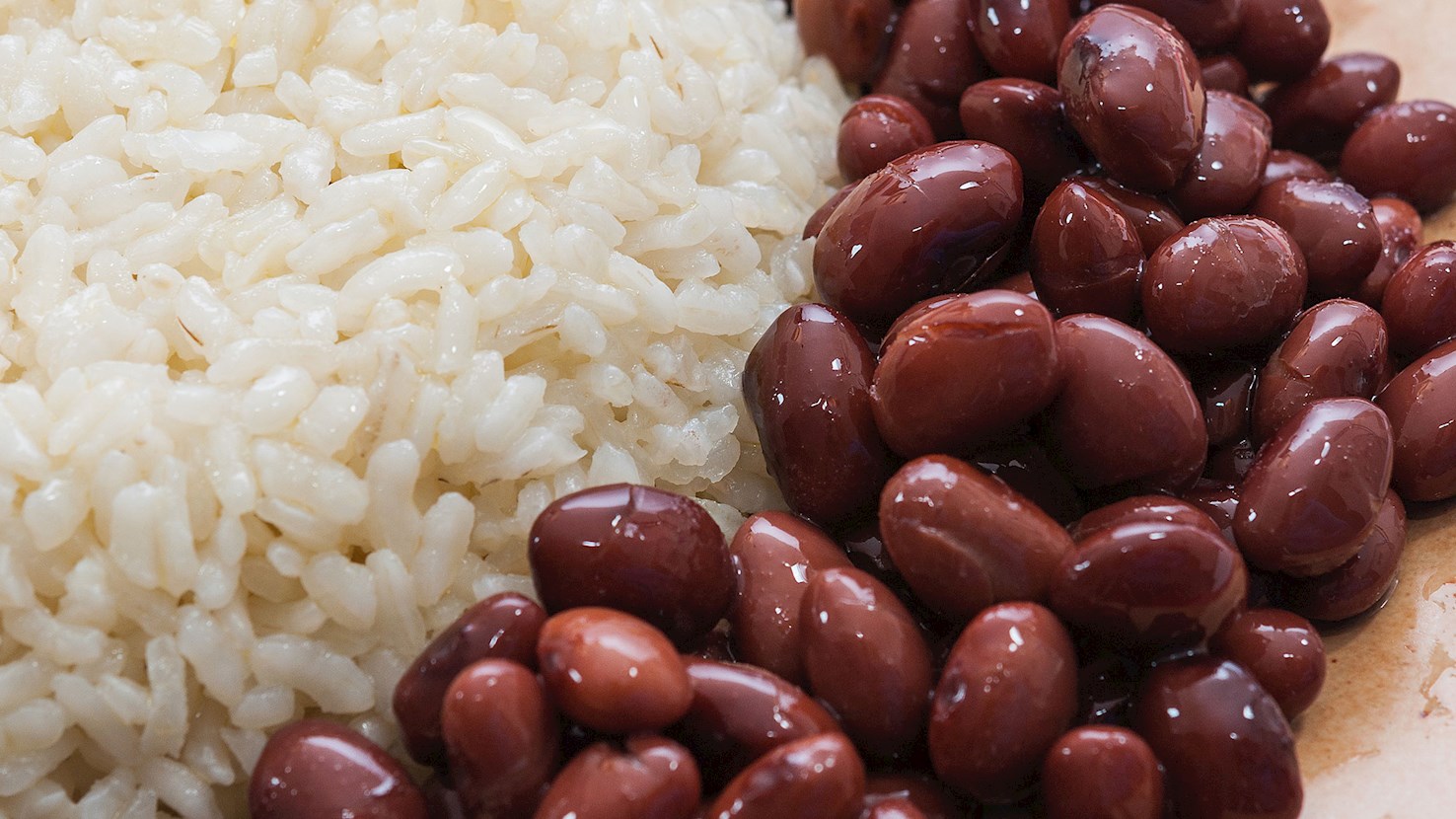
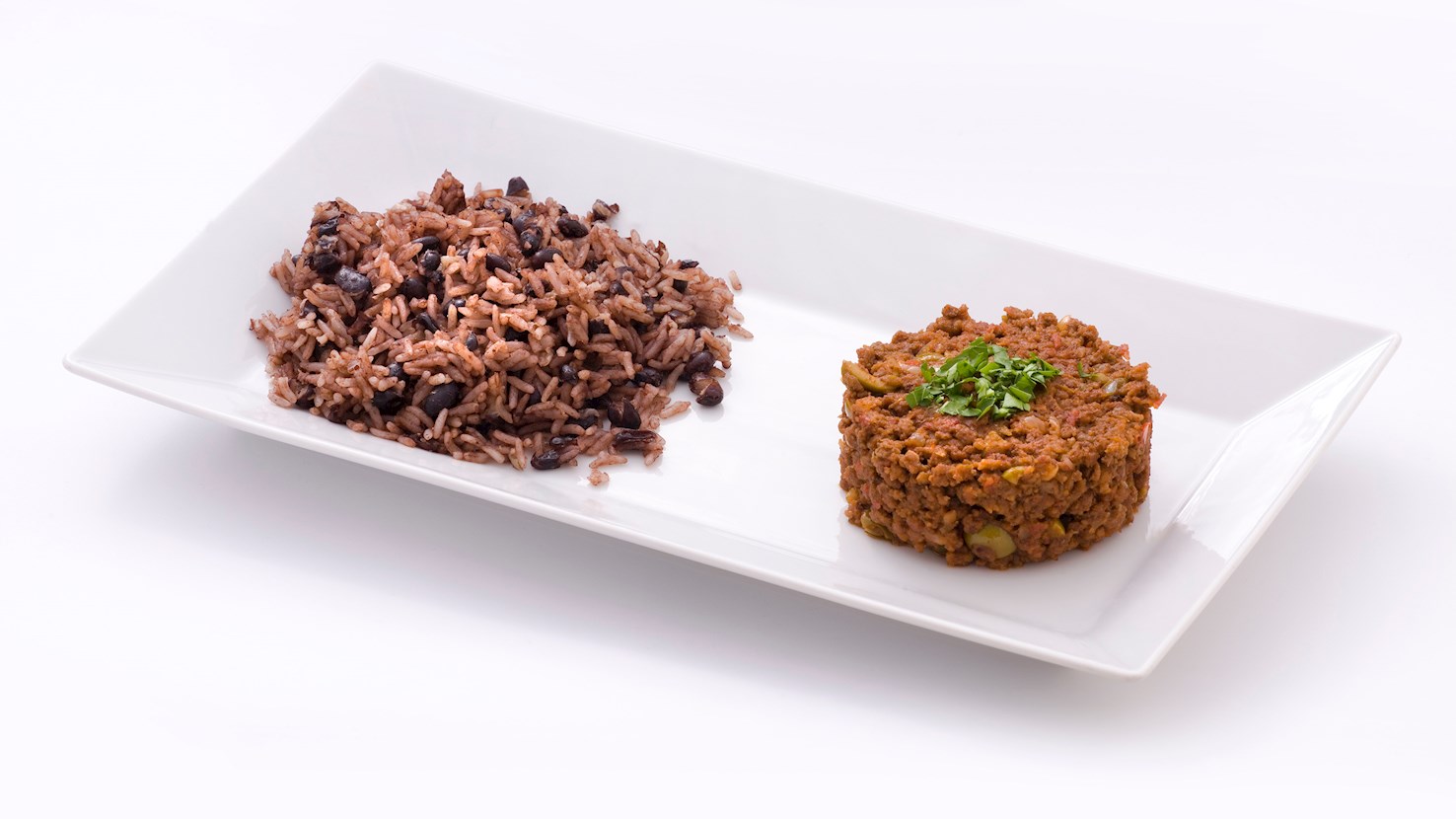
Platillo Moros y Cristiano, roughly translated as Moors and Christians dish - a poetic name referring to history, is the national dish of Cuba, a hearty combination of fluffy white rice and seasoned black beans, cooked together in the same pot. Moros y Cristiano is originally Spanish, and it spread to Cuba with its strong Spanish, Caribbean, and North African influences. White rice represents the Spanish Christians, while black beans are supposed to be the Muslim Moors, remembering a long period of wars between the two, known as Reconquista, and celebrating how both groups came to reconciliation in the Iberian Peninsula. The dish is found everywhere in Cuba, and you can't go to any restaurant, home, or street corner without it appearing in some form, so it is not unusual that there are as many recipes for the dish as there are Cuban people with cooking skills.
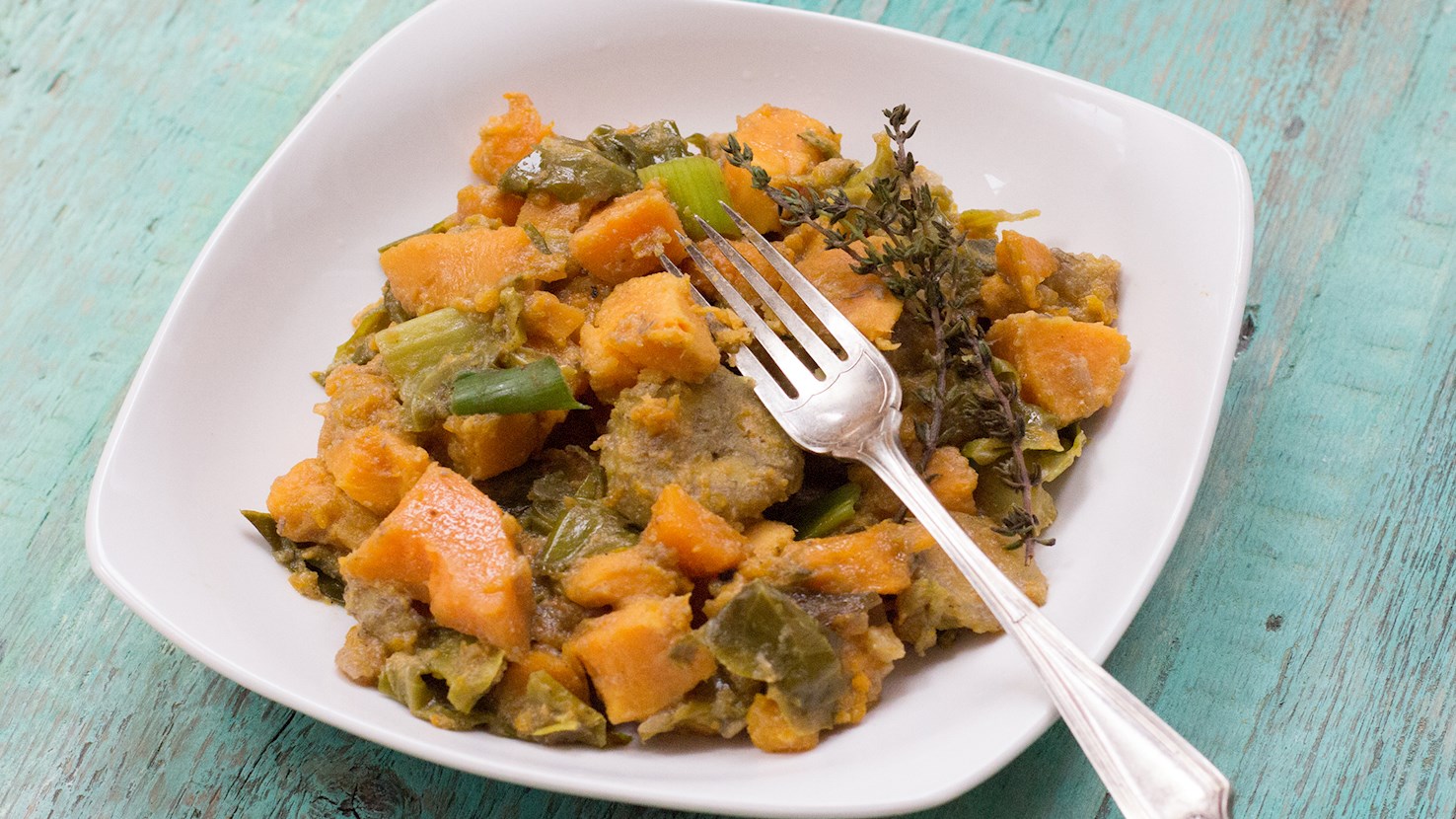
Ital stew is a plant-based Jamaican dish prepared with vegetables, legumes, coconut milk, herbs, and natural seasonings, cooked without meat and often without salt. The name “Ital” refers to the Rastafarian dietary principle that food should be vital, pure, and derived directly from natural sources, avoiding processed ingredients, artificial additives, or anything seen as diminishing the life force of the eater. Ital food is therefore centered on whole foods, minimal intervention, and methods that preserve the integrity of the ingredients. Ital stew appears in homes, community gatherings, and Ital cookshops, and has become widely recognized outside Jamaica as one of the core expressions of Rastafarian cooking. Its development is linked to the growth of Rastafari in the mid-twentieth century, when adherents shaped dietary practices to align with spiritual beliefs that emphasize natural living and a close relationship with the earth. As Ital cooking spread in urban and rural areas, the stew evolved into a flexible preparation that accommodates local produce such as pumpkin, callaloo, beans, and ground provisions. Preparation begins with a base of onions, scallions, garlic, thyme, and Scotch bonnet pepper, which are sautéed in coconut oil or cooked directly in coconut milk. Vegetables such as pumpkin, carrots, okra, and chocho are added along with red peas or broad beans. Coconut milk provides the liquid and helps thicken the stew. Ingredients such as Irish potato or sweet potato may be included to increase the stew’s body. Salt is often omitted or replaced with natural substitutes such as seaweed or celery, in keeping with Ital practice. The stew simmers until the vegetables are tender and the coconut milk reduces to a cohesive, lightly creamy texture. Its character depends on the use of fresh herbs and natural seasonings rather than manufactured sauces. Ital stew is eaten across Jamaica, especially in Rastafarian communities and in Ital restaurants that focus on plant-based meals. It is served with rice, bulgur, quinoa, or boiled ground provisions such as yam and green banana. Beverage pairings include coconut water, herbal teas, sorrel, and fresh fruit juices, all of which align with the emphasis on unprocessed foods and complement the clean, earthy flavors of the stew.
Moro de habichuelas is a traditional way of preparing rice and beans in the Dominican Republic, and it's also one of the most commonly prepared dishes in the country. Although any kind of beans can be used in the dish, it's most often made with red or pinto beans, while fava beans, pigeon peas, white beans, and black beans can also be used. Apart from the beans and rice, other common ingredients include onions, bell peppers, garlic, tomatoes, coriander, oregano, salt, and black pepper. The vegetables are sautéed in oil with the spices, while the rice and beans are added later with water. Once everything becomes tender and fully cooked and the liquid evaporates, the dish is served warm as a side dish or a meal on its own. Moro de habichuelas is also popular during holidays because it can be prepared in a single pot.
Munyeta is a somewhat obscure Cuban dish based on beans. It is made with navy beans, onions, garlic, paprika, ham, bacon, and olive oil. The beans should be soaked, cooked, drained, then combined with other ingredients (which should be sautéed) and mashed. The combination is fried, and it is traditionally garnished with parsley. Munyeta is often served with white rice, plantains, and Cuban bread on the side.
Palmito guisado is a traditional dish originating from the Dominican Republic. This stew is usually made with a combination of cooked heart of palm, garlic, tomatoes, bell peppers, onions, olives, oil, salt, and black pepper. The onions are sautéed in olive oil until translucent, and the remaining ingredients except the heart of palm are then added to the pot. The stew is covered and simmered until the vegetables are fully cooked. The heart of palm is added with some water, and the stew is then simmered uncovered until the liquid becomes reduced to half. Pamito guisado is seasoned with salt and pepper before serving.
TasteAtlas food rankings are based on the ratings of the TasteAtlas audience, with a series of mechanisms that recognize real users and that ignore bot,
nationalist or local patriotic ratings, and give additional value to the ratings of users that the system recognizes as knowledgeable.
For the “Top 11 Caribbean Vegetable Dishes” list until May 15, 2026, 429 ratings were recorded, of which 261 were recognized by the system as legitimate.
TasteAtlas Rankings should not be seen as the final global conclusion about food. Their purpose is to promote excellent local foods,
instill pride in traditional dishes, and arouse curiosity about dishes you haven’t tried.