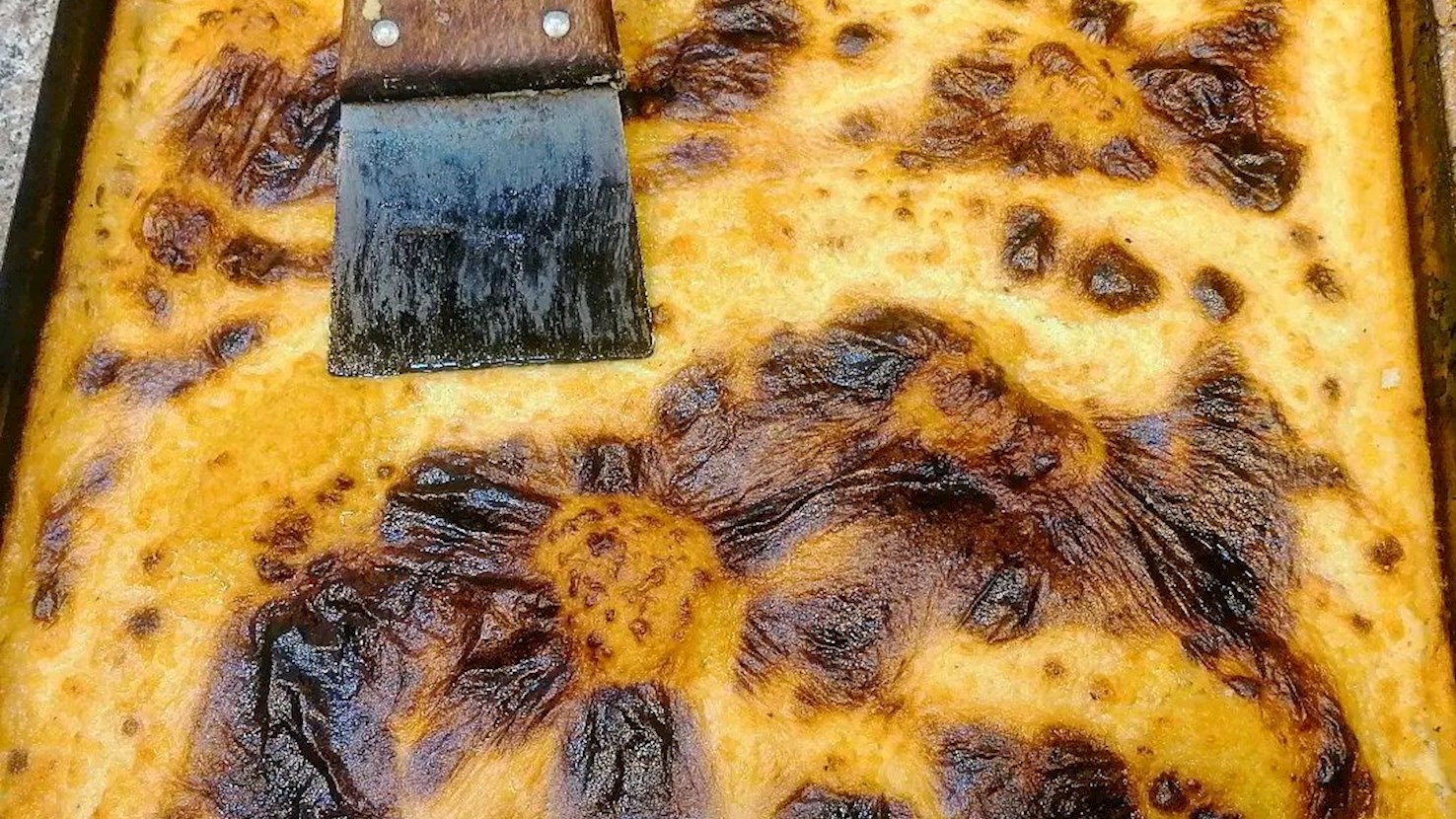
Known as karantika in Algiers and calienté in Morocco, this beloved traditional dish traces its origins back to Spanish influence during the colonial period, as its name is derived from the Spanish word calentita, which means "warm." Over time, what began as a humble, filling meal for the working class evolved into one of Algeria’s and Morocco's most cherished street foods, often enjoyed by people of all ages and backgrounds. The essence of the dish lies in its simplicity and rich, comforting flavor. It is made from a smooth batter of chickpea flour, water, oil, salt, pepper, and eggs, which is then baked until it develops a golden, slightly crisp crust on top while remaining creamy and custard-like inside. Some variations of the recipe include a pinch of cumin or a hint of chili to enhance its depth and warmth. When it comes out of the oven, the dish is traditionally cut into generous squares or wedges and often served tucked into a piece of crusty bread, making it perfect for eating on the go. It is common to find street vendors offering it with a dollop of harissa or a smear of mustard to add a spicy or tangy kick that beautifully complements its mild, nutty flavor. Part of what makes karantika or calienté so beloved is its versatility: it can be enjoyed as a snack, a light lunch, or even a comforting dinner.
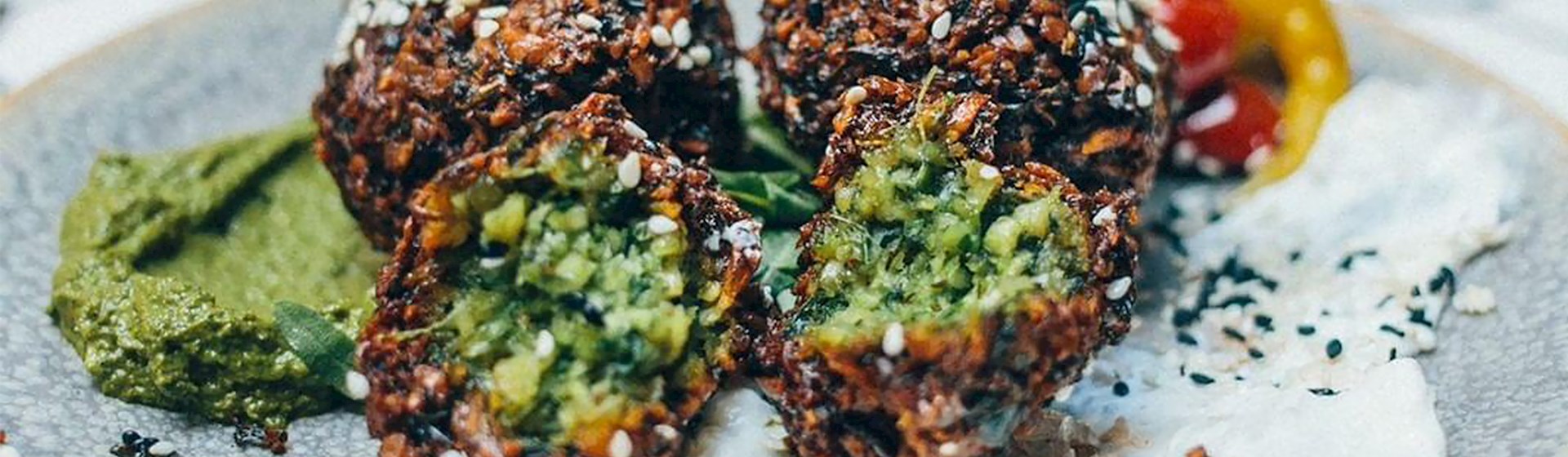
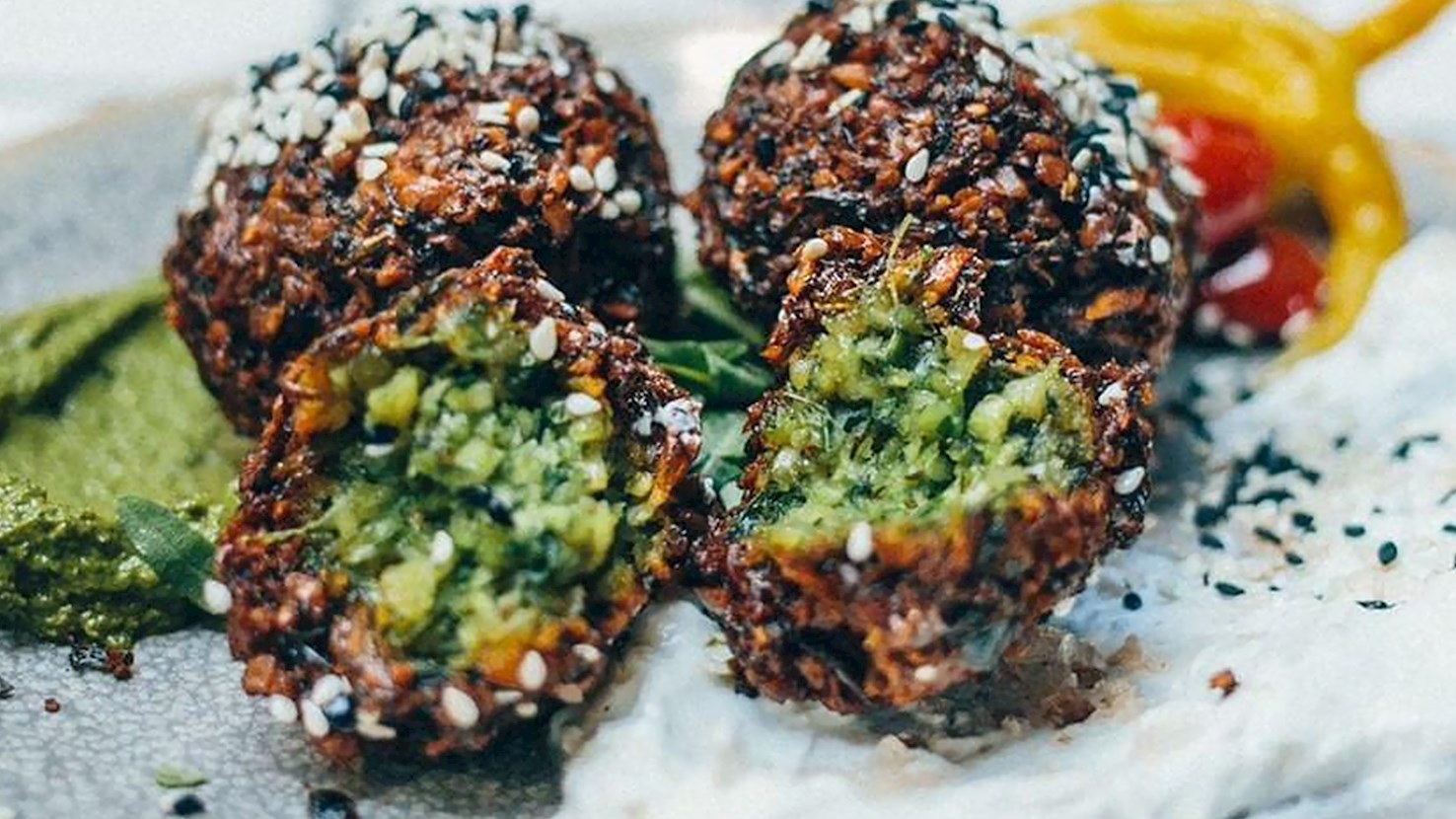
Often touted as the original version of falafels, taameya is an Egyptian variety of the Middle Eastern fritter that calls for fava beans instead of chickpeas. While the exact origin of falafel is debatable, most scholars and food historians agree that taameya has its roots in the Egyptian cuisine. The fava bean mixture is typically flavored with leeks, onions, fresh coriander, parsley, and cumin, and the fritters are usually coated with sesame seeds before frying. Taameya are known for having a lighter, fluffier, and moister texture than other falafel varieties thanks to the use of fava beans. Although they are eaten year-round and are a common street food fare in Egypt, taameya fritters are especially popular during Ramadan. They’re commonly stuffed in warm pita bread sandwiches and paired with accompaniments such as fresh or pickled vegetables, fried eggplants, minty yogurt sauces, hummus dip, and tahini dip.
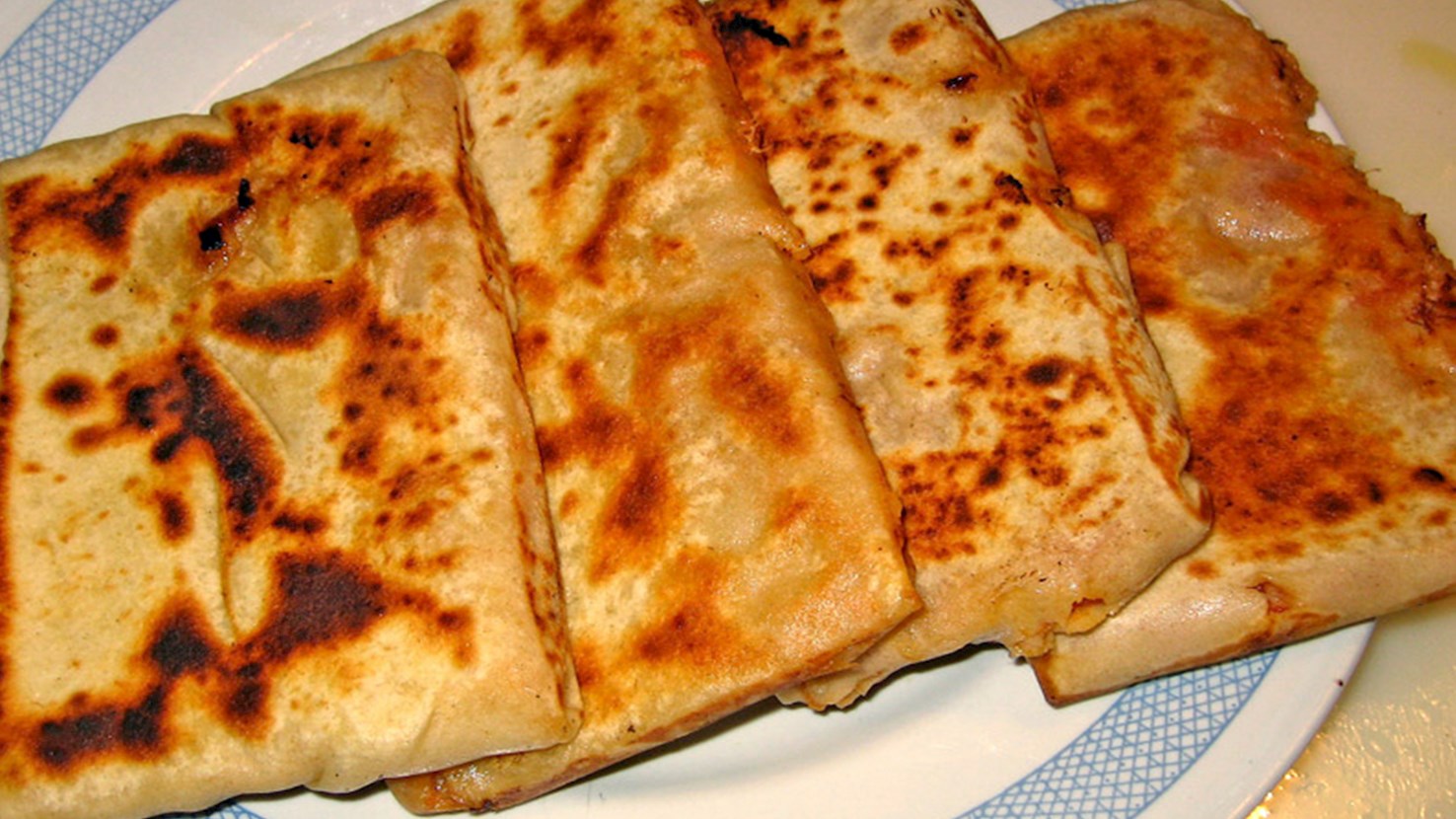
Mahjouba is a traditional flatbread that is one of the most popular street food items in the country. These thick and flaky crepe-like flatbreads are made with semolina, then filled with a combination of tomatoes and caramelized onions. Mahjouba is often paired with harissa sauce on the side, but the condiment is completely optional.
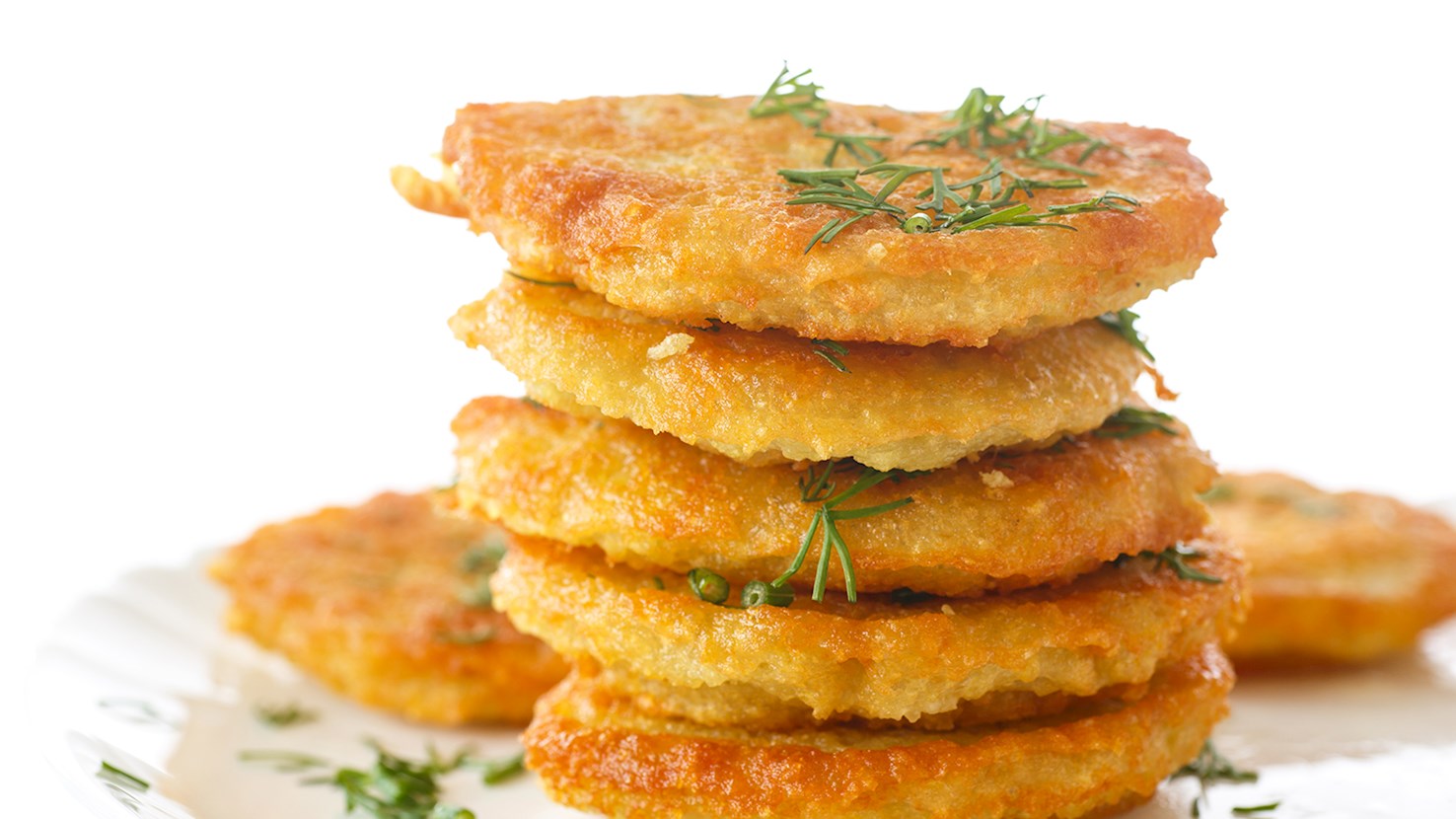
Maakouda are traditional potato fritters that are popular throughout the Maghreb, especially in Morocco, Algeria, and Tunisia. The fritters are usually prepared plain, but they can also be stuffed with meat, tuna, or cheese, although not that often. They're made with potatoes, parsley, garlic, flour, salt, and pepper. The potatoes are boiled, mashed, and mixed with other ingredients into small disks which are then deep-fried in hot oil until golden brown. Maakouda is traditionally served as an appetizer, a side dish, or an ingredient in a long sandwich roll that's usually sold as street food and served with harissa, coriander, and lemon juice. The fritters are especially popular during the month of Ramadan.
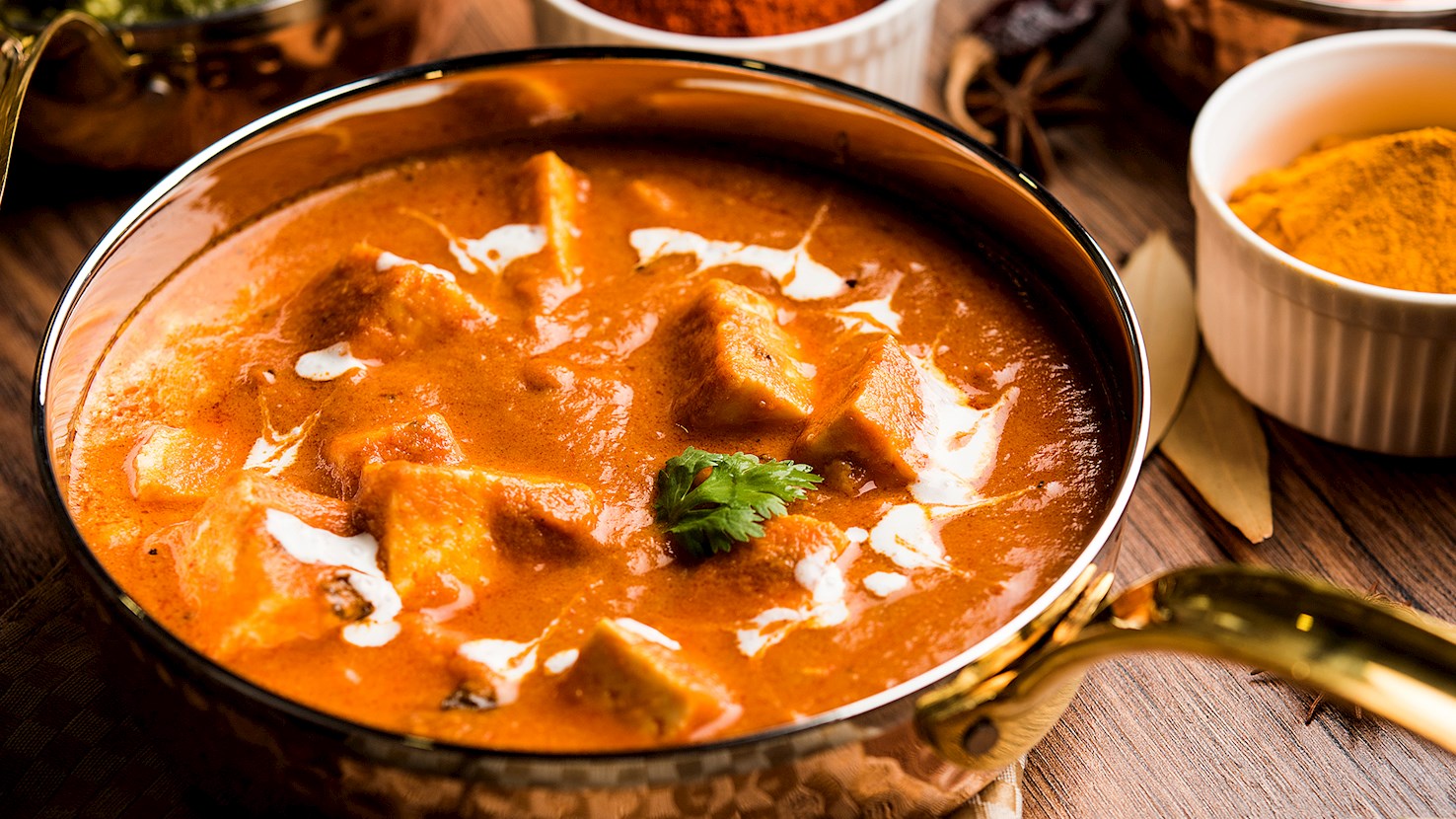
Originating from India's Moghul cuisine, shahi paneer is a cheese curry that is prepared with paneer cheese, onions, cashews, and a rich, spicy tomato-cream sauce. The dish is typically accompanied by Indian breads such as naan, roti, or puri. Often referred to as the Royal paneer, traditionally, it is prepared during special occasions and festivities as a vegetarian main course. Rich, hearty, and nutritious, shahi paneer is commonly garnished with coriander leaves.
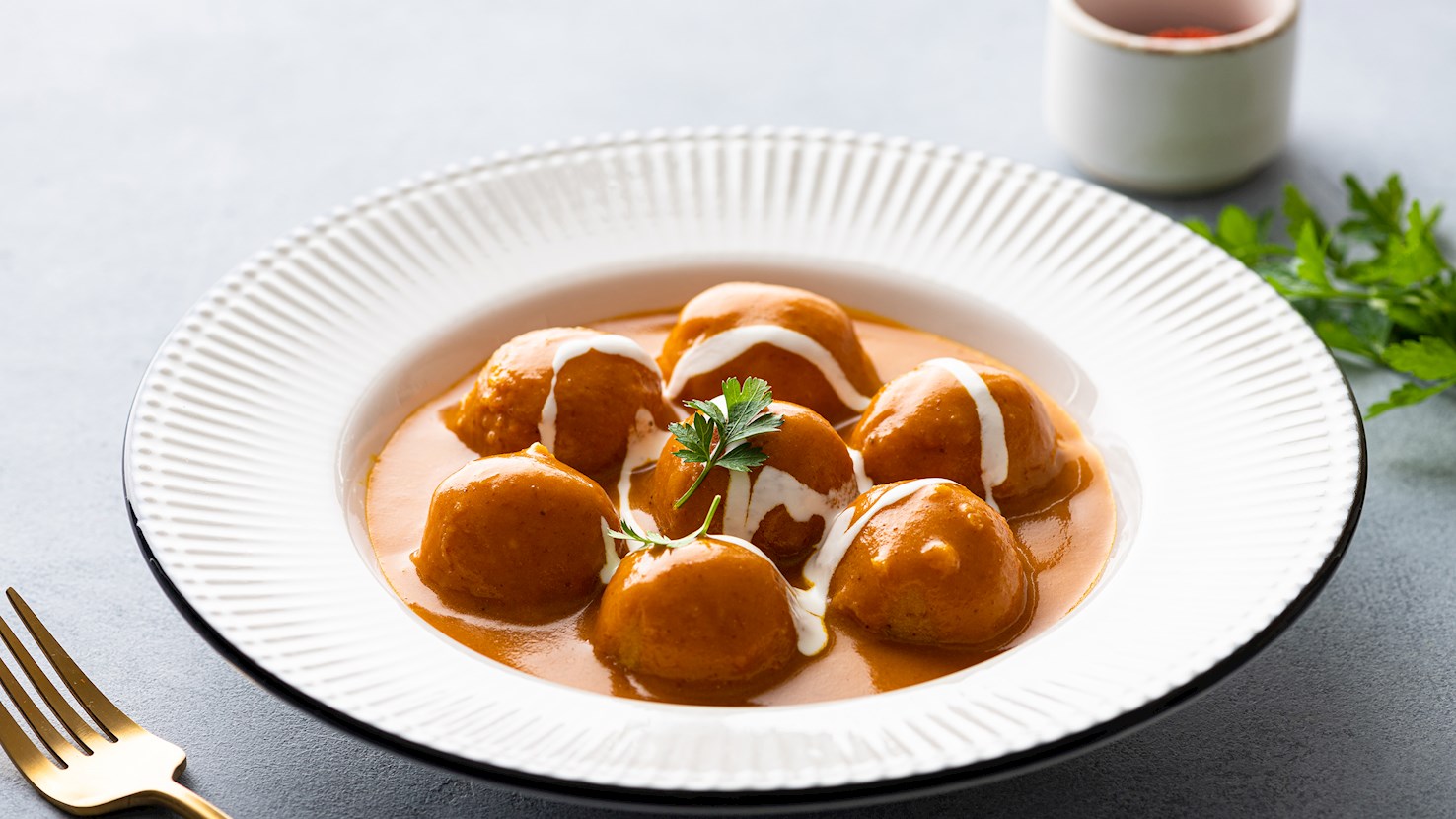
Malai kofta is a traditional North Indian dish consisting of fried potato and paneer balls in a creamy sauce. The dish is commonly served at festivals, celebrations, and weddings due to its rich texture and flavors. A typical dish of Mughal cuisine, developed in Medieval India by the cooks of the Mughal Empire, it is essentially a vegetarian substitute for a meatball curry, malai meaning cream, and kofta meaning dumplings. The dish is often prepared in a unique wok called a kadai, hence the other name of the dish, kadai kofta. Some food historians believe that these deep-fried dumplings have incorporated the influences of Turkish and Persian food cultures within them. The best and most usual accompaniments to malai kofta include naan bread and rice, and the dish is commonly garnished with shredded paneer and chopped coriander.
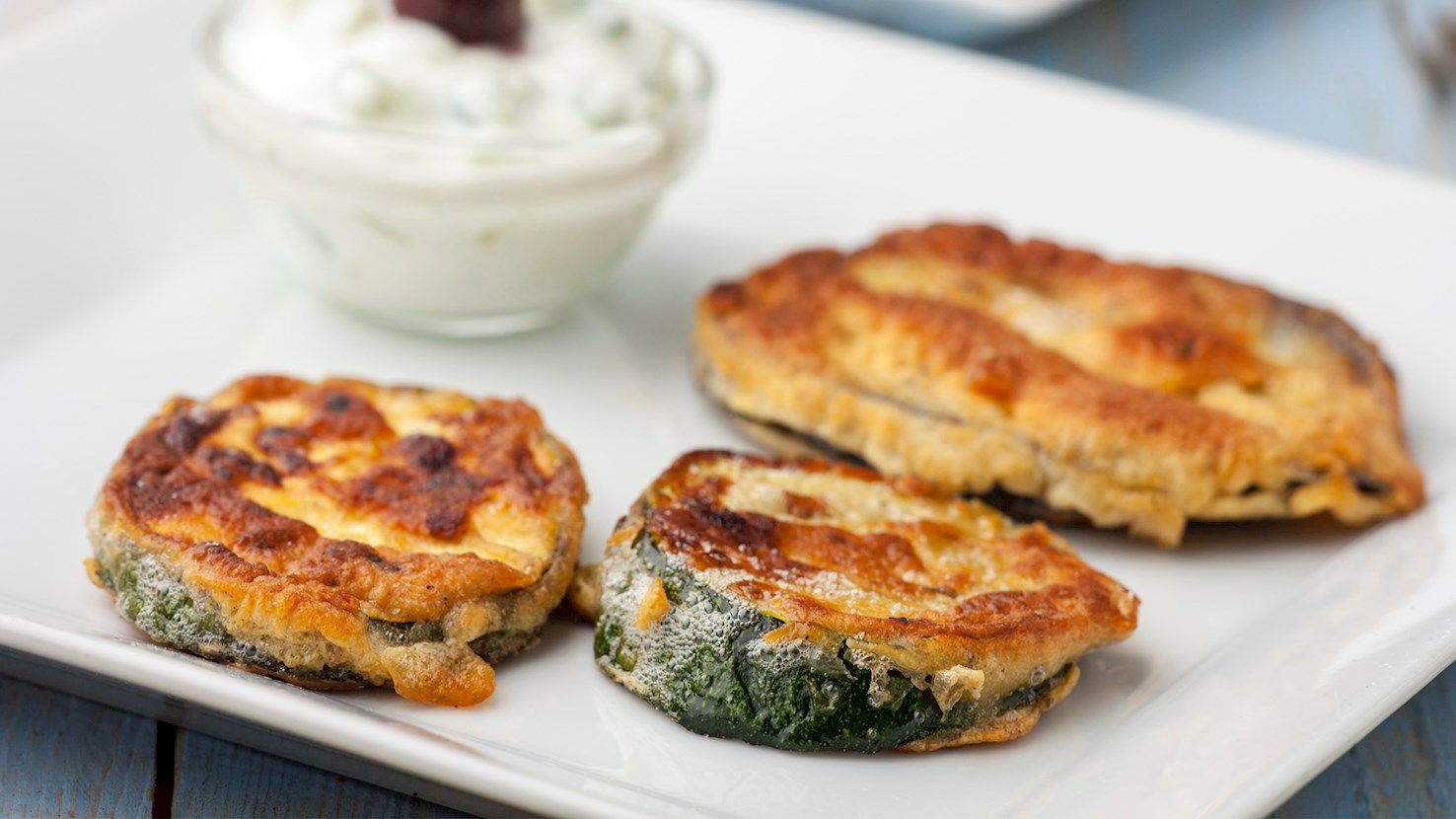
In Greece, fried zucchinis can be enjoyed as a meze or a side dish. The zucchinis are sliced, seasoned, and then simply dusted with flour or dipped in an egg batter before they are fried until crispy and golden. It is recommended to pair them with various dips such as yogurt-based tzatziki or garlicky skordalia.
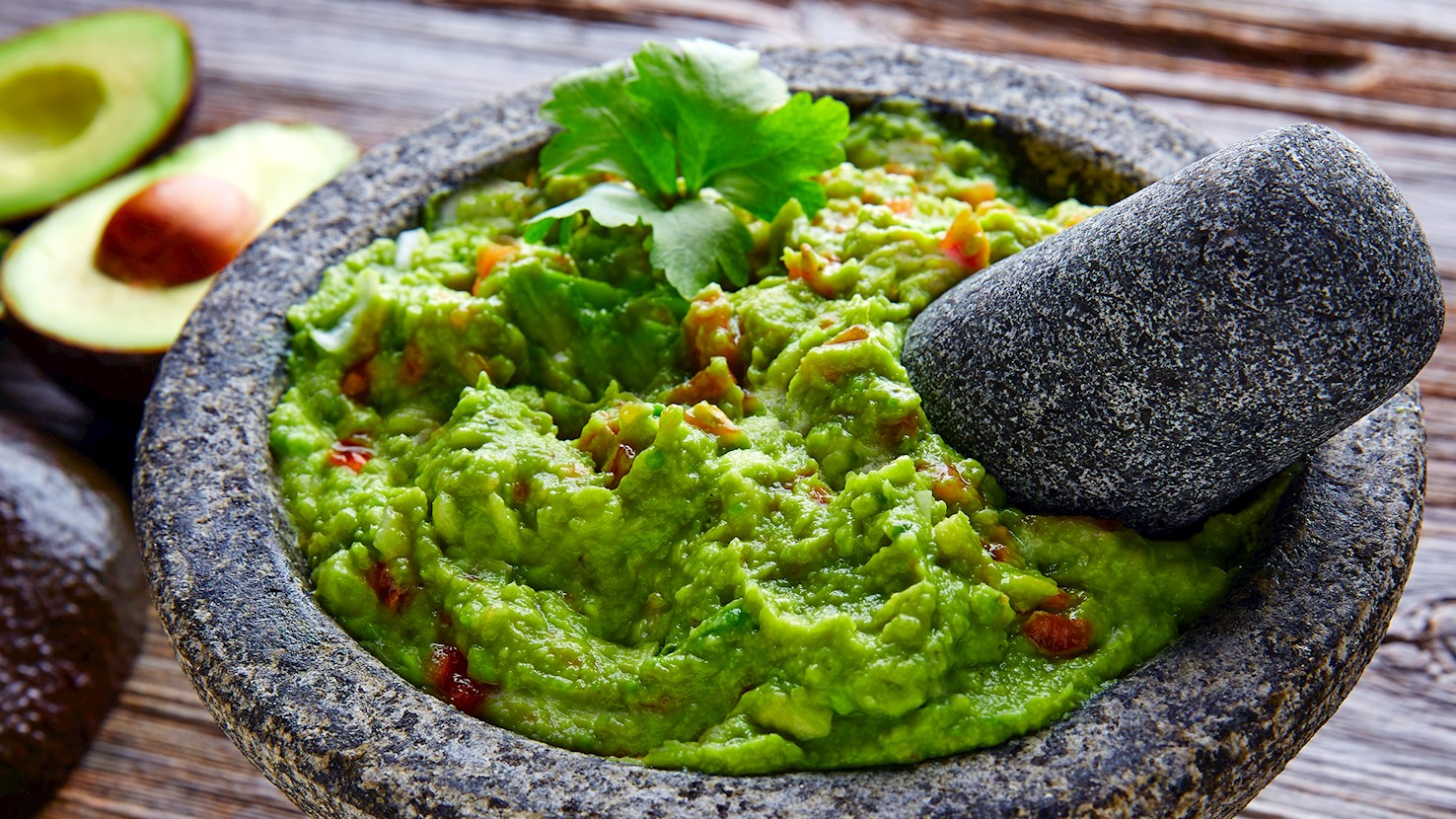
Guacamole is a world-famous buttery delicacy dating back all the way to the Aztec empire of the 1500s. It’s a healthy blend of ripe, mashed avocados, onions, chiles, optional tomatillos and selected seasonings such as sea salt and coriander. The star of this incredibly simple dish is the avocado, high in unsaturated fat, potassium, vitamins, minerals and protein, its name stemming from the Aztec ahuacatl, meaning testicle or testicle tree, which is why it was believed that it was an aphrodisiac by the Aztecs. Guacamole is sometimes prepared in the molcajete, a traditional Mexican mortar and pestle where onions, chiles, and salt are ground to a paste and added to the coarsely mashed avocados. Of course, guacamole is only as good as the avocados it is prepared with, and among the best are the nutty and creamy Hass and smooth Fuerte avocados. It is usually accompanied by corn chips, nachos or tortillas on the side, so guacamole is typically enjoyed as a dip. Regardless of its position on the table, the only important thing is to serve it fresh before it oxidizes and changes its vivid green color to a darker brown hue.
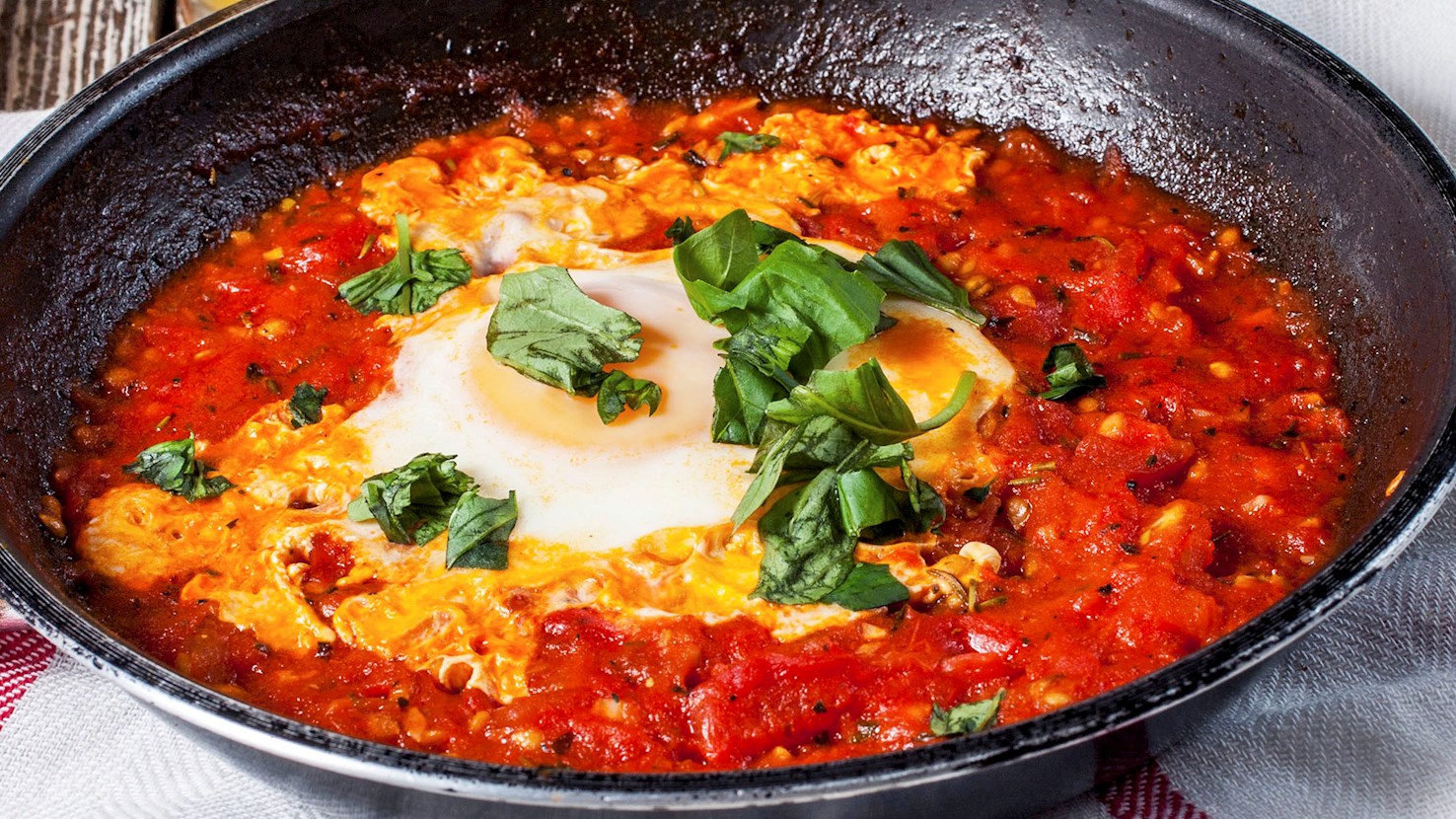
Shakshouka is a delicious combination of eggs poached in a spicy tomato sauce. Although it has an unusual name, the dish is straightforward and easy to make. It is usually made in a skillet in which onions, tomatoes, and spices are cooked until they form a delicious tomato sauce. Eggs are then added directly to the tomato sauce and poached until done. Merguez sausage can also be added to the dish. It is believed that shakshouka originated in Tunisia, but the dish is well-known and commonly eaten throughout North Africa and the Middle East as well. Almost every region has formed their distinctive variety of shakshouka: in Egypt, eggs are usually scrambled and served in a sandwich, and in Israel it is often served with salty feta cheese on top. The consistency of the sauce and eggs is also variable – the sauce can be thinner or thicker, while the eggs can be completely firm or soft. For a more nutritious meal, meat, most commonly sausages, can be included in the dish. Shakshouka is suitable for any meal of the day and is usually served warm or sizzling hot, with bread on the side. Because it is budget-friendly, simple, and easy to prepare, the dish has recently gained popularity both in Europe and North America.
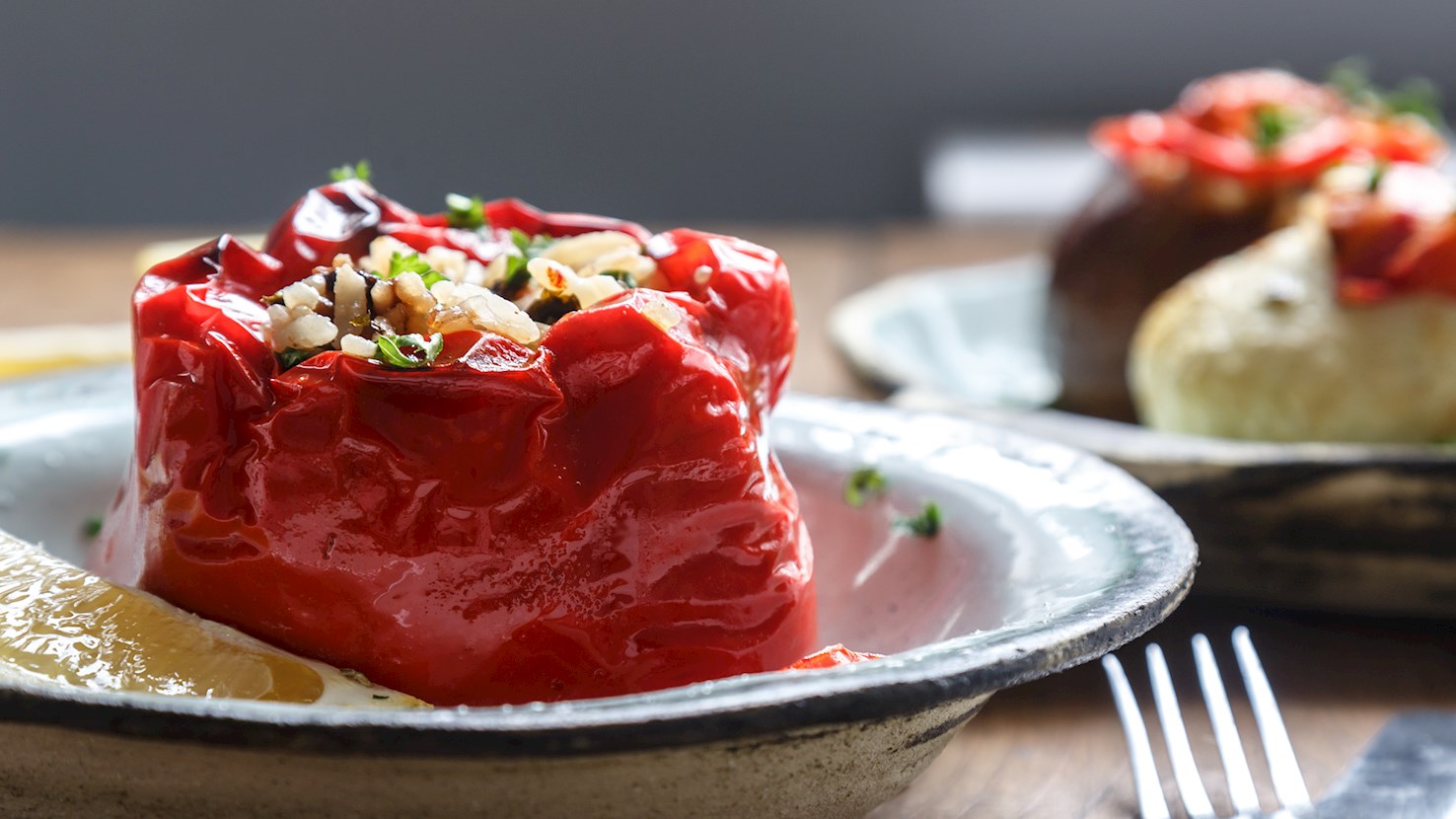
Yemitsa, frequently spelled gemista, is a vegetable dish of hollowed-out vegetables, predominantly ripe tomatoes and green bell peppers, stuffed entirely with a wet mixture of short-grain rice, fresh herbs, and heavy amounts of olive oil. The name originates from a verb meaning to fill or stuff, and is a typical summer dish. Yemitsa gained massive popularity across Greece following World War I, largely introduced by refugees arriving from Turkey. Prepping vegetables is the first step. The tops are sliced off the raw vegetables, and the inner flesh and seeds are carefully scooped out to create empty edible shells. The extracted tomato pulp is finely chopped and mixed in a hot pan with sautéed onions, grated zucchini, garlic, and raw rice. Handfuls of fresh mint and parsley, along with salt, pepper, and tomato puree, are folded into the filling before it gets spooned directly into the hollowed vegetables. The stuffed shells are topped with their original lids and tightly packed into a deep baking tray, surrounded entirely by thick potato wedges. A massive drizzle of olive oil and a splash of water go over the top before the entire pan hits a hot oven, baking until the rice softens completely and the vegetable skins become deeply wrinkled and slightly charred. Variations are present in different parts of Greece. Northern areas frequently incorporate heavy amounts of minced beef or pork directly into the rice, while Mediterranean coastal regions mix crunchy pine nuts and sweet raisins into the filling. Beyond tomatoes and bell peppers, large eggplants, zucchinis, and even hollowed onions serve as alternatives to tomatoes and peppers. Yemitsa is served either warm or at room temperature, almost universally accompanied by a large slab of salty feta cheese and thick slices of crusty bread, specifically used to soak up the heavily seasoned olive oil pooling at the bottom of the pan.
TasteAtlas food rankings are based on the ratings of the TasteAtlas audience, with a series of mechanisms that recognize real users and that ignore bot,
nationalist or local patriotic ratings, and give additional value to the ratings of users that the system recognizes as knowledgeable.
For the “Top 100 Vegetarian Dishes in the World” list until October 15, 2026, 39,412 ratings were recorded, of which 22,537 were recognized by the system as legitimate.
TasteAtlas Rankings should not be seen as the final global conclusion about food. Their purpose is to promote excellent local foods,
instill pride in traditional dishes, and arouse curiosity about dishes you haven’t tried.

















What People Say