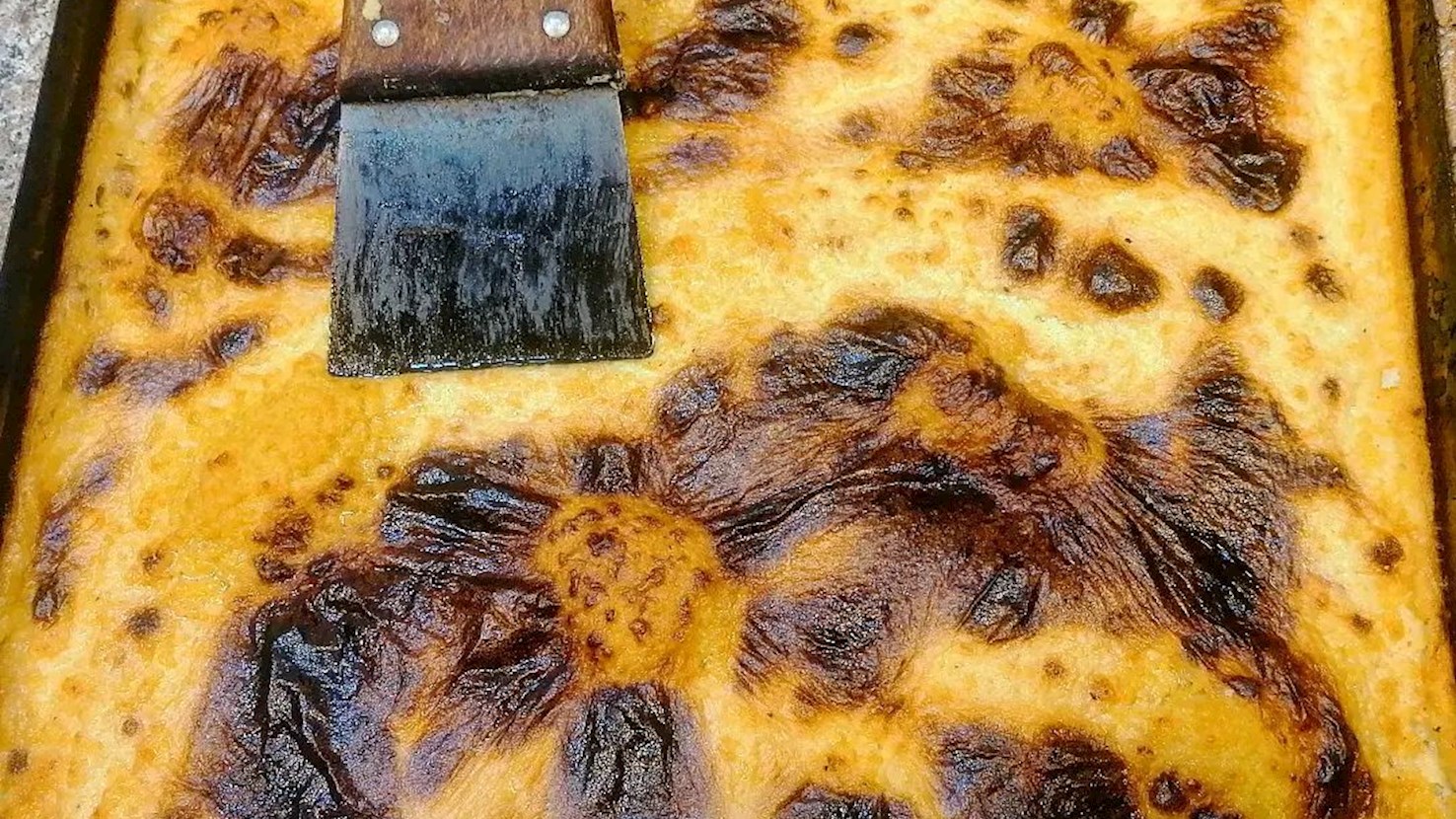
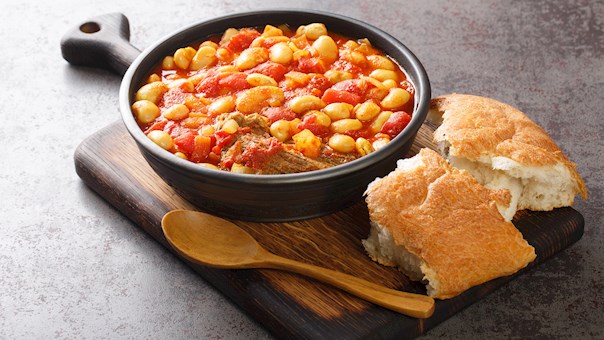
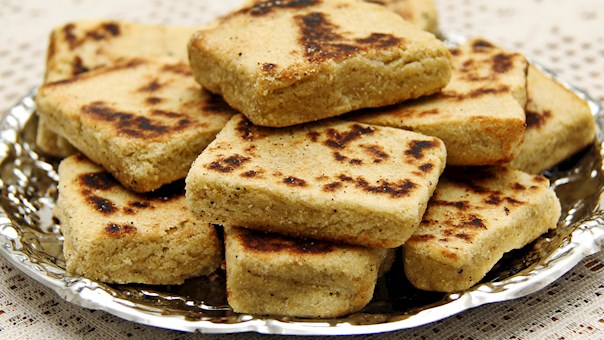
Known as karantika in Algiers and calienté in Morocco, this beloved traditional dish traces its origins back to Spanish influence during the colonial period, as its name is derived from the Spanish word calentita, which means "warm." Over time, what began as a humble, filling meal for the working class evolved into one of Algeria’s and Morocco's most cherished street foods, often enjoyed by people of all ages and backgrounds. The essence of the dish lies in its simplicity and rich, comforting flavor. It is made from a smooth batter of chickpea flour, water, oil, salt, pepper, and eggs, which is then baked until it develops a golden, slightly crisp crust on top while remaining creamy and custard-like inside. Some variations of the recipe include a pinch of cumin or a hint of chili to enhance its depth and warmth. When it comes out of the oven, the dish is traditionally cut into generous squares or wedges and often served tucked into a piece of crusty bread, making it perfect for eating on the go. It is common to find street vendors offering it with a dollop of harissa or a smear of mustard to add a spicy or tangy kick that beautifully complements its mild, nutty flavor. Part of what makes karantika or calienté so beloved is its versatility: it can be enjoyed as a snack, a light lunch, or even a comforting dinner.
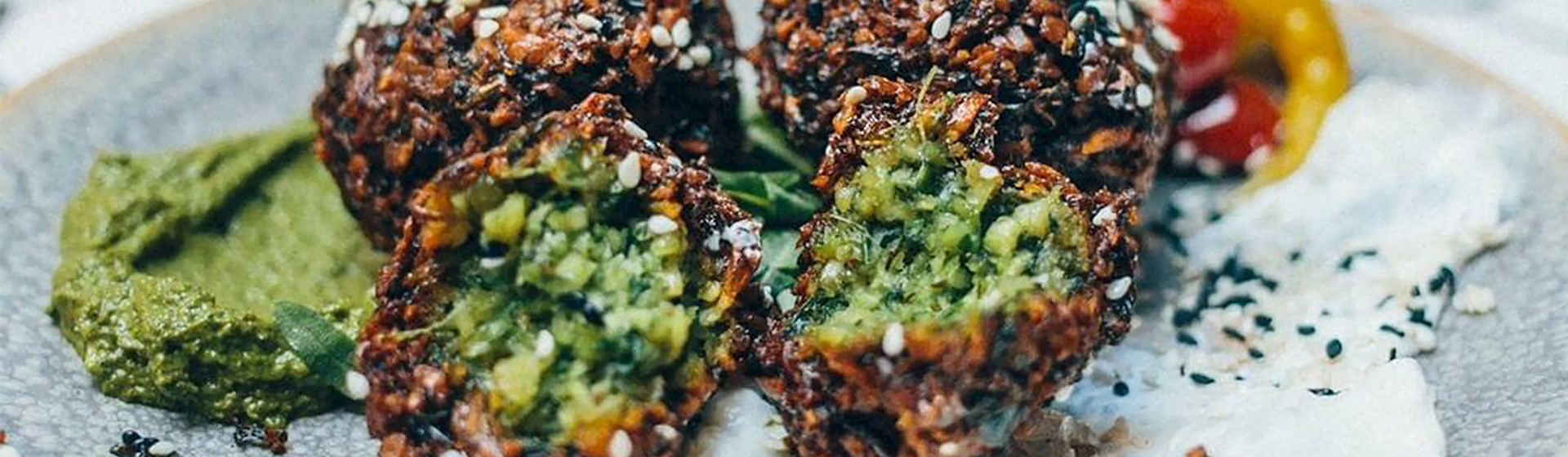
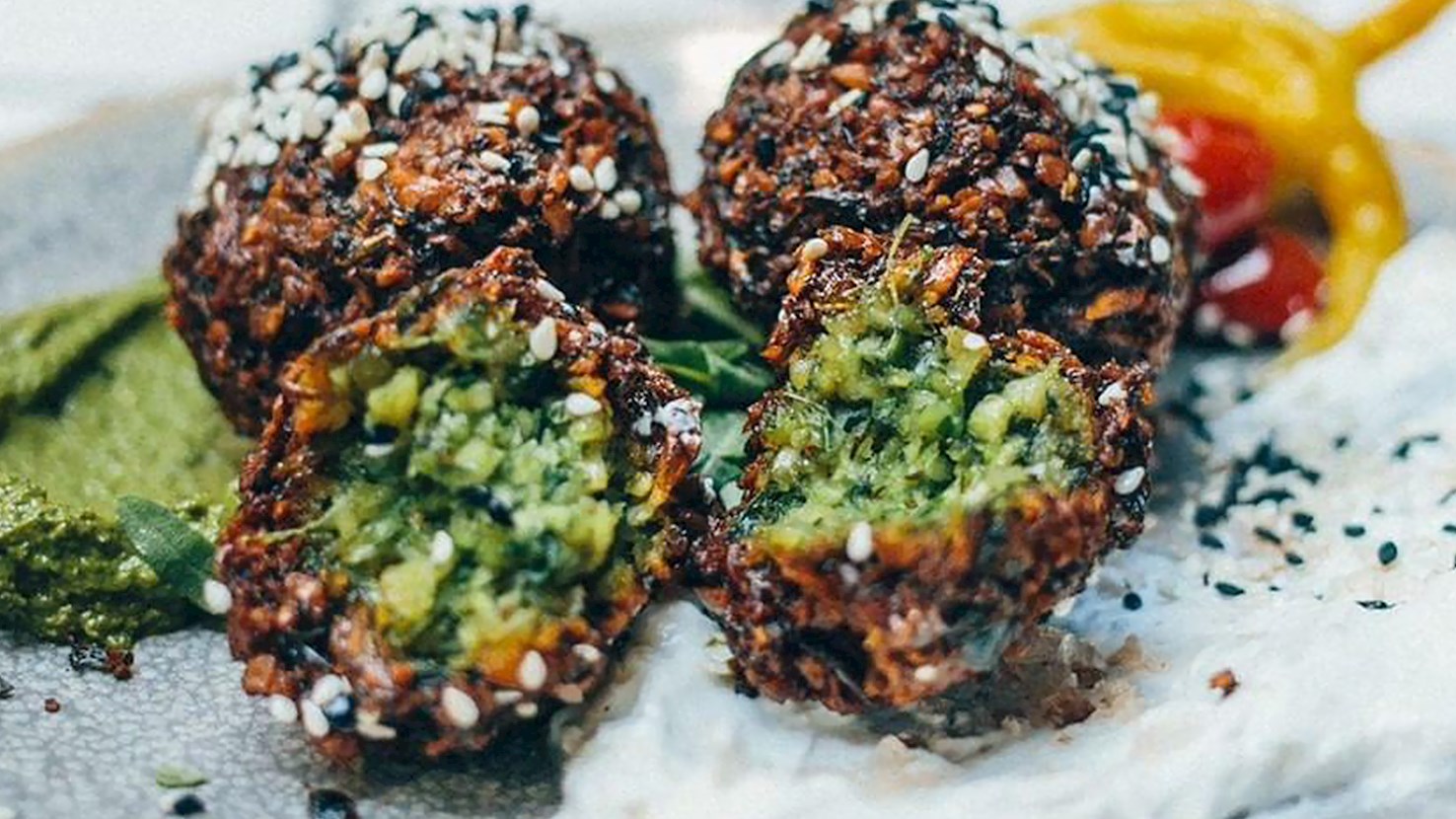
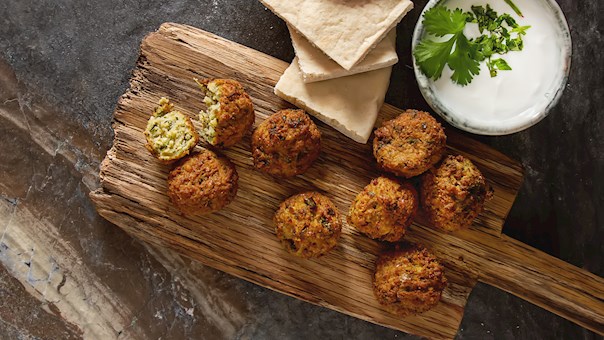
Often touted as the original version of falafels, taameya is an Egyptian variety of the Middle Eastern fritter that calls for fava beans instead of chickpeas. While the exact origin of falafel is debatable, most scholars and food historians agree that taameya has its roots in the Egyptian cuisine. The fava bean mixture is typically flavored with leeks, onions, fresh coriander, parsley, and cumin, and the fritters are usually coated with sesame seeds before frying. Taameya are known for having a lighter, fluffier, and moister texture than other falafel varieties thanks to the use of fava beans. Although they are eaten year-round and are a common street food fare in Egypt, taameya fritters are especially popular during Ramadan. They’re commonly stuffed in warm pita bread sandwiches and paired with accompaniments such as fresh or pickled vegetables, fried eggplants, minty yogurt sauces, hummus dip, and tahini dip.
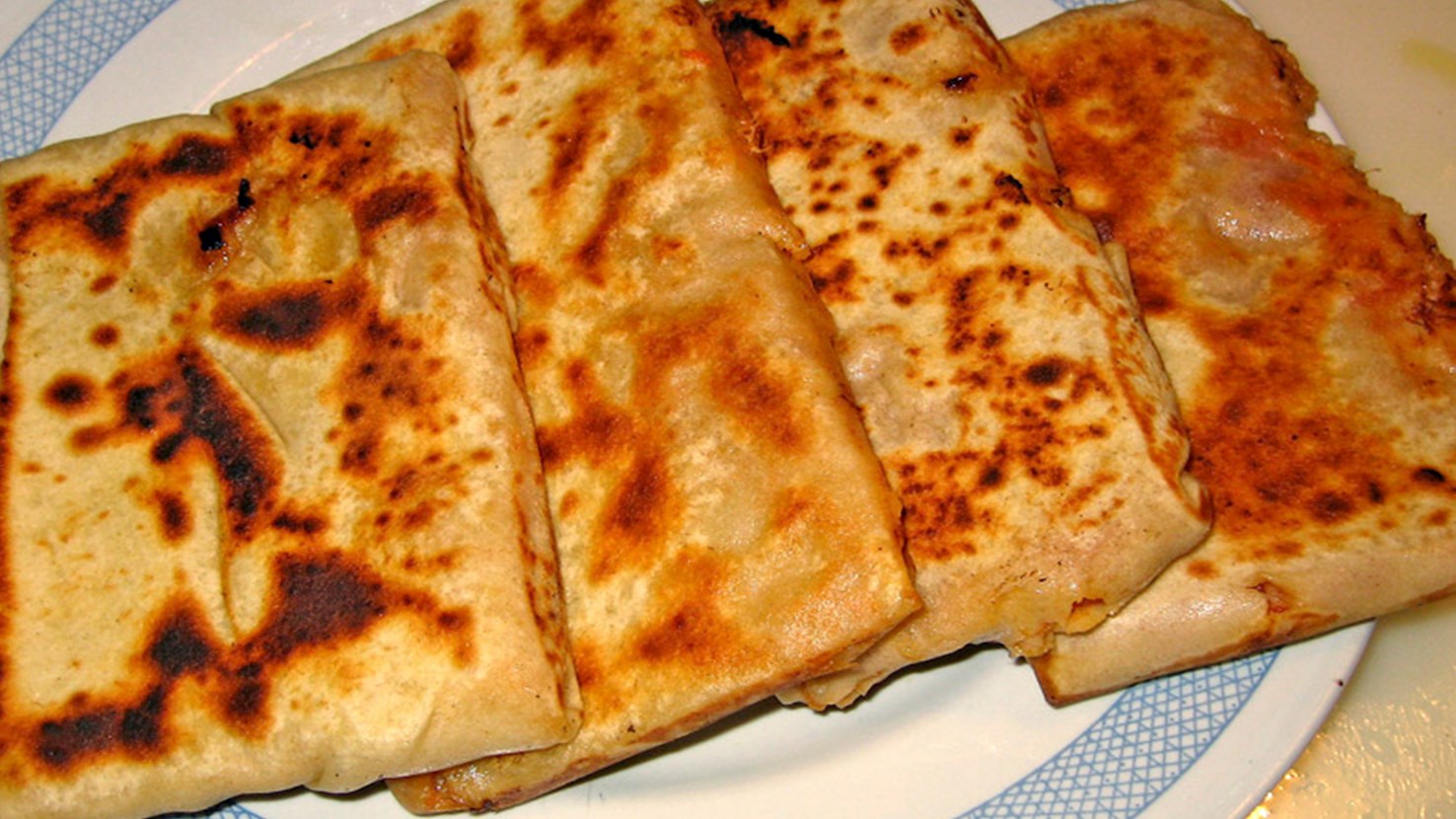
Mahjouba is a traditional flatbread that is one of the most popular street food items in the country. These thick and flaky crepe-like flatbreads are made with semolina, then filled with a combination of tomatoes and caramelized onions. Mahjouba is often paired with harissa sauce on the side, but the condiment is completely optional.
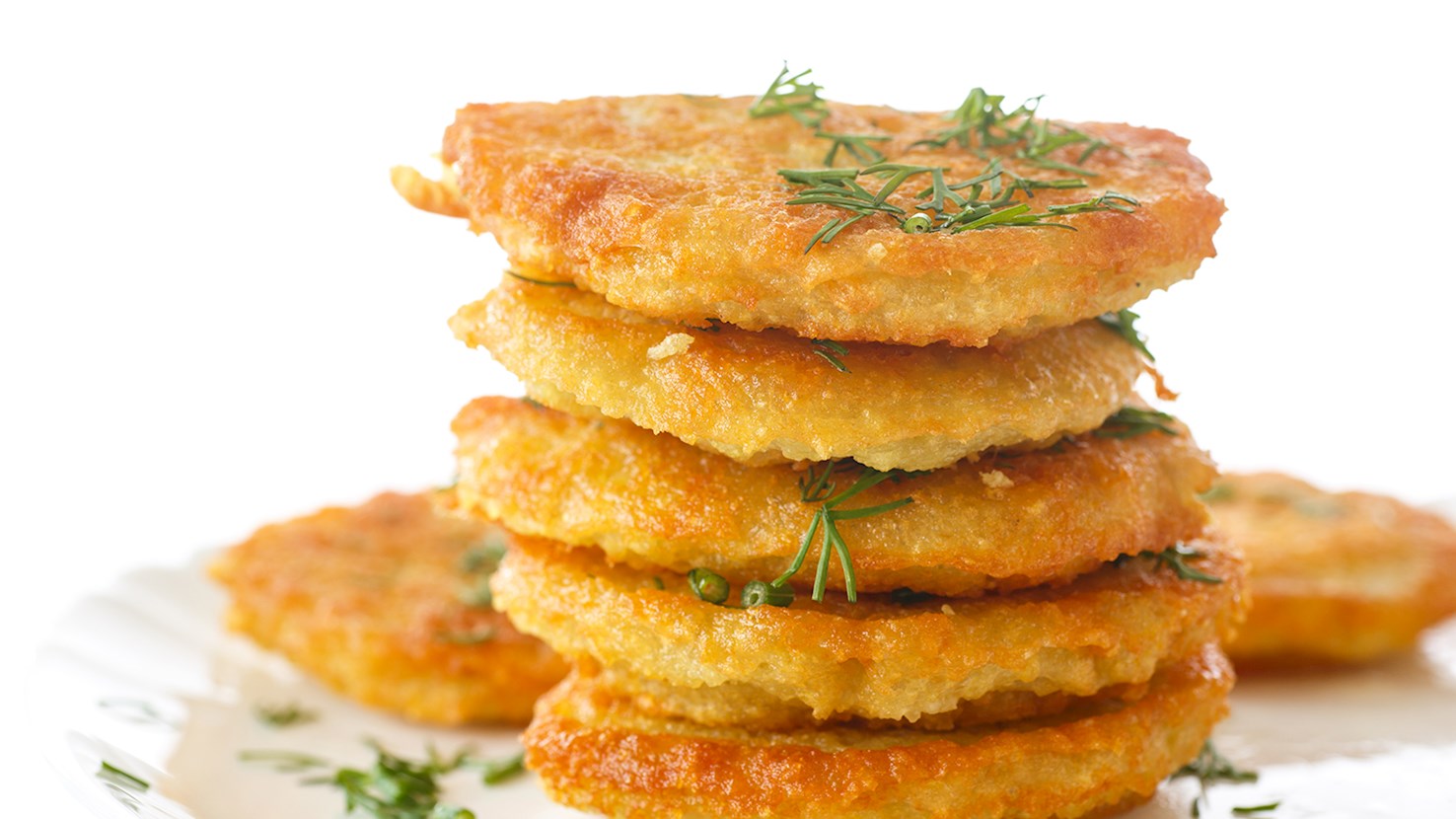
Maakouda are traditional potato fritters that are popular throughout the Maghreb, especially in Morocco, Algeria, and Tunisia. The fritters are usually prepared plain, but they can also be stuffed with meat, tuna, or cheese, although not that often. They're made with potatoes, parsley, garlic, flour, salt, and pepper. The potatoes are boiled, mashed, and mixed with other ingredients into small disks which are then deep-fried in hot oil until golden brown. Maakouda is traditionally served as an appetizer, a side dish, or an ingredient in a long sandwich roll that's usually sold as street food and served with harissa, coriander, and lemon juice. The fritters are especially popular during the month of Ramadan.
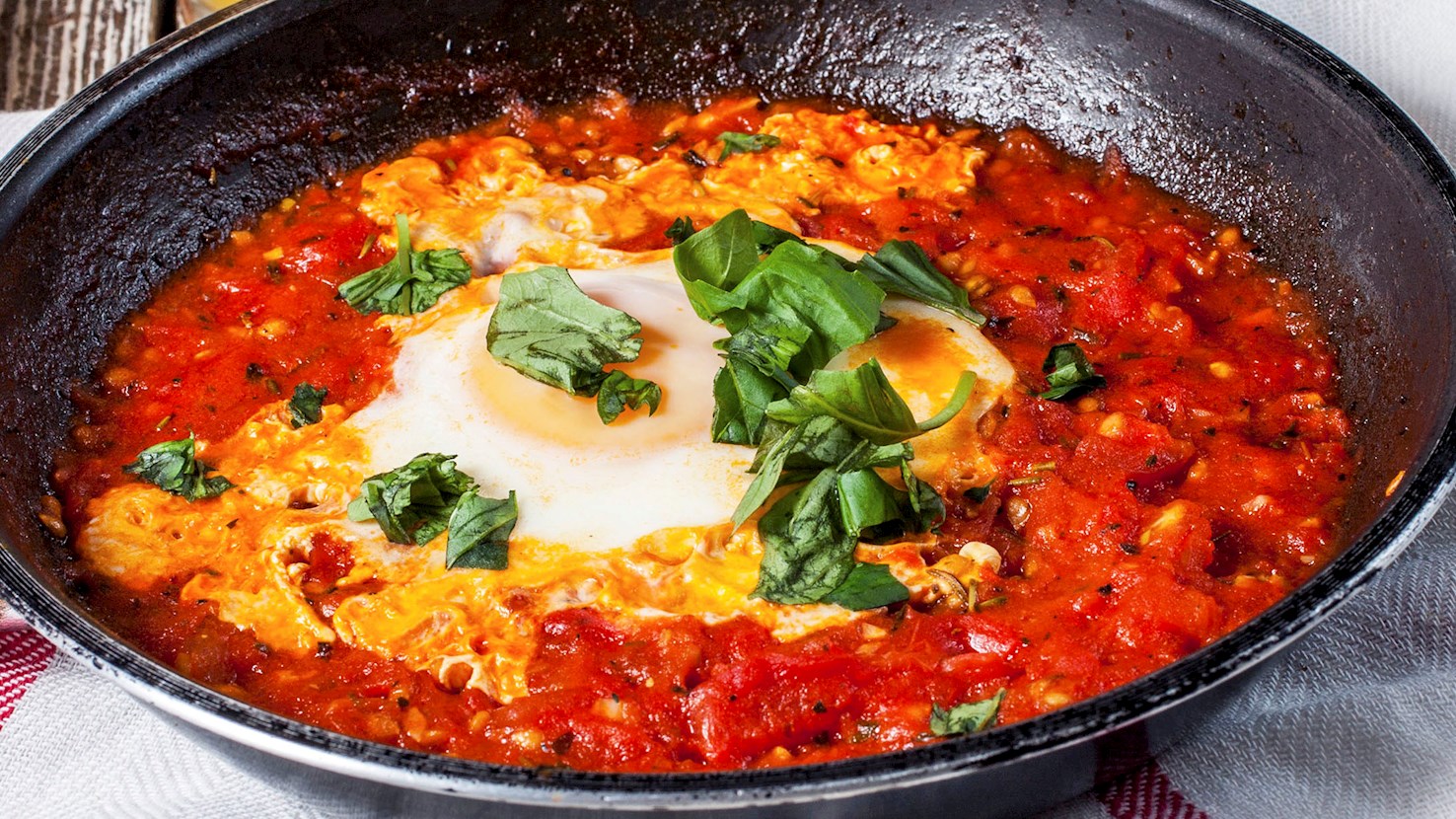
Shakshouka is a delicious combination of eggs poached in a spicy tomato sauce. Although it has an unusual name, the dish is straightforward and easy to make. It is usually made in a skillet in which onions, tomatoes, and spices are cooked until they form a delicious tomato sauce. Eggs are then added directly to the tomato sauce and poached until done. Merguez sausage can also be added to the dish. It is believed that shakshouka originated in Tunisia, but the dish is well-known and commonly eaten throughout North Africa and the Middle East as well. Almost every region has formed their distinctive variety of shakshouka: in Egypt, eggs are usually scrambled and served in a sandwich, and in Israel it is often served with salty feta cheese on top. The consistency of the sauce and eggs is also variable – the sauce can be thinner or thicker, while the eggs can be completely firm or soft. For a more nutritious meal, meat, most commonly sausages, can be included in the dish. Shakshouka is suitable for any meal of the day and is usually served warm or sizzling hot, with bread on the side. Because it is budget-friendly, simple, and easy to prepare, the dish has recently gained popularity both in Europe and North America.
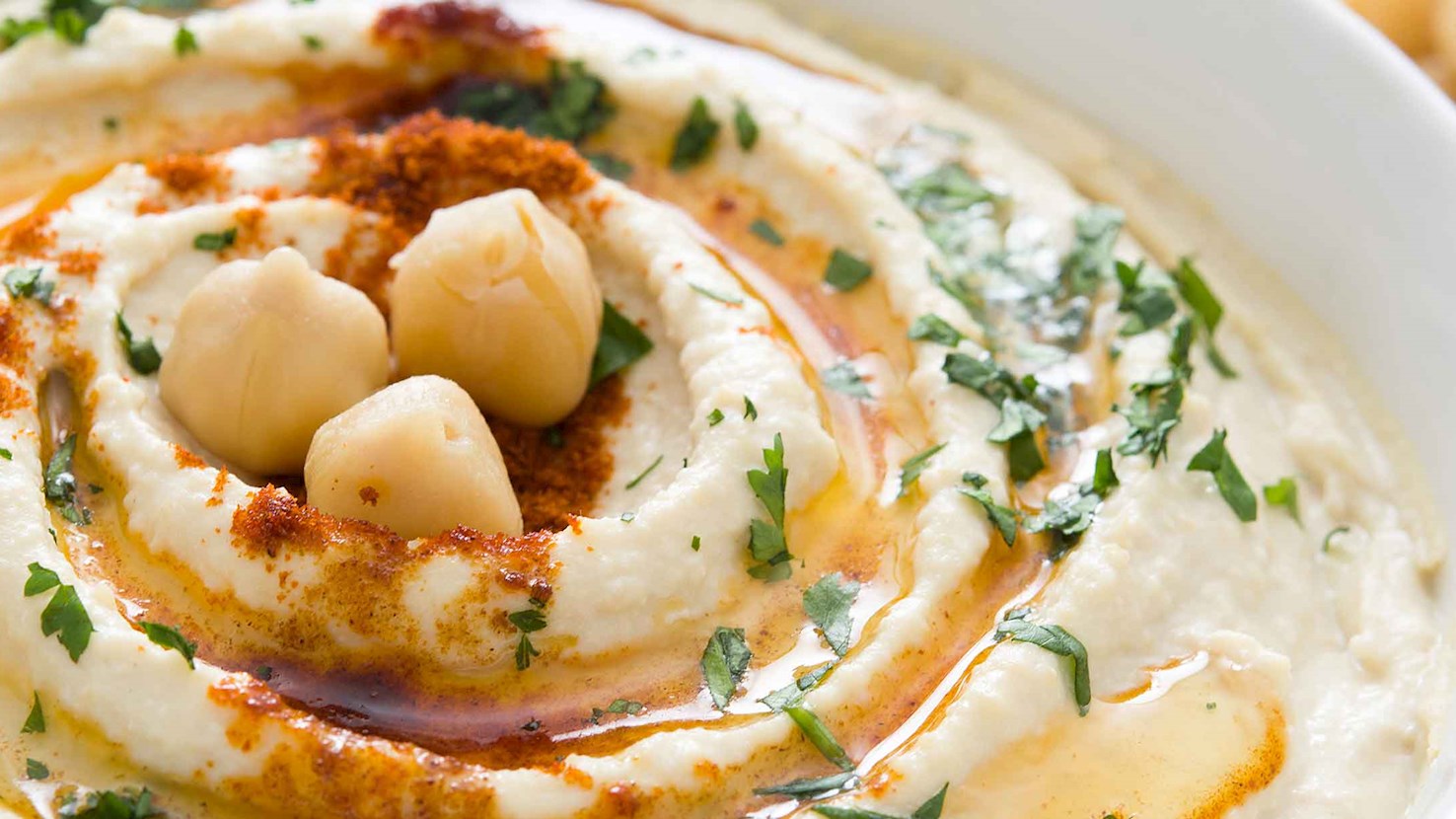
Hummus is a creamy dip made primarily from cooked and mashed chickpeas blended with tahini, olive oil, lemon juice, and garlic. It originates from the Middle East, where it has been a dietary staple for centuries, especially in countries like Lebanon, Palestine, Israel, Syria, and Jordan. Hummus’s roots can be traced back to ancient times (earliest mention of hummus dates back to 13th-century Egypt), when legumes and seeds were common sources of nutrition in the Levant. Over time, the combination of chickpeas and tahini evolved into a dish that balances earthy, nutty, and tangy flavors. While recipes vary slightly across regions, the core ingredients remain consistent, emphasizing freshness and quality. The smooth texture and rich taste make hummus both versatile and widely appealing, able to serve as a simple snack or a complement to more elaborate meals. Preparation involves soaking and cooking dried chickpeas until tender, then blending them with tahini paste, freshly squeezed lemon juice, crushed garlic, and extra virgin olive oil to create a velvety consistency. Salt is added to enhance the flavors, and the mixture is often garnished with a drizzle of olive oil, a sprinkle of paprika or sumac, and sometimes fresh herbs or whole chickpeas. Hummus can be served chilled or at room temperature, paired with pita bread, vegetables, or as part of a larger mezze platter. Hummus enjoys widespread popularity not only in the Middle East but globally, embraced as a healthy and flavorful dish. It is commonly found in homes, restaurants, and markets, representing both everyday nourishment and a dish for social gatherings.
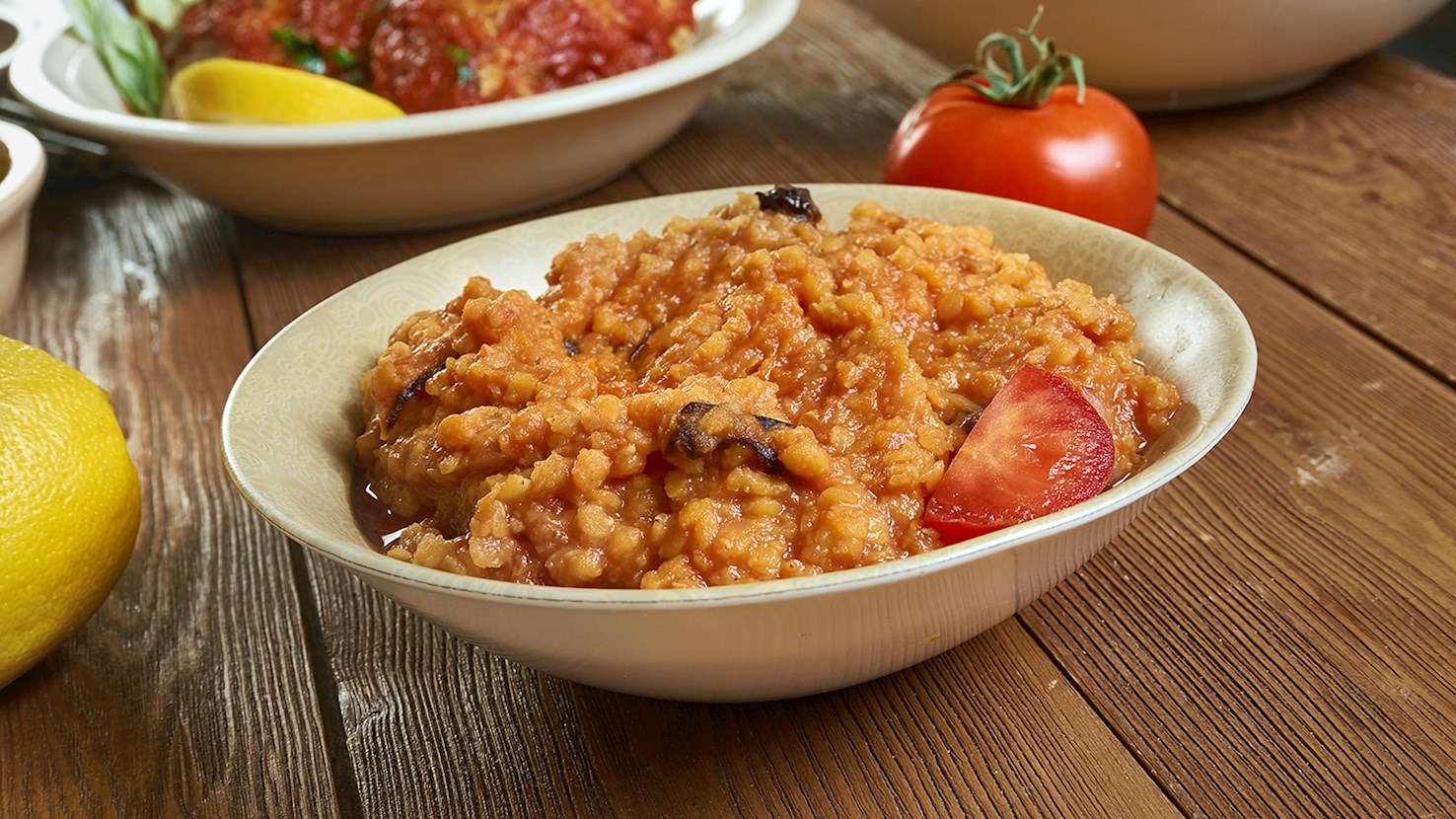
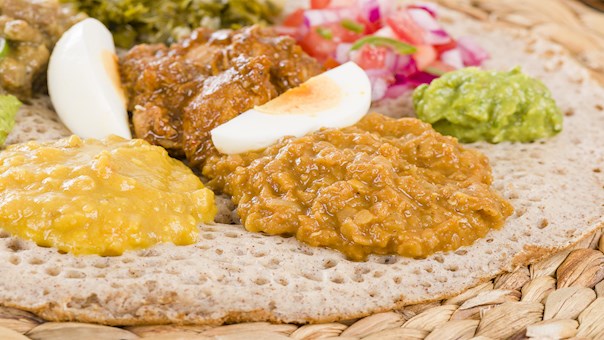
Misir wat or tsebhi birsen is a spicy red lentil stew eaten in both Ethiopia and Eritrea, where it is one of the best-known meat-free dishes served with injera and a regular part of everyday home cooking as well as larger shared meals. The name joins misir, meaning lentils, with wat or wot, the term used for thick stews, and the dish belongs to the wider Ethiopian-Eritrean highland food culture built around cereals, pulses, and strongly seasoned sauces. Lentils have long been cultivated and consumed across the Horn of Africa, and misir wat became especially important within both Ethiopian and Eritrean Orthodox Christian food traditions, since fasting periods exclude meat, eggs, and dairy and rely heavily on legumes, vegetables, and oil-based dishes. The stew is usually prepared by slowly cooking finely chopped onions until soft, then adding oil, garlic, ginger, and berbere, the red spice blend that gives the dish its color and heat. Split red lentils are stirred into this base with water and simmered until they soften and partly break down, creating a thick, smooth consistency that is fuller and more substantial than a soup. Some versions include tomato or tomato paste, while others keep the seasoning centered more strictly on onions, berbere, garlic, and lentils; outside fasting periods, some cooks may enrich it with niter kibbeh, though oil is the more typical base. One of the things that sets misir wat apart is the contrast between its simple ingredient list and its deep, concentrated flavor, and it is also clearly distinct from the milder yellow lentil dish often known as misir alicha. It is usually served directly on injera and eaten by hand, either on its own or as part of a larger mixed platter with dishes such as shiro, gomen, cabbage and potatoes, salad, or other vegetable preparations. Misir wat is eaten throughout Ethiopia and Eritrea in homes, restaurants, and fasting meals, and because it is rich, spicy, and filling, it works especially well with mild side dishes and with cooling accompaniments such as ayib when dairy is being used. Water, tea, and coffee are natural beverage pairings, while beer or tej can accompany it in non-fasting settings.
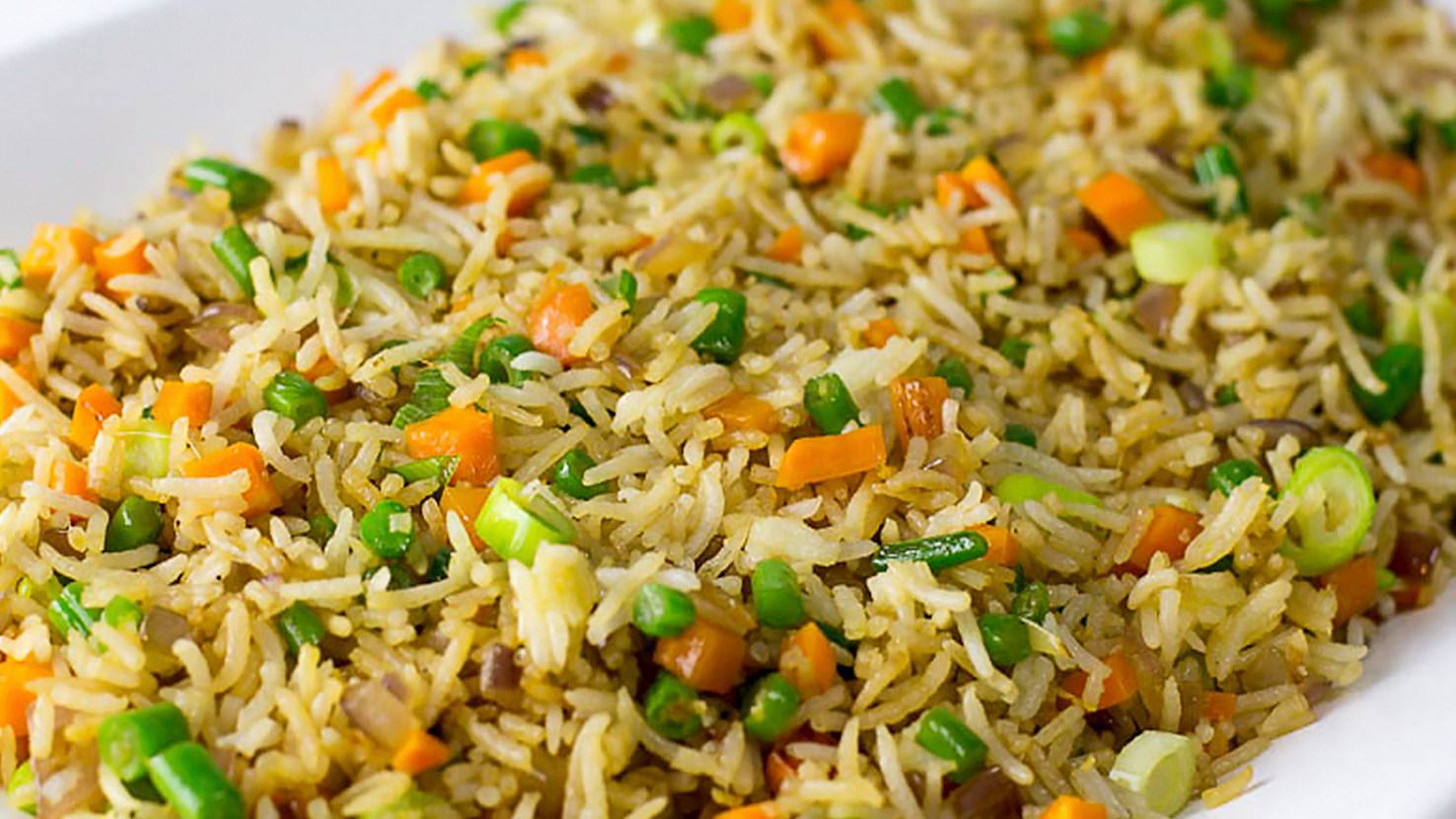
Wali wa kukaanga is a rice dish prepared by frying cooked rice with oil and aromatics, eaten widely in Kenya, where it appears as an everyday meal rather than a ceremonial one. Its development is closely linked to coastal Swahili foodways shaped by Indian Ocean trade, where rice became a central grain through long-standing connections with Asia and the Middle East, and where frying cooked rice provided a practical way to reuse leftovers while building flavor through oil, onions, and spices common to the region. Preparation begins with plain boiled rice that has cooled and dried slightly, which is then fried in oil with finely chopped onions until aromatic, followed by garlic and optional spices, after which the rice is added and tossed over heat so the grains separate and absorb the seasoned oil without becoming soft or sticky. Serving is simple and direct, with the rice presented hot as a complete base dish rather than layered or molded, and it is often paired with a protein or vegetable rather than eaten alone. It is eaten at home and in small eateries for lunch or dinner, commonly with grilled meat, fried fish, beans, or vegetable stews, and it pairs naturally with fresh salads, chili sauces, or lightly cooked greens, while beverages such as water, unsweetened tea, or light fruit drinks are taken alongside to balance the oil and aromatics without overpowering the dish.
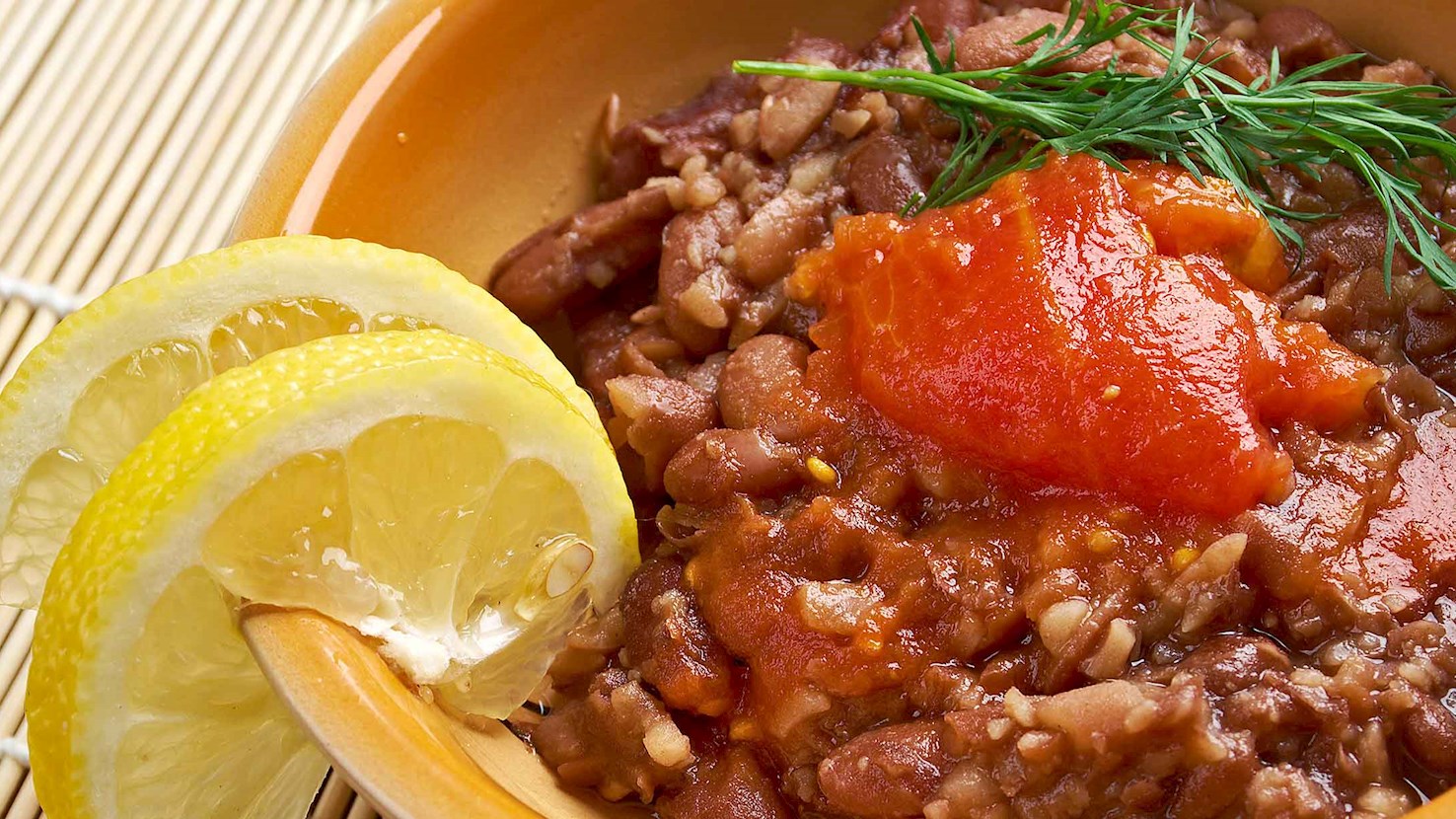
Ful medames is an ancient, pre-Ottoman and pre-Islamic national dish of Egypt, a traditional breakfast food consisting of slowly simmered fava beans seasoned with a squeeze of lemon juice, olive oil, garlic, and selected spices. Some remnants of the dish were found in the 12th Dynasty Pharaonic tombs in Egypt, and any food that has been found in an ancient tomb must have been a wildly popular culinary treat. Because it is a breakfast food that is also good for breaking the fasting, the dish is extremely popular during Ramadan. Although it's an Egyptian dish, it is also prepared throughout North Africa and the Middle East. Ful medames is a staple of the Egyptian diet, so much that the price of beans is regulated by the government in order to ensure that they are affordable to the poorest citizens. The creamy, earthy stew is usually spiced with the addition of chilis and cayenne pepper. It is recommended to prepare it a day in advance because the beans need to be soaked and cooked overnight. When eaten, the hearty stew is traditionally served out of big metal jugs, and once on the plate, it is often mopped up with pieces of fresh pita bread and topped with pickled beets, parsley, onions, tomatoes, and cumin. Filling, savory, nutritious, and easy to prepare, ful medames is a literal blast from the past.
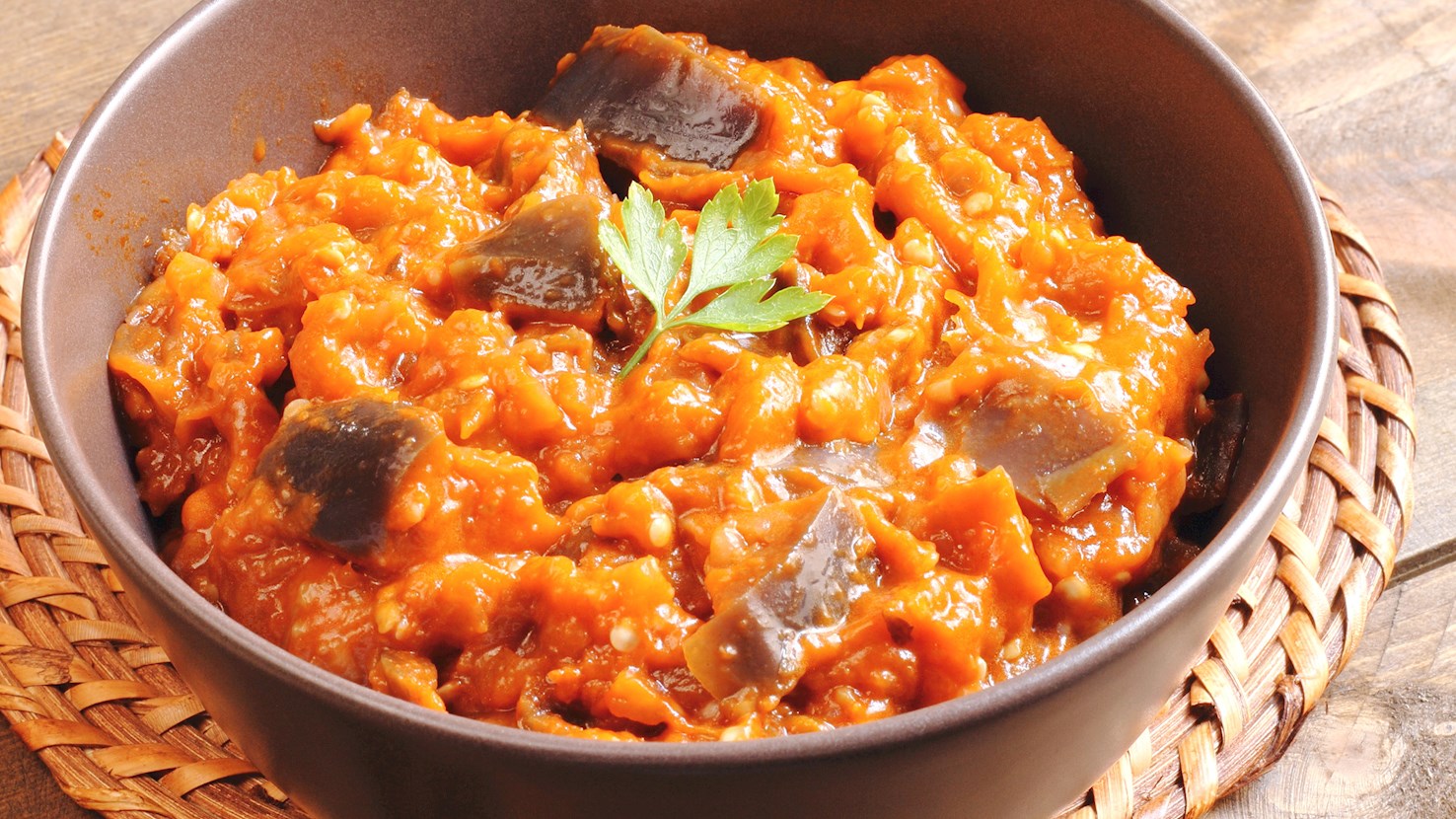
Zaalouk is a traditional salad made by cooking eggplant, tomatoes, garlic, and flavorings such as cumin, paprika, coriander, and parsley. Although it can be served on its own, zaalouk is also often served as a side dish, a spread for sandwiches, or a dip, when it is paired with crusty bread.
TasteAtlas food rankings are based on the ratings of the TasteAtlas audience, with a series of mechanisms that recognize real users and that ignore bot,
nationalist or local patriotic ratings, and give additional value to the ratings of users that the system recognizes as knowledgeable.
For the “Top 63 African Vegetarian Dishes” list until October 15, 2026, 8,250 ratings were recorded, of which 3,333 were recognized by the system as legitimate.
TasteAtlas Rankings should not be seen as the final global conclusion about food. Their purpose is to promote excellent local foods,
instill pride in traditional dishes, and arouse curiosity about dishes you haven’t tried.





What People Say