





Maja B.

Top 20 Croatian Vegetarian Dishes

Last updated on June 15, 2026
01

Poljički soparnik

4.1 ·

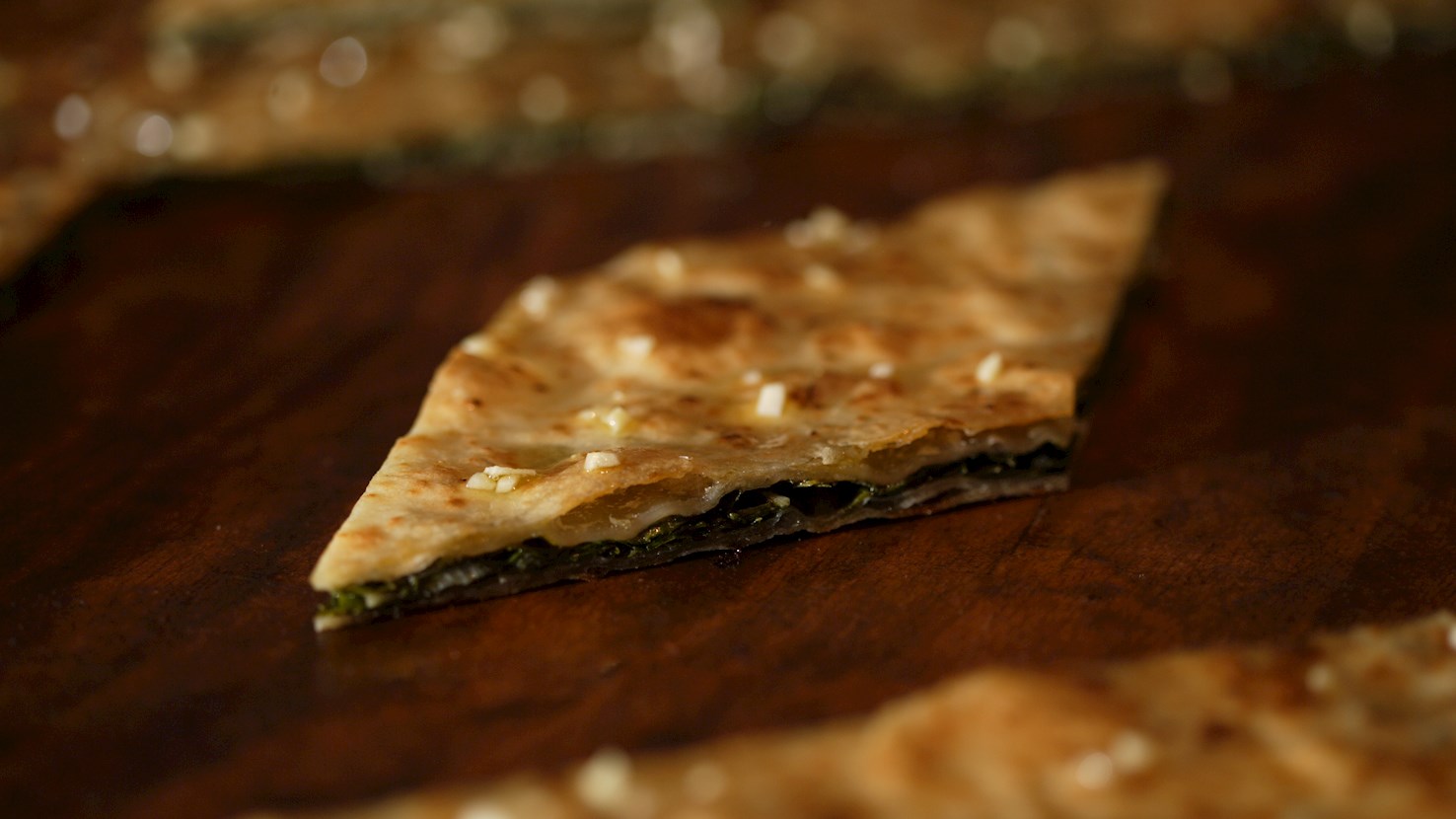
Soparnik, zeljanik, or uljenjak is a simple pie filled with vegetables. It is traditionally made in the Poljica region in Dalmatia with the simplest possible dough consisting of flour, salt, and water. The filling for this pie is made with chard and red onions (kapula), spread between two sheets of thinly rolled dough. The most interesting fact about soparnik is the way that it is baked: in a bed of hot coals covered with ash, pierced a few times to release any steam, and cooked for a short period of time. After it is baked, the ashes are swept off and the pie is brushed with olive oil and crushed or finely chopped garlic. Poljički soparnik is traditionally cut into rhombical pieces (fete) before serving. Just make sure that the pie doesn't contain garlic or parsley in the filling, because if it does, you're not eating a traditional and authentic poljički soparnik.

Best restaurants
02

Blitva na lešo

4 ·

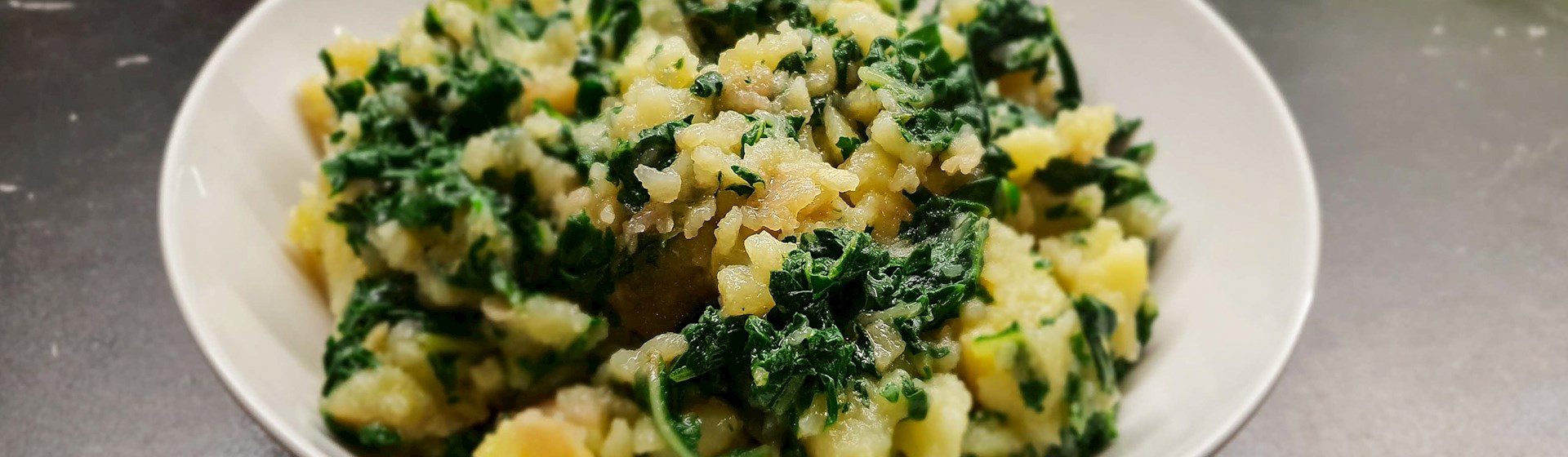
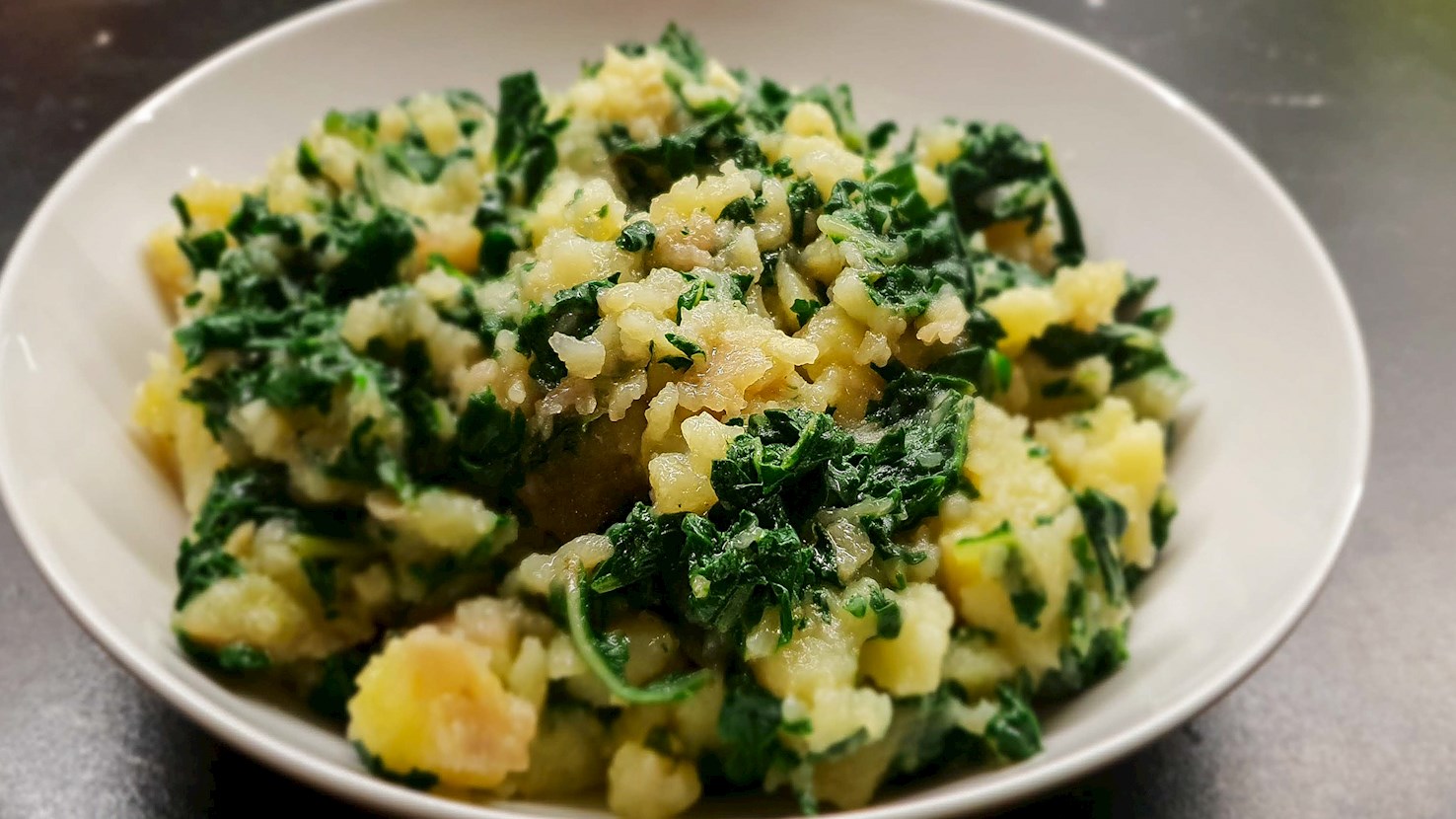
Blitva na lešo is one of the most popular Dalmatian side dishes. It is extremely simple to prepare – blanched swiss chard is combined with boiled potato cubes, salt, and olive oil. Finely chopped garlic is also commonly added to blitva na lešo, according to personal preferences. This healthy and nutritious side dish is traditionally served alongside various grilled fish dishes and steaks.

03

Sataraš

3.9 ·

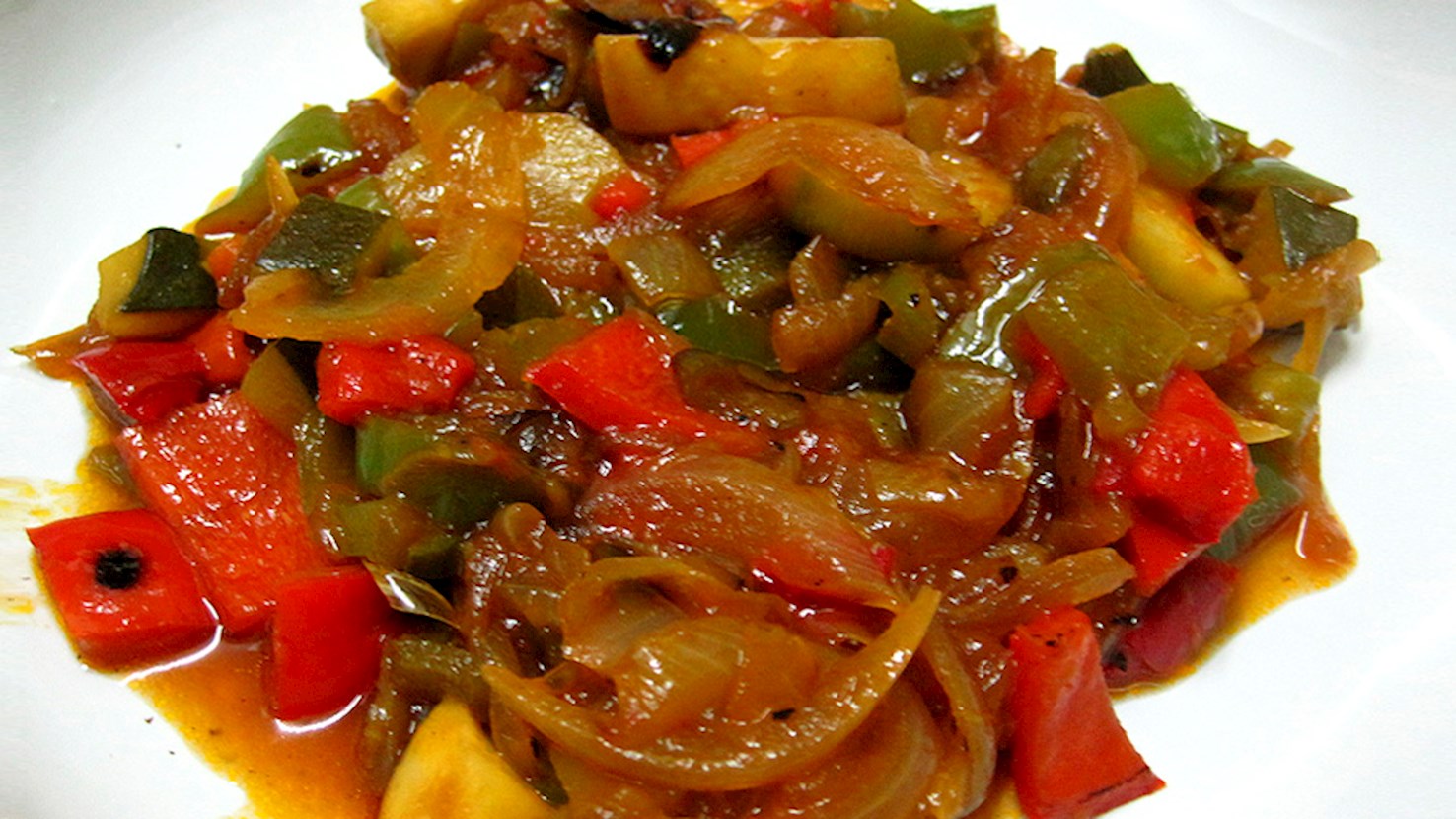
Sataraš is a vegetable stew made with a combination of tomatoes, peppers, onions, garlic, and parsley. The ingredients are first fried, then seasoned with salt and pepper and gently stewed. It is recommended to use a wide pan while preparing the dish so that the liquid evaporates more quickly, while the vegetables retain the desired shape and texture. Sataraš can be eaten hot or cold. It can be served on its own or as an accompaniment to fried meat and fish dishes. In Croatia, when sataraš was served in the past, the head of the family would sometimes ask for a sunny-side-up egg or two to be placed on top of the dish (making the meal non-vegan with his request). The rest of the family could only get scrambled eggs, while the head of the family would sometimes also ask for an omelet with ham and eggs, but that request was usually reserved for festivities and similar events.

Best restaurants
04

Granatir

3.3 ·

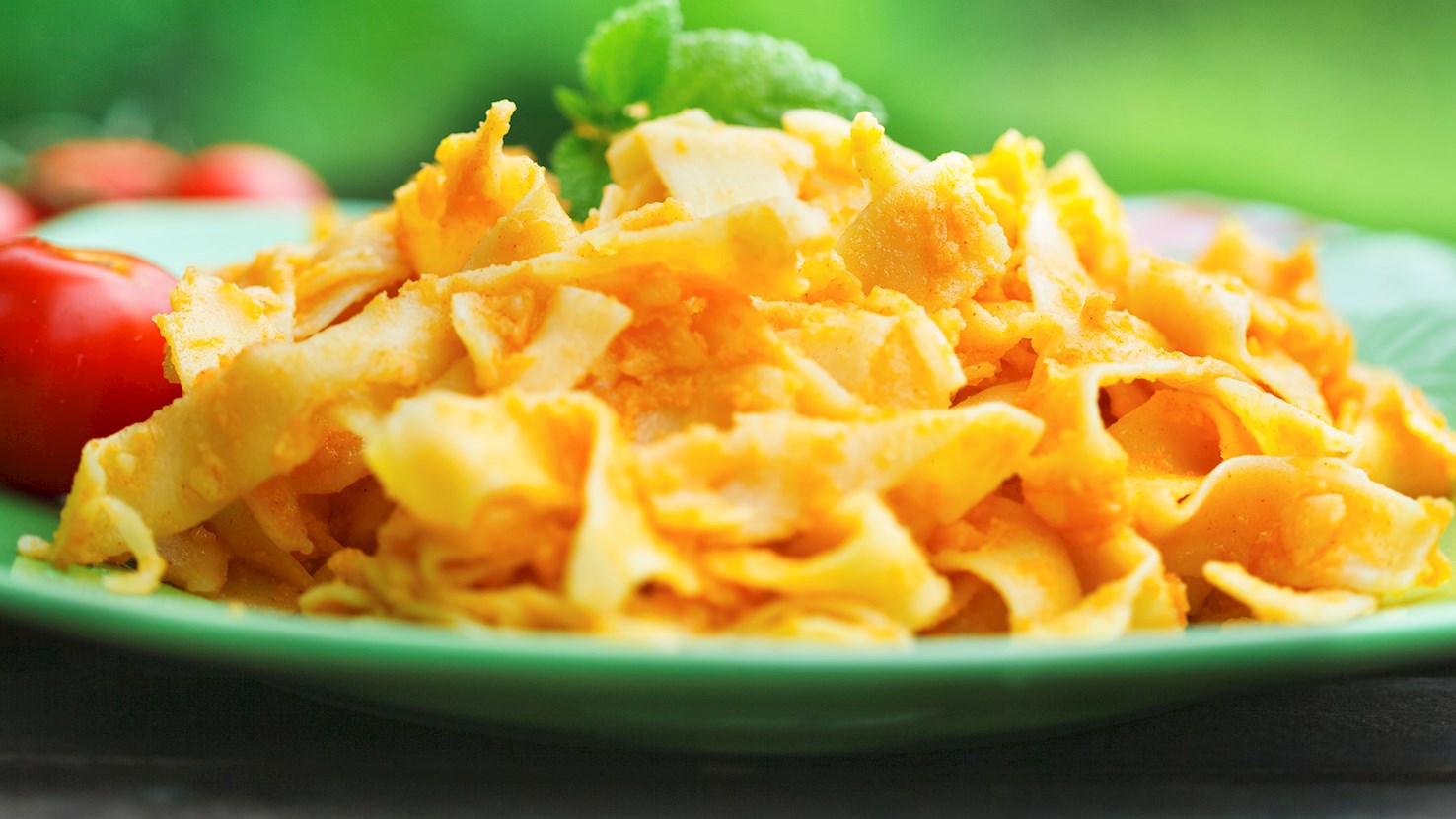
Granatir or grenadir marš is a simple meal consisting of pasta, onions, and potatoes. It is traditionally heavily seasoned with ground paprika. Due to the inexpensive ingredients and high content of carbohydrates, the dish is a representative of peasant food throughout continental Croatia, particularly in the region of Slavonia, where it is still prepared today. If the pasta is made without eggs, this dish is suitable for vegans.

05

Prisiljeno zelje

3.2 ·

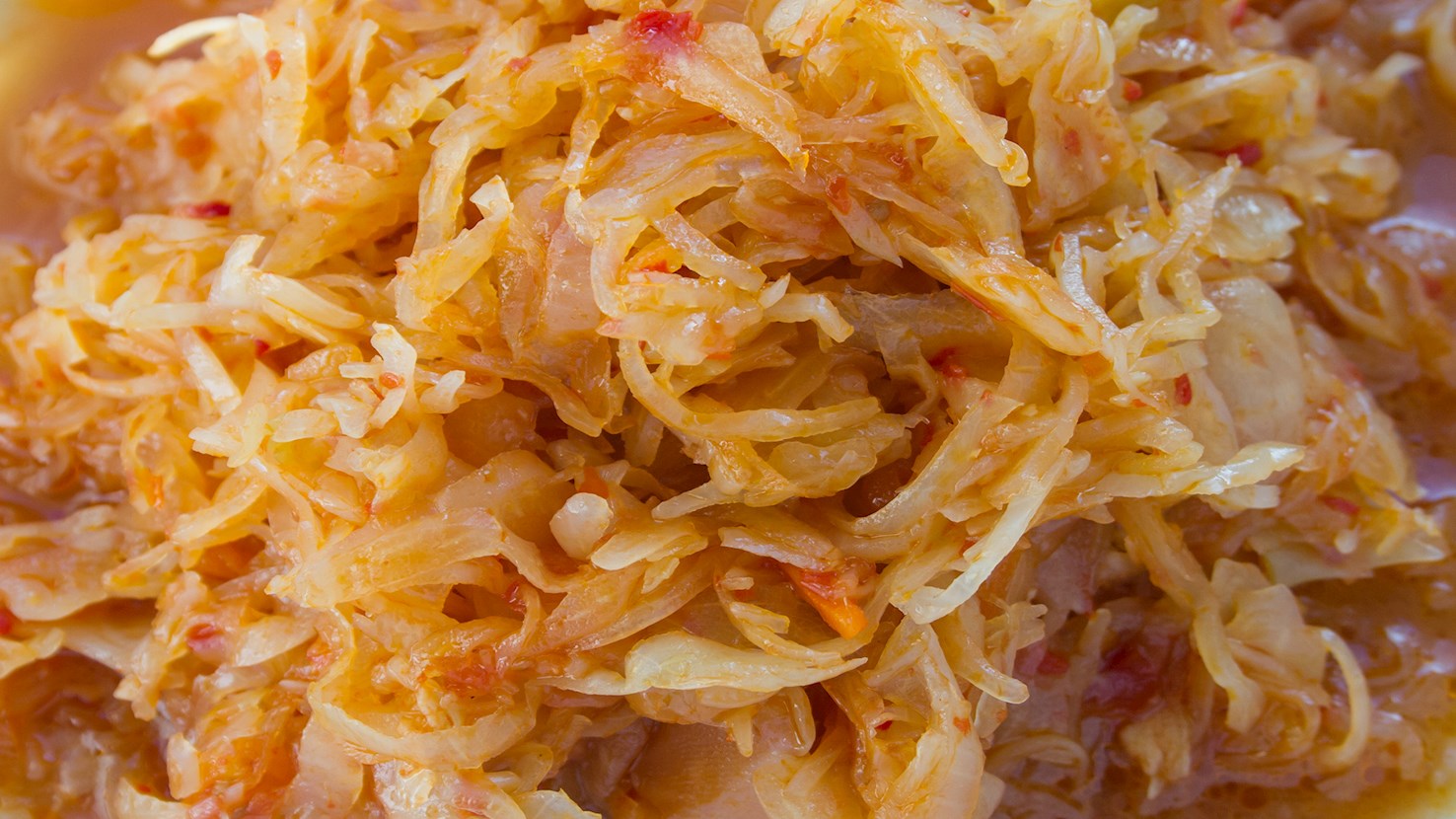
This Croatian comfort food dish consists of chopped cabbage combined with onions, garlic, sugar, tomato purée, and selected flavorings such as parsley, chives, salt, pepper, and cumin. The dish is sometimes additionally thickened with cornstarch, according to personal preferences. Although it can be consumed on its own or paired with mashed potatoes, prisiljeno zelje is often served as an accompaniment to meat dishes such as meatballs, meatloaf, or roasts.

06

Ćoravi gulaš

2.9 ·

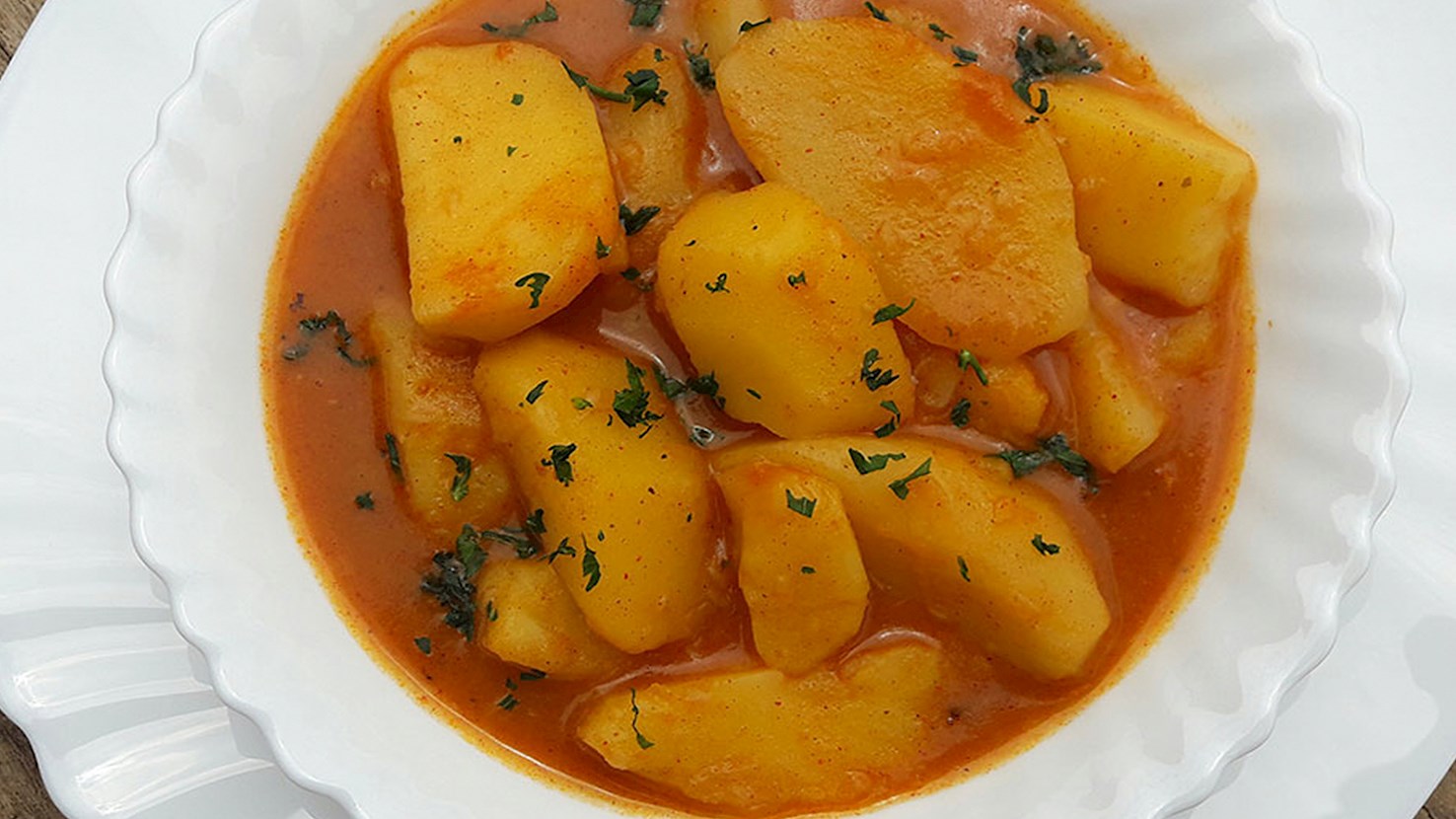
Ćoravi gulaš is a variety of goulash consisting of potatoes, onions, carrots, peas, and tomato juice. It is typically flavored with ground paprika, parsley, salt, pepper, bay leaves, and garlic. The stew can be thickened with flour, and it can be garnished with a dollop of sour cream. The name of the dish can be translated as blind goulash, referring to the fact that this comforting stew does not contain any meat. The dish was especially popular during the war period in the 1990s, when meat was scarce, so people had to make use of readily available ingredients.

07

Čepurke na plevu

n/a ·

Čepurke na plevu is a simple Croatian dish originating from the area around Gacka. In order to prepare it, the stems are picked from the mushrooms (usually button mushrooms), and they are then placed on a stovetop. Each mushroom is seasoned with a pinch of salt, and they are then left to cook on the stovetop until each mushroom is filled with its own juices on top. These mushrooms can be eaten as they are, but they also make for a tasty side dish.

08

Juha od suhih vrganja

n/a ·

Juha od suhih gljiva is a Croatian soup made with a variety of dried mushrooms as its key ingredient. The soup is especially popular in the Virovitica area. It consists of dried mushrooms (oletus), butter, onions, water, flour, heavy cream, and pumpkin seed oil. In order to prepare it, the mushrooms should first be boiled and chopped, then added to onions which have been sautéed on butter and combined with flour. The concoction is cooked in water until the mushrooms become tender. Vinegar is added for a slightly sour flavor, and the soup is traditionally flavored with heavy cream before serving.

09

Mišanca

n/a ·

Although Dalmatian cuisine is well known for its array of aromas and flavors, some of the most interesting dishes are a result of poverty. Such is the case with mišanca – wild, edible herbs which used to be gathered in order to survive. Today, however, the story has changed. Mišanca can be consumed in a number of ways – prepared na lešo (shortly boiled in salted water), mixed with spinach or swiss chard in order to improve mišanca's bitter flavors, or as a side dish accompanying numerous fish and meat dishes. This healthy dish can additionally be flavored with salt, pepper, olive oil, or garlic.

10

Zlevanka

n/a ·

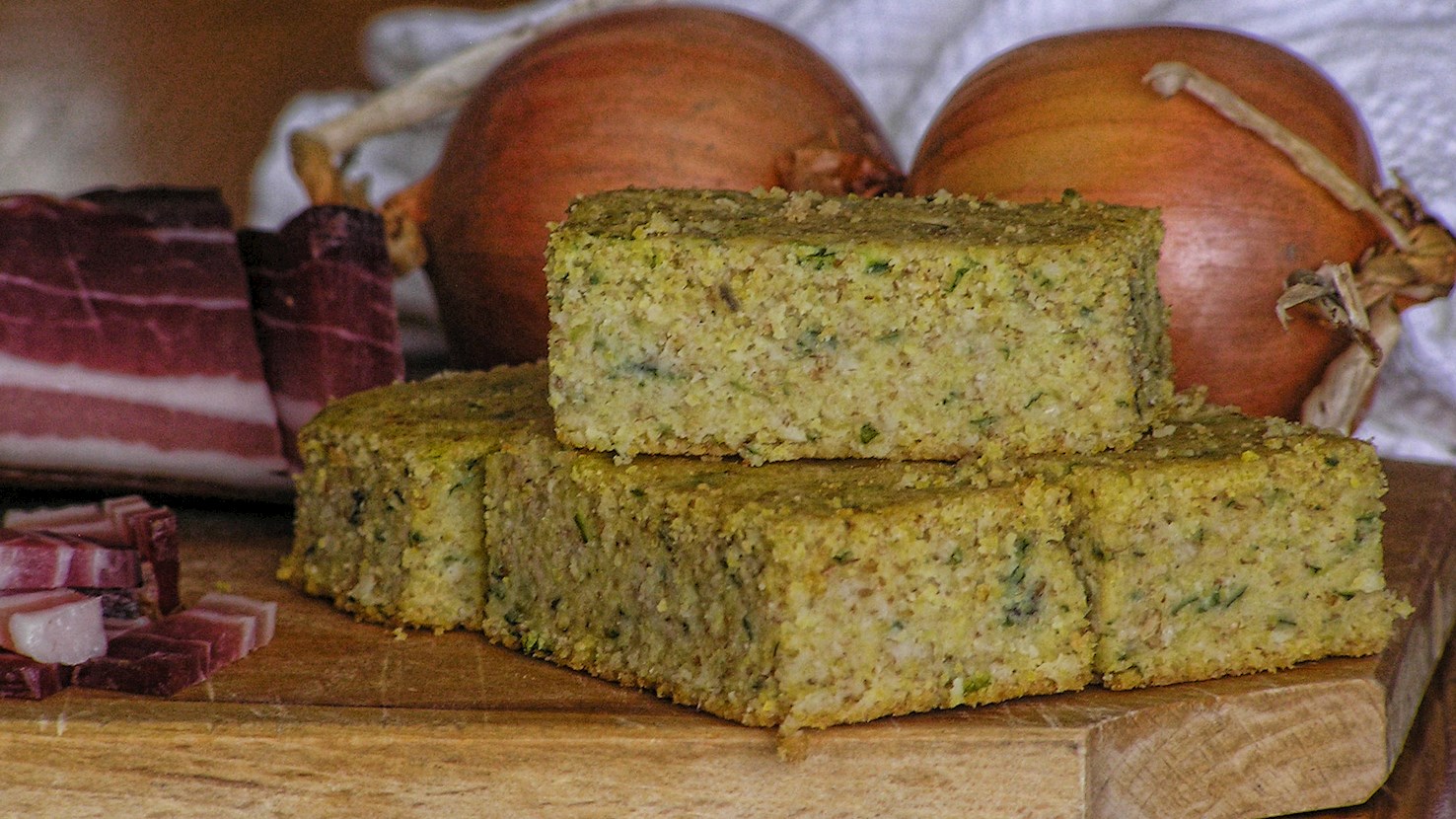
Zlevanka (also called bazlamača, zlevka, kukuruznjača, and a variety of other names) is a traditional peasant pie-like dish that is especially popular in the central and northern parts of Croatia. It consists of eggs, sugar, salt, corn flour, milk, fresh cheese or sour cream, yeast, and oil. The pie is sometimes enriched with the addition of grated apples or poppy seeds. There is also a unique variety of the dish called Svetojanska zlevanka, unique for the fact that the corn flour must be made in a mill in Sveta Ana, near Đurđevac. The corn used for the production of the flour must be of an ancient sort and shouldn't be grown on the same field with the hybrid varieties of corn.

Best restaurants
Read more
View all
View map
About this ranking

TasteAtlas food rankings are based on the ratings of the TasteAtlas audience, with a series of mechanisms that recognize real users and that ignore bot, nationalist or local patriotic ratings, and give additional value to the ratings of users that the system recognizes as knowledgeable. For the “Top 20 Croatian Vegetarian Dishes” list until June 15, 2026, 353 ratings were recorded, of which 225 were recognized by the system as legitimate. TasteAtlas Rankings should not be seen as the final global conclusion about food. Their purpose is to promote excellent local foods, instill pride in traditional dishes, and arouse curiosity about dishes you haven’t tried.

Similar lists