



shutterstock

Top 13 Japanese Vegetarian Dishes

Last updated on June 15, 2026
01

Futomaki

4.1 ·

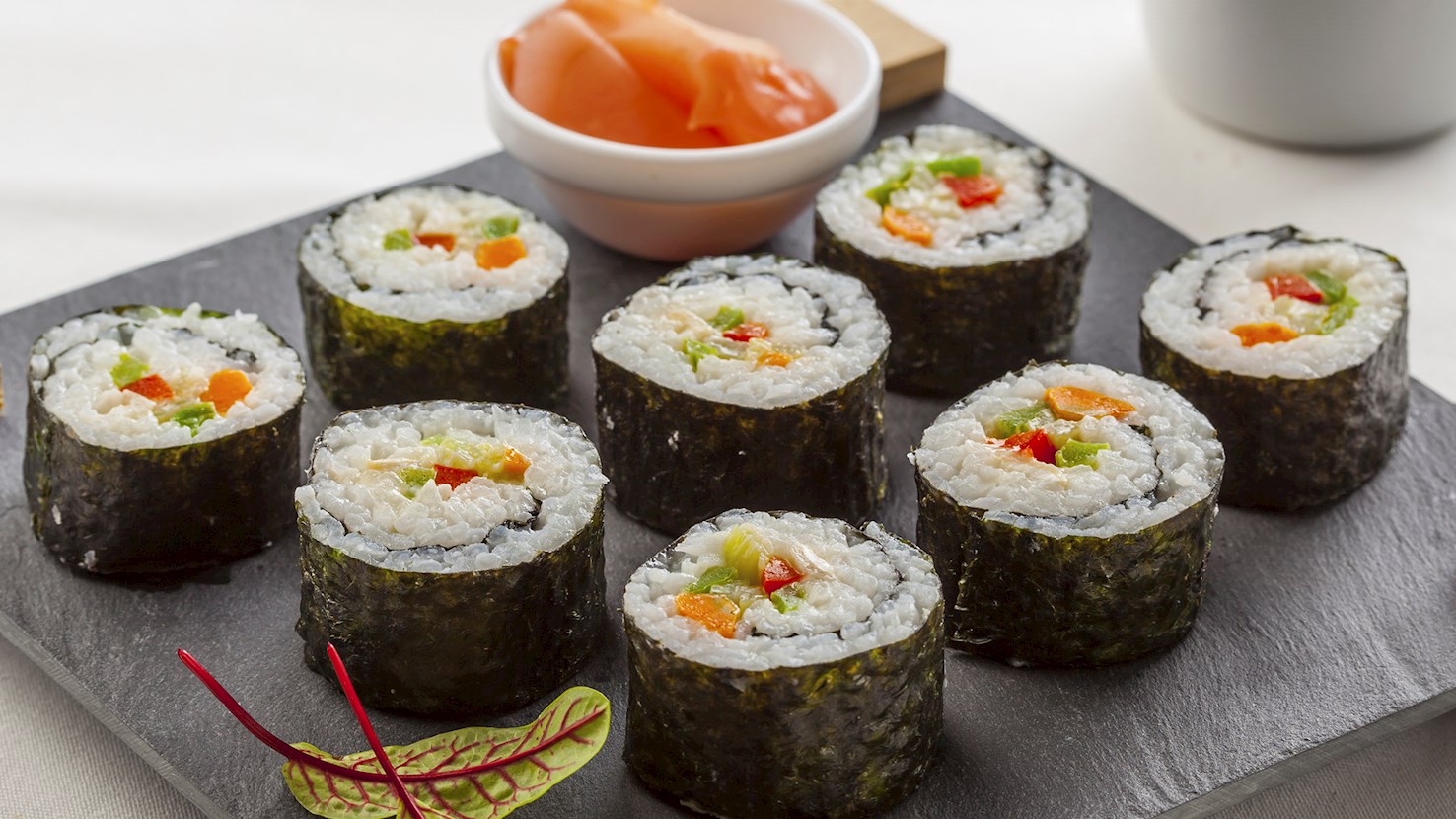
Futomaki is a variety of rolled sushi that is characterized by its large size and a strict balance of used ingredients. The rolls are typically filled with vegetables of different colors, and usually don't contain seafood. Futomaki should be both flavorful and visually appealing, and the ingredients are chosen by how well they accompany each other in terms of visual appeal and flavor. The name of the dish is Japanese for fat roll, the rolls usually being 4 centimeters in diameter and larger, consisting of three components: nori seaweed, which is the outer layer, sushi rice, and selected fillings such as cucumbers, carrots, and mushrooms. Futomaki originated in Kansai as a festival food, and the most common way to eat the dish is with chopsticks, dipped in soy sauce or consumed as it is. On Setsuban, the day before the beginning of a new season, people often consume whole rolls of futomaki as a ritual to ensure good luck.

02

Sunomono

4 ·

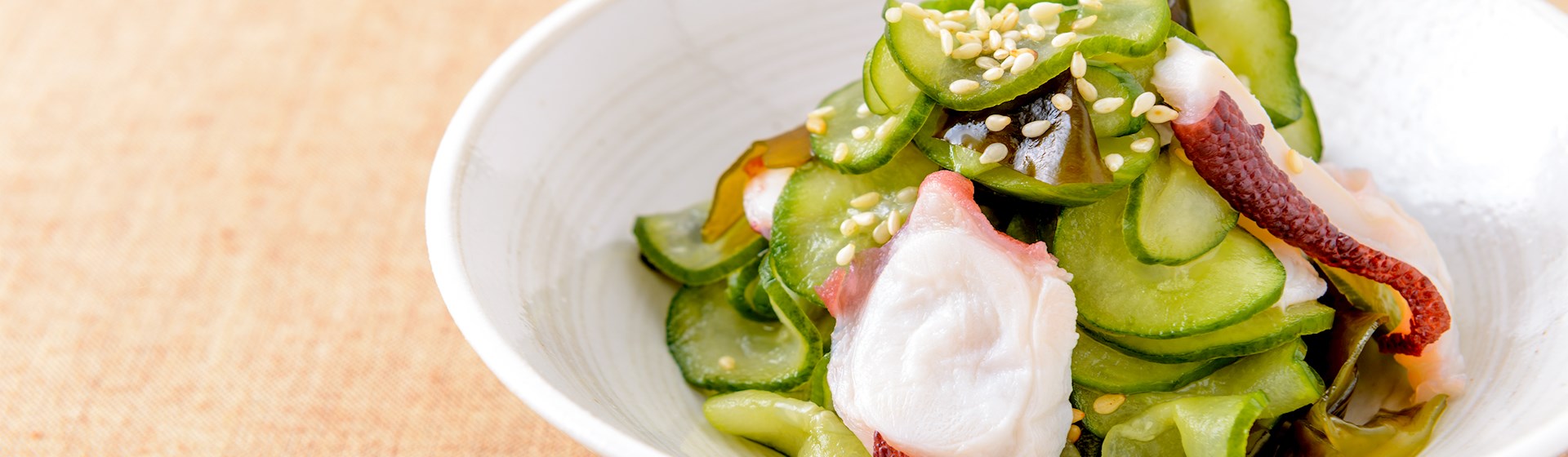
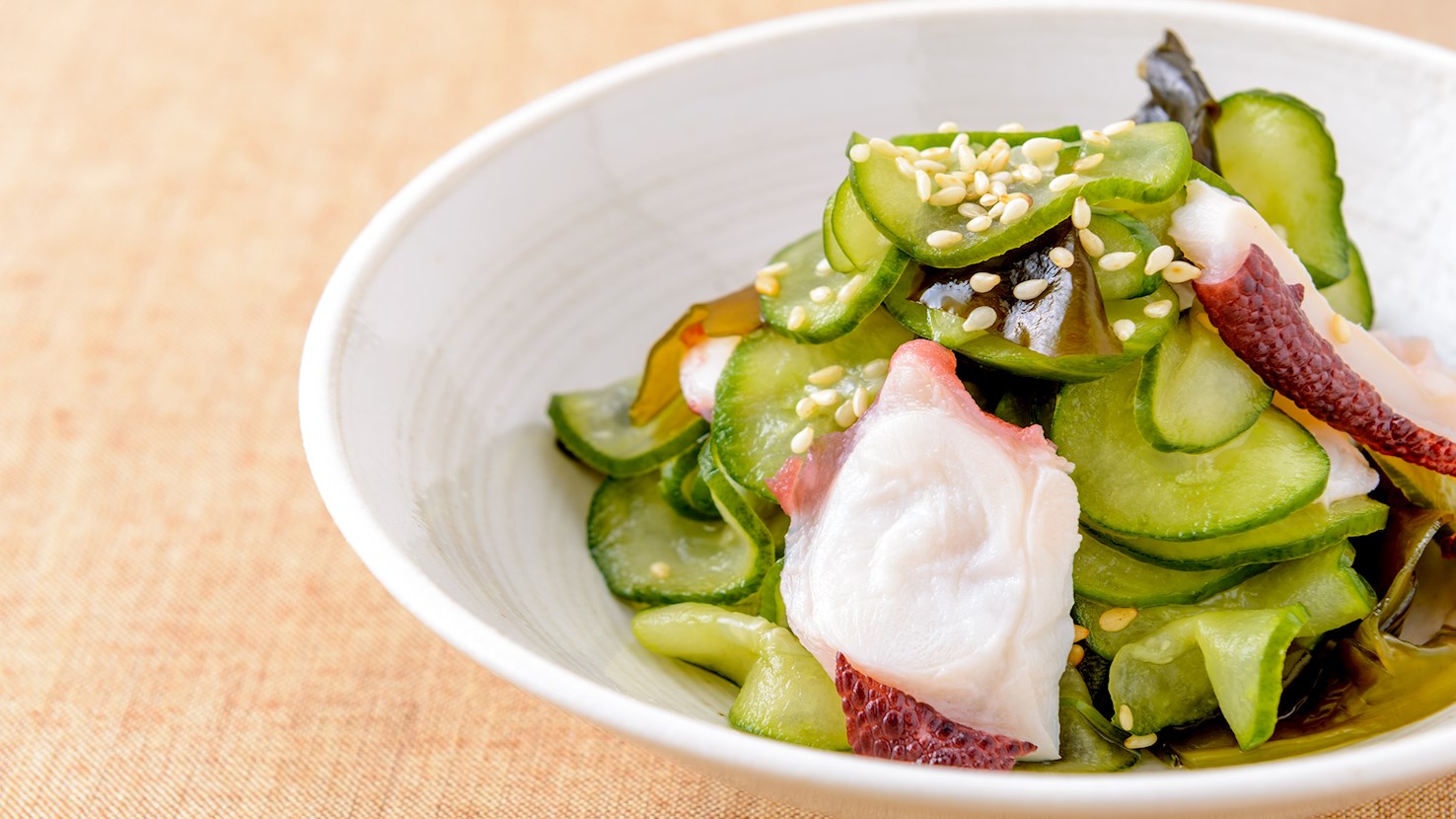
Sunomono is a popular Japanese cucumber salad seasoned with a lightly sweetened dressing consisting of vinegar and soy sauce. Simple and refreshing, alongside thinly sliced cucumbers it can incorporate various other ingredients such as seafood, seaweed strips, or toasted sesame seeds. It is usually served as an appetizer or a light side dish.

03

Atsuage

4 ·

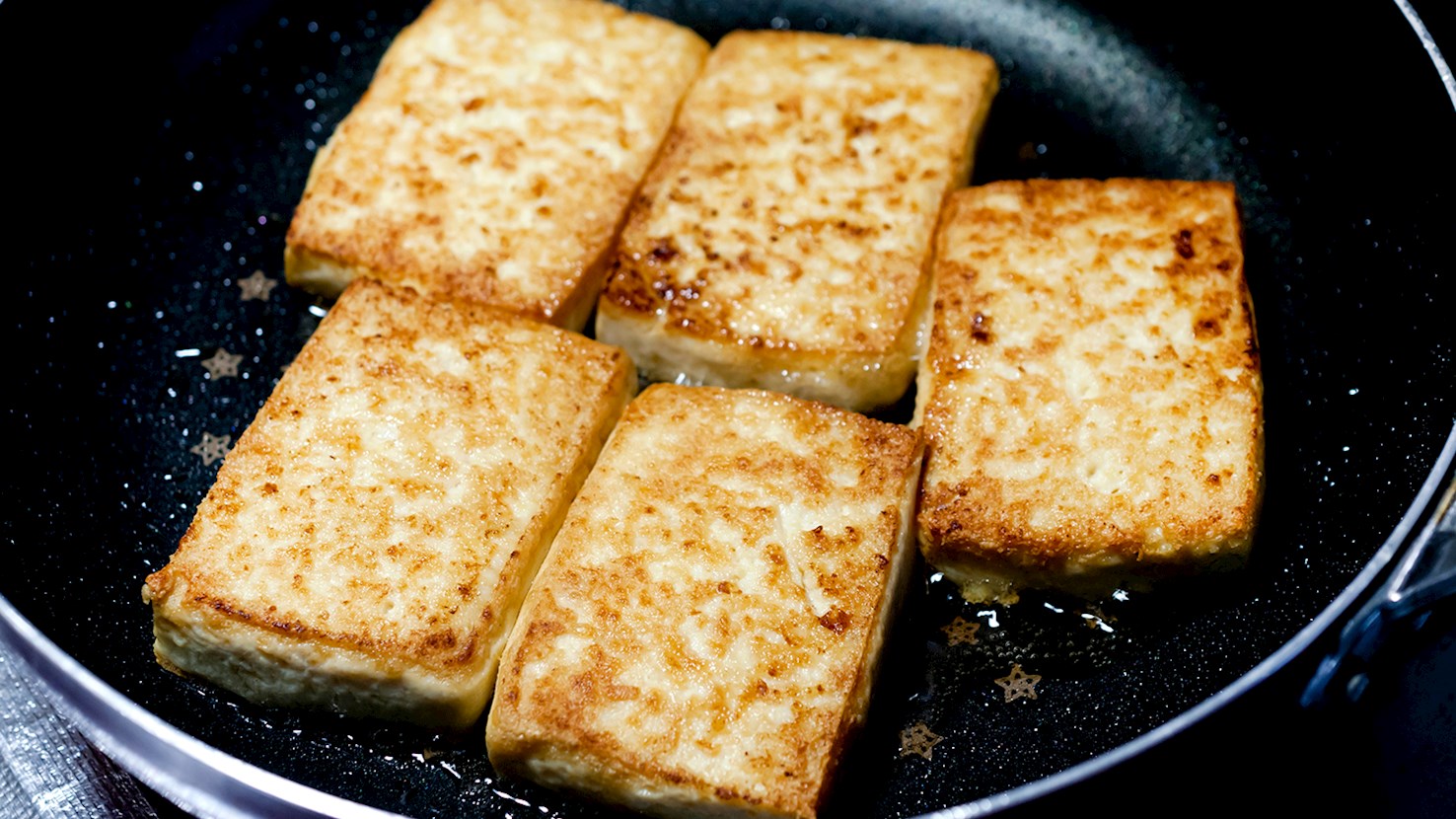
Atsuage is a traditional dish consisting of deep-fried tofu. The slices of tofu are wrapped in kitchen paper and weighed down with a small weight so the water drains well. They are then deep-fried until golden brown, puffy, and slightly crunchy on the exterior. On the inside, the tofu should remain silky soft. This dish is often prepared as an inexpensive source of protein and it’s eaten as it is with soy sauce, grated ginger, or various vegetables.

04

Miso Soup

3.9 ·

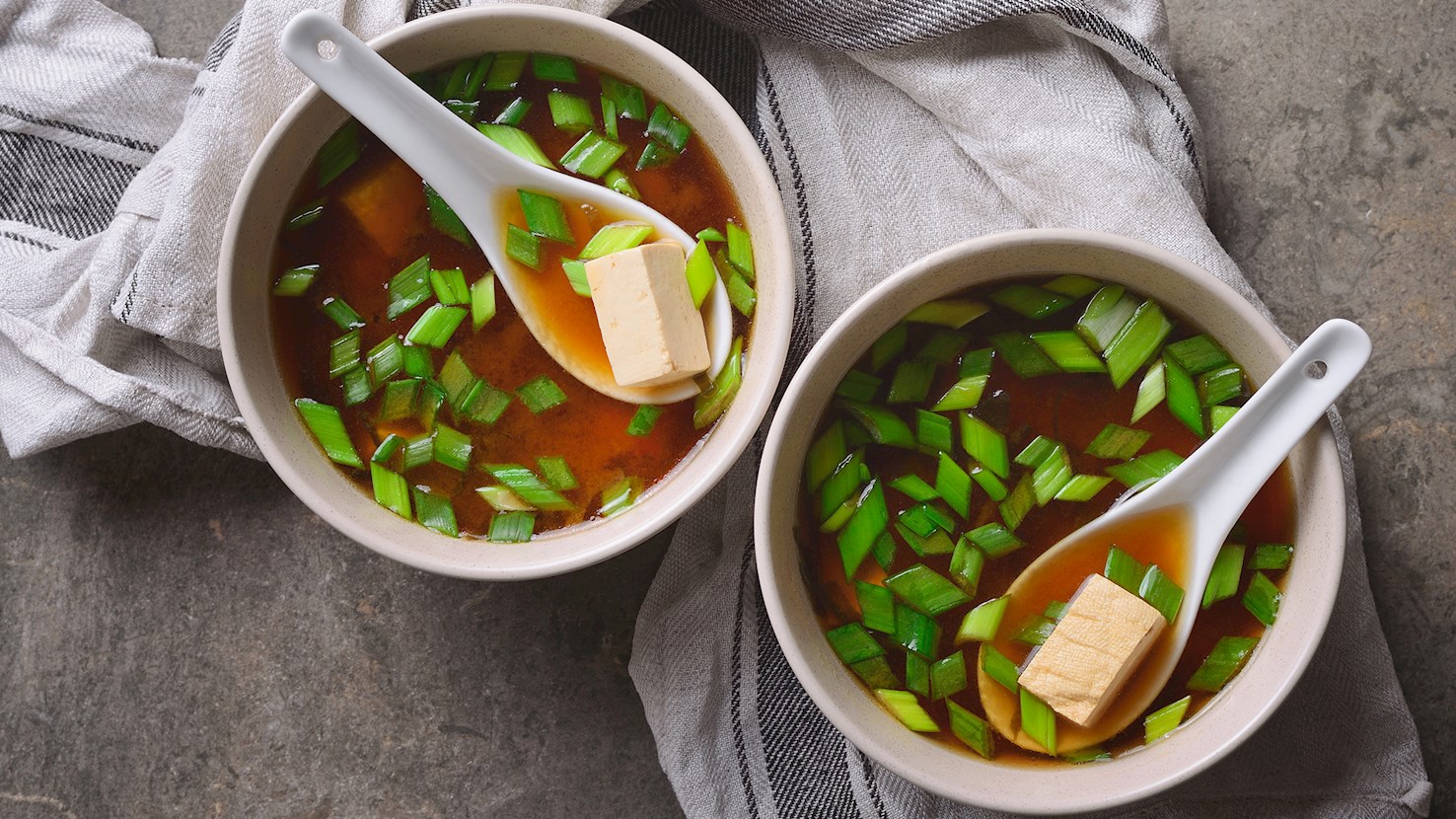
Miso soup is a traditional soy-based soup made from a stock called dashi, miso paste, and various additional ingredients such as seaweed or tofu. It is estimated that more than 70% of Japeanese people consume the soup for breakfast, although it is commonly available at any time of the day. In Japanese restaurants in the United States, miso soup is often offered as an appetizer. The soup is thought to have medicinal properties, as it alkalizes the blood and revives the nervous system. The main ingredient is called miso - a combination of rice, salt, water, and fermented soybeans, shaped into a paste that is similar to peanut butter in texture. Miso is centuries old, and its roots are in chiang - a fermented soybean paste invented in China by Buddhist priests more than 2500 years ago. Since miso soup is relatively quick and easy to prepare, in Japan, there are even instant cups of the soup available in vending machines for a small amount of money, acting as a testament to the soup's enormous popularity.

05

Yudofu

3.9 ·

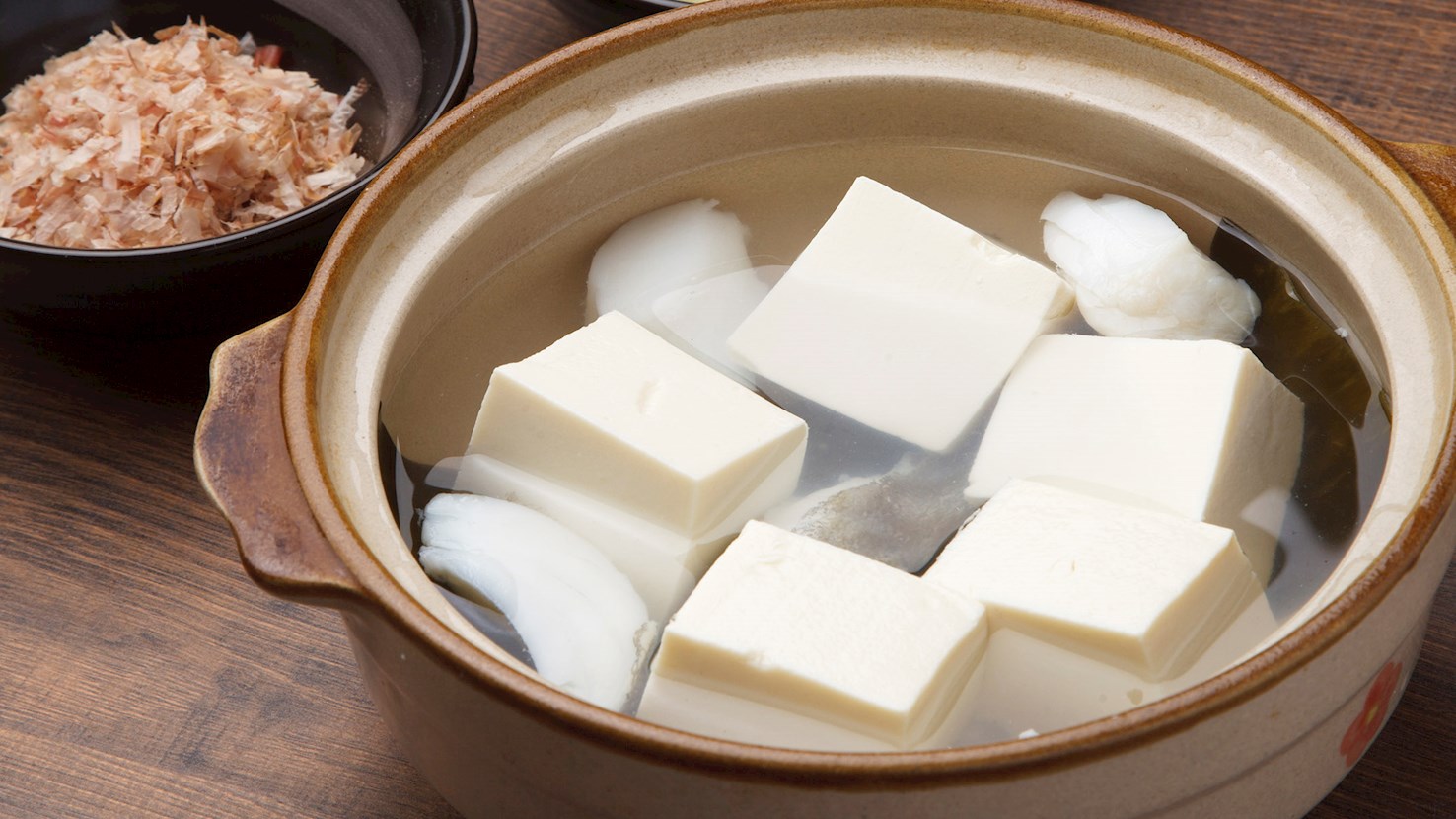
Yudofu, which translates to hot water tofu, is one the simplest Japanese dishes. As the name suggests, the tofu is merely heated in warm water, which is usually only spiced with dried kelp, a variety of dried seaweed. Yudofu was created by Buddhist monks who live in the Kyoto area and follow a strict diet which does not include any animal produce. The tofu used in yudofu has to be fresh, and restaurants serving the dish usually prepare fresh tofu on a daily basis. Most commonly, the kinugoshi tofu variety is employed in the dish, due to its silky and almost custard-like consistency. Traditionally, the dish is served in a traditional Japanese nabe pot, and the guests usually help themselves by taking a piece of tofu and placing it in their individual bowls. Occasionally, yudofu can be served already portioned, when it is commonly decorated with chopped scallions. This comforting traditional Japanese dish is regarded as a winter meal, and can be found in numerous Japanese restaurants, especially in the Kyoto area. Soy, ponzu, or mentsuyu sauce is typically served alongside the creamy hot water tofu.

Best restaurants
06

Aburaage

3.8 ·

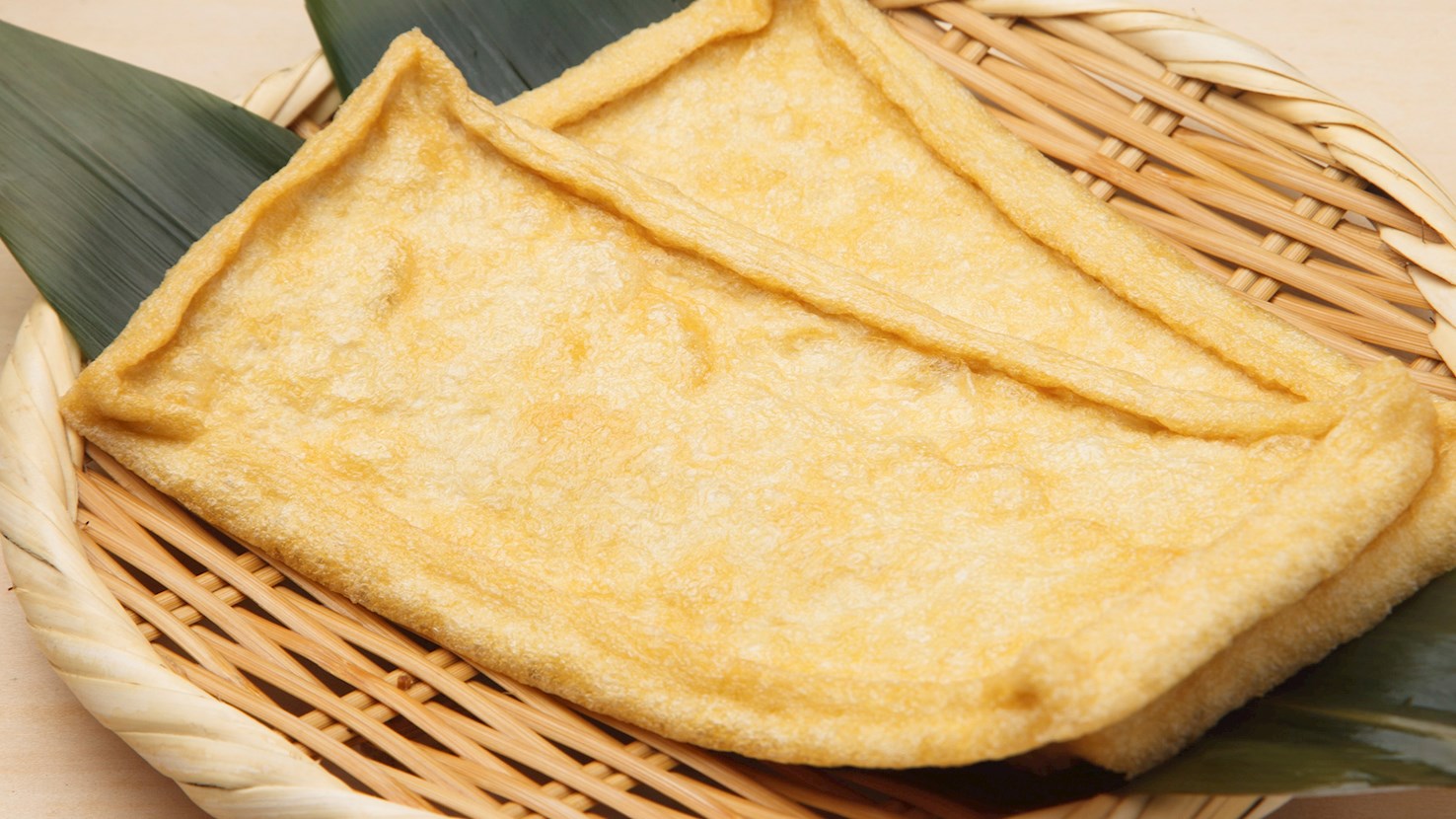
Deep-fried tofu is a traditional delicacy known as aburaage. Tofu is usually fried twice to create a pocket in the middle, so when the piece is cut, it looks similar to pita bread. With a mild flavor, soft and chewy texture, and an incredible ability to absorb other ingredients, aburaage is often incorporated into various Japanese dishes. It is usually rinsed or boiled in water and can be eaten plain, stuffed with sushi rice or fermented soybeans, used as a topping in miso soup, noodle soups, or various Japanese donburi dishes. Deep-fried tofu is an ancient Japanese ingredient, first mentioned in the 18th century, but today it is mostly produced in factories and available at many Asian and Japanese supermarkets.

Best restaurants
07

Horenso no goma-ae

3.6 ·

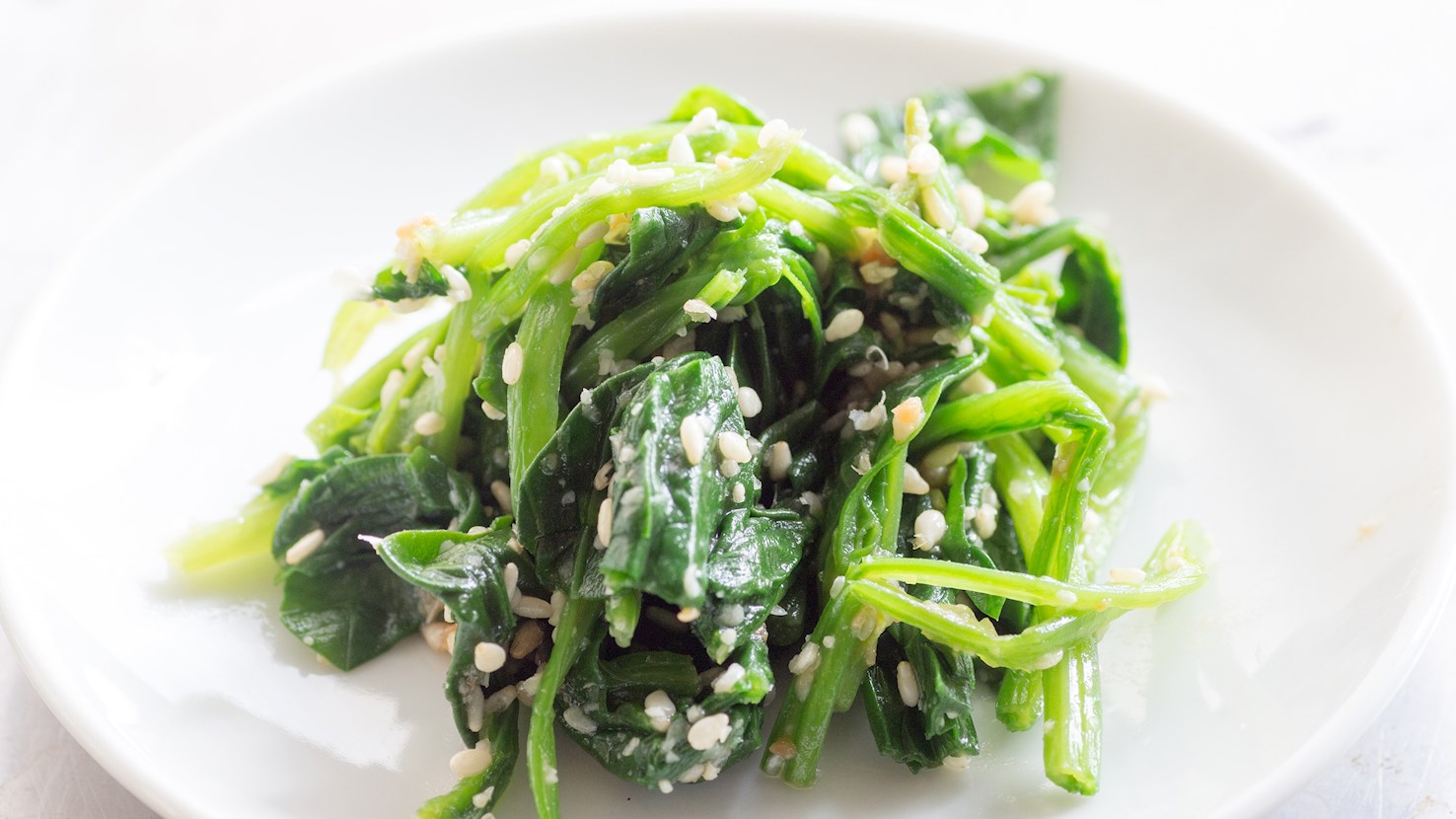
Horenso no goma-ae is a traditional salad originating from Japan. The salad is usually made with a combination of spinach, soy sauce, salt, sugar, sesame seeds, and tahini (sesame paste). The spinach is boiled in salted water, drained, and cut into smaller strips. It is then placed into a bowl and mixed with a combination of soy sauce, sugar, sesame paste, and sesame paste. This simple salad is often used in bento boxes.

08

Kappamaki

3.6 ·

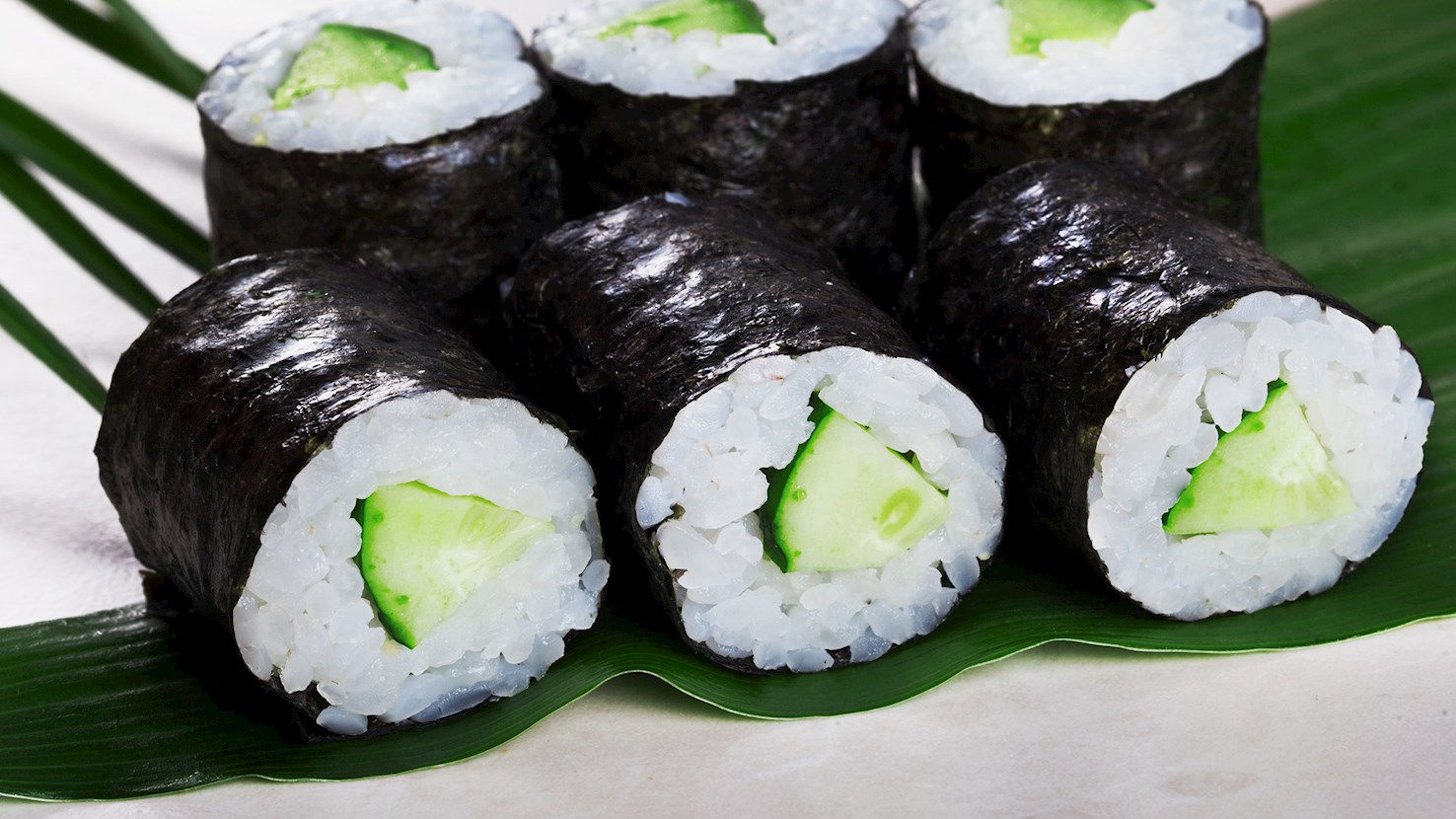
Kappamaki is one of the most common sushi varieties consisting of nori seaweed, vinegar-flavored sushi rice, and sliced cucumbers, preferably thin and seedless Japanese cucumbers. This sushi variety belongs to the wide group of makizushi (rolled sushi), and it is traditionally served sliced into bite-size pieces and accompanied by soy sauce, pickled ginger, and wasabi. Its name stems from kappa—a mythological creature from Japanese folklore whose favorite snacks were cucumbers.

09

Agebitashi

3.3 ·

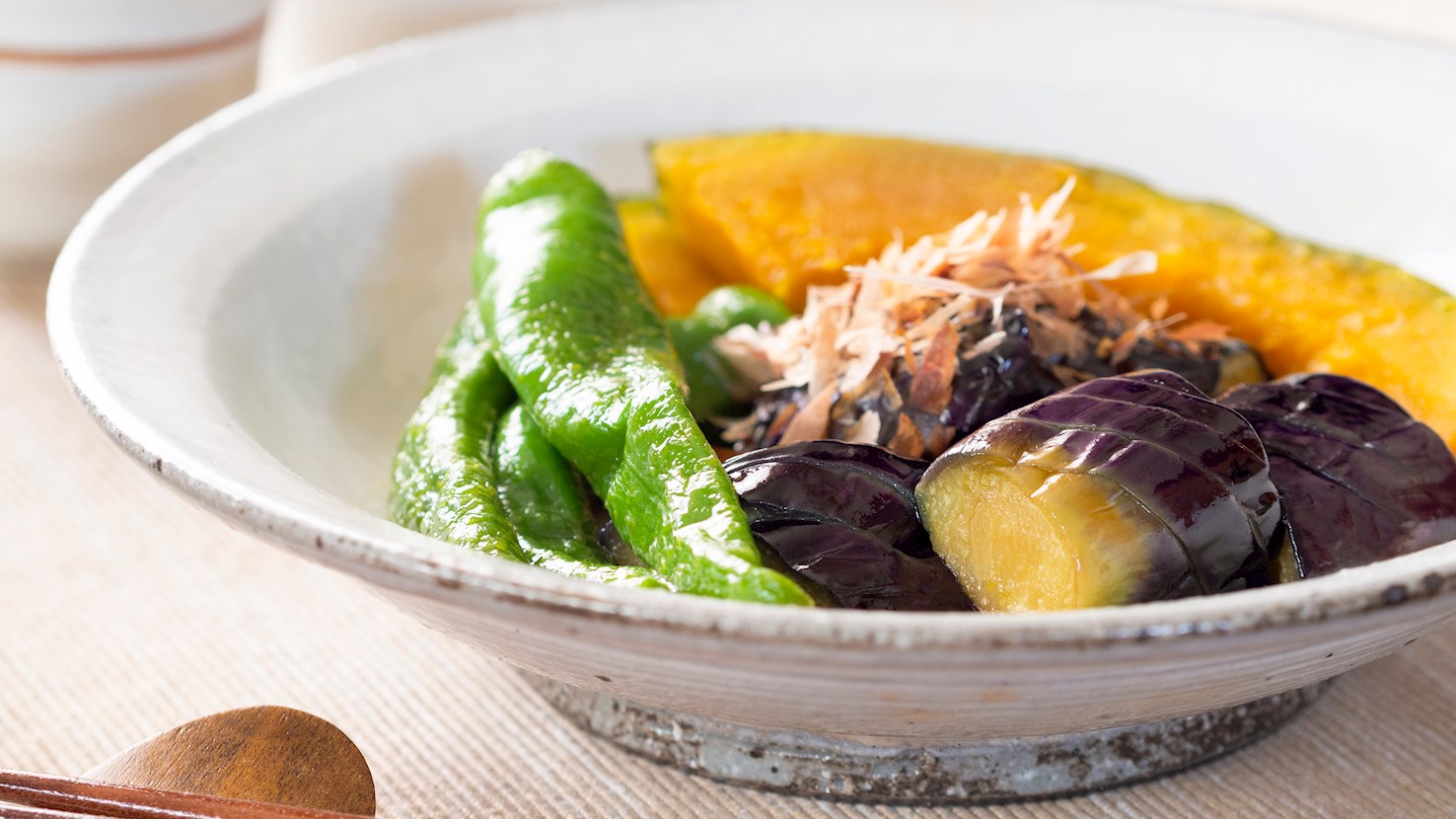
Agebitashi is a traditional vegetable dish originating from Japan. The dish consists of vegetables such as eggplants, asparagus, bell peppers, squash, and lotus root that are fried in oil and then marinated in a mixture of dashi, soy sauce, mirin, and rice vinegar. The vegetables should be fried until they're fully cooked and their colors are bright. It's important not to fry too many veggies at the same time because it will lower the temperature of the oil. Once done, the vegetables are marinated for at least 2 hours, but it's believed they taste even better the next day.

10

Shiitake dashi

3.3 ·

Shiitake dashi is a traditional type of dashi stock, prepared with shiitake mushrooms as the main ingredient. The stock is prepared by re-hydrating dried mushrooms in water. It’s rarely used on its own – instead, it’s combined with other types of dashi, or with kombu seaweed for a vegan-friendly version. Due to the fact that it’s vegetarian and vegan friendly, the stock is often used by vegans and vegetarians when preparing Japanese dishes. It’s recommended to use thick mushrooms with deep fissures on the cap because they have more flavor. The water should be cold when the mushrooms are soaking, and it’s preferable to re-hydrate the mushrooms overnight for bringing out even more flavor.

Read more
View all
View map
About this ranking

TasteAtlas food rankings are based on the ratings of the TasteAtlas audience, with a series of mechanisms that recognize real users and that ignore bot, nationalist or local patriotic ratings, and give additional value to the ratings of users that the system recognizes as knowledgeable. For the “Top 13 Japanese Vegetarian Dishes” list until June 15, 2026, 1,302 ratings were recorded, of which 1,172 were recognized by the system as legitimate. TasteAtlas Rankings should not be seen as the final global conclusion about food. Their purpose is to promote excellent local foods, instill pride in traditional dishes, and arouse curiosity about dishes you haven’t tried.

Similar lists