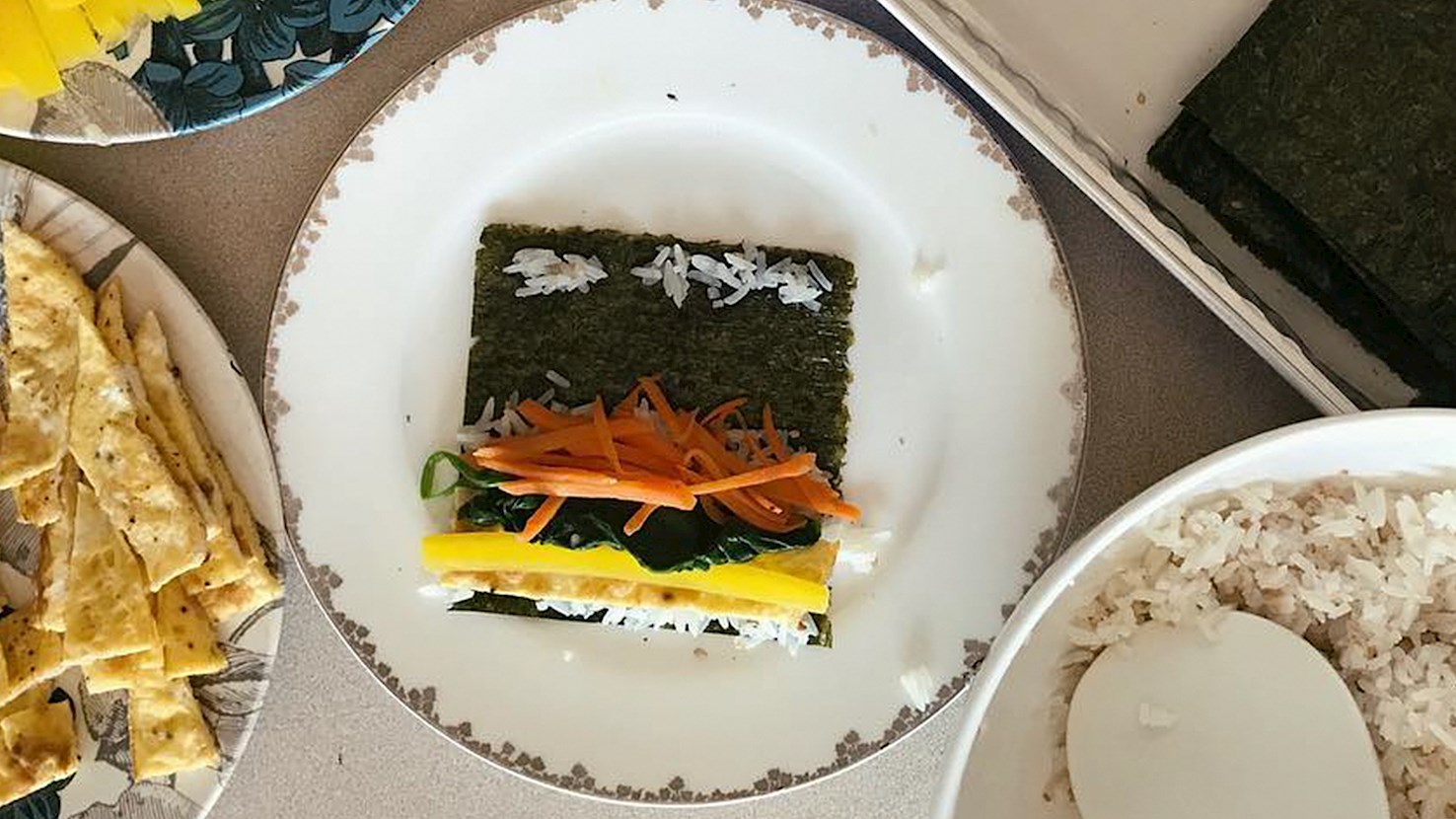
Mayak is a popular variety of South Korean rice rolls (gimbap). These mini versions of the standard roll consist of rice, toasted seaweed, and fillings that traditionally include carrots, pickled radish, and spinach. Unlike the traditional gimbap, mayak is never sliced. The rolls are sprinkled with sesame seeds, while soy sauce and mustard dip is usually served on the side. It is believed that mayak rolls originated at Gwang-jang market in Seoul. Their captivating name translates as narcotic, not because of the presence of an illegal substance, but because once you try these miniature rolls, you will always be hungry for more.
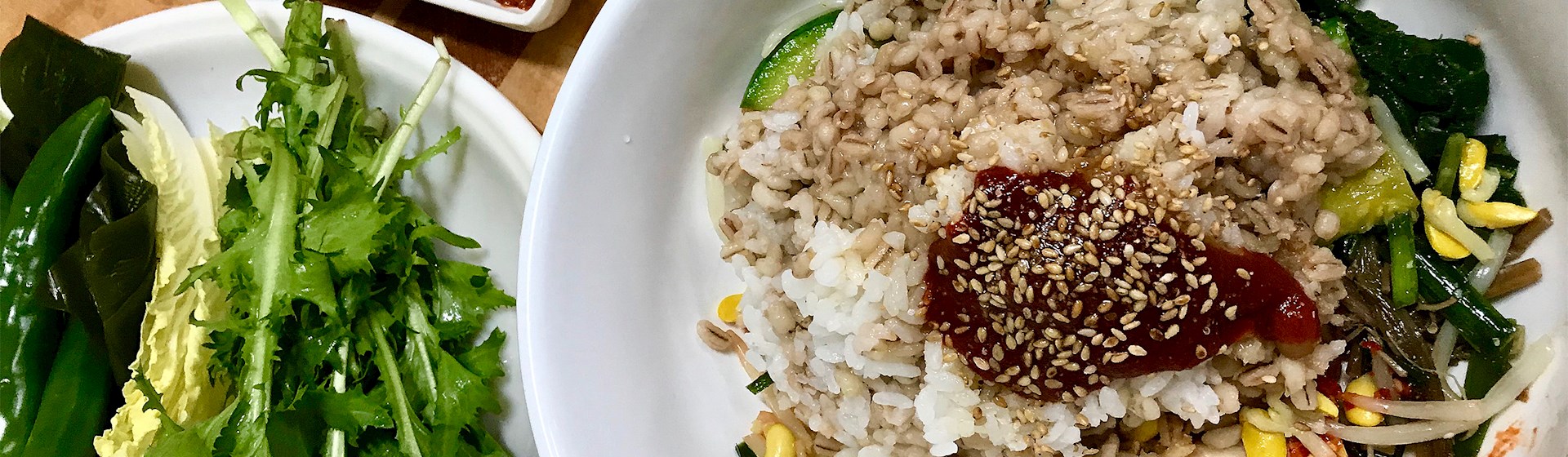
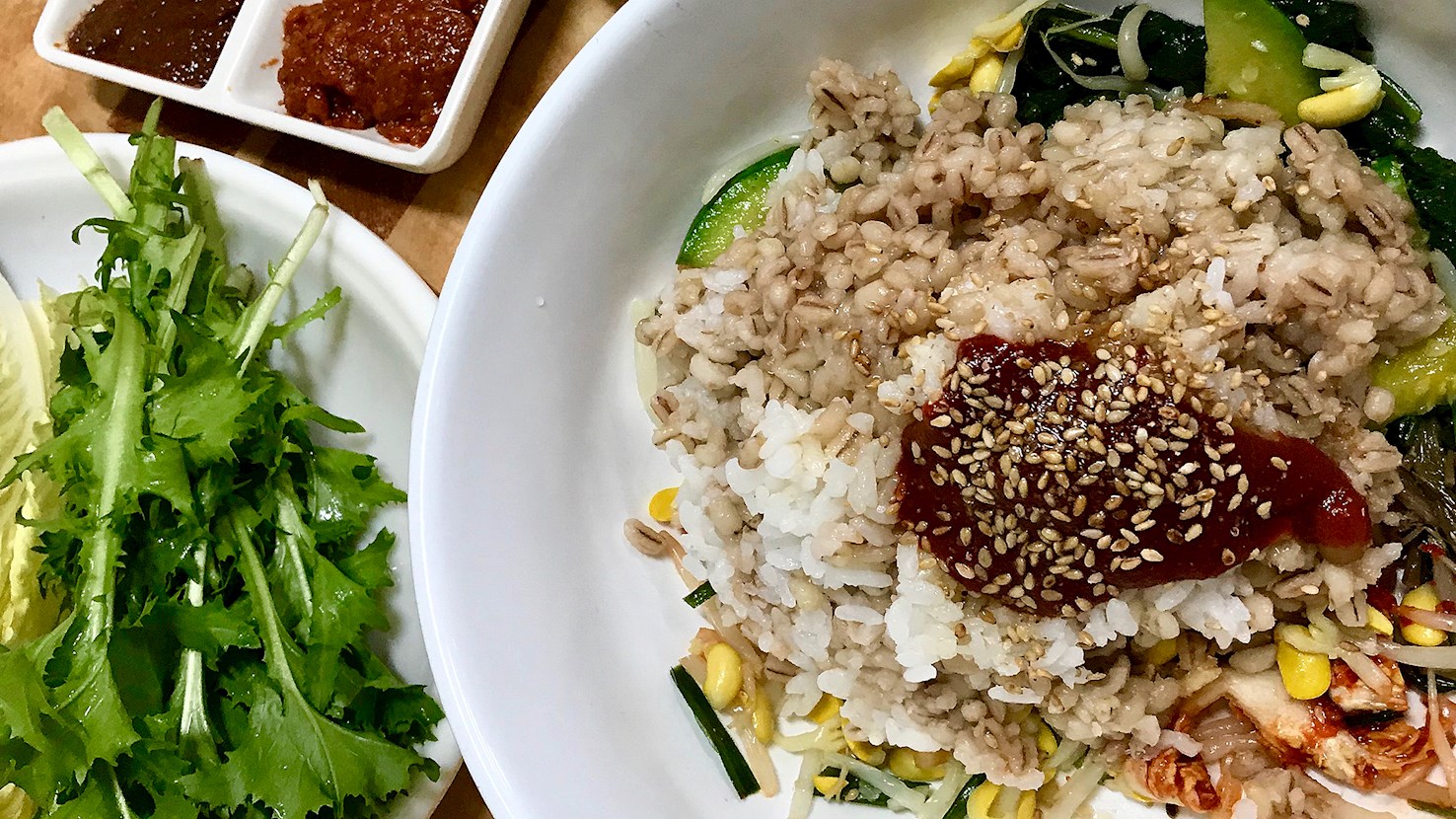
In its basic form, boribap is a South Korean dish consisting of steamed rice and barley that are served with doenjang stew (fermented soybean) and a variety of side dishes (banchan). The dishes served with boribap are typically vegetarian and may include various greens and vegetables (namul), and they are usually topped with gochujang chili paste or doenjang. Although there are specialized restaurants that offer boribap as an elaborate meal during which you choose your banchan, the dish is also served in a bowl in which the combination of rice and barley is placed on the bottom, and various banchan are added as toppings.
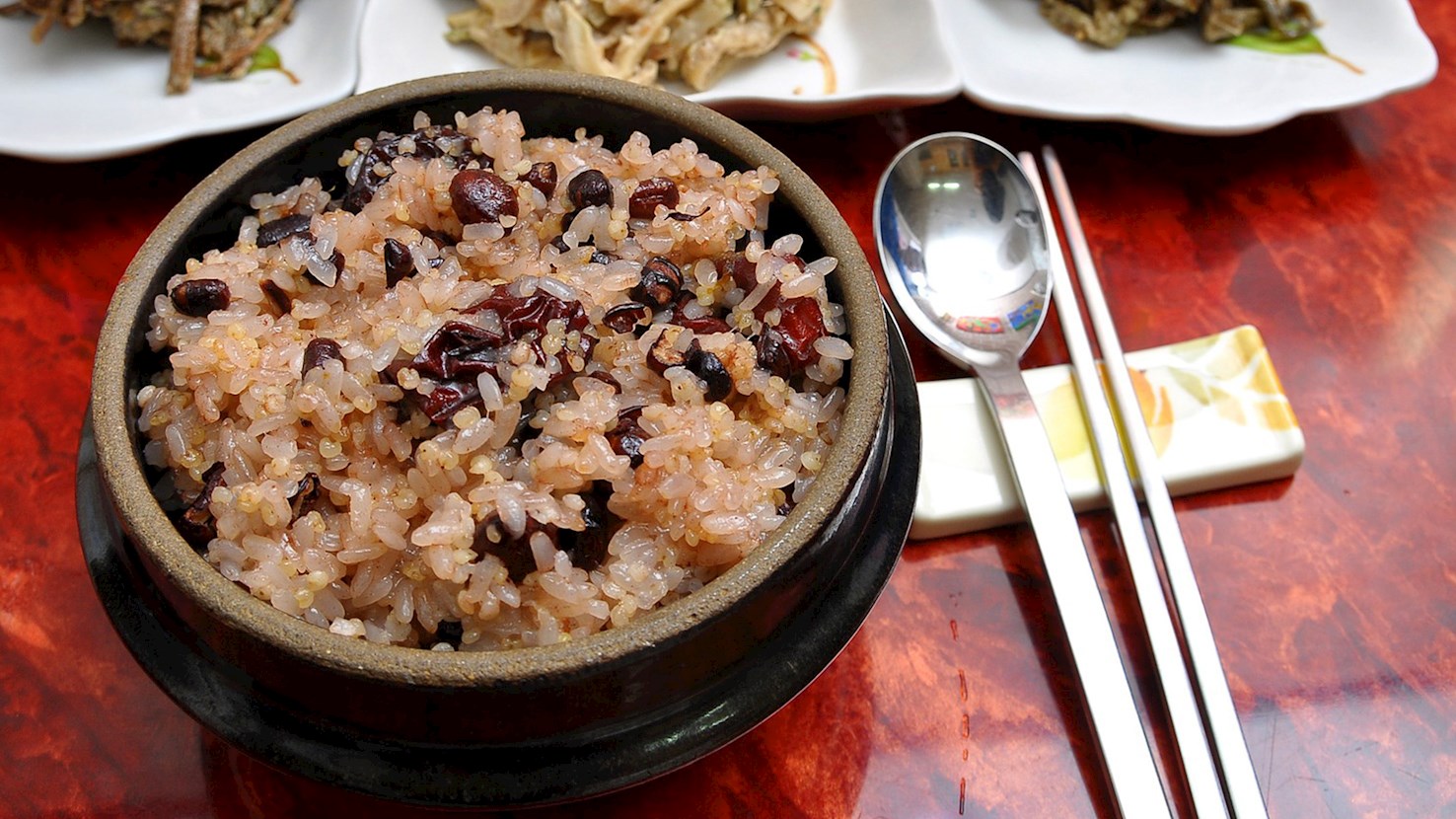
Glutinous rice or plain white rice is typically combined with four other grains and beans in this traditional South Korean rice dish called ogokbap or five-grain rice. The selection of grains and beans varies between different regions, but it usually includes glutinous millet, glutinous sorghum, red beans, and black beans, although some versions call for using soybeans or even chickpeas. In Korea, this nutritious rice dish has been traditionally prepared and eaten during the ancient Korean holiday called Jeongwol Daeborum (Great Full Moon Festival), and it has also been customary to share the meal with neighbors. Various folk beliefs are linked with the consumption of this dish, and people used to indulge in it in hopes that it would bring bountiful harvests, good fortune and health, and peaceful life to their families. There are several name variations on the dish that are related either to its content or the customs and traditions associated with it, including nongsabap, meaning farming meal, boreumbap, which means full moon dish, and ogokjapban (five-grain mixed meal). Ogokbap is typically accompanied by various nuts and a wide range of namuls (cooked vegetable dishes).
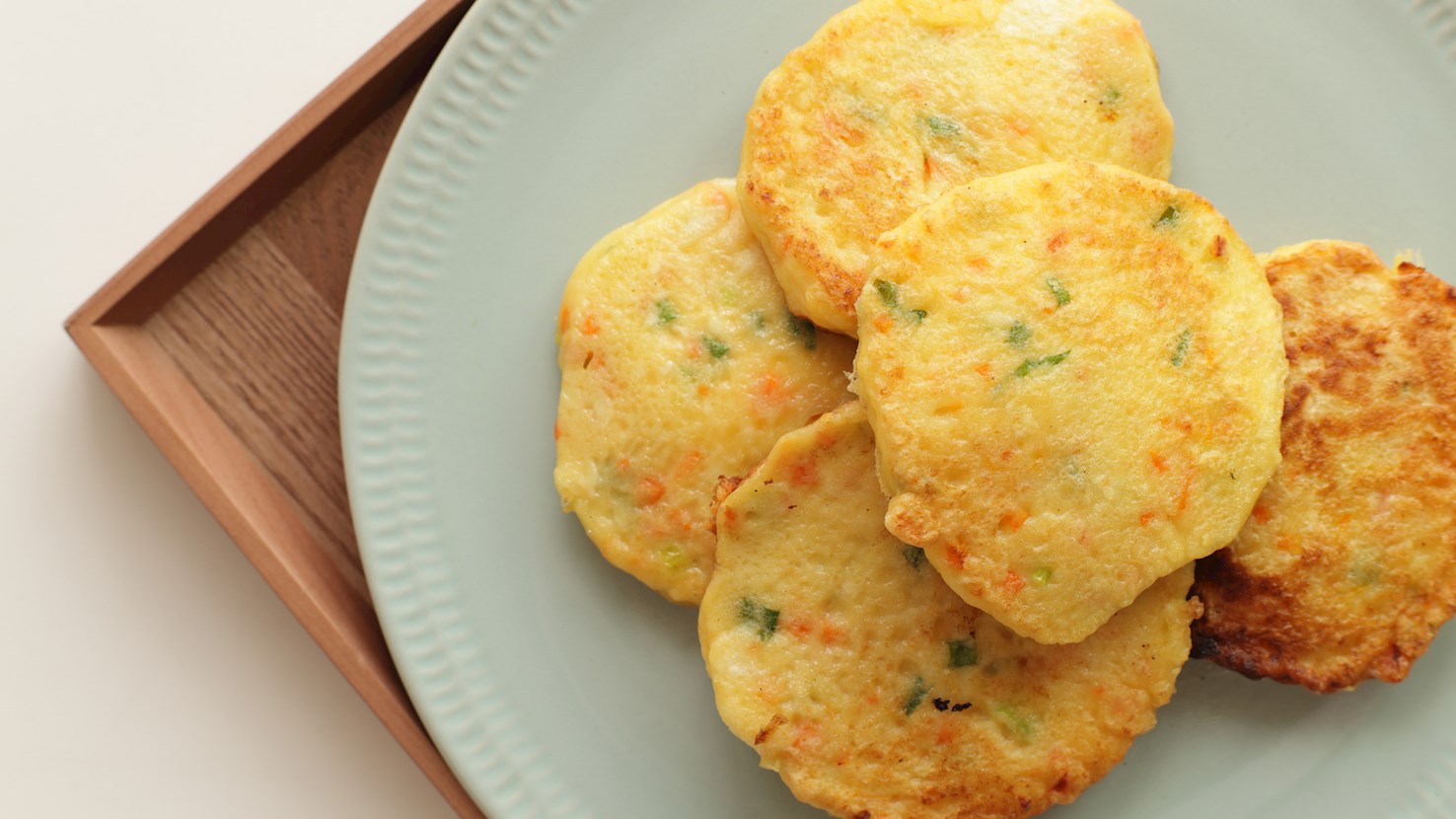
Dubujeon is a traditional dish originating from South Korea. This type of jeon (pan-fried battered food) is made with tofu. Other ingredients usually include flour, oil, eggs, scallions, salt, pepper, and vegetables such as onions and carrots. The tofu and the vegetables are chopped and mixed together with beaten eggs, flour, and salt. The mixture is divided into smaller portions and pan-fried in hot oil on both sides until golden and fully cooked. Once done, dubujeon is served hot with a dipping sauce on the side.
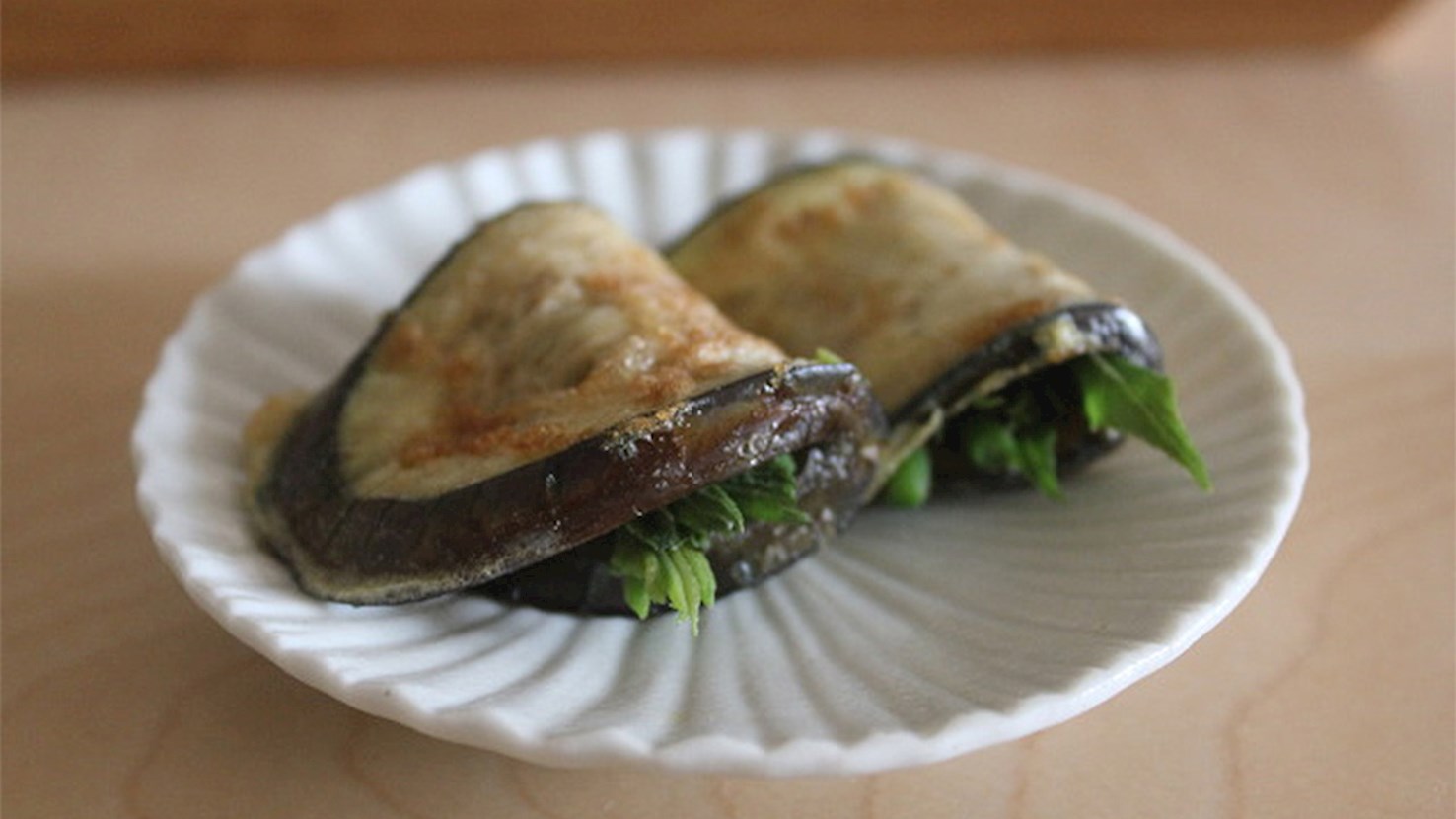
Gajijeon is a traditional dish originating from South Korea. This type of jeon (pan-fried battered food) is made with a combination of eggplants, flour, eggs, salt, and oil. The eggplants are cut into slices, sprinkled with salt, then coated with flour and dipped in beaten eggs. The slices are then pan-fried in hot oil on both sides until golden brown. Once done, gajijeon is served hot with a dipping sauce on the side. If desired, the dish can be garnished with sesame seeds.
TasteAtlas food rankings are based on the ratings of the TasteAtlas audience, with a series of mechanisms that recognize real users and that ignore bot,
nationalist or local patriotic ratings, and give additional value to the ratings of users that the system recognizes as knowledgeable.
TasteAtlas Rankings should not be seen as the final global conclusion about food. Their purpose is to promote excellent local foods,
instill pride in traditional dishes, and arouse curiosity about dishes you haven’t tried.


What People Say